
Apis Arborea’s Unconventional Approach To Boost the Honeybee Population

TreeNests are prepared with beeswax and a resinous substance called propolis to attract honeybees before being installed. (Eileen Roche)

It’s hard not to notice the grin on Michael Thiele’s face as he watches several women tug on a rope and pulley to hoist a 4-foot, 200-pound hollow Douglas fir log about 25 feet in the air. From afar, it looks almost like they’re lifting a piece of furniture—maybe a coffee table or end table—into a 50-foot cedar tree.

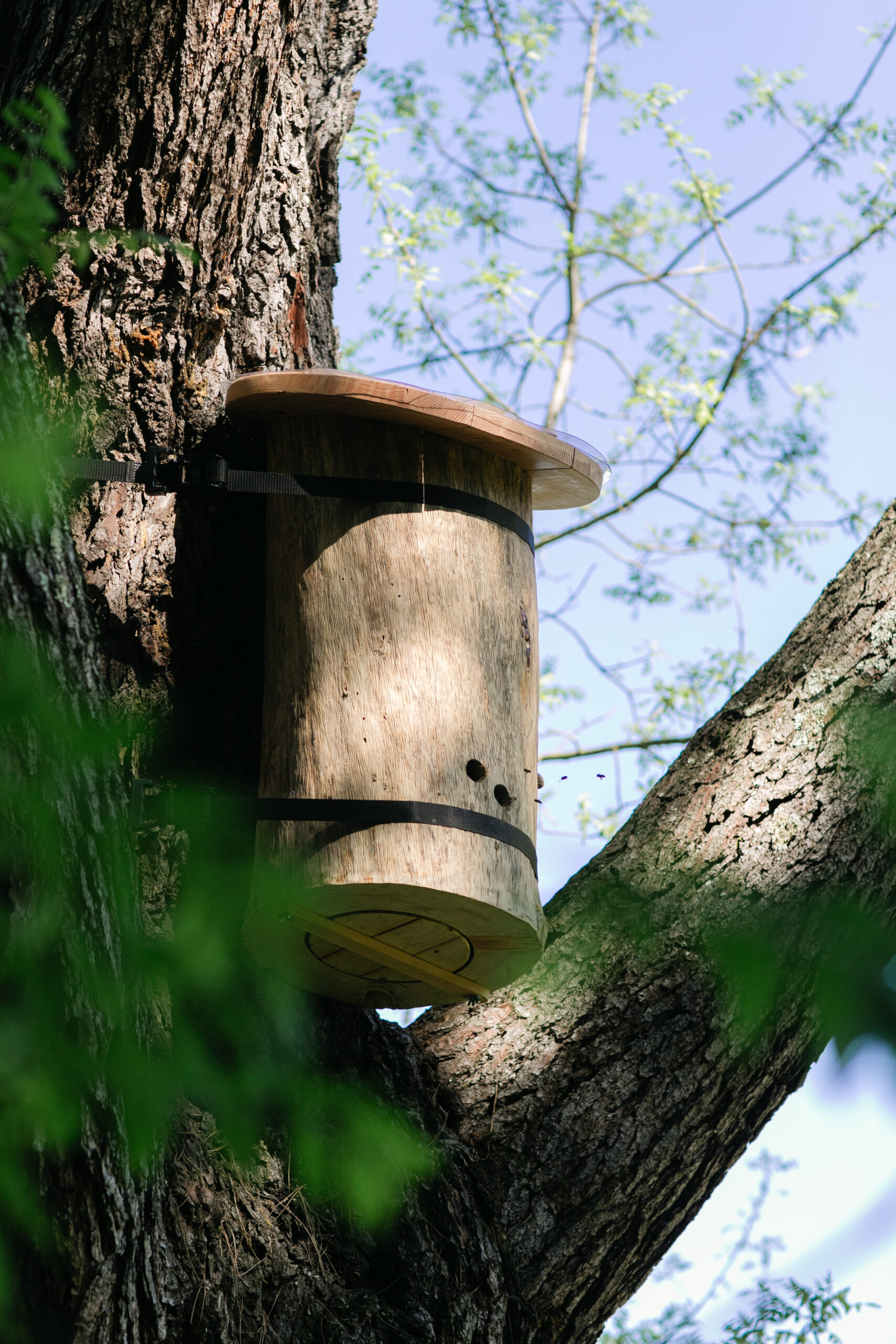
“This is the exciting part,” says Thiele, founder of Apis Arborea, a grassroots nonprofit that has installed hundreds of these log hives, or “TreeNests,” across Northern California as part of its controversial mission to “wild” honeybees by encouraging them to live outside of box hives and in trees.

It’s a sunny Wednesday afternoon on an apple orchard in the hilly backcountry between Sebastopol and Occidental. One of the women helping install the nest is Laura Cheever, owner of Laura’s Apples. A few moments before lifting the hollow log, she leans into an opening at the bottom to smell melted beeswax and propolis inside—a concoction designed to attract honeybees.
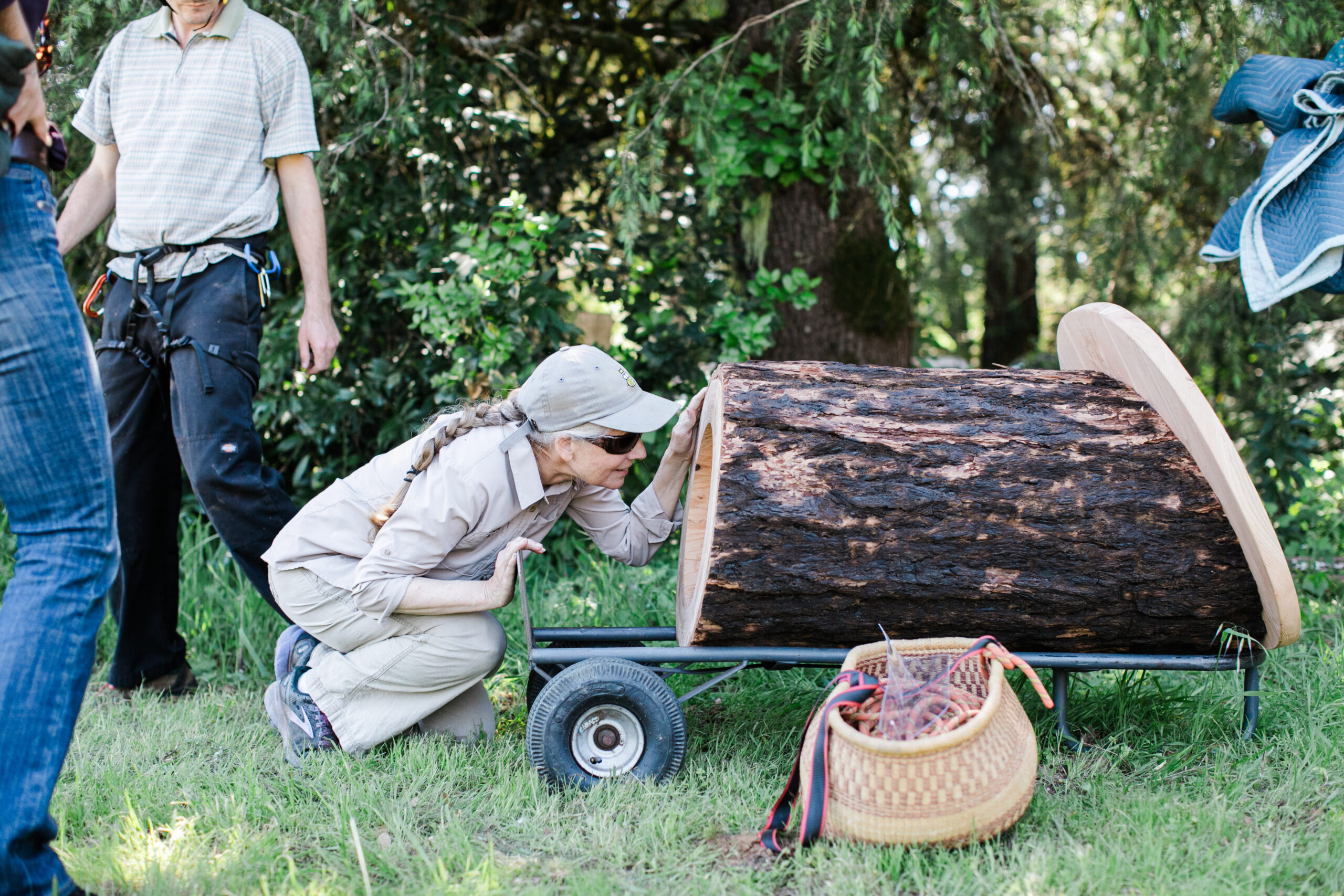
Laura Cheever, right, inspects an Apis Arborea TreeNest before it's installed at her Sebastopol apple farm.
Laura Cheever, right, inspects an Apis Arborea TreeNest before it’s installed at her Sebastopol apple farm. (Eileen Roche)
TreeNests are prepared with beeswax and a resinous substance called propolis to attract honeybees before being installed.
TreeNests are prepared with beeswax and a resinous substance called propolis to attract honeybees before being installed. (Eileen Roche)

“I expected it to smell like honey, but it doesn’t,” Cheever says. “It smells like that warm beehive smell.”

A few months ago, when she was approached by Noelle Johnson, deputy director of Gold Ridge Resource Conservation District—one of the women also helping heave the rope—Cheever had no reservations about hosting a TreeNest on her apple farm. Back in 2018, she allowed a beekeeper to park around 40 hives in her orchard. It seemed like a win-win. Her apple blossoms would get pollinated and the honeybees would get some much-needed R&R after a busy almond season in the Central Valley. It’s something that happens all across the more temperate North Coast every year.

“But they got very, very aggressive to passersby,” Cheever says. “So, I only did it once, and I won’t do it again.”

This time, there are no Langstroth box hives stacked on pallets beside the orchard. In a test of “biomimicry,” once the log is firmly strapped to the cedar trunk 30 feet in the air, the only thing left to do is wait for a new colony of bees to find it. Of the roughly 200 nests Thiele has installed across Northern California, this one is special. It’s the first time Apis Arborea has collaborated with a public agency willing to fund a TreeNest to host feral honeybees. Several years ago, Thiele tried unsuccessfully to lobby the California Department of Fish and Wildlife. Unfortunately, he says, government officials “often look at bees as livestock that comes with an ecological impact.”
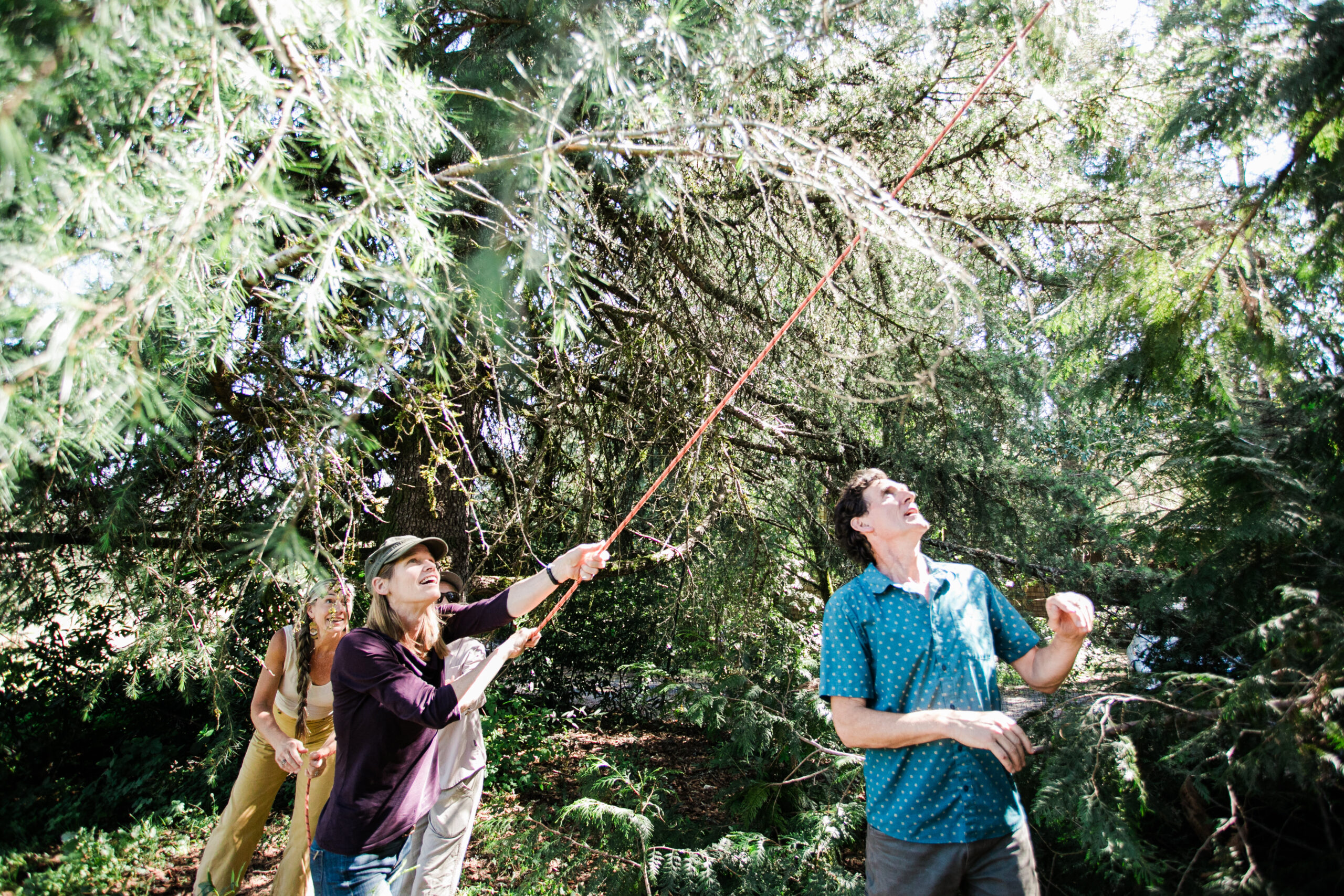
Gia Baiocchi, COO of Apis Arborea (in yellow pants), Laura Cheever, and Noelle Johnson, deputy director of Gold Ridge Resource Conservation District (in purple shirt), heave a rope and pulley to hoist a TreeNest up in a tree. (Eileen Roche)
Gia Baiocchi, COO of Apis Arborea (in yellow pants), Laura Cheever (in back), and Noelle Johnson, deputy director of Gold Ridge Resource Conservation District (in purple shirt), heave a rope and pulley to hoist a TreeNest up in a tree. Apis Arborea founder Michael Thiele, right, looks on. (Eileen Roche)
A TreeNest created by Sebastopol nonprofit Apis Arborea and installed on a tree to house feral honeybees.
A TreeNest created by Sebastopol nonprofit Apis Arborea and installed on a tree to house feral honeybees. (Eileen Roche)

But, two days after the installation, Johnson is having second thoughts. She follows up to say she’s worried what native bee advocates will think when they hear that Gold Ridge RCD is funding even the marginal installation of a $795 TreeNest. For the past 15 years, RCD has been planting hedgerows around farms throughout west county to encourage healthy habitats for fragile native bee populations. Installing a nest to attract honeybees will likely be seen as direct competition to native bees such as bumblebees, carpenter bees, mason bees, and leafcutter bees, she says. Johnson wants to stress that the nest is only being used in an agricultural setting, employed as an alternative to large-scale commercial beehives that can spread viruses and are more likely to crowd out native bee foraging.

“One reason Michael is controversial is because he’s also putting those TreeNests in the wildland areas,” she says, citing a nest he installed in the Grove of the Old Trees west of Occidental.

She points out that honeybees are an introduced species and are not native to North America. As a result, biologists don’t use the term “wild” to describe non-native animals. Instead, they use “feral” to refer to free-roaming, non-native honeybees that live in tree nests rather than captivity in box hives.

“They’re native to where he’s from,” Johnson says. “So back home in Germany, people are talking about ‘rewilding’ bees. They’re part of the ecosystem there—that makes sense for Europe, but not North America.”
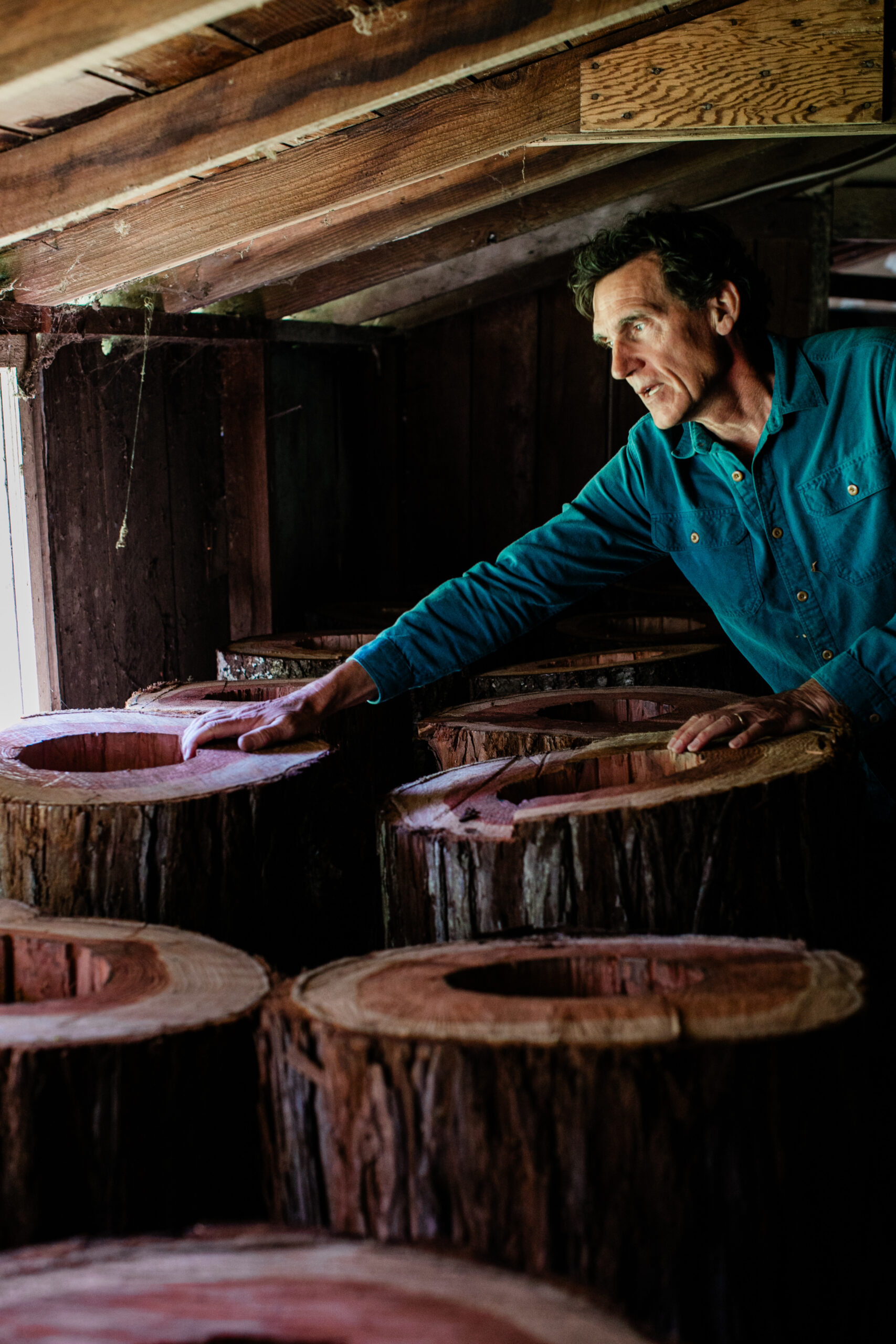
Michael Thiele in a barn filled with logs that will eventually become home to "feral" honeybees at the Apis Arborea headquarters in Sebastopol. TreeNests are built there before being installed in trees. (Eileen Roche)
Michael Thiele in a barn filled with logs that will eventually become home to “feral” honeybees at the Apis Arborea headquarters in Sebastopol. TreeNests are built there before being installed in trees. (Eileen Roche)

Although he’s somewhat surprised to hear that RCD is having reservations, it’s nothing new to Thiele, who has been fighting the native vs. non-native battle for years. When he met with Johnson and RCD last October, he says he felt like they understood the difference. “They said, ‘Oh yeah, you are actually serving native pollinator communities through your programming.’”

For now, he’s looking forward to seeing what happens next at the orchard. “There’s so much more to come,” he says.

It’s a debate many centuries in the making when you consider the European honeybee (Apis mellifera)—somewhat of a misnomer since it originated, not in Europe, but likely in Africa, the Middle East, and Asia—was brought to America by English settlers in 1622 before making its way to California in 1853. Pointing out that the Gravenstein apples in Cheever’s orchard are also non-native, Thiele sees the debate between native and non-native as outdated.
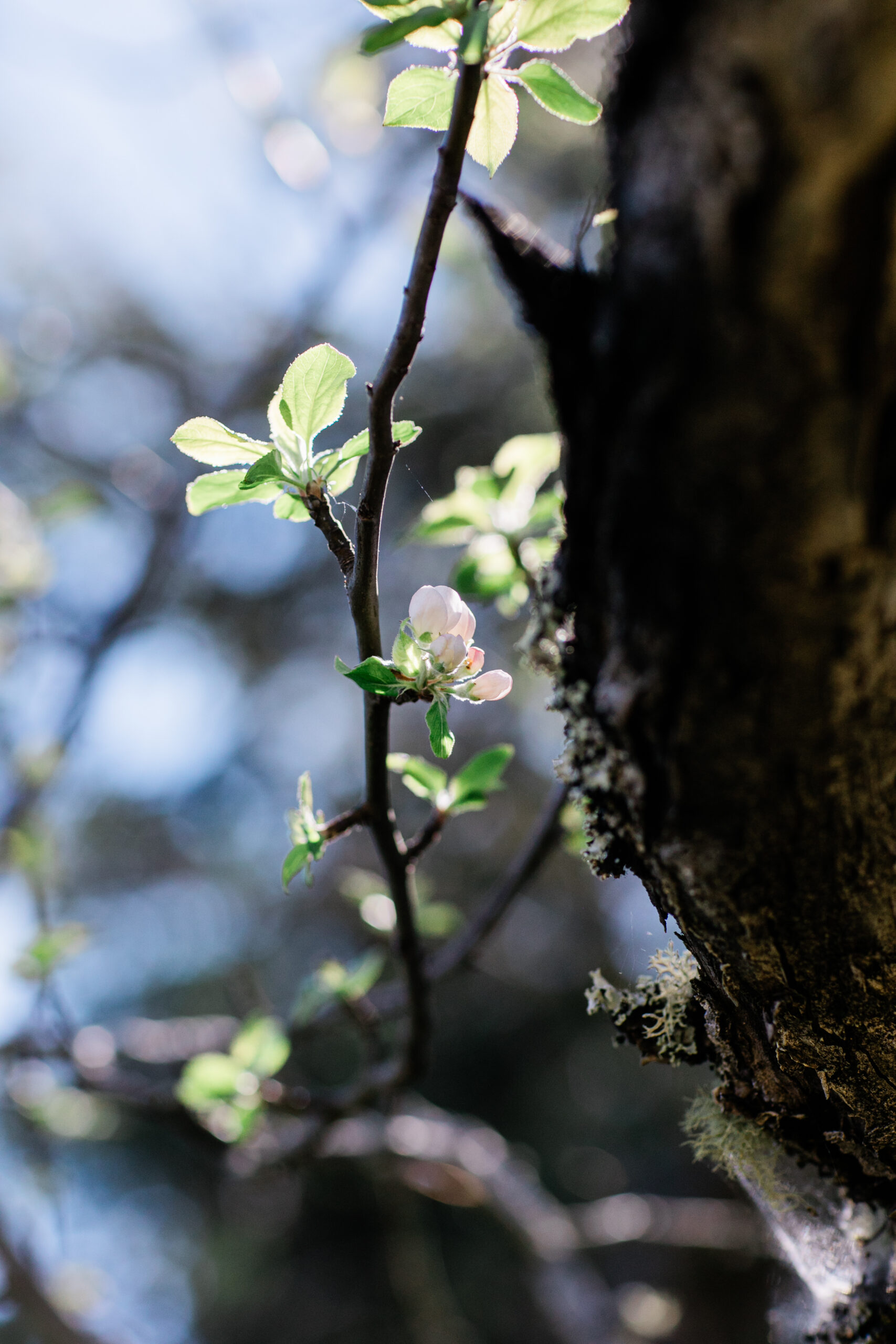
Apple blossoms in an apple orchard between Sebastopol and Occidental. (Eileen Roche)
Apple blossoms in an apple orchard between Sebastopol and Occidental, where a TreeNest from Apis Arborea has been installed. (Eileen Roche)

“The whole world has become a migrant,” he says in a rhythmic German accent that occasionally channels the enthusiasm of documentary filmmaker Werner Herzog. “It’s not only people. All species are migrating.”

Thiele could be talking about himself. A native of Germany, he grew up in a small town about two hours north of Frankfurt, on a farm where “we fixed all of our own things.” Some of his heroes are German bee expert Jurgen Tautz and British author Isabella Tree, who wrote a book about rewilding her farm.

Thiele is quick to cite numerous studies of honeybees, including work by renowned University of Georgia professor Keith Delaplane, who argues that supporting a wide diversity of bee species—including both commercially managed honeybees and free-roaming, feral honeybees—“is critical for the future of agriculture,” he says.

From 2023-2024, more than 55% of managed honeybee colonies died, according to the U.S. Beekeeping Survey. Another study in 2025, by Project Apis m., found that commercial operations (those with more than 500 colonies) lost 62% of their hives, whereas in the wild, Thiele has documented honeybee survival rates soaring above 80%.
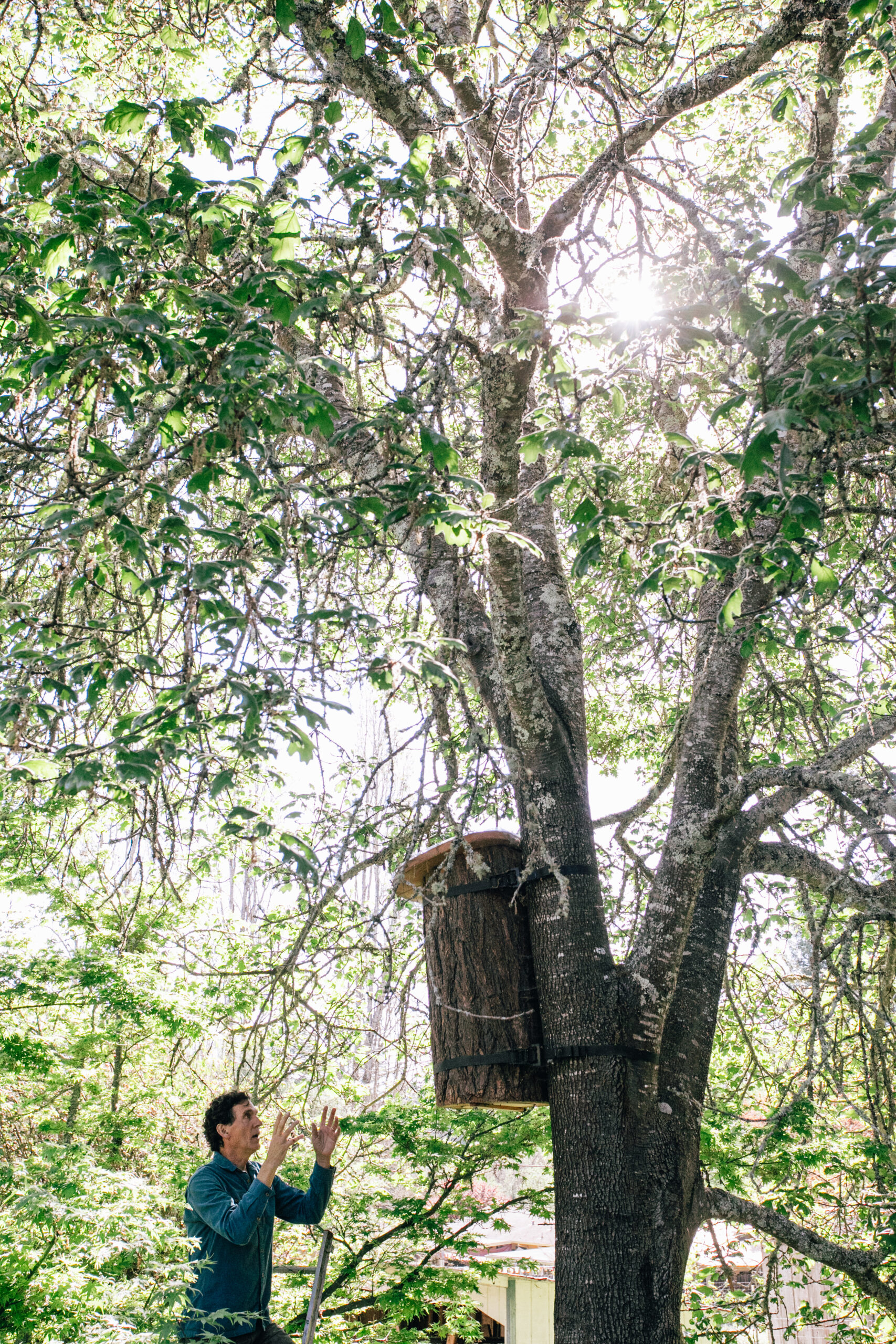
Apis Arborea founder Michael Thiele discusses the TreeNest installed in a tree to house feral honeybees.
Apis Arborea founder Michael Thiele discusses the TreeNest installed in a tree to house feral honeybees. (Eileen Roche)

His mission at Apis Arborea is to support and boost the survival of wild honeybees, while collecting data, encouraging scientific study, and educating the public and other beekeepers about the benefits of “wilding.” In an age where honeybee survival numbers have plummeted, many beekeepers point to varroa mites and a host of viruses as the major culprits. Instead, Thiele sees pesticides, over-crowding, lack of foraging habitat, boxed beehive management, and breeding as the major factors.

To some in the commercial beekeeping world, Thiele is almost a pariah, though some large-scale beekeepers are willing to engage with him, like Tauzer Apiaries owner Trevor Tauzer, whose family has been keeping bees in Northern California for more than 50 years. “He and I do not always see eye to eye,” Tauzer says, but admits they have found some common ground. “We align as we are committed to giving disparate voices space to be heard.”

To others, he’s celebrated as the local guru of wild honeybees. “He’s thought of as like the god of natural beekeeping,” says Healdsburg organic beekeeper Candice Koseba, owner of Sonoma County Bee Company. She’s using the term “beekeeping” loosely. Thiele might bristle at the description, since he’s not interested in “keeping bees” or harvesting honey.
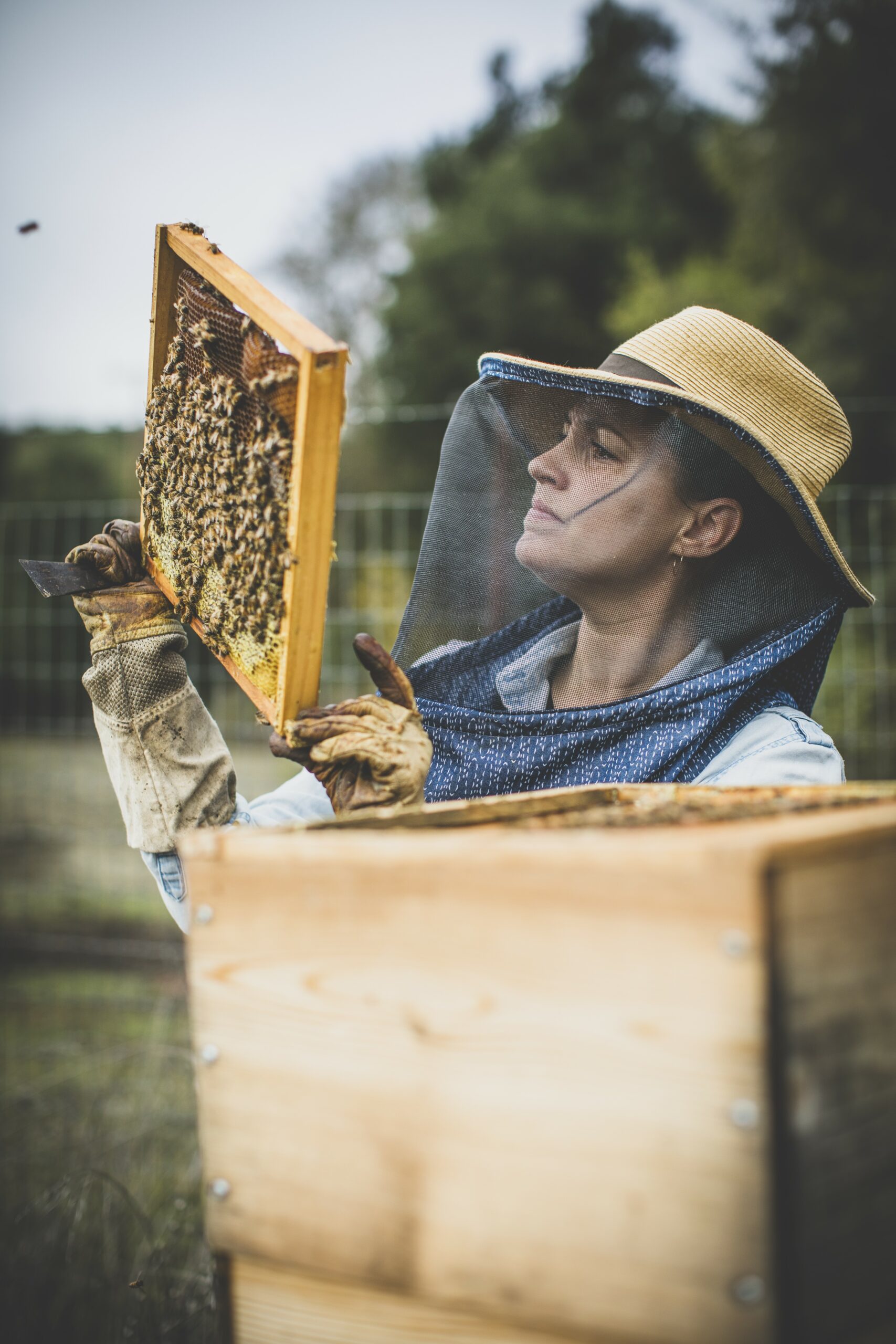
Candice Koseba, Sonoma County Bee Company owner, checks on the hives.
Candice Koseba, Sonoma County Bee Company owner, checks on the hives. (Bryan Meltz)

Like Koseba, Bee Focused beekeeper Joy Wesley was immediately hooked when she heard Thiele talk at an industry event nearly a decade ago. “He spoke on honeybees in a way that I hadn’t heard before,” she remembers. “He was more honeybee-centric, like from the point of view of the honeybee as opposed to the point of view of the human.”

Boonville farmer Chris Tebbutt likens him to a bee whisperer. “He’s got a really unique, incredibly sensitive approach.” Tebbutt hired Thiele to install a handful of TreeNests at his 50-acre Filigreen Farm, where honeybees are crucial for pollinating apples, pears, peaches, plums, blueberries, and olives. “The way he handles bees and how he imagines conditions in the hive, it’s not a product. Bees are not just some commodity for him.”

But to truly appreciate Thiele, you have to understand his zen approach to science. Inventing his own language, he calls honeybees “apians,” recasting the adjective “apian” (from Latin root word “apis” for bee) as a noun. He named his 5-year-old nonprofit “Apis Arborea,” meaning bees that live in trees. He calls his installations “TreeNests” instead of log hives because he feels the word “hive” is a man-made construct.

Standing outside his workshop one morning, Thiele scrolls through his cellphone, poring across five years of research compiled at Sonoma State University’s Galbreath Wildlands Preserve in Mendocino County, where Thiele and collaborators are studying more than 70 wild bee trees where honeybees have nested on their own without human intervention. Last year the survival rate was 83%.
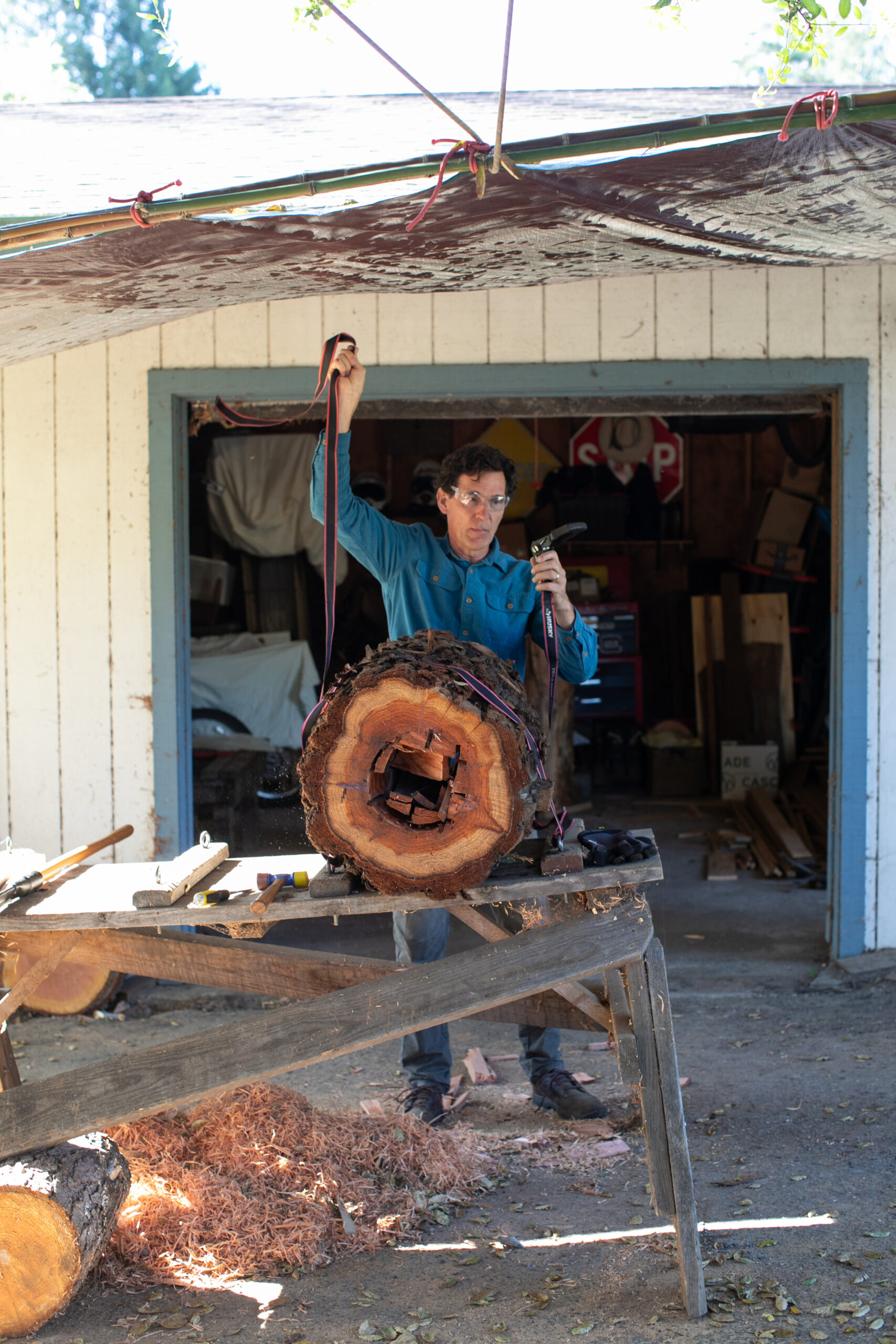
Apis Arborea founder Michael Thiele works on a TreeNest at his workshop.
Apis Arborea founder Michael Thiele works on a TreeNest at his workshop. (Eileen Roche)

Monthly monitoring data on his phone includes temperature, weather conditions, moon phases, and a detailed count of bees, both leaving and returning. His approach isn’t merely data-driven, but also philosophical, using poetic language to describe their nests (“Light angel, dancing oak”) and pondering the “apians’” state of consciousness.

In the spirit of San Francisco Zen master Shunryu Suzuki Roshi, whose face is on a poster hanging in his workshop, Thiele often invokes the unity and interconnectedness of bees to all life around them. A colony of bees, he points out, will act as an individual, functioning as what is referred to in biology as a superorganism, like a coral reef or termites.

“Here we have 20,000 individuals on one hand, but they are not individuals because they need everybody to exist,” he says.

It’s all part of a spiritual quest that goes back to his time at Green Gulch Farm Zen Center in Marin. After his first wife died of cancer, Thiele moved to the United States and lived for eight years at Green Gulch, where he met his new wife. After they left the community with two kids in tow, Thiele got a job at a water treatment plant to pay the bills. But beekeeping was his passion. He named his first company Gaia Bees. Soon after, he co-founded the honeybee sanctuary Melissa Garden, where he had a log-hive epiphany. After honeybees settled into the log, he took a peek inside the log for the first time.  “What I saw was completely outside of my reference frames,” he remembers. “It was like, ‘What is this? What’s happening here?’”
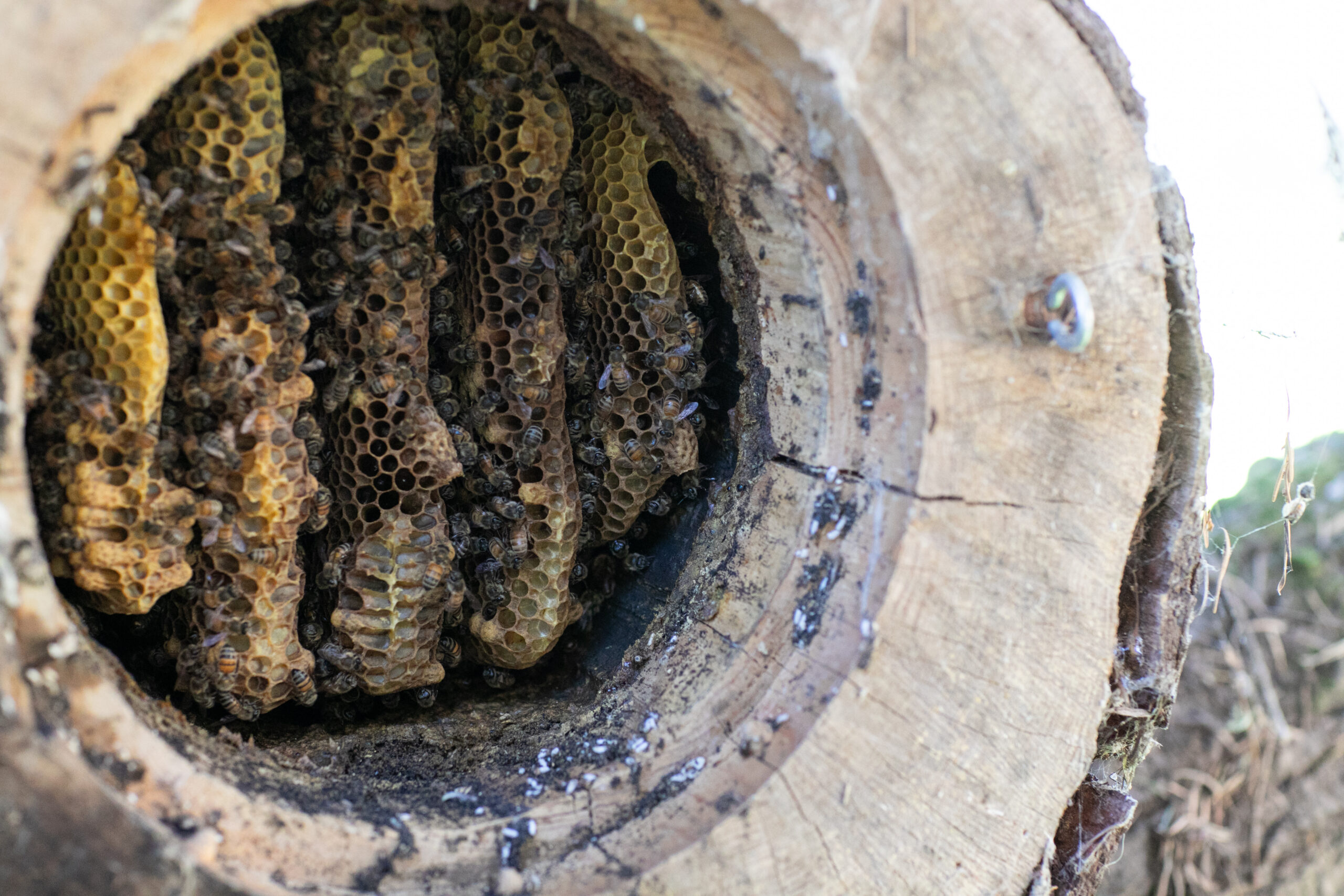
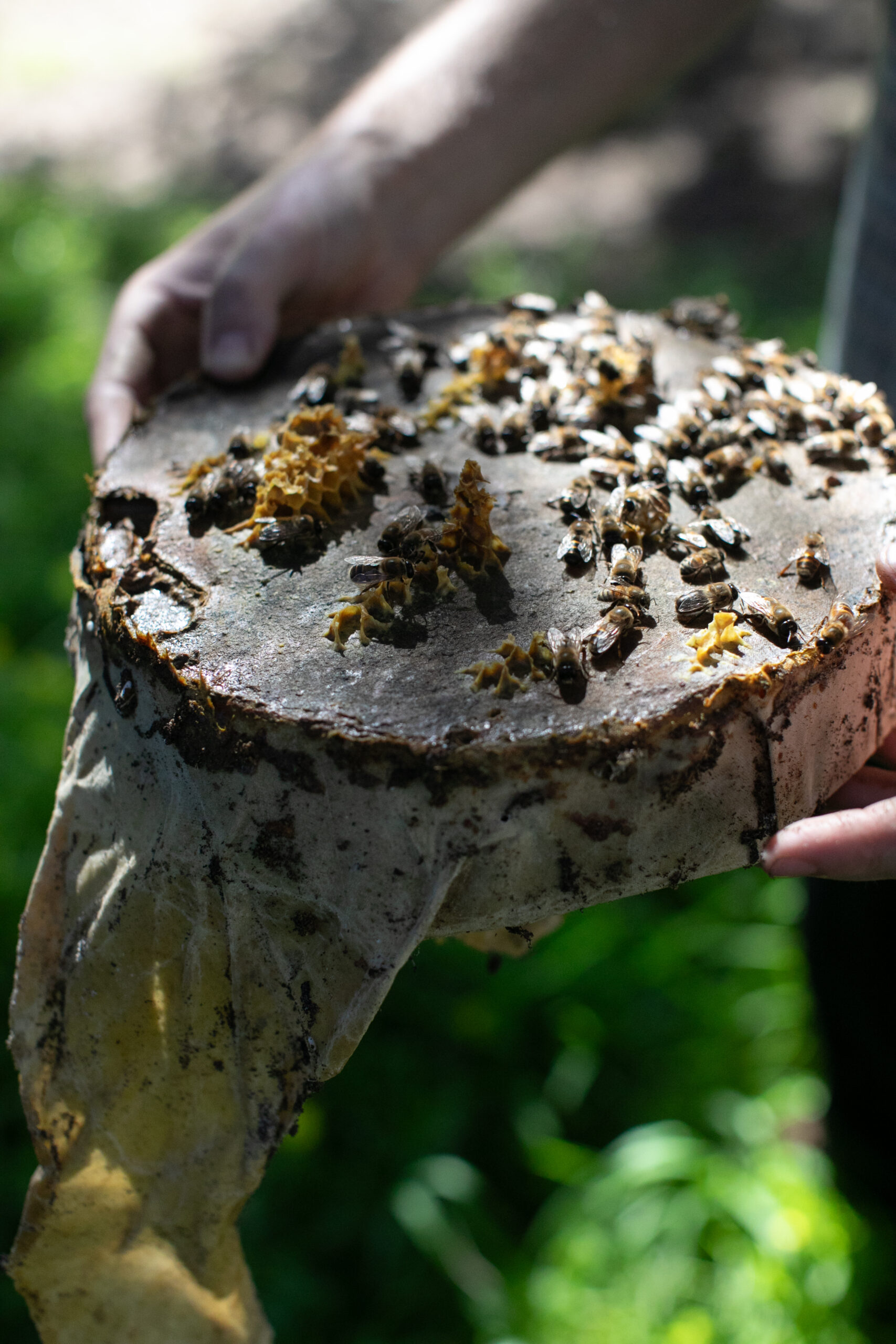
A hive inside of a TreeNest, created and installed by Sebastopol nonprofit Apis Arborea. (Eileen Roche)

What he observed was a conical shape forming from the ceiling of the nest, as the bees populated in layers creating “a sheath of living bees that almost looked like a skin.”

At that point, he says, “I realized beekeeping is such a contrived practice and paradigm. I felt it with my whole body, with my whole being, and I knew that I had to shift and start learning about the species and how they live in the wild.”

Another watershed moment occurred at Green Gulch Farm, where Thiele began experimenting with log hives in 2014. For the first four years, the annual survival rate was around 20%. When it plummeted to total losses in the fifth and sixth years, “I sat there in the winter fields, with blossoming brassica all around me, literally crying,” he remembers.

But in the seventh year, the log-hive populations began to rebound, he says. Now, 12 years later, the health of the feral honeybees is thriving, with an 87% survival rate last year, he says.
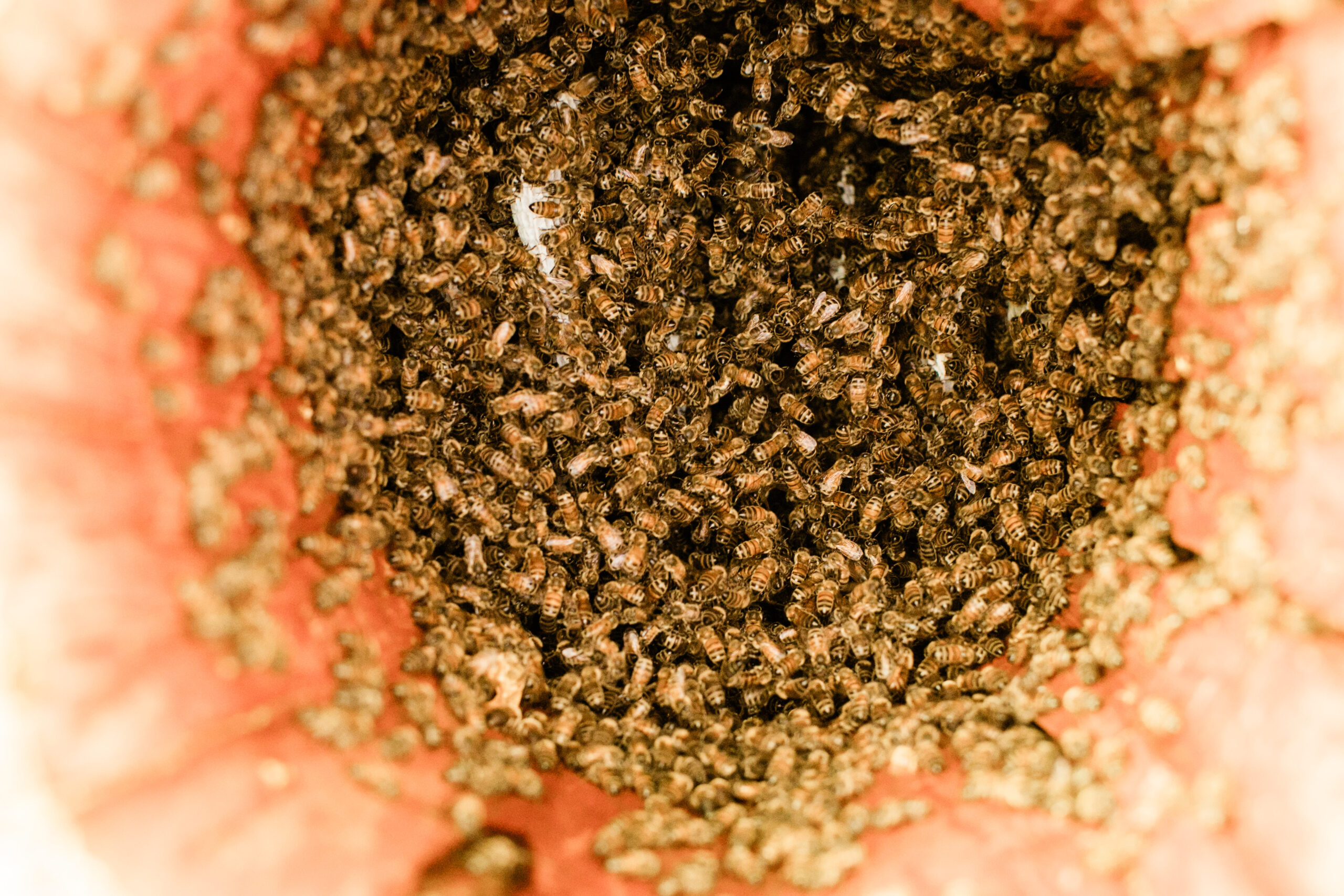
Bees inside a TreeNest created by Sebastopol's Apis Arborea.
Bees inside a TreeNest created by Sebastopol’s Apis Arborea. (Eileen Roche)

One of the biggest threats to local honeybees he sees is the unregulated seasonal influx of large-scale commercial beekeepers who rotate thousands of hives in and out of Sonoma County throughout the year. The issue came to a head three years ago when Tauzer contracted with the county to park his hives at a county disposal site across the street from Koseba’s bees in Healdsburg. Alarmed by the proximity, Koseba raised the issue at a Healdsburg City Council meeting, where Thiele spoke in her support. Eventually, Tauzer’s contract was canceled. It led Thiele and Bee Focused owner Wesley to form the Pollinator Advocacy Alliance, with the goal of negotiating apiary size limits in Sonoma County. Along with Koseba and other small organic beekeepers, they are including Tauzer in a working group to draft language for a proposed county ordinance.

Thiele is also working on a new model for local beekeepers who are willing to agree to a handful of rules: no treatment or pesticides, embracing swarming as propagation, not moving beehives farther than a half-mile, and not purchasing bees from anywhere to put in your apiary.

It’s called “LocApiary,” as a play on locavore, and the goal is to create what Thiele describes as “a watershed-wide apiary.” He’s putting it forth almost as a challenge. “We want to get beekeepers involved, to see who is brave enough or feels called to take that next step.”
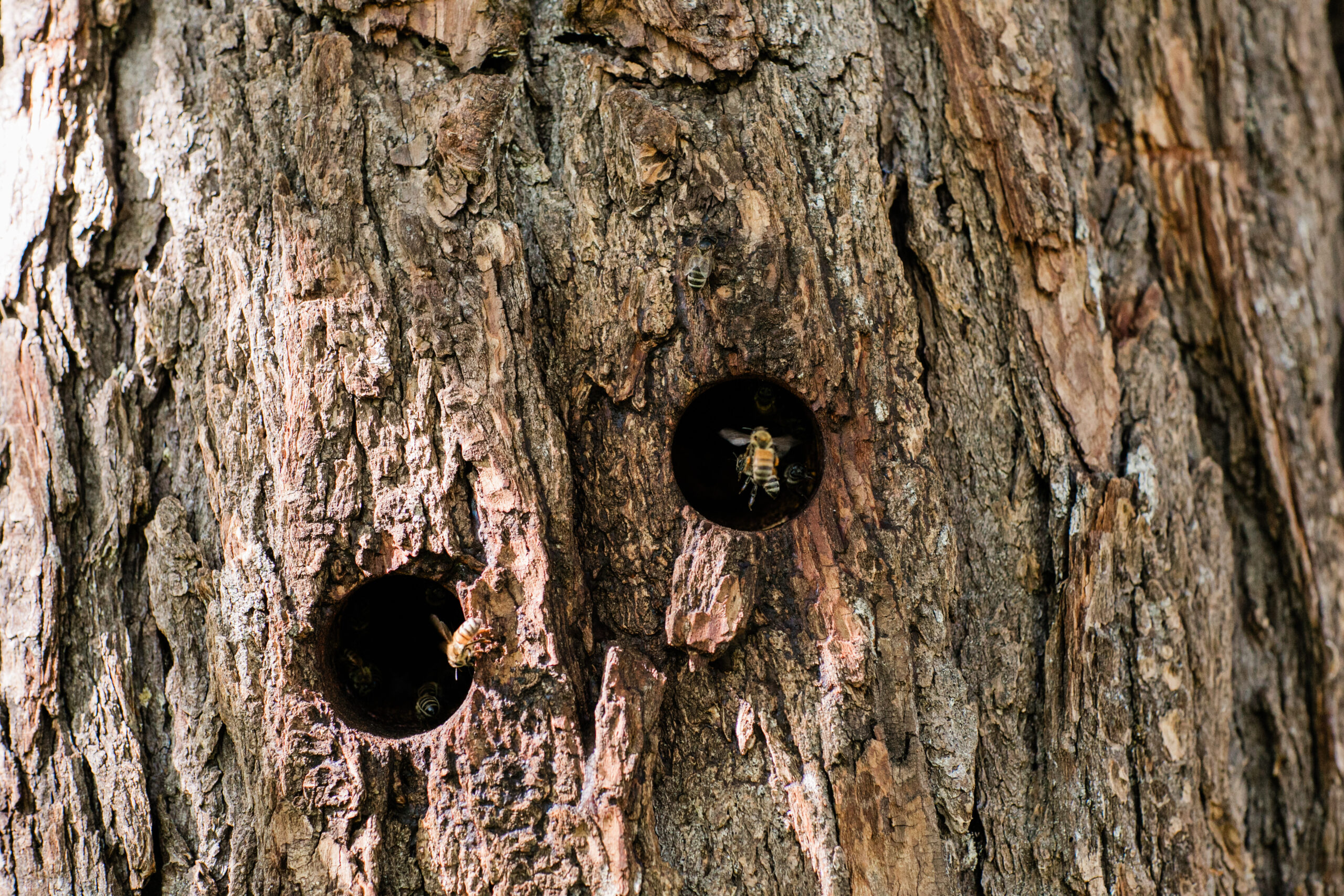
Apis Arborea founder Michael Thiele uses a method called "beelining" to observe and track bees as they scout for a new location for their hive. (Eileen Roche)
Apis Arborea founder Michael Thiele uses a method called “beelining” to observe and track bees as they scout for a new location for their hive. (Eileen Roche)

Back at Laura’s Apples, the 6-acre orchard west of Sebastopol, it only takes four days for a new colony of bees to discover the new TreeNest. Cheever sends a video of hundreds of bees buzzing around the opening, with a note that reads, “I’m just so excited. Bees are moving in already!”

Thiele is happy, but hardly surprised. In his experience, the record time for bees to inhabit a new TreeNest is two hours. It’s a migration he has witnessed again and again, giving him hope for the future of wilding.

A few days before, while standing below a 20-foot-high nest he installed on a neighbor’s property, he watches several bees buzz around two half-dollar-size entrance holes.

“Did someone move in?” he wonders, watching scouts come and go. “It could be imminent today. It could be that there’s a swarm sitting somewhere, and when it’s warmer, they’ll move in in two hours.”
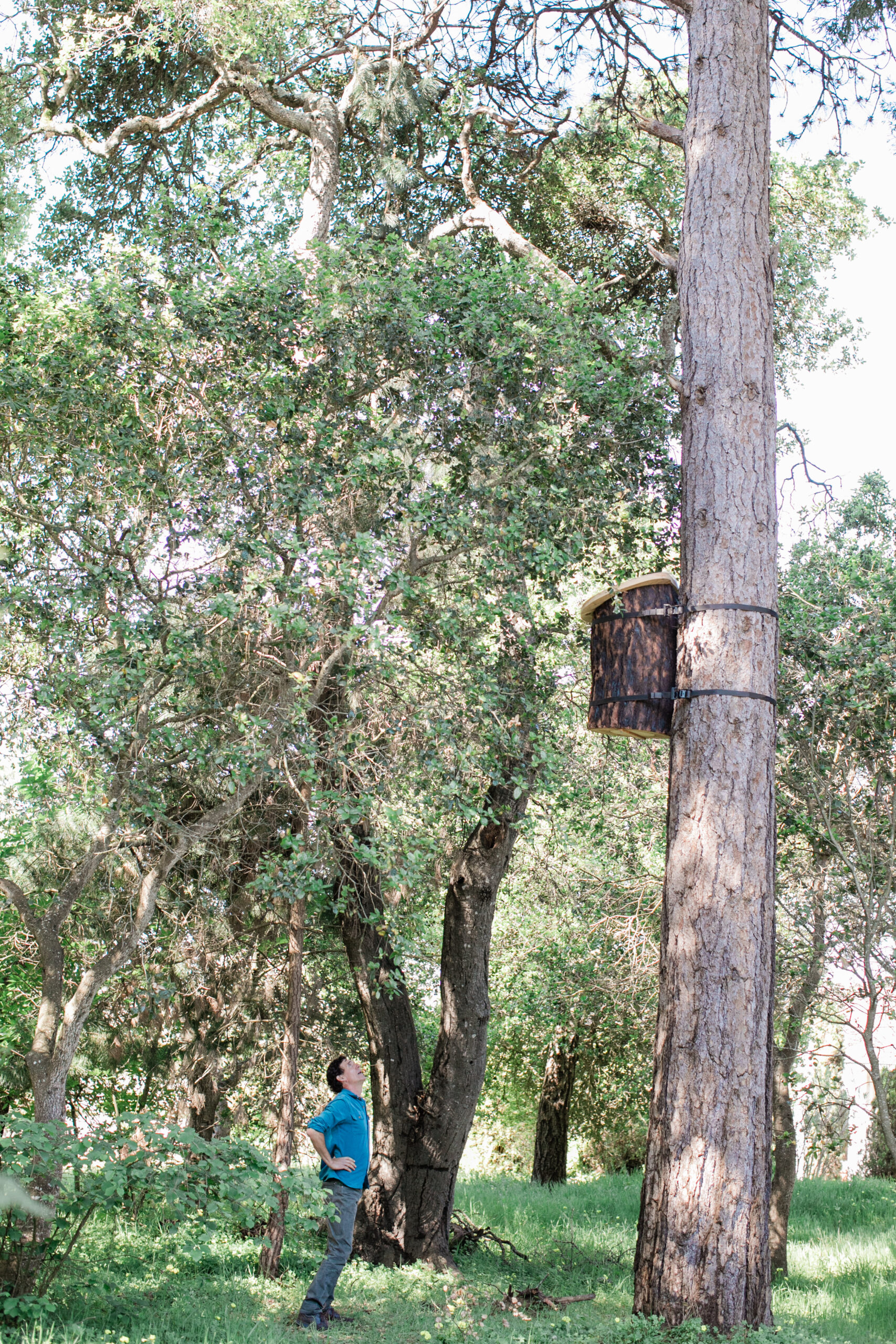
Apis Arborea founder Michael Thiele assesses the TreeNest installed in a tree to house feral honeybees. (Eileen Roche)

He explains how a roaming scout likely found the new location first and returned to the old hive to communicate through dance, saying, “I found something really cool that could work for us.” After other scouts zero in on it, soon around 50 scouts are coming and going, dancing about this new location. While maybe only five scouts are dancing about another location. Eventually, they decide to move.

“It’s not about vanity,” he says, anthropomorphizing the lives of bees. “Like saying, ‘I’m the most successful experienced scout, and we should go to what I found.’ Because it’s a life and death decision. If you’re driven by pride and vanity and ego, that could be devastating.

“We humans do that, too,” he says, laughing.

After a brief moment of self-reflection, he’s consumed again by wayward “apians”; his eyes dart across the sky, hoping a few buzzing scouts might lead him to their old home. He has perfected a field practice called “beelining,” where he lures honeybees with a sweet liquid and then, using a soft-bristled brush, paints different watercolors on the abdomens or thorax of several bees to track them. After timing their departing and returning flights, he can ultimately follow them to their hive. It’s a technique that’s helped Thiele find 77 bee trees over the course of six years at Galbreath Preserve, an exercise in patience to be sure.

It’s a testament to the old saying, “It’s the journey, not the destination,” or as Thiele learned in his Zen studies: “It’s the path and not the destiny.”
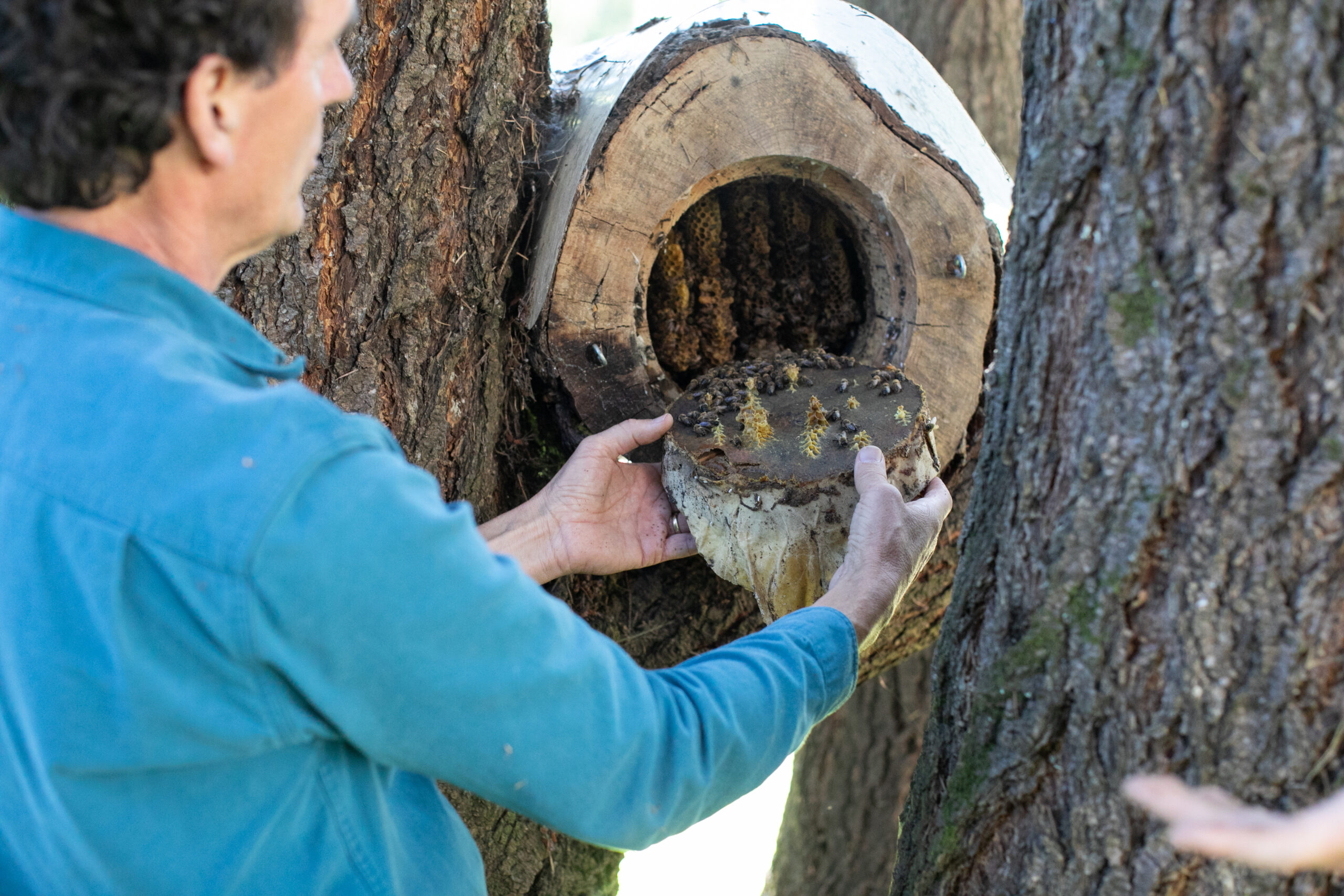
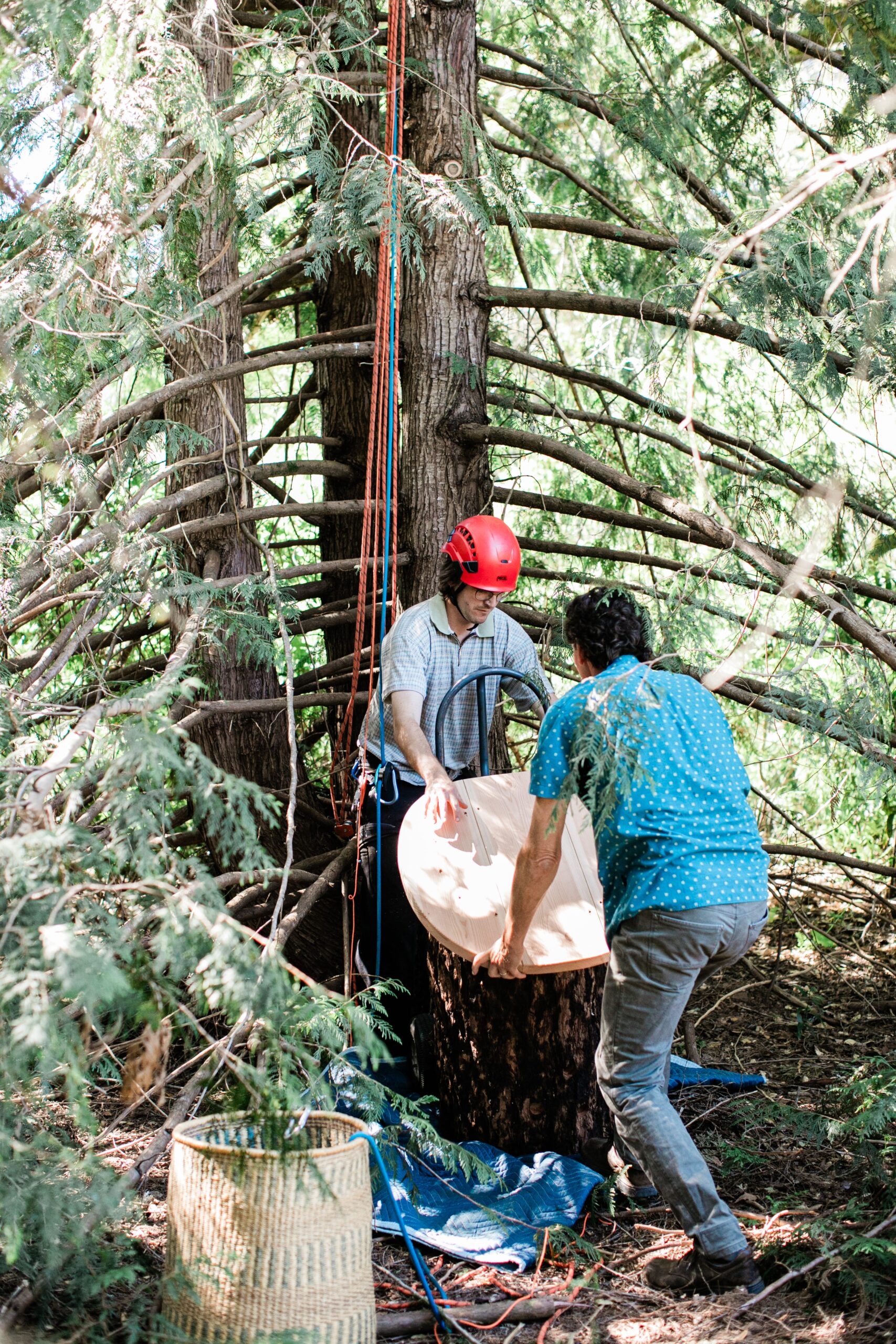
TreeNests are prepared with beeswax and a resinous substance called propolis to attract honeybees before being installed. (Eileen Roche)
Apis Arborea founder Michael Thiele and conservation specialist Conner McElroy prepare to install a TreeNest to house feral honeybees.
Apis Arborea founder Michael Thiele and conservation specialist Conner McElroy prepare to install a TreeNest to house feral honeybees. (Eileen Roche)

Coming out in late May, The Wild Honeybee Atlas is a community-based, open-data platform similar to an app that can be used to find and monitor honeybee populations in your area. Once it’s available, users can sign up and become custodians on the website (apisarborea.org).

Also on the website, check out the podcast Arboreal Apiculture Salon, featuring scholars, scientists, and activists from around the world, engaged in long-form interviews and discussions about honeybees.

Upcoming events

May 9: “Spring Field Trip to the Wild Honeybee Populations of the Galbreath Wildlands Preserve,” 9:30 a.m. to 4 p.m. in Yorkville. $10.

May 22 & Aug. 8: “Honeybee (Re-)Wilding Walk with Apis Arborea,” 10:30 a.m. to noon at Sonoma Botanical Garden, 12841 Sonoma Highway, Glen Ellen. $10-$20, available at sonomabg.org.

May 29: “Learning from Wild Honeybees” A first-ever overnight immersion invites a small group into the living interior of Galbreath Wildland Preserve. 3 p.m., May 29 – 2 p.m., May 31. $300.

June 17: “TreeNest Tutorial: Designing and Building Arboreal Nest Habitats,” 5:30-7 p.m. $20-$35.
apisarborea.org

Comforting Korean Soul Food at Seoul to Tokyo Kitchen in Santa Rosa

Army Stew, center, surrounded by a variety of dishes at Seoul to Tokyo restaurant in Santa Rosa Monday, May 4, 2026. (Beth Schlanker / The Press Democrat)

Army stew is a complicated dish — not so much to cook as to reconcile.

Born of necessity during the Korean War, the hot pot known as budae-jjigae is a spicy broth studded with Spam, sausage, tofu, kimchi, ramen noodles and mushrooms. It is a dish of resilience, combining military rations with humble pantry staples to feed a population facing scarcity and displacement.

At Seoul to Tokyo Kitchen in Santa Rosa, chef Albert Park has added it to a menu of comforting soups and stews inspired by his father’s recipes. At first glance, it can seem like an outlier among bibimbap, bulgogi, martini prawns and bento boxes. In many ways, though, it is the most personal dish he serves.

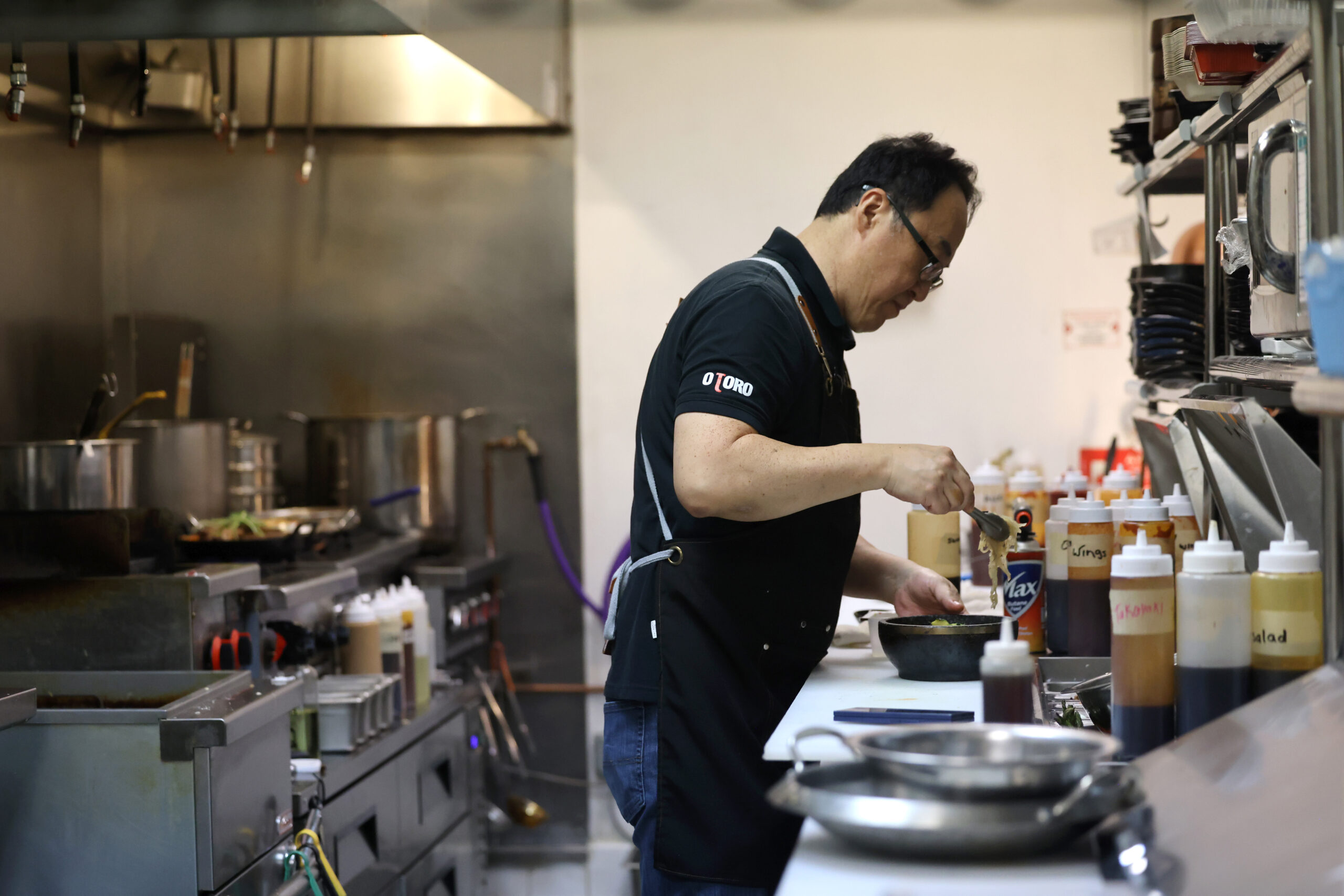
Chef and owner Albert Park works in the kitchen at Seoul to Tokyo restaurant in Santa Rosa
Chef/owner Albert Park works in the kitchen at Seoul to Tokyo restaurant in Santa Rosa Monday, May 4, 2026. (Beth Schlanker / The Press Democrat)

The stew arrives in a shallow tureen, its ingredients arranged in neat sections around a brick of instant ramen, topped with a single, improbable slice of American cheese. Kept simmering on a tabletop burner, it is meant to be shared — diners ladle broth and ingredients into bowls of rice or eat directly from the pot.

It’s one of the restaurant’s most popular dishes, Park said, perhaps because it bridges the familiar and the unfamiliar: American ingredients infused with the spicy, fermented flavors of Korea. Its origins, however, are rooted in hardship, when discarded food from U.S. Army bases was repurposed to feed the hungry.

For Park, the dish carries a more intimate meaning. It recalls his father, who fled North Korea and later built a life in the United States, and the meals Park now shares with his own children.

Seoul meets Tokyo

In Coffey Park, the Santa Rosa neighborhood rebuilt after the 2017 wildfires, a growing mix of restaurants is popping up along Piner Road, from Mexican cantinas and Hawaiian barbecue spots to bubble tea shops and Asian eateries. They cater to a steady stream of families looking for casual, affordable meals.

Seoul to Tokyo restaurant in Santa Rosa
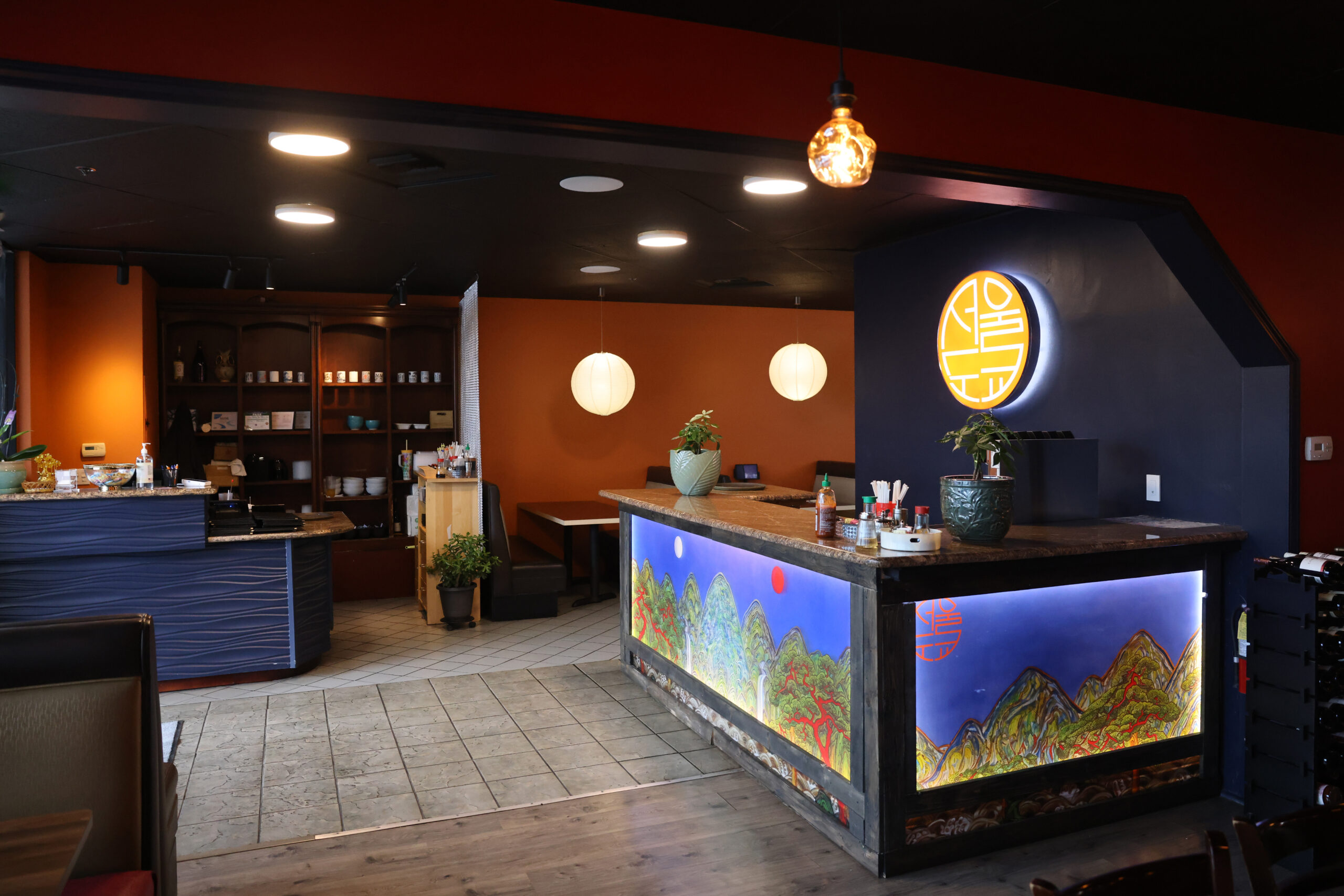
Seoul to Tokyo restaurant in Santa Rosa Monday, May 4, 2026. (Beth Schlanker / The Press Democrat)

Seoul to Tokyo Kitchen sits quietly among them, tucked between a karate studio and a hair salon. The interior is sparse, little changed from previous tenants, with a dormant sushi bar — an ironic detail, given that Park also owns Otoro, a Japanese restaurant in Healdsburg.

Asked why sushi is absent from the menu, Park is matter-of-fact. “There’s enough of that around here,” he said.

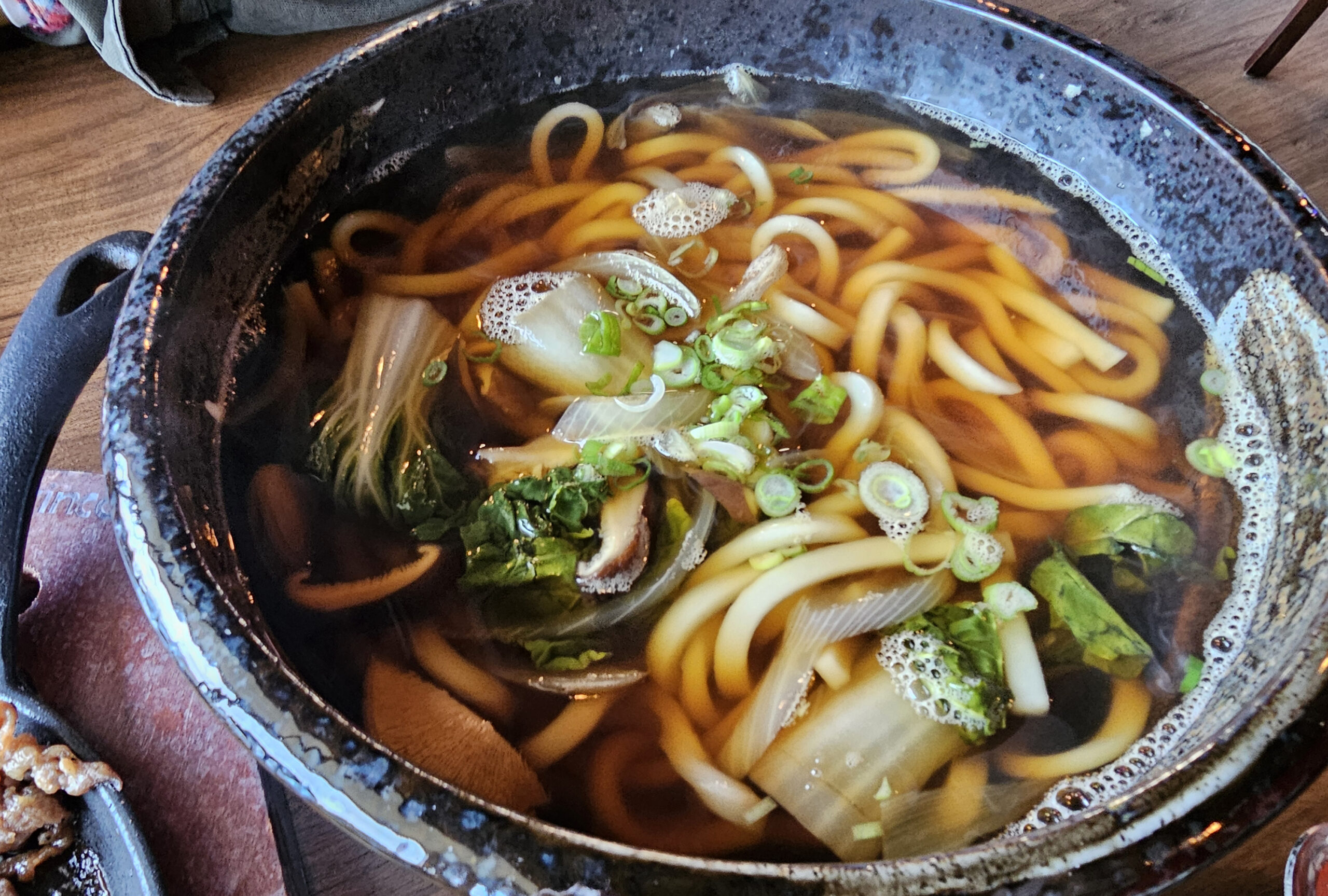
Instead, he focuses on broths simmered for up to 48 hours, rich with collagen and depth. Those stocks anchor dishes like udon, pho, ramen, budae-jjigae and seolleongtang, a milky marrow soup with brisket and shank.

Udon noodle soup at Seoul to Tokyo Kitchen in Santa Rosa. (Heather Irwin / Sonoma Magazine)

For newcomers, sizzling plates of bulgogi ($24) and hot stone bibimbap ($22) offer a familiar entry point, with well-seasoned beef, rice and vegetables. Fried martini prawns ($12), tempura shrimp ($12) and tonkatsu (pork cutlets, $21) round out the menu with approachable, crowd-pleasing options.

But it is the food Park cooks at home — generous, deeply comforting dishes — that stand out. Tteokbokki, chewy rice cakes in chili paste ($15); japchae, stir-fried glass noodles ($12); okonomiyaki, a cabbage-filled Japanese pancake topped with bonito flakes ($15); and galbi gui, sweet soy-glazed short ribs ($28), give the menu its heart.

Park has spent decades in restaurants, from bussing tables at his father’s Greek restaurant in Chicago to working in high-end sushi kitchens that brought him to Sonoma County. Now, he said, he is focused on something simpler: cooking the food he grew up with, and the meals he shares with his children.

“My dad always wanted a Korean restaurant,” he said. “This is for him.”

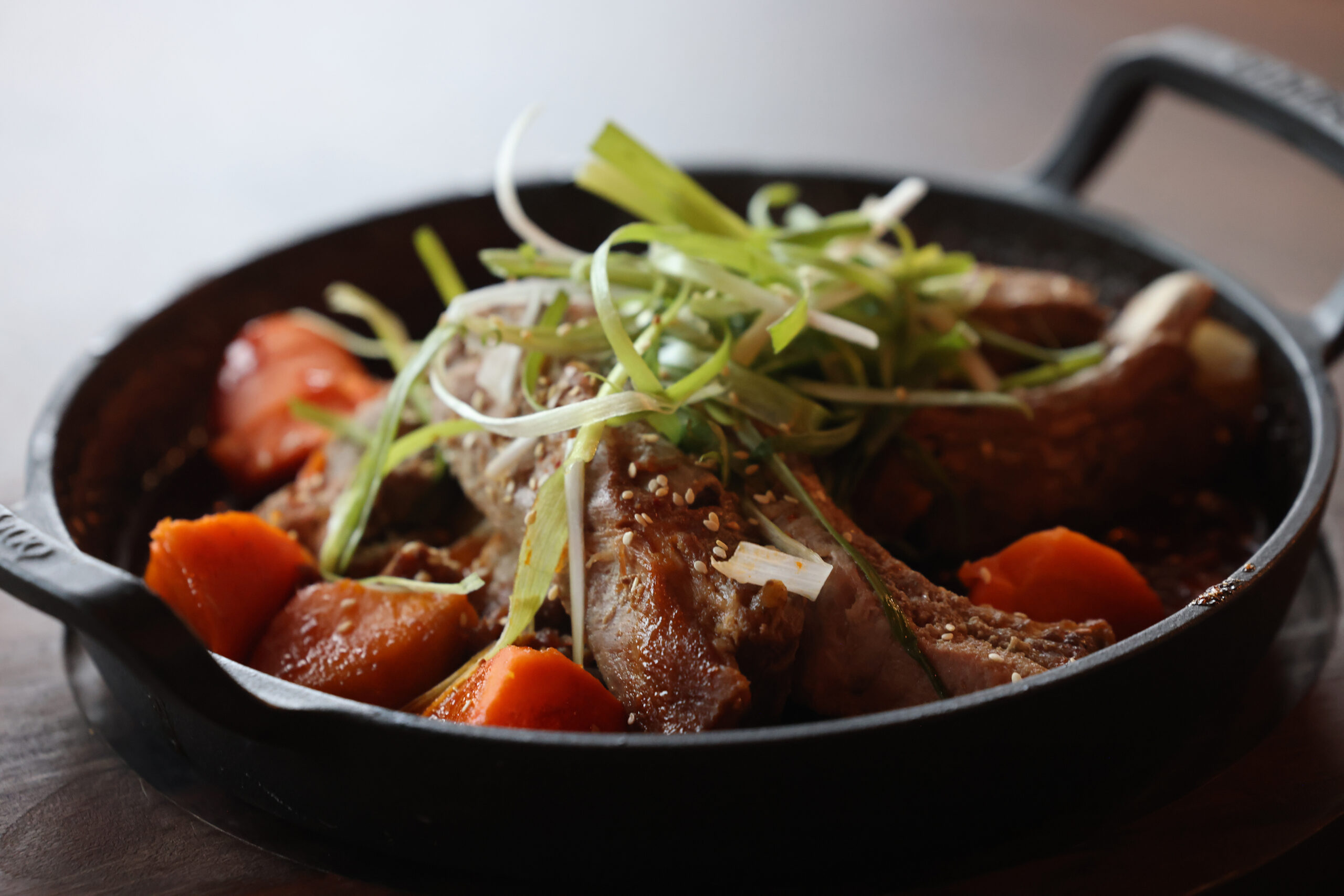
The sticky pork spare ribs at Seoul to Tokyo restaurant in Santa Rosa Monday, May 4, 2026. (Beth Schlanker / The Press Democrat)

Best Bets

Spicy Pork Spare Ribs ($24): Fall-off-the-bone pork ribs, barbecued in a sweet gochujang glaze and served with carrots and potatoes. The heat is barely a tickle.

Kimchi Mandoo ($12): Steamed bao buns filled with kimchi and shredded pork, mild enough for newcomers yet satisfying for devotees of the fermented Korean staple.

Tteokbokki ($15): This street food is so popular it’s made a debut in the aisles of Trader Joe’s, but their frozen version pales in comparison to the fresh, chewy rice logs bathed in a sweet-spicy gochujang chili paste with Korean chili flakes, soy sauce and garlic.

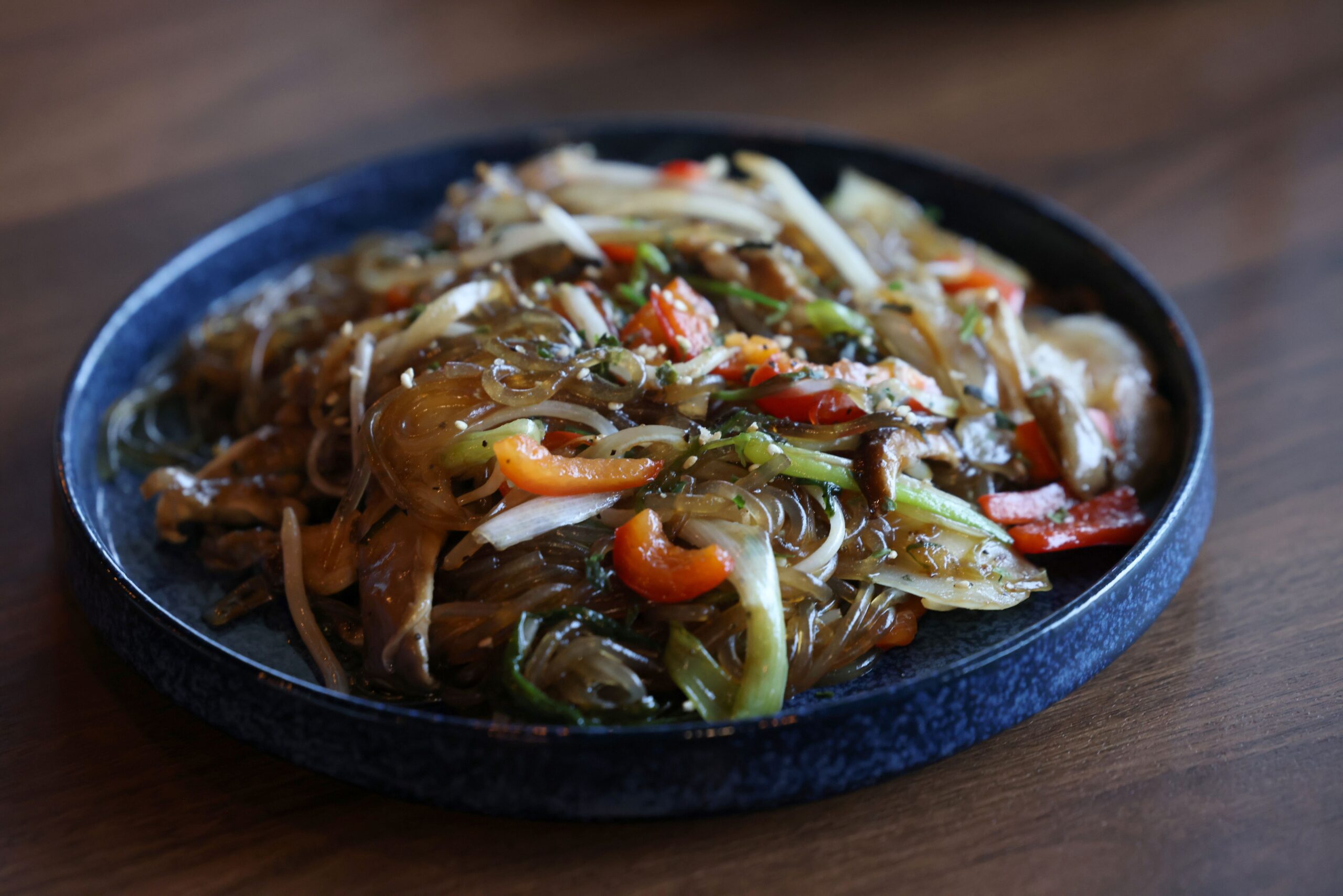
Japchae ($12): Stir-fried glass noodles made with sweet potato starch, with vegetables, for a Korean twist on fried rice.

Japchae at Seoul to Tokyo restaurant in Santa Rosa
Japchae, stir-fried glass noodles with vegetables, at Seoul to Tokyo restaurant in Santa Rosa Monday, May 4, 2026. (Beth Schlanker / The Press Democrat)

Naengmyeon ($20): Chilled buckwheat noodles in a light beef broth, topped with slices of brisket and fresh cucumber. Perfect for a warm summer day.

Hot stone bibimbap ($24): A stone bowl, hotter than the sun, arrives at the table hissing like an angry cat. Fear not — though do respect the sizzling vessel — and dig in. Break the over-easy egg and let its yolk melt into a glossy sauce for the beef, cucumber, carrot, greens and rice. Add a spoonful of gochujang, then mix vigorously, scraping up the crunchy scorched rice that everyone at the table will fight over.

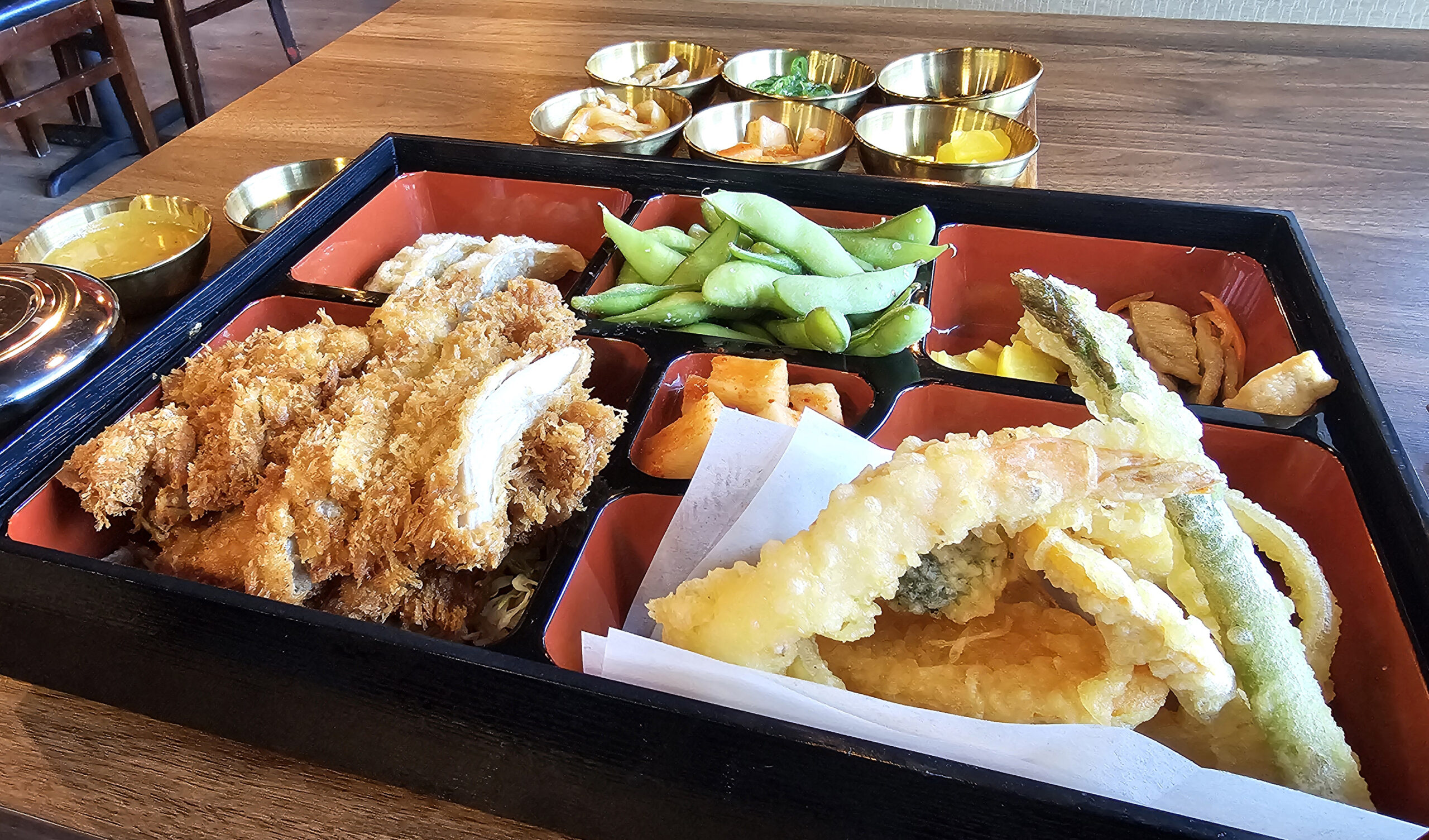
Bento box with chicken katsu and tempura in Santa Rosa at Seoul to Tokyo Kitchen. (Heather Irwin / Sonoma Magazine)
Bento box with chicken katsu and tempura, served with banchan (top), at Seoul to Tokyo Kitchen in Santa Rosa. (Heather Irwin / Sonoma Magazine)

If You Go

Most Korean entrées are served with banchan, small side dishes such as kimchi, pickled radish, fish cake and seasoned vegetables. Some noodles are gluten-free, though soy sauce is commonly used; diners with dietary restrictions should ask. Vegetarian dishes are available, but they may contain fish sauce. Sake, wine and soft drinks are offered.

Seoul to Tokyo Kitchen is open 11 a.m. to 3 p.m. and 4-9 p.m. Monday through Saturday and 3-8:30 p.m. Sunday.

3082 Marlow Road, Suite B3, Santa Rosa, 707-919-3014, seoultotokyokitchen.com

Pitmaster Classes, Pop-up Dinners and More on the North Bay Dining Scene

One of the best pitmasters around: Kris Austin of A&M BBQ in Sebastopol. (Kim Carroll / Sonoma Magazine)

Here are a few quick bites and tasty scoops from Sonoma and Napa counties.

A&M Barbecue restaurant
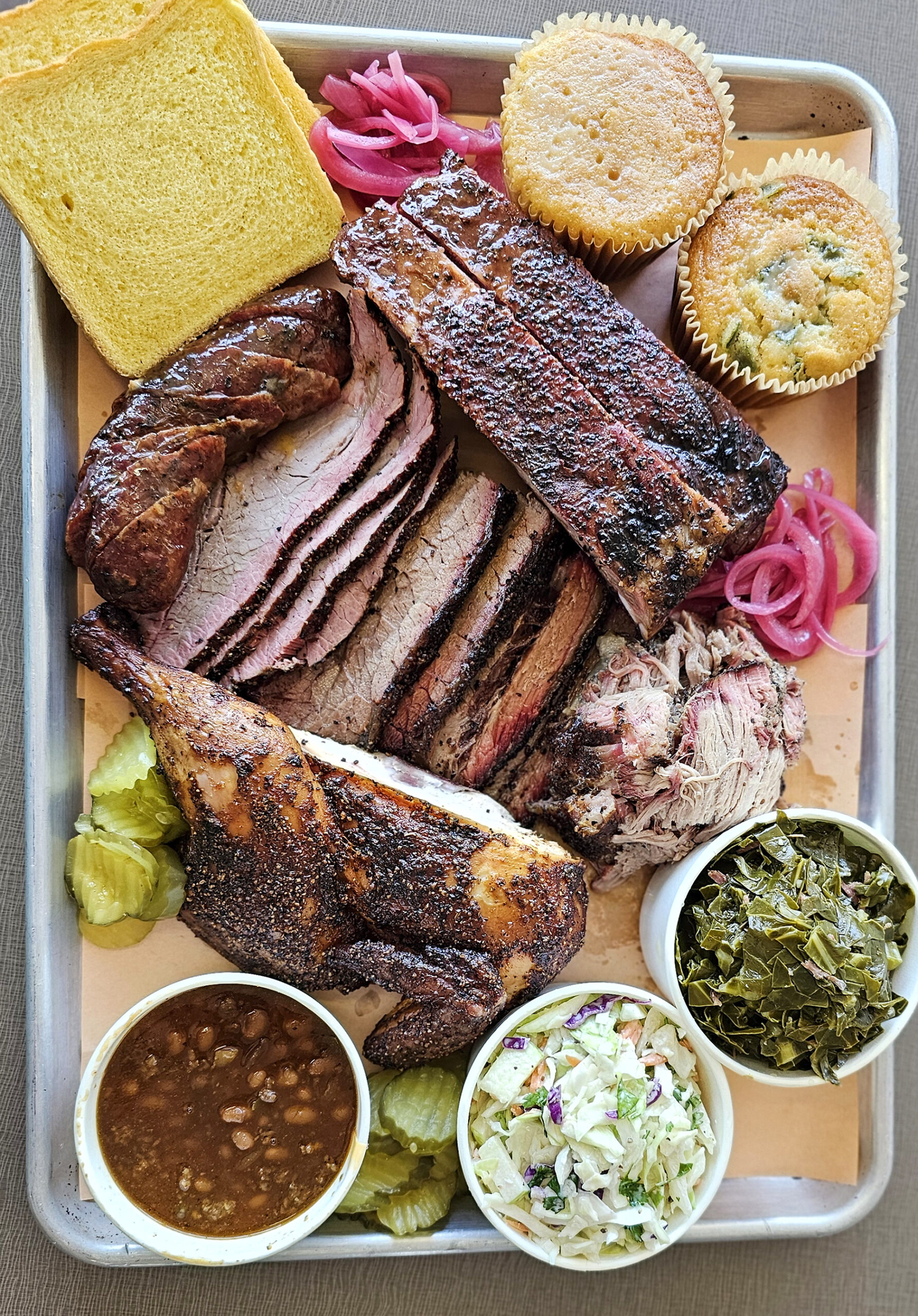
Texas Toast, cornbread muffins, pork ribs, links, brisket and tri-tip, barbecue chicken, baked beans, coleslaw and collard greens at A&M BBQ in Sebastopol. (Heather Irwin / The Press Democrat)

Pitmaster classes at A&M BBQ

What’s better than Kris Austin’s A&M barbecued brisket? Trick question — nothing. But yours might come close after a 3.5-hour master class with Austin. You’ll learn sourcing, seasoning, smoking, wrapping and slicing, with live demonstrations and barbecue lunch included. Classes are $225 and are held from 10 a.m. to 1:30 p.m. on the last Tuesday of each month through December. Reservations are required at ambbqllc.com. 495 S. Main St., Sebastopol, instagram.com/ambbqllc

Dierk’s Parkside pop-up dinners

The breakfast-and-brunch favorite will reopen for dinner three nights a week beginning in May. On the menu: Korean-style fried chicken; duck confit with black-eyed peas; Moroccan carrot salad with roasted potatoes; beet salad with poached trout; fish tacos; and a deep-fried onion bloom with ranch dressing. From 4-8 p.m. Friday through Sunday. 404 Santa Rosa Ave., Santa Rosa, 707-573-5955, dierksparkside.com

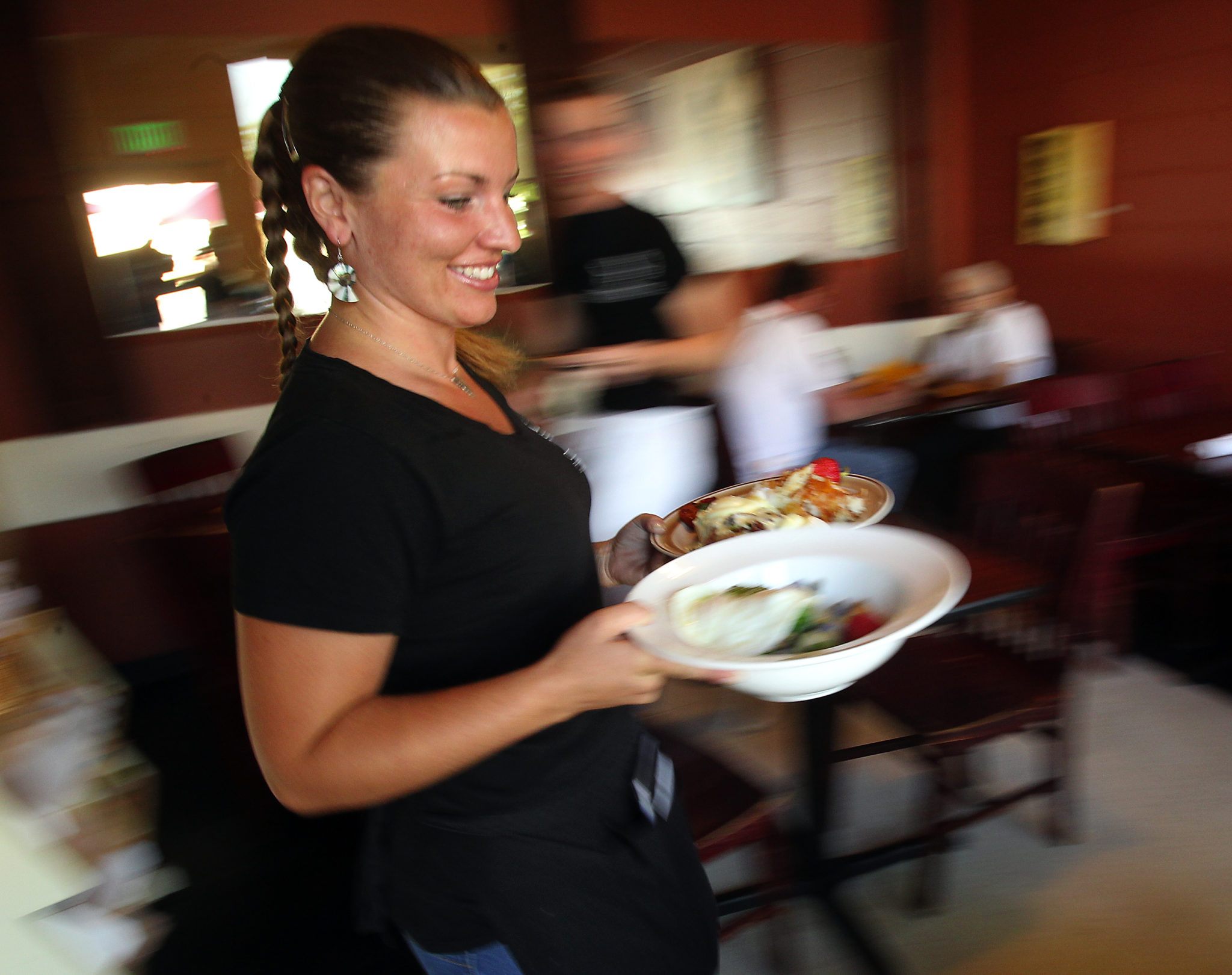
Waitress (name here) delivers the grub at Dierk's Parkside Cafe, the winner of the Press Democrat's Best Breakfast in the Best of Sonoma County competition.
A waitress delivers food at Dierk’s Parkside Cafe in Santa Rosa. (John Burgess / The Press Democrat, file)
Napa’s Michelin-starred Auro restaurant in Calistoga.
Napa’s Michelin-starred Auro restaurant in Calistoga. Evan Neumann has been named the new chef, replacing chef Rogelio Garcia after his departure in January. (Auro)

New chef at Napa’s Auro

Following the surprise departure of chef Rogelio Garcia from Napa’s Michelin-starred Auro in January, the restaurant has named chef Evan Neumann to the post. The French chef brings serious culinary credentials, having trained in the kitchens of legendary chefs Joël Robuchon, Alain Ducasse, Anne-Sophie Pic and Christophe Bellanca. The seven-course tasting menu at the Four Seasons restaurant focuses on French technique and is influenced by the flavors of Mexico and Japan. Auro is open from 5-9 p.m. Wednesday through Saturday by reservation only. 400 Silverado Trail N., Calistoga, 707-709-2160, auronapavalley.com

Locals night in Petaluma

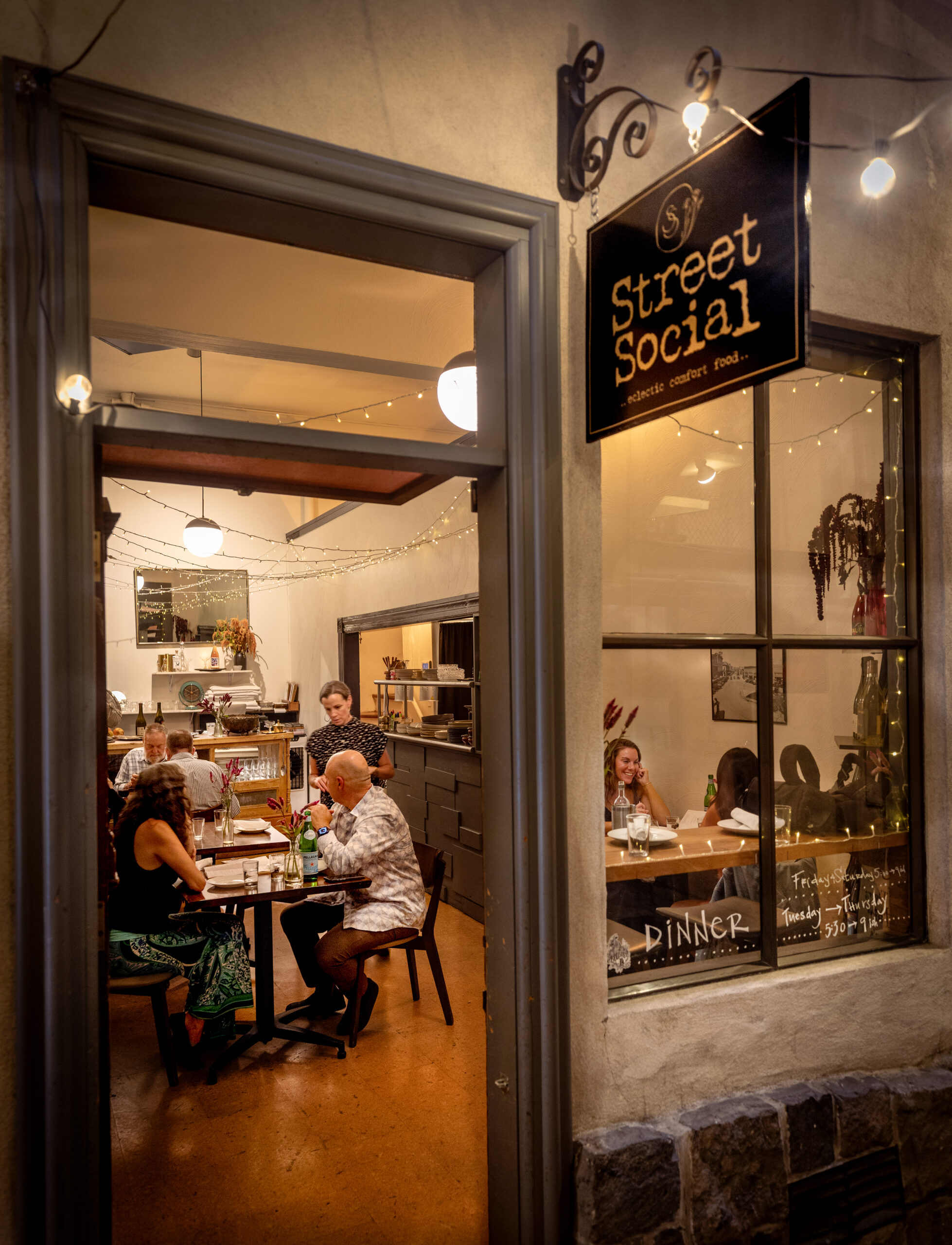
Street Social, one of Petaluma’s hidden gems, is offering a neighborhood prix fixe menu on Wednesday evenings for $45 per person. Recent offerings have included grilled miso pork loin with ginger marmalade and turmeric, along with a steak burger with Gruyère. Wine by the glass is $10, and beer is $6. Reservations for the next two weeks have already been snapped up, but future dates can be booked on OpenTable. 29F Petaluma Blvd. N., Petaluma, 707-774-6185, streetsocial.social

Street Social restaurant in Petaluma
Street Social is tucked away inside the historic Lan Mart building Thursday, Aug. 14, 2025, in Petaluma. (John Burgess / The Press Democrat)
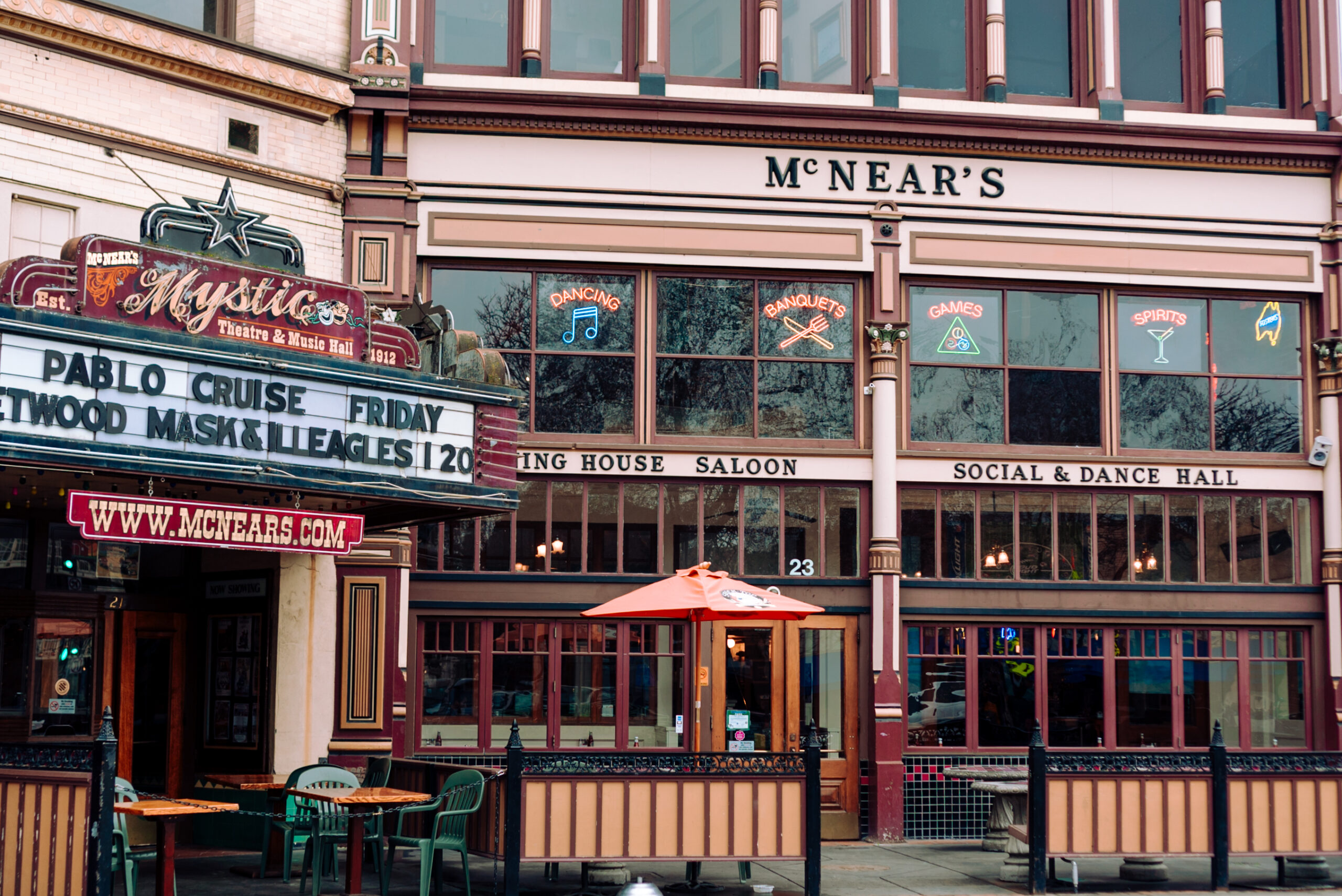
McNear's Saloon & Dining House in Petaluma. (Mariah Harkey / Sonoma County Tourism)
The Mystic Theatre and McNear’s Saloon & Dining House in Petaluma. Co-owner Jeff Harriman will open a sister restaurant in Inverness. (Mariah Harkey / Sonoma County Tourism)

McNear’s-inspired restaurant to open in Inverness

The co-owner of McNear’s Saloon and Mystic Theatre will open a sister restaurant at the Tomales Bay Resort & Marina in Inverness on May 7. Jeff Harriman, who owns the McNear’s building and operates the longtime restaurant with Kenneth O’Donnell, announced the collaboration, which will feature a large smoker for oysters, ribs and whole chickens, along with 12-inch pizzas on the Bayside Bar & Lounge Restaurant menu. The restaurant will open in stages, beginning with dinner service from 4-8 p.m. Thursday through Monday, with plans to add brunch and lunch in the future. 12938 Sir Francis Drake Blvd., Inverness

Sol Rei Is a Charming Addition to the Sonoma Plaza Wine Scene

The Sol Rei Wine tasting room in Sonoma Thursday, April 23, 2026. (Beth Schlanker / The Press Democrat)

For some people, sensitivities to histamines or sulfites can put a damper on their enjoyment of wine. That’s where Sol Rei Wine comes in. Set in a charming courtyard off the Sonoma Plaza, the winery specializes in wines low in histamines and sulfites.

The story

When Katherine Kitzmiller retired from the tech world, she planned to buy a hobby vineyard. But before she could pull the trigger on a purchase, she developed a sensitivity to wine that threatened to derail her agrarian dream. Instead of giving up, Kitzmiller began sending wine samples to a lab for analysis. She found that histamines and sulfites were the likely culprits. Both occur naturally in wine, but for those with sensitivities, they can lead to headaches (histamines) and asthma-like symptoms (sulfites). At age 63, Kitzmiller put her retirement plans aside to launch a winery devoted to low-histamine, minimal-sulfite wines.

Kitzmiller had little experience making wine, aside from a yearlong internship at an organic vineyard and winery, so she recruited winemakers Greg and Kyle Stokes, along with Marco Cappelli, as consultants. To keep histamines to a minimum, her team practices careful hygiene in the vineyard and winery to make sure damaged grapes — the kind that can introduce histamine-producing microbes — don’t make it into the wines. Sol Rei does add small amounts of sulfites during production for its still wines — just enough, Kitzmiller said, to support stability and freshness while maintaining low overall sulfite levels.

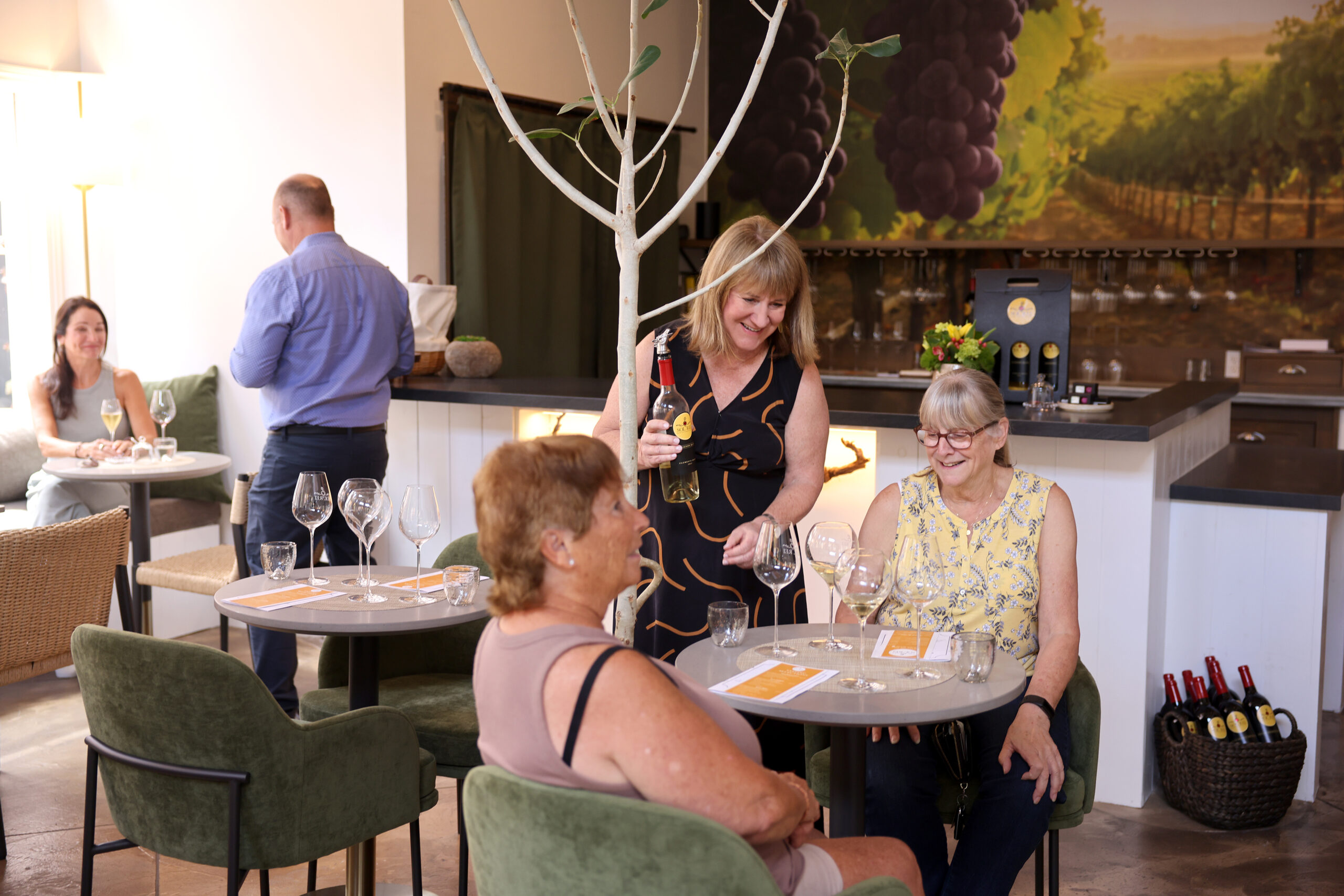
Sol Rei Wine founder Katherine Kitzmiller, center, serves guests Arlene Weeks, right, and Jacki Hayden at the tasting room in Sonoma Thursday, April 23, 2026. (Beth Schlanker / The Press Democrat)
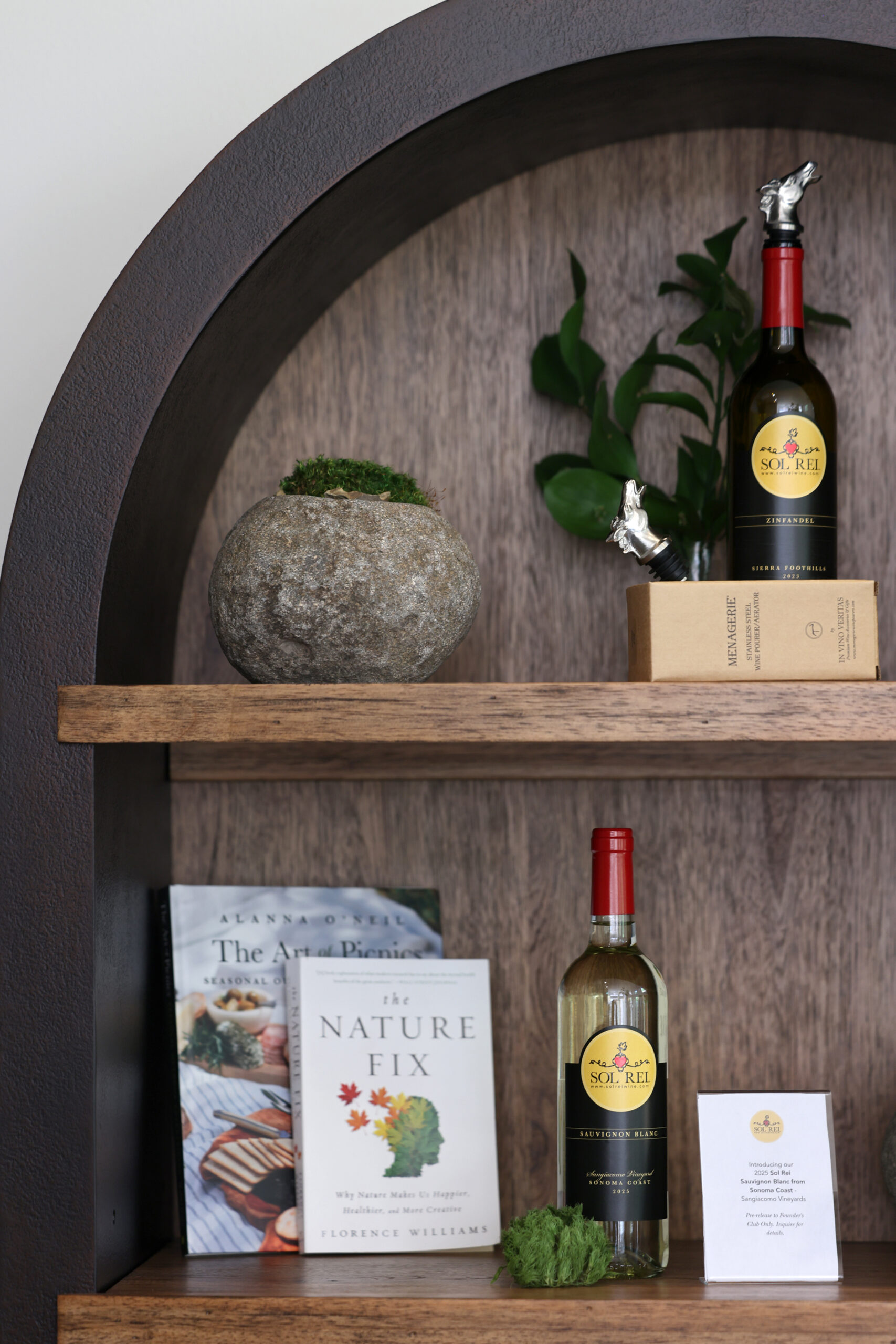
Bottles of wine sit on display at Sol Rei Wine tasting room in Sonoma
Bottles of wine sit on display at Sol Rei Wine tasting room in Sonoma Thursday, April 23, 2026. (Beth Schlanker / The Press Democrat)

With a name that means “sun king” in Portuguese, Sol Rei made its debut with the 2023 vintage. The winery sources sustainably and organically farmed grapes from vineyards in Sonoma County, the Sierra Foothills and other appellations. Wines are produced in the Sierra Foothills — the Stokes’ home base.

Sol Rei makes 1,000 cases per year, with a lineup that includes Sauvignon Blanc, Syrah, Zinfandel, a red blend and a sparkling Blanc de Blancs.

The vibe

Sol Rei sits among the Sonoma Court Shops, with Sosie Wines as a neighbor. Opened in December 2025, the space is bright and appealing, decorated with soft green and earth tones. The room is compact, with comfortable yet chic table and banquette seating.

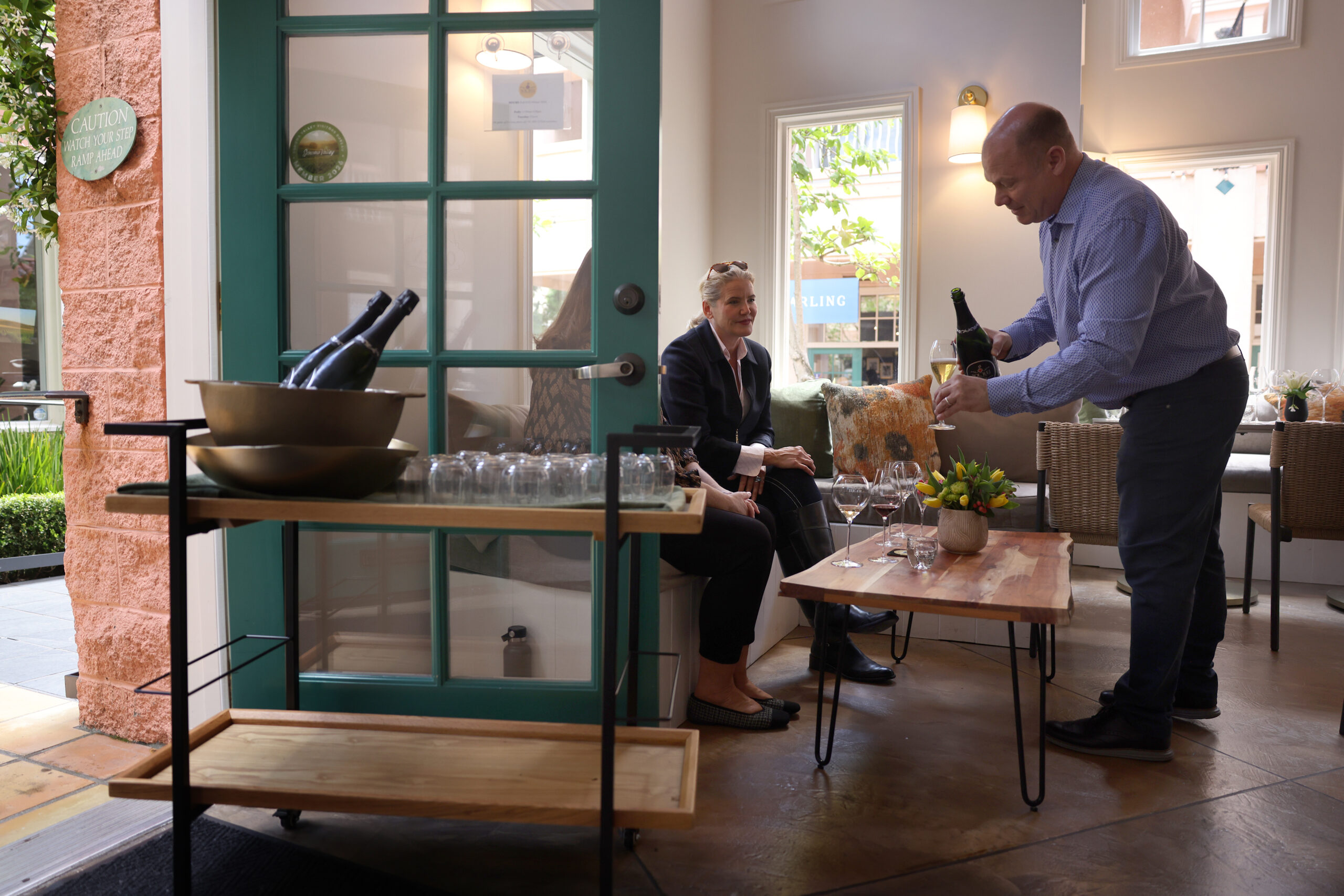
(From right) Wine Science Educator Thomas Schaal pours guests Katrin Ewald and Lynn Siekmann each a glass of Blanc de Blancs sparkling wine at Sol Rei Wine tasting room in Sonoma Thursday, April 23, 2026. (Beth Schlanker / The Press Democrat)
From right, wine science educator Thomas Schaal pours guests Katrin Ewald and Lynn Siekmann each a glass of Blanc de Blancs sparkling wine at Sol Rei Wine tasting room in Sonoma Thursday, April 23, 2026. (Beth Schlanker / The Press Democrat)
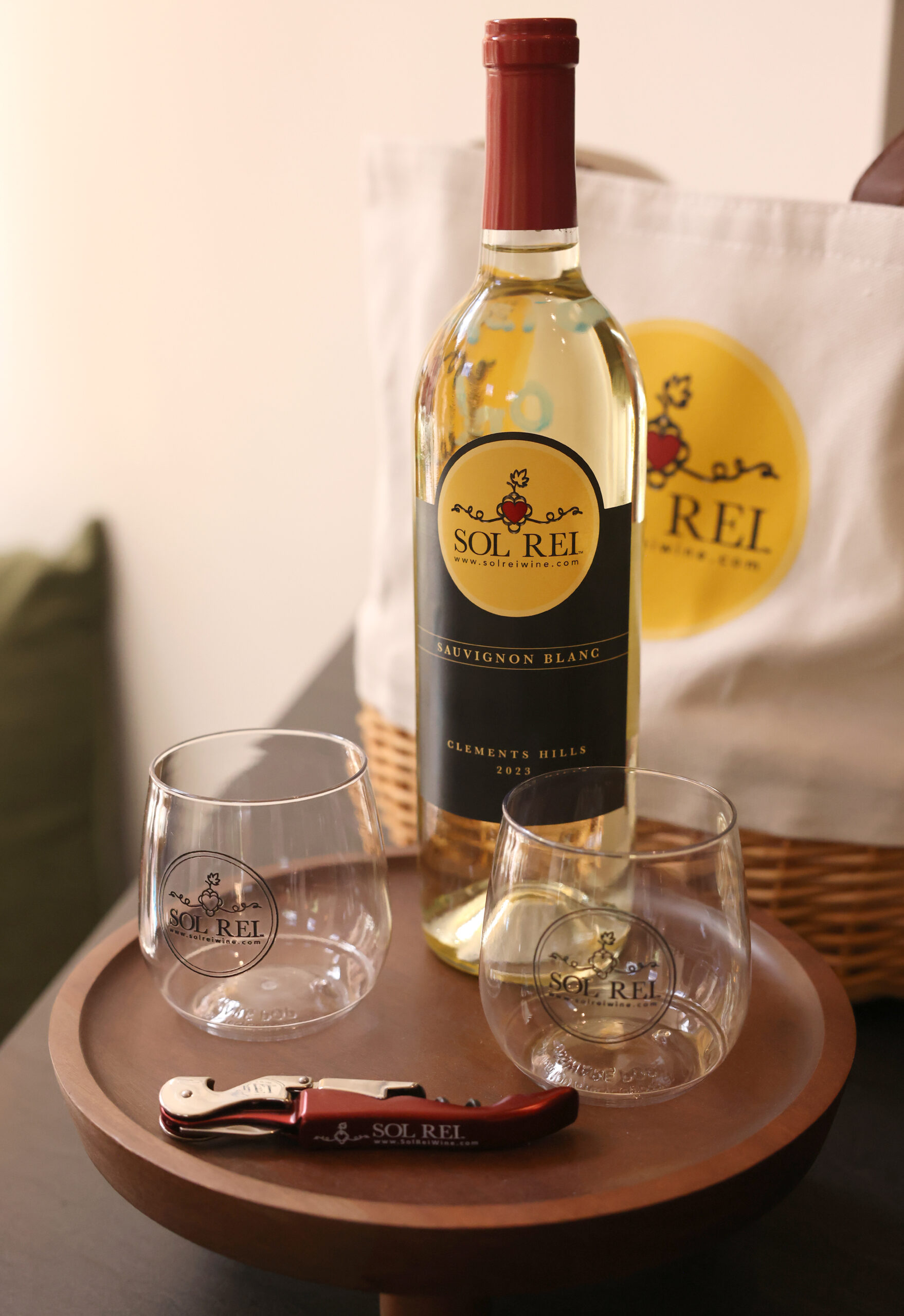
A bottle of Sauvignon Blanc at Sol Rei Wine tasting room in Sonoma
A bottle of Sauvignon Blanc at Sol Rei Wine tasting room in Sonoma Thursday, April 23, 2026. (Beth Schlanker / The Press Democrat)

On the palate

If you have questions about histamines and sulfites in wine, you’re in luck. Sol Rei might be the only tasting room in California with its own wine science educator. Ask away. Or, if chemistry’s not your thing, just sit back and enjoy the wines.

The tasting room offers three flights ($35-$55), with some selections paired with focaccia and olive oil or Syrah-infused truffles from Kollar Chocolates in Napa Valley. Wines are also available by the glass.

Guest Sharyn DeLaurentis enjoys a glass of Blanc de Blancs sparkling wine at Sol Rei Wine tasting room in Sonoma
Guest Sharyn DeLaurentis enjoys a glass of Blanc de Blancs sparkling wine at Sol Rei Wine tasting room in Sonoma Thursday, April 23, 2026. (Beth Schlanker / The Press Democrat)

The 2024 Private Reserve Red ($52) from the Alta Mesa AVA, a blend of Mencía and Petite Sirah, is fruity and medium-bodied, with plummy notes and soft tannins. Hailing from the Sierra Foothills, the 2023 Syrah ($52) has a dark-fruit profile with appealing savory notes. Bubbles fans will find lots to like with the Organic Blanc de Blanc ($74), made by Penny Gadd-Coster of Breathless Wines fame. Crafted in a subtle, off-dry style, it has a toasty, brioche aroma, a creamy texture and a string of fine bubbles.

As with many low-sulfite wines, you’ll want to drink these while they’re young. Sulfur dioxide is widely used as a preservative in winemaking, so wines without it tend to have a shorter shelf life.

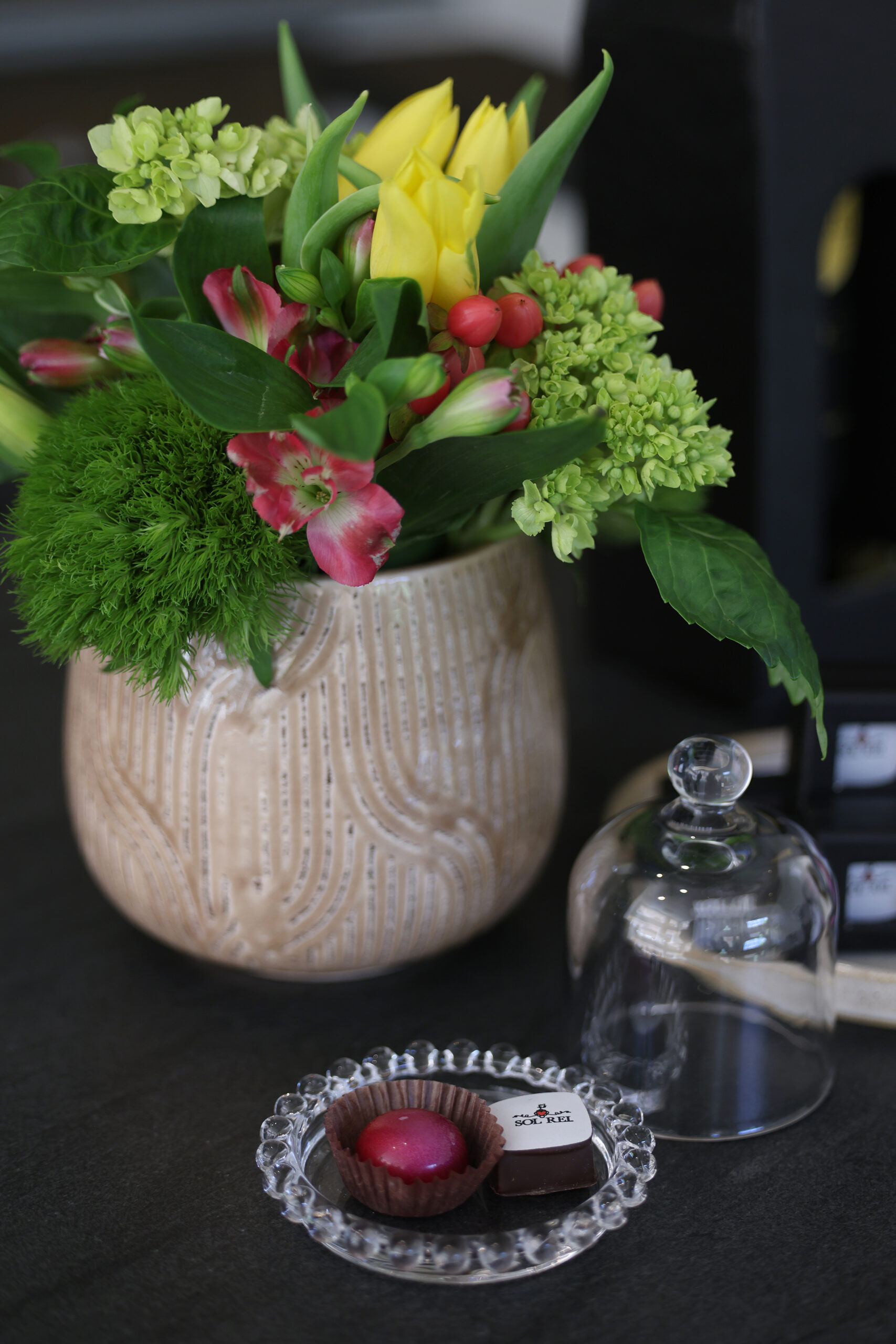
Signature chocolates available with wine pairings at Sol Rei Wine tasting room in Sonoma Thursday, April 23, 2026. (Beth Schlanker / The Press Democrat)

Beyond the bottle

For some adult-style fun down on the farm, get tickets ($95) to the Summer Bar(n) Crawl. Scheduled for the afternoon of Saturday, June 6, the event will be held at Charlie’s Acres Farm Animal Sanctuary in Sonoma. Guests can meet the sanctuary’s rescue animals at each barn while sampling local wines, then sit down to a plant-based barbecue picnic lunch from Nova Terra Kitchen & Creamery. charliesacres.org

Sol Rei Wine, 25 E. Napa St., Suite E, Sonoma. Open 11 a.m. to 5 p.m. daily, except Tuesdays. 707-460-2276, solreiwine.com

Tina Caputo is a wine, food, and travel journalist who contributes to Sonoma magazine, SevenFifty Daily, Visit California, Northern California Public Media, KQED, and more. Follow her on Bluesky at @winebroad.bsky.social, view her website at tinacaputo.com, and email her story ideas at tina@caputocontent.com.

Ranch-Style Russian River Retreat Hits the Market

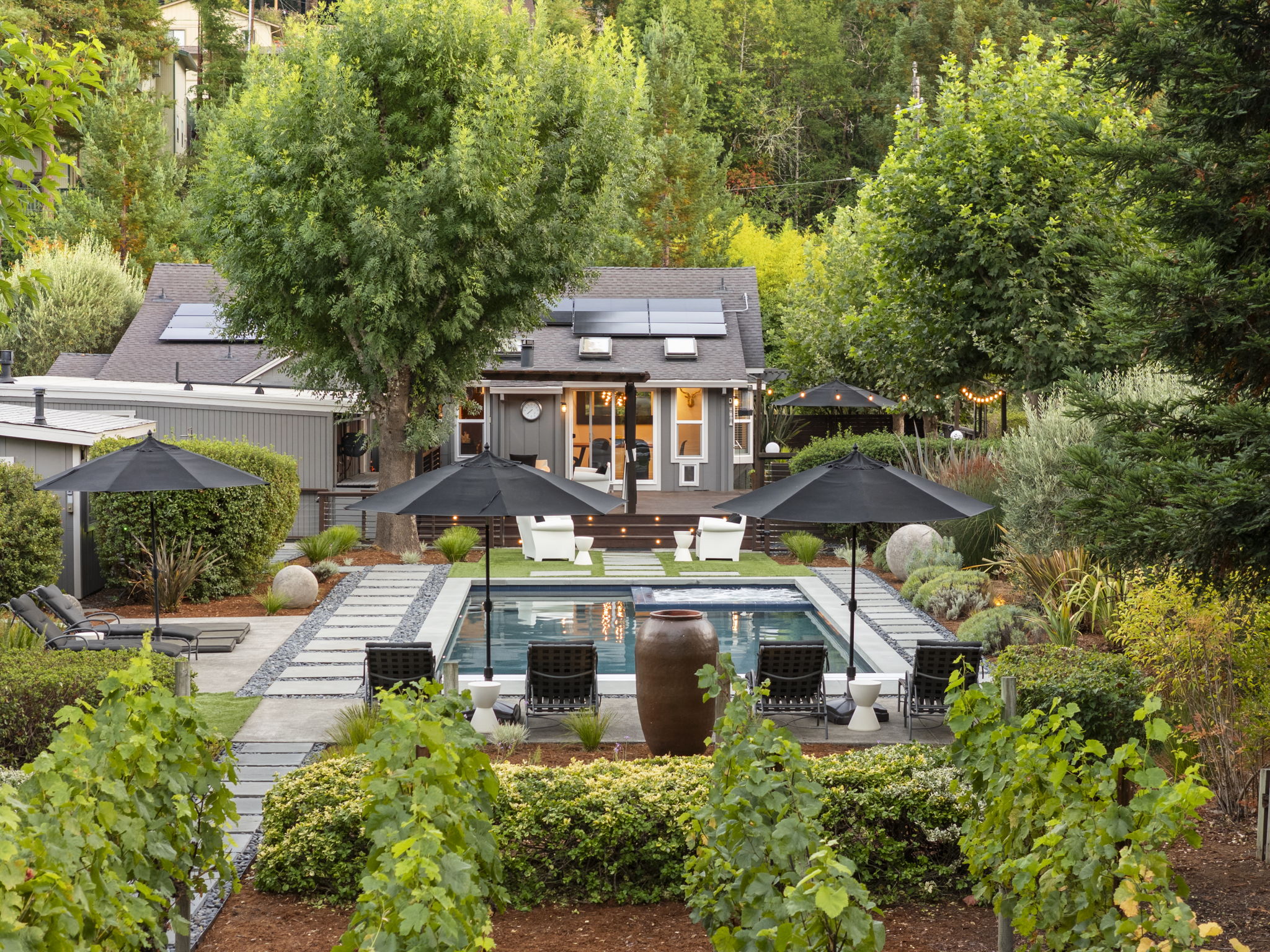
View from the backyard. (Agent Stack)

A secluded Russian River home and accessory dwelling unit (ADU) are currently listed for sale. Set on nearly a full, level acre, the 2,828-square-foot property with four bedrooms and four bathrooms is listed for $1,995,000.

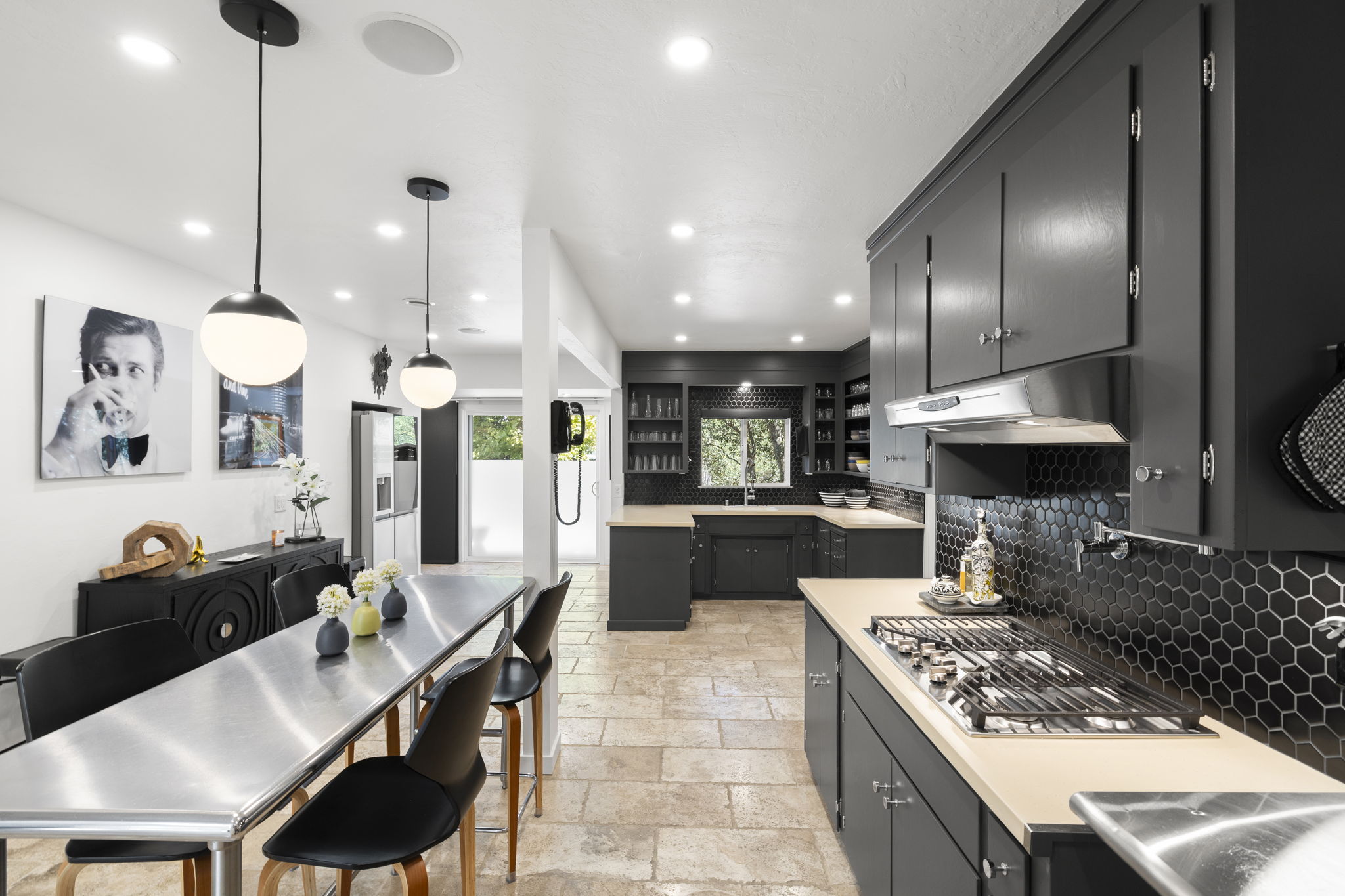
The renovated 1940s-era, ranch-style home has a floor plan with an open flow between the kitchen, living room and the large outdoor patio. The home’s handsome gray exterior is accented with black shutters and white trim. Black accents are carried throughout the dwelling — in the kitchen cabinets and backsplash, in the various fixtures, and in the repeat of umbrellas that double down on the spa-like feel of the backyard.

The sunny yard is focused around a large, saltwater pool with an integrated spa, but the grounds have an impressive collection of zones tailored to enjoyment: patios, lawns, a fire pit, a bocce ball court and a hobby vineyard. A surround of trees adds another layer of lushness.

Kitchen in Russian River home
Kitchen. (Agent Stack)
View from the backyard. (Agent Stack)
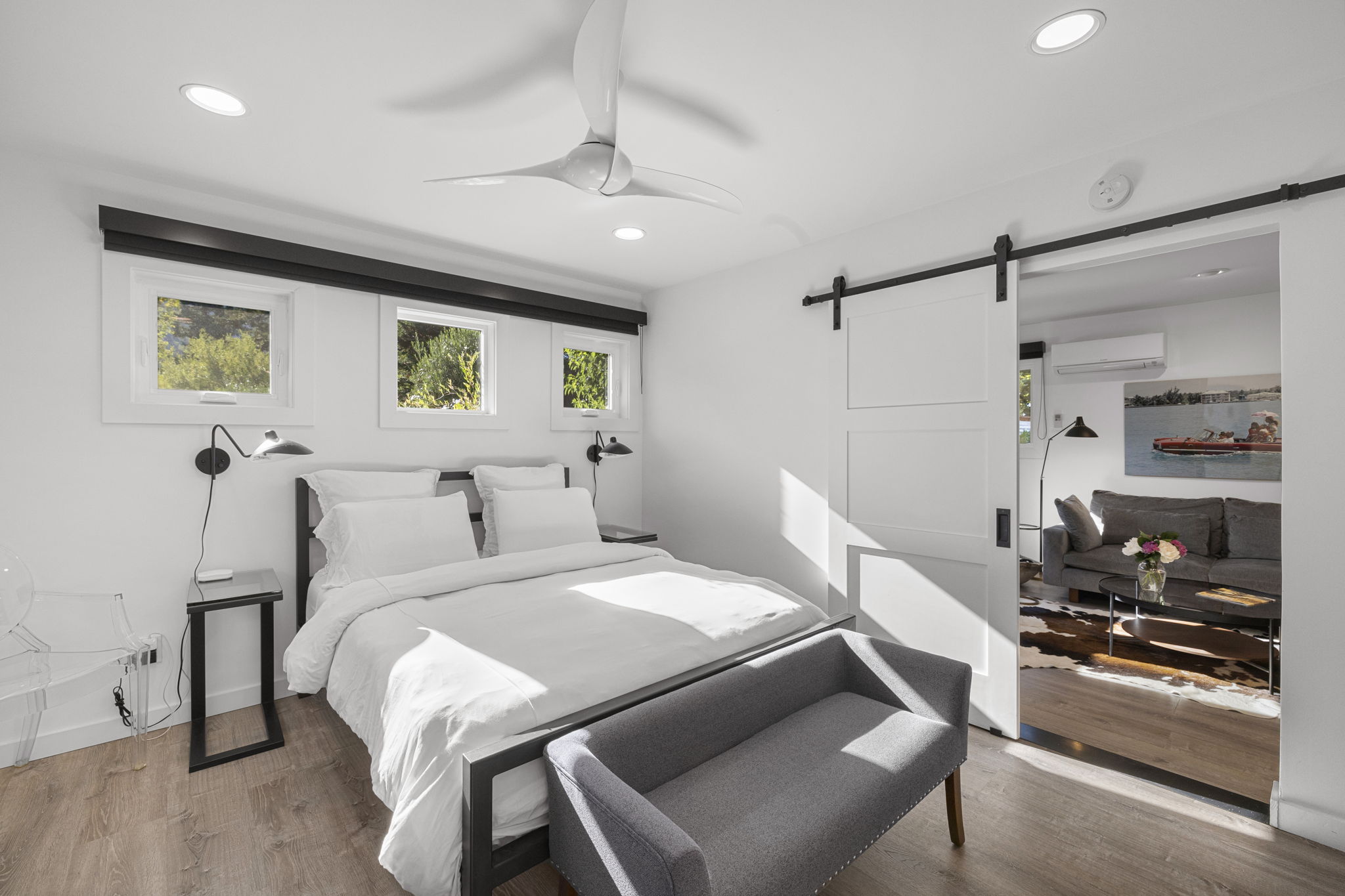
Bedroom and living room in ADU. (Agent Stack)

The one-bedroom, one-bathroom ADU has its own private patio with a spa, allowing it to function as a private residence for guests or tenants.

For more information on this property at 16390 Laughlin Road in Guerneville, contact listing agent Noel Flores, 415-730-0554; Continuum Real Estate, 10 Fourth St., Suite 215, Santa Rosa, continuumrealestate.com

Reimagined Home in Burbank Gardens Neighborhood Listed for Sale

Front yard. (Clear Shot Creations)

A reimagined circa-1924 home in the Burbank Gardens neighborhood of Santa Rosa is currently listed for $685,000. 

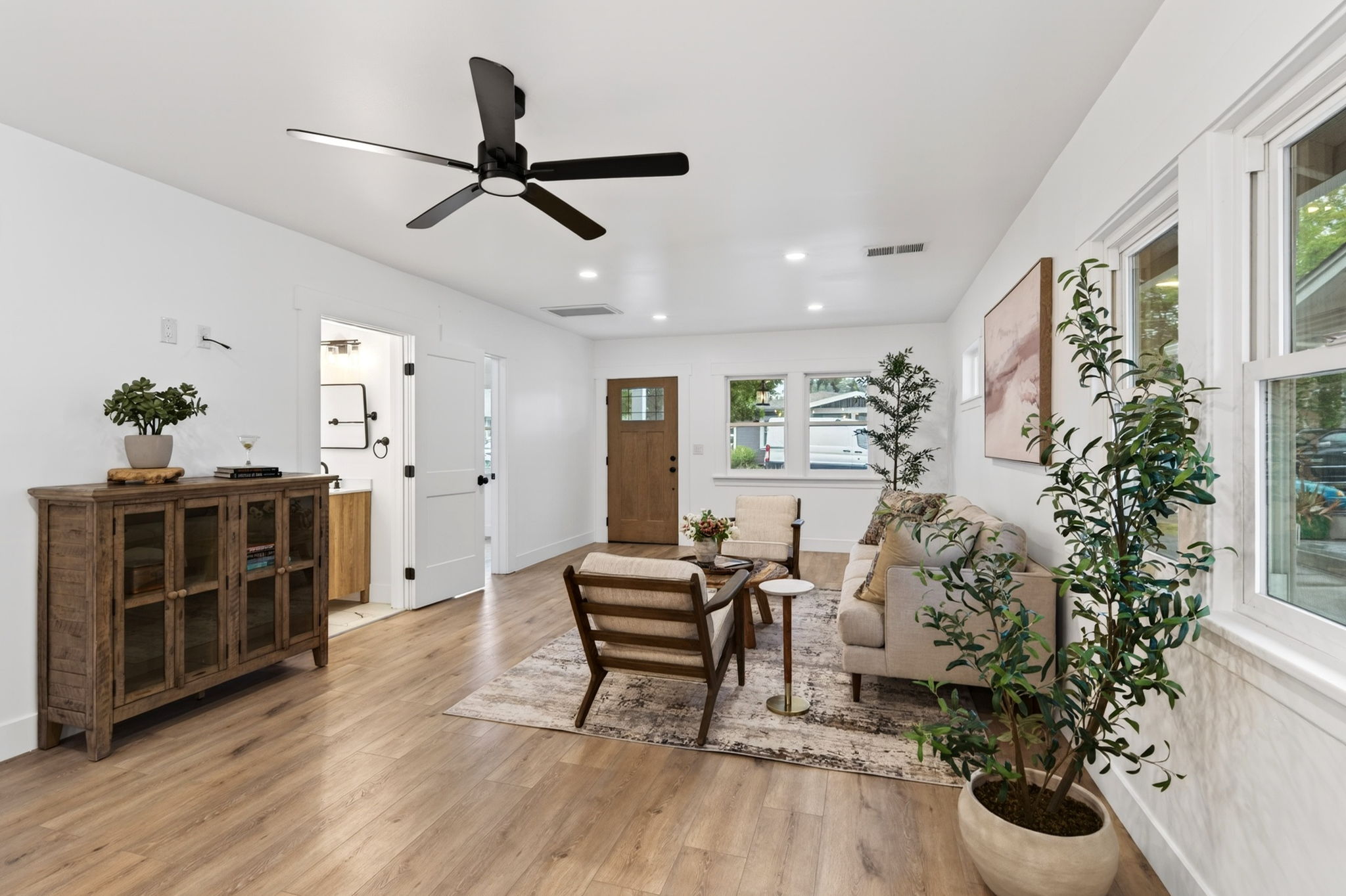
The two-bedroom, two-bathroom dwelling exudes charm right at the curb. The walkway flanked by grass leads to a spacious front porch. Modern fixtures and fresh paint highlight the traditional millwork.

A down-to-the-studs renovation has given a pleasing transitional style to the antique home. Oak floors provide a clean and warm look, white walls offer airiness, and black iron fixtures button up the look with a bit of contrast.

Great room in the Santa Rosa home
Great room. (Clear Shot Creations)
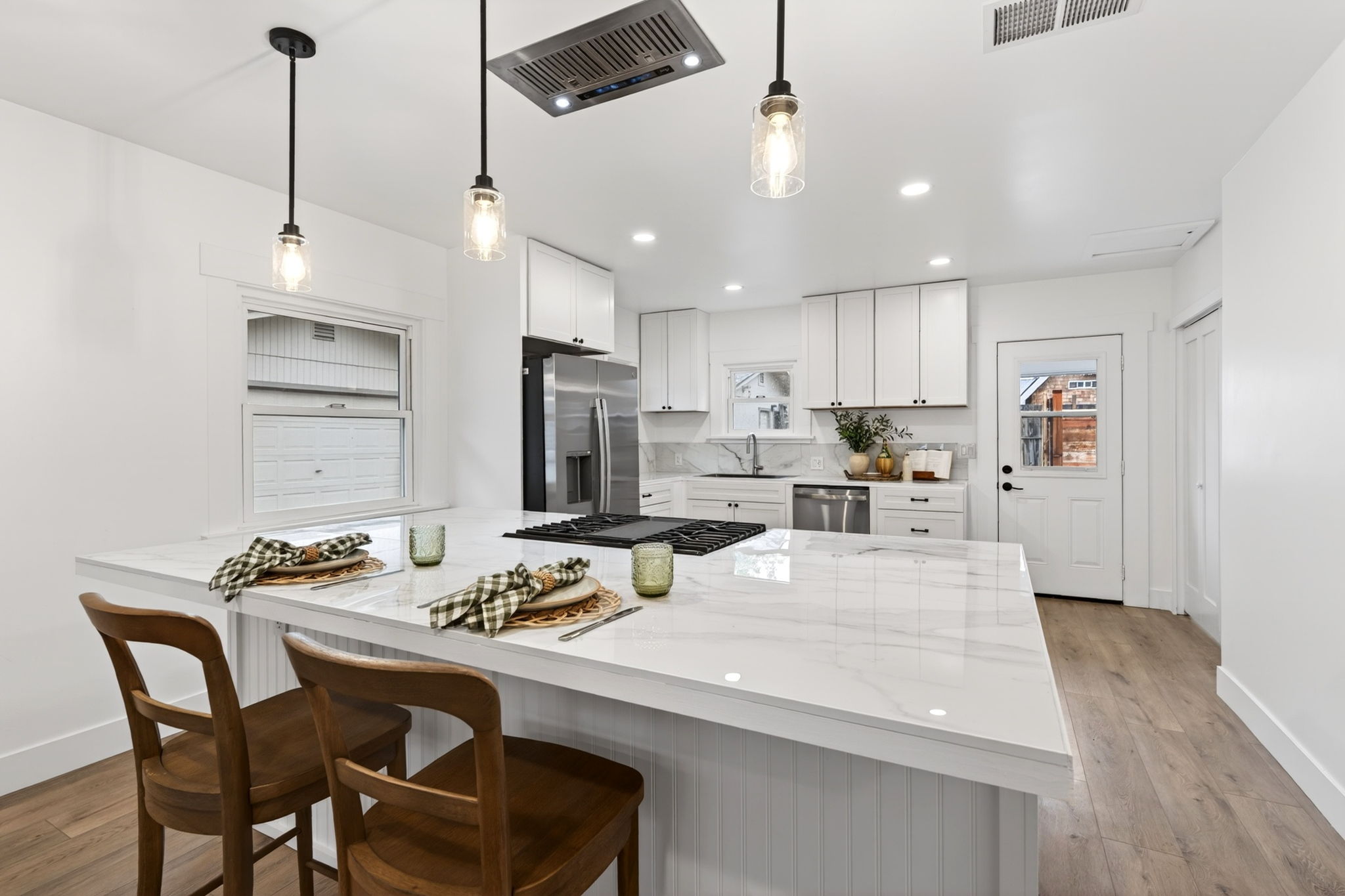
Eat-in counter. (Clear Shot Creations)

The home’s 1,071 square feet are expanded by an open-concept great room with a kitchen, eat-in counter and lounging area. Repeating double-hung windows allow for lots of light.

Geometric tiles in black and white give an energized focal point to the shower in the main bathroom. A stained wood cabinet and white walls keeps the look tranquil.

Bathroom. (Clear Shot Creations)
Enclosed area of backyard at Santa Rosa home
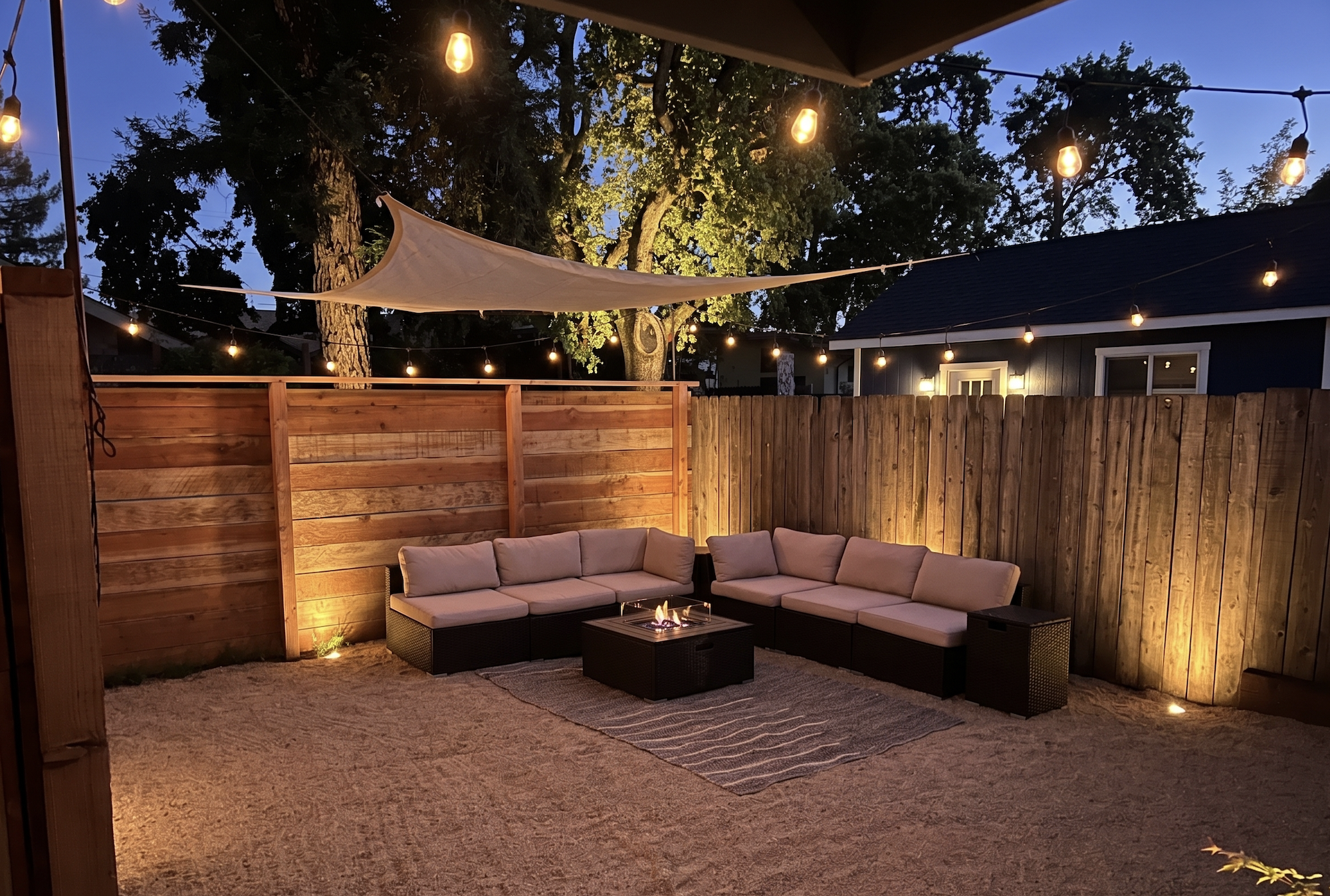
Enclosed area of backyard. (Clear Shot Creations)

The graveled patio area of the backyard is enclosed with a new fence. A sailcloth provides daytime shade and in-ground uplights add cozy, nighttime ambiance.

For more information on this listing at 648 Pine St. in Santa Rosa, contact listing agent Brooklyn Nordby, 707-321-3106, Sotheby’s International Realty, brooklynnordby.com/sale/listing-details/c0038278-e0f1-45ad-8c87-6ae4766775f8

Sonoma County’s Mobile Tortillerías Offer a Taste of Home

The freshest corn tortillas sold by the pound Friday, Jan. 16, 2026, at the Tortilleria La Loteria fresh tortilla factory food truck on Stony Point Road in Santa Rosa. (John Burgess / The Press Democrat)

The scent of fresh, warm corn tortillas greets customers as a line grows in the mid-afternoon outside a bright yellow and green trailer on Sebastopol Road in Santa Rosa’s Roseland neighborhood.

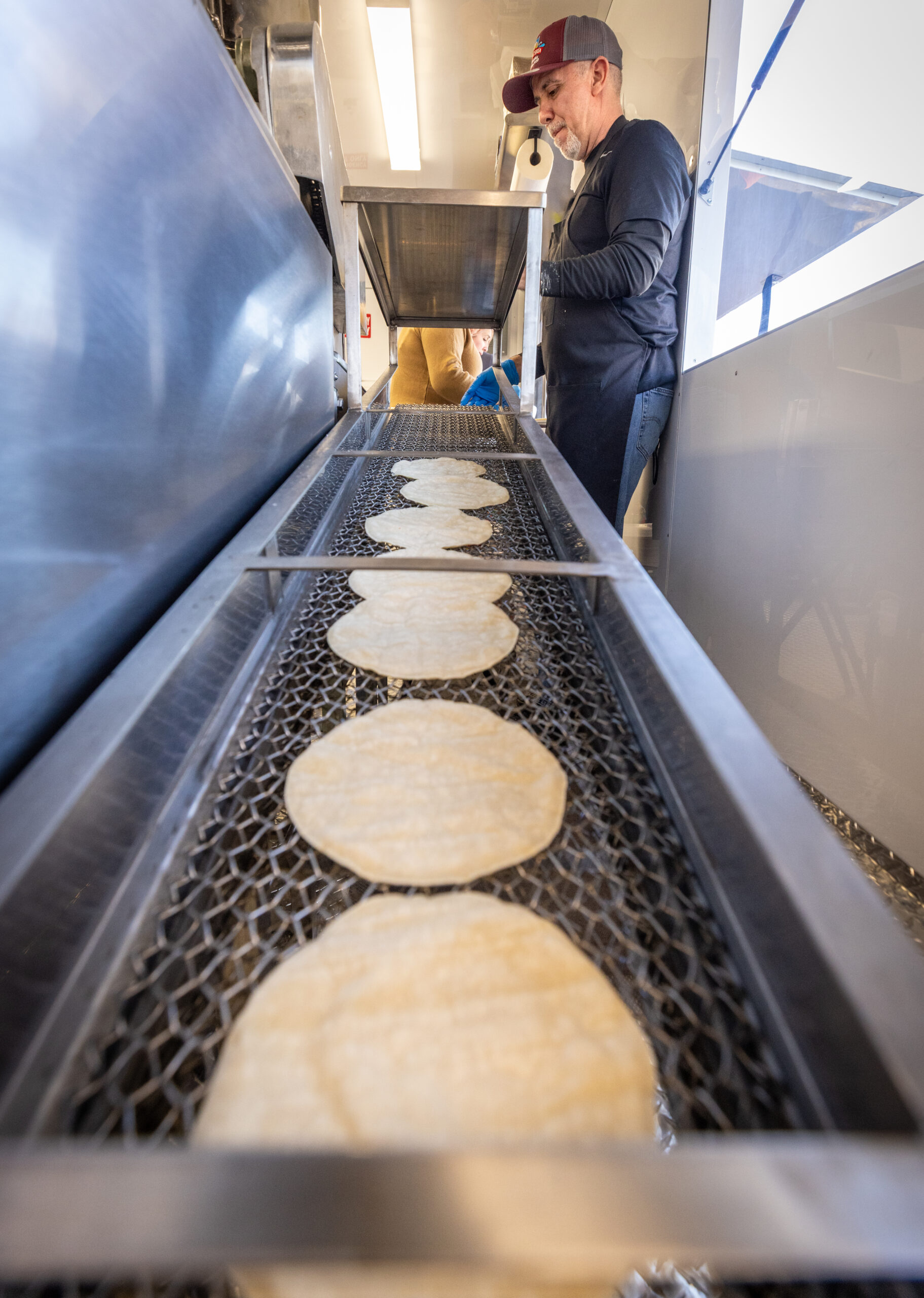
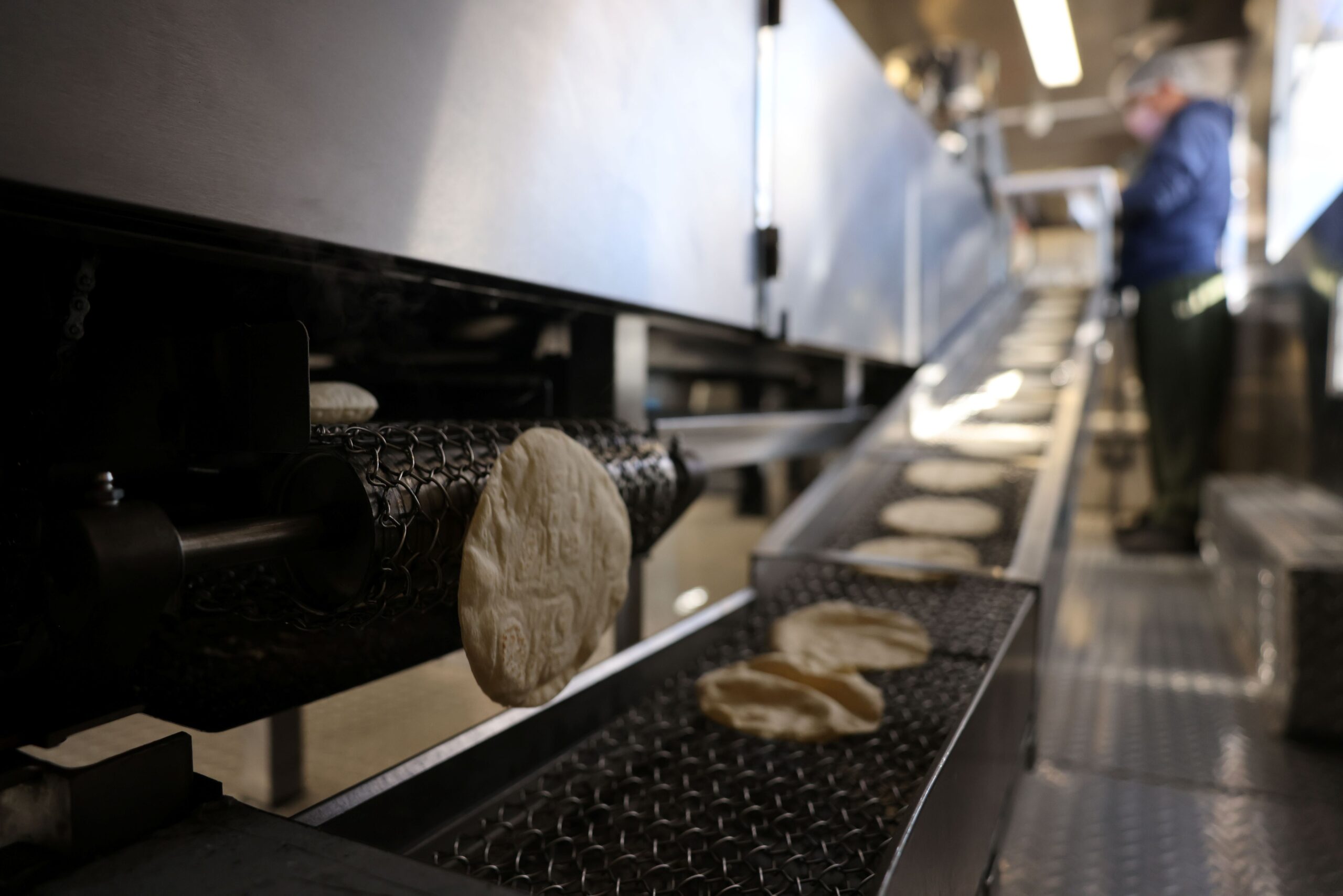
Unlike the other trucks, trailers, and pop-up tents lining the busy street, you won’t find tacos, burritos, or tamales at Tortillería Apatzingán. Instead, you’ll find a machine inside churning out tortillas by the dozen, destined for dinner tables that evening, still steamy and pliable an hour or two later.

Tortillería Apatzingán is one of two mobile tortilla factories, or tortillerías, that have opened recently in Sonoma County, with yet another on the way.

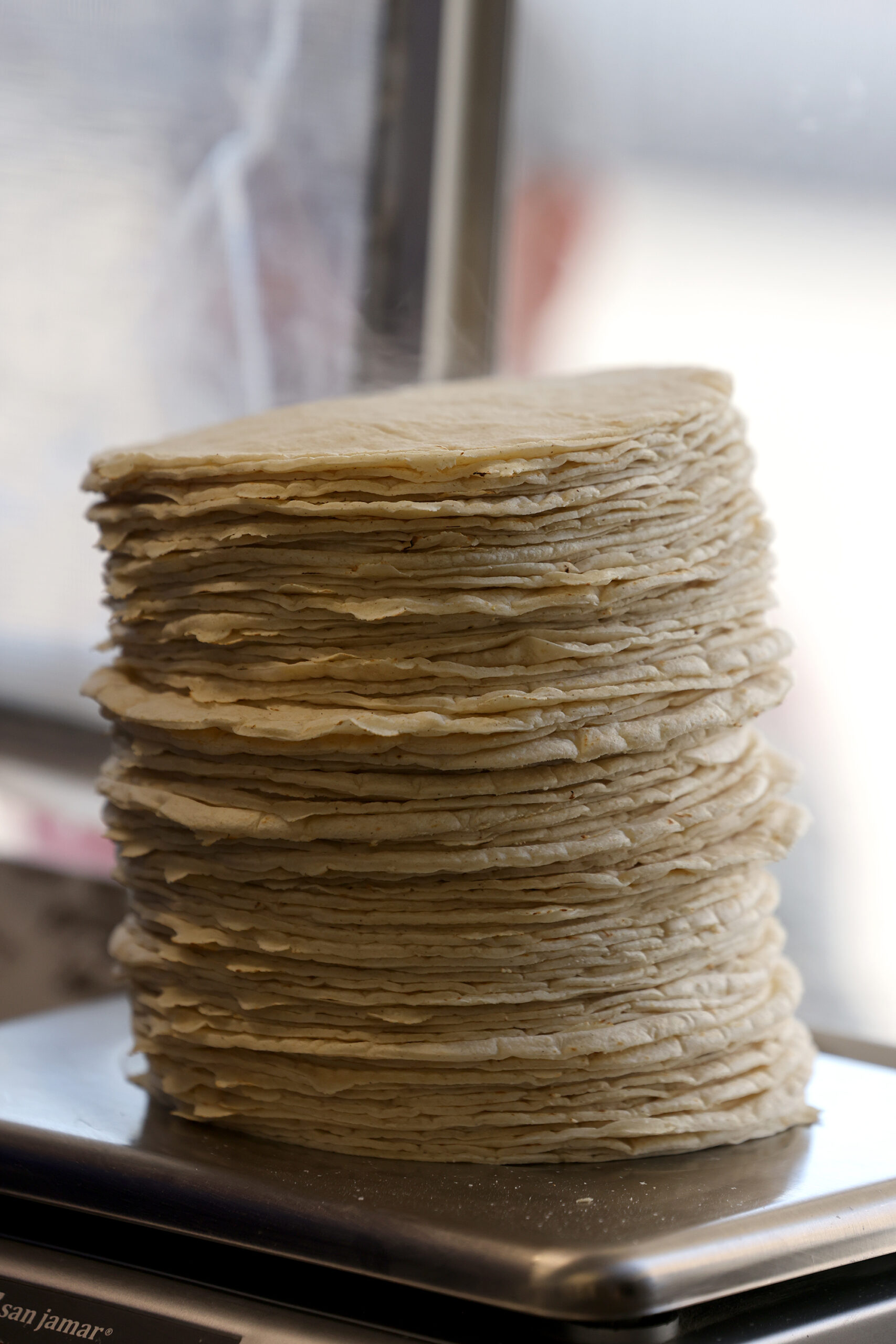
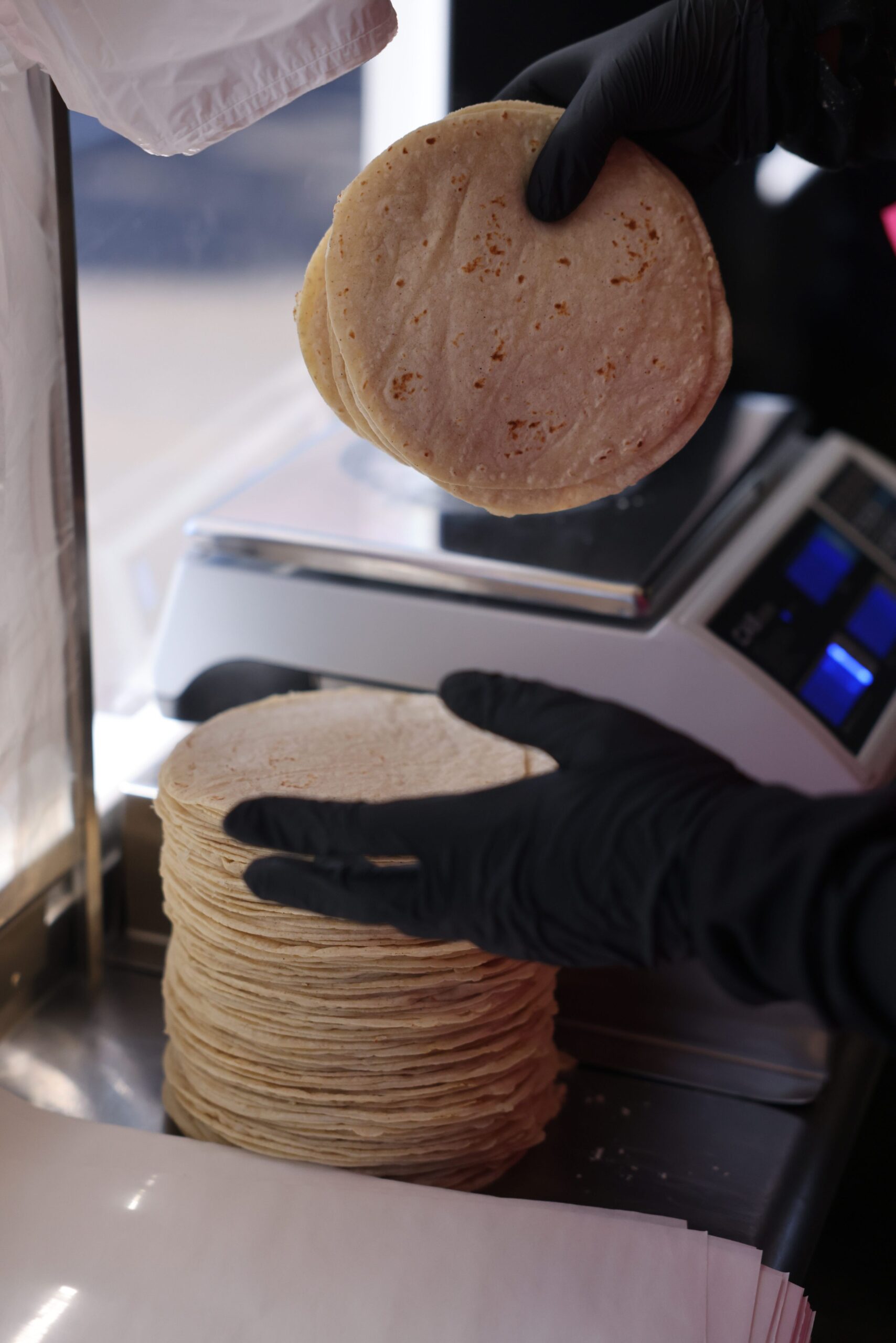
A stack of freshly made tortillas at Tortilleria Apatzingan in Santa Rosa
A stack of freshly made tortillas at Tortilleria Apatzingan in Santa Rosa Tuesday, July 8, 2025. (Beth Schlanker / The Press Democrat)

“This trend is spreading fast,” says Tortillería Apatzingán’s owner, Cristian Alvarez. The 33-year-old opened the North Bay’s first mobile tortillería in early 2024, opting for a trailer over a brick-and-mortar store, which he was able to move easily from Modesto where he’d launched the business the year before. “It’s easier to move (your business) in a trailer,” he says.
Alvarez was soon joined by local radio host Ramiro Garcia, 55, who debuted his mobile tortillería late last summer on Stony Point Road on the southern outskirts of Santa Rosa. Garcia’s trailer, Tortillería La Lotería, is decorated with imagery from the Mexican bingo game. He and his family employ three people who brought their tortilla-making expertise from Mexico.

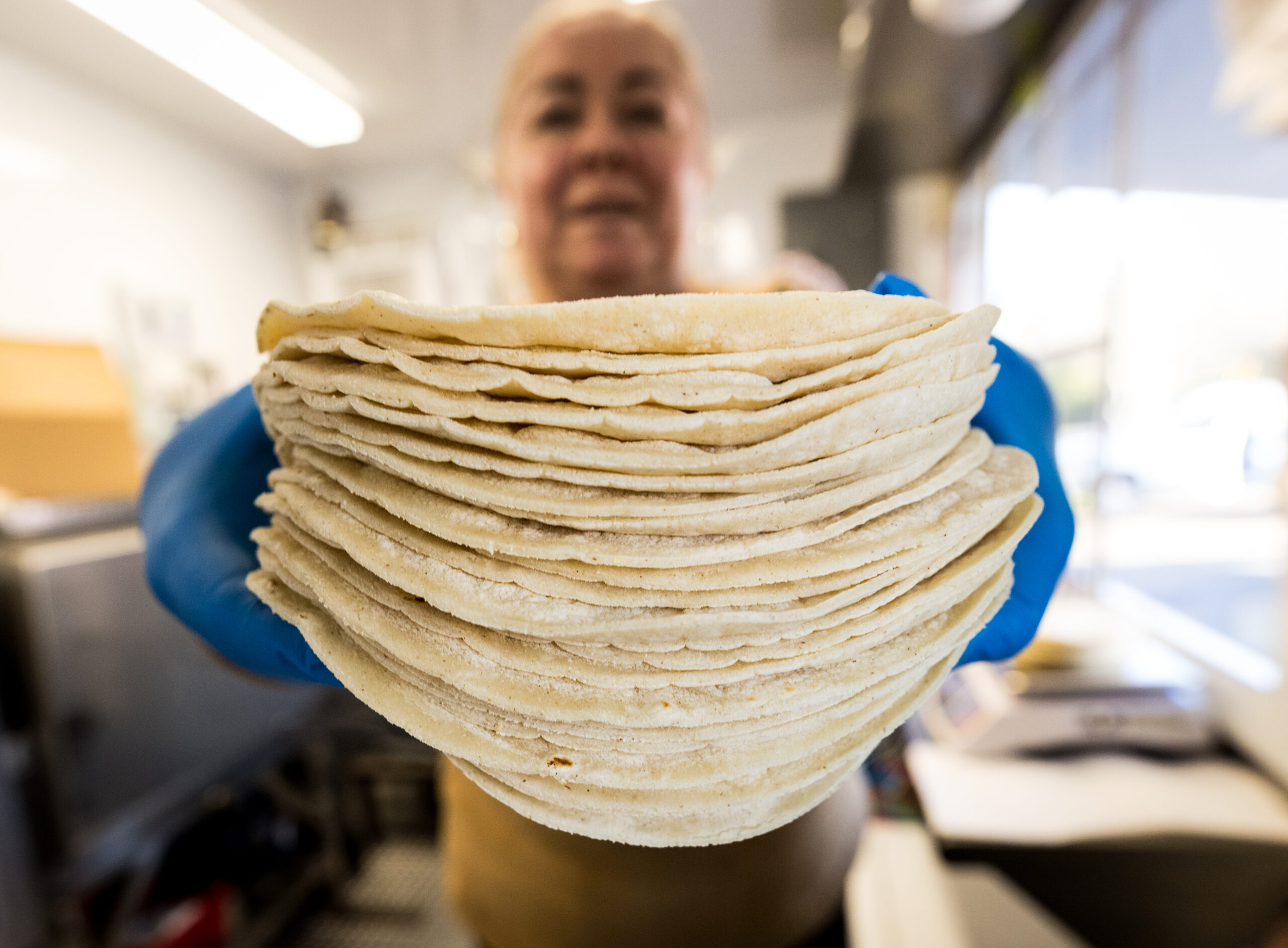
Ramiro Garcia stacks fresh corn tortillas inside the Tortilleria La Loteria
Ramiro Garcia stacks fresh corn tortillas Friday, Jan. 16, 2026, inside the Tortilleria La Loteria fresh tortilla factory food truck on Stony Point Road in Santa Rosa. (John Burgess / The Press Democrat)
Stack of fresh corn tortillas
The freshest corn tortillas sold by the pound Friday, Jan. 16, 2026, at the Tortilleria La Loteria food truck on Stony Point Road in Santa Rosa. (John Burgess / The Press Democrat)

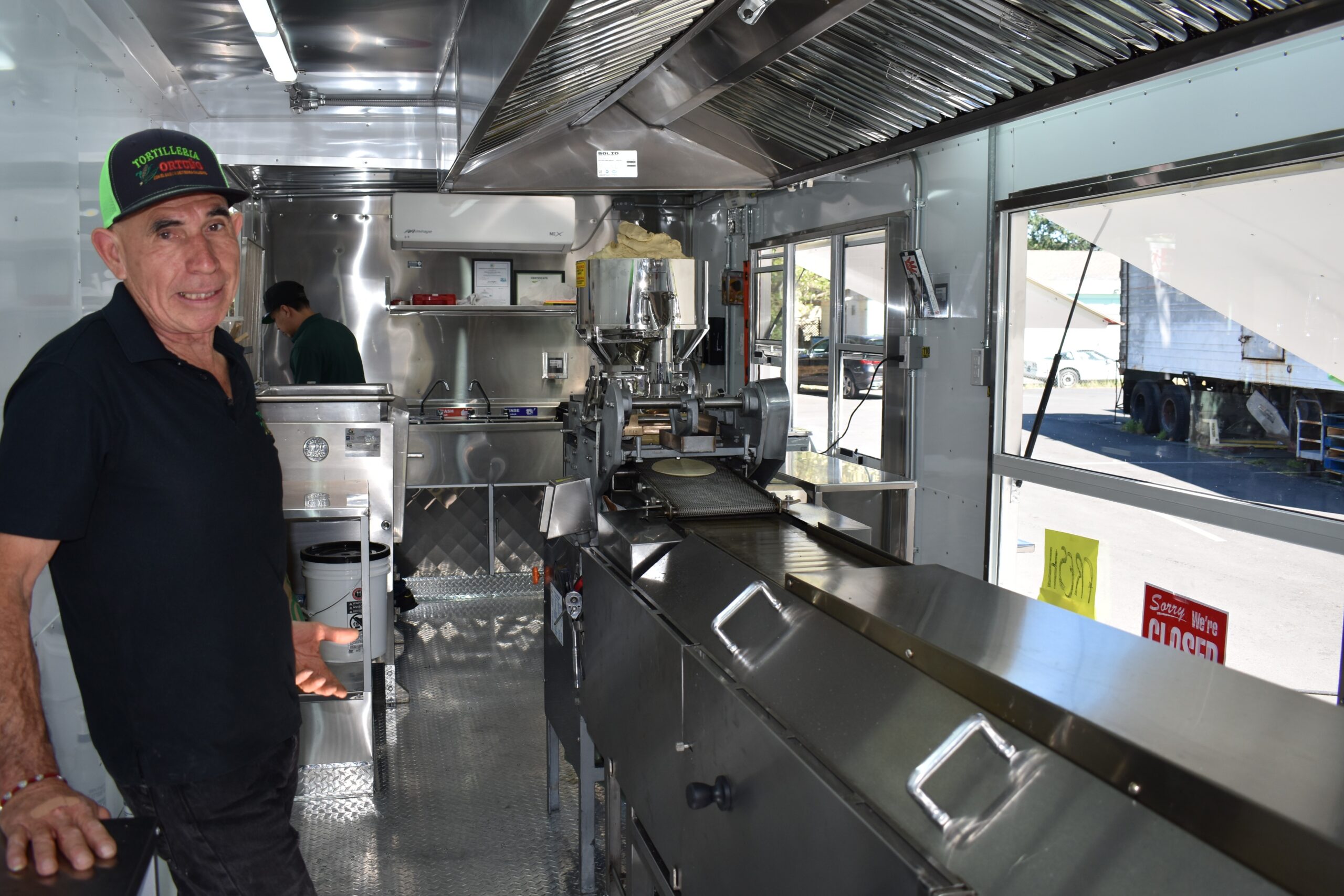
The trailers are outfitted with machinery imported from Mexico that can make up to 3,000 tortillas per hour. Local owners favor equipment from the Celorio company, which pioneered industrialized corn tortilla production in 1947. The invention freed women from hours of daily back-breaking work making tortillas by hand over a grinding stone and set the standard of how tortillas should taste for a new generation.

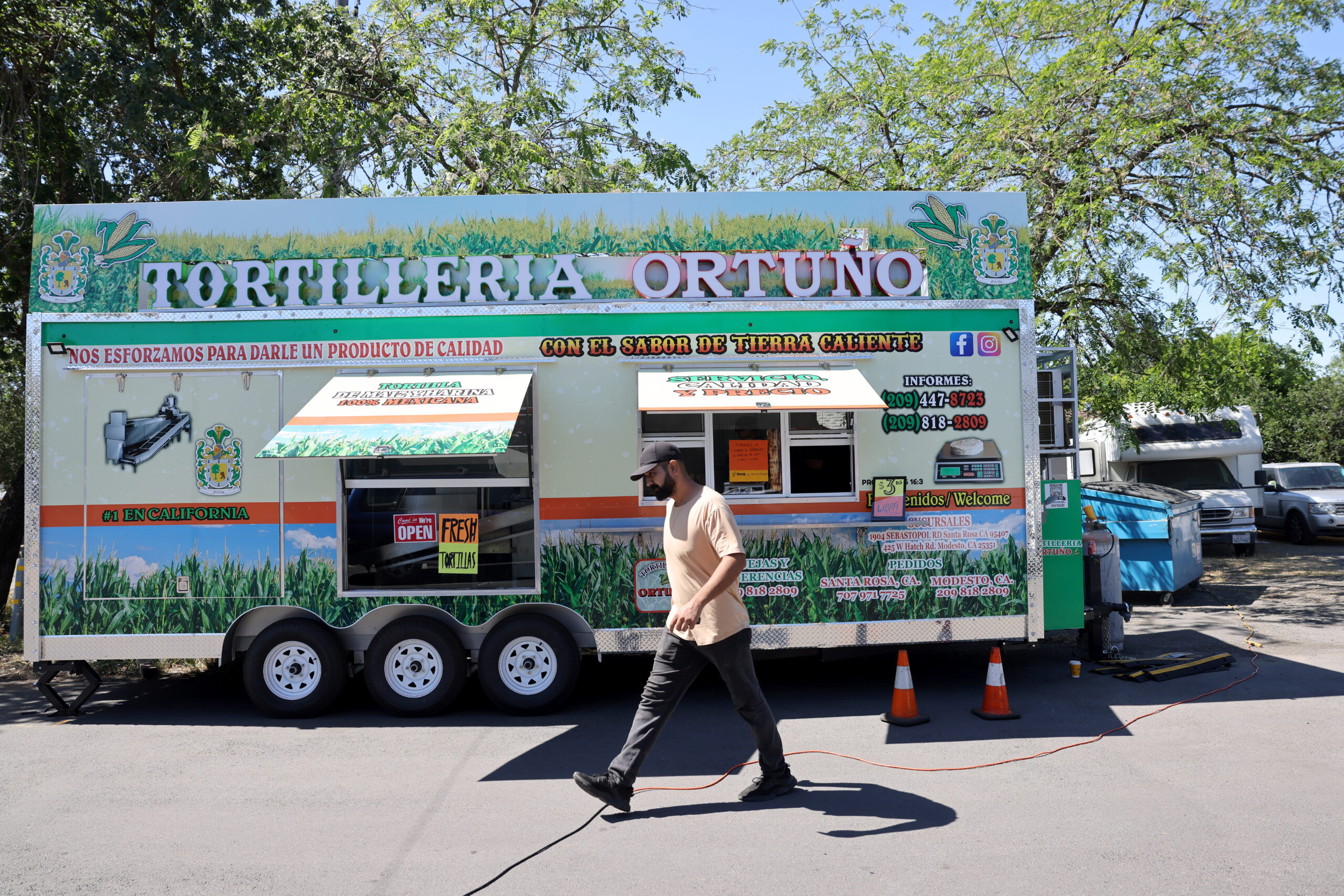
Local entrepreneurs credit Ramiro Ortuño, a 63-year-old Modesto businessman, for pioneering the mobile tortillerías. In 2020, Ortuño convinced a skeptical trailer craftsman to install a 5-by-13-foot tortilla machine inside a container roughly 16 feet long and the concept was an immediate success. Ortuño recently expanded his business to Sonoma, setting up in the parking lot of the Sonoma Valley Fruit Basket.

Tortilleria Ortuno in Sonoma
Tortilleria Ortuno in Sonoma Monday, April 6, 2026. (Beth Schlanker / The Press Democrat)
Ramiro Ortuño shows the machinery inside his mobile tortilla factory "Tortilleria Ortuño," a food truck parked behind Sonoma Valley Fruit Basket at 18474 Sonoma Highway. Friday, April 3, 2026, in Sonoma. (Raquel Issenberg/La Prensa Sonoma)
Ramiro Ortuño shows the machinery inside his mobile tortilla factory Tortilleria Ortuño, parked behind Sonoma Valley Fruit Basket. Friday, April 3, 2026, in Sonoma. (Raquel Issenberg / La Prensa Sonoma)

The tortillas from these mobile tortillerías are softer, more fragrant, and more flavorful than packaged versions. Each operator has their own special recipe that they understandably want to keep secret, though Garcia of La Lotería divulges he uses a secret five-flour blend that he mixes with standard masa harina and water.

“That’s all I can say,” he says. “Our recipe is what gives our tortillas their distinctive flavor.”

The mobile tortillerías provide a nostalgic taste of home or a connection to ancestors for many Sonoma County locals, who may have experienced or heard about growing up in Mexico where most towns have a local tortillería that people visit daily to pick up fresh tortillas.

Ulises Delgadillo, 33, a Santa Rosa property manager, loves La Lotería corn tortillas and picks up a paper-wrapped package every afternoon. He says even the click-clack sound of tortillas being pressed on the machine reconnects him with Mexico.

Fresh tortillas come out of the oven of a tortilla machine Tortilleria Mexico Mi Amor in Napa Thursday, Feb. 5, 2026. (Beth Schlanker / The Press Democrat)
Stack of tortillas
Employee Mia Espinoza wraps up freshly made tortillas at Tortilleria Mexico Mi Amor in Napa Thursday, Feb. 5, 2026. (Beth Schlanker / The Press Democrat)

“They are so good,” he says. “I like them fresh to go, and they don’t stiffen up. They have a sweet and slightly salty flavor.”

Besides offering delicious tortillas, Delgadillo believes the mobile tortillerías are successful because they’re a place where the community can connect. “You always run into people you know when you go for tortillas.”

Where to Get the Best Margaritas in Sonoma County

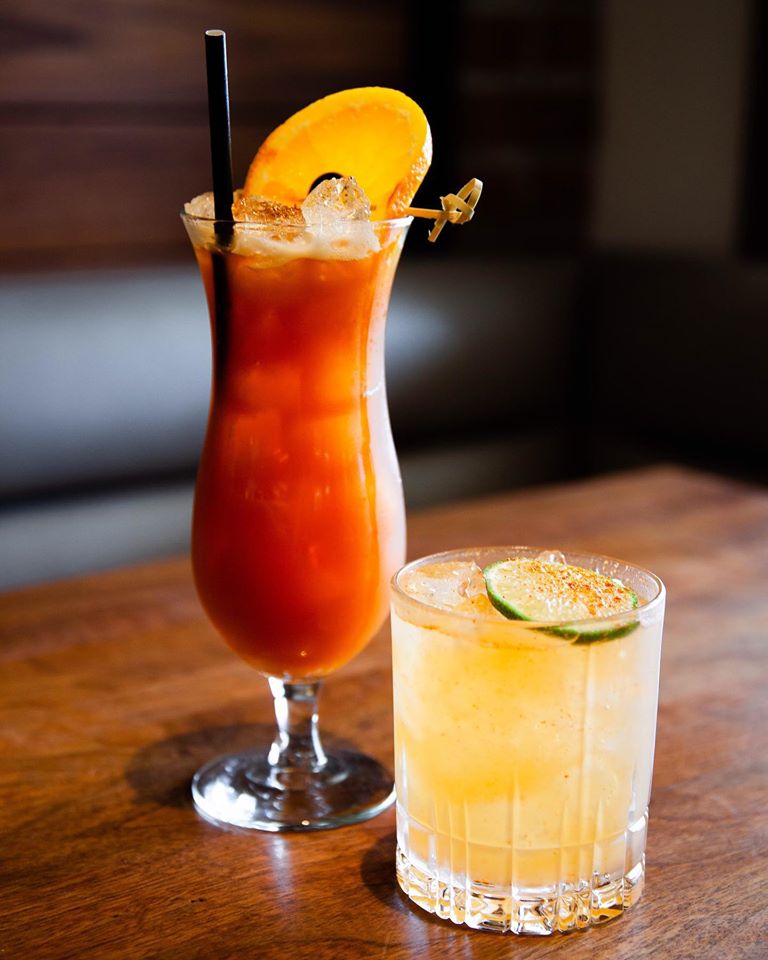
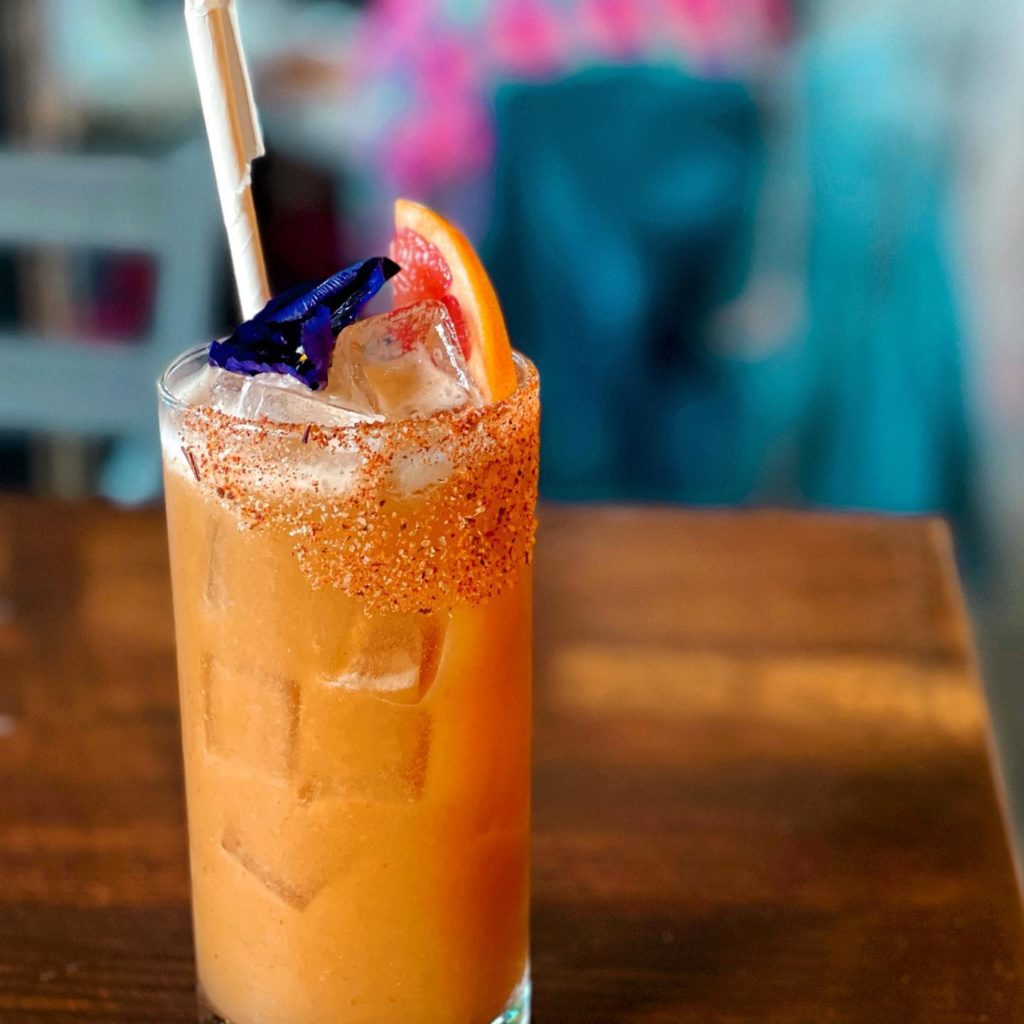
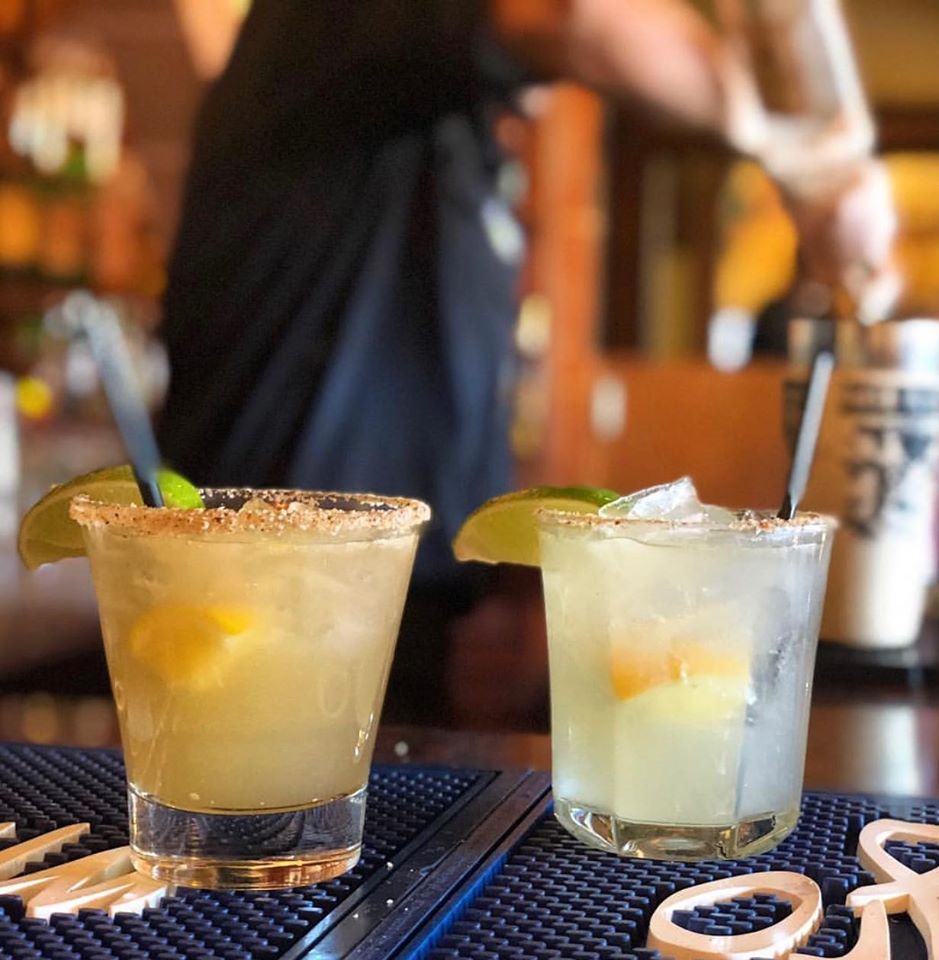
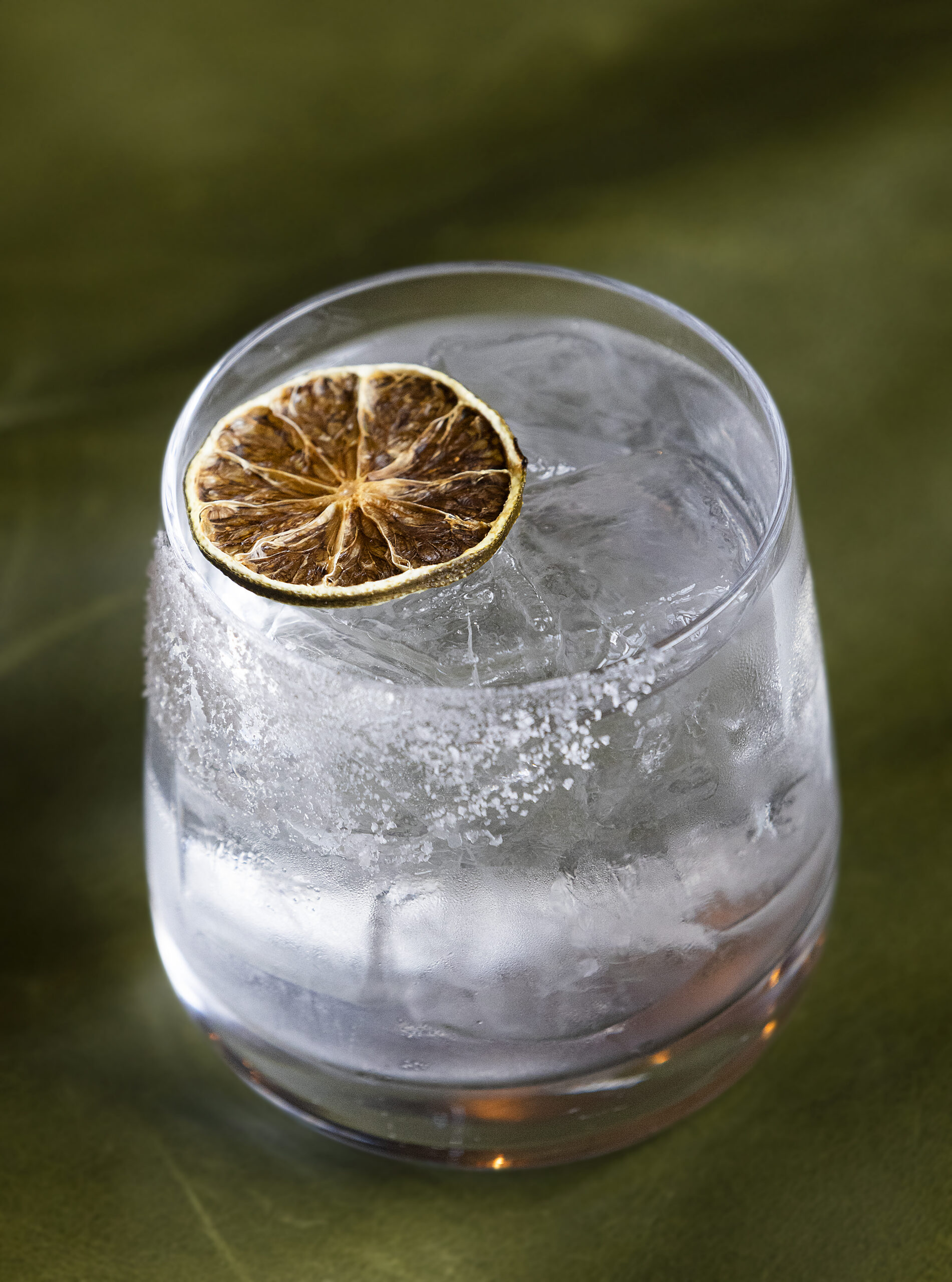
Best of Margarita: Best Of La Rosa Tequileria & Grille Monday, July 8, 2024. (Photo by John Burgess/The Press Democrat)

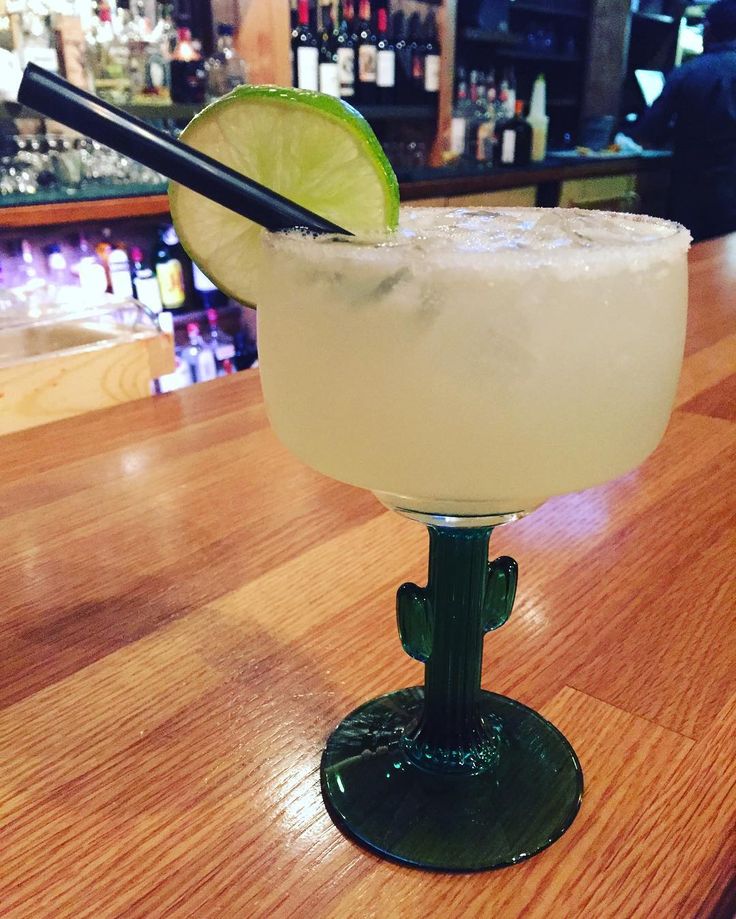
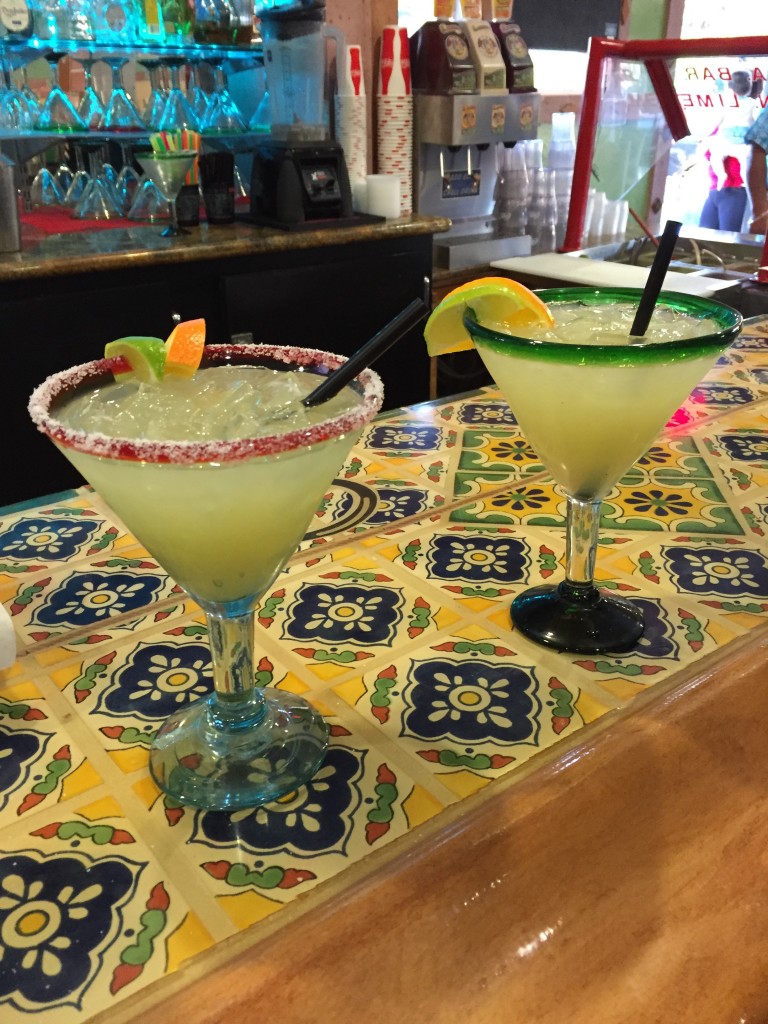
You don’t have to wait until Cinco de Mayo to enjoy the sweet, sour, salty, boozy taste of a well-made margarita.

Often hailed as the quintessential Mexican cocktail, the origins of the margarita remain debated. Some claim it was invented in Tijuana in the 1930s, while others say a Dallas socialite concocted the first margarita at her Acapulco vacation home in 1948.

No matter where it came from or how you like yours — frozen or on the rocks, with or without salt, flavor-infused or classic — Sonoma County serves up some marvelous margaritas. Here are our top picks.

Santa Rosa

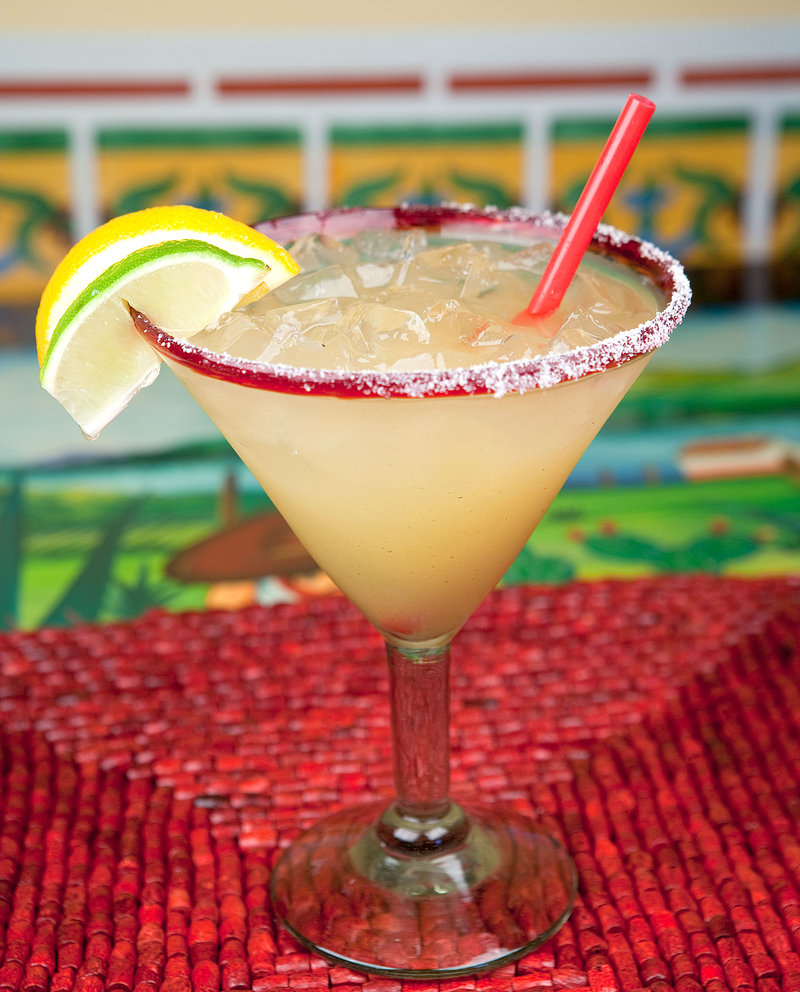
La Rosa Tequileria & Grille: La Rosa’s La Diabla is a favorite margarita made with lime, strawberry (or other fruits of your choice) and muddled serrano chiles, served on the rocks. A little spicy, a little naughty. If heat isn’t your thing, try one of their many other margaritas, or keep it simple with a shot of tequila from the expansive bar, which features over 180 artisan tequilas and mezcals. 500 Fourth St., 707-523-3663, larosasantarosa.com

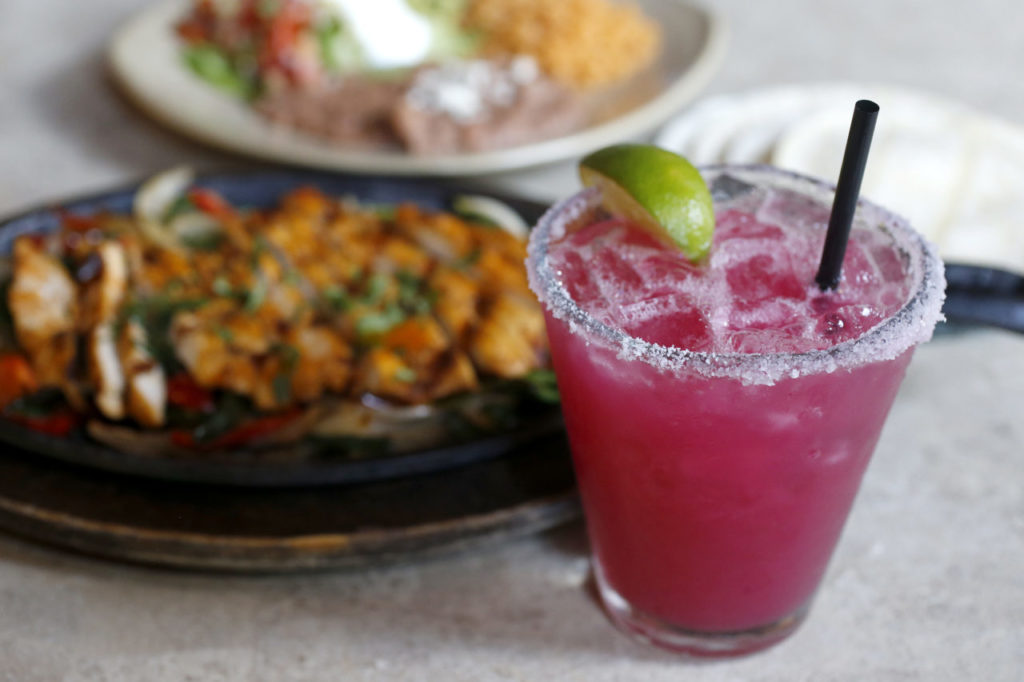
A Prickly Pear Margarita with chicken fajitas at La Rosa Tequileria & Grille in Santa Rosa, on Tuesday, August 11, 2015. (BETH SCHLANKER/ The Press Democrat)
A prickly pear margarita with chicken fajitas at La Rosa Tequileria & Grille in Santa Rosa. (Beth Schlanker / The Press Democrat)
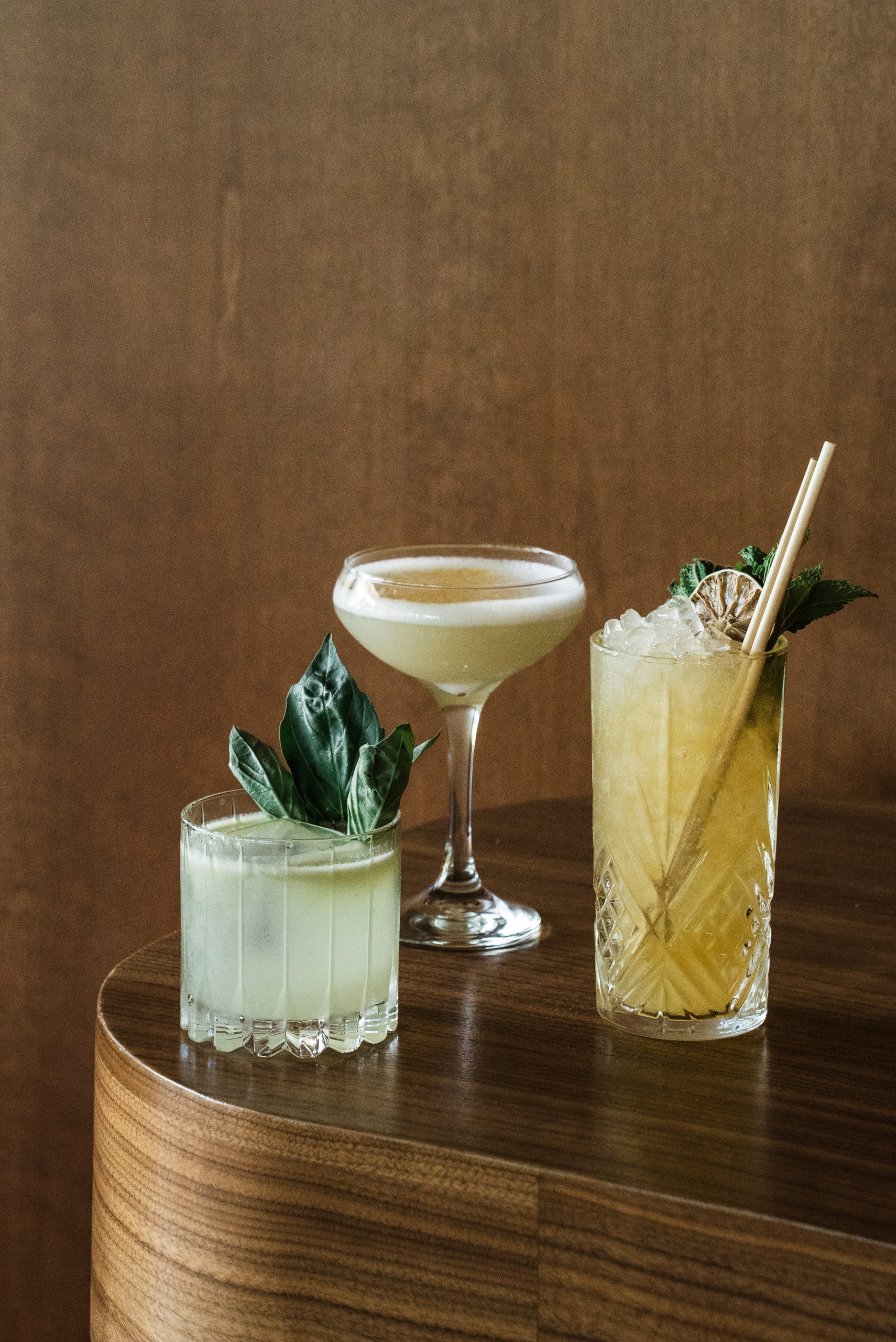
Trio of cocktails from Lazeaway Club at Flamingo Resort in Santa Rosa. (Courtesy of Flamingo Resort)
Trio of cocktails from Lazeaway Club at Flamingo Resort in Santa Rosa. (Flamingo Resort)

Lazeaway Club at the Flamingo Resort: Grab a poolside table and a fresh margarita and enjoy the “ode to idleness” vibe at the resort restaurant. 2777 Fourth St., 707-510-4533, lazeawayclub.com

Kenwood

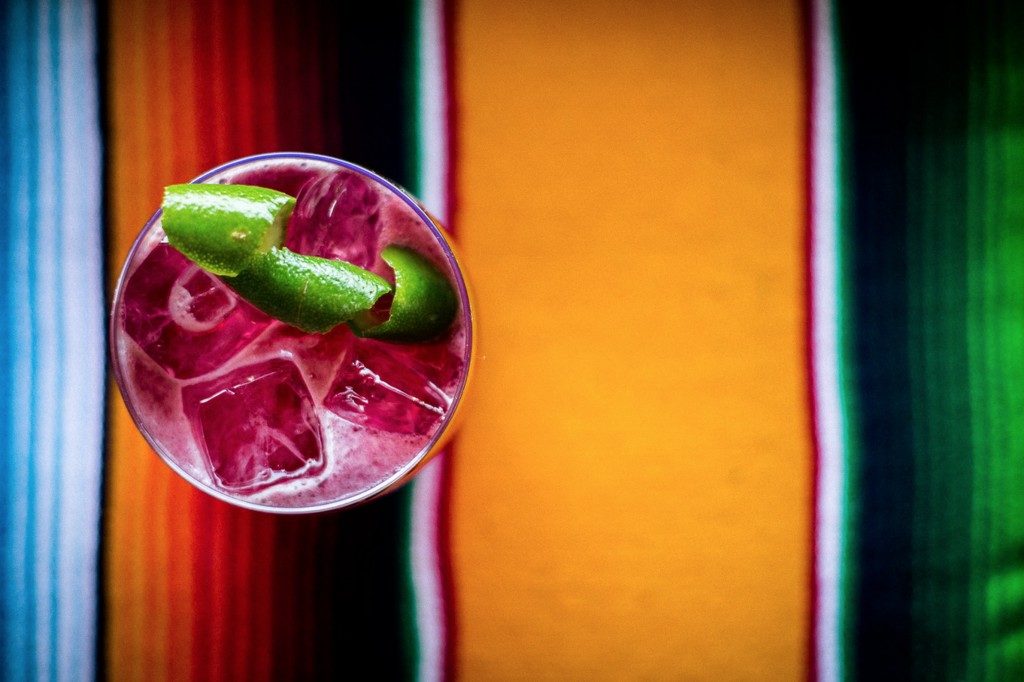
Salt & Stone: The fan-favorite Hibiscus Margarita is made with Campo Bravo Tequila and triple sec, with a lava salt rim for added mystique. Pair it with happy hour oysters, available 11 a.m. to 5 p.m. Monday through Friday. 9900 Sonoma Highway, 707-833-6326, saltstonekenwood.com

Windsor

Sweet T’s: The secret to the Texas Margarita? Pineapple and a kick of cayenne pepper. But oh, how sweet it is. 9098 Brooks Road S., 707-687-5185, sweettssouthern.com

Texas Margarita from Sweet T’s in Windsor.
Texas Margarita from Sweet T’s in Windsor. (Sweet T’s Restaurant + Bar)
Tamarind margarita from El Gallo Negro in Windsor.
Tamarind margarita from El Gallo Negro in Windsor. (El Gallo Negro)

El Gallo Negro: This Windsor restaurant and mezcaleria serves up Oaxacan-influenced dishes and a margarita for everyone with over a dozen festive options, including their tropical house margarita and the Mucho Caliente made with jalapeño-infused Herradura tequila. 8465 Old Redwood Highway, 707-838-9511, elgallonegro.net

Healdsburg

Agave: Agave offers one of the largest tequila selections in the county and hosts regular tastings. Order a house margarita to enjoy al fresco with a traditional Oaxacan mole. 1063 Vine St., 707-433-2411, agavehealdsburg.com

True to its name, Agave in Healdsburg has a tasty lineup of agave tequila drinks, including great margaritas. (Agave)
The Modern Margarita from Roof 106 at The Matheson in Healdsburg
The Modern Margarita from Roof 106 at The Matheson in Healdsburg on Friday, Nov. 5, 2021. (John Burgess / The Press Democrat)

Roof 106: The Modern Margarita is a wonder of modern alchemy. This classic cocktail is crystal clear, making for a sneaky drink that’s every bit as good as the original. Maybe better. 106 Matheson St., 707-723-1106, thematheson.com

Juju’s: Nestled in Healdsburg’s Acorn Cafe for evening service Thursday through Sunday, this Moroccan-inspired pop-up offers a drink list bigger than its dinner menu. Among the cocktails is a Harissa Margarita made with lime, chile, agave wine, orange liqueur and harissa-honey. 124 Matheson St., acornhealdsburg.com/popups

Geyserville

Catelli’s: For the heat seekers out there, this Italian hot spot in rural Geyserville offers a Garden Jalapeño Margarita with pepper-infused tequila and a chili powder-salted rim. 21047 Geyserville Ave., 707-857-3471, mycatellis.com

The Coat Rack Margarita at La Casa Restaurant in Sonoma, California
The Coat Rack Margarita at La Casa Restaurant in Sonoma. (Sarah Stierch)

Sonoma

La Casa Restaurant: One of the oldest restaurants in Sonoma knows how to throw down margaritas — they offer six types — many use recipes that date back to the restaurant’s 1967 opening. Try the Coat Rack, which uses reposado tequila, Cointreau and fresh-squeezed lime; or order a house margarita during happy hour. 121 E. Spain St., 707-996-3406, lacasarestaurants.com

Margaritas at Taqueria La Hacienda in Sonoma, California
Margaritas at Taqueria La Hacienda in Sonoma. (Sarah Stierch)

Taqueria La Hacienda: Sonoma locals flock to La Hacienda, not just for the best homemade molé in town, but also for their gigantic margaritas. Skip the house margarita and go top shelf with a blend of their famous margarita mix and El Jimador Tequila Blanco Triple Sec, topped with floats of Grand Marnier and Cointreau. 17960 Sonoma Highway, 707-939-8226, lahaciendasonomabarandgrill.com

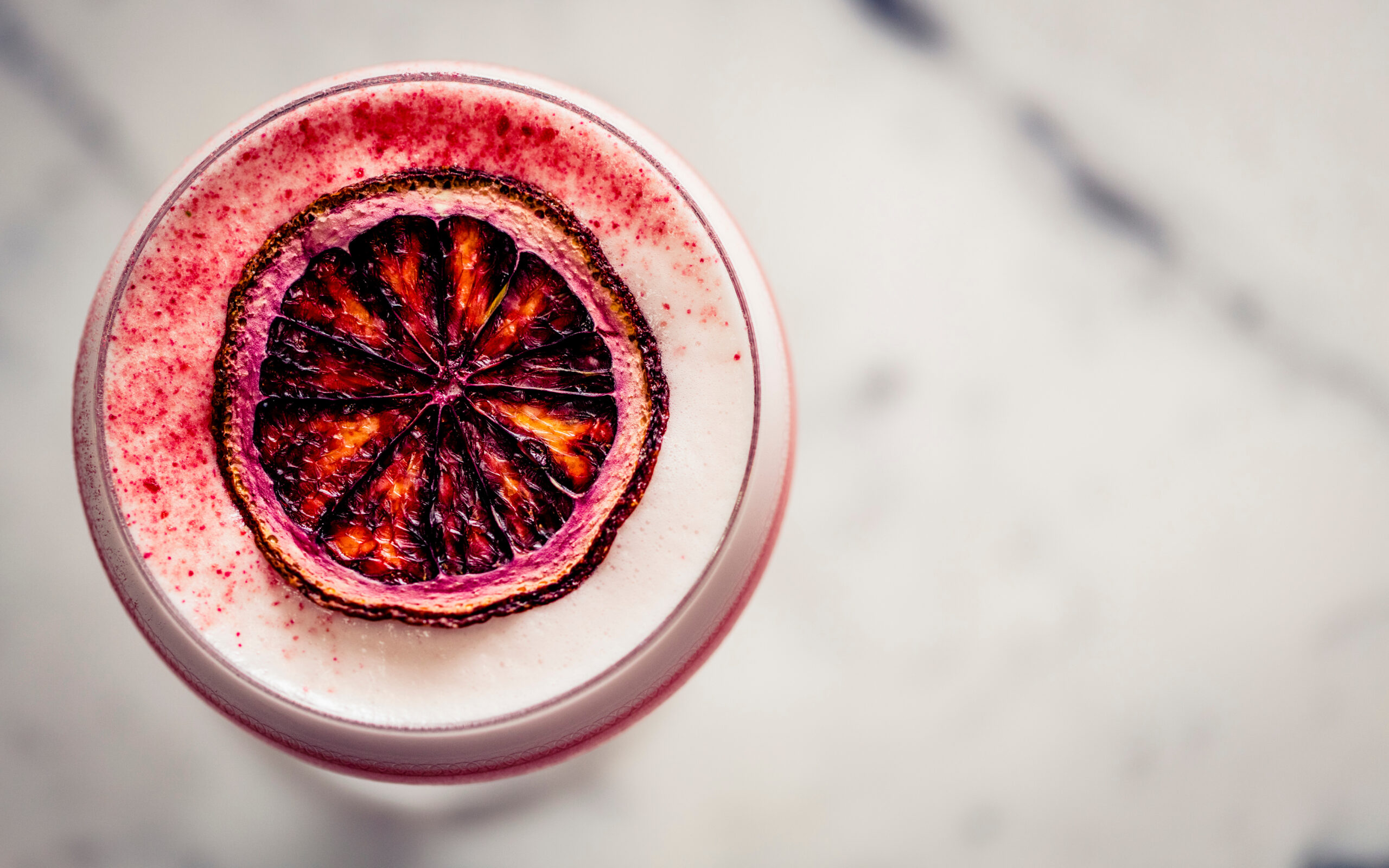
Oso Sonoma: Oso’s food is great and so are the cocktails. Pair Oso’s shrimp tacos with a blood orange margarita, made with tequila, blood orange puree, lime, agave and salt. 9 E. Napa St., 707-931-6926, ososonoma.com

Blood orange margarita at Oso Sonoma in Sonoma, California
Blood orange margarita at Oso Sonoma. (Sarah Stierch)
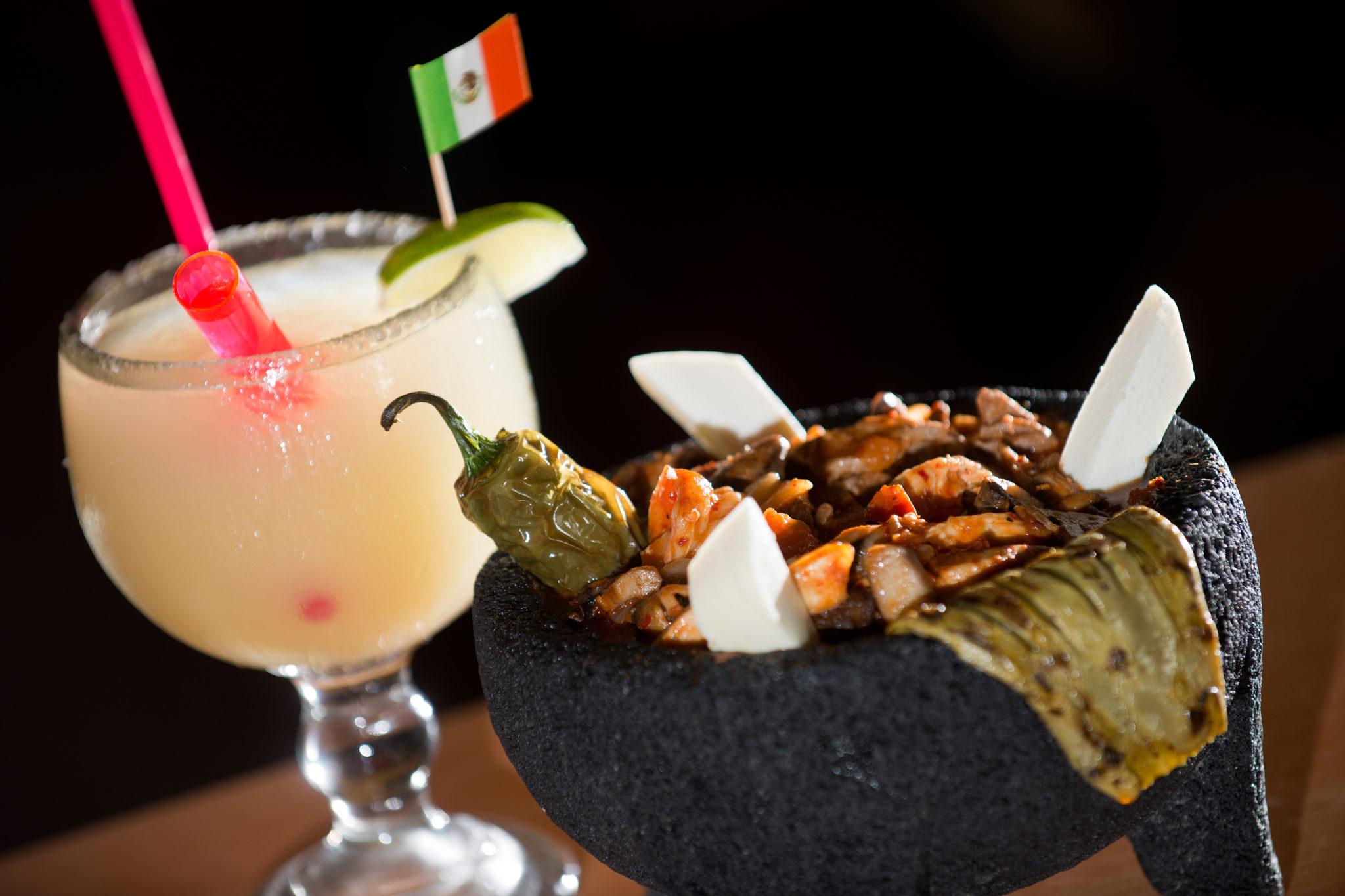
Molcajete and a Mi Pueblo Margarita at Mi Pueblo Taqueria in Cotati. (Alvin Jornada/For The Press Democrat, 2013)
Molcajete and a Mi Pueblo Margarita at Mi Pueblo Taqueria, which has locations in Petaluma and Cotati. (Alvin Jornada / for The Press Democrat, file)

Petaluma

Mi Pueblo: Mi Pueblo hosts a popular happy hour with specialty margaritas, such as the jalapeño margarita. Local fans describe Mi Pueblo’s margaritas as “the size of a mixing bowl” and therefore shareable for two — but would you really want to share your margarita? 108 Kentucky St., 707-769-9066, eatmipuebloelcentro.com; 800 Petaluma Blvd. N., 707-762-8192, eatmipueblonovato.com/petaluma

Plaza Tequila: Popular with happy hour enthusiasts, Plaza Tequila offers margarita lovers plenty of options to pair with their expansive menu. Treat yourself to a top-shelf margarita, topped off with a float of Cointreau, and sit back and relax on the shaded patio. 600 E. Washington St., 707-776-4949, plazatequila.com

A margarita at Plaza Tequila in Petaluma, California
A margarita at Plaza Tequila in Petaluma. (Plaza Tequila)

Cotati

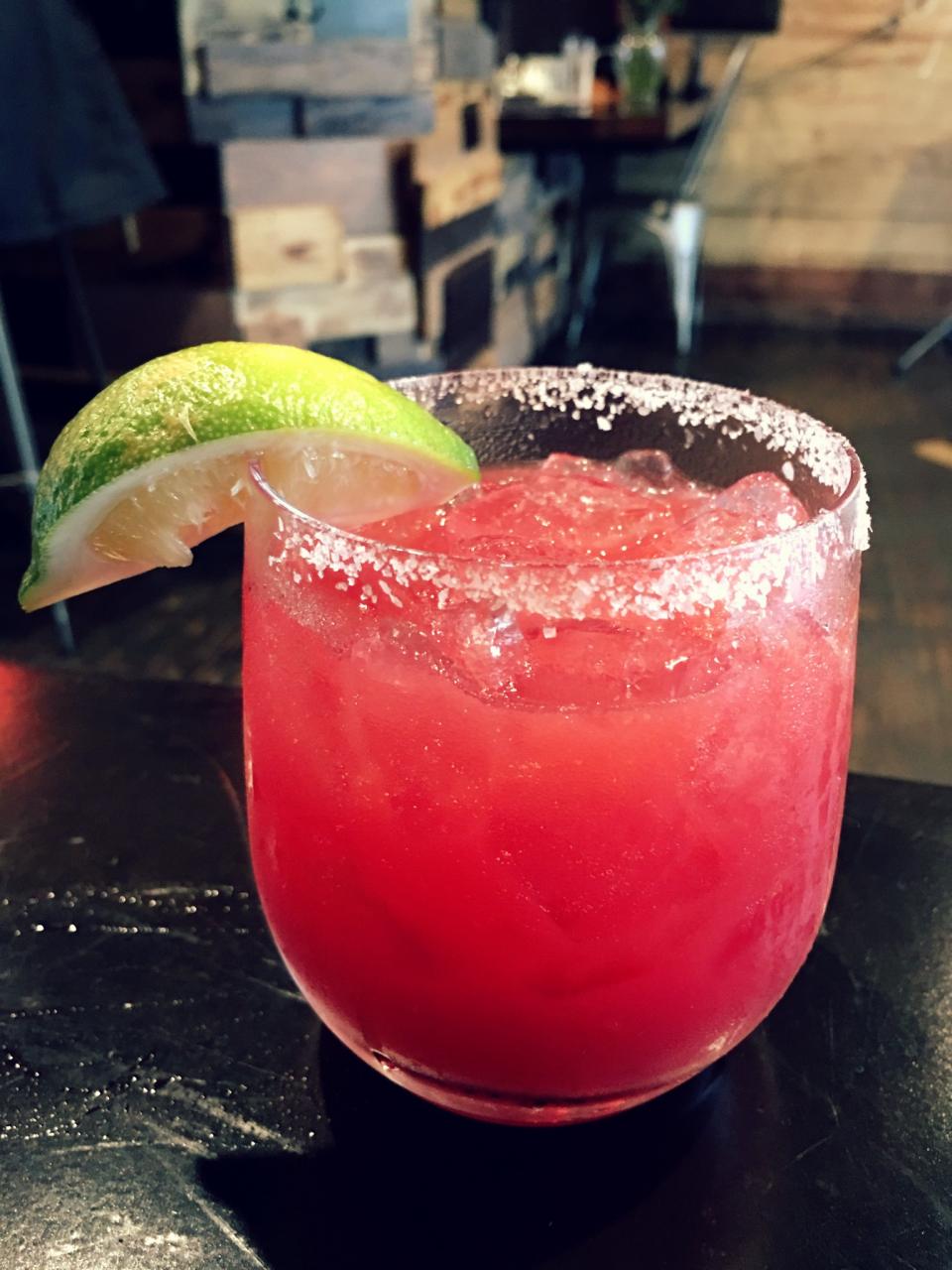
Mi Ranchito: Mi Ranchito loves tequila so much that they have their own tequila club. Their specialty margaritas run the gamut in color, taste and size. Try the top-shelf margarita or a fruity marg, like the strawberry or watermelon. 7600 Commerce Blvd., 707-795-7600, miranchitocotati.com

West County

Margarita at El Barrio in Guerneville, California
Margarita from El Barrio in Guerneville (Kelly Pulieo)

El Barrio: One of the hottest spots in Guerneville, El Barrio pairs tequila and mezcal craft cocktails with small Mexican plates. USA Today once called their La Adelita margarita — made with blanco tequila, triple sec, housemade jamaica and lime — “sultry.” They also offer mezcal margaritas, like the simple El Barrio and the prickly pear-laced El Nopal. 16230 Main St., Guerneville, 707-604-7601, elbarriobar.com

Underwood Bar and Grill: A popular hangout for locals, including winemakers and artists, Underwood offers a top-notch craft cocktail program, which, of course, includes a margarita. Their Mercury Margarita uses Herradura Blanco tequila, Grand Marnier, Cointreau, housemade sweet and sour, and fresh orange juice. It’s a perfect match with their signature grilled hamburger. 9113 Graton Road, Graton, 707-823-7023, underwoodgraton.com

Fern Bar: This favorite Sebastopol happy hour spot offers a generous list of creatively crafted cocktails, including a refreshing cilantro and lime margarita that pairs beautifully with the fried chicken sandwich. 6780 Depot St., Suite 120, Sebastopol, 707-861-9603, fernbar.com

A cocktail from Fern Bar in Sebastopol. (Sonoma County Tourism)
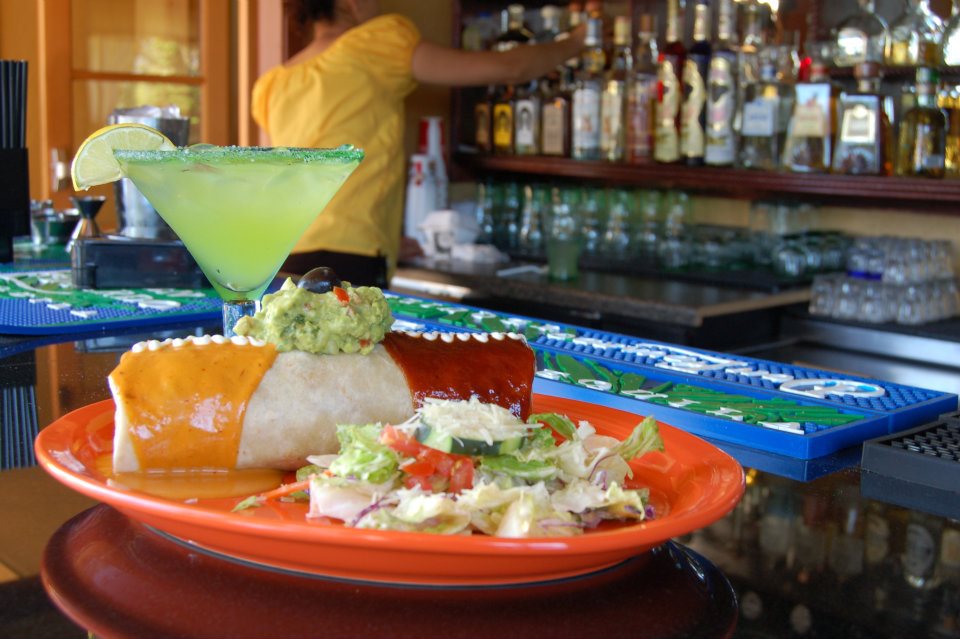
Margarita and burrito at El Coronel Restaurant
A burrito and a margarita from El Coronel Restaurant in Sebastopol. (El Coronel Restaurant)

El Coronel Mexican Restaurant: This family-friendly establishment, with an outdoor patio, makes for a great spot to enjoy one of nine specialty margaritas — especially if you love a more fruity twist. Their Pink Cadillac margarita stars Chambord, giving it a distinct raspberry flavor, and the signature El Coronel Elegante features Don Julio Añejo and Cointreau. 1015 Gravenstein Highway S., Sebastopol, 707-829-7010, elcoronelrestaurant.com

Rocker’s Roadhouse: This Valley Ford saloon offers contemporary twists on classics, including the house margarita, which comprises fresh lime, tequila-infused soju and simple syrup. Make it spicy with added serrano and jalapeño peppers. Enjoy with the beer-battered fish tacos, served with apple-fennel slaw and a spicy remoulade sauce. Too many margaritas? Sleep it off at their onsite hotel. 14415 Highway 1, Valley Ford, 707-876-1983, rockeroysterfellers.com

Heather Irwin, Maci Martell and Sarah Stierch contributed to this article.

Did we miss your favorite marg? Let us know at maci.martell@pressdemocrat.com

Sonoma County Businesses Welcome a Great Honor: Snails

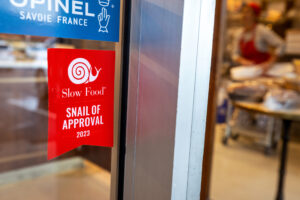
The Slow Food Snail of Approval award Tuesday, Feb. 10, 2026 on the window at Goguette Bread in Santa Rosa. (John Burgess/The Press Democrat)

Sonoma County food has a new, unofficial mascot: snails. The slippery, shelled gastropods are increasingly showing up in restaurants, gourmet markets, on farms and ranches, in spirit and wine shops, at farmers markets, and even in small businesses, including a cookie bakery and a boutique hot-sauce kitchen.

But the snails aren’t the escargot variety. Instead, these critters are printed on signature red and white posters and stickers that hang in doors and windows all around the county, representing a Snail of Approval award from Slow Food Russian River and Sonoma County North. Last year, 21 businesses were honored for their leadership in community-centered food. Since the snails first appeared here in 2017, 82 local businesses have garnered approval for their “good, clean, and fair” practices.

It’s a terrific honor for our artisan food and drink producers. Yet some might wonder what all the fuss is about. Consider a coveted Michelin star, which is generally understood and admired by restaurant guests as designating a remarkable dining experience. The French-owned tire company claims it sends out anonymous inspectors to restaurants around the world, though it operates with secret judging criteria and produces subjective guides for profit. A Snail of Approval, awarded by the nonprofit Slow Food organization, on the other hand, is less about fancy kitchen tricks and posh dining rooms than it is a globally recognized celebration of purely local food, and the soul and hard work it takes to make it.

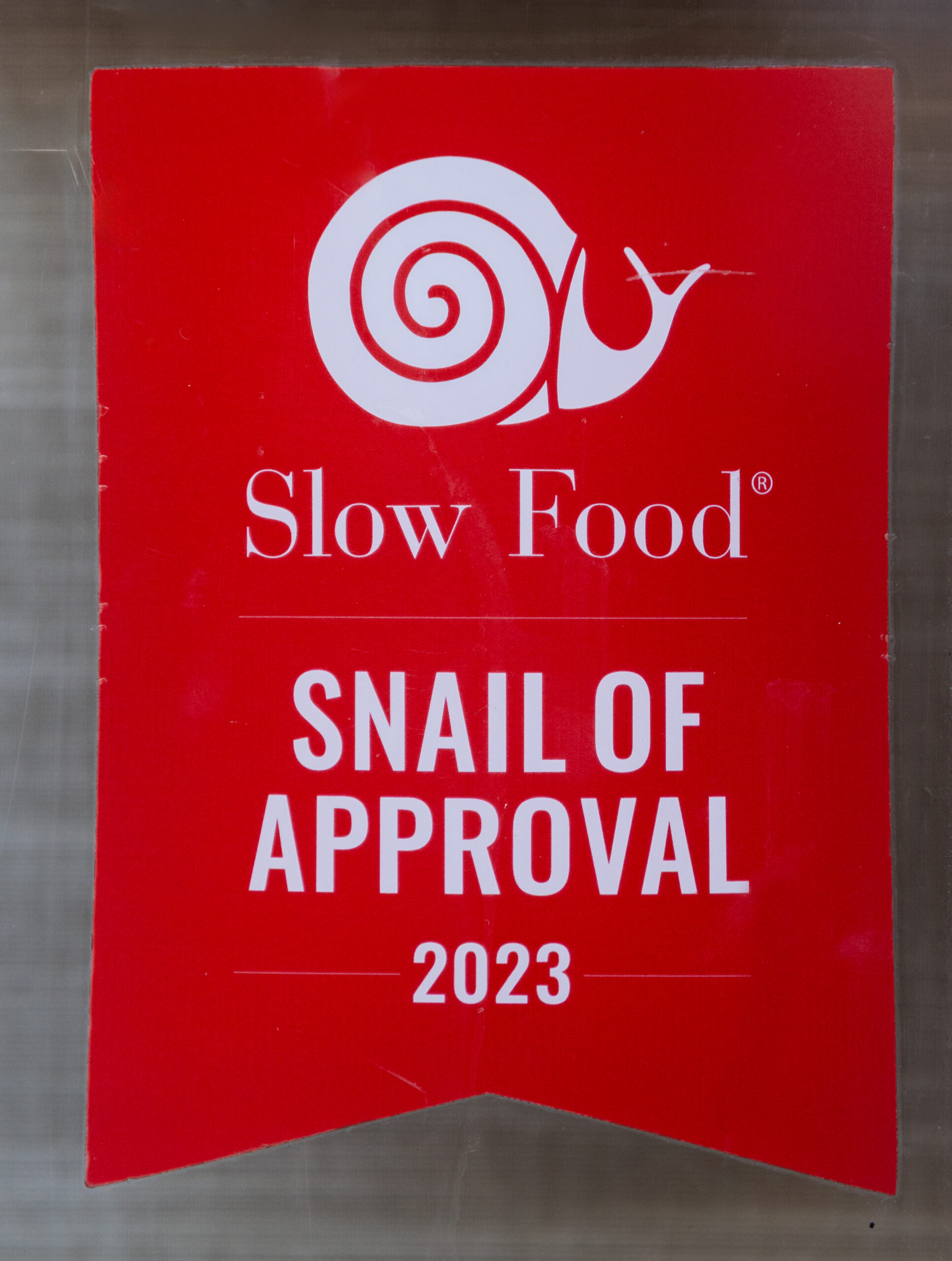
The Slow Food Snail of Approval
The Slow Food Snail of Approval sticker Friday, Feb. 9, 2026, in Santa Rosa. (John Burgess / The Press Democrat)
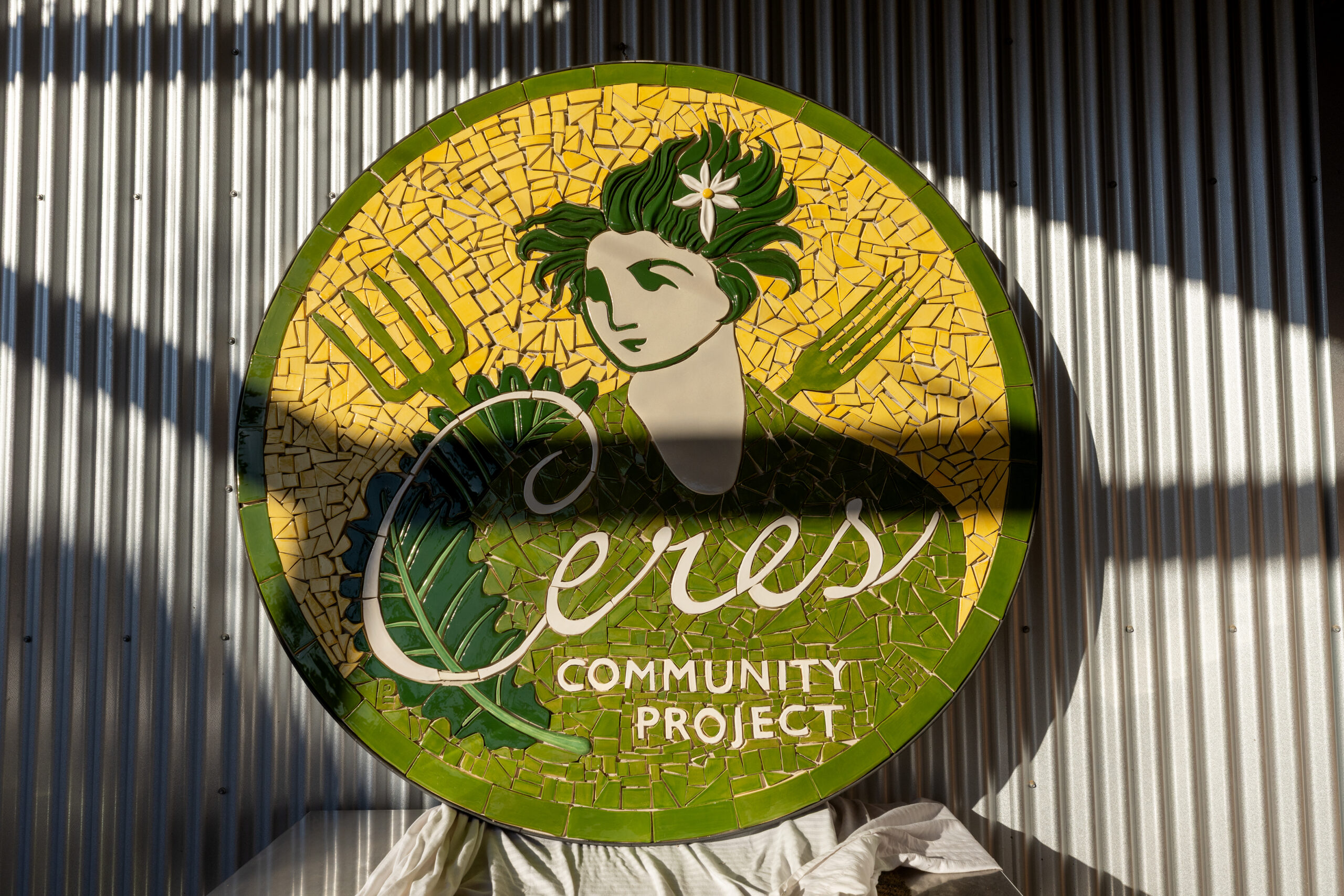
The Ceres Community Project's new  million facility Thursday, Feb. 6, 2026 in Santa Rosa. (John Burgess/The Press Democrat)
The Ceres Community Project’s new $22 million facility Thursday, Feb. 6, 2026, in Santa Rosa. (John Burgess / The Press Democrat)

But the two aren’t necessarily mutually exclusive. The famous, ultra-high-end three Michelin Star SingleThread restaurant in Healdsburg has earned a snail, but so has Healdsburg’s Farm to Fight Hunger and Santa Rosa-based CERES Community Project—both nonprofits that provide locally grown and sourced food for people in need.

“Unlike other food awards, the Snail of Approval is always awarded locally and evaluated through the lens of a sustainable food system,” says Slow Food communications chair Carol Diaz. “Businesses are assessed on sourcing, environmental impact, cultural connection, community involvement, staff support, and business values. The program aims to elevate and support businesses that align pleasure with responsibility in the food we eat.”

The vetting is rigorous, covering 12 categories, including the use of seasonal, sustainable ingredients sourced from local producers, humane treatment of people and animals, investment in fair labor practices, and green business practices like composting and recycling. The inspectors aren’t anonymous, either, and are transparent with their expectations. For small businesses like The Beet Restaurant & Wine Shop in Cloverdale, the connection helps guide their dedication to local, pristine ingredients.

The Beet Restaurant recently earned the Snail of Approval award
The Beet Restaurant and Wine Shop owners Andrew Radabaugh and Alessandra Ziviani Friday, Sept. 13, 2024, in Cloverdale. (John Burgess / The Press Democrat)
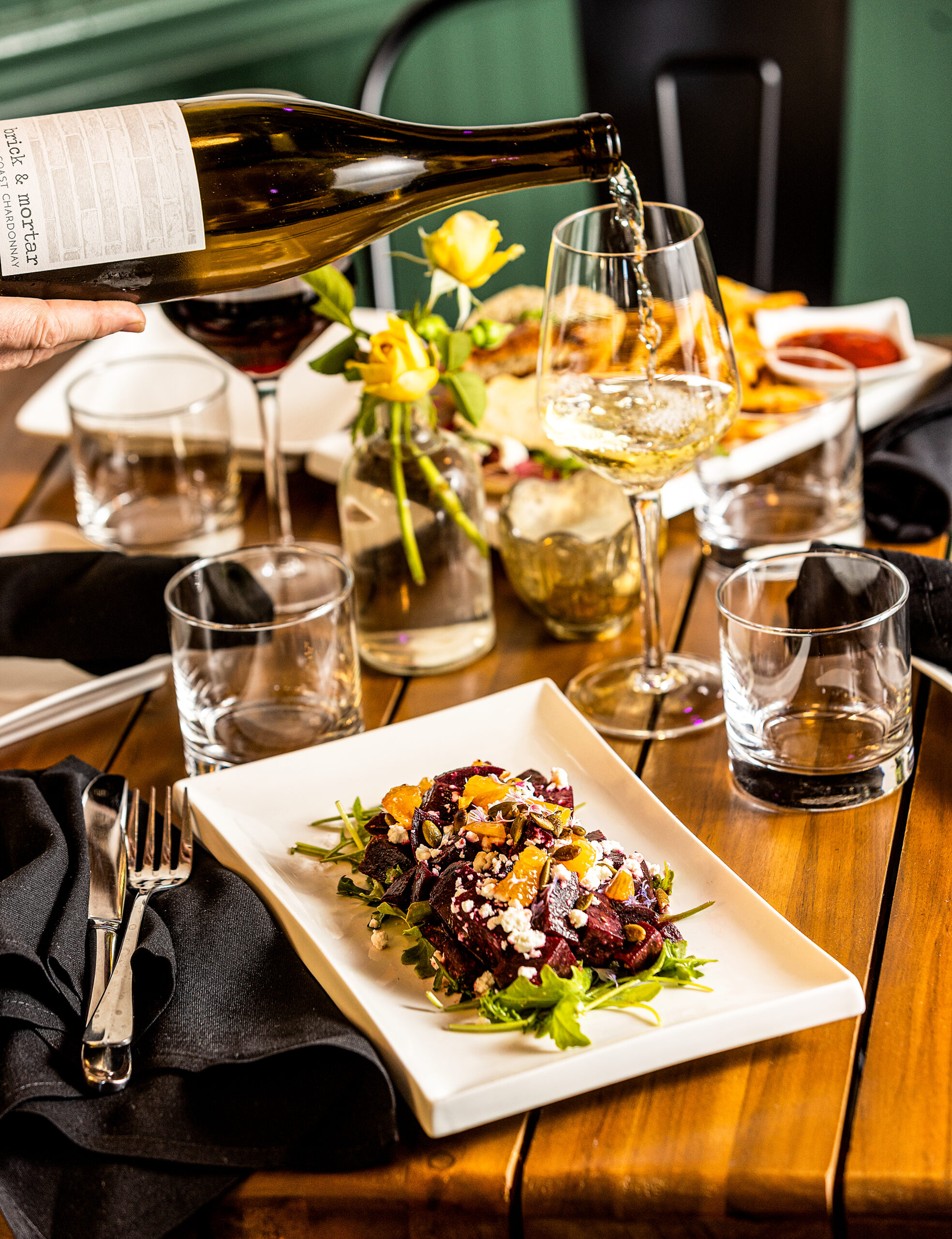
Up Beet Salad with pepitas and goat cheese from the Beet Restaurant and Wine Shop Friday, September 13, 2024 in Cloverdale. (John Burgess / The Press Democrat)
The Up Beet salad with pepitas and goat cheese from The Beet Restaurant and Wine Shop Friday, Sept. 13, 2024, in Cloverdale. (John Burgess / The Press Democrat)

Andrew Radabaugh and Alessandra Ziviani opened their diminutive bistro in 2024 and received their honor last August. They work with local farms like Healdsburg’s Preston Farm & Winery, Cloverdale’s Eco Terreno Farm, SingleThread Farm, and Hopland Heirloom Farm for their signature Up Beet salad. Pastas are made with grain from Mendocino Grain Project, itself included in Slow Food’s Ark of Taste, a designation created to preserve unique, culturally significant, and endangered foods that are at risk of disappearing under industrial agriculture.

Michelin accepts nominations, and so does the Slow Food Sonoma County team. Once nominated, businesses must fill out a highly detailed application. After The Beet’s nomination was accepted, the process began.

“A group of snails (volunteers) came to the restaurant and interviewed us for an hour and a half about our ingredient sourcing and daily practices, then toured our kitchen,” says Radabaugh. “For us at The Beet, ‘good, clean, and fair’ isn’t a buzzword, it’s a daily practice. When all three come together, the result is food that tells an honest story—of place, of people, and of values—and that’s the kind of food we want on our tables and in our community.”

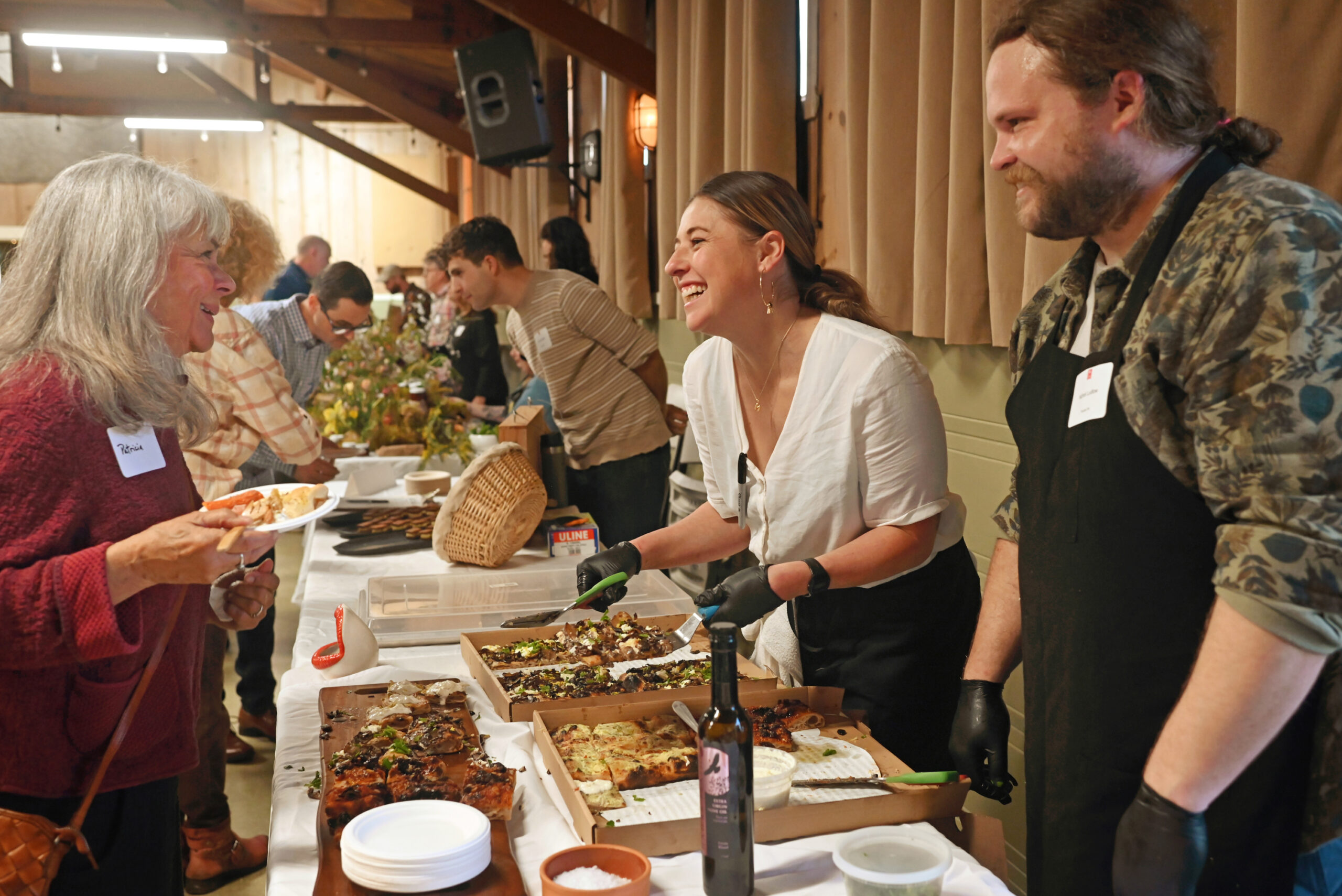
Leith Leiser-Miller and Nicholi Ludlow, right, serving up their Psychic Pie pizza to attendees during the Snail of Approval awards ceremony held at Grange Hall in Sebastopol, Wednesday, Feb. 28, 2024. (Erik Castro / For The Press Democrat)
Slow Food Snail of Approval awards ceremony
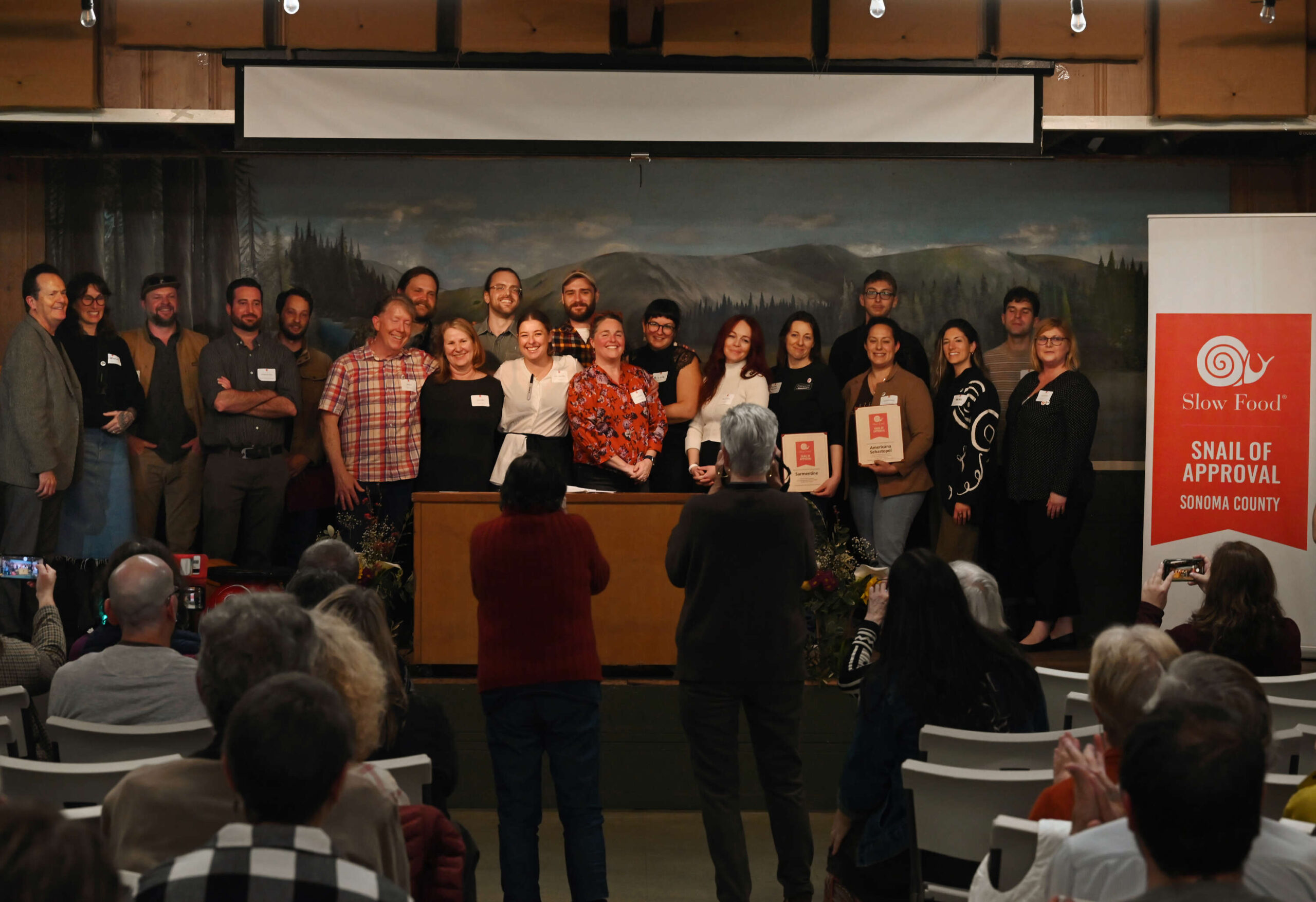
All the award winners take the stage for one final applause during the Snail of Approval awards ceremony held at Grange Hall in Sebastopol, Wednesday, Feb. 28, 2024. (Erik Castro / For The Press Democrat)

When delegates from 15 countries met in Paris in 1989 to sign the Slow Food Manifesto, it signaled a sea change from the industrialized food system then sweeping the globe. Eschewing processed, packaged foods, Slow Food supporters dedicated themselves to clean, seasonal, environmentally friendly, and humanely sourced sustenance.

Less than a decade later, in 1997, Sonoma County was one of the first places in the United States to establish a Slow Food Chapter, Slow Food Sonoma County North. Slow Food Russian River followed in 1999. Because here, in this abundant agricultural foodshed, Slow Food has long been a way of life. Surrounded by family-run farms and farmers markets, many of us already seek out what’s freshest and most delicious.

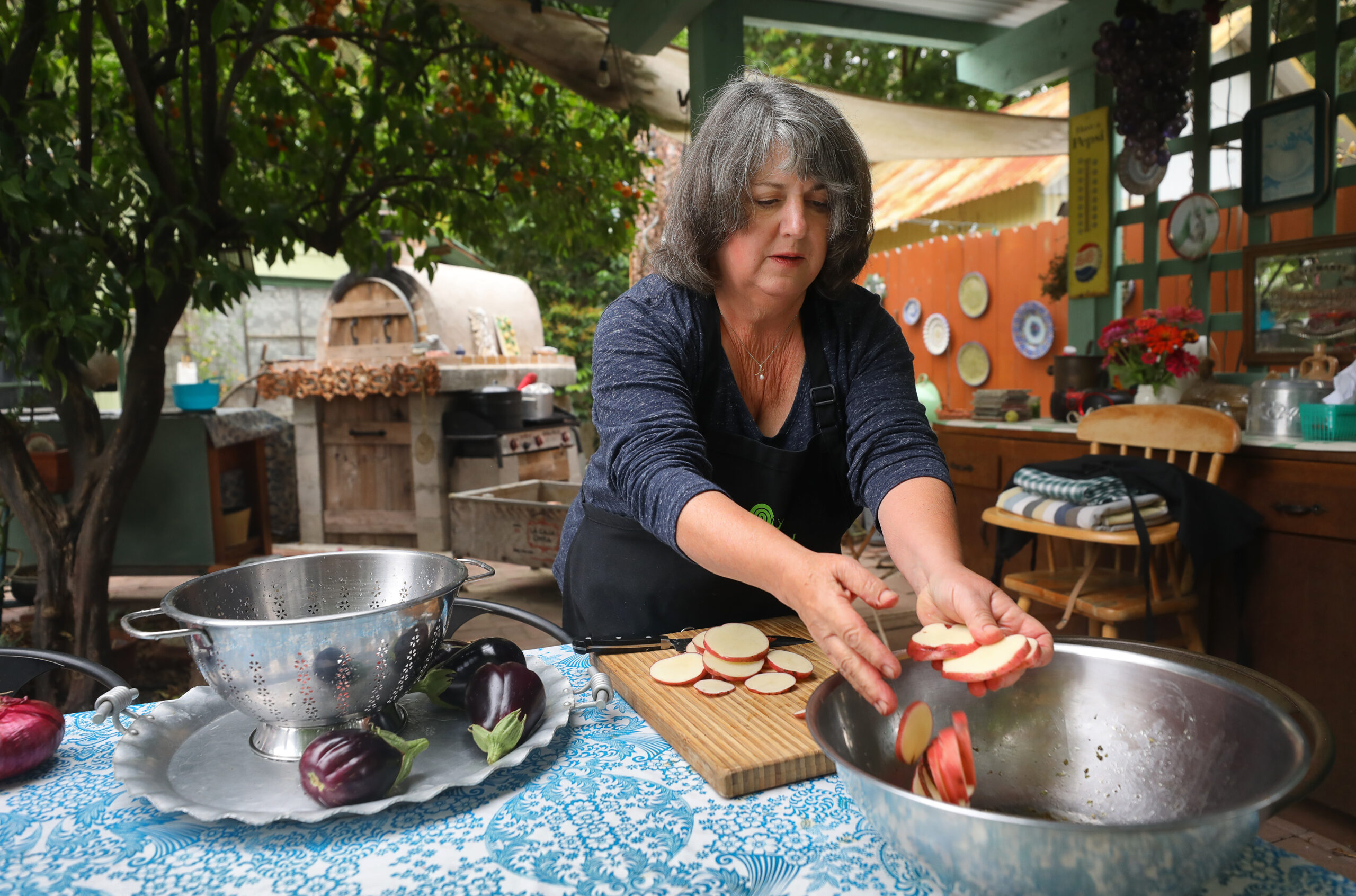
Marie Giacalone, a member of Slow Food Sonoma County North, slices Bodega Red heirloom potatoes, grown in her garden, while preparing her Bodega Red and eggplant al forno dish in Cloverdale on Wednesday, September 2, 2020. (Christopher Chung/ The Press Democrat)
Marie Giacalone, a member of Slow Food Sonoma County North, slices Bodega Red heirloom potatoes, grown in her garden, while preparing her Bodega Red and eggplant al forno dish in Cloverdale on Wednesday, Sept. 2, 2020. (Christopher Chung/ The Press Democrat)
Carol Diaz of the Slow Food Sonoma County North chapter
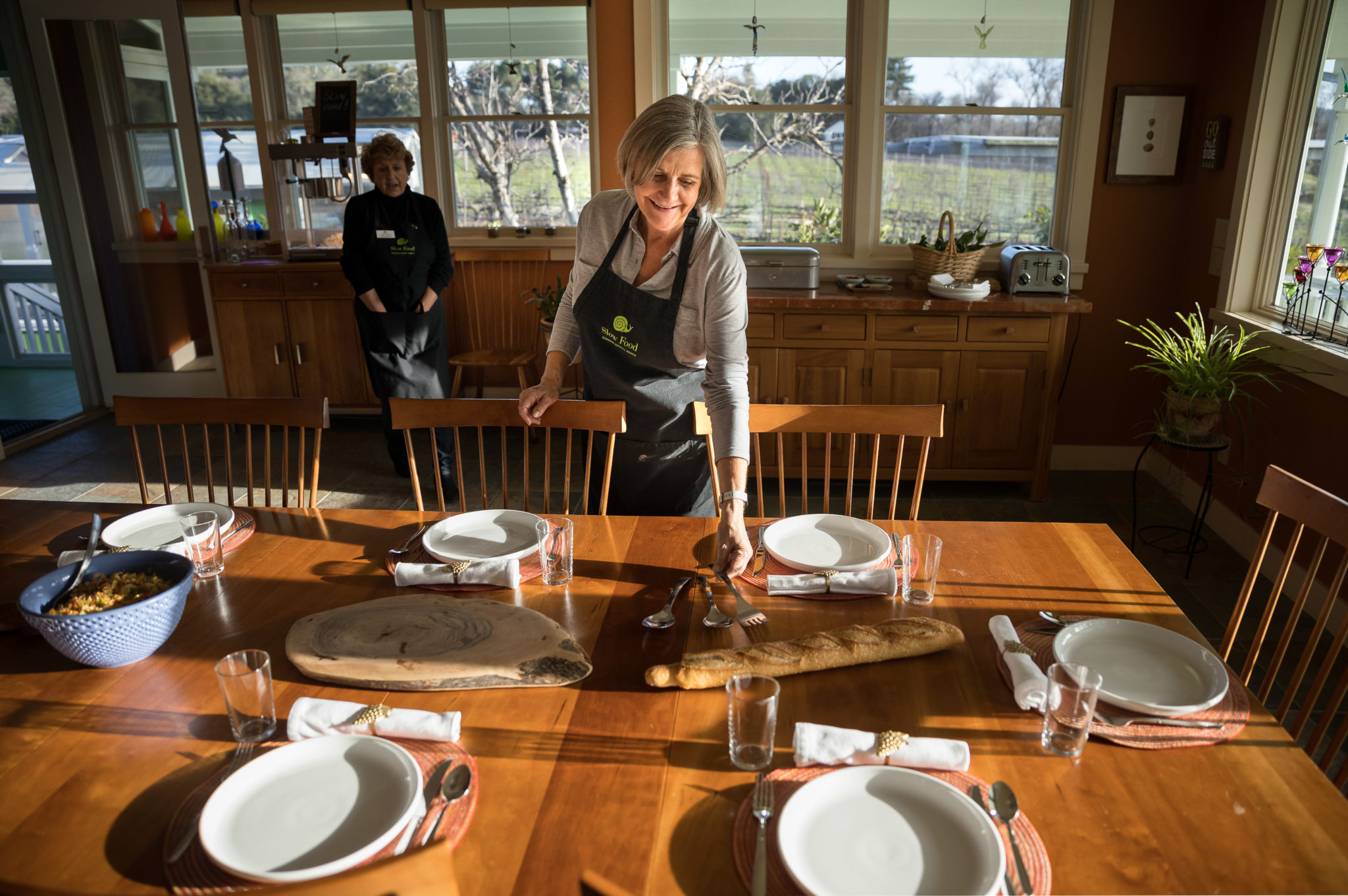
Carol Diaz, Slow Food communications chair, sets the table for a potluck dinner at her home in Cloverdale. (Chris Hardy, file)

These days, the culinary movement is growing to feed our minds as much as our bodies, furthering the conversation about food justice and equality. The Food Justice movement works to solve economic pressures that prevent access to healthy, nutritious, and culturally appropriate foods. As Slow Food’s mission statement notes, one goal is “accessible prices for consumers, and fair conditions and pay for small-scale producers.”

In addition, Sonoma County’s Slow Food chapters work hands-on to show communities how to incorporate goodness from the land into their everyday routine. The Russian River group, for example, helps establish organic gardens at local elementary and high schools, teaching students how responsible planting practices bring long-term soil fertility, an economically feasible healthy diet, and delicious food to generations.

Slow Food story Carol Diaz and the Slow Food group have a dinner at her house Rebecca Bozzelli arrives with vegetables she grew with Manuel Diaz
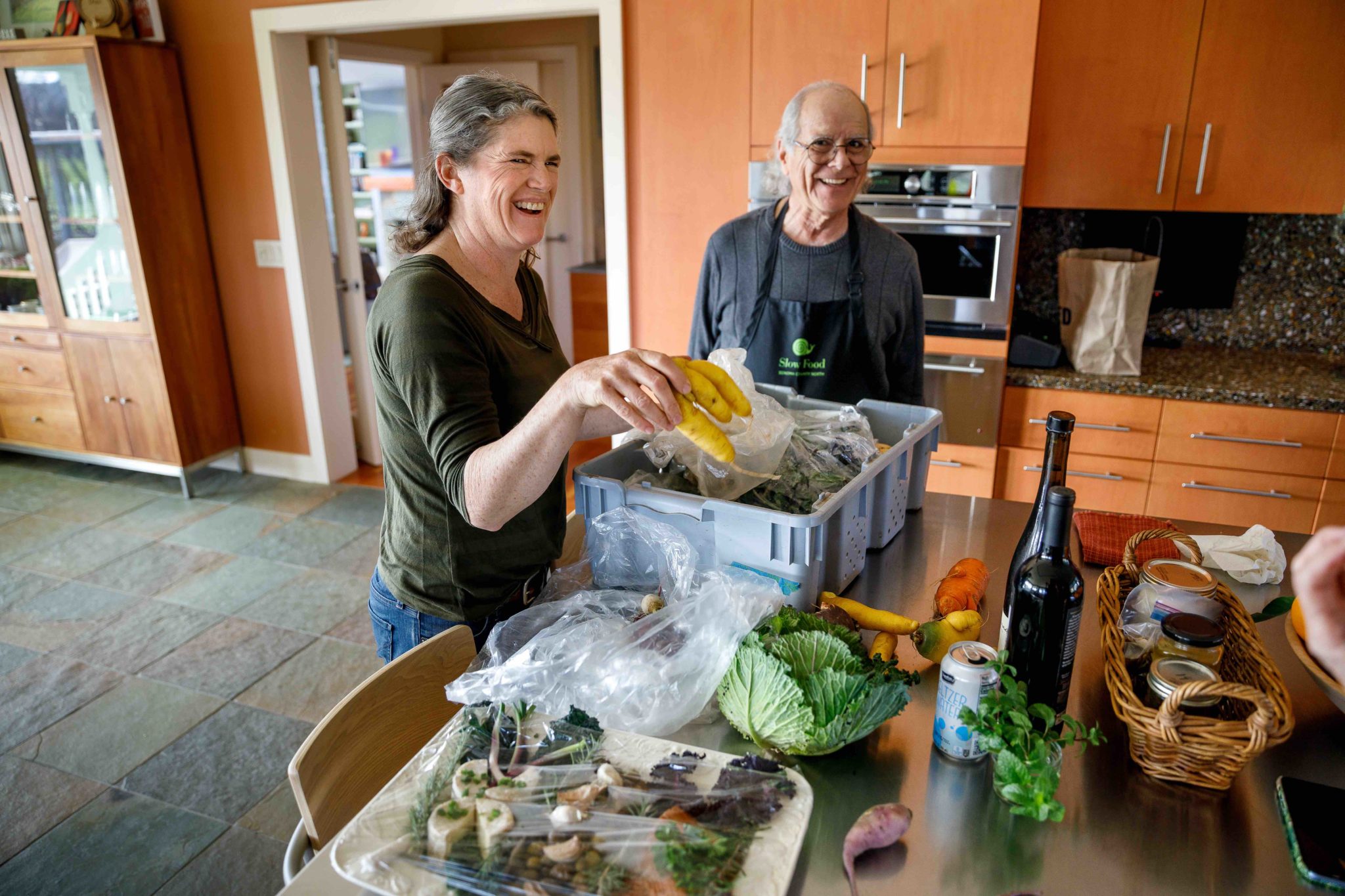
Manuel Diaz and Rebecca Bozzelli unpack vegetables for a dinner with members of the Slow Food Sonoma County North chapter. (Chris Hardy, file)
Estero Cafe and American are Snail of Approval awardees
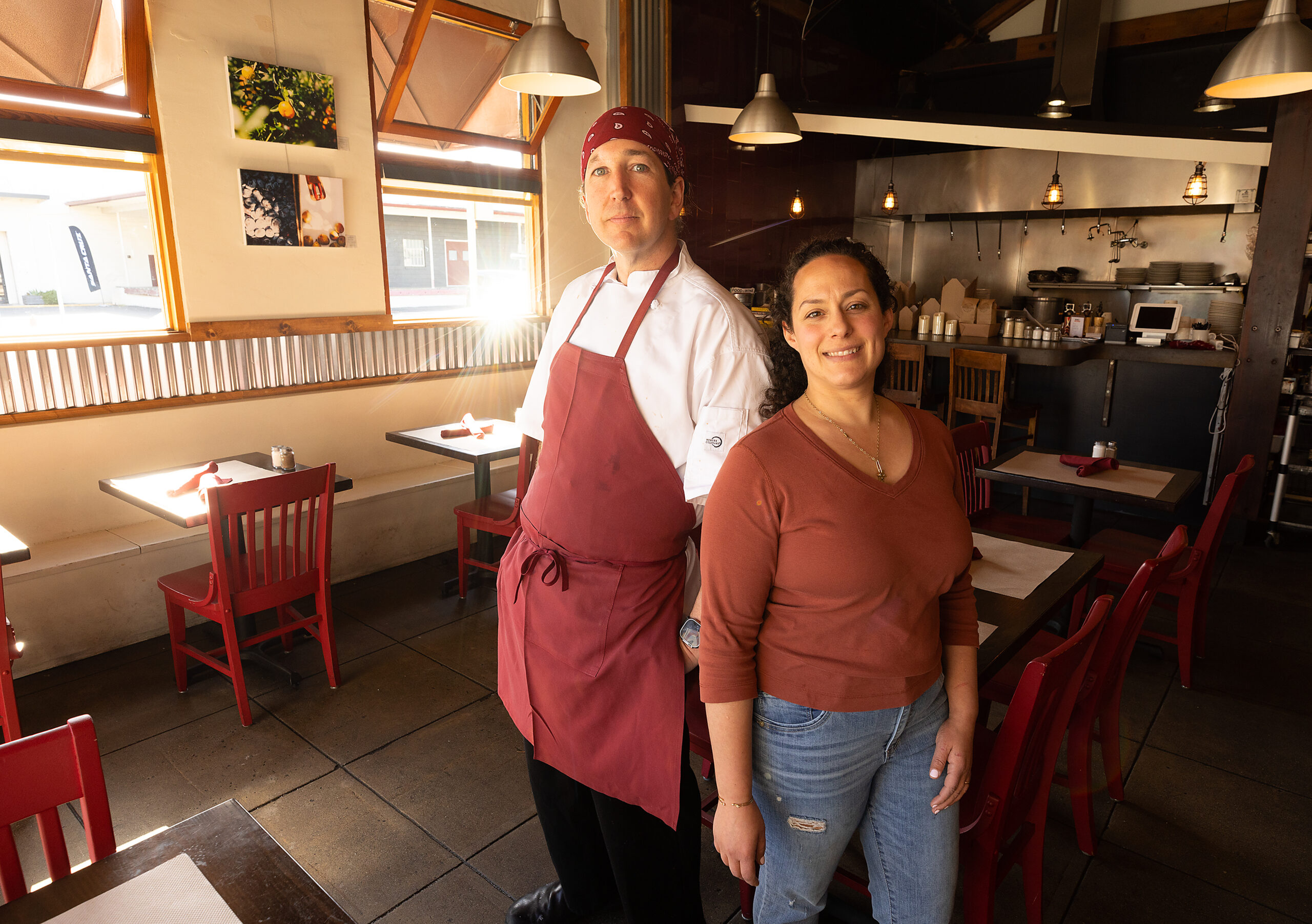
Ryan and Samantha Ramey, owners of Estero Café in Valley Ford and Americana in Santa Rosa, on April 13, 2023. (John Burgess/The Press Democrat)

Estero Café in Valley Ford was part of Sonoma County’s Snail of Approval pilot program in 2017 and was among the first group of awardees.

“We have maintained our snails since,” says Samantha Ramey, who along with her husband, Ryan Ramey, owns Estero, plus the Americana restaurants in Santa Rosa and Sebastopol, which also have snails clinging to their windows.

There’s no slacking after earning a Snail, either. Winners are reviewed every two years. “Slow Food members will do surprise inspections, much like a health inspection. They review your invoices, they check your kitchen and look in your walk-ins and storage area to see that you truly are purchasing the things you say you are.” But the challenge, she says, is worth it. “I think the award works both ways, it does help people who are looking for organic farm-to-table food to find us, and it also helps them find other businesses that focus on sustainability and Slow Food.”

Even wine programs can scoop up snails. At Valley Bar + Bottle Shop and Valley Swim Club, both in Sonoma, grapes helped play a role in gaining both eateries awards last April. (Valley Bar owners Emma Lipp and Stephanie Reagor also have been named James Beard semifinalists for “Best Chef: California”; winners will be revealed June 15). “We have always emphasized clean agriculture both in our culinary program and on our wine list,” says Lipp. “Produce and grapes grown without chemicals, animals raised without chemicals. And the vast majority of our ingredients come from purveyors we personally know within 80 miles of the restaurants.”

Valley Bar + Bottle Shop and Valley Swim Club in Sonoma earned a Snail of Approval award
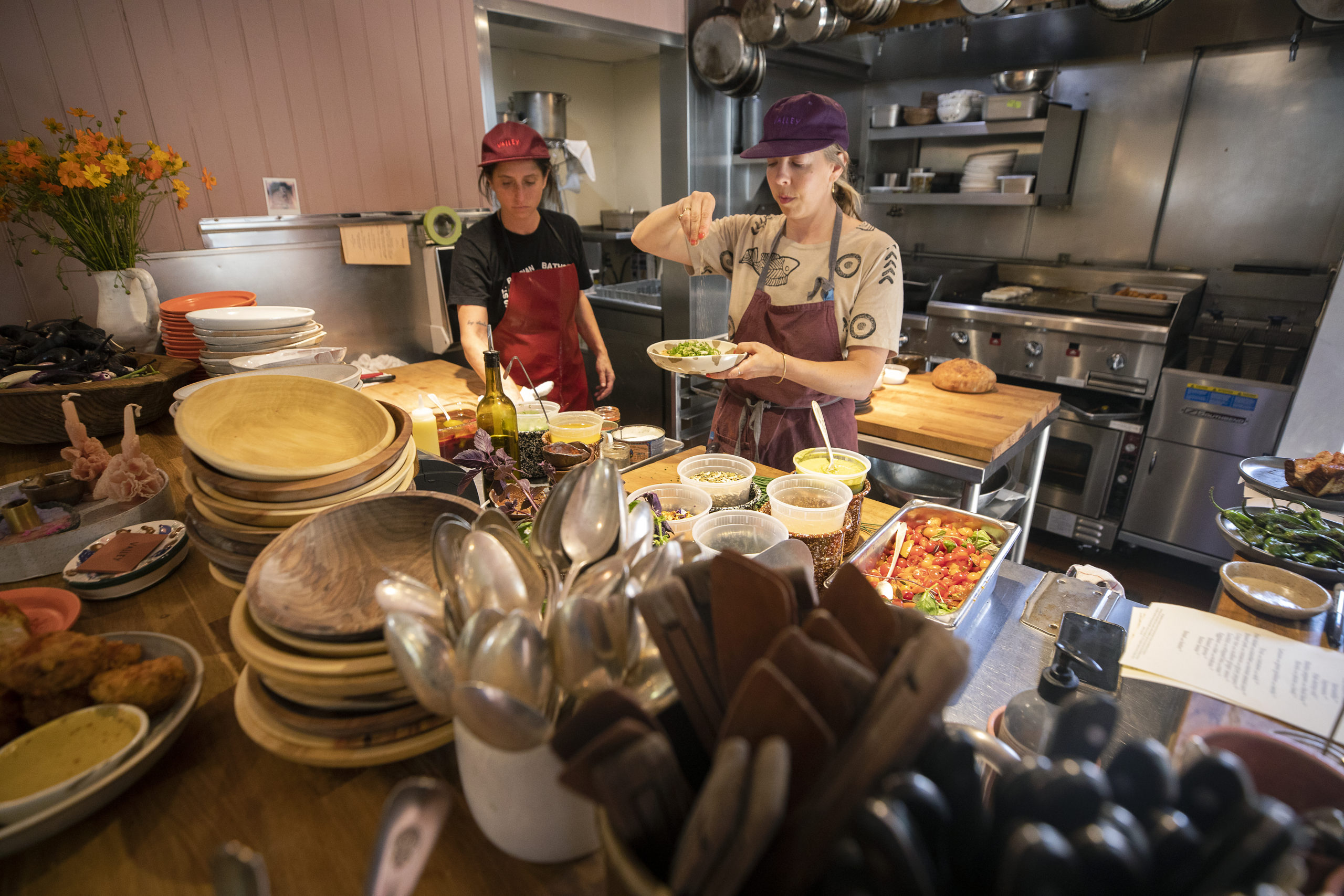
Chefs and co-owners Stephanie Reagor and Emma Lipp in the open kitchen at Valley Bar + Bottle on the Sonoma square. (John Burgess / The Press Democrat, file)
The Redwood co-owners Geneva Melby, right, and husband Ryan Miller Thursday, February 27, 2025, in Sebastopol. (John Burgess / The Press Democrat)
The Redwood co-owners Geneva Melby, right, and husband Ryan Miller Thursday, Feb. 27, 2025, in Sebastopol. (John Burgess / The Press Democrat)
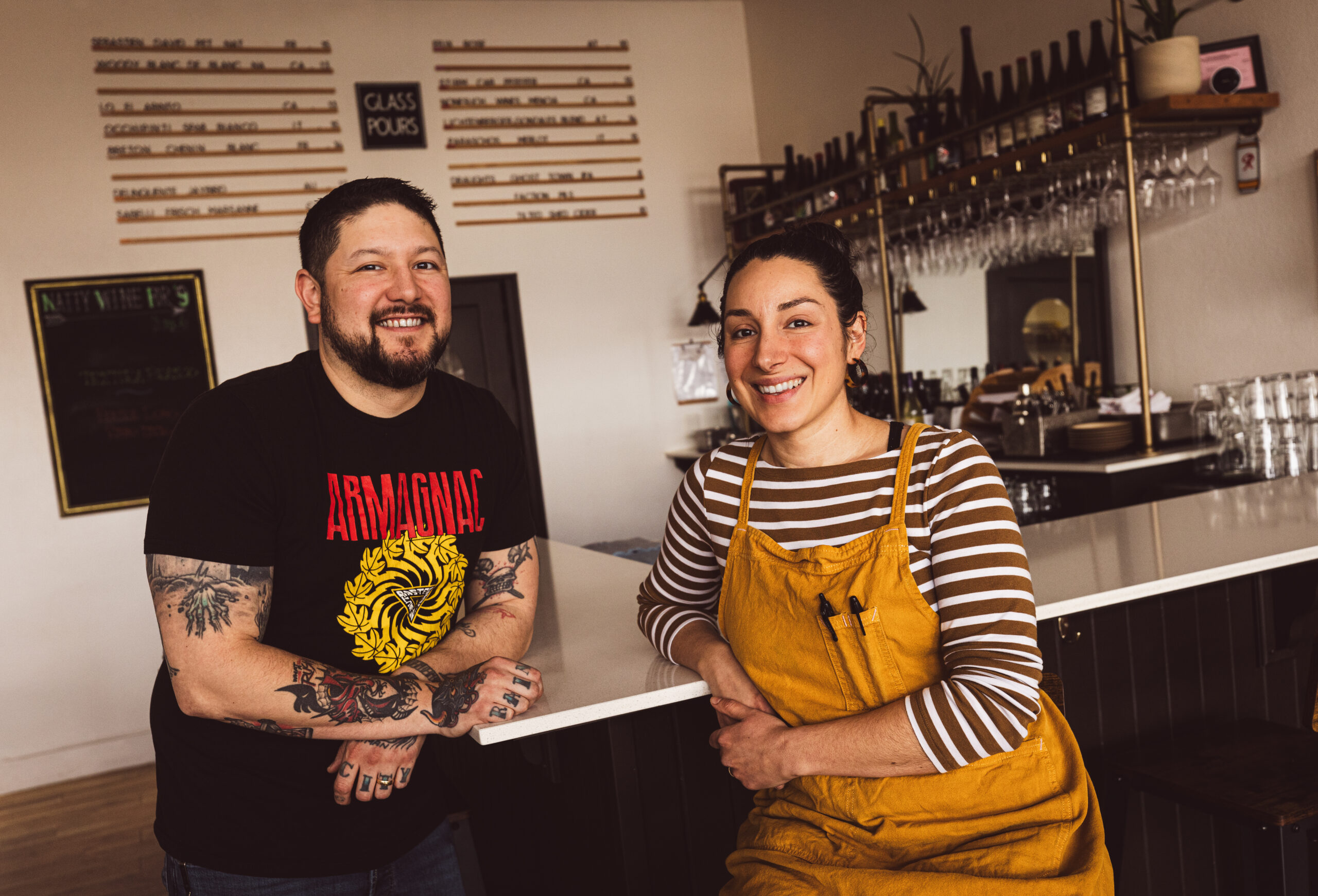
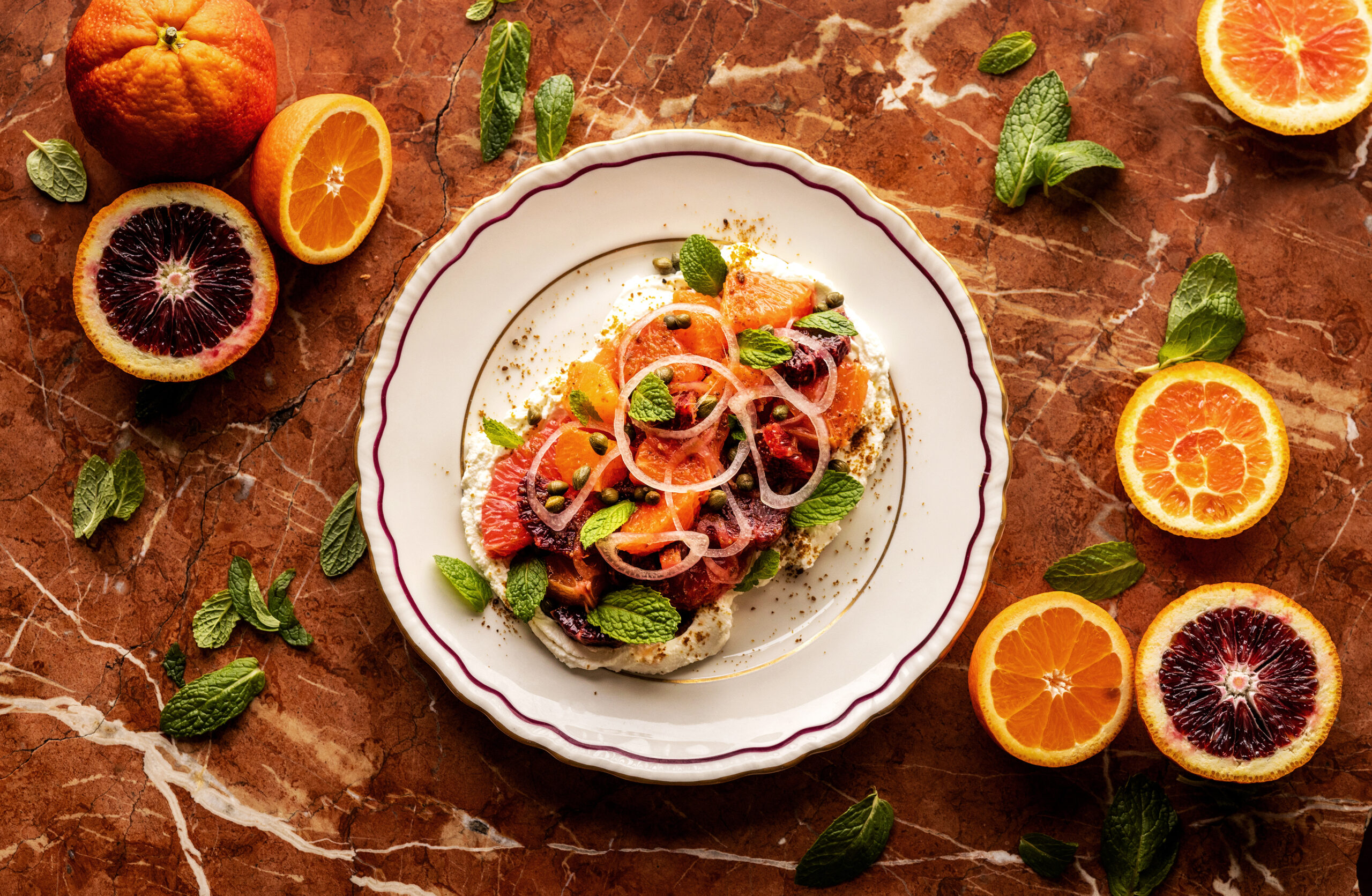
Winter Citrus Salad with Blood orange, cara cara, grapefruit, tangelo labneh, vadouvan, shallot, capers and mint from The Redwood chef/owner Geneva Melby Thursday, February 27, 2025, in Sebastopol. (John Burgess / The Press Democrat)
Winter Citrus Salad with blood orange, cara cara, grapefruit, tangelo labneh, vadouvan, shallot, capers and mint from The Redwood chef/owner Geneva Melby Thursday, Feb. 27, 2025, in Sebastopol. (John Burgess / The Press Democrat)

The Redwood, a restaurant and natural wine bar in Sebastopol, earned its first snail last August and owners Geneva Melby and Ryan Miller have found that the honor opens valuable conversations. “In Sonoma County, it does seem like there is a fairly large contingent of consumers who are aware of the existence and the importance of Slow Food and the Snail of Approval, so I do think it helps us,” Miller says. “For those who don’t, we love the opportunity to talk to our customers about the importance of the concepts of the Slow Food Movement. This restaurant gives us the platform to advocate for local farmers, fishermen, winemakers, and other artisans, and we really value that ability.”

Fun Foodie Events in Sonoma County to Feast on in May

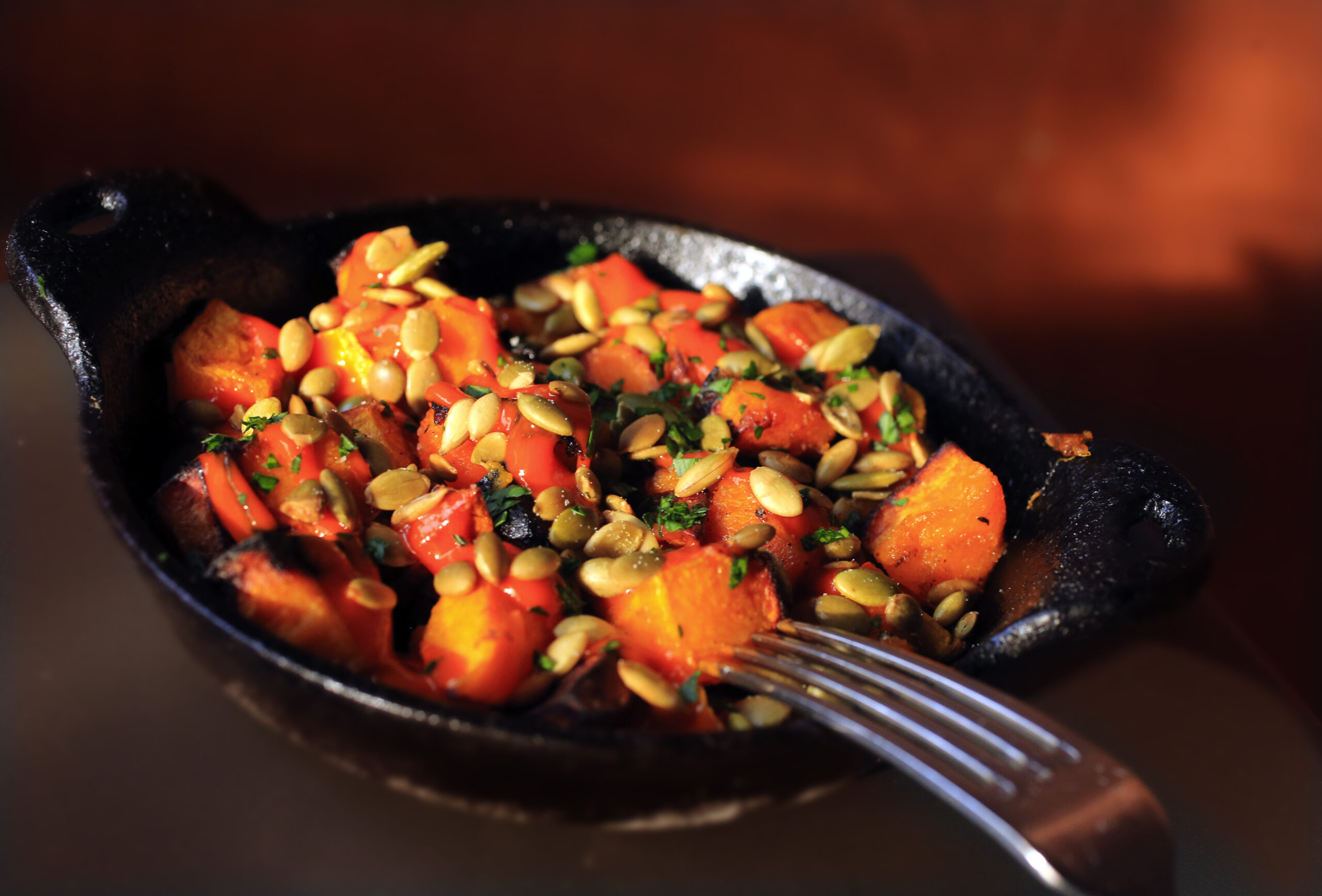
Roasted Red Kuri with Harissa and Roasted Pepitas from the Glen Ellen Star restaurant. (John Burgess / The Press Democrat)

From Bay Area Pizza Week to Cinco de Mayo eats to a celebrity chef-hosted cooking demonstration, Sonoma County foodies will have their plates full for the next few weeks. Here are some upcoming local food events on our radar.

A classy Cinco de Mayo

On May 5, Glen Ellen Star will offer a three-course, prix-fixe menu rooted in Mexican culinary traditions.

Served from 5-9 p.m., the $65 dinner includes coal-kissed hiramasa crudo with Watmaugh strawberry aguachile and chive blossom; rabbit pipián verde, a pumpkin seed mole, with Rancho Gordo beans; and a cantarito sorbet of orange, grapefruit, tequila and Tajín. Reservations are recommended.

13648 Arnold Drive, Glen Ellen, 707-343-1384, glenellenstar.com

Roasted Red Kuri with Harissa and Roasted Pepitas from the Glen Ellen Star restaurant. (John Burgess / The Press Democrat)
Roasted red kuri squash with harissa and roasted pepitas from the Glen Ellen Star restaurant. (John Burgess / The Press Democrat)
Celebrity chef Martin Yan hosting a food demonstration
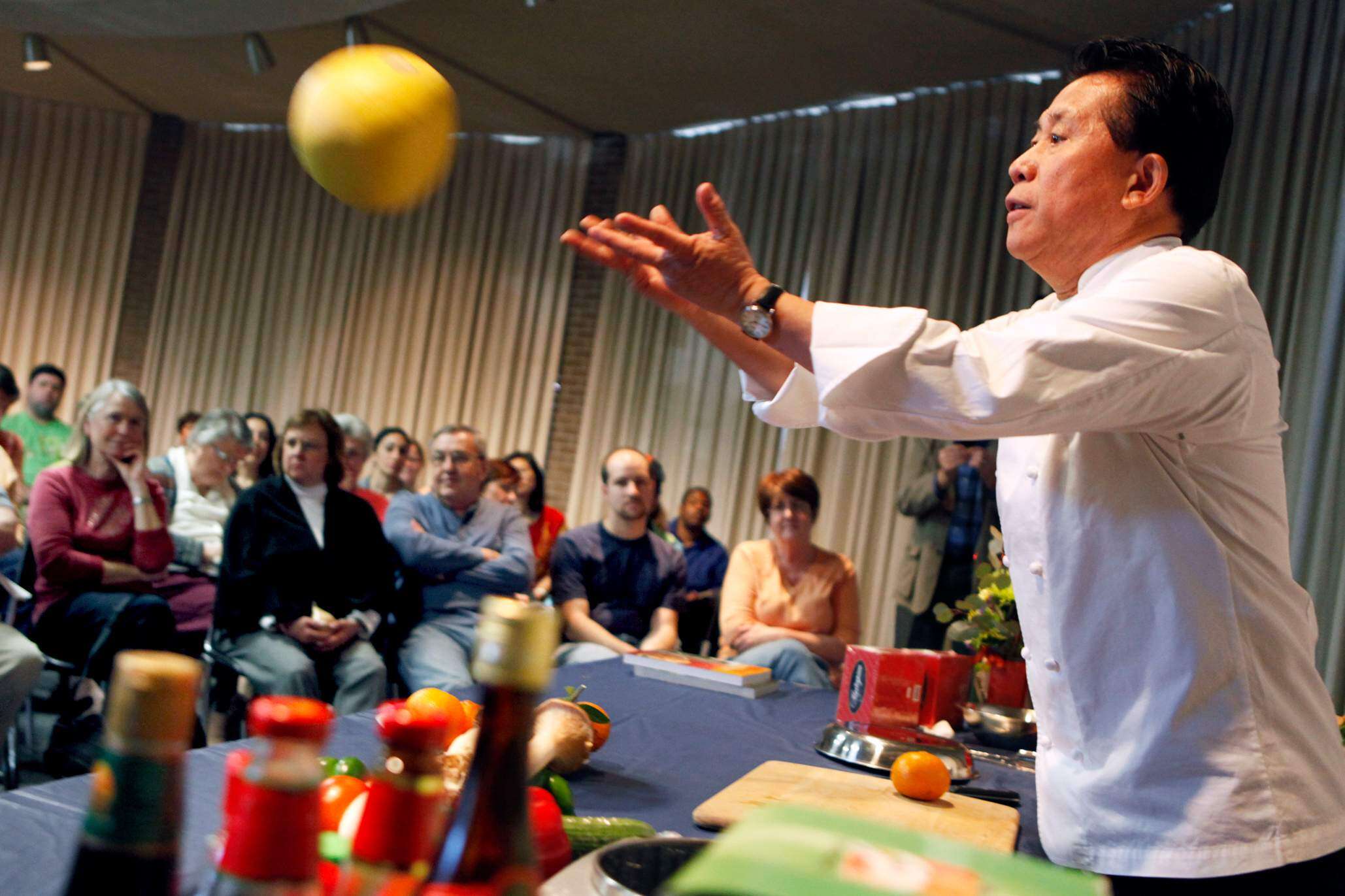
Celebrity chef Martin Yan tosses a pomelo to the crowd during a cooking demonstration at the Sonoma County Public Library in Santa Rosa on Sunday, Feb. 6, 2011. (Beth Schlanker / The Press Democrat, file)

Lanterns & Vines, May 16

Celebrity chef Martin Yan will be the special guest at Lanterns & Vines on May 16 at the Friedman Event Center in Santa Rosa.

The benefit for the Asian American Pacific Islander Coalition of North Bay will feature a live cooking demonstration by the host of “Yan Can Cook,” alongside an elevated night market showcasing AAPI-focused food and wine pairings from local restaurants.

Tickets are $150 per person; details are available at aapicnorthbay.org/lanternsandvines.