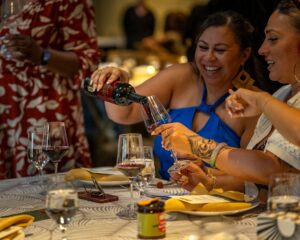
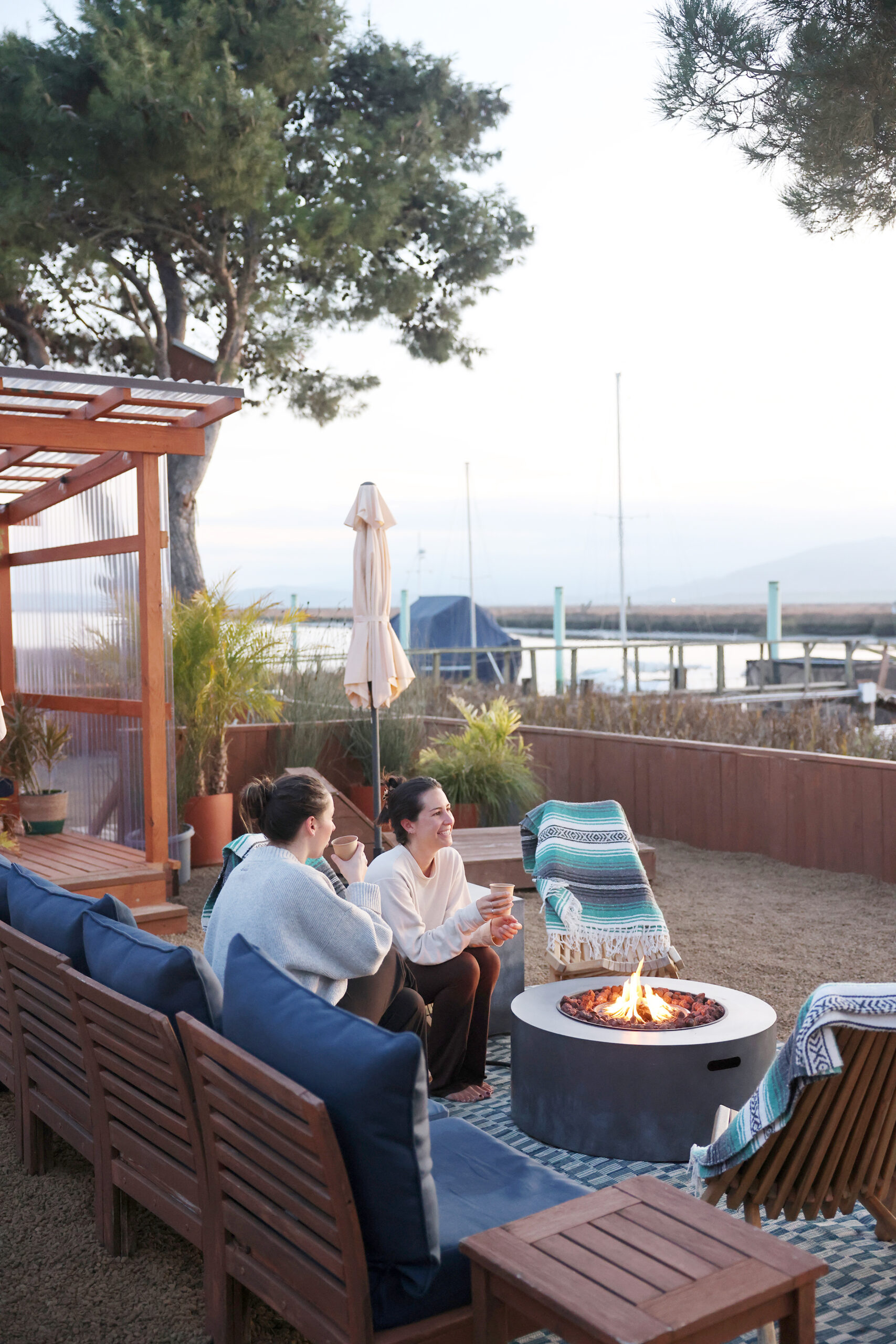
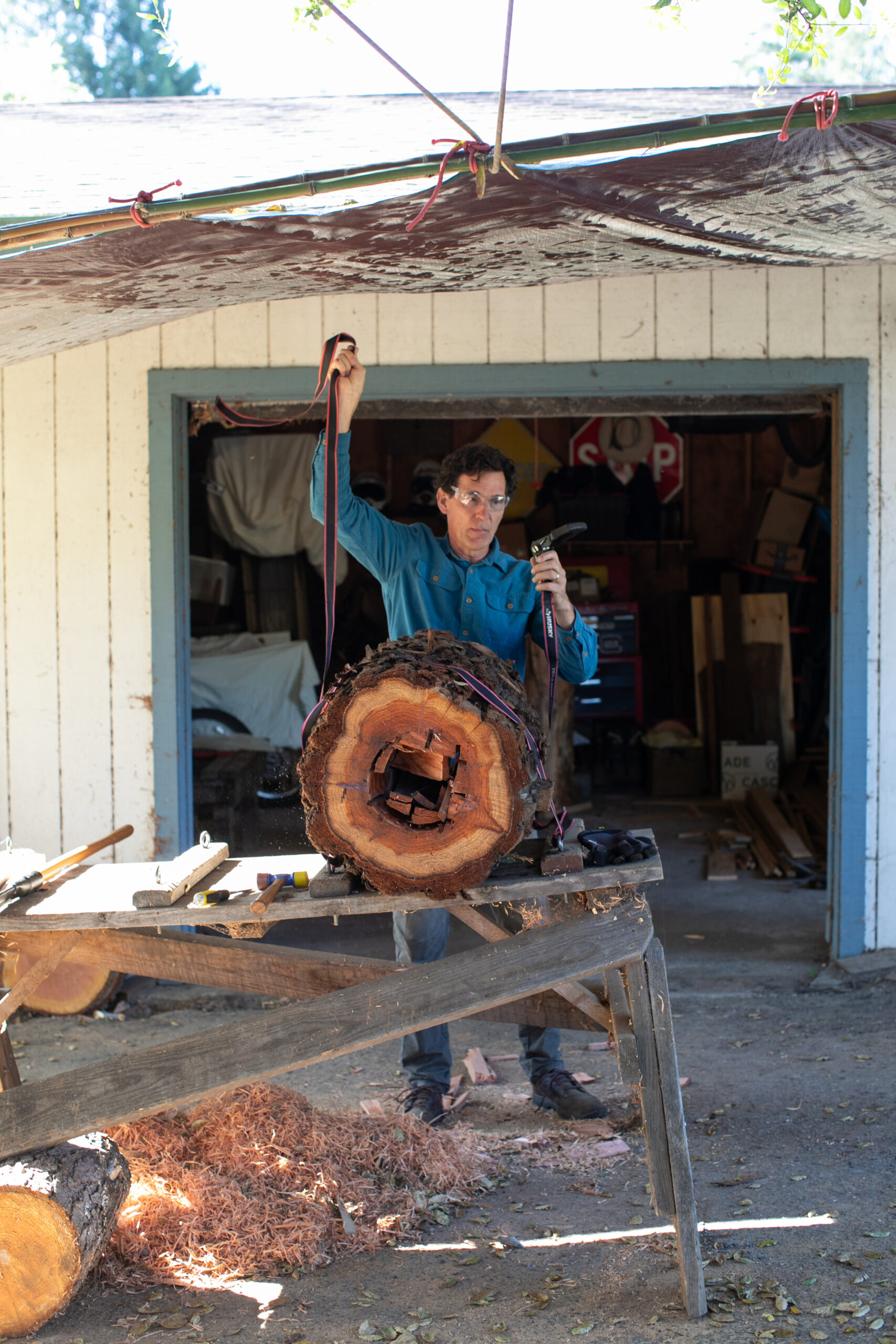
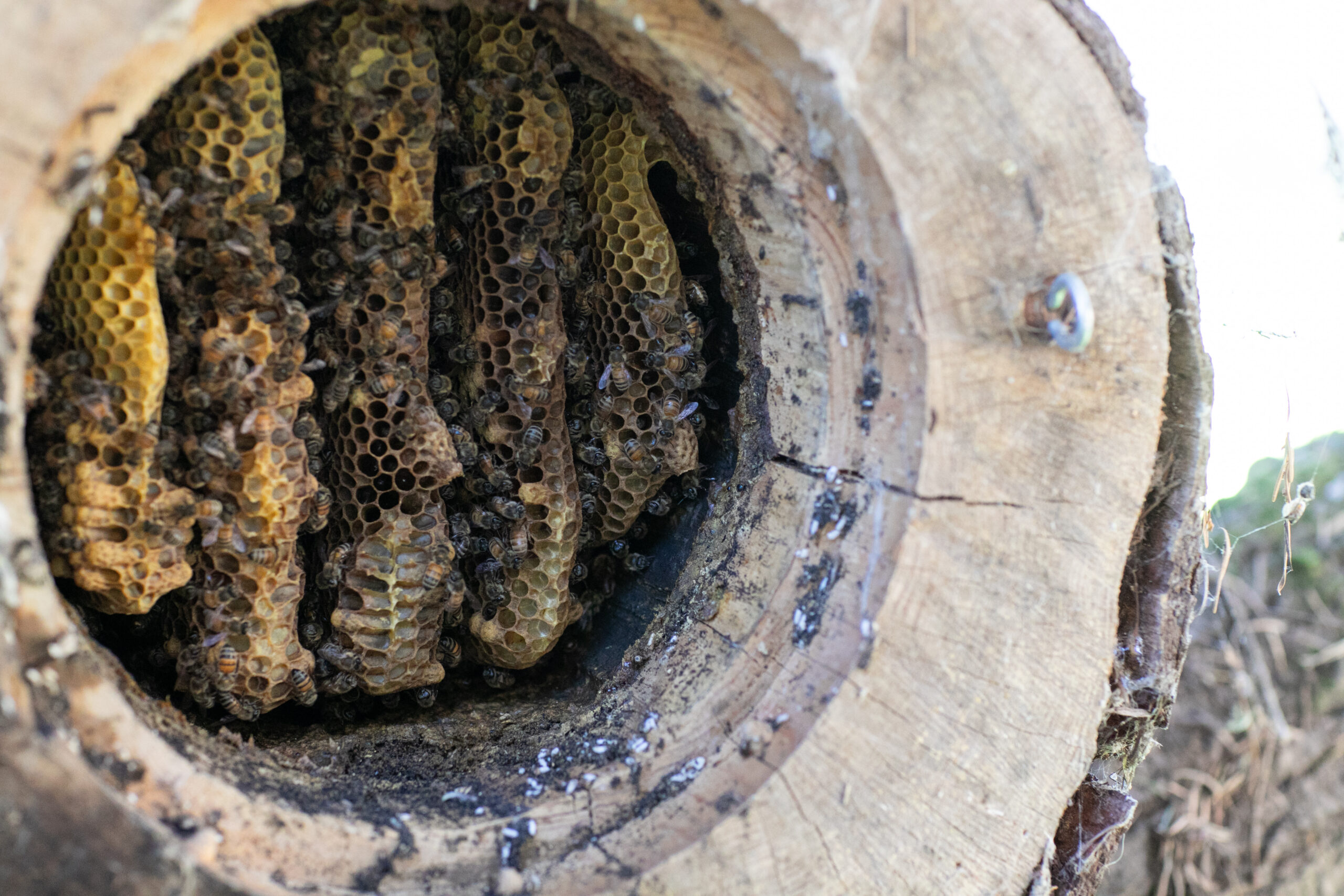
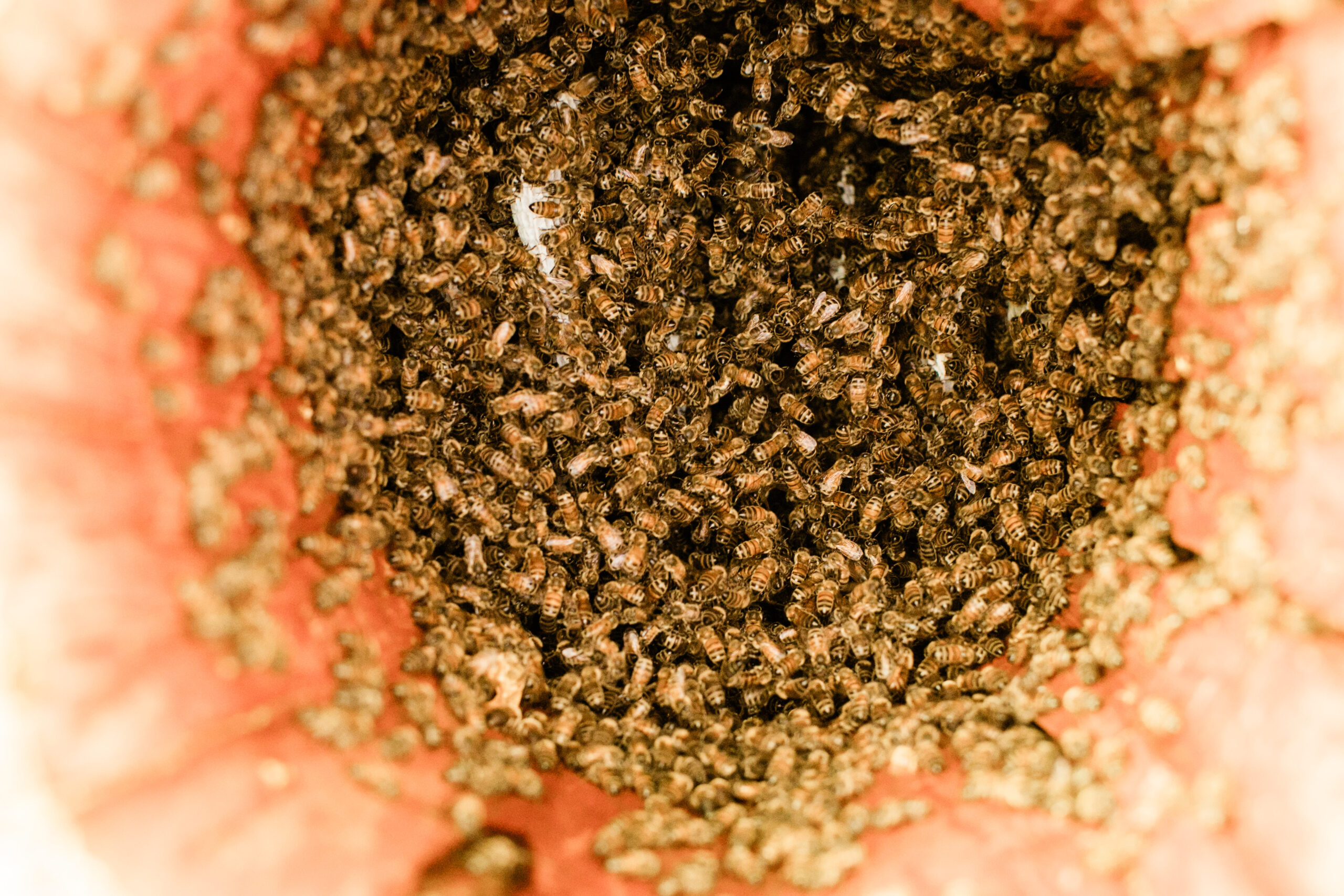
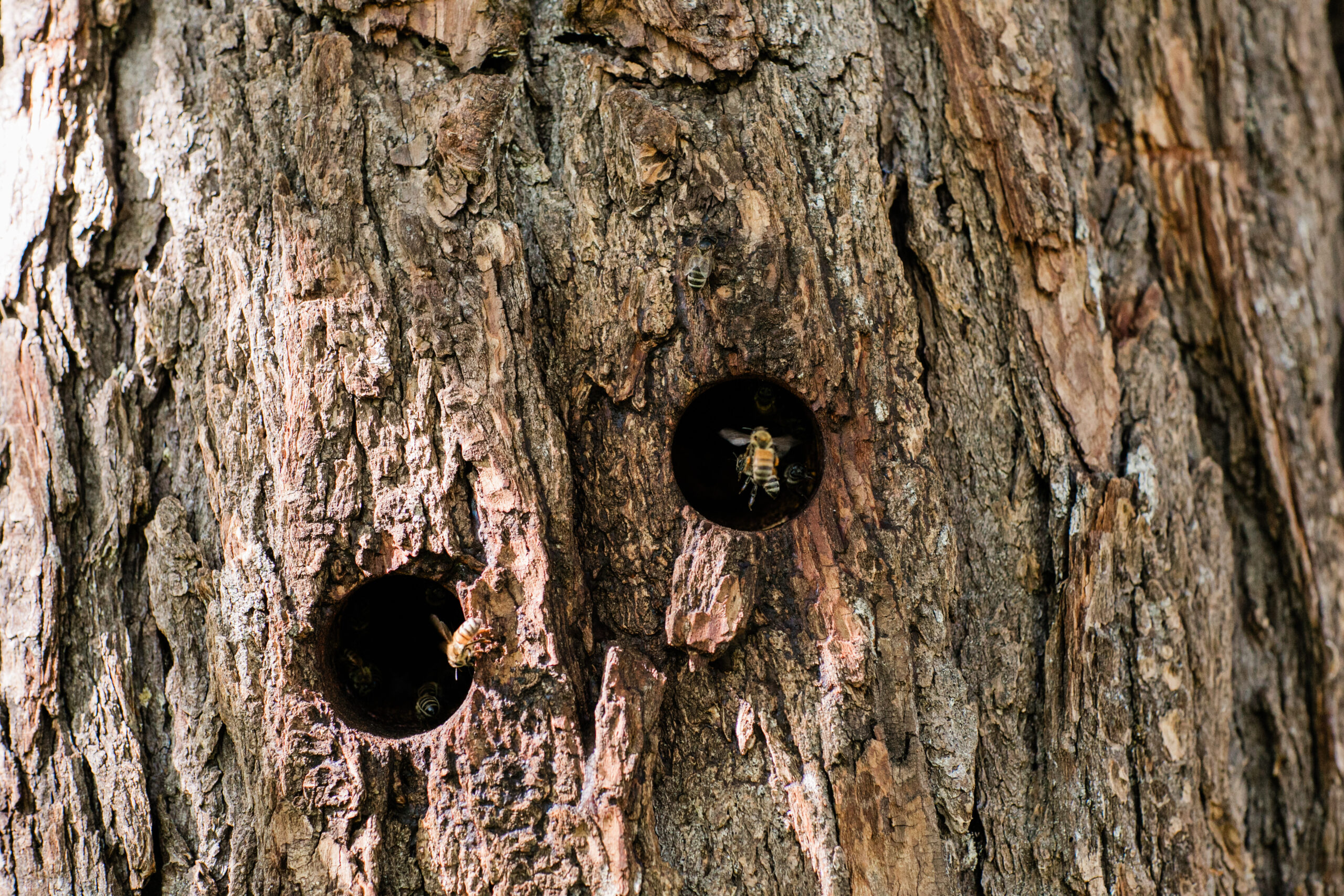
Cookout at the Vineyard is a three-day celebration of wine and food, with a focus on underrepresented communities in the industry. Courtney Summers and Tahlia Suggs, both apprenticeship recipients of The Veraison Project’s partnership with Silver Oak Cellars, founded the event in 2023. (Steven Cooley)
When Courtney Summers landed an apprenticeship at Silver Oak Cellars through The Veraison Project, it helped the Texas native realize her dream of working in the wine industry.
By the end of her time at Silver Oak, Summers—now the wine club coordinator for Bricoleur Vineyards in Windsor—and her fellow apprentice, Philadelphia-based Tahlia Suggs, had founded Cookout at the Vineyard. More than just a party, the women created it as a fundraiser for The Veraison Project, an organization that funds scholarships and mentorships for people of color in an industry where BIPOC representation has historically been less than 1%.
What started out as a one-day party has grown to a three-day celebration of wine, food, and good times held June 11-13 at three different Sonoma County wineries. Like all good cookouts, says Summers, the focus is on hospitality and building community. “By Saturday, y’all are best friends. At the end of it all, everybody’s cousins.”
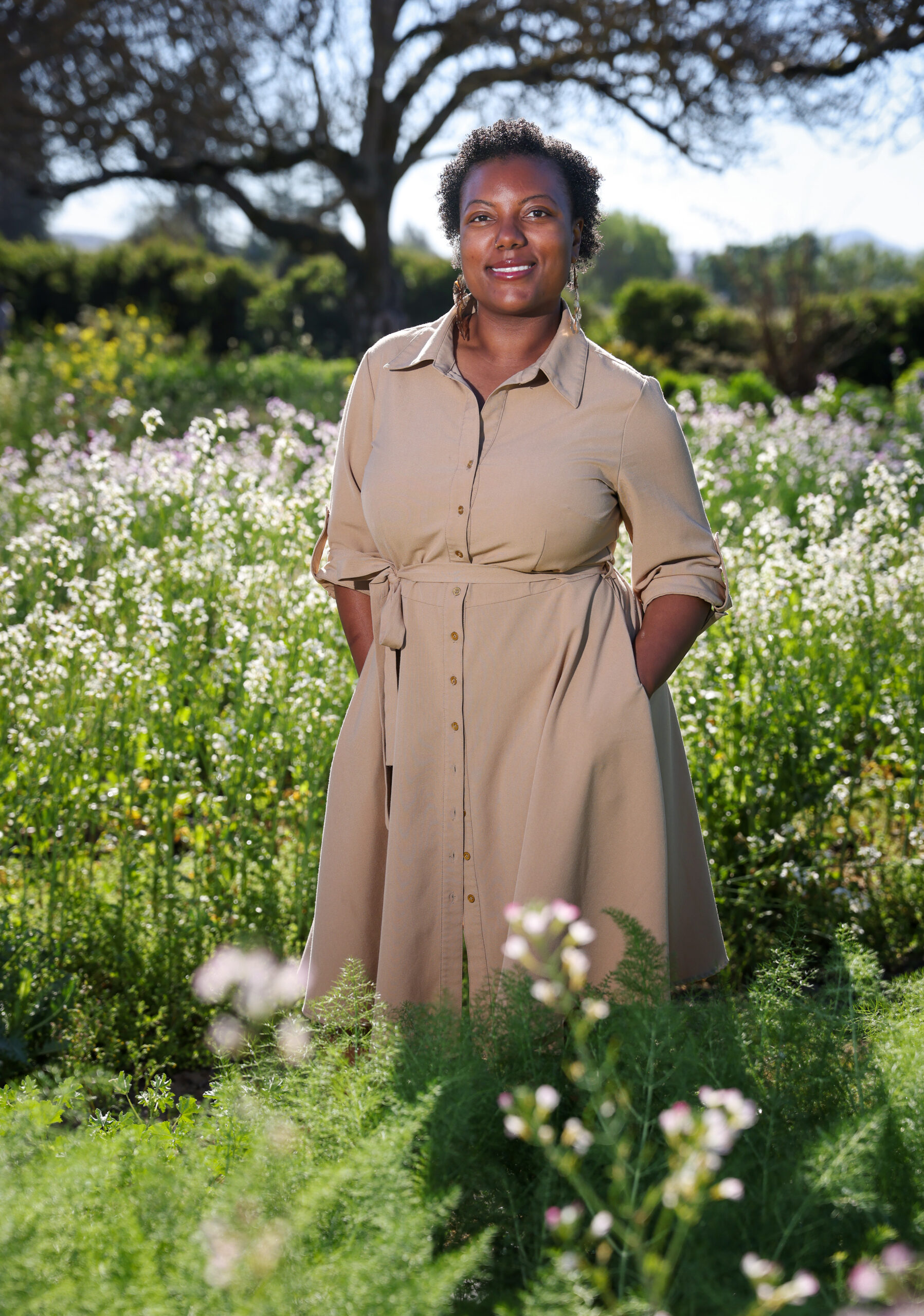
Courtney Summers is the co-founder of Cookout at the Vineyard, an event that raises funds for The Veraison Project. Photo taken at Kendall-Jackson Wine Estate & Gardens in Santa Rosa on Tuesday, March 24, 2026. (Christopher Chung / The Press Democrat)
Getting the party started
When we came out here, we were in awe of the beauty. We were in awe of the experiences. We just couldn’t help but think it would be so fun if we could also have something that represented where we come from in this same setting. What would it be like to have a fish fry in the vineyards? We hadn’t seen that. What would it be like to have gumbo prepared for you along with wine in the vineyards—having that kind of interaction with the BIPOC community, with our allies? We decided to see if it could happen, and we just asked.
About Cookout Culture
Cookout culture has always been appreciating the food that we grew up on. It’s bringing community together. Everybody should be proud of where they come from. We’re just letting you know that this is where we come from. These are the recipes that we were raised on, and then we’re elevating them a little bit. Cookout food—barbecue, it goes with wine. Southern meals go with wine. Soul food goes with wine. (It’s) combining those worlds together and showing that they do belong together.
A Wine Country welcome
We really care about the connections we’re building and it’s bringing people up here. We continue to get Bay Area natives—they have never been up to Alexander Valley and didn’t even feel like they could come up that far. So, I think that continues to drive more and more access to this area. With our itinerary, we’re making sure that when people come out here, (they know) these are the places we felt welcome.
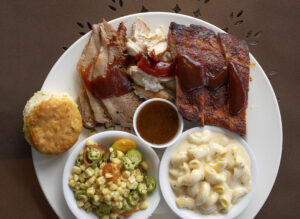
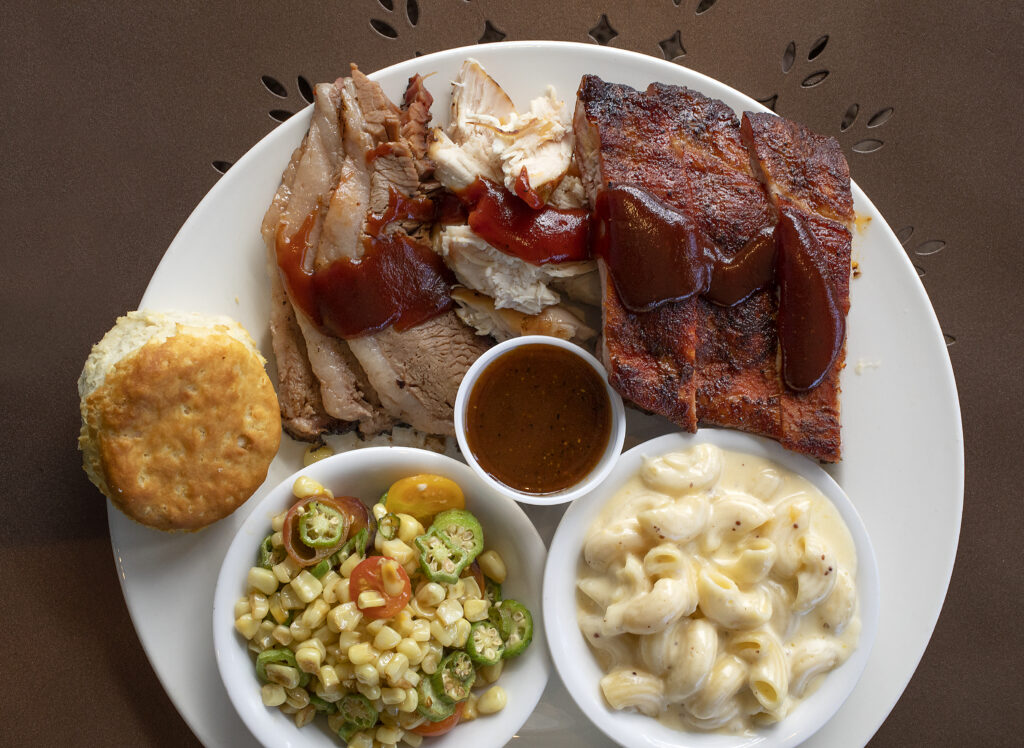
Three-way Smoker Combo with ribs, chicken, brisket and sides of Mac N’ Cheese and Okra/Corn/Cherry Tomato Saute from Sweet T’s Restaurant + Bar in Windsor. (John Burgess/The Press Democrat)
Sonoma County has a barbecue style all its own. It draws inspiration from the South, Texas, Missouri and closer to home — like California-style smoked tri-tip — to create a unique mashup of flavors and techniques from around the country.
For National Barbecue Day (May 16) — or any day of the year — here are some of the best barbecue spots in Sonoma County.
A&M BBQ
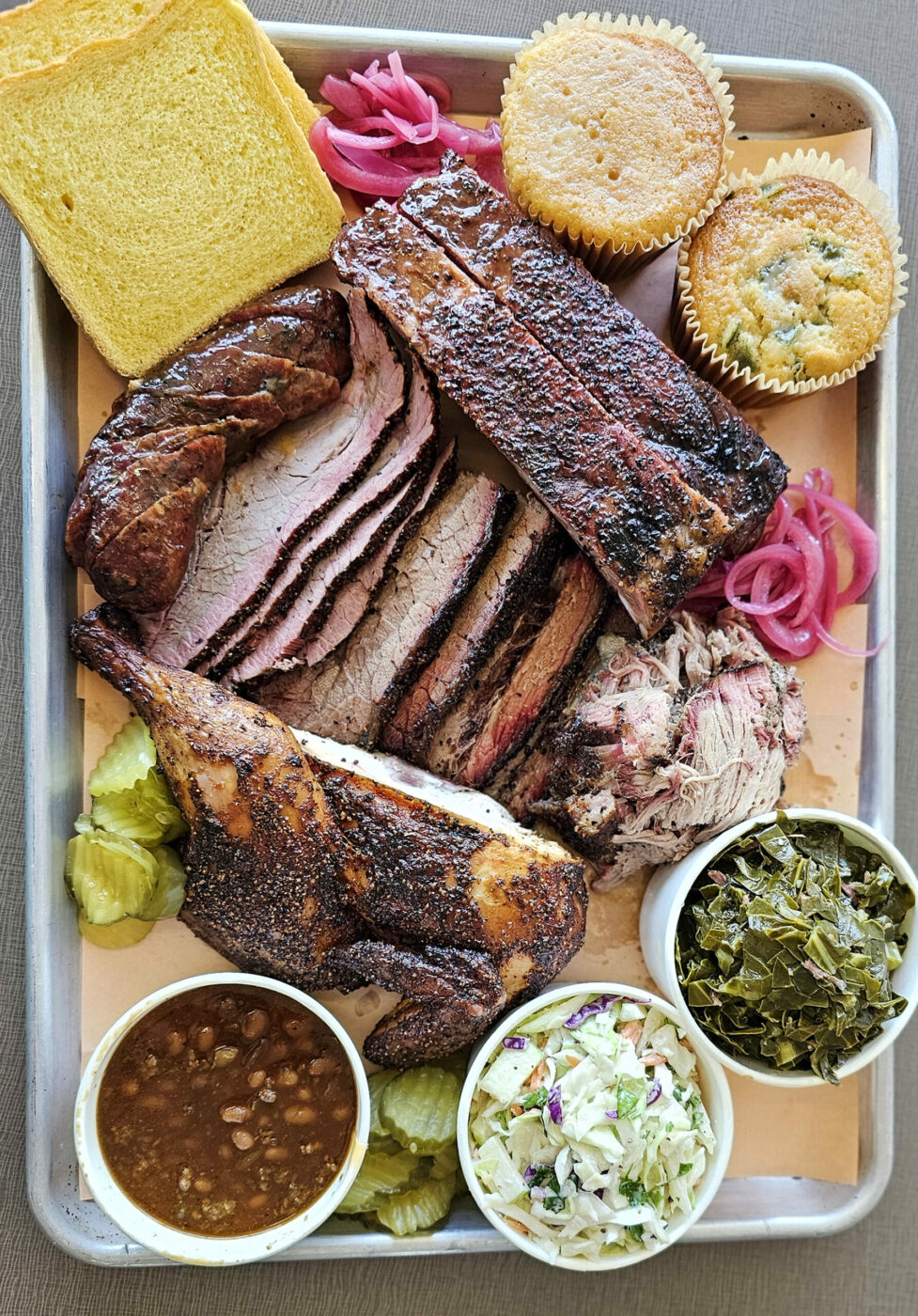
A&M’s Kris Austin (of Austin’s Southern Smoke BBQ) believes in investing time in worth-the-wait barbecue, turning muscly cuts of beef and pork into soulful Texas-style, smoke-ringed slices of joy with the proper Southern ratio of fat to meat — just enough but not too much. Brisket is what you’re here for. After 12 hours of white oak and almond wood smoke and 10 hours of resting, it’s just about right and ready to serve. The Mississippi-born Austin has barbecue in his soul, having learned the craft from his mother, aunts and uncles. Like any good apprentice, it took years for the tongs to pass to Austin, who keeps working to perfect his barbecue. 495 S. Main St., Sebastopol. 707-888-1315, ambbqllc.com
Texas Toast, cornbread muffins, pork ribs, links, brisket and tri-tip, barbecue chicken, baked beans, coleslaw and collard greens at A&M BBQ in Sebastopol. (Heather Irwin / The Press Democrat)Three-way Smoker Combo with ribs, chicken, brisket and sides of Mac N’ Cheese and Okra/Corn/Cherry Tomato Saute from Sweet T’s Restaurant + Bar in Windsor. (John Burgess / The Press Democrat)
Sweet T’s Restaurant + Bar
Sweet T’s continues serving the Southern comfort food locals love. Besides their acclaimed fried chicken and Mississippi mud pie, you can’t go wrong with one of the barbecue plates, like the smoked tri-tip plate with fried okra, black-eyed peas and biscuits. 9098 Brooks Road S., Windsor. 707-687-5185, sweettssouthern.com
KINSmoke
Southern meets Western-style barbecue at KINSmoke, where grilling and smoking tender meats is an art form. With its finger-licking good St. Louis-style pork ribs, succulent pulled pork and brisket sandwiches, as well as sweet cornbread muffins, it’s easy to see why this barbecue spot consistently gets rave reviews. 304 Center St., Healdsburg. 707-473-8440, kinsmoke.com
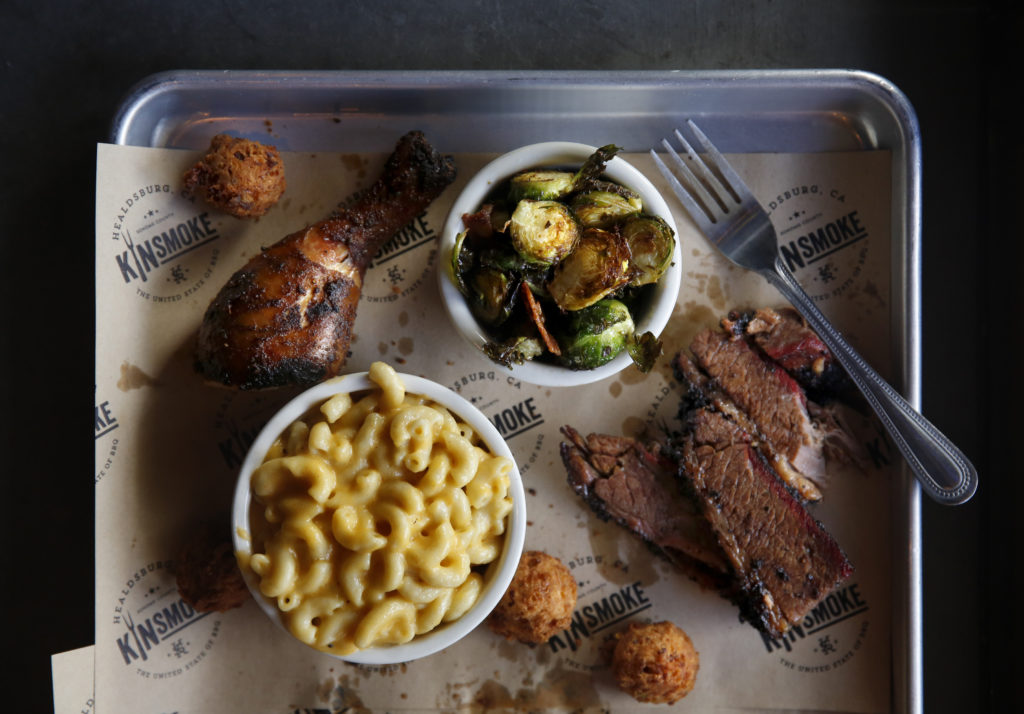
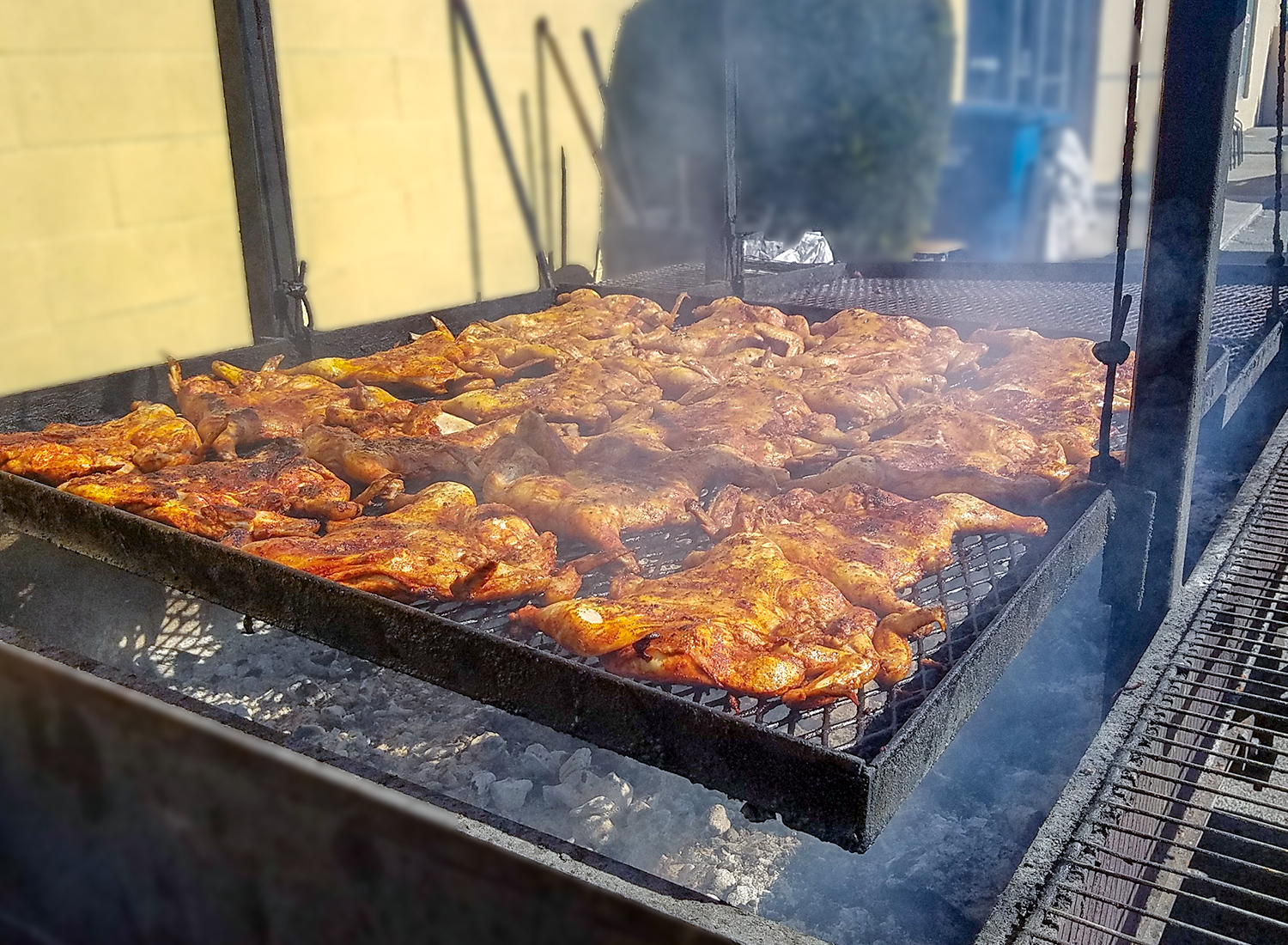
Barbecue chicken, brisket, Brussels sprouts with bacon, macaroni and cheese, and hush puppies at KINSmoke in Healdsburg. (Beth Schlanker / The Press Democrat)You’ll smell it before you see it. Petaluma’s What A Chicken! perfumes the entire block. (Heather Irwin / The Press Democrat)
What a Chicken
Find barbecued chicken and other meats served however you prefer — in a hefty burrito, on corn tortilla tacos with fresh salsa, on a salad with fresh avocado, or served whole with a choice of two sides, like beans, rice, coleslaw or potato salad. 706 E. Washington St., Petaluma. 707-971-7549, coolgri.wixsite.com/website
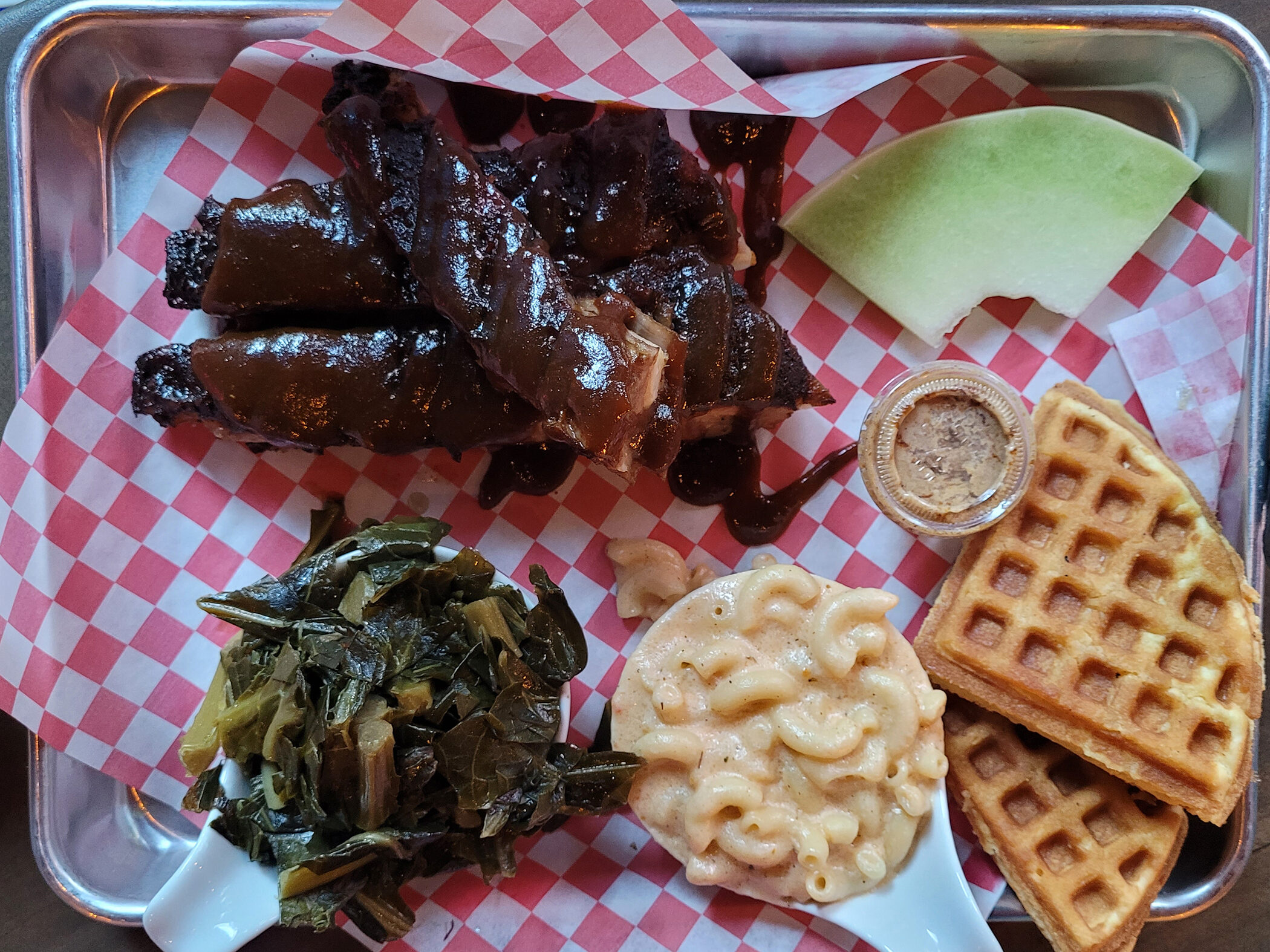
BBQ Pork Rib platter at Saucy Mama’s Jook Joint in Guerneville. (Heather Irwin / The Press Democrat)
Saucy Mama’s Jook Joint
Traditional soul food and Louisiana barbecue from a local family with Southern roots, Saucy Mama’s hits all the marks when it comes to serving up comfort food with a heavy helping of hospitality. Best bets for a classic southern barbecue feast here are the hot links, fall-off-the-bone pork ribs and the Flintstones-inspired Yabba Dabba Beef Rib. Entrees come with cornbread and two extras — choose from sides like okra, mac and cheese, collard greens, potato salad, and red beans and rice. Don’t miss the sweet potato pie for dessert if you’re going for an authentic southern treat. 16632 Highway 116, Guerneville. 707-604-7184, saucymamasjookjoint.com
The Hot Box BBQ
Part catering business, part barbecue smoker on wheels, The Hot Box BBQ offers a variety of innovative barbecue sandwiches, which come with your choice of smoked pulled pork, smoked chicken or smoked tofu, so vegetarians aren’t left out. Favorites include The Maui Wowie with pineapple, pickled onion and housemade peach barbecue sauce; and The Volcano with housemade jalapeño pepper jelly, Sriracha aioli and crispy onion bits. 16155 Drake Road, Guerneville. 707-756-0536,thehotboxbbq.com
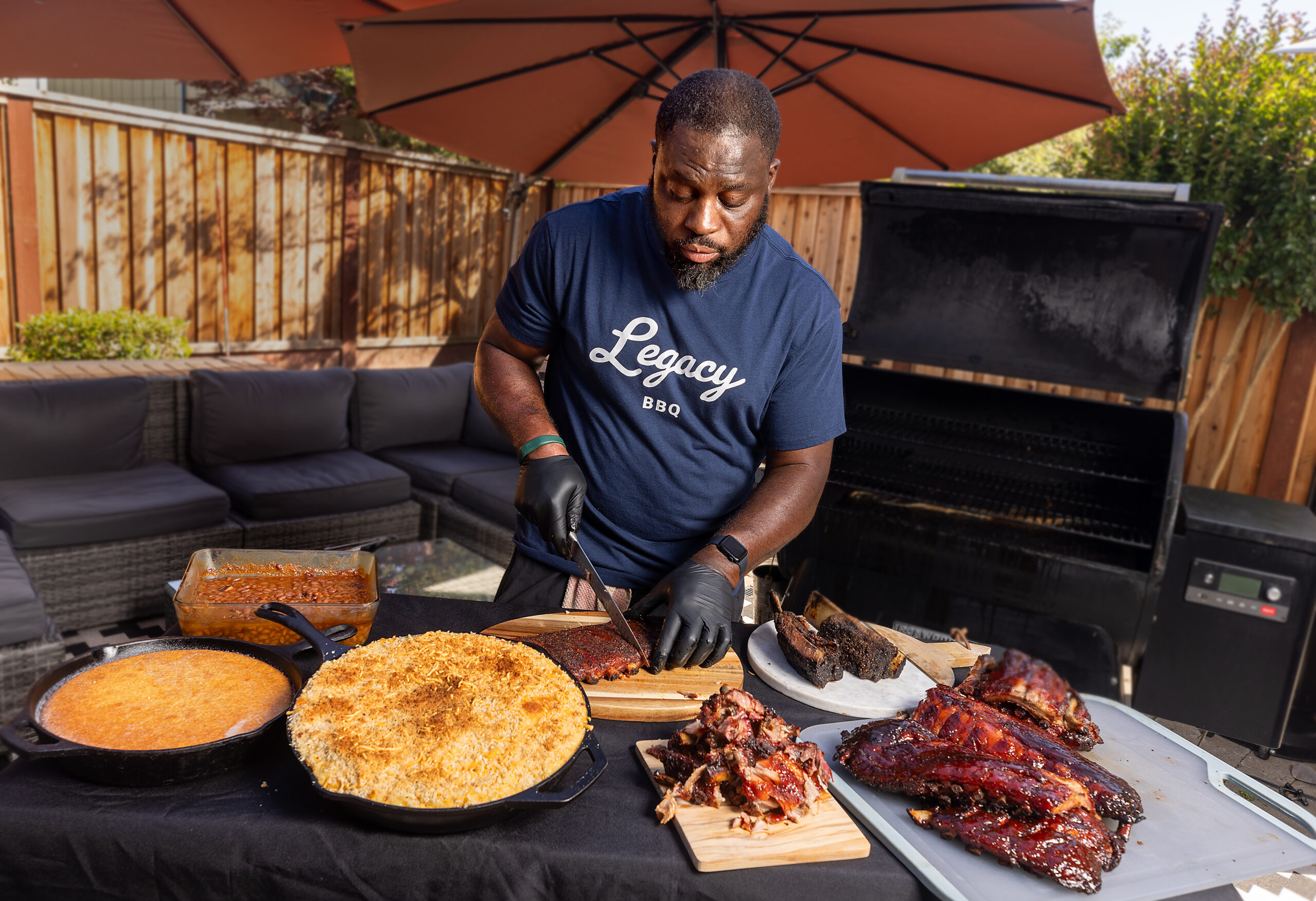
Joe Edwards III, owner of Legacy BBQ, cuts up smoked ribs for a backyard barbecue at his Santa Rosa home with mac and cheese, beans and cornbread Tuesday, June 11, 2024, in Santa Rosa. Edwards learned to cook from his father, the pitmaster at Porter Street BBQ in Cotati. (John Burgess / The Press Democrat)
Legacy BBQ
Joe Edwards III’s father, a Louisiana native, was the pitmaster at Porter Street BBQ in Cotati, where Galvan’s Beer Garden is now. Today, Edwards continues in his father’s footsteps with his catering business, Legacy BBQ, which he runs out of a commissary kitchen, complete with a wood-burning smoker. He hopes to grow it into something bigger, to pick up where his father left off. For now, he recreates family recipes from memory, like glossy baby back ribs lightly glazed with barbecue sauce; St. Louis-cut pork spareribs with a dry, mahogany-hued rub; and beef ribs, cooked low and slow for half a day or more over hickory smoke. Available for catering; currently weekends only. legacybbqsoco.com
Canevari’s Delicatessen
This old-school Italian deli on the corner is the best place to grab a gourmet sandwich for lunch — the tri-tip sandwich with Dijon aioli is a favorite — and pick up housemade ravioli and sauce in bulk. But Canevari’s also offers fresh-off-the-grill barbecued meats, like juicy Italian sausage and a tender tri-tip that never disappoints. 695 Lewis Road, Santa Rosa. 707-545-6941, canevarisdeli.com
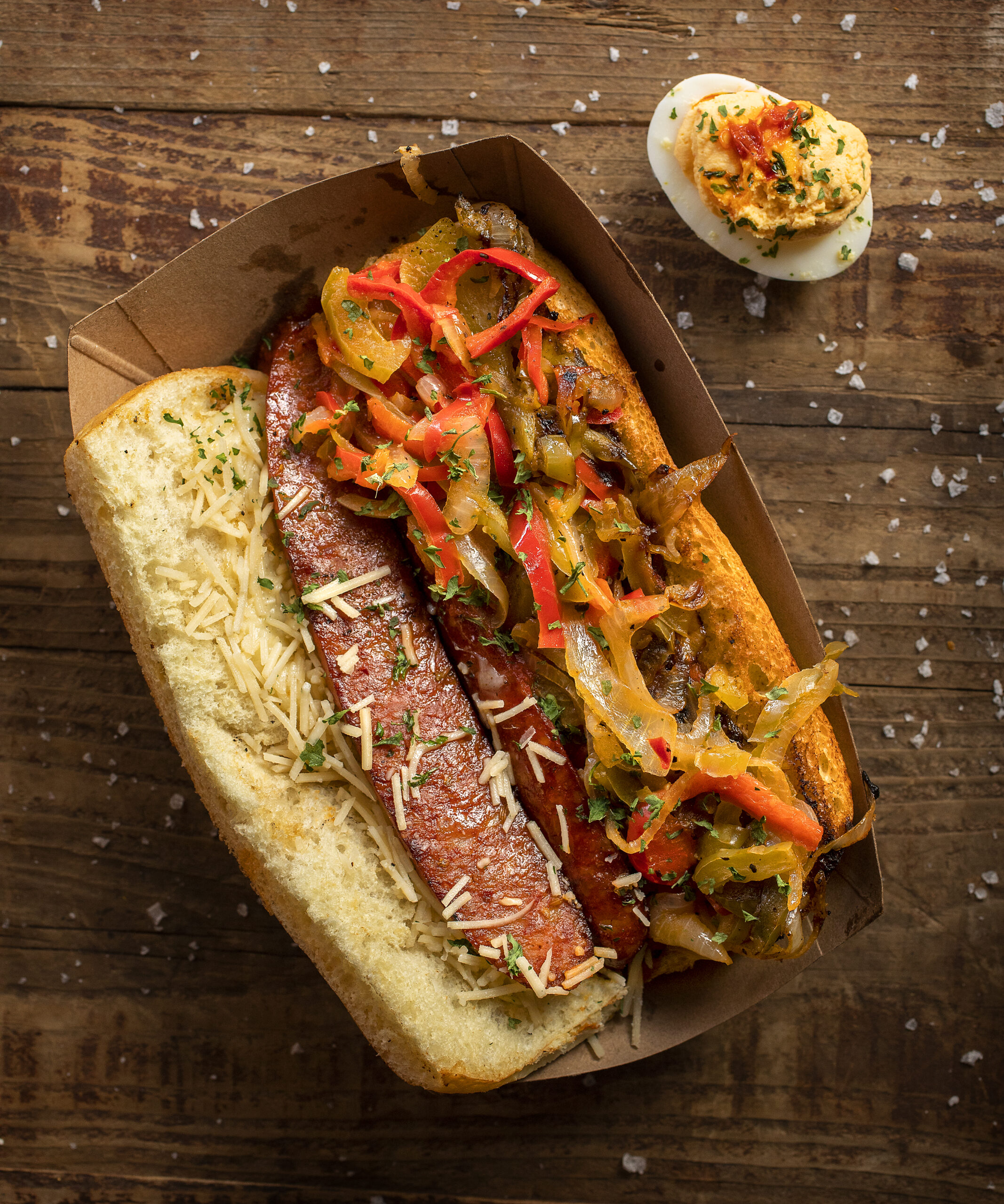
The Sausage and Peppers Sandwich with a spicy deviled egg from Canevari’s Delicatessen & Catering in Santa Rosa. (John Burgess / The Press Democrat)
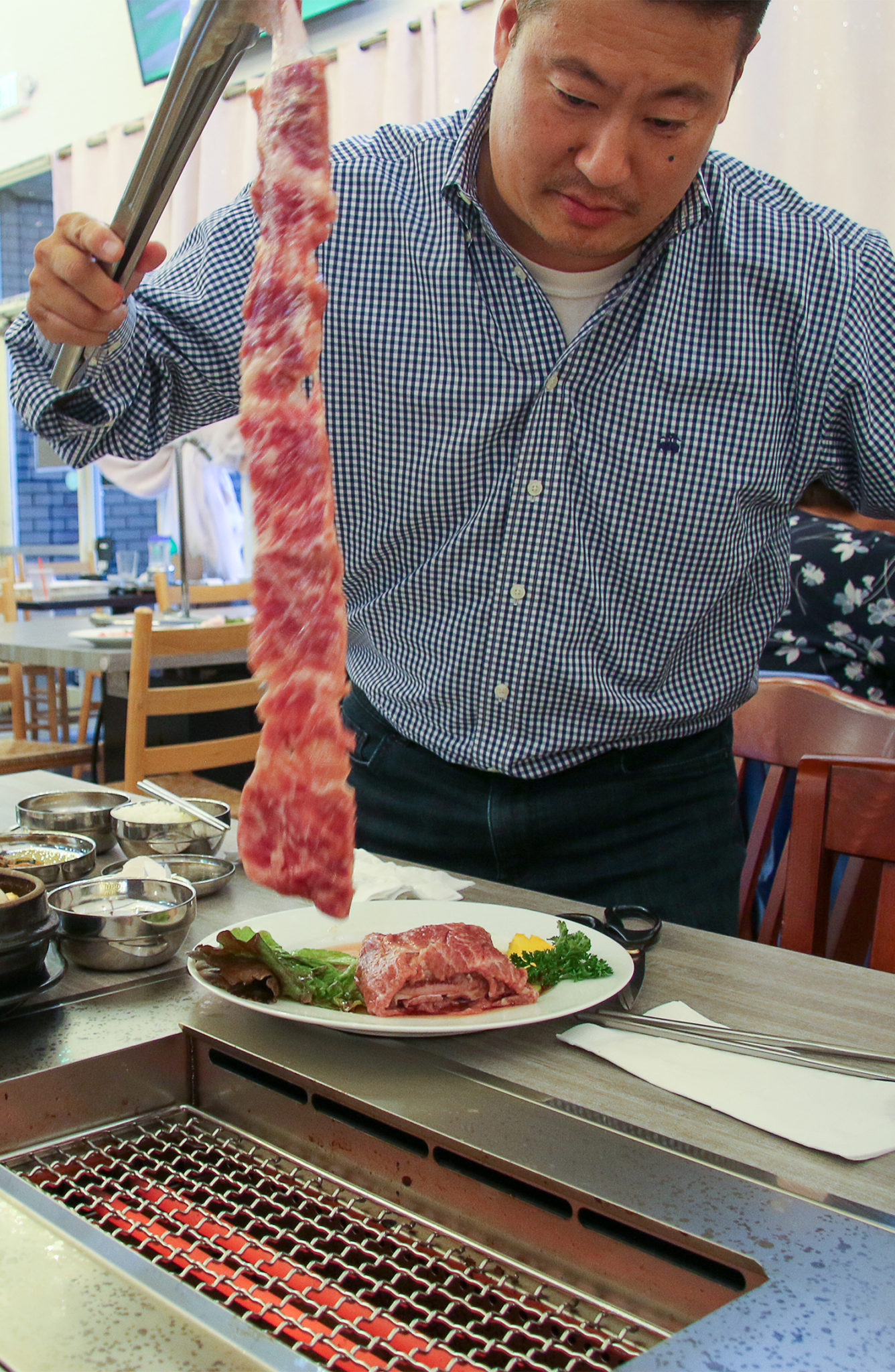
While Han Bul offers Korean specialties like bibimbap and kimchi fried rice, the barbecue is what you’re here for. Bring friends and treat yourselves to the family-style BBQ Sets, which come with three or four kinds of grilled meats like short rib, pork belly and sliced brisket, along with rice, steamed egg, Doenjang soup, Korean vegetable pancakes and banchan omakase (small side dishes to accompany your meal). 522 Seventh St., Santa Rosa. 707-919-3094
Han Soh demonstrates barbecue cooking at Han Bul Korean BBQ in Santa Rosa. (Heather Irwin / The Press Democrat)
Luau Hawaiian BBQ
Hawaiian barbecue classics abound at this relatively new family-owned restaurant on Stony Point Road. The Beef Loco Moco is a filling lunch bowl of steamed rice, macaroni salad, barbecue beef in gravy and perfectly fried eggs. For other traditional Hawaiian specialties, try the BBQ Chicken Musubi, BBQ Beef Saimin and BBQ Pork Luau bowl. 447 Stony Point Road, Santa Rosa. 707-843-5610,luauhawaiianbbqsr.com
Red Bee BBQ
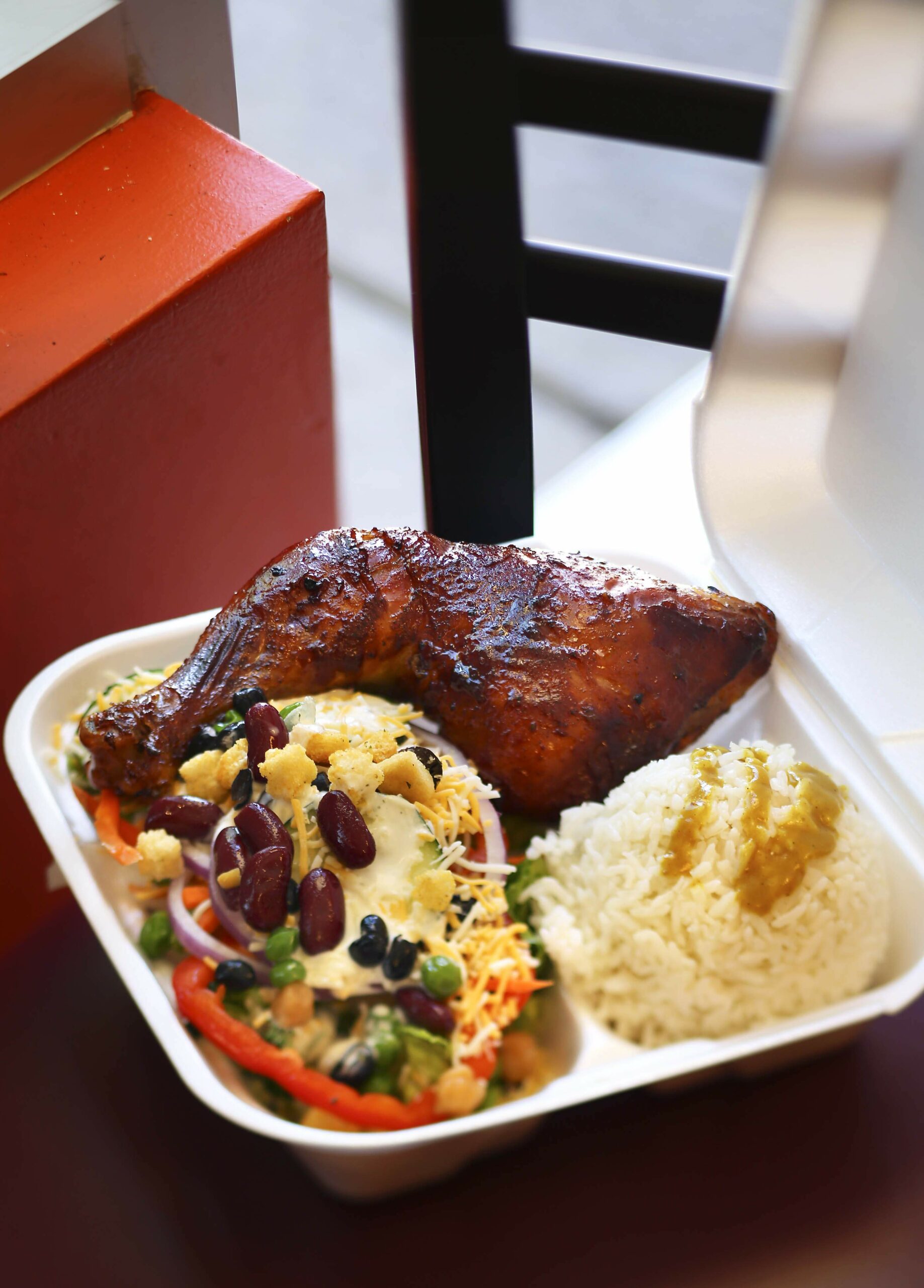
For generous portions of Asian barbecue fusion, Red Bee BBQ has you covered — just like your fingers will be when you dig into the tender BBQ Pork Ribs glazed in sticky-sweet barbecue sauce. Other favorites include juicy Smoked Pulled Pork and Beef Brisket with sides of macaroni salad, baked beans and cornbread to sop up all those delectable juices. 750 Stony Point Road, Santa Rosa, 707-541-6536. 6560 Hembree Lane, Suite 186, Windsor, 707-836-4090.redbeebbq.com
Barbecue chicken with a salad and curry rice is served at Red Bee BBQ in Santa Rosa. (Conner Jay / The Press Democrat, file)
The Bird
To start your weekends on the right foot, slow-smoked barbecue is sold on Fridays at The Bird, formerly Willie Bird’s. A go-to is the Tri-Tip Sandwich, made with thinly sliced smoked tri-tip cooked in a housemade dry rub and served on a brioche bun. There’s also smoked baby back ribs in a house barbecue sauce, a brisket sandwich or dinner, and fun barbecue sides like tater tots and jalapeño cheddar cornbread. 4776 Sonoma Highway, Santa Rosa. 707-542-0861,thebirdrestaurant.com
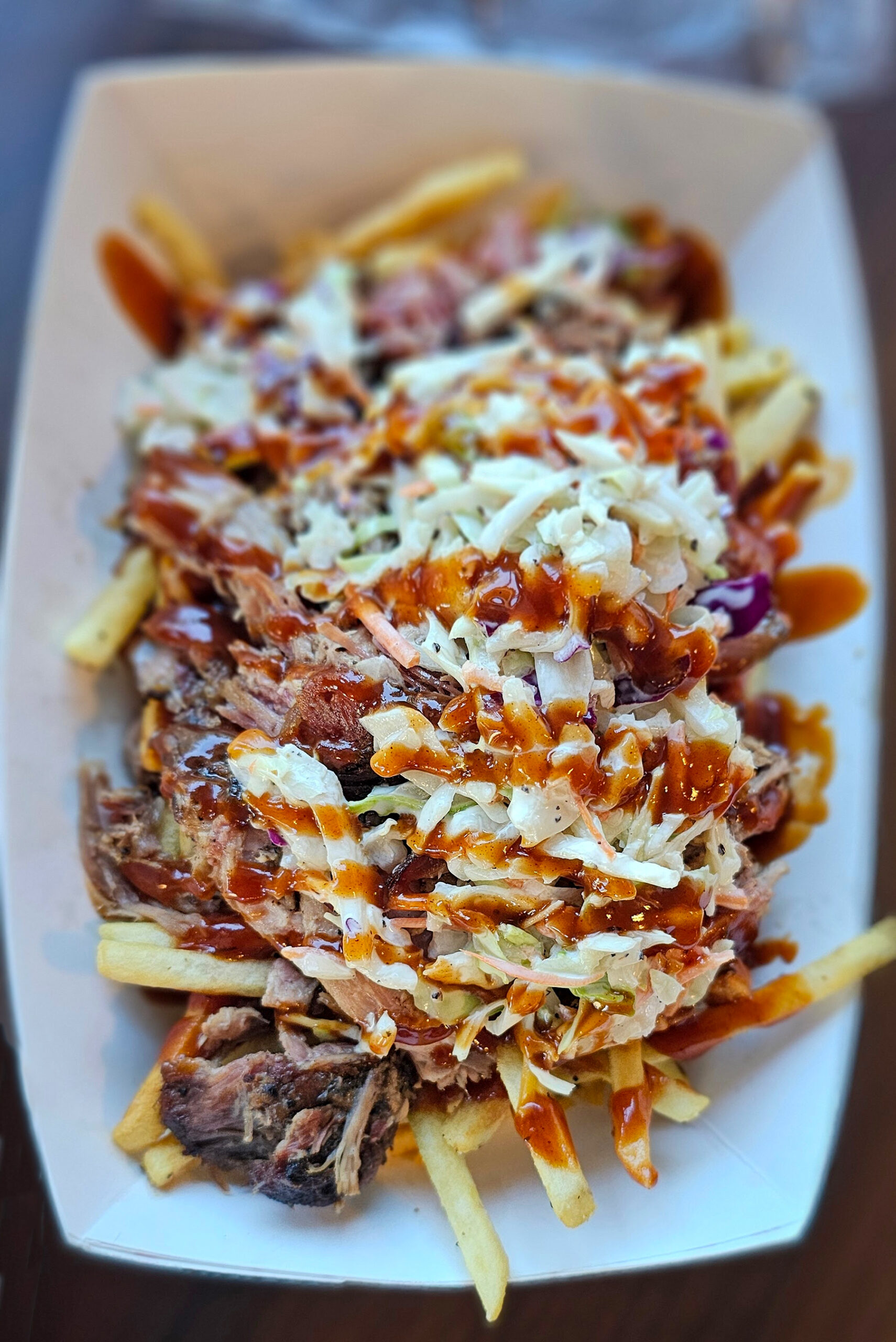
Dirty Fries at War Pigs Craft Kitchen in Santa Rosa. (Heather Irwin / The Press Democrat)
War Pigs BBQ
This Santa Rosa-based catering and pop-up barbecue business offers Texas-style brisket, Kansas City-style pork ribs, and California-style barbecued chicken and tri-tip, served with all the necessary fixings, like quality potato salad and baked beans. The rave-worthy dirty fries topped with pulled pork and coleslaw are a satisfying meal on their own. Find pop-up locations on their Instagram, @warpigs_craft_kitchen. 707-508-5551, warpigsbarbeque.com
Lombardi’s Gourmet Deli & BBQ
Family-owned and operated for nearly 20 years, Lombardi’s has long been a go-to spot for locals to gather provisions for picnics or cater family functions. Lombardi’s barbecue catering is perfect for summertime events, offering tender, dry-rubbed baby back ribs, flavorful barbecued oysters, gourmet deli sandwiches and fresh salads. 3413 Petaluma Blvd. N., Petaluma. 707-773-1271, lombardisbbq.com
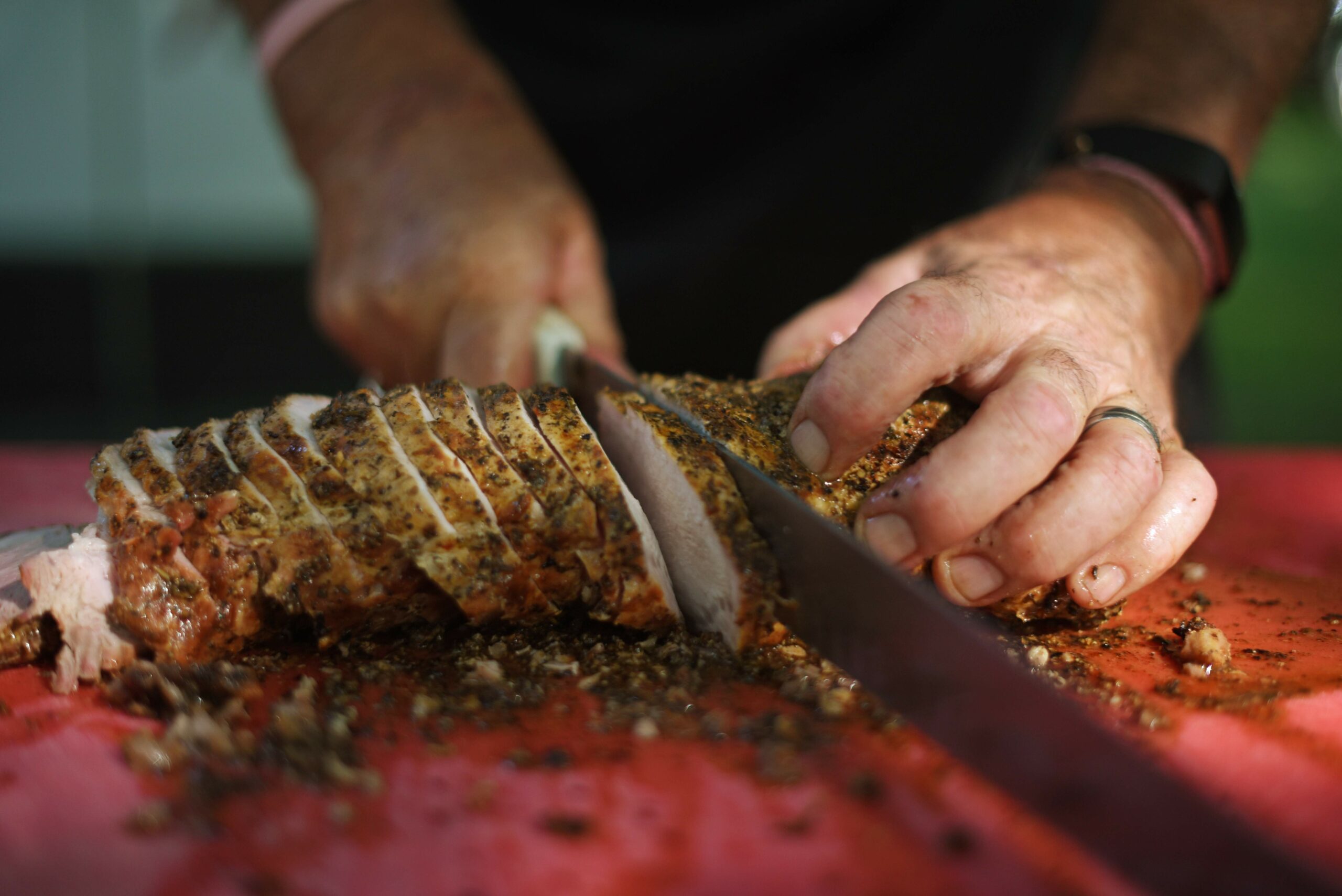
Mike Lombardi of Lombardi’s Gourmet Deli and BBQ slicing up pork loin. (Erik Castro/ for The Press Democrat, file)
Roy’s Chicago Dogs & BBQ at the Yard
Roy’s Chicago Dogs & BBQ offers some of the best Chicago-style hot dogs in the county, along with a fine selection of barbecue from Thursday to Saturday. St. Louis-style ribs are smoked to juicy tenderness and served with a deep-fried mac-and-cheese ball and a side of spicy mustard coleslaw. The smoked brisket sandwich with an apple cider vinegar barbecue sauce is topped with pickled onions and served on a soft roll. 84 Corona Road, Petaluma. 707-774-1574,roys-dogs-bbq.my.canva.site orFacebook
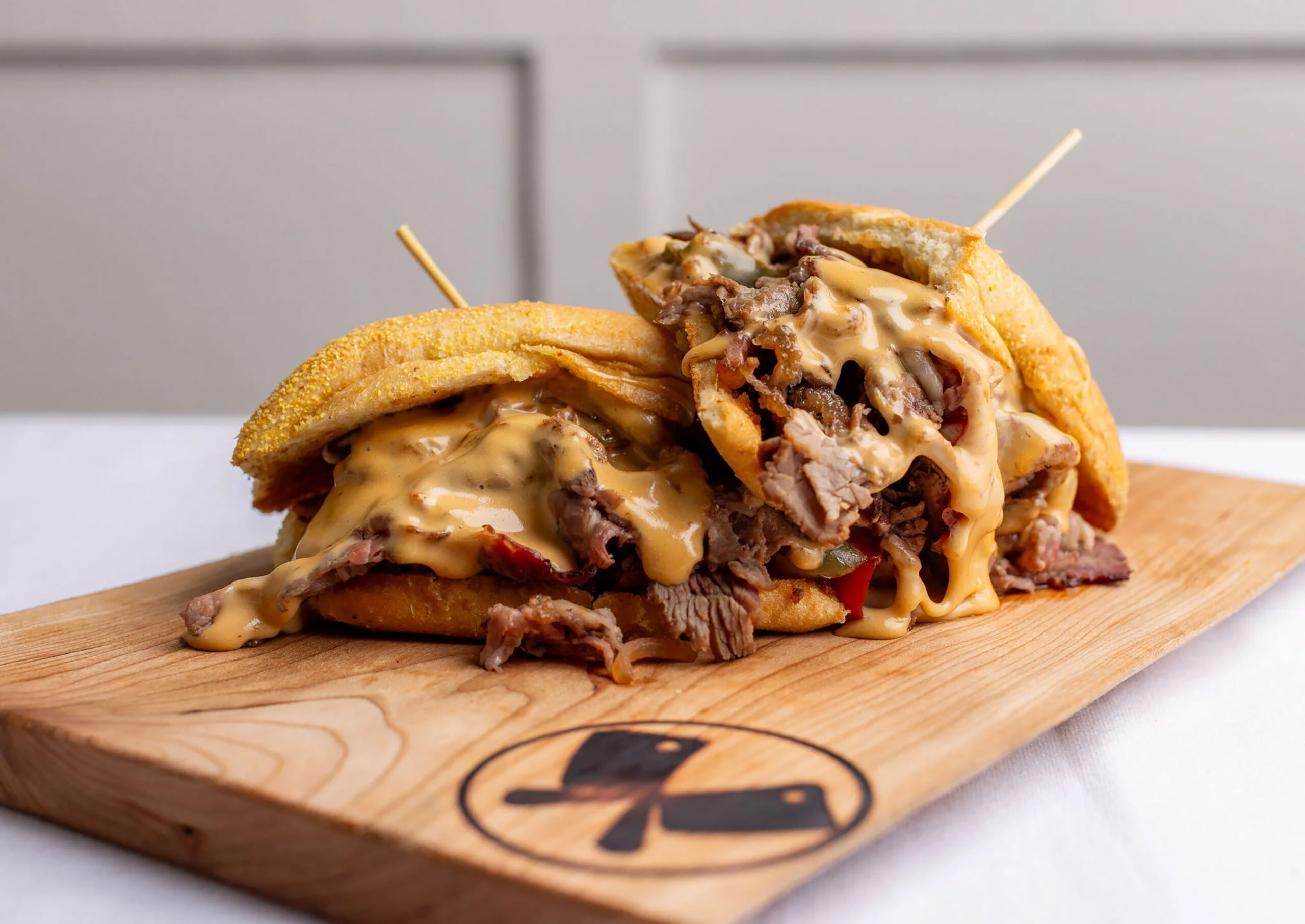
The Butcherman Philly is a best bet sando in Sonoma. (The Butcherman)
The Butcherman
A barbecue joint located within The Sonoma Cheese Factory is bound to come out with to-die-for sandwiches, and The Butcherman does not disappoint. The succulent brisket sandwich is dressed with bread-and-butter pickles and habanero-pickled red onions, and the smoked turkey sandwich is topped with bacon, Gruyere, tomato, onion, mixed greens and garlic aioli. Other standouts include the pulled pork nachos and creamy mac and cheese (add the house sausage for a meaty mac). 2 W. Spain St., Sonoma, located at The Sonoma Cheese Factory. 707-996-1931,thebutchermansonoma.com
Ginochio’s Kitchen
From the striking views of the bay to the family-style Italian cooking, Ginochino’s offers a little something different than most barbecue spots, including their housemade ravioli and famous caramel bacon monkey bread in addition to their tender and juicy smoked beef brisket. 1410 Bay Flat Road, Bodega Bay. 707-377-4359, ginochioskitchen.com
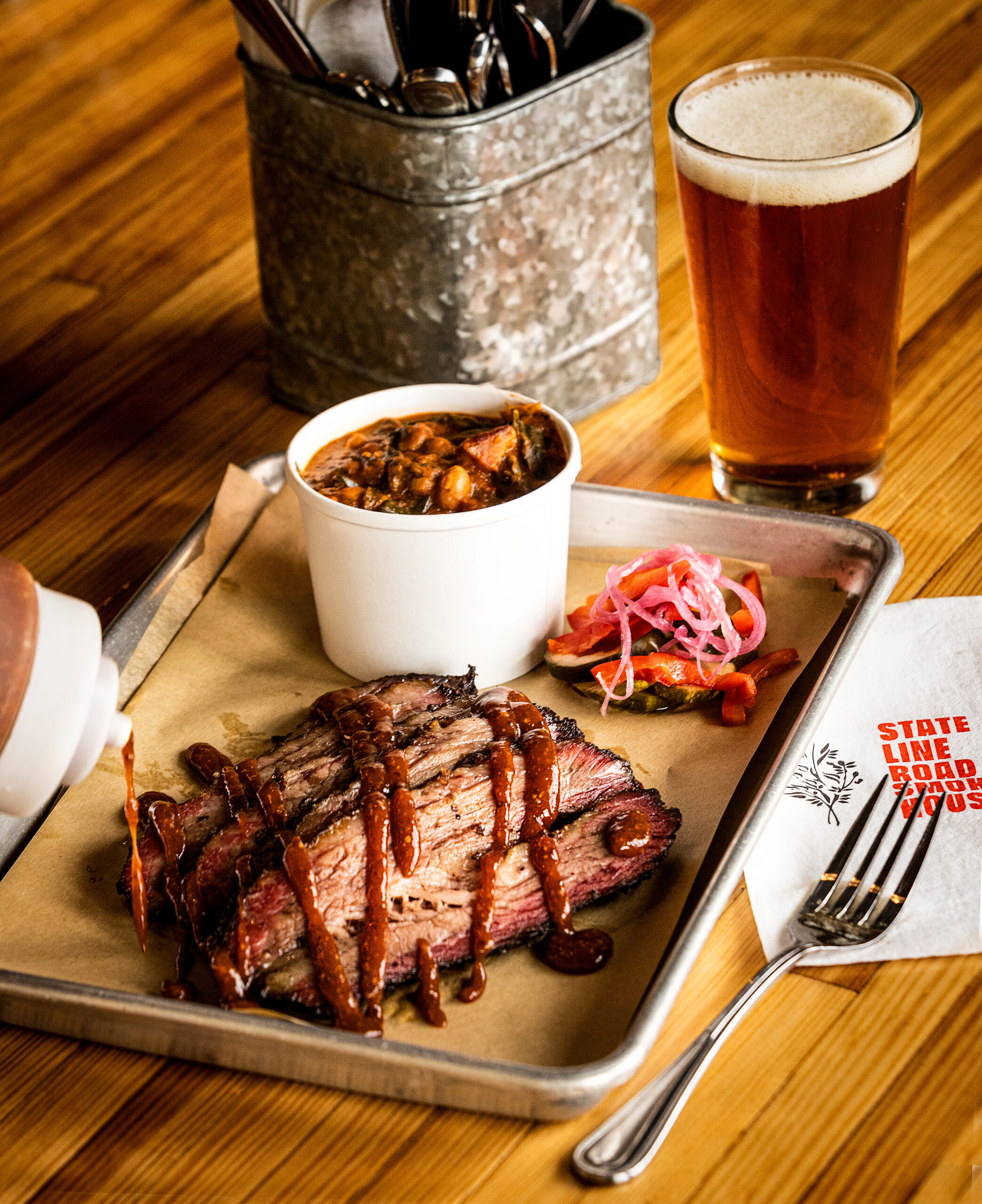
Smoked Brisket with a side of Rancho Gordo Beans & Greens from Stateline Road Smokehouse Friday, Aug. 23, 2024, in Napa. (John Burgess / The Press Democrat)
Worth the trip: Stateline Road Smokehouse
Michelin star-trained chef Darryl Bell Jr. turned his attention to barbecue and launched Stateline Road Smokehouse in Napa in 2024 with business partner Jeremy Threat. KQED’s “Check, Please! Bay Area” featured the restaurant earlier this year.
After falling in love with barbecue in his native Kansas City, Bell has spent thousands of hours toiling over smokers, testing different meats and wood fuels, and not sleeping very much. The result: you can taste the love (and talent) in every morsel. Customers arrive in droves to snatch up succulent pulled pork butt ($12 small, $22 large), double-smoked burnt ends ($13/$24), Rocky free-range chicken ($19 half bird), delectable hickory-smoked Black Angus beef brisket ($18 per ½ pound) and exquisite ribs ($25 half, $46 full order). 872 Vallejo St., Napa. 707-699-2793, stateline-road.com
Jennifer Graue, Heather Irwin, Maci Martell and Carey Sweet contributed to this article.
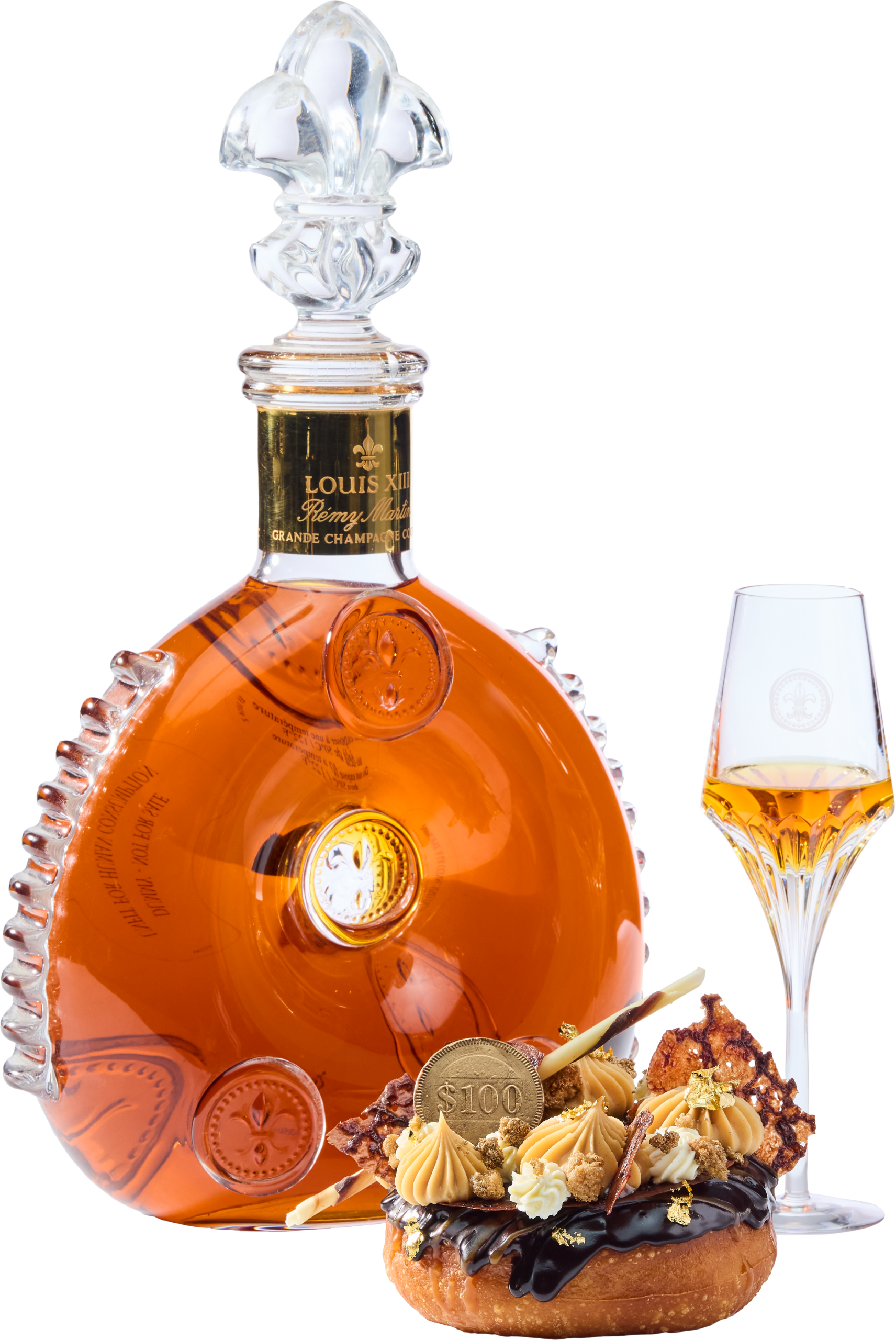
The Millionaire’s Doughnut, filled with chocolate-hazelnut cream, gilded with gold leaf and served with a 1-ounce pour of Louis XIII Cognac, from SoCo Dough Co. at Graton Resort & Casino in Rohnert Park. (Graton Resort & Casino)
Does Sonoma County need a $275 doughnut? No. But is there something oddly delightful knowing one exists — right here in Rohnert Park — filled with chocolate-hazelnut cream, gilded with gold leaf and served with a 1-ounce pour of Louis XIII Cognac, should you want it? Yes.
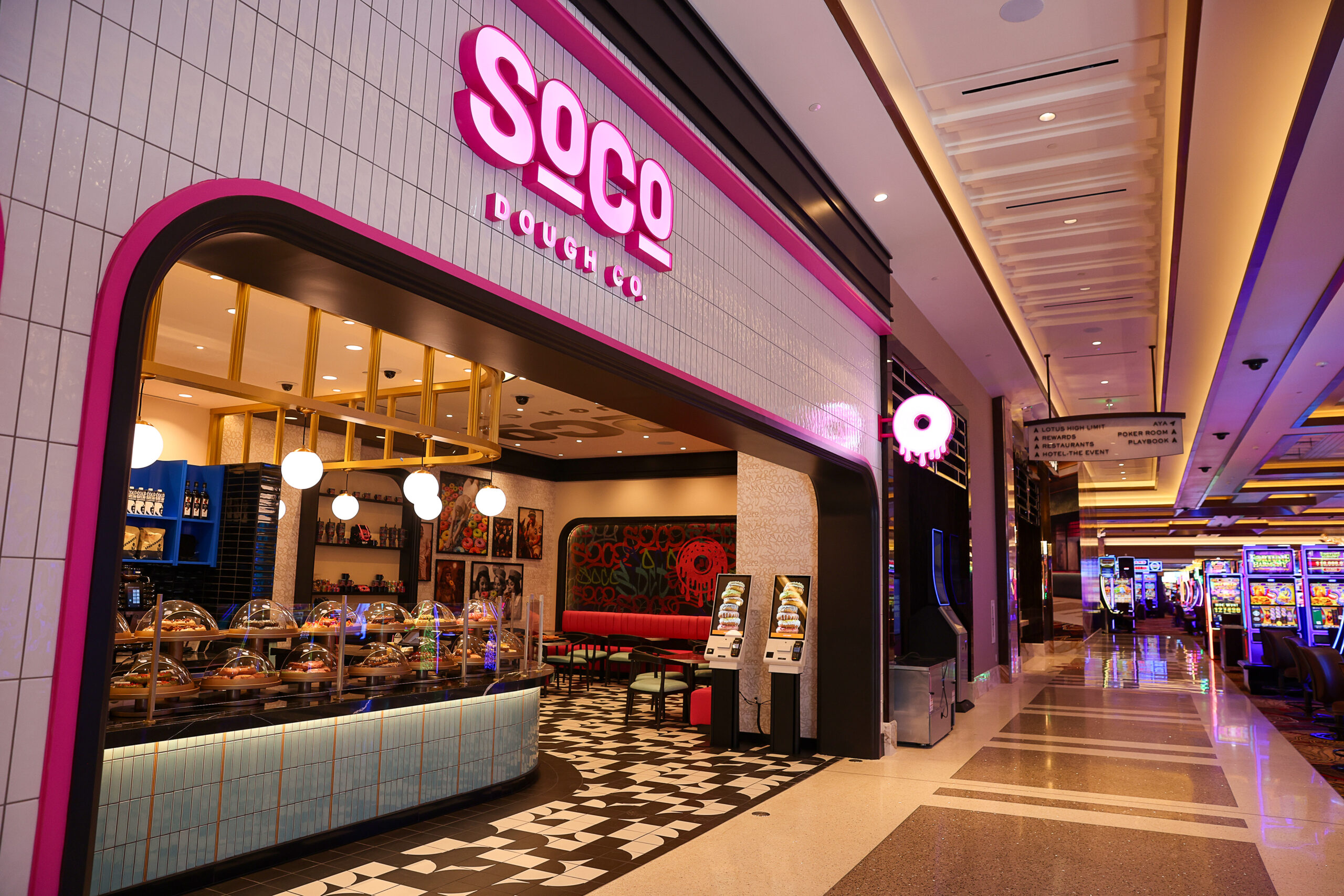
The Millionaire’s Doughnut may be the most expensive piece of fried dough in the county, but it is hardly the strangest item at SoCo Dough Co., the new cafe inside Graton Resort & Casino. That honor goes to the everything bagel doughnut filled with cream cheese. “Abomination” feels harsh, but not entirely inaccurate.
The cafe and bakery, one of three recent additions to the casino’s expanded nonsmoking wing, leans into Vegas-style excess. Doughnuts come stuffed with banana pudding, lacquered in espresso glaze, or topped with candied bacon, honeycomb streusel and li hing mui.
The SoCo Dough Co. doughnut shop is part of the new nonsmoking casino area at the Graton Resort and Casino in Rohnert Park on Monday, April 27, 2026. (Christopher Chung / The Press Democrat)
Even in an era of over-the-top pastries, the lineup of 15 buttermilk doughnuts inspires a kind of childlike awe. There’s the Vietnamese Coffee Time, glazed with espresso and drizzled with condensed milk; the Rap Berry, with raspberry icing and white chocolate; and the Wake ’N Bacon, sticky with maple glaze and strips of candied pork. Tropic Like It’s Hot, mango-glazed, coconut-drizzled and flecked with lemon zest, serves as a gateway to Matcha Made in Heaven, coated in green tea glaze and shredded coconut.
The Millionaire’s Doughnut, filled with chocolate-hazelnut cream, gilded with gold leaf and served with a 1-ounce pour of Louis XIII Cognac, from SoCo Dough Co. at Graton Resort & Casino in Rohnert Park. (Graton Resort & Casino)
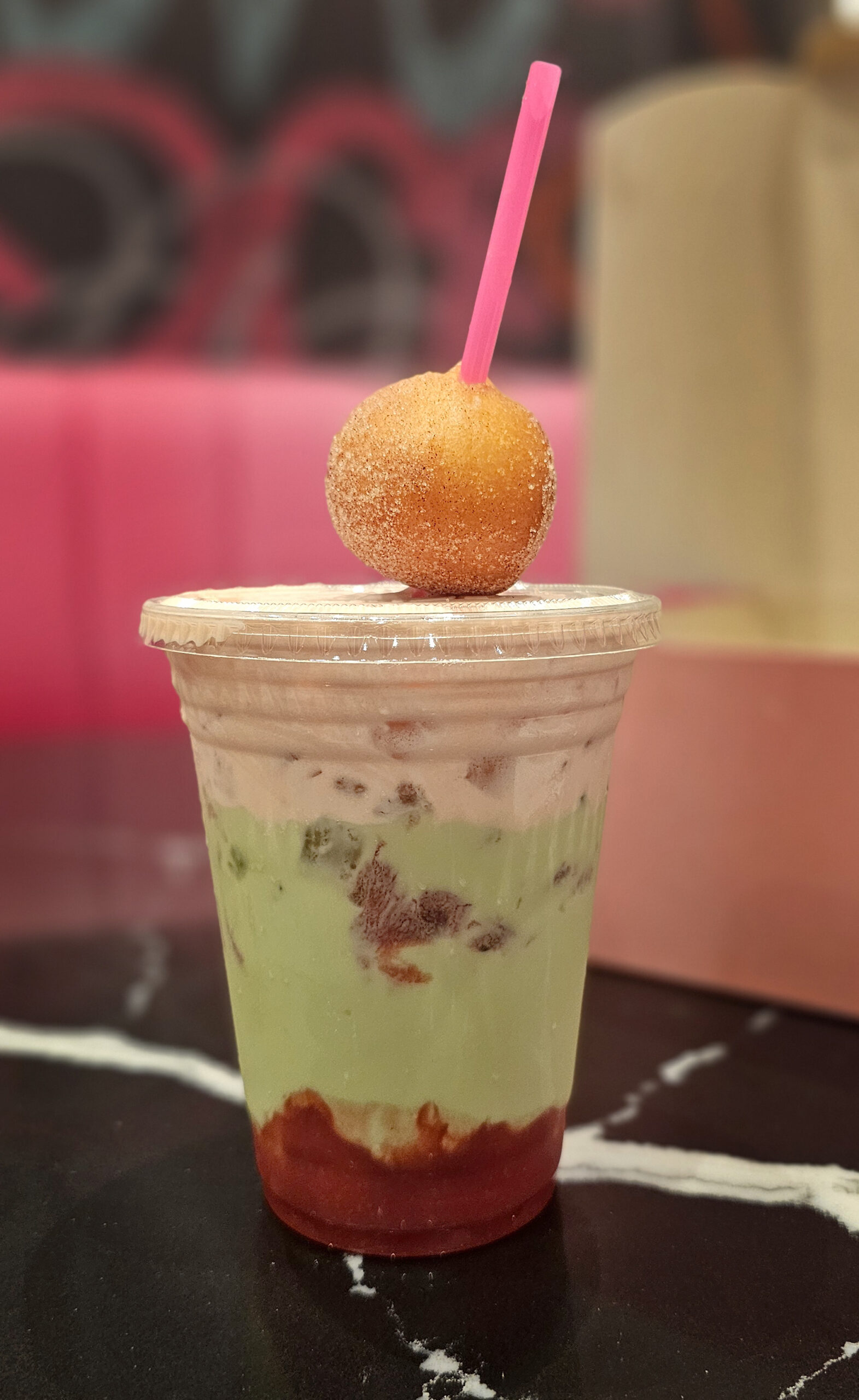
Tucked away from the casino’s busiest areas, the diner-style cafe features glass cases packed with glossy pastries vying for your attention. I’m not going to sugarcoat this: You’ll go a little mad at the self-order kiosk, where images of doughnuts the size of dinner plates make $6.50 suddenly seem reasonable.Beyond the pastry case, the drinks menu blurs the line between coffee and dessert with nitro cold brew blended with gelato and a selection of “Dirty Milk” concoctions (think milkshake without the shake) made with doughnut-infused milk, whipped cream and caramel.
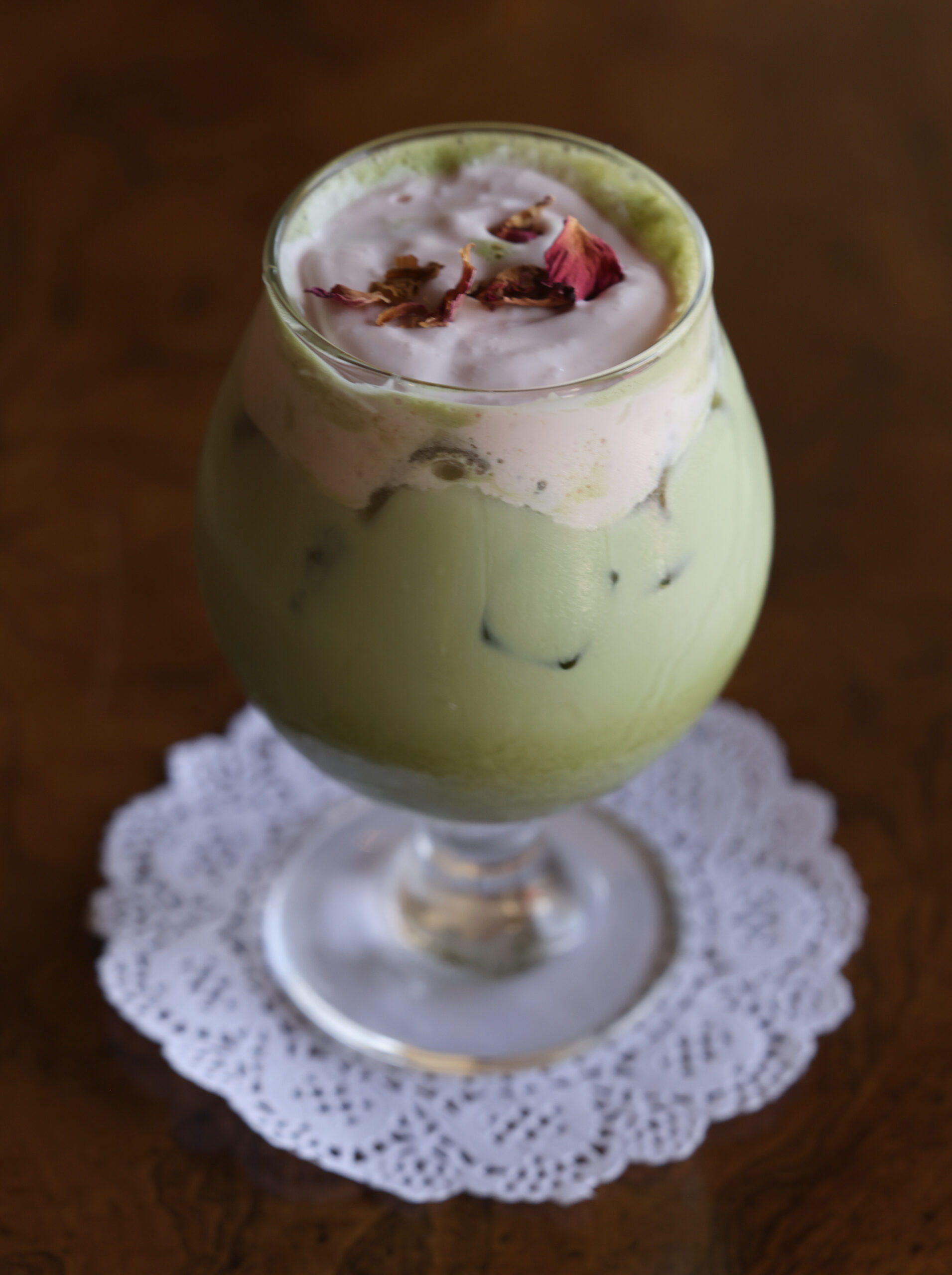
Berry Zen dessert milk at SoCo Dough Co. at Graton Resort & Casino is made with strawberry puree, matcha and strawberry chantilly. (Heather Irwin / The Press Democrat)
You get the drift. This kind of sugary silliness is all about spectacle, made for bachelorette parties, casino date nights, Sunday hangovers and late-night cravings (the shop stays open until midnight most evenings and until 2 a.m. on Friday and Saturday). You could bring home treats for the kids (Graton is a 21-and-over property), but you might want to skip the $275 doughnut — vintage cognac just doesn’t travel well in a takeout bag.
SoCo Dough Co., Graton Resort & Casino, 288 Golf Course Drive W., Rohnert Park, graton.com. Closed Tuesday and Wednesday.
Guy Fieri will be greeting fans and signing bottles of Santo tequila this month in Sebastopol. (Courtesy of Santo Tequila)
Sonoma County’s own Guy Fieri will appear at Pacific Market in Sebastopol from 5-6 p.m. Wednesday, May 20, signing bottles of Santo Tequila, the spirits brand he founded with his longtime buddy and Hall of Fame rocker Sammy Hagar.
Launched in 2019, Santo Spirits produces a lineup of tequilas, including Blanco, Reposado, Añejo and a 110-proof Blanco, along with Mezquila, a tequila-mezcal blend marketed with the same maximalist flair both men have built careers on. The blend is described with notes of lime, mesquite and grilled pork belly that’s off the chain, baby.
The upcoming tequila signing at Pacific Market is not a ticketed event and will be first come, first served.
A latte and a glass of One-Way West Coast IPA at Sandpino’s Coffee and Brews in Rohnert Park Friday, March 27, 2026. (Beth Schlanker / The Press Democrat)
Pacing the living room in tight circles, teeth clenched and clutching an $8 nitro cold brew while sweet foam drips onto the carpet, is a sign your caffeine habit has become a lifestyle choice. A slew of new Sonoma County coffee shops are eager to indulge it, serving increasingly elaborate drinks calibrated for maximum flavor and stimulation.
With rising gas and grocery prices, coffee has become a relatively affordable luxury; a daily reward for getting the kids to school, finishing that budget report and surviving modern life. Neighborhood coffee shops have also evolved into community spaces: places to work remotely, meet friends or simply spend an hour away from your couch.
At spots like Retrograde Coffee Roasters in Sebastopol, the standing-room-only crowds suggest the formula is working. Americans now spend more than $300 million a day on coffee, according to industry estimates, with cold brews and high-caffeine specialty drinks helping fuel continued growth.
Whether you’re craving an oat milk matcha latte, a flat white or Vietnamese egg coffee, Sonoma County coffee shops are ready to fill up your cup.
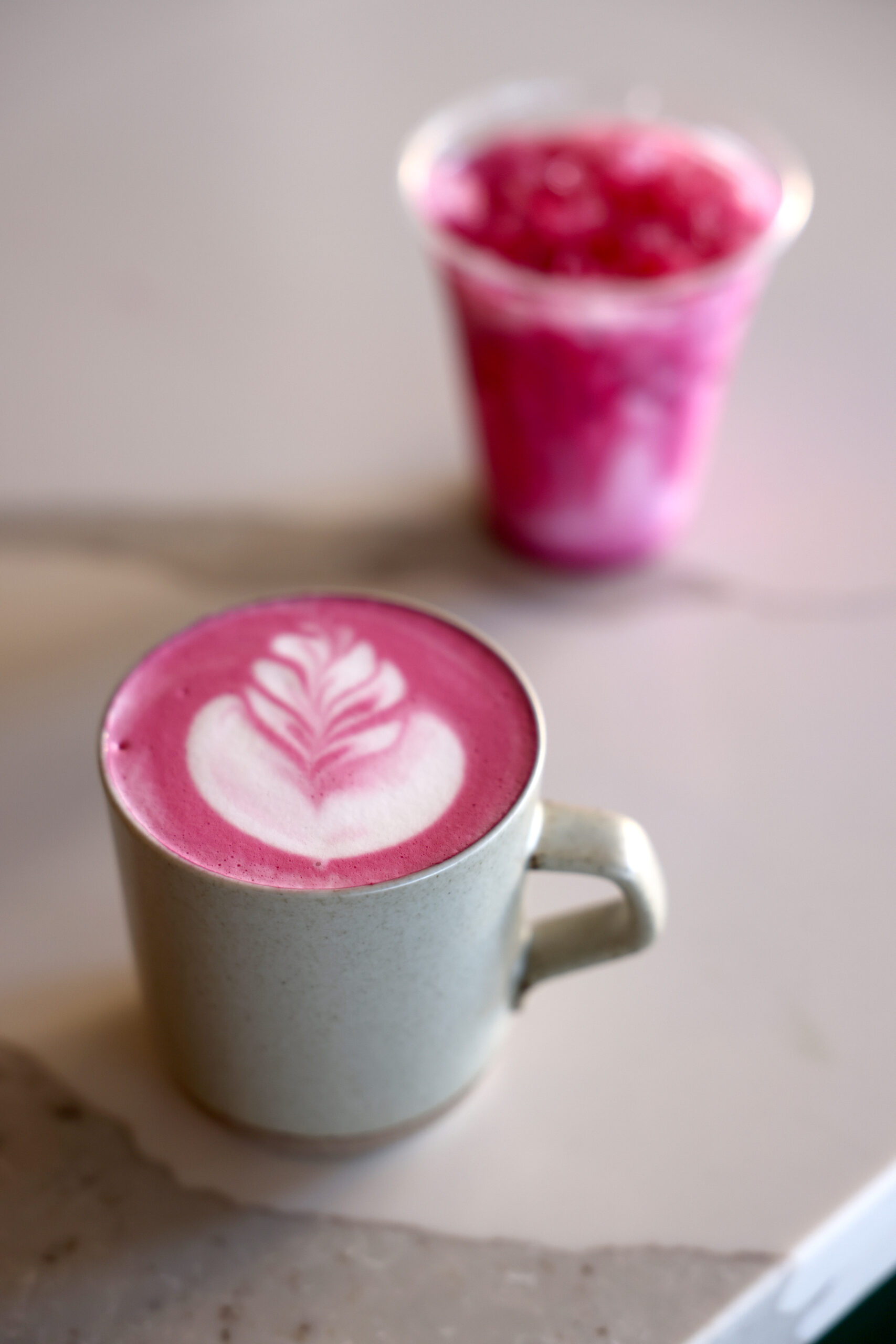
The Pink Squirrel latte made with beet root powder at the Grey Squirrel Manor in Windsor Sunday, March 15, 2026. (Beth Schlanker / The Press Democrat)
Grey Squirrel Manor
One glance at the drippy, delicious drinks on the cafe’s Instagram and you’ll understand why the line regularly stretches out the door. Weekly specials — horchata lattes, dulce de leche drinks swirled with butterfly pea syrup — are hard to resist, and menu favorites keep regulars coming back, including the earthy Pink Squirrel with beet powder and milk, the chaga mushroom elixir and the cinnamon café de olla with cold foam. The maximalist decor leans into woodland fantasy, with Victorian-style portraits and forest-animal wallpaper. It is a nod to the owners: a portal-traveling squirrel family. Obviously. 630 McClelland Drive, Windsor, 707-243-3551, greysquirrelmanor.com
BoCo Coffee
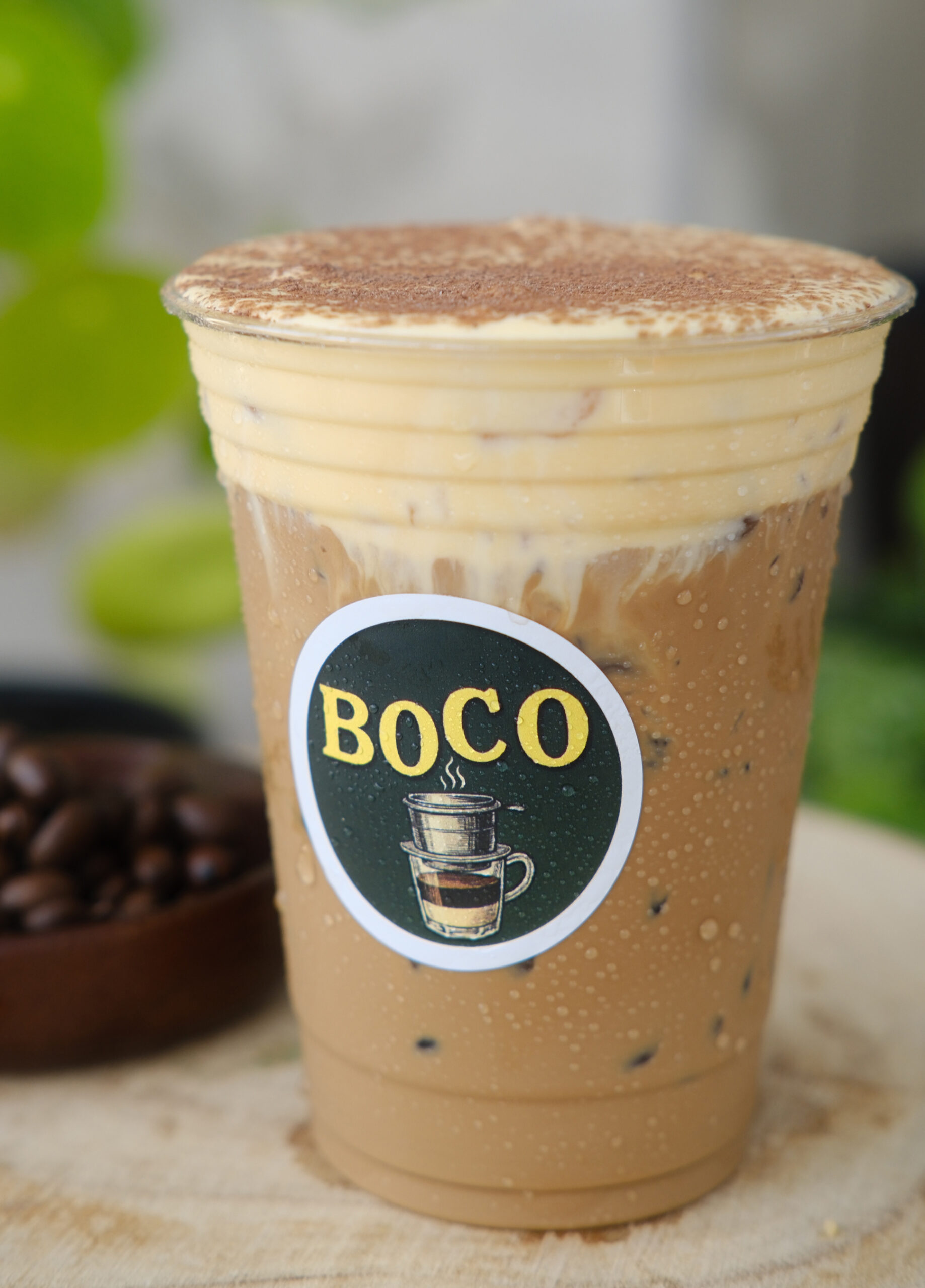
Word is out on this Vietnamese coffee pop-up at the Saturday farmers market at Luther Burbank Center for the Arts — and it’s all about the egg foam. Known as cà phê trứng, the drink was created in Hanoi during a 1946 milk shortage and combines whipped egg yolk, sugar and condensed milk into custard-like foam over an eye-poppingly strong coffee. It turns the morning hunt for fresh kale and berries into a heart-racing, sugar-fueled adventure. Also, try the strawberry matcha and pandan foam coffee. Details at Instagram.com/drink_boco.
Vietnamese egg coffee, cà phê trứng, from BoCo Coffee has a creamy, custard-like topping made with egg yolks, condensed milk and sugar. (Tung Phan)A matcha green tea latte topped with a strawberry cold foam at Sandpino’s Coffee and Brews in Rohnert Park Friday, March 27, 2026. (Beth Schlanker / The Press Democrat)
This cyclist-oriented cafe from Bike Monkey and Volo Roasting Company keeps things simple. When the metal doors are raised, the chill Railroad Square spot is open. The streamlined menu includes a handful of espresso drinks, drip coffee, matcha and chai. Revolution Bread provides hearty toast options and a few weekly sweet treats. 121 Fifth St., Santa Rosa, 707-888-1924, rolluptocoffee.com
Little Deer
Formerly Cafe Frida, this SOFA district cafe has rebranded as Little Deer, offering simple bites like breakfast burritos, salads, croissants, and scones along with espresso and tea drinks. The quiet respite is a perfect spot for morning matcha meditations and afternoon meetups. 300 South A St., Santa Rosa, 707-308-4344, cafelittledeer.com
Blue Bottle Coffee
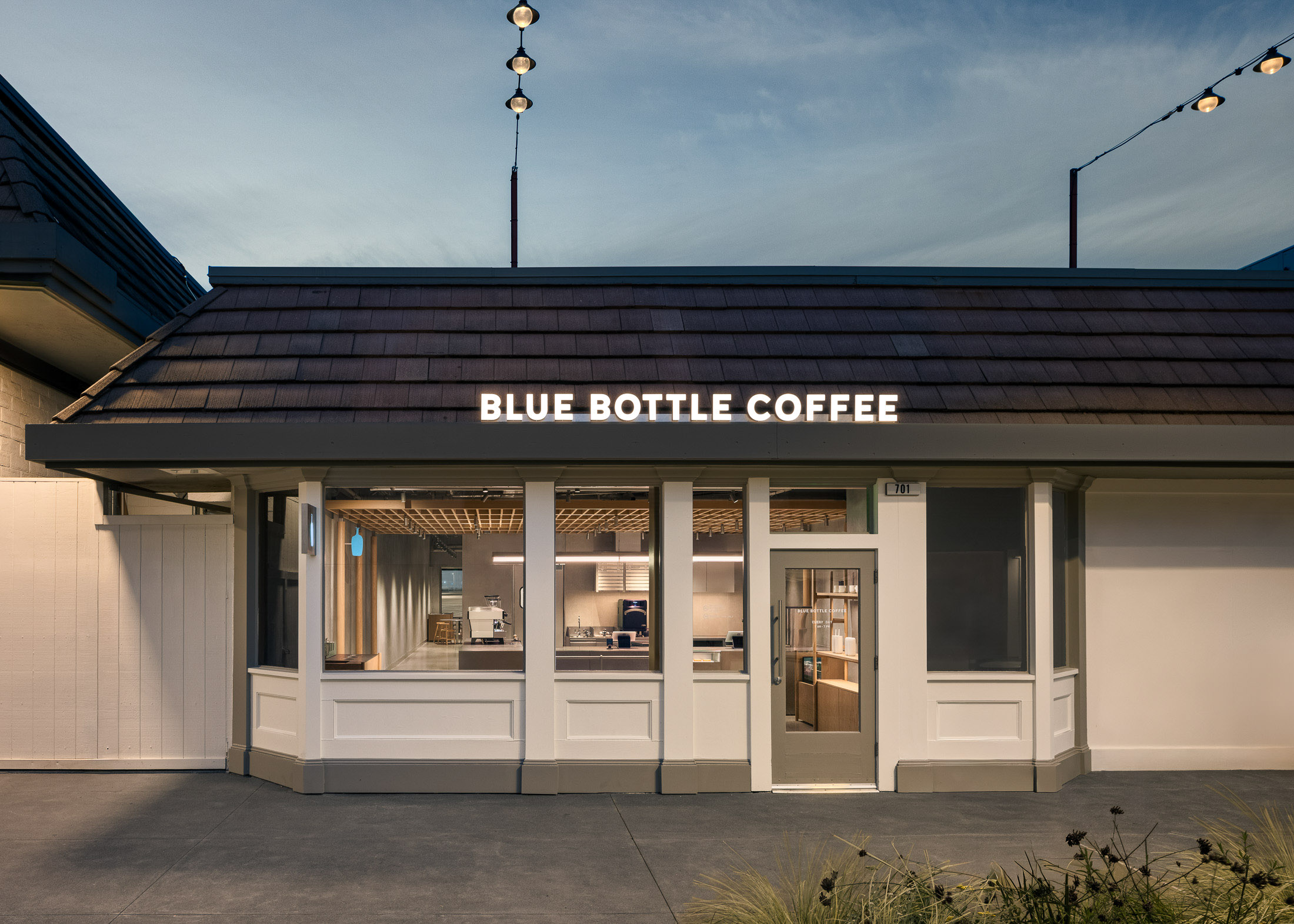
Blue Bottle Coffee helped popularize the pour-over movement and became synonymous with San Francisco’s third-wave coffee culture. The Santa Rosa location emphasizes single-origin beans and carefully calibrated brewing methods over heavily flavored or fruity drinks, though the New Orleans-style chicory cold brew with sweet foam remains a standout. 701 Village Court at Montgomery Village, Suite D5, Santa Rosa, bluebottlecoffee.com
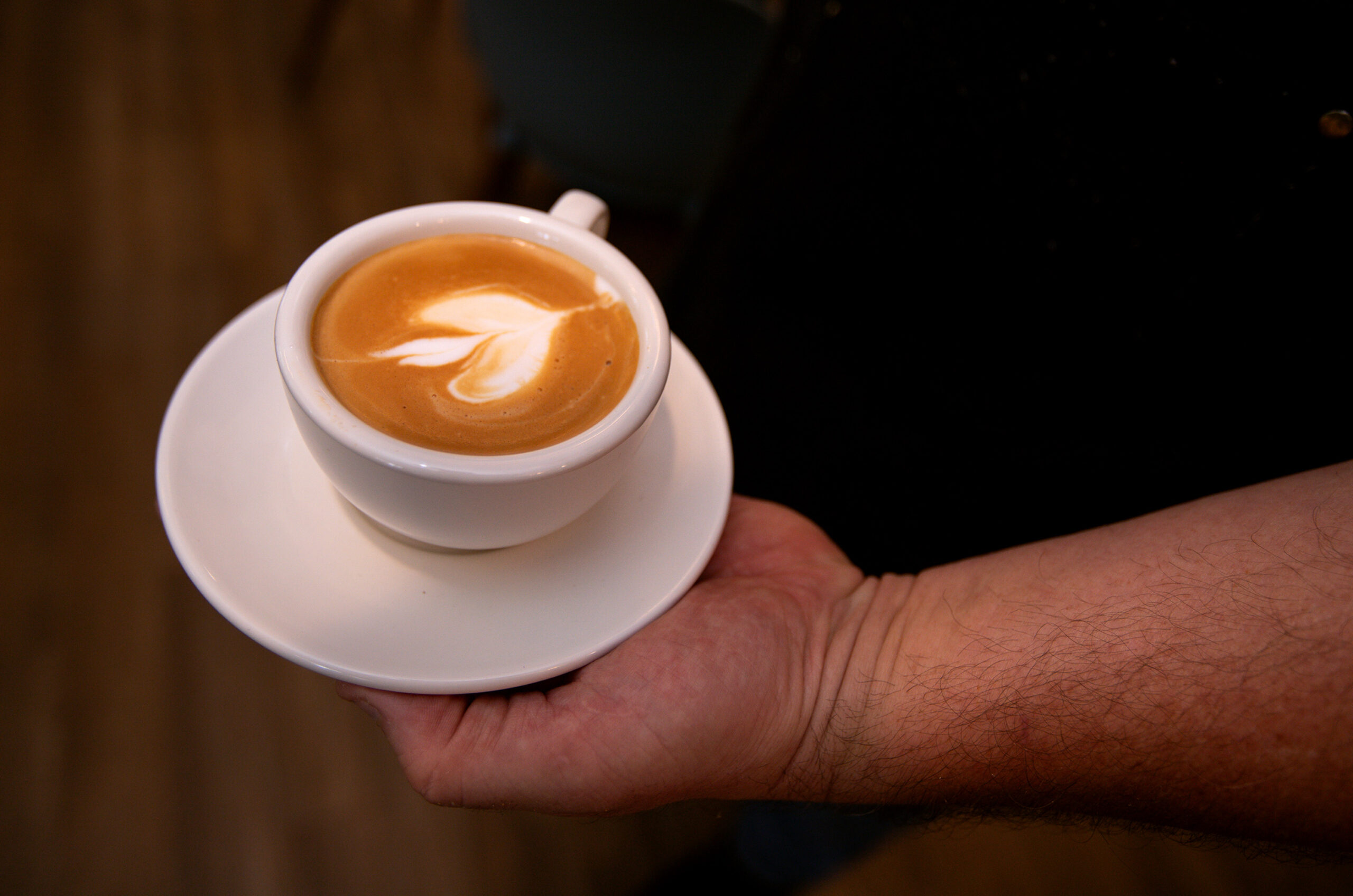
Blue Bottle Coffee opened a location at Montgomery Village shopping center in Santa Rosa on Monday, Jan. 26, 2026. (Tim D. Coy)Espresso coffee drinks are served at the new Redwood Gospel Baking Company cafe in Santa Rosa, Friday, April 10, 2026. (Darryl Bush / For The Press Democrat)
Redwood Gospel Bakery & Cafe
Faith isn’t a prerequisite to stop in for coffee and pastries at Redwood Gospel Mission Baking Co. — but you might just leave praising the holy trinity of flour, butter and sugar. The North Bay nonprofit opened its new coffeehouse and bakery in mid-April, offering housemade croissants, kouign-amann, scones, sandwiches, salads and espresso drinks. The venture also serves as a culinary training program and pathway toward future employment for people in the gospel mission’s residential programs. 2447 Summerfield Road, Santa Rosa, rgm.org
Wylde Playground & Café
A Waldorf-inspired playground, beer, kombucha, coffee, hard cider and protein bowls: music to any exhausted parent’s ears. Opened May 1, this secret Sebastopol spot is a collaboration between the owners of Terrapin Creek restaurant in Bodega Bay and The Barn Fitness Collective. The space is kid friendly and health conscious, offering grab-and-go bowls like albacore with rice and tamari sesame sauce or soba noodles with peanut dressing. The bowls are available only on Mondays and Thursdays, but drinks and other snacks are available from 10 a.m. to 6 p.m. Friday and Saturday, and from 11 a.m. to 6 p.m. Sunday. 500 Robinson Road, Sebastopol, Instagram.com/wyldeplaygroundcafe
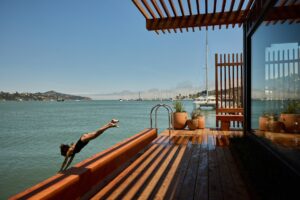
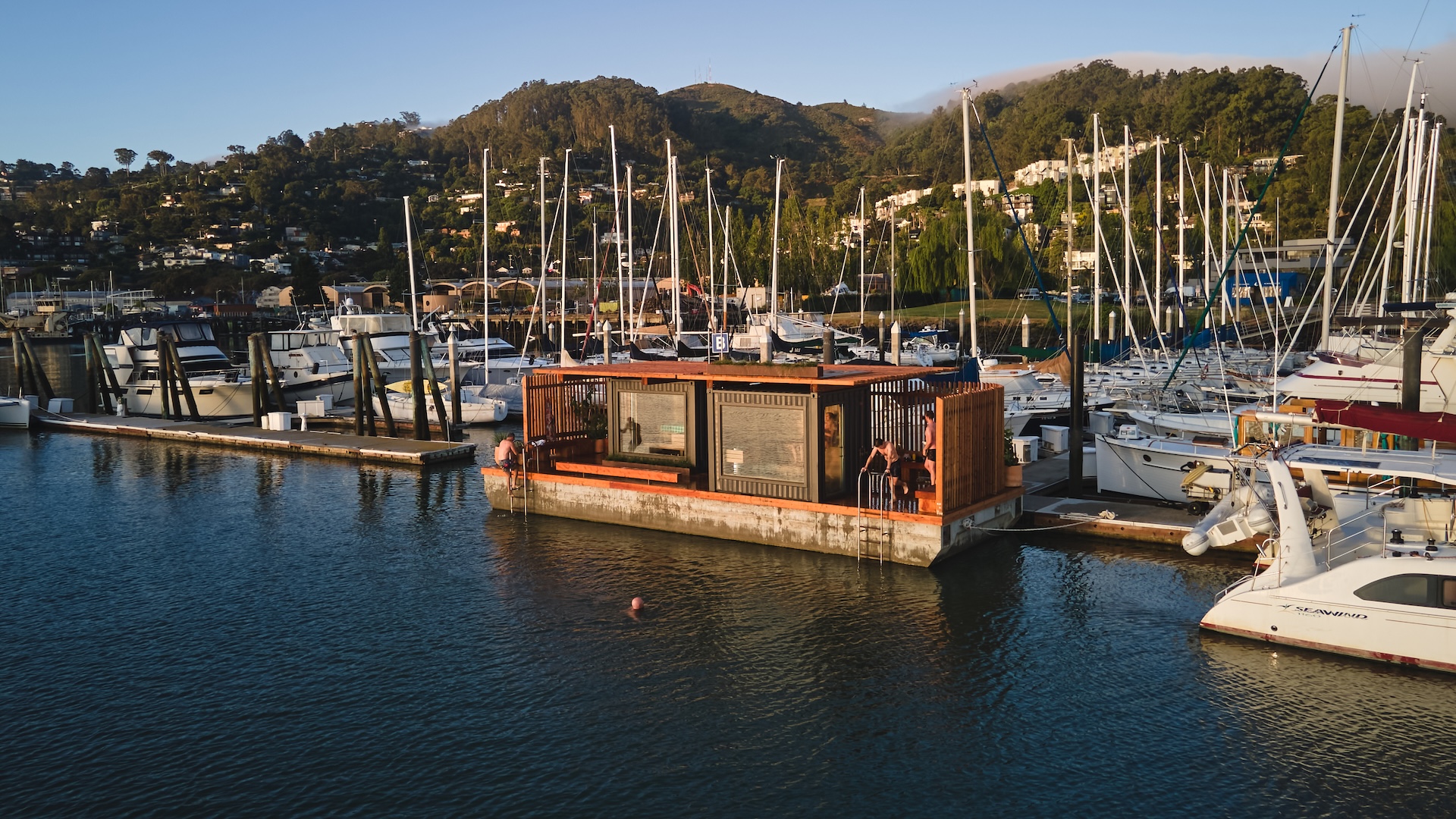
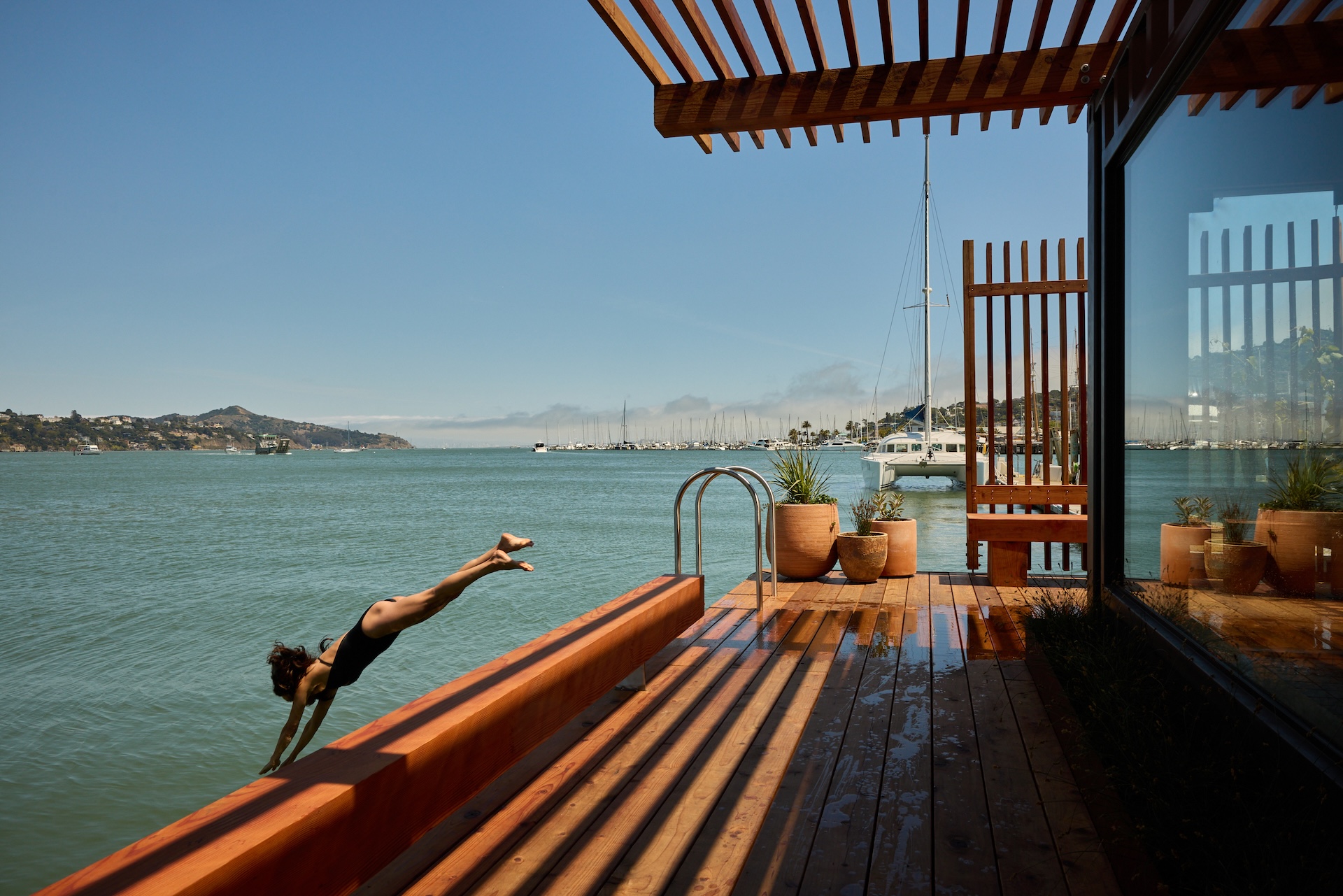
Diving into San Francisco Bay from the Fjord floating sauna and cold plunge in Sausalito. (Fjord)
A Scandinavian wellness ritual has found its way to Wine Country, and its growing popularity suggests Northern Californians are willing to sweat for better sleep, lower stress and a brief escape from their phones.
From the Sonoma Coast to the redwoods, saunas are appearing across the region, tucked beside rivers, marinas and boutique resorts. Central to Nordic culture, the practice of sitting in a small heated room has been linked in studies to benefits ranging from stress reduction and muscle recovery to improved cardiovascular health and sleep quality.
“There’s a benefit to it, both physically and mentally,” said Alex Zelaya, founder of Sundrop Sauna in Petaluma. “I love just educating and informing people.”
Sundrop Sauna in Petaluma. (Sarah Davis)
More than a decade ago, Zelaya traveled alone to Finland, where he spent a late-summer day at a lakeside sauna. The experience introduced him to a culture of wellness built around heat, cold water and slowing down, something he felt was largely missing on the West Coast outside spas and health clubs.
With a background in architecture, construction and the glamping industry, Zelaya pivoted in 2023 to focus on building high-end prefabricated saunas with expansive windows that connect bathers to the outdoors, whether framed by forests, rivers or the Pacific coast. He built the first mobile sauna in his parents’ Sonoma backyard, launching what would become Sundrop Sauna.
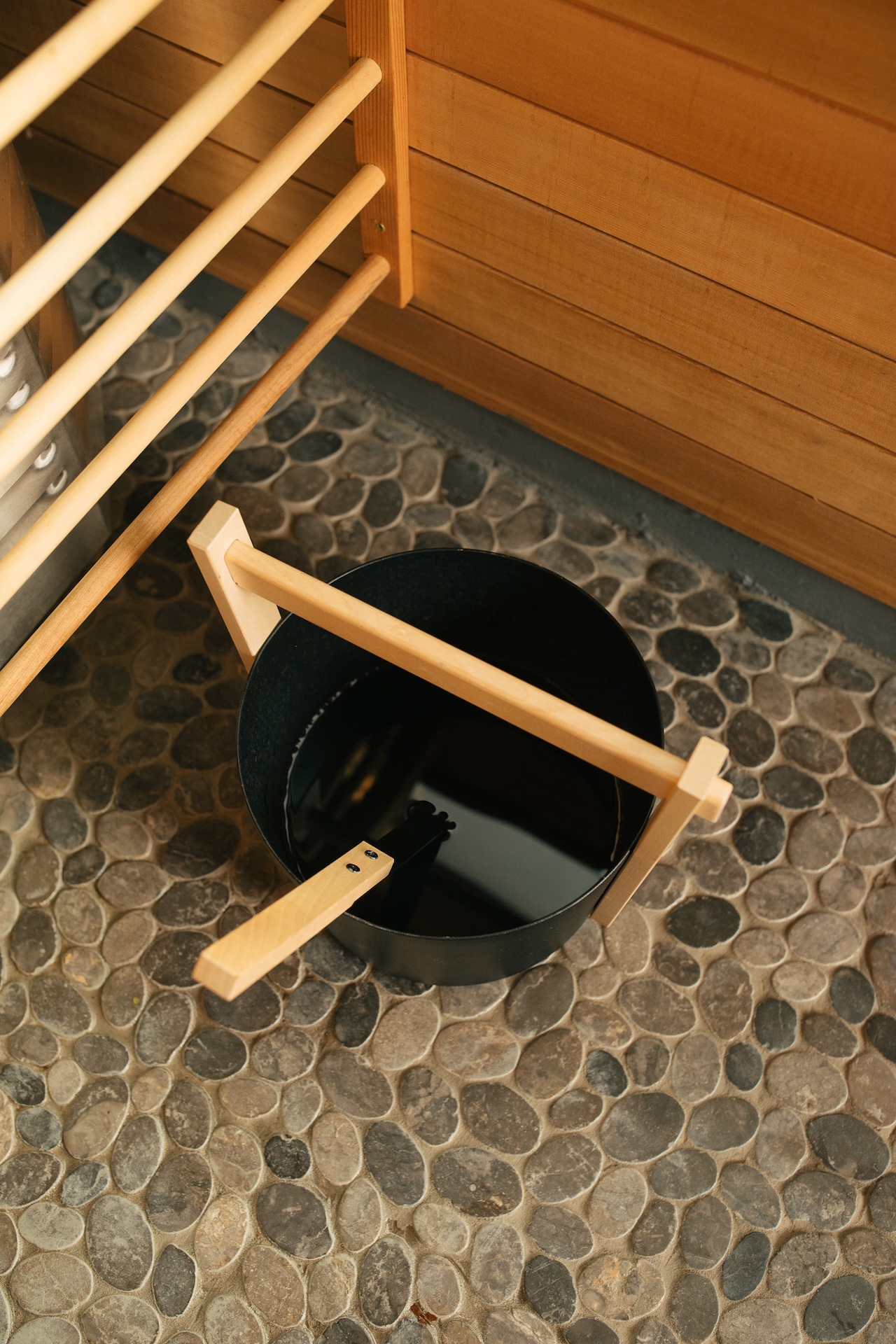
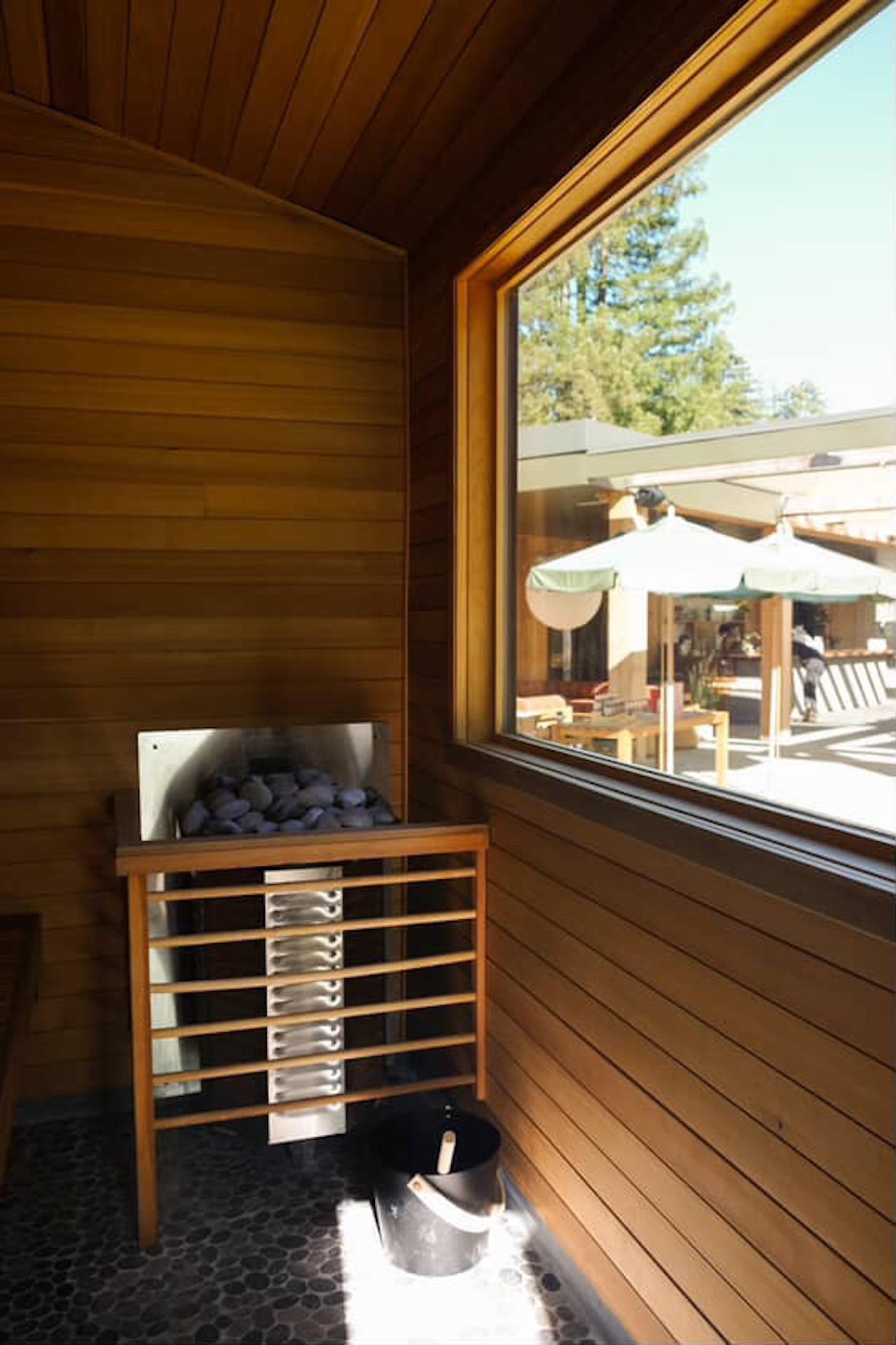
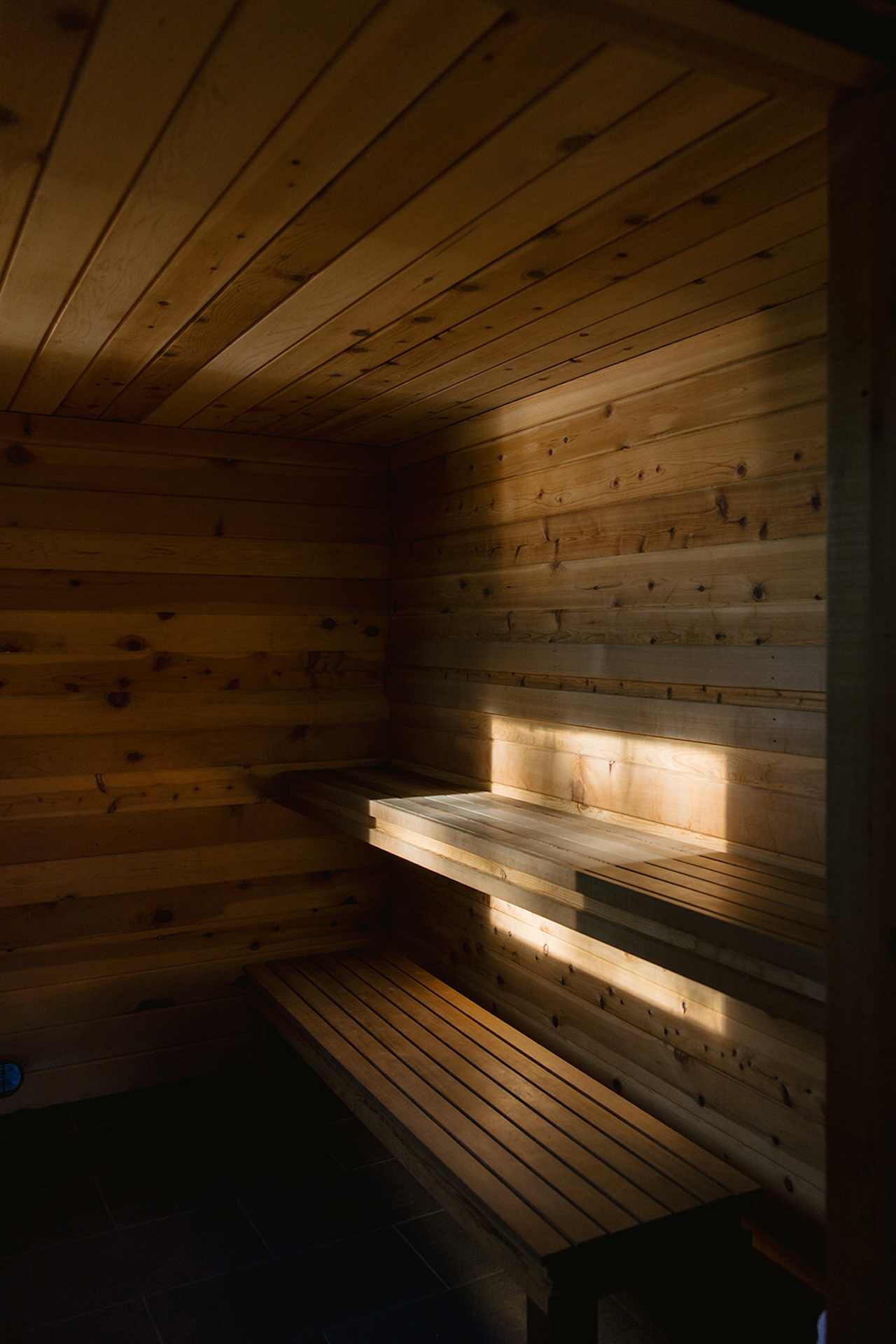
Inside the sauna at Sundrop Sauna in Petaluma. (Sarah Davis)
Warming Wellness
That backyard experiment quickly expanded. About two-and-a-half years ago, Sundrop’s mobile sauna hit the road, first parking at Boon Hotel + Spa. Among its earliest clients was the team behind Shelter Co., the hospitality production company perhaps best known locally for creating Guerneville’s River Electric resort and swim club.
Word spread quickly. Soon, Sundrop pop-ups were appearing at Grand Central Petaluma, Valley Swim Club in Sonoma, Old Caz Beer in Rohnert Park and Johnson’s Beach in Guerneville.
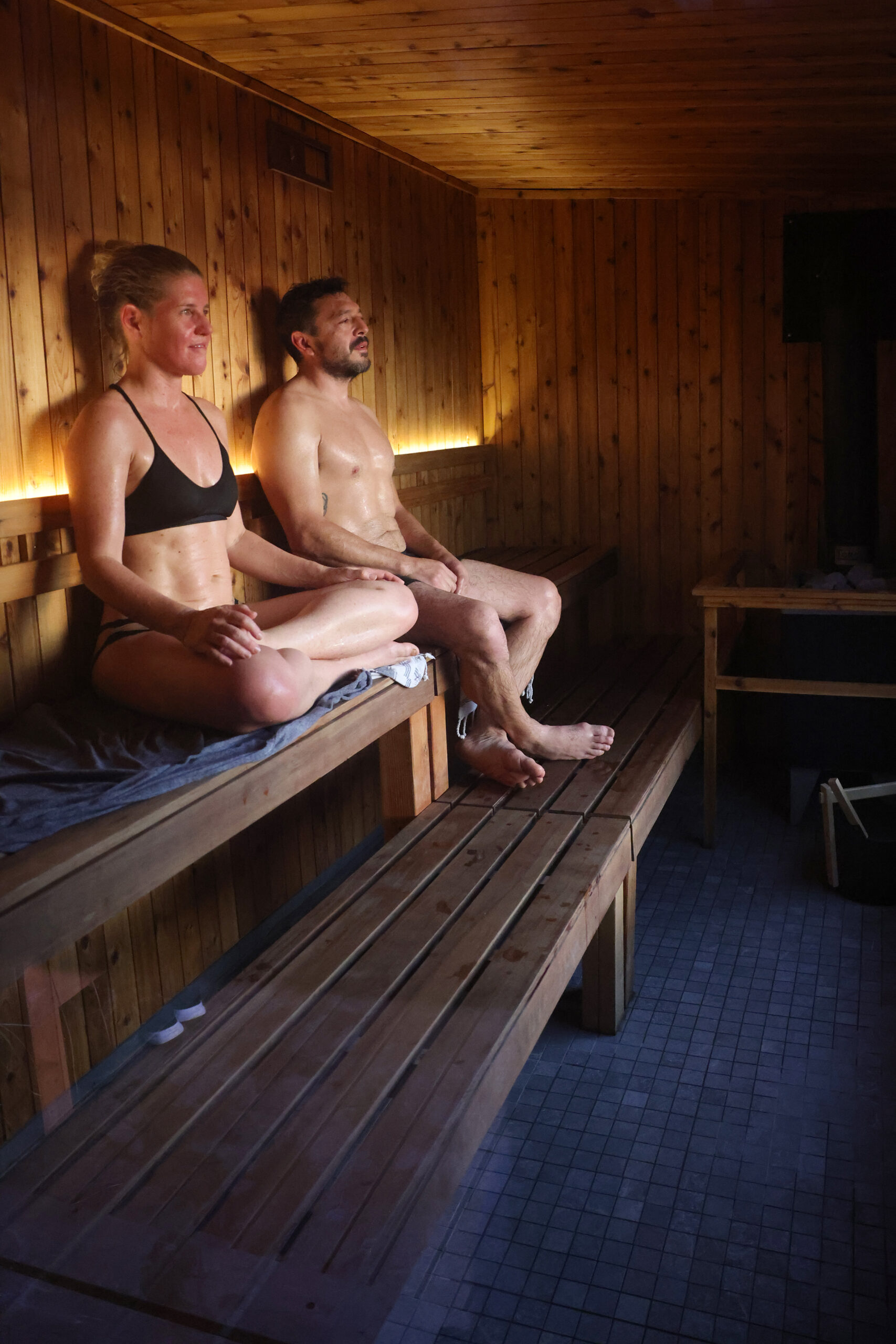
Jasmine Flanigan and her partner Eduardo Torres relax in the sauna at Sundrop Sauna in Petaluma Sunday, Nov. 30, 2025. (Beth Schlanker / The Press Democrat)
In August 2024, Sundrop Sauna opened its first permanent location at Lakeville Landing Marina along the Petaluma River. Community sessions include shared access to a sauna, cold plunge, outdoor shower and lounge areas. Heated by propane, the sauna typically reaches 190 to 200 degrees Fahrenheit, enough to produce a serious sweat within 10 to 15 minutes.
Ninety-minute sessions are capped at eight people and cost $45. Memberships offering multiple visits each month are also available.
Friends Lucia Mora, right, and Renee Rodgers relax by the fire at Sundrop Sauna in Petaluma Sunday, Nov. 30, 2025. (Beth Schlanker / The Press Democrat)
“Our vision is to have multiple locations that we own and operate and create these immersive experiences where you can sauna and get in the cold water in nature, directly outdoors,” Zelaya said.
The team behind River Electric was impressed enough by the experience that they invited Sundrop to host a two-week residency during the resort’s inaugural season last summer.
“The response was incredible, and we’re already planning to bring it back this year,” said River Electric co-owner Kelsey Sheofsky. “There’s something magical about moving from the heat of the sauna to a cool outdoor shower, then slipping back into the warm pool, all surrounded by towering redwoods. It’s the ultimate water therapy ritual.”
Sundrop Sauna did a two-week residency at The River Electric in Guerneville last summer. (Sarah Davis)
Sauna FAQs
In countries such as Finland and Sweden, sauna culture often includes nudity, even among strangers — a practice generally viewed with little self-consciousness. At Sundrop Sauna, however, bathing suits are required.
Guests are encouraged to sit on towels, as wooden benches can become extremely hot and to hydrate before, during and after a session. Glass and metal water bottles are discouraged because they can quickly heat up in the sauna.
Mostly, though, sauna culture asks participants to surrender to something increasingly rare: stillness.
“You can’t bring a phone into a 200-degree space. Conversations happen, friends meet each other, people meet each other,” Zelaya said. “It’s this really cool way to just disconnect.”
Turn Up the Heat in These Saunas Across the Bay Area
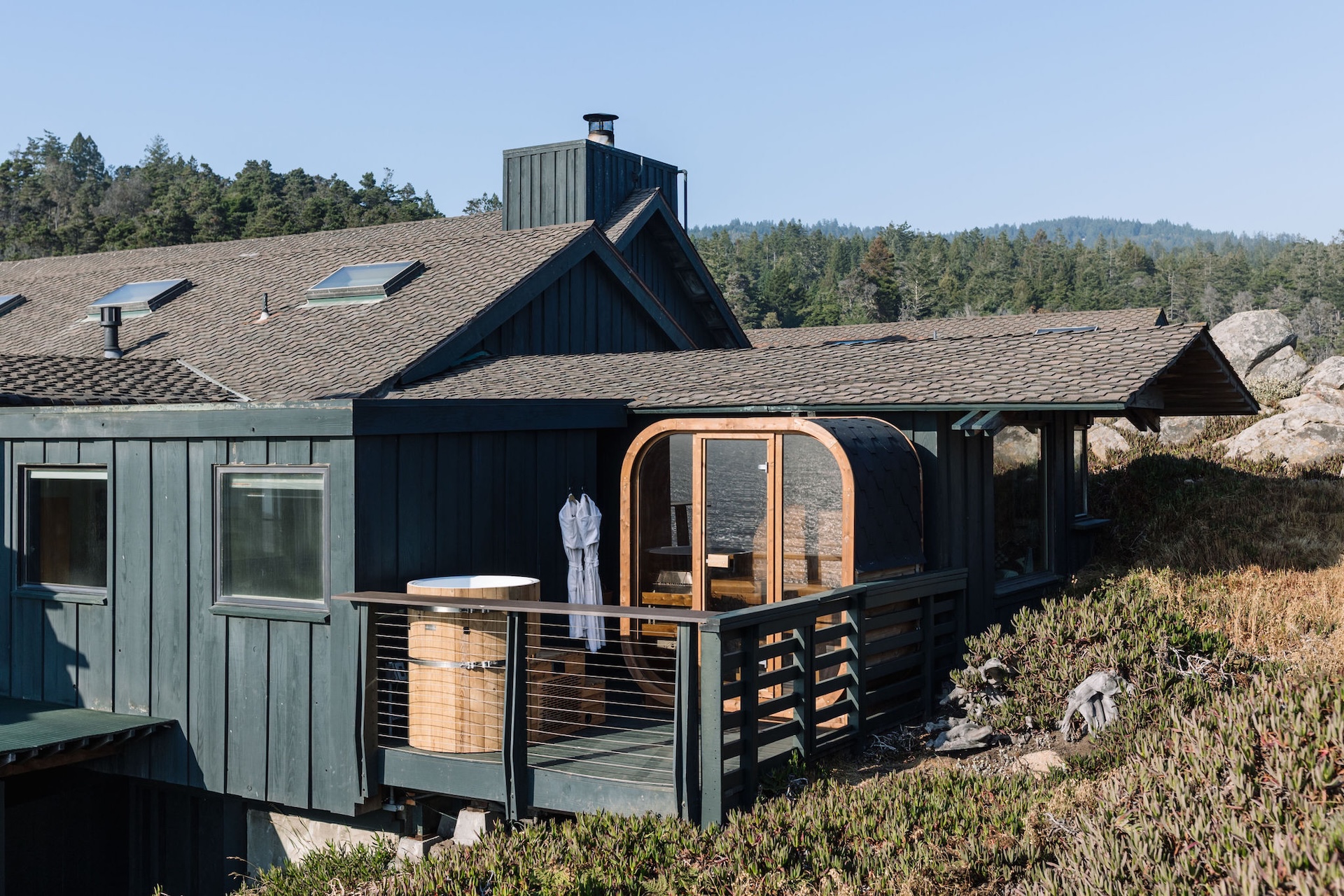
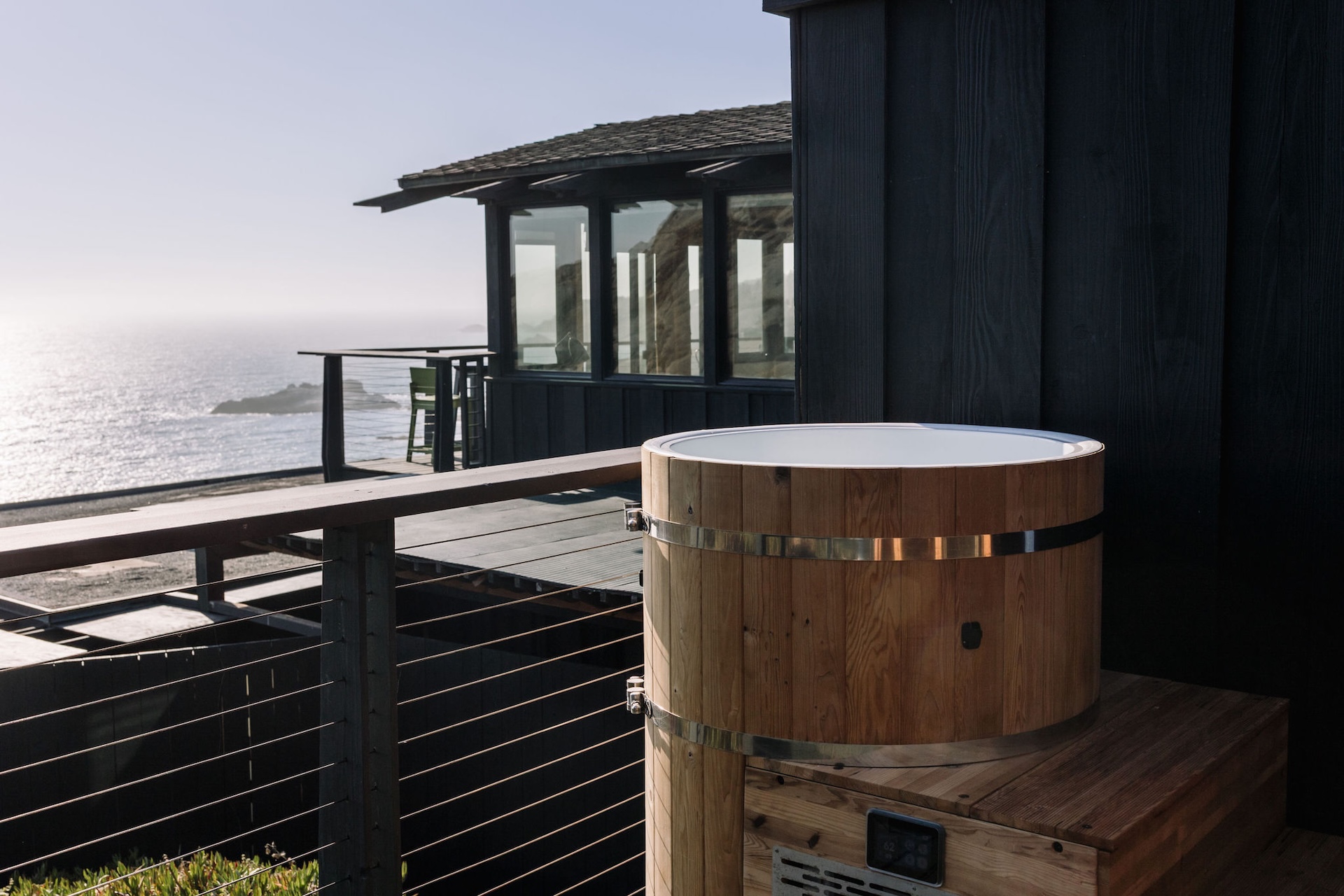
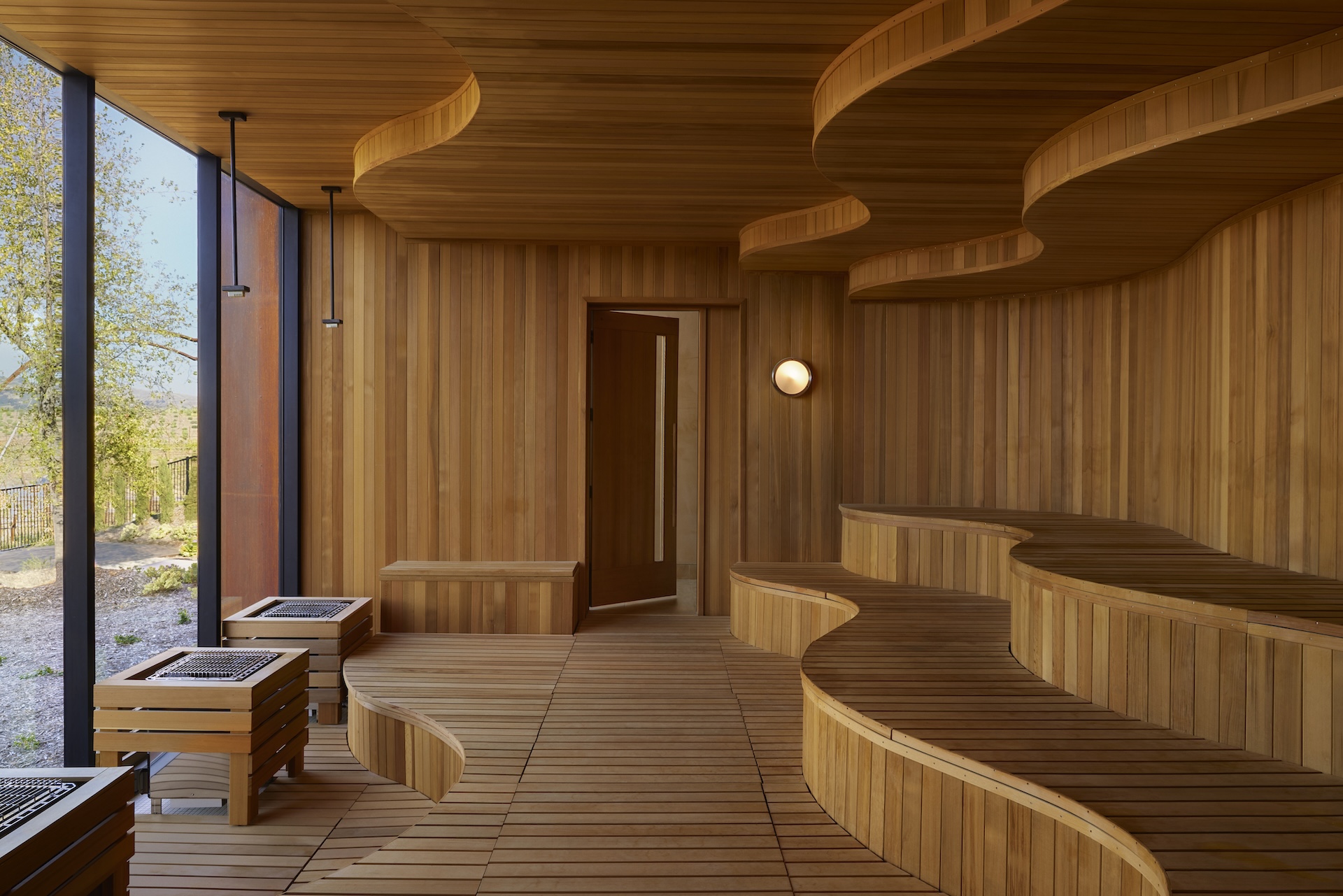
The sauna at Timber Cove Resort in Jenner features sweeping views of the sea. (Brittney Raine Photography)The Reset & Restore Suite at Timber Cove Resort in Jenner includes an outdoor cold-plunge tub. (Brittney Raine Photography)
Timber Cove Resort, Jenner
The Sonoma Coast hotel recently introduced a Reset & Restore Suite that pairs recovery technology with sweeping Pacific views. Alongside air-compression boots and zero-gravity recliners sits a rock sauna heated to 160 to 180 degrees Fahrenheit, plus a 37-degree outdoor cold plunge overlooking the ocean.
The experience is available to both hotel guests and the public from 8:30 a.m. to 8 p.m. daily. Hour-long sessions cost $95, with an additional $45 for a second guest. 21780 Highway 1, Jenner, 707-847-3231, timbercoveresort.com
The Sauna at Halehouse spa at Stanly Ranch, Auberge Collection, in Napa. (Auberge Collection)
Stanly Ranch, Auberge Collection, Napa
Perched above Napa Valley, the Halehouse spa at Stanly Ranch spreads across several buildings anchored by an adults-only infinity pool. The co-ed sauna, powered by four electric burners and heated to roughly 180 degrees, features massive windows framing vineyard views.
Non-hotel guests can access the sauna with the purchase of a 60-minute spa service, a $300 day pass or an $850 monthly Halehouse Unlimited membership. 200 Stanly Crossroad, Napa, 707-699-6260, auberge.com/stanly-ranch
The sauna at the Lodge at Marconi, located within the 62-acre Marconi State Historic Park just south of Marshall in Marin County. (Lodge at Marconi)Inside the sauna at the Lodge at Marconi in Marin County. (Megan Goetz Photo)
Lodge at Marconi, Marshall
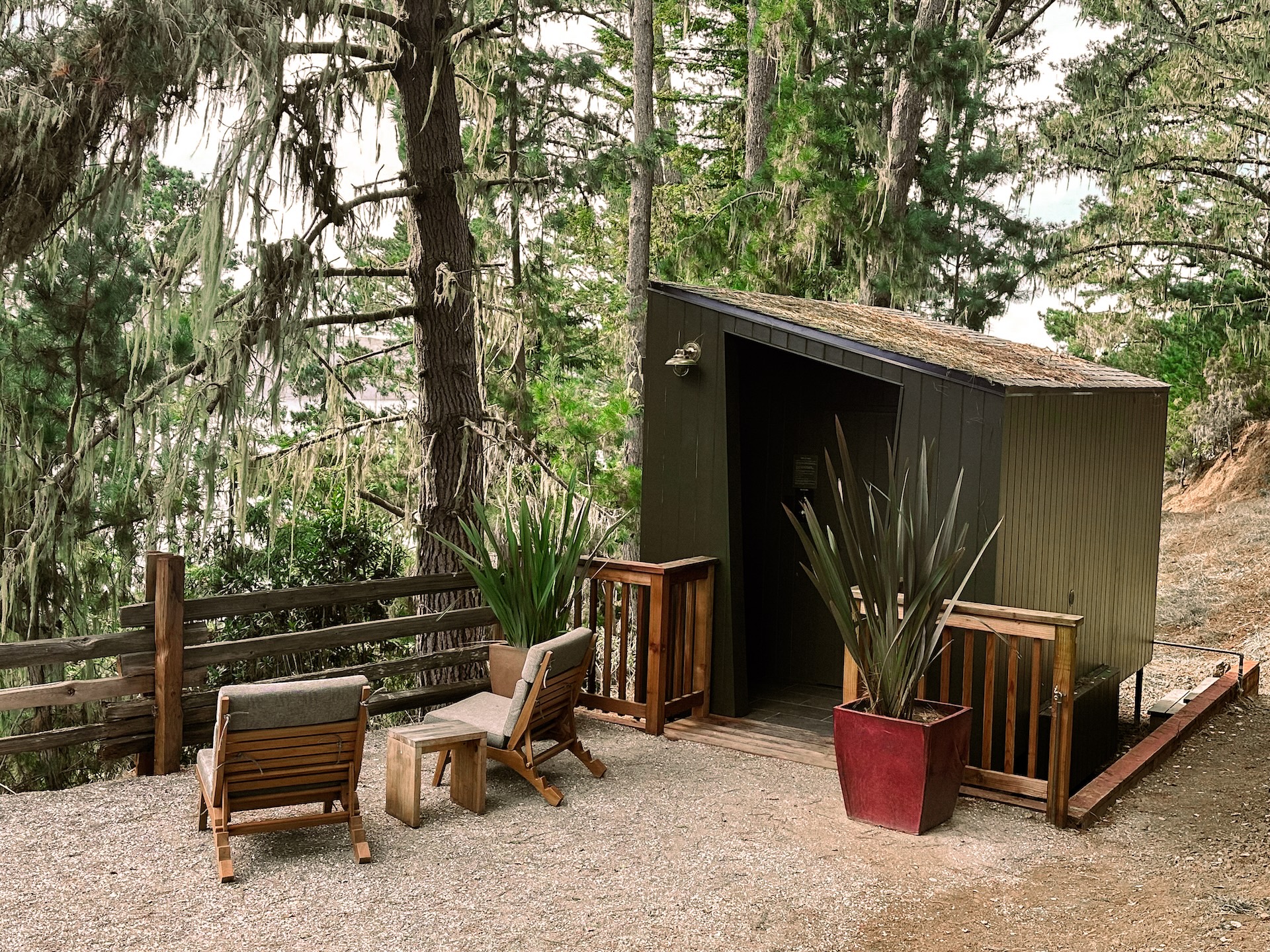
After hiking the nearly 5 miles of trails winding through Marconi State Historic Park, hotel guests can recover in the property’s gas-powered sauna overlooking Tomales Bay. Access is complimentary and available on a first-come, first-served basis. 18500 Highway 1, Marshall, 415-663-9020, lodgeatmarconi.com
Fjord floating sauna and cold plunge in Sausalito. (Fjord)Diving into San Francisco Bay from the Fjord floating sauna and cold plunge in Sausalito. (Fjord)
Fjord, Sausalito
Built from upcycled shipping containers mounted atop a salvaged marine barge, Fjord’s floating Finnish saunas are docked in Sausalito with panoramic views of Tiburon, Angel Island and the San Francisco skyline. Electric heaters warm 300 pounds of stones, bringing the saunas to roughly 190 degrees Fahrenheit before guests plunge directly into the bay.
Bookings open at 9 a.m. on Sundays. Shared 90-minute sessions cost $45 and accommodate up to eight people. 2310 Marinship Way, Sausalito, thisisfjord.com
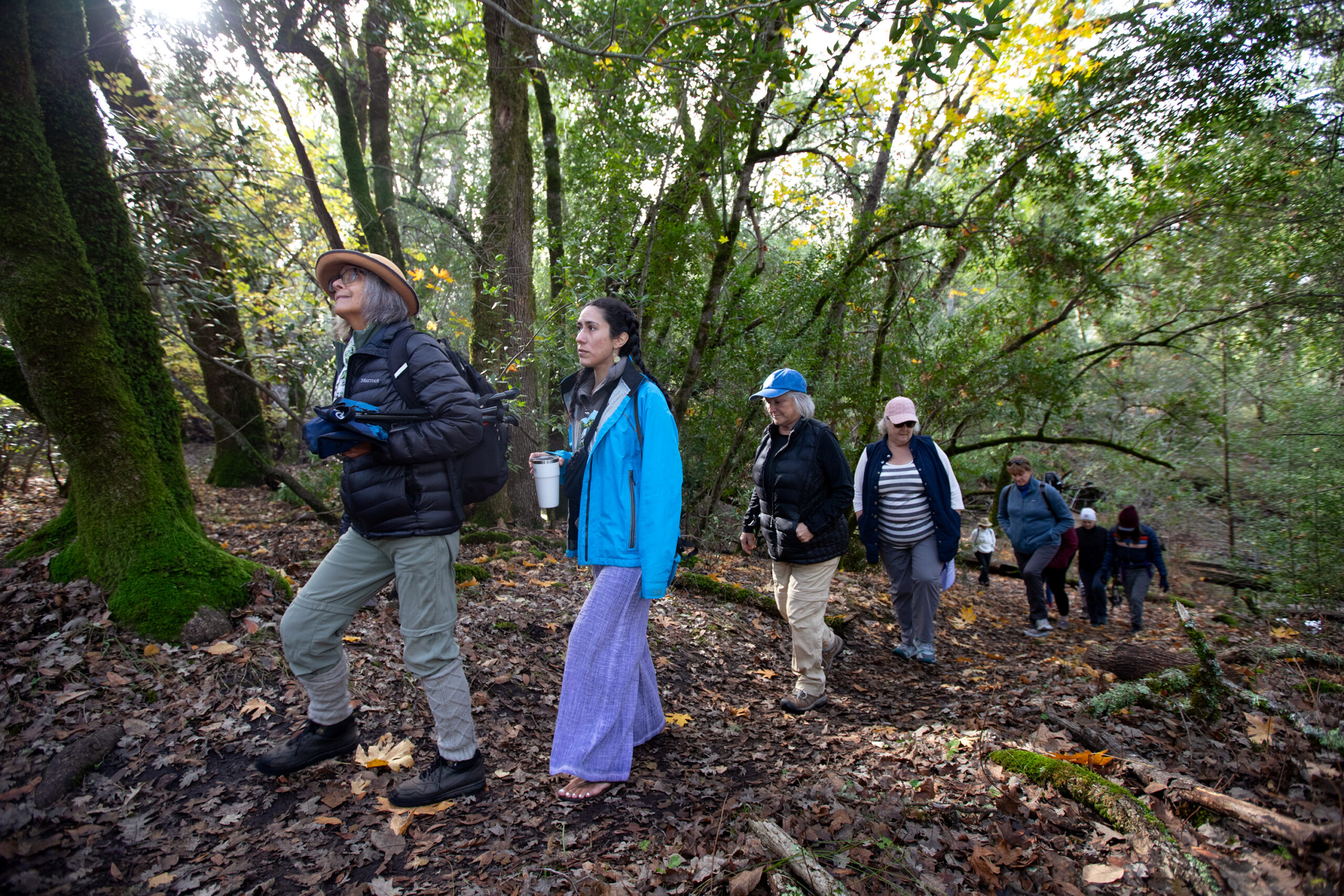
Participants sit in a circle as they share experiences during “forest bathing” at Sugarloaf Ridge State Park in Kenwood, on Sunday, November 23, 2025. (Darryl Bush / For The Press Democrat)
The California State Parks Foundation recently announced the winners in its second annual “Best of California’s State Parks” poll, where thousands voted on their favorite state park across 12 categories. Among the dozen winners, Sugarloaf Ridge State Park in Kenwood won “Best California State Park for a Hidden Gem Experience.”
The foundation stated voters’ reasons for choosing Sugarloaf Ridge included its “diverse trails, wildflowers, waterfalls, and sweeping ridgelines, along with unique offerings like an onsite observatory and community-led programs.”
“Quiet, scenic, and full of discovery, it’s a place that feels both remote and welcoming, perfect for those looking to explore beyond the well-known parks,” the foundation stated.
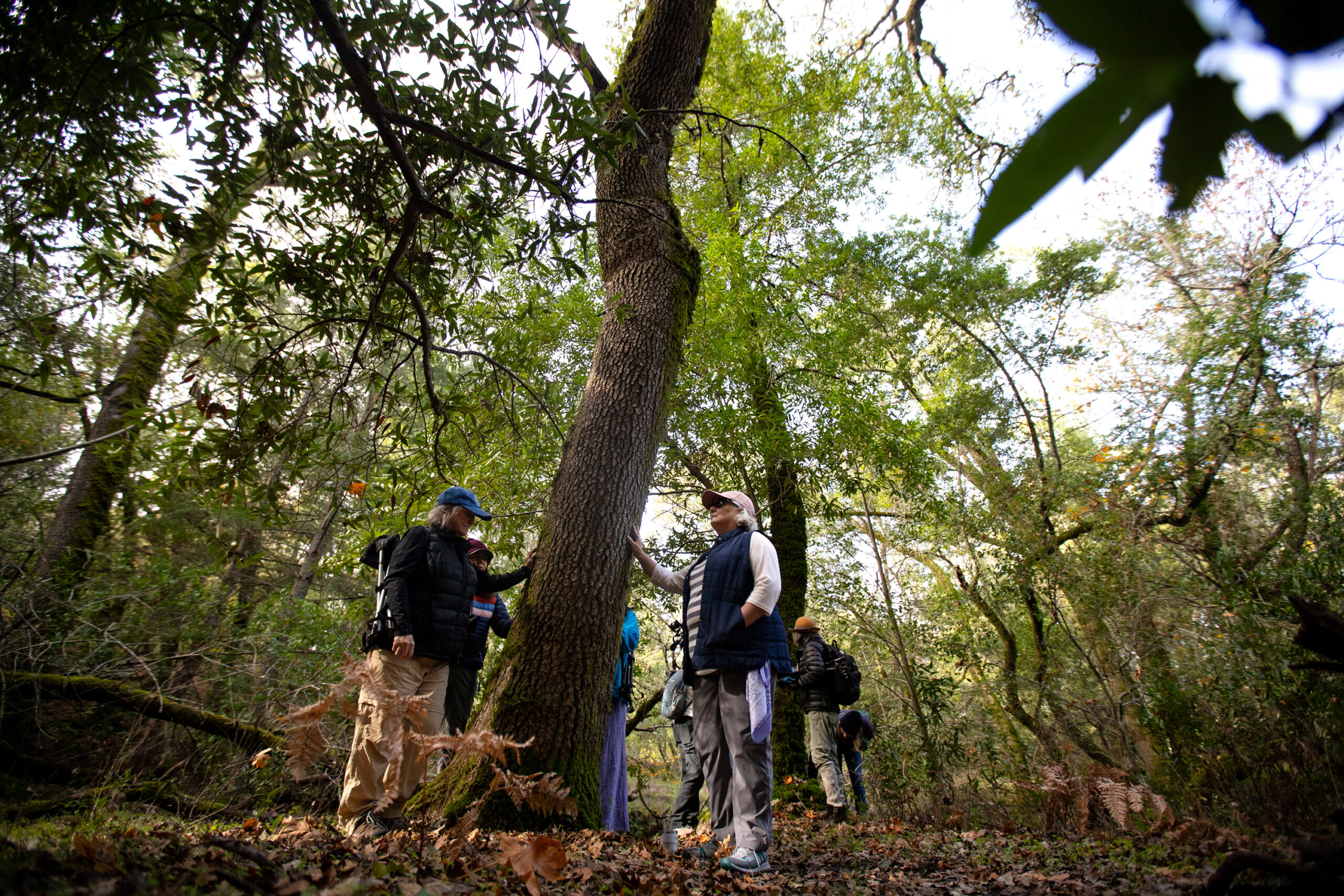
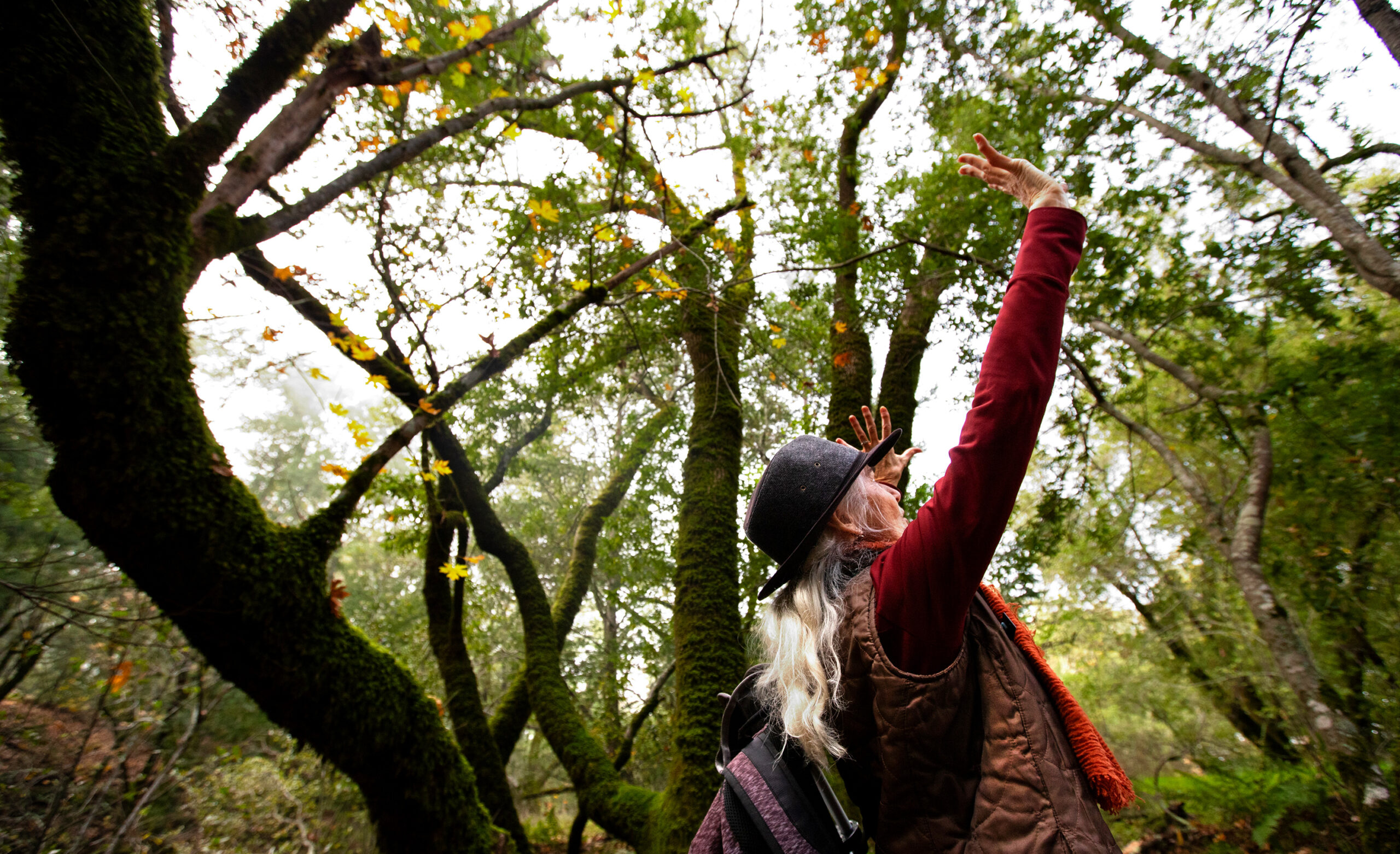
Participants touch trees for several minutes during “forest bathing” at Sugarloaf Ridge State Park in Kenwood, on Sunday, Nov. 23, 2025. (Darryl Bush / For The Press Democrat)Karen Sapper, certified forest therapy practitioner and guide, gestures to the group about experiencing awareness amongst the trees during a “forest bathing” hike at Sugarloaf Ridge State Park in Kenwood, on Sunday, Nov. 23, 2025. (Darryl Bush / For The Press Democrat)
Honorable mentions in the “hidden gem” category include Bodie State Historic Park in Bridgeport and China Camp State Park in San Rafael. Sugarloaf Ridge also received an honorable mention in the “Best California State Park for Wildflowers” category.
Jack London State Historic Park in Glen Ellen — the only other Sonoma County park on the list — earned honorable mentions in three categories: Best for hiking, best for day trips and best for learning about history.
Sugarloaf Ridge: Best State Park Hidden Gem
Nestled off Highway 12, just south of Santa Rosa’s Hood Mountain Regional Park and a few miles east of downtown Kenwood, Sugarloaf Ridge State Park offers 4,900 acres of pristine natural wonder.
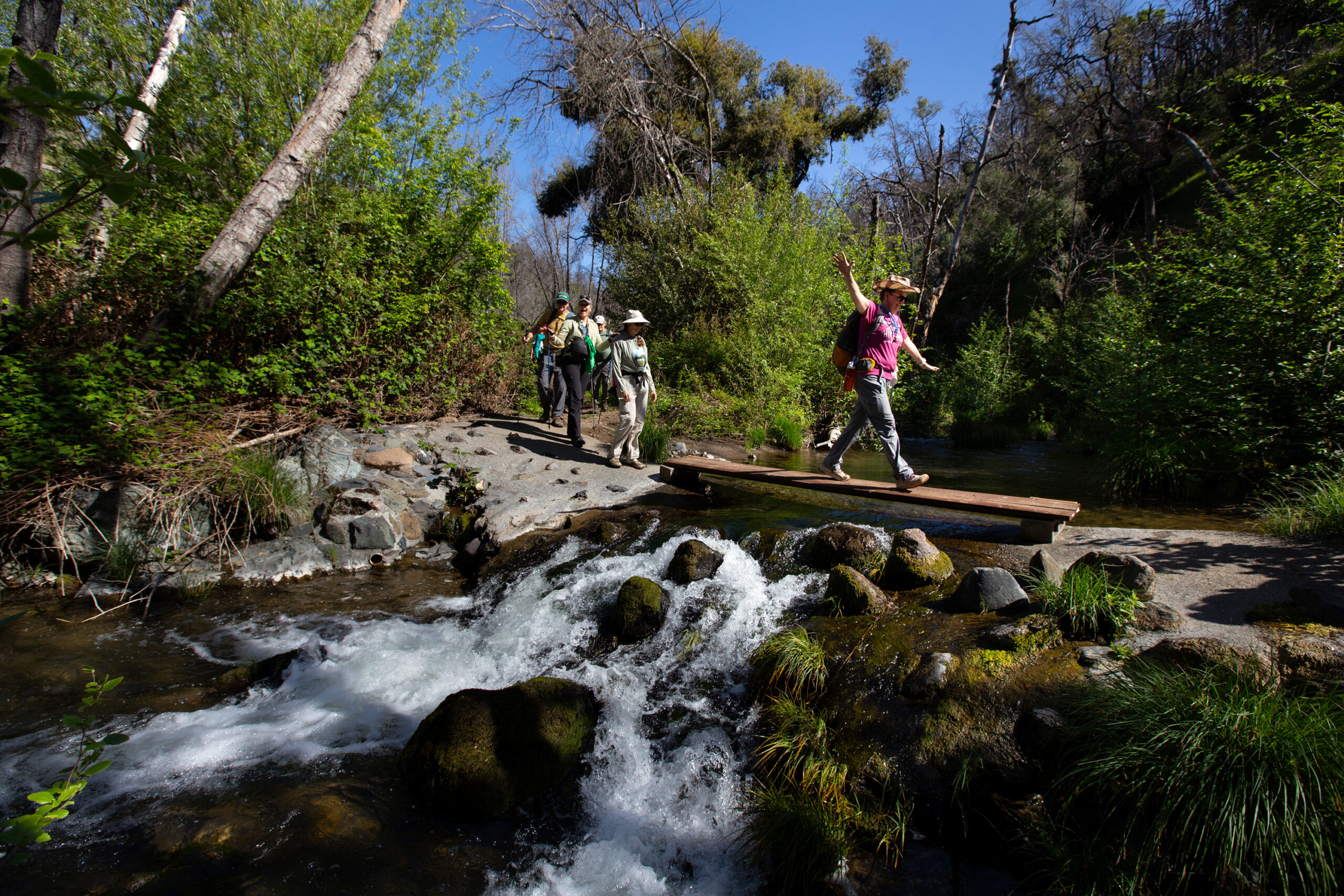
Hikers balance on wooden planks as they cross over a creek, hiking from Hood Mountain Regional Park toward Sugarloaf Ridge State Park, in Santa Rosa, on Saturday, April 12, 2025. (Darryl Bush / For The Press Democrat)Susan Karle, a certified forest therapy practitioner and guide, left, helps lead hiking on Creekside Trail, as Sydney Lorenzini, a camp host at the park, center, follows with others as they participate in “forest bathing” at Sugarloaf Ridge State Park in Kenwood, on Sunday, Nov. 23, 2025. (Darryl Bush / For The Press Democrat)
Over 25 miles of hiking, mountain biking and horseback riding trails wind through majestic redwoods and wildflower-studded meadows. Trails suit all ages and abilities, including the half-mile Nature Trail, which is ADA accessible with ADA parking at each end. Check the park’s calendar for themed guided hikes and educational outdoor events, such as wilderness first-aid courses and forest bathing walks.
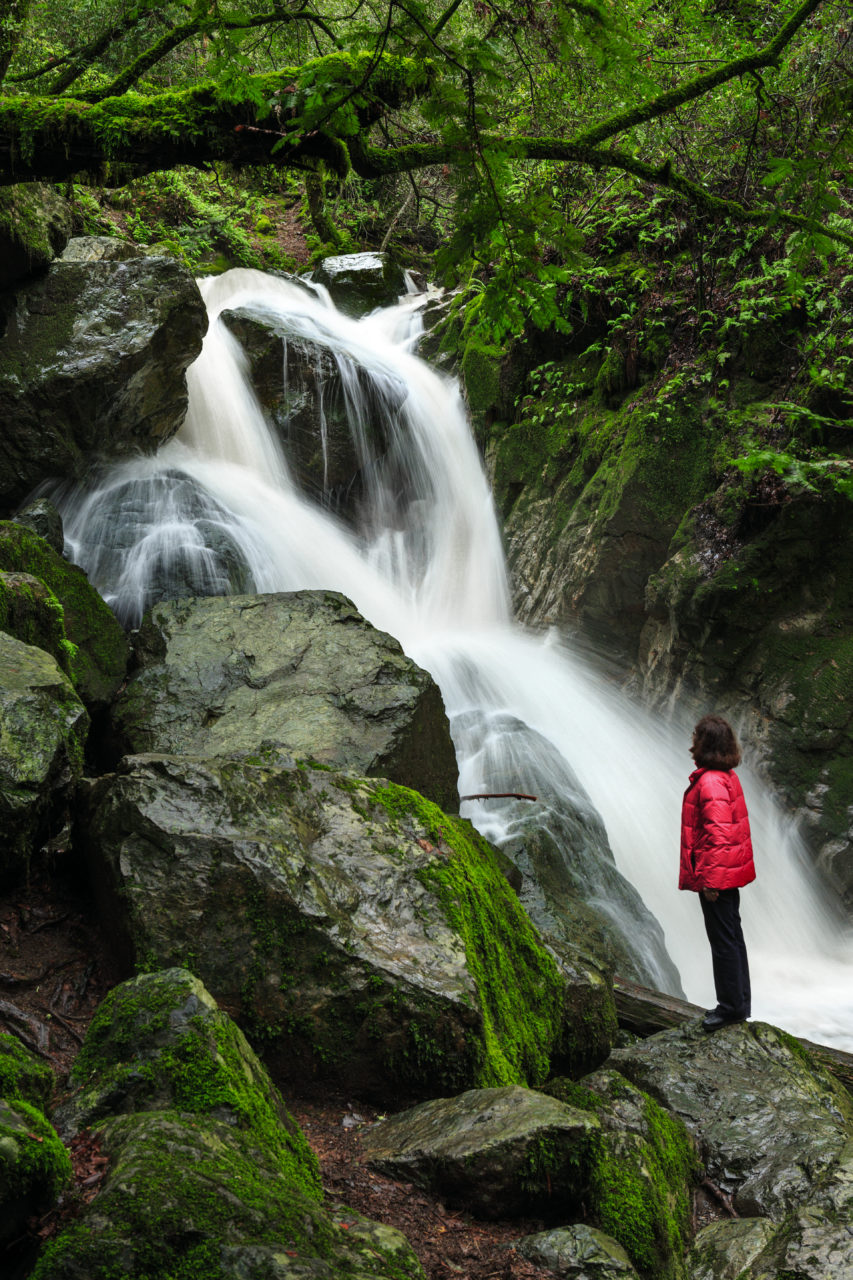
The park’s 25-foot Sonoma Creek Falls draws weekend crowds who enjoy the refreshing results of a wet winter and spring. The waterfall is surrounded by moss-coated boulders and towering redwoods, creating a serene nook to contemplate the natural beauty.
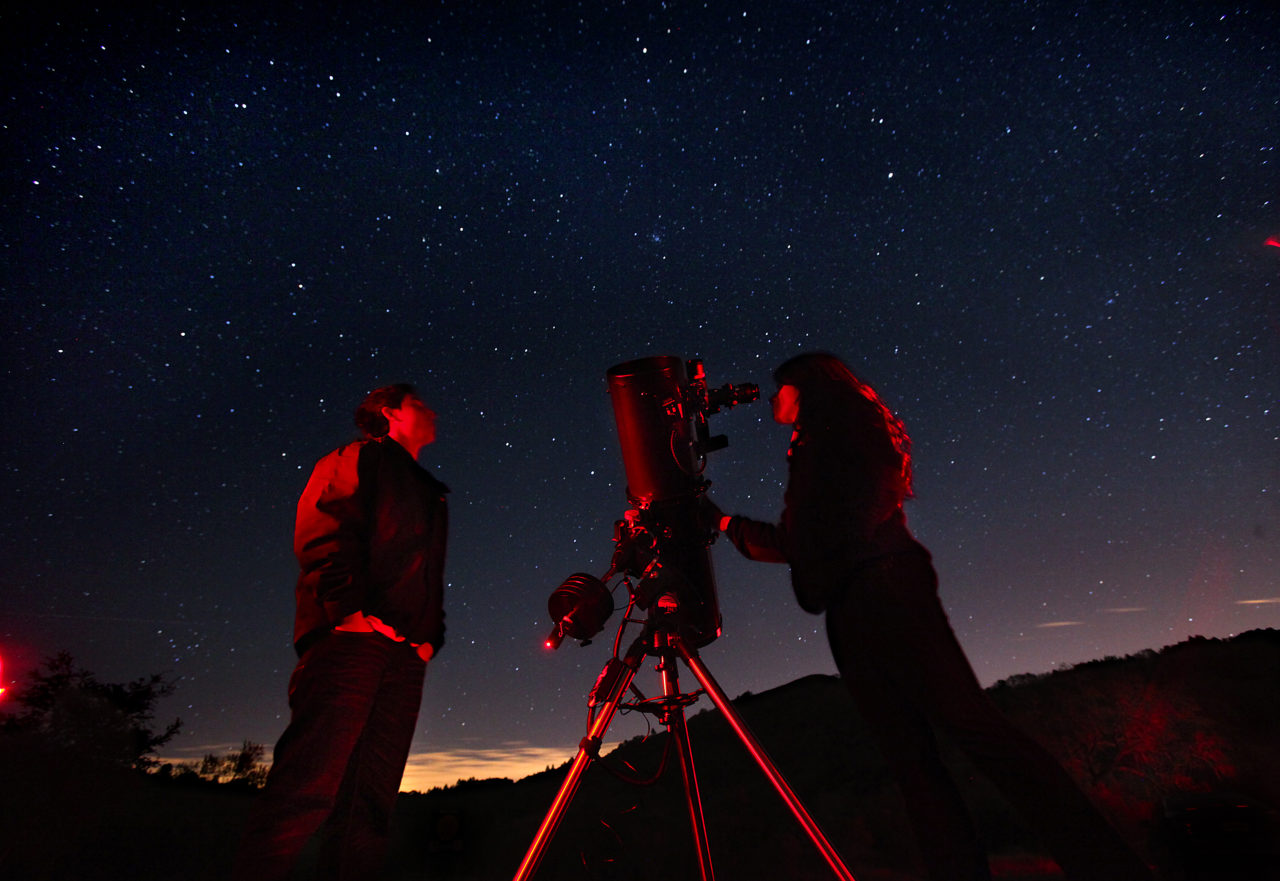
The seasonal 25-foot waterfall at Sugarloaf Ridge State Park in Kenwood. (Chris Hardy / The Press Democrat)Santa Rosa Junior College astronomy students Marcos Indalecio, left, and Melanie Queiroz view the stars through a telescope belonging to amateur astronomer Dickson Yeager during the monthly public viewing night at the Robert Ferguson Observatory at Sugarloaf Ridge State Park in Kenwood. (John Burgess/The Press Democrat)
There is also plenty to do at the park after sunset. Its campground has 47 family-sized campsites, including two wheelchair-accessible sites and a group site for up to 50 people. It includes a bathhouse with showers and toilets. Regular campsites cost $35 per night; premium sites are $45. Glamping sites with furnished luxury canvas tents are $125 per night Sunday through Thursday and $150 per night Friday and Saturday.
The onsite Robert Ferguson Observatory offers public stargazing on select weekends throughout the year (the next Star Party will be at 8:30 p.m., May 16). Star Party guests can attend docent-led astronomy lectures and will have guided access to the observatory’s several telescopes. Tickets are $17 for adults, $12 for seniors, $10 for students, $6 for youth ages 6-10, and free for youth ages 5 and under.
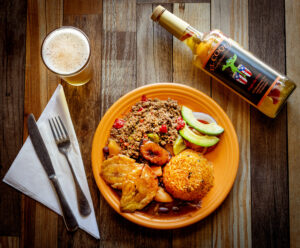
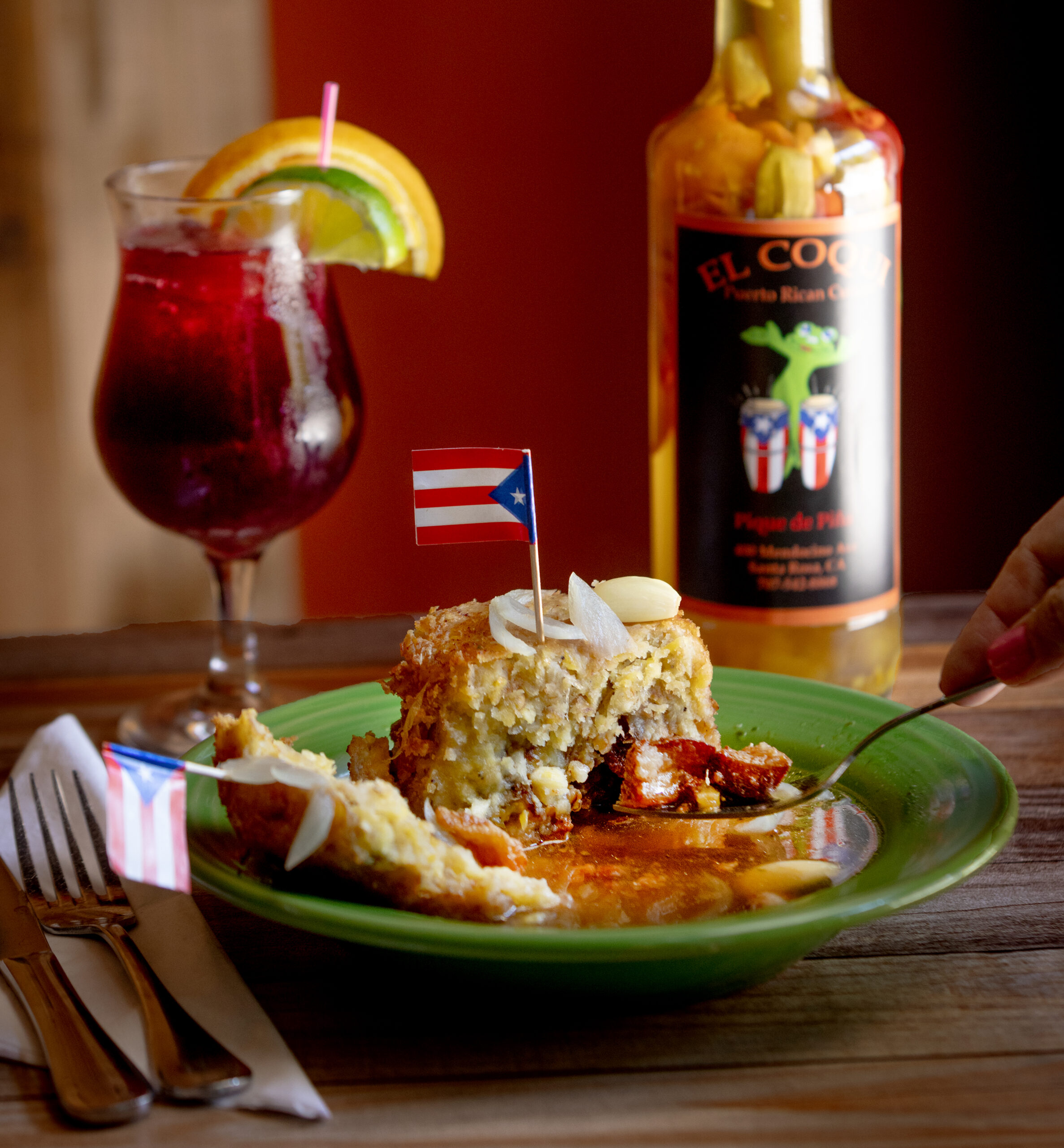
Mofongo, fried green plantains crushed with fresh garlic and olive oil with housemade Pique de Piña from El Coqui Puerto Rican Cuisine Friday, May 8, 2026 in downtown Santa Rosa. (John Burgess/The Press Democrat)
On a television above the bar, Puerto Rican salsa dancers swivel with the kind of impossible hip action that makes Shakira seem restrained. At Santa Rosa’s El Coqui, sangria flows freely on Friday nights, congas pulse through the speakers and housemade pique — a garlicky hot sauce sharpened with vinegar — lends a little extra swagger to nearly every dish.
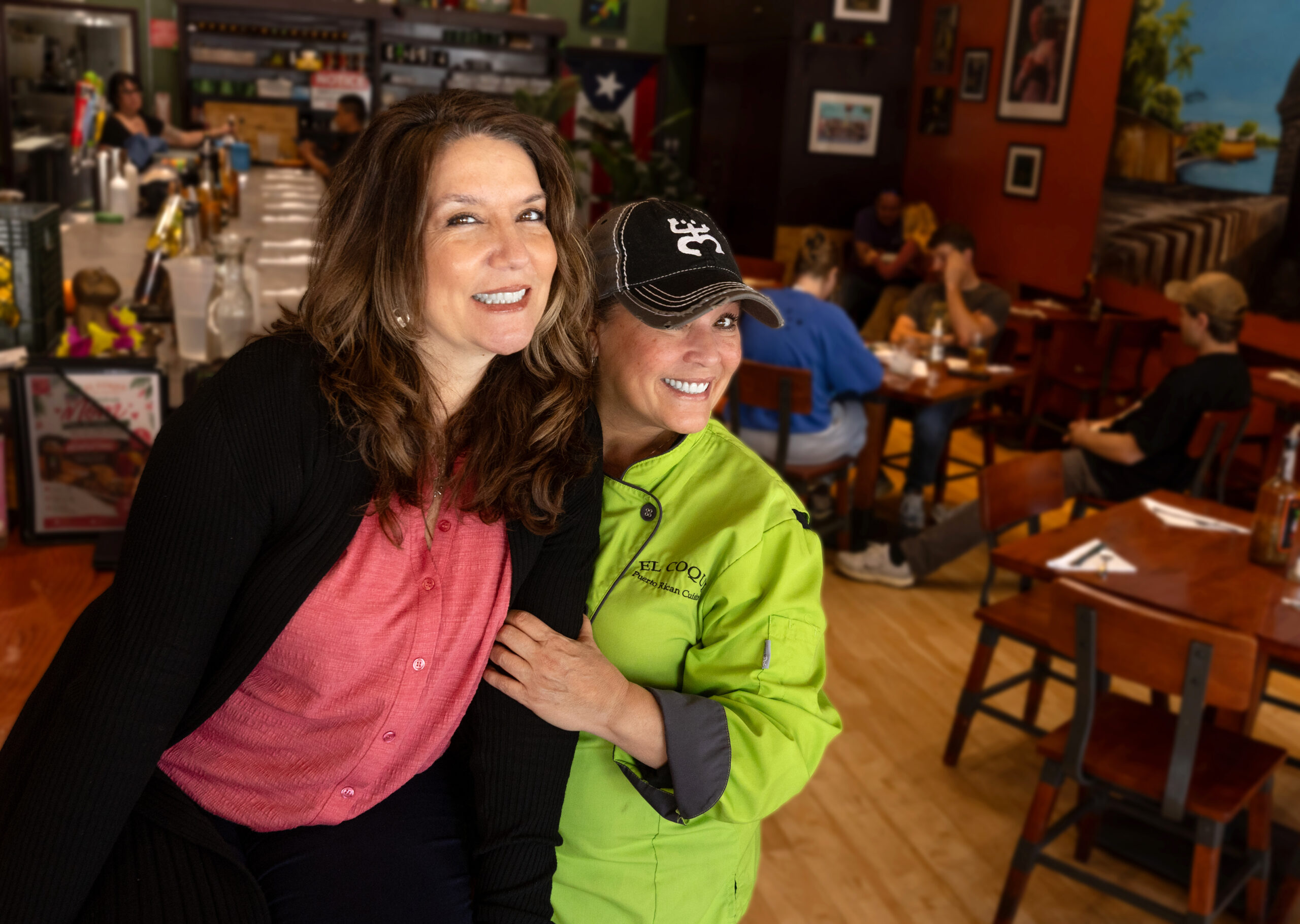
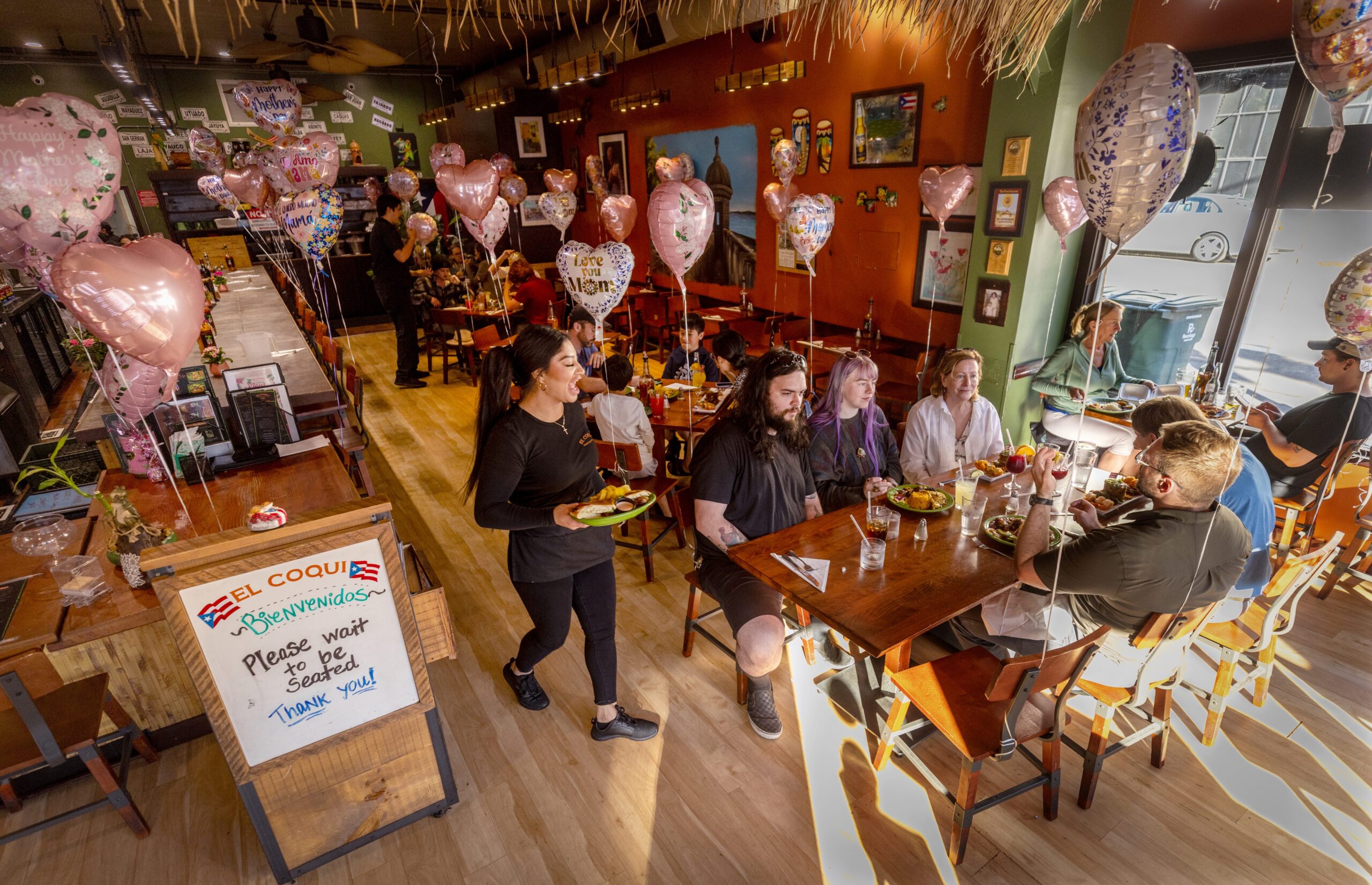
Festooned with Puerto Rican flags, island memorabilia and dozens of tiny coquí tree frogs, the restaurant feels more like a house party than a business. Much of that spirit comes from co-owner and chef Jackie Roman, whose compact kitchen sends out a steady procession of mofongo, chuletas and empanadas to diners making the trip from across Sonoma County and beyond.
When El Coqui opened in 2009, it was the only restaurant north of San Rafael devoted to Puerto Rican cuisine, a vibrant blend of Spanish, Indigenous and African influences still rarely represented in the region. Plates of red beans, yellow rice, roast chicken and pork chops arrive with the straightforward comfort that transcends language.
After 17 years El Coqui owners Tina Jackson, left, and chef Jaqueline Roman are going strong with their traditional Puerto Rican cuisine Friday, May 8, 2026, in downtown Santa Rosa. (John Burgess/The Press Democrat)
Roman, who split her childhood between New York and Puerto Rico in a family of eight siblings orbiting a lively cast of aunts, uncles and grandparents, learned early how to cook for a crowd. Her longtime friend and business partner, Tina Jackson, still laughs recalling how the pair opened the restaurant during the depths of the recession using secondhand equipment bought on Craigslist — all while trying to keep the venture secret from their employers until a local restaurant writer accidentally revealed the plan.
“I was supposed to be talking to people about refinancing and everyone was asking about the restaurant,” said Jackson, a former banker.
Through recessions, wildfires and the pandemic, El Coqui has endured.
“Despite everything, we’re still cruising along,” Jackson said.
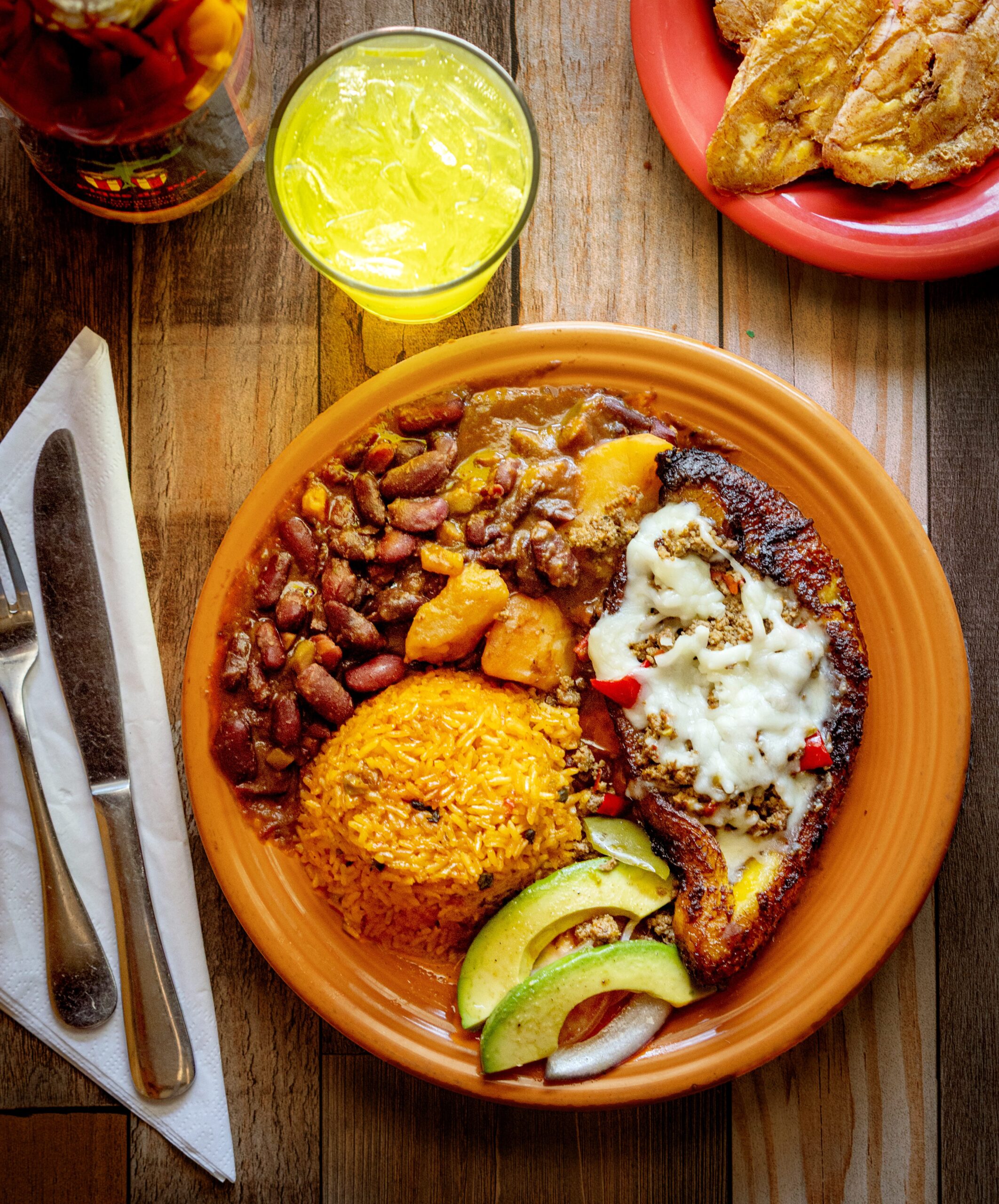
El Coqui opened 17 years ago in downtown Santa Rosa and remains the only Puerto Rican restaurant in the city. Photo taken Friday, May 8, 2026. (John Burgess/The Press Democrat)Canoa con Carne Molida from El Coqui Puerto Rican Cuisine Friday, May 8, 2026, in downtown Santa Rosa. (John Burgess/The Press Democrat)
I’ll have the usual
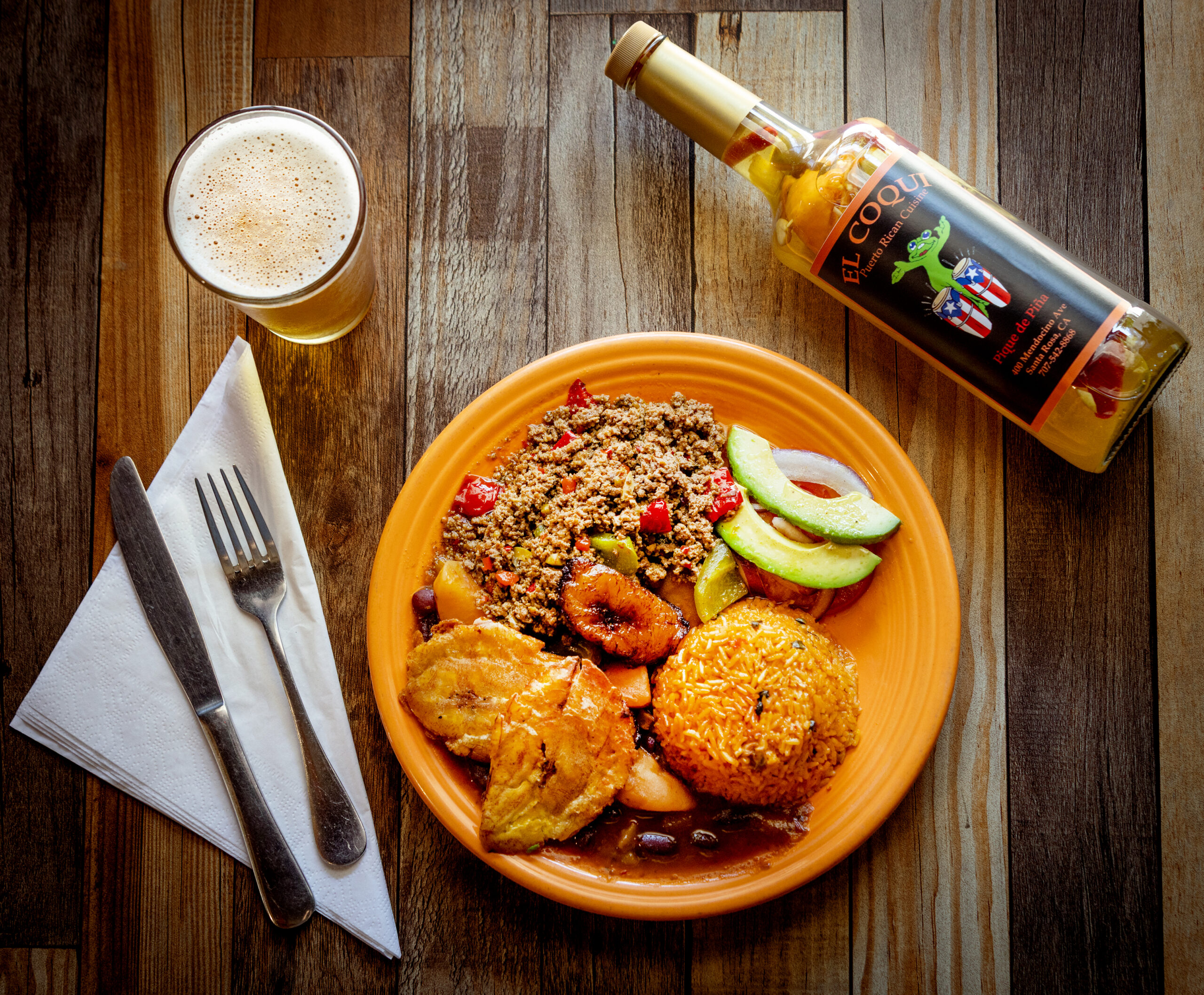
The menu has changed little over the years, aside from occasional specials Roman adds on impulse. Most regulars settle into familiar routines, and signature dishes like the Pollo al Horno, roast chicken ($19 lunch/$22.75 dinner), and the Canoa con Carne Molida, a sweet plantain stuffed with ground beef ($19/$21), have earned loyal followings.
The food can appear deceptively simple, rooted in family recipes but elevated by Roman’s instinctive touch. Ask for details about the seasoning, however, and she becomes notably less forthcoming.
“A large part of why we’ve been so successful is because of our reputation. People love Jackie’s food,” Jackson said.
Mofongo, a tower of fried green plantains crushed with fresh garlic and olive oil with crispy pork belly, and a sangria from El Coqui Puerto Rican Cuisine Friday, May 8, 2026, in downtown Santa Rosa. (John Burgess/The Press Democrat)
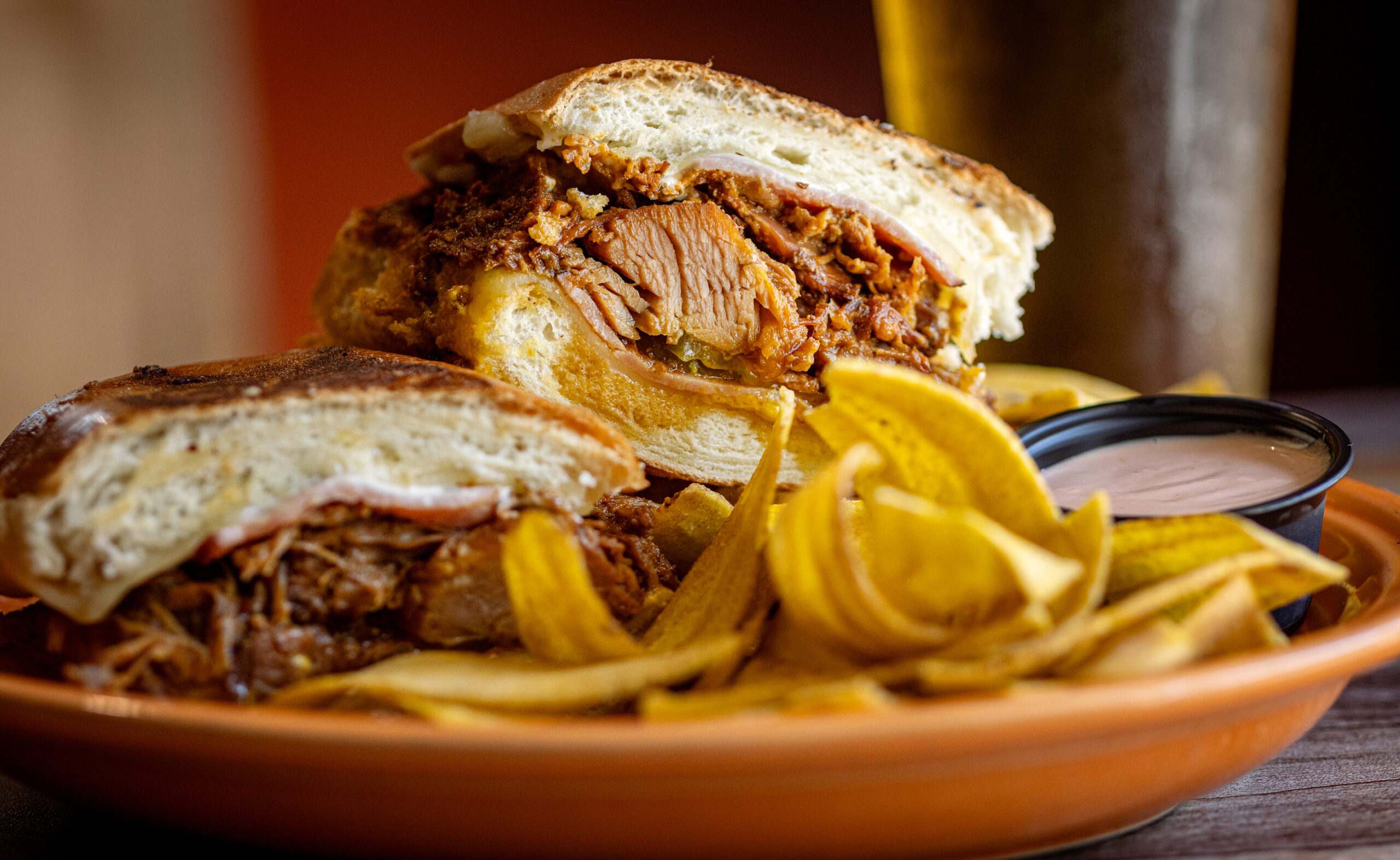
Like many longtime customers, I often default to the same order: the beef-and-cheese stuffed sweet plantain, rich and soothing in all the right ways. Still, it is worth straying for meat-filled empanadas; Tostones Montaditos con queso, mashed plantains topped with cheese ($12.99); Mofongo Criolla estilo Boriqua with shrimp ($23) or the Cubano sandwich ($17.99), layered with ham, roast pork, pickles, mayonnaise and mustard.
Bottles of pique sit on every table, packed with garlic, peppers, peppercorns and herbs, ready to be splashed over nearly everything. Cocktails — Cuba Libres, piña coladas and a Michelada bloody mary sharpened with pique ($8-$8.50) — pair well with the boldly seasoned, though not overly spicy, food. Desserts like coconut flan and creamy rice pudding ($9.50) make a persuasive argument for saving room.
Nearly two decades after opening, El Coqui still feels like one of Sonoma County’s liveliest family parties, complete with gregarious music, generous portions and plenty of cha-cha-cha charm.
Cubano sandwich with slow-roasted pork, ham, Swiss cheese, pickles, mayonnaise and mustard on a flat pressed French roll from El Coqui Puerto Rican Cuisine Friday, May 8, 2026, in downtown Santa Rosa. (John Burgess/The Press Democrat)Picadillo, seasoned Angus ground beef, with sides of plantains, yellow rice and avocado salad, with housemade Pique de Piña, from El Coqui Puerto Rican Cuisine Friday, May 8, 2026, in downtown Santa Rosa. (John Burgess/The Press Democrat)
Fun fact
As a teenager spending summers with family in Puerto Rico, Roman discovered an entrepreneurial opportunity next door: her neighbor was Draco Rosa of the 1980s boy band Menudo. At 14, she sold eager fans clumps of his lawn for $5 and $10 and charged them for glimpses into his bedroom window from her aunt’s backyard.
“I made a lot of money that summer,” she said.
The perks
Happy hour runs from 3-6 p.m. Monday through Friday, with $5 sangrias and $5 bacon-wrapped sweet plantains. Tuesday is Taco Rican night, with Puerto Rican-style tacos made from pollo al horno.
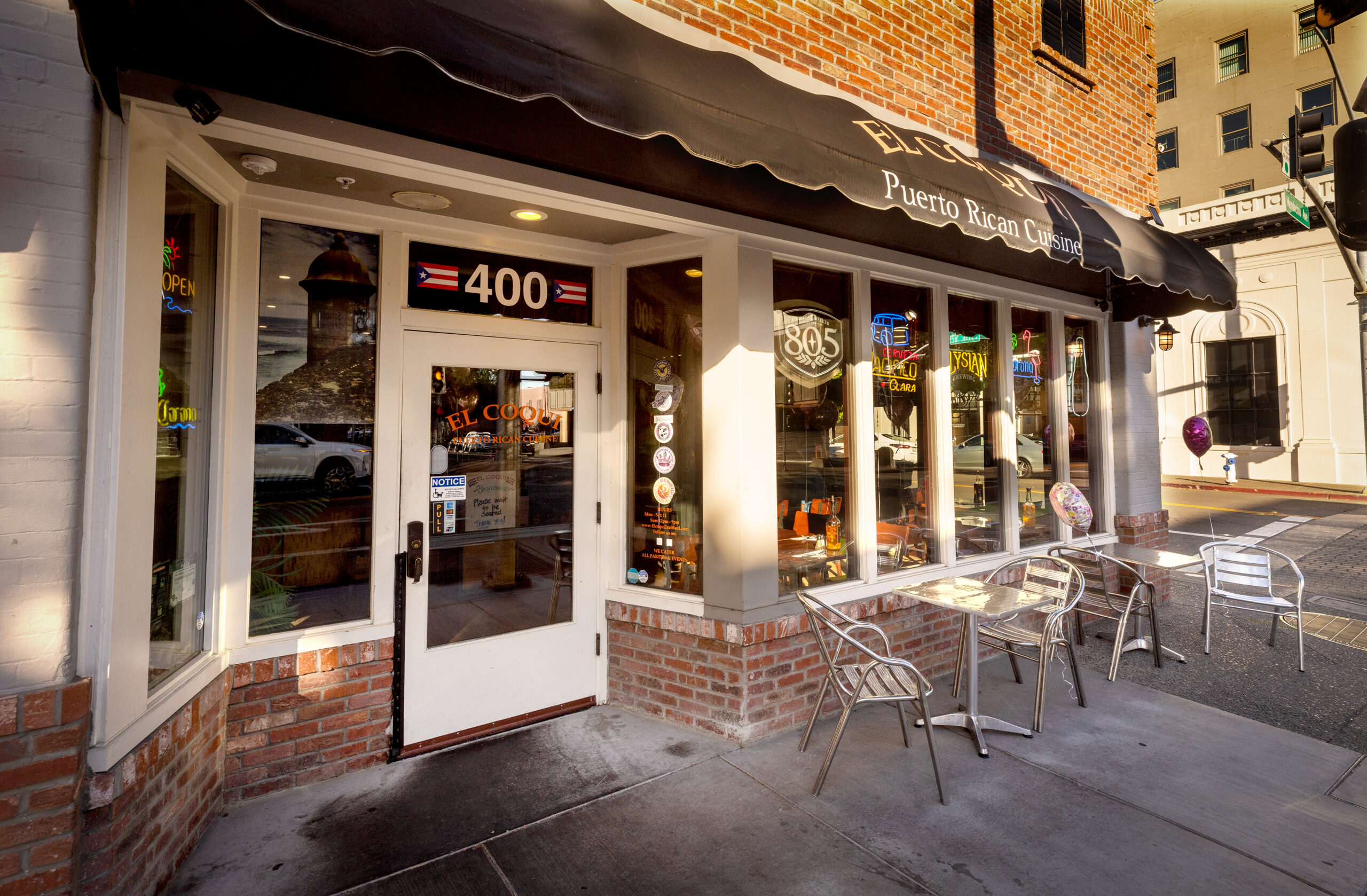
El Coqui opened 17 years ago in downtown Santa Rosa and remains the only Puerto Rican restaurant in the city. Photo taken Friday, May 8, 2026. (John Burgess/The Press Democrat)
The place
El Coqui is at 400 Mendocino Ave., Santa Rosa, 707-542-8868, elcoqui2eat.com. Open 11 a.m. to 9 p.m. Monday through Saturday and noon to 9 p.m. Sunday.
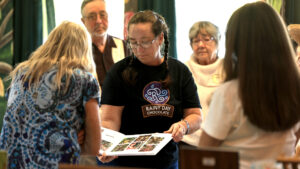
Jennifer Daly, co-owner and CEO of Rainy Day Chocolate in Forestville, Sunday, March 29, 2026, leads a tour of the facility. (Kent Porter / The Press Democrat)
What could be better than tasting a variety of chocolates? Making and decorating the treats yourself before savoring the sweet morsels.
Forestville’s newly opened Rainy Day Chocolate hosts classes and tastings at its kitchen and shop tucked into a small strip mall on Mirabel Road.
Inspired by San Francisco’s renowned Dandelion Chocolate, Rainy Day sources cacao from small producers in Tanzania and Guatemala, says co-owner and CEO Jennifer Daly, who founded the small bean-to-bar operation with her partner in both love and chocolate, Chris Sund. The couple started making chocolate together several years ago on a rainy day (thus the company name), selling at farmers markets and festivals before finally opening their brick-and-mortar shop in early March.
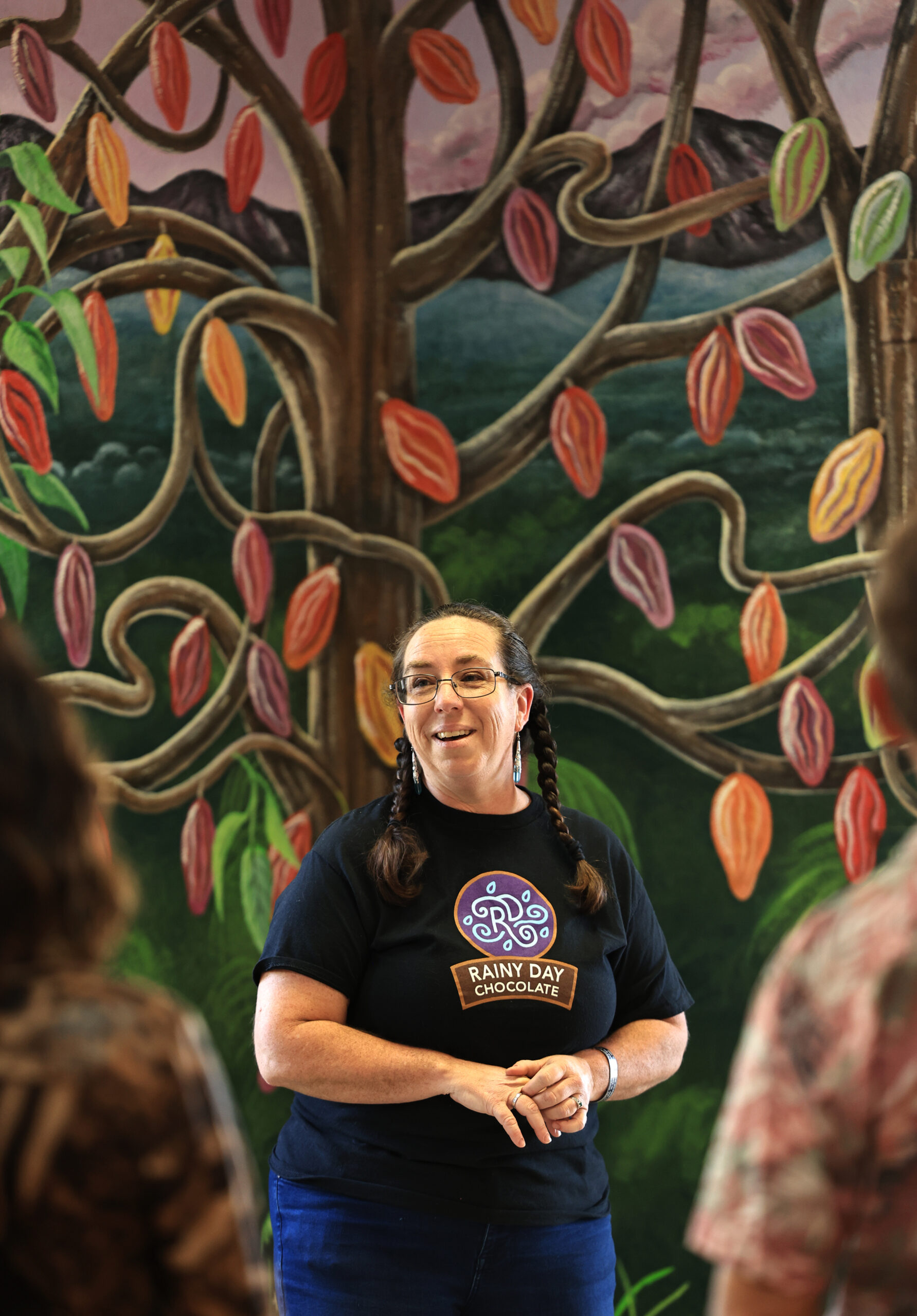
Jennifer Daly, co-owner and CEO of Rainy Day Chocolate in Forestville, Sunday, March 29, 2026. The mural in the background is a cacao tree. (Kent Porter / The Press Democrat)
Walking into Rainy Day Chocolate feels like entering a tropical forest thanks to the vibrant mural of multi-hued cacao pods growing alongside volcano-backed Lake Atitlán in Guatemala. When Daly and Sund travel to Guatemala, they bring back 100 to 200 pounds of cacao in their luggage.
At a recent weekend workshop, Daly began with a brief description of the chocolate-making process. The colorful cacao pods, which look like small, psychedelic footballs, hold 30–50 seeds that are fermented, dried, and shipped (or hand-carried) from abroad—that’s when Daly takes over.
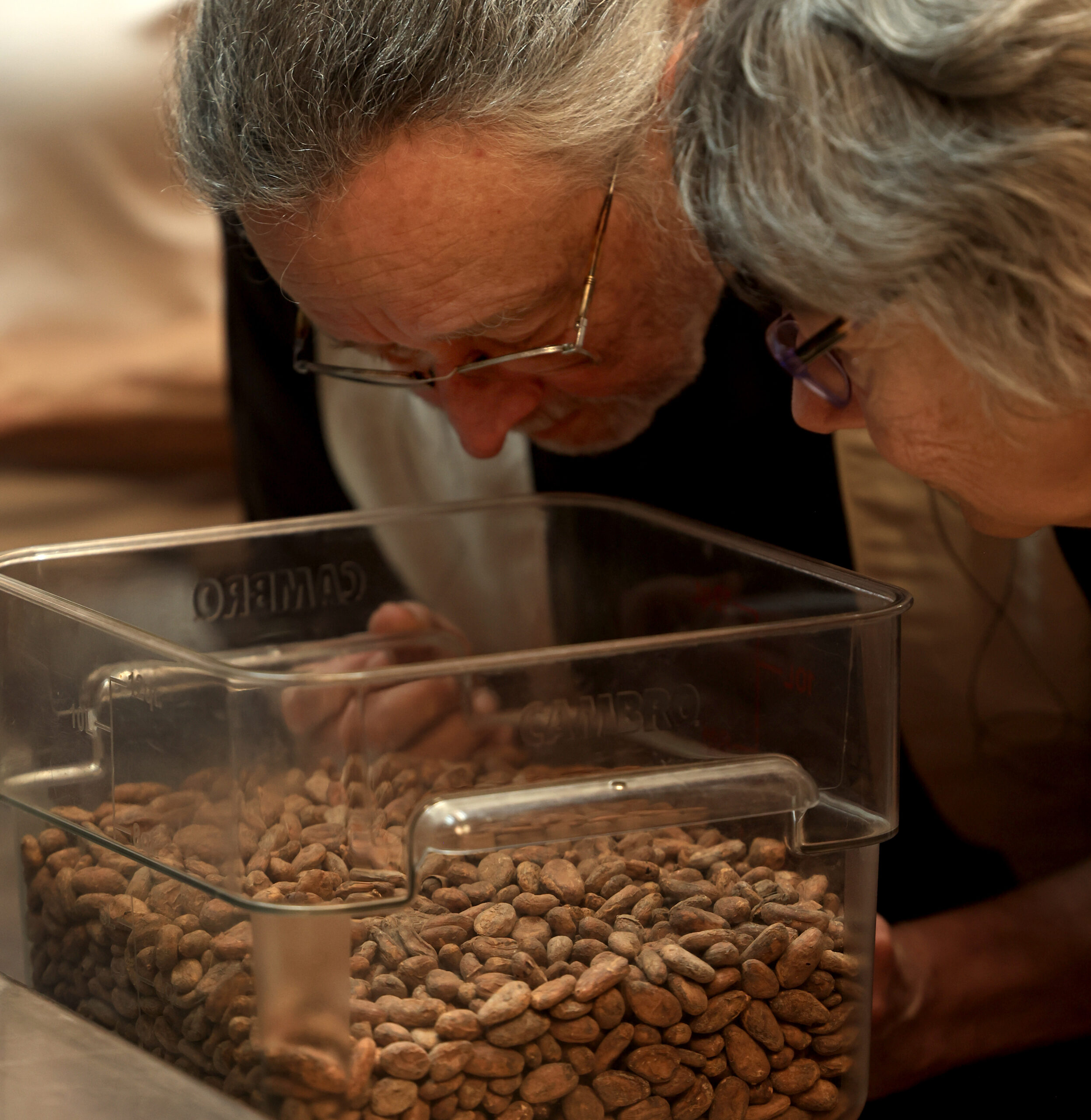
She roasts the seeds in a convection oven no bigger than what you might find in someone’s home, then “winnows” them to remove the papery shell. The result is cacao nibs, which we taste first. This is 100% cacao that’s crunchy, nutty, and bitter, which makes the 10-year-old girl in the class, Kat, wince. After tasting chocolate ranging from 90% to 69%, each with distinct flavors, such as sour cherry notes, Kat finds a clear favorite in milk chocolate with about 33% cacao that has caramel undertones.
Visitors to Rainy Day Chocolate in Forestville, Sunday, March 29, 2026, take in the aroma of fresh cacao. (Kent Porter / The Press Democrat)
For the finale, Daly brings out chocolate for decorating with “luster dust,” powdered food coloring mixed with vodka. “You get to paint, then the alcohol evaporates and you get beautiful painted chocolate,” says Daly, noting there’s no vodka taste.
Daly sees her chocolate business as an opportunity to support small cacao growers in the developing world while visitors to the shop get to learn something and go home with a delicious treat. “I really just want to make people happy,” she says.
6492 Mirabel Road in Forestville. Book a tasting and decorating class at rainydaychocolate.com.
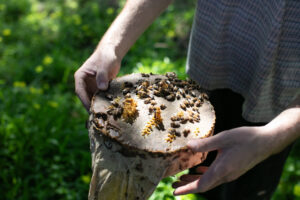
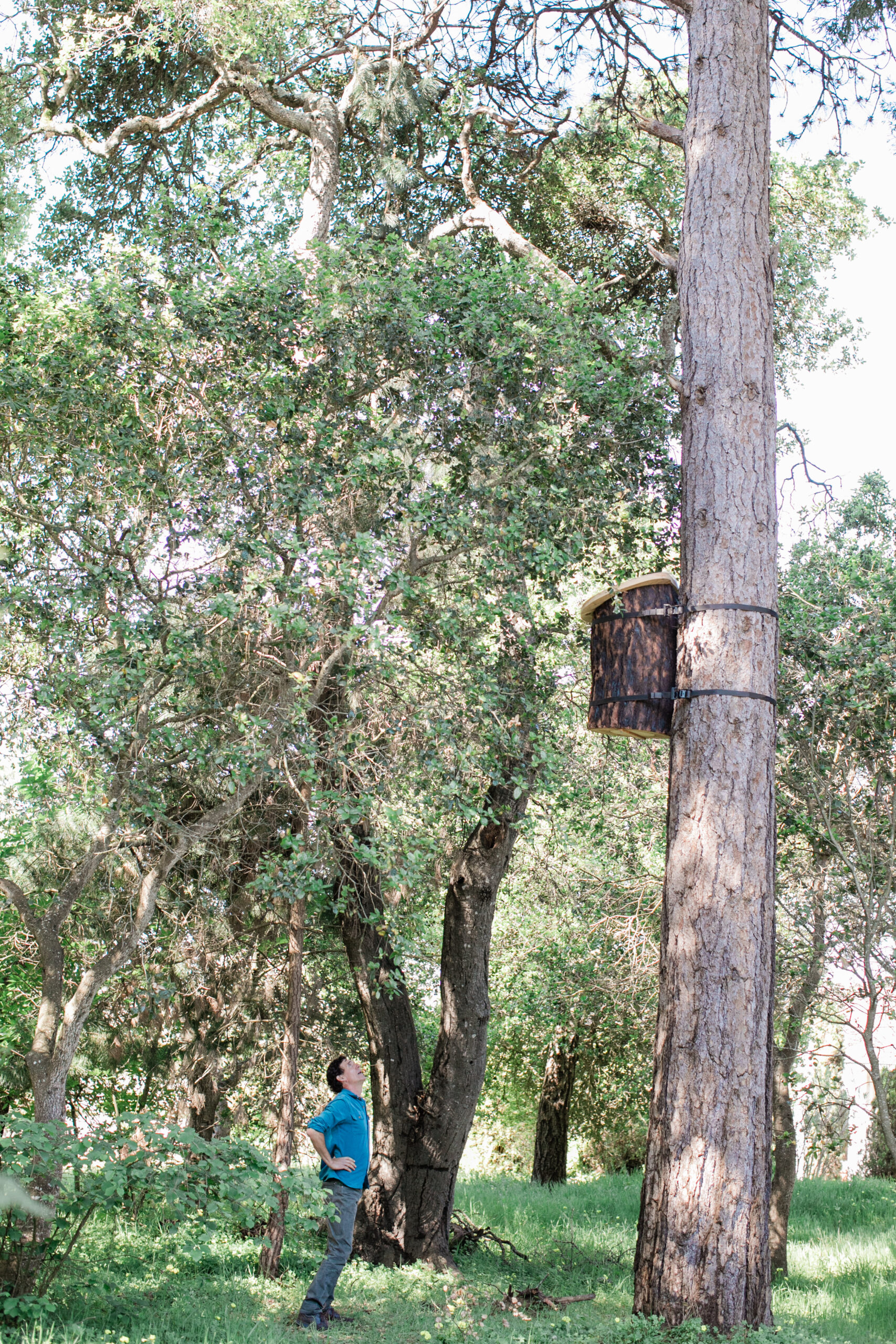
TreeNests are prepared with beeswax and a resinous substance called propolis to attract honeybees before being installed. (Eileen Roche)
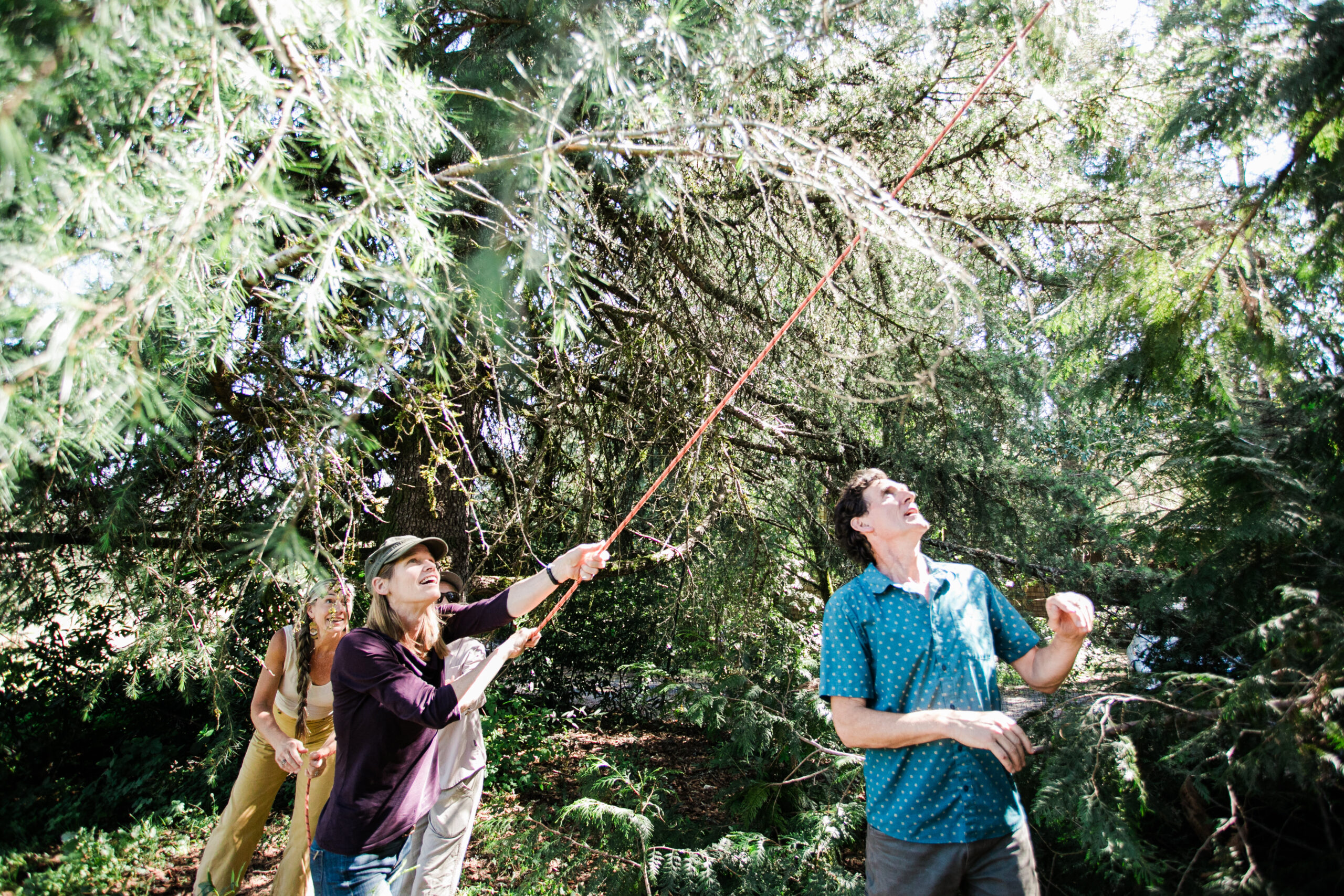
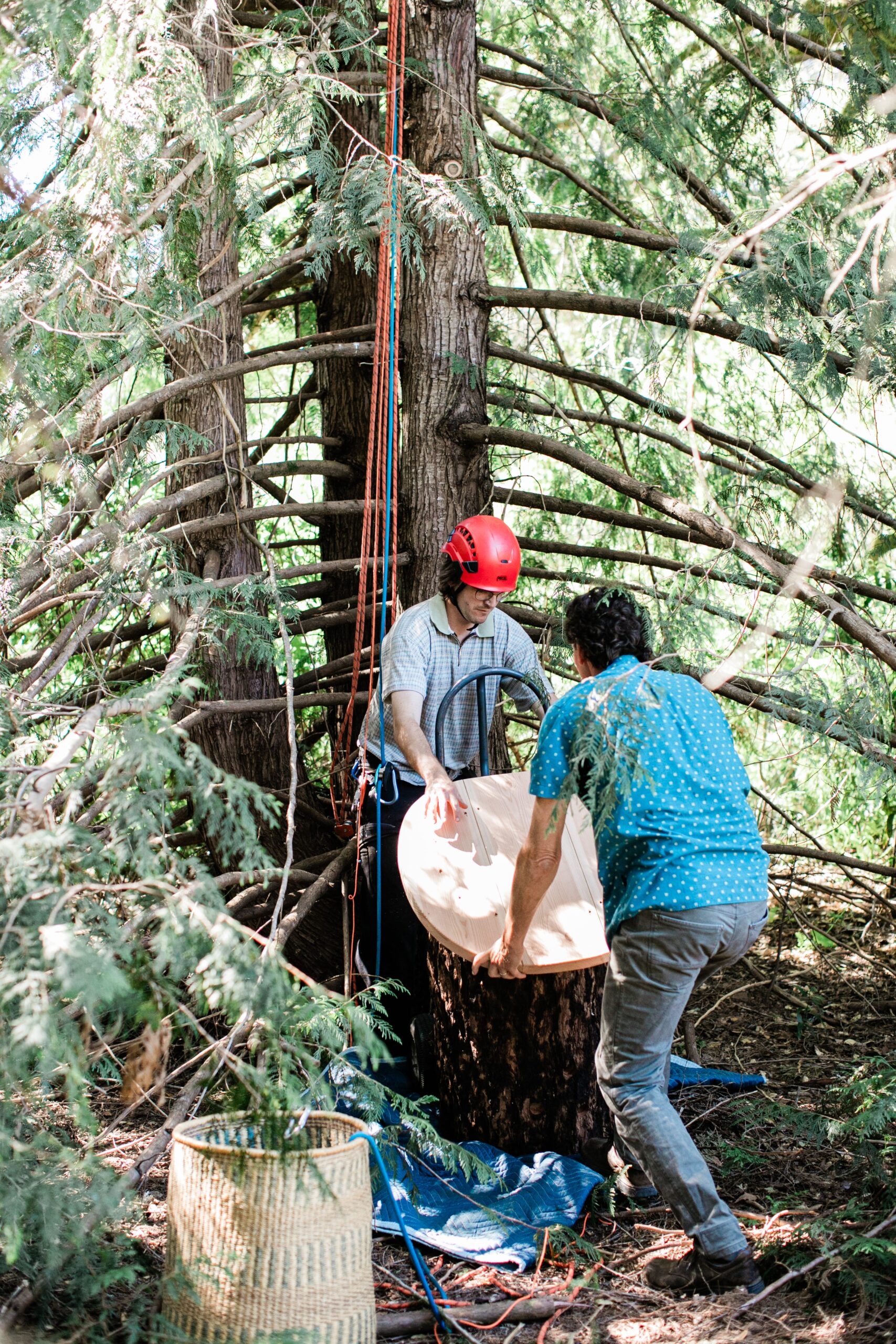
It’s hard not to notice the grin on Michael Thiele’s face as he watches several women tug on a rope and pulley to hoist a 4-foot, 200-pound hollow Douglas fir log about 25 feet in the air. From afar, it looks almost like they’re lifting a piece of furniture—maybe a coffee table or end table—into a 50-foot cedar tree.
“This is the exciting part,” says Thiele, founder of Apis Arborea, a grassroots nonprofit that has installed hundreds of these log hives, or “TreeNests,” across Northern California as part of its controversial mission to “wild” honeybees by encouraging them to live outside of box hives and in trees.
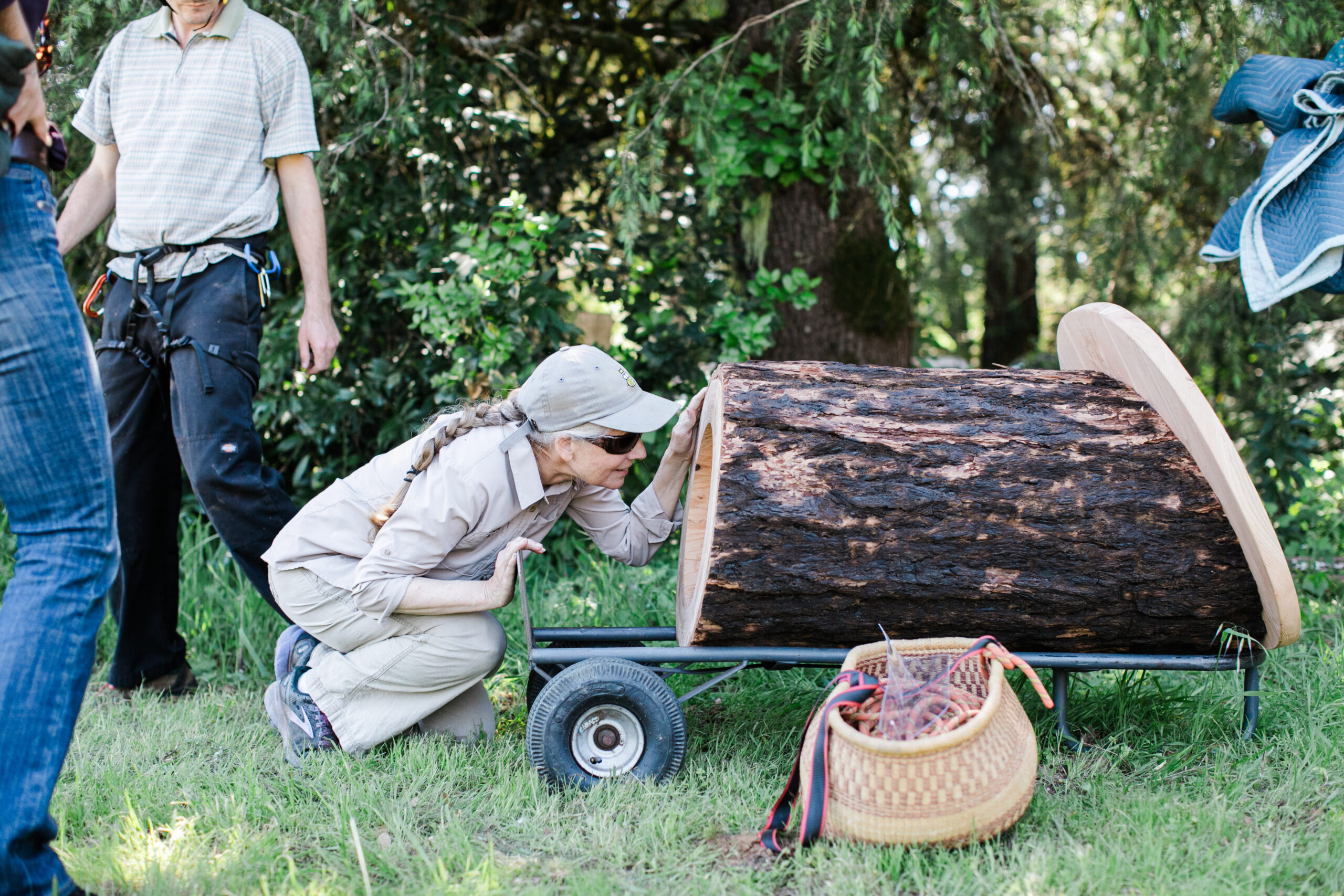
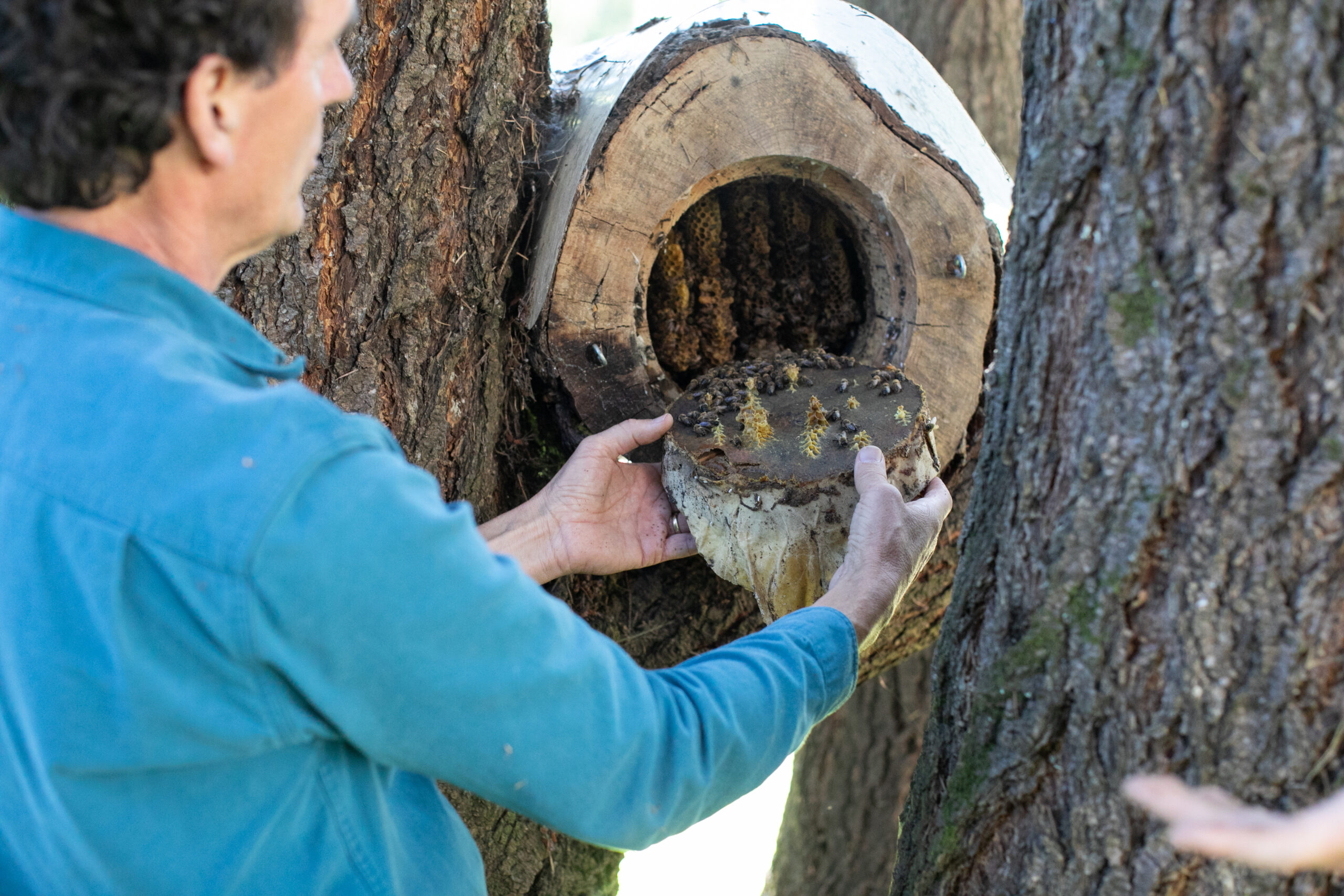
It’s a sunny Wednesday afternoon on an apple orchard in the hilly backcountry between Sebastopol and Occidental. One of the women helping install the nest is Laura Cheever, owner of Laura’s Apples. A few moments before lifting the hollow log, she leans into an opening at the bottom to smell melted beeswax and propolis inside—a concoction designed to attract honeybees.
Laura Cheever, right, inspects an Apis Arborea TreeNest before it’s installed at her Sebastopol apple farm. (Eileen Roche)TreeNests are prepared with beeswax and a resinous substance called propolis to attract honeybees before being installed. (Eileen Roche)
“I expected it to smell like honey, but it doesn’t,” Cheever says. “It smells like that warm beehive smell.”
A few months ago, when she was approached by Noelle Johnson, deputy director of Gold Ridge Resource Conservation District—one of the women also helping heave the rope—Cheever had no reservations about hosting a TreeNest on her apple farm. Back in 2018, she allowed a beekeeper to park around 40 hives in her orchard. It seemed like a win-win. Her apple blossoms would get pollinated and the honeybees would get some much-needed R&R after a busy almond season in the Central Valley. It’s something that happens all across the more temperate North Coast every year.
“But they got very, very aggressive to passersby,” Cheever says. “So, I only did it once, and I won’t do it again.”
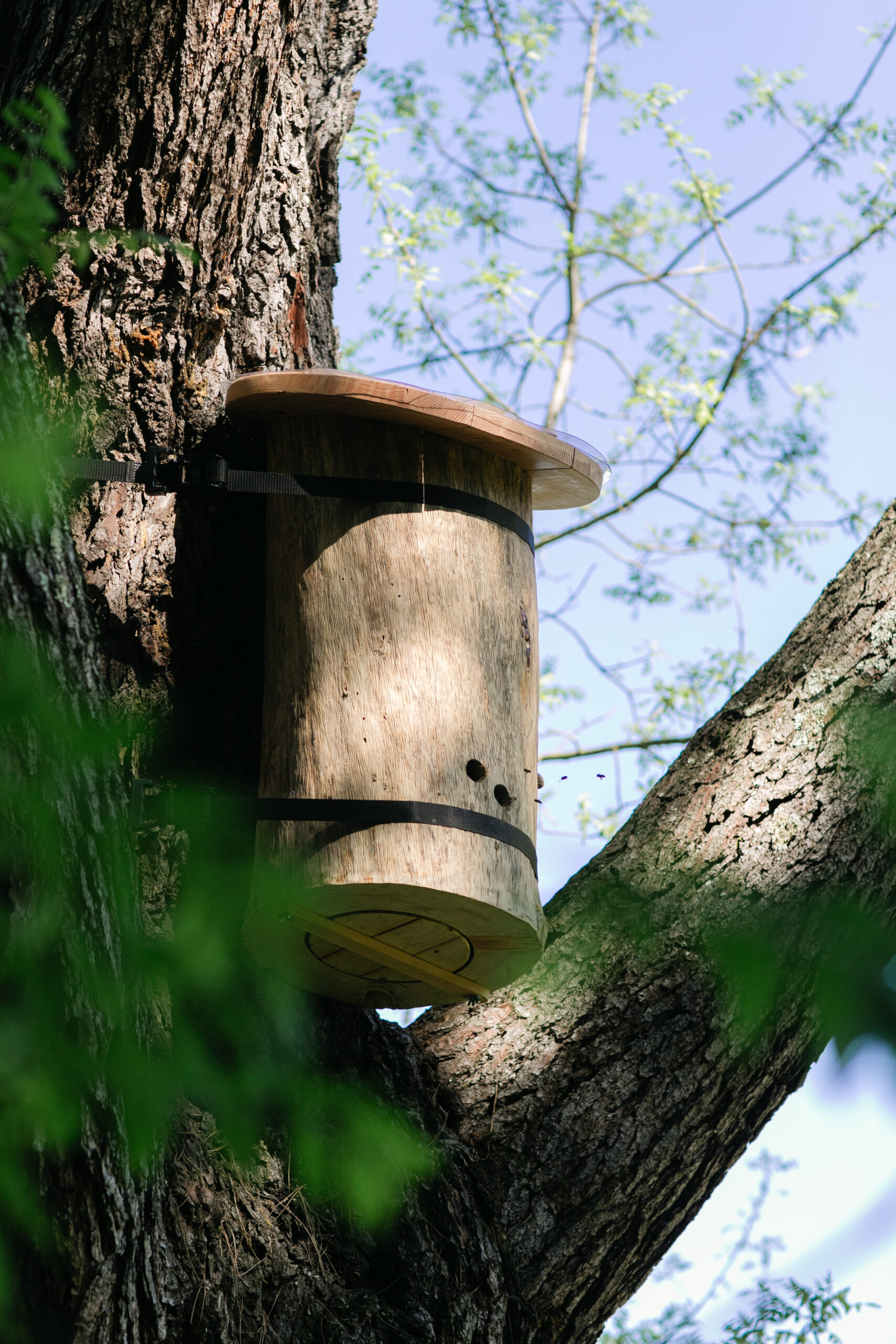
This time, there are no Langstroth box hives stacked on pallets beside the orchard. In a test of “biomimicry,” once the log is firmly strapped to the cedar trunk 30 feet in the air, the only thing left to do is wait for a new colony of bees to find it. Of the roughly 200 nests Thiele has installed across Northern California, this one is special. It’s the first time Apis Arborea has collaborated with a public agency willing to fund a TreeNest to host feral honeybees. Several years ago, Thiele tried unsuccessfully to lobby the California Department of Fish and Wildlife. Unfortunately, he says, government officials “often look at bees as livestock that comes with an ecological impact.”
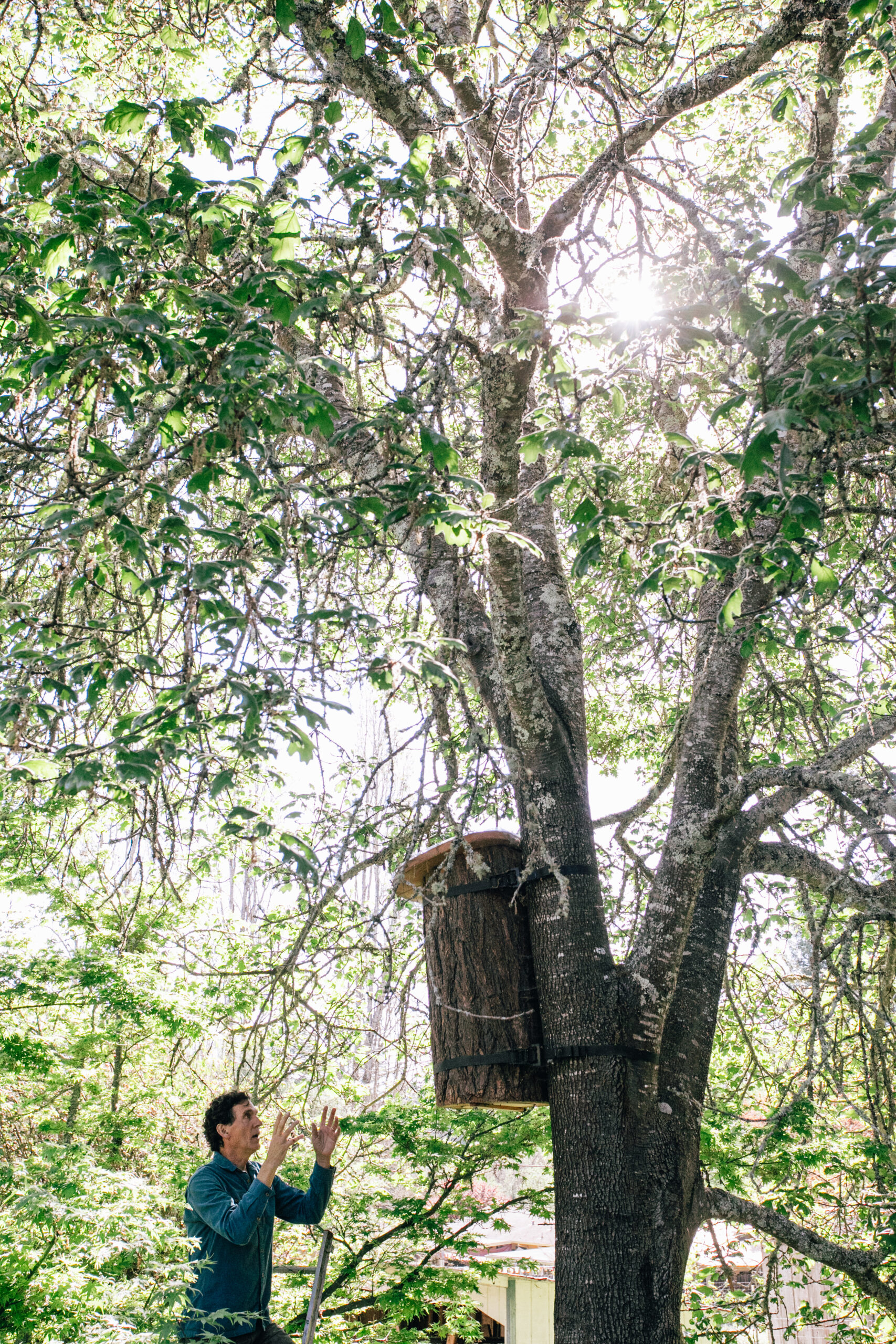
Gia Baiocchi, COO of Apis Arborea (in yellow pants), Laura Cheever (in back), and Noelle Johnson, deputy director of Gold Ridge Resource Conservation District (in purple shirt), heave a rope and pulley to hoist a TreeNest up in a tree. Apis Arborea founder Michael Thiele, right, looks on. (Eileen Roche)A TreeNest created by Sebastopol nonprofit Apis Arborea and installed on a tree to house feral honeybees. (Eileen Roche)
But, two days after the installation, Johnson is having second thoughts. She follows up to say she’s worried what native bee advocates will think when they hear that Gold Ridge RCD is funding even the marginal installation of a $795 TreeNest. For the past 15 years, RCD has been planting hedgerows around farms throughout west county to encourage healthy habitats for fragile native bee populations. Installing a nest to attract honeybees will likely be seen as direct competition to native bees such as bumblebees, carpenter bees, mason bees, and leafcutter bees, she says. Johnson wants to stress that the nest is only being used in an agricultural setting, employed as an alternative to large-scale commercial beehives that can spread viruses and are more likely to crowd out native bee foraging.
“One reason Michael is controversial is because he’s also putting those TreeNests in the wildland areas,” she says, citing a nest he installed in the Grove of the Old Trees west of Occidental.
She points out that honeybees are an introduced species and are not native to North America. As a result, biologists don’t use the term “wild” to describe non-native animals. Instead, they use “feral” to refer to free-roaming, non-native honeybees that live in tree nests rather than captivity in box hives.
“They’re native to where he’s from,” Johnson says. “So back home in Germany, people are talking about ‘rewilding’ bees. They’re part of the ecosystem there—that makes sense for Europe, but not North America.”
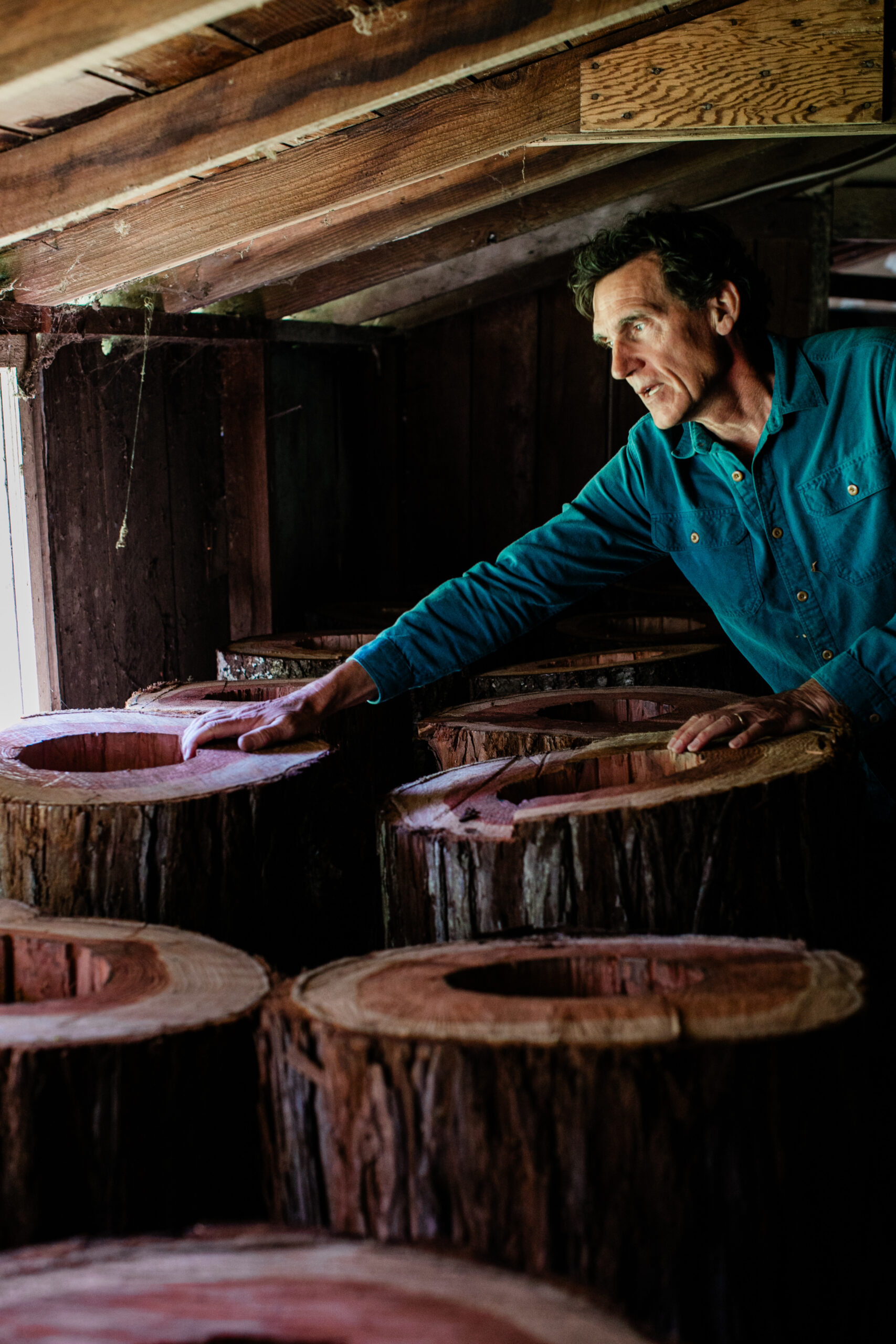
Michael Thiele in a barn filled with logs that will eventually become home to “feral” honeybees at the Apis Arborea headquarters in Sebastopol. TreeNests are built there before being installed in trees. (Eileen Roche)
Although he’s somewhat surprised to hear that RCD is having reservations, it’s nothing new to Thiele, who has been fighting the native vs. non-native battle for years. When he met with Johnson and RCD last October, he says he felt like they understood the difference. “They said, ‘Oh yeah, you are actually serving native pollinator communities through your programming.’”
For now, he’s looking forward to seeing what happens next at the orchard. “There’s so much more to come,” he says.
It’s a debate many centuries in the making when you consider the European honeybee (Apis mellifera)—somewhat of a misnomer since it originated, not in Europe, but likely in Africa, the Middle East, and Asia—was brought to America by English settlers in 1622 before making its way to California in 1853. Pointing out that the Gravenstein apples in Cheever’s orchard are also non-native, Thiele sees the debate between native and non-native as outdated.
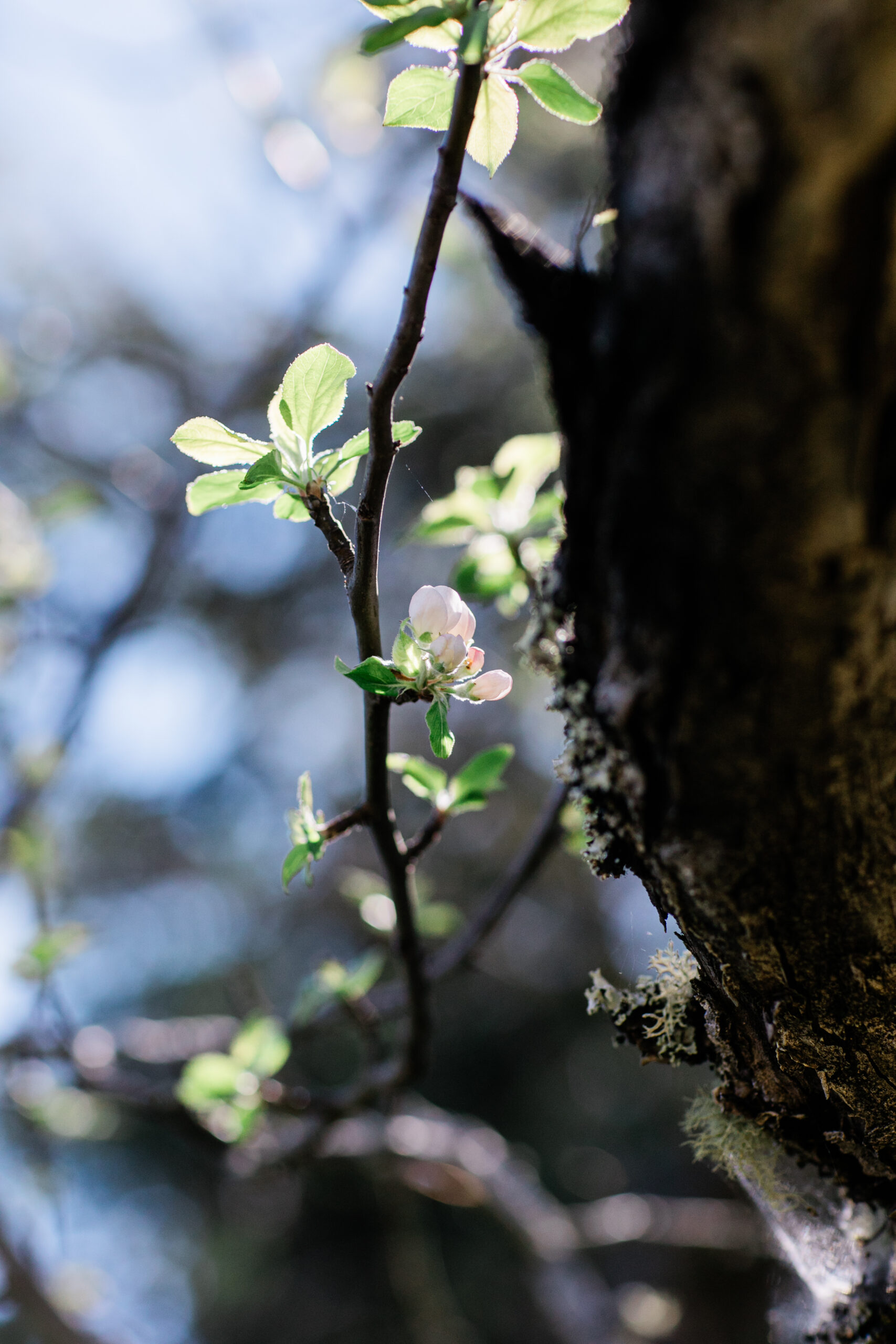
Apple blossoms in an apple orchard between Sebastopol and Occidental, where a TreeNest from Apis Arborea has been installed. (Eileen Roche)
“The whole world has become a migrant,” he says in a rhythmic German accent that occasionally channels the enthusiasm of documentary filmmaker Werner Herzog. “It’s not only people. All species are migrating.”
Thiele could be talking about himself. A native of Germany, he grew up in a small town about two hours north of Frankfurt, on a farm where “we fixed all of our own things.” Some of his heroes are German bee expert Jurgen Tautz and British author Isabella Tree, who wrote a book about rewilding her farm.
Thiele is quick to cite numerous studies of honeybees, including work by renowned University of Georgia professor Keith Delaplane, who argues that supporting a wide diversity of bee species—including both commercially managed honeybees and free-roaming, feral honeybees—“is critical for the future of agriculture,” he says.
From 2023-2024, more than 55% of managed honeybee colonies died, according to the U.S. Beekeeping Survey. Another study in 2025, by Project Apis m., found that commercial operations (those with more than 500 colonies) lost 62% of their hives, whereas in the wild, Thiele has documented honeybee survival rates soaring above 80%.
Apis Arborea founder Michael Thiele discusses the TreeNest installed in a tree to house feral honeybees. (Eileen Roche)
His mission at Apis Arborea is to support and boost the survival of wild honeybees, while collecting data, encouraging scientific study, and educating the public and other beekeepers about the benefits of “wilding.” In an age where honeybee survival numbers have plummeted, many beekeepers point to varroa mites and a host of viruses as the major culprits. Instead, Thiele sees pesticides, over-crowding, lack of foraging habitat, boxed beehive management, and breeding as the major factors.
To some in the commercial beekeeping world, Thiele is almost a pariah, though some large-scale beekeepers are willing to engage with him, like Tauzer Apiaries owner Trevor Tauzer, whose family has been keeping bees in Northern California for more than 50 years. “He and I do not always see eye to eye,” Tauzer says, but admits they have found some common ground. “We align as we are committed to giving disparate voices space to be heard.”
To others, he’s celebrated as the local guru of wild honeybees. “He’s thought of as like the god of natural beekeeping,” says Healdsburg organic beekeeper Candice Koseba, owner of Sonoma County Bee Company. She’s using the term “beekeeping” loosely. Thiele might bristle at the description, since he’s not interested in “keeping bees” or harvesting honey.
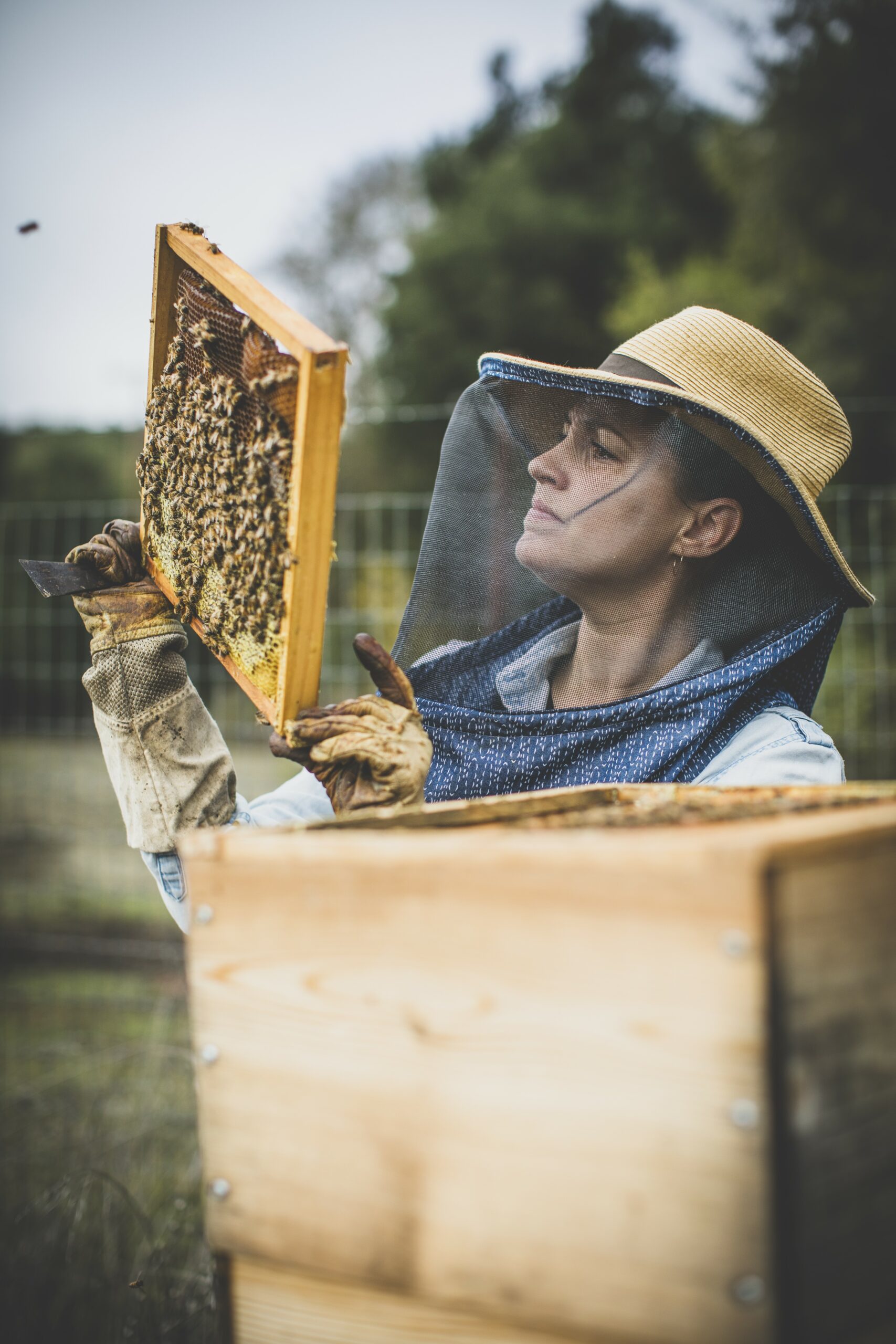
Candice Koseba, Sonoma County Bee Company owner, checks on the hives. (Bryan Meltz)
Like Koseba, Bee Focused beekeeper Joy Wesley was immediately hooked when she heard Thiele talk at an industry event nearly a decade ago. “He spoke on honeybees in a way that I hadn’t heard before,” she remembers. “He was more honeybee-centric, like from the point of view of the honeybee as opposed to the point of view of the human.”
Boonville farmer Chris Tebbutt likens him to a bee whisperer. “He’s got a really unique, incredibly sensitive approach.” Tebbutt hired Thiele to install a handful of TreeNests at his 50-acre Filigreen Farm, where honeybees are crucial for pollinating apples, pears, peaches, plums, blueberries, and olives. “The way he handles bees and how he imagines conditions in the hive, it’s not a product. Bees are not just some commodity for him.”
But to truly appreciate Thiele, you have to understand his zen approach to science. Inventing his own language, he calls honeybees “apians,” recasting the adjective “apian” (from Latin root word “apis” for bee) as a noun. He named his 5-year-old nonprofit “Apis Arborea,” meaning bees that live in trees. He calls his installations “TreeNests” instead of log hives because he feels the word “hive” is a man-made construct.
Standing outside his workshop one morning, Thiele scrolls through his cellphone, poring across five years of research compiled at Sonoma State University’s Galbreath Wildlands Preserve in Mendocino County, where Thiele and collaborators are studying more than 70 wild bee trees where honeybees have nested on their own without human intervention. Last year the survival rate was 83%.
Apis Arborea founder Michael Thiele works on a TreeNest at his workshop. (Eileen Roche)
Monthly monitoring data on his phone includes temperature, weather conditions, moon phases, and a detailed count of bees, both leaving and returning. His approach isn’t merely data-driven, but also philosophical, using poetic language to describe their nests (“Light angel, dancing oak”) and pondering the “apians’” state of consciousness.
In the spirit of San Francisco Zen master Shunryu Suzuki Roshi, whose face is on a poster hanging in his workshop, Thiele often invokes the unity and interconnectedness of bees to all life around them. A colony of bees, he points out, will act as an individual, functioning as what is referred to in biology as a superorganism, like a coral reef or termites.
“Here we have 20,000 individuals on one hand, but they are not individuals because they need everybody to exist,” he says.
It’s all part of a spiritual quest that goes back to his time at Green Gulch Farm Zen Center in Marin. After his first wife died of cancer, Thiele moved to the United States and lived for eight years at Green Gulch, where he met his new wife. After they left the community with two kids in tow, Thiele got a job at a water treatment plant to pay the bills. But beekeeping was his passion. He named his first company Gaia Bees. Soon after, he co-founded the honeybee sanctuary Melissa Garden, where he had a log-hive epiphany. After honeybees settled into the log, he took a peek inside the log for the first time. “What I saw was completely outside of my reference frames,” he remembers. “It was like, ‘What is this? What’s happening here?’”
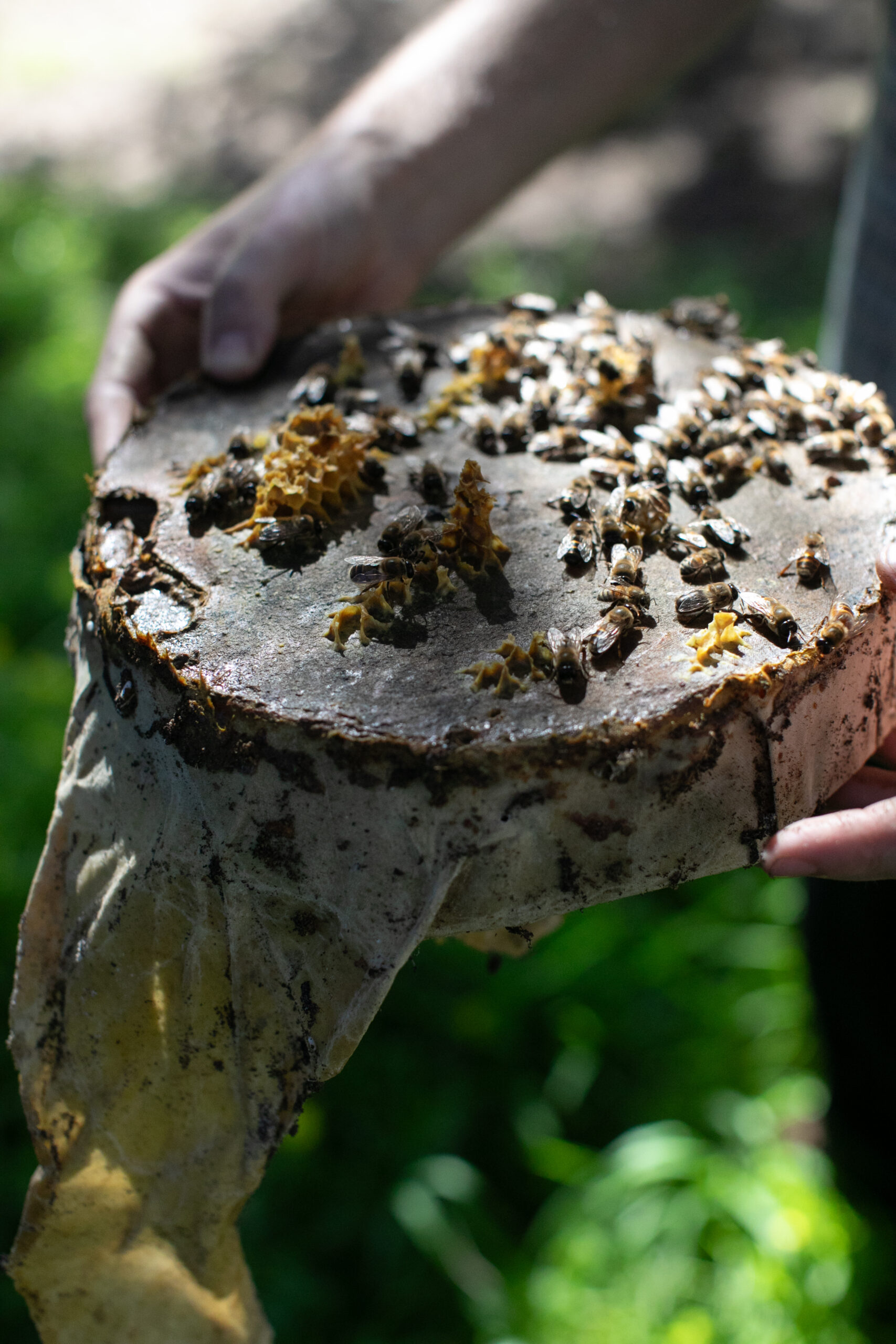
A hive inside of a TreeNest, created and installed by Sebastopol nonprofit Apis Arborea. (Eileen Roche)
What he observed was a conical shape forming from the ceiling of the nest, as the bees populated in layers creating “a sheath of living bees that almost looked like a skin.”
At that point, he says, “I realized beekeeping is such a contrived practice and paradigm. I felt it with my whole body, with my whole being, and I knew that I had to shift and start learning about the species and how they live in the wild.”
Another watershed moment occurred at Green Gulch Farm, where Thiele began experimenting with log hives in 2014. For the first four years, the annual survival rate was around 20%. When it plummeted to total losses in the fifth and sixth years, “I sat there in the winter fields, with blossoming brassica all around me, literally crying,” he remembers.
But in the seventh year, the log-hive populations began to rebound, he says. Now, 12 years later, the health of the feral honeybees is thriving, with an 87% survival rate last year, he says.
Bees inside a TreeNest created by Sebastopol’s Apis Arborea. (Eileen Roche)
One of the biggest threats to local honeybees he sees is the unregulated seasonal influx of large-scale commercial beekeepers who rotate thousands of hives in and out of Sonoma County throughout the year. The issue came to a head three years ago when Tauzer contracted with the county to park his hives at a county disposal site across the street from Koseba’s bees in Healdsburg. Alarmed by the proximity, Koseba raised the issue at a Healdsburg City Council meeting, where Thiele spoke in her support. Eventually, Tauzer’s contract was canceled. It led Thiele and Bee Focused owner Wesley to form the Pollinator Advocacy Alliance, with the goal of negotiating apiary size limits in Sonoma County. Along with Koseba and other small organic beekeepers, they are including Tauzer in a working group to draft language for a proposed county ordinance.
Thiele is also working on a new model for local beekeepers who are willing to agree to a handful of rules: no treatment or pesticides, embracing swarming as propagation, not moving beehives farther than a half-mile, and not purchasing bees from anywhere to put in your apiary.
It’s called “LocApiary,” as a play on locavore, and the goal is to create what Thiele describes as “a watershed-wide apiary.” He’s putting it forth almost as a challenge. “We want to get beekeepers involved, to see who is brave enough or feels called to take that next step.”
Apis Arborea founder Michael Thiele uses a method called “beelining” to observe and track bees as they scout for a new location for their hive. (Eileen Roche)
Back at Laura’s Apples, the 6-acre orchard west of Sebastopol, it only takes four days for a new colony of bees to discover the new TreeNest. Cheever sends a video of hundreds of bees buzzing around the opening, with a note that reads, “I’m just so excited. Bees are moving in already!”
Thiele is happy, but hardly surprised. In his experience, the record time for bees to inhabit a new TreeNest is two hours. It’s a migration he has witnessed again and again, giving him hope for the future of wilding.
A few days before, while standing below a 20-foot-high nest he installed on a neighbor’s property, he watches several bees buzz around two half-dollar-size entrance holes.
“Did someone move in?” he wonders, watching scouts come and go. “It could be imminent today. It could be that there’s a swarm sitting somewhere, and when it’s warmer, they’ll move in in two hours.”
Apis Arborea founder Michael Thiele assesses the TreeNest installed in a tree to house feral honeybees. (Eileen Roche)
He explains how a roaming scout likely found the new location first and returned to the old hive to communicate through dance, saying, “I found something really cool that could work for us.” After other scouts zero in on it, soon around 50 scouts are coming and going, dancing about this new location. While maybe only five scouts are dancing about another location. Eventually, they decide to move.
“It’s not about vanity,” he says, anthropomorphizing the lives of bees. “Like saying, ‘I’m the most successful experienced scout, and we should go to what I found.’ Because it’s a life and death decision. If you’re driven by pride and vanity and ego, that could be devastating.
“We humans do that, too,” he says, laughing.
After a brief moment of self-reflection, he’s consumed again by wayward “apians”; his eyes dart across the sky, hoping a few buzzing scouts might lead him to their old home. He has perfected a field practice called “beelining,” where he lures honeybees with a sweet liquid and then, using a soft-bristled brush, paints different watercolors on the abdomens or thorax of several bees to track them. After timing their departing and returning flights, he can ultimately follow them to their hive. It’s a technique that’s helped Thiele find 77 bee trees over the course of six years at Galbreath Preserve, an exercise in patience to be sure.
It’s a testament to the old saying, “It’s the journey, not the destination,” or as Thiele learned in his Zen studies: “It’s the path and not the destiny.”
TreeNests are prepared with beeswax and a resinous substance called propolis to attract honeybees before being installed. (Eileen Roche)Apis Arborea founder Michael Thiele and conservation specialist Conner McElroy prepare to install a TreeNest to house feral honeybees. (Eileen Roche)
Coming out in late May, The Wild Honeybee Atlas is a community-based, open-data platform similar to an app that can be used to find and monitor honeybee populations in your area. Once it’s available, users can sign up and become custodians on the website (apisarborea.org).
Also on the website, check out the podcast Arboreal Apiculture Salon, featuring scholars, scientists, and activists from around the world, engaged in long-form interviews and discussions about honeybees.
Upcoming events
May 9: “Spring Field Trip to the Wild Honeybee Populations of the Galbreath Wildlands Preserve,” 9:30 a.m. to 4 p.m. in Yorkville. $10.
May 22 & Aug. 8: “Honeybee (Re-)Wilding Walk with Apis Arborea,” 10:30 a.m. to noon at Sonoma Botanical Garden, 12841 Sonoma Highway, Glen Ellen. $10-$20, available at sonomabg.org.
May 29: “Learning from Wild Honeybees” A first-ever overnight immersion invites a small group into the living interior of Galbreath Wildland Preserve. 3 p.m., May 29 – 2 p.m., May 31. $300.
June 17: “TreeNest Tutorial: Designing and Building Arboreal Nest Habitats,” 5:30-7 p.m. $20-$35.