In conjunction with a first-ever visit to the annual Sonoma County air show by a Mexican dignitary, airport officials announced a near-term goal for direct flights between Sonoma County and Mexico.
“I think our prospects for service to Mexico from Sonoma County are strong, especially in light of the new aviation agreement between the two countries,” said Airport Manager Jon Stout.
The new agreement opens up new routes between the U.S. and Mexico, permits an unlimited number of passenger and cargo flights, and frees up airlines of either country to enter into cooperative agreements. The most likely markets to Mexico, Stout said, would be Guadalajara and Mexico City.
The Wings Over Wine County Airshow 2015 at the Charles M. Schulz Sonoma County Airport. (Photo by John Burgess)
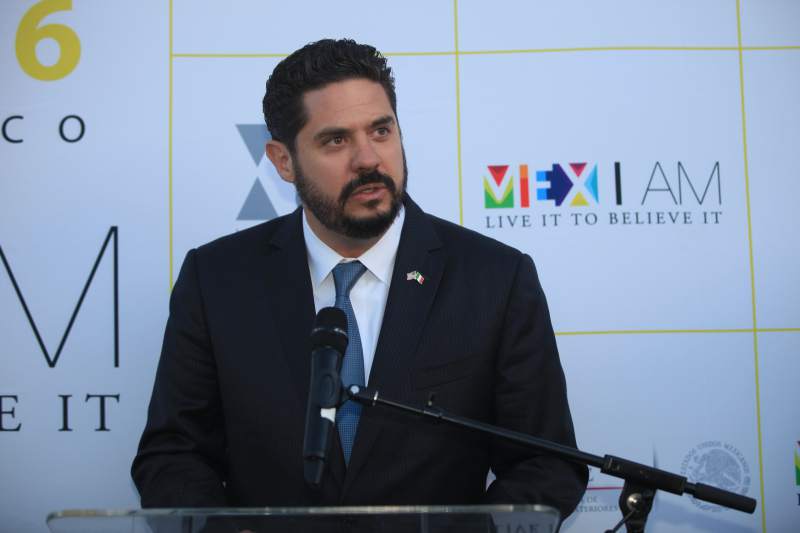
In other news, Gemi José González López, Mexican Consul General of San Francisco, will address the 18th annual Wings Over Wine Country Air Show on Saturday, Sept. 24. The show runs Sept. 24–25.
It will be the first visit by a Mexican dignitary to the event, and the first time a speaker will address the audience in Spanish and English.
Stout regards the visit by the consul general to the airport as an important moment.
“As this is international service, both governments need to approve new markets proposed by airlines,” he said. “So, the more contacts we can cultivate, the more we can advance the potential for service.”
Early on Saturday, the first day of the air show, the consul will be greeted as a visiting dignitary by Fourth District Supervisor James Gore, state Sen. Mike McGuire and Stout. Shortly thereafter, González López and Gore will be flown by helicopter into the airshow opening ceremony by chief pilot Dan King with Helico Sonoma. Gore and McGuire will formally welcome the consul, his wife and three children, who will also be attending the event.
Gemi José González López, Mexico’s consul general in San Francisco (Mexico Consulate General San Francisco, July 18, 2016)
County officials see González López’s visit as an endorsement of the air show to the Latino community and a boost for aviation in Sonoma County.
“Any time the Mexican Consulate is involved in an event, everyone wants to attend because the consulate has a track record of always either putting on great events or being part of great events,” said Marcos Suarez, program manager for the Sonoma County Economic Development Board.
“I believe the Mexican government plays an important role via the consulate by providing a trusted entity for Mexican nationals in our community. They provide assistance in terms of legal right protections, assistance for post-secondary education in the form of scholarship funds. With regard to creating an alliance with the Mexican government, I believe that it would help increase the market share of Latinos that would visit Wine Country, not only in terms of Mexican nationals visiting from Mexico, but also Latinos living in this country that are U.S. citizens.”
Sonoma County’s Latino population grew nearly 50 percent 2000–2010, and by 2013 it was more than 26 percent of the total population of the county. Latinos make up 33 percent of the labor force, including 85 percent of service industry workers. There are also 5,024 Latino-owned businesses in Sonoma County.
“Aggregate household income for the county’s Latinos is $2 billion, accounting for an estimated $307 million in disposable income or purchasing power,” Suarez said.
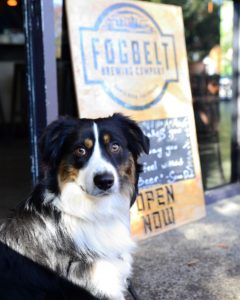
Dogs are welcome at the Fogbelt patio in Santa Rosa. Mosi gives two paws up! (Jess Poshepny Vallery)
Sonoma is a dog-loving county. From park trails to dog parks — even restaurant patios and tasting rooms — many local businesses welcome (well-behaved) pooches. A dog mom and craft beer lover, Jess Poshepny Vallery has scouted out local spots to enjoy a cold one with your best furry friend at your feet. Click through the gallery above for the details.
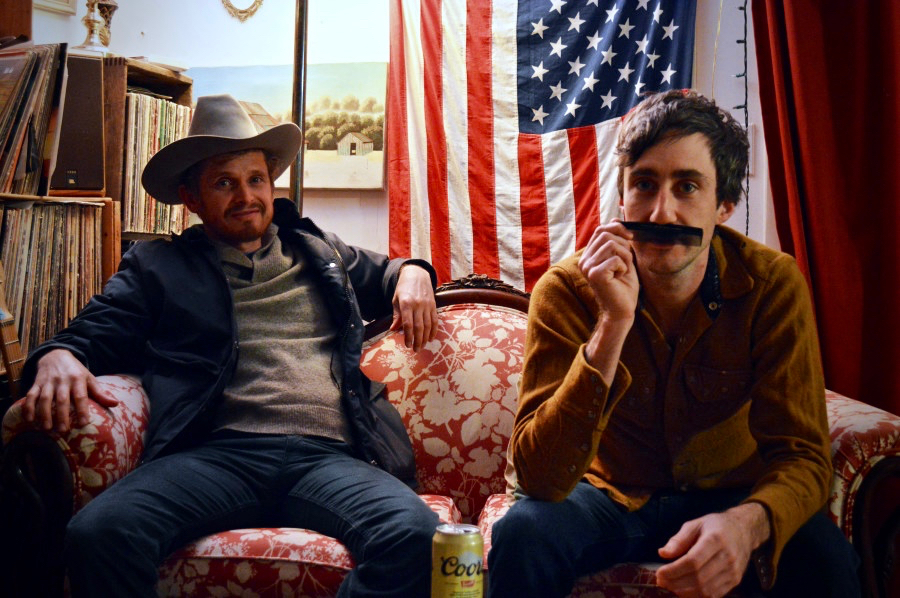
Sage Fifield (left) and Kevin Carducci (right) of The Easy Leaves. (Photo by Estefany Gonzalez)
Sage Fifield, left, and Kevin Carducci, right, of The Easy Leaves. (Photo by Estefany Gonzalez)
Americana duo The Easy Leaves has paired up with F.E.E.D Sonoma, Sonoma County Farm Trails, Strong Arm Farm, and The School Garden Network, to put on what promises to be a “Harvest Honkey Tonk” at HopMonk Tavern in Sebastopol, this Friday, September 16.
The Sonoma County band, consisting of guitar player Sage Fifield and upright-bass player Kevin Carducci, has spent the past nine months touring the country and playing festivals such as Portland’s Pickathon. The duo has previously played at a number of Bay Area festivals, including Napa’s BottleRock and San Francisco’s OutsideLands. Several of their music videos, including “Fool on a String,” have screened on CMT.
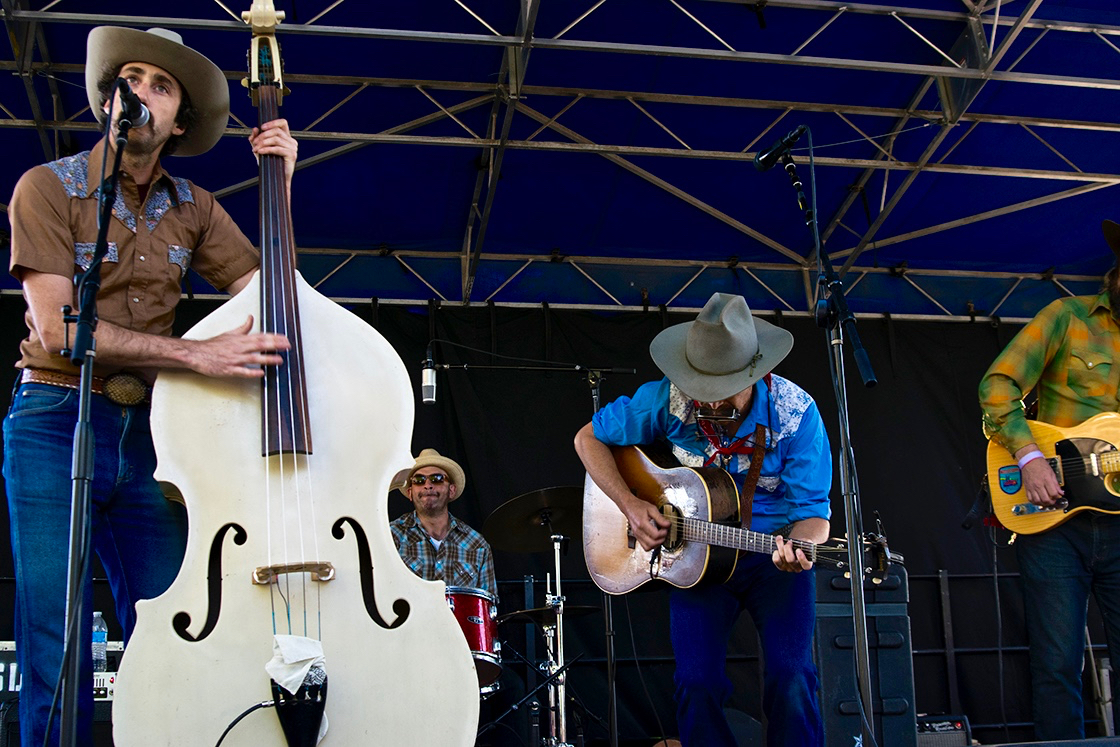
The Easy Leaves at the Railroad Square Music Festival. (Photo by Estefany Gonzalez)
This will be The Easy Leaves first hometown show since they released their latest album, “Fresno,” at the Railroad Square Music Festival in June.
“It’ll be nice to get back to a place filled with so many friendly familiar faces,” said Kevin Carducci. “The hometown vibe, you just can’t match it anywhere else. Sonoma County has a cool community of people that come together.”
The band is also looking forward to connecting with and supporting the local agricultural community.
“I think there’s a definite crossroads between the type of music that we’re into and the agricultural community. We wanted to help celebrate our own,” said Carducci. “Things are still pretty busy for a lot of farmers but we wanted to give people an excuse to cut loose and have a country-rager.”
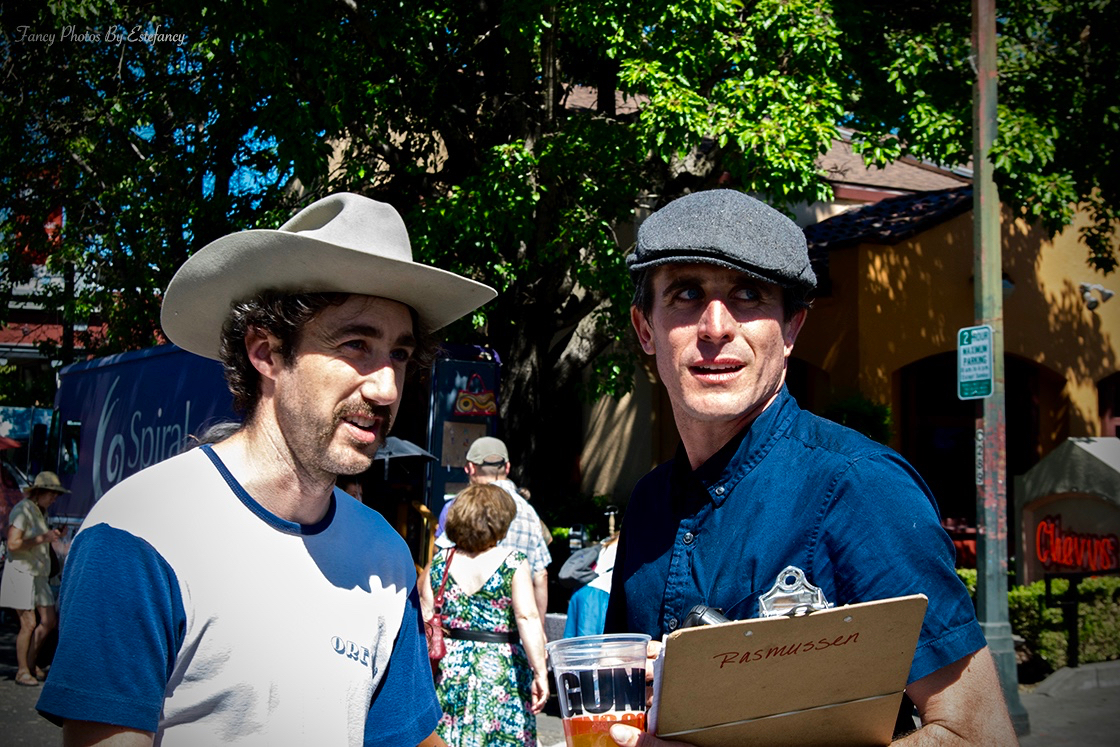
Kevin Carducci, left, and Railroad Square Music Festival organizer Josh Windmiller, right. (Photo by Estefany Gonzalez)
While the band’s official line-up consists only of Fifield and Carducci, it expands for large performances and the duo books additional musicians by location.
“We have our band back in the bay with our regular dudes who are Bay Area country all-stars,” said Carducci, “We miss them so we’re excited to get back together with them.”
North Bay band regulars include Dave Zirbel on pedal steel or electric guitar, Vicente Rodriguez on drums, and Kyle O’Brien on fiddle. Mississippi Mike will also be joining The Easy Leaves on guitar at HopMonk and will open the show with his self-titled solo project. Other opening acts include Marin County country singer-songwriter Victoria George.
Concert attendees can expect the band to play tracks from their latest album, old classics, and songs they may not have heard before.
“It feels like we’re constantly a record or two ahead with the songs that we put in the rotation,” Carducci said. “People in Sonoma County haven’t seen us in a while. If they come out they’ll definitely hear new tunes as well as the ones that go back to the beginning of the band.”
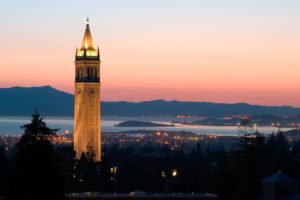
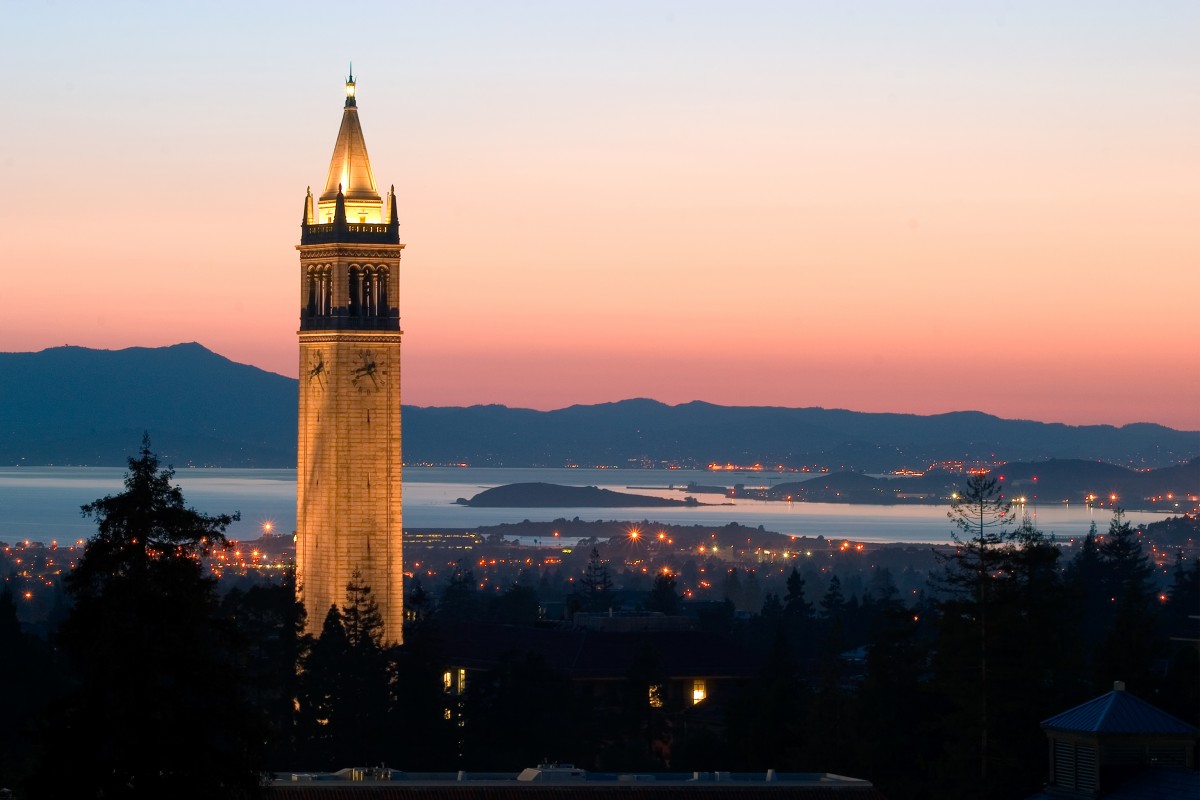
Berkeley University Sather Tower, California. (Rafael Ramirez Lee / Shutterstock)
The summer days are gone soon and, for many, so are the vacation days. Thankfully, when you live in Sonoma County, a mini-holiday is only an hour’s drive away. So ditch the Indian summer doldrums, put on your red revolutionary button, and take in a day of full strength Left Coast flavors — food, music, history and culture — in the colorful college community of Berkeley.
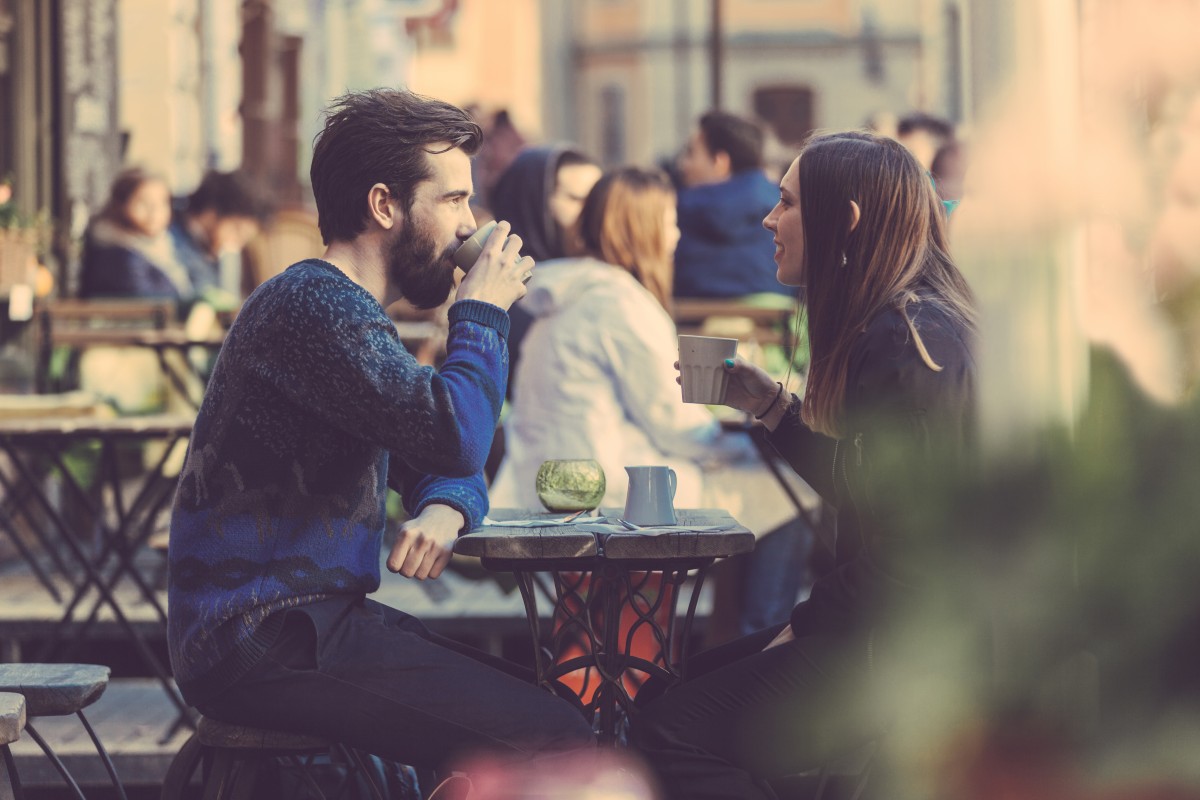
Revive your revolutionary spirit and relive your college days in Berkeley. (William Perugini / Shutterstock)
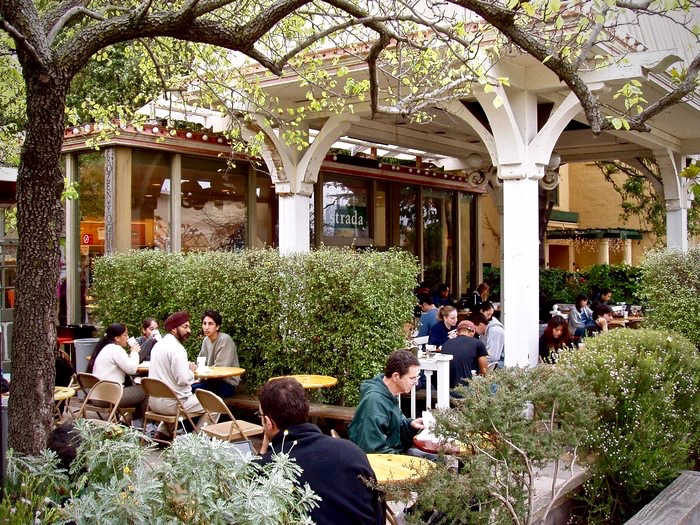
Begin your Berkeley day tripping down student memory lane at Caffé Strada. The cafe classroom of UC Berkeley, Strada has the ability to waft you back into those halcyon days of indolence inseparable from your memories of the good college life. White columns decorate an outdoor patio shaded by flowering pear trees. The cafe’s European ambiance, and the wallop of its organically sourced coffee, are sure to align your senses for an intellectual discussion to make de Beauvoir and Sartre proud.
Caffe Strada, the cafe classroom of UC Berkeley. (Photo courtesy of Yelp)
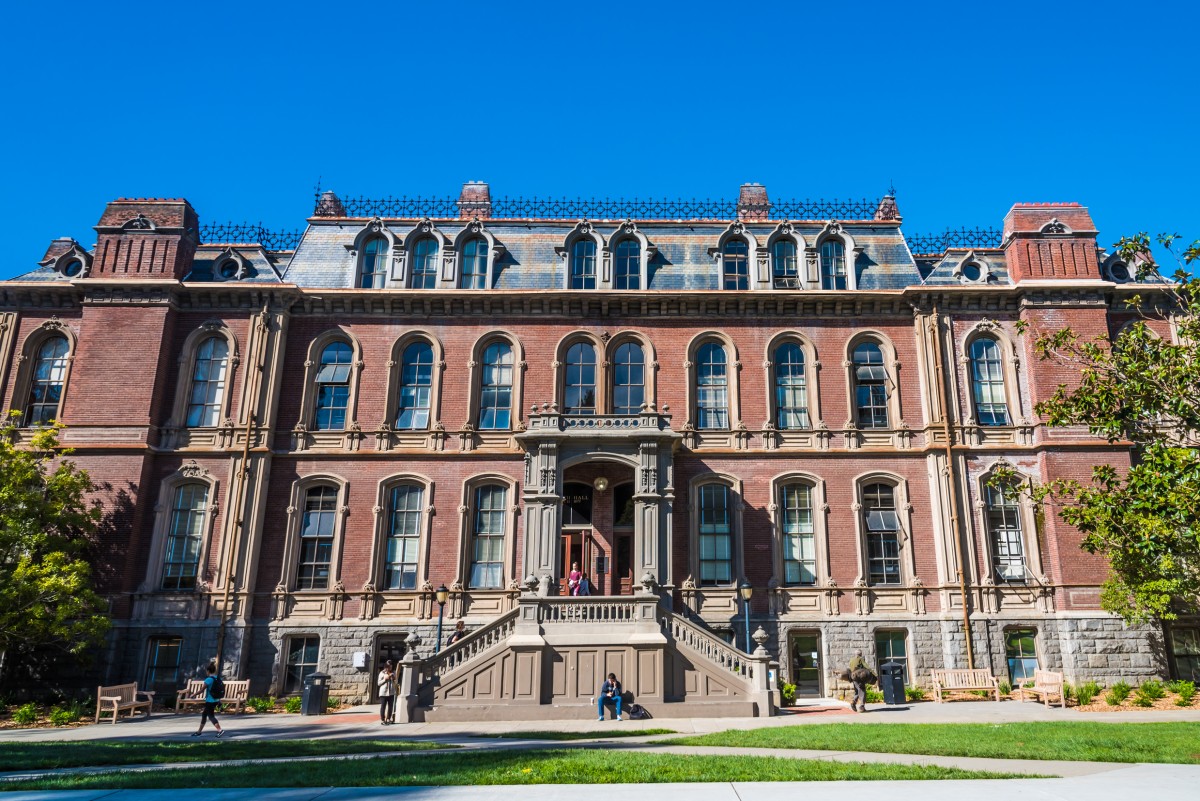
Continue in your college footsteps by exploring UC Berkeley’s campus. Adequately philosophized and caffeinated, a walk under the campus’s canopy of gnarly oaks, blue gum eucalyptus, and coastal redwoods will allow you to take in and appreciate the history of the campus: the beaux arts and moderne architecture, the Victorian-Second-Empire South Hall, the revolutionary countercultural past.
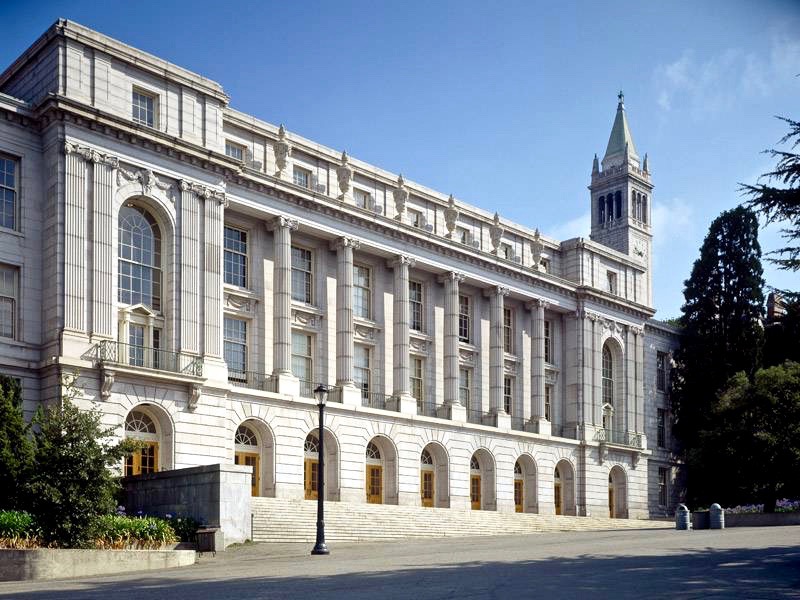
Built in 1873, South Hall is the only building remaining from the original campus of the University of California, Berkeley. (David A Litman / Shutterstock)Wheeler Hall, home to the English department and named after Benjamin Ide Wheeler, who served as UC president from 1899 to 1919. (Photo courtesy of University of California: Berkeley)
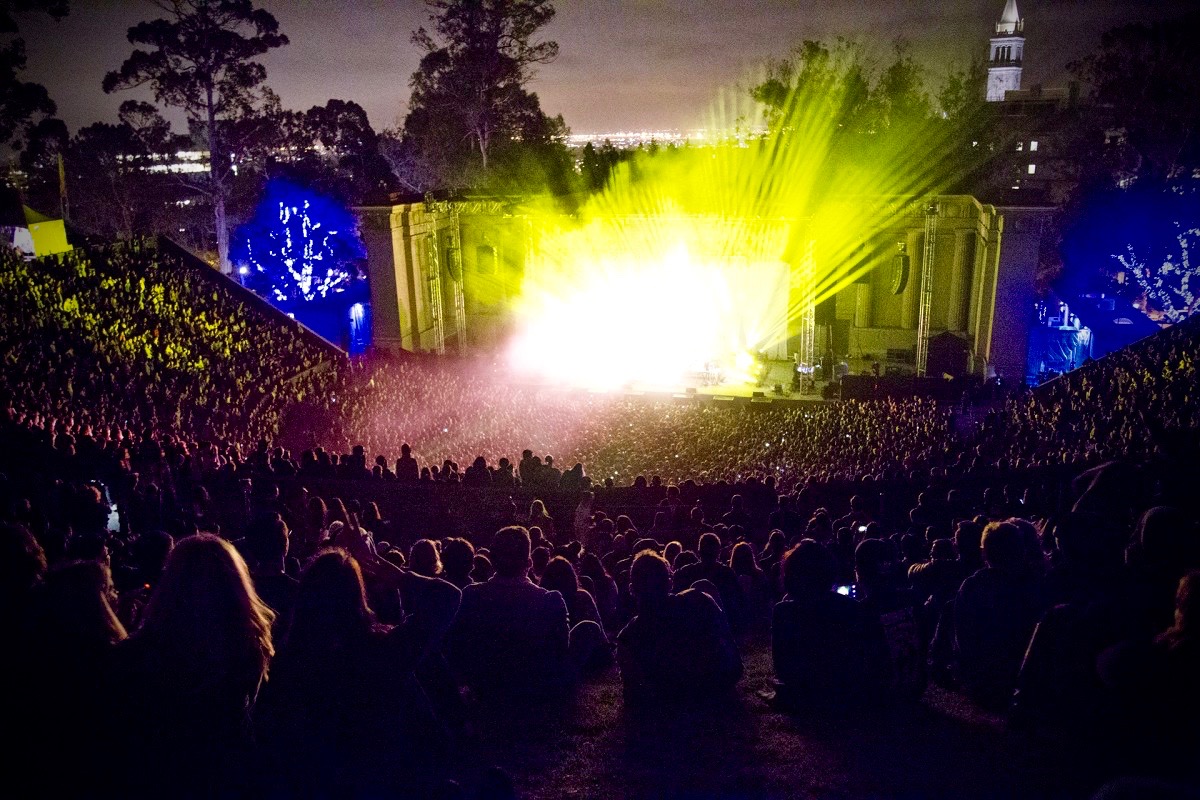
Dig the ancient-style Greek Theater — a must visit for music lovers, and history buffs.Financed by William Randolph Hearst, the 8,500-seat amphitheater was designed by John Galen Howard (founder of the Department of Architecture at the university). Howard based his architectural plan on the Greek theater of Epidaurus, renowned for its exceptional acoustics. While still under construction in 1903, the Greek Theater hosted a graduation ceremony with an address by President Theodore Roosevelt. Since that time, many notable names have taken the Greek Theatre stage: from Sarah Bernhardt to Bob Dylan, from the Talking Heads to the Grateful Dead, from Tom Petty & The Heartbreakers to Mumford & Sons, from Joan Baez to Adele.
The Greek Theater lit up by a light show at a recent Tame Impala concert. (Photo by Estefany Gonzalez)
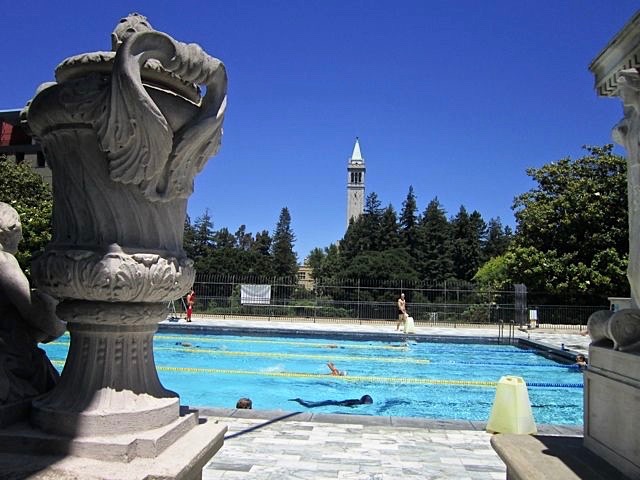
The Sather Tower, or The Campanile, at the UC Berkeley campus is the third tallest bell and clock tower in the world. (Rafael Ramirez Lee / Shutterstock)The rooftop pool at the Hearst Gymnasium at UC Berkeley was designed by Julia Morgan, who also designed the extravagant pool at Hearst Castle. (Photo courtesy of Pinterest)
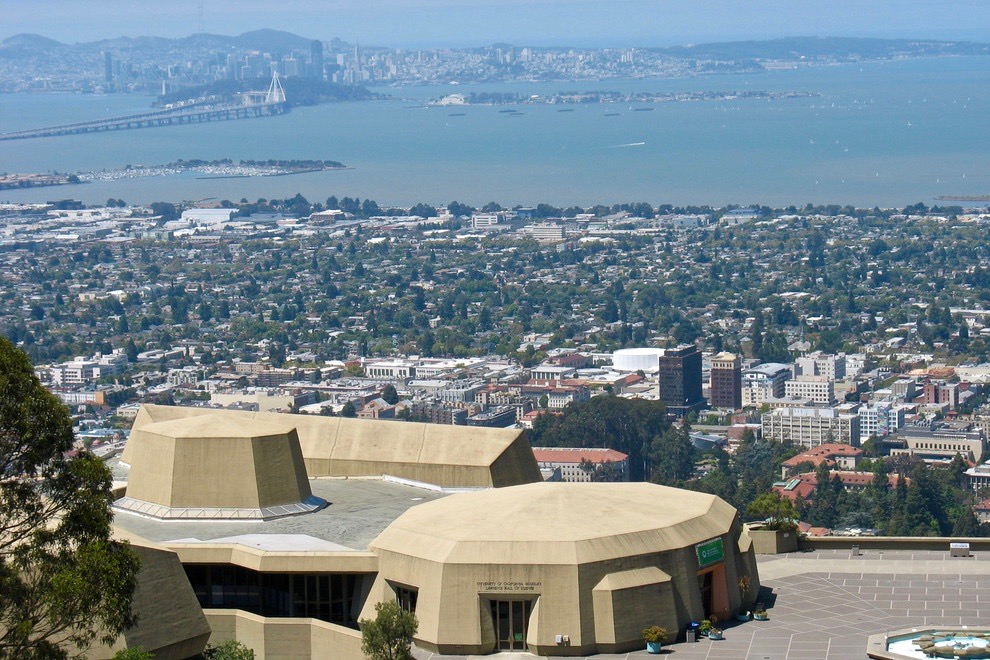
View from Lawrence Hall of Science at UC Berkeley. (Photo courtesy of johpan)
Include a visit to UC Botanical Garden, further down the road from Lawrence Hall of Science. Established in 1890, the 34 acre garden is host to over 13,000 varieties of plants from around the world, cultivated and organized by geographical region into naturalistic landscapes. The garden also has a number of greenhouses, including the Arid House of cacti and succulents, the Fern and Carnivorous Plants House and the Tropical House — home to the giant corpse lily Amorphophallus.
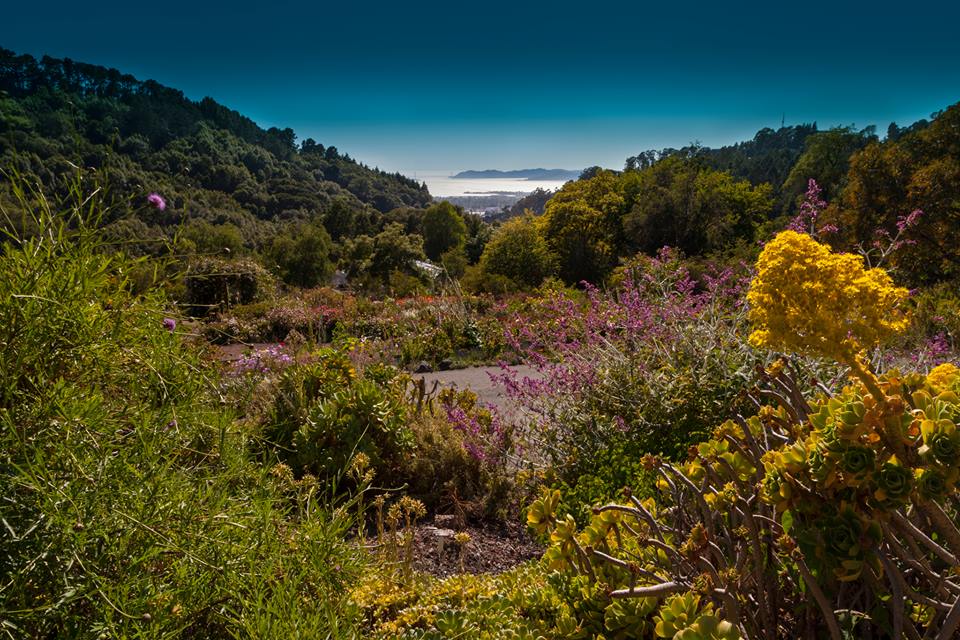
On a clear day, you can see the Golden Gate Bridge from the Garden of Old Roses at UC Botanical Garden. (Photo courtesy of University of California Botanical Garden at Berkeley)
Lunch proletarian style atThe Cheese Board Collective. Worker-owned since 1971, this Shattuck Avenue cooperative remains as passionate about ethics and community as it is about good food. The Collective’s Cheese Store and Bakery features a selection of 400 cheeses, an espresso bar and freshly baked breads and pastries. Two doors south on Shattuck Avenue is The Cheese Board Pizzeria, where you can enjoy a slice or a pie, made from Cheese Board cheeses and dough, while listening to live music.
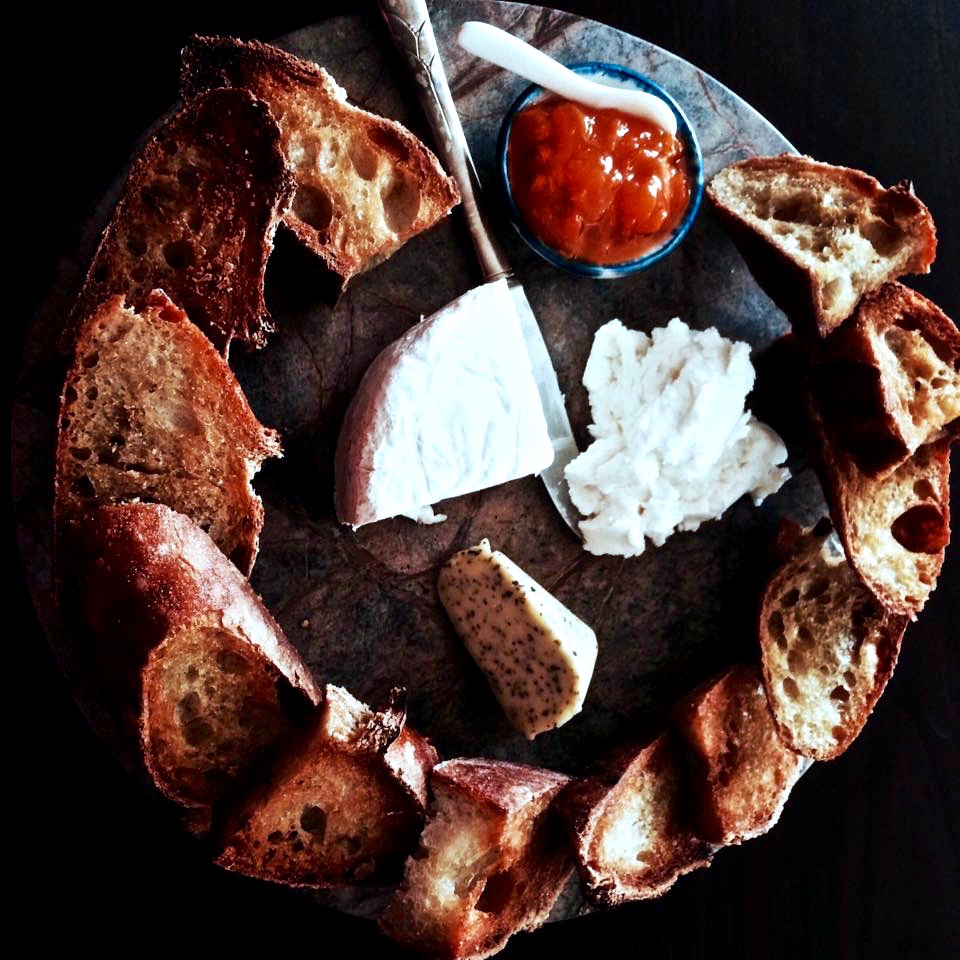
Cheese plate of the week at The Cheese Board Collective in Berkeley: Luscious Kunik, fresh and flowery Laychee, butter with seaweed, Apache apricot jam and toasted sourdough baguette. (Photo courtesy of The Cheese Board Collective)
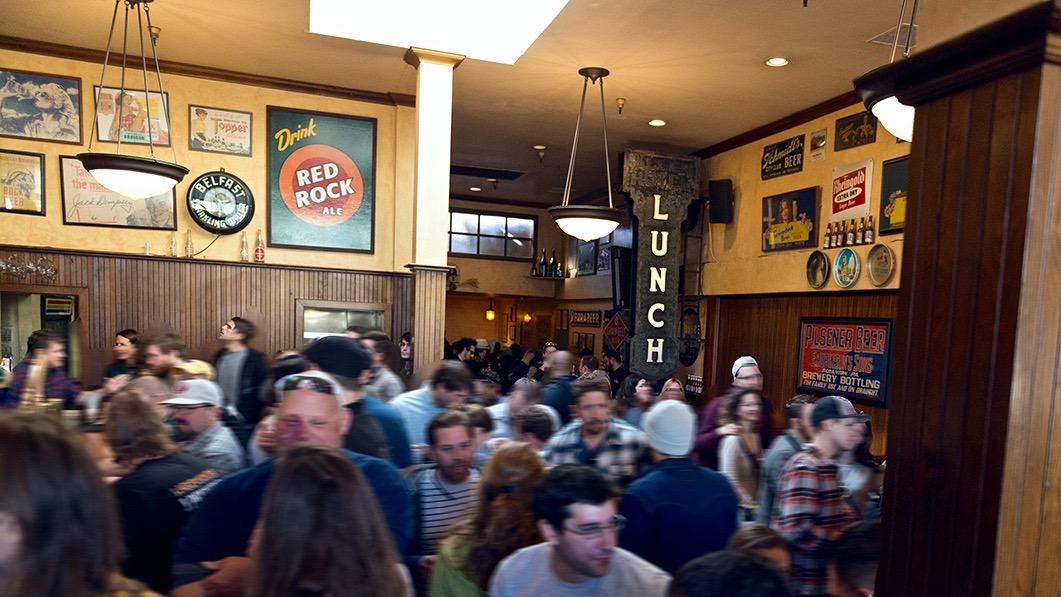
Sip some Berkeley beer at Triple Rock Brewery & Ale House in the Gourmet Ghetto. On Thursdays, you’ll find a line of students, professors and locals circling the block around Triple Rock. Those in the extensive queue eagerly await a sip of the brewery’s malty, whiskey-colored Monkey Head arboreal ale – served exclusively on this one day of the week. Triple Rock, already an institution in Berkeley, is currently expanding its dining, kitchen and beer production space. Favorite brews the Pinnacle and Red Rock Ales, along with Monkey Head, pair perfectly with mouth watering burgers – and, with the expansion, more food and beer items are expected to pop up on the menu.
Triple Rock Brewery & Alehouse on Shattuck Avenue serves up popular ales. (Photo courtesy of Triple Rock Brewery & Alehouse)
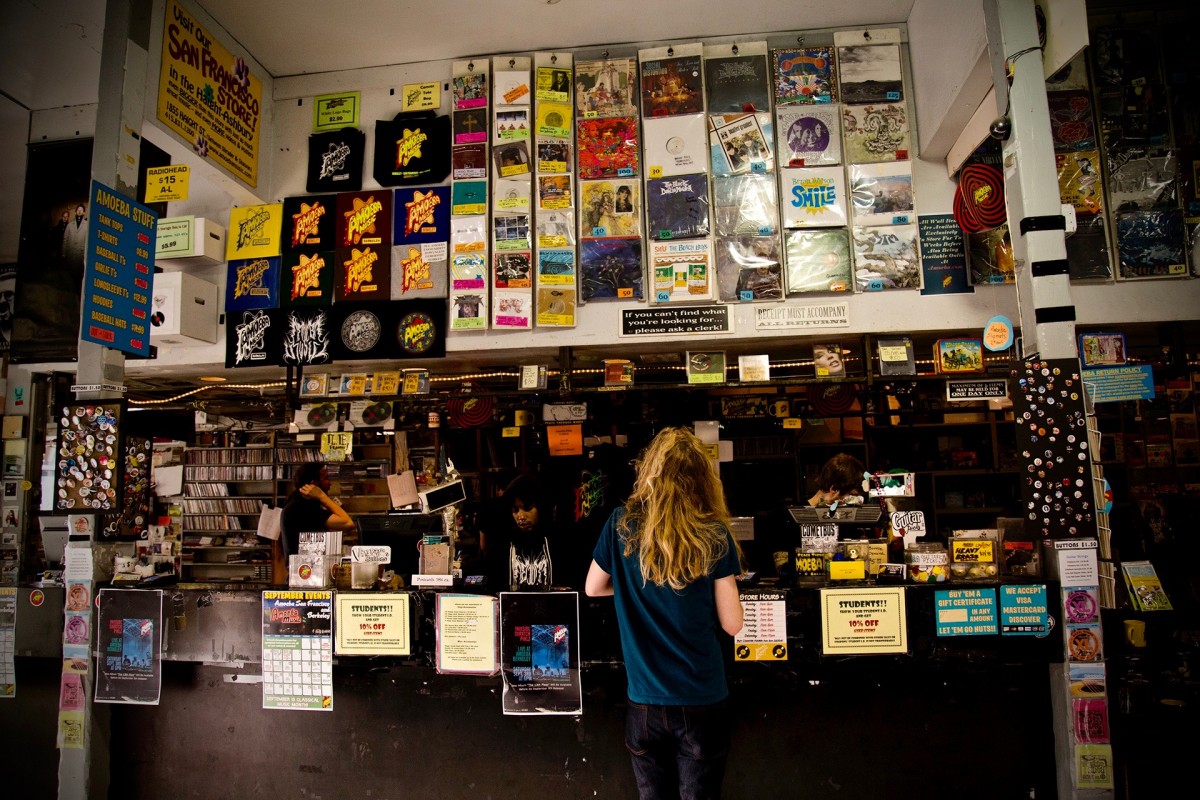
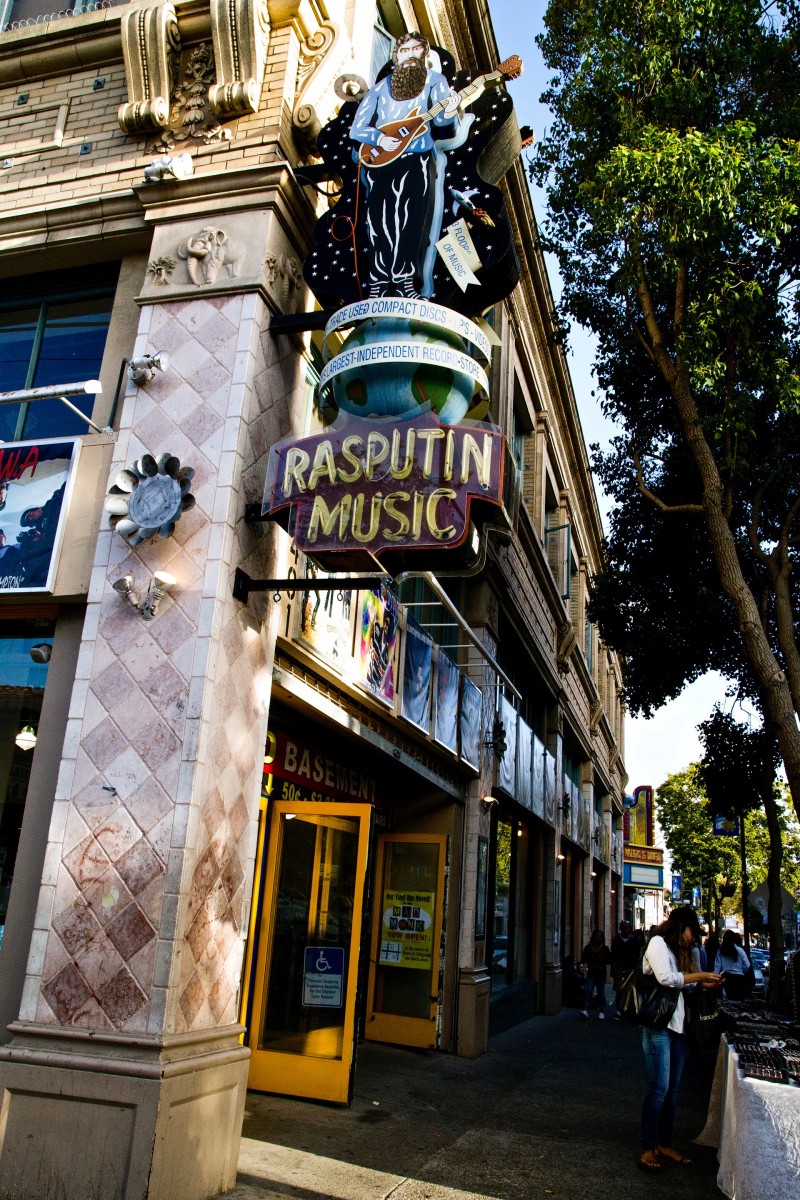
Browse vinyl and books on Telegraph Avenue.Telegraph Avenue is a mecca for music aficionados and bookworms alike: within just a few blocks you’ll find one of the largest and most diverse selection of books and music in the country. From endless rows of CDs, records and tapes at Amoeba and Rasputin, to stacks of secondhand books at Moe’s Books (University Press Books, Revolution Books and Mrs Dalloway’sare nearby), there’s evidence here that the little folks are still going strong, despite Amazon et al. You’ll feel “the beat” when you walk this street.
Independent record stores Amoeba Music (above) and Rasputin (below) on Telegraph Avenue offer a large and diverse selection of music. (Photo by Estefany Gonzalez)
Celebrate California cuisine with a locally sourced dinner. Berkeley is the cradle of California cuisine: it is here that Berkeley alum and food activist Alice Waters opened farm-to-table first Chez Panisse in 1971. The neighborhood bistro, named after a Marcel Pagnol film character, contributed to a significant shift in American cuisine by championing ingredient-focused, locally-sourced and sustainably-grown food akin to the French countryside cooking-style Waters had enjoyed during her sojourns in France. Now, Chez Panisse is host to gourmet pilgrims from around the world — and getting a reservation can be tough. (The restaurant and cafe accepts reservations up to one month in advance). Devout foodies can try a late-night walk-in at Chez Panisse Cafe, which is usually the best shot to get a table on short notice, or visit one of the many top-notch farm-fresh Berkeley fixtures that have followed in Chez Panisse footsteps — including Gather on Oxford Street and Lalime’s on Gilman Street.
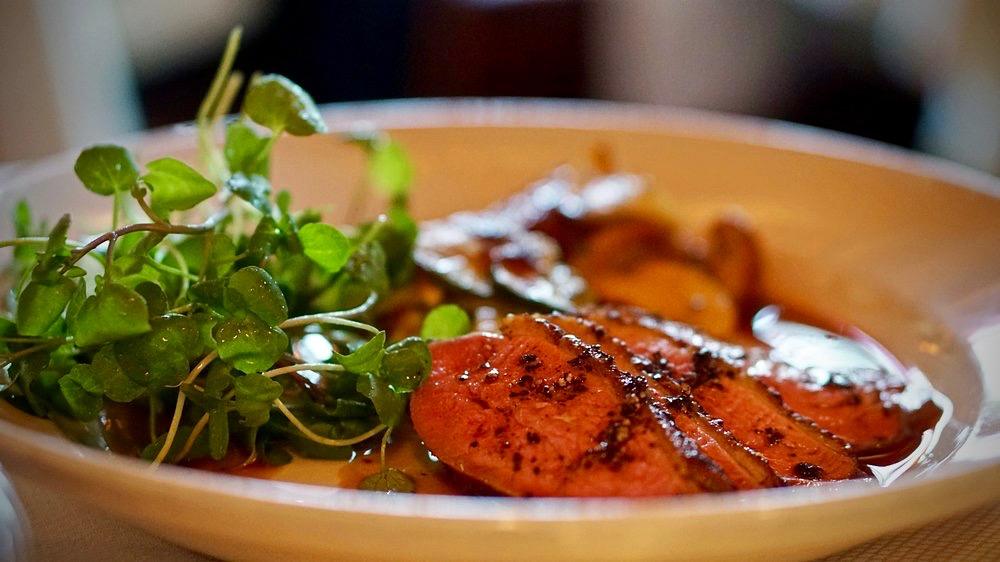
Sonoma County duck breast au poivre with Lucero Farms squash gratin, roasted cèpes, and watercress at Chez Panisse in Berkeley. (Photo courtesy of Yelp)
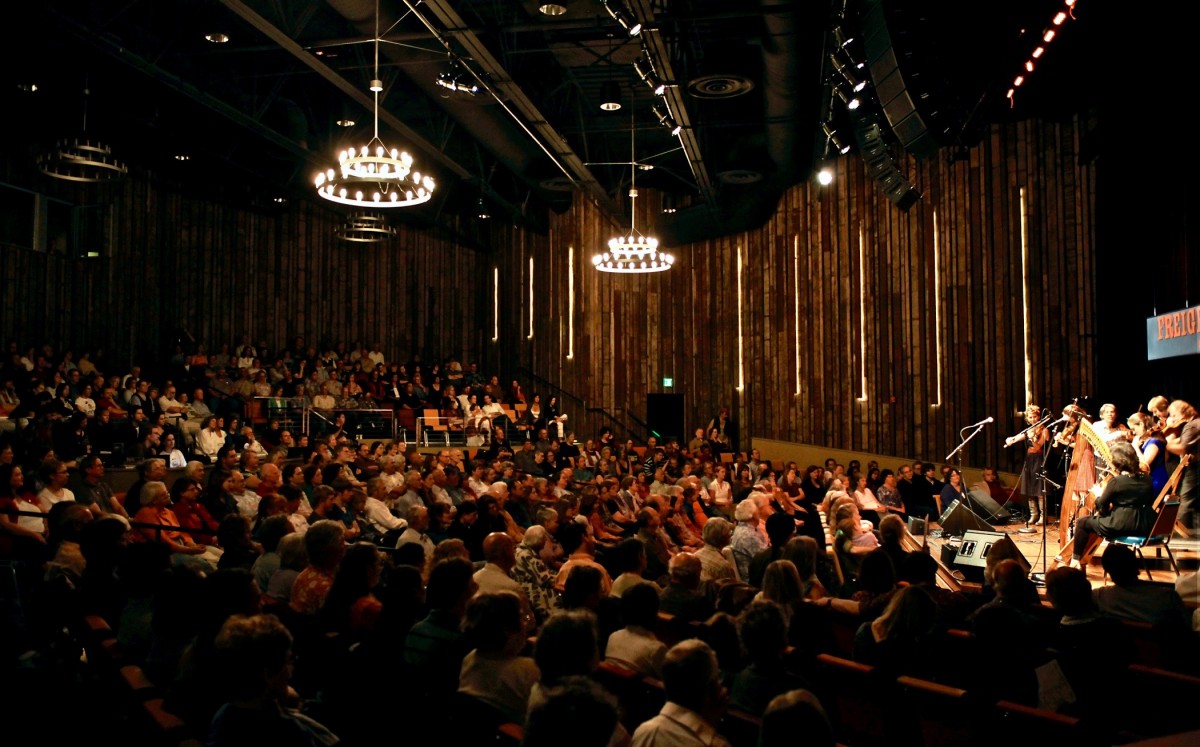
Finish your day in Berkeley with some fine tunes at Freight and Salvage. Freight & Salvage, named after the used furniture store that once inhabited the original storefront on San Pablo Avenue, embodies the radical Berkeley of the 1960s. Founded in the summer of ’68, this legendary music venue and coffeeshop helped to define the growing folk, bluegrass and old time music scene that defied the mainstream and increasingly commercialized pop music and psychedelic rock that ruled the Bay Area at this time. Over the years, and at a number of different and increasingly larger Berkeley locations, the “Freight” has continued to serve up down-home music at its very finest: from folk, blues and bluegrass to ethnic varieties encompassing the world of music. The Freight now also offers workshops and drop-in style jams and classes.
Freight and Salvage in Berkeley has served up up down-home music at its very finest since 1968. (Photo by Hali McGrath)
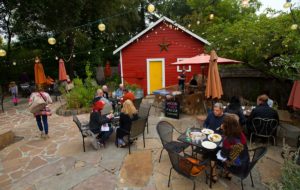
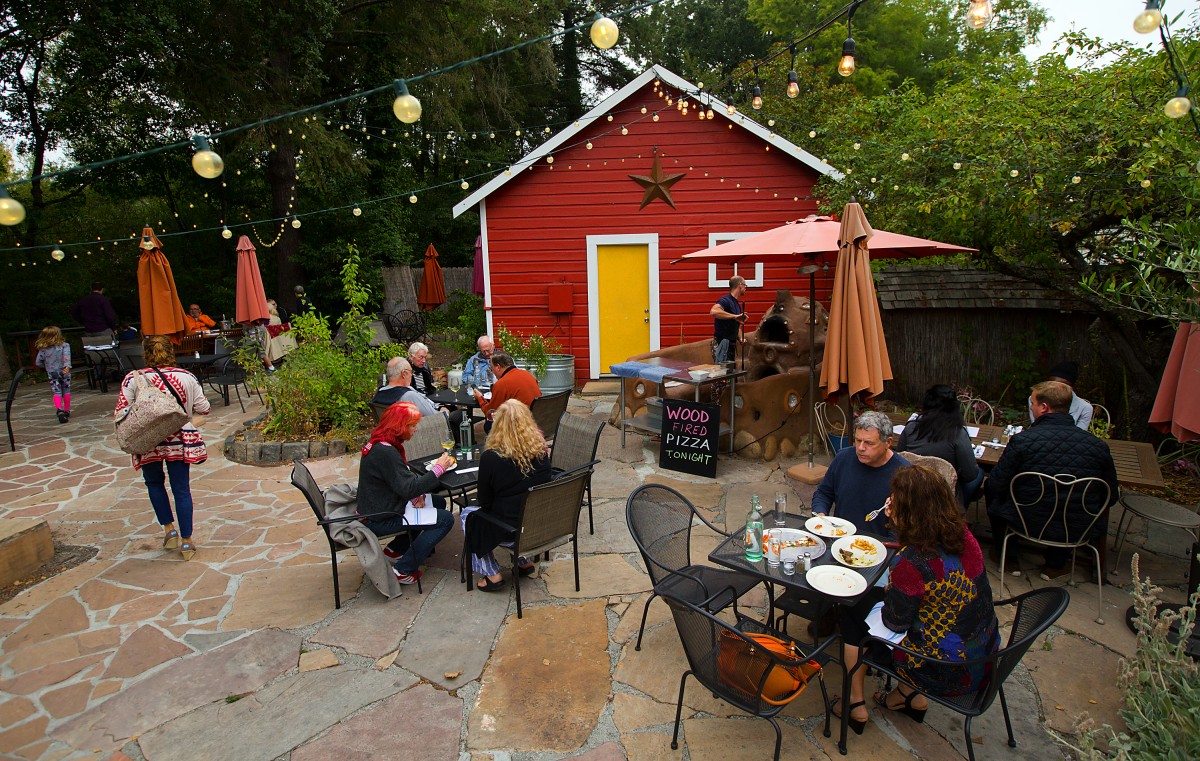
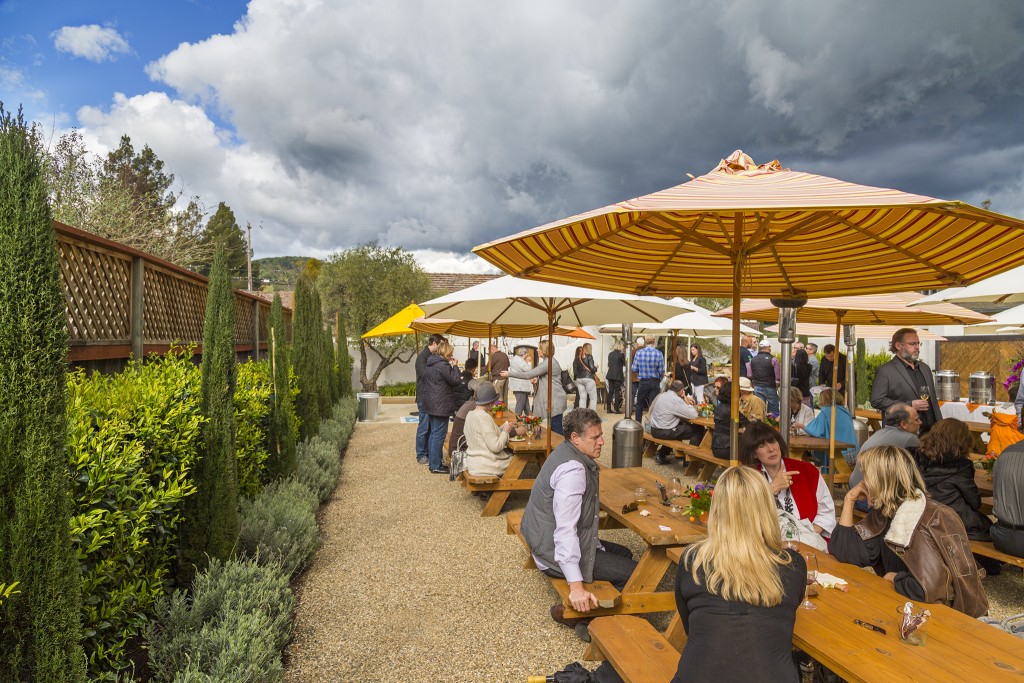
Fork Roadhouse has beautiful patio seating – perfect to enjoy that Bread Pudding French Toast (JOHN BURGESS/The Press Democrat)
Patio dining at Fork Roadhouse on Bodega Ave. east of Sebastopol. (Photo by John Burgess)
There was a puppy napping in a crate on the patio, a catering truck parked steps away, and in the adjacent garden, a singer serenading diners at Fork Roadhouse on a recent Thursday evening.
Inside the west Sebastopol restaurant, the kitchen was humming, viewed through a peek-a-boo window from the dine-in counter. A young couple stopped in for lattes to go, servers scurried by with bottles of wine, and an older couple smiled when the hostess told them they had snagged the last seat in the dining room.
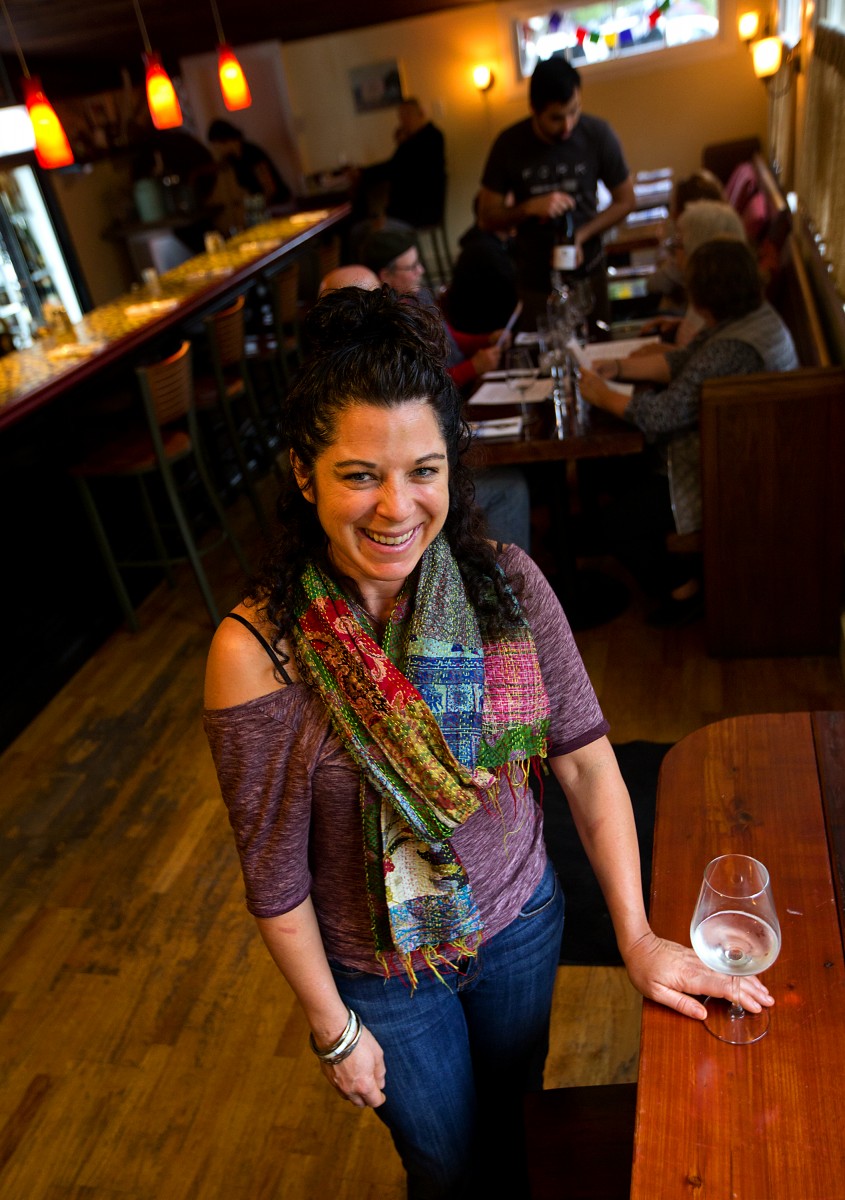
It was 5:40 p.m., just 10 minutes after the place had opened for the night. But that’s business as usual for owner Sarah Piccolo.
Fork’s website advises guests to make reservations, even for breakfast and lunch. It seems pretty impressive for a business that was born of the very food truck parked outside, and that sports a rural address surrounded by apple orchards, goat pastures and weathered ranch homes.
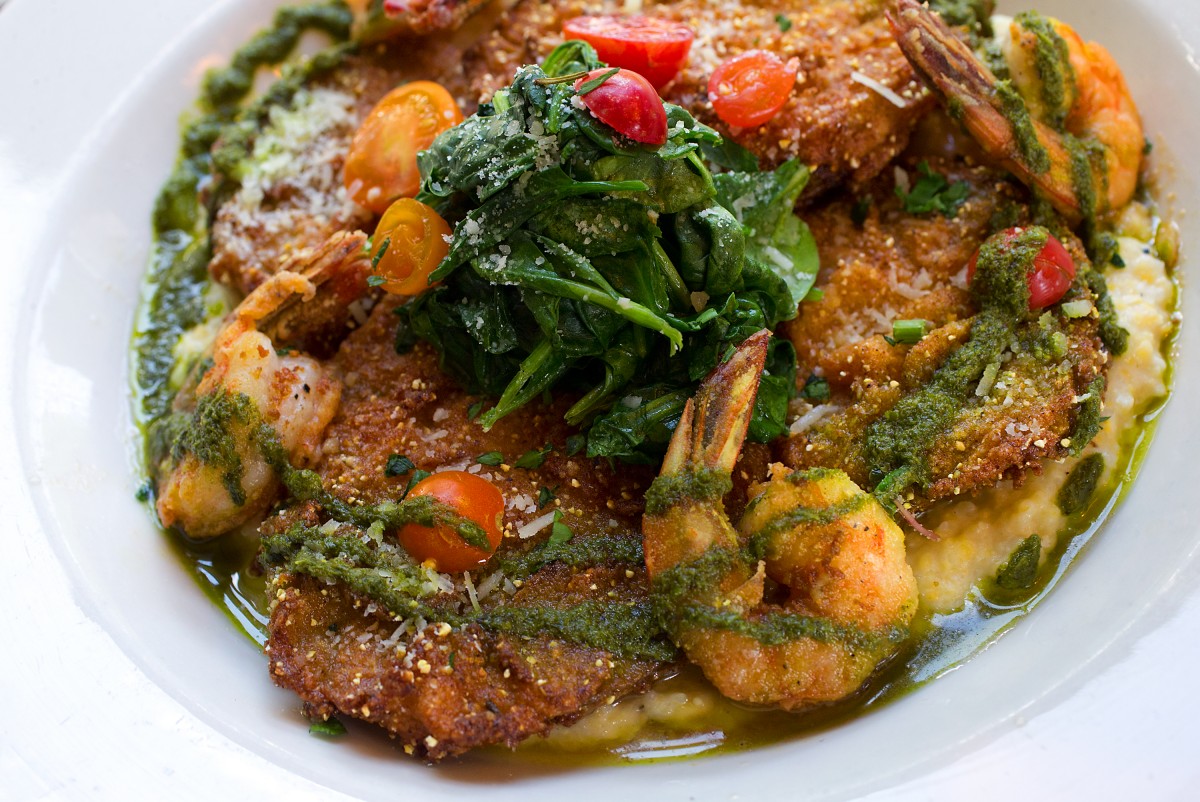
Fried green tomatoes on South Carolina grits, grilled corn, spinach, parmesan, pistou and prawns from the Fork Roadhouse on Bodega Ave. east of Sebastopol. (Photo by John Burgess)
Then you taste the excellent food and understand why. Fried green tomatoes are crispy outside, hot and juicy inside, and served with creamy grits, grilled sweet corn, spinach, Parmesan and garlicky pistou ($18). Blue Leg Farm shishito peppers are blistered on the grill with a sparkle of pink sea salt ($5), while squid and prawn are skewered, grilled to a tender chew and plated with smashed avocado, spicy radish and lime ($11).
The setting is so Sonoma. The lovely indoor area glows with a pretty tile patchwork counter, gleaming polished wood tables, menus posted on chalkboards, French curtained windows overlooking meadows across the street, and another dining room in back. Eating at a slatted wood table overlooking the gardenside creek is even more blissful, infusing meals with sunshine or moonlight.
Owner/chef Sarah Piccolo at the Fork Roadhouse on Bodega Ave. east of Sebastopol. (Photo by John Burgess)
The wine and beer list focuses on local work as well, with County Line Anderson Valley Rosé ($9), Reality Czeck Pilsner from Moonlight Brewing Company in Fulton ($5) and Sonoma’s Revive kombucha ($5), all on tap.
Back in 2010, Piccolo began parking her mobile eatery outside top Sonoma County wineries to supplement her catering business. Two years ago, she opened a brick-and-mortar shop on Main Street south of Highway 12 in Sebastopol, until relocating to her current spot at the end of last year.
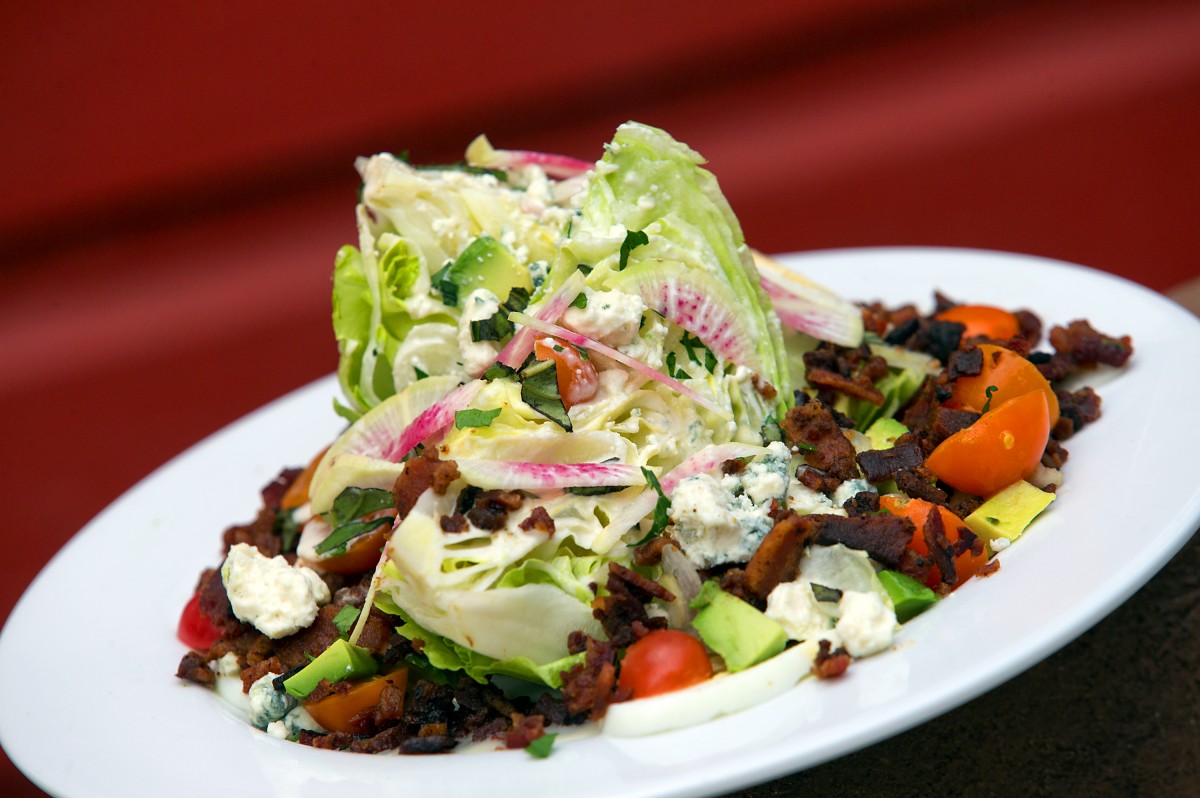
The Roadhouse wedge with iceburg lettuce, cherry tomatoes, avocado, radish, boiled egg, bacon and blue cheese from the Fork Roadhouse on Bodega Ave. east of Sebastopol. (Photo by John Burgess)
At that time, she promised us “good, unfancy, affordable food.” While she indeed delivers that, the crowds here can concur she’s being a bit humble. Even a simple wedge salad is special, the cold, crunchy iceberg embellished with juicy cherry tomatoes, avocado, radish, boiled egg, Beeler’s bacon, Pt. Reyes bleu cheese dressing and more cheese crumbles for extra kick ($11).
Piccolo is a trained chef, having studied and worked in Italy and France before she got the idea to build a fully equipped kitchen in a 2001 Ford Grumman truck, complete with 10 burners, two ovens and an espresso bar. The truck still roars into service for special events, and so Fork is open only Thursday through Saturday, plus Sunday breakfast and lunch.
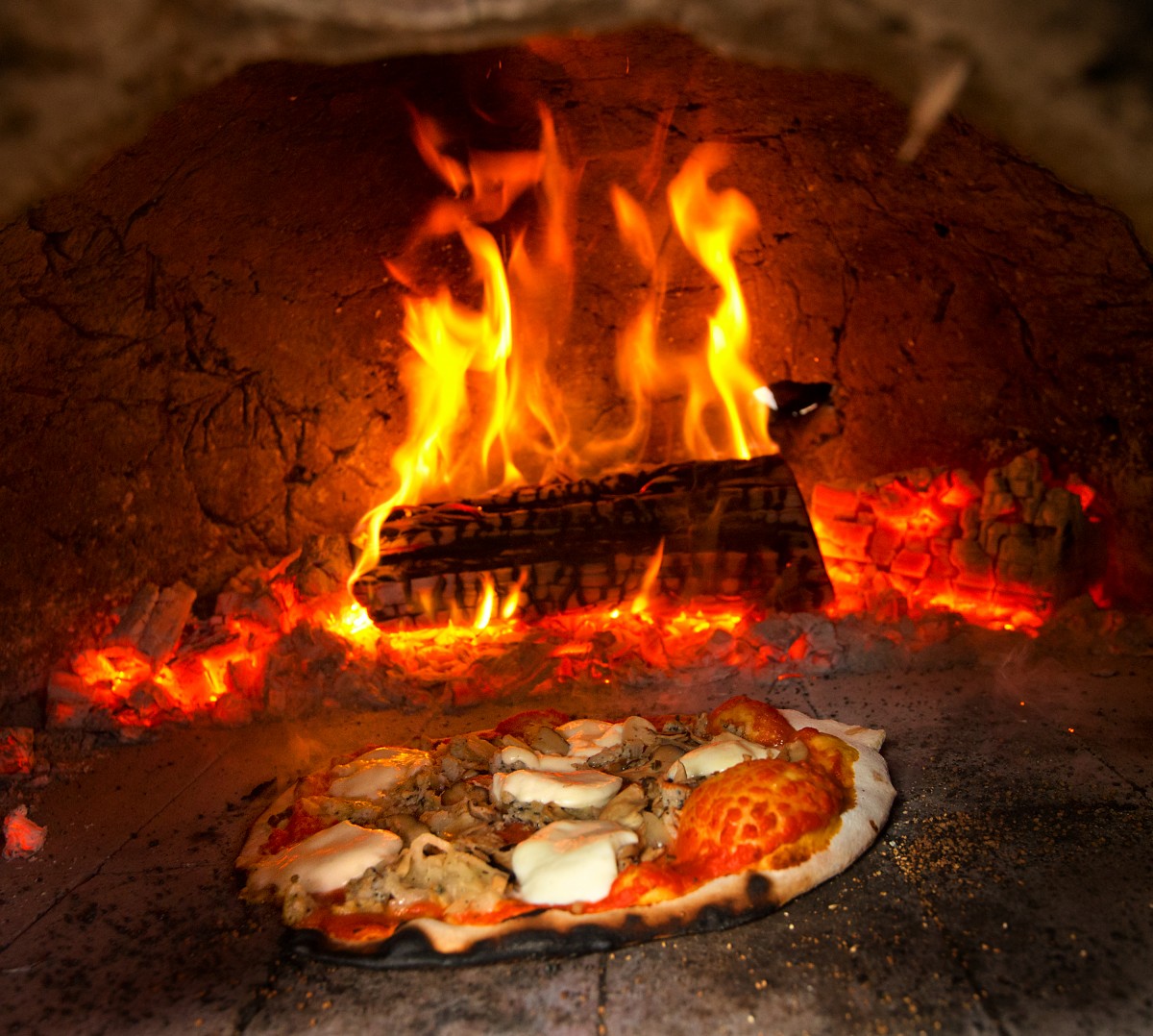
The wood fired pizza oven on the patio at the Fork Roadhouse on Bodega Ave. east of Sebastopol. (Photo by John Burgess)
We’re already spoiled with much West County dining, since chefs have to actually go out of their way to get low quality ingredients. But Piccolo presents the fine stuff in mouthwatering ways, and lets her cooks take the time to execute each dish; it can take a half hour for an entrée to arrive.
Yet it’s worth twiddling our thumbs when, at breakfast, a pork belly taco ($6; two for $11) brings a thick, char-griddled corn tortilla, mounded in succulent pig, braised leeks, watermelon radish spears, pickled red onion, cilantro, cotija, crema and the crowning touch, a golden fried egg that spills its yolk when pierced with a fork. The Tuscan bean breakfast is another joy, in a soupy Meyer lemon broth stew of white beans, kale and two fried eggs under a shower of Parmesan with thick griddled toast for sopping ($13).
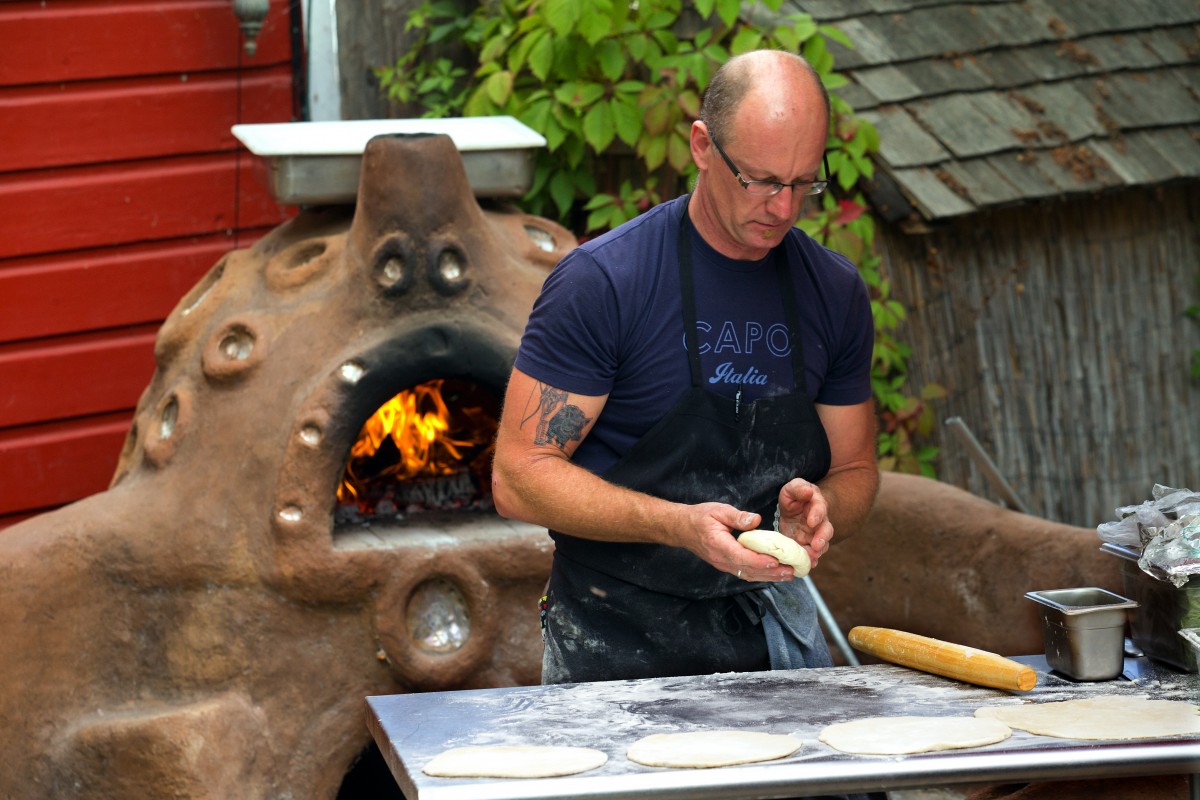
Sebastian Chevrolet makes pizza in the wood fired oven at the Fork Roadhouse on Bodega Ave. east of Sebastopol. (Photo by John Burgess)
Menus change week to week, though some signatures stay put, like the breakfast polenta ($8.50), a savory bowl of steaming hot organic cornmeal dotted with Laura Chenel chèvre, tart braised greens, gomasio (sesame seeds and salt) and a poached egg, all scooped up with griddled bread.
One night’s poblano braised chicken was delicious, the bone-in bird nestled in a pond of slightly spicy chile cream sauce, melding in with accompanying black beans and chunky creamed corn ($20).
Another night, chicken was prepared saltimbocca style with sage brown butter ($20). For the poblano, I would have liked a bit more spice, and for the saltimbocca, more salt, but I can appreciate Piccolo’s clean style.
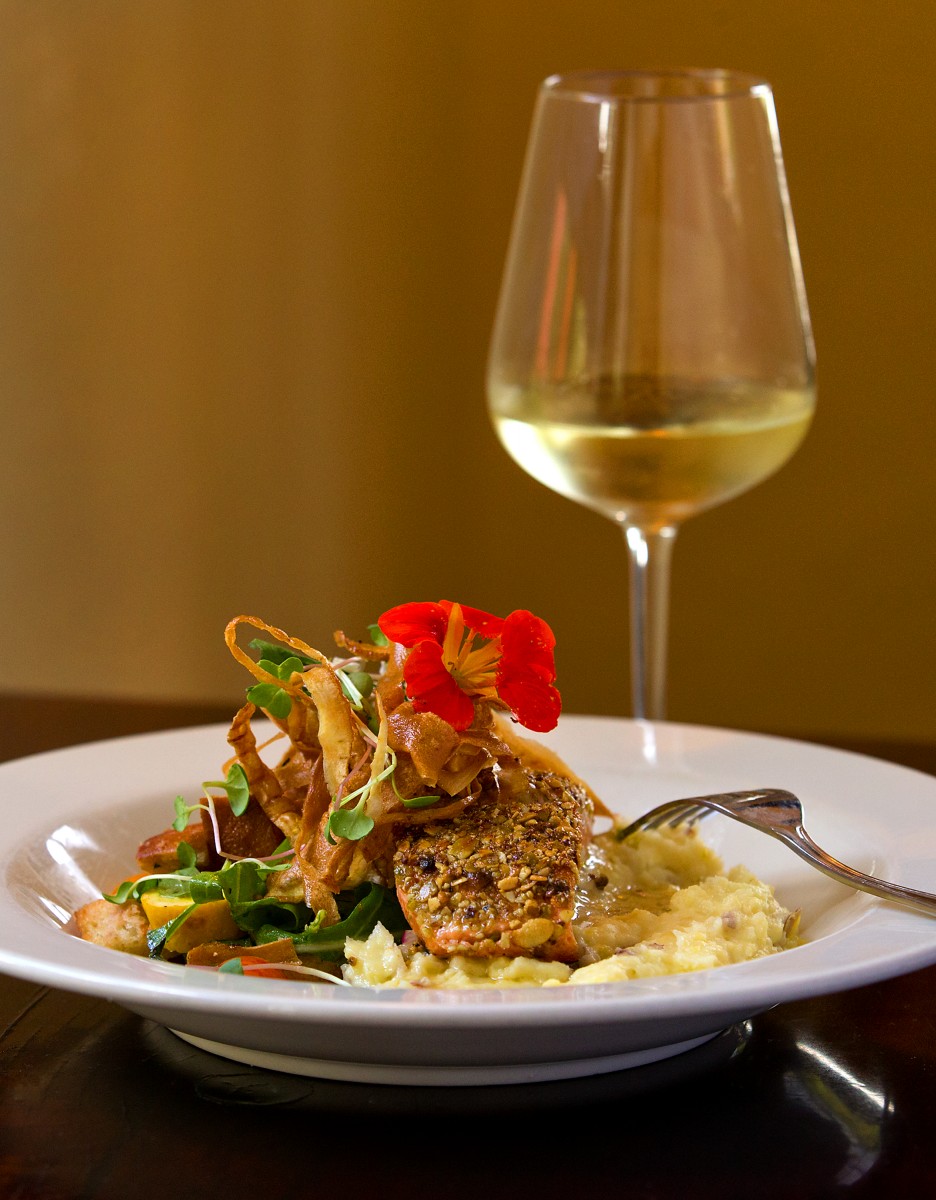
Pistachio and pepita encrusted wild salmon with grapefruit lime sauce, creme fraiche mashers and heirloom tomato panzanella from the Fork Roadhouse on Bodega Ave. east of Sebastopol. (Photo by John Burgess)
Wild salmon ($28) needed nothing, however. On its own, the barely seasoned fish was bland, but thanks to a thick, crispy coat of crushed pistachio and pepita and a touch of grapefruit lime sauce, it all came together.
A side of creme fraiche mashers added some tang with a bit of red potato skin left in, while a panzanella salad was one of the best I’ve had, stocked with a variety of crunchy and soft squash amid the heirloom tomato and bread chunks.
Sipping an Equator coffee ($2.50) and nibbling a slice of strawberry rhubarb pie ($8), I watched other diners around me with a great feeling of content. Life is good in Wine Country, and Fork is one of the reasons why.
Harvest time is prime time at Sonoma wineries. The hustle-bustle of picking grapes and the aromas of fermenting fruit are intoxicating before you even get out of the car. Local oenophile Virginie Boone recommends these wineries, some of which offer special events for the season.
Auteur Wines, It’s open by appointment in a cozy house off the Sonoma Plaza, except for Saturdays, when walk-ins are welcome. Auteur makes exceptional Pinot Noirs and Chardonnays from coastal areas and is happy to guide visitors through a tasting of five of its wines ($25). Tastings are held at a communal table, fit for conviviality.
373 First St. W., Sonoma, 707-938-9211.
Balletto Vineyards, Longtime grower John Balletto keeps some grapes for his own wines — a nicely made selection of site-specific Chardonnay, Pinot Noir and other varieties. Don’t miss Balletto’s sparkling wine and rosé of Pinot Noir, made in a crisp, classic style.
5700 Occidental Road, Santa Rosa, 707-568-2455.
Balletto Vineyards in Santa Rosa.
Bartholomew Park Winery, Set outside Sonoma on a 21-acre, certified-organic estate, Bart Park, as it’s often called, offers library tastings in the parlor, and several lovely events, including its Yoga & Wine Experience at 10:30 a.m. every second Sunday through October ($60 for two hours). The winery is in a 300-acre park, with incredible picnic grounds and hikes with views.
1000 Vineyard Lane, Sonoma, 707-9393026.
Benovia Winery, Open by appointment only, Benovia conducts tastings comfortably and intimately, allowing visitors to savor its estate-driven Pinot Noirs, Chardonnays, Zinfandels and Grenaches in view of one of its vineyards, the Martaella Ranch, named after the founders’ mothers.
3339 Hartman Road, Santa Rosa, 707-921-1040.
Donelan Wines, Operating from a working warehouse in an industrial part of Santa Rosa, Donelan can accommodate a limited number of visitors by appointment only. Still, it may be the best opportunity to walk through some of Sonoma’s finest Rhone-inspired wines, some of which are available only at the winery.
3352-D Coffey Lane, Santa Rosa, 707-591-0782.
Donum Estate, Open by appointment only, Donum Estate is among the most accomplished makers of Sonoma Pinot Noir and Chardonnay. Anne Moller-Racke is the viticulturist extraordinaire behind the meticulous planting that goes into the wines, made by Dan Fishman and Kenneth Juhasz. Don’t miss the West Slope Carneros Pinot Noir, grown at Donum Ranch in Carneros.
24500 Ramal Road, Sonoma, 707-939-2290.
Donum Estate in Sonoma.
Gary Farrell Winery, Now open for tastings by appointment only, GaryFarrell is well worth the advance planning. Its Chardonnays, Pinot Noirs, rosé of Pinot Noir and Zinfandel all are exceptional. Book a Sense of Place Terroir Tasting ($55), a 90-minute exploration of current and library wines, or sign up for the relaxed Terrace Tasting ($30) of six single-vineyard wines, both with great views of the Russian River Valley.
10701 Westside Road, Healdsburg, 707-473-2909.
Gundlach Bundschu, This historic winery, which relocated from San Francisco to Sonoma after the 1906 earthquake, offers a wealth of wines to taste, and in stormy weather is a good place to do that in the aging caves. Indian summer visits allow for a closer look at the vineyards. The producer’s Sonoma Coast Gewürztraminer is a particularly rewarding wine to try, as well as its Cabernet Sauvignon, Merlot and Tempranillo.
2000 Denmark St., Sonoma, 707-938-5277.
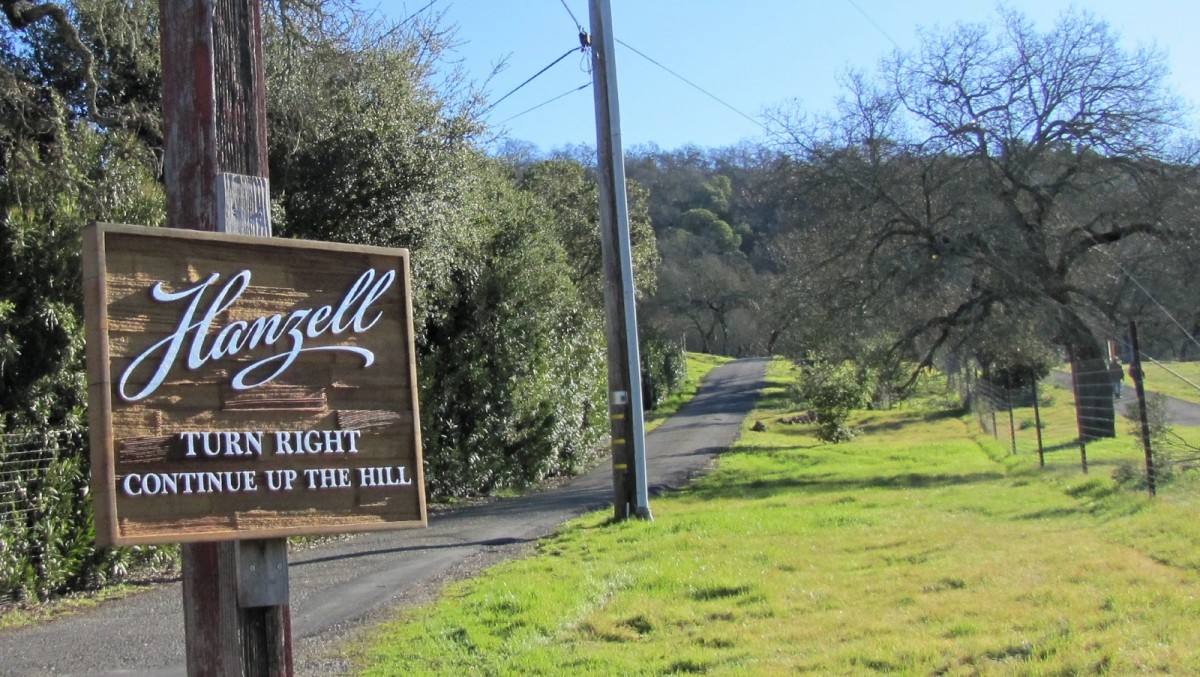
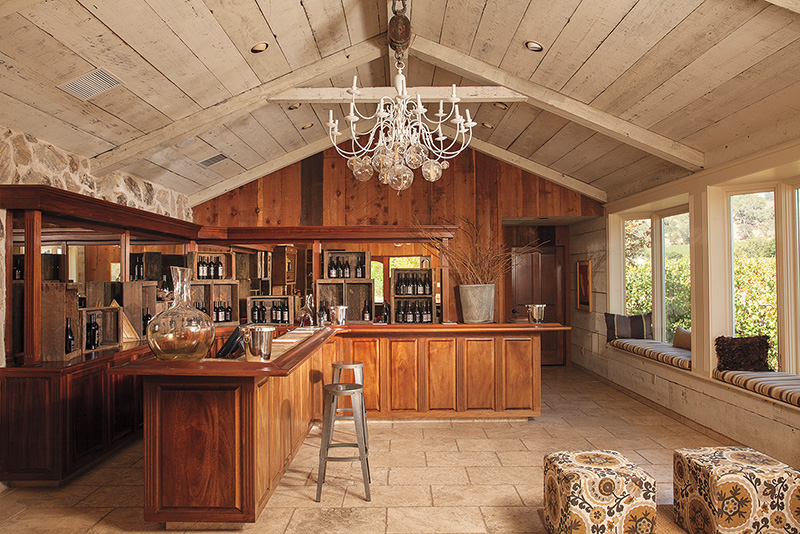
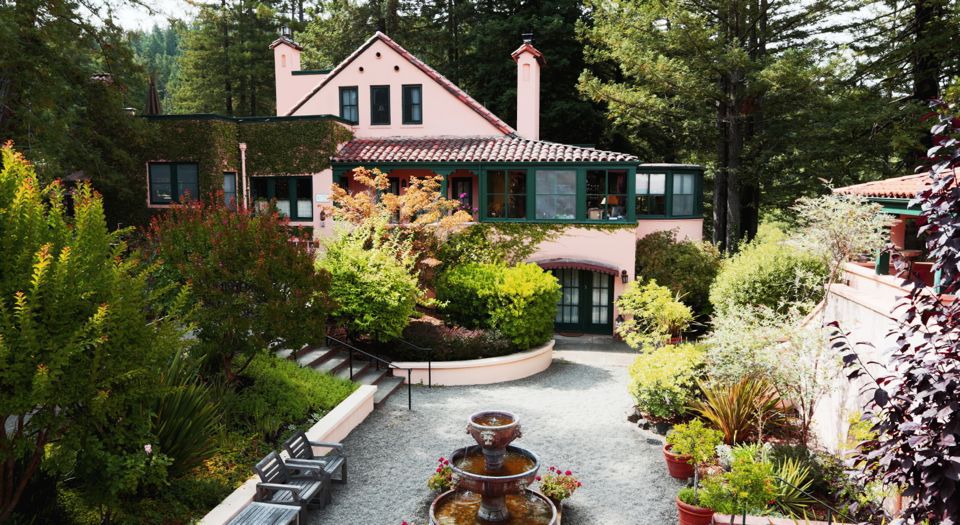
Hanzell Vineyards, Open by appointment only (via cellarpass.com), Hanzell is well worth the effort: It’s a legendary property and producer of age-worthy, structured and elegant Chardonnays and Pinot Noirs. The Heritage Winery Tour ($45) begins in the Ambassador’s 1953 Vineyard and goes through the winery and barrel-aging cave, ending with a sit-down tasting of current releases. The more in-depth Private Estate Tour ($65) takes visitors through several estate vineyards, the winery and caves, culminating in a sit-down tasting.
18596 Lomita Ave. Sonoma, 707-996-3860.
Hanzell Vineyards in Sonoma.
Joseph Phelps Freestone Vineyards, On the way west to Bodega Bay is this tasting room in Freestone, where Sonoma Coast and Napa Valley wines are poured and sold. Outdoor picnic tables are available. The monthly “Second Sunday,” noon to 4 p.m., offers wines showcased with local foods ($35). In October, the menu features Cabernet Sauvignon with harvest inspired bites. RSVP required.
12747 El Camino Bodega, Freestone, 707-874-1010.
Lake Sonoma Winery, Newish to the Sonoma Plaza, though the winery has been around for decades, this tasting lounge is appointed with comfy sofas and leather chairs, with an inviting patio and fire pit outside. The wines range from Cabernet Sauvignon and Zinfandel to lighter stylings of Sauvignon Blanc, Chardonnay and Pinot Noir, each highlighting a different appellation within the county. Enter the winery from First Street West.
134 Church St., Sonoma, 707-721-1979.
Limerick Lane Wines, Some very exciting wines are coming out of Limerick Lane, located in eastern Russian River Valley and farmed by brothers Jake and Scot Bilbro. Old-vine Zinfandel, Syrah and Rhone-style blends compel in every way, classy and refreshing. Tastings are by appointment; reservations can be made online.
1023 Limerick Lane, Healdsburg, 707–433-9211.
Limerick Lane Wines in Healdsburg.
Lynmar Estate, Lynmar is among the grandest producers of Russian River Valley Pinot Noir and Chardonnay and provides a worthwhile visit, among the best in the appellation. The gardens are seasonally inspired and gorgeous, and be sure to reserve ahead for the Lynmar Lunch ($60), a relaxing, 90-minute, three-course meal with wine, with many of the ingredients coming from the estate gardens. Not hungry? The wines are worth a visit all by themselves.
3909 Frei Road, Sebastopol, 707-829-3374.
MacLaren Wine Co., A one-man operation, winemaker Steve Law produces a crisp, delightfully complex Sauvignon Blanc, called Lee’s (after his mom), and a slew of heady, cool-climate Syrahs from across Sonoma County. The tasting lounge on Vine Alley is relaxed and intimate, with Law usually on hand to pour the wines. Open Monday and Thursday from noon to 5 p.m., Friday through Sunday from noon to 6 p.m., and Tuesday and Wednesday by appointment only.
27 E. Napa St., Suite E, Sonoma, 707-938-7490.
Martin Ray Winery, Lovely gardens and plenty of picnic spots await at this off-the-radar spot in the heart of the Russian River Valley. Join a Garden Tasting ($15) or do a Tower Flight ($10) to learn more about this specialist in Chardonnay and Pinot Noir, which also makes impressive Cabernet Sauvignons. Picnic lunches, cheese and charcuterie platters can be ordered 48 hours in advance.
2191 Laguna Road, Santa Rosa, 707-823-2404.
Martin Ray Winery in Santa Rosa.
Pangloss Cellars Tasting Lounge, Located in a carefully restored 113-year-old building in Sonoma, Pangloss is a sister label to Repris, a winery within the Moon Mountain District. Erich Bradley of Sojourn Cellars makes the wines. The elegant lounge features several tasting experiences, from a communal banquet seating area to a more relaxed vibe around the fireplace. The wines range from Anderson Valley Pinot Noir to Hamel Vineyard Zinfandel.
35 E. Napa St., Sonoma, 707-9338565.
Patz & Hall, The Sonoma House at Patz & Hall is an expansive home fashioned specifically for intimate tastings. The Salon Experience is a seated, by-appointment taste through six vineyard-designated Chardonnays and Pinot Noirs, paired with locally sourced and inspired bites. Lasting about an hour, it costs $60 per person, with a 10-person limit. A more casual Tasting Bar is set up for shorter explorations Thursday through Monday at the top of each hour, 10 a.m. through 4 p.m., also by reservation.
21200 8th St. E., Sonoma, 707-265-7700.
Patz & Hall in Sonoma.
Preston of Dry Creek, Lou Preston’s ode to organic and biodynamic farming offers a range of well-made, eclectic wines, including Barbera and Mourvedre, plus the appellation’s de rigueur Zinfandel and Petite Sirah. Lovely homegrown produce, olive oil, eggs and bread are sold on-site, and picnicking is encouraged.
9282 West Dry Creek Road, Healdsburg, 707433-3372.
Talisman Wine, At this intimate tasting salon in the heart of Glen Ellen, visitors taste a range of single-vineyard Pinot Noirs from across the county, produced by Scott and Marta Rich. Appointments are encouraged, though the local art-filled space is officially open Thursday through Monday, from noon to 5 p.m.
13651 Arnold Drive, Glen Ellen, 707-721-1628.
Three Sticks Wines, Enter Three Sticks’ renovated Vallejo-Casteñada Adobe for an elevated peek into a thrilling array of wines, many of them vineyard designates, from across the state. With Bob Cabral at the winemaking helm, the Chardonnays and Pinot Noir are particularly of interest, and the winery also shines with Moon Mountain District and Napa Valley Cabernet Sauvignons.
143 W. Spain St., Sonoma, 707-996-3328.
Three Sticks Wines in Sonoma.
Virginia Dare Winery, The latest project from Francis Ford Coppola isintended to highlight an American legend, the Virginia Dare Winery, originally started in North Carolina during Colonial times and later moved to Cucamonga, California, where it became one of the top-selling wines in the U.S. before Prohibition. The Geyserville tasting room features a collection of Native American art. Consider doing the Legends Flight, available daily ($18), a chance to taste four wines and hear the mythical stories behind them.
22281 Chianti Road, Geyserville, 707-735-3500.
Westwood Estate, Guided tastings happen by appointment at this new producer with a tasting room in downtown Sonoma. The wines are made by Ben Cane, previously of Twomey Cellars, with the consulting guidance of David Ramey. The emphasis is on Rhone varieties and Pinot Noir. The Estate Tasting ($25) is a seasonal offering of four wines; aim higher with the Rhone Flight ($40), a sampling of five wines.
Lady Gaga at the 88th Annual Academy Awards held at the Hollywood & Highland Center in Hollywood, USA on February 28, 2016. (Photo by Tinseltown
Editorial Credit: Tinseltown / Shutterstock.com
Lady Gaga at the 88th Annual Academy Awards held at the Hollywood & Highland Center in Hollywood, USA on February 28, 2016. (Photo by Tinseltown / Shutterstock.com)
Popular photo-entertainment website theChive has released a list of the backstage demands of 20 celebrity musicians. The list reveals the particular requirements of notable names such as Beyonce, Kanye West, Taylor Swift, Rihanna, Madonna and Sir Paul McCartney.
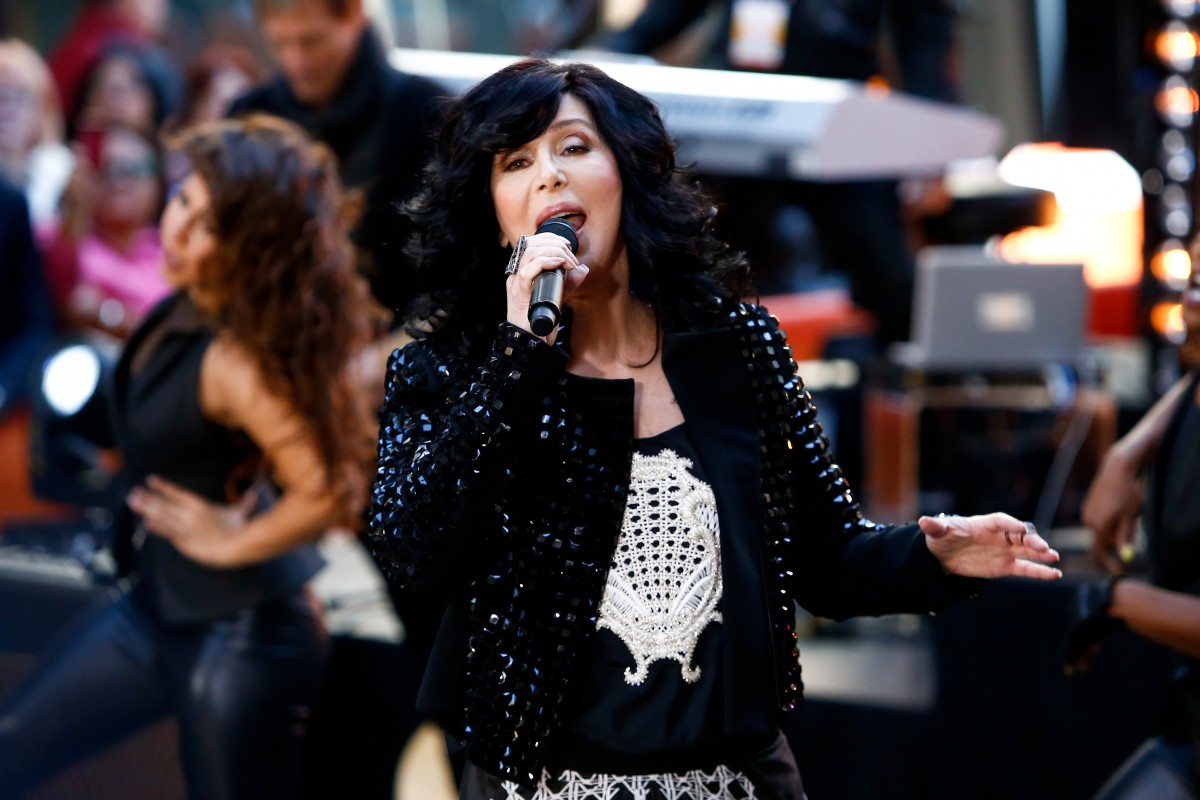
Unsurprisingly, celebrities can be pretty particular about their wines. What may be surprising, however, is that one of the celebrities on the list – Cher – ditched wildly popular Sonoma County wine brand Kendall Jackson. To make up for Cher’s distaste for these well-liked local grapes, Lady Gaga apparently has a strong preference for Kendall Jackson. On her list of backstage requirements are “2 bottles of white wine (with wine opener) — Kendall Jackson or Robert Mondavi.”
Singer Cher performs on NBC’s Today Show at Rockefeller Plaza on September 23, 2013 in New York City. (Photo by Debby Wong / Shutterstock.com)
Among the more elaborate, and detailed, backstage demands are those of artist Mariah Carey: “Each room must be draped. Black drapes are fine. The entry door should open into the living room space, not the dressing room. Temperature should be about 75 degrees. 1 Three Seat Couch — Plain Color, no busy patterns; black, dark grey, cream, dark pink are fine.”
Interestingly, Carey is not as particular about her wine, asking only that it be Chardonnay and chilled.
To see the full list of “bizarre backstage demands,” visit thechive.com
With Sonoma Pinot Noir grapes averaging $3,500 a ton, and those from prime sites commanding up to $10,000, it takes a generous man to sacrifice valuable vineyard land so that his employees can have a game of catch.
John Balletto of Balletto Vineyards & Winery will never be mistaken for actor Kevin Costner, though his baseball diamond west of Santa Rosa in the Russian River Valley is reminiscent of the 1989 movie “Field of Dreams,” in which Costner’s character constructs a diamond in an Iowa cornfield, believing that if you build it, they will come.
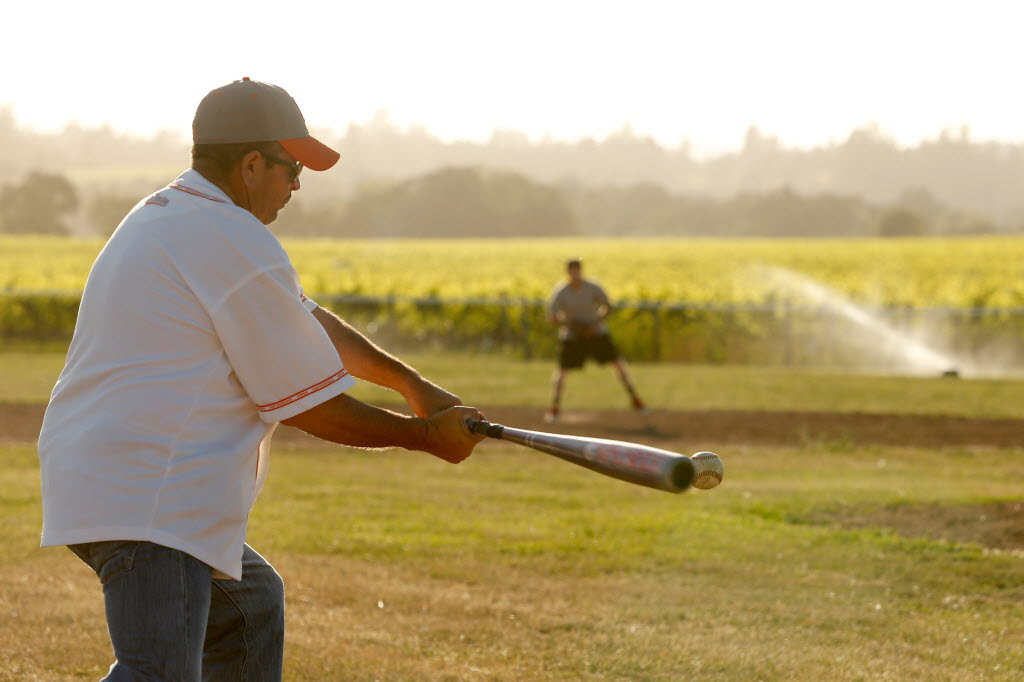
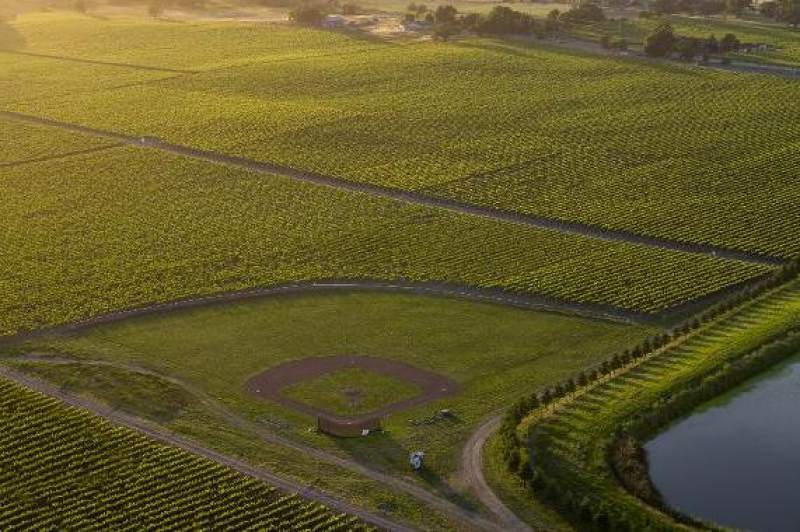
In 2002, Balletto allowed his employees to build a regulation size baseball field off Occidental Road, granting 3.5 acres to the project.
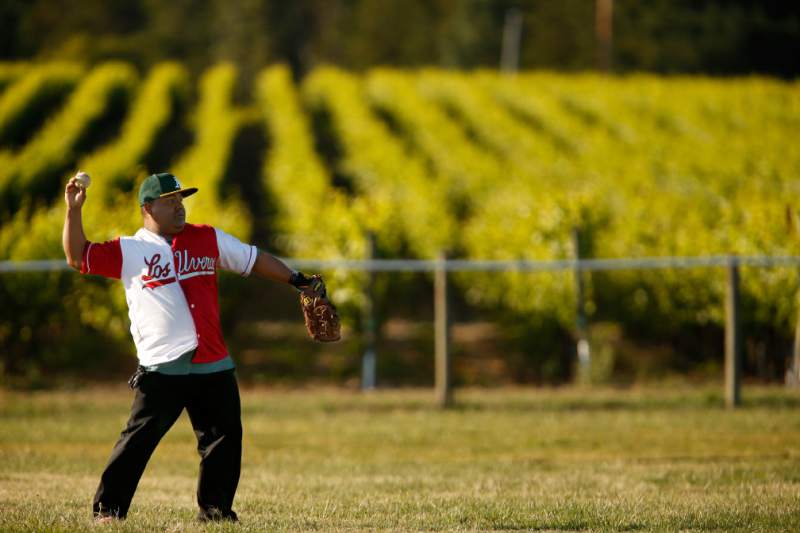
Vineyard employee, Noe Nunez, throws a ball to the plate.
“I could probably get 12 to 15 tons of grapes a year from it,” he said. “But it’s a nice benefit for our key employees who really enjoy playing baseball. It’s what we do here. I told them I would support them with equipment and materials if they would do the work. It was finished and ready for play within a year.”
His vineyard manager, Manuel Vallejo, spearheaded the project; he and other vineyard workers are big San Francisco Giants fans. Vallejo’s team, Los Uveros (The Grapers), plays in a league with other community teams on Sunday mornings at Balletto. Players and their families turn out for practices. Others can watch the games, but for insurance reasons, the field is limited to use by Balletto employees.
“My dad loves baseball,” said Vallejo’s daughter, Teresa, explaining that he has worked for Balletto for more than 30 years. “A lot of the children of the employees come out on practice nights. Their dads will be playing on the big field and the kids will have their own game going on the side.”
View of the “Field of Dreams in Santa Rosa from above.
Dennis Reis has devoted more than 30 years to horse training and horsemanship clinics, earning him the nickname “The Horse Whisperer.”
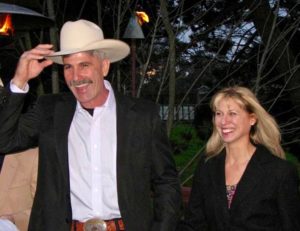
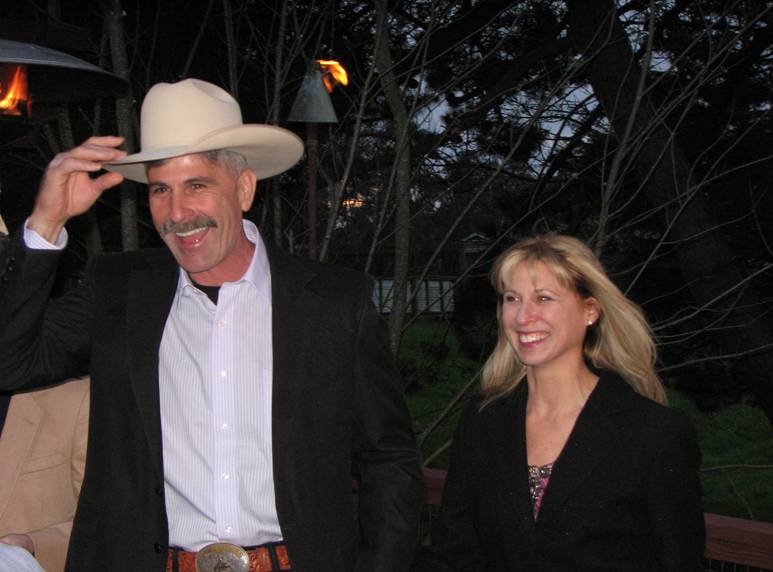
Last week, the years of hard work culminated in a cowboy dream come true for Dennis and his wife Deborah: a 630 acre ranch in Petaluma. The ranch, located “where the pavement ends and the west begins,” will now give the Reis additional opportunity to conduct workshops, training, horse breeding and horse sales.
Over the past three decades, the Reis have developed a “non-breed” and “non-discipline” educational program guided by their trademark principle “Universal Horsemanship.” The Reis’s step-by-step curriculum includes elements such as confidence building, balanced riding, mounted work, horse psychology and ground school awareness. The Sonoma County couple also hosts a weekly international show on RFD TV and a “No Dust” seminar that combineshorsemanship techniques with classical dressage and trail obstacles.
For more information about the Reis’s horsemanship clinics, visit www.reisranch.com.
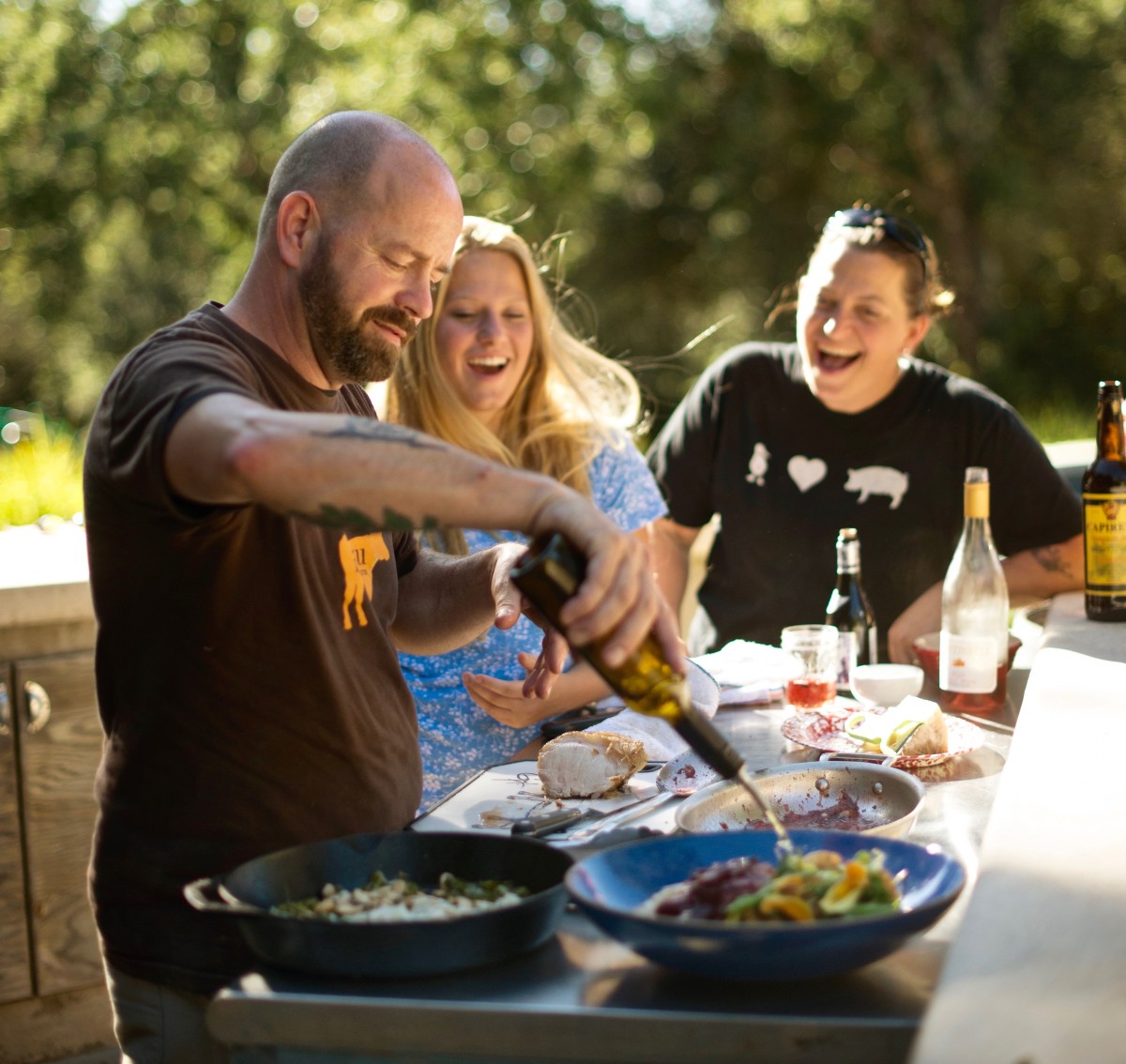
It was just another Sunday morning at the Stewart-Estes home in rural Forestville. John Stewart fed the pigs, rabbits, chickens and duck, as Duskie Estes made breakfast for the couple’s two daughters and the family dog, Chloe.
Then it was off to Davis Family Vineyards in Healdsburg, to test making BLTs and pork-belly poutine in their new food truck, “The Black Piglet.”
The custom vehicle had finally passed a yearlong inspection process the evening before, and would be rolled out for its first service at the Davis winery the following weekend. Next, they headed to their zazu kitchen + farm restaurant in Sebastopol, where Stewart butchered a Front Porch Farm pig while Estes prepped dishes for the day’s lunch and dinner service.
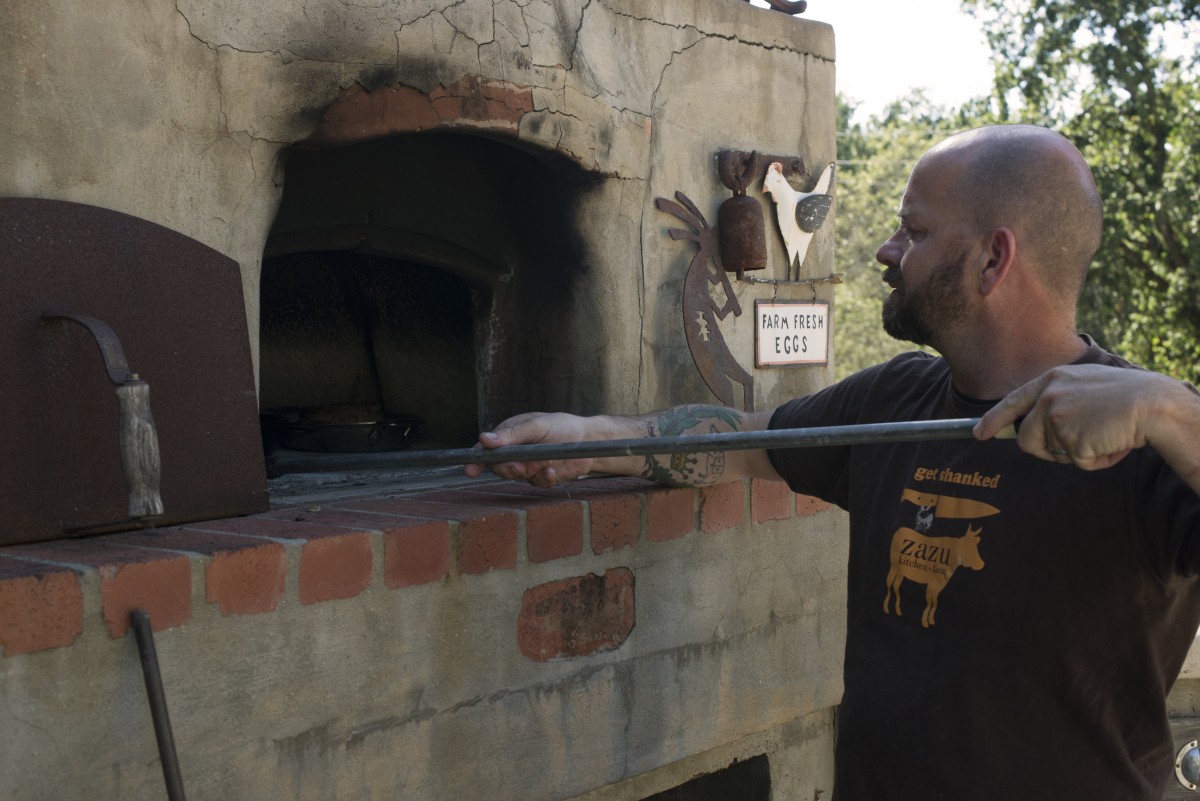
John Stewart cooking in a wood-fired oven at his home in Forestville. (Photo by Erik Castro)
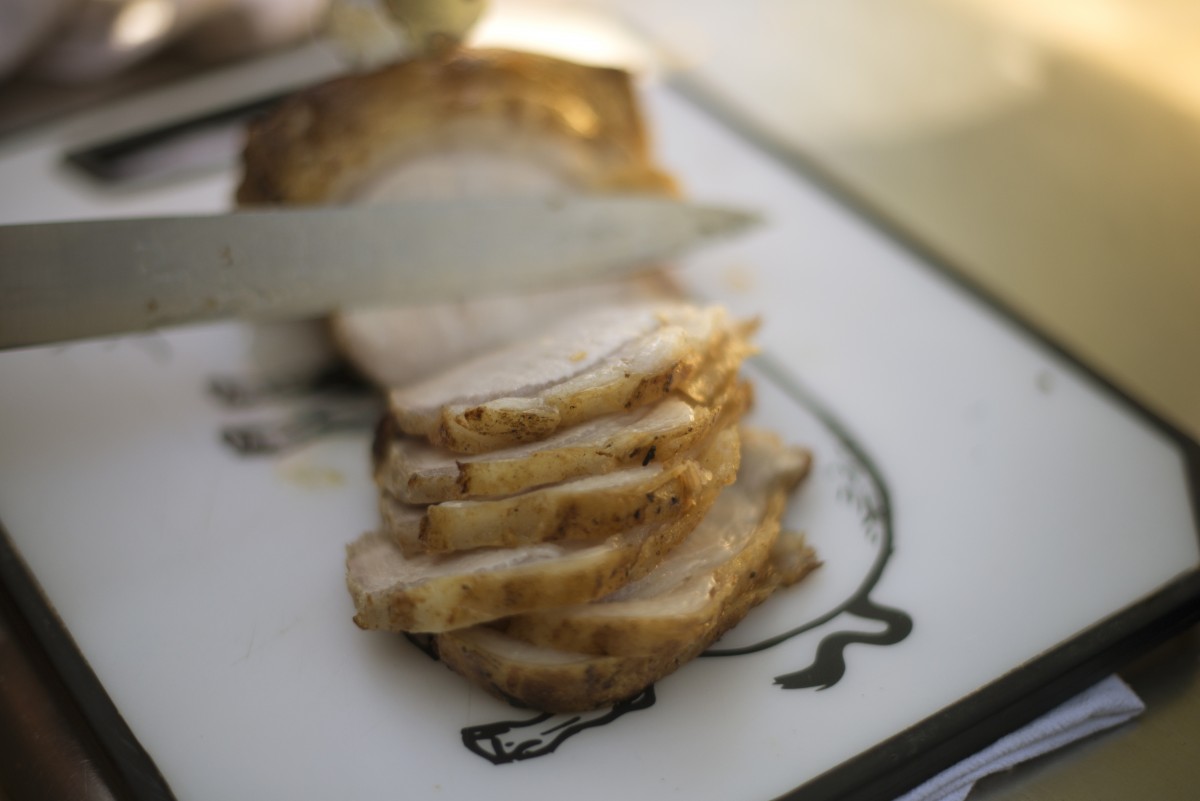
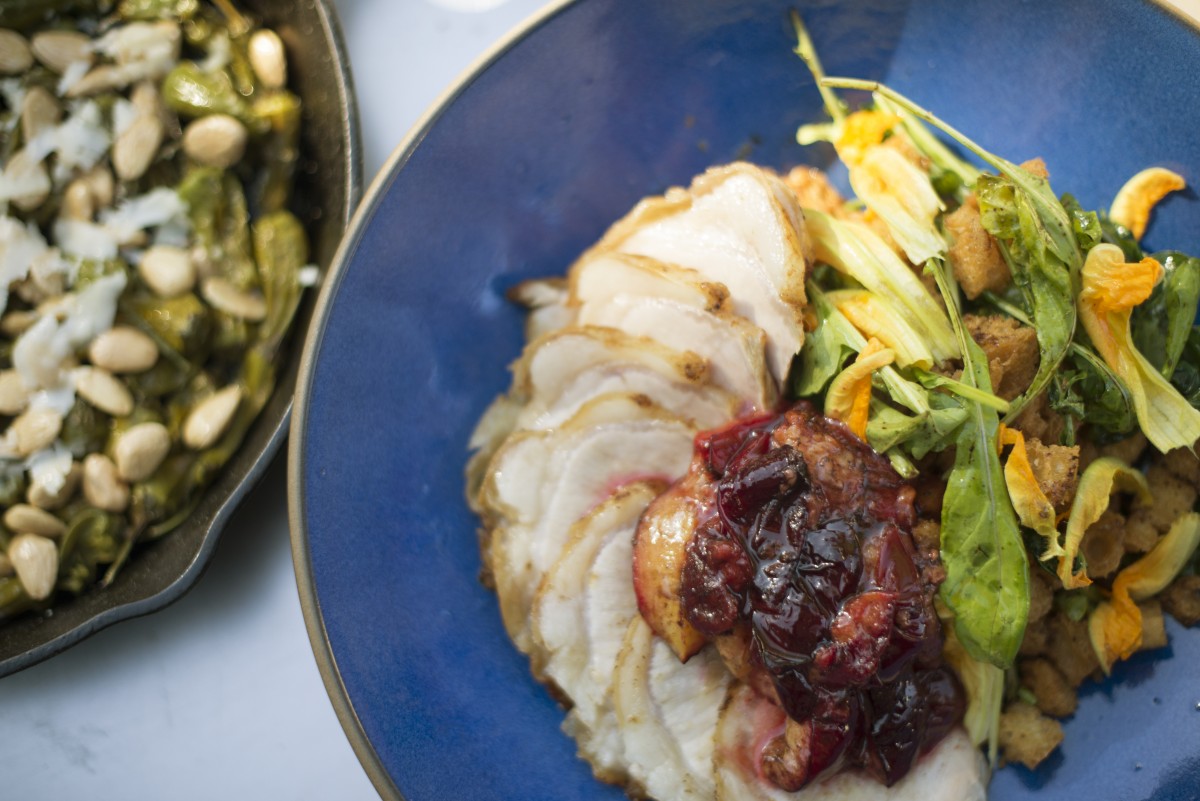
A quick run back home, and the couple tossed some of the just-cut pork into the wood-fire oven that overlooks their orchard and vegetable gardens. A meal of roast pork loin, backyard plums and squashblossom panzanella with the kids, and it was back to zazu to feed their customers.
“It’s just this thing for us every day, dude,” Estes said with a laugh. “Energy makes cool things happen.”
John Stewart slicing up wood-fired pork loin from Front Porch Farms at his home in Forestville. (Photo by Erik Castro)
For the duo, who opened zazu 15 years ago, energy trounces easy. Even in Sonoma, land of handmade, farm-to-table food, this couple goes to the extreme.
Best known for their artisanal ways with pig, their menus often read simply, such as bacon-wrapped dates drizzled in sweet saba, chitarra pasta draped in slow-simmered pork-cheek sugo, and golden roasted pork chop atop faro and fagioli beans.
It’s soul-warming fare in a rustic, California-Mediterranean style. Yet sketching one of their recipes actually goes like this:
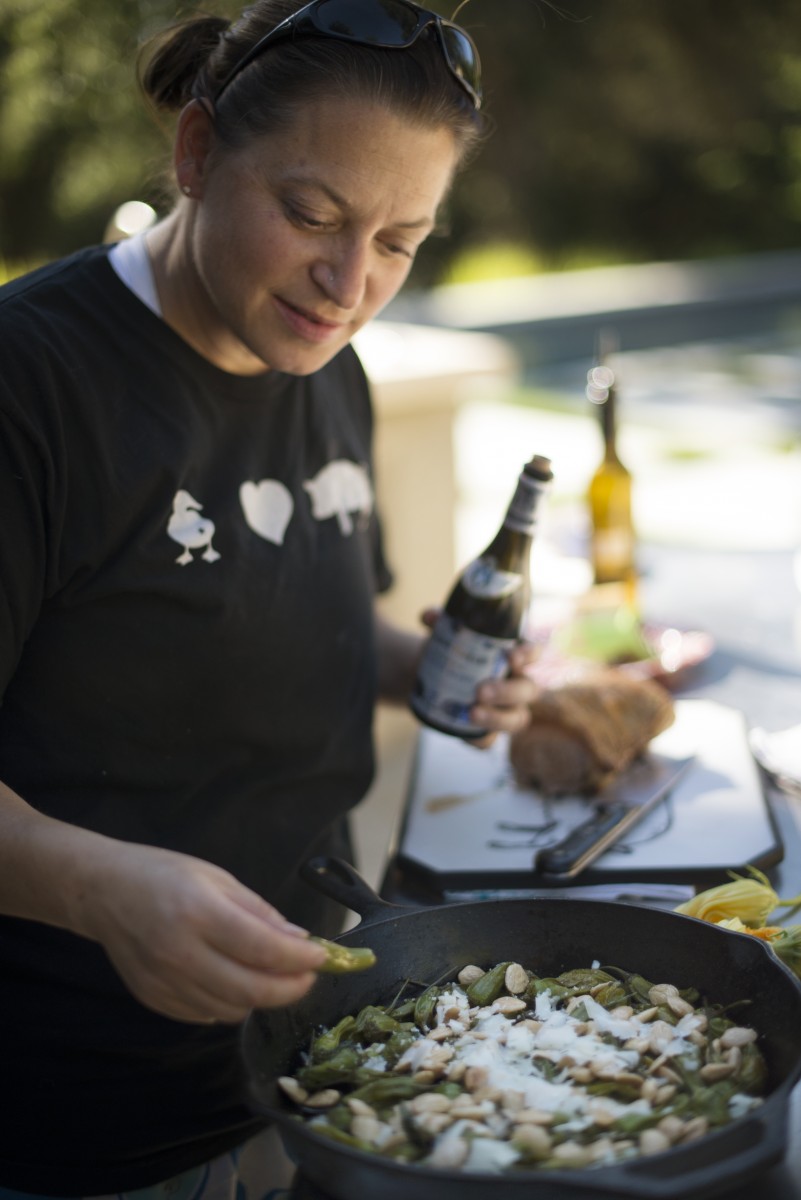
Duskie Estes tasting her wood-fired roasted shishito peppers with Marcona almonds and shavings of Pennyroyal Farm Boont Corners cheese alongside an arugula salad at her home in Forestville. (Photo by Erik Castro)
Step one: Find some rare, European heritage-breed Mangalitsa piglets. Step two: Cut through red tape to procure the animals. Step three: Build a “pig palace” in the backyard (complete with a rain shower to keep the piggies cool), raise the creatures on a luxury organic diet, then humanely slaughter them and butcher in your very own USDA certified kitchen. After so many years, it’s still the stuff of wonder for Estes and Stewart, who admit that before moving to Sonoma in 2000, their pork came from packages delivered by a food-service company. In fact, Estes was a vegetarian for 23 years until zazu came along.
Wood-fire roasted pork loin from Front Porch Farms and Santa Rosa plumbs served with a arugula and squash blossom salad next to an iron skillet of wood-fire roasted shishito peppers with Marcona almonds and shavings of Pennyroyal Farm Boont Corners cheese at the home of John Stewart and Duskie Estes in Forestville. (Photo by Erik Castro)
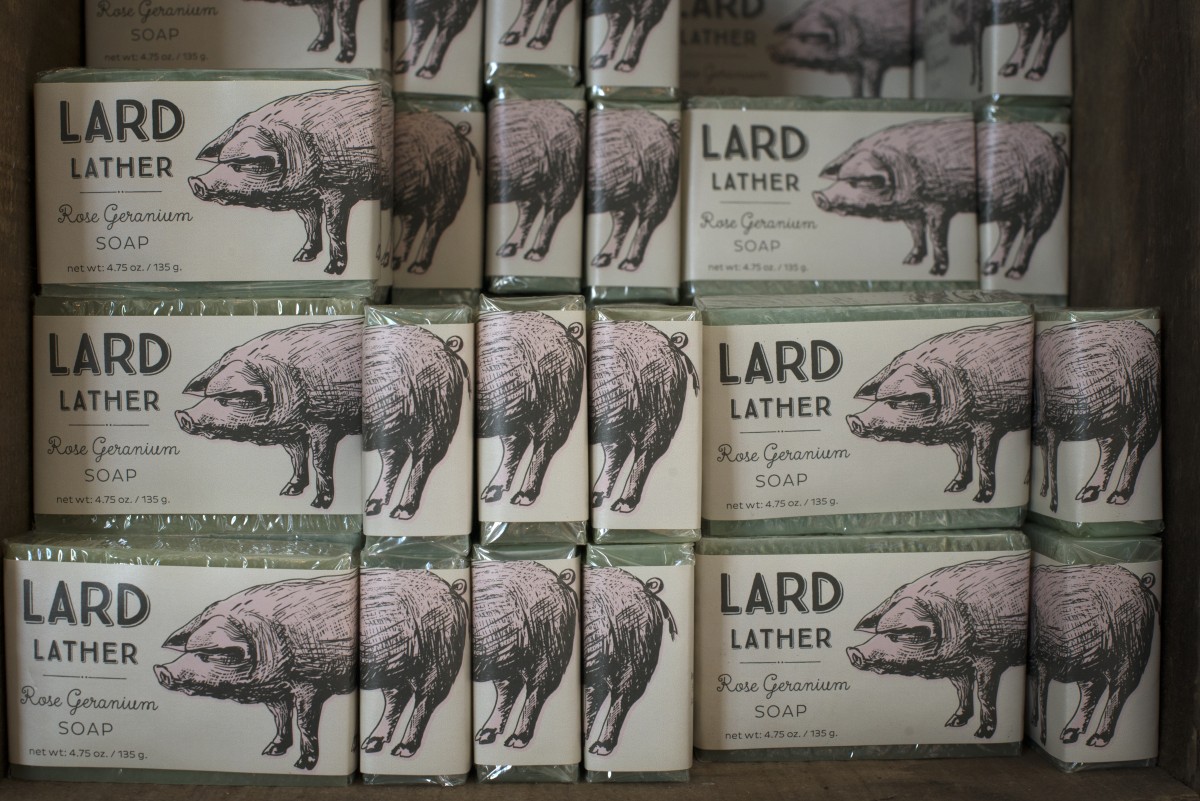
And they’re constantly experimenting, from a new lip balm called Lip Lardo (made with their own pig lard, grapeseed and avocado oils, beeswax, avocado and shea butters, and almond extract), to a Lard Lather soap, to a prototype of bacon Pop Rocks, which Estes acknowledges may die a snap-crackle death because “they smell like feet.”
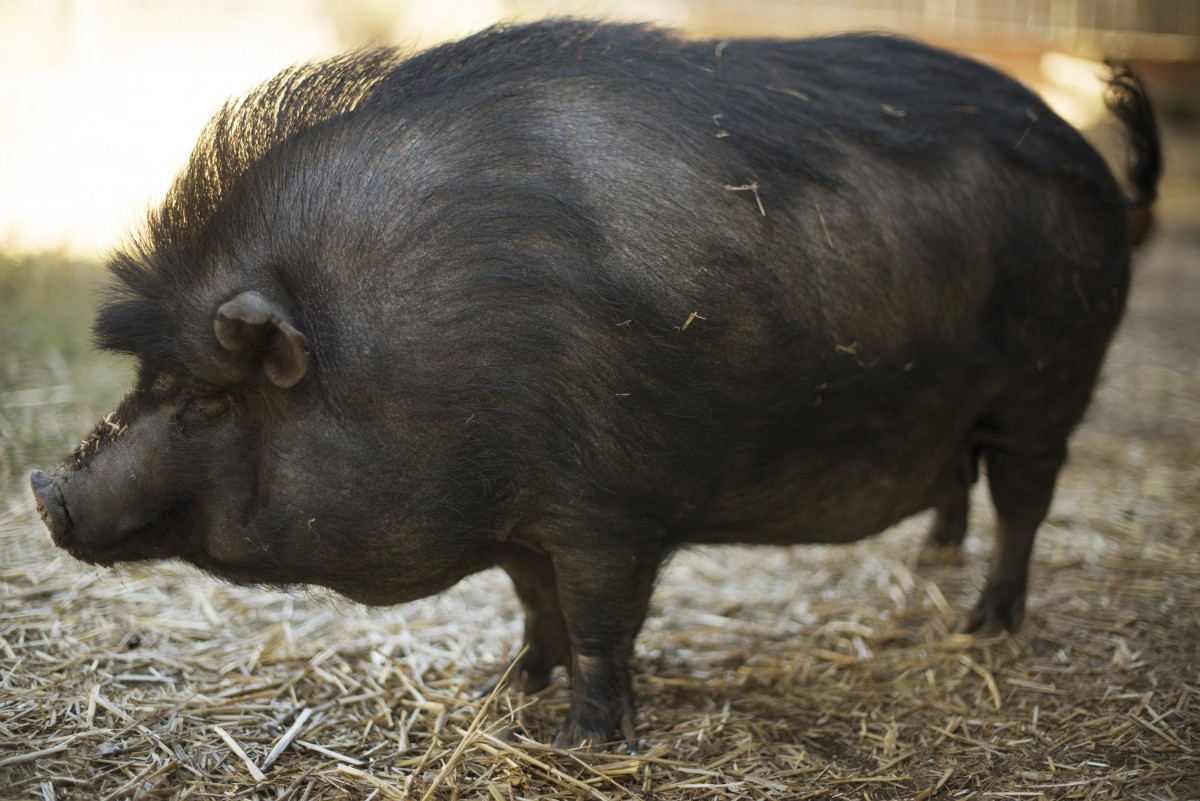
The potbelly pig known as “Lucky Precious Piggy Pop Nugget” at the home of John Stewart and Duskie Estes in Forestville. (Photo by Erik Castro)
But flash back to 1997, when Stewart, now 48, and Estes, now 47, met while working together at the acclaimed Tom Douglas collection of restaurants in Seattle. Stewart had grown up in New York, Estes in San Francisco.
“We’d been chefs in big cities who just ordered food,” said Stewart, who catered Bill Gates’ wedding in 1994. “Tom worked with farmers, and we liked that. Except at zazu, farmers came in with whole pigs. We had few resources for butchering, so we had to figure it out, and then to make money, we had to learn how to use all the parts in a restaurant way.”
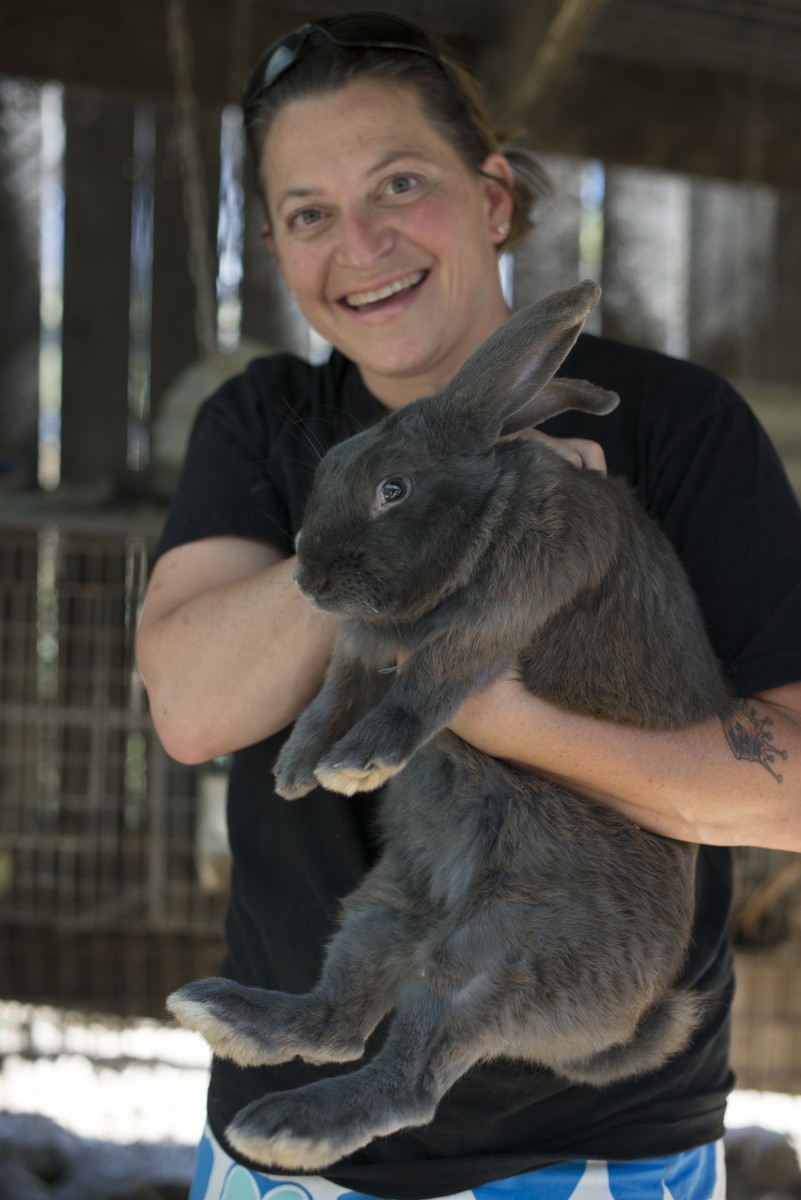
Duskie Estes with one of her rabbits at her home in Forestville. (Photo by Erik Castro)
Call it artisanal, or survival, the couple has done the heavy lifting needed to create what is now a successful operation featuring hearty restaurant dishes such as pork belly and Liberty Duck cassoulet, cocktails including a Black Pig bacon bourbon sour with maple and Madeira, and signature porky delights such as Black Pig bacon caramel popcorn and maple bacon donuts.
“Survival,” Estes said, with her hallmark laugh that expresses constant joy. It was sink or swim in Seattle, when she was hired to cover for a sous chef headed into a recovery program — he had fallen in a deep-fat fryer after drinking a pitcher of lemon drop cocktail. She worked in three Douglas restaurants, each with menus that changed nightly.
“Shove in, dig in, figure it out,” she said.
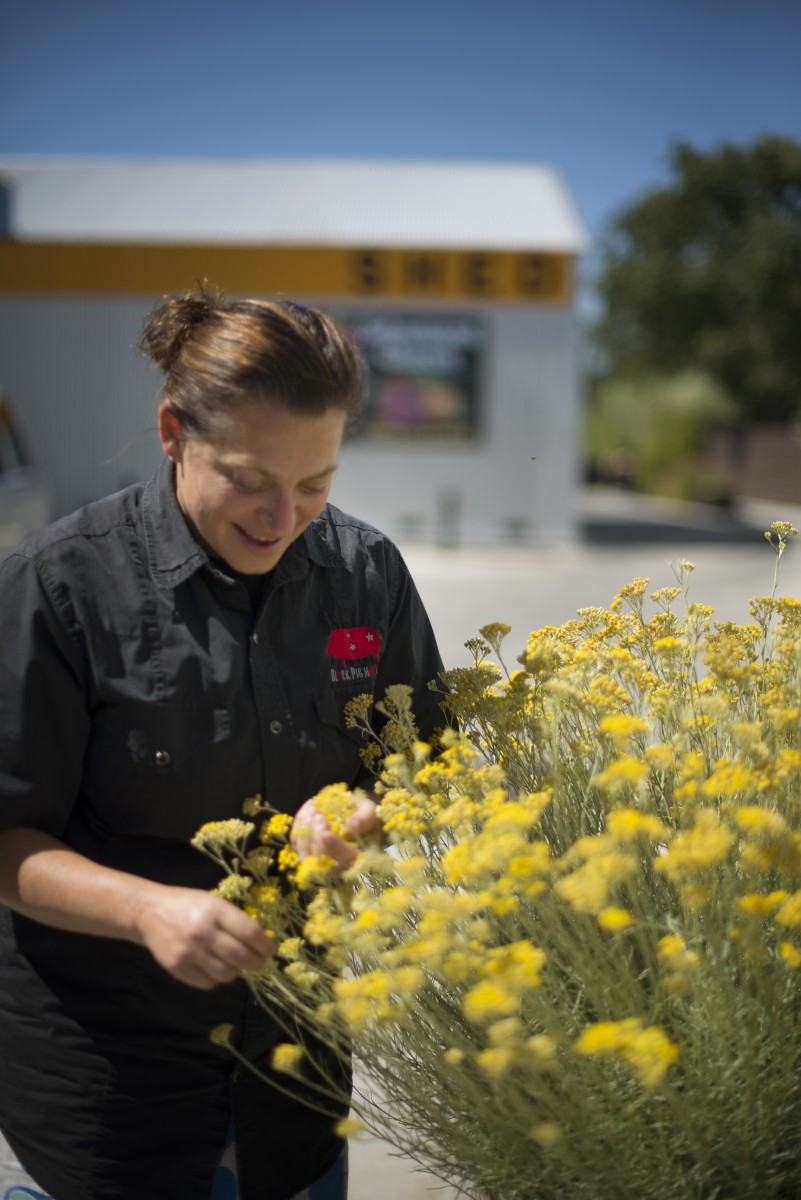
Duskie Estes picking curry blossoms that she uses for roasted cauliflower from her garden near the entrance to zazu kitchen + farm in The Barlow in Sebastopol, California. June 18, 2016. (Photo: Erik Castro/for Sonoma Magazine)
She immediately fell for Stewart, whom she called “crab cake guy,” since she didn’t know staffer names and because he was the only one who nailed the oil-and-butter ratio for perfect pan browning. “That stole my heart,” she said.
Stewart, meanwhile, was smitten with Estes’ go-get-’em attitude. “Duskie has always been a whirling dervish of energy,” he said.
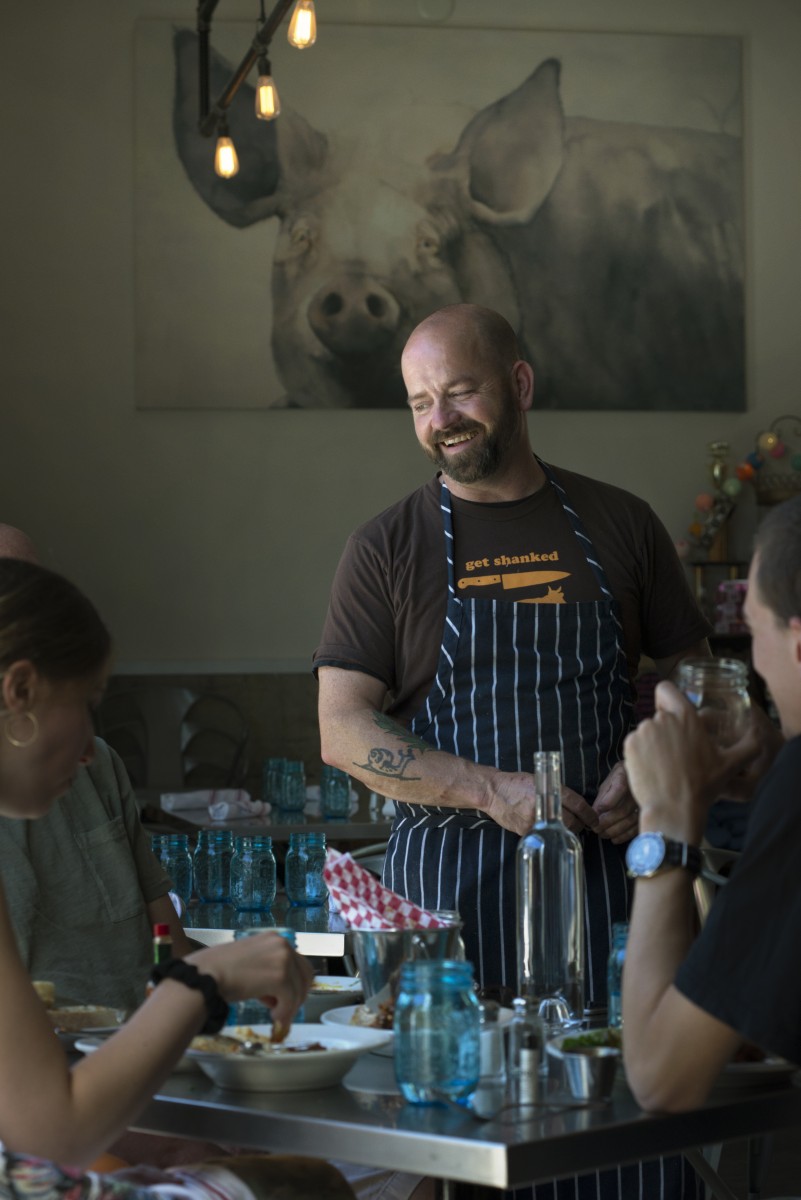
John Stewart in the dining room chatting with guests at zazu kitchen + farm in The Barlow in Sebastopol. (Photo by Erik Castro)
After the two married in Calistoga in 2000, they had dinner at Willowside, a weathered roadhouse on Guerneville Road on the outskirts of Santa Rosa.
The restaurant was for sale.
“It made me want to move back (to California),” Estes said. “But I was seven-and-a-half months pregnant with my daughter, Brydie. So I offered half price, and the owner hung up on me.”
The day of Brydie’s birth, Estes returned from the hospital to find a message on her answering machine, accepting the offer. A week later, she got on a plane with the baby, looked at the restaurant’s books and its closet-size kitchen, and offered half-again less.
“I couldn’t believe we got it,” she said. “We moved here July 1, got the keys Aug. 1, worked around the clock to fix it up, and opened Aug. 13, because we had a client party scheduled.”
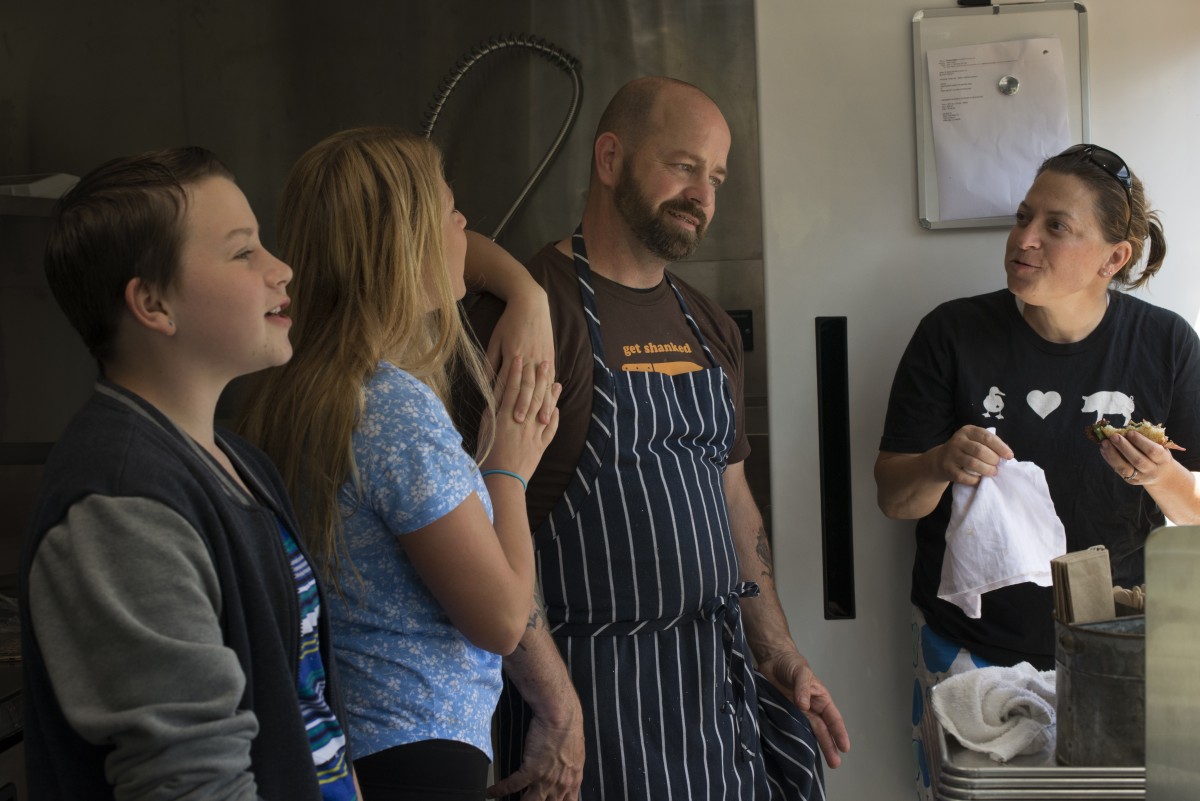
John Stewart and Duskie Estes with their children Mackenzie Stewart, 13, far left, and Brydie Stewart, 15, after serving up grilled sandwiches from their Black Pig Meat Co. food truck at Davis Family Vineyards in Healdsburg. (Photo by Erik Castro)
Then 9/11. The couple had to rent out their new home to keep the restaurant going, staying in Healdsburg with Estes’ mom for two years in a one-room loft above her garage.
Baby MacKenzie was born in December 2012.
“I wore her to work with me (in a chest carrier),” Estes recalled. “She was happy, until she was 7 months old and could reach the plates to steal food.”
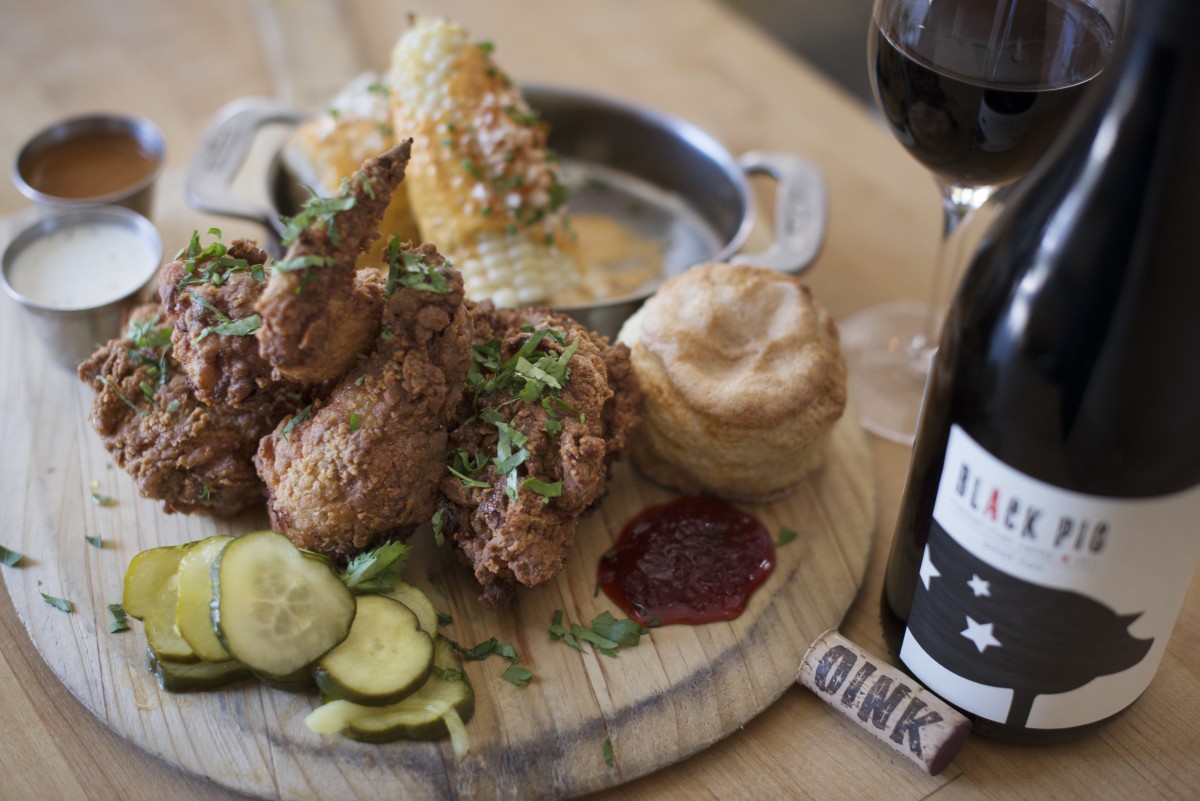
A bottle of Black Pig pinot noir to accompany buttermilk fried Petaluma chicken with fiscalini cheddar biscuit, red pepper jelly and elote at zazu kitchen + farm in The Barlow in Sebastopol. (Photo by Erik Castro)
Their accomplishments have piled up. Stewart runs Black Pig Meat Co., selling heritage-breed bacon and salumi, with his coppa winning a Good Food Awards medal this year. Estes beat out fellow former “Iron Chef America” challengers to compete in season five’s “Next Iron Chef” TV show in 2012, and took home the gold medal in a web-exclusive “Road to Redemption” tournament on foodnetwork.com that same year.
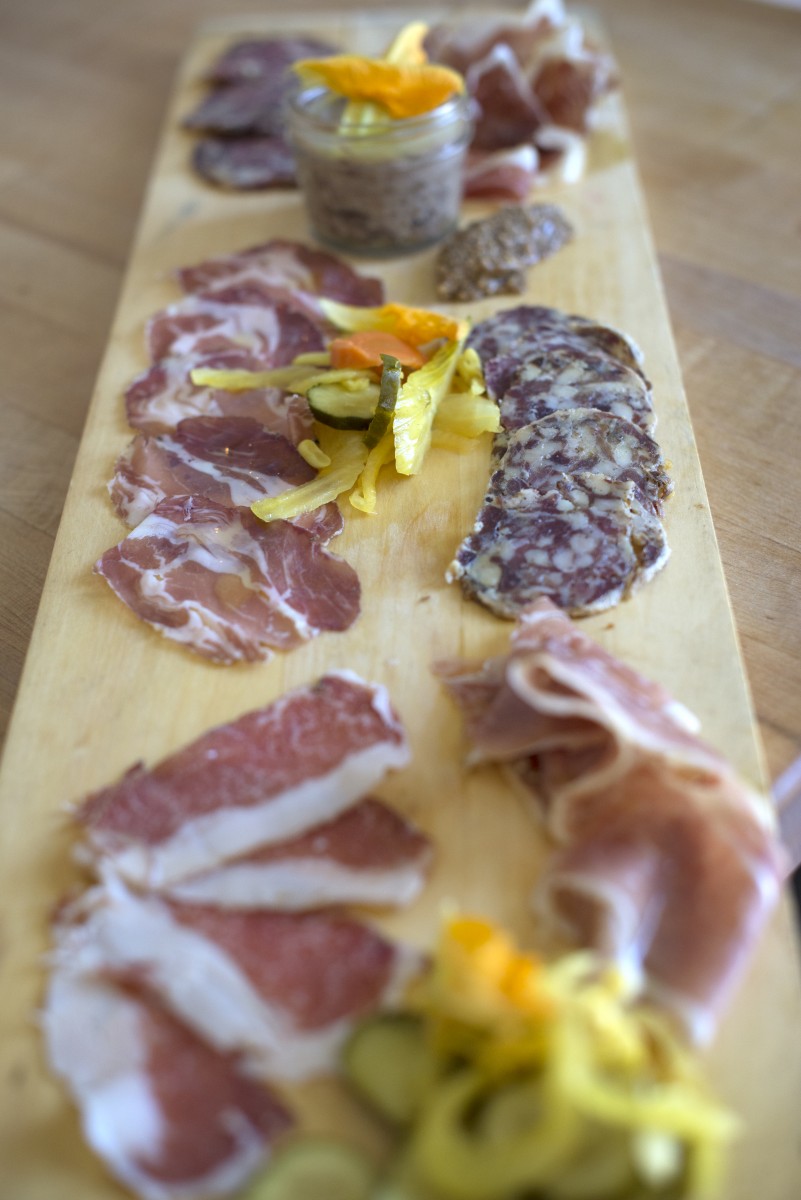
A butcher board of in-house made salumi at zazu kitchen + farm in The Barlow in Sebastopol. (Photo by Erik Castro)
In 2011, Estes and Stewart were chosen King & Queen of Porc at the Grand Cochon competition in Aspen, Colo., after winning the regional Cochon 555 cook-off in Napa a few months earlier. It was a major honor: Cochon is a national nose-to-tail pig contest where fine-dining chefs create inventive recipes based on locally raised heritage-breed pigs from family farms.
Just three years ago, the duo relocated zazu from its original, casual roadhouse setup in west Santa Rosa to a modern, much larger space in The Barlow center in downtown Sebastopol.
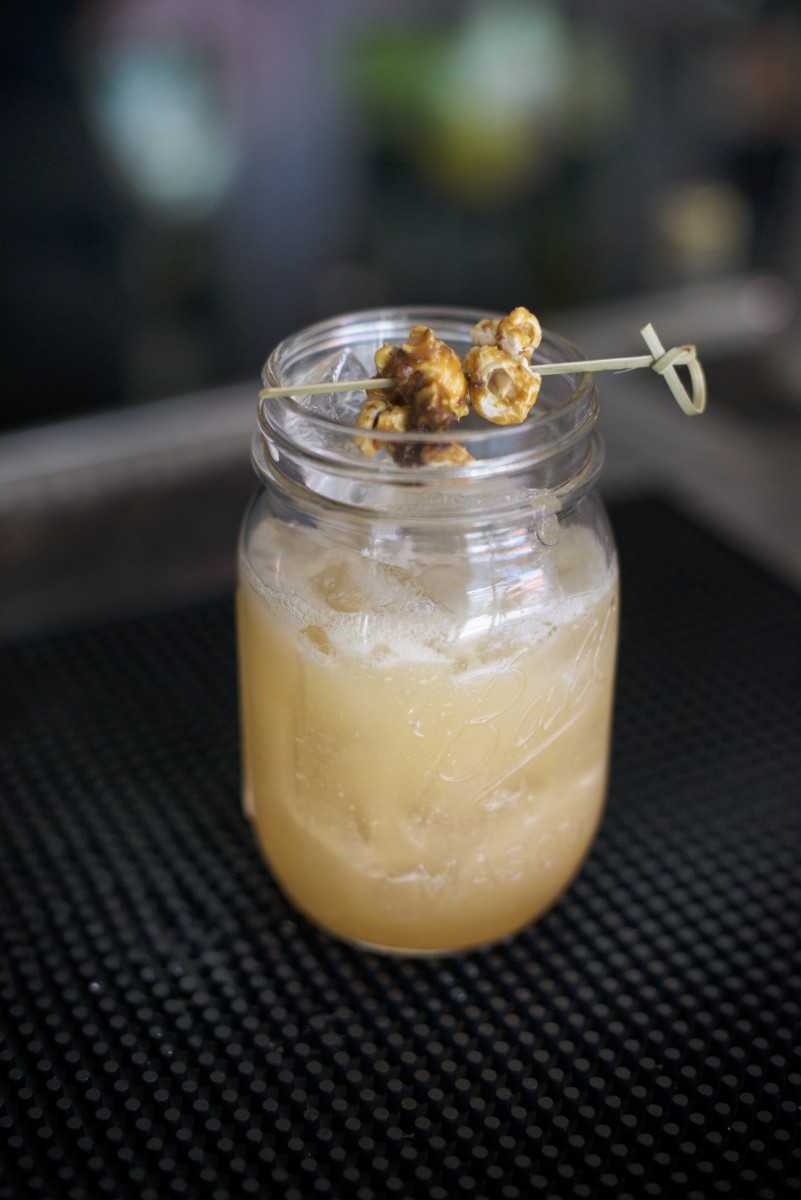
A Black Pig Sour cocktail made of Black Pig bacon bourbon, maple, madeira and garnished with Rodeo Jax bacon caramel popcorn at zazu kitchen + farm in The Barlow in Sebastopol. (Photo by Erik Castro)
They now produce their own salumi, pasta, pizza dough, gelato, bacon-infused bourbon, and chicharrone peanut butter cups. They grow their own produce at home, and at The Barlow and Davis Family Vineyards. On the side, Estes and Stewart work with Thomas George Estates in Healdsburg to make Pink Pig sparkling wine and Black Pig Pinot Noir, and with Tilted Shed Ciderworks in Windsor for a bacon hard cider on tap, and Davis Family for a Slaughter House Syrah.
Lard Lather Rose Geranium soap at zazu kitchen + farm in The Barlow in Sebastopol. (Photo by Erik Castro)
Now, showing a visitor around their yellow clapboard farmhouse, Estes and Stewart introduce a stud pig, Big Papa, a 600-pound hybrid. He came to be a preferred sire after the couple played mad scientist three years ago, crossing a rare heritage Mulefoot with a Red Wattle in their backyard, for what they think might be an entirely new breed.
“Mangalitsa piglets were nearly impossible to get, and $600 each,” Estes said. “So we tried raising dierent kinds, winners from Cochon competitions. Then we did dinner taste-os.”
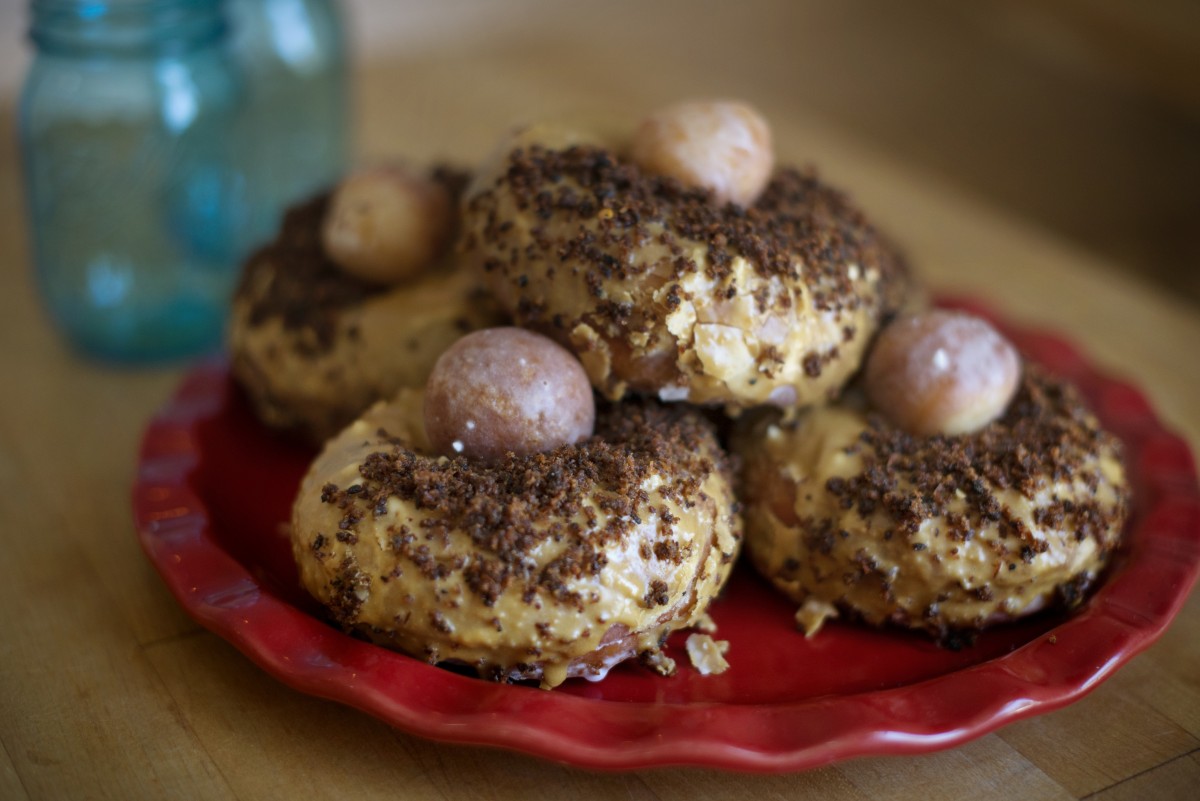
Maple glazed donuts with bacon jimmies at zazu kitchen + farm in The Barlow in Sebastopol. (Photo by Erik Castro)
Currently, Big Papa is dating Tamworth/Duroc and Berkshire/ Hampshire crossbreeds. “That’s enough genetic diversity, and they’re not as tall and skinny as purebreds,” Stewart said. “They’re more round, like I love.”
Every day is a new adventure, Estes said. “It’s a ride, dude. We’ve gotta try, even if it seems everything I want to do now” isn’t yet accepted.
zazu kitchen + farm, 6770 McKinley St., Suite 150, The Barlow, Sebastopol, 707-523-4814, zazukitchen.com