
Meet the Makers: Custom Bike Builders in Sonoma and Napa

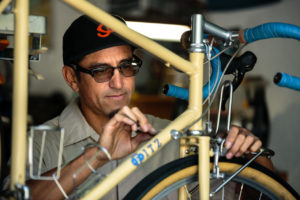
Tom Fitzgerald making a bike frame in his garage/workshop

Editor’s Note: Bruce Gordon, a master maker of hand-built bicycle frames and designer of tires credited for inspiring new trends for recreational cycling worldwide, died in Petaluma June 7, 2019. He was 71. Read about Gordon, and fellow local bike builders, in this article published by Sonoma Magazine in 2018. 


Hundreds of miles of uncrowded roads and trails traversing windblown coastal blues, undulating pastures and vineyards, and steep mountains shrouded in redwoods have long drawn cyclists to Sonoma County.

Over the years, these athletes have forged one of the most visible groups in local outdoor recreation, supporting numerous clubs and teams, shops stretching from Cloverdale to Petaluma, and a list of events that packs the county’s calendar from February to November.

But bikes aren’t just ridden in Sonoma; they’re also made here.

The county harbors some of the nation’s preeminent independent bicycle-frame builders. From backyard workshops and hidden warehouses, these craftsmen transform steel, aluminum, or titanium tubes into high-performance machines and works of art for clients down the street or halfway around the world. Still other local businesses design and build some of the parts that make them move.

Together, Sonoma’s frame builders and component manufacturers add to a legacy of bicycle innovation that reaches back decades and crosses county lines into Napa, San Francisco, and Alameda — and especially Marin.

There, as the story goes, mountain biking was born on the flanks of Mount Tamalpais in the mid’ s when a few renegade types outfitted their heavy old cruisers with bigger tires and better brakes to bomb down its rocky slopes.

In the ensuing years, many big names in bike frames developed nearby: Salsa, Otis Guy, Ibis, Breezer, Gary Fisher. But more recently, the balance of power has shifted north, with Sonoma now home to renowned builders Soulcraft, SyCip Designs, and Bruce Gordon Cycles (recently retired), as well as the popular outfitter Yuba Bikes. Just this year, Marin Mountain Bikes relocated from Novato to Petaluma.

Like many subcultures, frame-building is a tight-knit world where most people know each other. In some cases they have even learned from one another or worked side by side. Each strives to make bikes and frames as distinctive as they are durable, often custom-crafted for a particular individual.

That’s the beauty of bikes built from the ground up: fit and machined and welded over many hours; backed by years of training, testing, and retooling; designed for speed, strength, and safety; and bearing the mark of their maker.

While custom cycles cost a lot to produce (reflected by price tags in the thousands), the artisans who make them – often with a dog at their feet or a beer within reach — are both a throwback to a simpler time and a quintessential part of modern Sonoma County.
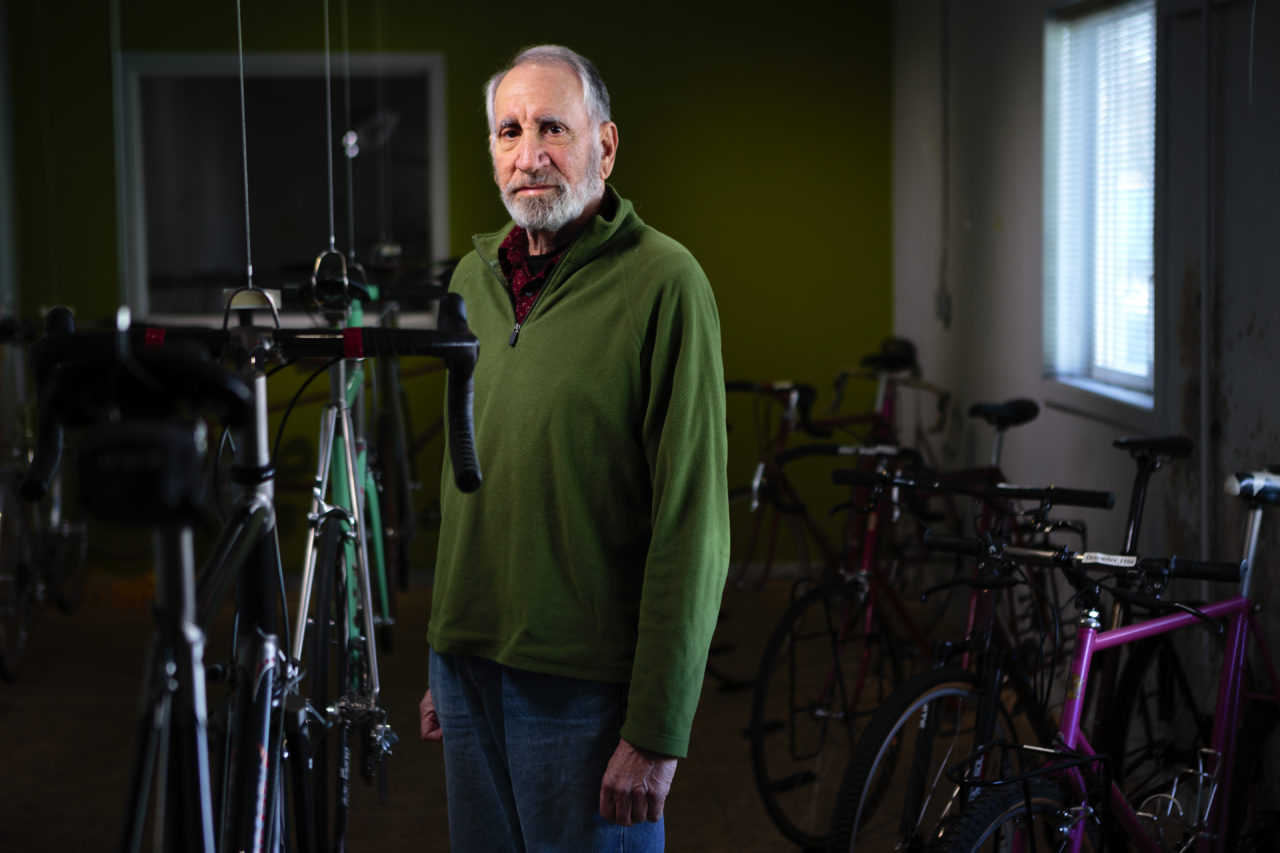
Bike builder Bruce Gordon

BRUCE GORDON, Bruce Gordon Cycles, Petaluma

For a long time, anyone curious about Sonoma County frame-building found their way to Bruce Gordon and his workshop-showroom in downtown Petaluma. Over a storied 47-year career, the internationally known craftsman mentored or supported many others, including Petaluma’s Sean Walling, built some of the best frames the industry has to offer, and designed a full range of high-end bicycle-touring components and accessories that went on to live a life of their own.

But by last year he felt ready to retire, and offered up for sale his immense collection of tools, parts – and lightly used bikes dating to the early 1970s. While Gordon, 70, says he’ll continue selling his famous Rock ’n’ Road tires from his home, more importantly he hopes to find a buyer for the Bruce Gordon Cycles name. “My intellectual property is all for sale,” he says. “The bikes, the racks, the toe clips, the brakes, everything that I made is for sale.” Whatever happens, he hopes custom frame-building will live on for decades more, as an antidote to mass production for those who seek it.
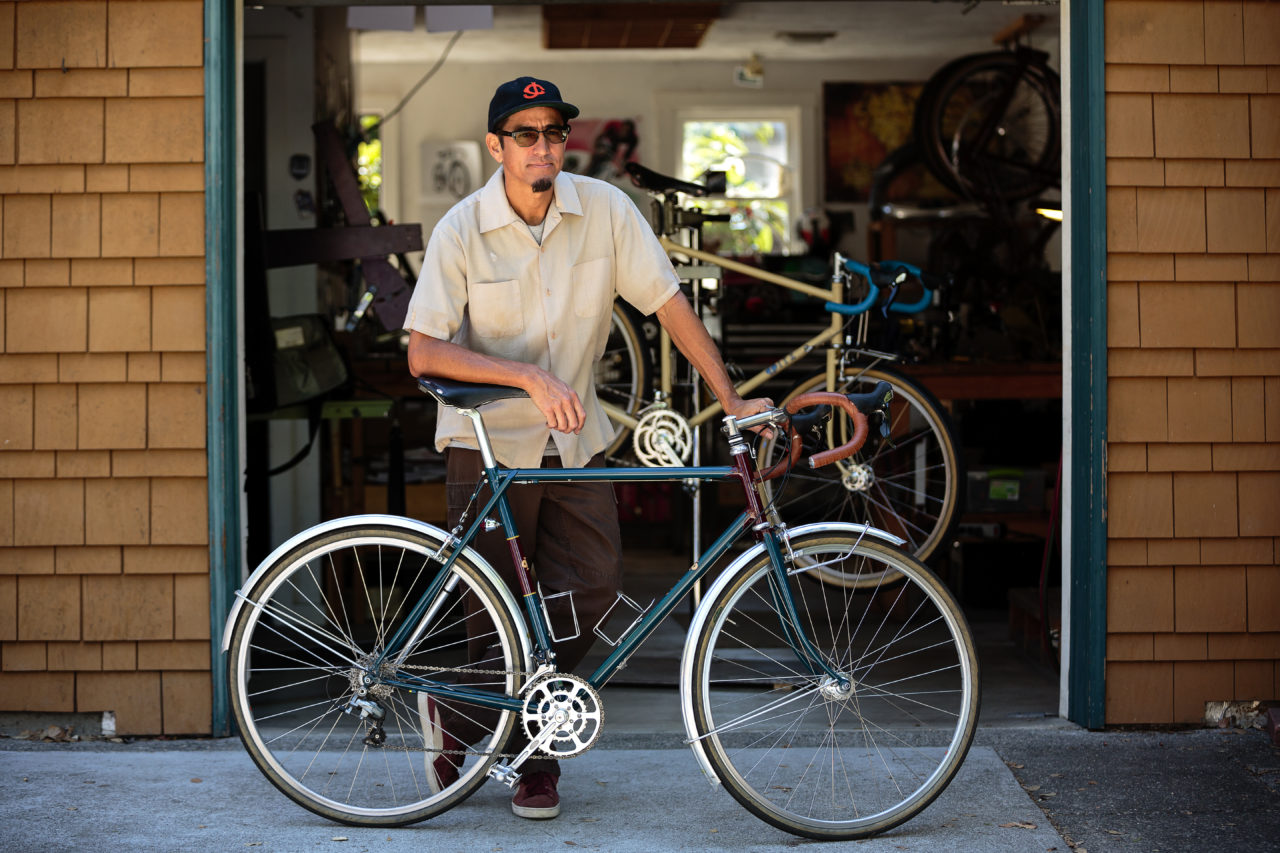
Tom Fitzgerald making a bike frame in his garage/workshop

JOHN FITZGERALD, Fitz Cyclez, Santa Rosa

From his garage workshop in Santa Rosa’s historic St. Rose neighborhood, John Fitzgerald builds frames that embody the handmade ethic.

They’re retro, distinctive, custom-fit, and generally unlike anything you’d find in a standard bike shop. He works only in lugged steel, a labor-intensive frame type that involves mating steel tubes via socket-like sleeves, called lugs.

This type of frame was prized for its performance and strength throughout the cycling boom of the 1960s and ’70s, but was eventually supplanted by cheaper welded-steel and aluminum and lighter titanium and carbon fiber.

Fitzgerald’s creations honor a century-old French sport called randonneuring, which involves long-distance, self-supported rides. He includes provisions for fenders, multiple racks (which he also builds), lights, and “dynamo” electricity-generating hubs so customers can outfit their rides for days on the road.

“The old-school flavor appeals to me,” says Fitzgerald, 46, a stay-at-home dad who has been building frames for 15 years and completes about 10 a year. “They’re extremely functional, beautiful, and useful bikes that you can really do anything with.”

Favorite local rides: Willow Creek, Old Cazadero, and Hood Mountain.
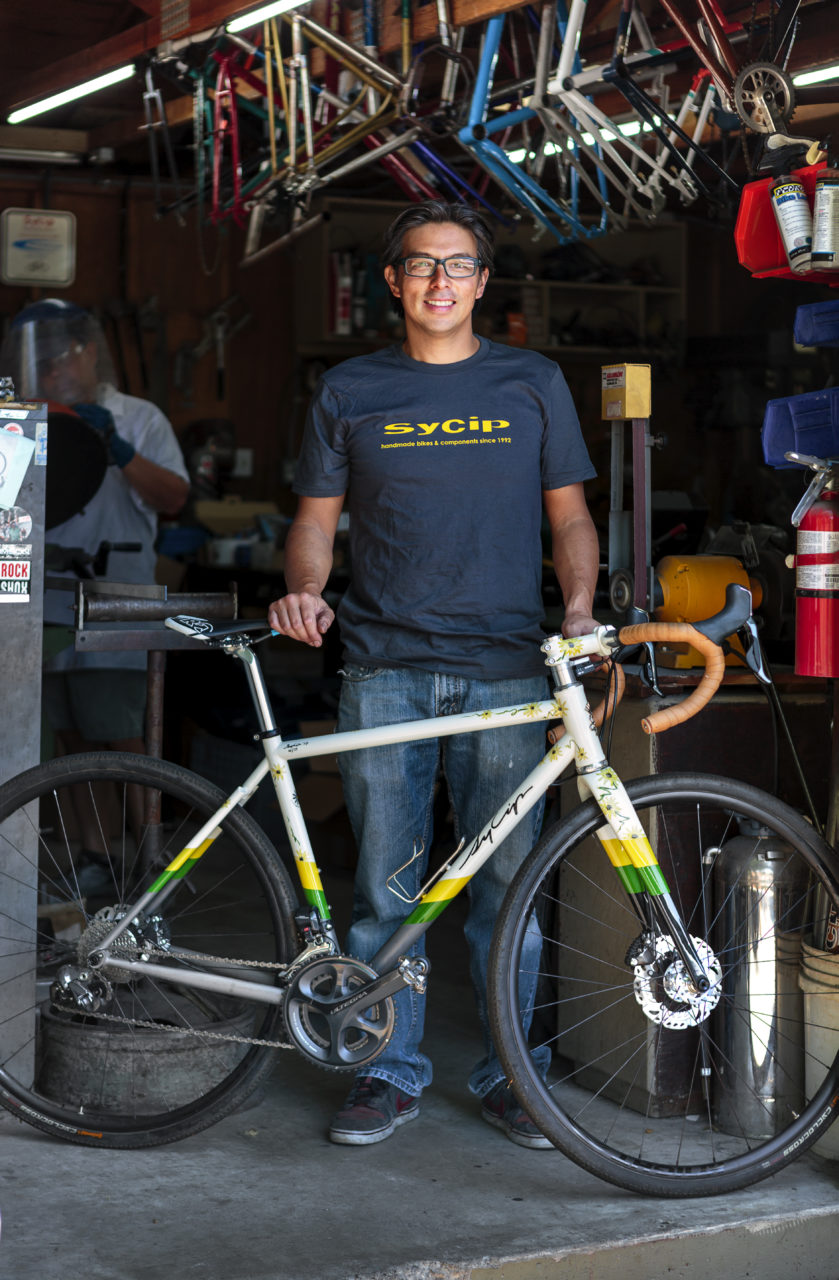
Jeremy Sycip, builder of custom bikes with some of his bikes and an exploded view of a bike

JEREMY SYCIP, Sycip Designs, Santa Rosa

When he started in San Francisco with his artist brother Jay, Jeremy Sycip was the new kid on the Bay Area bike-building scene. “We were both into bike riding, and I worked at a bike shop part time,” says Sycip, who had himself just finished his first year of art school. “I wanted to work with my hands. I wanted to produce something that’s functional, not just design something on paper.” Today, more than 25 years later, Sycip, 47, is one of the scene’s most widely known names.

In 2016, he moved his operation from a 2,500-square-foot shop in Santa Rosa’s Railroad Square, where he operated for 12 years with six employees, to a smaller, solo operation in a backyard workshop. There, Sycip turns out custom mountain, road, cross, cargo, and commuter bikes in steel, aluminum, and titanium.

“When I meet people, I basically size them up and build them what they want,” says Sycip, who celebrated his silver anniversary last year with a limited run of frames hand-painted by his brother — just like in the early days. “Everything is built one at a time. It’s not like a production shop at all.”

Favorite local rides from his home in East Santa Rosa: Trione-Annadel State Park (especially both Burma trails and Lawndale Trail to Schultz Trail loop, all on a mountain bike); Hood Mountain to Pythian Road and back home (gravel/cyclocross bike); North Sonoma Mountain Regional Park to Jack London State Historic Park and back home (gravel/cyclocross bike); and Cavedale Road to Trinity Road and back home (road bike).
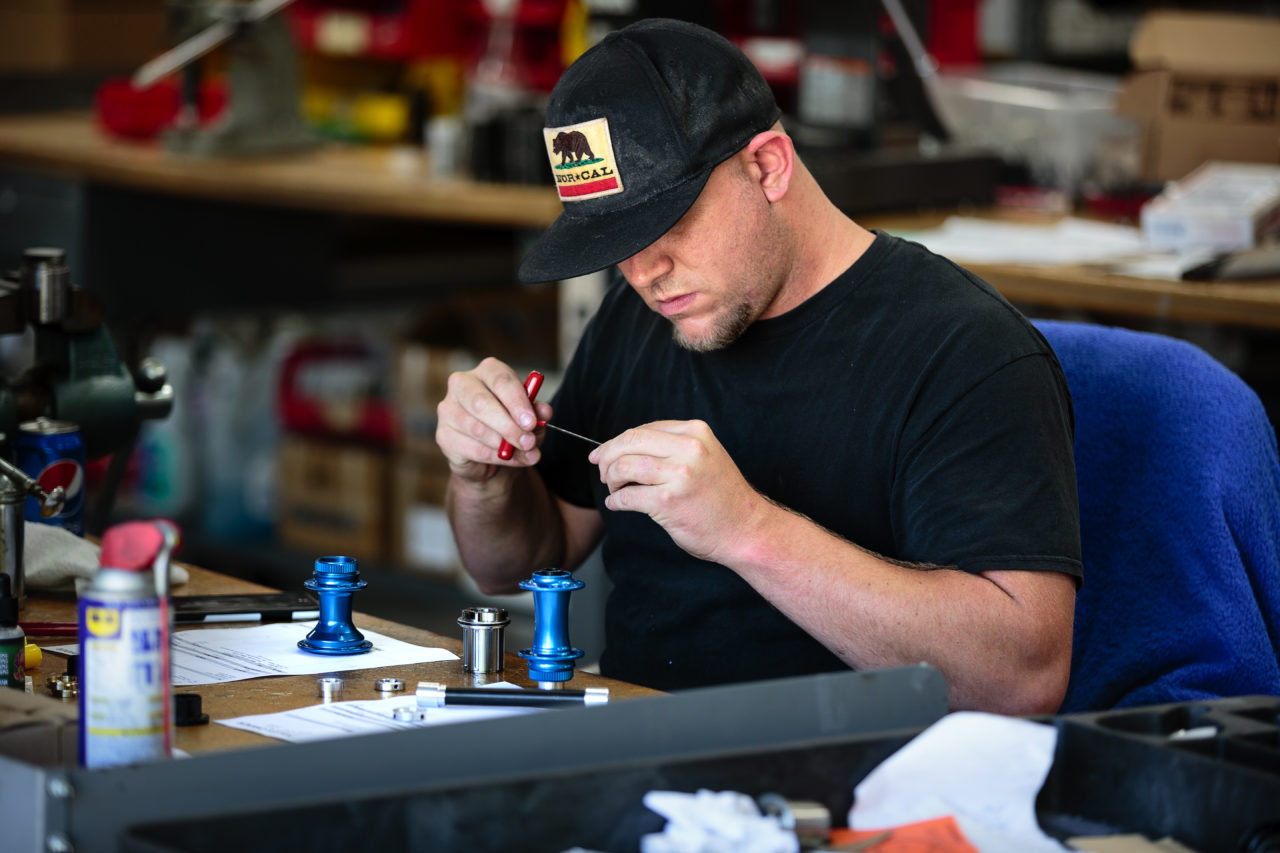
Bicycle parts manufacturer White Industries

WHITE INDUSTRIES, Petaluma

White Industries manufactures many of the parts and components that turn bare frames into functioning bikes. That includes hubs, at the center of the wheel, with ball bearings rotating around a center axle, and freewheels that allow the gears on the rear wheel to engage in one direction and spin in the other — two parts for which the ever-evolving company is best known. Doug White, 72, a machinist by trade, founded the company in a West Marin garage in 1978.

Today it’s one of the nation’s only domestic manufacturers of bicycle components, and its 17 employees — including Doug’s son Alec, the chief product officer — work from a 15,000-square-foot warehouse fittingly located a block from the heart of Petaluma’s burgeoning “Maker Alley.” Says Alec, “Our reputation sells a lot of our products for us. As long as we are building to that level of quality, people will tend to trust what we do and buy our products over others.”

Favorite local rides: Helen Putnam Regional Park, Trione-Annadel State Park (especially both Burma trails, Rough-Go Trail, and Spring Creek Trail), and Sebastopol to Annadel via the Joe Rodota Trail. On Trione-Annadel: “Really, I just like it all there.”
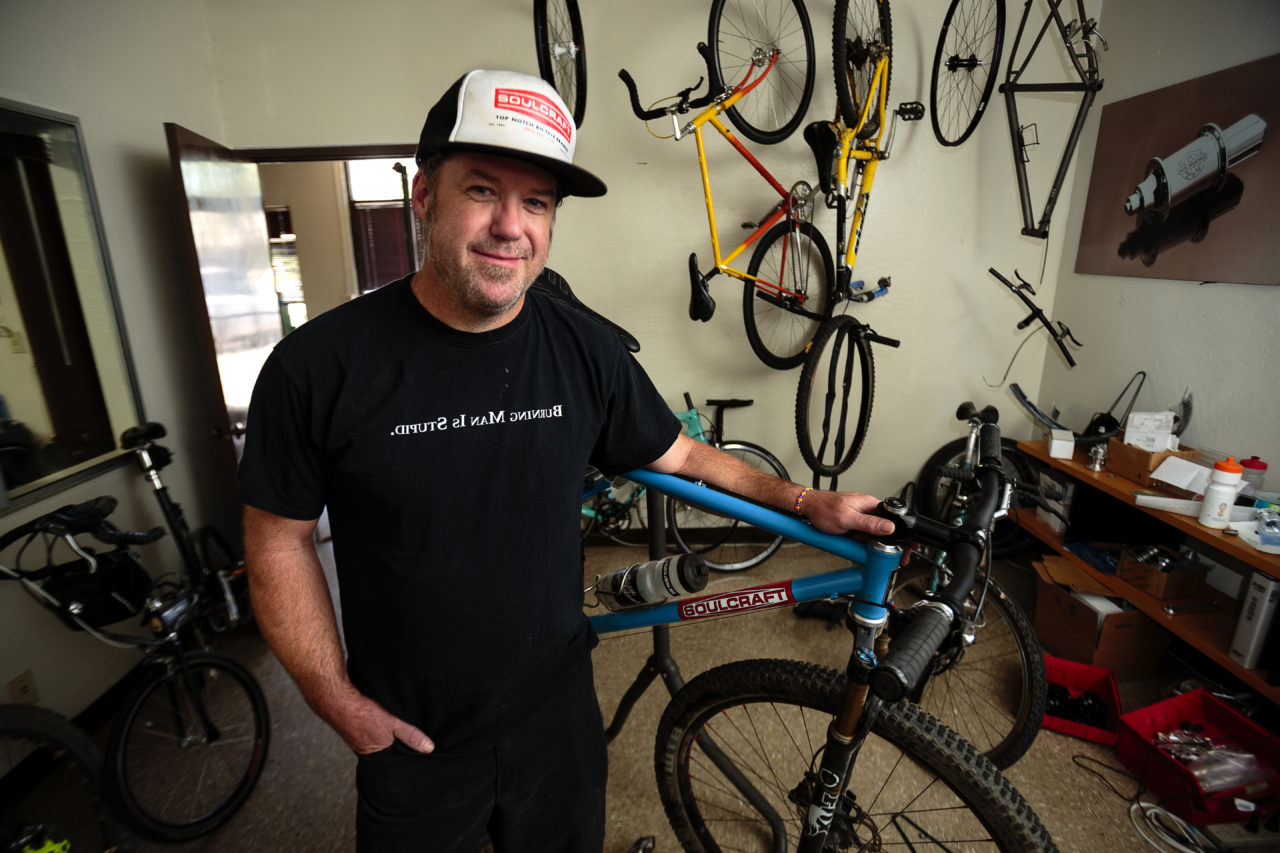
SEAN WALLING, Soulcraft, Petaluma

Petaluma’s Sean Walling takes a singular approach to bicycle design with his well regarded Soulcraft brand. He used to offer custom bikes, but this year will transition to handcrafting “stock” frames with set sizes and consistent geometries, built out with standard component sets and limited options. It’s a natural fit, as the self-described purist has long offered preset, customizable models like the popular “Dirtbomb,” a road/dirt hybrid ready to ride from home to the trails of Trione-Annadel State Park.

Over the course of 30 years and more than 1,000 frames, Walling, 48, has learned that “when you start talking ‘custom’ to some people, there can be a little anxiety over all the choices.” From his large backyard workshop he hopes to streamline the process by building stock high-performance bikes, complete from top to bottom. “I’ve become known as the guy who makes nice bikes, of good quality and not flashy,” he says. “You’re coming to me because I know how to build frames.”

Favorite local rides: Petaluma’s Chileno Valley loop, or the shorter alternate Chileno/Wilson Hill/Hicks Valley/D Street/San Antonio/I Street.

SMART ride: “Over the summer we did a ride from town to Olema, up Bolinas Ridge on the dirt to the top of Mount Tamalpais, down the dirt on Railroad Grade to Mill Valley, then on the bike path back to San Rafael for burritos before we hopped on the train to come home. And there’s beer on the train!”
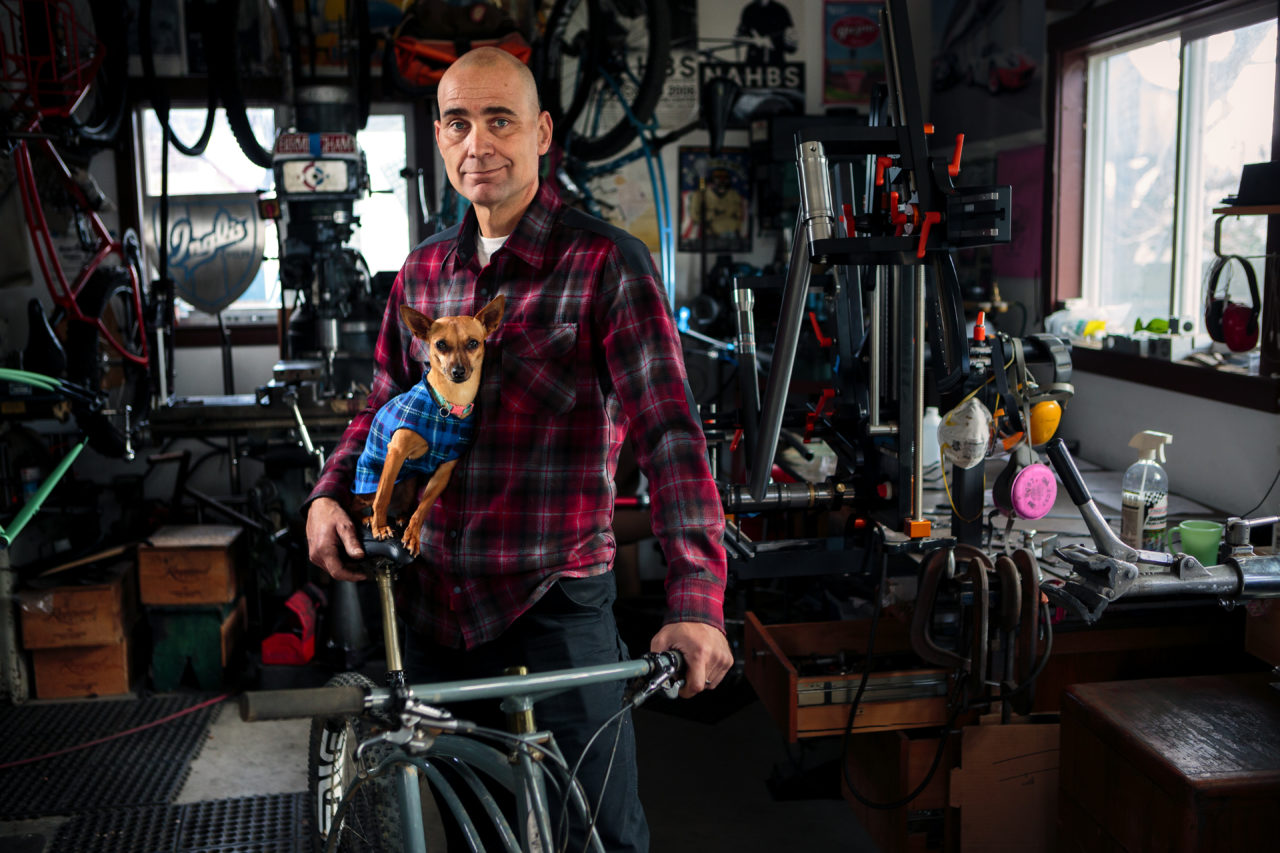
Curtis Inglis, in his workshop and with his dog Coco

CURT INGLIS, Retrotec, Napa

Through his Retrotec line of mountain, road, and hybrid “cyclocross” and “gravel” bikes, Napa-based Curt Inglis blends the sweeping lines of classic beach cruisers with modern geometries and high-performance parts.

Retrotec’s frame models — which can be equipped for track, trail, or anywhere in between — include the fanciful “Classic,” resembling a 50-year-old Schwinn, and the slightly more conservative yet no less curvaceous “Twin,” Inglis’ best-seller. They’re some of the most eye-catching and inspired bikes you’ll see anywhere.

For traditionalists, Inglis, 49, also builds standard, straight-tubed bikes under the Inglis Cycles name. He produces a combined 35 to 40 frames a year for buyers as far away as Japan and Switzerland.

“As a custom builder, I just need to know what the customer wants,” he says.
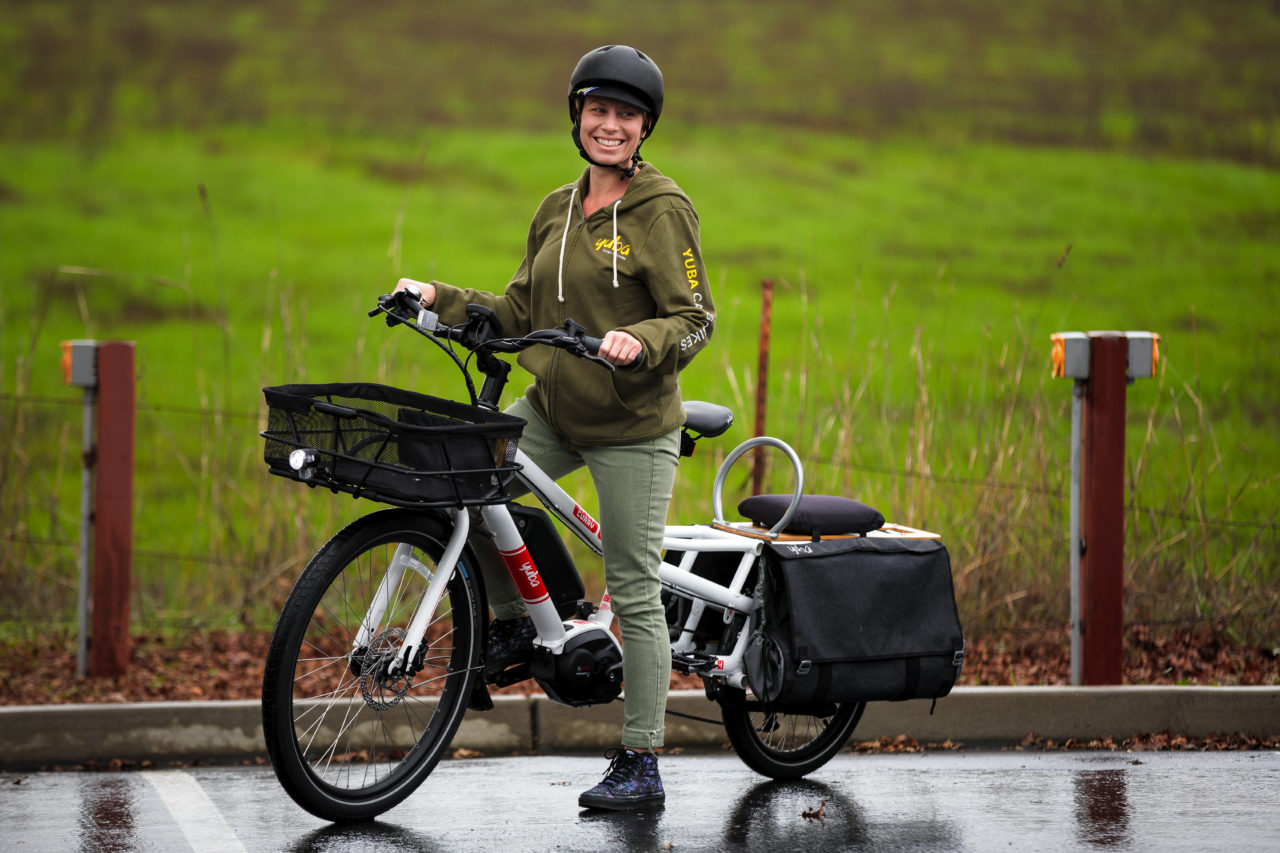
Yuba Bikes, makers of big cargo bikes

YUBA BIKES, Cotati

If you’re looking to haul groceries, toddlers, or a cooler full of craft beer across town, Yuba wants to help. The Cotati-based company has emerged as a leading maker of cargo bikes, beefy rides built for comfort and utility, not speed. Yuba has been migrating north since its 2007 founding in Sausalito and moved its headquarters and seven Sonoma County employees up from Petaluma about a year ago. (Manufacturing takes place in China and Taiwan.)

The company continues to grow rapidly, with plans to launch two additional electric-powered bikes later this year. They’ll join Yuba’s flagship model, the $4,500 Spicy Curry Bosch, with a motor built for steep hills and long-distance rides. “Young families are wanting to start to move around a little bit differently,” says operations manager Marc Azevedo. “We’re providing a solution for folks who want to get out of the car.” Local dealers include the Trek store in Santa Rosa and Mike’s Bikes in Petaluma.

Favorite local rides with kids: Doyle Park (Santa Rosa) to Trione-Annadel State Park (Spring Creek Trail to Canyon Trail); Doyle Park to Children’s Museum of Sonoma County via Prince Memorial Greenway and SMART Trail.
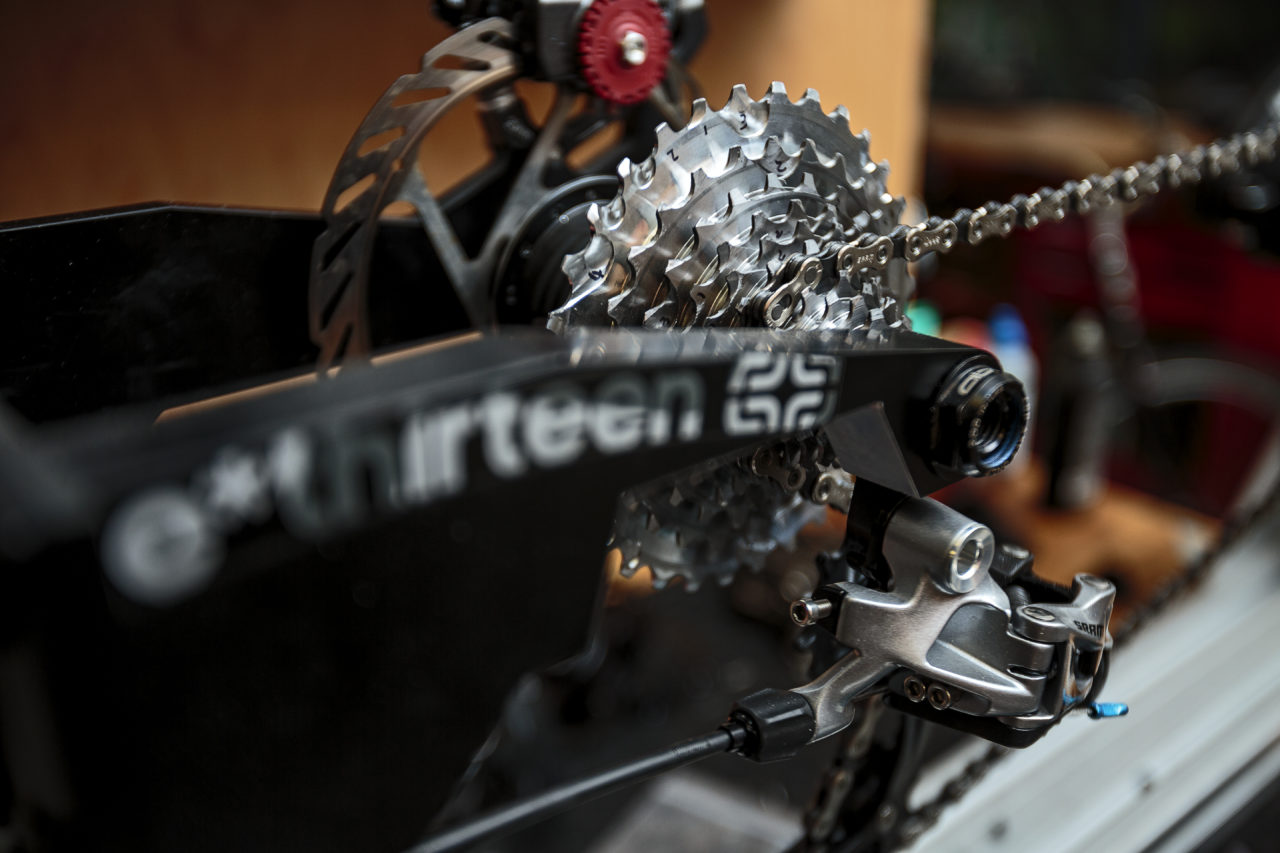
e*thirteen, Petaluma

It has offices in Germany and San Luis Obispo and its manufacturing takes place in Taiwan, but bicycle component producer e*thirteen considers the North Bay home, says marketing and design guru Connor Bondlow. The $15 million company, now entering its 17th year and still growing, is headquartered in a nondescript east Petaluma business park.

“It’s good to have a presence in the Bay Area,” says Bondlow. “It’s such a hub for the cycling world.”

Over the years the company has offered a range of high-end aluminum and carbon-fiber components for downhill-oriented mountain-bike riding, including hubs, wheels, cassettes, chain guides, and suspension systems. Its latest hot seller is a burly, ultra-durable, maximum-traction tire for “enduro” downhill racing. “Demand is just insatiable,” Bondlow says.

Favorite local rides: Anywhere in Trione-Annadel State Park.
How to Do a Girls Getaway in Sonoma a la Amy Poehler’s ‘Wine Country’ Movie

Celebrating 41 years, the Wine Road Barrel tasting weekends offer the opportunity to sample wines straight from the barrel, talk to winemakers and explore the beautiful Alexander, Dry Creek and Russian River Valleys. (Photo Will Bucquoy/For the Press Democrat)

Wine Country has all the necessary ingredients for a girlfriends’ getaway: charming B&Bs and luxury resorts, delicious farm-to-table food, chic boutiques, a beautiful landscape, and lots and lots of wine. Long a destination for bachelorette parties, bff birthday bashes and other female feasts, the region has now been immortalized as a gal-pals’ dream retreat in Amy Poehler’s “Wine Country” movie, which premieres Friday, May 10, on Netflix.

Inspired by a real-life birthday trip to Wine Country, Poehler’s comedy flick depicts female friendship against the backdrop of a Napa Valley birthday celebration or, in our dining editor Heather Irwin’s words: “through the lens of a Chardonnay bottle.” Like many visitors to Wine Country, the characters in the movie like to drink wine – lots of it – but aren’t necessarily that interested in vintage, bouquet, and mouthfeel. All they want is to enjoy some white, red and pink wine and have a good time.

While “Wine Country” is set in Napa, the birthday celebration that inspired the movie partly took place in Sonoma County. We may be biased, of course, but if you have to choose between the two, Sonoma makes for a much better girlfriends’ getaway than the Disneyland of wine tasting: it’s more low-key than its heavily-hyped neighbor, it’s less crowded (Sonoma is more than double the size of Napa), and the wine is just as good (if not better).

If watching “Wine Country” makes you dream about your own wine-infused weekend with the girls, click through the gallery for inspiration.

7 Graduation Gifts Available in Local Stores

Graduation is on the horizon, and the future is bright or at least near. Show those graduates you’re in their corner with a thoughtful gift. Because beloved cash-in-the-envelope is only one of many options, here are a few other gift ideas all available in Sonoma stores—click through the above gallery for details.

Fisherman’s Finds: 6 Gifts for Your Favorite Angler

Do you ever need a gift for someone who lives to fish? You know, the one who likes to catch his or her dinner and cook it, too? Here are six Sonoma finds for people who spend lots of time on the water waiting for something to bite. And remember, Father’s Day will be here soon. Click through the above gallery for details.

The Ultimate Guide to Sonoma County Farmers’ Markets 2019

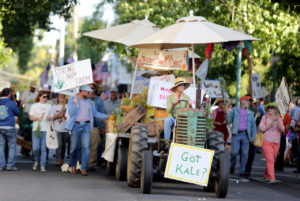
5/24/2013: B5: PC: The Healdsburg Farmer’s Market float during the Healdsburg Future Farmers Country Fair 64th Twilight Parade held in downtown Healdsburg, Thursday, May 23, 2013. (Crista Jeremiason / The Press Democrat)

Shopping in grocery stores can be drab and routine, as you snake up and down the same aisles collecting boxed and canned goods, ticking off your regular shopping list. Luckily, Sonoma County is a hub for farmers offering an abundance of fresh produce, seasonally and year-round, to hungry locals. Click through the gallery for a list of all the fun farmers markets spreading healthy fare and good times across the county.

These Sonoma Wineries Are Showing Moms Some Extra Love This Mother’s Day

This Sunday, celebrate Mom by treating her to what she needs the most: an afternoon of wine tasting. In Sonoma County, there are plenty of options for Mom and co., we even found a few wineries suitable for families with young kids. Many winery visits require reservations, so plan ahead! Click through the gallery for details – we’ve included a few non-wine options, too. 


The Joys of Perimenopause and White Wine in Amy Poehler’s ‘Wine Country’ Movie

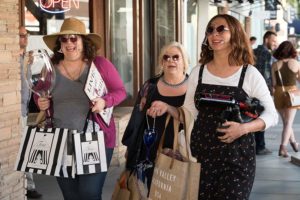
Shopping in Calistoga in Netflix’s Wine Country. set in Napa and featuring Amy Poehler and other SNL cast members in a hilarious perimenopausal romp. Photo: Netflix

The new Amy Poehler comedy “Wine Country,” debuting on Netflix May 10, is so much more than a funny gal-pal movie a la Bridesmaids. Instead, it’s a perimenopausal romp that looks at the wonders of becoming a middle-aged woman through the lens of a Chardonnay bottle.  Then, it plants a stylish-but-comfortable Dansko in the rear end of Hollywood with fluffy female cast members wearing CPaps, getting awkwardly drunk in public, gifting each other, uh, adult novelty pleasure toys, and exploring complicated relationships between friends. 

Set in Napa, the coming of middle age movie features comedians Poehler (who directed), Rachel Dratch, Maya Rudolph, Emily Spivey, Ana Gasteyer Paula Pell and a few brief appearances by Tina Fey. As a woman about to turn 50, it was easy to snort at every joke about bikini waxes, Wellbutrin, not understanding Snapchat, listening to podcasts about micro-dosing and being baffled about how you ended up throwing your back out by trying to unlock a door. Minor spoiler alert, it also features a cameo by Brene Brown. If that information makes you gleeful, you’re gonna love this movie. (If you have no idea who Brene Brown is, let me recommend Daring Greatly or her TED-talks or her recent Netflix special ‘Call to Courage’.)

Maya just before falling off the piano in Netflix's Wine Country. Set in Napa and featuring Amy Poehler and other SNL cast members in a hilarious peri-menopausal romp. Photo: Netflix
Maya just before falling off the piano in Netflix’s Wine Country. Set in Napa and featuring Amy Poehler and other SNL cast members in a hilarious peri-menopausal romp. Photo: Netflix

On another level, living in Wine Country, it’s hard not to feel a bit of pride at the awe-inspiring shots of our vineyards, sweeping vistas and agri-chic lifestyle. It’s also pretty cringe-worthy to watch the cast encounter snooty tasting room staff, be served ‘Lavender Popping Corn” on a stick at a restaurant, and encounter a spacey Paella guy who “comes with the house” they rent for the weekend. Played by Jason Schwartzman, he’s loosely based on our own Paella Guy, Gerard Nebesky who knows Dratch and some of her friends. Throughout the movie, I was searching out what parts of “Devon” were Gerard, and what parts were Hollywood. The scene where he describes catching a cuttlefish in Bodega Bay for the giant pan of paella he’s trying to finish for the entire movie — totally Gerard (even though there aren’t any cuttlefish in Northern California waters and paella doesn’t take two days to make).

"Devon" the paella guy in Netflix's Wine Country movie, set in Napa and features Amy Poehler and other SNL cast members in a hilarious peri-menopausal romp. Photo: Netflix
“Devon” the paella guy in Netflix’s Wine Country movie, set in Napa and features Amy Poehler and other SNL cast members in a hilarious peri-menopausal romp. Photo: Netflix

Wine Country—actually Napa—plays a central role in the movie, with plenty of shots of the ladies at wineries not giving a hoot about top notes or tartrates, notable spots in Calistoga, Artesa Winery and other non-specific vineyards. It’s not necessarily a very flattering look, but it is recognizable to those of us who live and work here.

One huge miss for the movie: The paper “wish lanterns”  — you know the paper lanterns with little candles in them that fly into the air — yeah, they had like 30 of those going into the night sky of Napa at the end of the movie. Pretty, but all I could think was…uh, that’s a fire hazard for a region that, you know, went up in flames like a year and a half ago? Too soon.

This isn’t an Oscar-winner or a classic. It’s fun and funny. It’s raw and honest in a way that only women writers and actors could portray realistically. It features wonderfully imperfect bodies in sometimes unflattering ways. It’s set in a pretty place we recognize. It’s about women in stretchy skinny jeans and Spanx who are starting to become invisible to the world but finally manifesting to themselves. Welcome to Wine Country.

Want to see it on the big screen? Summerfield Cinemas is showing it starting May 9 (551 Summerfield Rd, Santa Rosa)

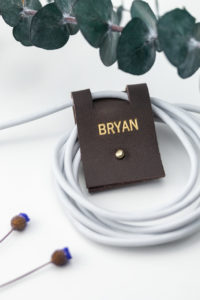
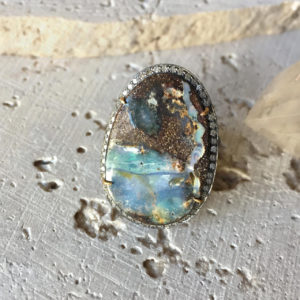
5 Sonoma-Made Jewelry Pieces Mom Will Love

Here’s a common dilemma: your calendar is full of occasions that require getting a gift, but your head is empty of ideas. As always, we’re here to help. Let’s start with the upcoming Mother’s Day, Sunday, May 12: we suggest you give Mom a stunning piece of jewelry made by a local artisan. These beautiful designs will also make great gifts for graduates or other special people on your list. Click through the gallery for details.

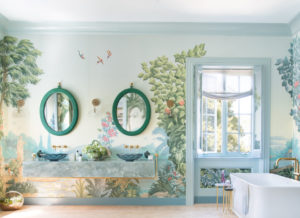
3 Local Events to Check Out If You Love Art, Design and Vintage

There’s much to swoon over in the month of May if you’re a fan of Sonoma aesthetics. Three upcoming events – a decorator showcase, a French flea market, and a winery tour – are bringing interior design, vintage finds and fine art to the area within the coming weeks. Consider this your opportunity to be inspired by exquisite art and eclectic style; click through the gallery for details.

Jennifer Cody Epstein to Read from New Novel in Santa Rosa This Tuesday

“The trouble with Eichmann was precisely that so many were like him, and that the many were neither perverted nor sadistic, that they were, and still are, terribly and terrifyingly normal.”

— Hannah Arendt in “Eichmann in Jerusalem: A Report on the Banality of Evil”

Like philosopher and political theorist Hannah Arendt, in her observations regarding Adolf Eichmann’s behavior during his 1961 war crimes trial in Jerusalem, many still grapple with the question as to why so many were motivated to participate or acquiesce in Nazi atrocities and policies during the duration of Hitler’s Third Reich.

During his trial, Eichmann, one of the main organizers of the Holocaust, seemed never to experience guilt for his actions, continuing to defend himself by saying he was merely “doing his job…he did his duty…he not only obeyed orders, he also obeyed the law.” Since the end of the Second World War, the subject of the widespread support for Nazi terror and ideology has been revisited from a variety of viewpoints in literature, art, movies and history books.

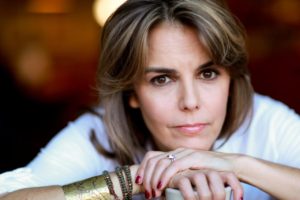
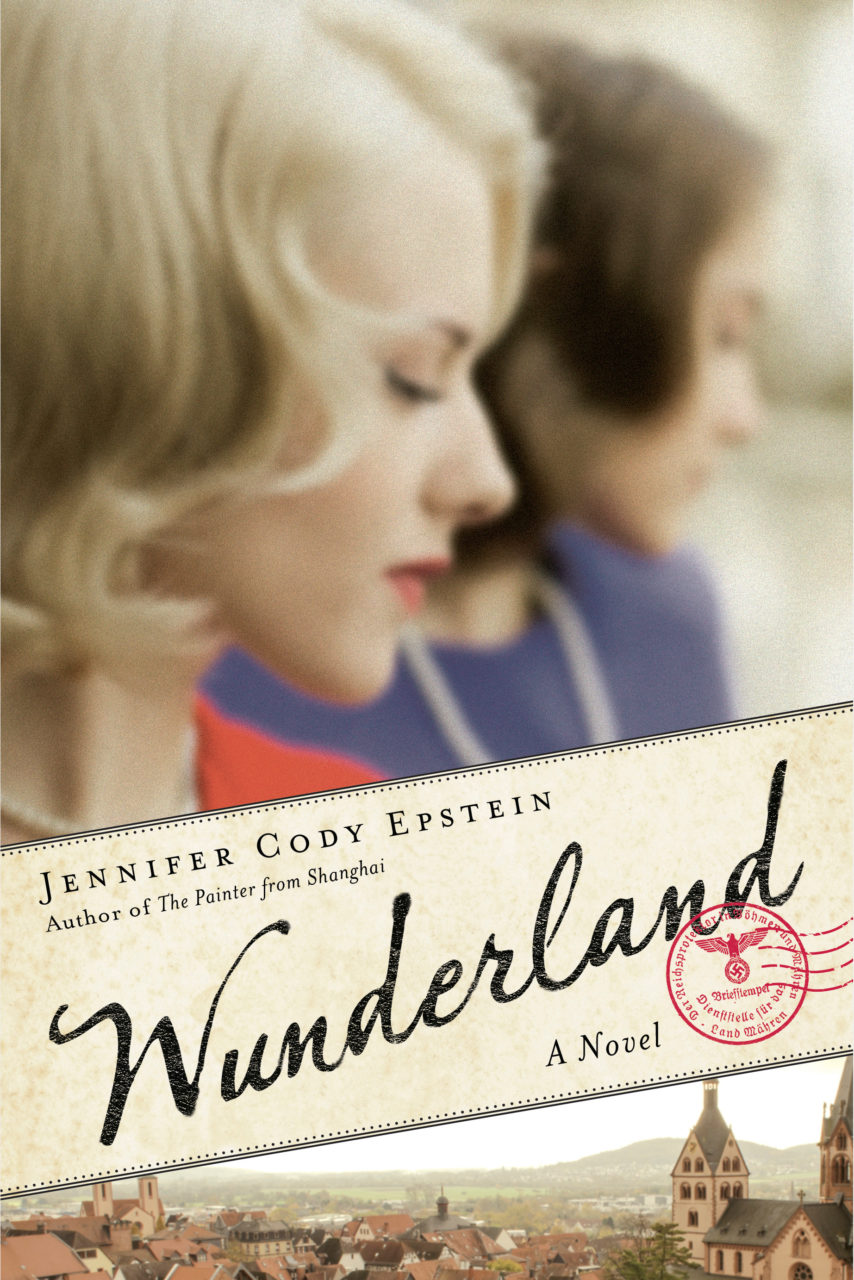
In the recently released historical novel “Wunderland,” author Jennifer Cody Epstein explores this dark moment in German history through the perspectives of two young girls, who are closely connected yet separated by very different experiences. On Tuesday, April 7, Epstein will read from her new book at The Astro motel.

Partly set in 1930s Germany, “Wunderland” tells the story of childhood friends Ilse von Fischer and Renate Bauer. The girls, teenagers in the first year of Hitler’s regime, are drawn to Nazi ideology. Ilse joins the Bund Deutscher Mädel, the girls’ branch of the Hitler Youth, but when Renate learns that she is of Jewish descent, the close bond between the two breaks and they soon find themselves on opposing sides of the gathering storm.

Fifty years later, in New York’s East Village, the stories of Ilse and Renate become intertwined once again when Ilse’s estranged daughter Ava discovers old letters her mother wrote, but never sent, to her childhood friend. As Ava reads the letters, her mother’s dark and mysterious past is unveiled, along with her complicity in the crimes of the Nazi regime.

Epstein found inspiration for “Wunderland” in a World War II memoir titled “Fazit,” (translated as “Account Rendered” in 1964). In the memoir, former Nazi Melita Maschmann recounts her rise and fall within the girls’ section of the Hitler Youth; her confession takes the form of a long letter to a former Jewish classmate and friend. In 1963, Maschmann elaborated on her purpose for writing her memoir in a letter to Hannah Arendt: she explained that she wanted to help former Nazi colleagues reflect on their actions and help others “better understand” why people like her had been drawn to Hitler.

“I’d known for years that I wanted to write about the Holocaust,” says Epstein, “not about the monstrous mechanics of the Final Solution, but something that would help me better understand the individual choices people made at that time…in Account Rendered I spotted the seeds of the kind of story I wanted to tell.”

Released on April 23, Epstein’s book has already caught the attention of critics and fellow writers: USA Today and Refinery29 suggest book-lovers put “Wunderland” on their “to-be-read list.” Author Hillary Jordan summarizes the new novel this way:

“Wunderland depicts in intimate and chilling detail how fascism, racism, and xenophobia are made normal and acceptable; how ordinary people, beguiled by the siren call of nationalism, are led willingly into acts of inhumanity—and could be again, if we ignore the lessons of the past.”

Epstein, who resides in Brooklyn, NY, with her two daughters and husband, filmmaker Michael Epstein, is also the author of the international bestseller “The Painter from Shanghai,” based on the life of the Chinese Post-Impressionist painter Pan Yuliang, and “The Gods of Heavenly Punishment,” which tells the story of several families—American and Japanese—against the backdrop of the 1945 “Bombing of Tokyo.” She began working on her third novel six years ago, in 2013, shortly after discovering “Account Rendered” in an article in The New Yorker.

Three years into the research and writing process, the story of Ilse, Renata and Ava started to feel uncomfortably familiar to Epstein.

“When I started Wunderland, the themes I was interested in exploring—how ostensibly ‘good’ people get swept into the toxic current of a national hate movement, and how that movement manifests itself in the daily flow of life—felt pretty comfortably removed,” she says. “Three years later, things looked very different…In Wunderland, I described flickering torchlight, fluttering flags, a buffoon-turned–brash leader promising Germany renewed ascent in the world while dismissing the independent media as Lügenpresse (“the lying press”). On CNN, Trump stood before a red sea of MAGA hats, promising to renew the American dream while calling the media dishonest scum.”

While Epstein is reluctant to attempt to “distill the spectrum of possible reader reactions” to her work into a single message, she hopes “Wunderland” may be of some help to readers grappling with tough questions encountered in confusing times—questions that she herself encountered while writing the book: “How do the lessons of the past translate into the present? How do you recognize evil amid the everydayness of life—perhaps even in yourself?

It was Eichmann’s inability to reflect on his own actions and think from the standpoint of another person that made him commit such terrible acts on such a wide scale, maintained Hannah Arendt. This lack of imagination, or “thoughtlessness,” constituted what she termed “the banality of evil.”

“Wrongs once committed can never be undone by [mere] reflection,” writes Melita Maschman in her memoir, “but perhaps it enables the individual to recognize a wrong more quickly and not to be seduced by one again.” It is here, from Epstein’s perspective, that the crucial lesson lies: the overarching importance of “recognizing not just the wrongs repeating around us, but also the failings within ourselves.”

What: Jennifer Cody Epstein reads from her new novel “Wunderland”
When: Tuesday, May 7, 2019, at 6 p.m.
Where: The lounge at The Astro, 323 Santa Rosa Avenue, Santa Rosa
Tickets: Free; RSVP by calling The Astro at 707-200-4655.

There will be small bites provided by The Spinster Sisters and sips by Matanzas Creek Winery, guests are encouraged to continue the conversation over dinner at The Spinster Sisters.