
Samantha Brown Shares Favorite Sonoma County Spots Before Upcoming Travel Show

Samantha Brown knows what makes a place worth visiting. A television personality who has hosted several different travel shows over the past 15 years, Brown has seen the good, the bad, and the ugly. She has said that critical components of a winning destination include one-of-a-kind experiences, strong drinks, delicious food, and great stories. Thankfully, Sonoma County has it all—at least according to the forthcoming episode of Brown’s Emmy Award-winning show, “Places to Love.”

The episode, which airs at 2:30 p.m. Saturday, Feb. 1 and 3 p.m. Sunday, Feb. 2 on San Francisco PBS station KQED, summarizes four days that Brown and her crew spent on our turf. Over the course of an hour, Brown highlights a mix of museums, vendors, restaurants, attractions, and wineries.

Contributing writer Matt Villano recently caught up with Brown to discuss the show and what she likes best about Sonoma County.

Coming in, what were you looking for?

Sonoma is a massive county and there’s so much to do. We always go for the story first, the effort that it takes to create experiences for travelers. I’m also interested in what people don’t know about a place. When many hear the word Sonoma, it has this reputation for being unattainable. We wanted to show a very different Sonoma—the one with generations of farmers, the integrity of hard work, and creativity.

What were some of your favorite spots?

California Carnivores, for starters. It’s a carnivorous plant nursery. I loved it. One of the owners fell in love with these plants when he was 14. He bought a carnivorous plant there as a customer and now he is part owner of the nursery and that plant is still there. It’s 34 years old. It was such a great scene. Another great spot was Safari West. We focused on Nancy Lang, who is co-owner. The place comes off as a zoo, but it’s not. They have these amazing automobiles going through these fields and savannah where animals are roaming around. It’s as if you are the one in the cage and they are the ones who are free-roaming. Most people will never get to Africa—I have a job in travel and I’ve never been on a safari there—but visiting Safari West seems pretty close.

To what extent did you focus on wineries?

How could you possibly do a show on Sonoma and not do any wineries? We did the Robledo Family Winery. For us it was a no-brainer. The fact that he [Reynaldo Robledo] is the first Mexican migrant worker to own his own vineyard. He worked from 16 years old to owning his own vineyard. I realized when I was talking to him that when he came here in 1968 there really was no wine industry. That was when everything started to happen. Maybe without him we wouldn’t be where we are today.

And food?

We didn’t stop and focus on chefs; we wanted to focus on farmers first. We went to a wonderful dairy farm called the Achadinha Cheese Company [in Petaluma]. Everything from feeding cows and milking cows to making cheese and selling cheese is done on property, right there. That speaks to what makes Sonoma so special. This is where food is grown and made.

What surprised you about Sonoma during your reporting?

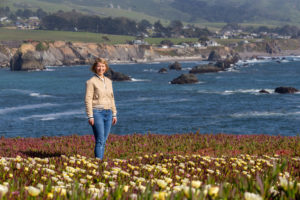
Sonoma has a coastline. Wine gets all the credit! It pulls everyone’s attention. You have this glorious coastline. We went to Schoolhouse Rock Beach. The stones are so wonderful. It was a beautiful spot.

How did you decide what to include?

It was hard. We had four days to shoot and Sonoma County is really big. If we’re in a car we’re not shooting. We stayed in Santa Rosa, so we had to be smart about where we went. We do a pre-production trip before we shoot every episode. In this case, our producer looked at maybe 20 places to shoot. Ultimately, we whittled it down to nine scenes.

We’ve endured two big fires in the last three years. You came in May 2019, before our most recent fire. What did you learn about the resiliency of our community?

We focused a lot of our conversations on that. The Safari West story is particularly incredible—the 2017 fire destroyed a lot of the buildings, including their own homes, but they saved every animal. We learned about the fear and how horrifying these fires can be, but also how everyone started back the next day. That was impressive. In the end, we felt that the resiliency of Sonoma County was so strong, we didn’t need to talk about the fires. We didn’t want people to watch the show and think there are still fires there. We decided we want people to understand that Sonoma is there and open for business and that the people are wonderful.
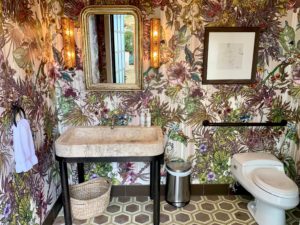

The Cleanest, Prettiest and Quirkiest Restaurant Bathrooms in Sonoma County

No one wants to talk about bathrooms at restaurants because…ewww.

But really, we should, because first off, they better be clean. And secondly? Sometimes they’re almost as much fun as the restaurant. Showing off personal creativity, humor and a whole lot of panache, here are some of Sonoma County’s quirkiest, most delightful and noteworthy restaurant commodes according to our enthusiastic Facebook fans. Click through the above gallery for details.

A special thanks to our intern, Kasy, who snapped photos of the restrooms.

“It’s been a funny experience,” he said. “Lots of question marks and laughs. But most of them seem to be ecstatic to be included…It just catches them off-guard. ‘Wait, you want photos of… the restroom, not the restaurant?’ I’m always like, ‘Yeah, we don’t care about the food or the overall dining experience, just the bathrooms.'”

Also check out: Hotel Healdsburg, Stumptown, El Barrio, Barndiva and The Villa (“The pink retro ladies’ room at The Villa! It’s a must see!)…which we couldn’t get pix of.

Anyone we missed? Let us know in the comments.

Hall Wines Combines Passion for Cabernet With Commitment to Sustainability

Hall Wines is one of the best Napa wineries for first-time visitors.
The Bunny Foo-Foo sculpture at Hall Wines in St. Helena. (Hall Wines)

Despite our best intentions, making eco-friendly choices can sometimes be difficult, especially while traveling. To make it a little easier to enjoy the good life without guilt, many Wine Country businesses — wineries, restaurants and hotels — are implementing sustainable practices that take into consideration the local and global environment. Among them is Hall Wines in Napa Valley.

Although it may be most famous for its Cabernet Sauvignon and the giant stainless steel bunny that leaps into its vineyard, Hall Wines in St. Helena is also the first California winery to earn LEED (Leadership in Energy and Environmental Design) Gold certification for its fully sustainable production facility (the winery has also been awarded LEED Gold certification for its tasting room).

“If our business isn’t sustainable, then it won’t survive,” says Hall Wines viticulturist Domenick Bianco. “But looking at the movement more holistically, the real reason sustainability is important to us is that it pushes us to look at how we impact the environment both in terms of our business practices and in terms of our relationships within the community.”

In the hospitality industry, a business’ commitment to sustainability isn’t always easy for the consumer to see. For example, 11 percent of building materials used in the construction of Hall Wines’ St. Helena property came from recycled materials. The winery’s vineyards and landscaping are irrigated with recycled wastewater and, throughout the property, drought-tolerant plants reduce water consumption.

To further improve water efficiency and conservation, Hall Wines uses high-tech solutions such as weather stations that supply data, which helps estimate vine water usage, and neutron probes that provide soil moisture readings. Additionally, rooftop solar panels on the barrel cellar and fermentation building provide more than 35 percent of the power at Hall Wines’s St. Helena property.

“Sustainability is not a singularly focused initiative,” says Bianco. “It takes into account many different elements spread across a broad spectrum of ideals. It pushes us to continually invest in bettering our community, our employees, our farming practices, and our philanthropic causes.”

Click through the above gallery to discover other ways HALL St. Helena makes sustainability a top priority.

Gerard’s Paella in Downtown Santa Rosa is Closing, Again

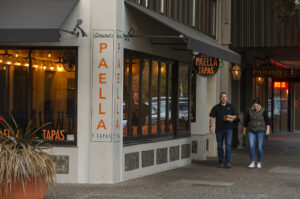
Gerard’s Paella y Tapas in downtown Santa Rosa. (John Burgess)

Chef Gerard Nebesky of Gerard’s Paella y Tapas in downtown Santa Rosa is second-guessing his second-guessing.

After announcing in November his plans to close his 18-month-old restaurant on Fourth Street, a flood of paella fans poured in, prompting Nebesky to say the restaurant would remain open. Continued business challenges, however, have Nebesky once again announcing the restaurant’s official closure on Feb. 3.

“I just don’t have the staying power,” said Nebesky, who has been featured on Food Network and is a popular caterer at large festivals like BottleRock, Maker Faire and Ironman competitions.

He does plan to reopen for Sonoma County Restaurant Week (Feb. 21-March 1) and host pop-up events in the current space, the former location of Arrigoni’s Deli. Nebesky has a three-year lease on the space which ends in 2021.

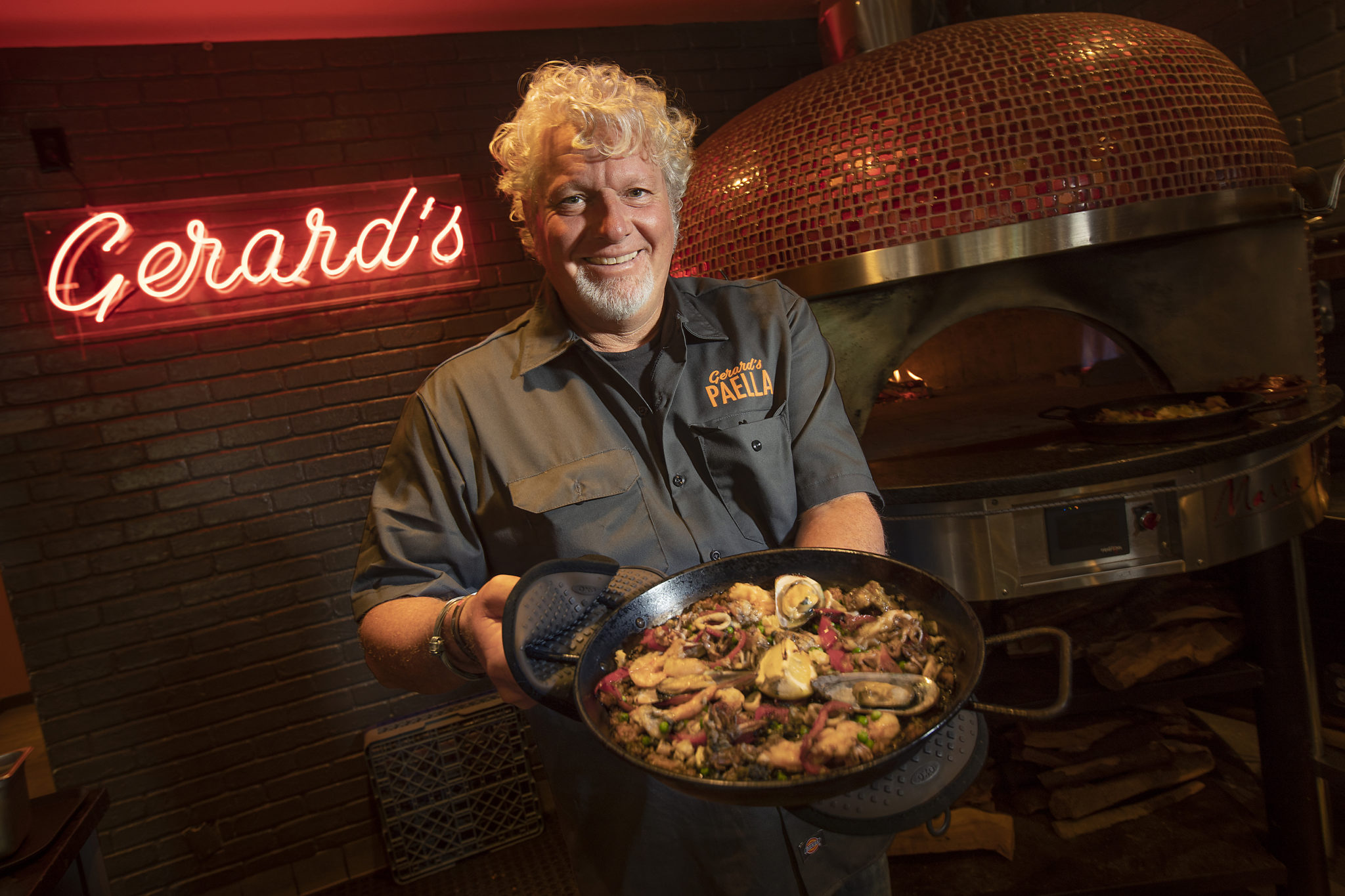
Gerard's Paella founder/owner Gerard Nebesky. (John Burgess/The Press Democrat)
Gerard’s Paella y Tapas founder/owner Gerard Nebesky. (John Burgess)

In November, Nebesky cited the city’s homelessness and concerns about parking as major hurdles to the success of his business. He wasn’t alone, as several downtown restaurants — Mercato, Stout Brothers, Jade Room, Tex Wasabi’s and La Vera Pizza among them — slogged through a long period of disruption from the reunification of Old Courthouse Square only to close in 2019 after the much-hoped-for downtown revitalization failed to materialize. Fires, power outages and still-lackluster tourism also have contributed to lasting pressures for many Sonoma County businesses.

“I walk around downtown at night, and nobody is full,” Nebesky said of downtown businesses. Though the city did ease parking fees during the holidays, Nebesky said much of the concern about parking is stigma rather than fact.

“People just choose the path of least resistance,” he said.

More concerning, Nebesky said, is a lack of downtown vibrancy in the evening as retail stores close for the day and family-friendly options dwindle and the bar scene takes over. That, with the ebb and flow of the homeless population downtown, have been challenging.

“I love the five-year plan for improving Santa Rosa, but I can’t wait. I’ve learned Santa Rosa is more of a breakfast, lunch and bar town. It’s just not an upscale dinner kind of place,” he said. “No one walks around before or after. They just go home.”

Closing the doors to his restaurant, however, isn’t simple. Nebesky said his three-year lease means he must come up with at least $7,500 in rent each month unless another business takes over. To help defray that cost, he plans to host pop-up dinners in the restaurant space and look at other creative ideas.

“We could do a dining club. It could be a commissary kitchen space. I think it could work as a great breakfast space,” Nebesky said. “The space was such a passionate build-out, and a lot of people really love it.”

For now, he’ll focus on several days of “blow out” paella specials and a final party on Feb. 3., his catering business and figuring out next steps.

“I’ve met such a great group of people, and that’s what I’ll miss more than anything. The restaurant may not have been a financial success, but socially, it’s succeeded 100 percent.”

Best Sonoma Wineries to Visit Right Now

Did you make a New Year’s resolution to visit more tasting rooms in 2020? Here’s a selection throughout the county to give you inspiration. The mid-winter months — typically minus crowds — are ideal for finding a new favorite place to sip and swirl.

Featured Winery — Amista Vineyards

New Year’s Eve celebrations may be over, but that’s no excuse to stop enjoying bubbly. Amista produces several types of sparklers, including the popular Blanc de Blanc, made from Chardonnay grapes from the estate vineyard, and a Syrah sparkler. Amista is also known for its still Rhône wines, such as Grenache and Syrah, along with Chardonnay, Zinfandel, and Cabernet Sauvignon.

Owners Mike and Vicky Farrow made their first Syrah in 2002. By 2005, the Amista label was born. (Amista roughly translates to “making friends.”) The dog-friendly tasting room opened in 2007, and the following year the Farrows introduced their first sparkler.

Three tastings are offered: the “Classic Flight” is $20; the “Signature Flight” consists of two sparklers and two estate-grown still wines for $25 (both available without reservations). Reserve ahead for a wine and food pairing ($50 for five wines), which might include such bites as a strawberry topped with fresh chèvre and lemon curd, eggplant caponata, and marinated mushroom caps.

Weather permitting, a free vineyard adventure walk is offered daily, or reserve the estate vineyard tour and tasting, a 90-minute excursion through vineyards and the fish habitat restoration project along Dry Creek. The $45 tour concludes with a flight of single-vineyard wines.

On Valentine’s Day weekend, Amista will be serving sparkling wine with chocolate-dipped strawberries. And Local’s Day, when food purveyors pair their goodies with Amista wines, resumes on February 21.

3320 Dry Creek Road, Healdsburg, 707-431-9200, amistavineyards.com. Open daily 11 a.m. to 4:30 p.m.

San Francisco Architects Turn Sonoma Home Into a Retro Oasis

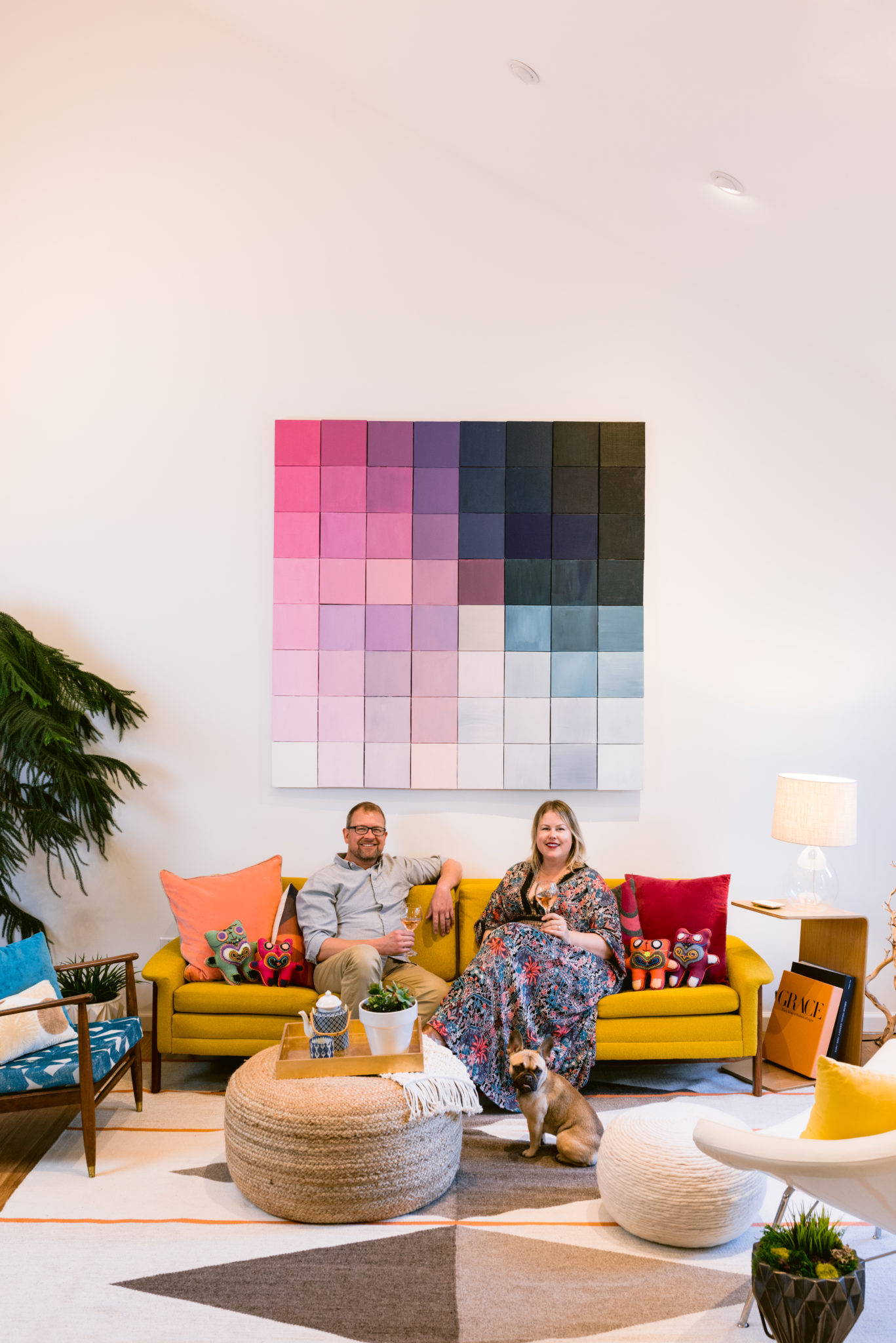
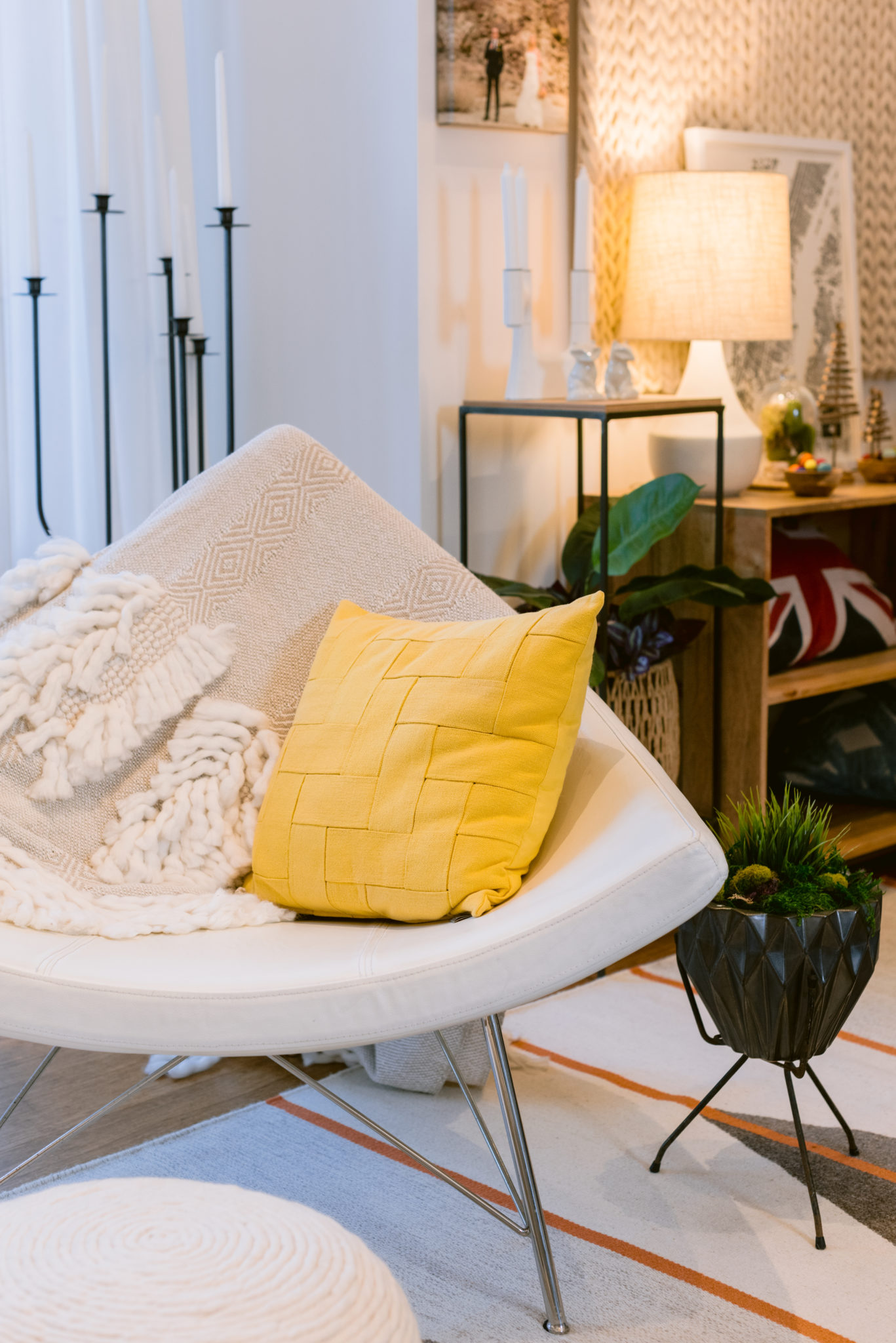
Living room.

For Melissa and Seth Hanley, co-founders of Blitz, a San Francisco architecture and design firm, buying a house in Sonoma wasn’t in the plan. But after getting outbid by crazy amounts on properties in the city, the couple found their Sebastopol home almost by accident. “I had to persuade Melissa to go to the open house,” Seth explains. “A quick pit stop, I promised. Then we walked in and instantly looked at each other: ‘This is ours.’”

The house had the space and light they were looking for, but it was the backyard that really sold them. It was an oasis of green with two giant oak trees, redwoods, ferns, and rhododendrons, and had the space they craved for entertaining and gardening projects. Two days later, they were in escrow. And they were married and closed on the property in the same week.

Front Exterior
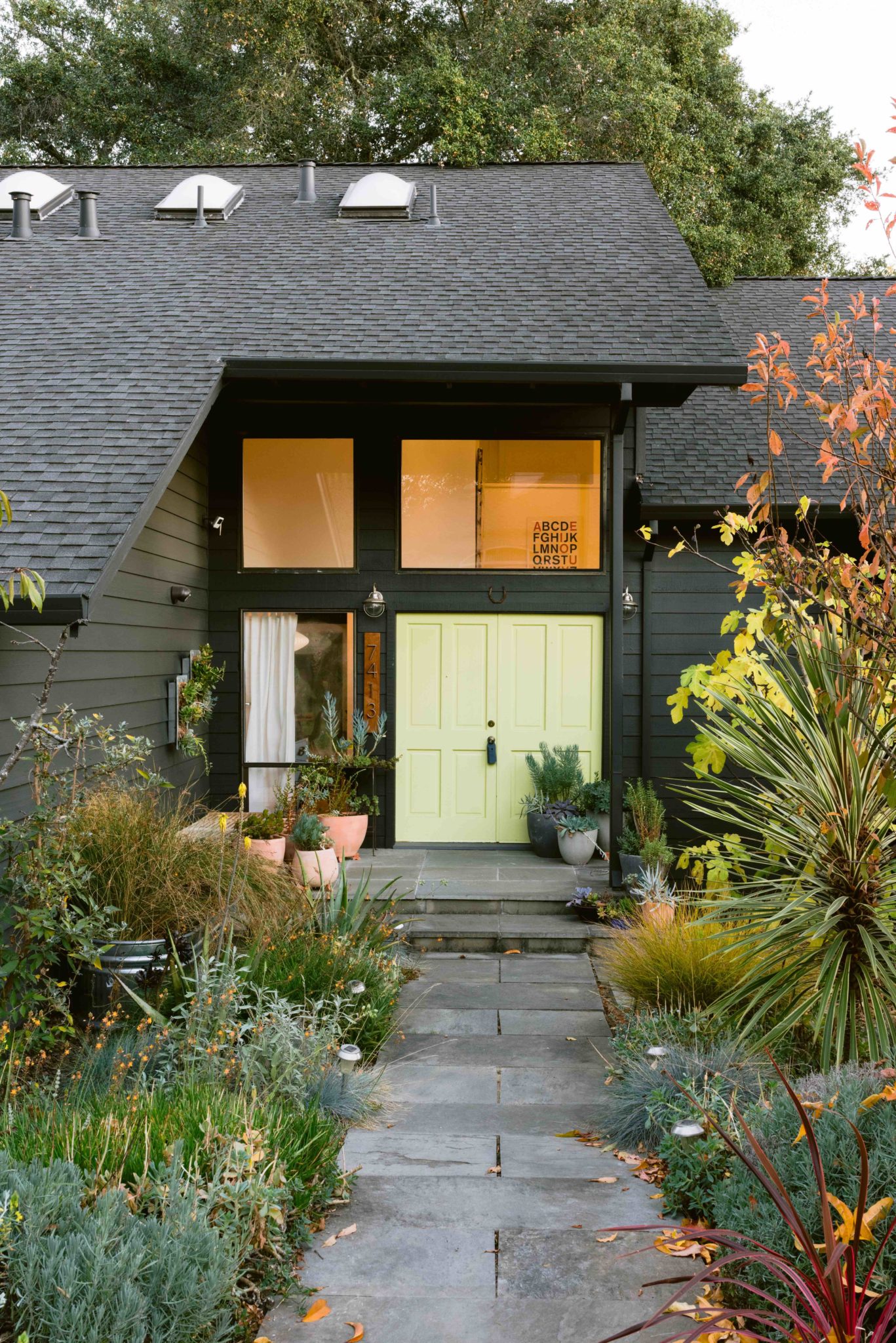
A variety of succulents set against a bold green door hint at the eclectic design aesthetic on display inside Melissa and Seth Hanley’s Sebastopol home. (Rebecca Chotkowski)
Living room.
Homeowners Melissa and Seth Hanley are the co-founders of Blitz, a San Francisco architecture and design firm. (Rebecca Chotkowski)

For Melissa, their decision was about place. A sixth-generation native of Sonoma, Melissa grew up on a family farm in Sebastopol that her grandparents bought in 1952. Her grandparents raised cattle; later her parents planted Christmas trees and started WallinFarm. Buying here was a way for Melissa to connect to her west county roots and to share that connection with Seth, who is British by birth. “You spend a lot of your life trying to get away from where you grew up. Then, at some point, you miss it — that community and connection. Earlier that year, we lost my mom. And I felt a real heart connection to coming back here, wanting to be closer to family and our people.”

Melissa and Seth opened up the house and added these full length windows to let the outside in.
Melissa and Seth Hanley opened up the house and added these full length windows to let the outside in. (Rebecca Chotkowski)
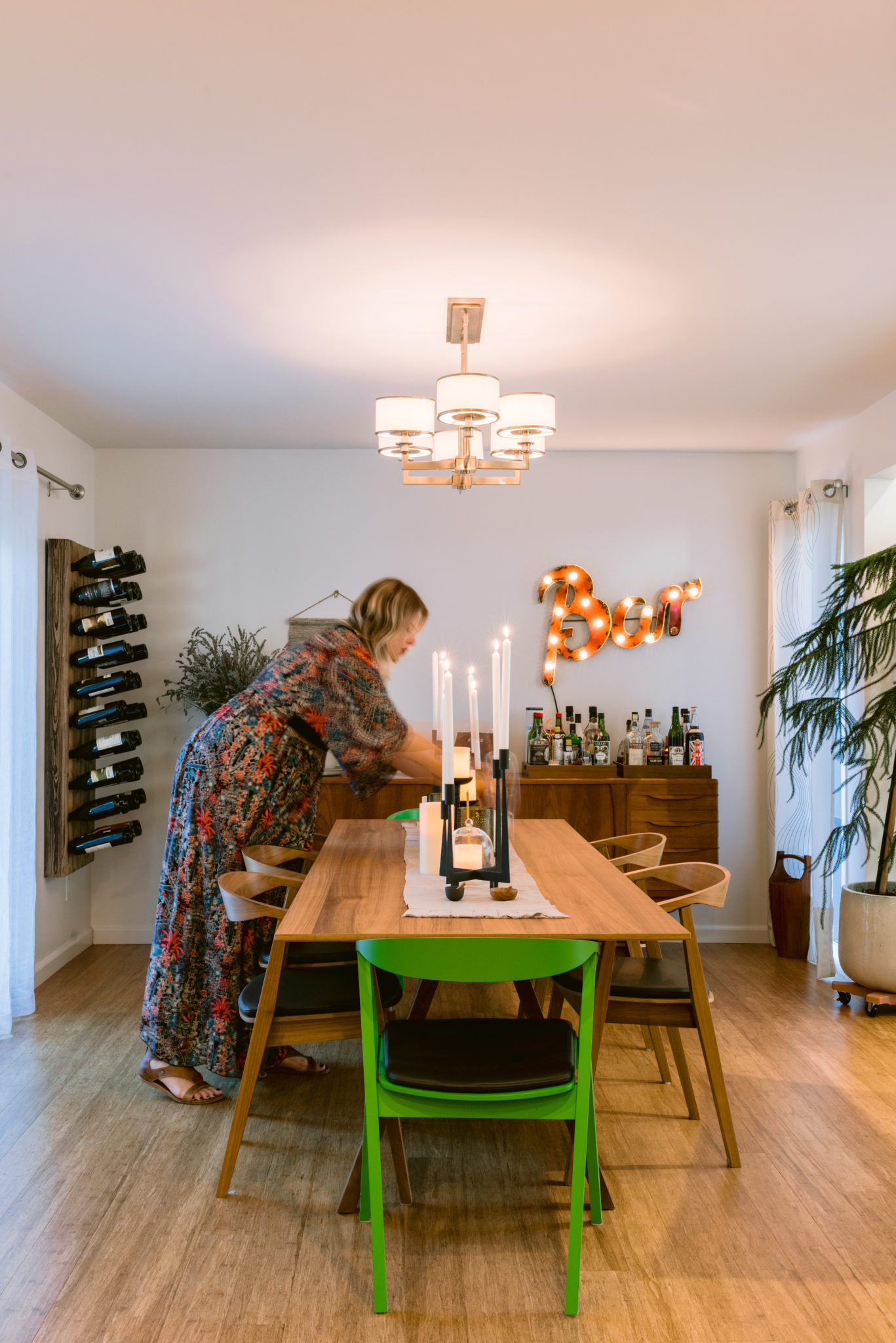
Dining room
Dining room. (Rebecca Chotkowski)

Part of the original Swain Woods development, the house was built in 1979. “A solid year for tract housing,” jokes Melissa. “This area used to be owned by the Swain family and was actually just woods. My dad remembers riding his bike through here on his way to Analy High School.”

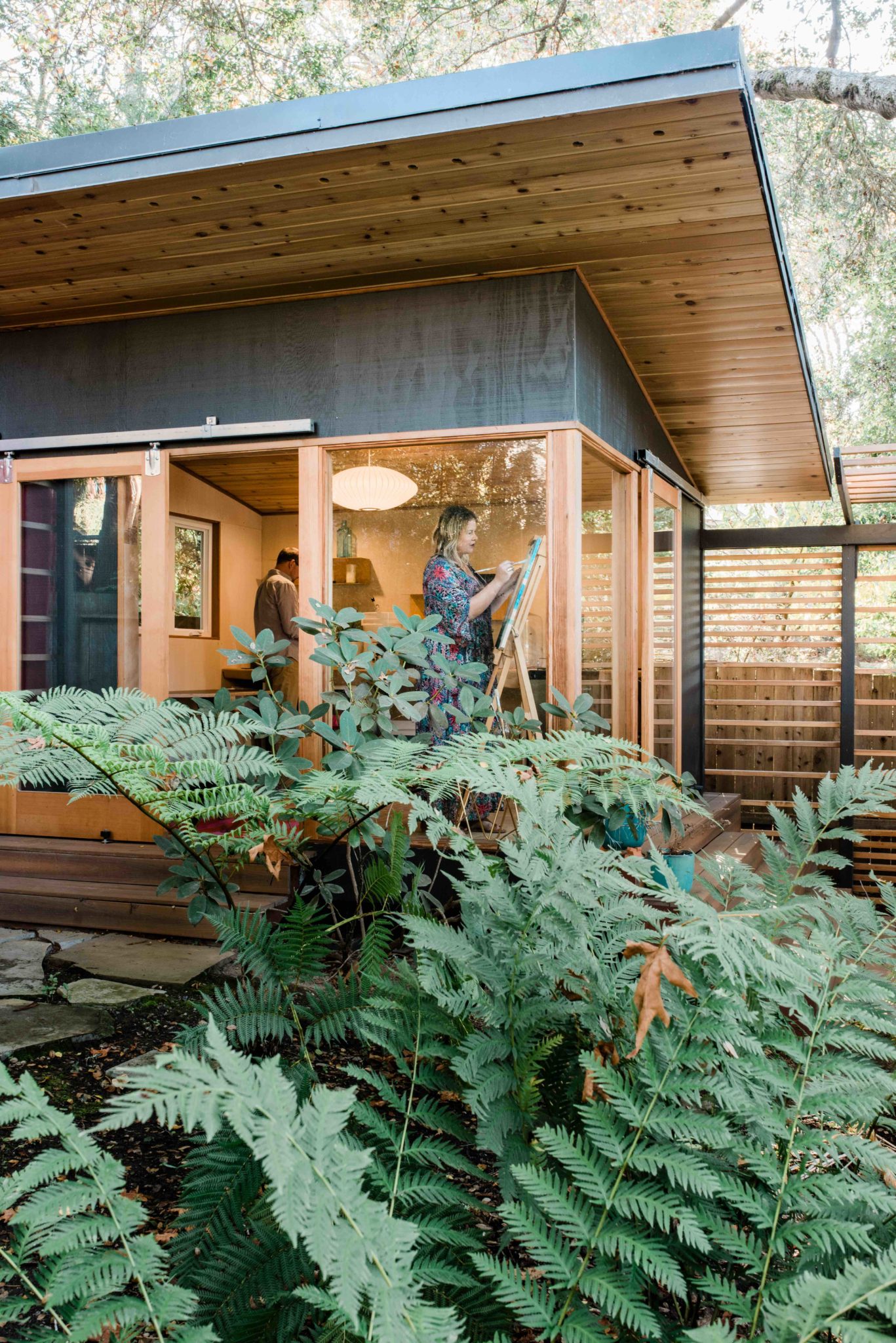
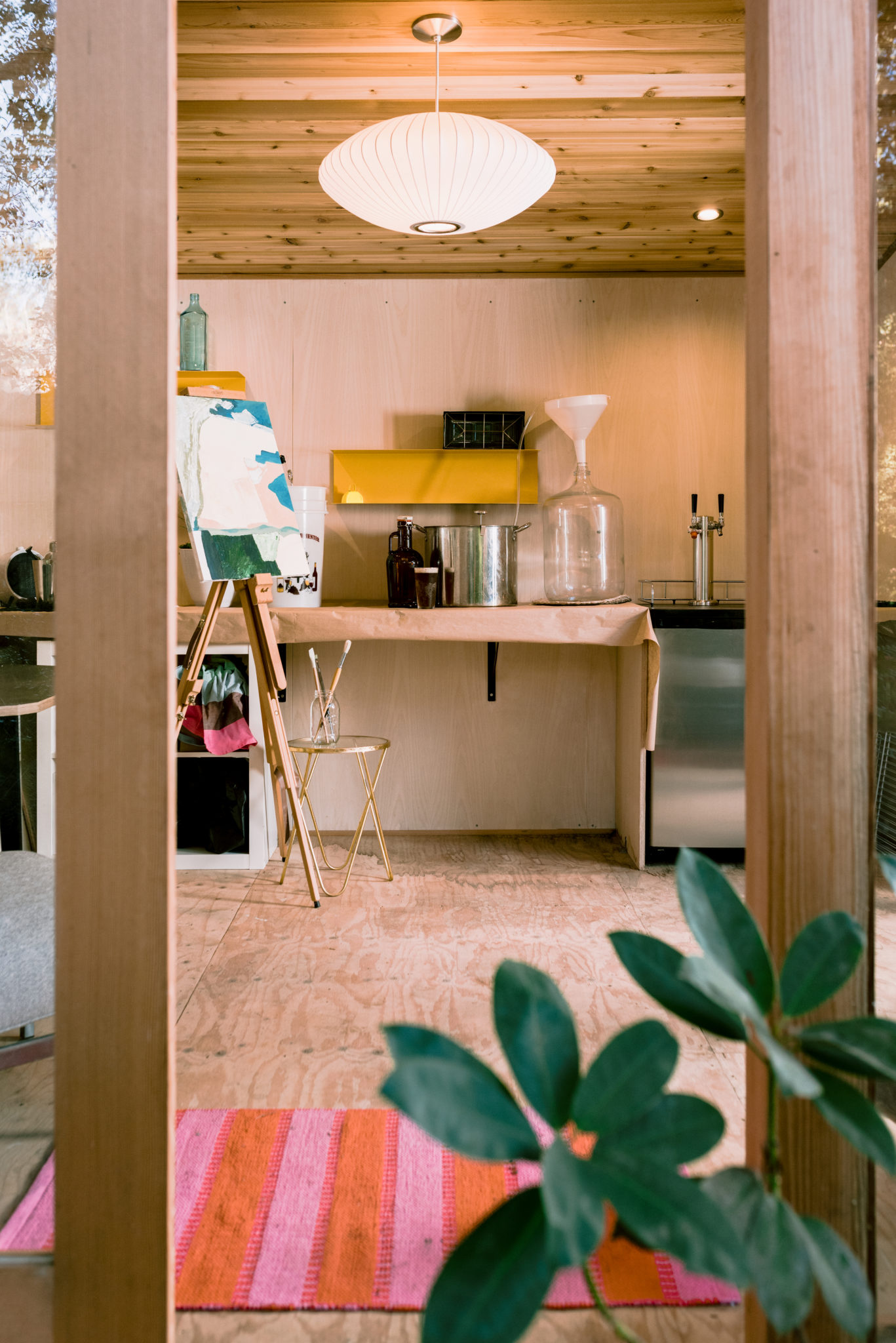
Now a weekend retreat for the couple and their two French bulldogs, Bardot and Beau, their house has become a natural way to bring people together. Melissa and Seth are known for hosting big parties with a mix of old and new friends. The home is a sanctuary, a place to recharge and refresh, but it’s definitely not a work-free zone. Both do a lot of designing — or “scheming” as they like to call the creative process — experimenting with new ideas, testing materials, and ways of living. One prized design project is the small shed they rebuilt in a far corner of the backyard, nicknamed the “shudio” if Melissa is painting there, or the “brewdio” when Seth is brewing beer. And during parties, it’s always the bar.

Backyard Studio
Large windows in the rebuilt shed give Melissa plenty of natural light for painting. (Rebecca Chotkowski)
Backyard Studio
The backyard shed is a creative space for painting and brewing beer as well as a focal point for gatherings. Its design was an experiment in bringing modern flair to a traditional roof and trellis. (Rebecca Chotkowski)
Entertainment area backyard.
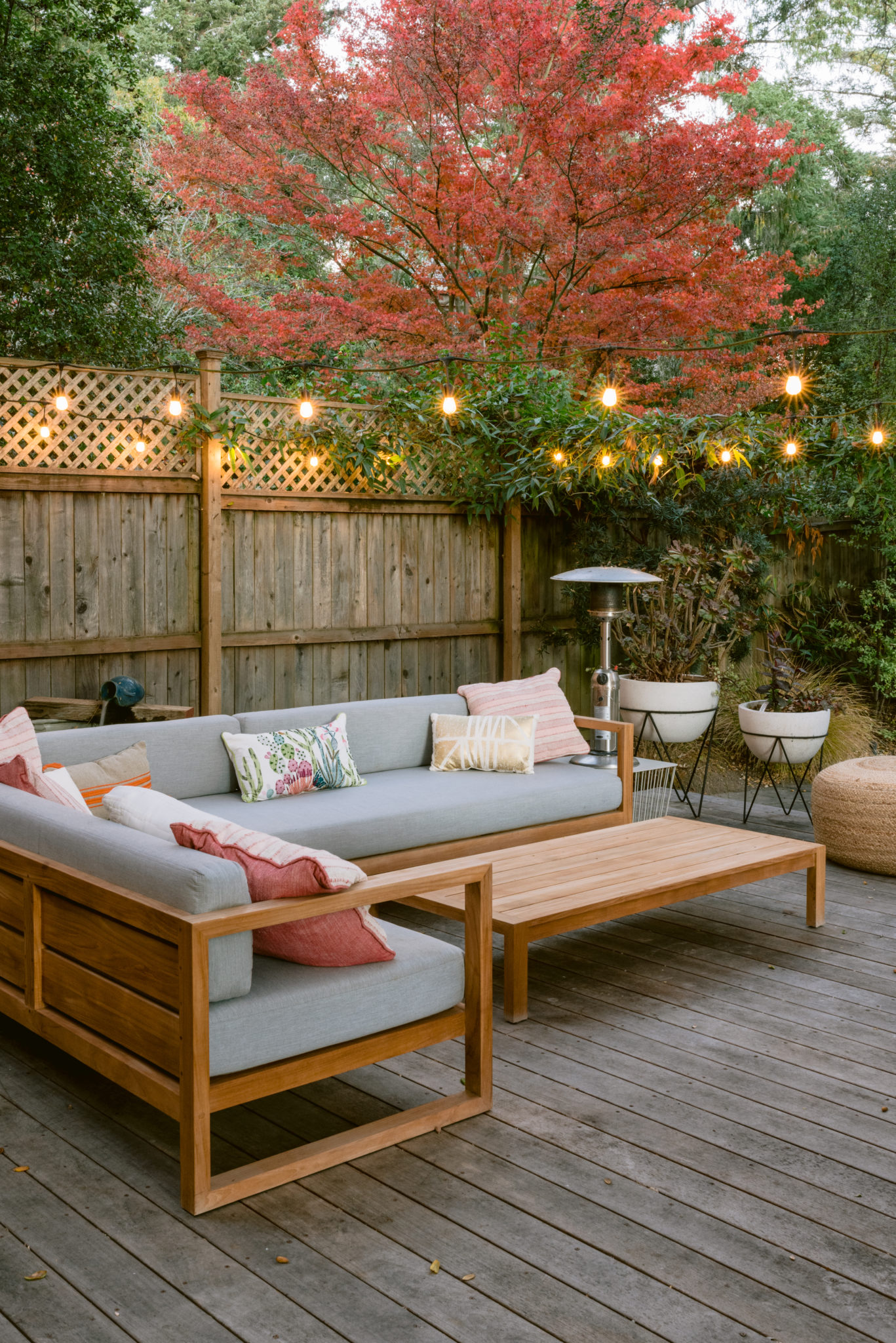
Entertainment area in the backyard. (Rebecca Chotkowski)

The kitchen had been beautifully remodeled by previous owners, so the two architects focused on other areas that needed attention, including the bathrooms and master bedroom. Their intention was to elevate standard materials with inventive design while upgrading the energy performance of the house. “We inherited a master bathroom with mustard yellow, brown, and 1970s terribleness,” says Melissa. “And it was open to the bedroom, just one big room,” Seth adds. They subdivided the space, doing some of the work themselves, and made the bedroom smaller to add a walk-in closet to enlarge the bathroom.

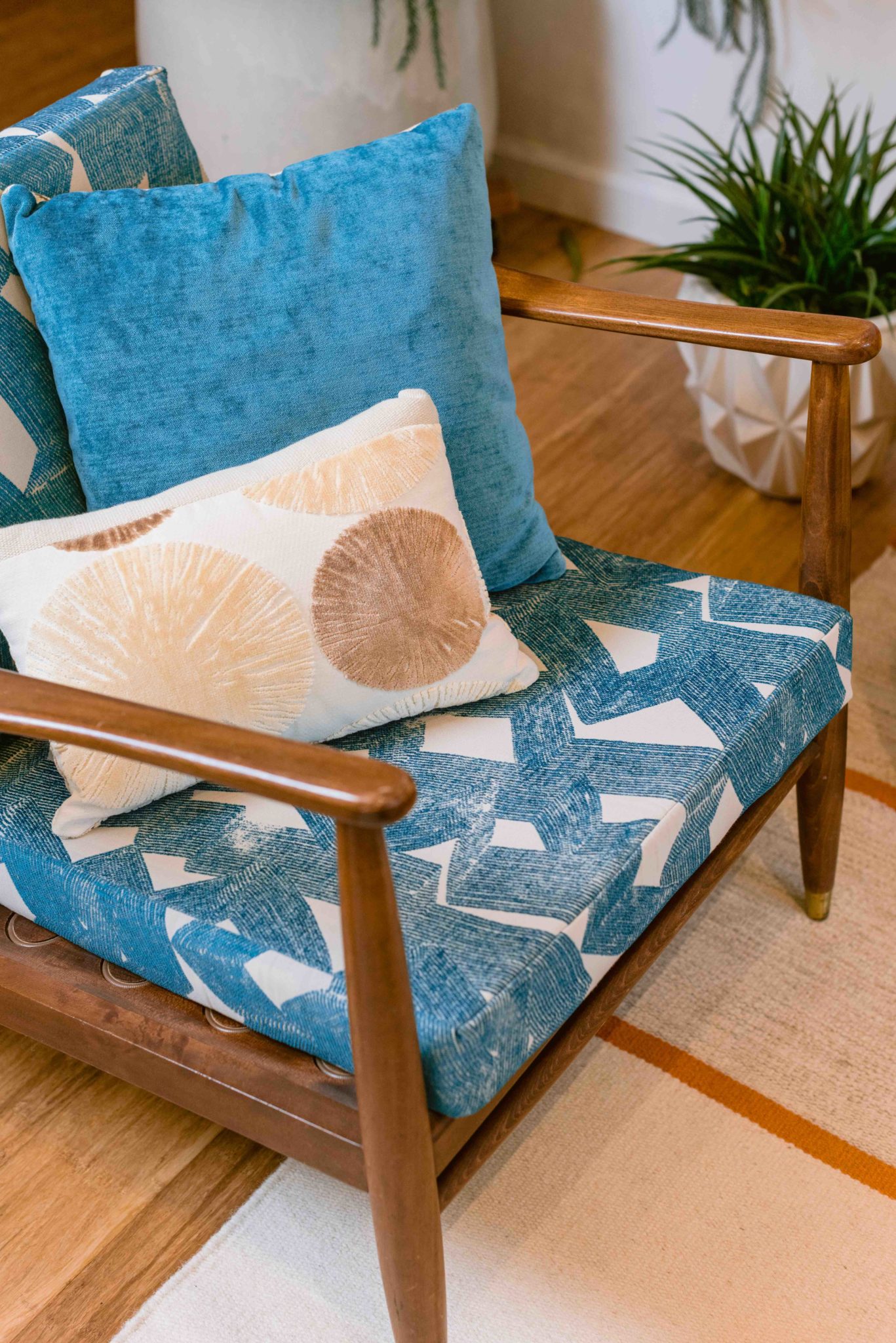
A chair in the living room. (Rebecca Chotkowski)
Living room.
A chair in the living room. (Rebecca Chotkowski)

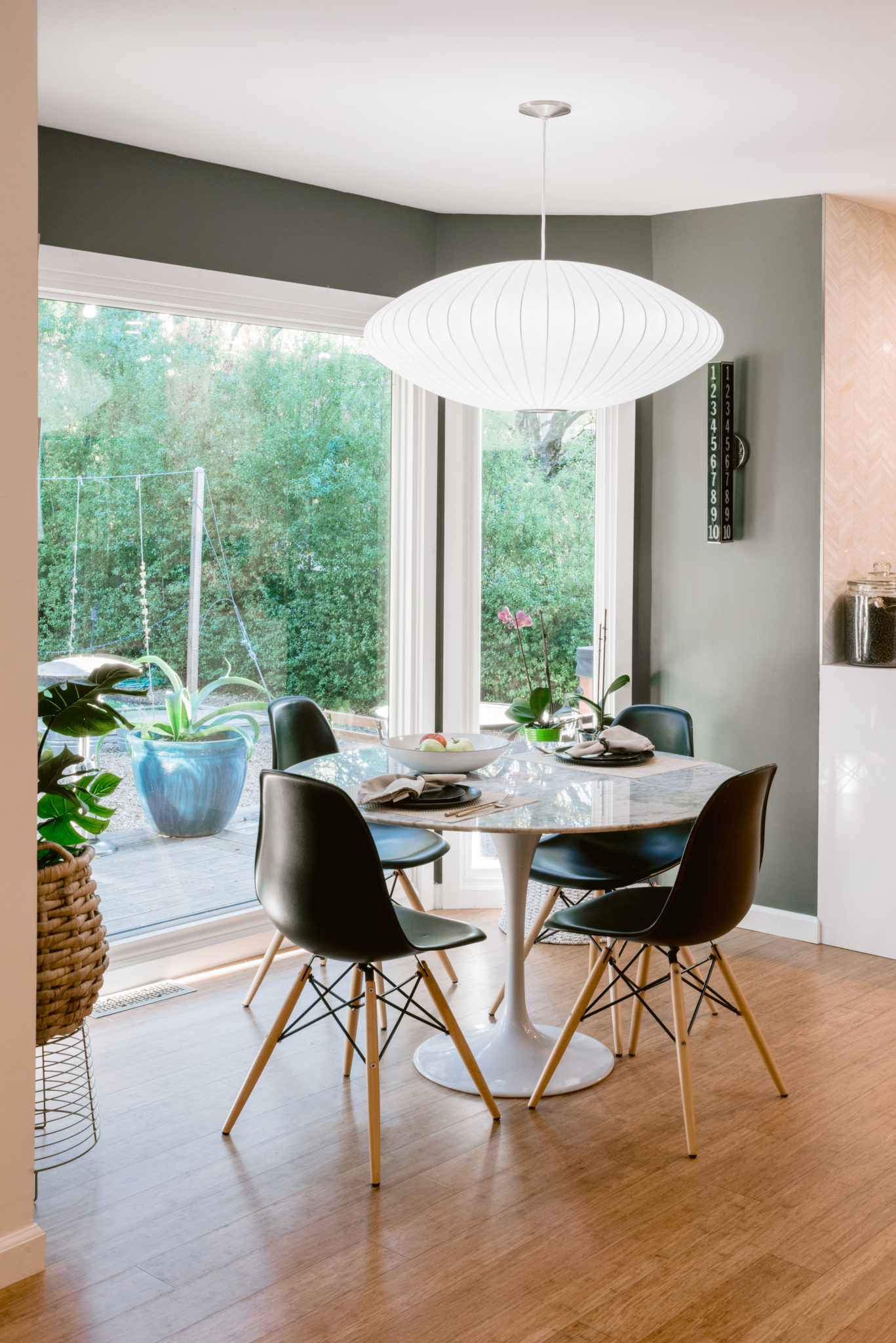
They also focused on improving the flow and increasing the light on the ground level, changing the dining room windows to sliding doors and replacing the tiny windows in the breakfast nook with floor-to-ceiling picture windows. To Seth, the tiny windows were a design crime. “There’s a beautiful tree outside, and you could barely see it. We wanted to create the view. Now, when you walk down the hall into the kitchen, you see the full extent of the yard, the tree and everything.”

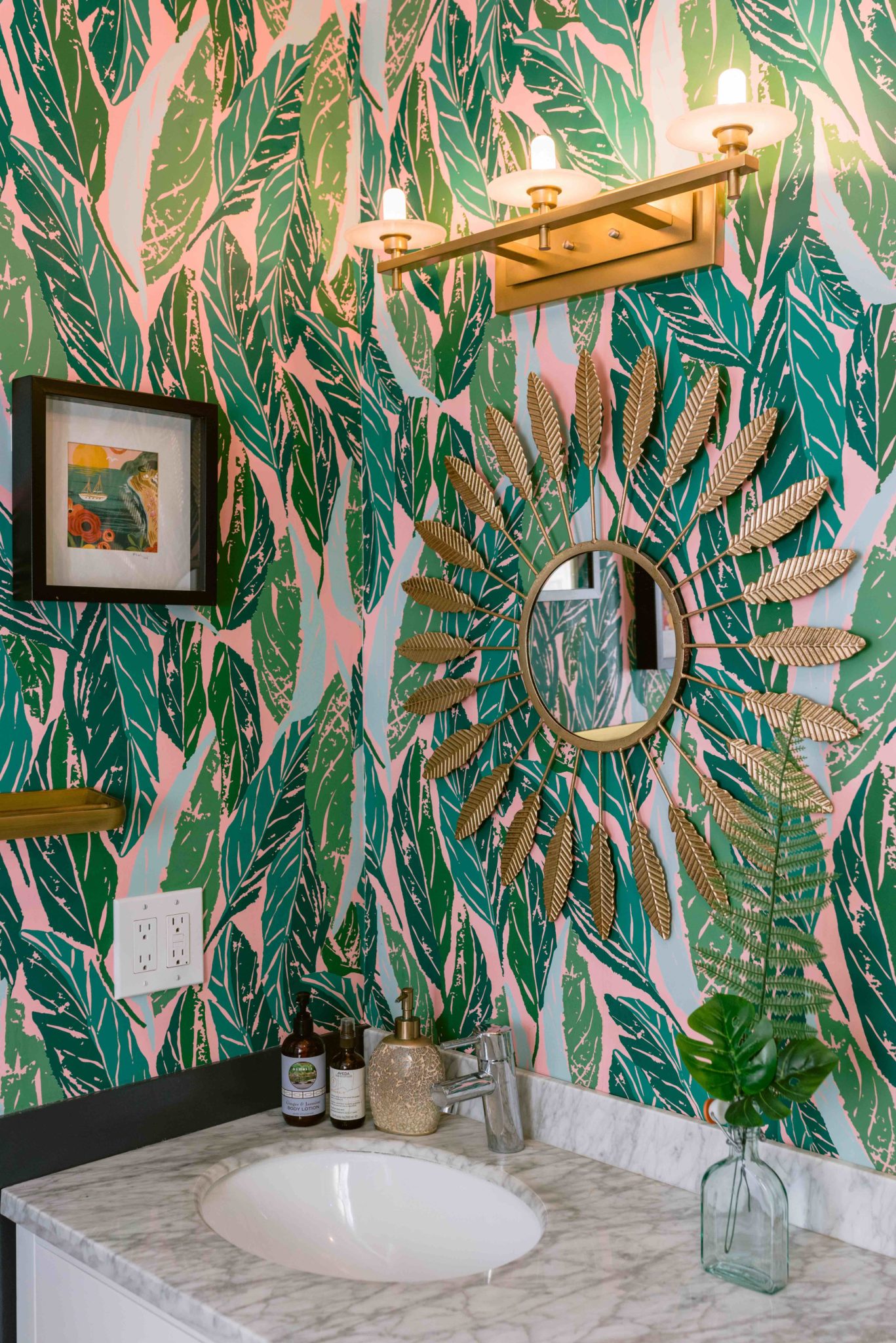
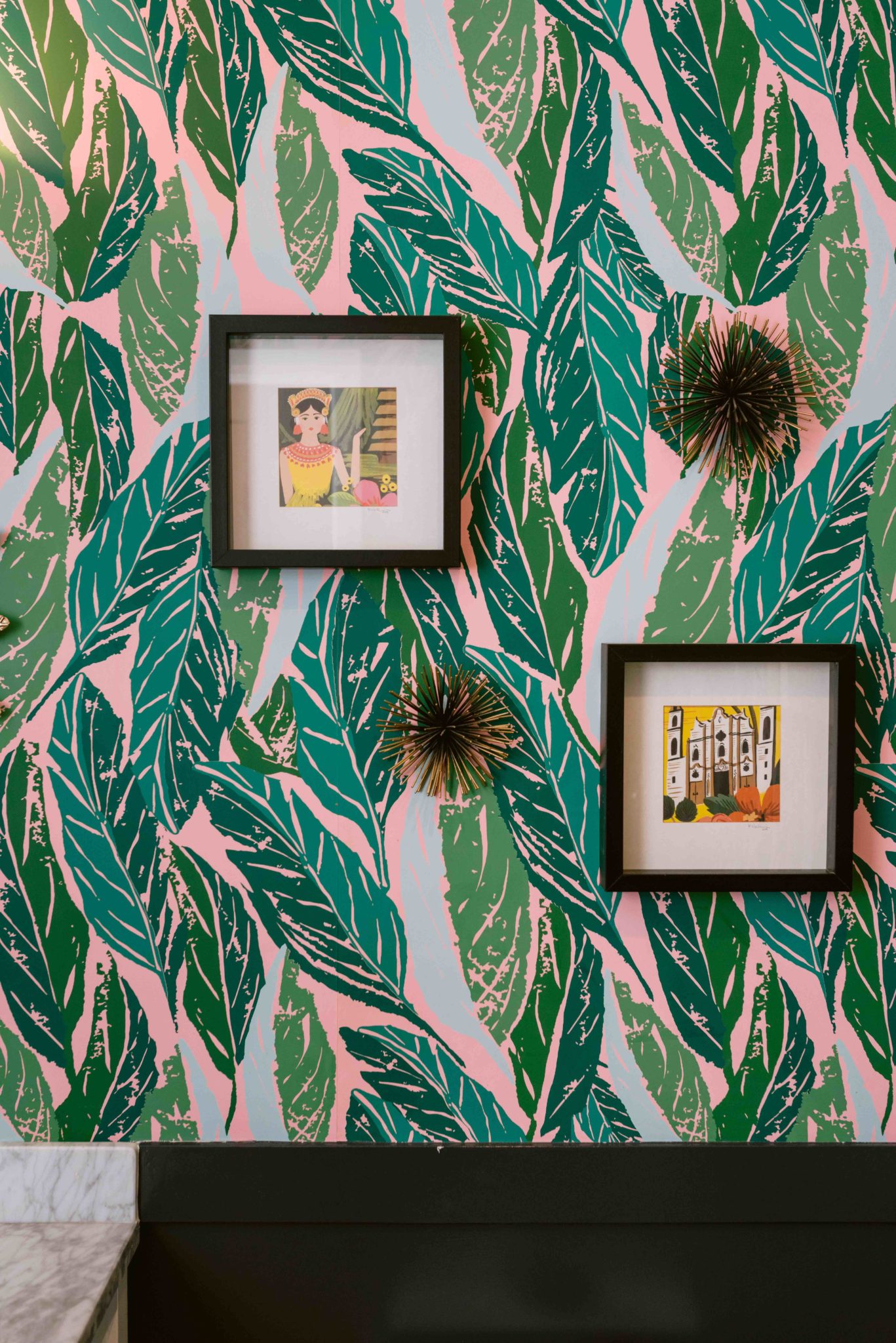
Jungle room.
The “Jungle Room.” (Rebecca Chotkowski)

A mutual love of typography and cartography inspires much of what hangs on the walls: transit maps, old signs, and ham radio cards dating back to the 1930s. And nearly every piece of art and decor has a story. Many of the vintage collectibles belonged to Melissa’s mother, while the branch wood sculptures were dumpster-dive finds and the piano was rescued from a neighbor who was about to take a chainsaw to it.

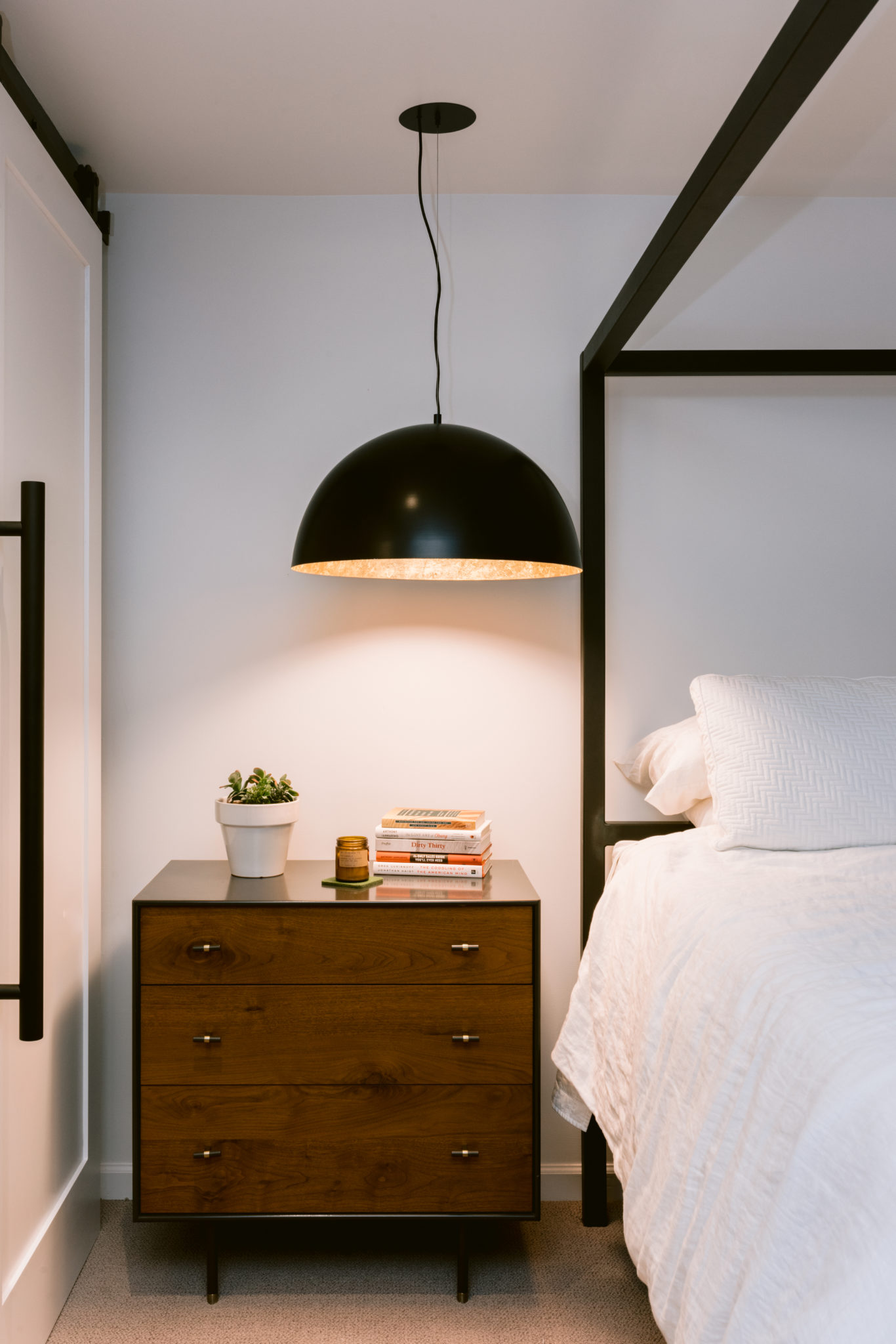
Master bedroom.
Master bedroom. (Rebecca Chotkowski)
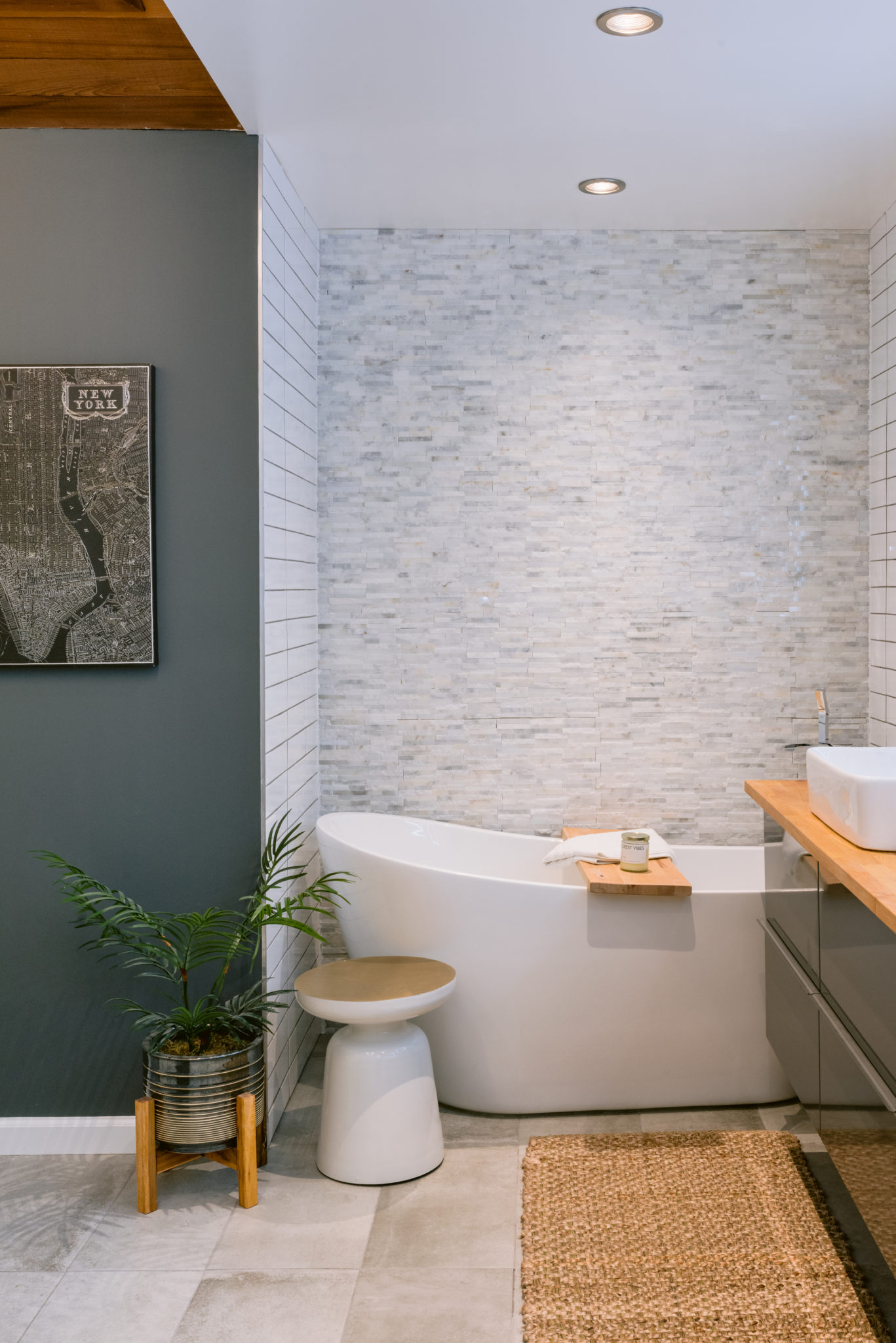
Master bath.
Master bath. (Rebecca Chotkowski)

In winter, Melissa, Seth, and their two Frenchies love to cozy up by the fire in the den, which they call their “snug,” a term acquired from a British architectural show. And now that their own home is mostly done, they’re likely to be at the Wallin family farm, working on plans for their next big project — growing hops. “We wanted something where we could play in the dirt. Good for the soul,” Melissa says, which is what weird and wonderful Sebastopol is all about.

7 Great Valentine’s Day Gifts from Sonoma County Stores

The Super Bowl of love is just around the corner. Cue all the arrangements for heart-shaped boxes of candy, flower bouquets, and romantic dinner dates. Here are a few other lovable suggestions that are variations on classic Valentine’s Day gift themes, and all are available in Sonoma County. Click through the above gallery for details.

Justin Trudeau: These Sonoma County Doughnuts Are Worth $4, or More

Trio of donuts from City Garden Doughnuts in Santa Rosa. (City Garden Doughnuts)

First it was Pete Buttigieg’s crystal-encrusted wine cave. Now it’s Justin Trudeau’s doughnut-gate. If there’s one thing that seems to spark controversy on social media these days, it’s politicians getting shiny — or glazed — things.

Just weeks after Buttigieg drew criticism for hosting a fancy fundraiser at an exclusive Napa Valley winery, the Canadian prime minister is under attack for buying $4 gourmet doughnuts (and posting evidence of this on Twitter).

To add to the doughnut drama: Trudeau got his pastries from the Winnipeg gourmet doughnut shop, Oh Doughnuts, and not from Canada’s immensely popular doughnut chain, Tim Hortons.

“Elitist,” said Canadians outraged by the price of the pastries and Trudeau’s destination for doughnut shopping. “It all depends on the doughnuts,” said the staff at Sonoma Magazine. (One person, who will remain unnamed, added: “what could be sweeter than the words ‘Justin Trudeau’ and ‘doughnuts’ in the same headline?”)

Now, we’ve never tried Oh Doughnuts’ take on the popular pastry, but we have paid $4 (and more) for Sonoma County doughnuts and we did not regret it one (fried) bit — as a matter of fact, if Justin Trudeau would like to come here and buy a few fancy doughnuts for our next staff meeting, we can only say: Mais Oui!

And so, Mr. Trudeau, if you are reading this, click through the above gallery for a few places where you can buy us doughnuts — sans controversy and regrets.

What to Do With Your Meyer Lemons

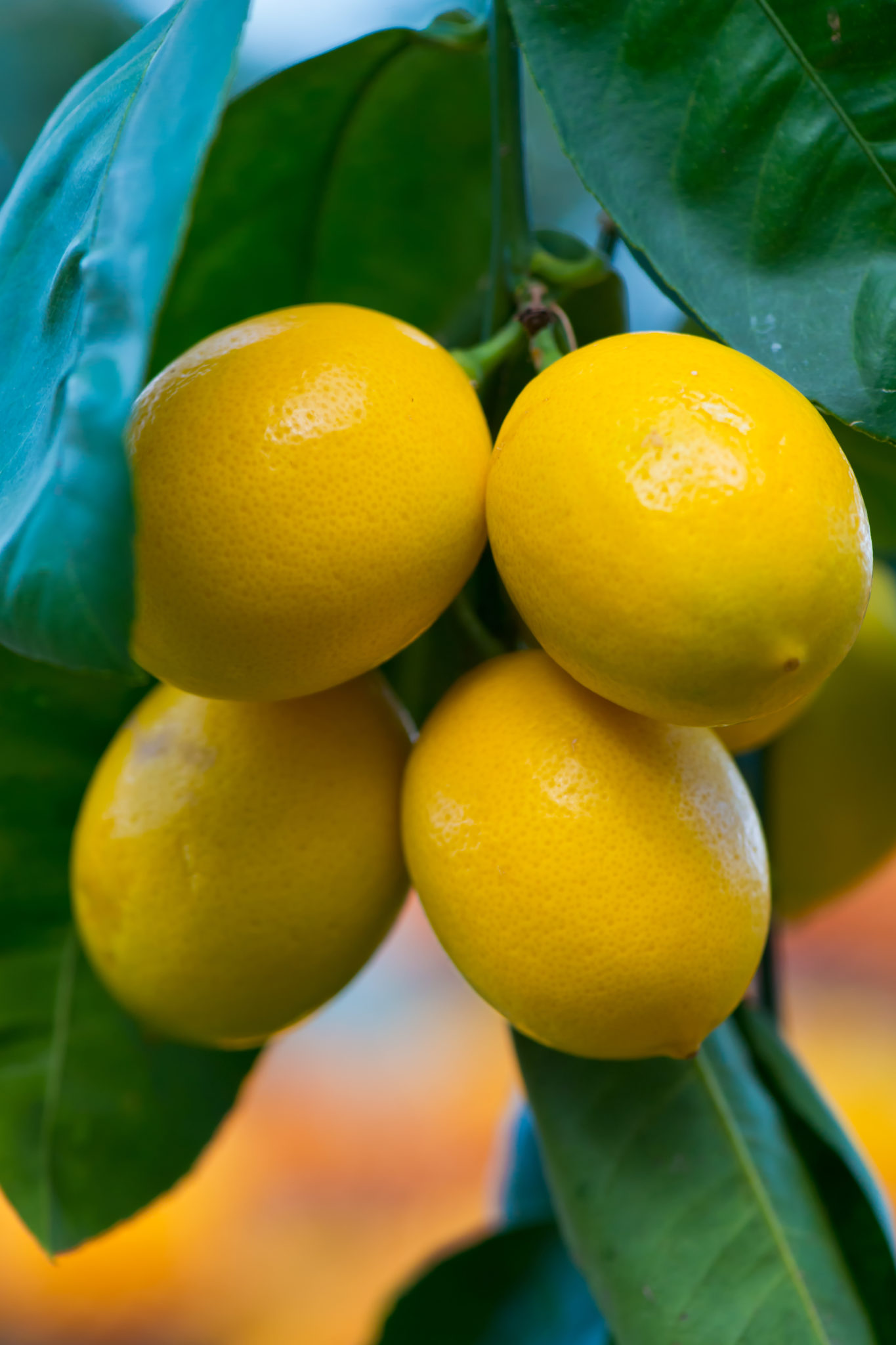
January and February are citrus season in Sonoma, which is easy to forget because supermarkets are filled with it year-round and most of it is pretty good. Citrus keeps well and can be shipped long distances without a compromise in quality. But it’s best in winter, when we most need its dose of bright color and lift-me-up flavor.

Meyer lemons are a thin-skinned, sweeter-flavored cousin to the more common Eureka lemons and can be found in supermarkets, farmers markets, and, often enough, your neighbor’s garden. This tangy seasonal relish is adapted from a recipe in A. Cort Sinnes’ book “Mad About Meyer Lemons.”

Lemon and Herb Relish

Makes about 1 cup

  • 1 large Meyer lemon, very thinly sliced
  • 2 shallots, minced
  • 1 tablespoon Vinaigre de Banyuls or sherry vinegar
  • ½ cup chopped fresh Italian parsley leaves
  • ¼ cup snipped fresh chives
  • Kosher salt
  • Black pepper in a mill

Remove the seeds from the lemon slices; cut the slices into small dice.

Put the lemons into a medium bowl, add the shallots, vinegar, parsley, and chives and toss together gently. Season with salt and pepper, taste, and correct as needed.

Cover and let rest for 30 minutes so that the flavors will blossom and mingle.

Leftover relish will keep, covered and refrigerated, for up to five days.

Enjoy this fresh-flavored hit of salty tang in nearly endless ways

• Tossed with hot pasta and a generous splash of olive oil
• Alongside roasted vegetables, meats, or poultry
• Drizzled over summer tomatoes or zucchini
• Spread on top of a cream-cheese bagel
• As a garnish for steamed rice, quinoa, farro, or barley
• Spooned over halved avocados or drizzled over avocado toast