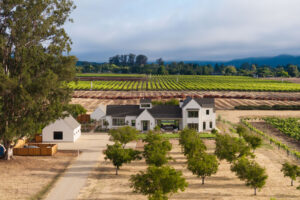
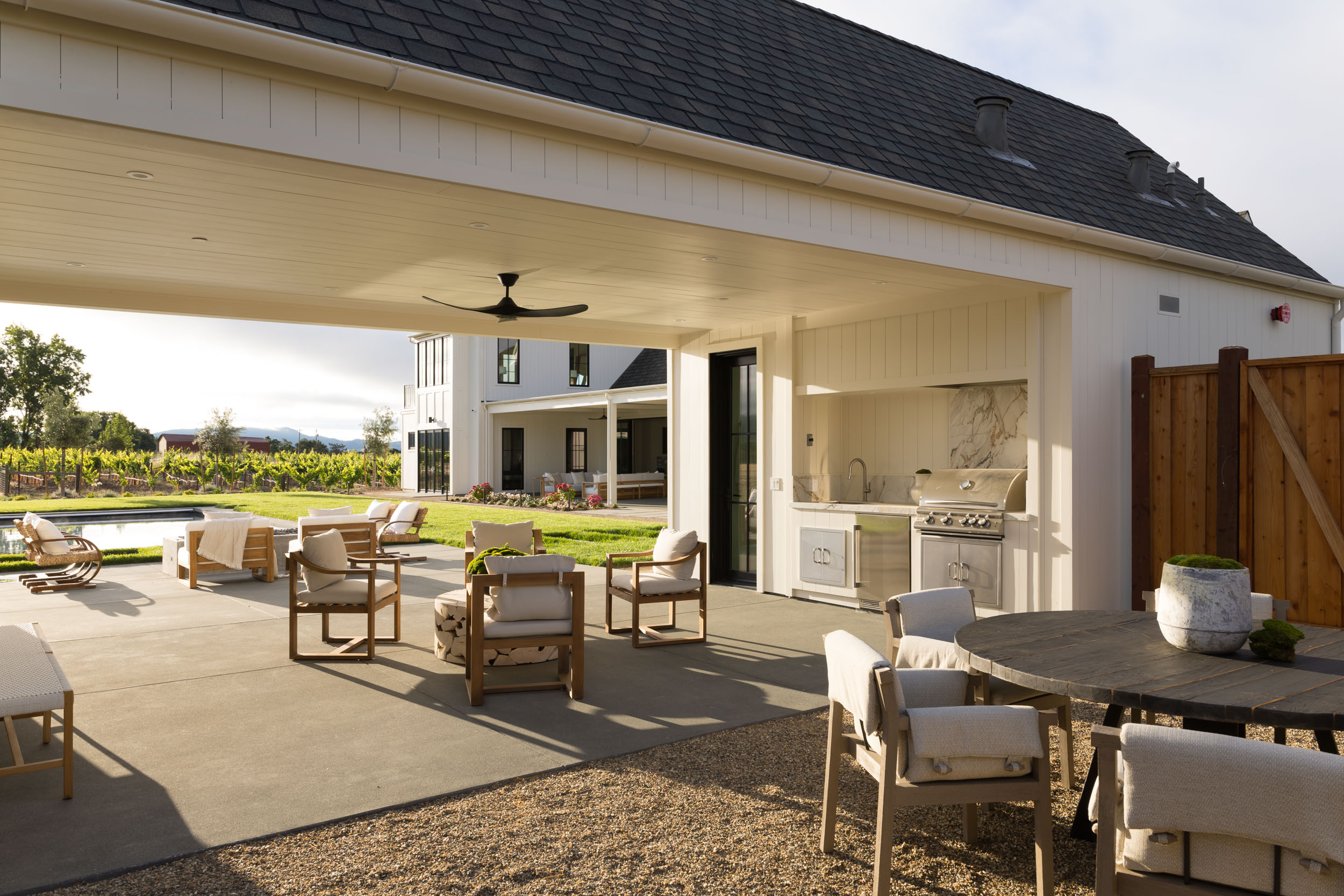
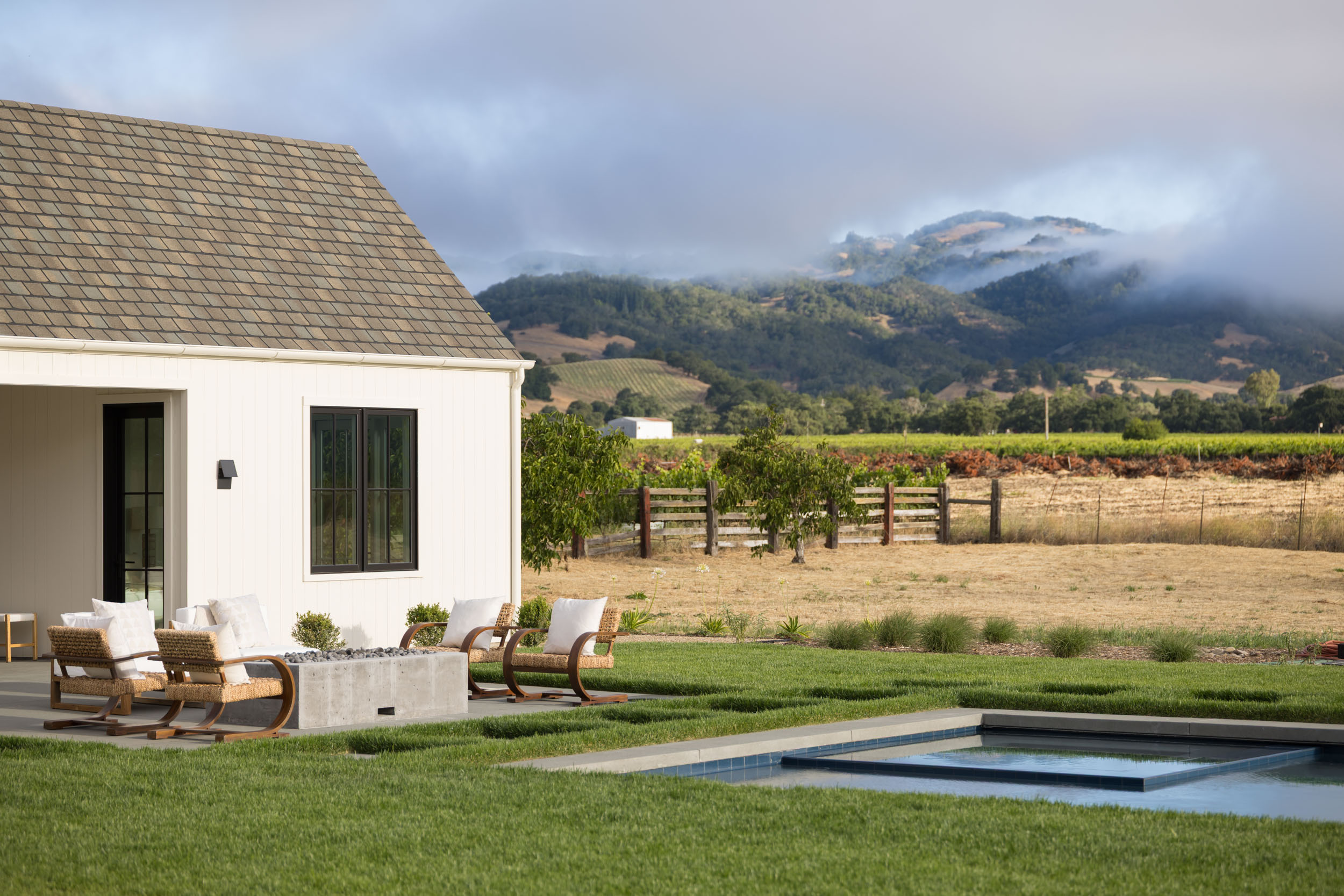
A brand-new, four-bedroom, six-bathroom home on 4.6 acres in Sonoma is currently listed for $10,900. (Peter Lyons Photography)
A brand-new home on 4.6 acres in Sonoma is currently listed for sale. The four-bedroom, six-bathroom, 5,699-square-foot dwelling is seeking $10,900,000.
Designed and built by Landers Curry, Inc., in collaboration with Christine Curry Design, the home riffs on modern farmhouse style with steeply pitched gables and simple geometry. White vertical siding contrasts with black steel-framed windows and doors.
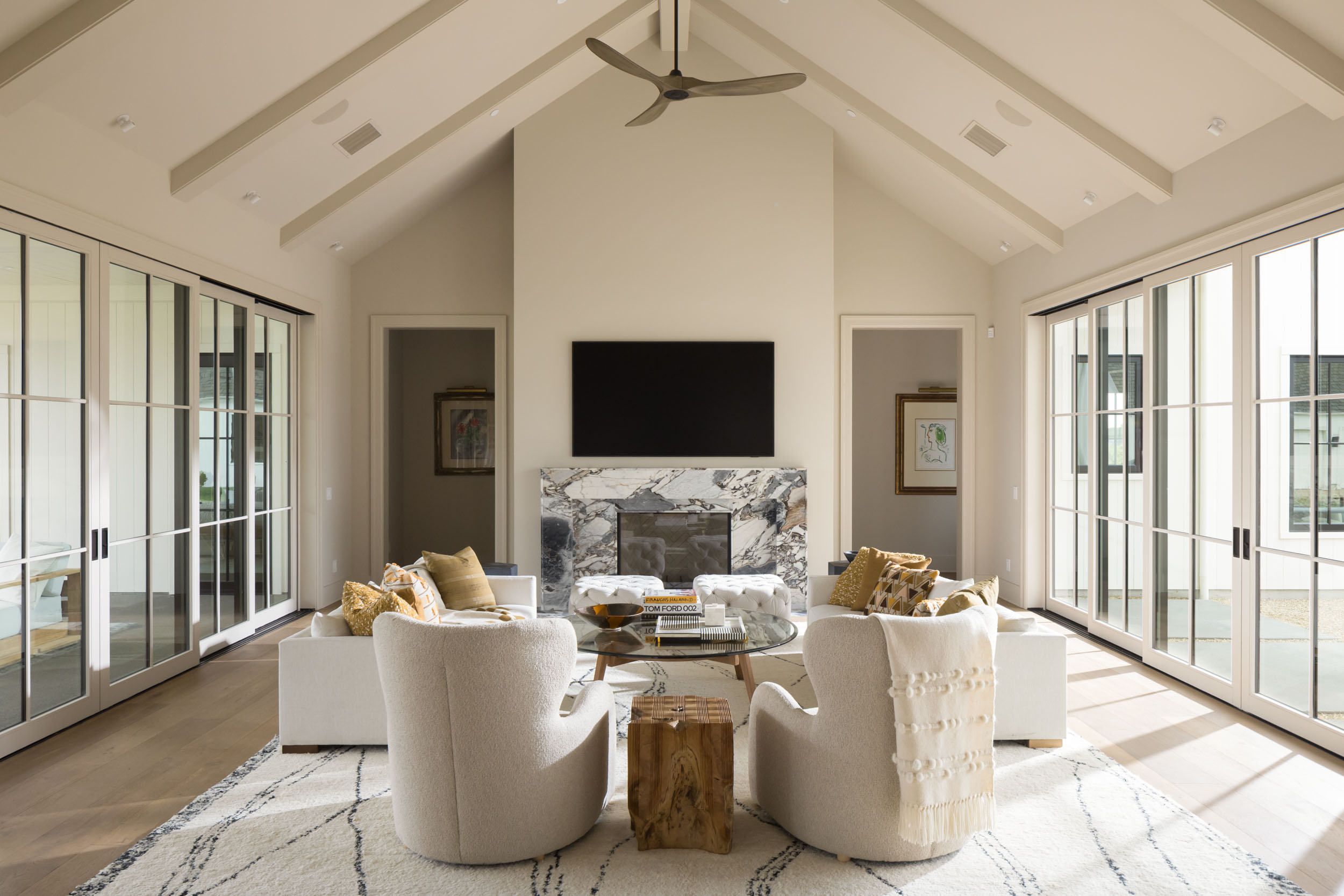
Interiors are airy with vaulted ceilings, a tonal white palette and white oak floors. Premium details throughout include clean-lined millwork, herringbone floor inlays and Calacatta marble.
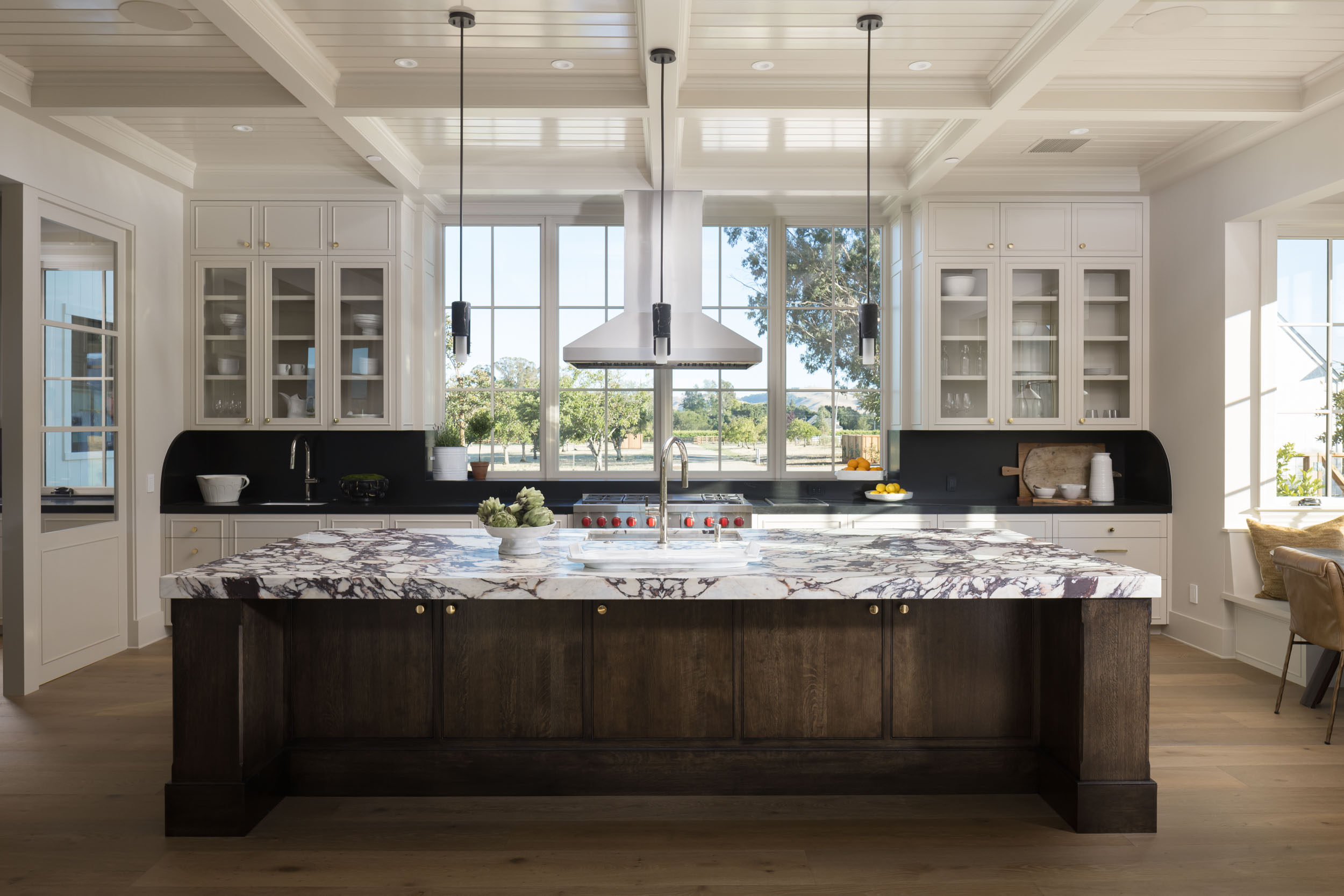
Living room. (Peter Lyons Photography)Kitchen. (Peter Lyons Photography)
Two prep kitchens line the hallway. Both are alight with half-wall windows that give a view into the attractive yet hardworking spaces. The chef’s kitchen has a grandly sized counter, topped in a showstopping Calacatta Viola marble. The counter offers a tremendous stage for food-prepping and gathering — epitomizing Wine Country living.
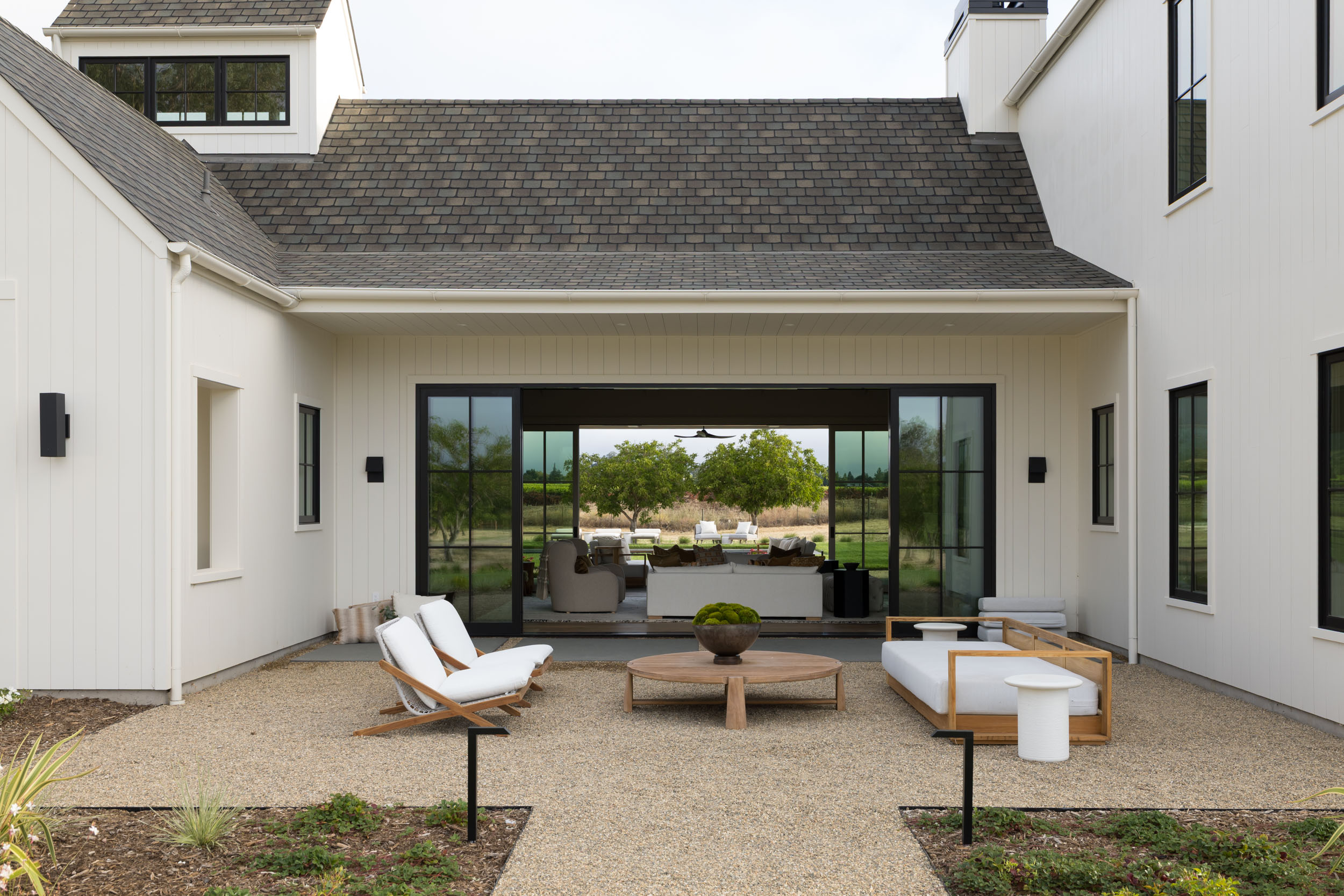
French doors along two walls in the living room open up to the yard and provide airflow through the home. The yard includes a covered outdoor kitchen and eating area.
Courtyard with lounge area. (Peter Lyons Photography)Outdoor kitchen. (Peter Lyons Photography)Jacuzzi and outdoor lounge area. (Peter Lyons Photography)
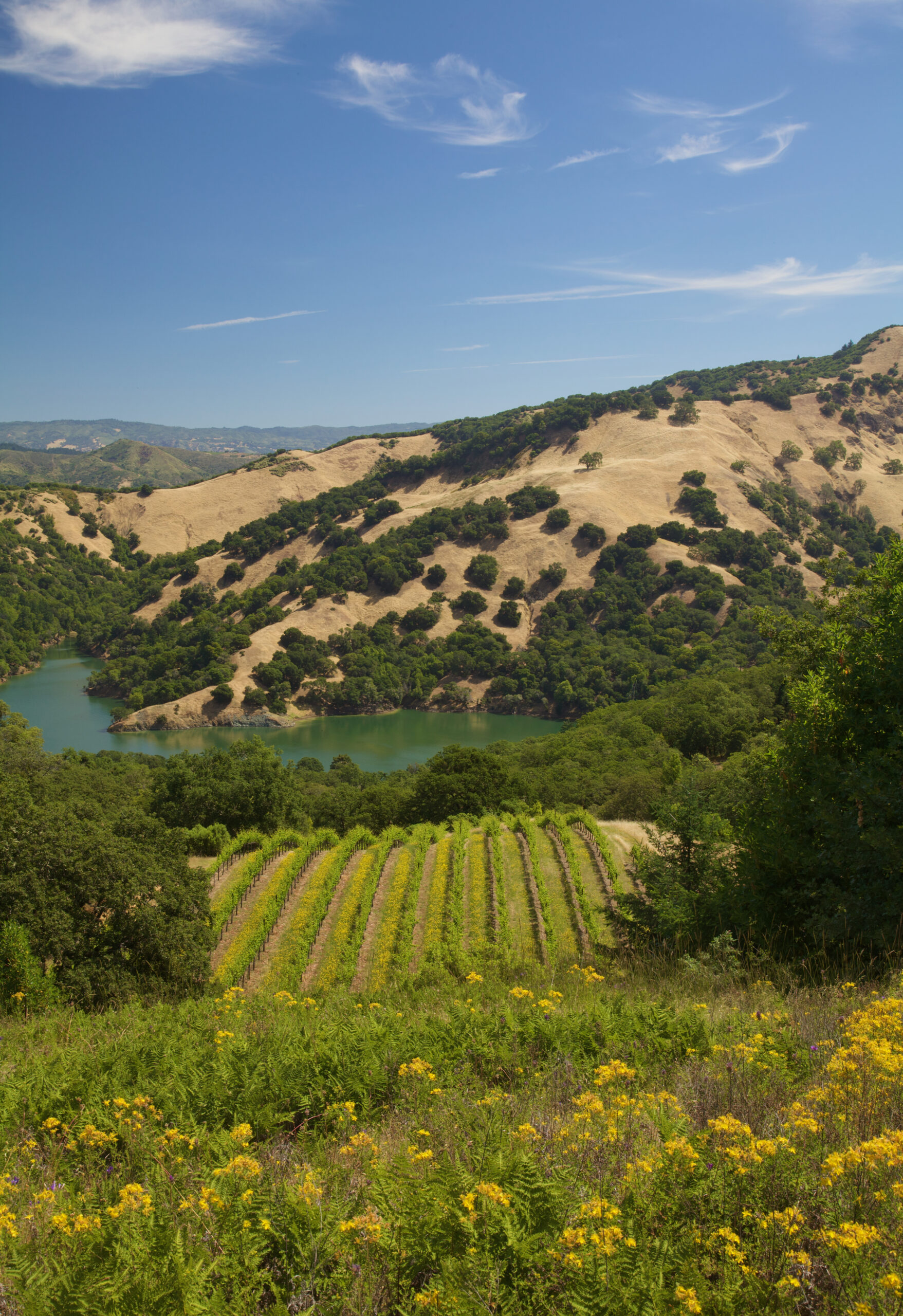
Vineyards surround the property, enhancing the valley vistas. A lawn wraps around a pool and jacuzzi that offer a cool contrast to summer’s golden grass and green grape leaves in the distance.
For more information on this property at 1523 Sperring Road in Sonoma, contact listing agents Matt Sevenau, 707-934-5630, Compass, 135 W. Napa St., Suite 100, Sonoma; Emma Curry, 707-299-8035, or Savannah Wellander, 775-815-0614, W Real Estate, 539 Broadway, Suite B, Sonoma,compass.com/homedetails/1523-Sperring-Rd-Sonoma-CA-95476/2128882006971659865_lid
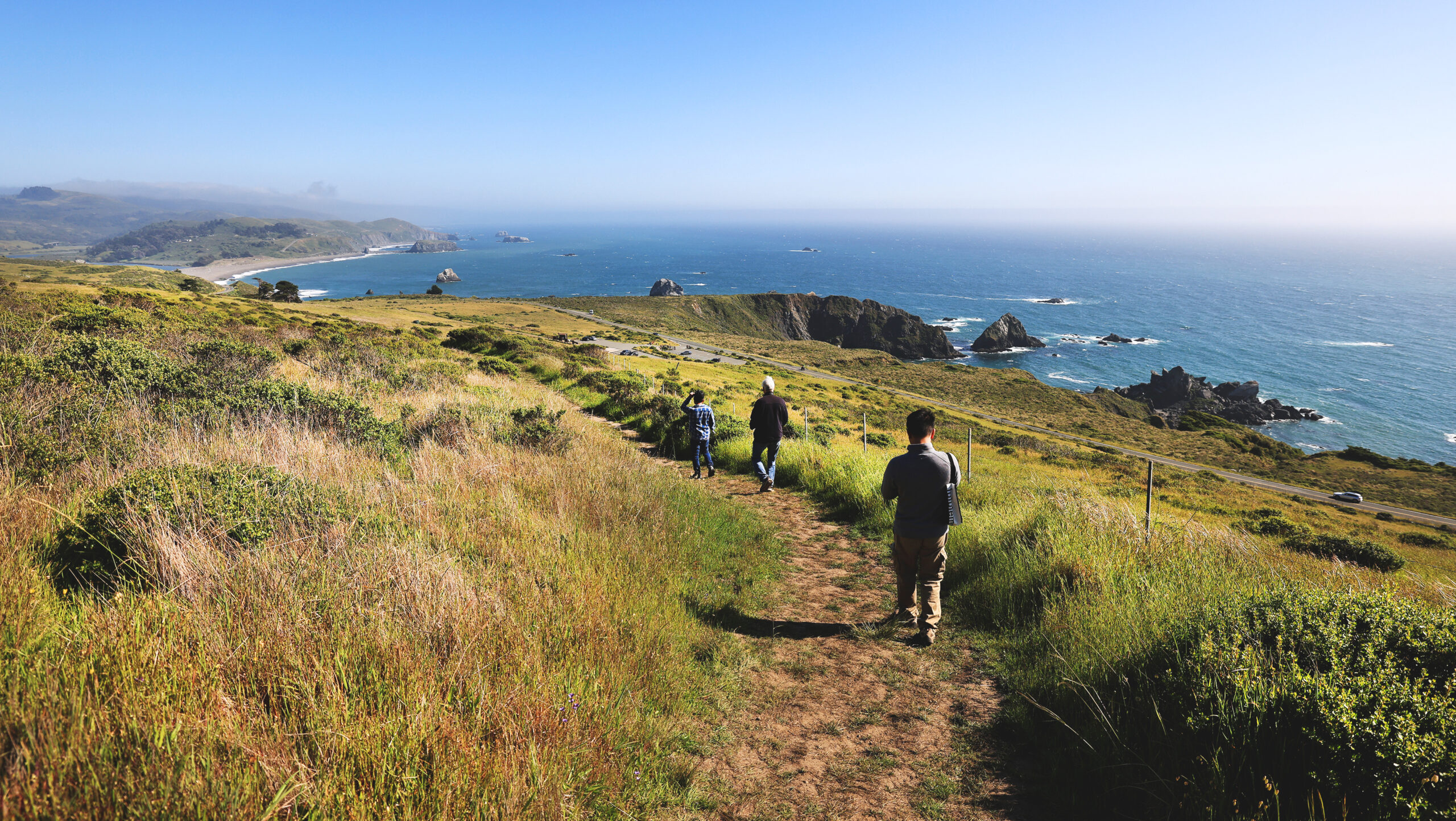
Lin Khuu, Tim Cahn and Minh Ta descend from Sentinel Point on the Sea to Sky Trail at Jenner Headlands Preserve, Thursday, April 30, 2026. (Kent Porter / The Press Democrat)
Summer’s sunny days and starry nights beckon us outdoors for adventure. Whether seeking thrills — surfing the waves or shredding down a new mountain bike trail — or something more chill like learning the art of nature journaling, read on for a look at people, places, and experiences that make our outdoors such a great place to be.
From the team of Anna Armstrong, Austin Murphy, Nate Seltenrich, Matt Villano and the Sonoma Magazine team.
Catch a Wave
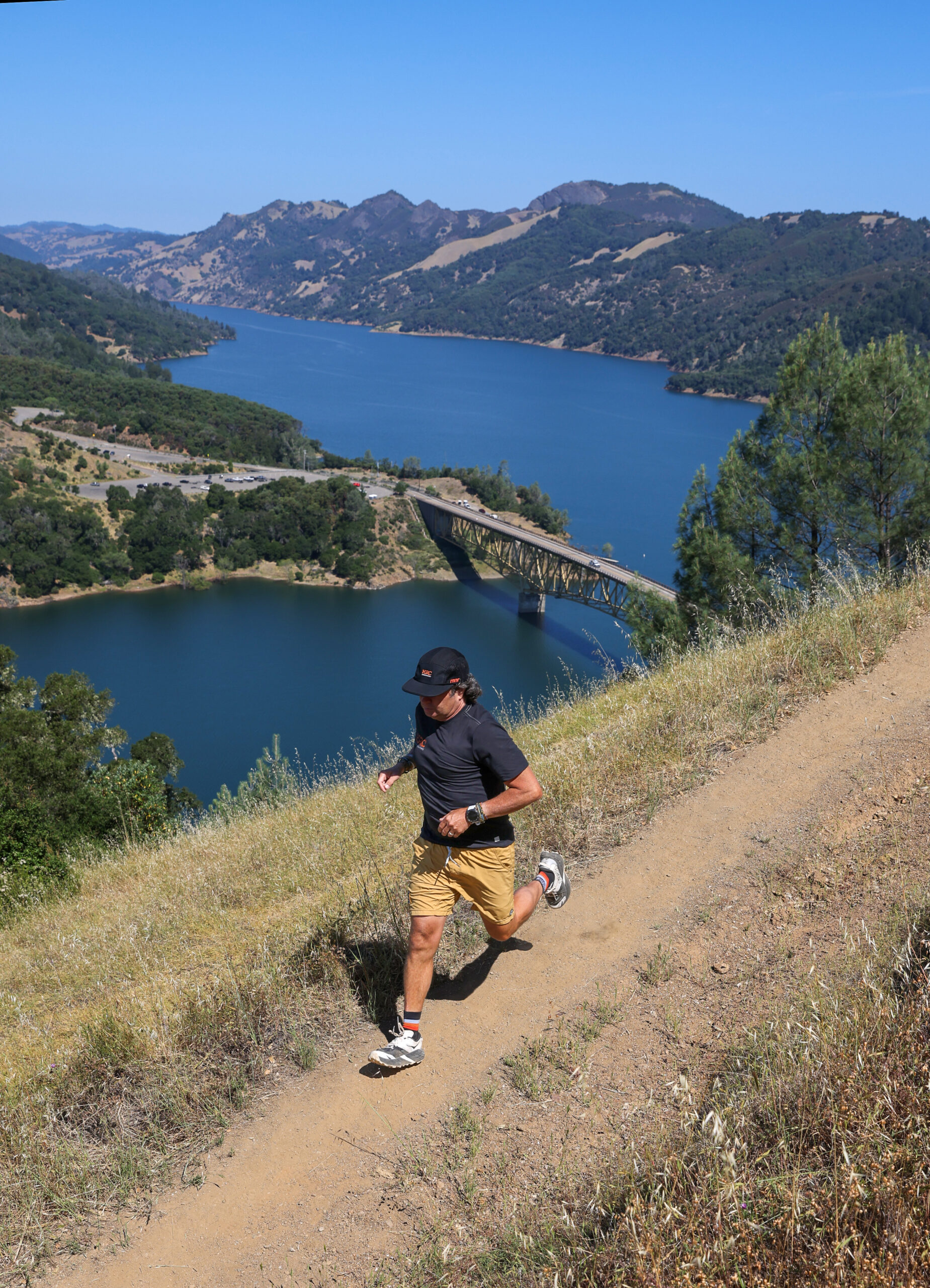
Lake life with Skip Brand
Skip Brand and his Healdsburg Running Company, a regional hub for runners of all stripes, deserve credit for introducing a key concept into the local lexicon: trail surfing. “It means take the watch off, bring the dog out, and put the phone away,” Brand explains. Or, more simply, just flow: ride the landscape like a wave.
Skip Brand is the founder of Healdsburg Running Company and president of Friends of Lake Sonoma, as well as an avid trail runner. Photo taken at Lake Sonoma on Friday, May 22, 2026. (Christopher Chung / The Press Democrat)
A longtime endurance athlete — he’s completed 15 100-mile runs and 22 Ironman triathlons — Brand also knows a thing or two about waves and water. He’s now in his fourth year as president of Friends of Lake Sonoma, a volunteer-run organization that supports the lake and its many recreational facilities.
“Its desire is to put as much recreation as possible into the lake,” Brand says. In addition to hiking, running, biking, and horseback riding on the many trails surrounding Lake Sonoma, the organization promotes water skiing, boat camping, stand-up paddleboarding, and fishing.
Another popular activity on the typically calm lake is skurfing, as in ski-surfing: riding the wake of a ski boat on a single board that’s something like a surfboard, just shorter. “Many of these folks that own slips out at the marina will come out for a Monday night tow, and it’s just incredible for them,” Brand says. “That’s why you have people from all over Sonoma County or further who use Lake Sonoma as the home base for their boat.”
View of Lake Sonoma near Florence Vineyard in Geyserville. (Courtesy of Jack Florence)
Yorty Creek Recreation Area west of Cloverdale, with its protected waters and sandy beach, is a hot spot for mellower, more human-powered recreation like swimming, kayaking, canoeing, and paddleboarding. “Yorty has just been set up to be that local swimming hole,” Brand says, “and on any given Saturday or Sunday, the parking lot is full.”
Other visitors are partial to boat-in camping. Anyone with a kayak or small boat has direct access to more than 100 reservable waterfront campsites scattered around the lake. lakesonoma.org or recreation.gov
Skip Brand’s Lake Sonoma Picks
Favorite beach: Madrone Point
Favorite swim: Public boat ramp to marina, touch dock, and back. Nearly 1 mile. No-wake zone.
Favorite run: Anything from the South Lake Trailhead
Favorite boat-in campsite: Island View
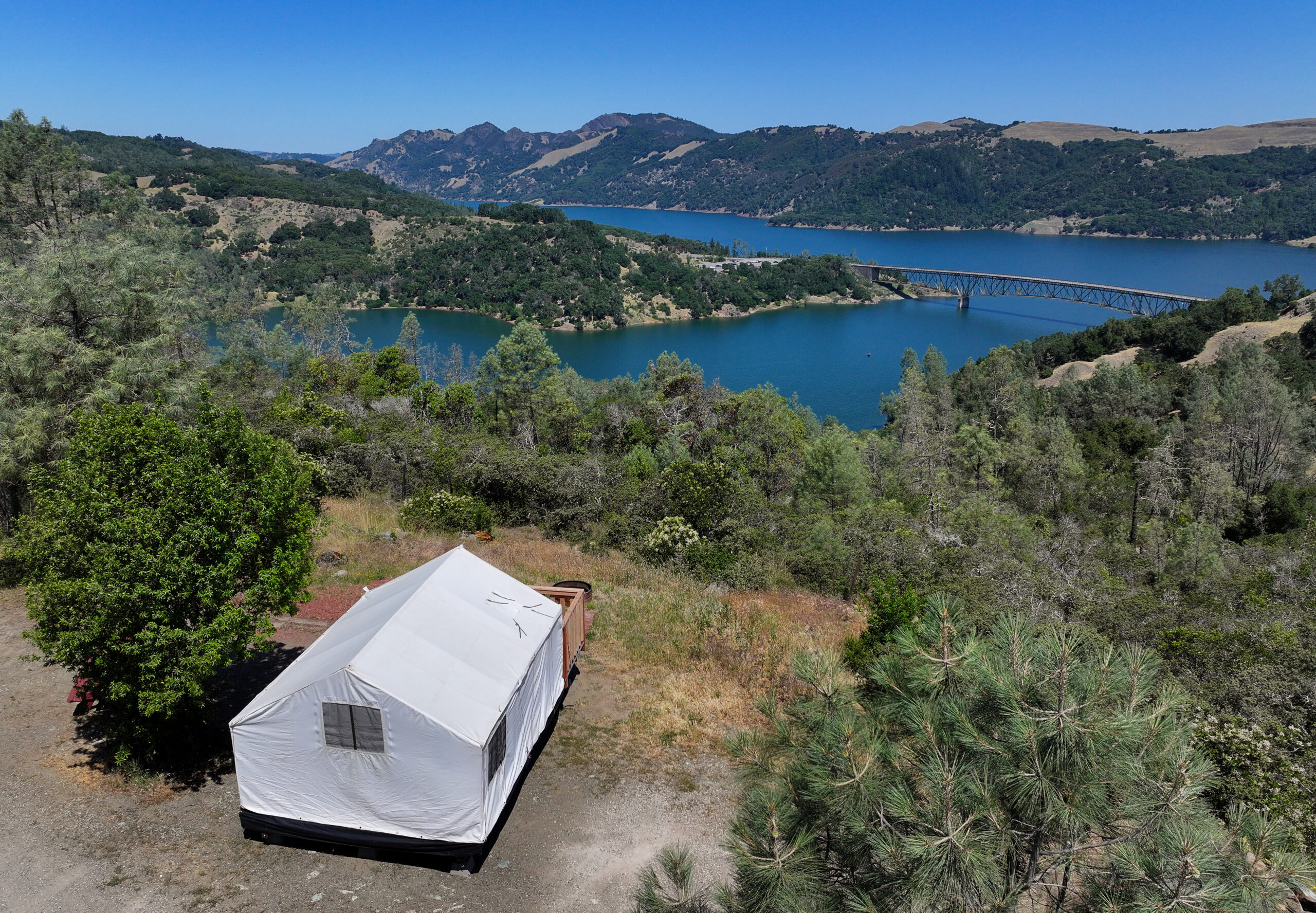
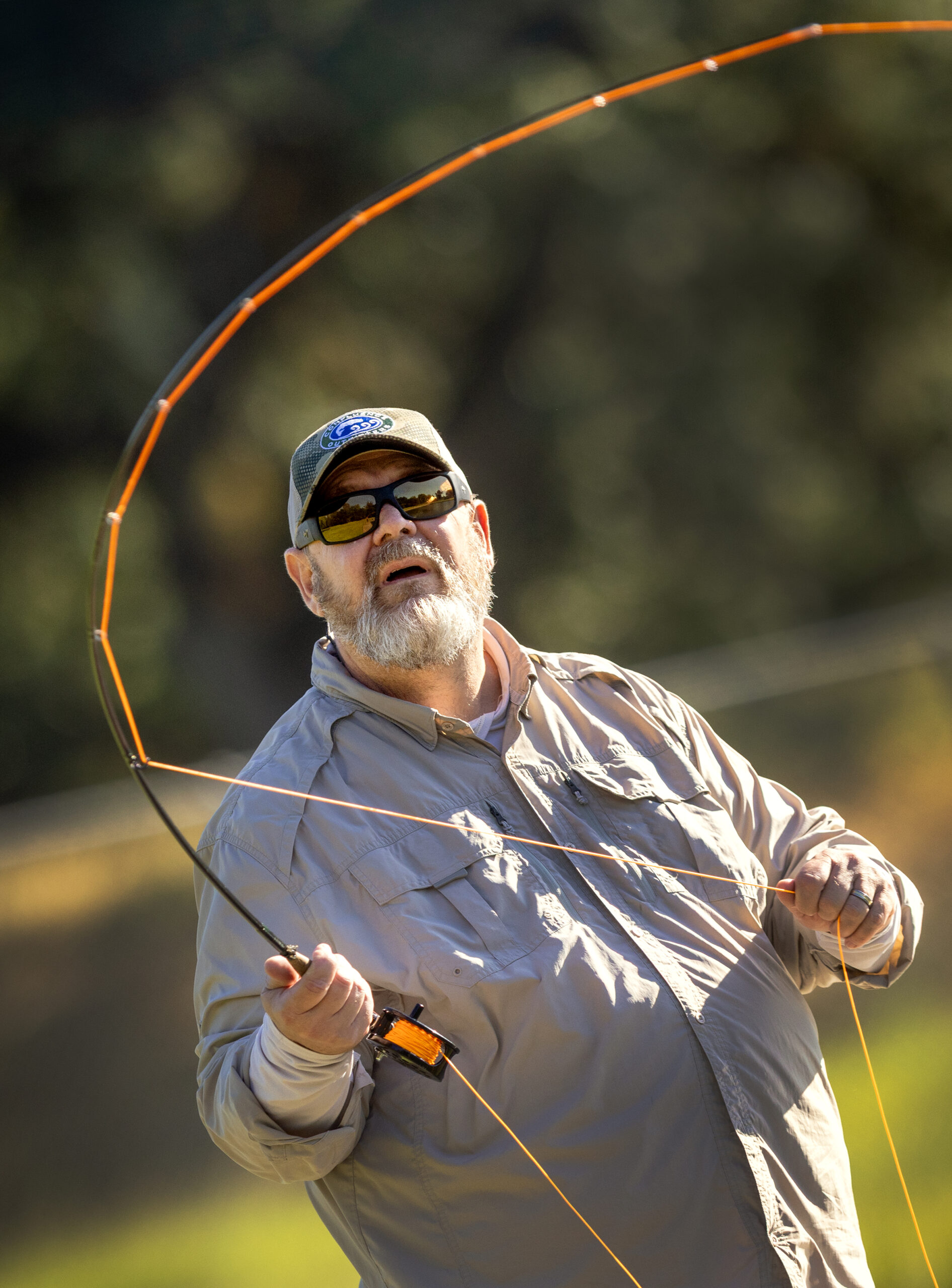
A new glamping tent at The Ranch at Lake Sonoma offers a scenic view of the lake. Photo taken on Friday, May 22, 2026. (Christopher Chung / The Press Democrat)Russian River Fly Fishers board member Rick Baker watches his line while practicing at the casting pond in Galvin Park in Santa Rosa. Photographed on Thursday, May 7, 2026. (John Burgess / The Press Democrat)
Russian River Fly Fishers
Count year-round fly fishing among the many recreational opportunities afforded by Sonoma County’s largest waterway, explains Steve Tubbs, a 35-year board member of the Russian River Fly Fishers. “In the summertime the Russian River becomes more of a warm-water fishery with bass, pike minnow, and others,” he says. “They can all be caught on flies.” We’re also blessed with one of just four public fly-fishing casting ponds in the state, located at Galvin Park in Santa Rosa. Russian River Fly Fishers offers free fly-casting instruction every Thursday evening during the summer and fall from 4:30-7 p.m. Beginners are welcome. rrflyfisher.org
Kayaking/SUPing
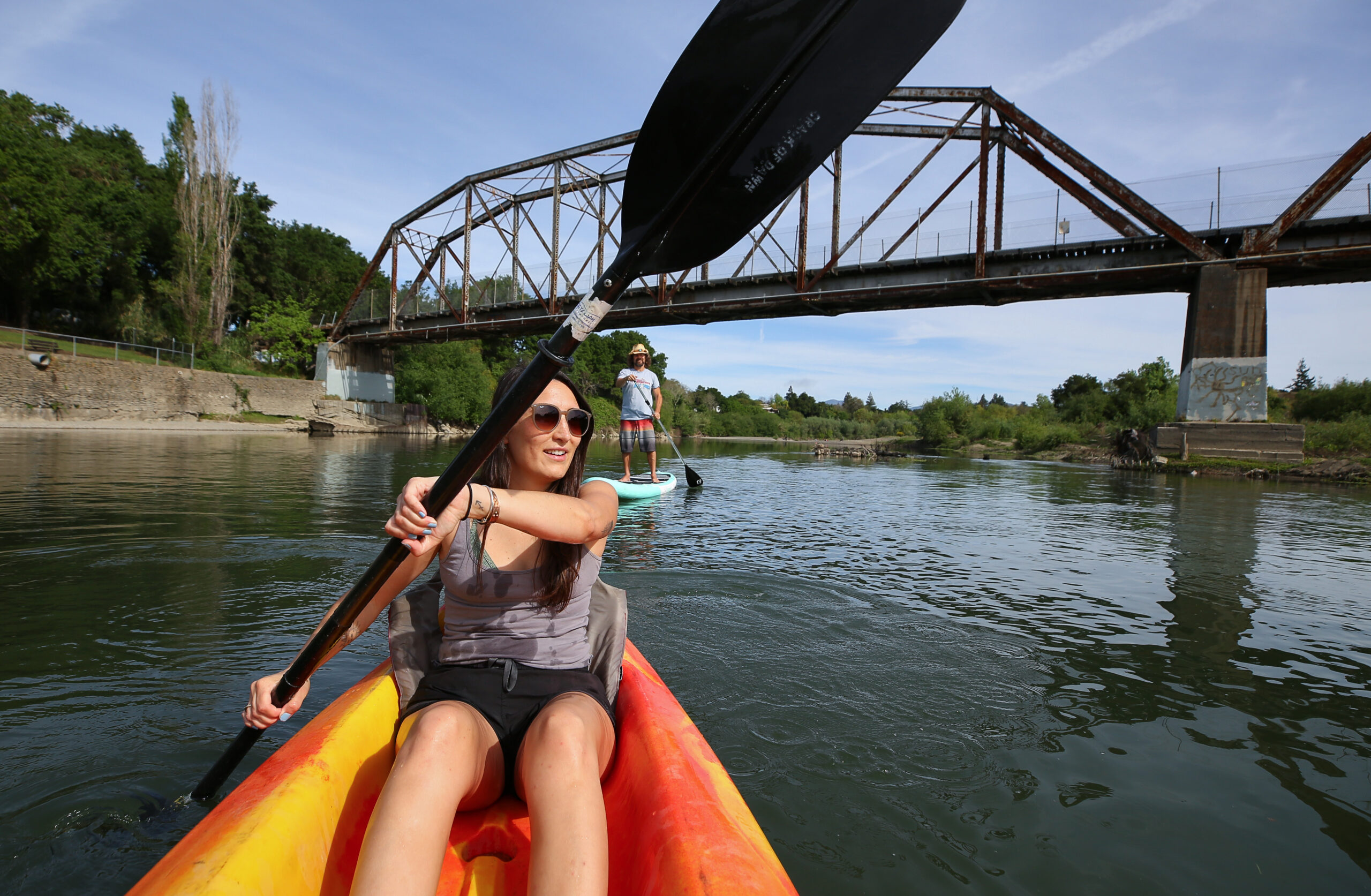
Floating is just fine, but sometimes, for a little extra exercise, paddling is preferred. If you’ve got your own kayak or stand-up board, some of the Russian River’s more accessible launch spots include, from east to west: Cloverdale River Park, Healdsburg Veterans Memorial Beach, Steelhead and Sunset beaches in Forestville, and Guerneville River Park. In addition, several local outfitters make it easy to get on the water, including River’s Edge in Healdsburg, Russian River Paddle Boards in Windsor, Johnson’s Beach in Guerneville, Rubicon Adventures in Forestville, and Burke’s Canoe Trips, which provides rentals and shuttles for a 10-mile paddle through the redwoods.
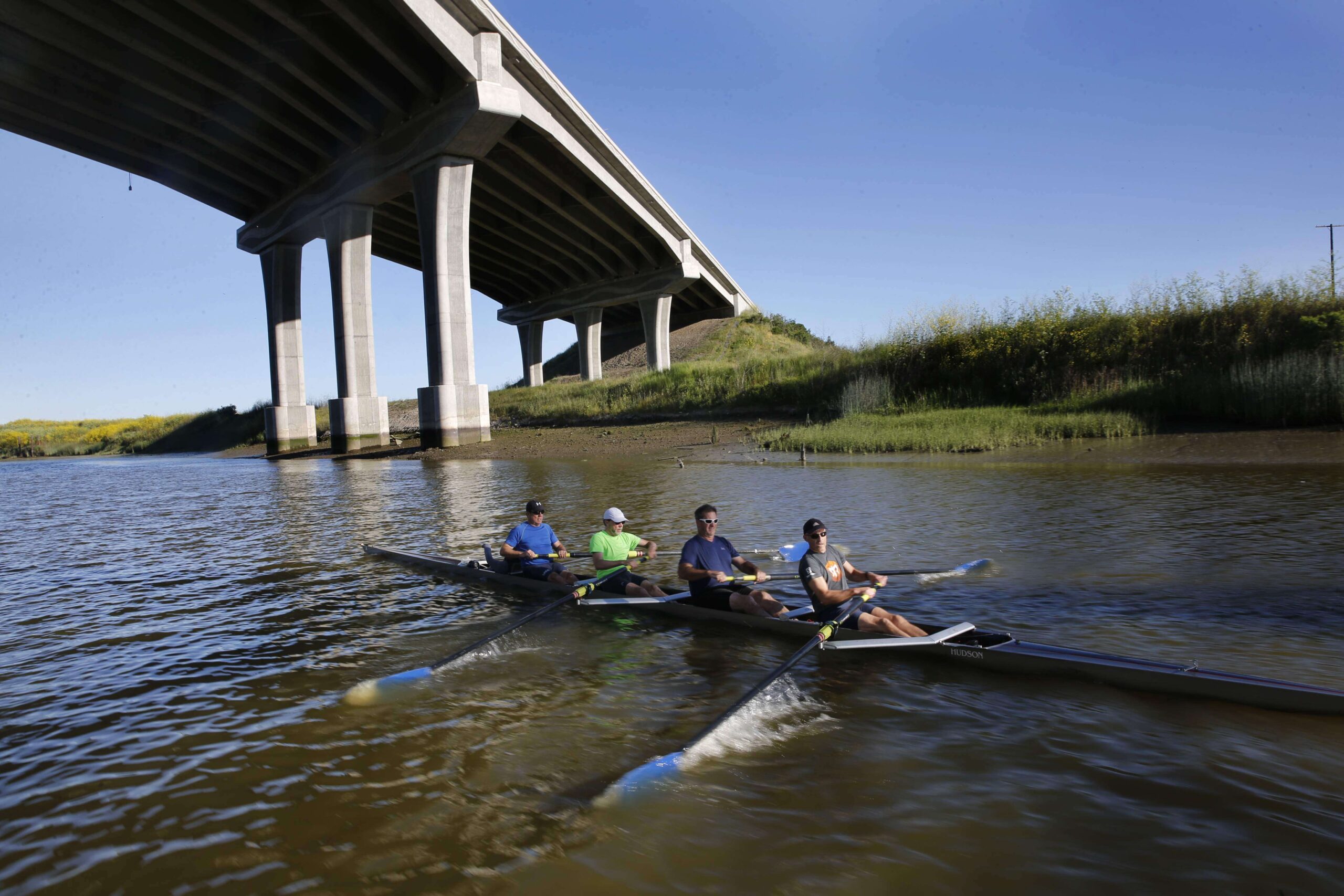
River’s Edge Kayak & Canoe river guide Jessica Kuller and owner David Lockhart paddle along the Russian River in Healdsburg. Photo taken on Friday, March 27, 2026. (Christopher Chung / The Press Democrat)From right to left, members of the North Bay Rowing Club, Steve Skubic, Brendan Galten, Ben Demshe, and Nick Honey take part in an early morning workout on the Petaluma River. Photographed on Saturday, May 12, 2018, in Petaluma. (Beth Schlanker / The Press Democrat)
North Bay Rowing Club
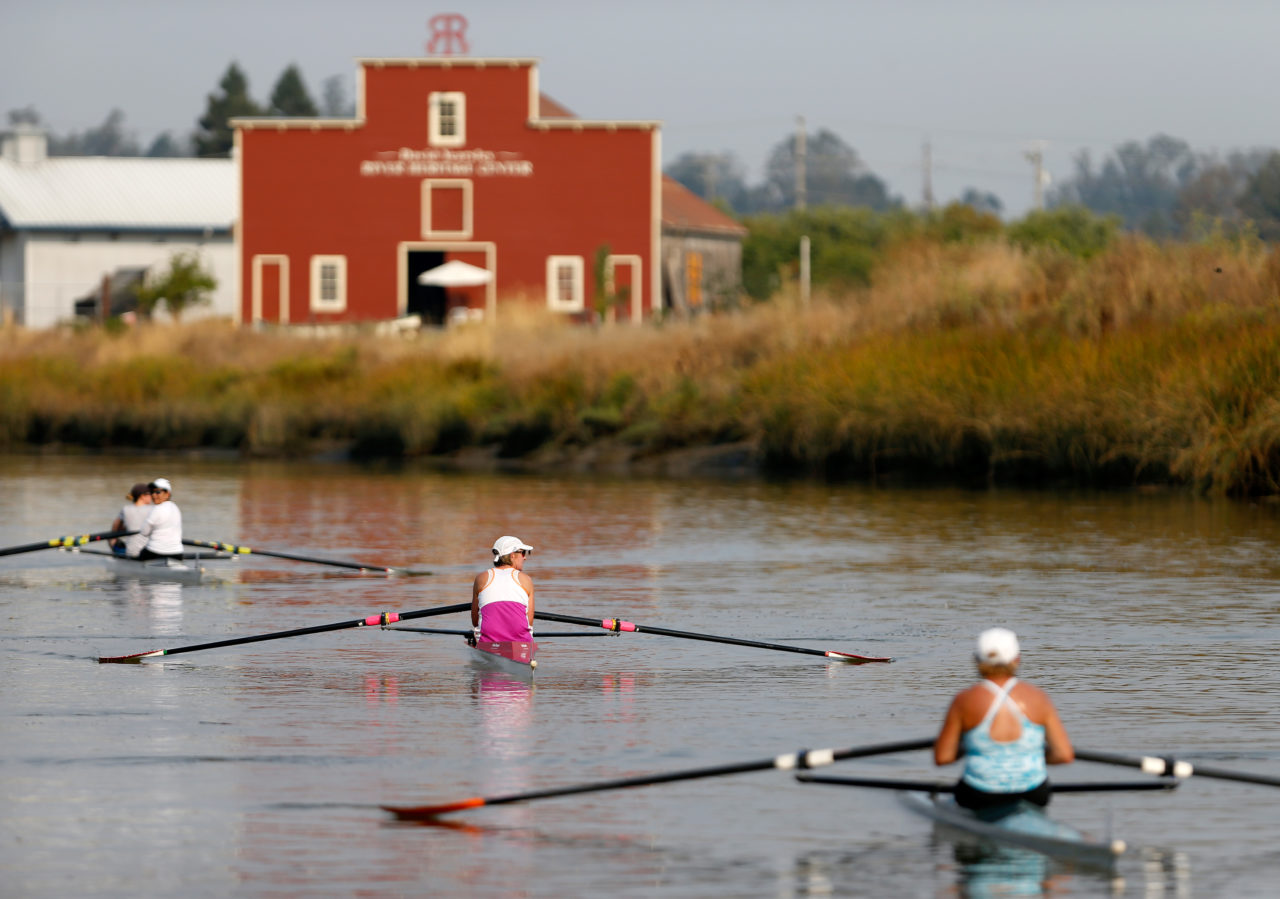
The Petaluma River isn’t really a river: It’s a slough. And once you know the difference, you understand why the 13-mile waterway is a top destination for local rowers. It never runs too fast, never gets too low, and changes direction every six hours (more or less). Conditions are relatively mild, and predictable, all year long, with enough variation to keep things interesting and lots to see along the way.
“Once you get past the [101] freeway bridge, you get out into the countryside quite quickly,” says Nick Honey, president of the Petaluma River-based North Bay Rowing Club. “And there are all kinds of birds and other wildlife. We’ve seen seals. One time I saw a couple of deer swim across the river.”
In addition to organizing youth crew teams, the club also offers adult learn-to-row classes and private lessons. Honey recommends them to anyone who’s interested in being on the river. “You don’t have to have previous experience,” he says. “We’ll show you how to do it.”
On Sept. 6, the club will host its biggest event of the year, the Petaluma River Marathon and Half-Marathon. Now in its 22nd year, the race is open to all people-powered craft, including stand-up paddleboards and kayaks. “People come from all over,” Honey says. “It’s a pretty unique event.” northbayrowing.org
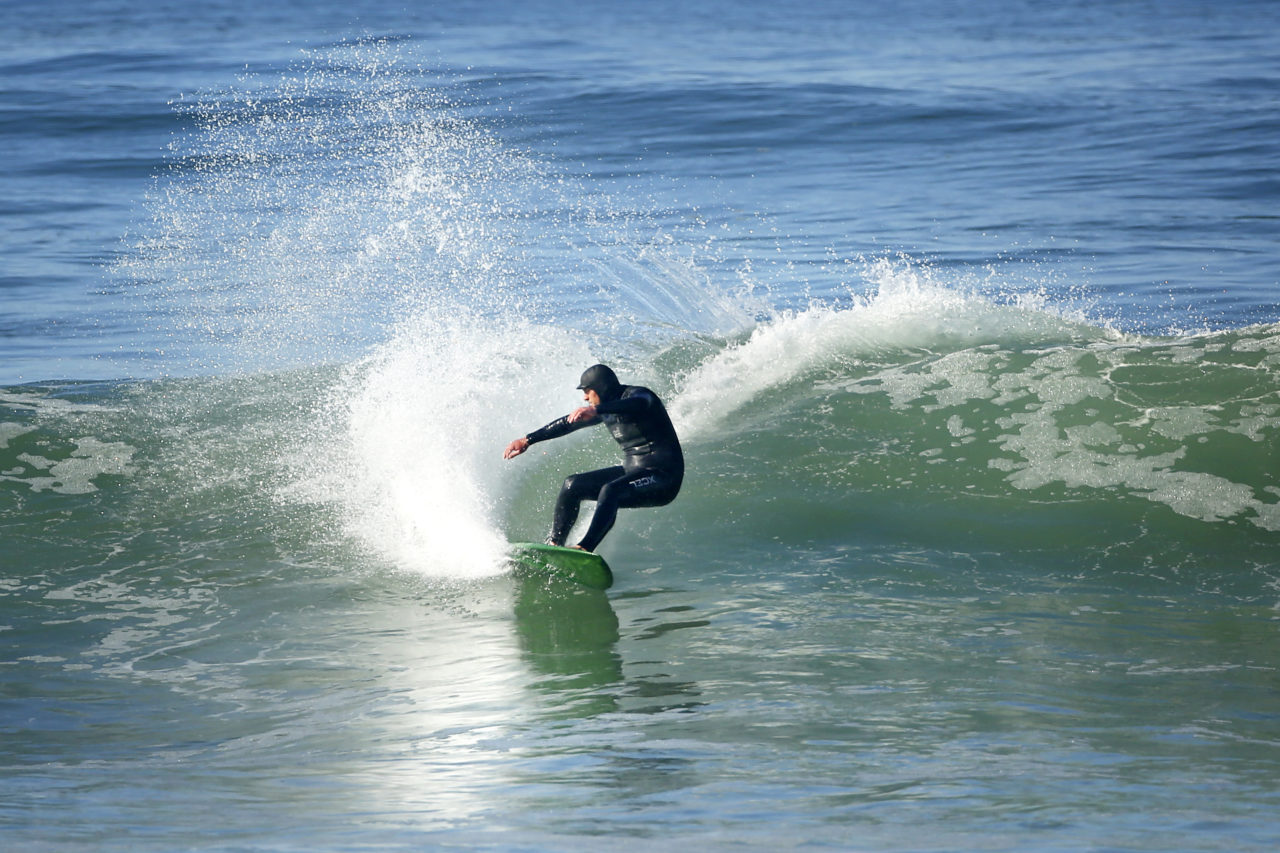
Rowers drift back to the dock after completing the Petaluma River Marathon, at North Bay Rowing Club in Petaluma. Photographed on Sunday, Sept. 3, 2017. (Alvin Jornada / The Press Democrat)Surfing at Salmon Creek Beach near Bodega Bay. The north coast’s Dillon Beach and Doran Beach are also great for surfing. (Conner Jay / The Press Democrat, file)
Surfing
Our coast isn’t always rugged and cold. It can be calm and inviting, like the waves at Dillon Beach — just across the county line in Marin — where beginning surfers are still advised to remember that wetsuit. South-facing Doran Beach is also favored by novices, groms, and anyone else seeking relief from northwest winds. Then there’s Salmon Creek, the local test piece. Ensure you’re ready with the help of Bodega Bay Surf Shack, which provides rentals and instruction for recovering kooks and aspiring rippers — and also offers post-surf munchies with a slice of local surf culture. In Bodega, Northern Light Surf Shop rents surfboards, bodyboards, and wetsuits.
Surf Talk
Grom: Short for grommet. A young (usually under 16) participant in extreme sports, like surfing.
Kook: An inexperienced surfer who lacks basic surf etiquette.
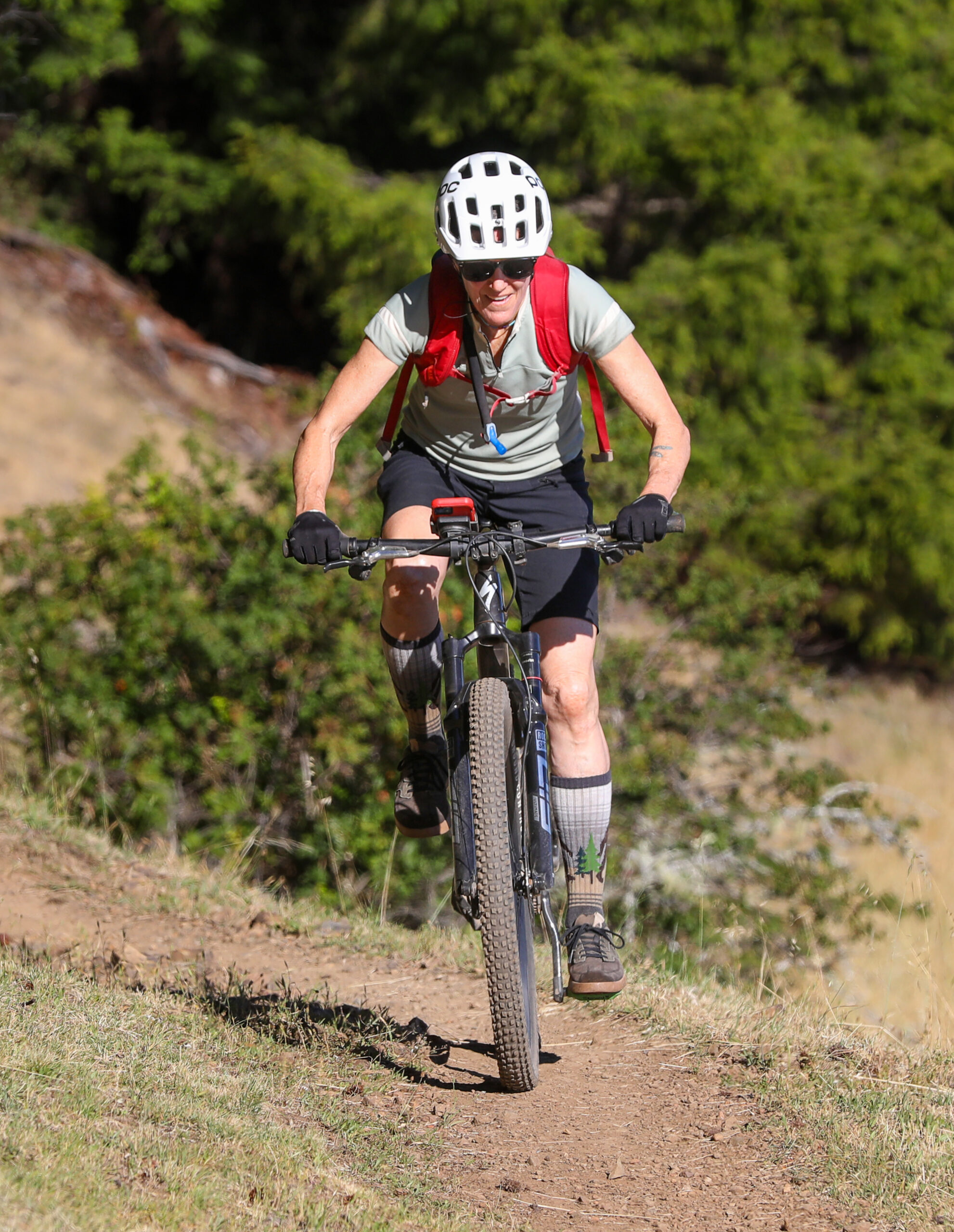
Nance Burton climbs along the Sound of Music trail in the Monte Rio Redwoods Regional Park & Open Space Preserve. Photo taken on Thursday, June 11, 2026, near Occidental. (Christopher Chung / The Press Democrat)
Hit the Trail
Mountain Bike Magic
If you favor fat-tire biking and seek epic singletrack through postcard stands of Sequoia, head for Monte Rio Redwoods Park and Open Space Preserve. That rugged west county refuge quadrupled in size a year ago when Sonoma County Regional Parks acquired, from Save the Redwoods League, a 1,517-acre parcel laced with nearly 30 miles of trails. It was built and maintained for decades by members of the Gianni Cycling Association, named for the beloved Occidental bike shop that closed its doors in 1998.
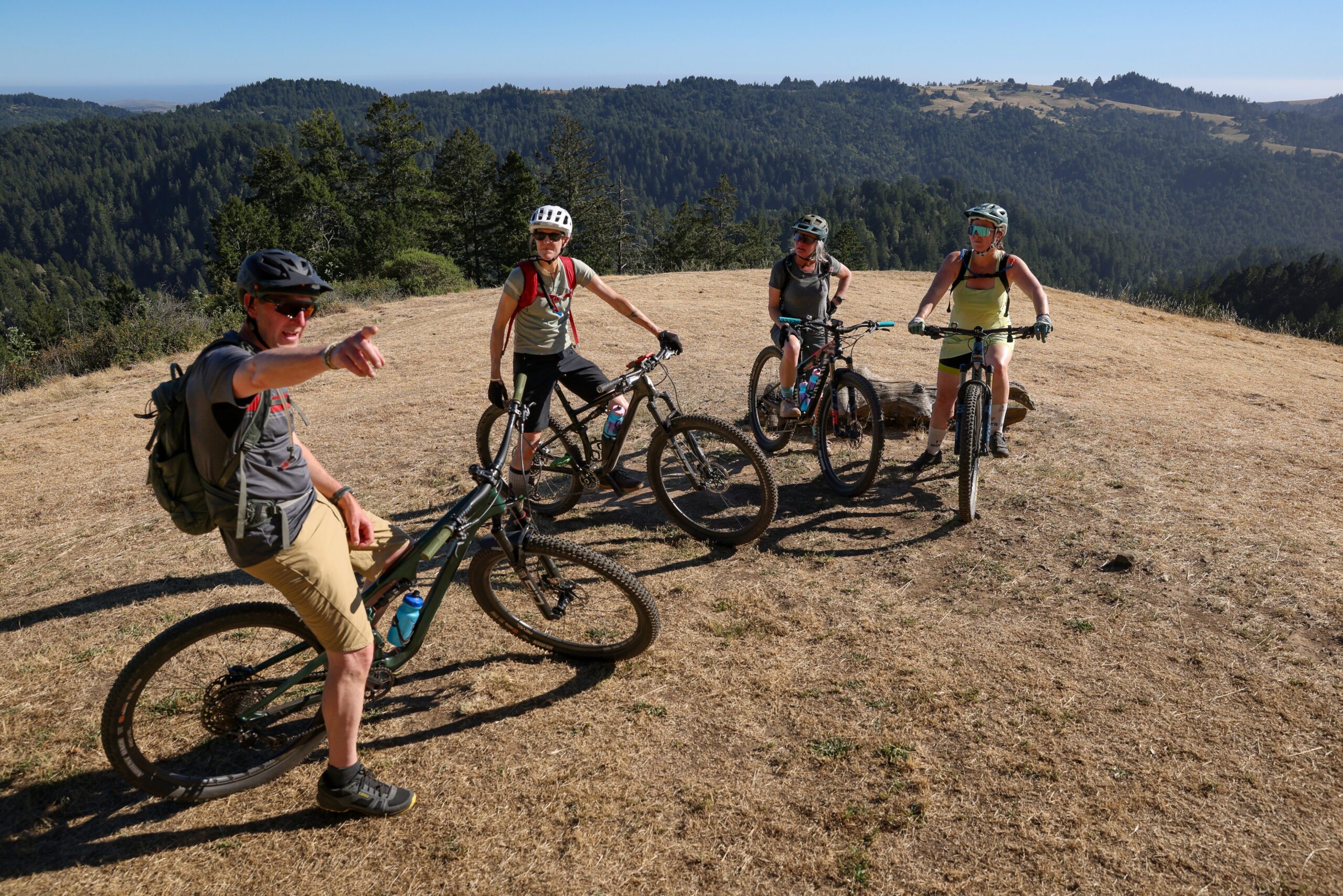
Cary Bush, left, Nance Burton, Amy Bush, and Katy Bayless stop for a short break at the Sound of Music viewpoint in the Monte Rio Redwoods Regional Park & Open Space Preserve near Occidental. Photo taken on Thursday, June 11, 2026. (Christopher Chung / The Press Democrat)
Save the Redwoods League bought that timberland in 2025 from the Mendocino Redwood Company, which had allowed Gianni’s members to build trails and ride their bikes on the property.
Through the years, the cycling association, an all-volunteer nonprofit, has been the beating heart of mountain biking in west Sonoma County, earning a reputation for its superb stewardship of the land and the high quality of its trails. The steep singletracks — narrow, natural surface paths — and fast flow sections are designed to maximize fun while minimizing impact on the environment.
Tom “Snap” Gonnella, who owned Gianni’s Cyclery and founded the club named after it, recalled in a recent podcast, “We were trying to be as inclusive as we could, but we had to deal with the landlord, who was limiting us on how many bikes that we could have in there.”
Now in the hands of Regional Parks, the cap on users is lifted. “We get to share it with everyone,” says Jake Bayless, a Gianni member who notes that, due to the park’s relative remoteness, fears of overcrowding have faded. “Everybody loves seeing more people riding bikes and smiling,” he says. “It’s a magic place.”
Learn more about becoming a volunteer member of the Gianni Cycling Association at giannicycling.org.
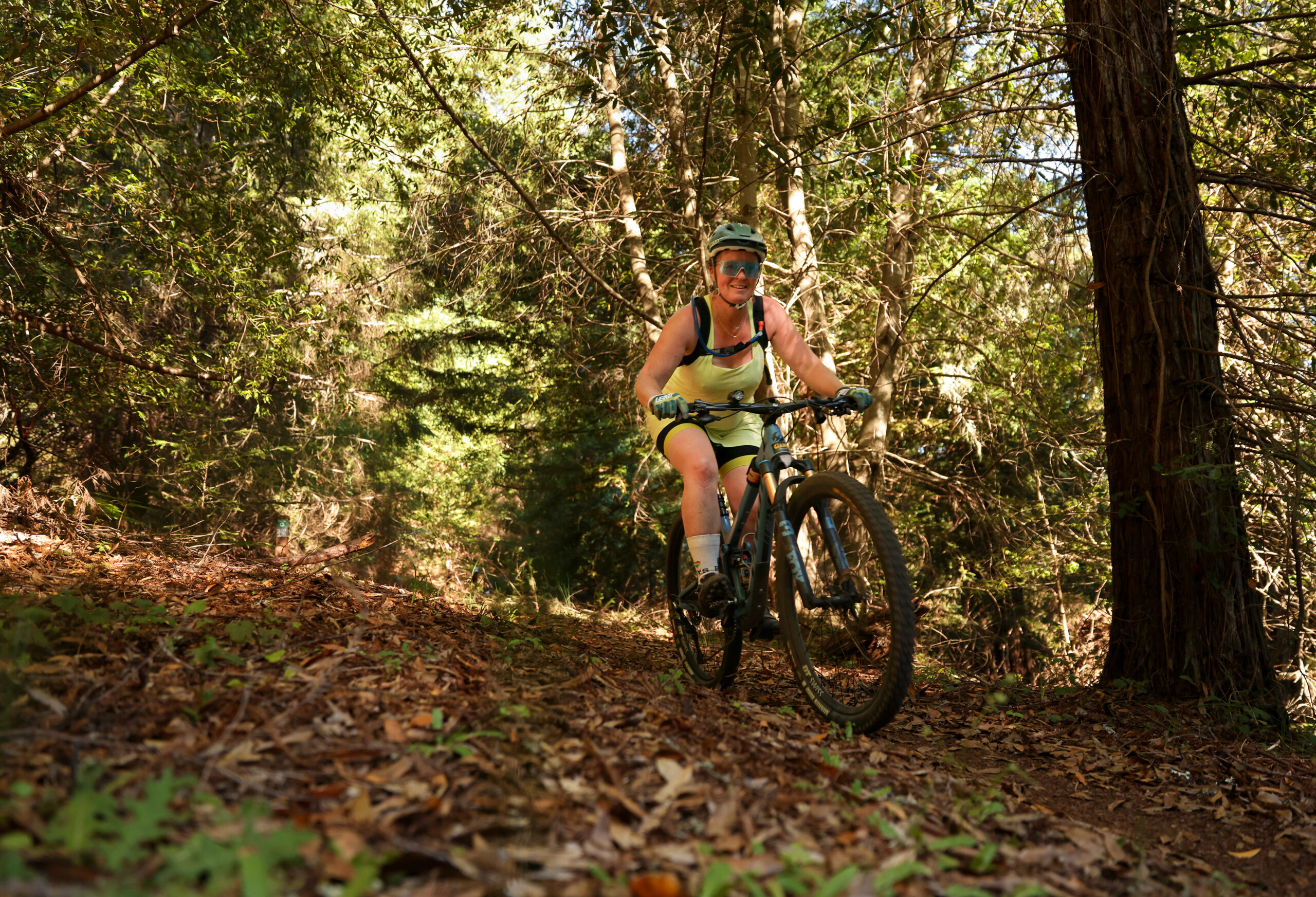
Katy Bayless rides down the Office trail in the Monte Rio Redwoods Regional Park & Open Space Preserve near Occidental. Photo taken on Thursday, June 11, 2026. (Christopher Chung / The Press Democrat)
Riding the Redwoods
Most of the park’s trails fall in the intermediate category. An introductory route is the 2.3-mile Monte Rio Redwoods Trail, a lollipop loop through towering redwoods, along singletrack and old logging roads, featuring 600 feet of climbing, which even the fittest riders may find challenging.
A far more ambitious undertaking is the 6.8-mile Radar Love Loop, which calls for 1,765 feet of climbing and offers sweeping views of the Pacific Ocean at the halfway point.
Access trails via the park’s main entrance, 9610 Main St. in Monte Rio, or from the trailhead at 25572 Freezeout Road with a parking lot managed by California State Parks.
The Upper Willow Creek Road trailhead, offering access to a plethora of scenic routes — Badfinger, Sound of Music, Eastside and East Ramps loop, to name a few — has very limited parking along Willow Creek Road. Many bikers ride from Occidental, 5 miles away.
Wonderland Pizzeria in Monte Rio is a worthy post-ride stop. (Wonderland Pizzeria)The East Sound of Music trail in the Monte Rio Redwoods Regional Park & Open Space Preserve near Occidental. Photo taken on Thursday, June 11, 2026. (Christopher Chung / The Press Democrat)
Redwood Trails Alliance
Sonoma County has some of the best hiking and biking trails in the state, thanks in part to volunteers with the Redwood Trails Alliance. The group is constantly building and maintaining trails across the region, and organizers are always looking for more people to help. Among the current projects is an effort to expand access to Monte Rio Redwoods Park and Open Space Preserve — a park that added more than 1,500 acres in 2025. Redwood Trails Alliance volunteers have also worked on other trail networks, including the mile-long access path to Pinnacle Gulch in Bodega Bay. For more information, visit trailsalliance.org.
Outdoors, en Español
After years of offering outdoors programming in English, LandPaths recently launched Vamos Afuera, a bilingual initiative geared toward native Spanish-speakers. The hikes, kayak trips, and educational outings are designed to foster a love of the outdoors among those who might not otherwise experience it. Activities are geared toward first-timers, and in most cases, equipment is provided free of charge. Recent outings have included hiking at Sugarloaf Ridge State Park and camping at Gualala Regional Park on the coast. Similar programs exist at Jack London State Historic Park (Rutas y Aventuras) and through Sonoma Ecology Center (Senderos Naturales).
After years of offering outdoors programming in English, LandPaths Sonoma recently launched Vamos Afuera, a bilingual initiative geared toward native Spanish-speakers. (LandPaths)A sunset horseback ride at Chanslor Stables in Bodega Bay. (Benjamin Wheeler / Sonoma County Tourism)
Giddyup and Explore
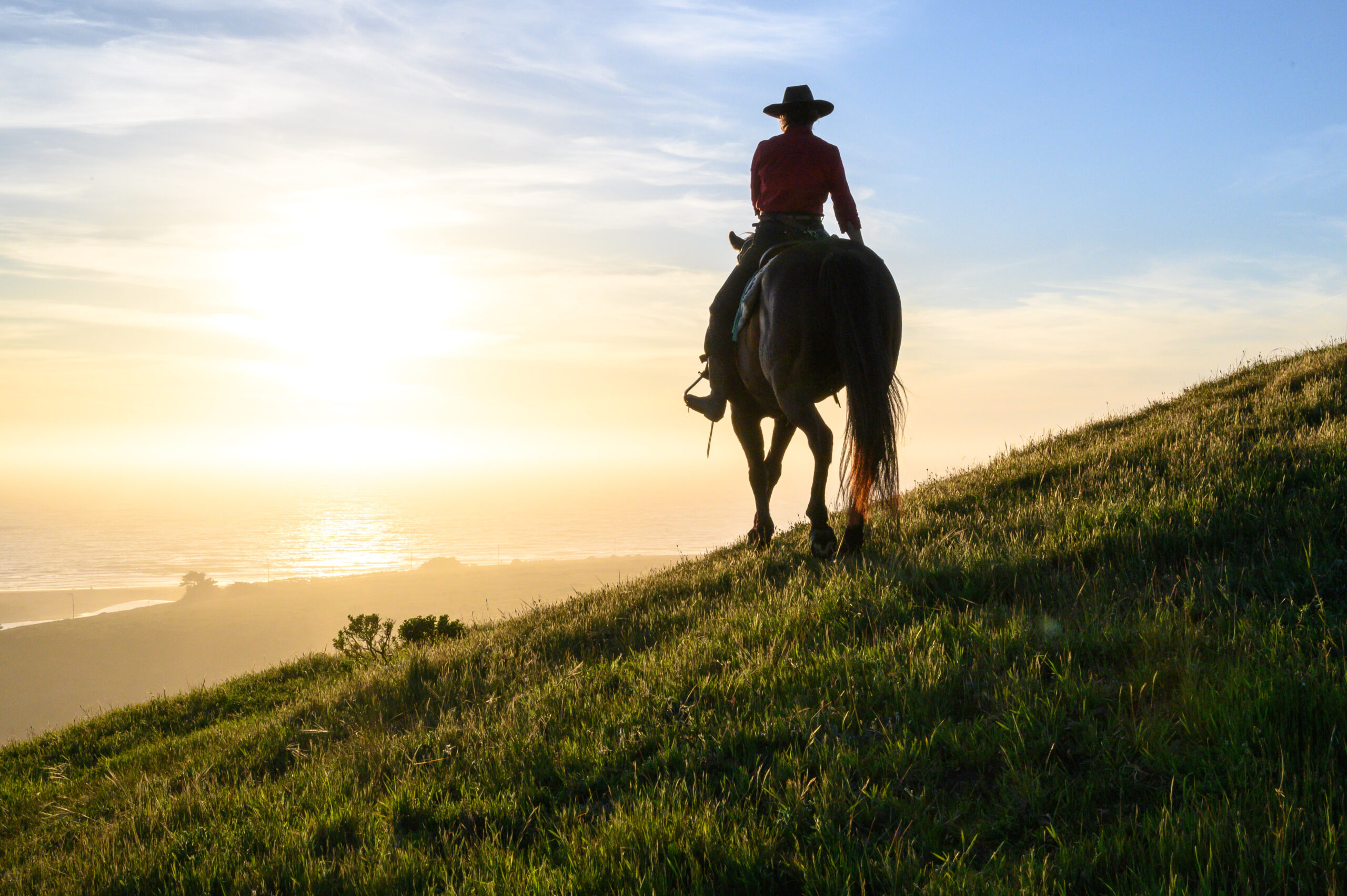
You don’t have to be a cowpoke to experience the beauty of Sonoma County from atop a trusty steed. Horseback riding provides a unique perspective to wilderness many might not see otherwise. It’s also a great workout and mental escape, and a ton of fun. Five Brooks in Bodega Bay offers guided rides that cover a variety of terrain — from mountains and meadows to dunes and sand. Many rides are even suited for kids. Other outfitters across the county include Horse N Around Trail Rides, also in Bodega Bay; Sonoma Valley Trail Rides in Sonoma; and Triple Creek Horse Outfit in Glen Ellen.
Rewilding Running
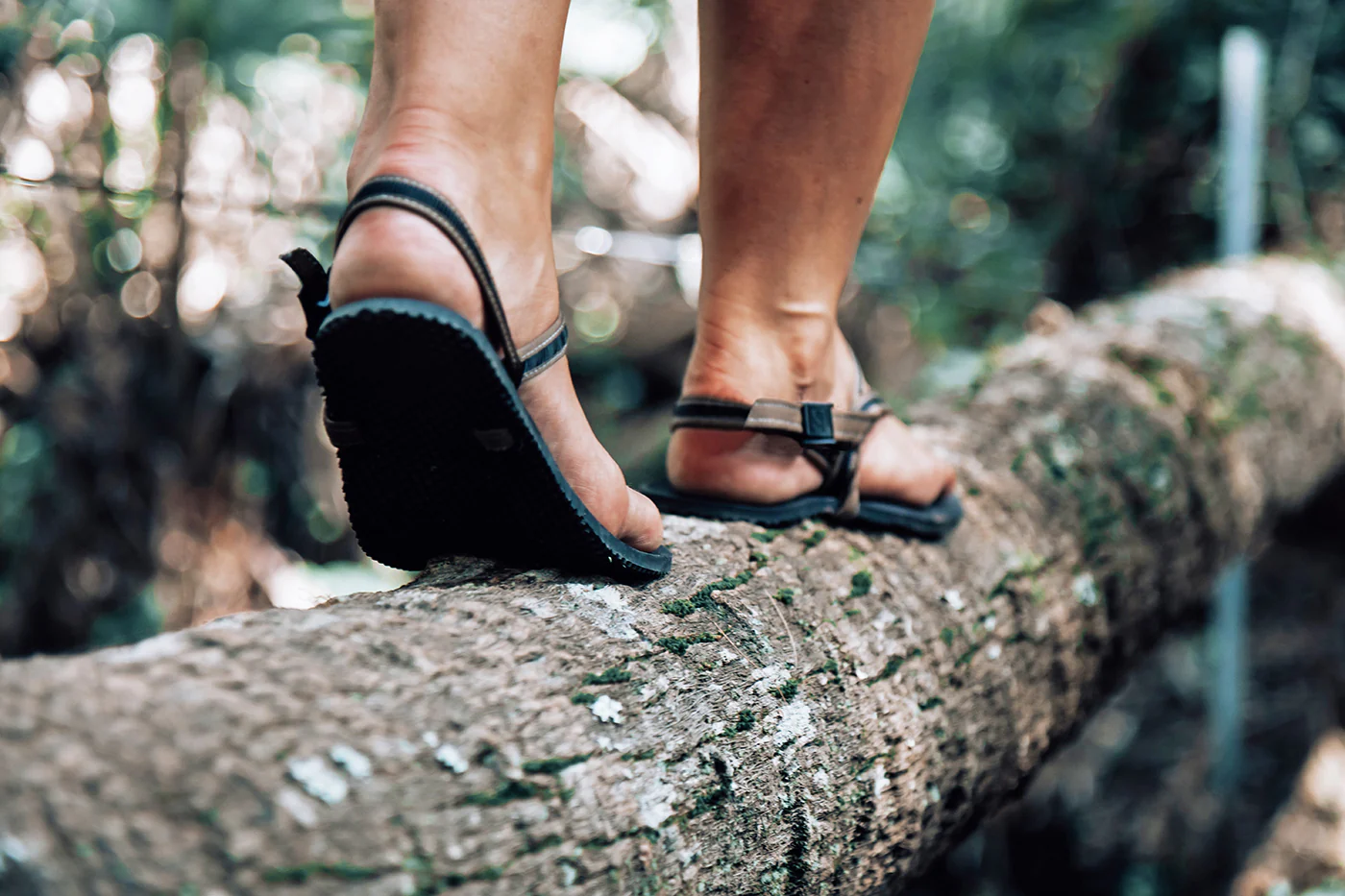
Lacing up a sturdy pair of hiking boots is how all successful hikes begin, right? Not so fast. Earth Runners, a Sebastopol-based footwear manufacturer, is rethinking the way we gear up to hit the trail.
Founded in 2012, the company has become known for minimalist sandals that “rewild” feet by “earthing” them, or bringing them closer to the ground. Founder Mike Dally based the design on huarache sandals worn by the Tarahumara people who live in the Sierra Madre mountains near Chihuahua, Mexico, and are known for their tradition of long-distance running.
Sebastopol-based Earth Runners makes footwear to mimic being barefoot. (Earth Runners)
Central to the design are what Earth Runners calls conductive laces, loops of laces with stainless steel in them. The metal supposedly transfers electrons from the body to earth (and occasionally back again).
What’s more, chief customer officer Lauren Fisher says the sandals have zero drop, which means the heel is the same height as the toe. The result? Relaxation in the feet that can extend up the leg and even into the lower back.
“By wearing footwear that mimics being barefoot, we are able to regain the muscles in our feet that have gone dormant and weakened by wearing heavily cushioned and rigid shoes that don’t allow the feet to move the way they were designed to,” Fisher says.
The company sells four types of sandals, as well as enclosed footwear Earth Runners calls iON SYNC Earthing Shoes. All are made in Sebastopol at a facility that employs as many as 25 during the busy summer season.
Earth Runners donates 1% of all sales to True Messages, a non-profit focused on honoring and sustaining the Tarahumara running culture. earthrunners.com
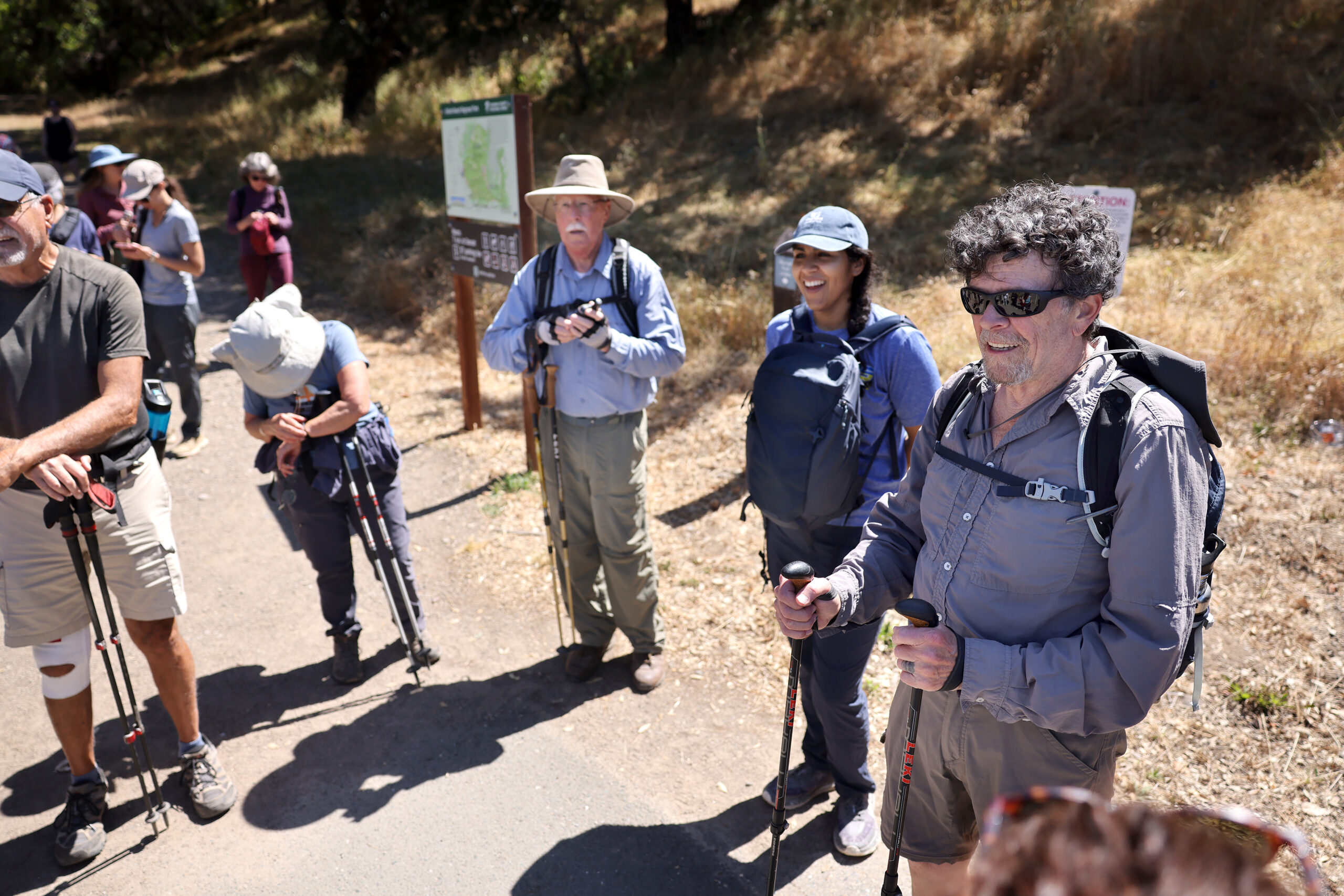
Zoli Somogyi leads a group with “Go Wild Hikers” along a trail at Shiloh Ranch Regional Park in Windsor. Photographed on Sunday, May 31, 2026. (Beth Schlanker / The Press Democrat)
Happy Trails
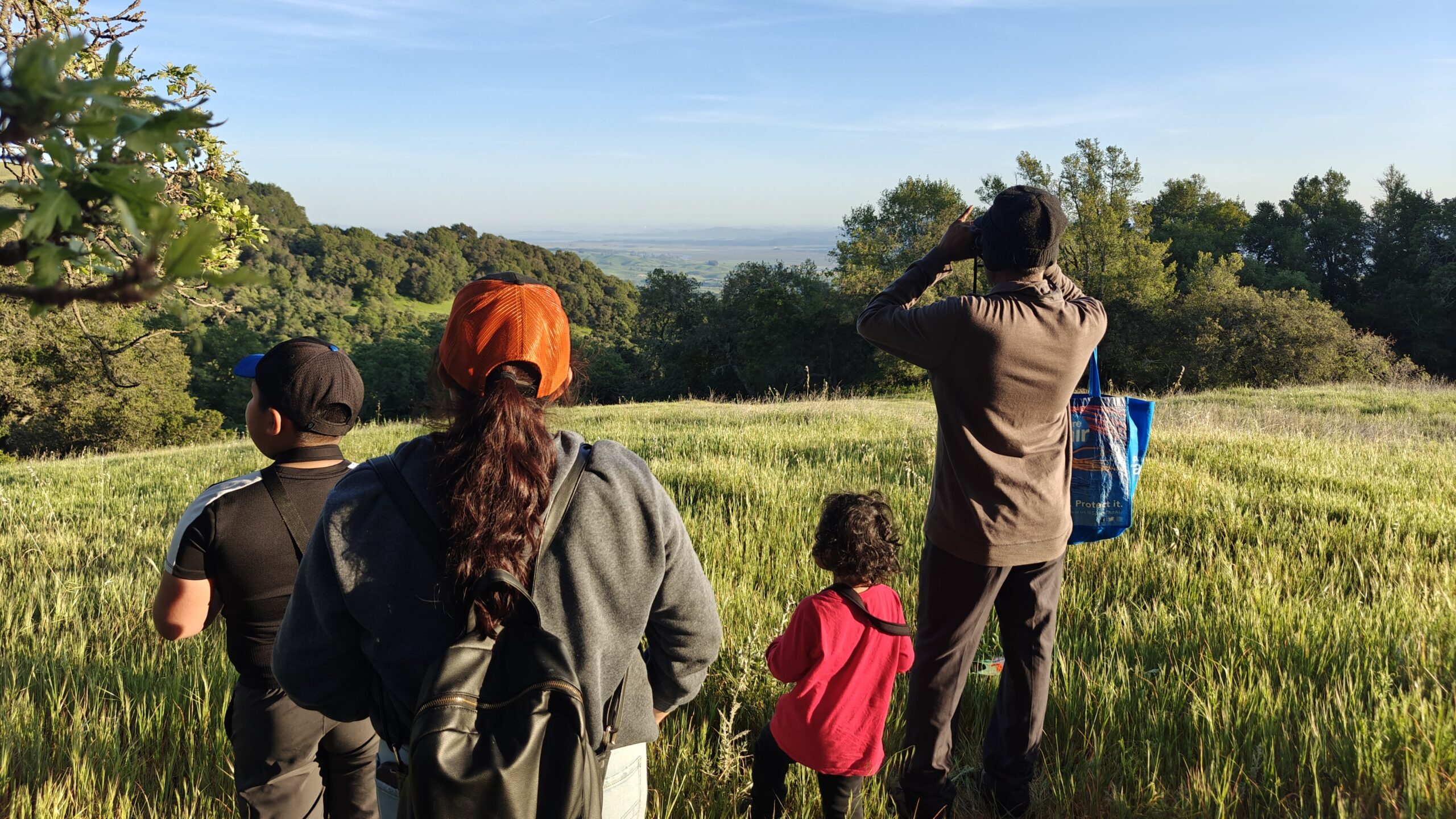
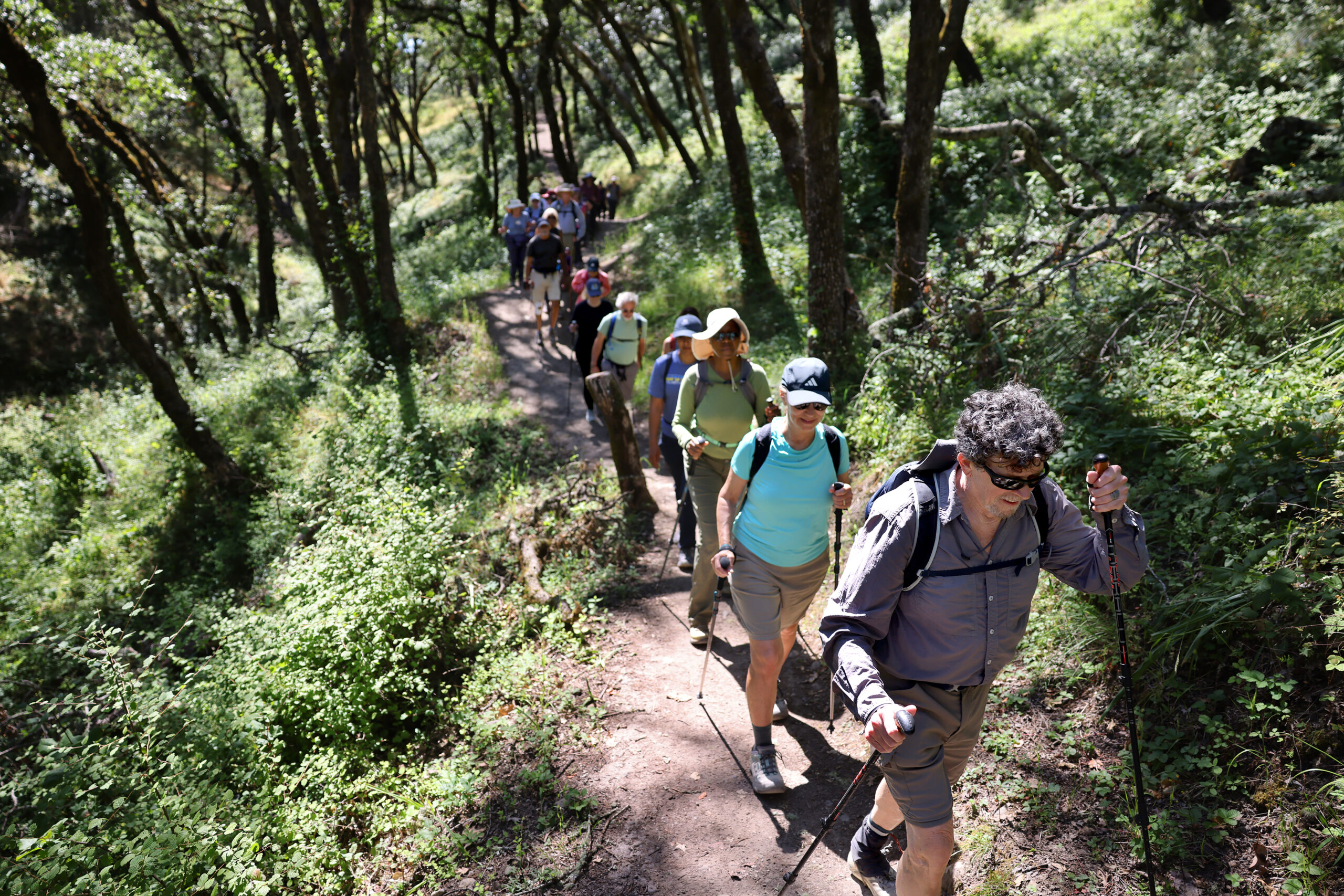
Even though hiking is a solitary diversion, many hikers crave companionship. Enter Go Wild Hikers, which organizes group hikes in Sonoma, Marin, Napa, and Lake counties every weekend of the year.
Executive director Zoli Somogyi of Santa Rosa plots and leads all the hikes himself, sharing his love of the great outdoors with up to 35 friends on any given trip, building community with every step.
“It’s one thing to experience the beauty of Sonoma and Marin counties on your own, but to experience it with other people makes it extra special,” says Somogyi, who has led more than 350 hikes in just over seven years. “The more people participate, the more comfortable they get with themselves, with the outdoors, and with others in the group.”
Most Go Wild hikes average between 4-9 miles, last anywhere from two to six hours, and max out at 1,000 feet gain in elevation. Degrees of difficulty for each hike vary, and participants usually form smaller groups based on strength and skill levels. Some hikes — at least one each month — even accommodate dogs, and all end with an optional post-hike get-together at local pubs and restaurants.
Go Wild suggests a $5 donation each hike, and hikers must cover necessary parking fees at regional and state park outings.
To sign up for a hike, visit the Go Wild page on heylo.com.
Zoli Somogyi, right, talks to a group with “Go Wild Hikers” after a hike at Shiloh Ranch Regional Park in Windsor. Photographed on Sunday, May 31, 2026. (Beth Schlanker / The Press Democrat)
Zoli Somogyi’s Favorite Hikes
Pomo Canyon: “From the coast to the canyon you hike through several different ecosystems. It’s beautiful the whole way.”
Sugarloaf Ridge State Park: “On a clear day, you can see the entire Bay Area from the top of this hike. It makes you realize how close we are to everything else.”
Jack London State Park: “The hike I do there has something for everyone: an orchard, a lake, some redwoods. It packs a lot in.”
Jenner Headlands: “Groups usually say this hike is arduous. I like to think of it as challenging. And spectacular.”
Lin Khuu, Tim Cahn and Minh Ta descend from Sentinel Point on the Sea to Sky Trail at Jenner Headlands Preserve. Photographed on Thursday, April 30, 2026. (Kent Porter / The Press Democrat)
Walk a New Path
Taylor Mountain
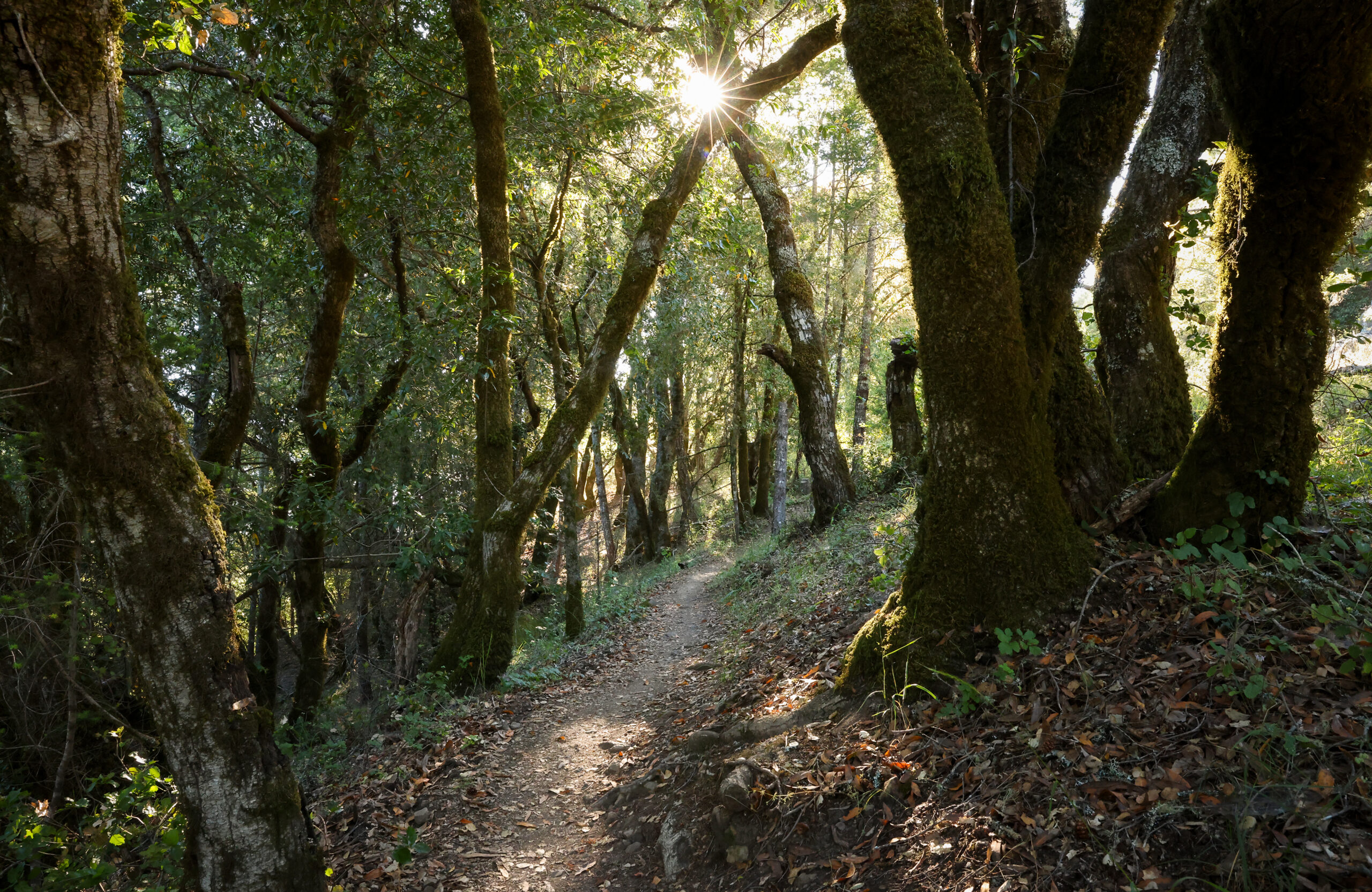
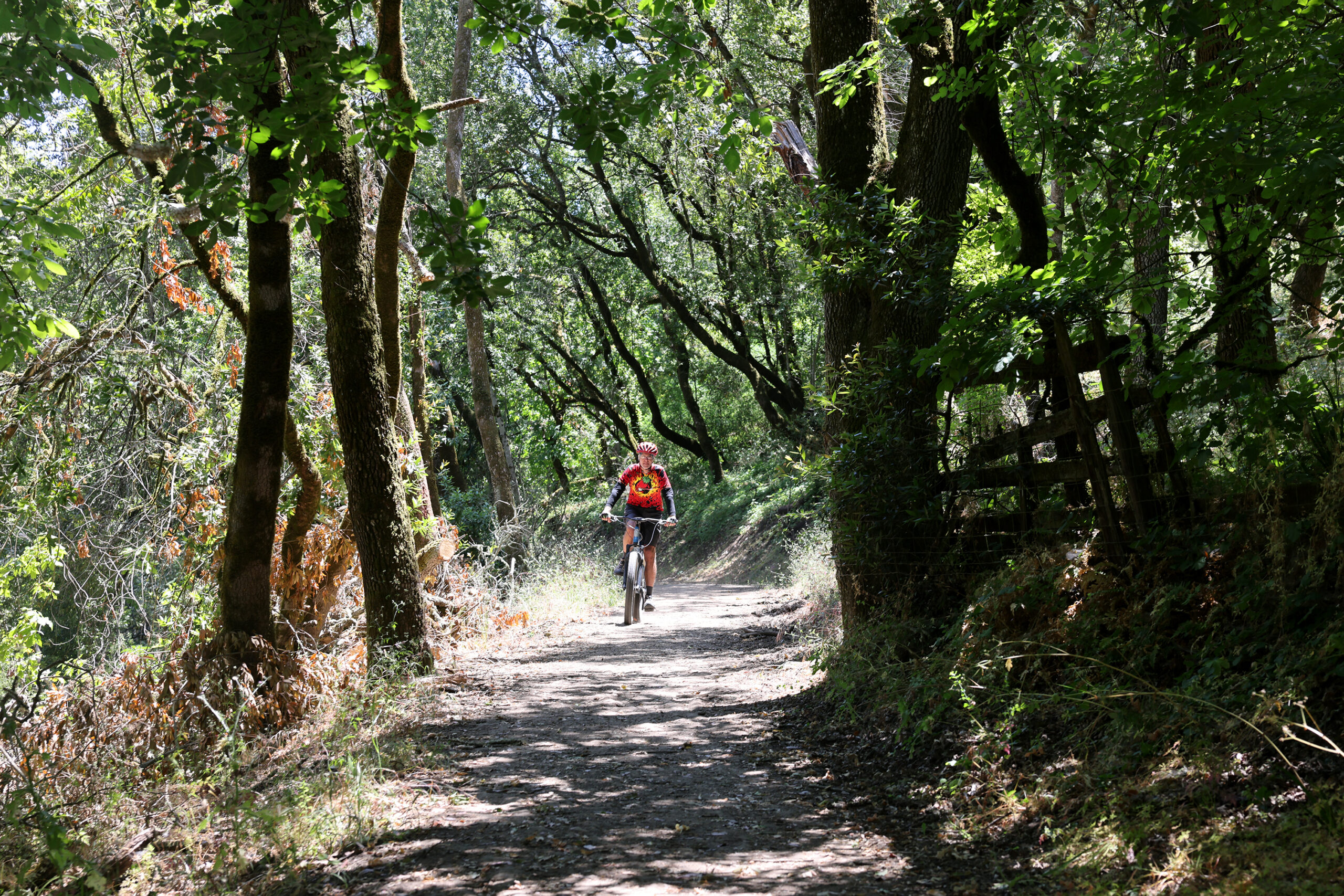
Taylor Mountain in Santa Rosa basically doubled its trail network last summer when it unveiled 8 miles of new multiuse pathways, opening 450 previously inaccessible acres to hikers, bikers, and equestrians. Carefully cut into the northern flanks of the mountain, one of the highlights is the shaded Colgan Creek Trail. The series of flowing switchbacks through stands of oak, madrone, bay trees, and buckeye are never overly steep.
A cyclist pedals along the Lower Colgan Loop Trail at Taylor Mountain Regional Park & Open Space Preserve in Santa Rosa. Photographed on Tuesday, June 10, 2025. (Beth Schlanker / The Press Democrat)Hikers Jeffrey Hallack and Deborah Symes hike back to the trailhead of the recently opened Estero Americano Coastal Preserve. Photographed on Friday Jan 30, 2026, in Bodega Bay. (John Burgess / The Press Democrat)
Estero Americano Coast Preserve
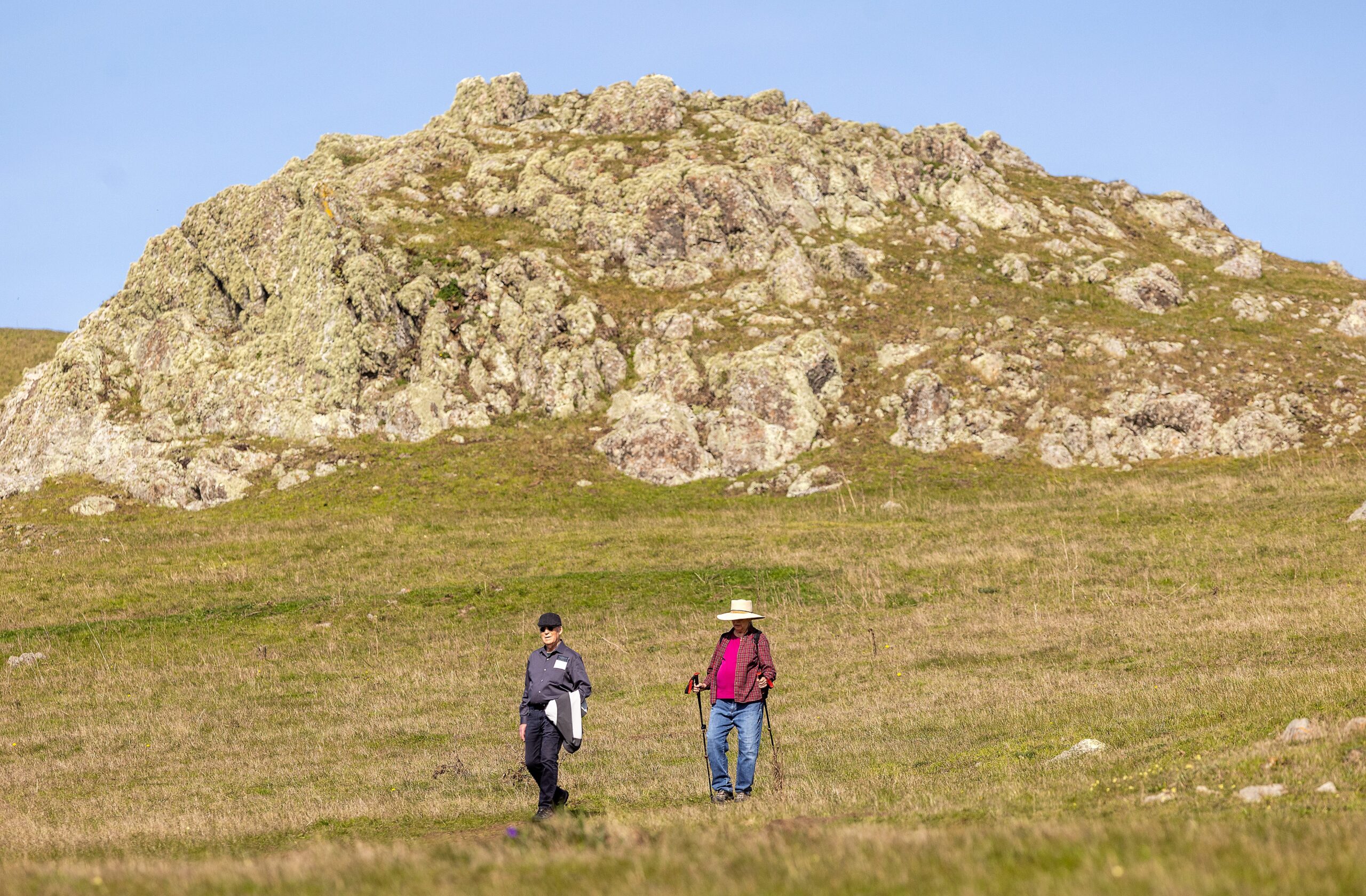
This 547-acre gem, just south of Bodega Bay, opened in November 2025. Owned and operated by the nonprofit Wildlands Conservancy, it features 5 miles of trails wending through coastal prairies, along dramatic bluffs, and down to a remote beach. For now, the preserve has no dedicated parking lot, forcing visitors to park on Osprey Drive and other narrow byways close to Shorttail Gulch trailhead. Those who go are asked to drive carefully through the neighborhood and park only on the south (legal) side of the street.
Wright Hill Regional Park and Open Space Preserve (Preview)
Be one of the first to explore one of Sonoma County’s newest parks before it opens to the public at a series of preview hikes in July and August. A former working cattle and sheep ranch, Wright Hill features rolling pastures, forested woodlands, and stunning rock outcroppings, all with sweeping coastal views. Preview days will be held July 25 and Aug. 15. Spaces fill quickly, so book a spot and learn more at wrighthillparkandpreserve.org.
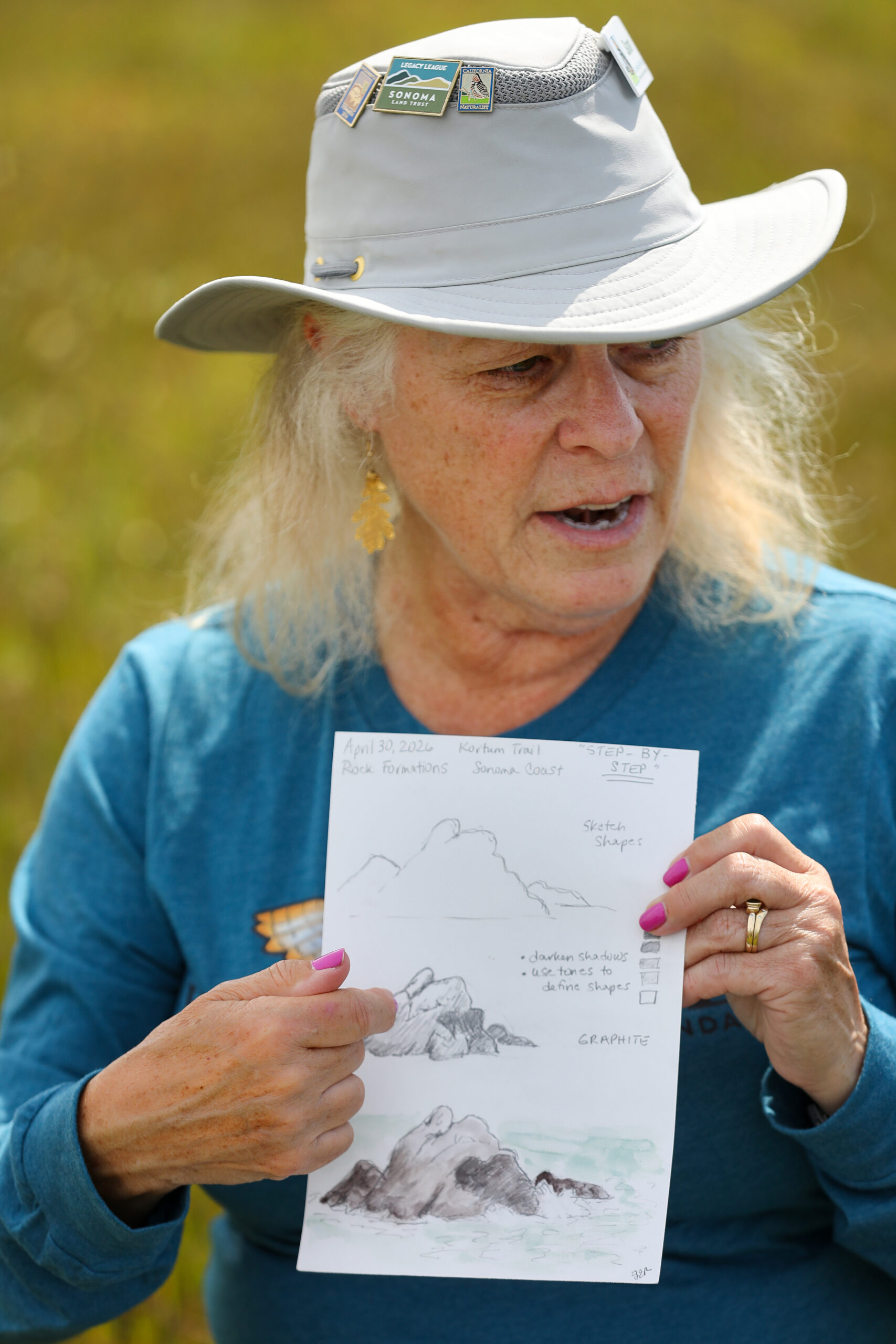
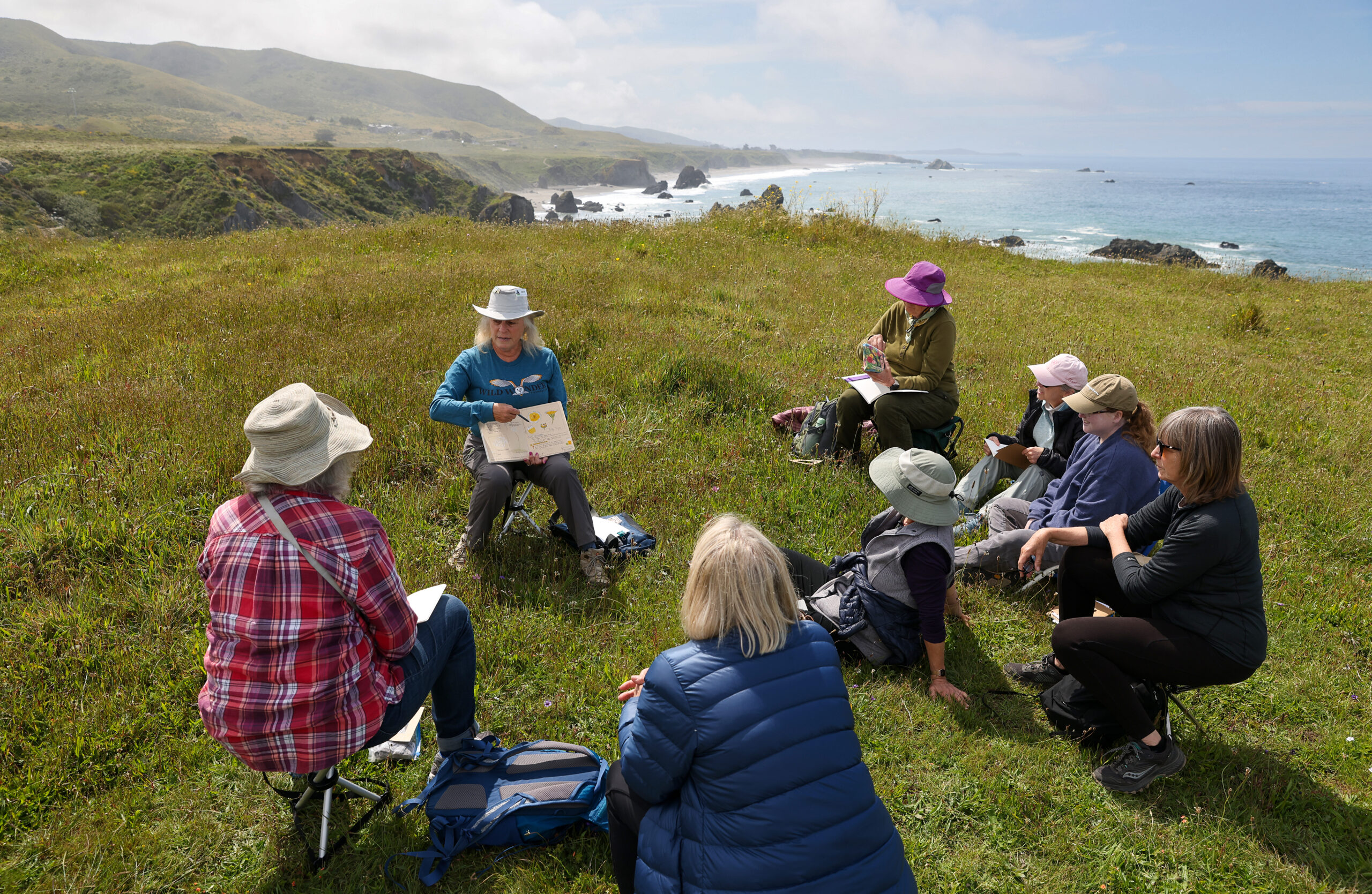
Wright Hill Regional Park, located south of Jenner, offers preview hikes before officially opening to the public. Photographed on Monday, Aug. 23, 2021. (Beth Schlanker / The Press Democrat)California Naturalist Sarah Reid shows a class examples while leading a Nature Journaling class on the bluffs above Shell Beach, north of Bodega Bay. Photo taken on Monday, May 4, 2026. (Christopher Chung / The Press Democrat)
Relax and Restore
Nature Journaling with Sarah Reid
Sarah Reid called her mustang, Oreo, her “10,000-mile horse.”
As they rode thousands of miles of Northern California trails together, the mustang taught her how to notice small details most people would simply pass by. With just a cock of his ears, the horse would point out a buck napping in the shade off in the distance or a subtle shift in the landscape. Now Reid, a naturalist and conservationist, teaches others how to slow down and observe through nature journaling workshops she leads around Sonoma County for organizations such as the Sonoma Ecology Center and Sonoma State’s Center for Environmental Inquiry.
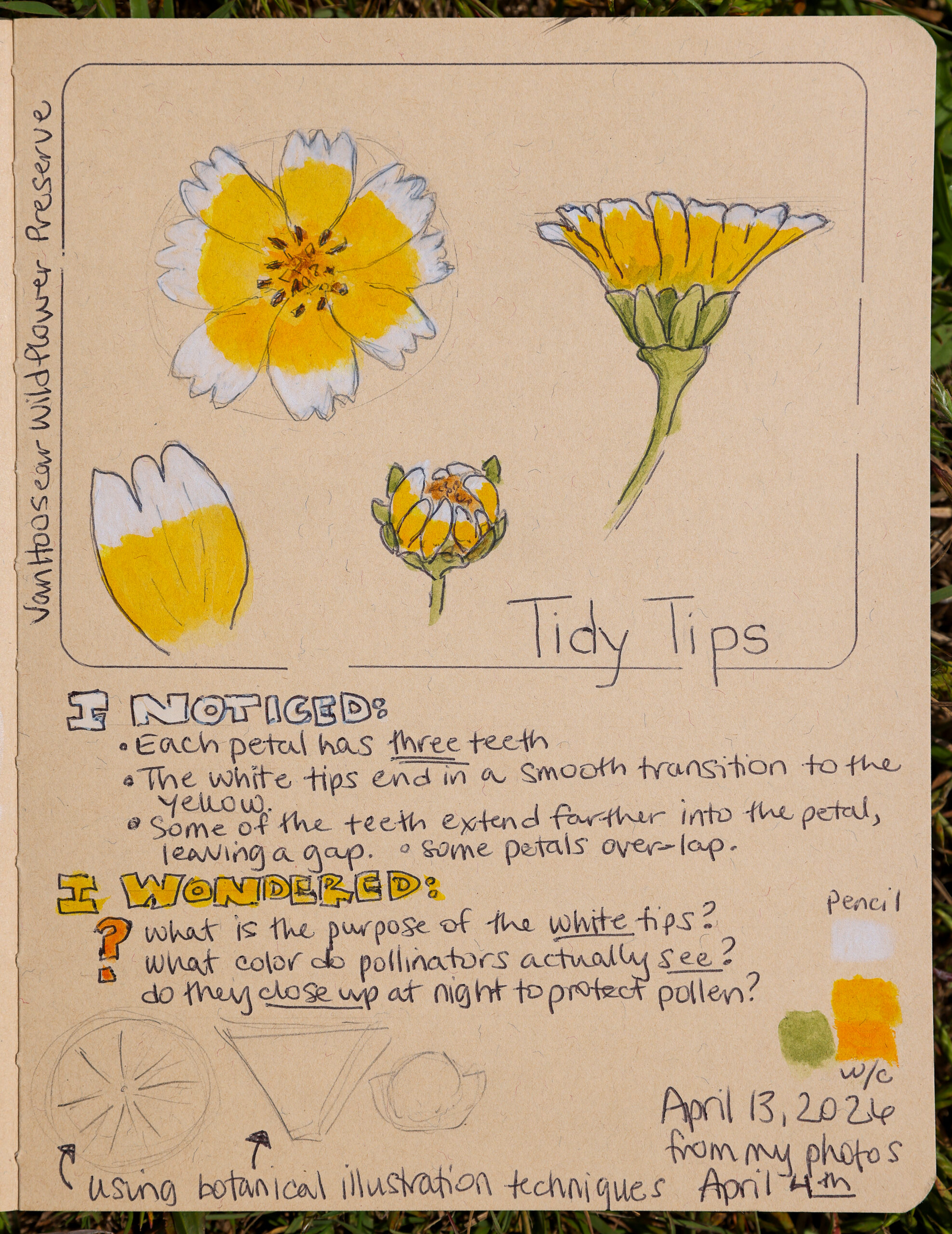
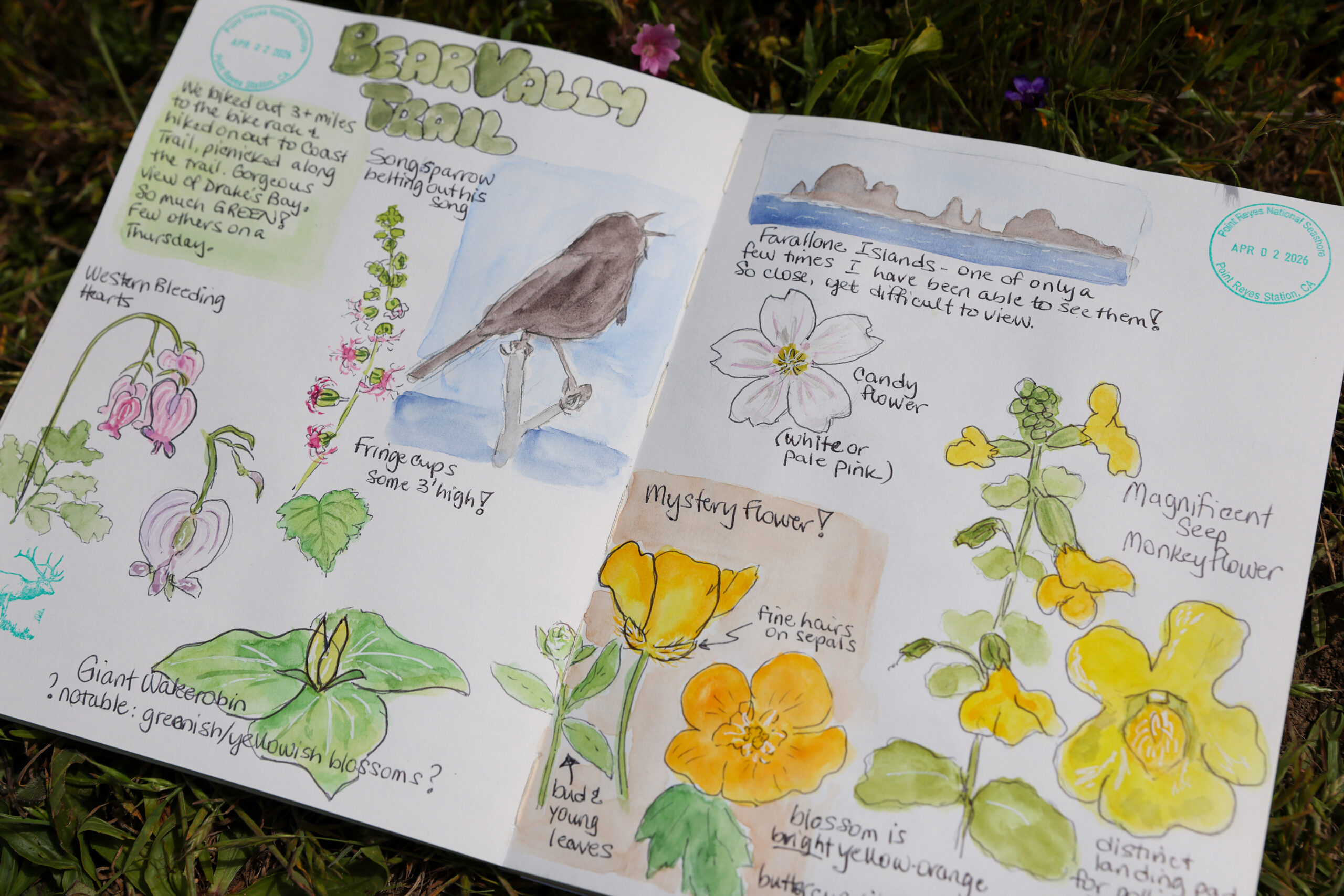
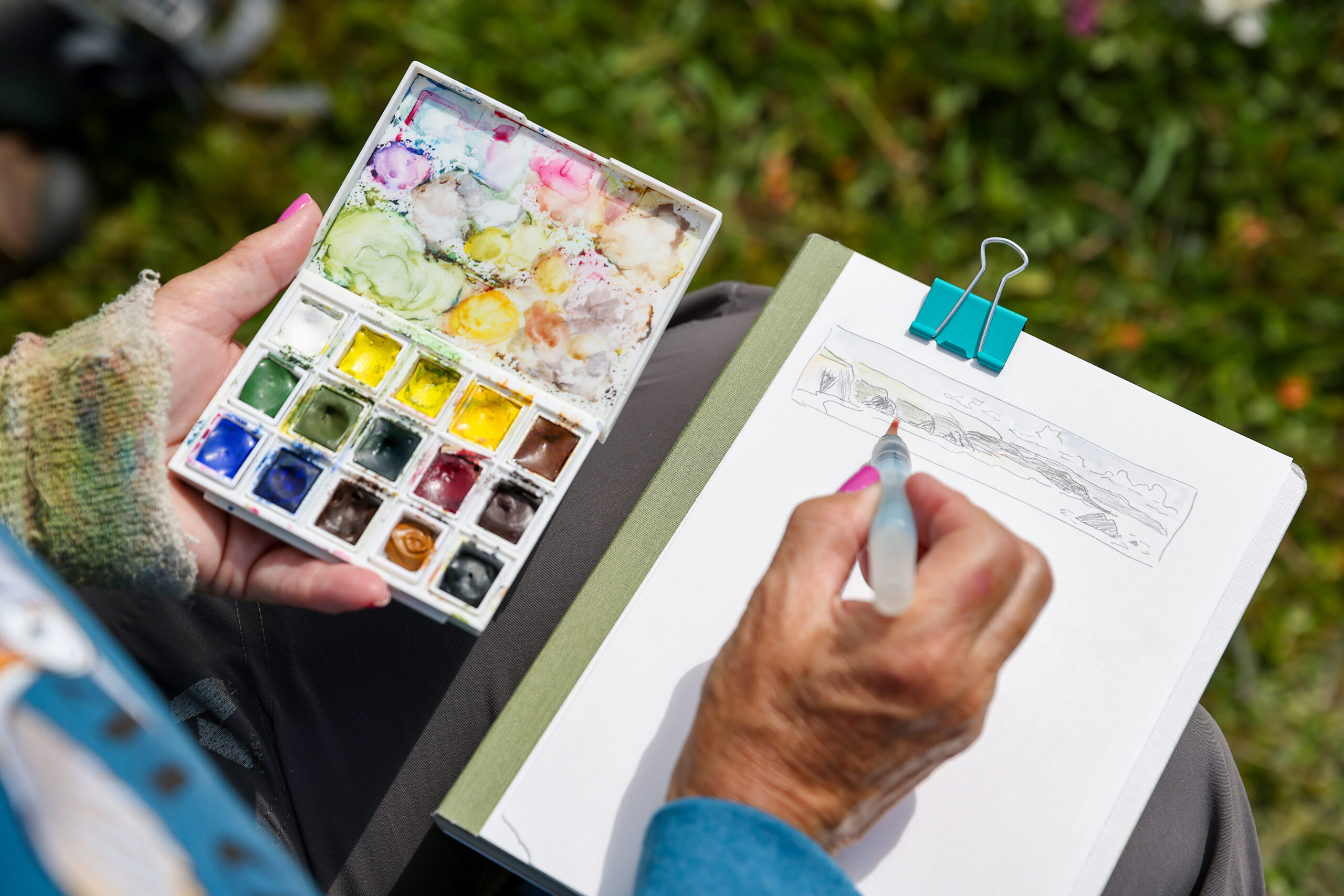
Reid began nature journaling in 2017 while taking a California naturalist class, a requirement for the course. Though she once believed she couldn’t draw, Reid taught herself using books and online tutorials. Now, page after page of her colorful journals are filled with watercolor sketches, handwritten notes, and questions about everything from mushrooms spotted along trails to coastal wildflowers, and woodpeckers flying overhead. She encourages others who feel similarly artistically uninclined to focus on meaningful engagement with what they see rather than on artistic perfection.
California Naturalist Sarah Reid, second from left, shows a class examples while leading a Nature Journaling class on the bluffs above Shell Beach, north of Bodega Bay. Photo taken on Monday, May 4, 2026. (Christopher Chung / The Press Democrat)Nature journaling tips written out in Sarah Reid’s journal. Photo taken at Shell Beach, north of Bodega Bay. Photo taken on Monday, May 4, 2026. (Christopher Chung / The Press Democrat)
Workshops often begin with a simple leaf. She asks participants to trace its shape and study its texture, color, and imperfections before guiding them through the reflection process with writing prompts such as “I notice, I wonder, and it reminds me of…”
This exercise, Reid says, helps people move past the fear of not being able to draw while encouraging deeper curiosity about the natural world. “All of our nature and outdoors is so filled with things to be curious about, to wonder about and to be awed by,” she says.
During the pandemic, nature journaling served as a form of therapy for Reid that quieted all of the “external noise.” Today, the practice continues to be a meditative one, allowing her to slow down and pay “intentional attention” to the natural world around her.
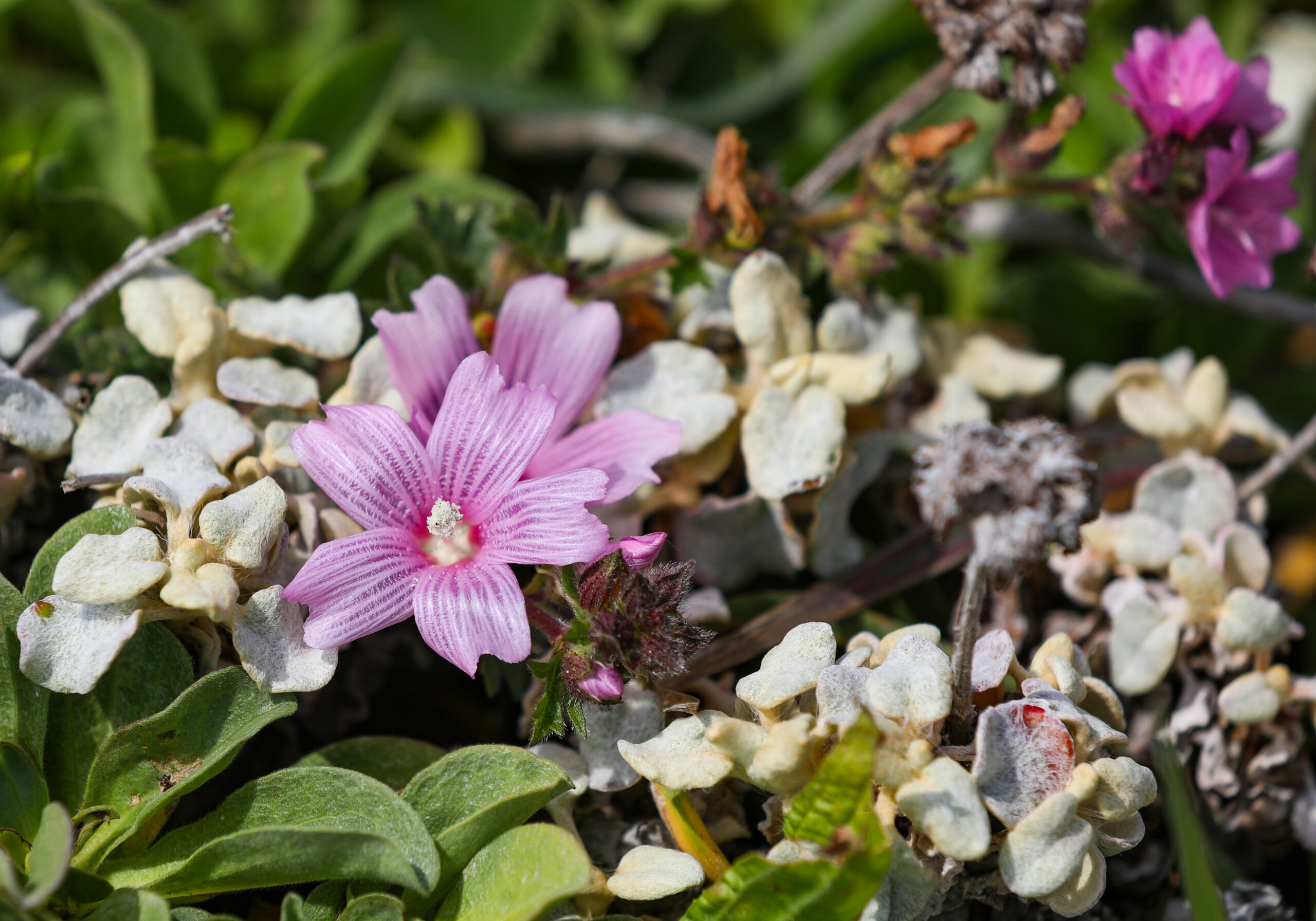
Colorful flowers are peppered throughout the bluffs above Shell Beach, north of Bodega Bay. Photo taken on Monday, May 4, 2026. (Christopher Chung / The Press Democrat)A page of Sarah Reid’s nature journal from day at Bear Valley Trail. Photo taken at Shell Beach, north of Bodega Bay. Photo taken on Monday, May 4, 2026. (Christopher Chung / The Press Democrat)
Her observations have shaped the way Reid views the changing climate. Across decades spent outdoors, she has watched many species of wildflowers, which used to bloom plentifully, bloom early or not at all. She has seen how prolonged drought stresses centuries-old oak trees and how seasonal weather patterns have shifted dramatically.
Reid believes nature journaling is important, particularly as society has become increasingly disconnected from the outdoors. The act of slowing down to observe plants, animals, and landscapes, she explains, is transformative, often blossoming into environmental stewardship and conservation. “When we take and look at something with intentional curiosity and wonder and we put it down on paper, that becomes solidified in our brain,” Reid says. “This results in a sense of place and a love for the place.”
Join Sarah Reid for nature journaling workshops at Sonoma Botanical Gardens on Sept. 26 and Oct. 4. Register at sonomabg.org.
California Naturalist Sarah Reid shows how to illustrate the coastal landscape and rock features while leading a Nature Journaling class on the bluffs above Shell Beach, north of Bodega Bay. Photo taken on Monday, May 4, 2026. (Christopher Chung / The Press Democrat)Lisa Willet, second from right, leads an mindful art class during her Wellness Wednesdays adult camp at Morton’s Warm Springs. Photographed on June 10, 2026, in Glen Ellen. (John Burgess / The Press Democrat)
Wellness by the Spring
Reflection comes easily at the new Shady Grove Movement and Wellness Pavilion at Morton’s Warm Springs Resort in Glen Ellen. Overlooking a newly-restored section of Sonoma Creek, a project done in partnership with Sonoma Ecology Center, the open-air pavilion offers a restful spot for stretching, yoga, meditation, and contemplative thought with the soothing sounds of water burbling by. The resort offers day-long retreats on Wednesdays and Thursdays that incorporate yoga, art, and herbalism workshops, as well as a therapeutic soak in the hot-spring-fed pools that have drawn people here for generations. 1651 Warm Springs Road, Glen Ellen. 707-833-5511, mortonswarmsprings.com
A Jubilant Song
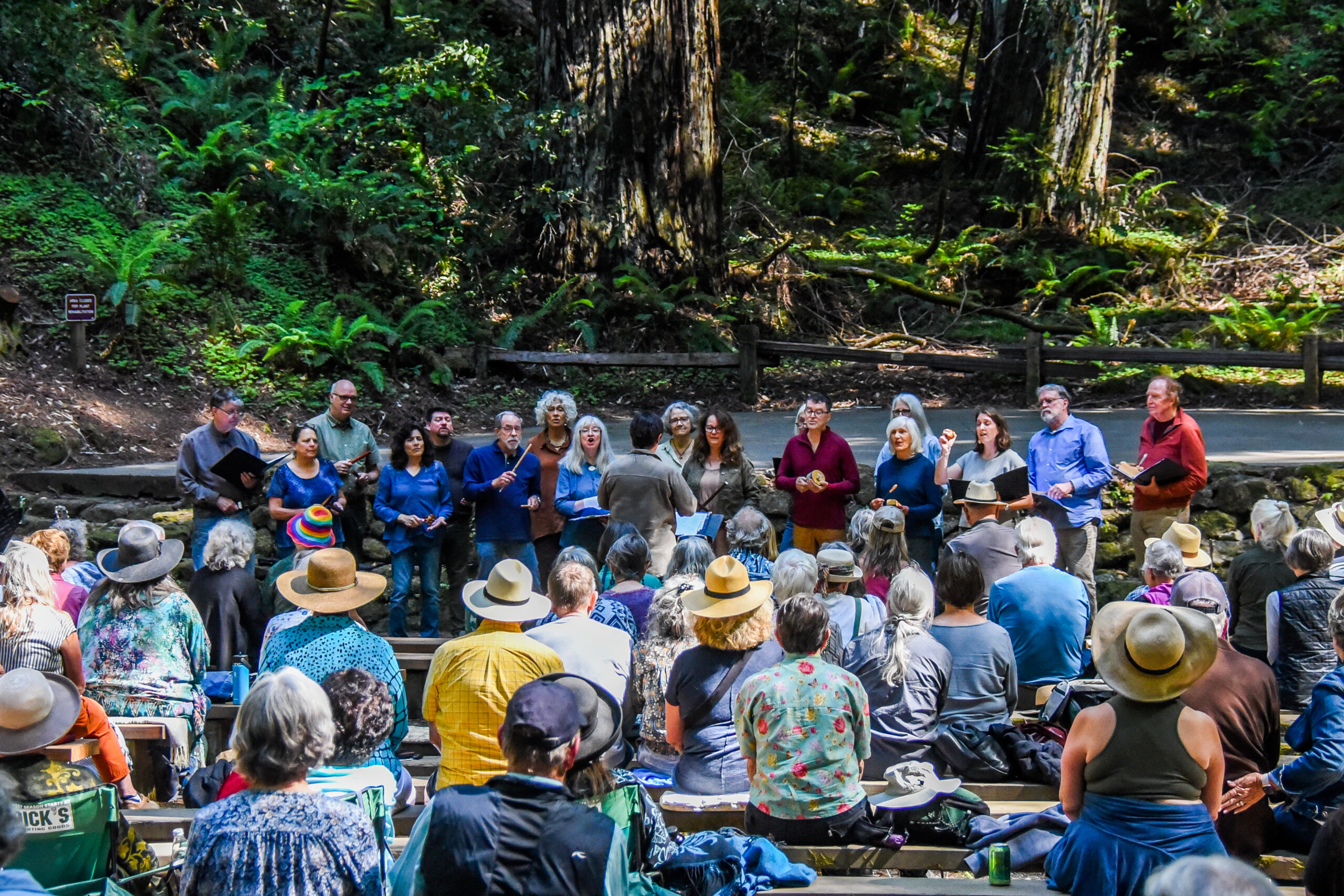
Voices raised in song beneath a redwood canopy is its own kind of magic, like the yearly choral and multimedia concerts performed by Santa Rosa-based Acorn MusEcology. Since 2020, the 24-person group has performed bodies of work — most recently in May at Armstrong Redwoods — that pay homage to the environment. Many of the group’s shows are held outdoors or in spaces that celebrate the outdoors. Their upcoming fall performance, “The Earth Says,” explores the life of soil with words by Wendell Berry and John Muir, among others, accompanied by original music. Previous concerts have spotlighted birds and beavers (to name a few). The goal for co-founder Sarah Saulsbury is to raise awareness about ecological issues. “We need to take care of this planet,” she says. “Singing about it is one way to inspire that care.” acornsings.org
Acorn MusEcology performs at Armstrong Redwoods State Natural Reserve in Guerneville. (Peter Viehoever)
Acorn MusEcology Fall Concert Series
7 p.m. Friday, Sept. 25, St. Stephen’s Episcopal Church, Sebastopol
3 p.m. Saturday, Sept. 26, Faith Lutheran Church, Santa Rosa
3 p.m. Sunday, Sept. 27, Occidental Center for the Arts, Occidental
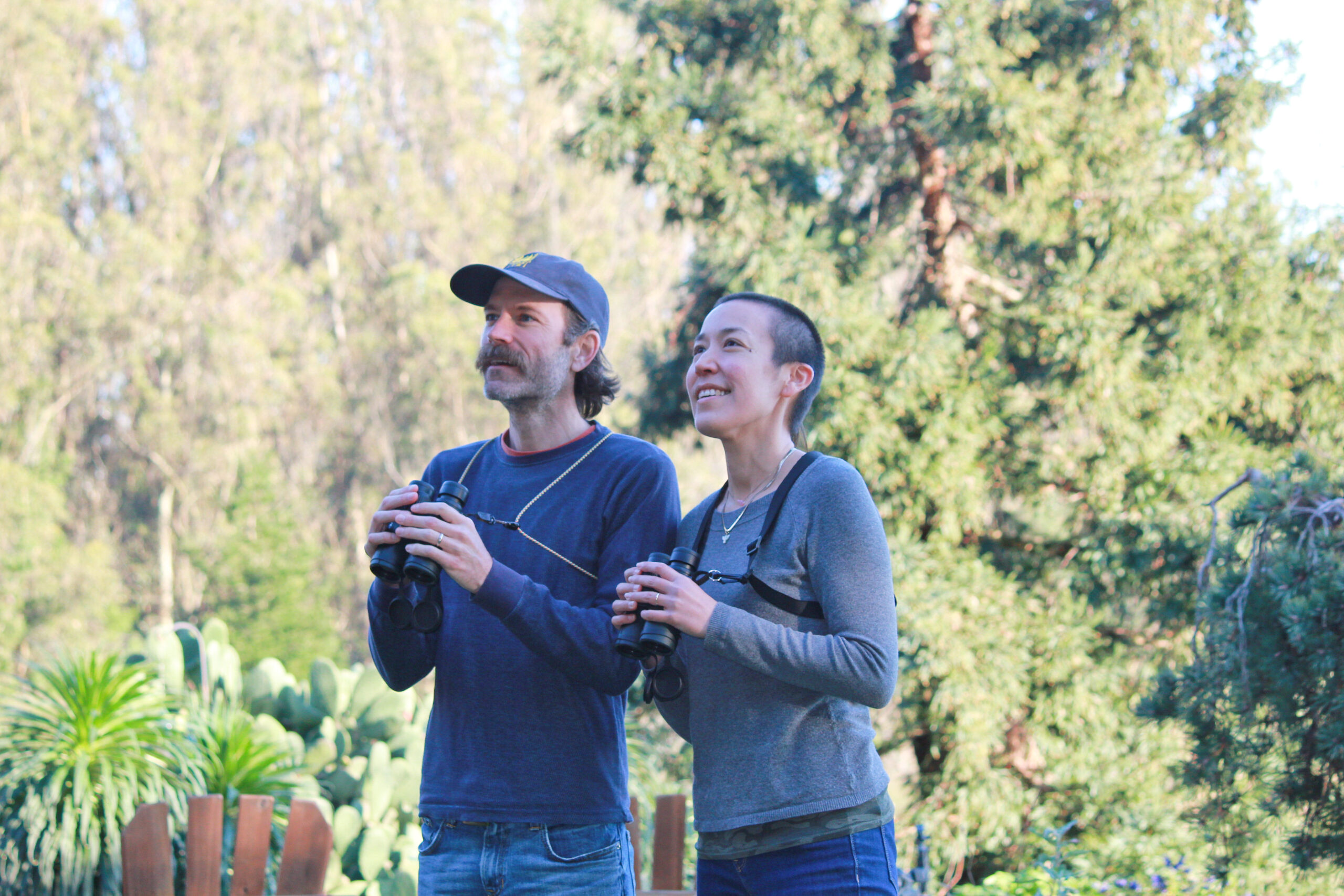
Birding guides Miles and Teresa Tuffli of Guerneville, founders of I’m Birding Right Now. (Courtesy of I’m Birding Right Now)
Birding for Everyone
Sitting for hours just to witness a winged creature fly by is its own special kind of meditation, and with the more than 400 bird species that call Sonoma County home for at least some of the year, there are plenty of opportunities to achieve some ornithological bliss. Sure, there’s the Merlin app to help with identification, but if getting off the grid is the goal, connecting with other like-minded bird nerds might be just the ticket.
The Madrone Audubon Society, a local chapter of the national organization, hosts free monthly outings for all comers. Or check out the Feminist Bird Club of Sonoma County, a group providing a safe space in the outdoors for LGBTQ+ individuals, BIPOC, and women. If you want a bespoke bird outing, Teresa and Miles Tuffli of I’m Birding Right Now offer private sessions as well as public events through Stewards of the Coast and Redwoods and the Laguna de Santa Rosa foundation. madroneaudubon.org, instagram.com/fbc.sonoma, imbirdingrightnow.com
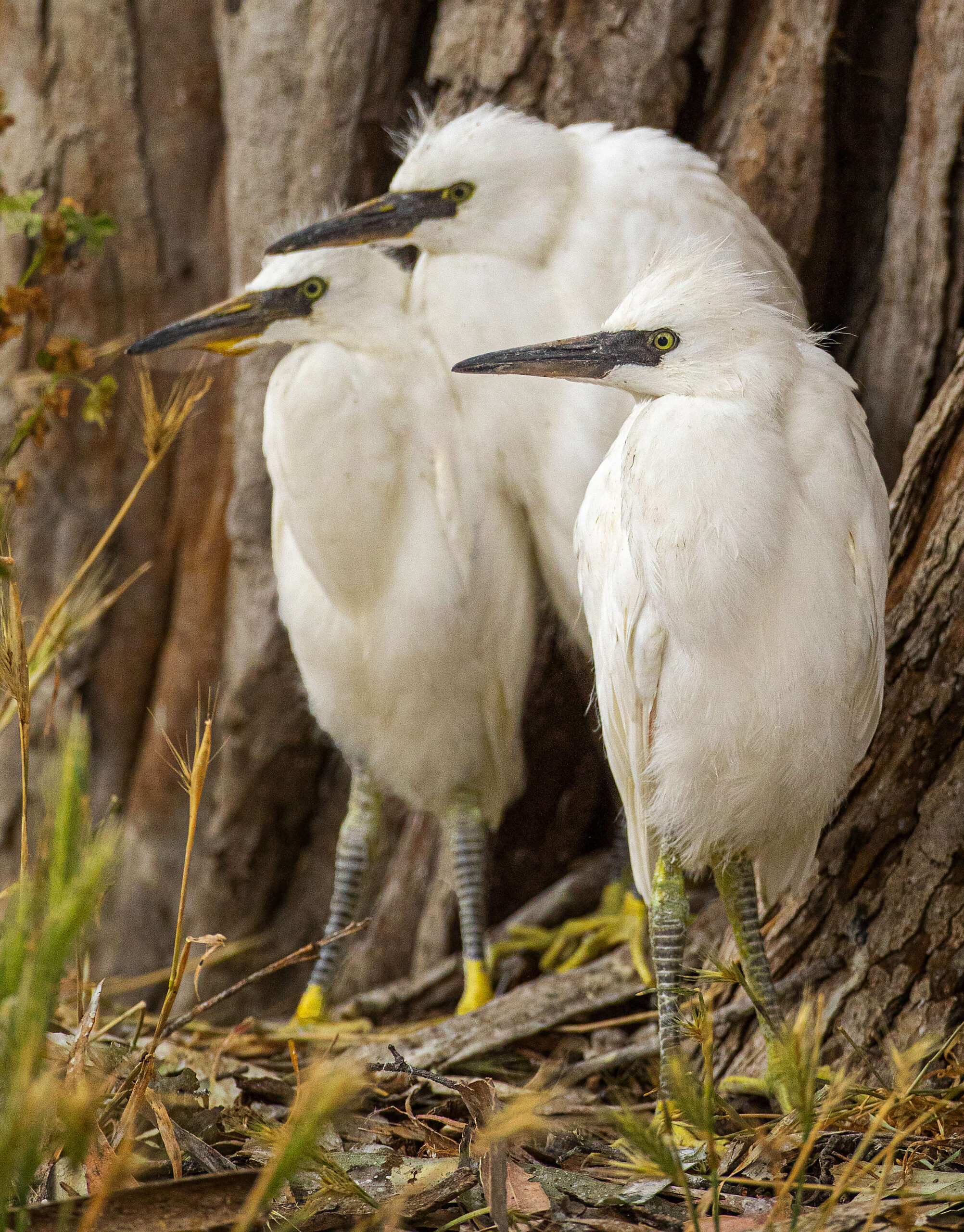
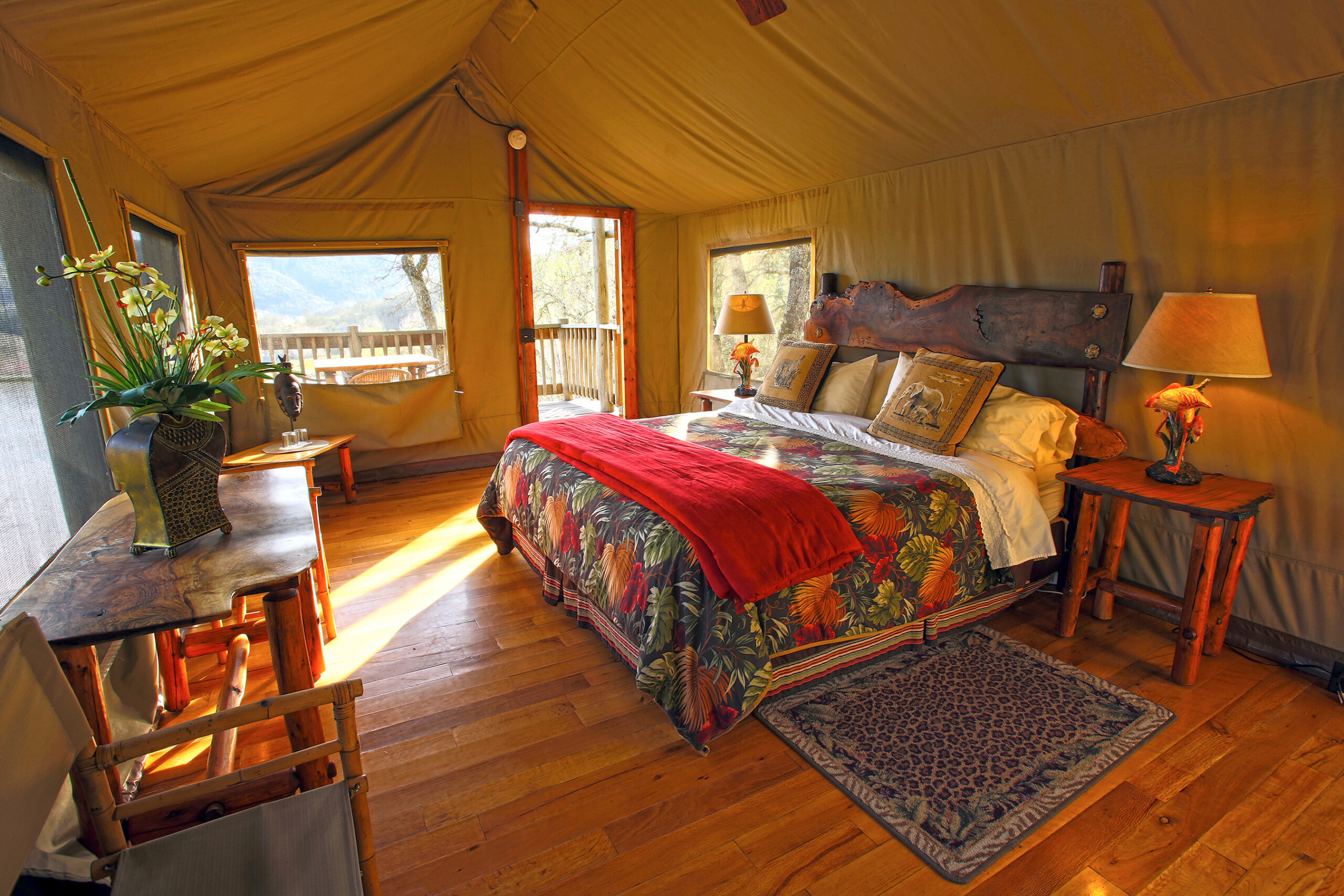
Snowy egret chicks that fell from their nests in eucalyptus trees in the median of W. Ninth Street huddle together until volunteers from a bird rescue come to collect them in Santa Rosa. Photographed on Friday, May 27, 2022. (John Burgess / The Press Democrat)Glamping accommodations at Safari West in Santa Rosa. (Sonoma County Tourism)
‘Roughing It’ Refined
Sleeping under the stars sounds wonderful until you remember that sleeping on the ground isn’t exactly comfortable and that hot showers are a good thing. In Sonoma County, you can have the best of both worlds — being one with nature while enjoying some creature comforts — at these luxe glamping spots.
Safari West, Santa Rosa
Consistently ranked as one of America’s best glamping spots by USA Today 10Best. Safari through Sonoma’s Serengeti, then spend the night in a luxury tent cabin on the 400-acre wildlife preserve. Overnight stays include a chorus of rare birds as your alarm clock and a continental breakfast. Book a South African-style braai (barbecue) for dinner at the Savannah Café for an additional charge. 3115 Porter Creek Road, Santa Rosa. 800-616-2695, safariwest.com
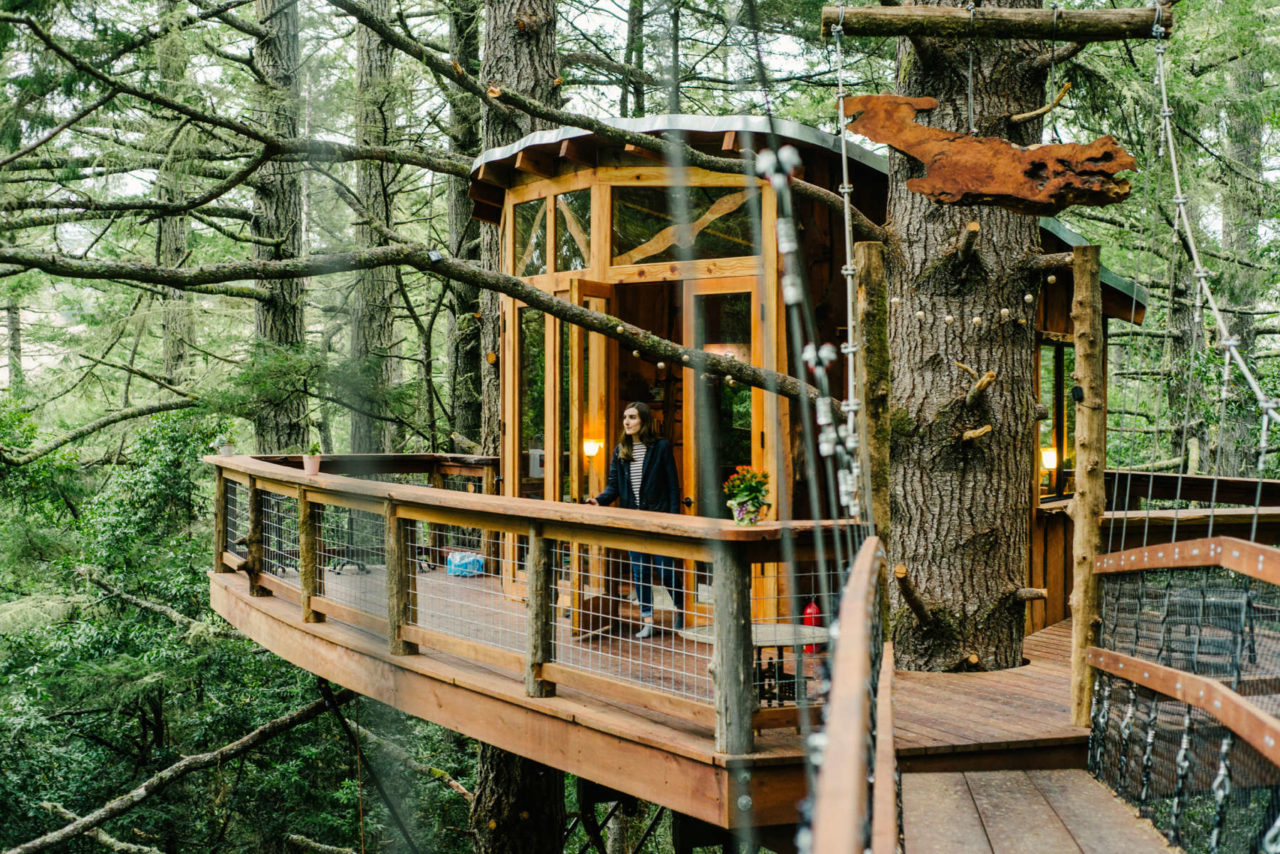
Imported from Botswana, the tents at Safari West boast beds, a bathroom, polished hardwood floors and private viewing decks. (Sonoma County Tourism)Located on Salmon Creek Ranch in Bodega, Eagle’s Nest Treehouse features a wraparound deck, queen bed, bathroom and modern amenities. (Salmon Creek Ranch)
Salmon Creek Ranch, Bodega
Forget the tent. At Salmon Creek Ranch you can stay in a dreamy treehouse complete with heat, electricity, and a bathroom. Located on a 400-acre working ranch on the Sonoma Coast, Eagle’s Nest treehouse is accessed via a 30-foot spiral staircase. It features a queen bed, coffee machine, and a wraparound deck for lounging — when you’re not hanging out with the ranch’s resident ducks, cows, goats, and livestock guardian dogs. 1400 Bay Hill Road, Bodega. 707-775-9604, salmoncreekranch.com</a>
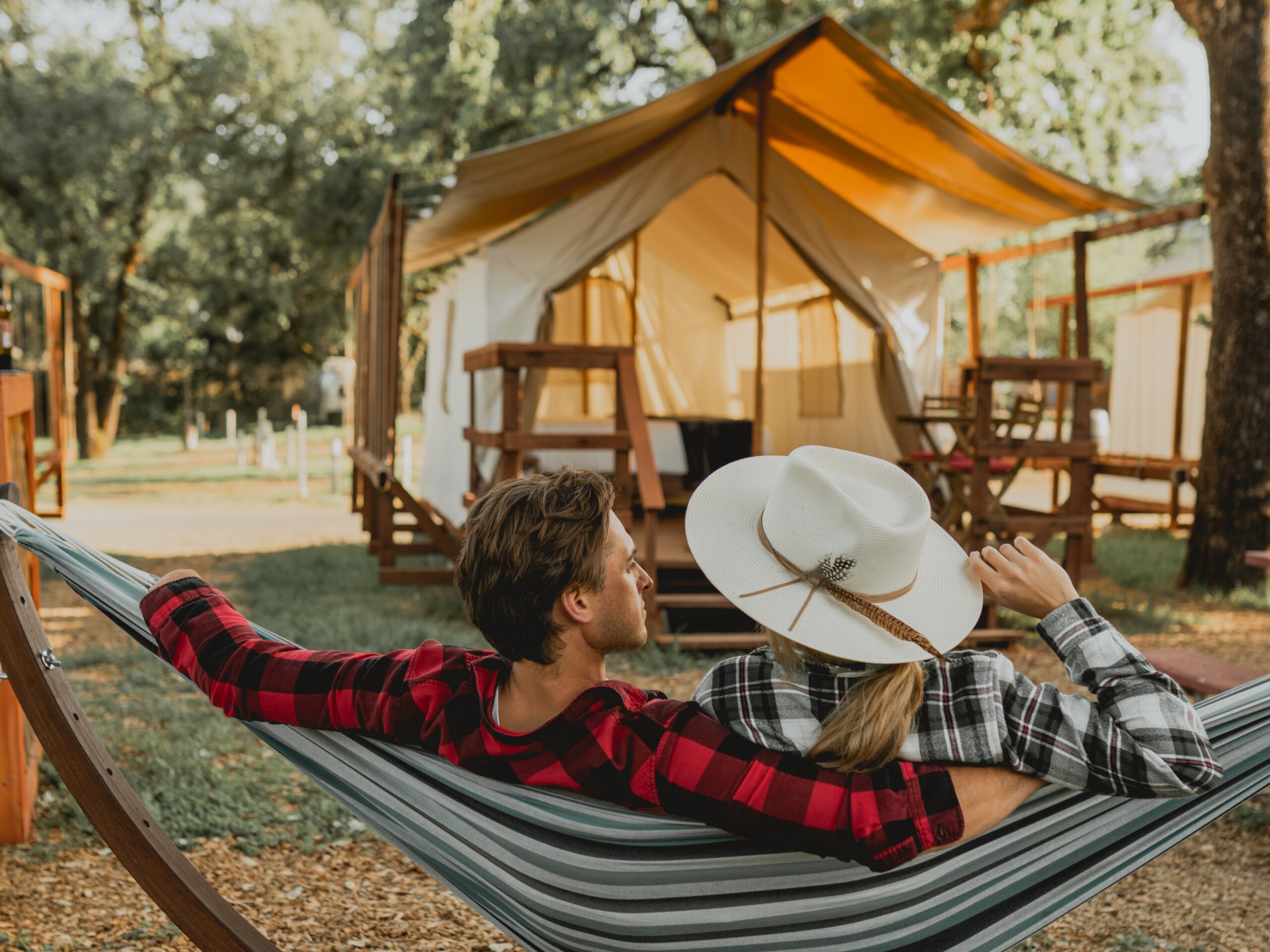
Wildhaven, Healdsburg
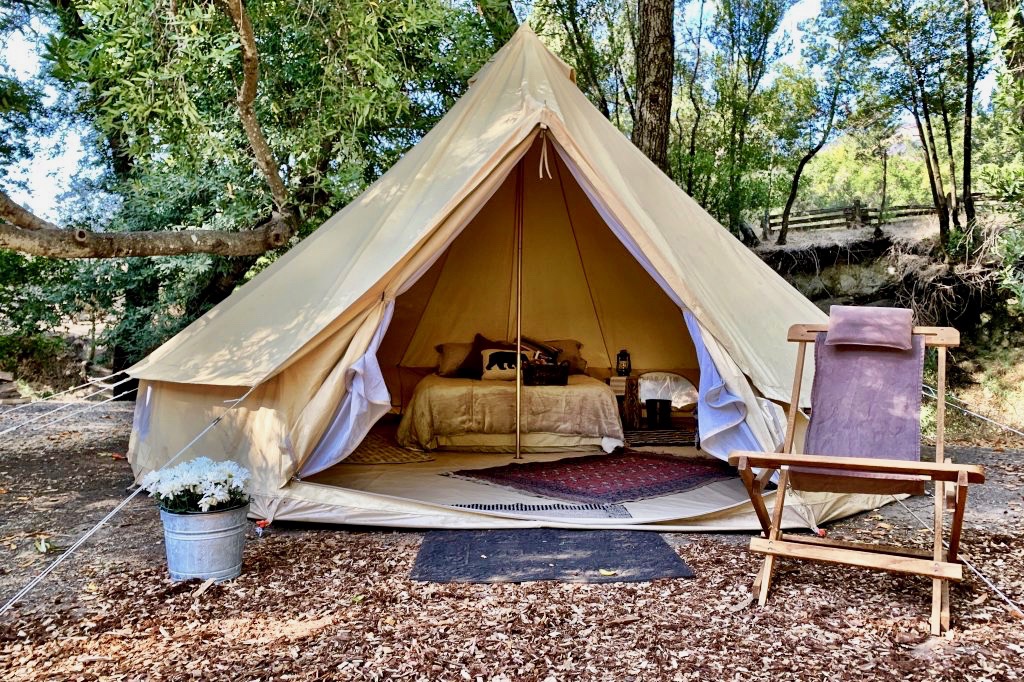
Just steps from the Russian River, choose between safari-style canvas tents or cabins equipped with a bed, linens, heated mattress pads, towels, lights, electric outlets, and heaters. Each site has a picnic table, fire pit, and access to a communal cooking area with barbecues and sinks. Guests can enjoy easy access to hiking trails, private access to the Russian River for a cooling afternoon dip or float, plus Saturdays bring morning yoga sessions and tasting events with local winemakers. 2411 Alexander Valley Road, Healdsburg, 707-283-7773. wildhavensonoma.com
A couple relax in a hammock at Wildhaven Sonoma near Healdsburg. (Sonoma County Tourism)Glamping tent at the campground at Sugarloaf Ridge State Park in Kenwood. (Sugarloaf Ridge State Park)
Sugarloaf Ridge State Park, Kenwood
Four permanent glamping tents are tucked away in the campground at Sugarloaf Ridge State Park in Kenwood. Each canvas tent features a queen bed, futon lounge chairs, rugs, tables, lights, and firewood. Other amenities include a picnic table, fire ring, and outdoor seating, plus 4,900 acres of pristine natural wonder including waterfalls, wildflowers, and majestic redwoods along the miles of hiking and biking trails. The park hosts guided events throughout the year, plus stargazing at the Robert Ferguson observatory. 2605 Adobe Canyon Road, Kenwood. 707-833-5712, sugarloafpark.org
AutoCamp Russian River, Guerneville
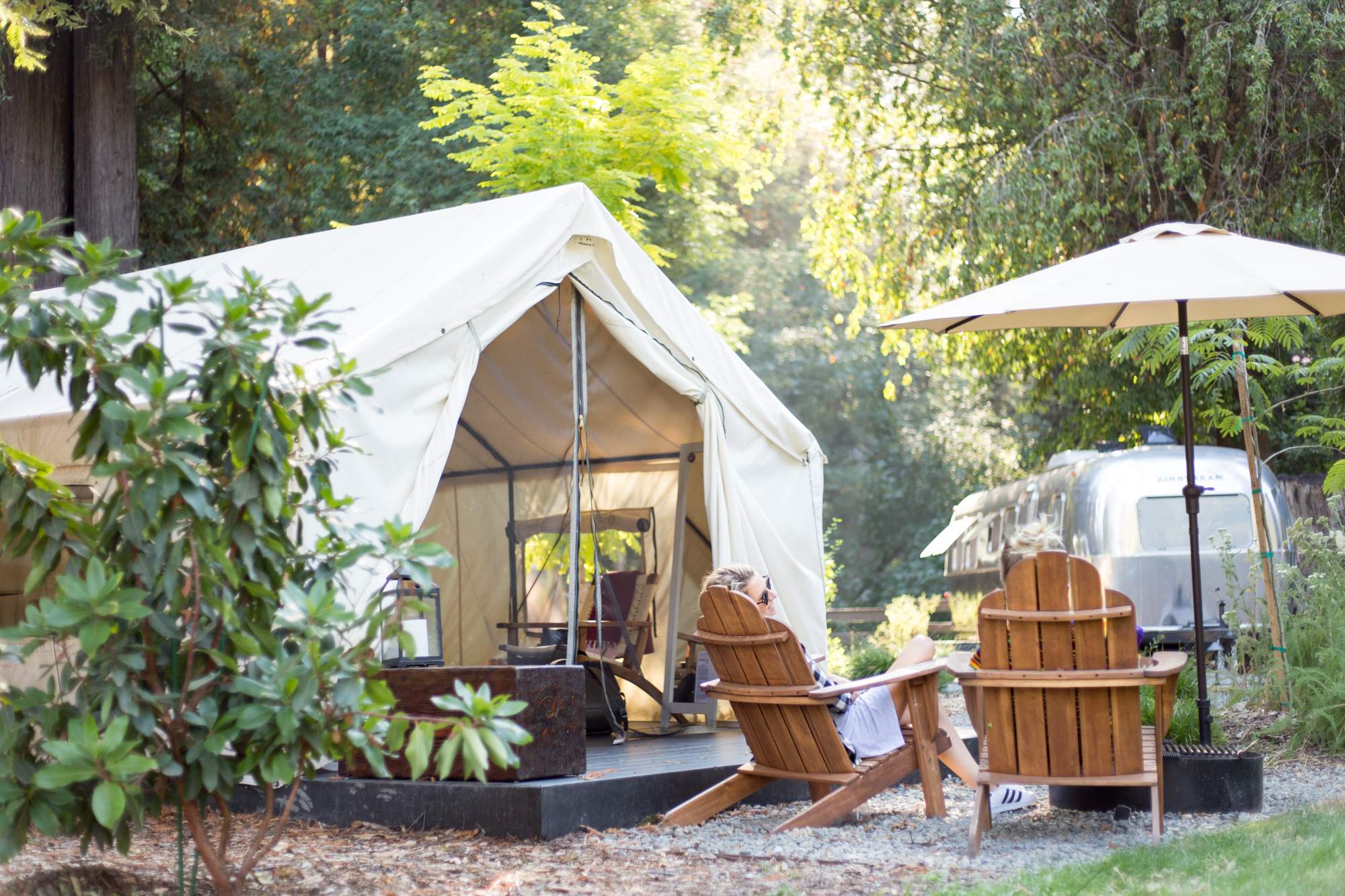
At AutoCamp in Guerneville, guests can choose between staying in a sleek Airstream trailer, luxury tent, or the adorable and budget-friendly Happier Camper, with as much luxury as possible packed into its petite 42 square feet. The clubhouse features spa-style showers and bathrooms, general store, and a complimentary morning granola and coffee bar. On-site bike rentals mean Johnson’s Beach on the Russian River is an easy pedal away. Dog-friendly Airstreams are available for an extra fee. 4120 Old Cazadero Road, Guerneville. 888-405-7553, autocamp.com
AutoCamp’s luxury tent and patio site near Guerneville along the Russian River in Sonoma County. (Madison Kotack / for Mesa Lane Partners)Sonoma Zipline Adventures has treehouse yurts for overnight stays in their Treehouse Village in Occidental. (Sonoma County Tourism)
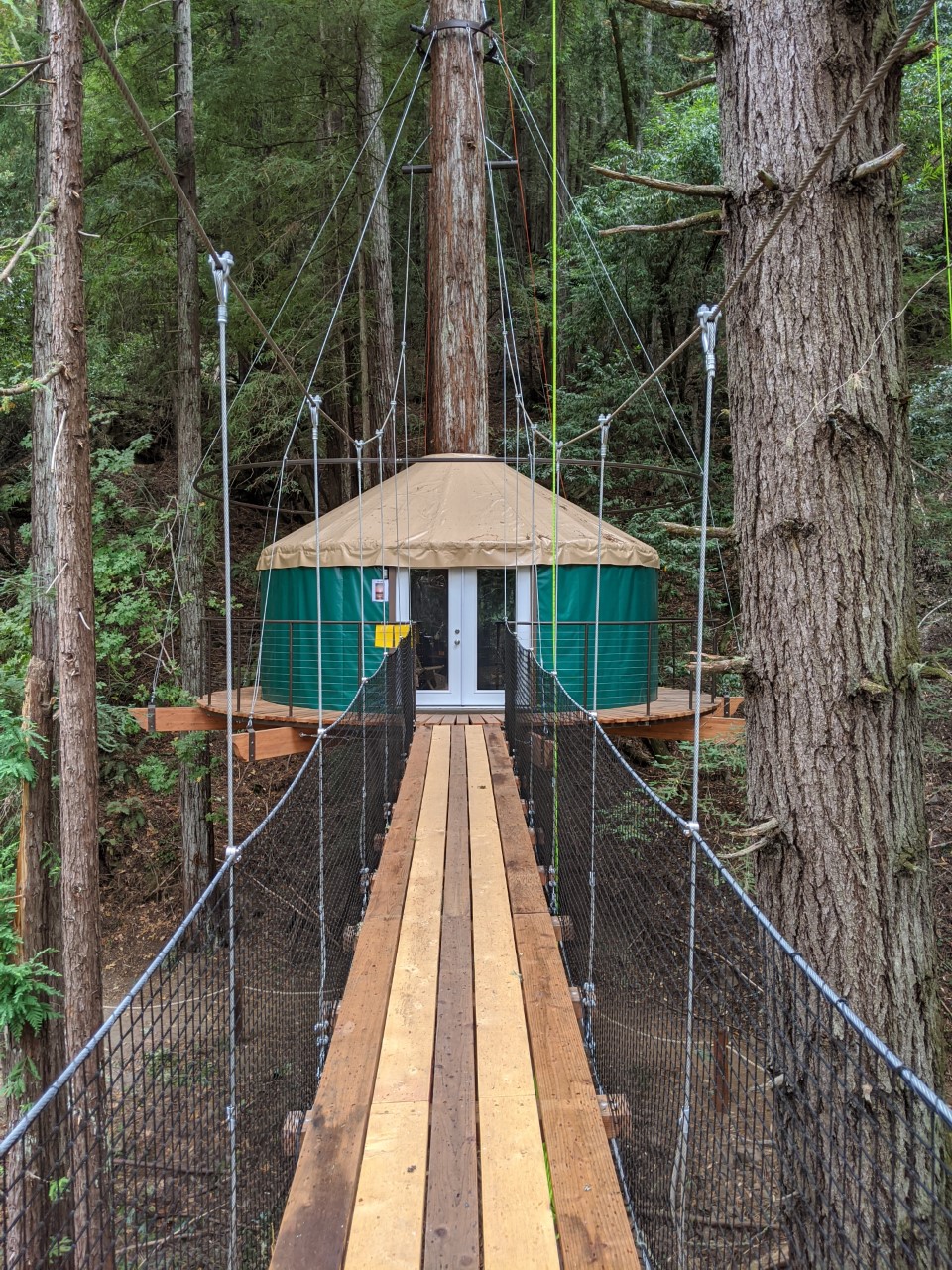
Sonoma Zipline Adventures, Occidental
Five treehouses, similar to yurts, form an aerial village in redwood treetops on the Alliance Redwoods property in west county. (There’s also a sixth similar ADA-compliant and accessible ground-level structure.) Every treehouse sleeps up to four, and stays include two zipline tours with Sonoma Zipline Adventures — one on the day you arrive and another before you depart. A gourmet dinner and hot breakfast will also be delivered to your arboreal retreat. 6250 Bohemian Highway, Occidental. 888-494-7868, sonomacanopytours.com
River Electric, Guerneville
The Russian River area’s newest resort features 46 furnished tents with hotel-like amenities and access to a central bathhouse. The draw here is the resort’s two sparkling pools: a 60-foot-round family-friendly pool and a smaller adults-only area. The pool bar serves meals until 8 p.m., plus cocktails and snacks until 10 p.m. Stays include a continental breakfast. Although checkout is 11 a.m., guests have until 6 p.m. that day to enjoy the pool and restaurant. The resort also offers day passes to those not staying overnight. 16101 Neeley Road, Guerneville. 707-937-8915, theriverelectric.com
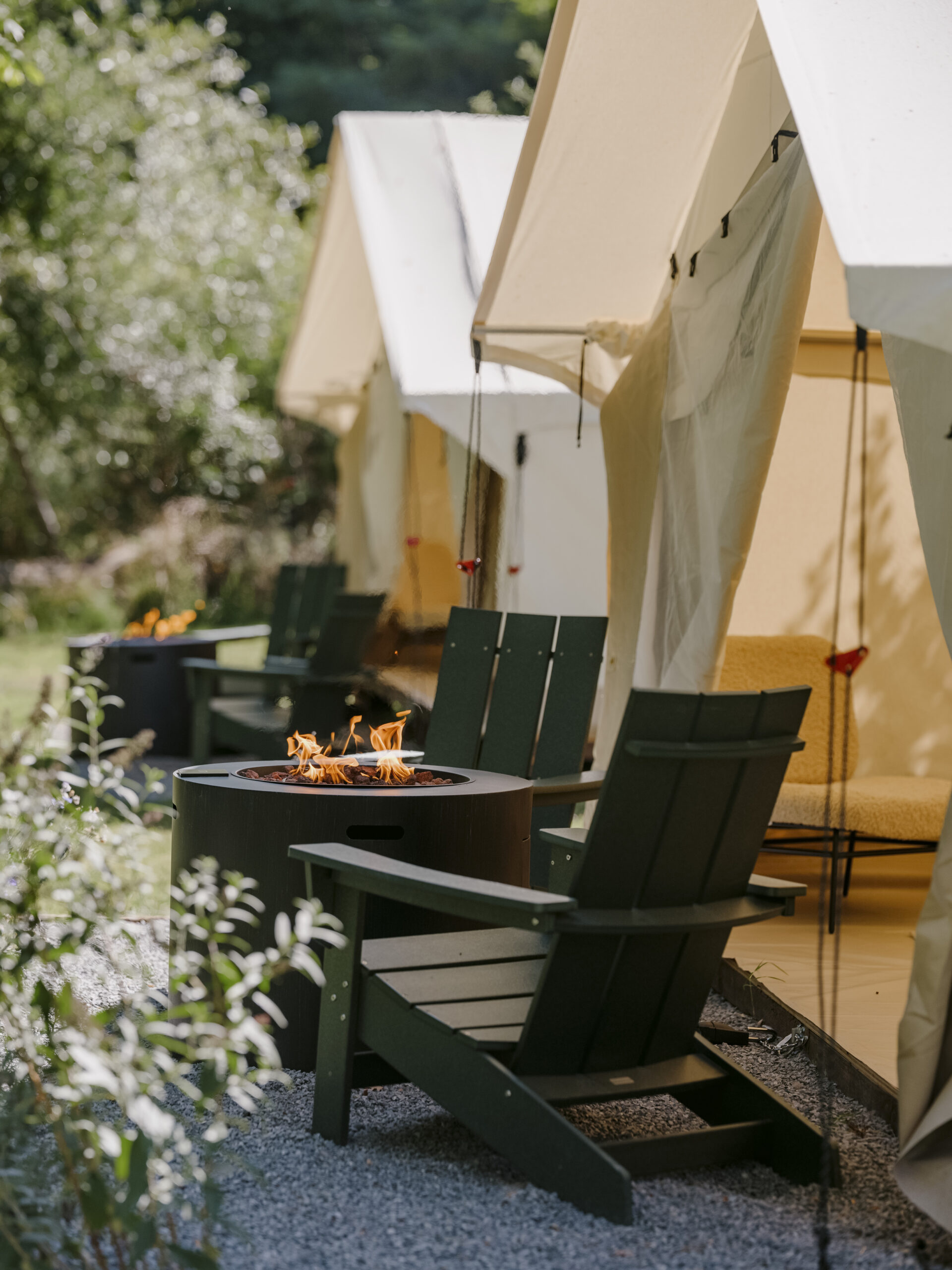
Camping tents at The River Electric in Guerneville. (Eileen Roche / Sonoma Magazine)Outdoor lodge chairs and fire pits in front of glamping tents at Dawn Ranch in Guerneville. (Dawn Ranch)
Dawn Ranch, Guerneville
In addition to top-tier dining and luxurious cottages, Dawn Ranch offers nine glamping accommodations near the property’s 120-year-old apple orchard from April to October for those who want a more immersive back-to-nature experience. Queen cabin tents feature private baths, while the king tents have shared bathroom facilities with luxury in mind. At the end of the day enjoy s’mores with guests at the communal campfire or at your accommodation’s private firepit. Borrow one of the resort’s Fender guitars for a sing-along before tucking in for the night. 16467 Highway 116, Guerneville. 707-869-0656, dawnranch.com
Glamping with a View
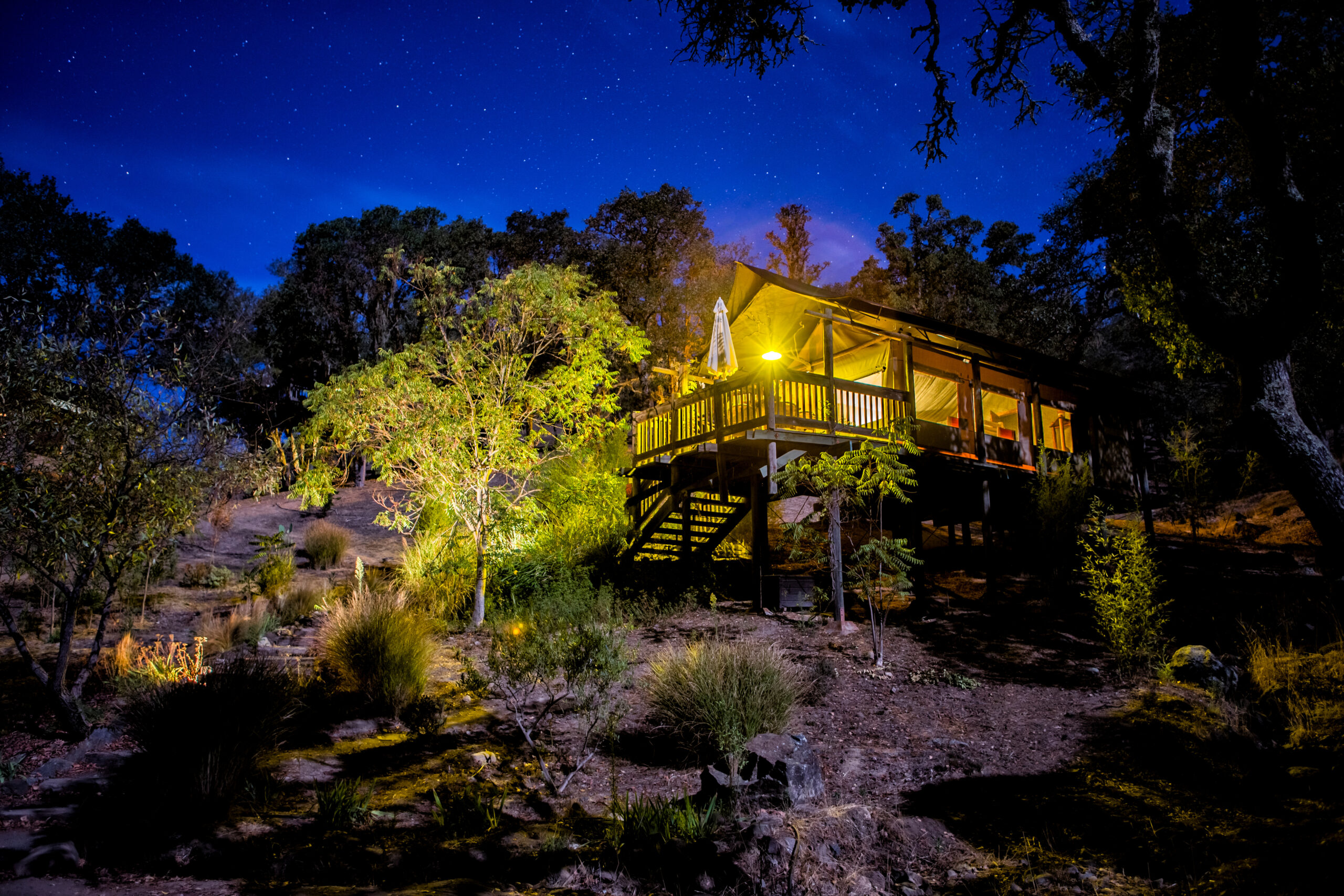
A new glamping tent at The Ranch at Lake Sonoma near Geyserville. Photo taken on Friday, May 22, 2026. (Christopher Chung / The Press Democrat)A camper’s view from the rear of their van at the campgrounds at The Ranch at Lake Sonoma. Photographed on Friday, May 22, 2026. (Christopher Chung / The Press Democrat)
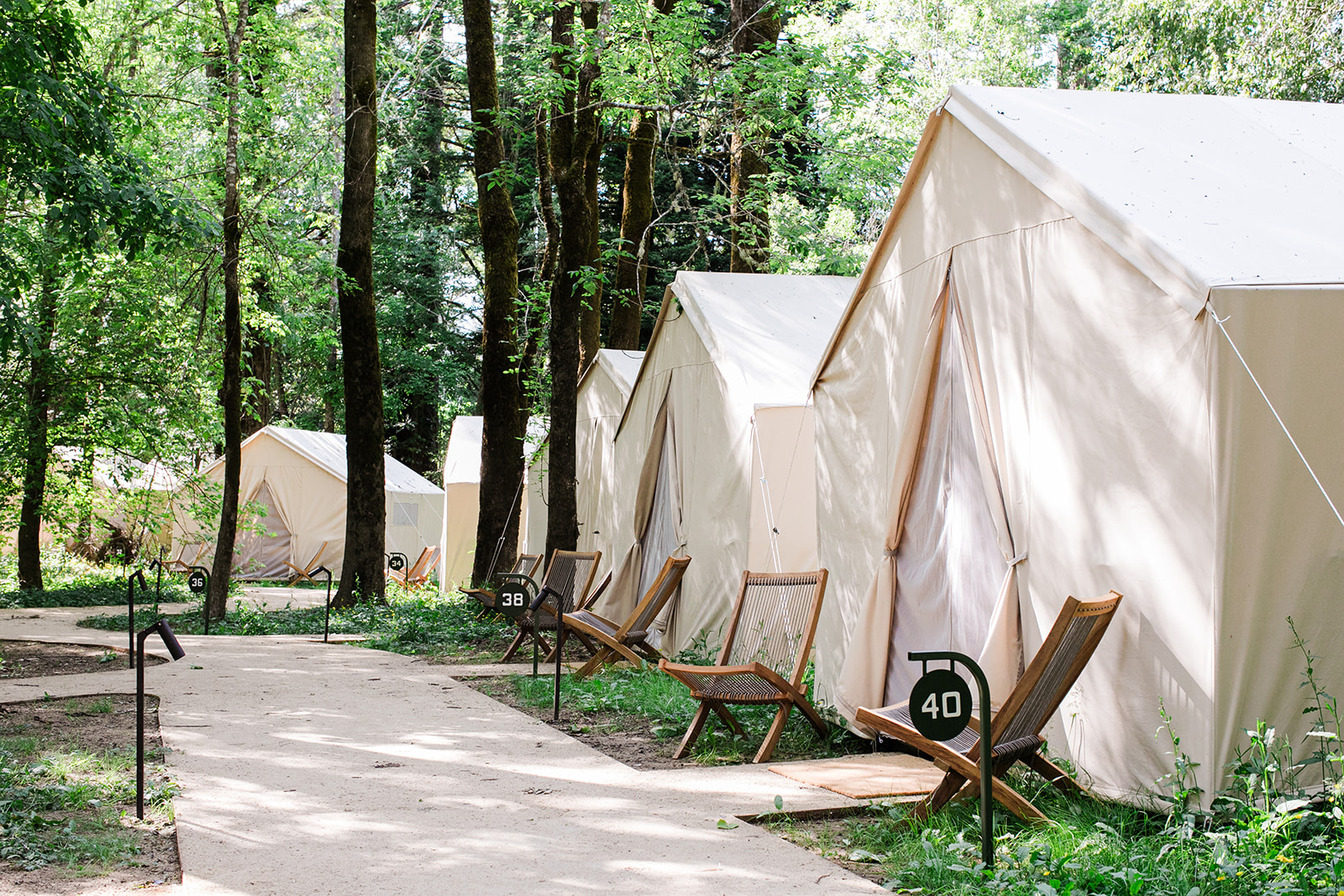
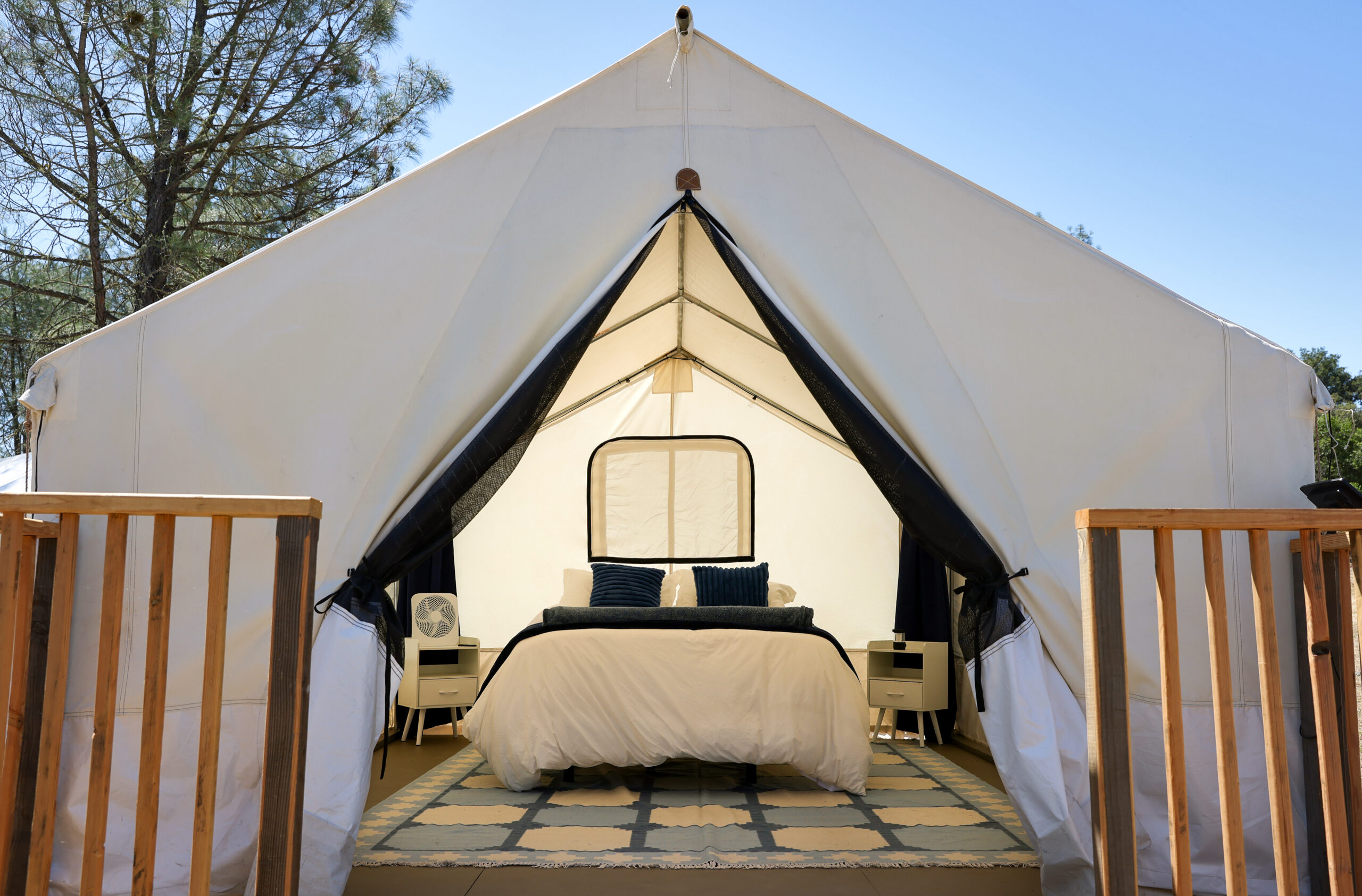
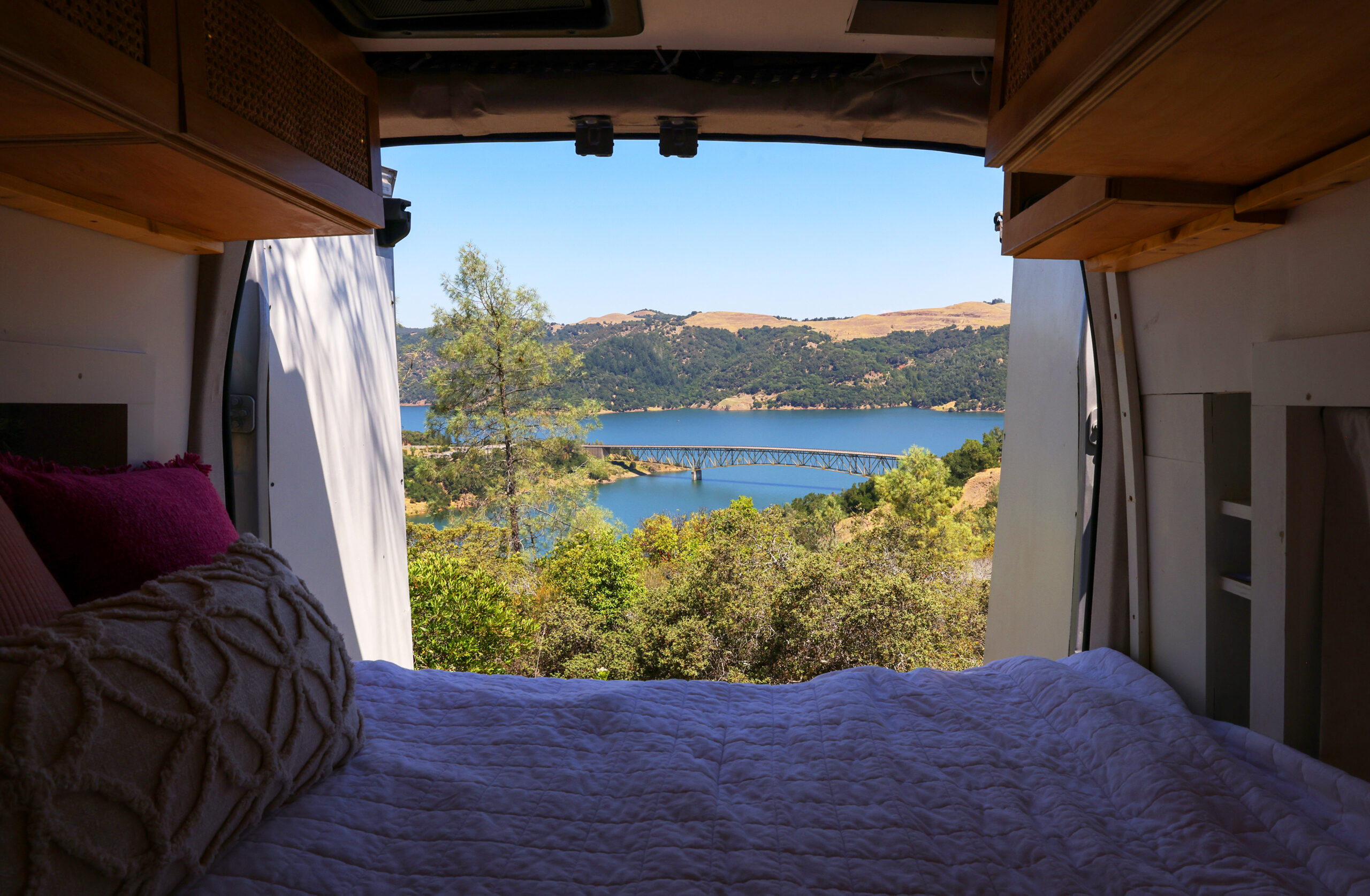
Camping at Lake Sonoma Recreation Area in Geyserville got an upgrade this summer when The Ranch at Lake Sonoma opened the first of 38 new glamping spots. The luxury canvas tents on wooden platforms are outfitted with full-sized beds and heaters. The second phase of tents will be safari tents from Botswana (which ranch manager Nikki Baxes describes as “showstoppers”) that are expected to be installed by late summer. Guests also have access to hot showers, flushing toilets, barbecues, and fire rings, while the Ranch’s barn bar is a short walk away.
Despite the luxury trappings, there’s still plenty of wilderness to be found along the 17,000-acre park’s 50 miles of hiking trails. The highlight of Sonoma County’s newest glamping destination might be the views: sunlight sparkles on the lake by day, and at night, the absence of light pollution makes stargazing spectacular. 100 Lake Sonoma Overlook Road, Geyserville. 707-494-4449, theranchatlakesonoma.com
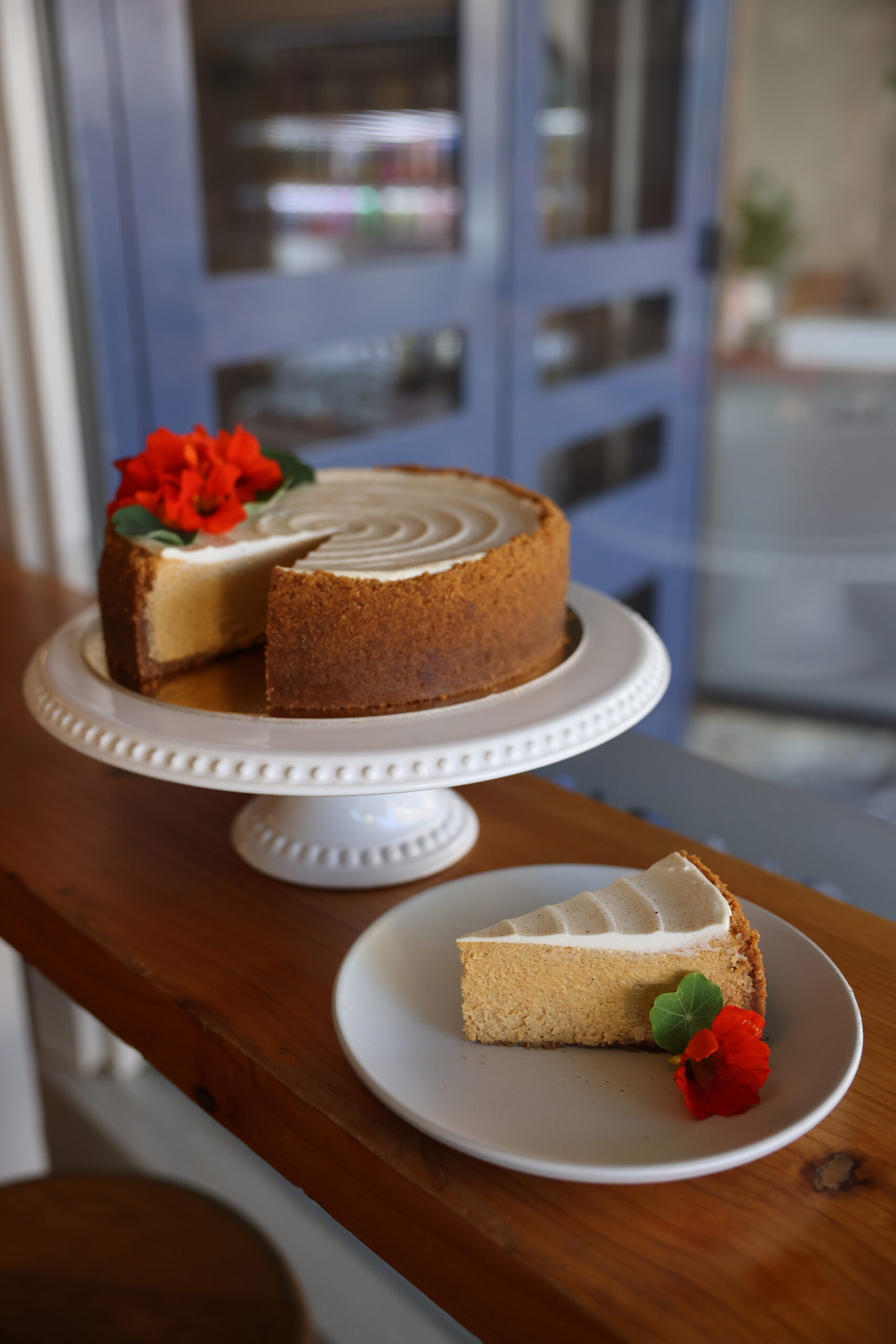
The pumpkin cheesecake at Stellina Pronto in Petaluma Thursday, July 9, 2026. (Beth Schlanker / The Press Democrat)
It’s easy to assume cheesecake originated in France, with its celebrated cheese tradition, or in New York, whose dense, cream cheese-rich version has become an American classic.
Its roots, however, reach much farther back.
Food historians generally trace cheesecake to ancient Greece, where an early version made with fresh cheese, flour and honey was served at weddings and may even have been offered to athletes during the first Olympic Games in 776 B.C. The recipe evolved as it spread through Europe with the Romans, with each region adapting the dessert to local ingredients and tastes.
Japanese cheesecake, or cotton cheesecake, is a fluffy and soufflé-like dessert. It is traditionally made in a bain-marie. (Mitna Maimunah / Shutterstock)
England’s medieval cooks added eggs and floral flavorings. New York embraced cream cheese to create the rich style now synonymous with the city. In Spain’s Basque Country, a crustless cheesecake baked at high heat developed its signature caramelized top and creamy center. Germany relies on tangy quark, Poland favors twaróg, and Japan transforms cheesecake into a light, soufflé-like confection.
Sonoma County has become a destination in its own right for cheesecake. Local bakeries and restaurants turn out everything from classic New York slices and burnt Basque cheesecakes to seasonal creations flavored with Meyer lemon, passion fruit and pumpkin.
Best Cheesecakes in Sonoma County
Petaluma
J.M. Rosen’s Cheesecakes — New York Cheesecake:Jan Rosen’s signature New York-style cheesecake, baked in a buttery shortbread crust, has earned a devoted following for decades — including Frank Sinatra. Other favorites include Chocolate Fantasy, Neapolitan and Snickers Bar cheesecakes. Available online and at select restaurants and markets throughout California. 74 E. Washington St., Petaluma, 707-773-4655, jmrosenscheesecake.com
J.M. Rosen’s plain New York-style cheesecake. Photo taken in Petaluma Tuesday, July 7, 2026. (Beth Schlanker / The Press Democrat)The pumpkin cheesecake at Stellina Pronto in Petaluma Thursday, July 9, 2026. (Beth Schlanker / The Press Democrat)
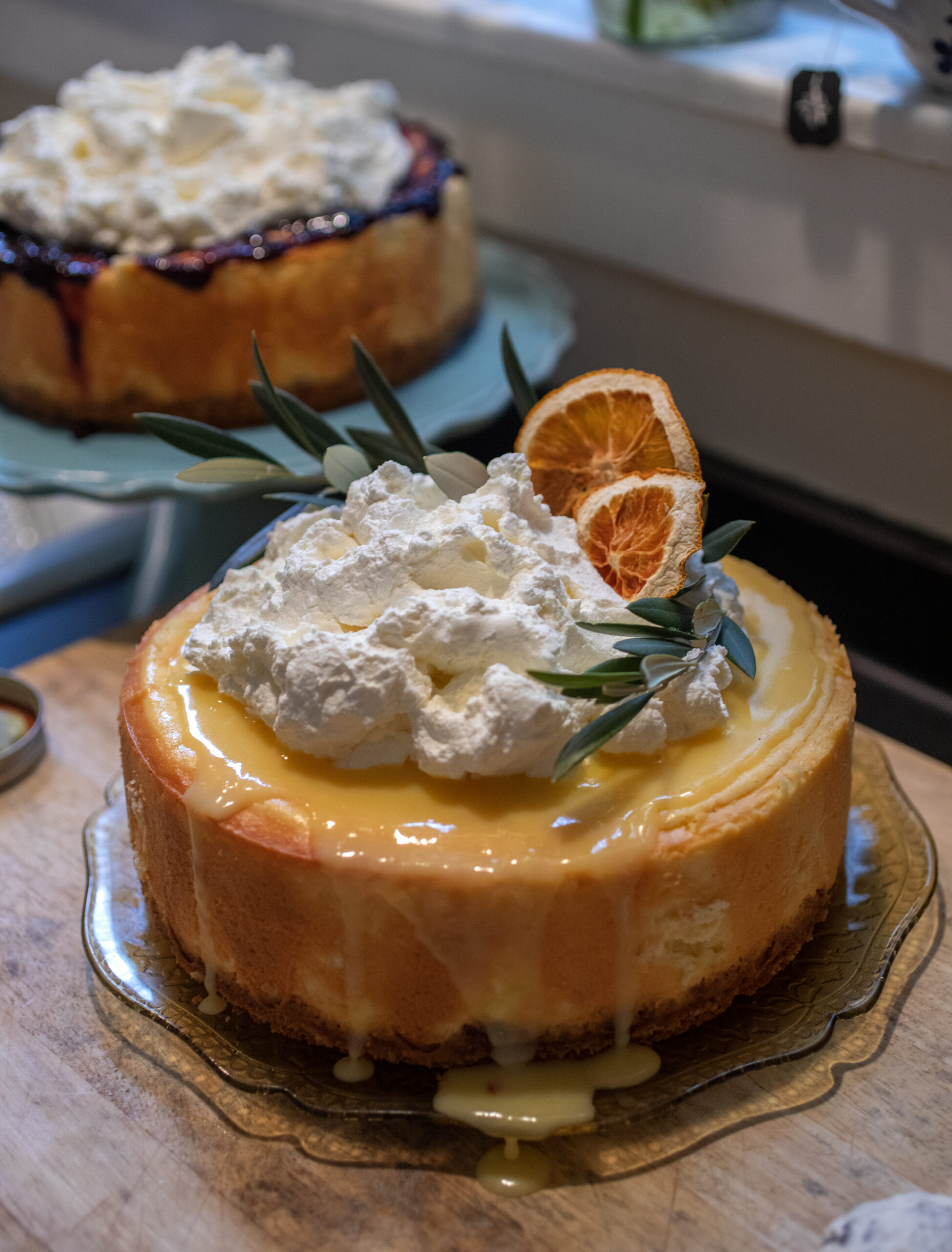
Stellina Pronto – New York-Style Pumpkin Cheesecake: A seasonal take on the classic, featuring a silky pumpkin filling, a gingersnap crust and a tangy sour cream topping. The lemon cheesecake also gets high marks for its zesty lemon curd topping and buttery graham cracker crust. 23 Kentucky St., Petaluma, 707-789-9556, stellinapronto.com
Speakeasy — Daily Cheesecake: Housemade cheesecakes rotate regularly, with flavors inspired by the season and the chef’s creativity. Lemon is a perennial favorite. 139 Petaluma Blvd. N., Petaluma. 707-776-4631, speakeasypetaluma.com
Cheesecake topped with a caramel sauce from Speakeasy, Friday, Feb. 7, 2025, in Petaluma. Speakeasy’s cheesecake flavors change regularly. (John Burgess / The Press Democrat)
Sonoma Valley
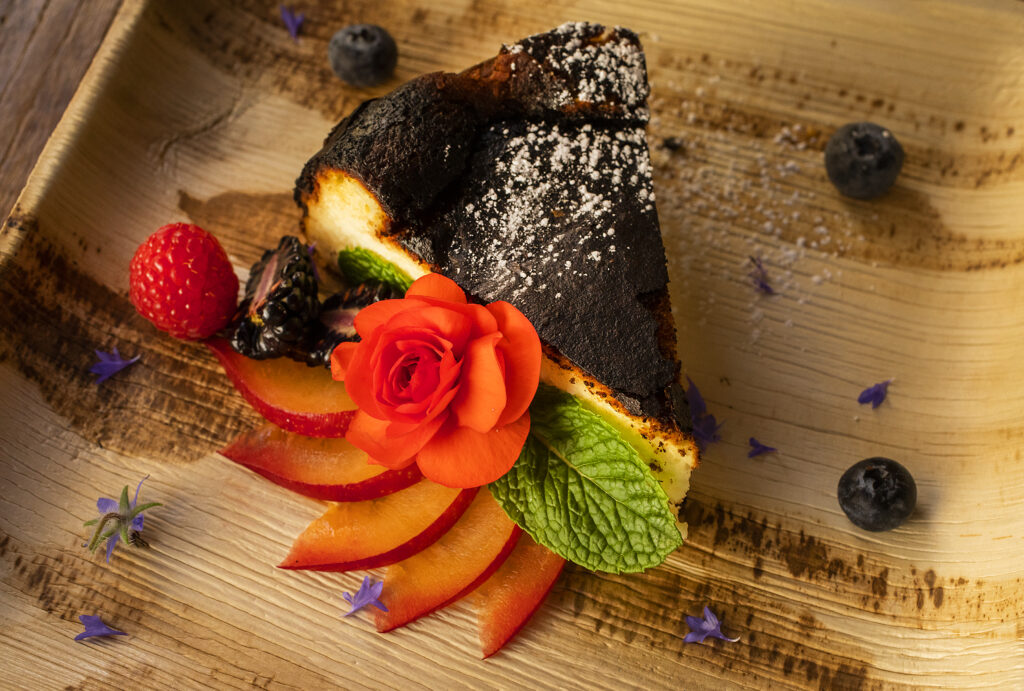
Wit & Wisdom — Bruleed Basque Country Cheesecake: Soft and airy Basque-style cheesecake with burnt top and accompanied with preserved citrus and fresh farmers market fruit. 1325 Broadway, Sonoma, 707-931-3405, witandwisdomsonoma.com
Cafe La Haye — Yuzu Citrus Cheesecake: Japanese yuzu lends bright citrus notes to this smooth, understated cheesecake. 140 E. Napa St., Sonoma, 707-935-5994, cafelahaye.com
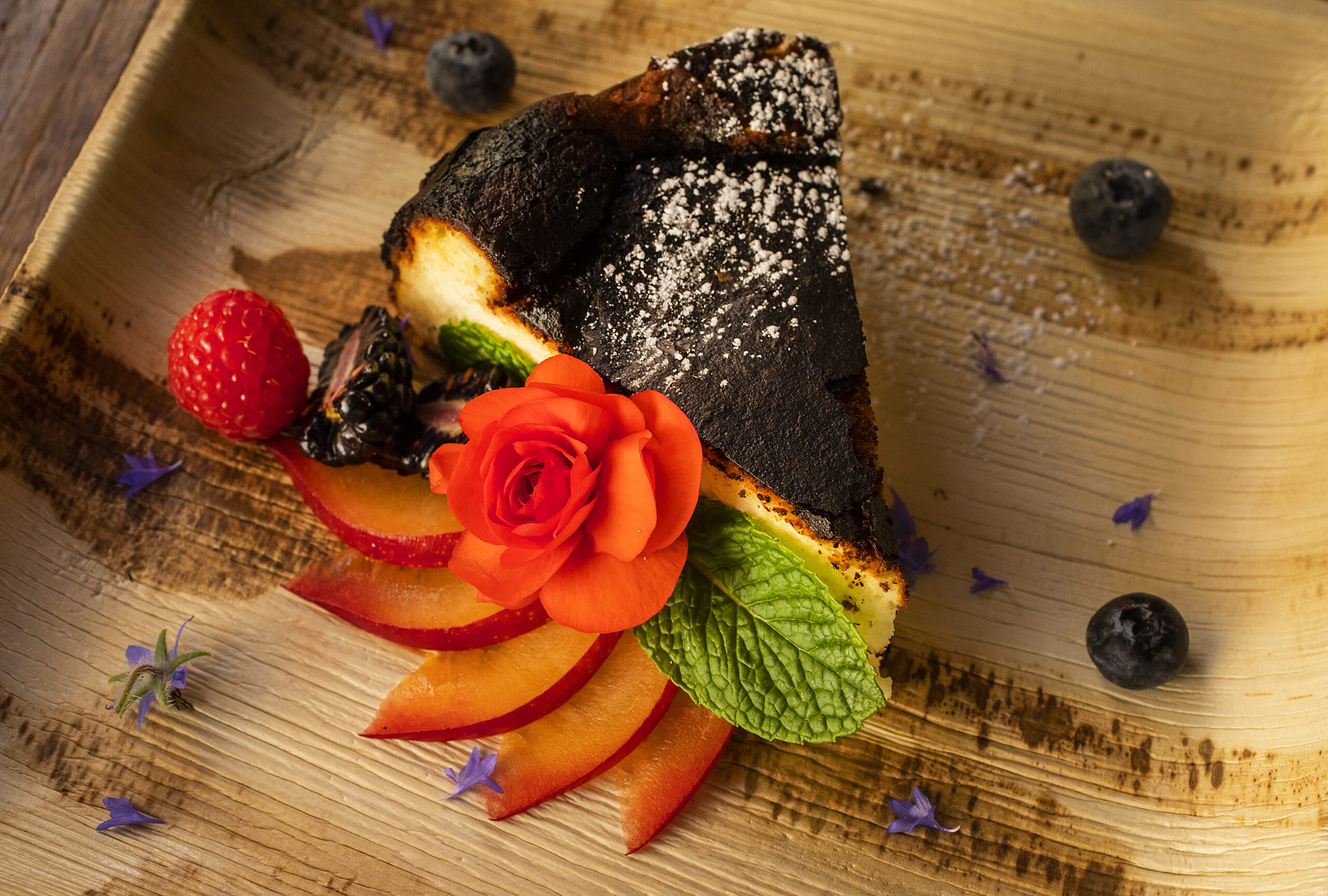
The Mill at Glen Ellen — Burnt Basque Cheesecake: A traditional Basque-style cheesecake with a deeply caramelized exterior, creamy center and fresh berries. 14301 Arnold Drive, Glen Ellen, 707-721-1818, themillatglenellen.com
Burnt Basque cheesecake from The Mill at Glen Ellen. (John Burgess / The Press Democrat)
Santa Rosa & Cotati
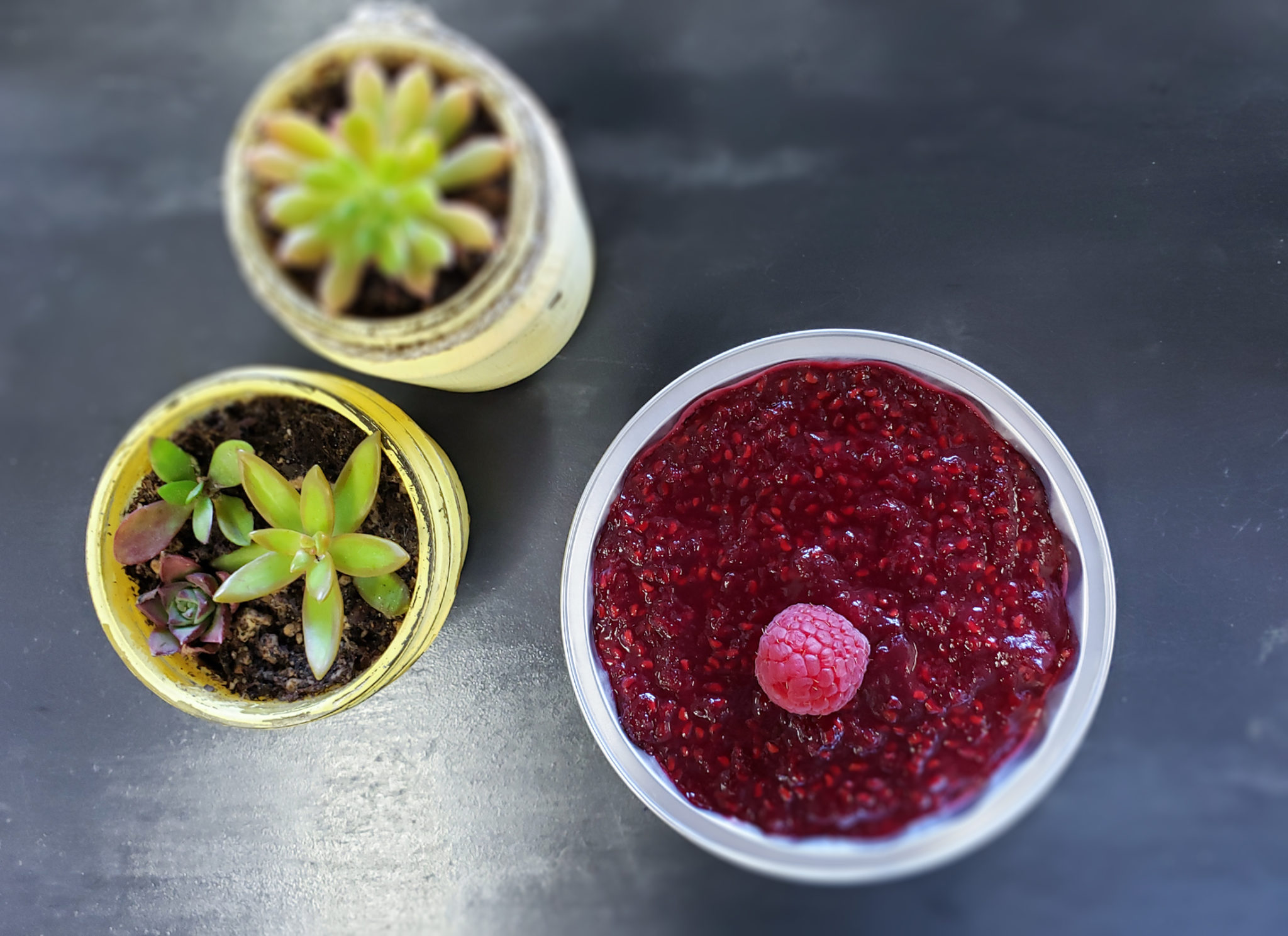
Criminal Baking Company — Lemon Chevre Cheesecake: Tangy goat cheese adds depth to this lemon cheesecake, available with toppings such as fresh berries, raspberry compote or caramel. 808 Donahue St., Santa Rosa, 707-888-3546, 707-228-2718, criminalbakingcompany.com
Jackson’s Bar and Oven — New York Cheesecake: The mini cheesecake desserts change with the seasons and chef Josh Silvers’ whims. Currently on the menu is a cheesecake with roasted plums and crumbled honeycomb. Past favorite flavors include root beer, Oreo and pumpkin. 135 Fourth St, Santa Rosa, 707-545-6900, jacksonsbarandoven.com
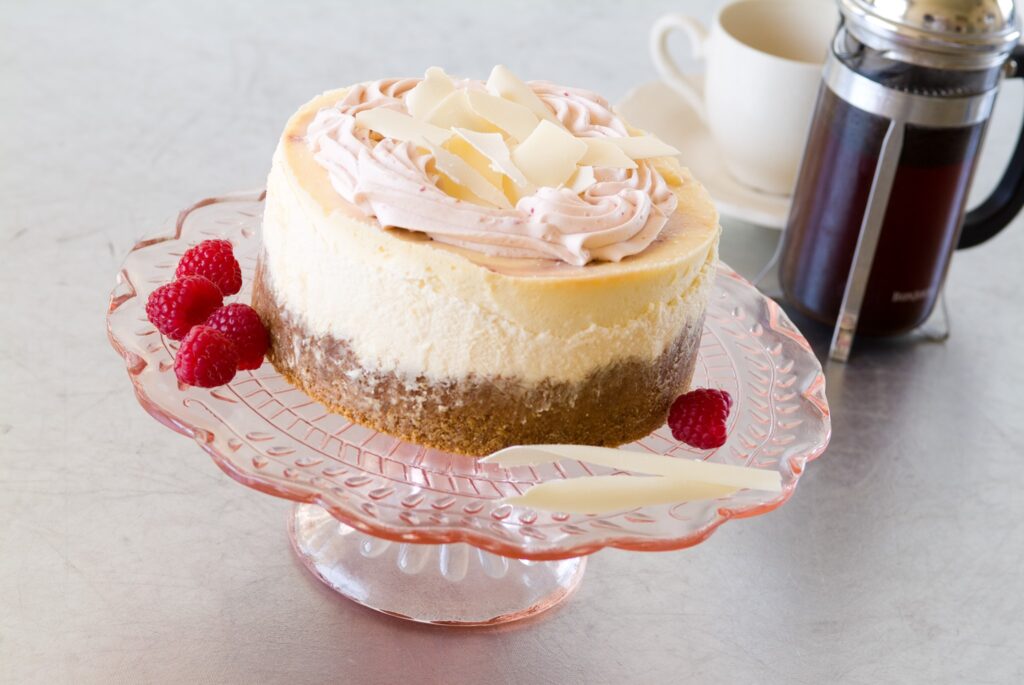
Red Bird Bakery — Seasonal Mini Cheesecakes: Dense New York-style cheesecakes finished with rotating seasonal toppings such as berries, lemon curd, chocolate or other fresh fruit. 556 E. Cotati Ave., Cotati, 707-521-9838; 463 Sebastopol Ave., Santa Rosa, 707-544-3663,redbirdbakery.com
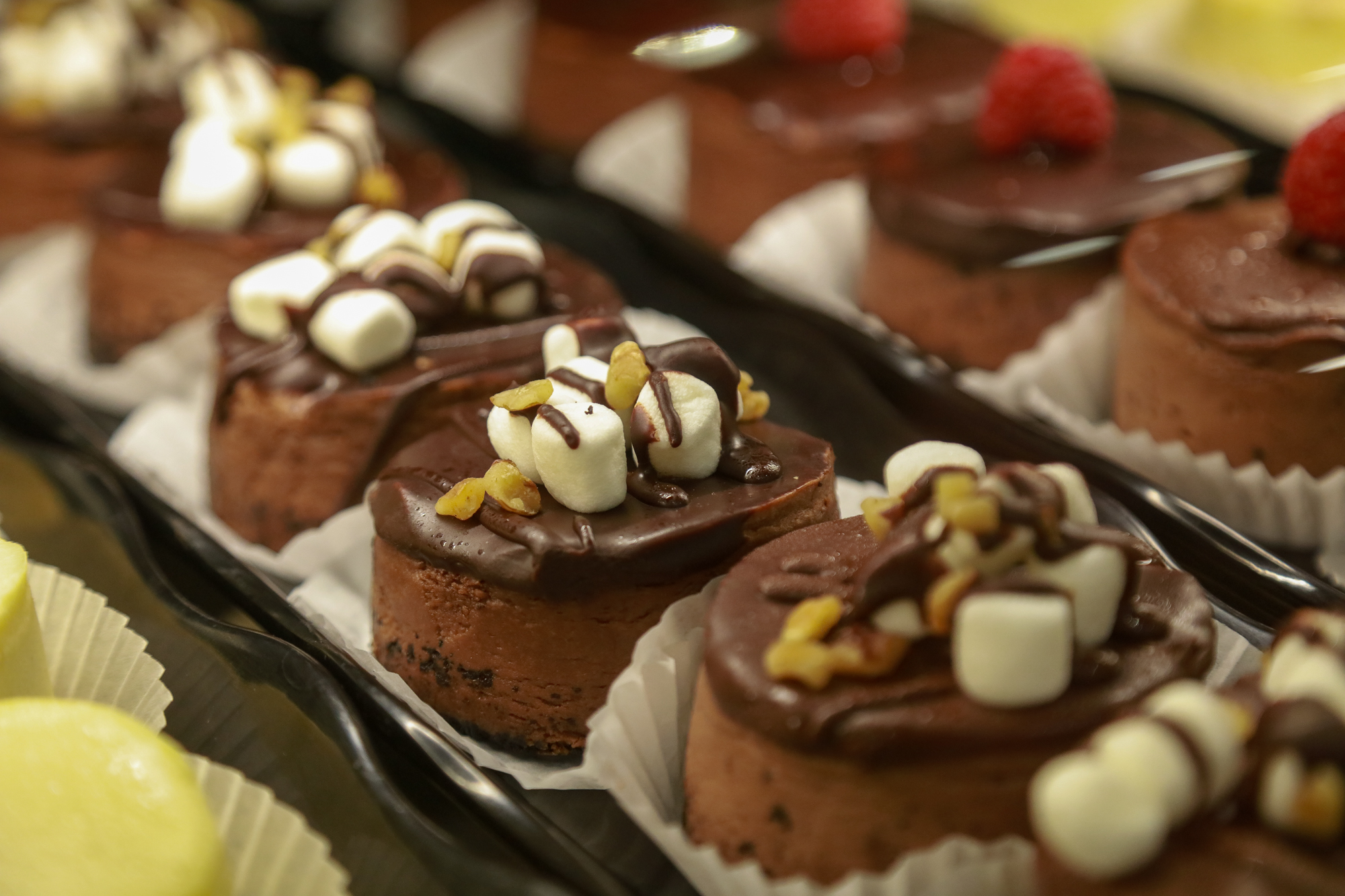
Raspberry cheesecake at Red Bird Bakery in Cotati. (Heather Irwin / The Press Democrat)Mini cheesecakes from from Oliver’s Market. (Sonoma County Tourism)
Oliver’s Market — Chocolate Cheesecake: Dark Belgian chocolate enriches this dense cheesecake, set in a chocolate cookie crumb crust. Gluten-free versions are also available. Locations in Windsor, Santa Rosa and Cotati. oliversmarket.com
Healdsburg
Downtown Bakery & Creamery — Cheesecake: Traditional cheesecakes are available in full-size and individual portions, with a dense filling and graham cracker crust. 308 Center St., Healdsburg, 707-431-2719, downtownbakeryhealdsburg.com
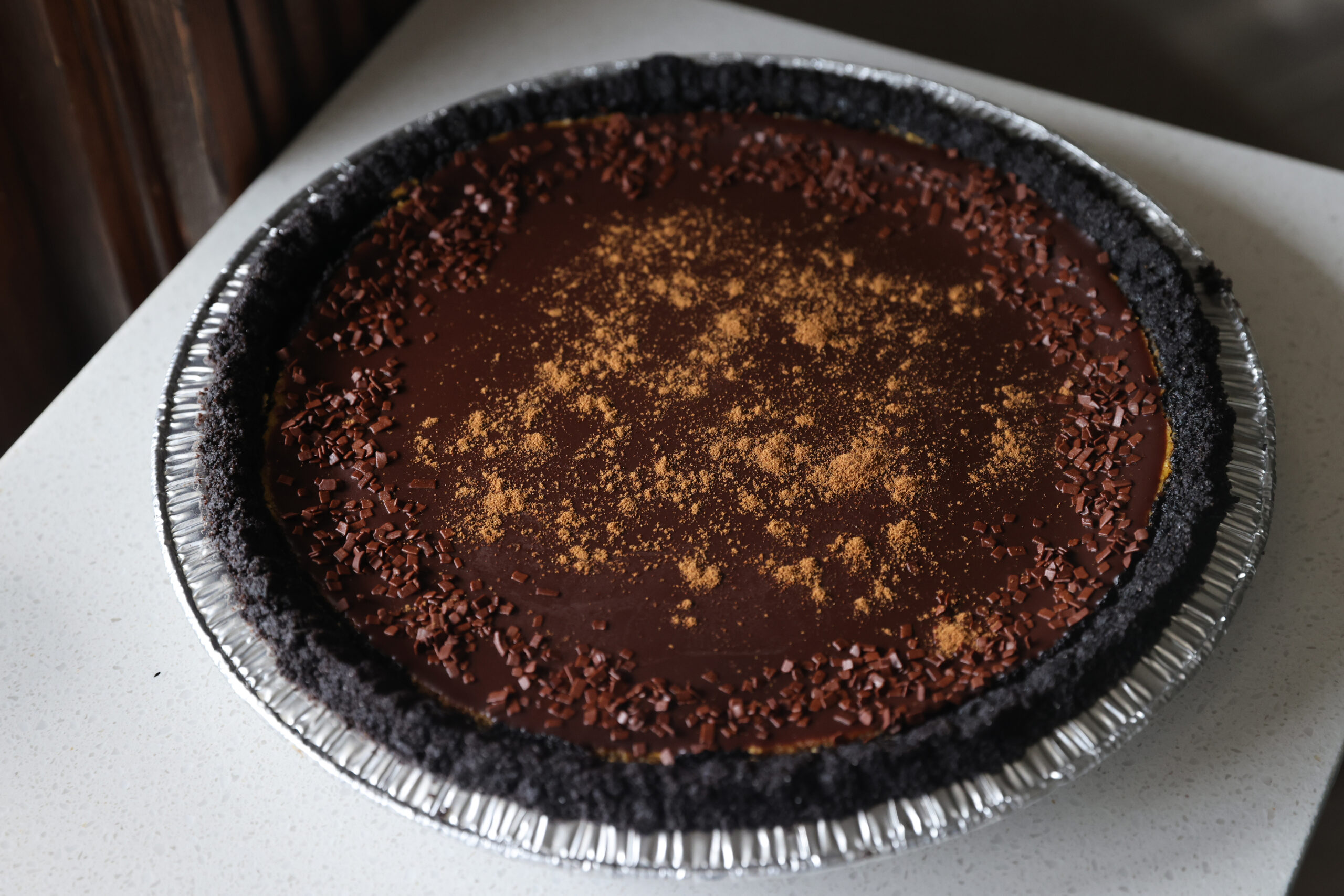
Noble Folk — Pumpkin Chocolate Cheesecake Pie: This seasonal cheesecake, available only from December through February, blends fall-favorite pumpkin pie flavors with decadent layers of chocolate in the Oreo-like crust and chocolate ganache topping. Also find at the downtown Santa Rosa shop. 116 Matheson St., Healdsburg, 707-395-4426; 539 Fourth St., Santa Rosa, 707-978-3392, thenoblefolk.com
A chocolate pumpkin cheesecake at Noble Folk Ice Cream and Pie Bar in Santa Rosa on Tuesday, Nov. 1, 2022. (Beth Schlanker / The Press Democrat)Cheesecake from Patisserie Angelica in Sebastopol. (Patisserie Angelica)
Sebastopol and West County
Patisserie Angelica — Seasonal Cheesecake: Flavors change throughout the year, with offerings including Meyer lemon, raspberry, caramel and spiced pumpkin, all baked in a housemade graham cracker crust. 6821 Laguna Park Way, Sebastopol, 707-827-7998, patisserieangelica.com
Underwood Bar & Bistro — Mascarpone Cheesecake: Made with mascarpone for an especially silky texture and finished with fresh raspberries. 9113 Graton Road, Graton, 707-823-7023, underwoodgraton.com
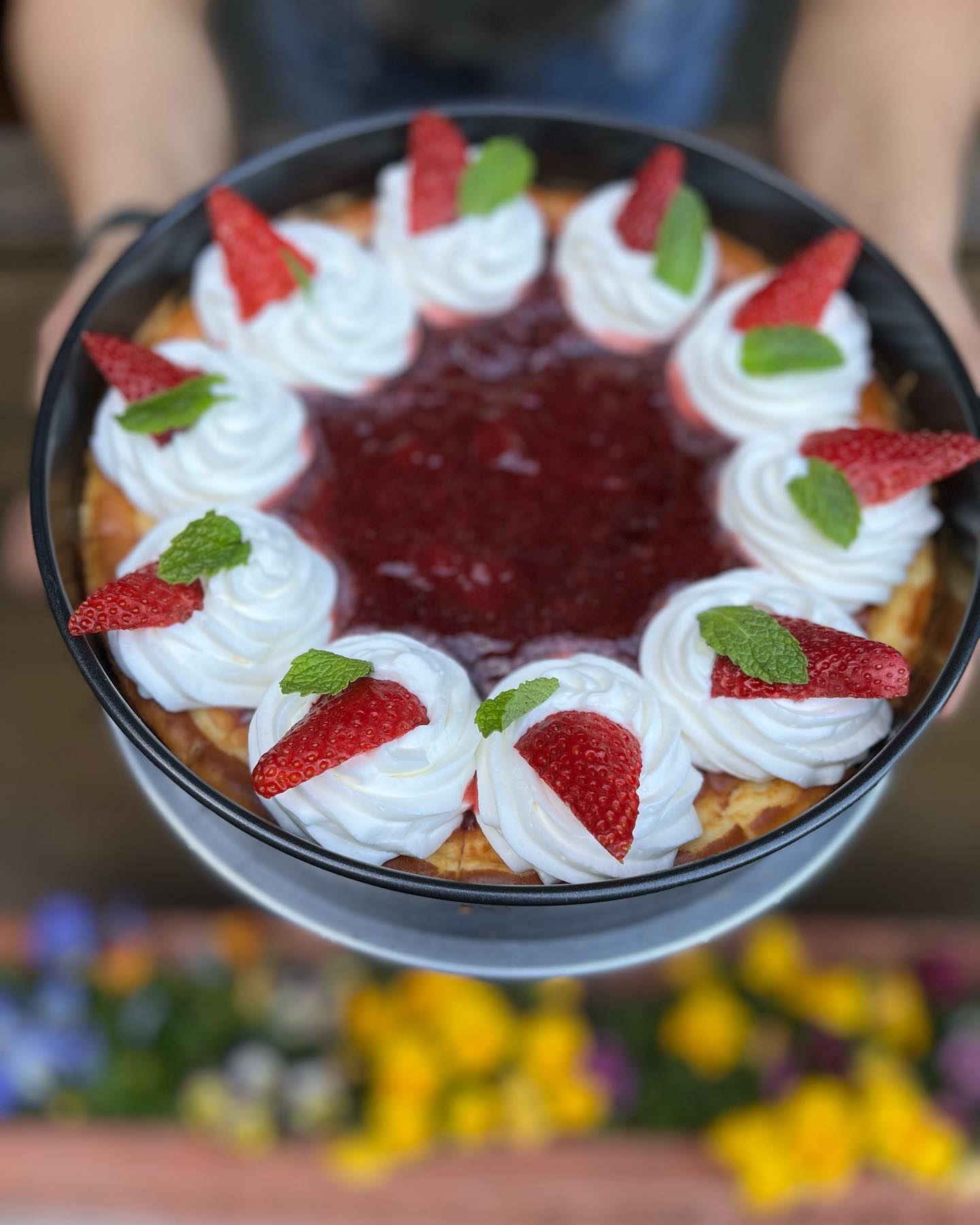
Strawberry cheesecake from Lightwave Coffee and Kitchen in Monte Rio. (Lightwave Coffee and Kitchen)
Lightwave Coffee and Kitchen — Weekend Cheesecakes: Weekend offerings change with the seasons and have included strawberry, blueberry, fig, baklava, pecan caramel and chocolate hazelnut. 9725 Main St., Monte Rio, 707-865-5169, lightwavecafe.square.site
Nightingale Breads — Mini Cheesecakes: Baker Steve Hartz creates small-batch cheesecakes in rotating flavors, from lemon and passion fruit to cappuccino, toasted coconut and cranberry. 6665 Front St., Forestville, 707-887-8887, nightingalebreads.com
Cappuccino chocolate chip cheesecake made by Steve Hartz at Nightingale Breads, Sunday, Oct. 9, 2022, in Forestville. (Darryl Bush / For The Press Democrat)Passion Fruit Cheesecake with whipped cream and vanilla bean sauce from Terrapin Creek Cafe Restaurant, Friday, May 30, 2025, in Bodega Bay. (John Burgess / The Press Democrat)
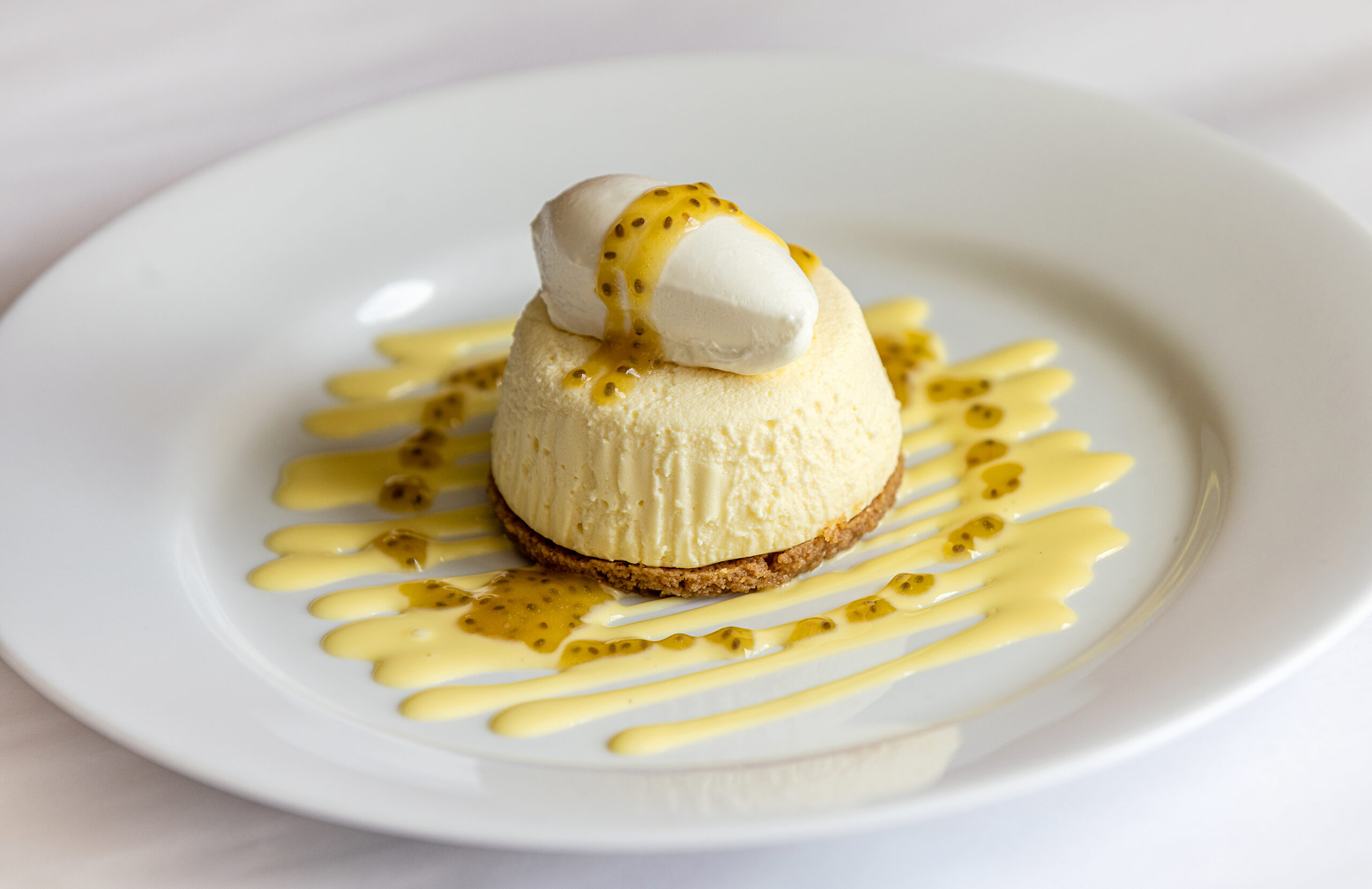
Terrapin Creek Cafe — Passion Fruit Cheesecake: A lighter-style cheesecake topped with whipped cream, vanilla bean sauce and bright passion fruit. 1580 Eastshore Road, Bodega Bay, 707-875-2700, terrapincreekcafe.com
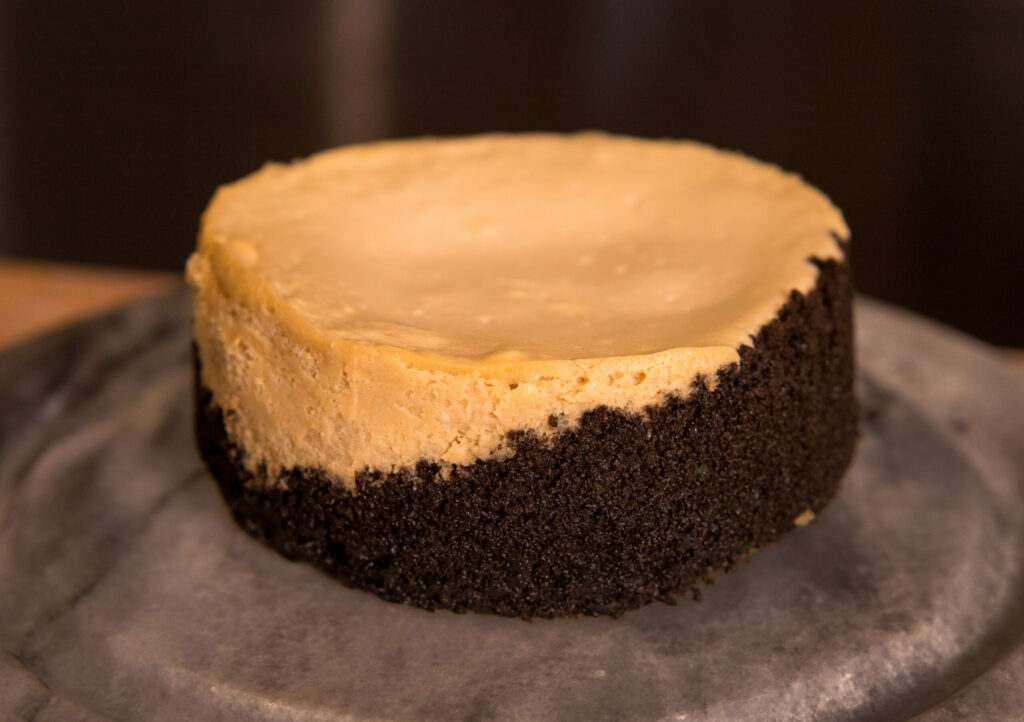
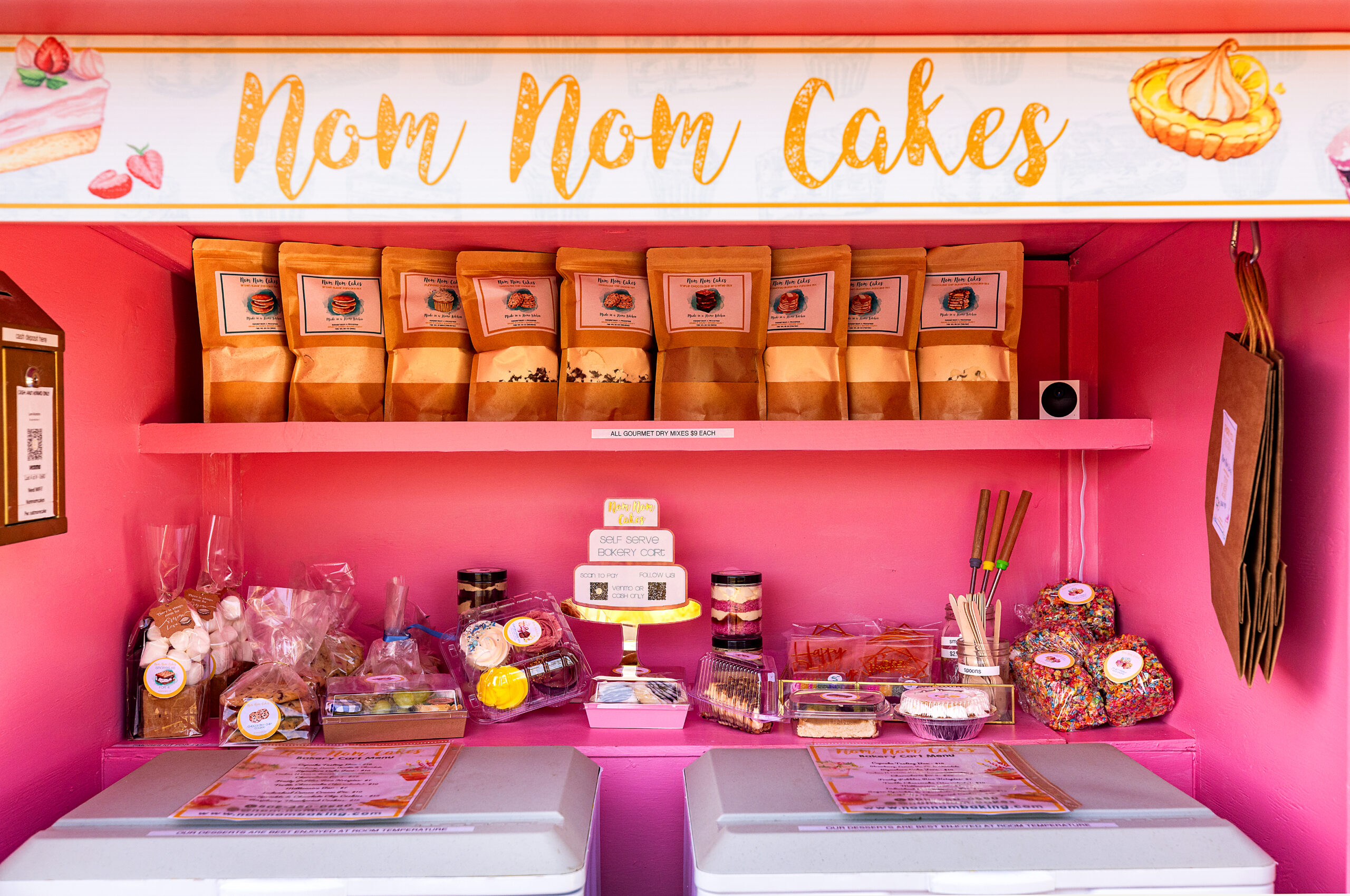
Nom Nom Cakes — Peanut Butter Cheesecake: Similar to a peanut butter pie, but denser and creamier. Filled into an Oreo crust and topped with chocolate ganache, it’s almost like eating a giant chocolate-peanut butter cup. Available for delivery or pickup at 390 Calle Del Sol, Bodega Bay. 805-350-0680, nomnombaking.com
Baker Lana McIntire rolls out her Barbie pink Nom Nom Cakes bakery cart filled with goodies in front of her Carmet home, just follow the signs off Highway 1. Friday, May 13, 2025, north of Bodega Bay. (John Burgess / The Press Democrat)Cheesecakes from Anamaria Morales, the College Confectionista, on Jan. 3, 2023. (Chad Surmick / The Press Democrat)
Special Mention
College Confectionista — SoCo Style Cheesecake: Anamaría Morales’ signature cheesecake pairs a traditional cream cheese filling with a butter-and-graham-cracker crust and housemade whipped cream. A gluten-free nut crust is available by request. Currently closed for the season; check @collegeconfectionista on Instagram for reopening updates.707-495-5324, collegeconfectionista.com
The Oktoberfest Platter from Tisza Bistro in Healdsburg. (John Burgess / The Press Democrat)
There are two types of people in the world: those who hover over their plates ready to swat away anyone too close, and those who prefer to exchange bites exploring everything and claiming nothing. These dishes were made for sharing, so expect a rogue fork to pop onto your plate at any moment.
Oktoberfest Platter, Tisza Bistro
Torn between chef Krisztian Karkus’ crispy schnitzel and housemade sausage? Skip the decision and get both. Lean all the way in with a German smorgasbord that reads like an Oktoberfest greatest hits: Fried veal schnitzel, bratwurst, three kinds of sausage, a duck leg, potato dumplings, sauerkraut, red cabbage, spätzle with mushroom sauce, cucumber salad and lingonberry jam. Just keep the yodeling of joy to a minimum. 165 Healdsburg Ave., Healdsburg. 707-291-5193, tiszabistro.com
Magic Nachos, Gio y Los Magos
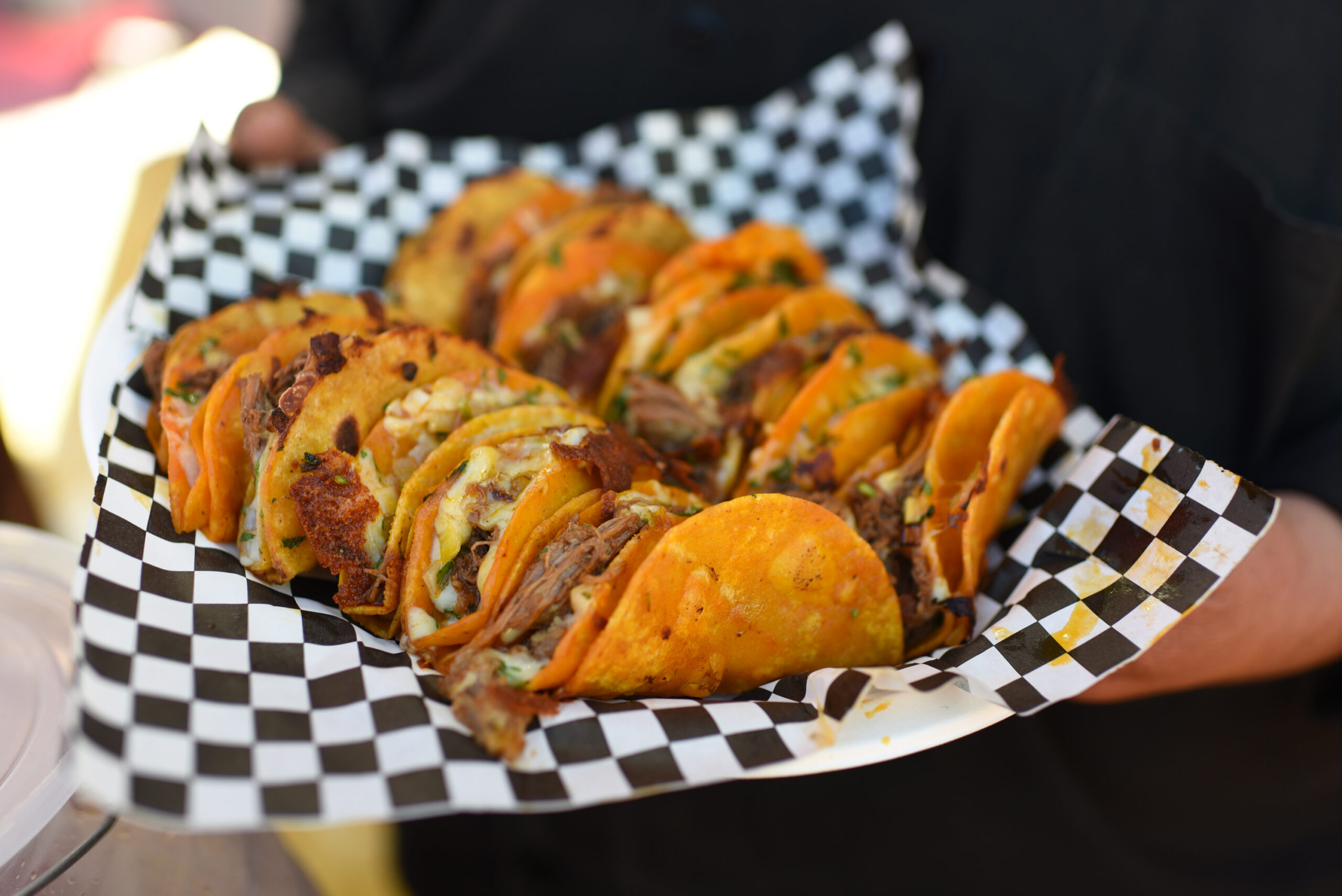
These aren’t just nachos, they’re magical nachos. Find the truck at Mitote Food Park with the unhinged wizard zapping a torta with lightning and presto, you’ve found Gio y Los Magos. Their take on the happy hour classic is a foil-covered plate piled high with tortilla chips, a daring amount of cheese, guacamole, sour cream, carnitas, diced onions and cilantro. What’s magic about that? They’ll disappear before your eyes. 100 Sebastopol Road, Santa Rosa. instagram.com/gioylosmagos
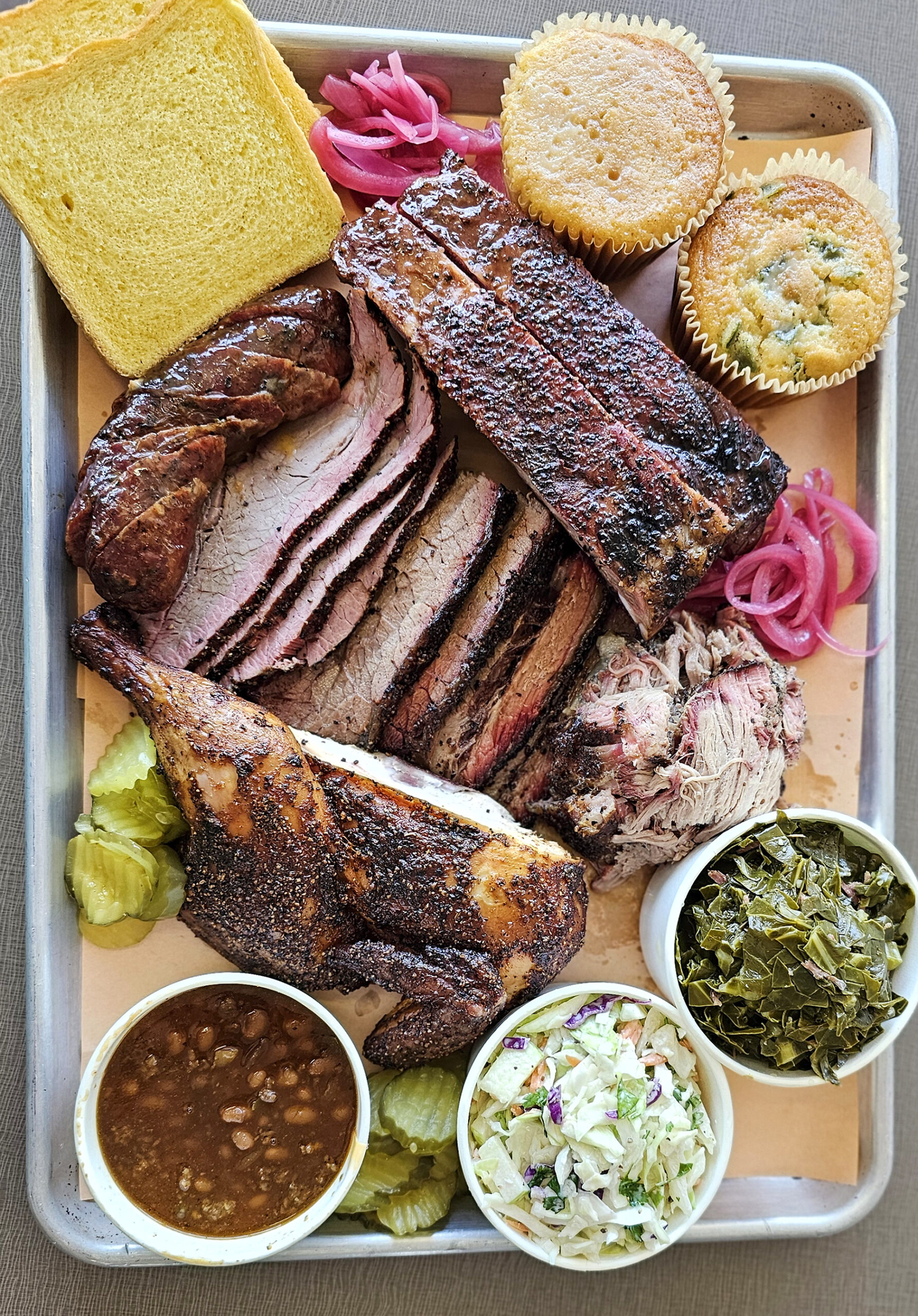
Tacos from Gio y Los Magos food truck at the Mitote Food Park in Santa Rosa. (Erik Castro / for The Press Democrat, file)Texas toast, cornbread muffins, pork ribs, links, brisket and tri-tip, barbecue chicken, baked beans, coleslaw and collard greens at A&M BBQ in Sebastopol. (Heather Irwin / The Press Democrat, file)
Dino Ribs, A&M BBQ
They may not be sourced from a brontosaurus, but these jumbo beef ribs look positively Flintstonian. Most days, you’ll find pitmaster Kris Austin at the outdoor smoker, tending Texas-style brisket, chicken and sausages. On Saturdays and Sundays only, though, Dino Ribs take top billing. Fall-off-the-bone tender, caramelized outside and juicy within, they’re worth the line. Don’t skip the sides: candied yams, collard greens and baked beans are all made in-house. 495 S. Main St., Sebastopol. 707-888-1315, ambbqllc.com
Tableside Steak Tartare, Brigitte Bistro
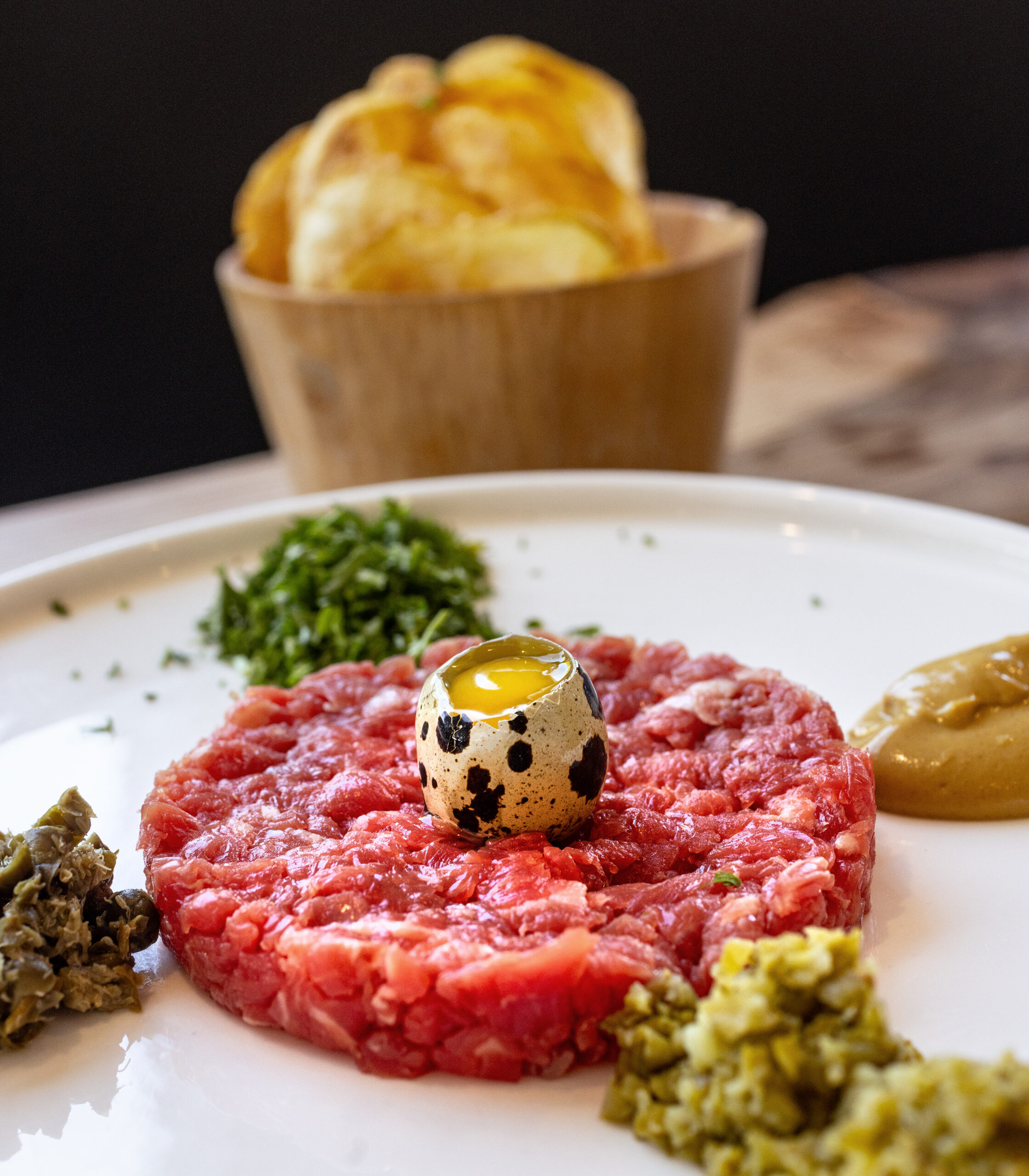
If you’ve ever wanted a whole restaurant to turn and stare, here’s your moment. A rolling cart, wheeled tableside, is stocked with everything needed to build a perfect tartare. With a bit of theater, raw quail egg, Dijon mustard and olive oil are whisked into an emulsion, then finely chopped flank steak, cornichons, capers and Worcestershire get their moment. Voilà, tartare. Served with potato chips and a healthy dose of fun, it’s equal parts show and starter. 841 Petaluma Blvd. N., Petaluma. 707-981-8381, brigittebistropetaluma.com
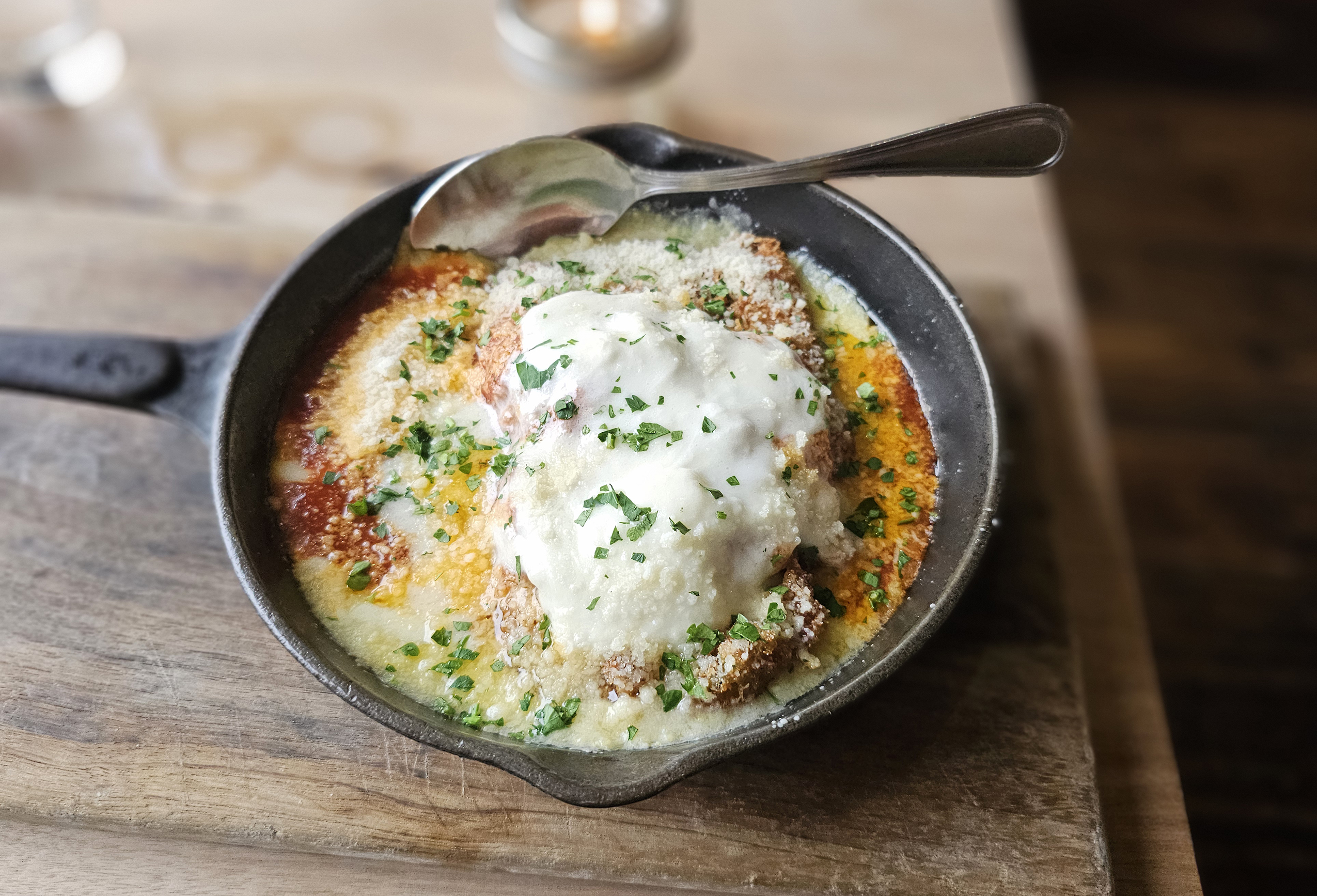
Traditional tableside steak tartare with hand-cut flank steak, quail egg, cornichons, capers, olive oil, Dijon mustard and pommes gaufrette from Brigitte Bistro Sunday, July 6, 2025, in Petaluma. (John Burgess / The Press Democrat)Chicken Parmesan at Catelli’s Restaurant in Geyserville. (Heather Irwin / The Press Democrat, file)
Chicken Parmesan, Catelli’s
Juicy, breaded chicken with a pool of sassy tomato sauce and melted burrata on a bed of smoky, buttery polenta is the very definition of comfort food. Served bubbling hot in a cast-iron skillet, this is the pinnacle of chicken Parm. If you’re still not convinced, the Catellis’ generations-long history of feeding Sonoma County like family is a pretty good sign you’re in the right place. 21047 Geyserville Ave., Geyserville. 707-857-3471, mycatellis.com
Onion Gratinée, Bistro Lagniappe
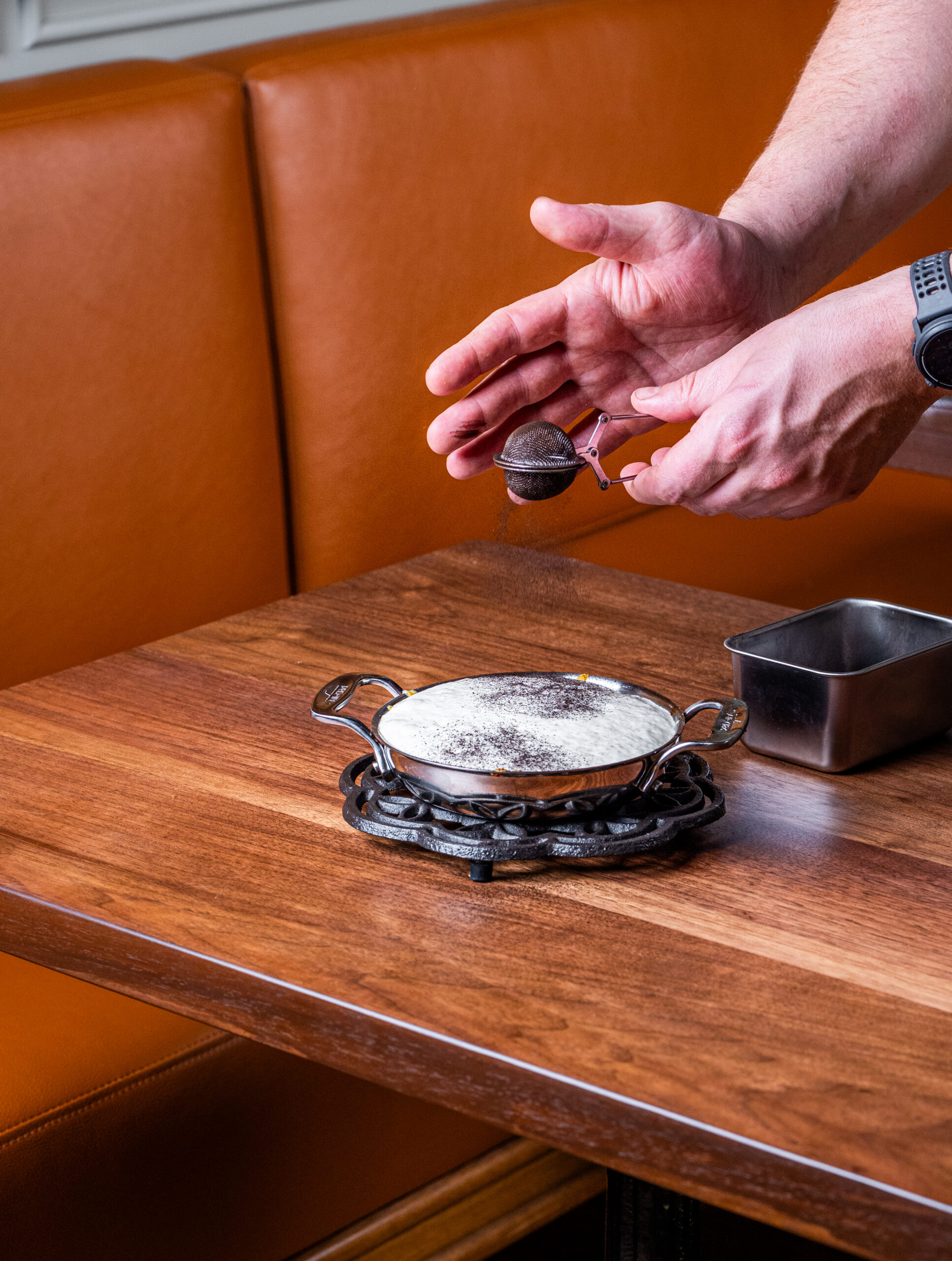
There are a handful of dishes that will make you weak in the knees and linger in your taste memory, and this is one of them. Layers of sweet onions are caramelized in butter for hours, then bathed in Parmesan broth, blanketed with white cheddar and Gruyère, and baked in a wood-fired oven. Foamed bechamel and a dusting of black pepper finish the whole glorious thing. It looks simple, but behind that quiet beauty are hours of labor. 330 Healdsburg Ave., Healdsburg. 707-473-8181, lagniappehealdsburg.com
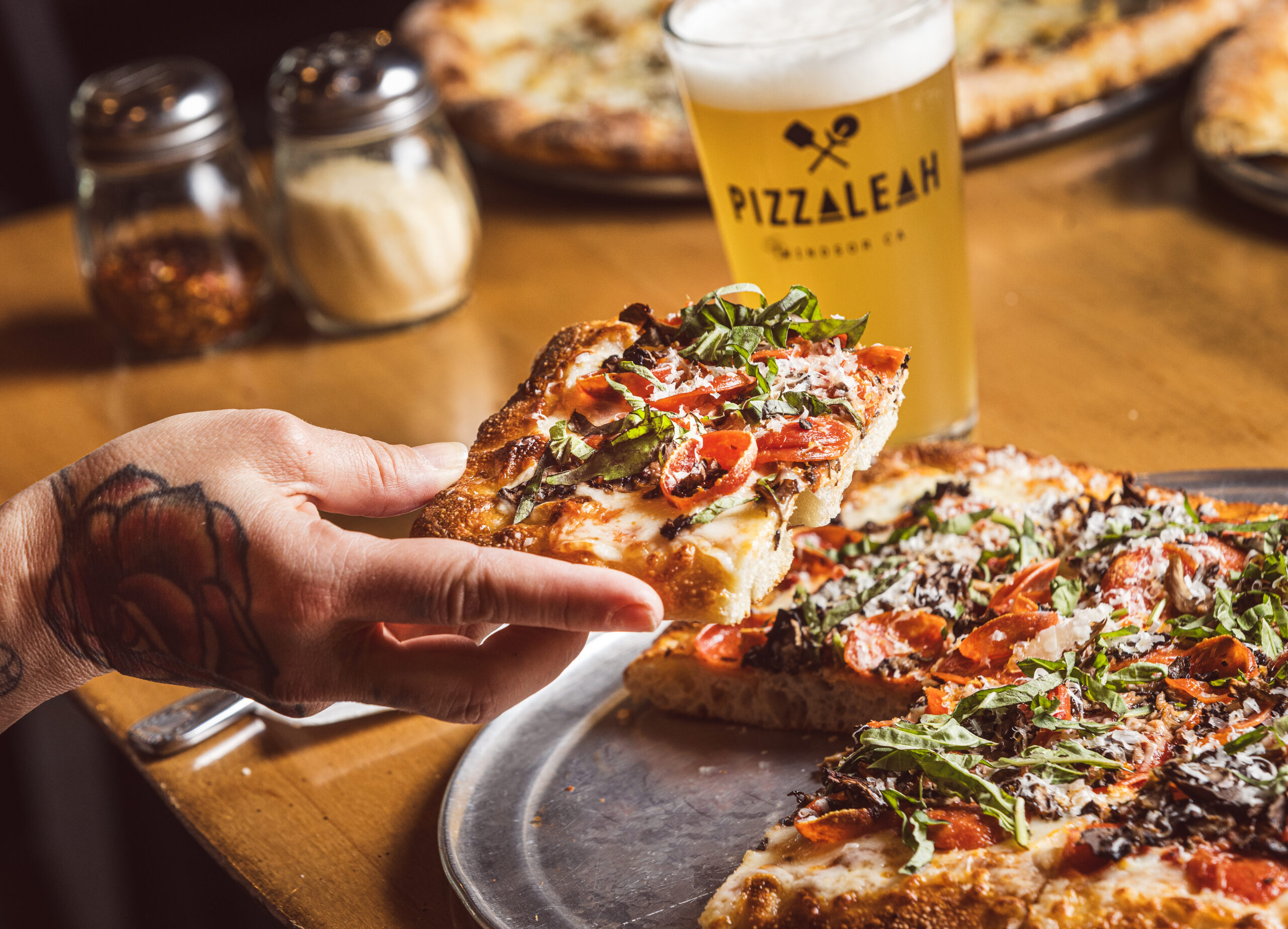
Onion gratin with Gruyere at Bistro Lagniappe in Healdsburg. (Jesse Cudworth)The Mush-a-Roni square pizza with red sauce, pepperoni, cremini mushrooms, shaved Parmesan and fresh basil from PizzaLeah Wednesday, April 16, 2025, in Windsor. (John Burgess / The Press Democrat)
Mush-A-Roni, PizzaLeah
You don’t go to PizzaLeah just for the pizza — you go for Leah. With the trophies and titles to back it up, she’s one of the world’s top pizza pros. She makes a limited number of her award-winning square pan pies each day and the one with mushrooms, pepperoni and shaved Parmesan is a fan favorite, but when they’re gone — they’re gone. If that’s the case, console yourself with Old Grey Beard, a spicy, saucy round pie with fontina, mozzarella, Italian sausage, Calabrian peppers, hot honey and orange zest. It’s hard to go wrong. 9240 Old Redwood Highway, Suite 116, Windsor. 707-620-0551, pizzaleah.com
Vegetarian Combo, Abyssinia
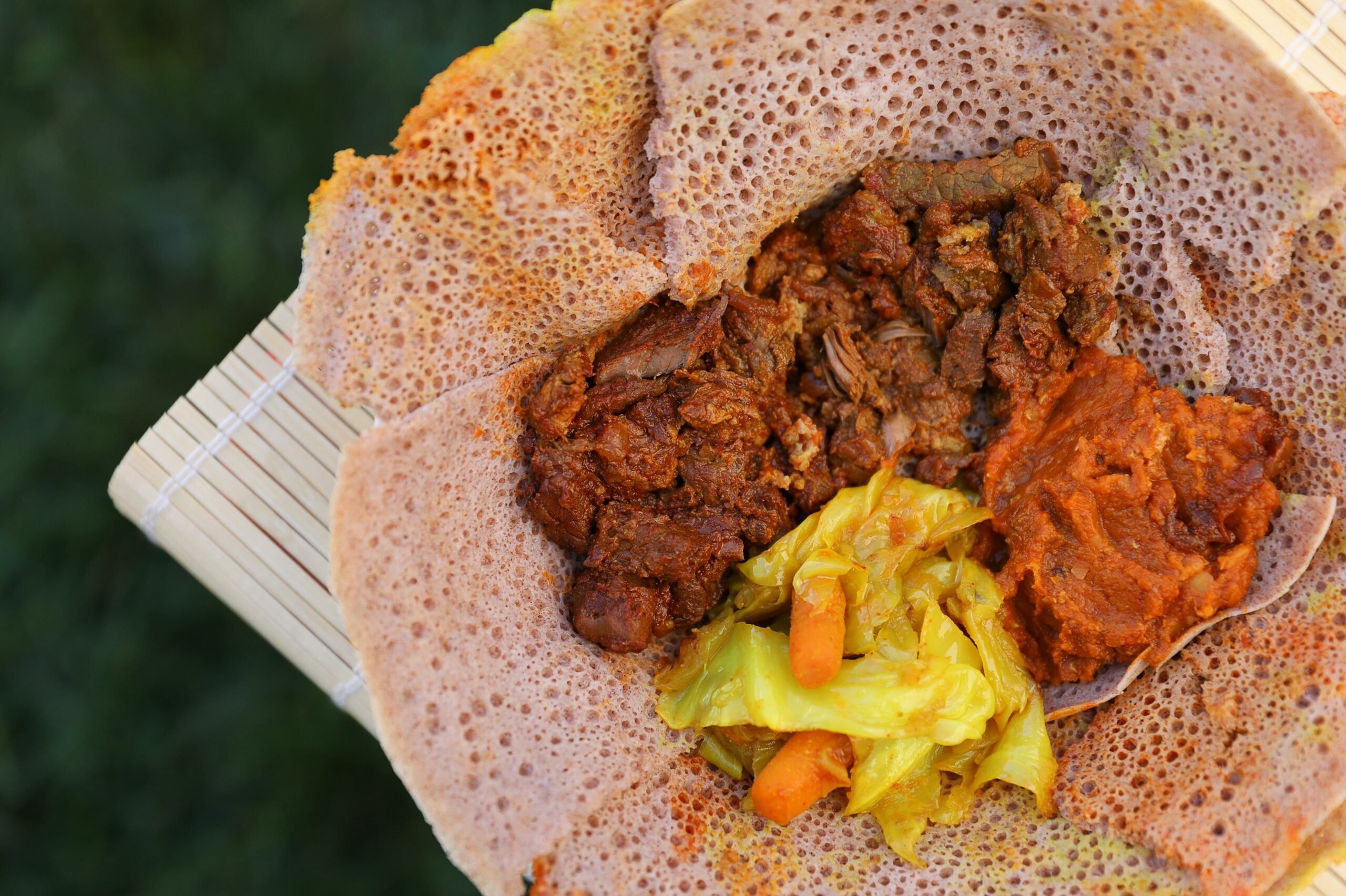
A manhole-sized platter of tangy injera, an Ethiopian flatbread, topped with spicy berbere lentils, split peas fragrant with garlic and ginger, tomato-simmered collard greens, and mashed chickpeas are a reminder of how deeply flavorful and remarkably rewarding plant-based eating can be. The vegetarian combo is a great way to dive into this rip-and-dip cuisine, built for scooping, sharing and using your hands. Order an extra side of injera made with gluten-free teff flour just in case. 913 Fourth St., Santa Rosa. 707-568-6455, my-abyssinia.com
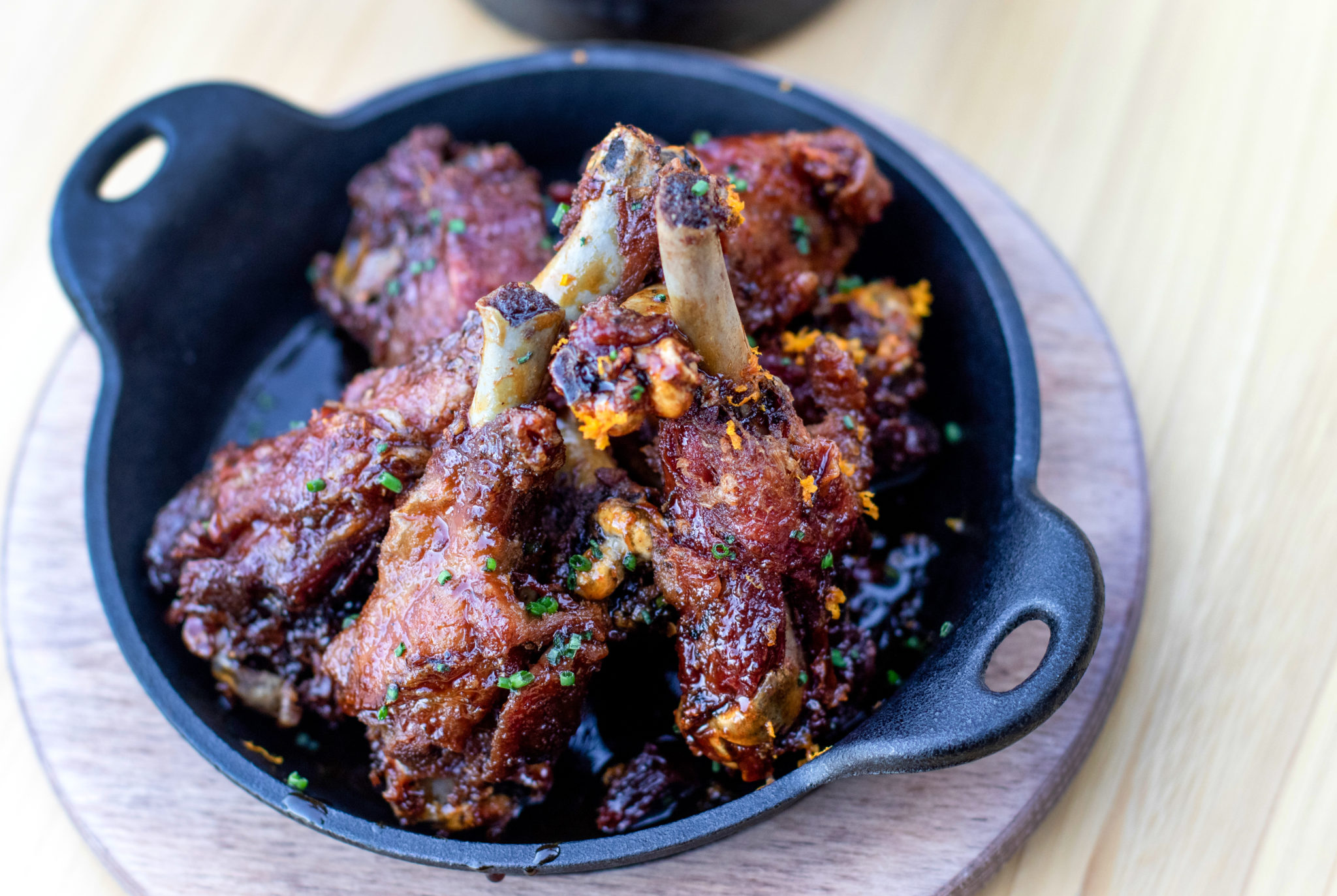
Clockwise from left: yebeg key we’t, yebeg tibs, miser we’t, and tikel gomen, from Abyssinia restaurant in Santa Rosa. (Christopher Chung / The Press Democrat, file)Liberty Farms duck wings with Grand Marnier and black pepper gastrique at Wit & Wisdom in Sonoma. (Heather Irwin / The Press Democrat, file)
Chef’s choice: Duck wings at Wit & Wisdom
Ari Weiswasser of Stella and Glen Ellen Star
The owner of Glen Ellen Star, Kenwood’s Stella, and Smash, the new smashburger spot in Sonoma, has plenty on his plate these days. But when it’s time to chill with some friends and family, Wit & Wisdom’s sticky orange, Grand Marnier-glazed duck “wings” are his top pick for passing around the table. Extra napkins required. 1325 Broadway, Sonoma. 707-931-3405, witandwisdomsonoma.com
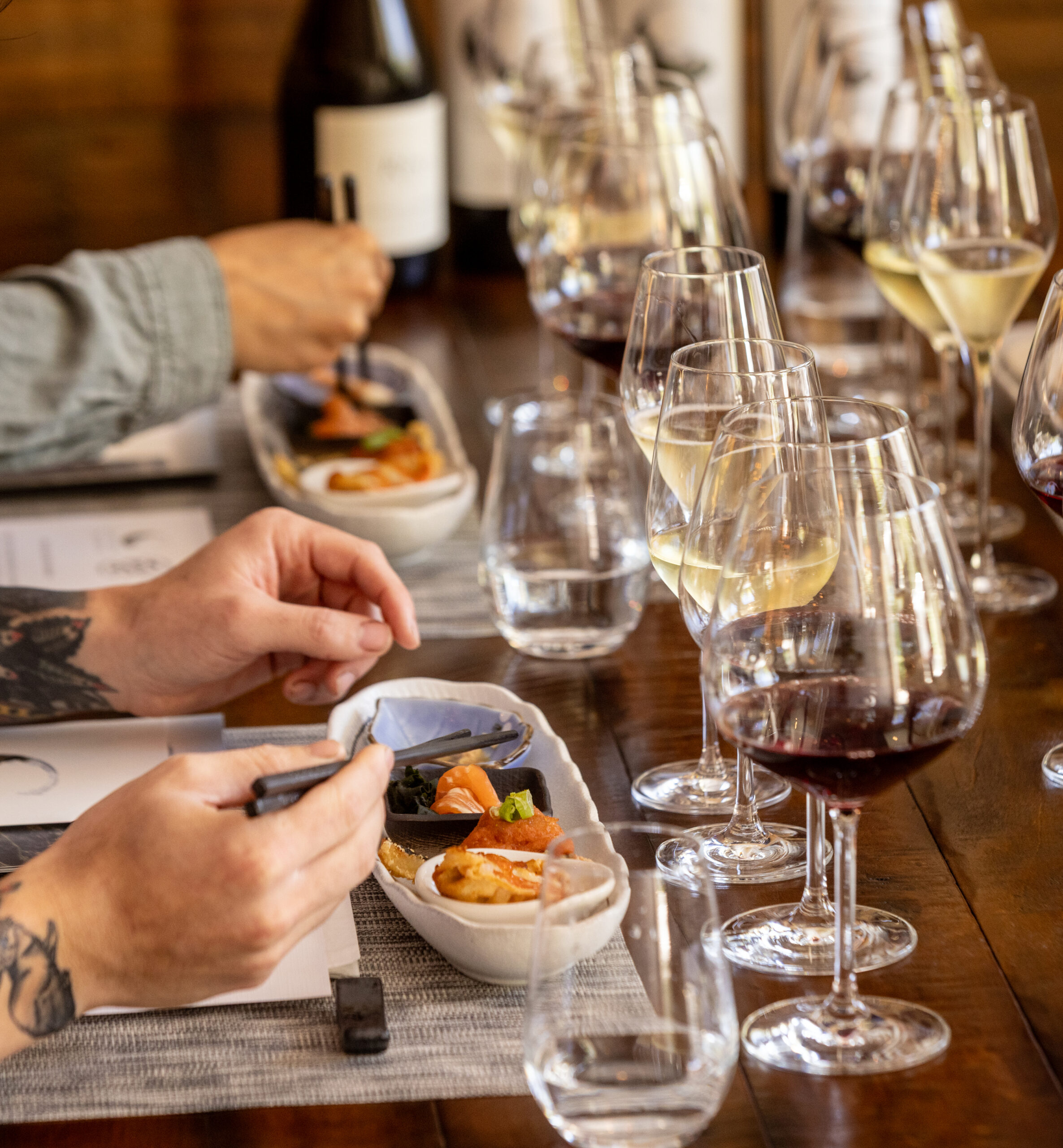
The sushi pairing experience at the Centennial Mountain tasting room, Friday, July 13, 2026 in Healdsburg. (John Burgess/The Press Democrat)
Uncommon Italian grape varieties are trending in Northern California, with wineries offering everything from Fiano to Biancolella to Schioppettino. While some vintners are just now getting the memo, Centennial Mountain was ahead of the curve. The winery planted its remote Sonoma County vineyard to Sicilian and Piemontese varieties more than a dozen years ago.
The story
Kevin Harvey founded a successful venture capital firm in Silicon Valley before veering off into the wine world. The Houston native first dipped his toe into winemaking in 1995, when he persuaded his wife, Catherine, to let him plant grapevines in their Woodside yard. Less than a decade later, Harvey launched Rhys Vineyards in the Santa Cruz Mountains, known today for its graceful Pinot Noir and Chardonnay wines.
Along the way, Harvey also developed a fascination with Italian varieties and began traveling to Piemonte and Sicily with Rhys viticulturist Javier Tapia and winemakers Jeff Brinkman and Eric Prahl to study the regions’ grapes and growing conditions.
After years of research, including establishing two vineyards on Mount Etna in Sicily and working alongside local viticulturists and winemakers, the team became convinced that Piemonte’s Nebbiolo and Sicily’s Carricante had the potential for greatness in California. They initially tested the varieties in the Santa Cruz Mountains before determining that the grapes would fare better elsewhere.
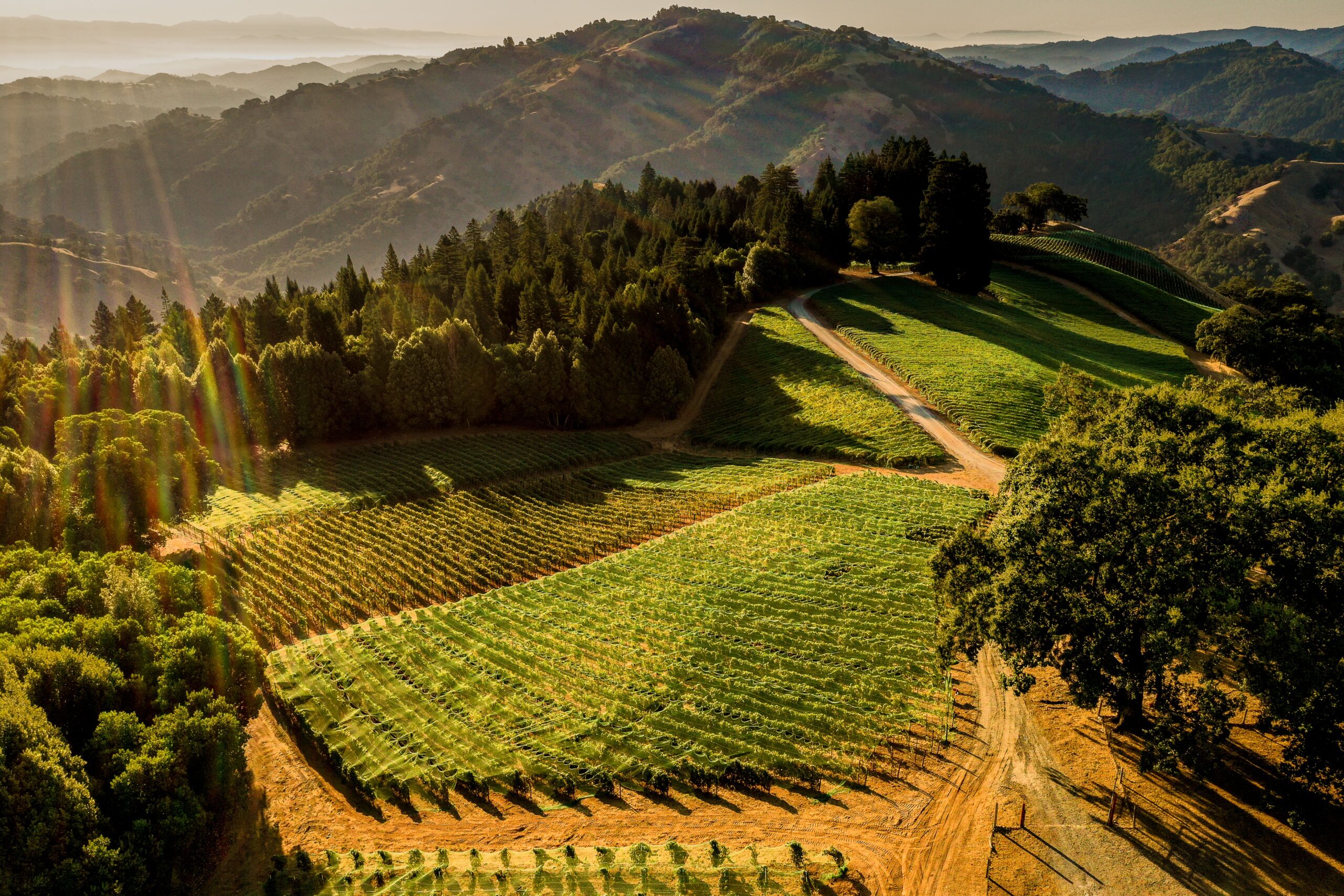
Centennial Mountain Vineyard in northern Sonoma County. (Centennial Mountain)
Harvey and his team planted the Centennial Mountain vineyard in 2013 on a remote site in northern Sonoma County, 15 miles from the Pacific Ocean. The 26-acre mountain vineyard includes dozens of small blocks planted to Nebbiolo, Carricante and Nerello Mascalese, plus smaller amounts of Zinfandel, Carignan, Primitivo and Barbera.
Originally called Aeris (“air” in Latin), the Italian-focused label launched in 2017 and was later renamed Centennial Mountain. Annual production is about 2,000 cases.
The vibe
The winery opened its downtown Healdsburg tasting room in 2022. The decor combines contemporary and industrial design, sporting metal beams, a wooden bar and clubby Cognac-hued leather seating. A couple of large television screens show dramatic aerial images of the Centennial Mountain vineyard (or, on big game days, the World Cup). The vibe is relaxed and casual.
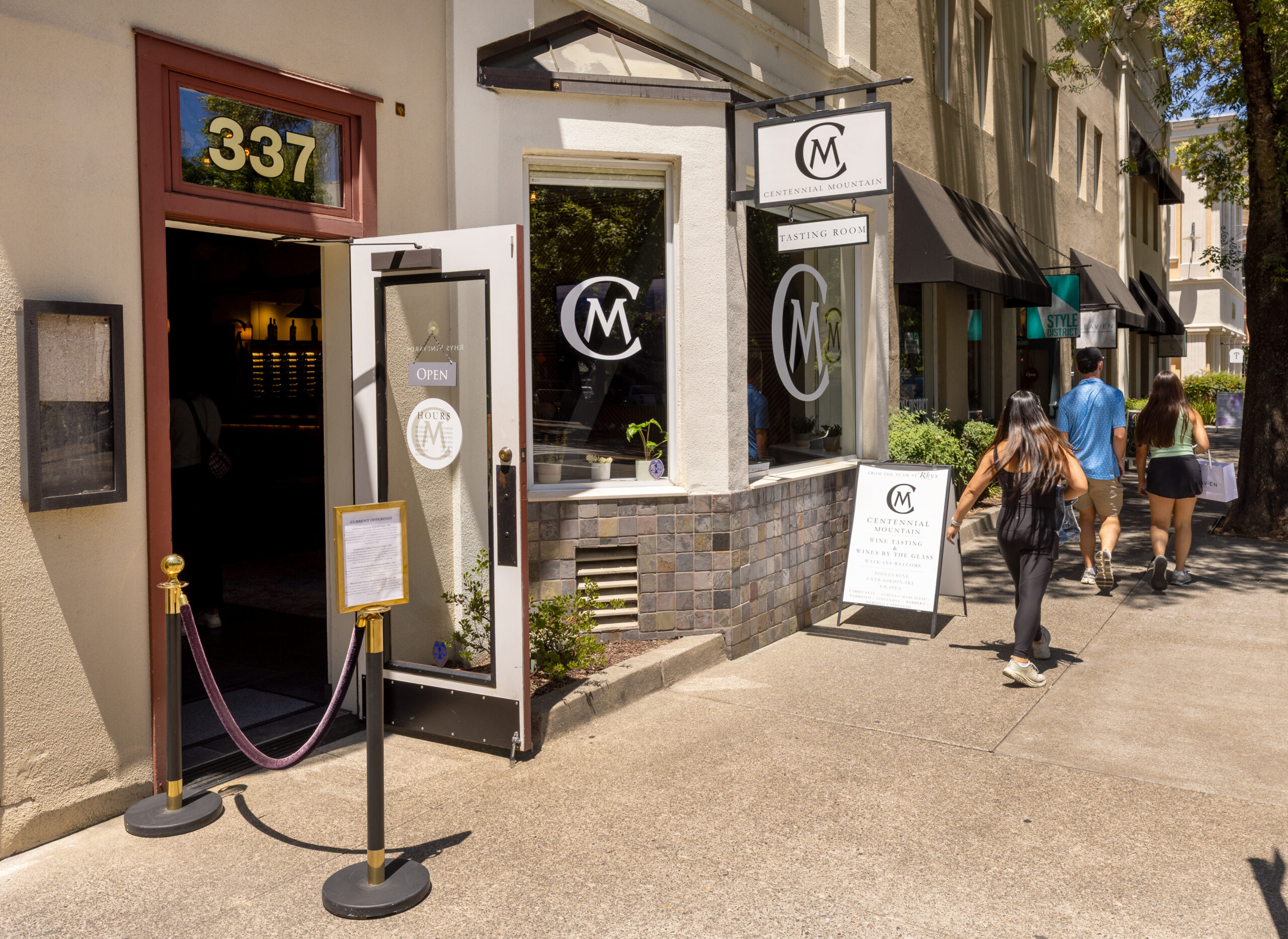
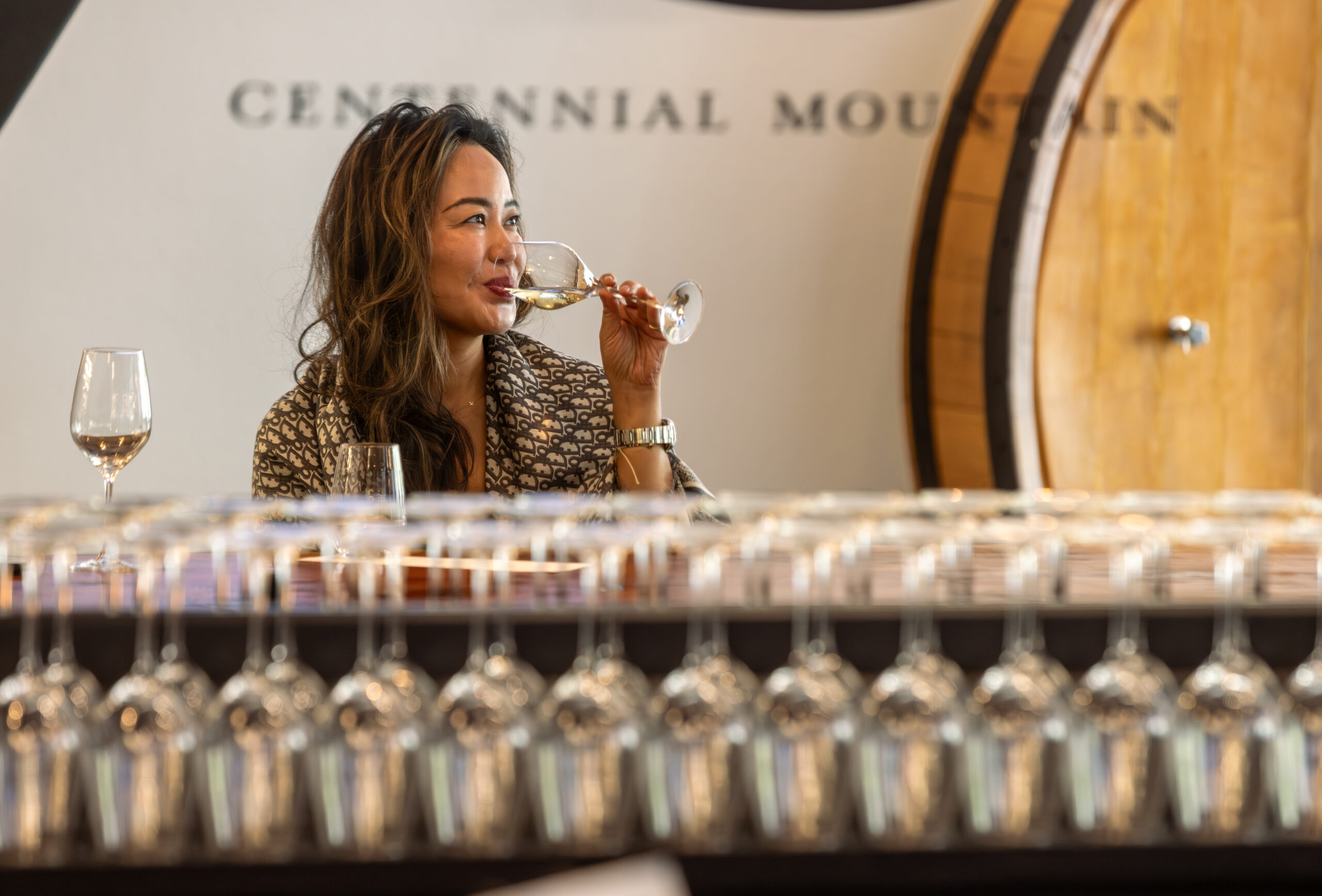
The Centennial Mountain tasting room, Friday, July 13, 2026 just off the square in Healdsburg. (John Burgess/The Press Democrat)Denise Bee tastes a Carricante Italian varietal while visiting from Hong Kong with her family at the Centennial Mountain tasting room, Friday, July 13, 2026 in Healdsburg. (John Burgess/The Press Democrat)
On the palate
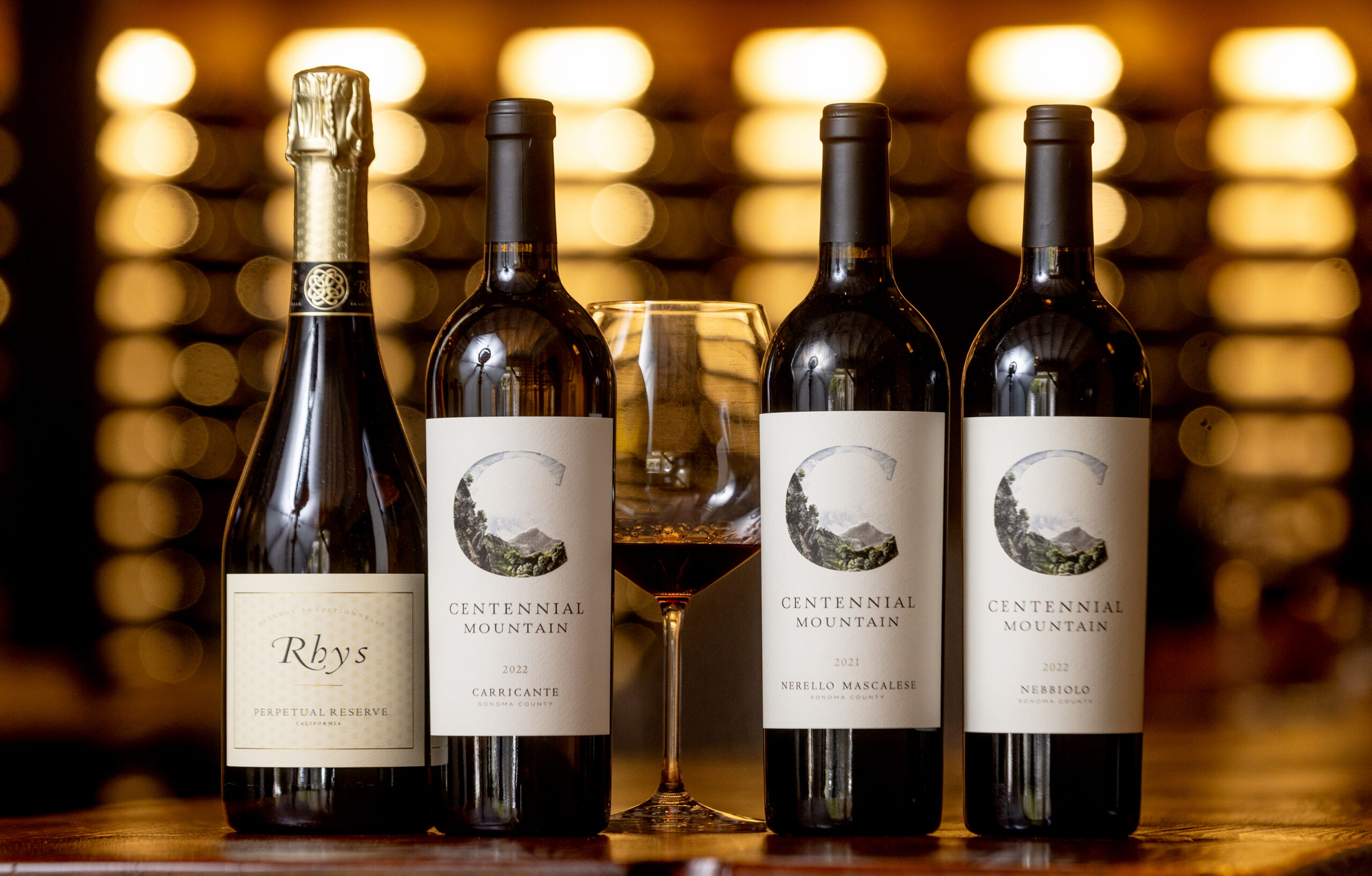
Centennial Mountain wines are mineral-driven, with savory character and solid structure. The winery’s Carricante is said to be California’s first (and perhaps only) planting of the Sicilian white grape, and the wine is a must-try.
The 2022 Sonoma County Carricante ($49) is an energetic and intense wine with a lightly floral aroma and flavors of citrus and fresh herbs. Similar to Pinot Noir, the 2021 Nerello Mascalese ($59) has a spicy aroma, along with a silky texture, moderate tannins and red-berry flavors. Especially impressive is the 2022 Sonoma County Nebbiolo ($79), a juicy and delicious rendition that draws you in with floral and berry notes, and displays expert balance between tannic structure and acidity.
Centennial Mountain Italian varietals and the Rhys Perpetual Reserve sparkling wine Friday, July 13, 2026 in Healdsburg. (John Burgess/The Press Democrat)The wine and sushi pairing experience at the Centennial Mountain tasting room, Friday, July 13, 2026 in Healdsburg. (John Burgess/The Press Democrat)
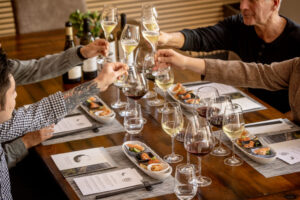
The winery offers multiple tasting options, including a Summer Whites sampling ($30) and a flight that combines Centennial Mountain and Rhys wines ($45). I opted for the Wine & Sushi Pairing ($65), which matches Centennial Mountain and Rhys wines with savory bites like spicy tuna tartare and seafood sunomono salad from Asahi Sushi & Kitchen next door. Tasting add-ons include an artisan salumi board from Journeyman Meat Company ($40) and honey from the Rhys estate with baguette slices ($5).
Beyond the bottle
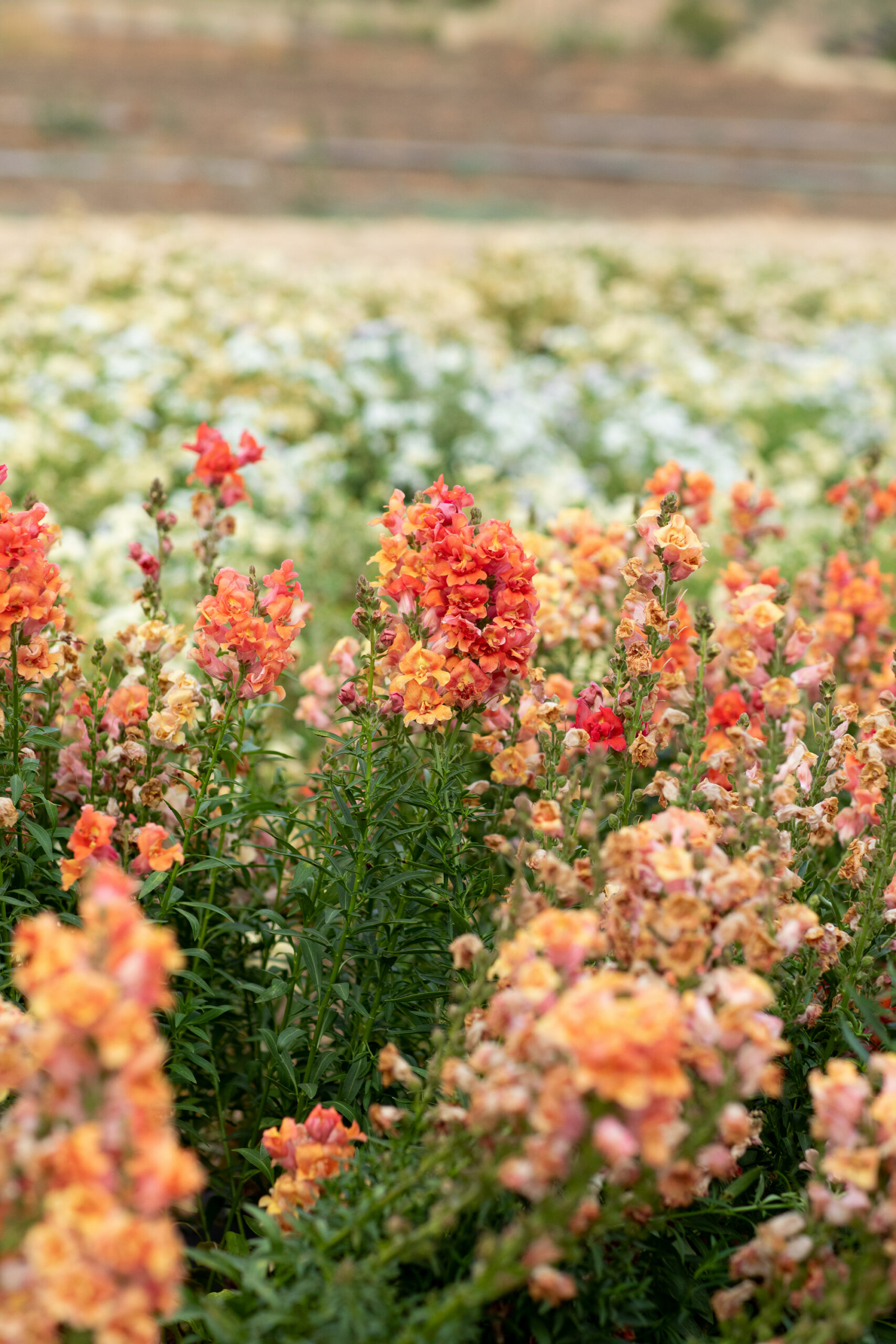
Flowers at Front Porch Farm in Healdsburg. (Eileen Roche)
Healdsburg’s Front Porch Farm, a staple at local farmers markets for fresh-cut flowers and organic produce, is also home to Flower Porch. Set on the organic farm, the design studio regularly offers workshops on floral arranging, watercolor painting, fabric printing and more. See Front Porch Farm’s calendar for U-pick days and harvest your own bounty of flowers, veggies and fruits.
Centennial Mountain is open from 11 a.m. to 5 p.m. Wednesday through Sunday. 337 Healdsburg Ave., Healdsburg, cmvineyard.com
Tina Caputo is a wine, food, and travel writer whose work has appeared in numerous publications, including SevenFifty Daily, Visit California, HuffPost, and Sonoma magazine. Follow Tina on Bluesky @winebroad and view her website at tinacaputo.com.
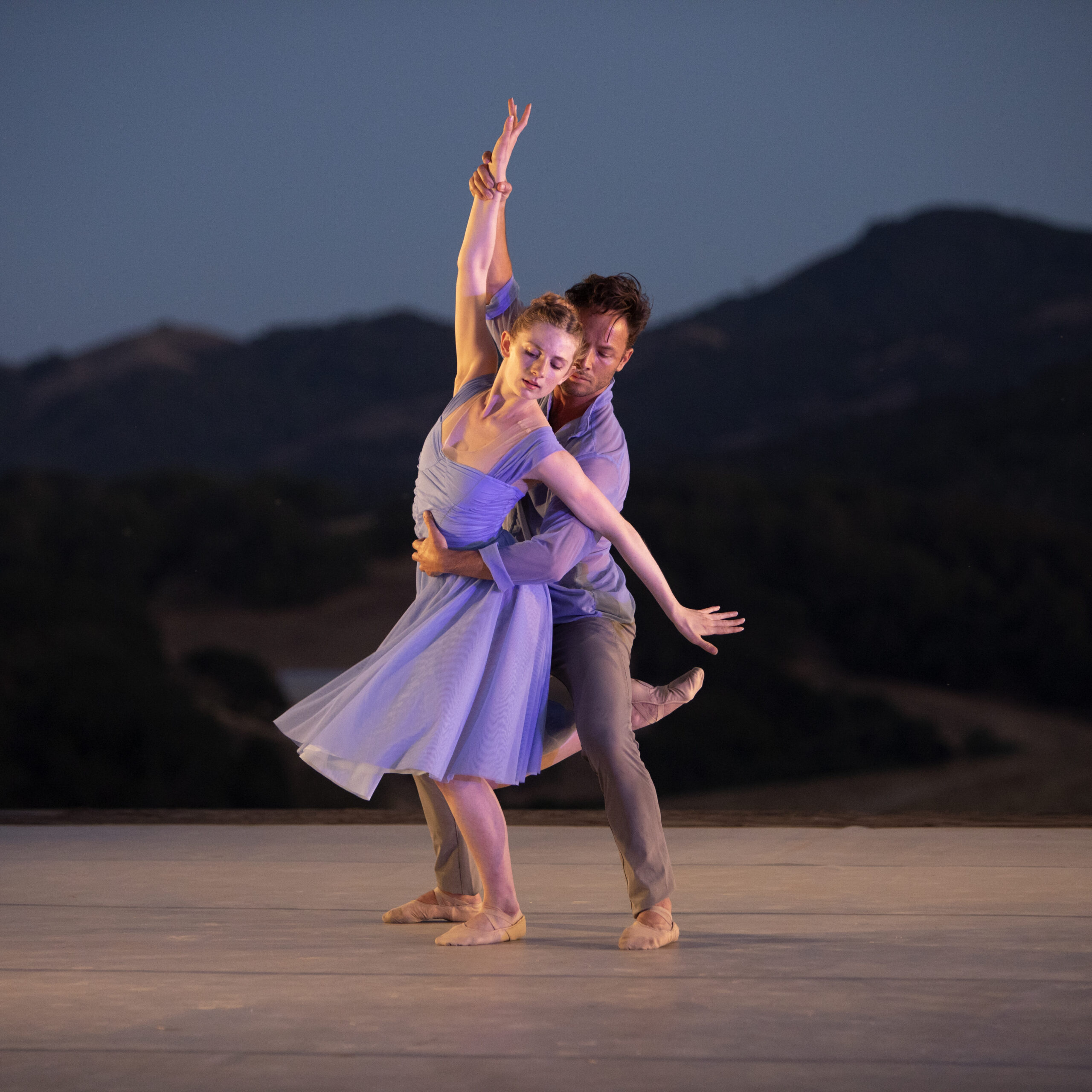
The JAD Experience will present a ballet performance at Tara Firma Farms in Petaluma in July. (Sandy Lee)
Tara Firma Farms in Petaluma will host a singular, midsummer night’s experience featuring world-class ballet and farm-to-table cuisine as the JAD Experience presents LUNAE for a six-night run this July.
Co-founded by dancer and choreographer Julia Adam and Aaron Lucich of Tara Firma Farms, the intimate event, limited to 100 guests each evening, is meant to foster connection to art, nature, and one another.
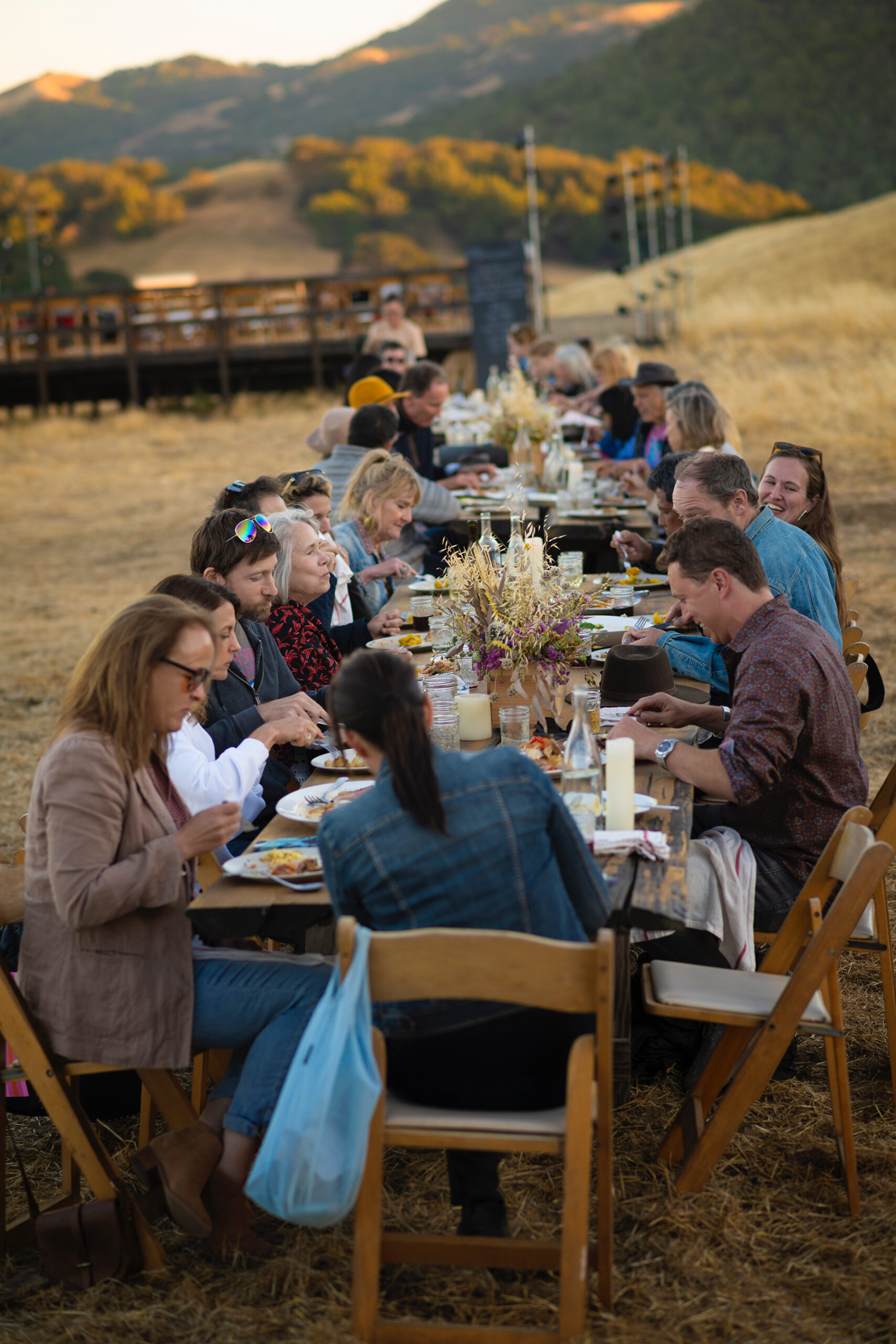
The evening begins with cocktails that usher in the golden hour, punctuated by the farm’s sweeping pastoral views. Following is a long-table dinner featuring ingredients from Tara Firma and nearby farms from the team at Petaluma’s Pearl restaurant.
The JAD Experience will present a ballet performance at Tara Firma Farms in Petaluma this July, which will include a dinner from Pearl restaurant. (Sandy Lee)The JAD Experience will present a ballet performance at Petaluma’s Tara Firma Farms this July. (Sandy Lee)
As dusk falls, the ballet begins on an open-air stage with choreography inspired by the year’s 13 lunar cycles performed by top dancers from around the country. Cuddle up with a cup of hot chocolate under one of the cozy provided blankets for a truly star-studded evening.
Performances from 5:30-10 p.m., July 17-19 and 24-26. $200-$350.
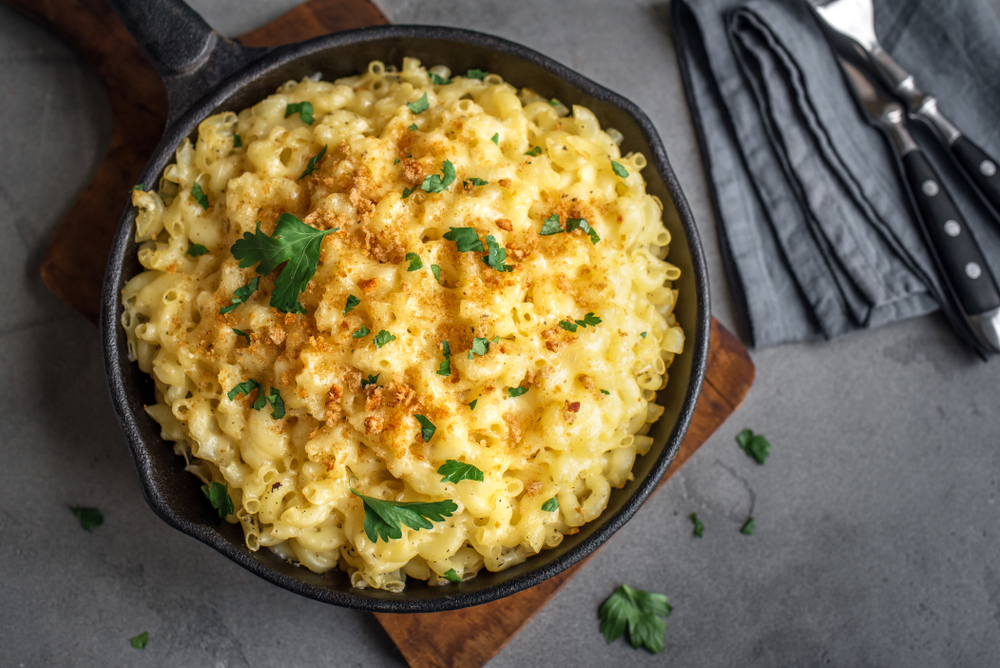
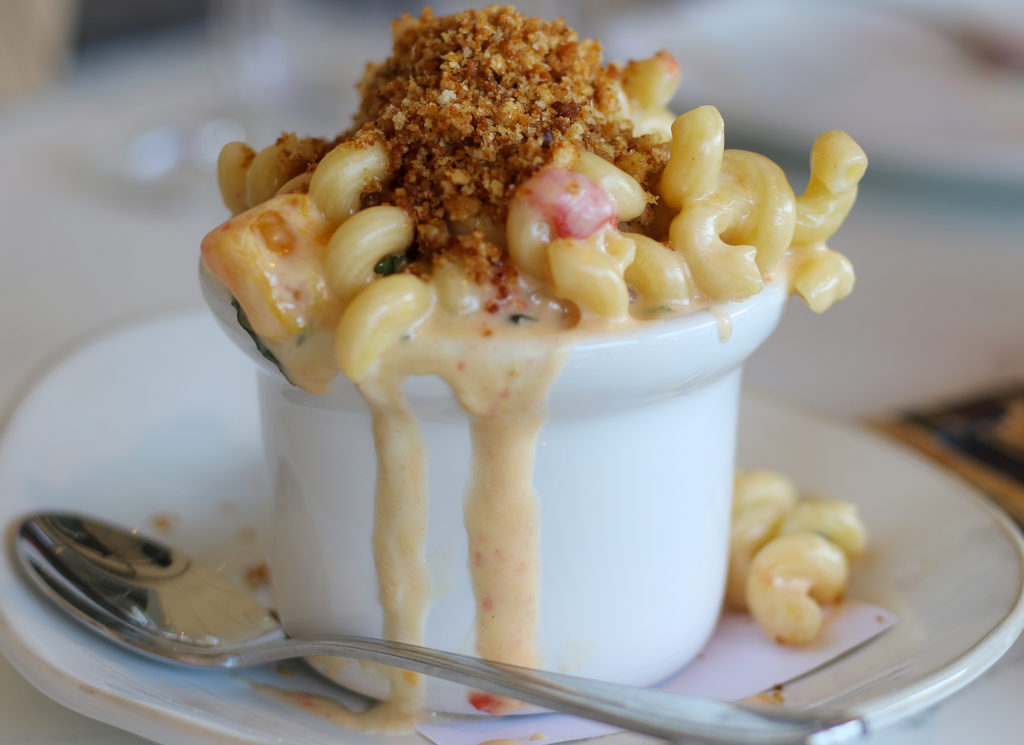
Macaroni and cheese was introduced to the United States in the 1800s, and has since become a staple comfort food for Americans. (Oksana Mizina / Shutterstock)
As with many beloved pasta dishes, macaroni and cheese traces its roots to Italy. A recipe in the 13th-century cookbook “Liber de Coquina” describes de lasanis: squares of pasta boiled in water and layered with grated cheese, likely Parmesan. Variations of the dish spread throughout Europe before making their way to the United States in the early 19th century.
One of the people responsible for introducing it to American diners was James Hemings, the enslaved chef of President Thomas Jefferson. In 1784, Hemings traveled with Jefferson to France, where he trained in French cuisine, becoming the first American known to receive formal culinary training there. During the trip, Jefferson developed a taste for macaroni and cheese, and Hemings later recreated the dish with his own interpretation. Jefferson favored Hemings’ version, serving it at a White House state dinner in the early 1800s.
After its debut among the nation’s political elite, macaroni and cheese gradually gained wider popularity. Its place in the American kitchen was cemented in 1937, when Kraft Foods introduced its boxed Macaroni & Cheese Dinner, making the dish inexpensive, convenient and accessible to households across the country.
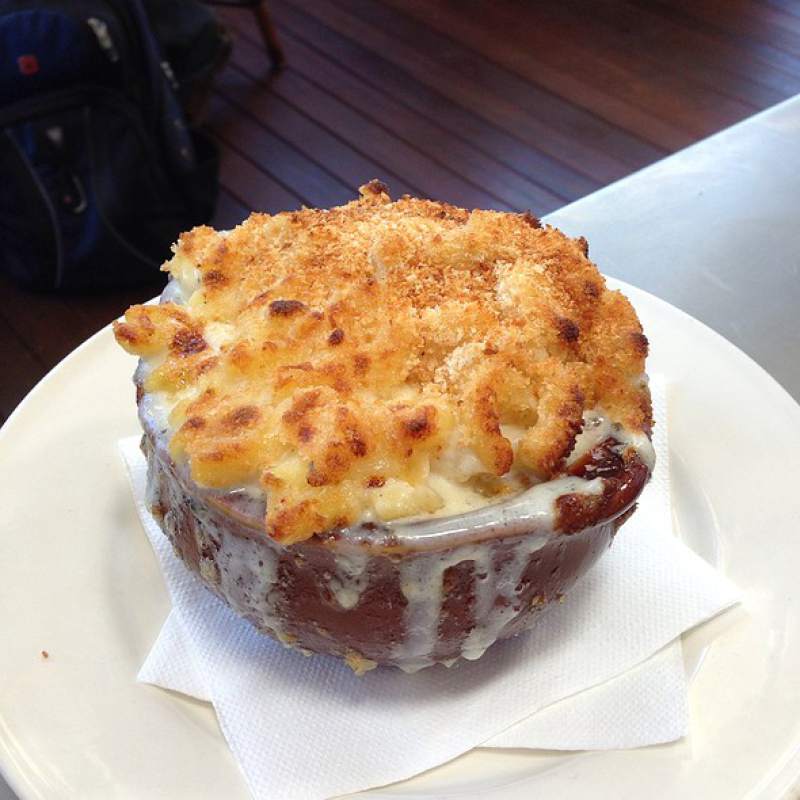
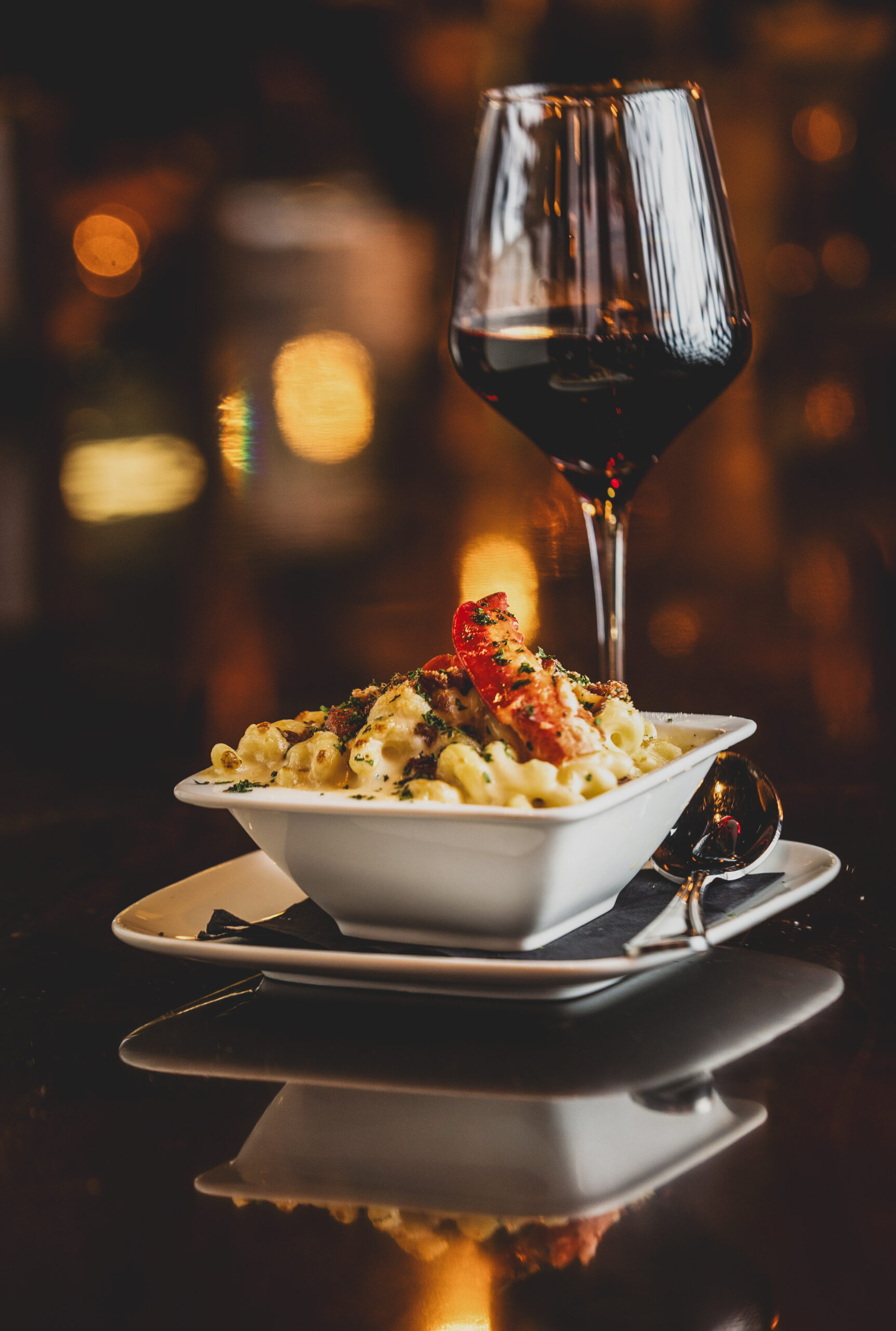
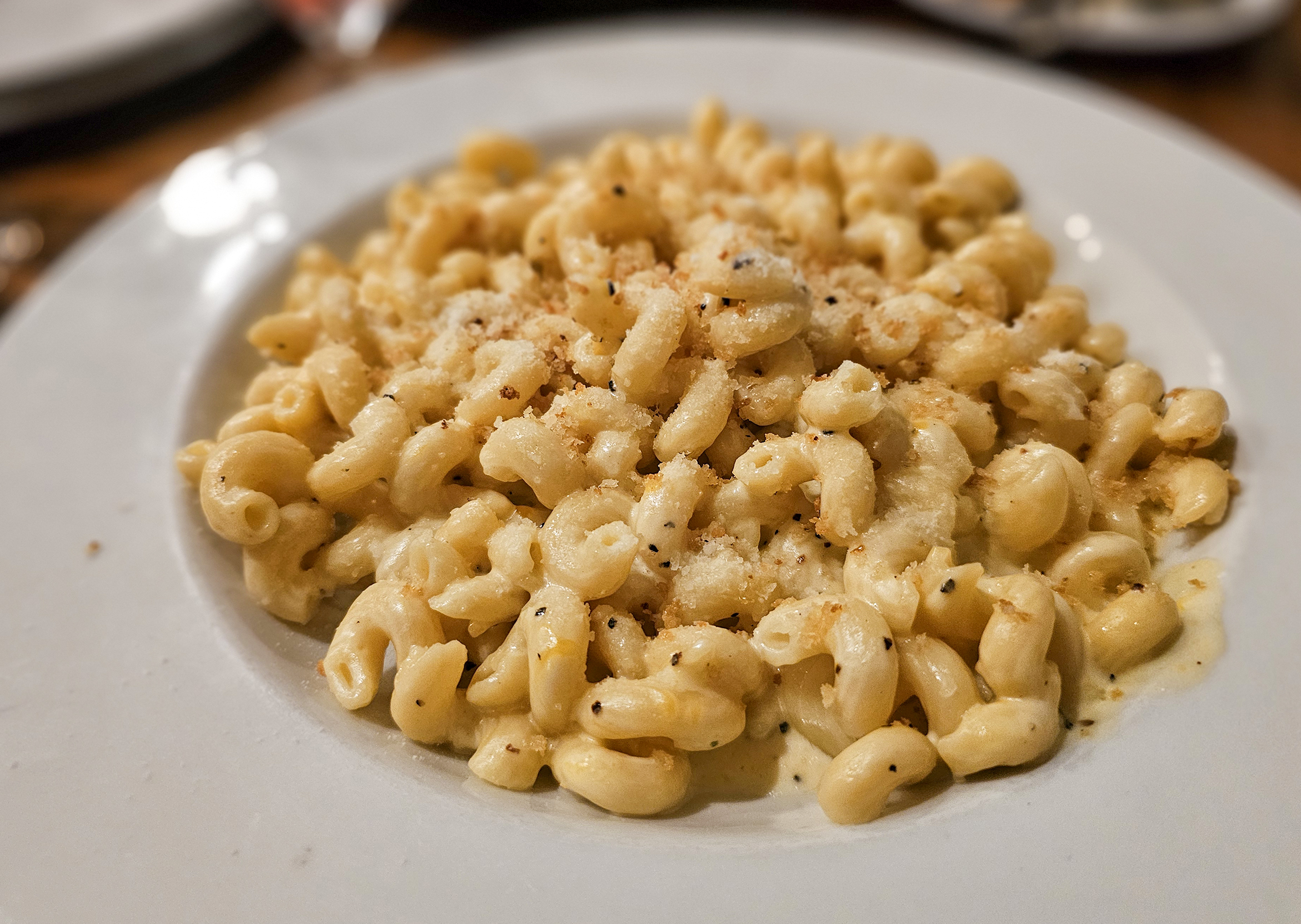
Today, macaroni and cheese appears in countless variations, from classic baked casseroles to versions loaded with barbecue, seafood, vegetables and truffles. Here are 18 Sonoma County restaurants serving their own takes on the comfort-food favorite.
Macaroni and cheese was introduced to the United States in the 1800s, and has since become a staple comfort food for Americans. (Oksana Mizina / Shutterstock)
Check here for our dining editor’s top cheesy picks.
Sonoma County-wide
Legacy BBQ
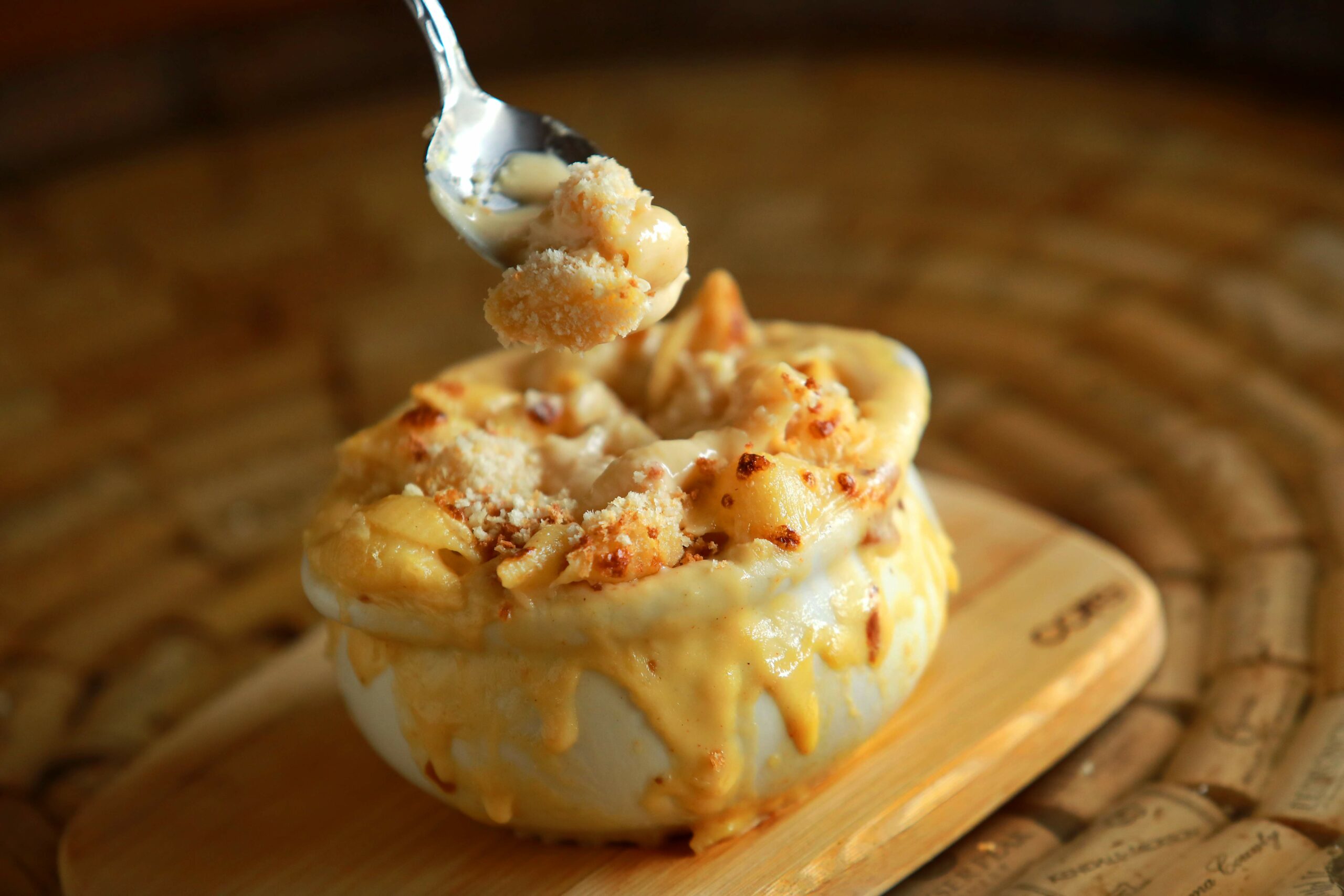
Mac and Cheese, price varies: Baked macaroni with sharp cheddar and Monterey Jack cheeses, Cajun seasoning and a dash of Louisiana hot sauce, finished with breadcrumbs. Add bits of barbecued brisket for extra richness. Available for catering and pop-up events. legacybbqsoco.com
Santa Rosa
Jackson’s Bar and Oven
Mac & Cheese, $18: Gruyère macaroni and cheese topped with toasted bacon breadcrumbs. 135 Fourth St., Santa Rosa, 707-545-6900, jacksonsbarandoven.com
Stark’s Steak and Seafood
Four Cheese Mac with Dijon, $16: A creamy four-cheese macaroni infused with Dijon mustard. Black Truffle & Goat Cheese Mac, $20: Black truffle and goat cheese add earthy, tangy notes, finished with fresh chives. 521 Adams St., Santa Rosa, 707-546-5100, starkssteakhouse.com
Lobster mac and cheese at Willi’s Wine Bar in Santa Rosa. Willi’s now has a spring mac and cheese. (Heather Irwin / Sonoma Magazine, file)
Willie’s Wine Bar
English Pea Mac & Cheese, $19: Sweet English peas, pancetta, green garlic and pecorino brighten this version. 1415 Town and Country Drive, Santa Rosa, 707-526-3096, williswinebar.net
Kenwood
Salt & Stone
Truffle Mac & Cheese, $16: A four-cheese sauce made with Grana Padano, Gouda, Queso Ibérico and white cheddar, topped with toasted breadcrumbs. 9900 Sonoma Highway, Kenwood, 707-833-6326, saltstonekenwood.com
Underwood Bar & Bistro in Graton serves up a delicious mac and cheese with pancetta and topped with breadcrumbs. (Foodspotting, file)
Graton
Underwood Bar & Bistro
Macaroni & Cheese, $12.50: Rich, bubbling macaroni and cheese finished with toasted breadcrumbs. Add pancetta for $3. 9113 Graton Road, Graton, 707-823-7023, underwoodgraton.com
Petaluma
Seared
Lobster Mac & Cheese, $25: Chunks of lobster, bacon, English peas, Parmesan and Valley Ford Highway 1 fondue, finished with chives. 170 Petaluma Blvd. N., Petaluma, 707-762-5997, petalumaseared.com
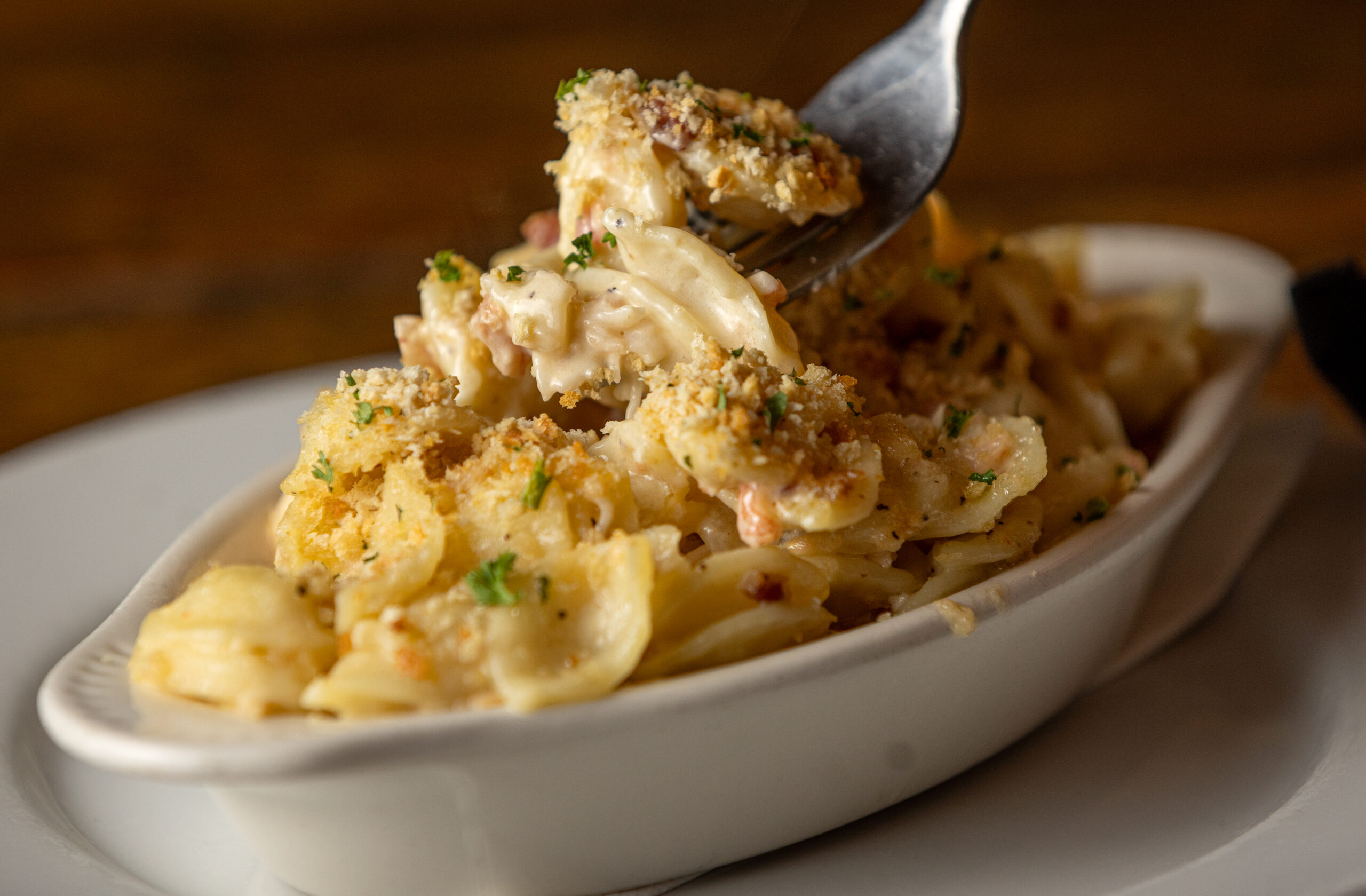
Lobster Mac n’ Cheese at Seared in Petaluma Thursday, June 18, 2026. (Beth Schlanker / The Press Democrat)Lobster Mac & Cheese with crumbled bacon, lobster, cheddar and fontina cheese topped with herbed breadcrumbs from Speakeasy Friday, Feb. 7, 2025, in Petaluma. (John Burgess / The Press Democrat)
Speakeasy
Lobster Mac & Cheese, $18: Lobster, cheddar and fontina cheeses topped with crumbled bacon and herbed breadcrumbs. 139 Petaluma Blvd. N., Suite B, Petaluma, 707-776-4631, speakeasypetaluma.com
Brewsters Beer Garden
Mac & Cheese, $12: Gooey elbow macaroni baked in a cast-iron skillet and topped with thyme breadcrumbs. Add bacon for $8 or burnt ends for $9. 229 Water St. N., Petaluma, 707-981-8330, brewstersbeergarden.com
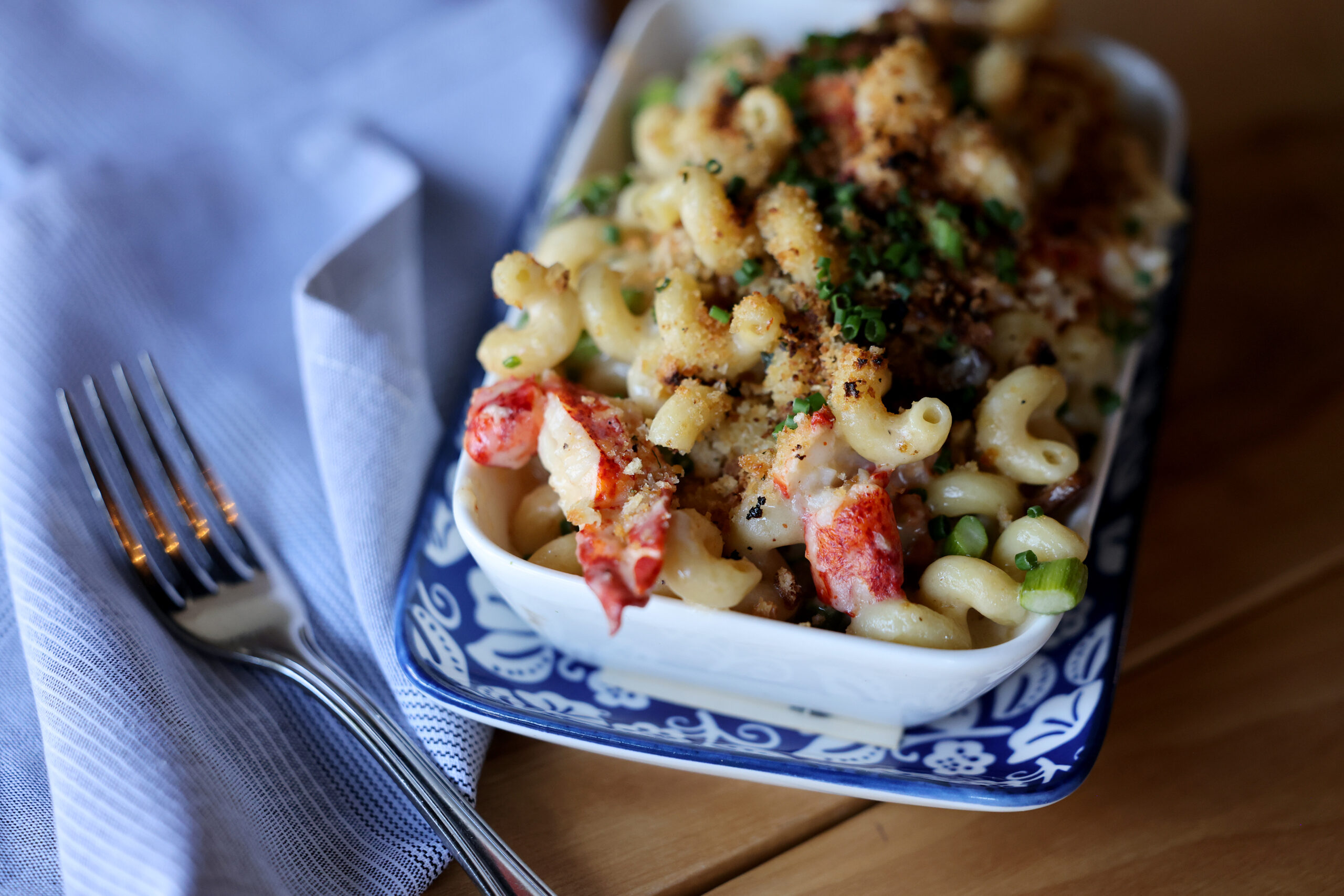
The Grove Lobster Mac with four cheese Mornay, cavatappi pasta, bread crumbs and bacon at the Grove Speakeasy Thursday, Oct. 9, 2025 in Penngrove. (John Burgess / The Press Democrat)
Penngrove
The Grove Speakeasy
Grove Mac,$16: Cavatappi in a four-cheese Mornay sauce with bacon and breadcrumbs. 10056 Main St., Penngrove, 707-664-5916, thegrovespeakeasy.com
Windsor
KIN Windsor
Mac-Daddy Pizza, $18 for 10-inch, $27 for 14-inch: Thick-crust pizza topped with red sauce, mozzarella, applewood-smoked bacon and the restaurant’s white cheddar macaroni and cheese. The mac is also available as an entrée for $21. Welcome to carb heaven. 740 McClelland Drive, Windsor, 707-837-7546, kinwindsor.com
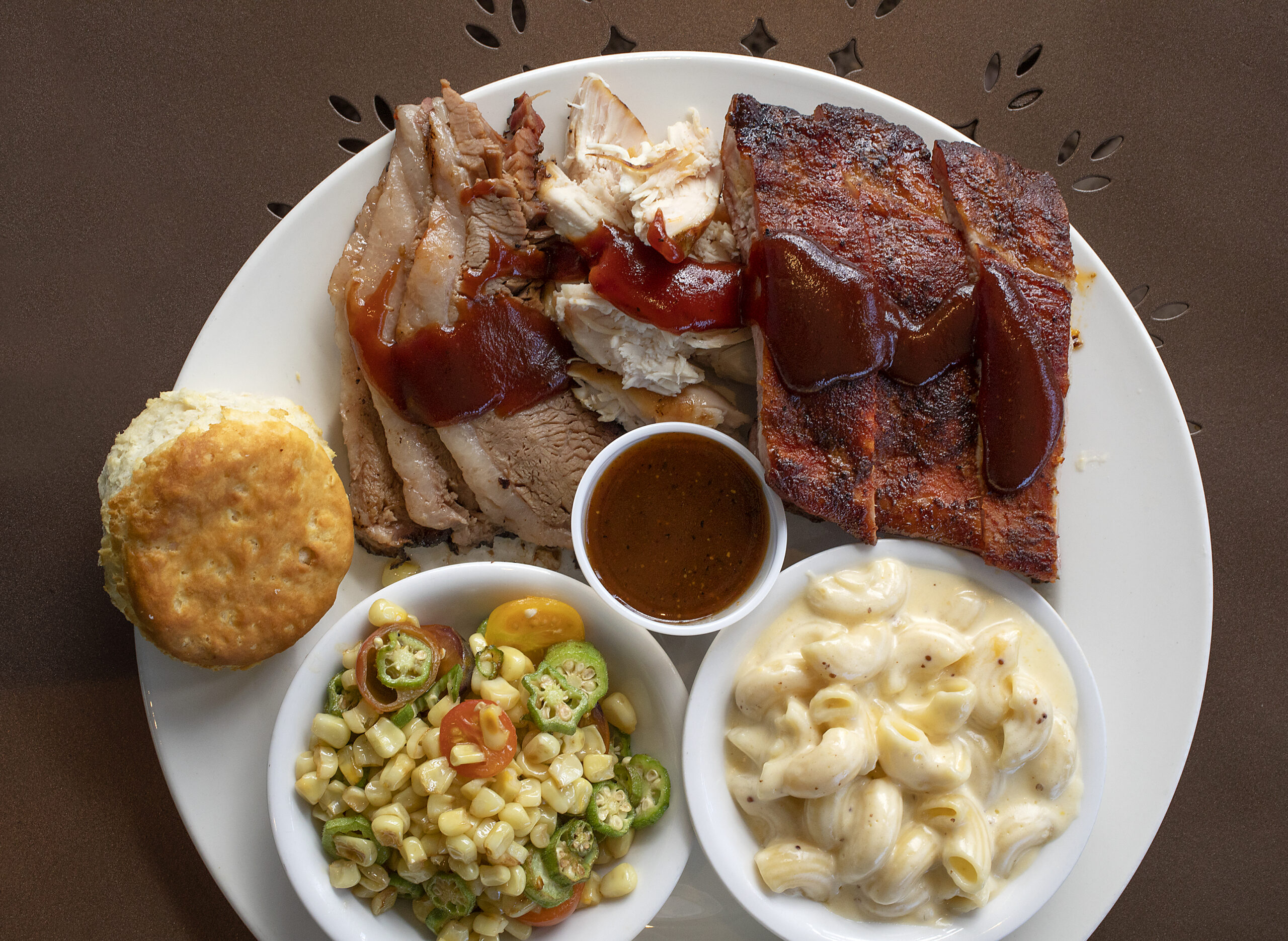
Mac and cheese at Kin Restaurant in Windsor. (Heather Irwin / The Press Democrat, file)Three-way Smoker Combo with ribs, chicken, brisket and sides of mac and cheese and an okra, corn and cherry tomato sauté from Sweet T’s Restaurant + Bar in Windsor. (John Burgess / The Press Democrat, file)
Sweet T’s Restaurant
Loaded Mac & Cheese, $24: Two-cheddar macaroni topped with breadcrumbs, bacon, jalapeños and barbecue sauce, with a choice of smoked brisket, pulled pork or pulled chicken. 9098 Brooks Road S., Windsor, 707-687-5185, sweettssouthern.com
Healdsburg
Kinsmoke
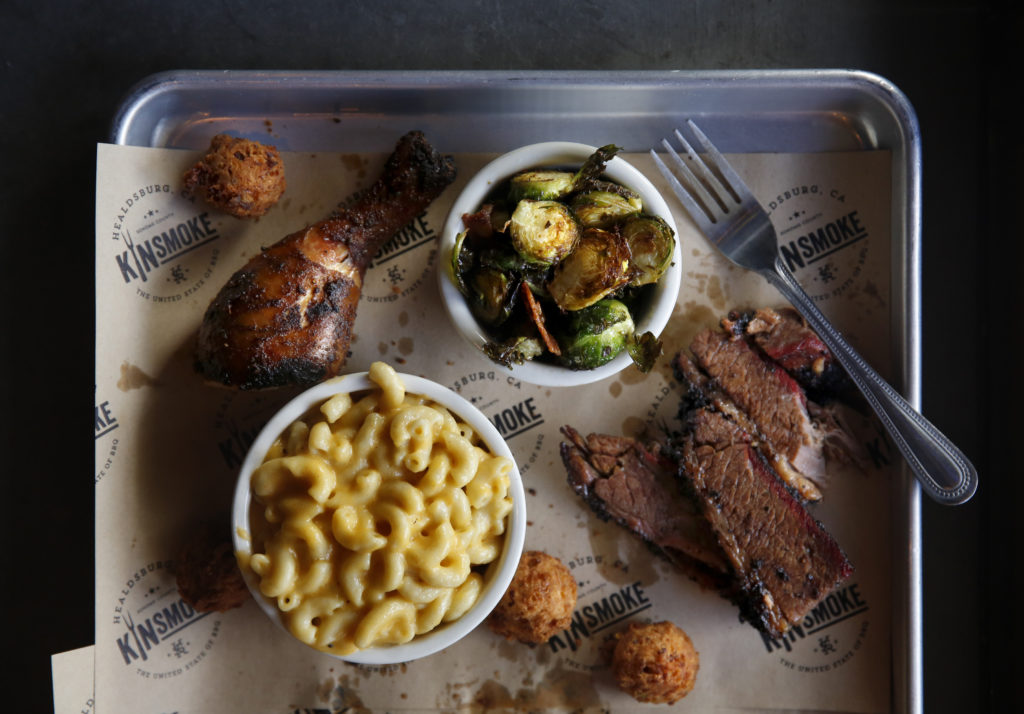
Mac & Cheese, $6.50 side: Creamy shell pasta served alongside barbecue favorites, including brisket and pulled pork. 304 Center St., Healdsburg, 707-473-8440, kinsmoke.com
Barbecue chicken, brisket, Brussels sprouts with bacon, macaroni and cheese, and hush puppies at Kinsmoke in Healdsburg. (Beth Schlanker / The Press Democrat, file)
West County and Coast
Boon Eat + Drink
Boon Mac-N-Cheese, $16: Mycopia mushrooms and truffle breadcrumbs add earthy depth. 16248 Main St., Guerneville, 707-869-0780, eatatboon.com
Saucy Mama’s Jook Joint
Mac & Cheese, $8: A creamy version made with four cheeses. 16632 Highway 116, Guerneville, 707-604-7184, saucymamasjookjoint.com
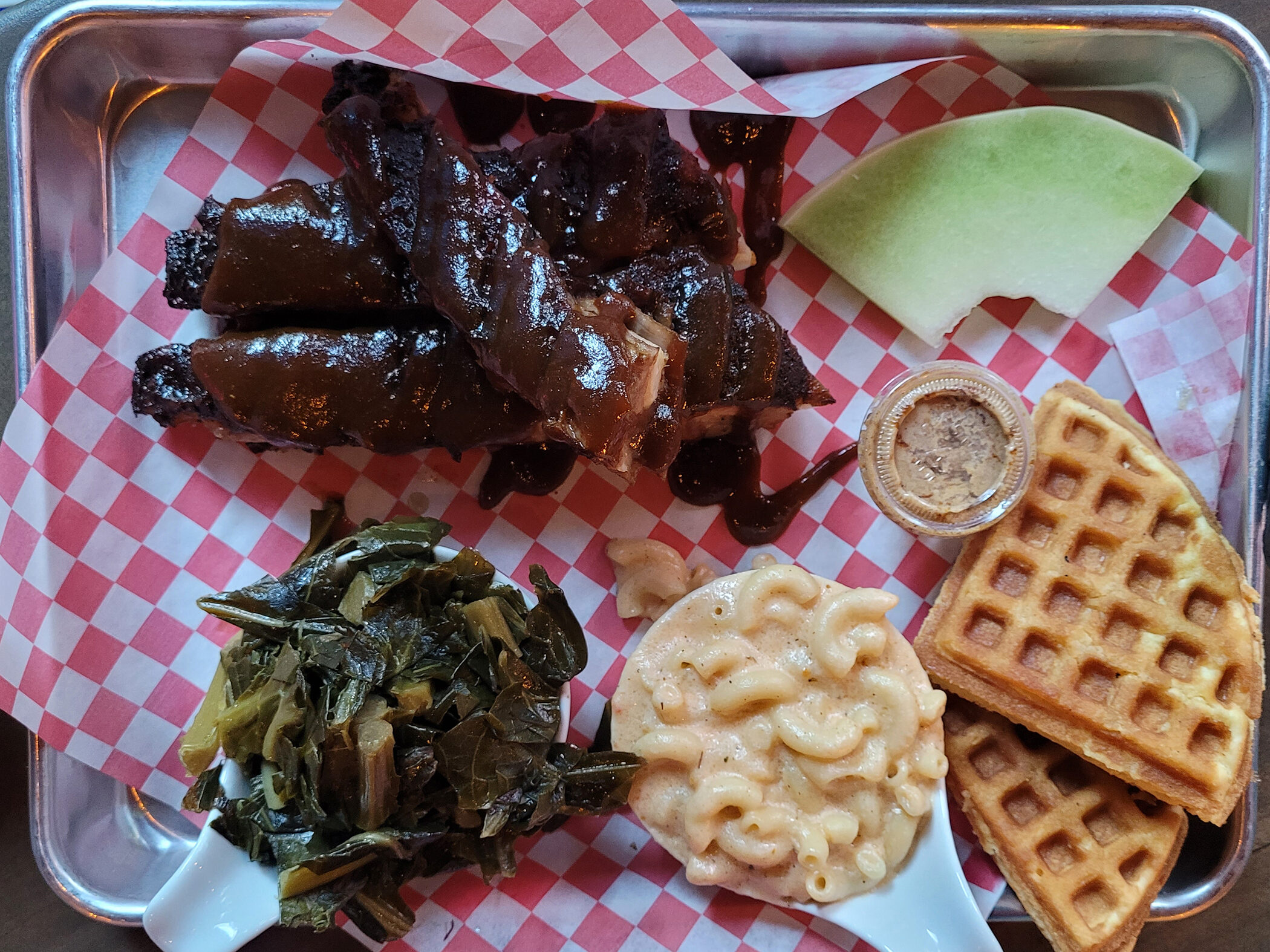
Barbecue Pork Rib platter with sides of melon, cornbread waffle, mac and cheese, and collard greens at Saucy Mama’s Jook Joint in Guerneville. (Heather Irwin / The Press Democrat, file)The Mac + Cheese with smoked Gouda and Monterey Jack cheeses topped with panko from Negri’s Italian Dinners and Joe’s Bar in Occidental. (John Burgess / The Press Democrat, file)
Negri’s
Mac + Cheese, $13.50: Smoked Gouda and Monterey Jack topped with breadcrumbs. Add pancetta for $4. 3700 Bohemian Highway, Occidental, 707-874-0301, negrisrestaurant.com
Valley Ford Cheese & Creamery
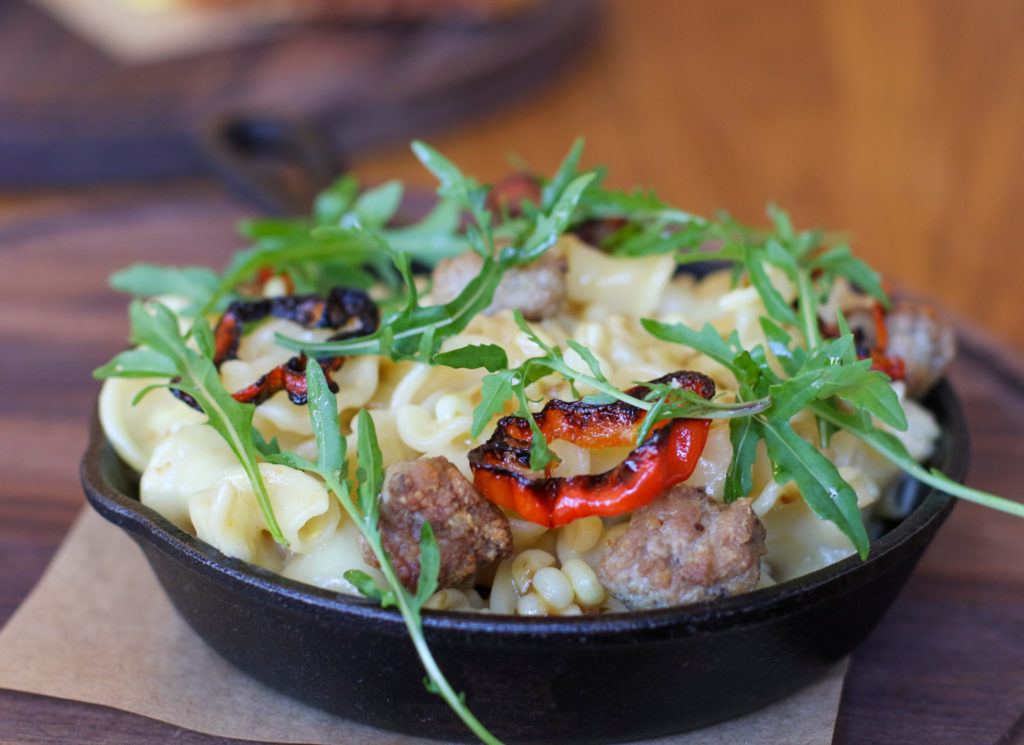
Mac & Cheese, price varies: Menu specials change regularly, but the mac often features cheeses such as Highway 1 and Estero Gold, with add-ons including sausage and peppers or flank steak and bok choy. 14390 Valley Ford Road, Valley Ford, 707-875-7073, valleyfordcheese.com
Mac and cheese at Valley Ford Cheese & Creamery. (Heather Irwin / The Press Democrat, file)Portuguese mac and cheese at Tasca Tasca in Sonoma. (Erik Castro / for The Press Democrat, file)
Sonoma
Tasca Tasca
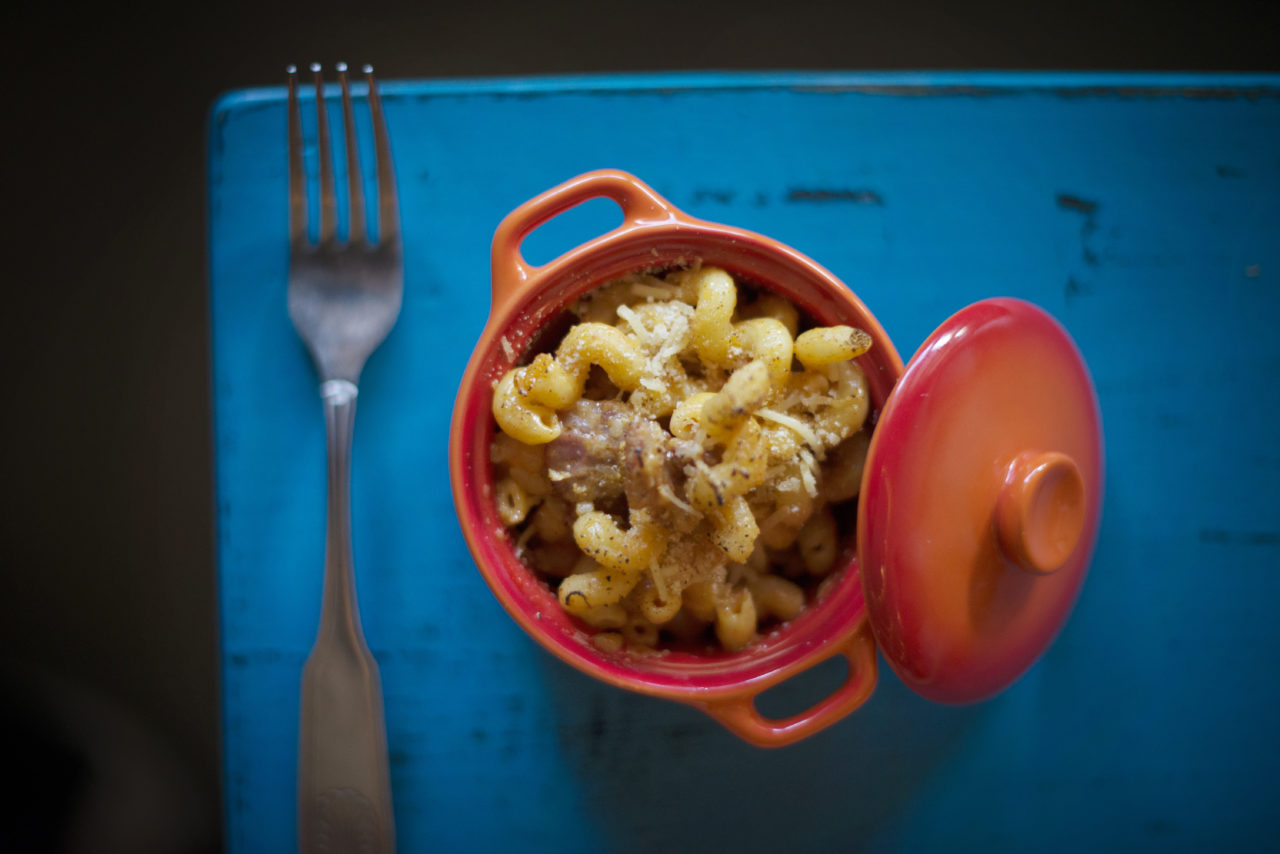
Mac & Cheese,price varies by tasting plates: Portuguese-style macaroni and cheese with smoky, mildly spicy linguica. 122 W. Napa St., Sonoma, 707-996-8272, tascatasca.com
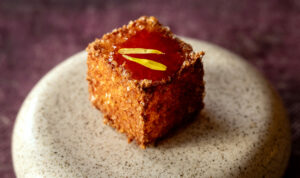
Dahlinho de Tapioca, fried bite with aged gouda, parmigiana and chili jam from the new prix fixe tasting menu at The Lodge at Dawn Ranch Thursday, September 4, 2025 in Guerneville. (John Burgess / The Press Democrat)
It’s not a snack, and it’s not a meal — it’s that one perfect bite that makes your eyes roll back and forget everything else for a few moments. Usually indulgent and always comforting, it’s the menu item you know you shouldn’t order, but always do anyway.
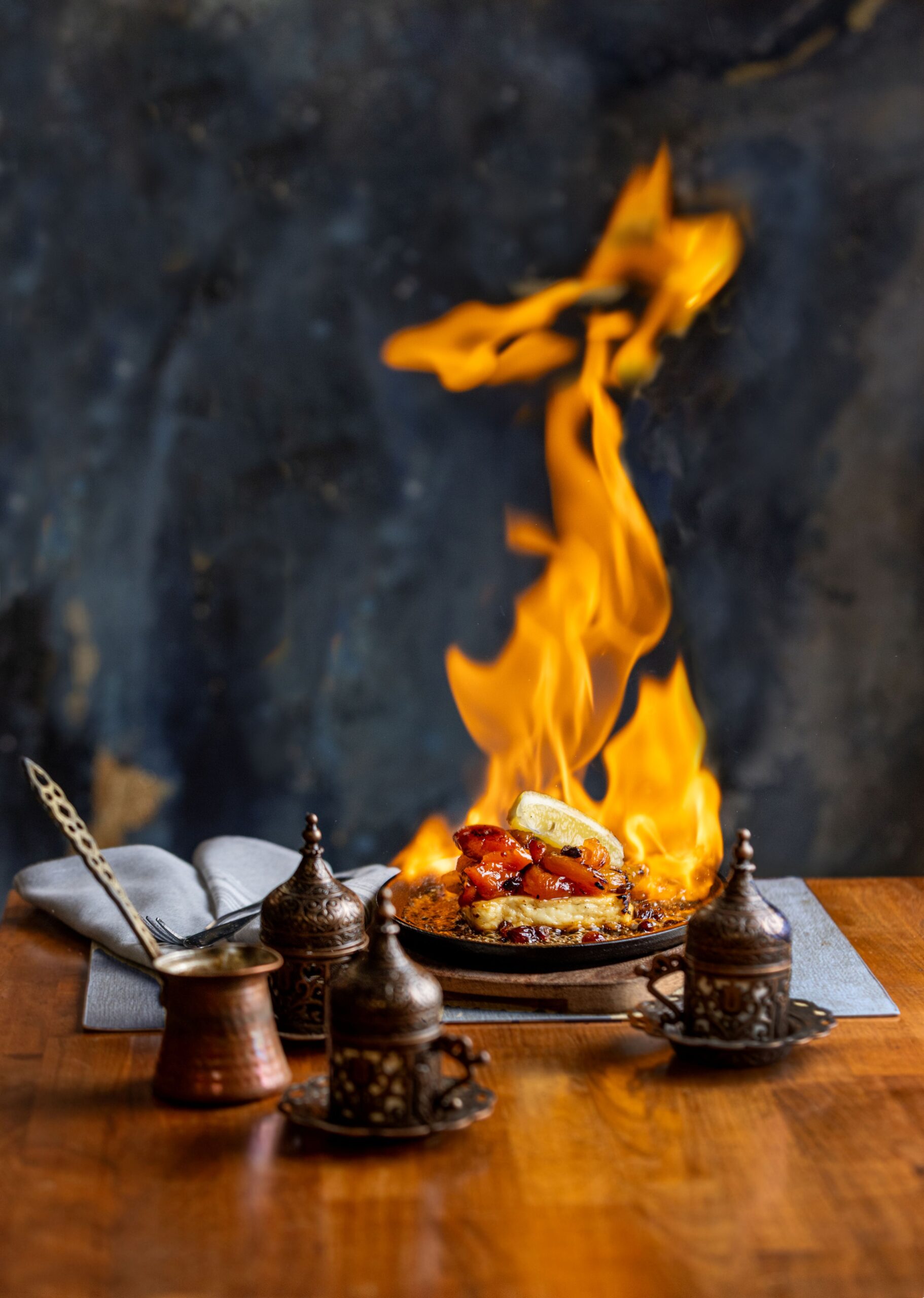
Saganaki Flambé with Cyprus halloumi cheese, citrus honey Chardonnay raisins, Turkish apricots served table side with a dramatic brandy flambé from Kalimera Bar & Grill Tuesday, April 7, 2026 in Santa Rosa. (John Burgess / The Press Democrat)
Saganaki Flambé, Kalimera
Salty Halloumi cheese is spectacular just simply grilled, but when it’s drenched in booze and lit on fire with a blast of heat that threatens eyebrows, it’s even better. Kalimera, in downtown Santa Rosa’s Brickyard Center, has a menu full of Greek drama but the saganaki — Cyprus cheese covered with honey, raisins, apricots, and brandy — is a scene stealer when it gets a tableside flambé. Opa! 458 B St., Santa Rosa. 707-308-4928, kalimerabarandgrill.com
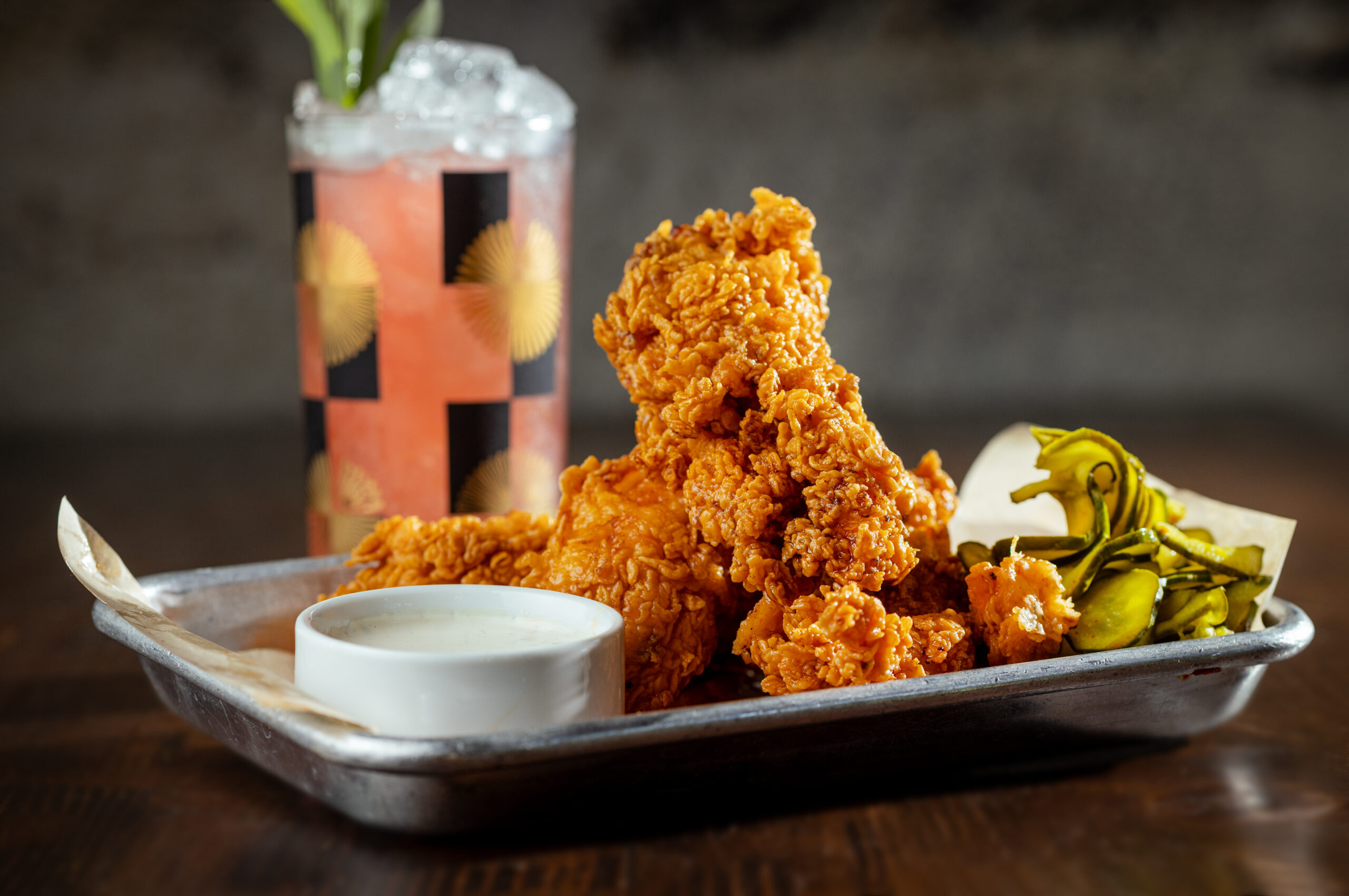
Chicken Tenders, Lo & Behold
Chef Sean Kelley’s “Almost Famous Chicken Tendies” are ready for their close-up. The chef-y version of this kid food classic, they’re the juiciest strips of crunchy, salty fried chicken ever. Dipped in homemade ranch with a side of pickles, they’re worthy of a standing ovation. 214 Healdsburg Ave., Healdsburg, 707-756-5021, loandbeholdca.com
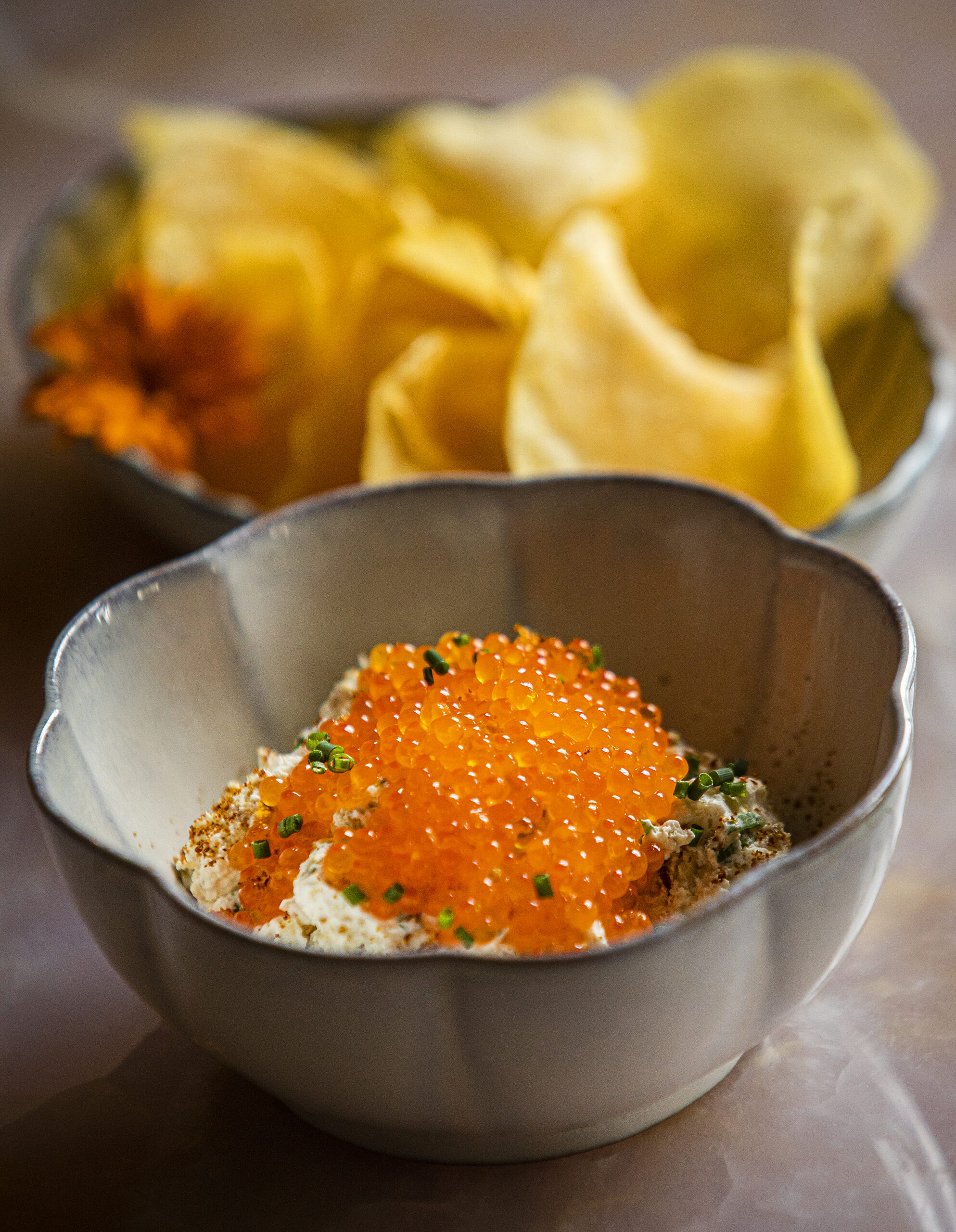
Almost Famous Chicken Tendies, hot or not, L&B ranch and mason’s pickles from Lo and Behold Bar and Kitchen Monday, March 30, 2026 in Healdsburg. (John Burgess / The Press Democrat)Caviar and onion dip with trout roe and warm potato chips from The Madrona in Healdsburg Friday, June 3, 2022. (John Burgess / The Press Democrat)
Caviar and Onion Dip, The Madrona
A little bit lawn party, a little bit frat party, this luxurious high-low dip makes the perfect cocktail bite on the tented patio of one of Healdsburg’s best kept secrets. Go for brunch, and wander through the garden, or a quick pre-dinner nosh at Hannah’s bar. 1001 Westside Road, Healdsburg. 707-395-6700, themadronahotel.com
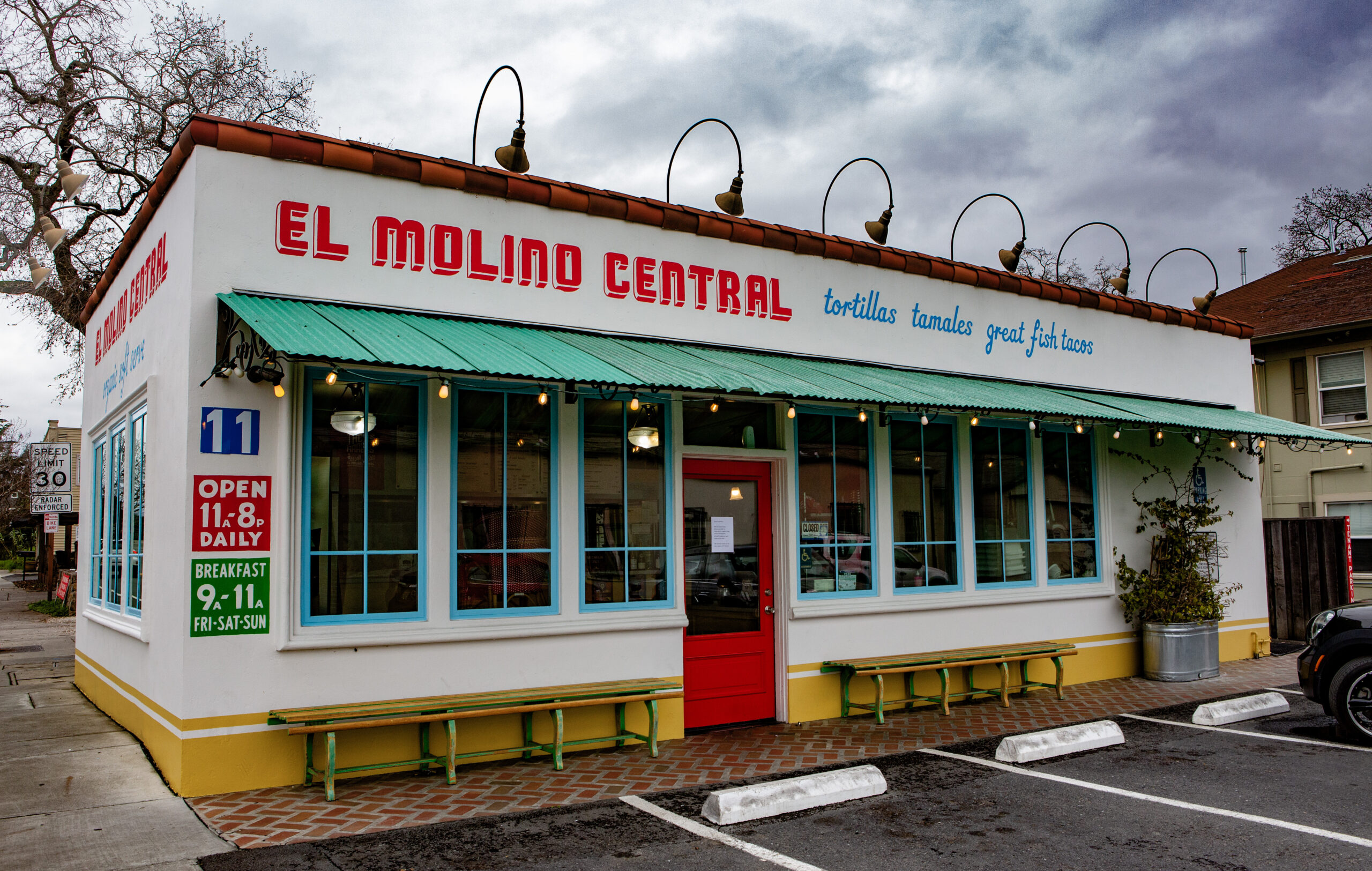
Fish Tacos, El Molino Central
Hand-ground masa and loving hands pressing fresh tortillas one by one are the key to El Molino’s cult-like following. But those in the know head straight for the puffy, beer-battered fish tacos with light breading, spicy arbol chile salsa, and lime crema to cool things down. Your future self will thank you for grabbing some tortillas and tamales for later. 11 Central Ave., Sonoma. 707-939-1010, elmolinocentral.com
El Molino Central on Highway 12 in Sonoma’s Boyes Hot Springs. Photo taken on Monday, Feb. 3, 2025. (Robbi Pengelly / The Sonoma Index-Tribune)Little Basket appetizer at Sea Thai Bistro in Santa Rosa. (Heather Irwin / Sonoma Magazine)
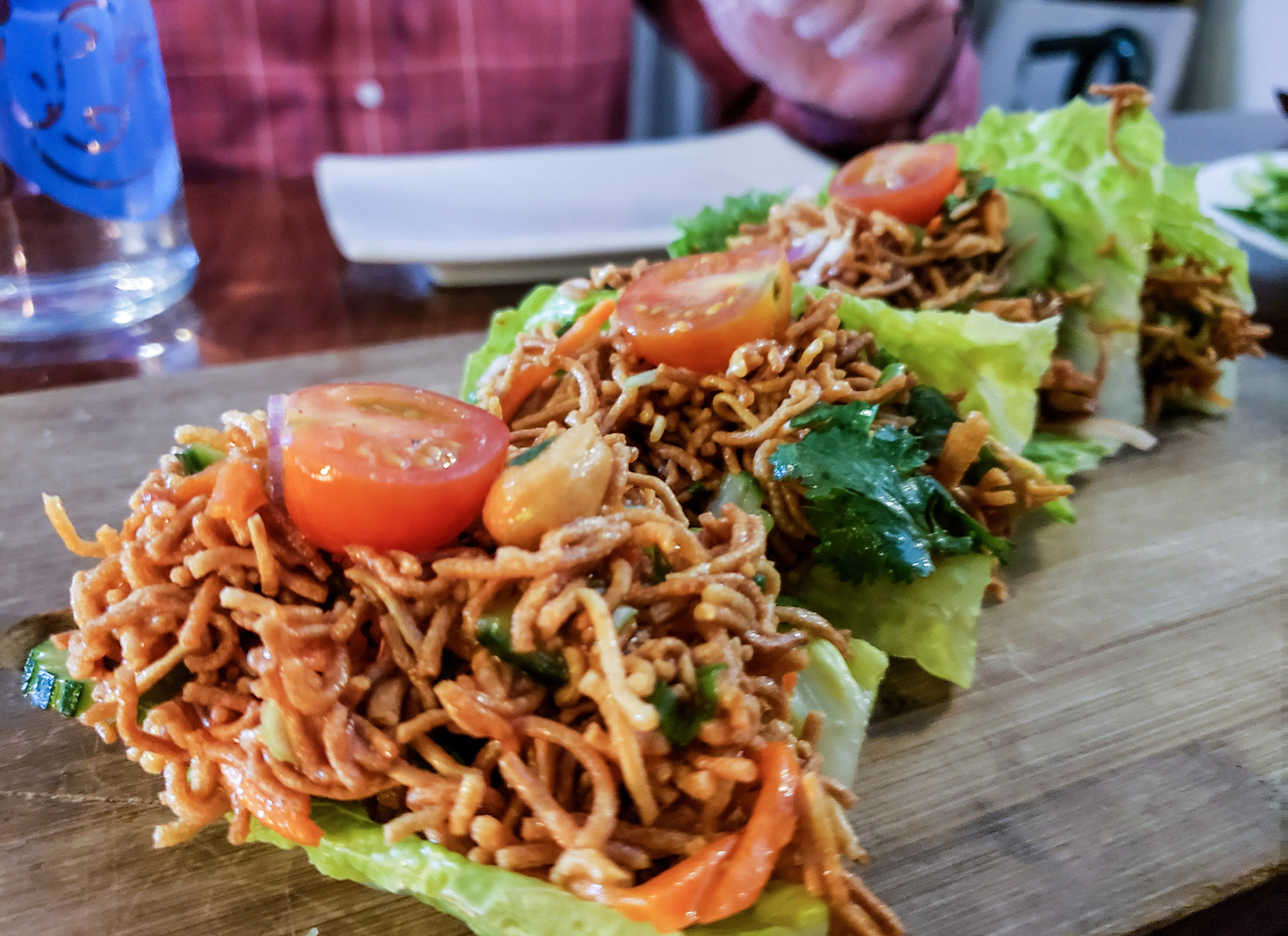
Little Baskets, Sea Thai Bistro
Though it reads a little plain on the menu, this cheeky appetizer for the table is made with a nest of flash-fried egg noodles, shredded carrot, crescents of crisp cucumber, cherry tomatoes, onion, cashew, and sweet chili vinaigrette wrapped in lettuce cups. Part salad, part hors d’oeuvres, it’s all about the holy Thai trinity of flavors: Sweet, sour, and savory. 2350 Midway Drive, Santa Rosa. 707-528-8333, seathaibistrobar.com
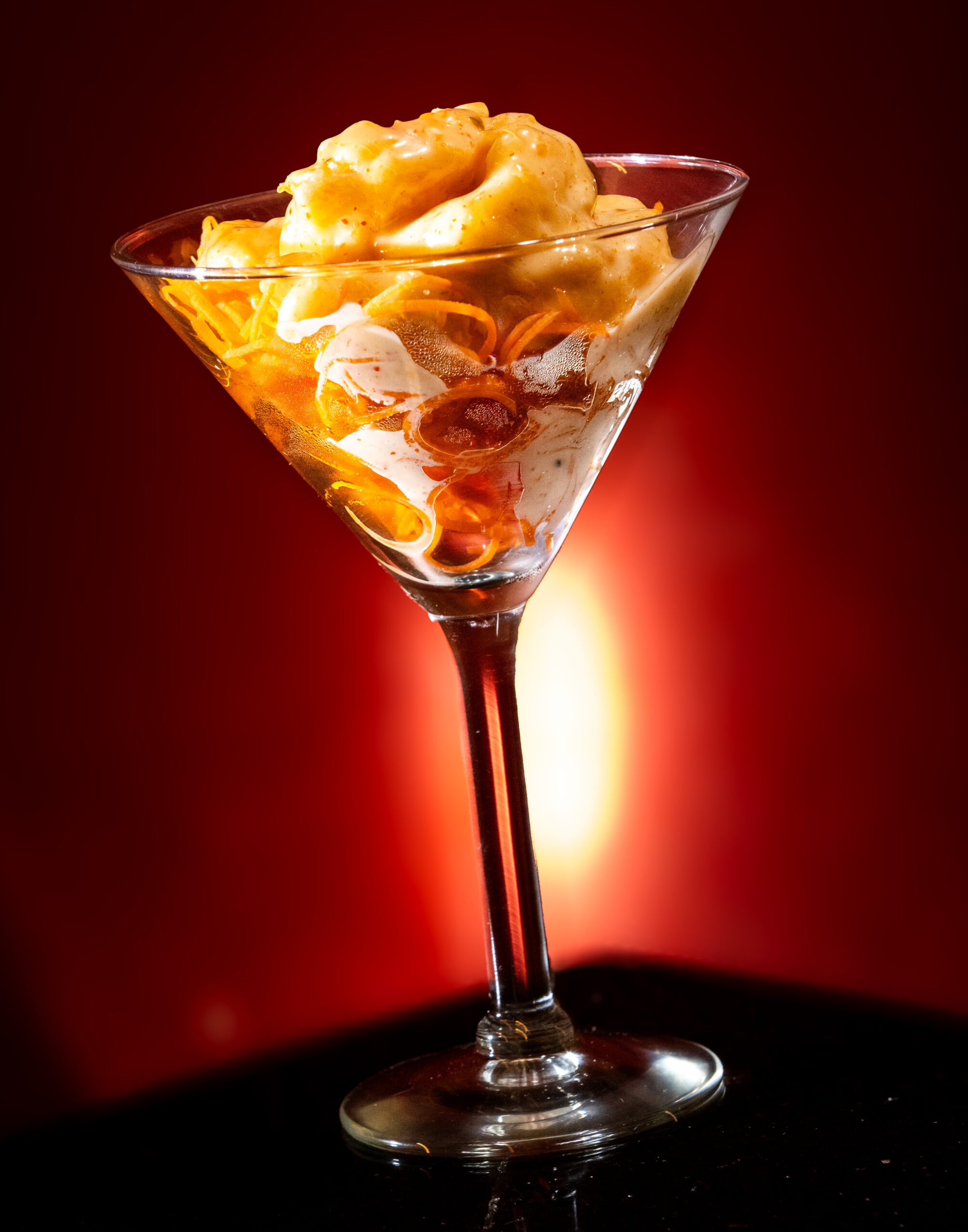
Martini Prawns, Osake
Did chef Gary Chu invent these devilishly crisp shrimp awash in a creamy sweet-spicy sauce? No one really knows, but Sonoma County is happy to give him full credit. Once a fixture of his now-shuttered eponymous Chinese restaurant, they’ve found a new home at Osake. Served in a martini glass with a tangle of shaved carrot, these prawns put cocktail shrimp to shame. 2446 Patio Court, Santa Rosa. 707-542-8282, osake-sushi.com
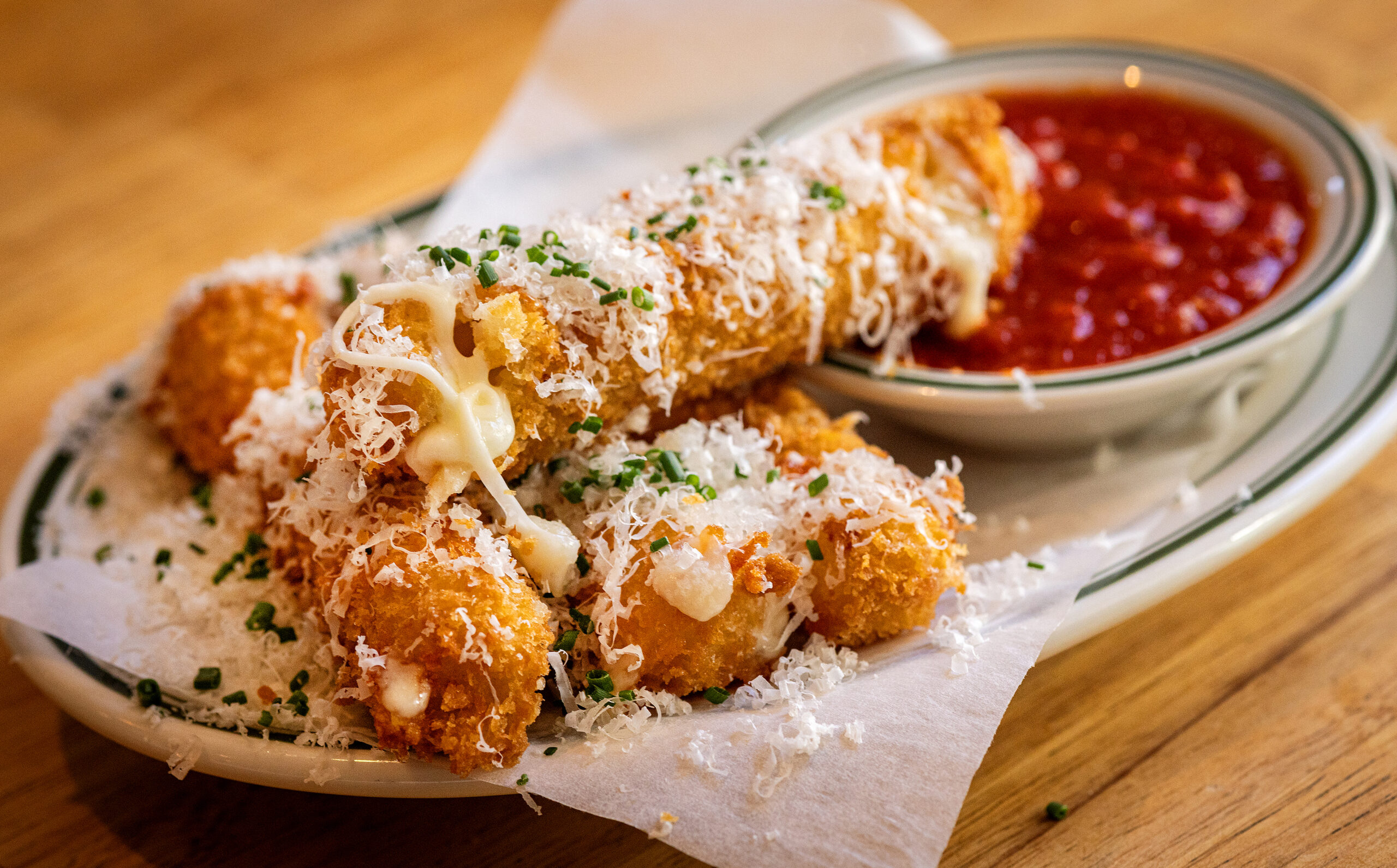
Martini Prawns, crispy prawns in a spicy aioli sauce from Osake Japanese restaurant Thursday, April 3, 2026 in Santa Rosa. (John Burgess / The Press Democrat)Fried Mozzarella Sticks with Marinara from Buck’s Place Friday, July 19, 2024, in Sonoma. (John Burgess / The Press Democrat)
Mozzarella Sticks, Buck’s Place
It’s not often someone insists you try the mozzarella sticks at a restaurant, but this is one of those times. The brains behind the county’s best Nashville fried chicken (Lou’s Luncheonette) have created gooey batons of pure delight — a crisp, Parmesan-dusted batter outside and soft mozzarella inside. Grab your phone to capture the ultimate cheese pull. 401 Grove St., Sonoma. 707-231-1245, bucks-place.com
Dadinho de Tapioca, Dawn Ranch
The $155 “All That” tasting menu from Guerneville’s Lodge at Dawn Ranch is one of the most under-the-radar deals for top-tier dining. Co-executive chefs Ignacio Zuzulich and Juliana Thorpe have created a menu that draws heavily on their South American roots. Dadinho de Tapioca, a favorite Brazilian snack, is one of several first bites on the tasting menu. The exterior crunch gives way to a melty, cheesy middle. Fortunately, dadinhos are also available at the lodge lounge if you’re just stopping by for a nibble. 16467 Highway 116, Guerneville. 707-869-0656, dawnranch.com/dine
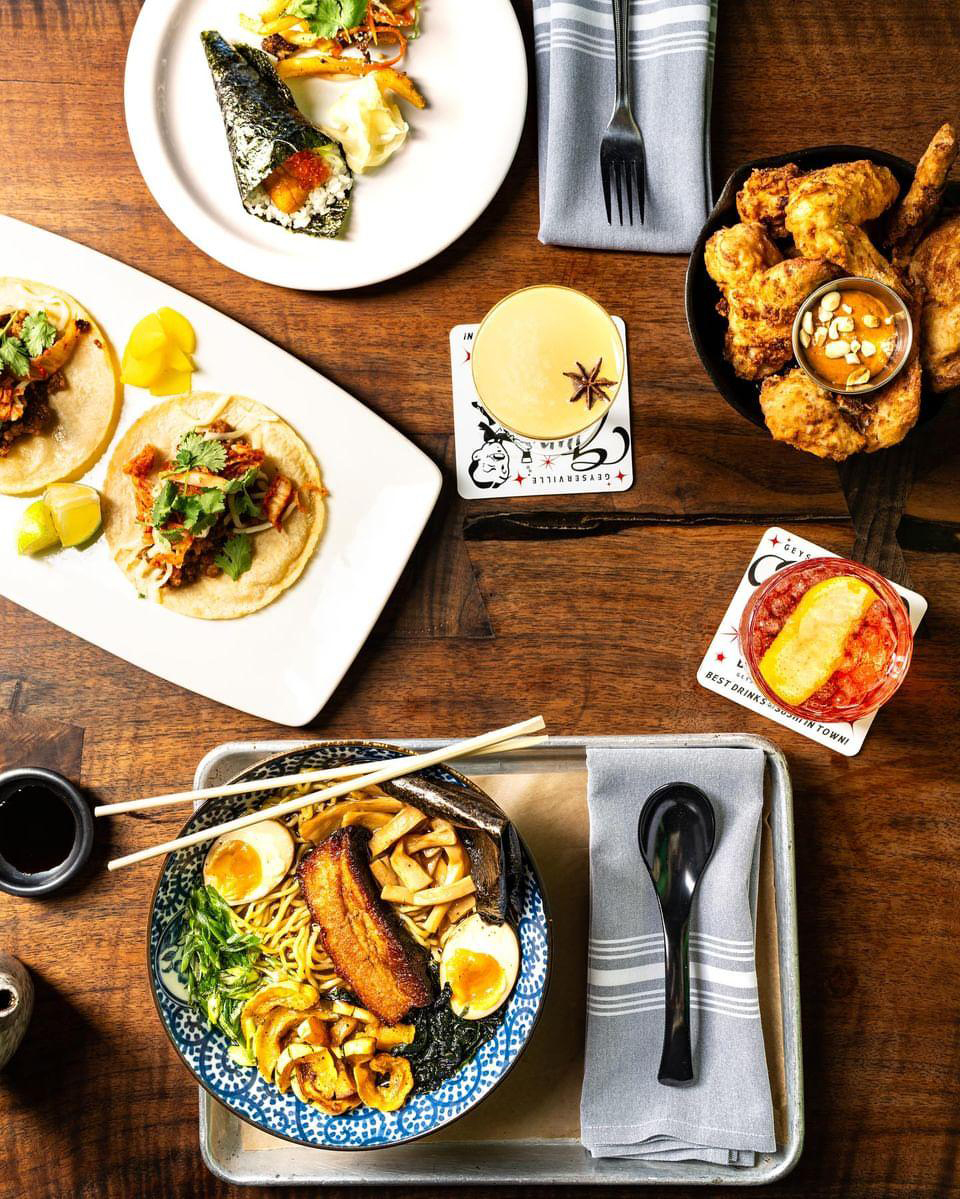
Dahlinho de Tapioca, fried bite with aged gouda, parmigiana and chili jam from the new prix fixe tasting menu at The Lodge at Dawn Ranch Thursday, Sept. 4, 2025 in Guerneville. (John Burgess / The Press Democrat)A hand roll, fried chicken, ramen and tacos with cocktails at the Geyserville Gun Club. (Emma K Creative)
Chef’s Choice: Hand Rolls at Geyserville Gun Club
Liza Hinman of The Spinster Sisters
If a dive bar had an interior designer and a professional chef, you’d have the Geyserville Gun Club. The flip side to chef Dino Bugica’s Diavola, the GGC, as it’s called, is an after-hours favorite of chefs like Hinman, who are ready for some hearty grub when the apron comes off. Hinman, who worked with Bugica at the legendary Santi, clocks the hand rolls filled with spicy scallops, sliced amberjack, salmon belly, or unagi as a best bite. 21025 Geyserville Ave., Geyserville, 707-814-0036, geyservillegunclub.com
Spicy Sweet Chile Chicken Wings with peanuts, scallions and sesame seeds from The Mill at Glen Ellen. (John Burgess/The Press Democrat)
The James Beard and Emmy Award-winning KQED series “Check, Please! Bay Area” has occasionally ventured into Wine Country to highlight local restaurants. This summer, however, the show’s 21st season includes its first episode devoted entirely to dining in Napa and Sonoma counties.
The Wine Country special will air at 7:30 p.m. Thursday, July 23, and will feature Lunch Box in Sebastopol, The Mill in Glen Ellen, Carabao in Napa and several taquerias and food trucks along the Napa Taco Trail. A later episode, airing Aug. 13, will spotlight La Cheve in Napa.
What to expect
Lunch Box
Derek and Megan Harn launched Lunch Box as a roaming pop-up in 2019 before opening a permanent restaurant in Sebastopol in October 2022, taking over the former East West Cafe space. Since then, the burger shop has built a loyal following, earning consistently high Yelp ratings and a place on Sonoma Magazine’s list of the best burgers in the area.
The Burger Harn from Lunch Box in Sebastopol. (Lunch Box)
Its signature Burger Harn is a classic cheeseburger: a 6-ounce prime chuck patty topped with American cheddar, tomato, red onion, shredded iceberg lettuce, dill pickle and Thousand Island-style sauce on a brioche bun. The restaurant also serves sandwiches, salads and sides, including Reubens, turkey hoagies and kimchi grilled cheese.
Lunch Box is open from 11 a.m. to 3 p.m. Wednesday and Thursday; 11 a.m. to 6 p.m. Friday through Sunday. Online ordering is available. 128 N. Main St., Sebastopol, lunchboxsonomacounty.com
The Mill at Glen Ellen
The Mill opened in 2020 inside one of Sonoma Valley’s oldest buildings, a structure built by Gen. Mariano Vallejo in 1839. Chefs and co-owners Sanjeev K. Singh and Dana Jaffe bring more than five decades of combined experience to the restaurant, which, although relatively new, feels as though it’s been around for decades.
A peppers and sweet Italian sausage pizza with mozzarella and bitter greens from The Mill at Glen Ellen. (John Burgess / The Press Democrat, file)Burnt Basque cheesecake from The Mill at Glen Ellen. (John Burgess / The Press Democrat, file)
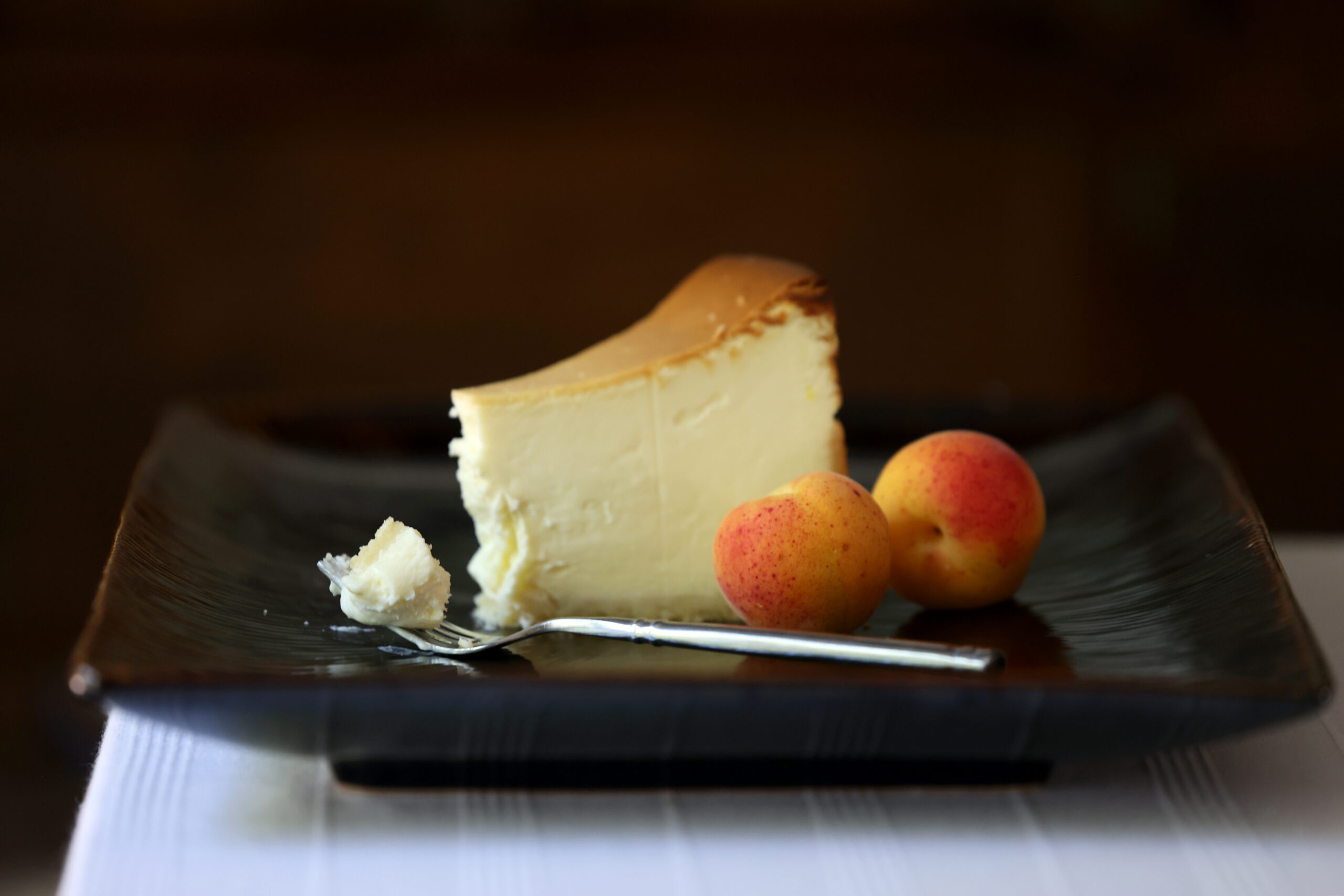
The rustic charm of the building and the tree-lined outdoor patio lend to a relaxed dining experience. The menu ranges from wood-fired pizzas and New England clam chowder to masala potato patties and Wagyu burgers. One standout dessert is the Basque cheesecake, finished with a deeply caramelized exterior and a custard-like center.
The Mill at Glen Ellen is open from 11:30 a.m. to 3 p.m. for lunch and from 5-8 p.m. for dinner, Wednesday through Sunday. Reservations are available on OpenTable. 14301 Arnold Drive, Glen Ellen, 707-721-1818, themillatglenellen.com
Carabao
Carabao Filipino Eatery grew from a pop-up into a brick-and-mortar restaurant led by chef Jade Mauricio Cunningham and her husband, Mathew Cunningham, both alumni of The French Laundry. The couple combines fine-dining technique with the flavors of Jade Cunningham’s childhood in Bulacan, Philippines.
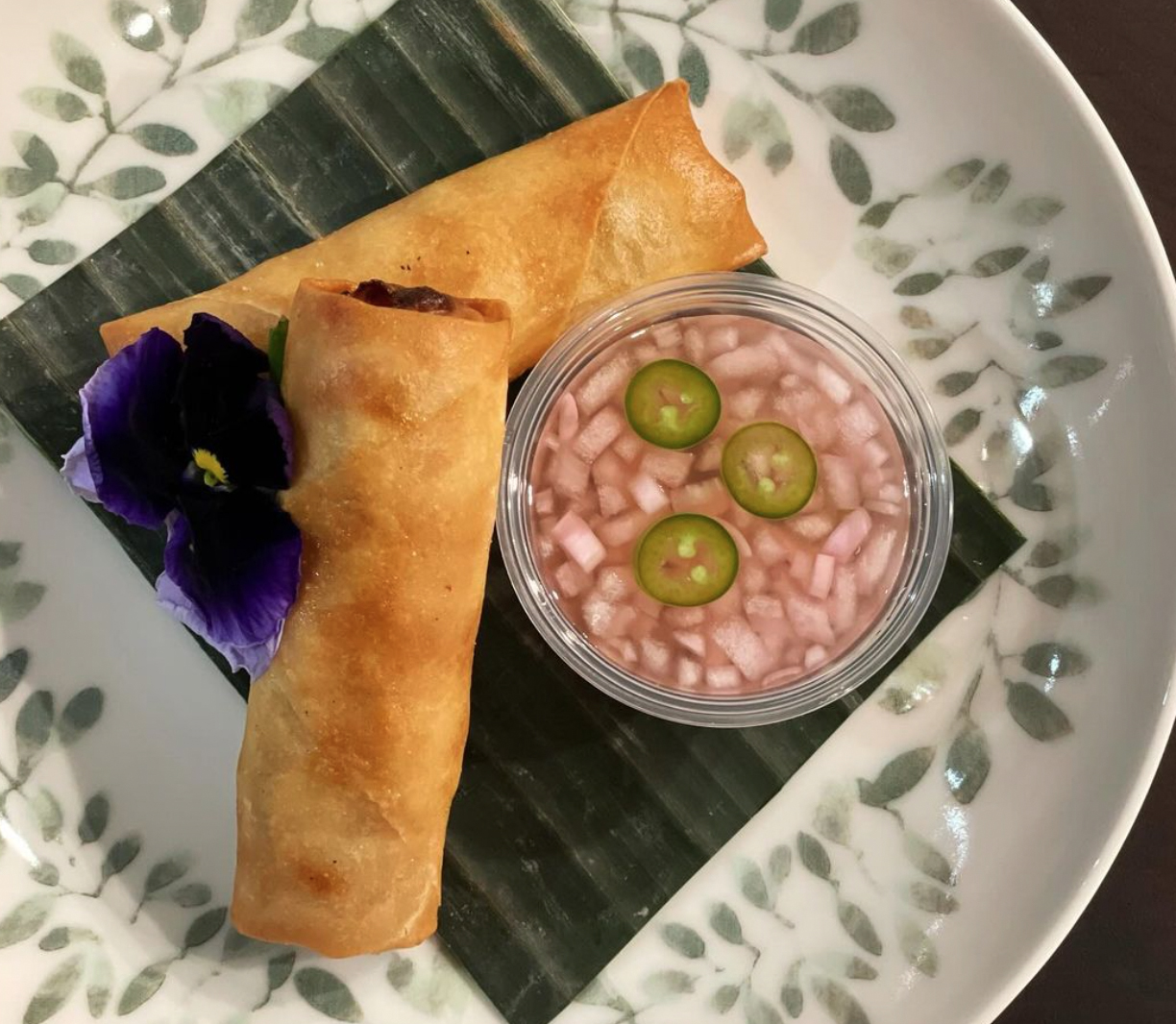
Lumpia from Carabao in Napa. (Carabao)
The menu includes Filipino staples such as lumpia and sisig, alongside dishes with a Wine Country twist, like tortang talong — charred and stuffed eggplant with smoky coconut béchamel — and crispy kare-kare — an oxtail croquette and beef tripe with coconut-peanut sauce. For dessert, there’s halo-halo, the traditional shaved-ice dessert layered with sweetened ingredients and topped with ube ice cream.
Carabao is open for lunch from 11:30 a.m. to 2:30 p.m. Saturday and for dinner from 5-9 p.m. Tuesday through Saturday. Reservations are available on Resy. 145 Gasser Drive, Suite C, Napa, 707-699-1220, carabaonapa.com
Napa Taco Trail
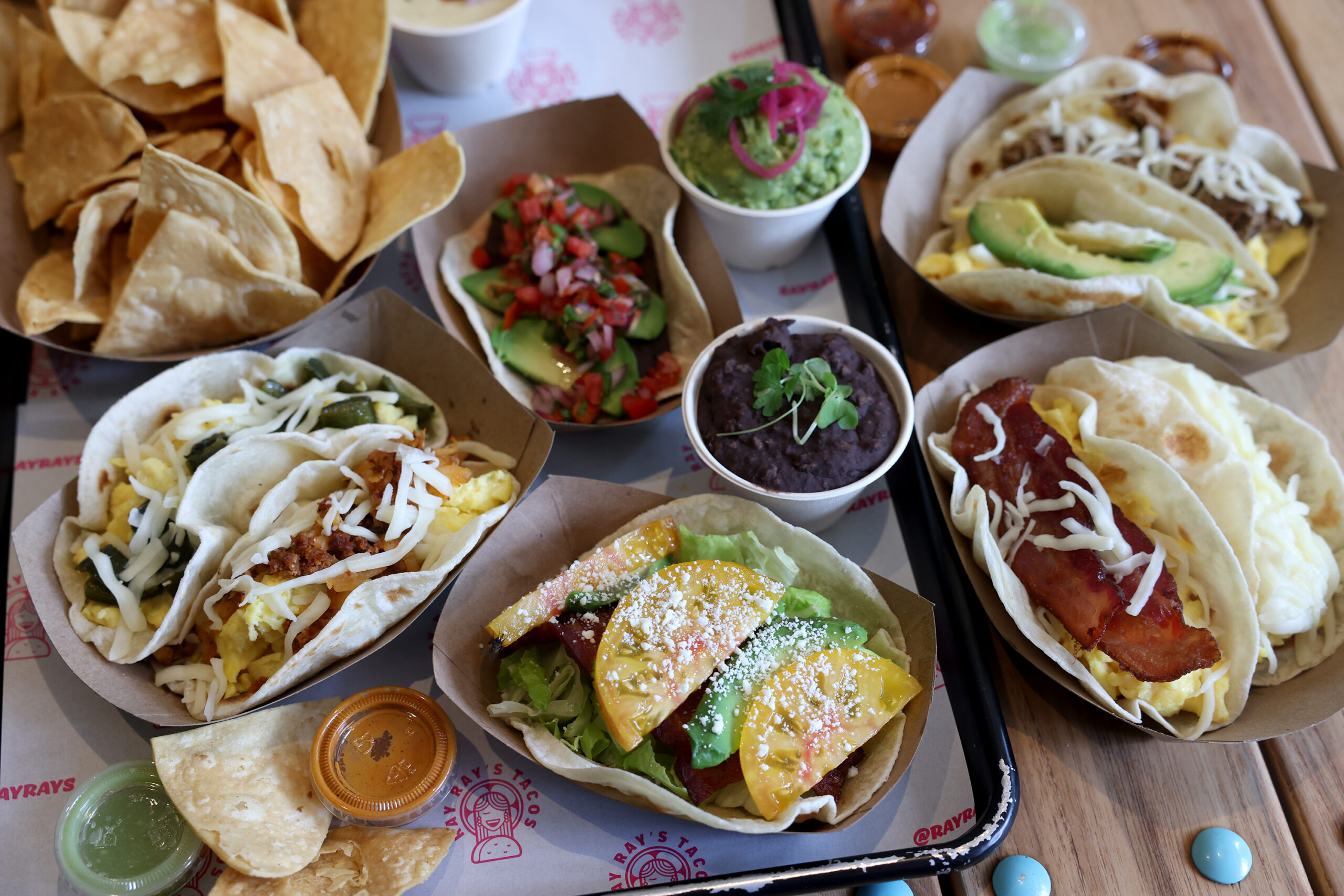
The Wine Country episode also follows KQED reporter Cecilia Phillips, host of “Cecilia Tries It,” as she explores the Napa Taco Trail, a collection of taquerias and food trucks stretching from Calistoga to American Canyon. According to Visit Napa Valley, the trail includes Ray Ray’s Tacos in St. Helena, La Luna Market and Taqueria in Rutherford, Mothers Tacos in Napa and more than a dozen other stops.
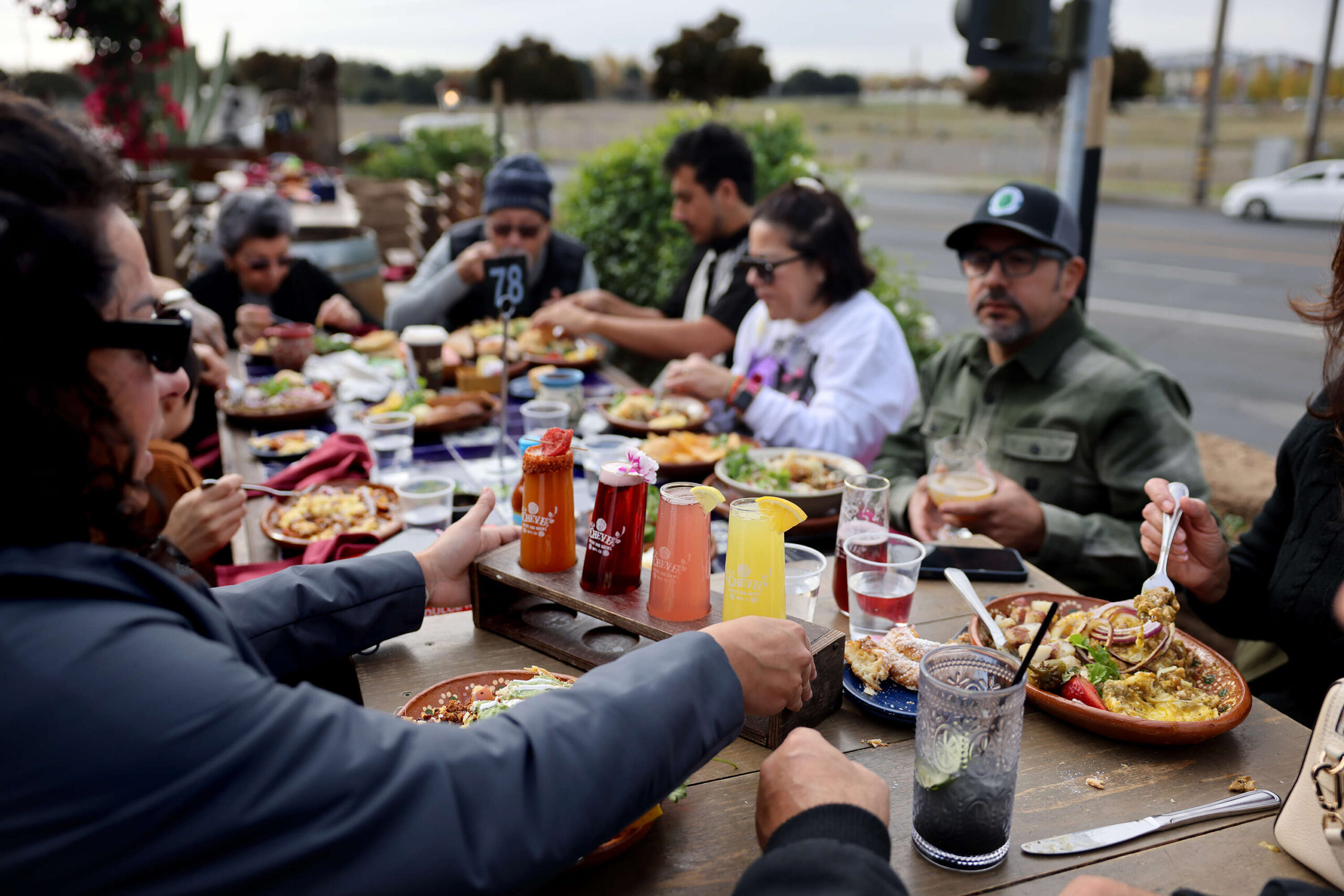
A variety of lunch and breakfast tacos at Ray Ray’s Tacos in St. Helena Tuesday, Sept. 9, 2025. (Beth Schlanker / The Press Democrat)A flight of mimosas at La Cheve Bakery and Brews in Napa on Sunday, Nov. 17, 2024. (Beth Schlanker / The Press Democrat)
Several of the featured businesses have earned wider recognition. Tacos el Muchacho Alegre was named among Yelp’s “Top 100 Food Trucks in the US 2025,” the only Wine Country business on the list. La Cheve Bakery & Brews, whose owner, Cinthya Cisneros, received Napa County’s American Dream Award last year, will be featured in the Aug. 13 episode alongside Copper Mug in El Sobrante and Bacogai in Alameda.
More information about the Napa Taco Trail, including participating restaurants and locations, is available at visitnapavalley.com.
BEVERLY HILLS, CALIFORNIA – MAY 31: Nathan Fielder, winner of the Peabody Award for ‘The Rehearsal,’ poses for a portrait during the 86th Annual Peabody Awards at Beverly Wilshire, A Four Seasons Hotel on May 31, 2026 in Beverly Hills, California. (Photo by Emma McIntyre/Getty Images)
A Sebastopol bakery recently found itself in an unexpected spotlight after a surprise visit from actor, writer and director Nathan Fielder.
Fielder, the Vancouver-born comedian known for his understated, satirical style, recently stopped by Society Bakery and Cafe in west Sonoma County. The bakery shared news of the visit in an Instagram post on July 1, which has since drawn more than 6,000 likes and dozens of comments.
“It was certainly a fun surprise to have Nathan stop by, and we’re grateful for all of the kind attention our little bakery has received,” said Jeannette Barbieri, chef and owner of Society Bakery and Cafe, in an email.
Fielder is best known for the Comedy Central series “Nathan for You” and the HBO series “The Rehearsal,” which he created, directed, co-wrote and stars in. “The Rehearsal” earned Primetime Emmy nominations for outstanding writing and directing last year and won the 2022 Independent Spirit Award for best new non-scripted or documentary series.
The Society Bakery & Cafe inside the Antique Society Thursday, Oct. 2, 2025, in Sebastopol. (John Burgess / The Press Democrat)
Society Bakery and Cafe, located inside Sebastopol’s Antique Society vintage marketplace, offers a variety of pastries, including over 50 gluten-free options, as well as preserves and sandwiches. It also serves a variety of creative coffee drinks, matchas and lemonades, such as a banana bread latte and a peach mango spritzer.
Society Bakery and Cafe is open 10 a.m. to 3 p.m. Sunday, 10 a.m. to 2 p.m. Monday and 10 a.m. to 4 p.m. Tuesday through Saturday. 2661 Gravenstein Highway S., Suite H, Sebastopol. 707-861-9665, societybakerycafe.com