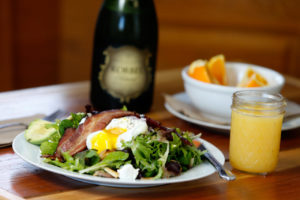
Breakfast salad of local lettuces, soft poached egg, crispy bacon, sauteed mushrooms, poached potatoes, fresh red onion, avocado, Pugs Leap chevre, and apple cider vinaigrette dressing and a mimosa at Estero Cafe in Valley Ford, California on Wednesday, January 27, 2016. (Alvin Jornada / The Press Democrat)
Sonoma County loves its wine, and thanks to brunch, we have the perfect excuse to sip sparkling before noon. We’ve compiled a list of the best local brunch spots for bottomless mimosas. We also threw in a few places that, while they may not go full bottomless, have unique cocktails for those heading out to weekend brunch. Click through the gallery for details. Did we miss one of your favorite spots for bottomless mimosas? Let us know in the comments.
We know “Sunday Funday” can be a great time to let your hair down, but remember to be respectful of fellow brunch guests and restaurant staff (go easy on those mimosas) and make sure that you have a designated driver or take advantage of your local taxi or Uber/Lyft service. Even better, take a ride on the SMART train to and from brunch (here are some other fun things to do close to SMART train stations).
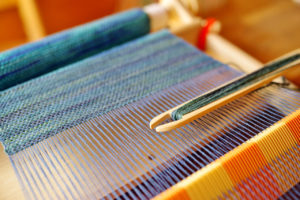
Are you pining to craft something besides an Instagram story or status update? Working with your hands to create a thing of beauty can be such a satisfying undertaking. Sonoma’s rich artisan culture offers plenty of inspiration. Here are some great items that might help you make good on your “I want to do that!” list—click through the above gallery for details.
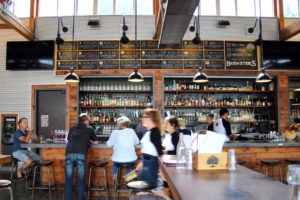
At Brewsters Beer Garden in Petaluma. (Heather Irwin/The Press Democrat)
There’s no denying it: Petaluma is a beer town. True, Santa Rosa has Russian River Brewing Co., but we’ve got Lagunitas, HenHouse and more. Even better, many of the town’s beer-drinking destinations are within walking distance of each other. From nationally known breweries to downtown taprooms, hops- and barley-fueled bliss is just around the corner.
(Looking for the best places for fries in Sonoma County? Here’s our list)
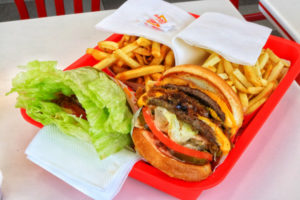
According to their Power Ranking of fries, here’s how the SoCal classic stacked up: “And bringing up the rear is In-N-Out. Before you tell me there’s a way to “hack” these fries, or somehow make them better, either by loading them with American cheese and secret sauce, or by ordering them well-done, I will grant this: It certainly doesn’t make the fries any worse. Just as dumping the fries into a dirt pile on the shoulder of a highway access road and running over that pile with my car would also probably not make the fries any worse.”
Fast food French fries, ranked. (Lucas Kwan Peterson / Stephen Lurvey)
Cue the freakout.
Starting with the Times’ food section social media intern, dissension ensued: “Hello I am the social media intern and have to share this but I totally don’t agree with it. here are @lucaspeterson’s fast food french fry power rankings.”
Not that we haven’t all thought it from time to time, because we have. They’re sort of meh when compared to the salt and grease bombs of, say, McDonald’s or Carl’s Junior, but worse than, say, Carl’s Junior? I think not.
Furor continued with angry Tweets about the wonders of the hand-cut, freshly made fries some see as heaven’s gift to creation. Granted, if you’ve ever been through a drive-thru watching some beefy kid hammering down the fry-cutter in the kitchen, you can appreciate the work involved and the simplicity of their fries.
But does it make them taste better? It’s a divisive issue for all In-N-Out lovers, and a spirited debate was inevitable.
“Anyone who says there’s no room for ethics and accountability in modern-day mass media kindly check today’s Los Angeles Times bravely yet truthfully stating that their most popular and beloved regional fast food restaurant’s fries are absolute ass,” said @llamsoyd in return. Smell that burn.
So who ranked number one? Five Guys.
Possibly a generous #3 on my list, Five Guys’ fries always tend to be a little limp and oily, especially after steaming in a bag for a few minutes. According to the Times, Arby’s comes in at #5, with the Midwest’s Steak ’n Shake #4 (well deserved), Del Taco at #3. McDonald’s is at #2. Carl’s Junior ranks #6 and Burger King #10, both of which I find incredibly unpleasant to eat due to their odd coating.
As you can see, finding consensus isn’t easy and everyone has an opinion, no matter how wrong they are.
Here’s the thing, though. What exactly do we expect a fry to be? If it’s an actual unadulterated potato fried in oil, then most fast-food restaurants would fail miserably, adding up to 20 other ingredients to their fries. That includes things like beef flavoring, rice flour, corn syrup and hydrolyzed milk, along with a number of preservatives and stabilizers.
Five Guys and In-N-Out don’t use any of that stuff, listing only potatoes, oil (peanut for Five Guys, sunflower for In-N-Out) and salt. That’s it. So how is one #1 and the other dead last?
A Harvard professor said recently that the ideal serving size of french fries is six. With a side salad. That might be fine if you’re an elf, but for serious pommes frites fanatics, it’s all or nothing. Sonoma County has no end of great fries, best served with aioli, but we won’t pass up some homemade ketchup — or even a little Heinz 57. Whether they’re thick or thin, peel on or peel off, fried in duck fat or canola, we’ve found some of the region’s best. Click through the gallery for details. Did we miss one of your favorites? Let us know in the comments. And check out the L.A. Times ranking of fast food fries – it fired up quite a few In-N-Out fans…
5/16/2012: D1:
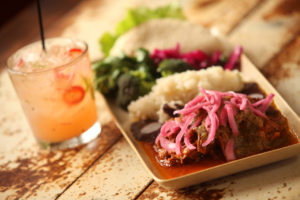
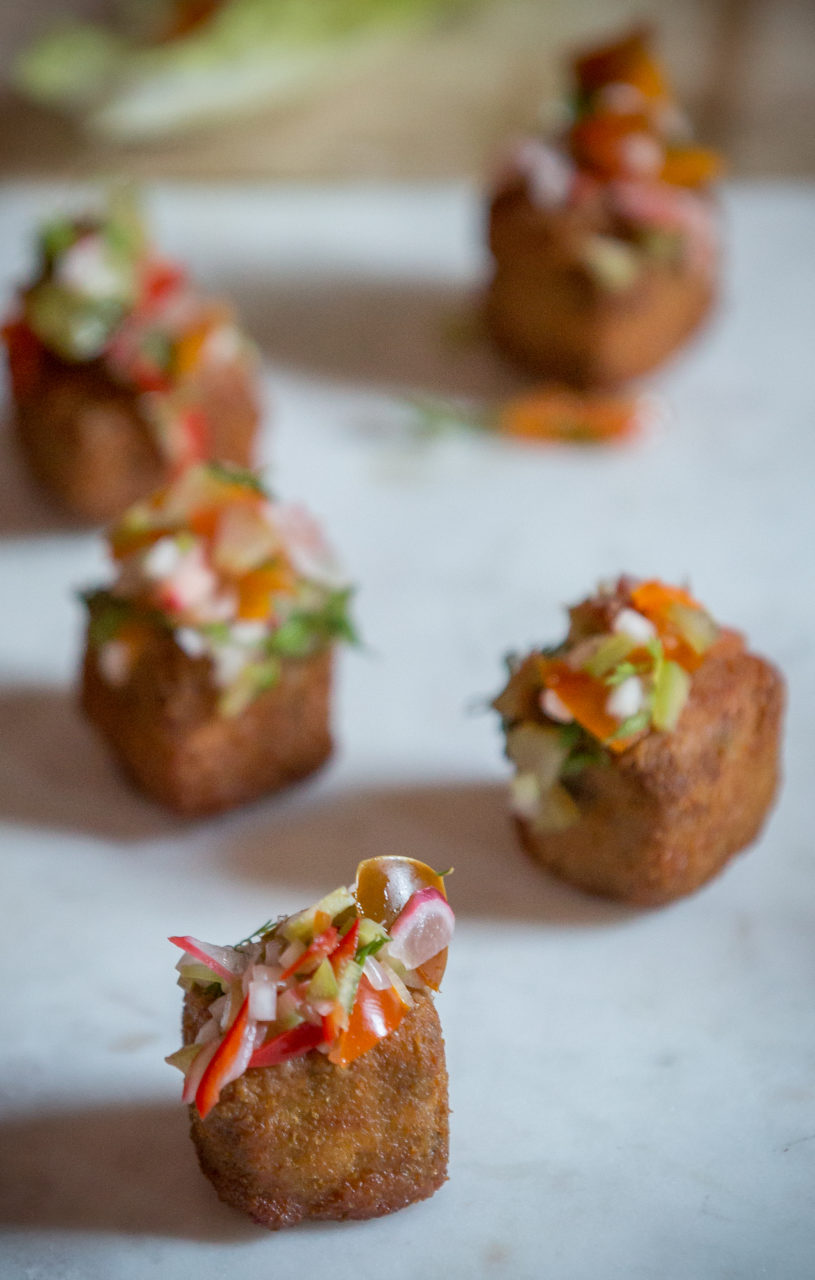
PC: Conchinita Pibil, by Mateo Granados, at Mateo’s Cocina Latina in Healdsburg, served with a rhubarb inspired margarita. The dish features slow-roasted pork marinated in annatto seed with homemade tortilla and cinnamon-cured red onions.
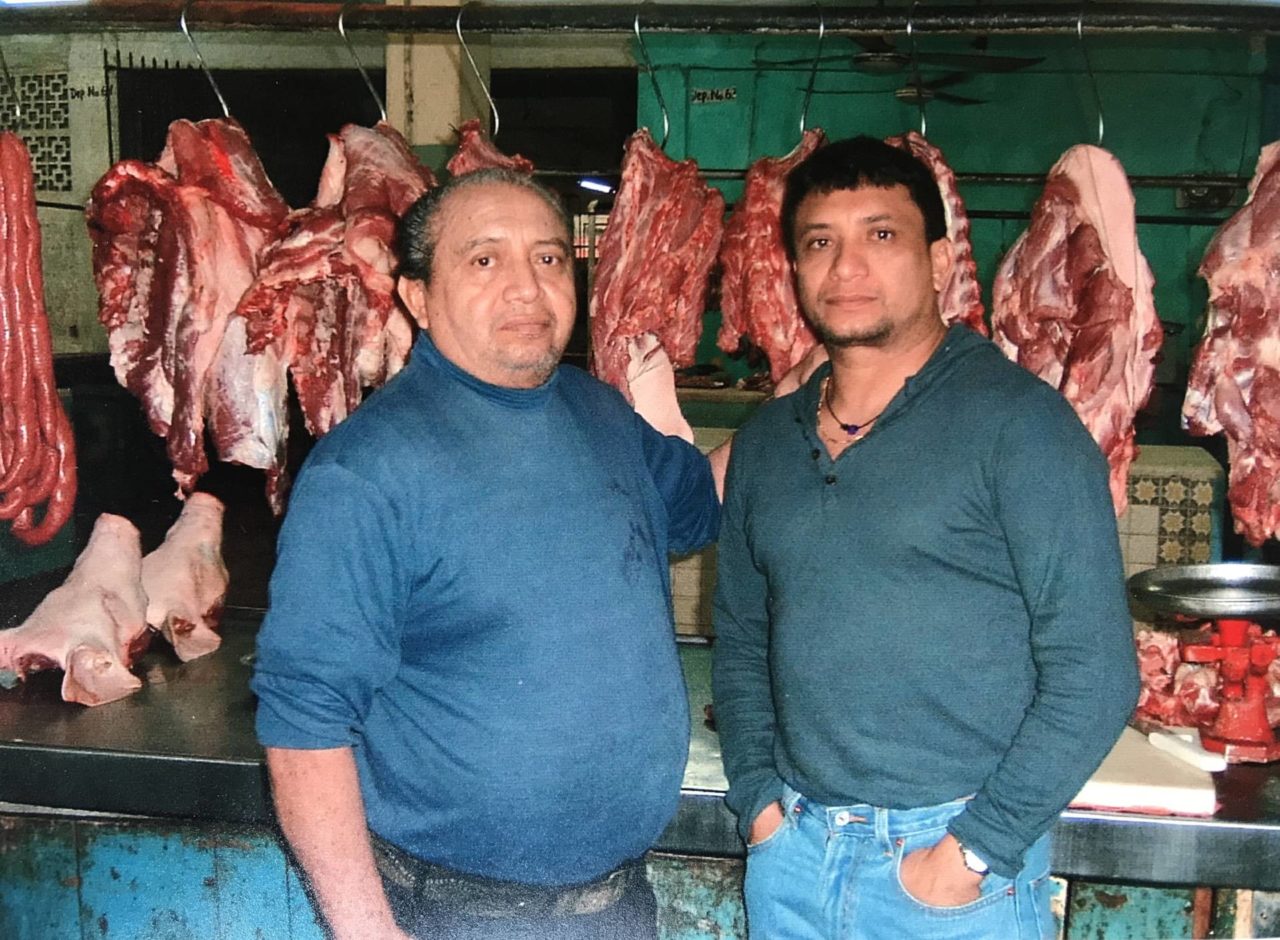
I’ve never butchered an animal before. But not that long ago I watched as third-generation Yucatan butcher Mateo Granados expertly trimmed away the fat of a slab of beef in the chilly backroom of his Healdsburg restaurant, Mateo’s Cocina Latina.
The makeshift butchery of his seven-year-old restaurant is cooler than fall’s brisk outside temperature—perfect drinking weather. Someone hands me a Yucatan-inspired cocktail made of tequila and spices, and I’m immediately transported to an exotic paradise. That’s when Mateo passes me a thinly sliced piece of the freshly trimmed tartare, my senses recognizing grass, dirt and muscle as I swallow the piece whole.
“I have a 700-pound beef hanging in the walk-in,” Mateo tells me on a follow-up visit.
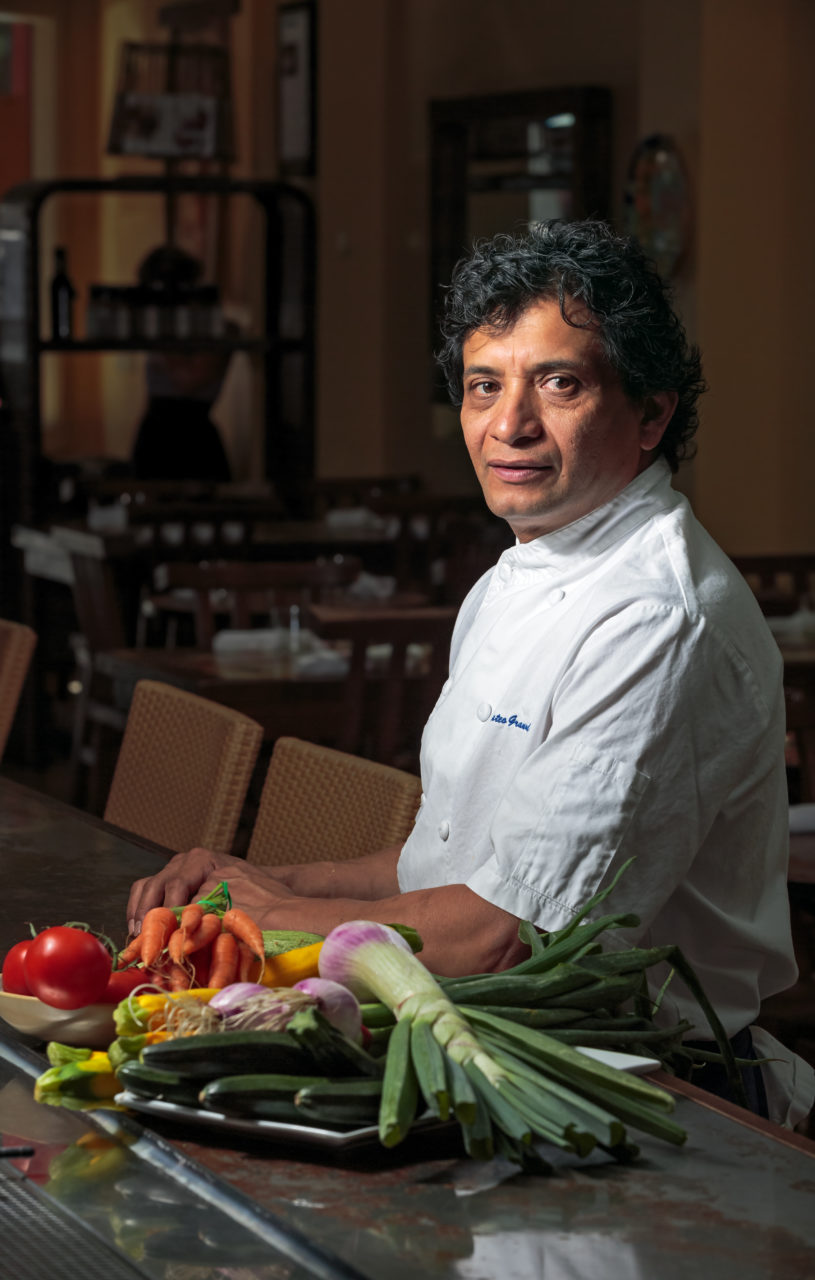
Mateo Granados, owner of Mateo’s Cocina Latina restaurant in Healdsburg. (Photo by Chris Hardy for Sonoma Magazine)
Mateo butchers every single piece of meat that makes its way into his kitchen. “Everything comes [to the restaurant] whole—from the kidneys to the tongue,” says Mateo. And like his father before him, Mateo uses every part of the animal—from the blood to the bones. “Everything is usable,” he says.
“Mateo is unique in many ways, including that he purchases an entire carcass and breaks it down himself,” says Pamela Torliatt, co-founder and partner at Progressive Pastures, the Petaluma-based farm that exclusively raises animals for Mateo.
Sourcing only locally raised, grass-fed meat, Mateo doesn’t skimp on great ingredients. It shows. His menu is a unique reflection of the French techniques he learned while cooking at Masa’s and Dry Creek Kitchen, combined with the resourcefulness of a butcher’s son.
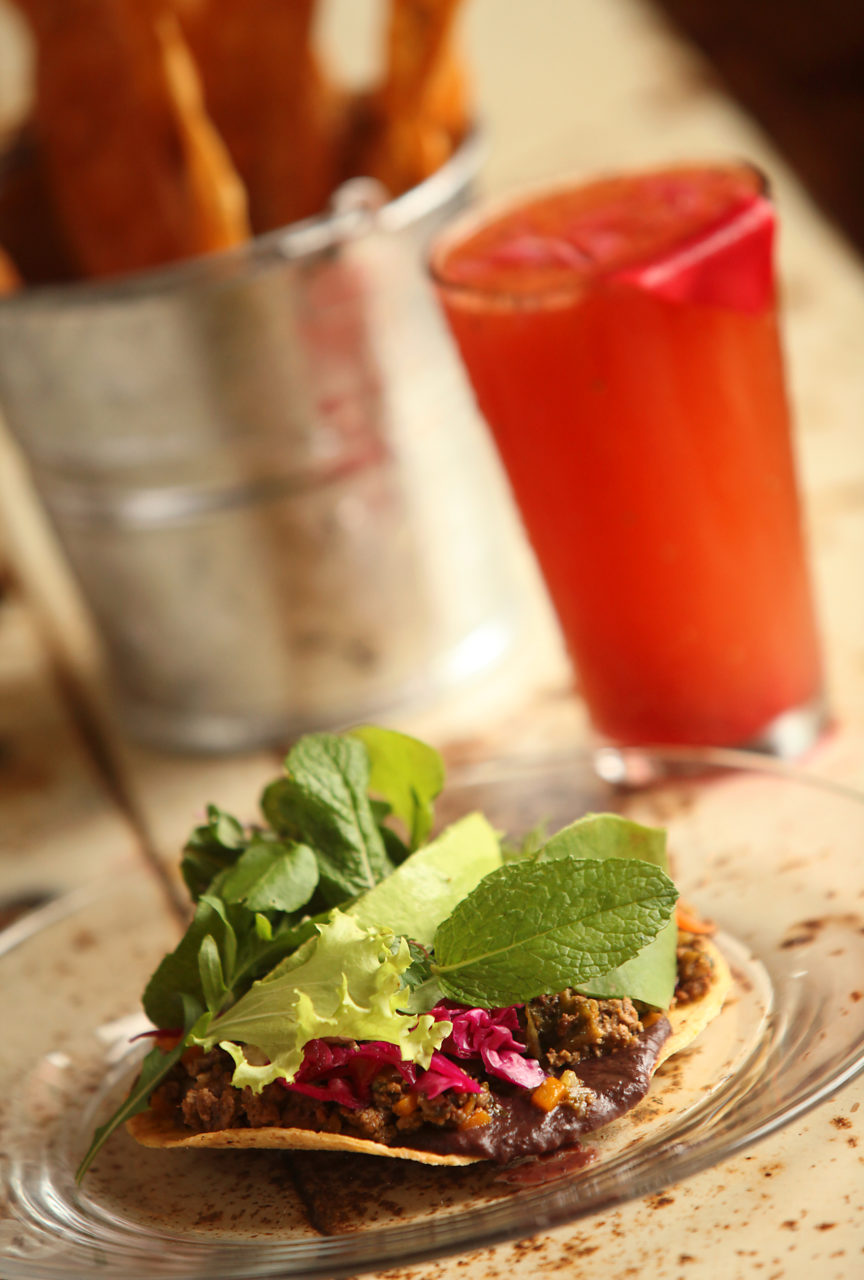
Tostada with Ground Beef Yucatan Picadillo, by Mateo Granados, at Mateo’s Cocina Latina, served with a Michelada. (Photo by Christopher Chung/The Press Democrat)Lamb heart and potatoes are served at Mateo’s Cocina Latina in Healdsburg. (Photo by Jeremy Portje for The Press Democrat)
An “honest” man, Mateo grew up watching his father rise at 2am to butcher animals in the family’s manzana before walking off to sell it in the mercado by 6am. It was the family business where Mateo learned not to waste a thing—something that he continues to practice today in his own kitchen, a rarity among chefs who often don’t have the time nor the knowledge to butcher every protein they use on their menu.
Mateo and his father in the butchery. (Photo courtesy of Mateo Granados)
“Butchering is the most important part of the kitchen,” he says. “I wanted to do my own butchering because I don’t think it’s really done anymore—it’s done by machine.” That means you can find Mateo most days in his kitchen. There, or picking vegetables from his half-acre garden at home that’ll eventually get used in his kitchen. It’s not an easy job, he admits, to source locally and sustainably, but it’s how he was raised. “I grew up using local ingredients, and that’s why I decided to practice it,” he says.
Fried cow parts are served at Mateo’s Cocina Latina in Healdsburg. (Photo by Jeremy Portje for The Press Democrat)
Growing up in what he calls the “bread basket” of the Yucatan, about an hour from Merida, Mateo was raised by two generations of butchers. His father and all six uncles “owned the majority of the butcher stores in town” and taught him to respect the animal. That’s why the chef makes it a point to visit every farm from which he sources his meat. The mass-produced stuff, where there’s more fat than meat, just isn’t for him.
Mateo will make a point to trek out to Petaluma to visit Progressive Pastures, or Acorn Ranch in Anderson Valley to check on how the pigs are being raised. “He picked that first animal himself,” Pamela tells me about the first time they met in September 2013.
It’s also why you won’t currently see any chicken on his menu. His former poultry producer was slaughtering their animals overseas, and once Mateo learned of this practice, just couldn’t continue to use the product. “It’s not what we do; it’s not what we support,” he says. His last shipment of chicken was eight months ago.
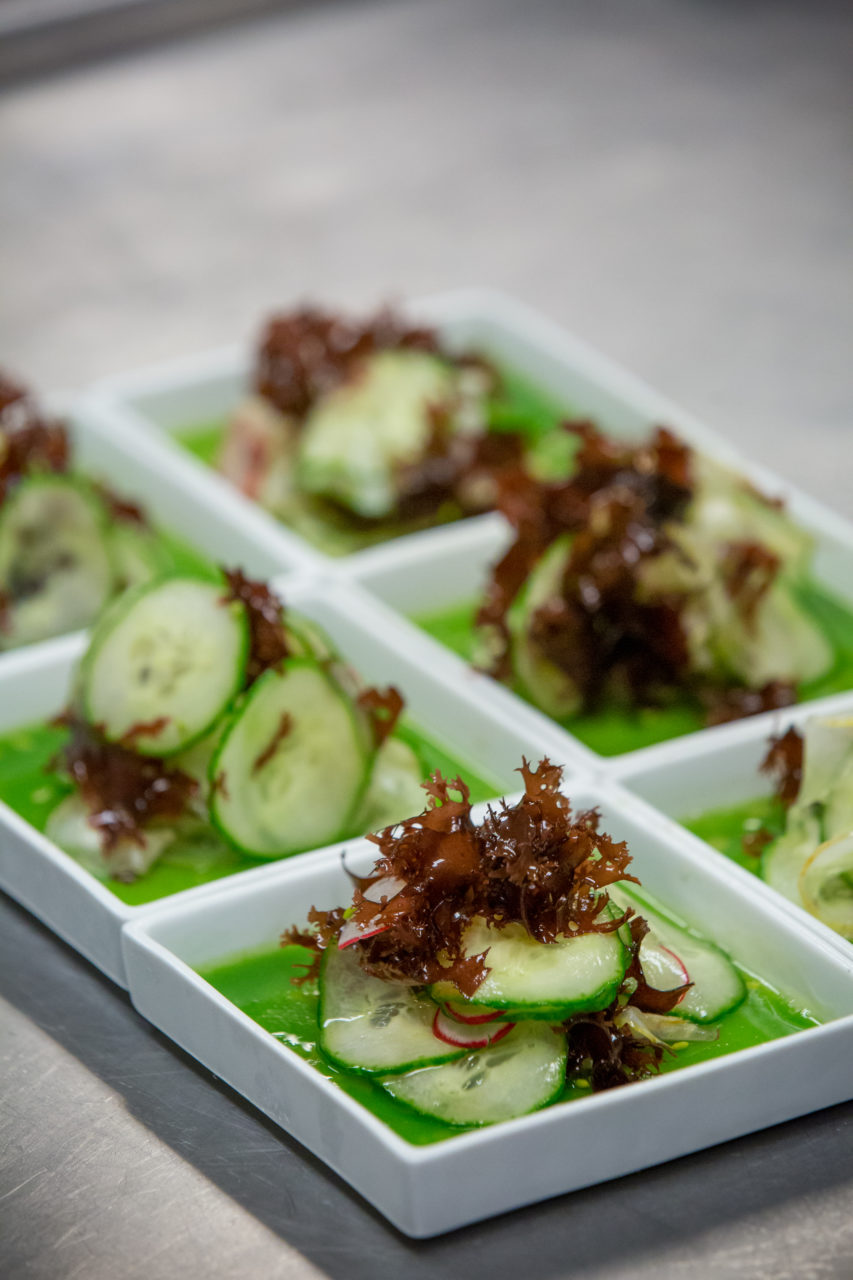
Live seaweed salad is prepared at Mateo’s Cocina Latina in Healdsburg. (Photo by Jeremy Portje for The Press Democrat)
That change didn’t really hurt Mateo, but only drove his creativity. Since his menu is always changing with the season, he’s learned to adapt quickly by what arrives each morning. So if you fell in love with that slow-braised oxtail with capers and olives during your last visit, don’t expect to see it on his menu again (or at least for a while). Instead, Mateo makes it a point to turn irregular dishes that aren’t on many menus, or part of many American diets, into favorites. Pamela says her favorite dish is the beef heart, which she says he prepares as tender as filet mignon.
Everything from blood sausage to chicharrones has appeared on his menu, which is a unique reflection of Mateo himself – blending his Yucatan upbringing as a butcher’s son with the French techniques he learned in the decade he spent at Masa’s. There are French, Spanish, Lebanese and Maya influences in dishes like salbuches, empanadas, and cochinita pupil. He fondly refers to his cuisine as “Yucatan food using my French technique with ingredients made in America.”
While his butchering style might reflect a humbler man, Mateo is anything but. Once you get him talking about his food, he can’t help but brag; of course, there’s reason to. His cuisine is an amplified version of the farm-to-table movement our palates in the Bay Area have come to love, from the farm-fresh vegetables to the sustainably raised meats. “People have no idea what this restaurant does,” he tells me.
Childlike in his enthusiasm for great food and even better conversation, it’s hard not to fall in love with Mateo. And guaranteed he’ll be there in the kitchen, butchering something for the night’s menu, when you stop by.
Snow-in-Sonoma photos notwithstanding, there are some signs that spring is peeking around the corner. Those mustard flowers popping up here and there will soon be flooding vineyards with sunny color. And with the outdoors beginning to bloom, it’s the season to mimic that indoors. Here are some exquisite, locally-made finds that have botanical beauty as their inspiration—click through the above gallery for details.
The 1960s had “Blowin’ in the Wind.” The 1980s had “The Message.” But in 2019, at a time of unprecedented tumult in the nation’s capital, where are today’s protest anthems?
That’s the question Christopher Rountree, leader of the modern classical ensemble Wild Up, hopes to remedy with his February 22 performance at the Green Music Center, titled “We, the People: Arts as Activism.” It’s also something he’ll address as the group settles in for a multiday residency at Sonoma State University, in which the ensemble will collaborate with students to create daring new compositions.
“Many of us in music have been very depressed for the past two years,” the 32-year-old composer says. “And part of that comes from not knowing how to respond. Music is such a temporal, fleeting, transitive art form, and what we’re doing feels, very often, irrelevant.”
With the aim of firmly re-establishing relevance, part of Wild Up’s concert program involves digging into the past and performing songs of dissent from Nina Simone and John Lennon — the songs, Rountree says, that “were moments in history when someone played music, and it was so powerful that something physically changed.”
Formed eight years ago in Los Angeles, Wild Up consists of 27 members who play traditional strings and horns alongside conch shells, electric bassoon, and laptop software. Given the group’s inventive instrumentation, it’s no surprise that in addition to songs from the past, Rountree has a few modern ideas up his sleeve.
Take the Dutch composer Louis Andriessen and his experimental 1975 piece “Workers Union.” It involves a prescribed rhythm, but no rules for pitch, or key, or melody; the musicians simply play whichever notes “feel right.” Andriessen placed an official note for musicians in the sheet music: “Only in the case of every player playing with such an intention that their part is an essential one, the work will succeed; just as in the political work.”
“I love that he put that in his instructions,” says Rountree. “It’s such a democratic idea.”
For Rountree — who cites both Pete Seeger’s “Where Have All the Flowers Gone?” and X-Ray Spex’s “Oh Bondage Up Yours!” as equally beautiful sources of inspiration — effective protest music isn’t about preaching on social or political issues. It has to tell a story to hook people, he says, and then it has to make people think, and has to be direct.
“It’s like this iconic concert that Beyoncé did at Coachella with this huge marching band. It was so well-prepared, and powerful to see this giant mass of people, standing together. It didn’t look like a conventional protest-song concert, but certainly it’s protest music. It’s not negative. It’s uplifting.”
“We, the People: Arts as Activism” takes place Friday, February 22, at 7:30 p.m. Tickets range from $25 to $55.Green Music Center, Sonoma State University, 1801 E. Cotati Ave., Rohnert Park, gmc.sonoma.edu
Love is in the air this Valentine’s Day (along with a little rain). All the better reason to let someone else do the cooking (no dishes!) and then snuggle up together with some tasty post-dinner treats at home. Click through the gallery for a selection of Sonoma County restaurants serving up special menus for Valentine’s Day.
Did we miss a favorite? Let us know in the comments below.
After Dinner Valentine Goodies…
Spicy Dark Chocolate chocolates from Garden Society.
Spiced Dark Chocolate (with a kick): You’ll be ready for a night of fiery fun after eating these cheeky micro-dosed (5mg) cannabis-infused chocolates from Garden Society. Made with two kinds of chiles and a touch of cinnamon, these uplifting gourmet chocolates are perfect for consenting adult fun. Available at Solful, 785 Gravenstein Ave., Sebastopol. (Must be 21 to purchase).
Les Pascals Patisserie: French chocolates and candies, heart-shaped apple tarts and more.13798 Arnold Dr., Sonoma.
Sift Dessert Bar: Cruffle hearts, conversation heart cookies, and a macaron-filled heart. Multiple locations, siftdessertbar.com.
Acre Coffee: 25 percent off all retail coffee beans Feb. 11-15.
Pink Gin: Hibiscus flowers color Prohibition Spirit’s pretty pink Gin No.5, the fifth gin in the Jack London series. The grape-based gin is infused with flavors of winter citrus, subtle floral and spice making cute and tasty. Try it at their tasting experience at Cornerstone, Sunset Gardens, 23570 Arnold Drive, Sonoma.
For the winter season, Tolay Lake Regional Park is open to members only. (Photos by Robbi Pengelly/Index-Tribune)
It’s pouring down pretty much every day and all you want to do is hibernate. Now, we have nothing against watching Netflix in bed, but sometimes even a movie buff or TV-series feen can get a case of cabin fever. The cure? Stepping out in nature. So put on those rain boots and water-resistant coat, and check out these local outdoor events happening (rain or shine) this month. As the Scandinavian saying goes, “There’s no bad weather, only bad clothes.”