Fresh Homemade Italian Pizza Margherita with buffalo mozzarella and basil
Last week, I wrote about 20 new restaurant openings in Sonoma County. That wasn’t the final count. Here are a few more additions.
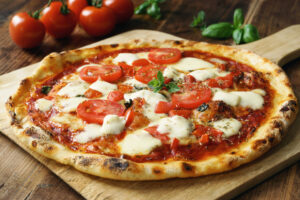
Wonderland Pizza: The former Lucy’s in Monte Rio, previously home to several short-lived restaurant concepts, is under new ownership and undergoing a complete renovation. Owners Brian Perloff and Kellee Kessler will open Wonderland Pizza on May 22, offering quality food, local beer and wine, live music and art inspired by the Russian River. 20391 Highway 116, Monte Rio, instagram.com/wonderland_pizzeria
Redwood Gospel Bakery: The Redwood Gospel Mission will open its new bakery at 2447 Summerfield Road in Santa Rosa on April 14. More to come on this. rgm.org
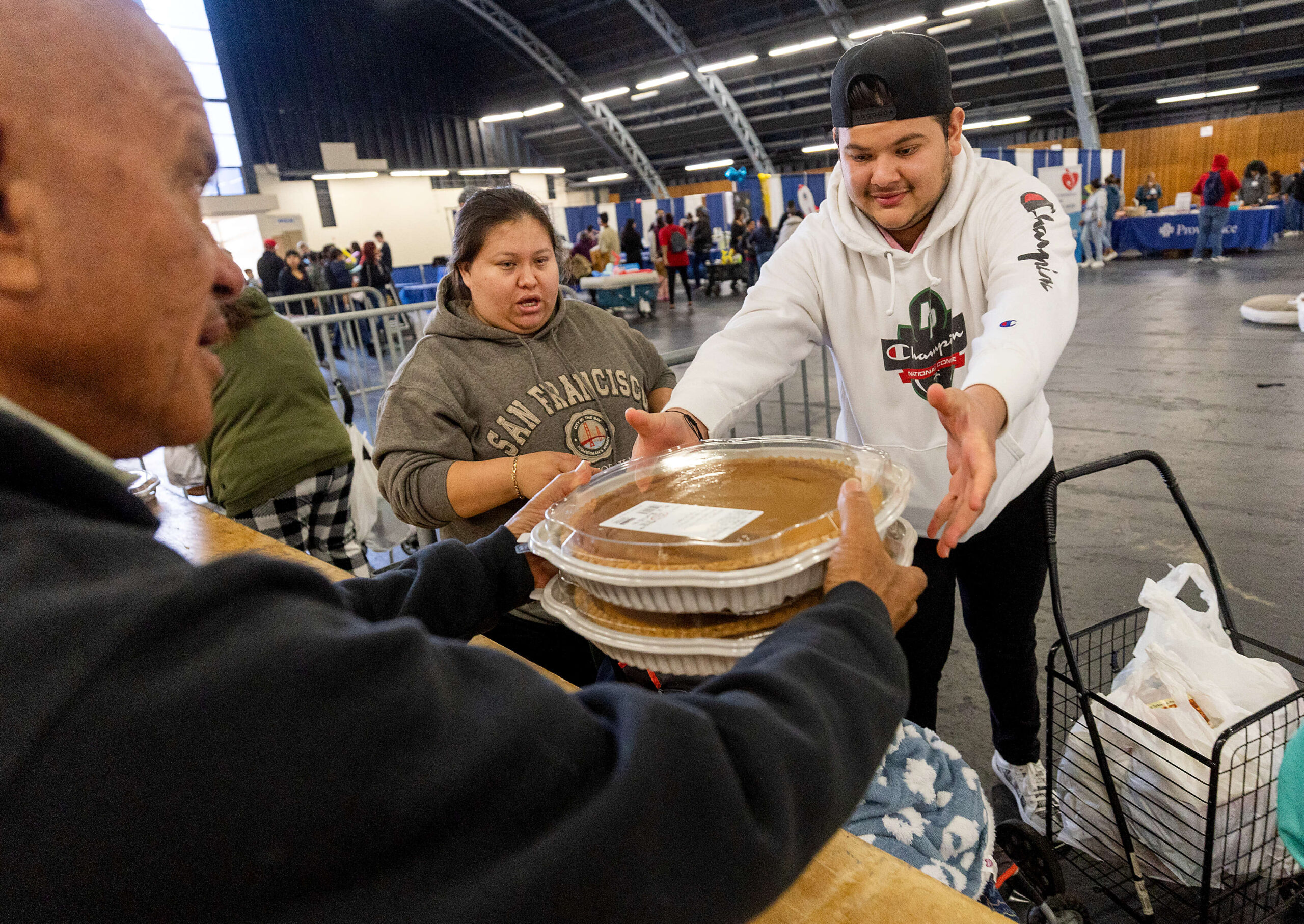
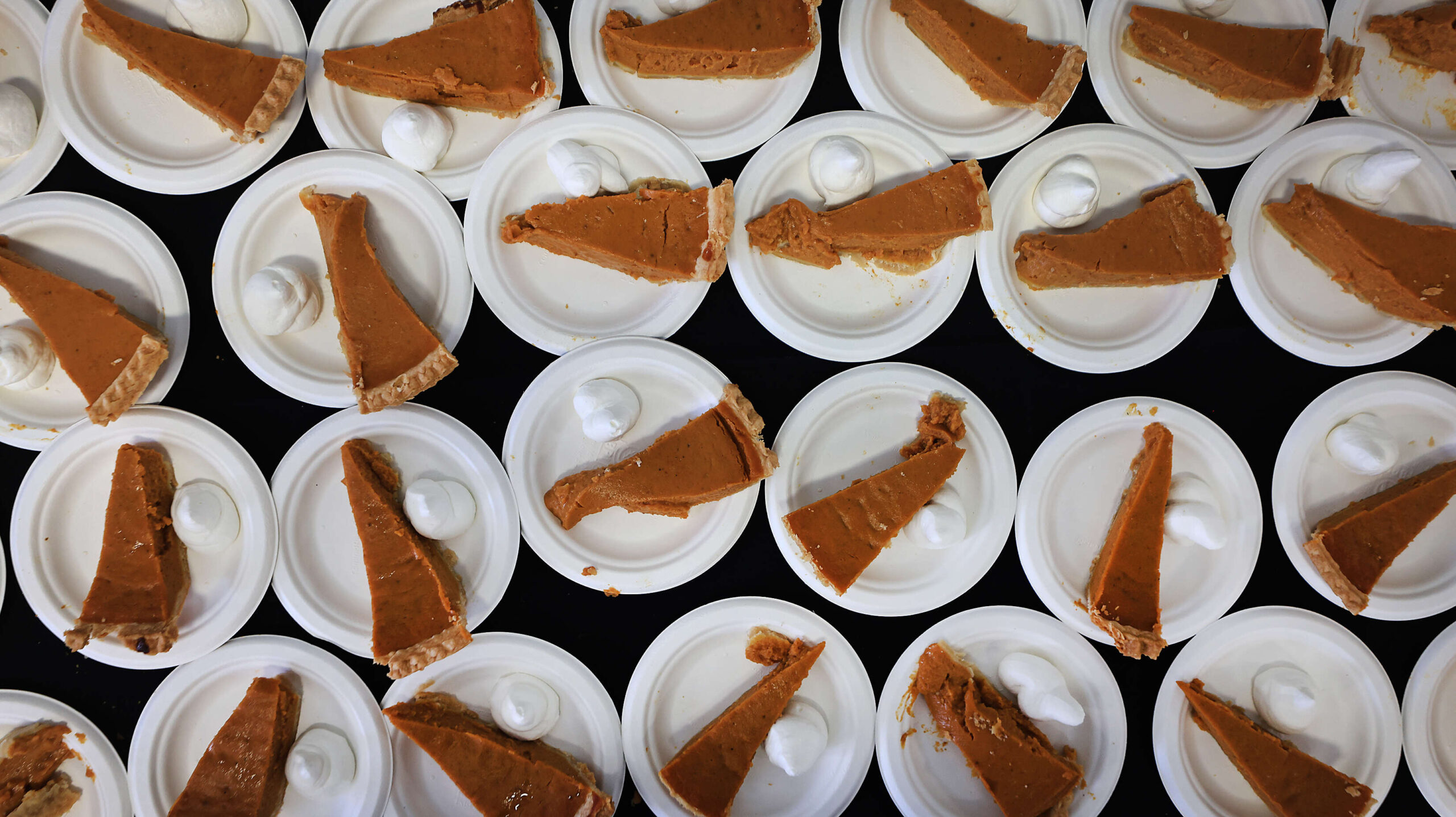
Volunteer Steffan O’Neill hands out pumpkin pies at the Redwood Gospel Mission’s Thanksgiving Banquet at the Sonoma County Fairgrounds in Santa Rosa, Nov. 22, 2023. The Redwood Gospel Mission will open its new bakery in Santa Rosa on April 14. (John Burgess / The Press Democrat)Pumpkin pie during the Redwood Gospel Mission’s Great Thanksgiving Banquet, Wednesday, Nov. 27, 2024, at the Sonoma County Fairgrounds in Santa Rosa. (Kent Porter / The Press Democrat)
Cloverdale Supper Club: The boutique Cloverdale House Inn offers a Sinatra-era atmosphere, with steaks, seafood and classic martinis. Grand opening is April 11. 240 N. Cloverdale Blvd., Cloverdale, 707-669-5072, instagram.com/supperclubcloverdale
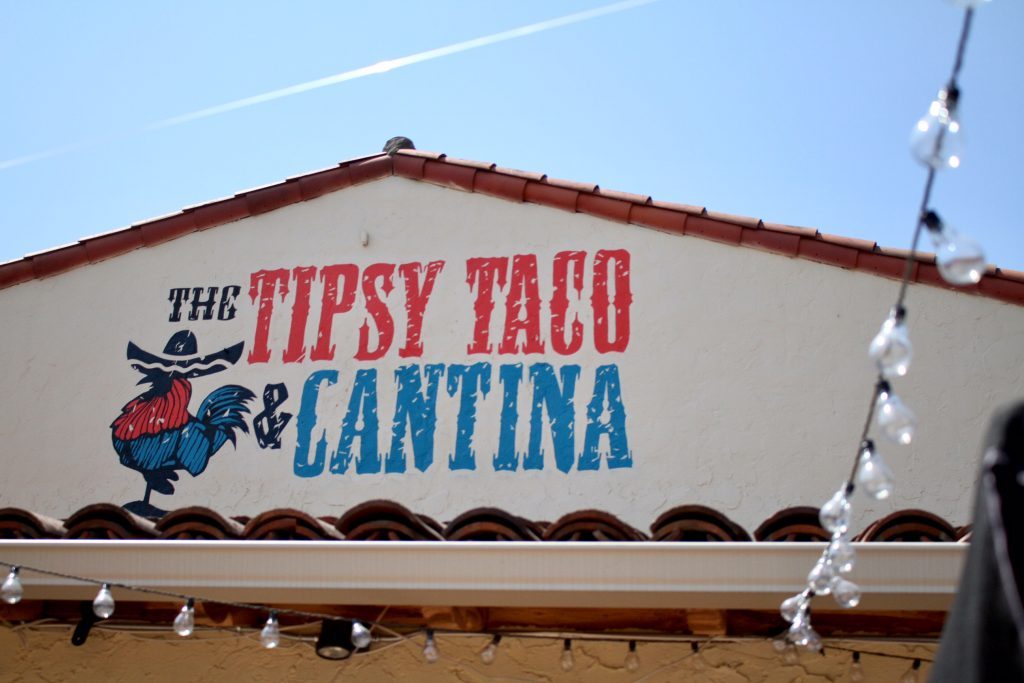
Capriciano Osteria: A hand-painted sign now marks the former Tipsy Taco location in downtown Santa Rosa. The spacious venue, previously home to the Acapulco Lounge, has hosted several concepts over the years, including French, Mexican and Brazilian. Details on the menu and opening date are not yet available. 505 Mendocino Ave., Santa Rosa, capriciano.com
Capriciano Osteria will open at the former Tipsy Taco on Mendocino Avenue in Santa Rosa. (Ricardo Ibarra / La Prensa Sonoma, file)
Now open
Kyoto Ramen and Hawaiian BBQ: This new location for the casual California-Pacific Rim chain offers 15 types of ramen, as well as poke bowls, curry, rice bowls, katsu and kalua pork. 1940 Piner Road, Suite 600, Santa Rosa, 707-888-2906
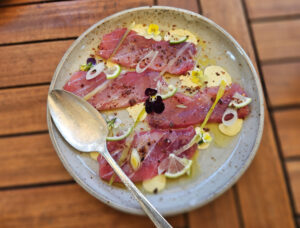
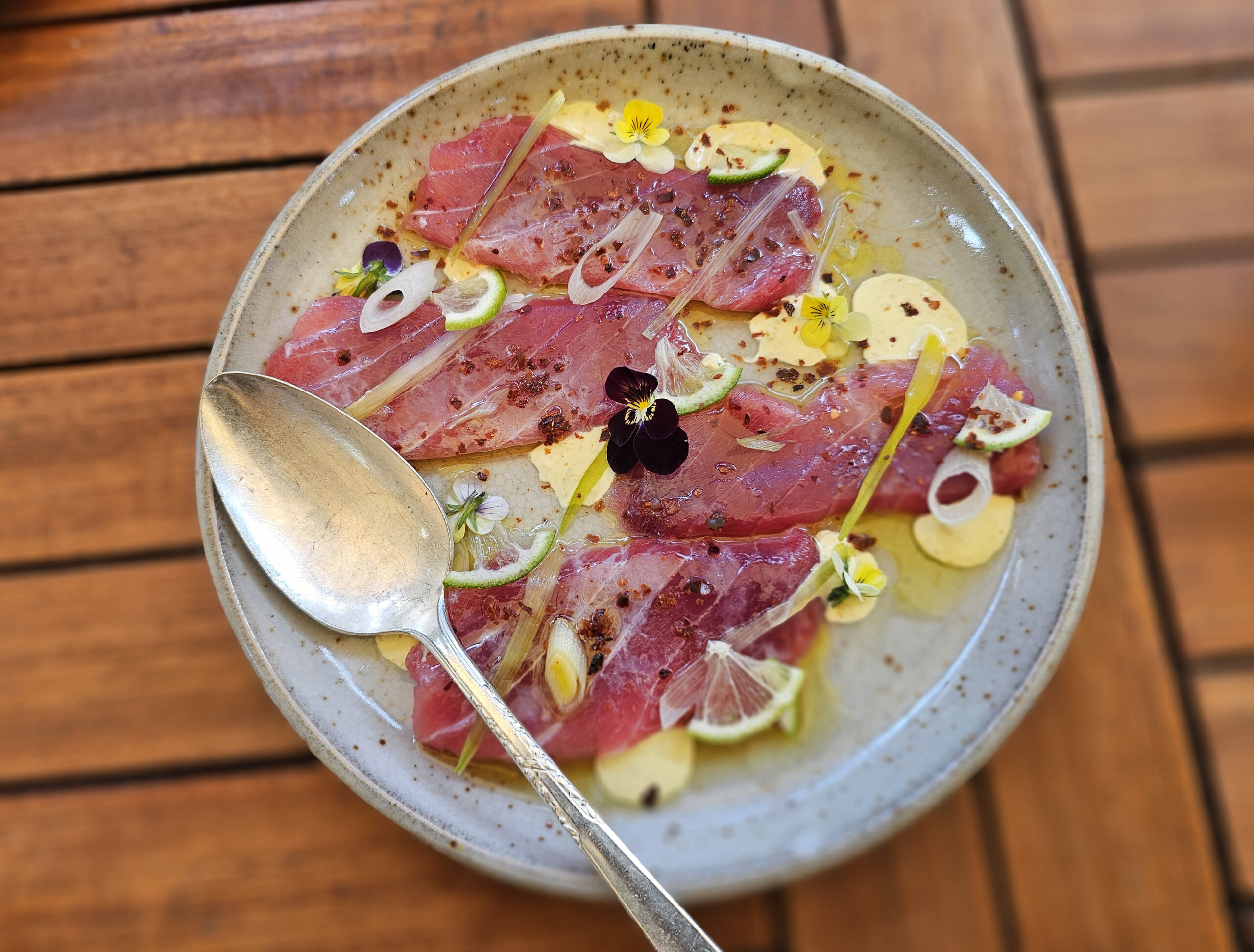
Tuna crudo with yuzu and aioli at Valley Bar and Bottle in Sonoma. (Heather Irwin / Sonoma Magazine)
I’m always on the hunt for great food in Sonoma County, the kind worth a detour, a wait or a group text. Here’s what I ate this week.
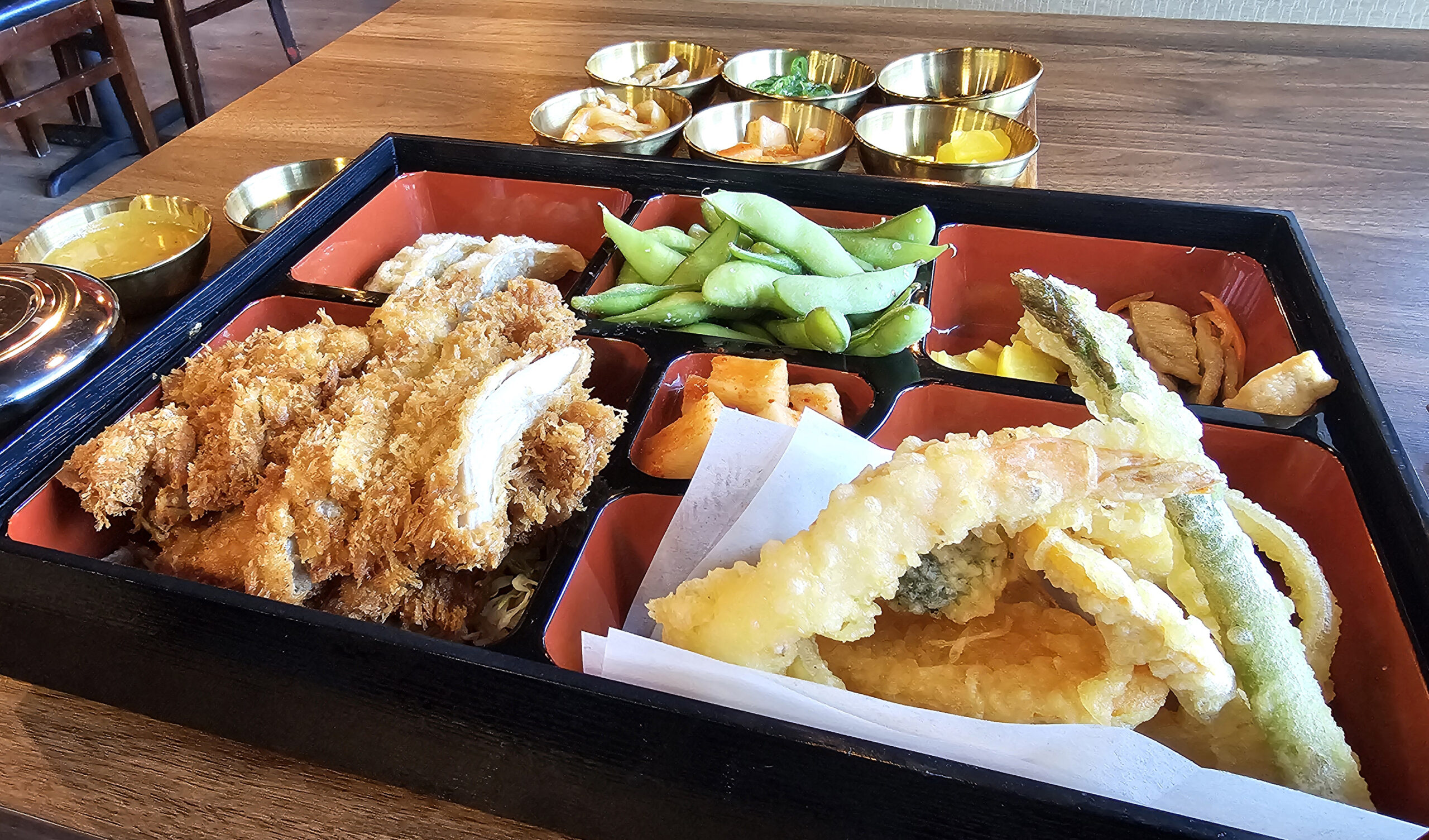
Bento box with chicken katsu and tempura in Santa Rosa at Seoul to Tokyo Kitchen. (Heather Irwin / Sonoma Magazine)
Seoul to Tokyo Kitchen: After two visits to this new ramen, okonomiyaki and bulgogi restaurant in north Santa Rosa, I am impressed. The menu features Korean comfort food such as bulgogi, bibimbap, soft tofu soup, tteok-bokki and ox bone soup, as well as Japanese ramen, udon and Vietnamese pho. While the miso is average, the banchan stands out. 3082 Marlow Road, Suite B3, Santa Rosa, 707-919-3014, seoultotokyokitchen.com
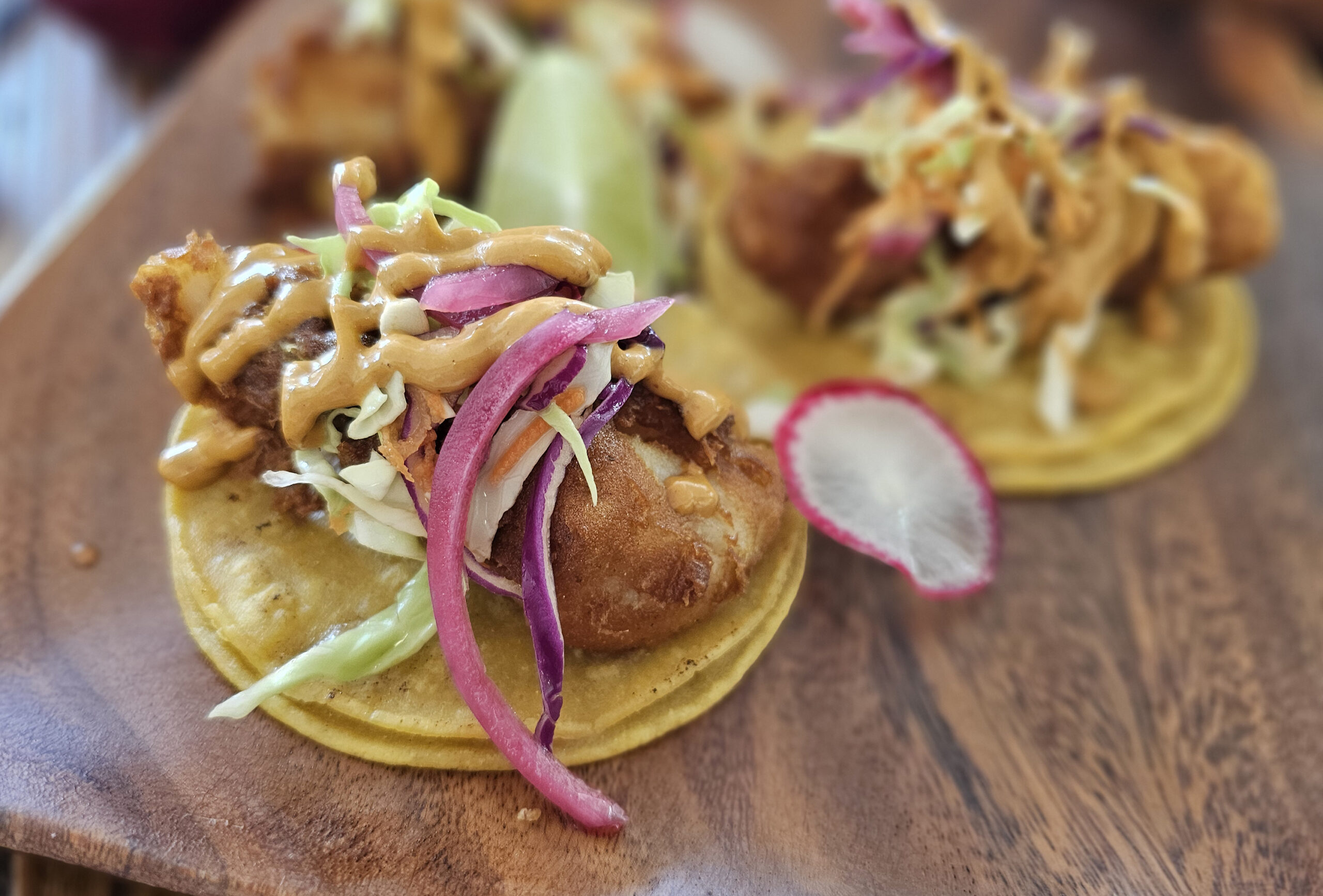
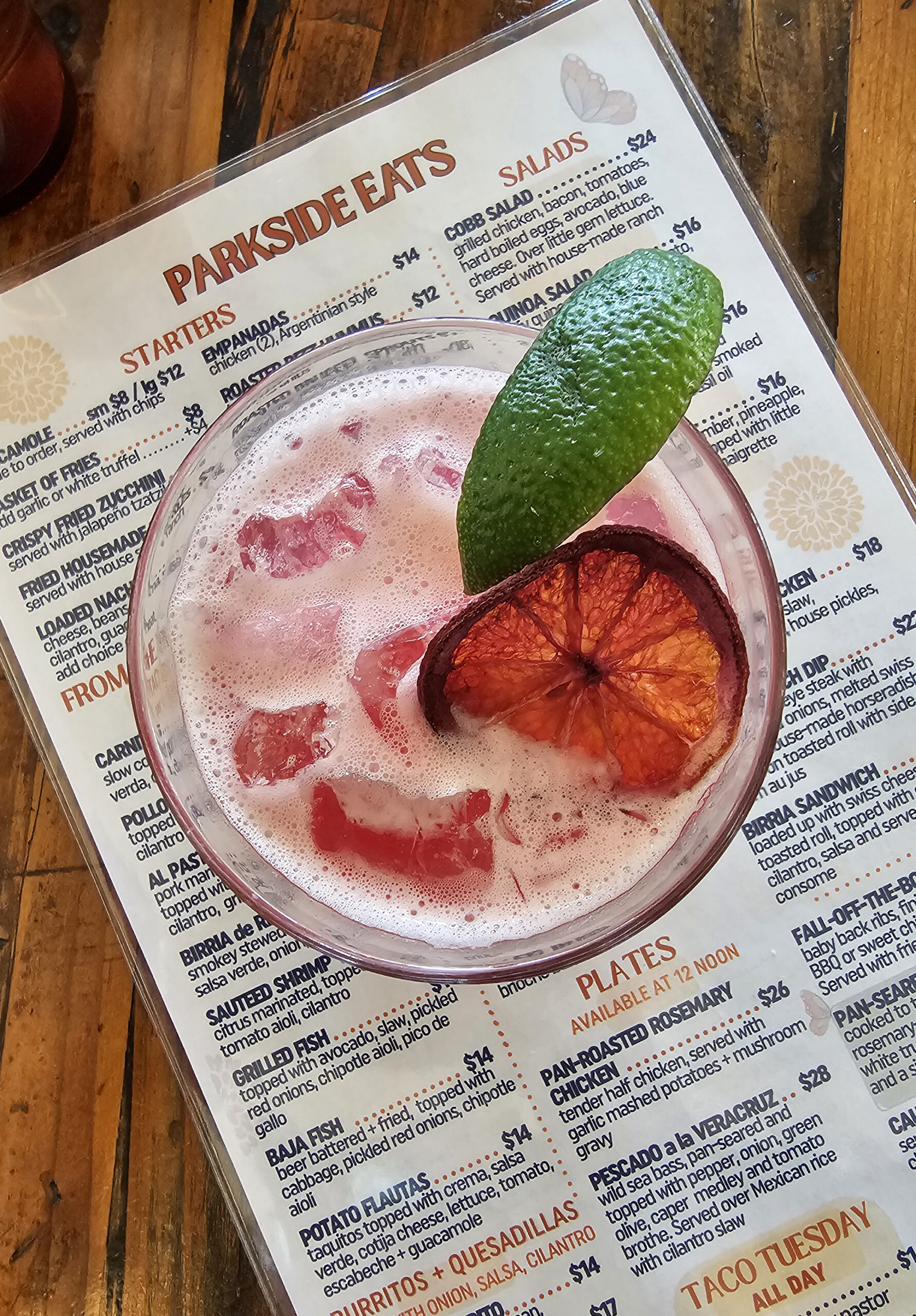
Parkside Eats: Although still in its soft opening, the extensive menu is already drawing both foodies and neighbors. Highlights include poke nachos, fresh guacamole and an excellent burger served on a brioche bun. 4323 Montgomery Drive, Santa Rosa, 707-800-7466. Find on Instagram.
Baja fish tacos at Parkside Eats in Santa Rosa. Parkside, from the owners of Sonoma Eats, has taken over the former Lepe’s Taqueria. (Heather Irwin / Sonoma Magazine)A low-abv hibiscus margarita at Parkside Eats in Santa Rosa. (Heather Irwin / Sonoma Magazine)
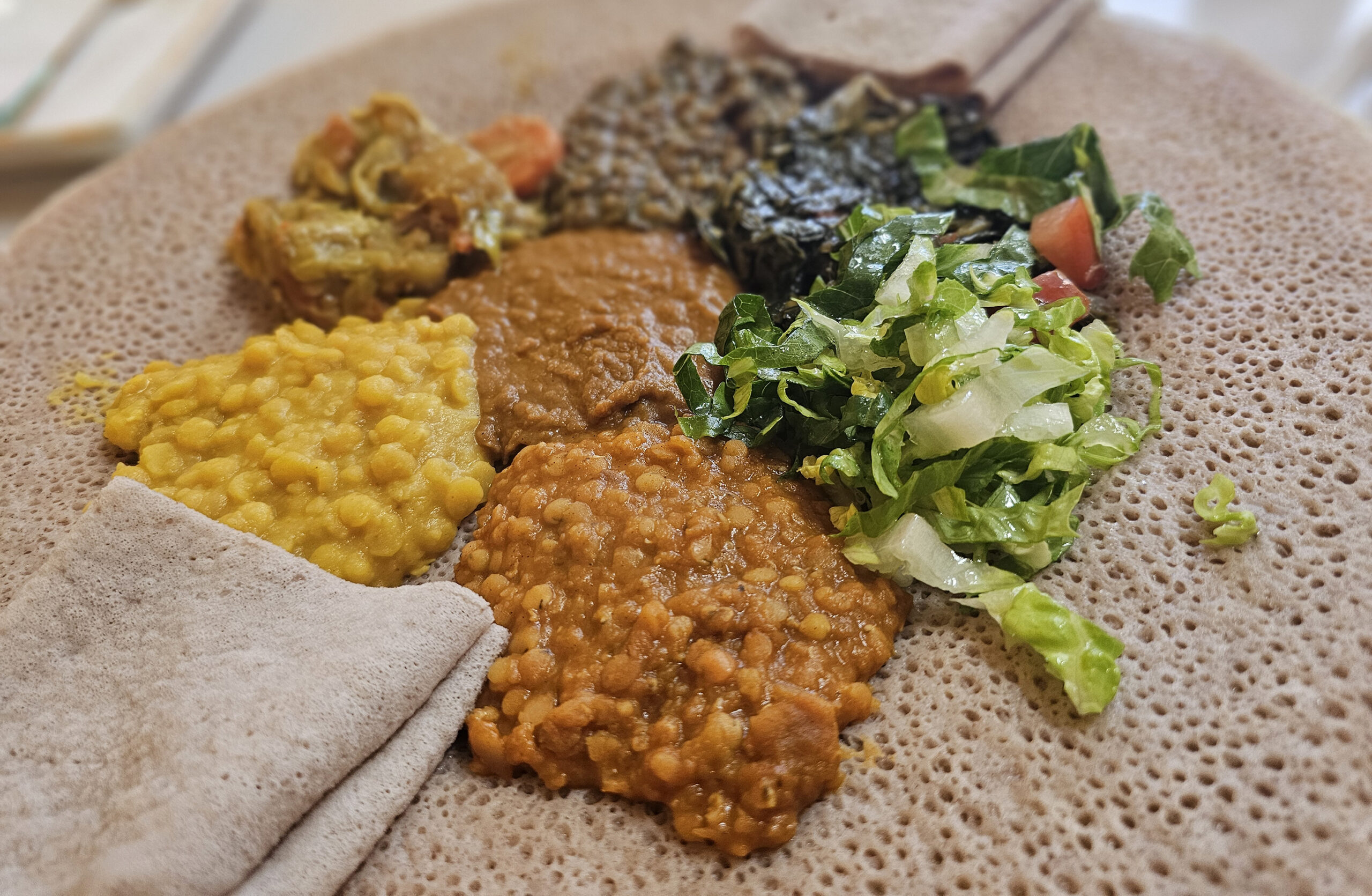
Abyssinia Ethiopian: Looking at a giant platter of bubbly injera, spiced lentils, beans and greens, my first thought was: Why don’t I eat here more? The tangy, pancake-like bread, warm East African spices and the healthy, flavor-packed vegetarian spread make a strong case for return visits. 913 Fourth St., Santa Rosa, 707-568-6455, my-abyssinia.com
Vegetarian platter at Abyssinia in Santa Rosa. (Heather Irwin / Sonoma Magazine)
Valley Bar and Bottle: While finalizing my “Top 50 Dishes in Sonoma County” for the May/June issue of Sonoma Magazine, I had one last dish to try at this destination-worthy restaurant and natural wine bar. Fried artichokes, yellowfin tuna crudo and charred cabbage with miso stood out, but you’ll have to wait until next month to find out the winner. 487 First St. W., Sonoma, 707-934-8403, valleybarandbottle.com
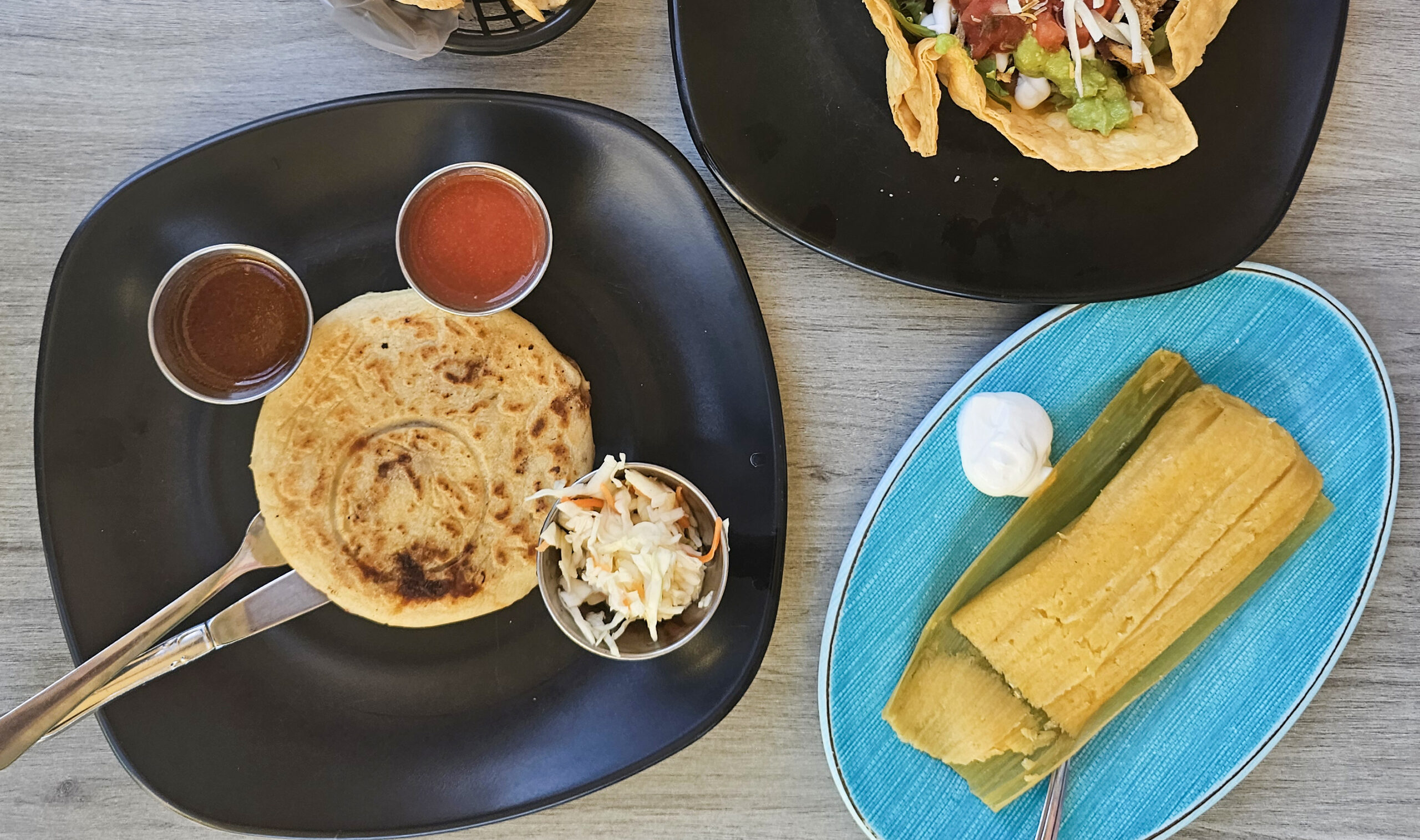
Tuna crudo with yuzu and aioli at Valley Bar and Bottle in Sonoma. (Heather Irwin / Sonoma Magazine)Pupusas and the sweet corn tamale at Don Julio’s in Rohnert Park. (Heather Irwin / Sonoma Magazine)
Don Julio’s: This tiny, tucked-away taqueria in Rohnert Park is a best-kept secret of locals. The Salvadoran restaurant takes Latin classics and adds a tropical twist — like the birria pupusas, plantain-stuffed burritos and sweet corn tamales, which I could eat for days. 217 Southwest Blvd., Rohnert Park, 707-242-3160, donjulioslatingrill.com
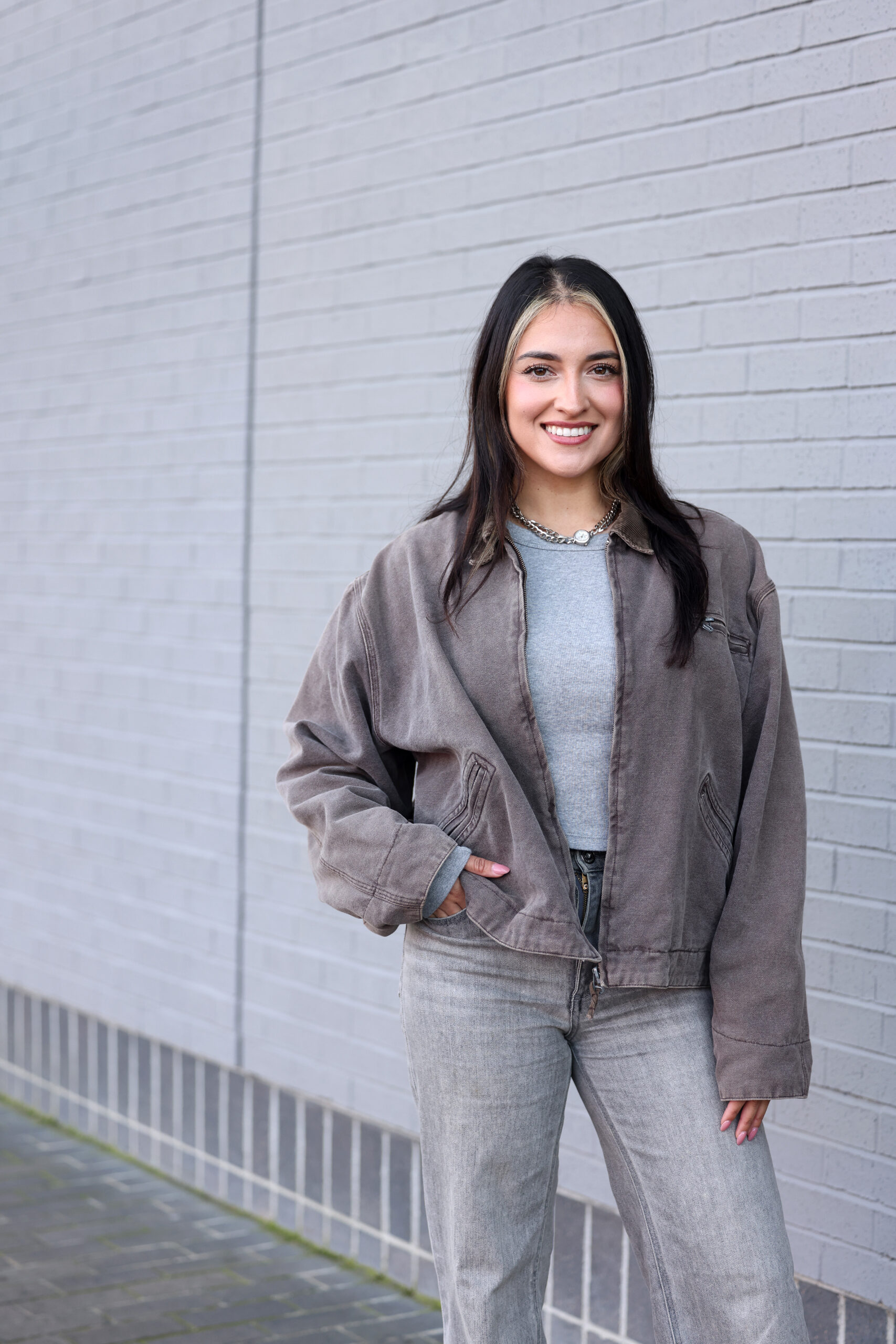
Mercedes Hernandez, founder of SoCo Market in Santa Rosa Sunday, Jan. 18, 2026. (Beth Schlanker / The Press Democrat)
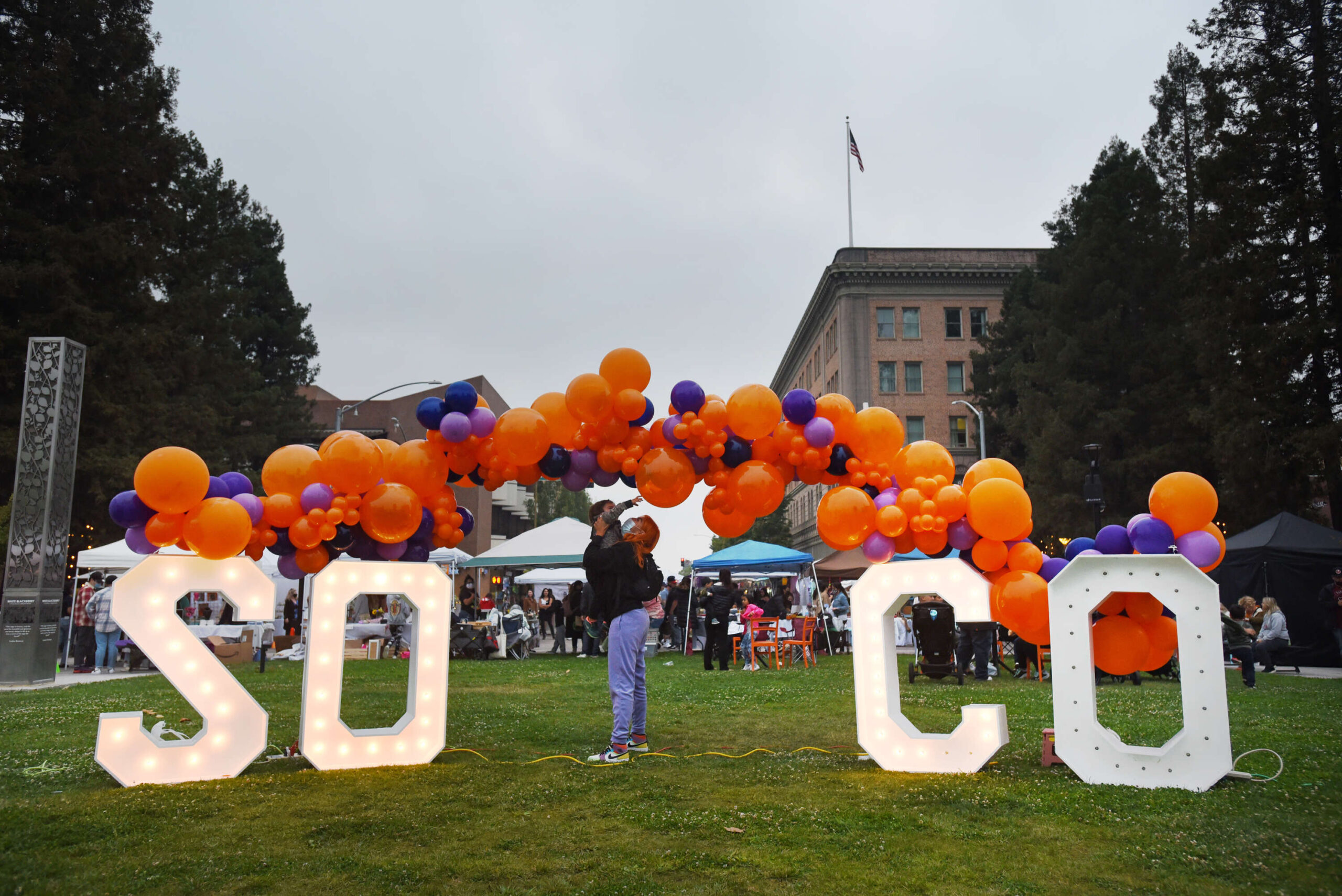
From a modest start in September 2020 intended to reconnect the community and support 11 young small-business owners, SoCo Market is entering its seventh year with a full slate of more than 90 vendors. The market runs monthly from April through August in Santa Rosa’s Old Courthouse Square, and its founder, Mercedes Hernandez, is a powerhouse of Sonoma County entrepreneurship and event planning.
Hernandez launched her first retail business in 2014 while a student at Santa Rosa Junior College. Since then, she’s opened (and closed) one more retail shop, created the Fork’n Good Food Festival and the Michelada-Mimosa Festival, and managed The Trade, an open-air marketplace at The Barlow in Sebastopol.
These days, the SoCo Market and its growing family of gatherings get all of her attention. “Highlighting the creative small business and local talent that we have here in Sonoma County, that’s the heart of all of the events that I put on,” Hernandez says.
Mercedes Hernandez, founder of SoCo Market in Santa Rosa, Sunday, Jan. 18, 2026. (Beth Schlanker / The Press Democrat)
Curating the SoCo Market
It definitely is more of a feel. We highlight unique businesses that are millennial-owned and -run. We’re looking for people who want to do more with their business, versus just a hobby. That’s what we look for, and just the creativity behind it as well. We’re all about diversity at our events; we love supporting BIPOC-owned businesses. And we don’t want to oversaturate each category. So it’s a really strategic process when approving applications.
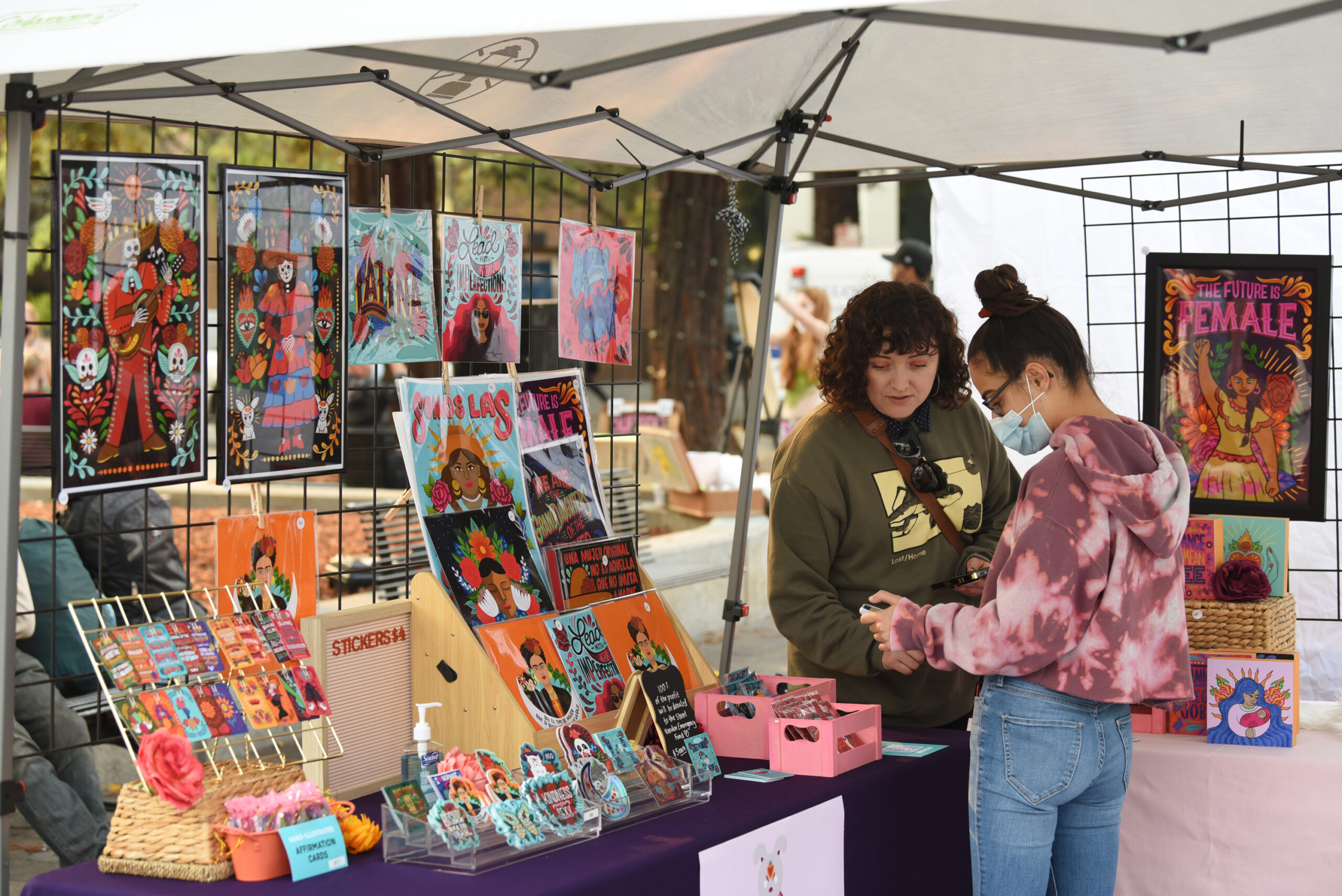
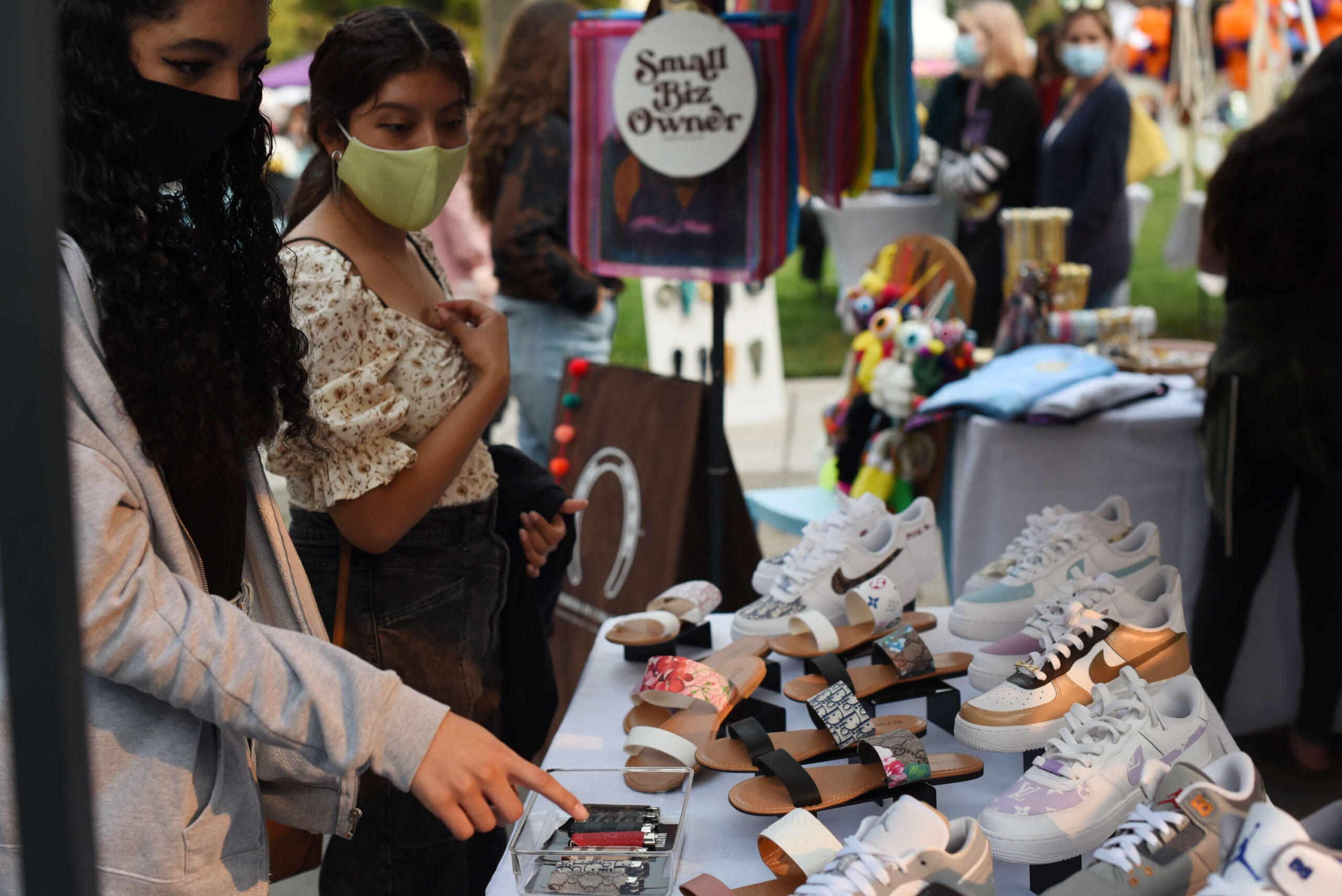
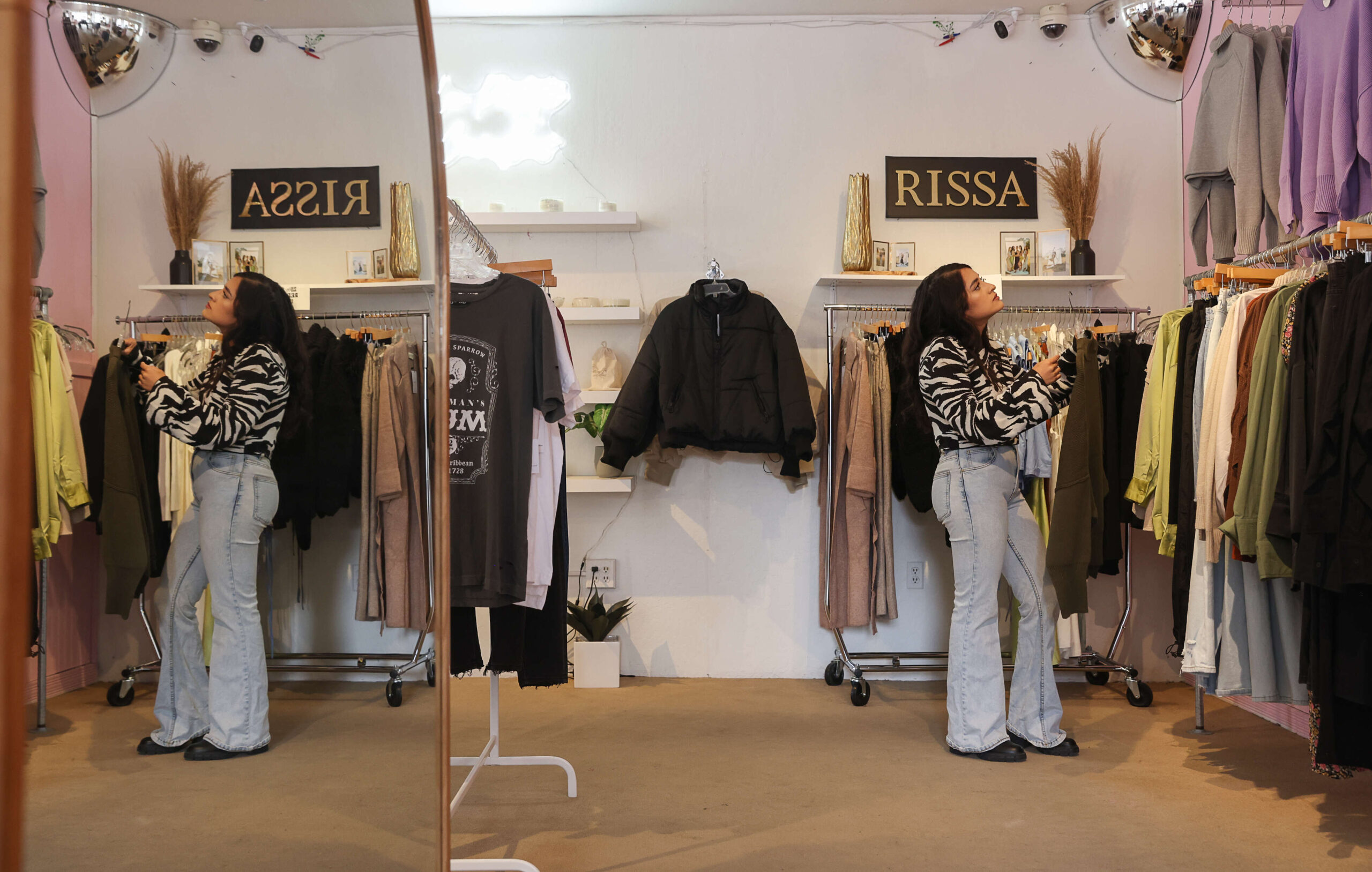
Blanca Molina, left, helps Anisya Lustig make a purchase with her phone at her Pokidi Lab by Blanca Creative booth during The SoCo Market held at Old Courthouse Square in downtown Santa Rosa on Friday, Aug. 20, 2021. (Erik Castro / for The Press Democrat)Shoppers check out the handmade lighter cases and an assortment of customized footwear by Miguel Martin, 18, owner of Martin Kickzz, during The SoCo Market held in Old Courthouse Square in downtown Santa Rosa on Friday, Aug. 20, 2021. (Erik Castro / for The Press Democrat)Store owner Mercedes Hernandez looks for clothing to display at Bow N Arrow & Friends in Cotati on Friday, Oct. 28, 2022. (Christopher Chung / The Press Democrat)
By Millennials for Millennials
That is our target audience. So we’re making sure that we are picking small businesses that cater to that audience. That’s something we’re always transparent with. And I’ve been on both sides. When I opened my first boutique, I wanted to make it affordable for college students, because I was a student at the time. I offered those prices because I knew who my customer was, and that’s what it all comes down to, knowing who your customer is.
Success Stories
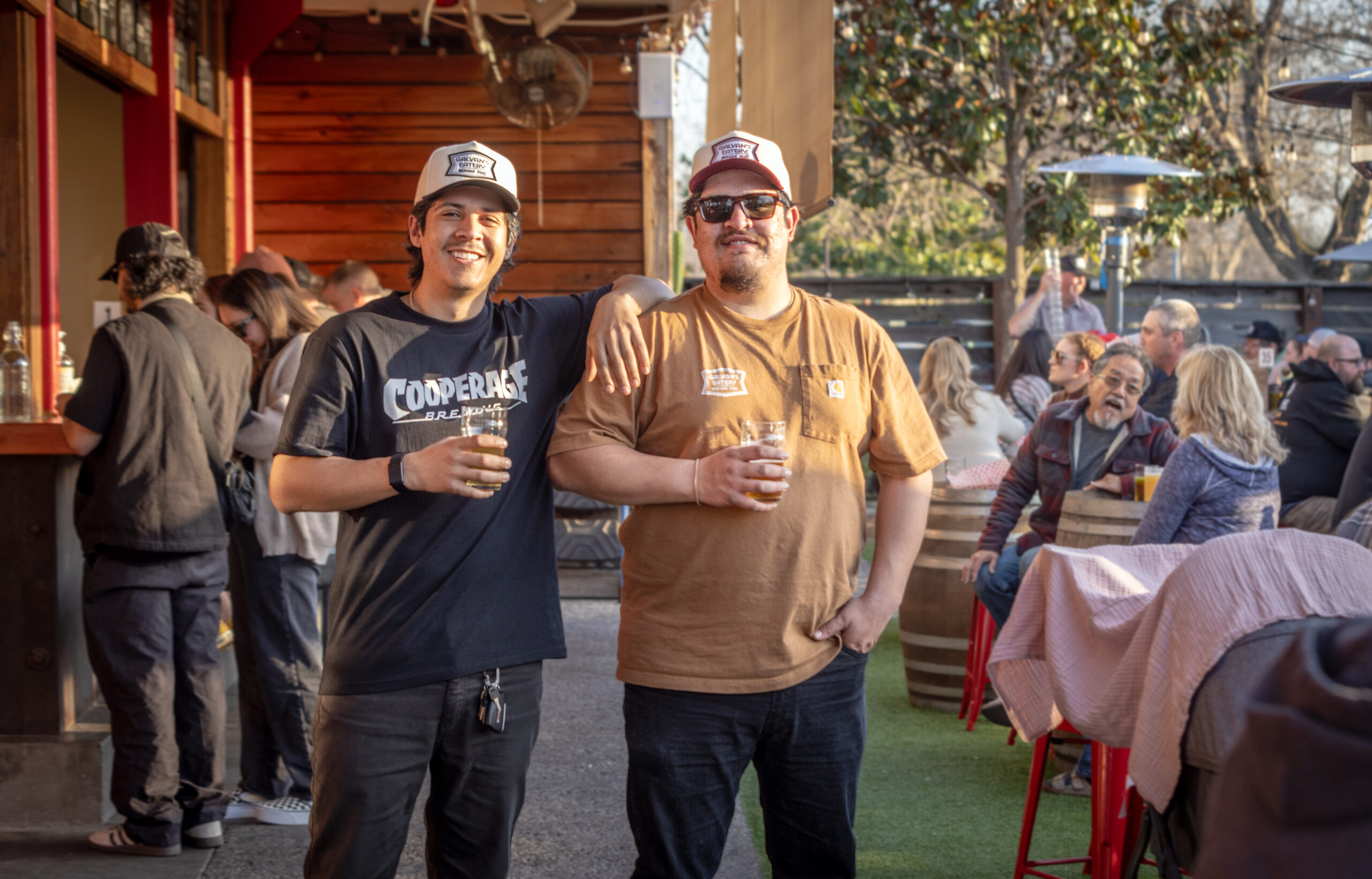
Some of our longtime vendors have expanded into brick and mortars. Many have quit their part-time job to do their small business full time. One example would be Falling for Dainty, a jewelry shop in Healdsburg. Brooke has been with us from the beginning. And then Omar, with Galvan’s Eatery, they just opened their first restaurant. They’ve been with us for a long time as well.
Brothers Ivan, left, and Omar Galvan, owners of the popular Galvan’s Eatery food trucks, have opened Galvan’s Beer Garden, their first brick and mortar location Friday, Feb. 7, 2026 in Cotati. (John Burgess / The Press Democrat)Valeria Garcia with her 1-year-old son Malachi Garcia at The SoCo Market held at Old Courthouse Square in downtown Santa Rosa on Friday, Aug. 20, 2021. (Erik Castro / for The Press Democrat)
Future Plans
A new project is a permanent food truck location and a community hub in Santa Rosa. I’ve always been inspired by larger cities, and San Francisco has an amazing food-truck park called Spark Social SF. I love bringing the community together, and having a permanent spot where we can do that and have live entertainment is a dream of mine, and something that I’m working towards.
The next SoCo Market will be held from 11 a.m. to 4 p.m. on April 19 at Old Courthouse Square in Santa Rosa. thesocomarket.com
Johnson’s Beach in Guerneville. (Sonoma County Tourism)
With a legendary coastline stretching 840 miles, California has long been the sunny home for beachcombers and surfer dudes. But beaches don’t always lie on the coast, as Travel + Leisure reminds in a recent article listing nine of the best beach towns in California, where Guerneville ranked No. 3.
“The forested hamlet of Guerneville — a longtime haunt for hippies, artists, and the LGBTQ+ community — is located on the Russian River, a slow-moving waterway intermittently lined with beaches,” the Travel + Leisure article stated.
Guerneville’s varied storefronts reflect the layers of the region’s recent history, from timber town to hippie haven to gay-friendly retreat and upscale weekend getaway. Close to the beach and with a downtown full of great places to eat and drink, it is a perfect spot to relax and soak up the sun on hot days.
Where to play
Johnson’s Beach: The popular Russian River spot offers paddleboarding, picnicking, tubing, and swimming. The beach has a snack bar with refreshments and offers camping or vintage cabins. King’s Sport & Tackle (16258 Main St.) can help you get set up with water sports gear and offer advice. 16215 and 16217 First St., johnsonsbeach.com
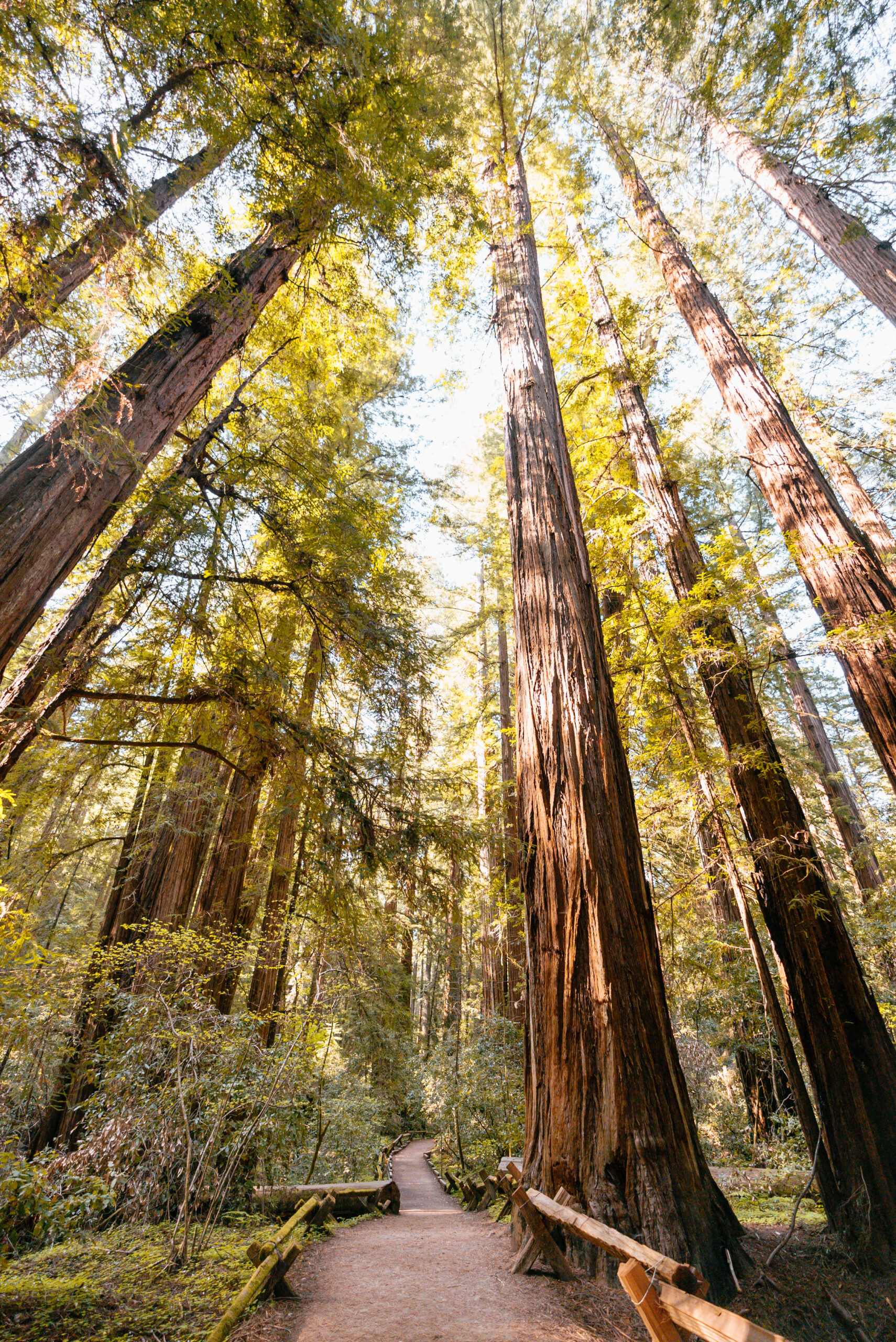
A sunset view at Johnson’s Beach in Guerneville along the Russian River. (Eileen Roche / Sonoma Magazine)Armstrong Redwoods State Natural Reserve in Guerneville. (Mariah Harkey / Sonoma County Tourism)
Armstrong Redwoods State Natural Reserve: Quiet trails lead through 800 acres of old-growth redwoods just a short distance from downtown. 17000 Armstrong Woods Road, 707-869-2015, parks.ca.gov
Where to eat
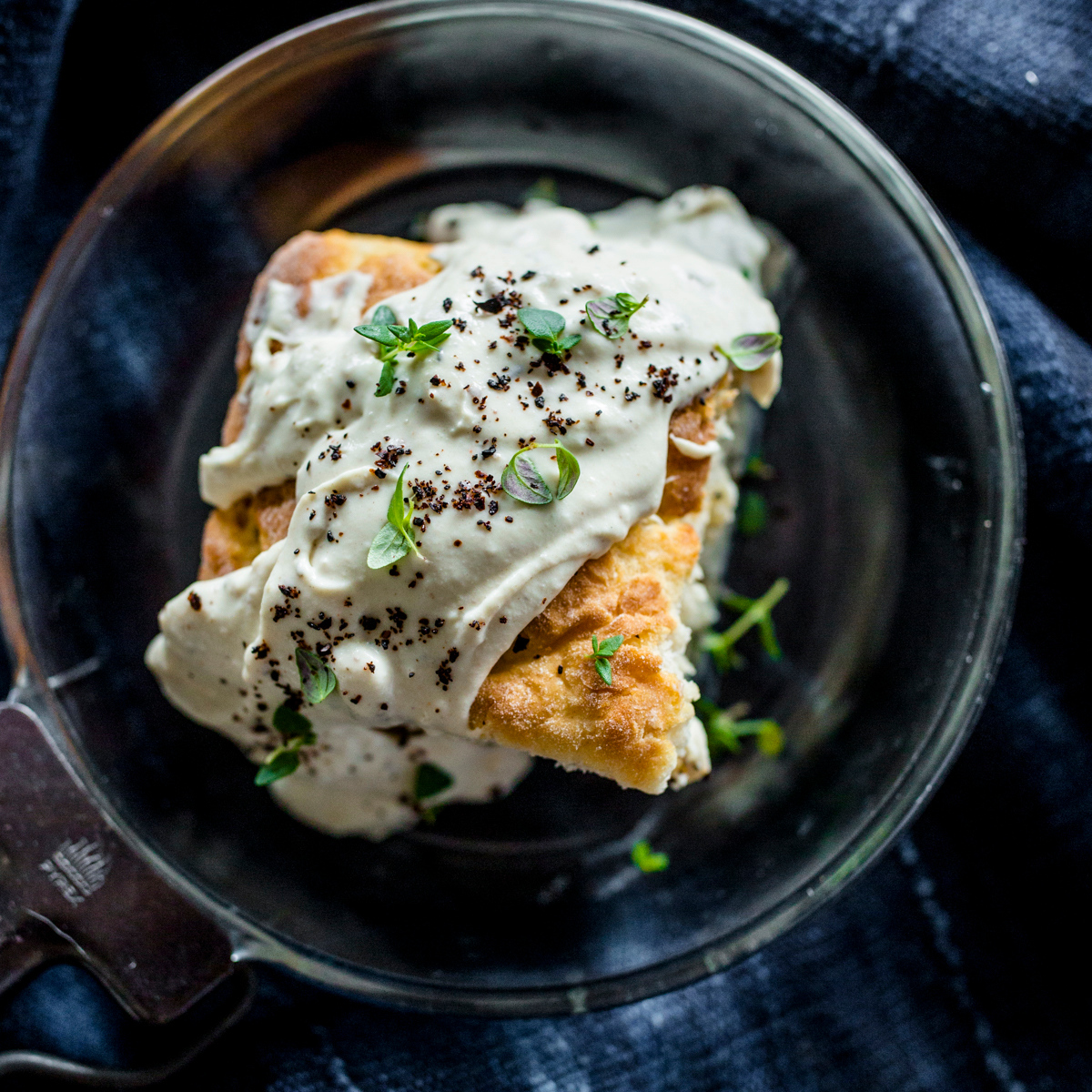
Piknik Town Market: Though Big Bottom Market was sold and reopened in 2023 as Piknik Town Market, new owner Margaret van der Veen assured fans that the Market’s world-famous biscuits are still baked daily. The spot also offers salads, sandwiches, gourmet groceries and picnic provisions, including to-go picnic boxes. 16228 Main St., 707-604-7295, pikniktownmarket.com
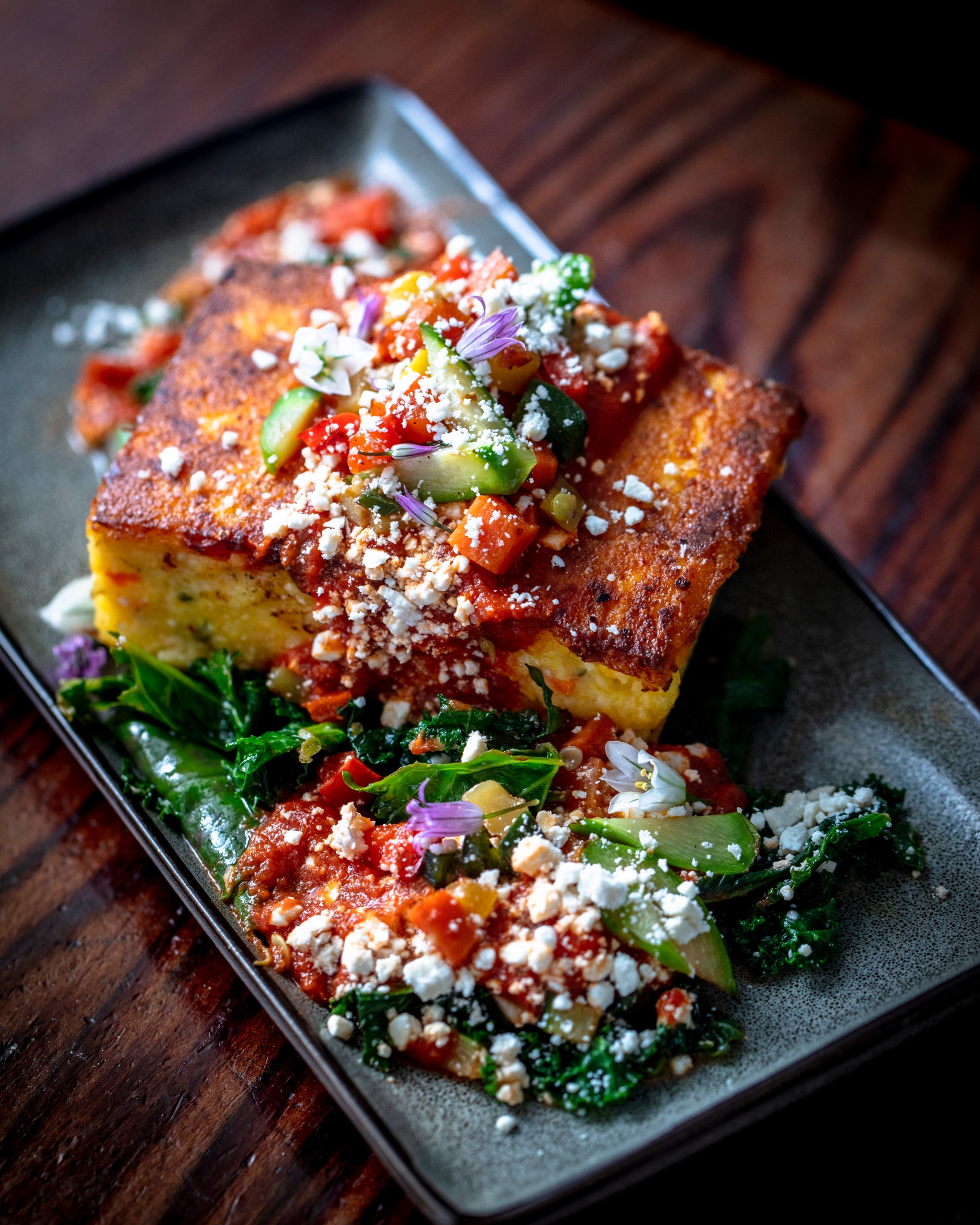
A biscuit from Piknik Town Market, formerly Big Bottom Market, in Guerneville. (Sonoma County Tourism)Polenta lasagna at Boon Eat + Drink in Guerneville. (Boon Eat + Drink)
Boon Eat + Drink: Chef Crista Luedtke of Food Network fame lives in Guerneville and her restaurant anchors the downtown strip. Boon is a classic California farm-to-table bistro, with locally sourced dishes such as beet salad with goat cheese, mac and cheese with Mycopia mushrooms, Niman Ranch burger on brioche and the fan-favorite polenta lasagna on a bed of rainbow chard. 16248 Main St., 707-869-0780, eatatboon.com
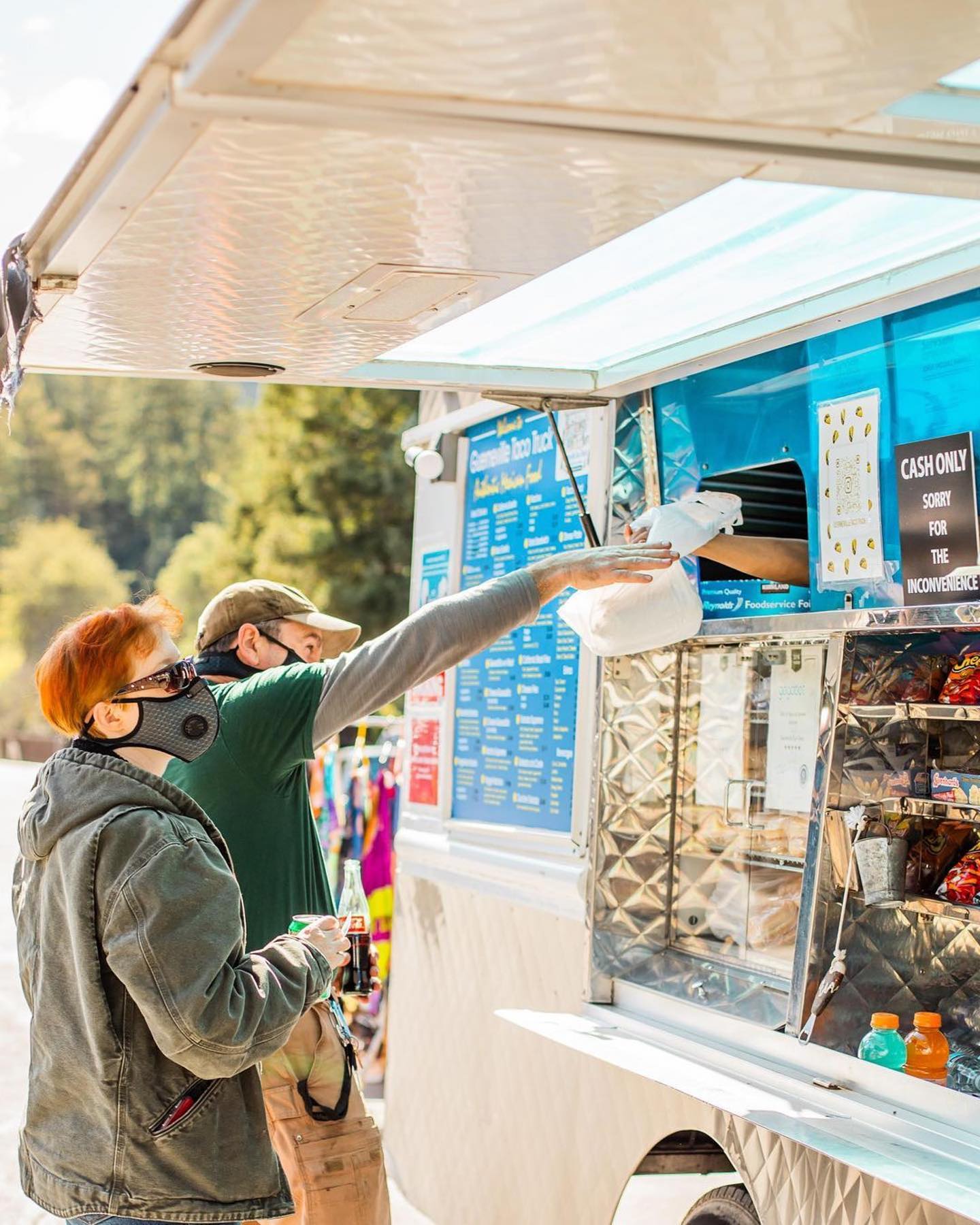
Guerneville Taco Truck: It may seem odd to claim that a Safeway parking lot is home to the best Mexican food in Guerneville, but most locals would agree. A mainstay for over three decades, the Guerneville Taco Truck offers the best tacos, tortas and burritos this side of the Russian River. 16405 Highway 116, 707-869-1821, guernevilletacotruck.com
The Guerneville Taco Truck in the Safeway parking lot in Guerneville. (Russian River Visitor Center)
Where to sip
Stumptown Brewery: The main draw here is an expansive deck overlooking the river, with kayakers and tubers floating by. Spend the afternoon there with a beer sampler or the seasonal Donkey Punch, a refreshing hoppy lager. 15045 River Road, 707-869-0705, stumptown.com
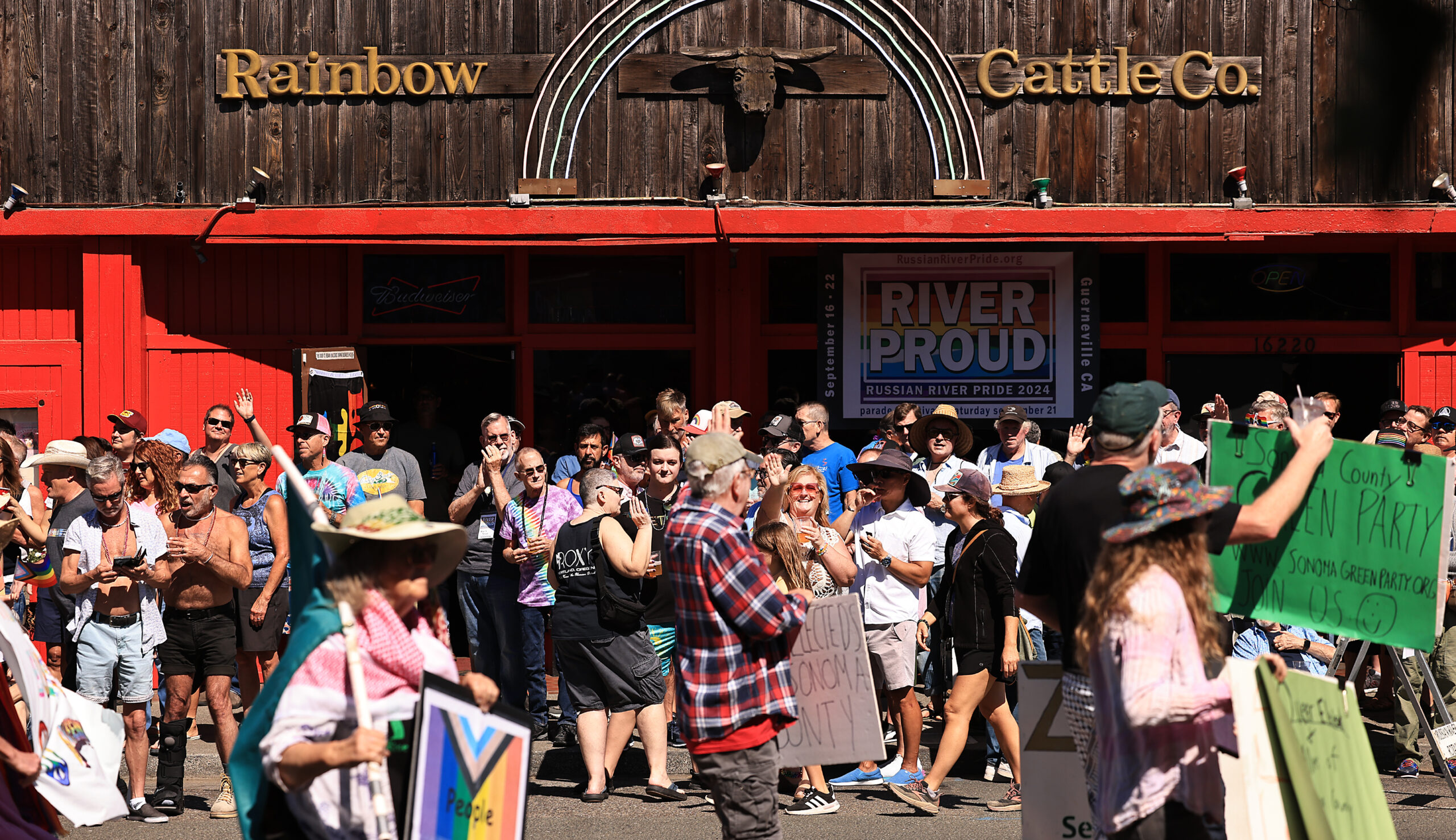
Rainbow Cattle Co.: “The Rainbow,” as locals call it, has been a Guerneville fixture since the late 1970s. The LGBTQ+ community gathering spot is one of only a few Sonoma County bars that remain open until early morning hours, closing at 2 a.m. on Fridays and Saturdays. 16220 Main St., 707-869-0206, queersteer.com
Parade watchers gather in front of the Rainbow Cattle Company during the Russian River Pride Parade and Festival in Guerneville, Saturday, Sept. 21, 2024. (Kent Porter / The Press Democrat)At Korbel Champagne Cellars in Guerneville. (John Burgess / The Press Democrat)
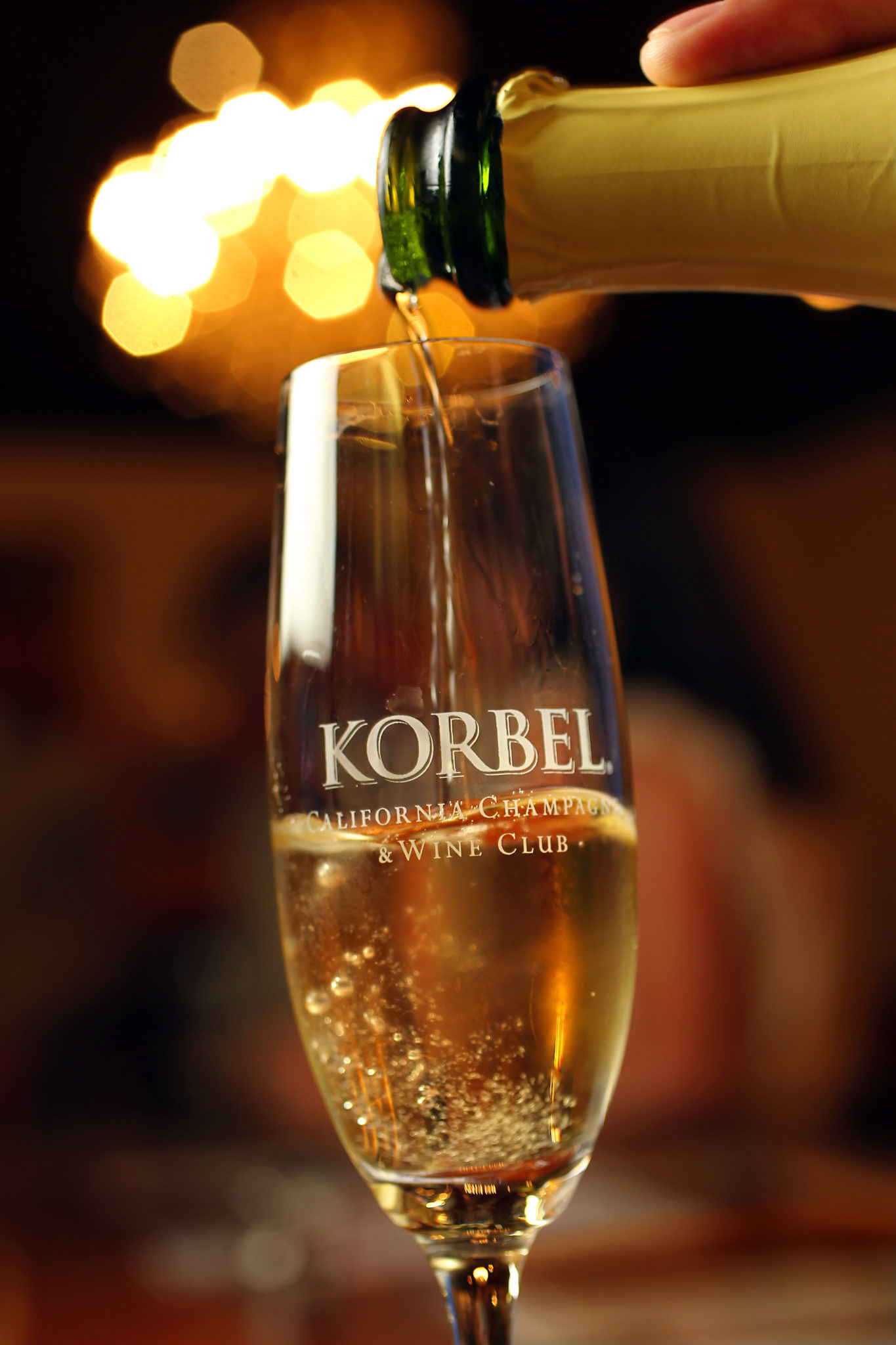
Korbel Champagne Cellars: As the only Champagne producer in the Bay Area since the late 1800s, Korbel has earned a reputation in the county for its old-world charm and first-class bubbles. The winery’s Champagne even made it to the table at former president Barack Obama’s inaugural luncheon, a Korbel tradition for presidential inaugurations dating back to the 1980s. Korbel offers free walking tours of its historic museum and cellars, which include a complimentary Champagne tasting. 13250 River Road, 707-824-7000, korbel.com
Where to stay
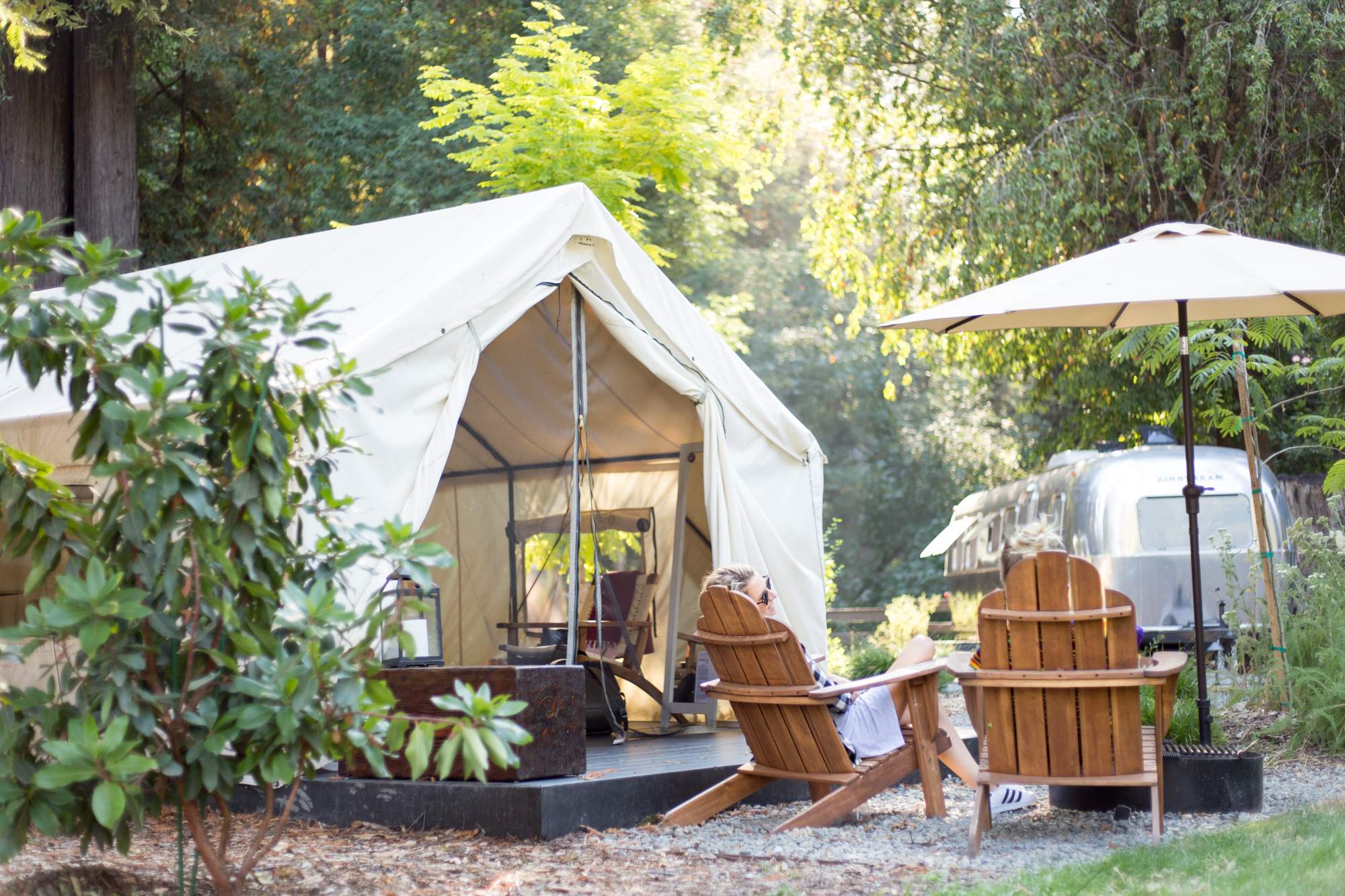
AutoCamp’s luxury tent and patio site near Guerneville along the Russian River in Sonoma County. (Madison Kotack / for Mesa Lane Partners)
AutoCamp Sonoma: Guests stay in custom Airstream trailers or luxury tent cabins at this mid-century modern glamping destination. 14120 Old Cazadero Road, 855-942-0792, autocamp.com/location/sonoma
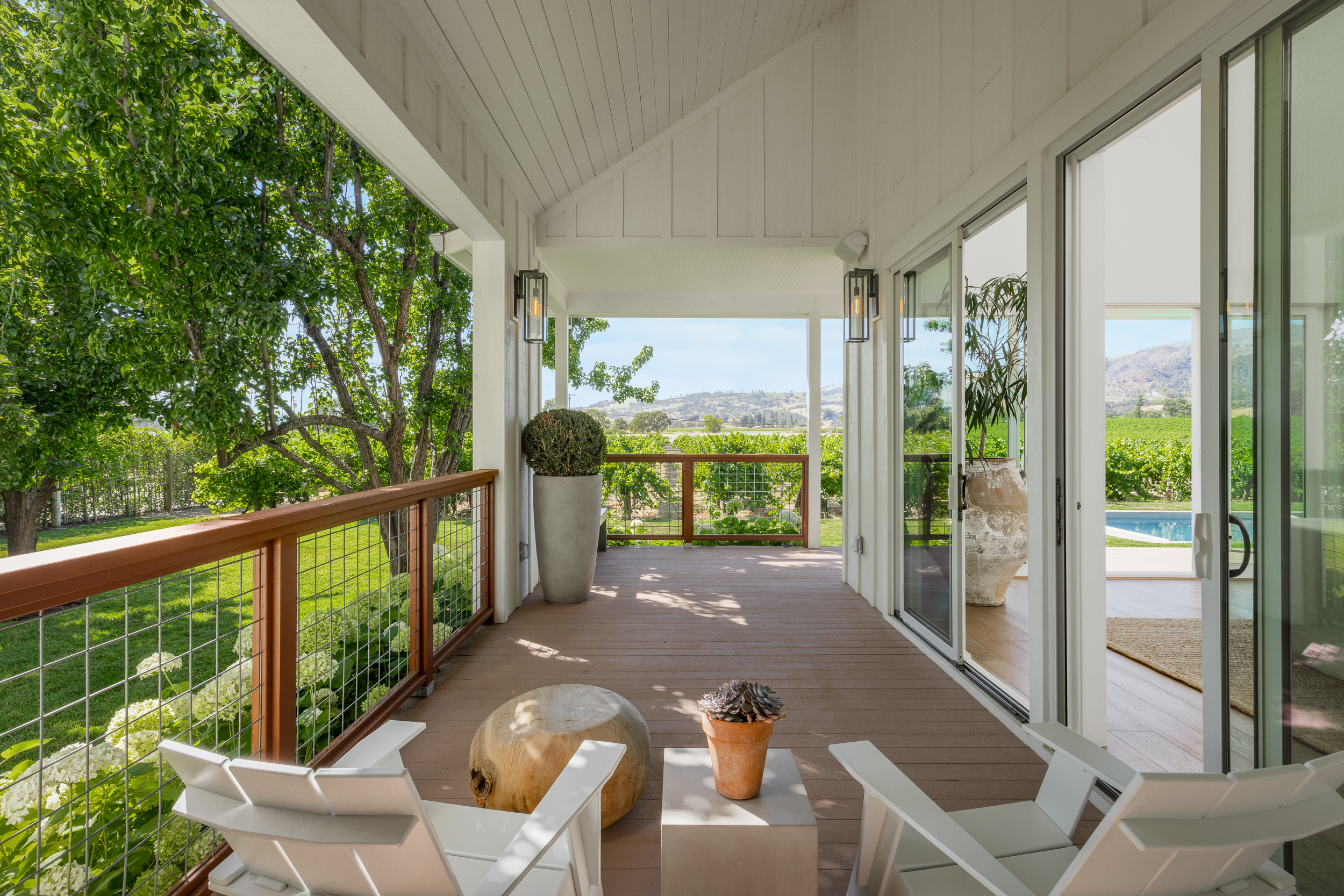
This renovated farmhouse in Alexander Valley, on the Healdsburg-Geyserville border, is currently listed for $3,650,000. (Jan Pechbrenner / Liftec Media)
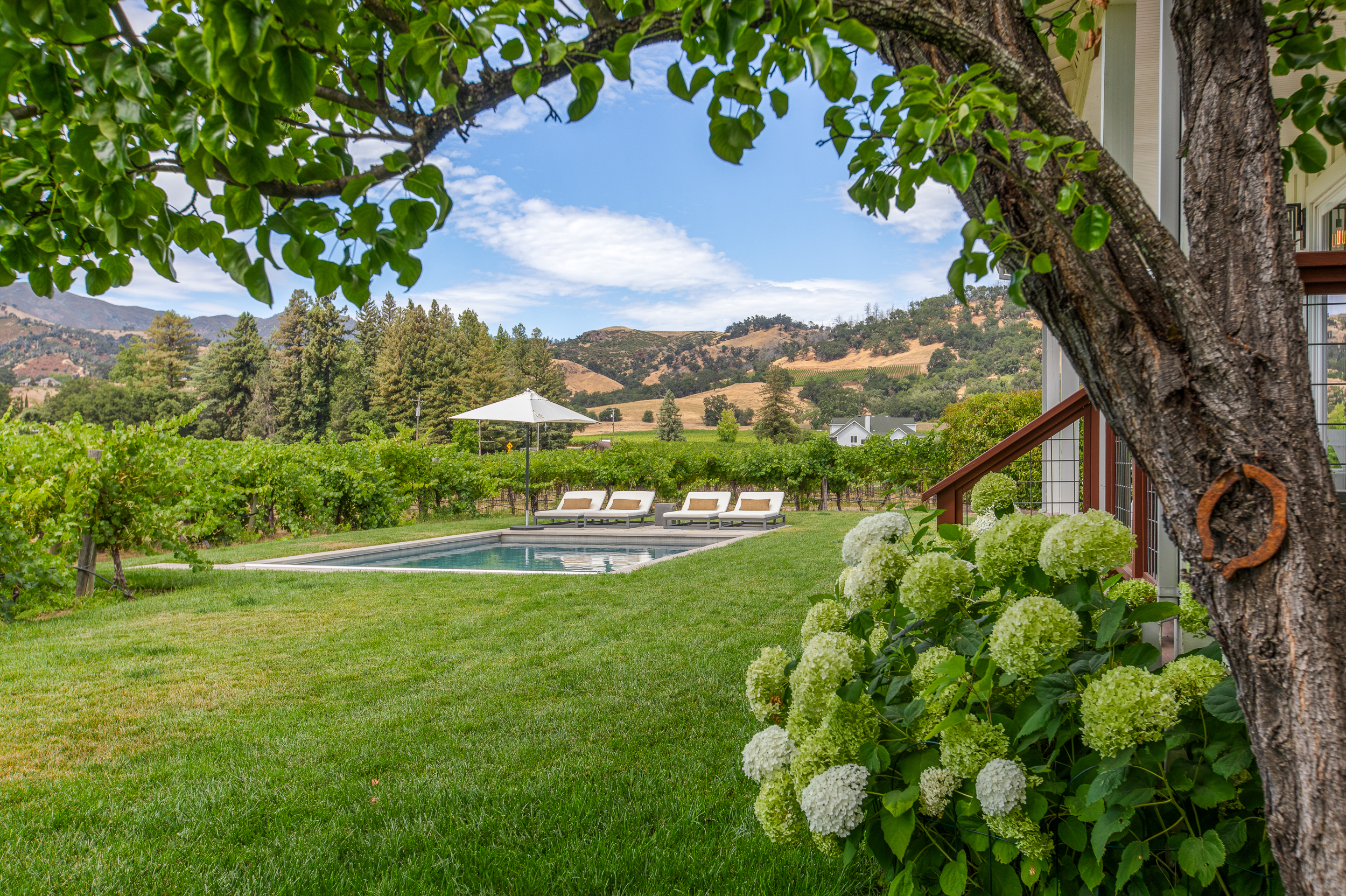
A renovated farmhouse on the Healdsburg-Geyserville borderin Alexander Valley is currently listed for $3,650,000. The three-bedroom, three-bathroom dwelling has a saltwater pool and its own Cabernet vineyard, covering a checklist of Wine Country home must-haves.
East Coast transplants Cheryl and Steven Foland purchased the home in 2018 and moved in full time when their San Francisco and Marin-based jobs went remote during the COVID-19 pandemic.
“We found ourselves so enamored with more space, a slower pace and an amazing sense of community,” said Cheryl.
The couple built a cedar farm fence for enclosure and curb appeal, as well as to corral their two Rhodesian ridgebacks, who, Cheryl said, “spend their day romping among vines.”
The Folands sell grapes from the property’s 15 rows of Cabernet vines to local wineries. A vineyard manager and a small crew run the harvest, but the couple joins in to help.
In the expansive outdoor space, the homeowners added landscaping and a saltwater pool — offering new ways to experience the vastness of vineyards and the surround of rolling hills.
The wraparound porch is lined by hydrangeas — planted to recall Cheryl’s time living in Westport, Connecticut, where the flower abounds. “Every year, the blooms multiply like mad,” she said of her Geyserville plants.
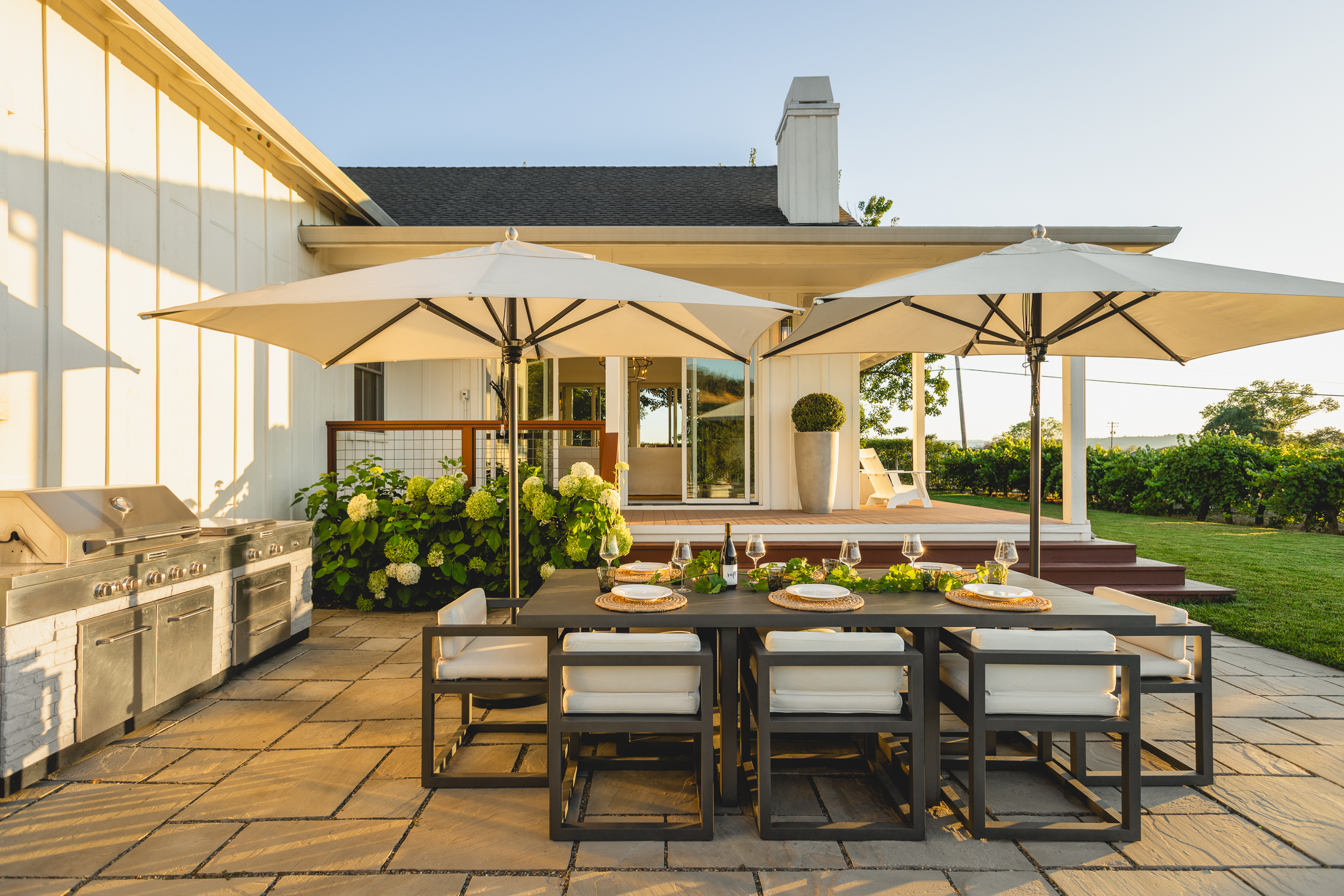
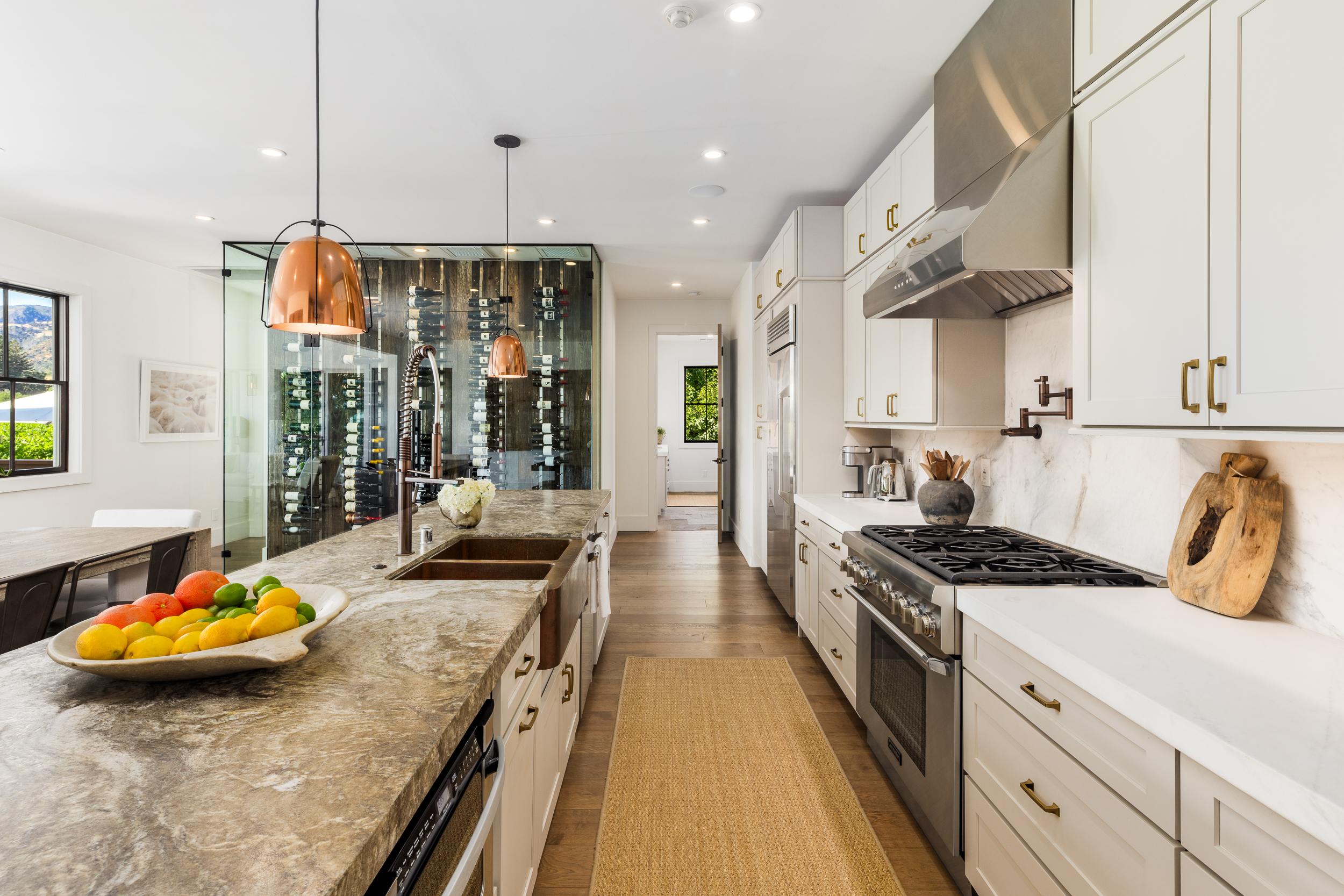
Self-described “major foodies,” the couple enjoys time cooking and entertaining in the kitchen, which has a Wolf Range and a glass-enclosed wine wall from which to pluck the day’s pairing. An outdoor barbecue area takes the eating adventure right next to the grapes.
The home also offers plenty of opportunities for the hardworking couple to wind down. The wraparound porch is a great place to watch the sun dip behind the vines. An open-concept living room, with a stone-faced electric fireplace, offers sunset gazing via wall-to-wall sliding glass doors. The main bathroom’s soaking tub has a window that creates another prized spot to savor the setting.
Melisa Hall, right, and Sonia Quintero enjoy a glass of wine at Wolves Lovers + Thieves in Glen Ellen on Friday, March 13, 2026. (Christopher Chung/The Press Democrat)
When Lindsey Blanchard and Ryan Kuhlmann met as aspiring lawyers in Minneapolis, they probably never imagined they would end up moving to a small town in California and starting a winery together. Now they have two wineries. Their newest venture in downtown Glen Ellen, Wolves Lovers + Thieves, is a celebration of sparkling wines made from unexpected grape varieties using three different production methods.
The story
Native Midwesterners Blanchard and Kuhlmann met during law school, and they might still be practicing lawyers today if it hadn’t been for a teaching job that brought them out to Sacramento. Living in California, the couple’s shared enthusiasm for wine soon deepened into something more serious.
Recognizing they had a lot to learn, they headed to Sonoma County and connected with winemaker Robert Rex at Deerfield Ranch in Kenwood. Renting space and equipment at the incubator winery, the couple found a mentor in Rex.
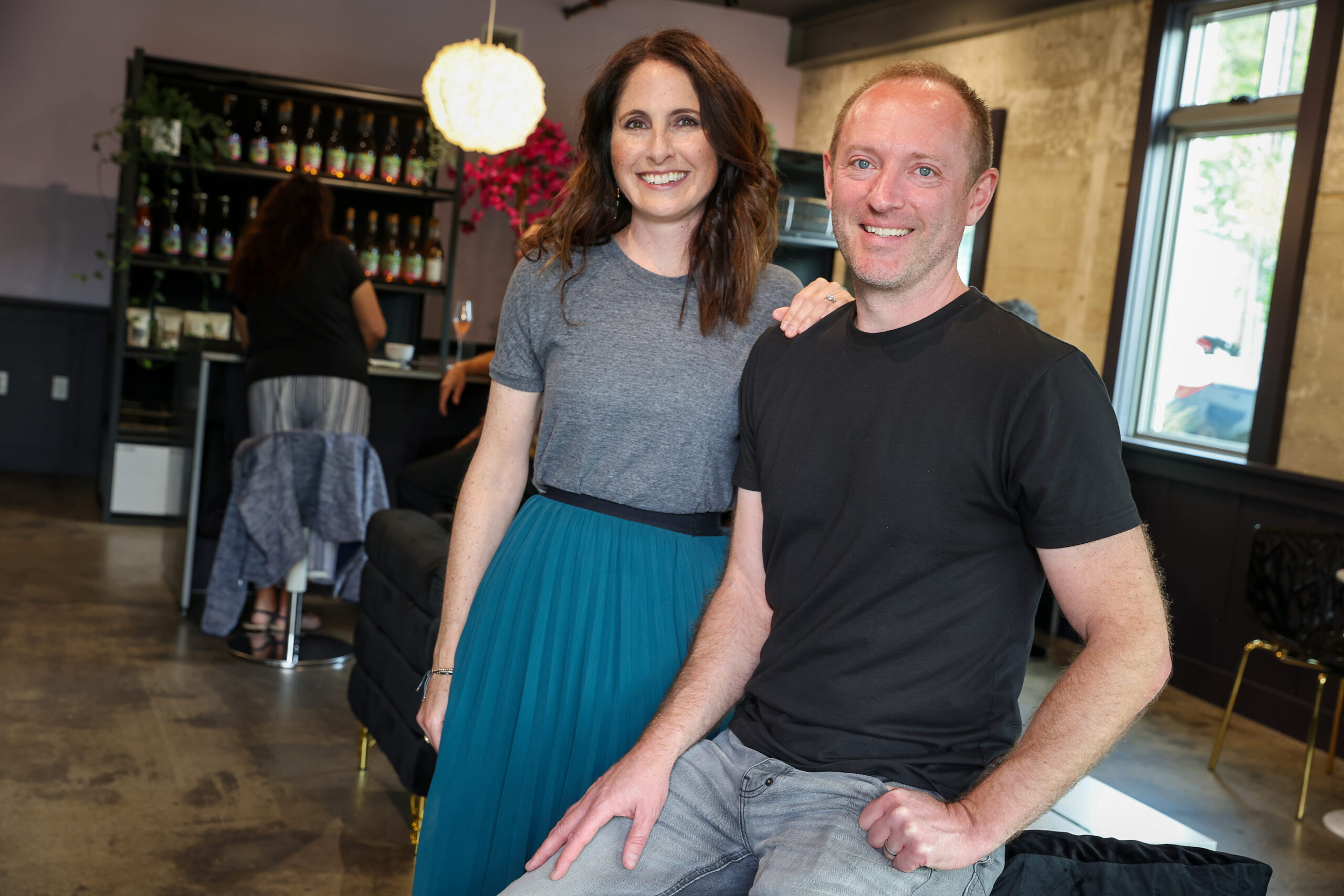
Wolves Lovers + Thieves owners Lindsey Blanchard and Ryan Kuhlmann at their tasting room in Glen Ellen on Friday, March 13, 2026. (Christopher Chung/The Press Democrat)
The married duo launched their first winery — the cheekily named Wine Snob* — in 2021. A year later, they made an experimental sparkling wine that led to their second venture: Wolves Lovers + Thieves. Opened in December 2025, the Glen Ellen tasting room showcases bubbles made using three traditional methods: ancestral, méthode champenoise and Charmat.
Blanchard and Kuhlmann make about 600 cases of sparkling wine each year.
The vibe
Wolves Lovers + Thieves sits on Arnold Drive in downtown Glen Ellen, across the street from Poppy and just around the corner from Wine Snob*. Though the brands could have shared a space, the founders wanted their distinctive sparkling wines to have their own venue and identity.
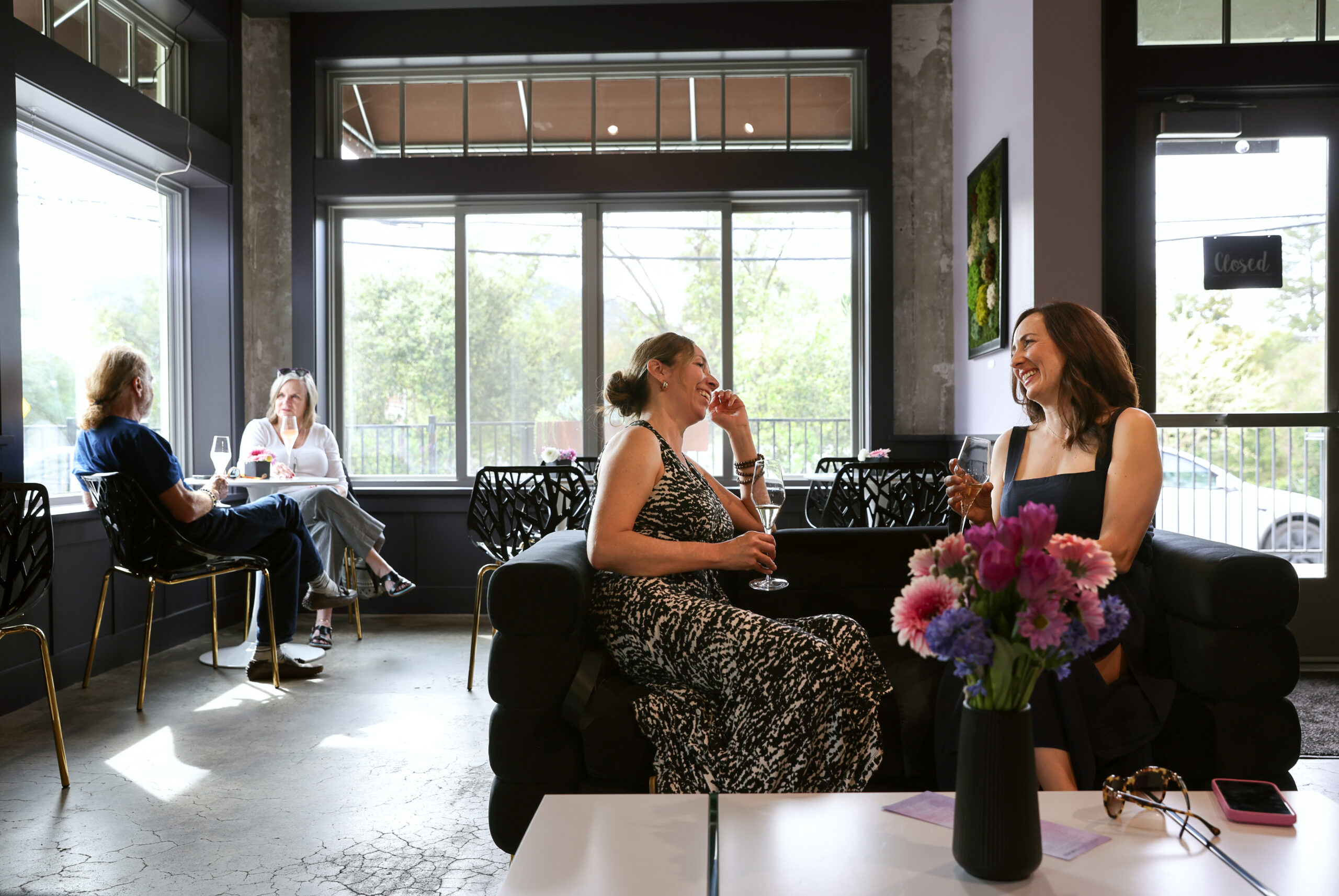
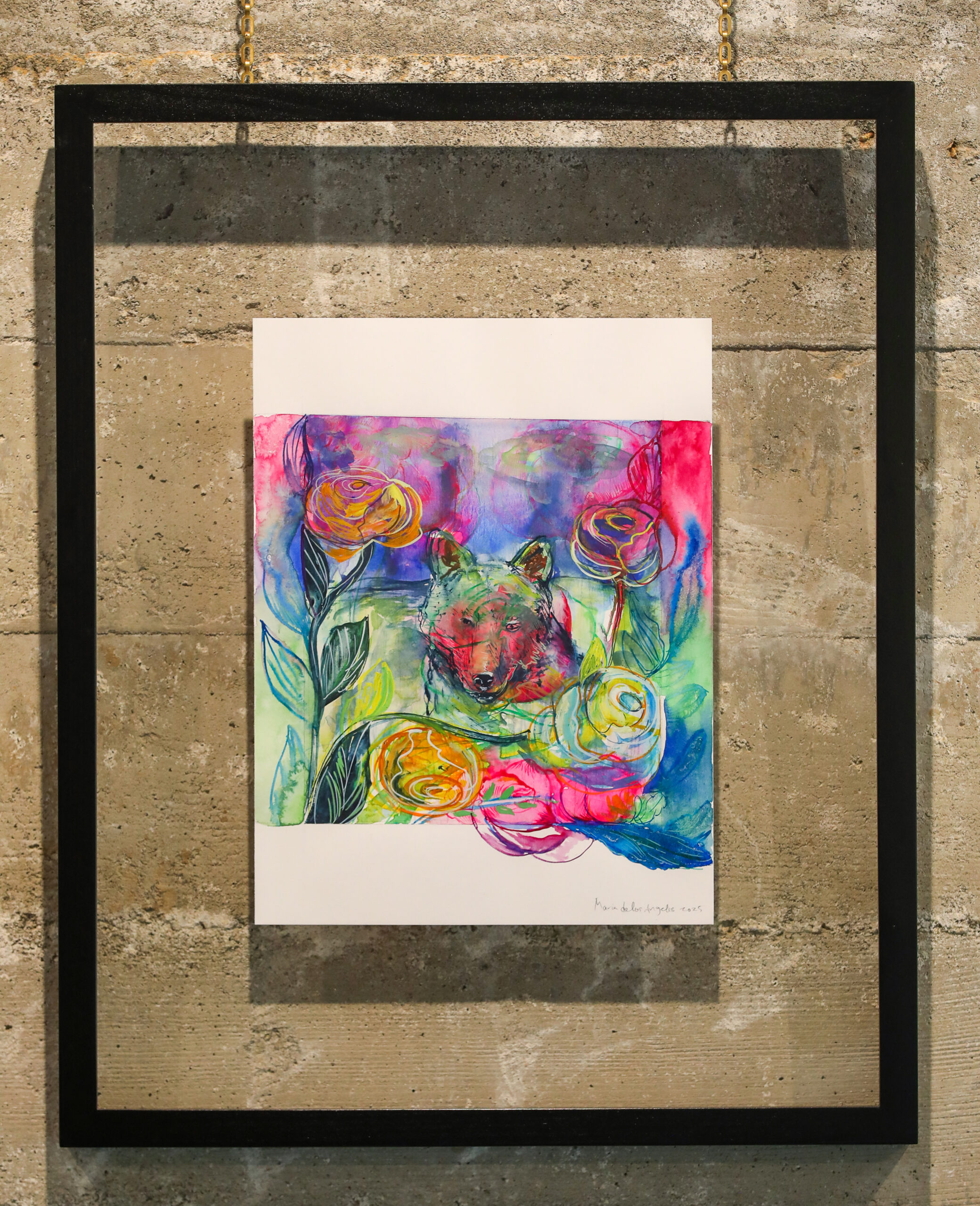
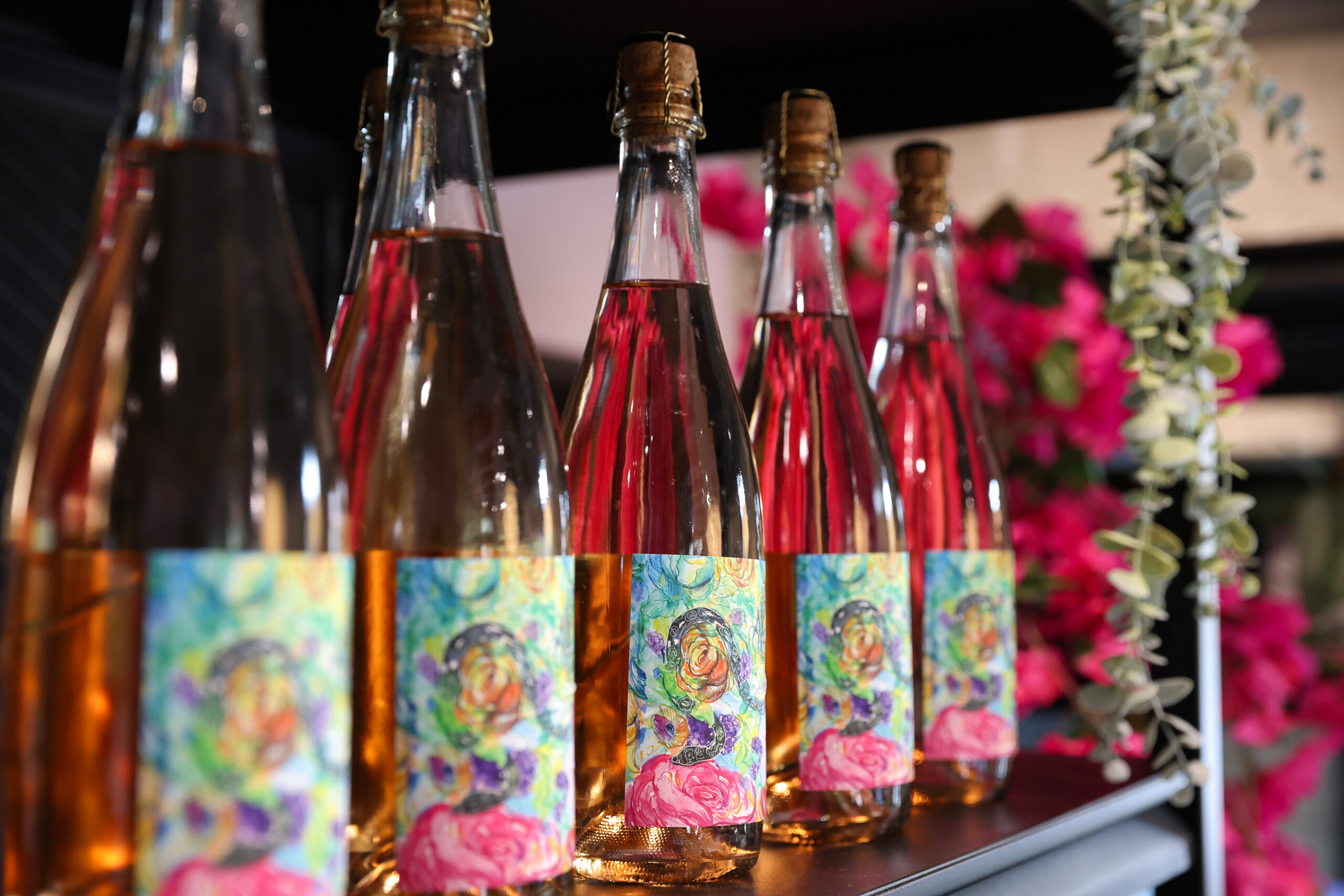
Melisa Hall, right, and Sonia Quintero enjoy a glass of wine at Wolves Lovers + Thieves in Glen Ellen on Friday, March 13, 2026. (Christopher Chung/The Press Democrat)Art by Maria de Los Angeles, used for wine bottle labels, hangs on the wall at Wolves Lovers + Thieves in Glen Ellen on Friday, March 13, 2026. (Christopher Chung/The Press Democrat)
The “Wolves” tasting room has a stylish yet industrial look, with concrete floors, a steel bar and a mix of sofa and bistro table seating. A sliding glass door separates the room from the adjoining Garden Court Café. Vibrant watercolor paintings by Mexican-born local artist Maria de Los Angeles — the same images used for the Wolves Lovers + Thieves labels — adorn the walls.
On the palate
Self-described “type A” personalities, Kuhlmann and Blanchard are hands-on in the vineyard and low-intervention in the cellar. Though they’re not fans of the term “natural wine,” they try to use as little manipulation as possible when making their sparklers. The resulting wines share a bright purity, devoid of flaws or funk.
It’s bubbles only at Wolves Lovers + Thieves, but there’s a lot of variety to explore within that realm. Among the winery’s four sparklers, two are made using the Champagne method, one is a pétillant-natural made with the ancestral method and one represents the Charmat technique. Each production method expresses itself differently in the glass, and learning about the nuances is what makes a visit to this tasting room so interesting and fun.
Bottles of Wolves Lovers + Thieves Masquerade, featuring the art of Maria de Los Angeles, in Glen Ellen on Friday, March 13, 2026. (Christopher Chung/The Press Democrat)
The 2024 Raised by Wolves Sonoma Valley Pinot Noir ($36) is a lively pet-nat that’s rosy in color with a touch of cloudiness from the spent yeast left inside the bottle. It shows fresh berry flavors and an appealing citrus accent. You don’t encounter many sparkling Gewürztraminers in these parts, let alone examples made in the super-dry “brut nature” style, so don’t miss the 2022 Jealousy from Potter Valley ($72). It’s bright and floral with notes of ginger. The 2025 Incognito from Russian River ($54) is a sophisticated, intensely fruity Charmat sparkler made from Pinot Meunier — a grape normally relegated to blending status.
Tastings cost $35 per person.
Beyond the bottle
At Jack London State Historic Park in Glen Ellen. (Jack London State Historic Park)
I love any excuse to wander the beautiful Jack London State Historic Park in Glen Ellen, and there’s a compelling one coming up on April 19. The park is hosting artist Maria de Los Angeles, creator of the Wolves Lovers + Thieves wine labels, for a nature-inspired watercolor painting workshop. The full-day, immersive event ($250) includes refreshments. If birding is more your speed, join the Birds and Words walk at Jack London with guide and author Rebecca Lawton on April 12 ($20).
Wolves Lovers + Thieves, 13647 Arnold Drive, Unit 2, Glen Ellen. Open noon to 5 p.m. Wednesday through Sunday. Walk-ins welcome, but reservations are recommended. 707-337-9523, wolvesloversthieves.com
Putting cheese on bread is no novel concept — people have been uniting the two ingredients as far back as ancient Rome. The method of combining them, however, is another story. One of our favorite ways is the grilled cheese sandwich.
One of the first iterations of a grilled cheese came from, you guessed it, France. The French croque monsieur, a griddled ham and cheese sandwich, came about in the early 1900s. It wasn’t until a few decades later that the grilled cheese sandwich made a proper appearance in the United States.
Otto Frederick Rohwedder invented the first automatic bread-slicing machine in Iowa in 1928, making the distribution of bread easier and more affordable. During the Great Depression and World War II, Americans in search of cheap, filling meals looked to sliced bread and processed cheese from J.L. Kraft & Bros. Company (later known as Kraft Foods), which had opened its first U.S. plant in 1914. The cheese dream, an open-faced version of the grilled cheese sandwich, became popular during this time.
By 1949, Kraft Foods introduced its individually wrapped Kraft Singles, which American supermarkets began stocking in 1965. It was around this time that people began making closed, toasted cheese sandwiches and the term “grilled cheese” finally made its print debut.
A simple yet tasty grilled cheese sandwich is the ultimate kid-friendly meal, but adults shouldn’t have to miss out on all the gooey, cheesy deliciousness. Sonoma County restaurateurs are serving elevated versions of the tried-and-true classic. Here are a few to try on National Grilled Cheese Sandwich Day (April 12) or any day of the year.
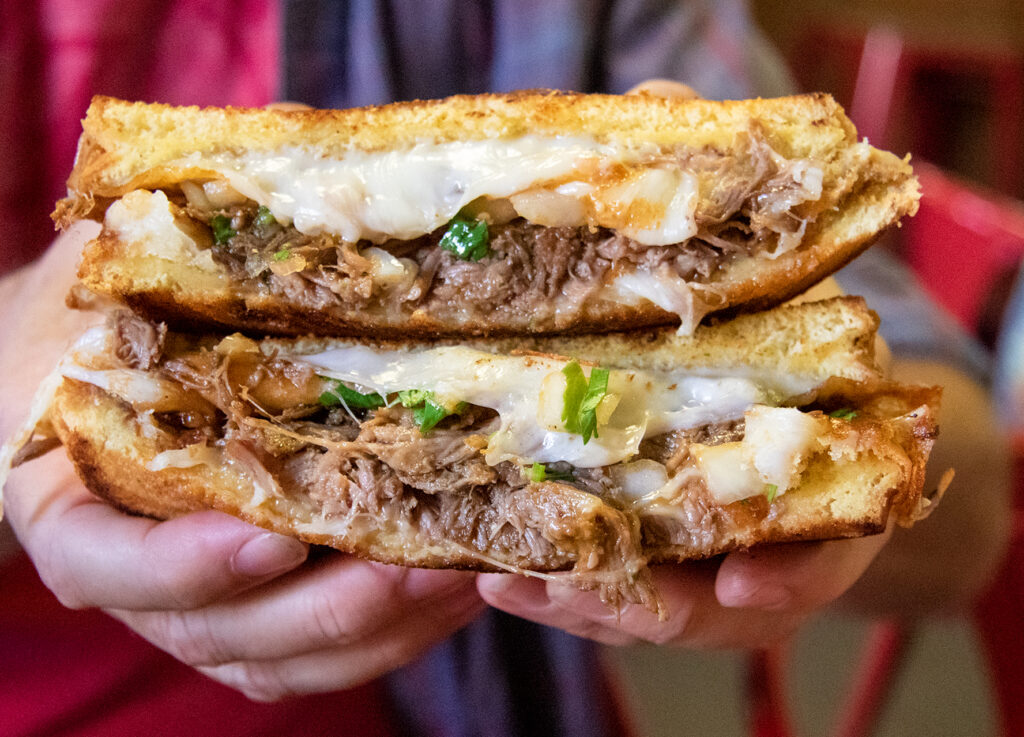
Grilled cheese with birria on Texas Toast is a menu option at Galvan’s Eatery in Santa Rosa. (Heather Irwin / Sonoma Magazine)
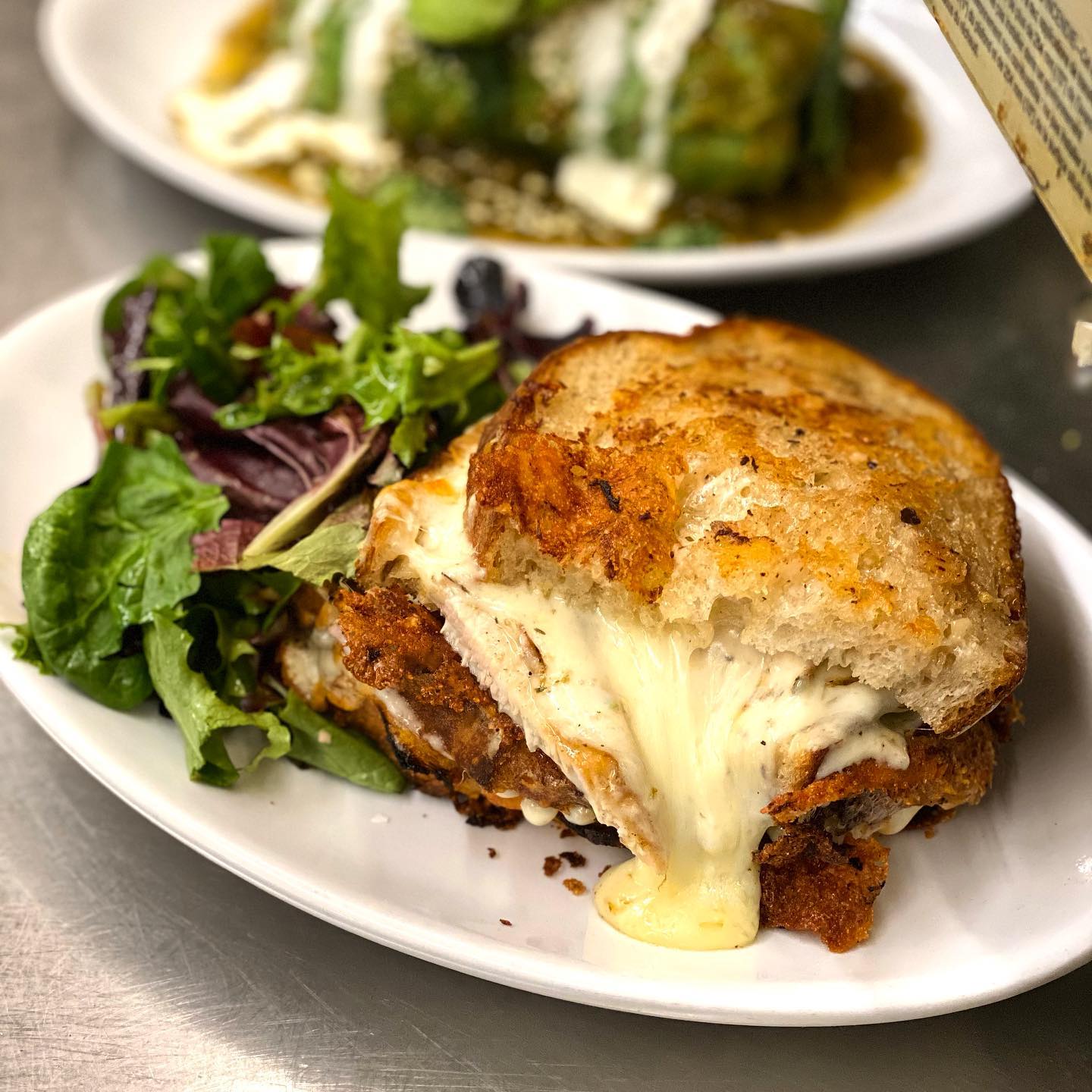
Galvan’s Eatery & Beer Garden, Birria Grilled Cheese: Griddled Texas toast piled with melted cheese and stuffed with tender birria. Find the new brick-and-mortar restaurant in Cotati, plus the food truck continues to pop up around Sonoma County. 500 E. Cotati Ave., Cotati, 707-664-5987, instagram.com/galvanseatery
KC’s American Kitchen, Ultimate Grilled Cheese: Cheddar and jack cheeses spill over between Parmesan sourdough bread. Add tomato for $1, avocado for $2.50 and bacon or ham for $4.25. For when you’re feeling hungry and nostalgic. 9501 Duvander Lane, Windsor, 707-838-7800, kcsamericankitchen.com
Nimble & Finn’s, Pear and Cambozola Grilled Cheese: Cambozola, kalamata olive and caper tapenade, caramelized onion and pear jam on sourdough, served with housemade pickles. Who knew an ice cream shop could offer such gourmet grilled cheeses? (At the Santa Rosa location only.) 123 Fourth St., Santa Rosa, 707-666-9590, nimbleandfinns.com
Betty’s Fish & Chips, Grilled Crab & Jack Cheese: Dungeness crab and Jack cheese on sourdough bread, served with a choice of chips or coleslaw. Order with a side of New England Clam Chowder for a truly comforting East Coast lunch. 4046 Sonoma Highway, Santa Rosa, 707-539-0899, bettysfishandchips.com
Cozy Plum Bistro, Grilled Gouda: Vegan Gouda, tomato and choice of pesto or caramelized onions on herb focaccia. Served with a side house salad. Add avocado or substitute gluten-free bread for $3. The premier grilled cheese for vegans. 6970 McKinley St., Sebastopol, 707-823-3333, cozyplum.com
Wild Goat Bistro, Adult Grilled Cheese: Comté and Gruyere cheeses, bacon, caramelized shallots and Victor’s secret spread on rustic country bread. Served with side salad or soup. Substitute Mama Mel’s gluten-free bread for $2 and vegan cheese for $3. What’s more adult than fancy cheeses mixed with caramelized onions enjoyed on the riverfront? 6 Petaluma Blvd. N., Suite A5, Petaluma, 707-658-1156, wildgoatbistro.com
Sax’s Joint, The Joint Grill: Generous amounts of cheddar, cream cheese and bacon on sourdough. Served with choice of fries, coleslaw, potato salad, mac salad or mac and cheese. Of the handful of grilled cheeses on the menu, this one receives the most praise, thanks to the cream cheese, which adds a special tangy creaminess to the sandwich. 317 Petaluma Blvd. S., Petaluma, 707-559-3021, saxsjoint.com
The Girl & The Fig, Grilled Cheese Sandwich: Vella Cheese Company cheddar with tomato confit on sourdough. Served with house chips. Simple but oh so satisfying. 110 W. Spain St., Sonoma, 707-938-3634, thegirlandthefig.com
Grilled cheese sandwich from Sunflower Caffe in Sonoma. (Sunflower Caffe)
Sunflower Caffe, Sunflower Grilled Cheese: Fontina, aged cheddar and Vella dry jack butter on sourdough. Served with salad dressed in a French vinaigrette. Enjoy alongside the cream of tomato soup. 421 First St. W., Sonoma, 707-996-6645, sonomasunflower.com
Sonoma’s Best, BaconGrilled Cheese: Havarti, Gruyere, arugula, smoked bacon and apple spread on a choice of bread. Best enjoyed with a local wine out back in the garden. 1190 E. Napa St., Sonoma, 707-996-7600, sonomas-best.com
HopMonk Tavern, Grilled Cheese: A heaping helping of cheddar, provolone, Gruyere, Parmesan, smoked Gouda and garlic on French bread. Add ham for $3. (Only at Sonoma location.) HopMonk Sonoma, 691 Broadway, Sonoma, 707-935-9100, hopmonk.com
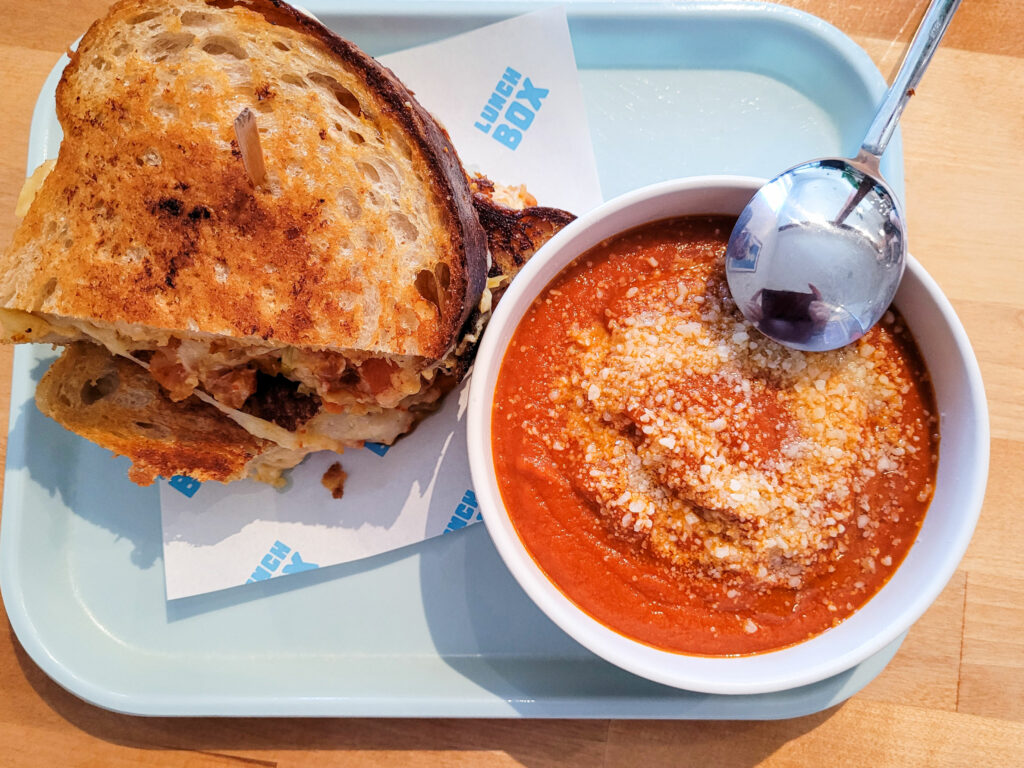
Lunch Box, Kimchi Grilled Cheese: A three-cheese blend with aioli and housemade kimchi on Red Bird sourdough pullman. Sub gluten-free bread for $2. All sandwiches are served with kettle chips. 128 N. Main St., Sebastopol, lunchboxsonomacounty.com
Tomato soup and a grilled kimchi and cheese sandwich from Lunch Box restaurant in Sebastopol. (Heather Irwin/Sonoma Magazine)
Society Bakery And Cafe, Grilled Cheese: Three types of cheese (chef’s choice) with herbs on Goguette French bread. Make it a soup and grilled cheese combo with the soup of the day. 2661 Gravenstein Highway S., Sebastopol, 707-861-9665, societybakerycafe.com
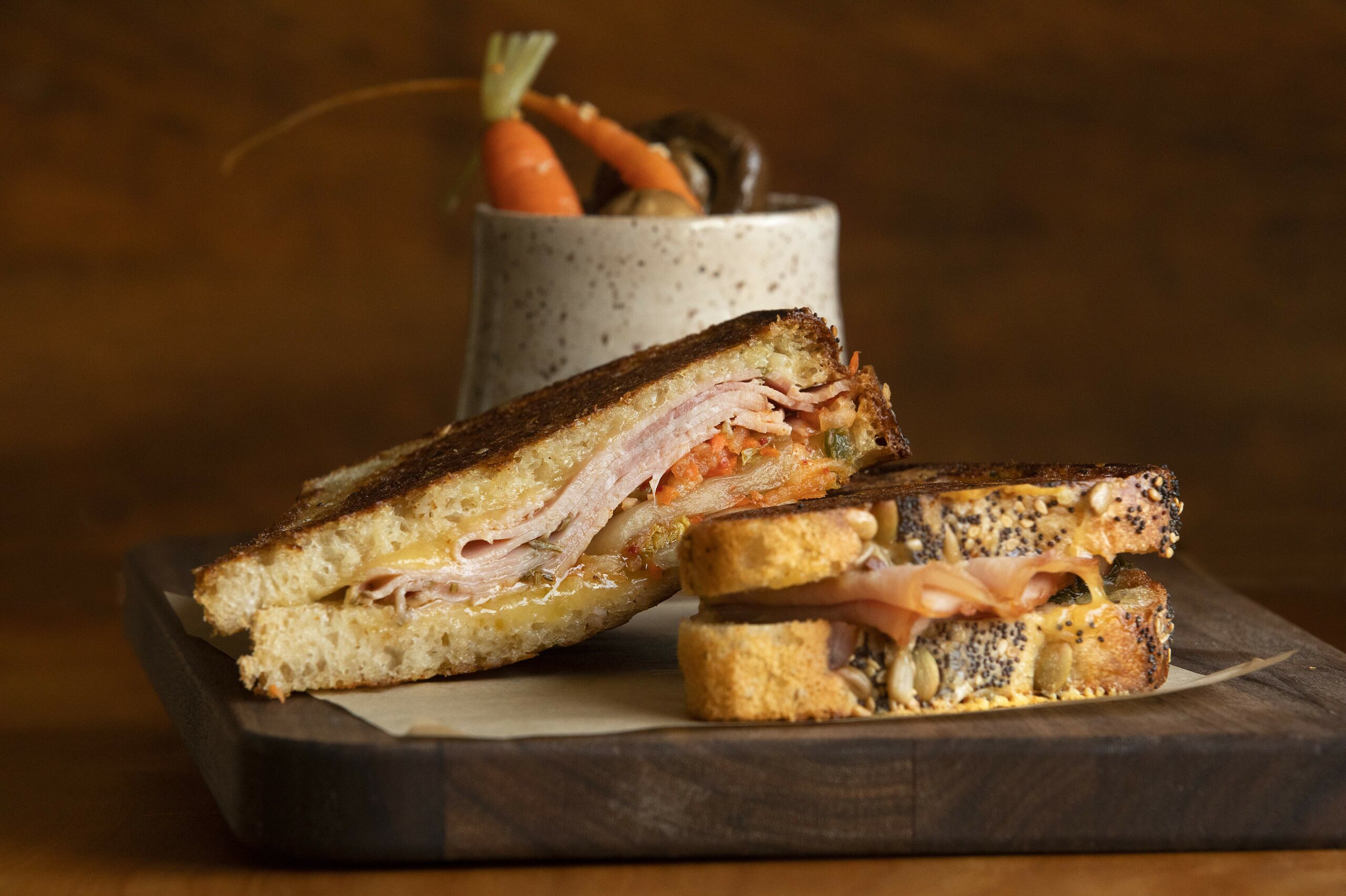
Valley Ford Cheese and Creamery, V.F. Grilled Cheese: Housemade “Hwy 1” fontina, rosemary ham and kimchi on multigrain sourdough. A creative sandwich with award-winning cheese in a charming, countryside atmosphere. Plus, the daily specials always include regularly changing sandwich creations, like the Cubano or pizza grilled cheese. 14390 Valley Ford Road, Valley Ford, 707-875-7073, valleyfordcheese.com
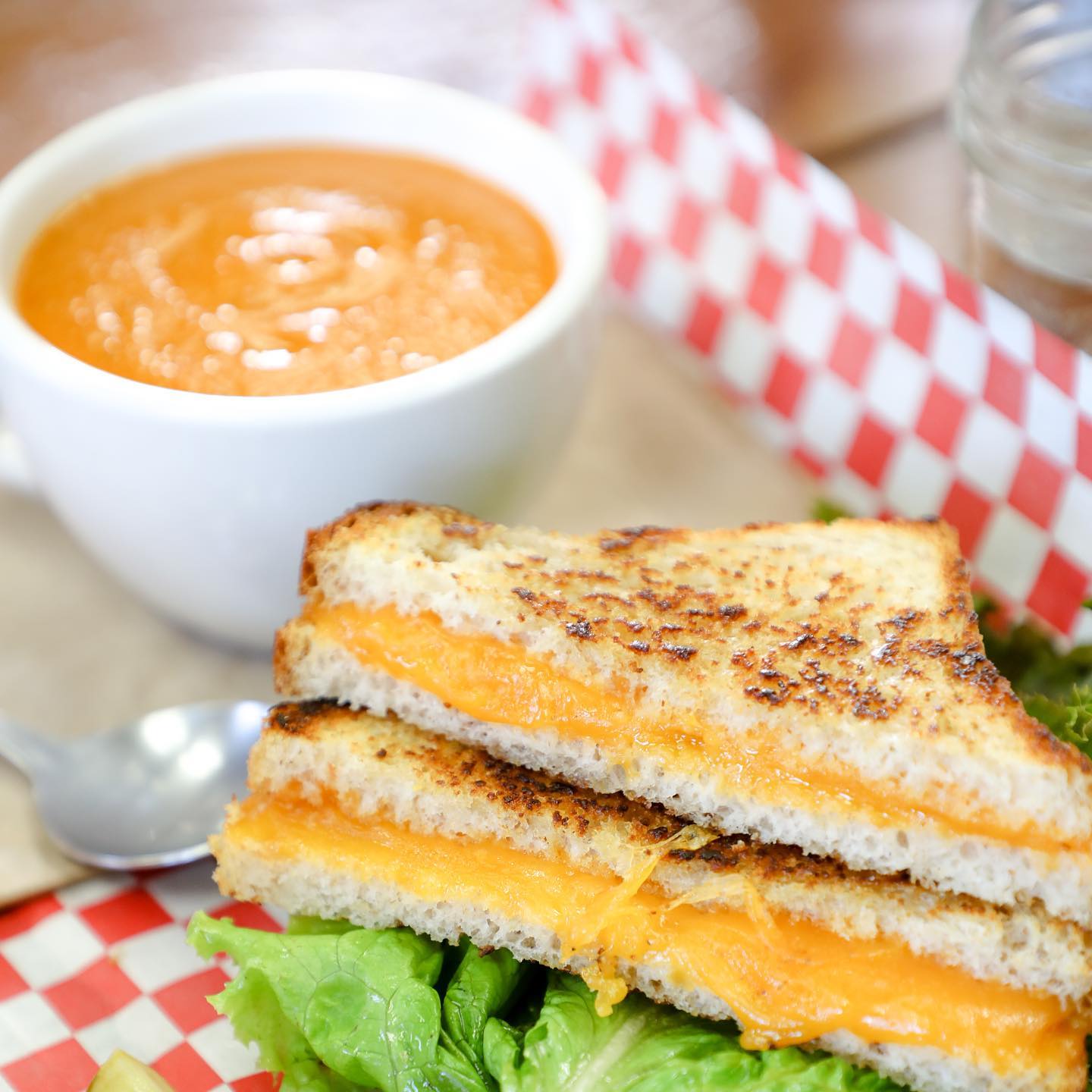
Grilled Cheese with Hwy 1 Fontina, rosemary ham and kimchi with a side of garden pickles from the Valley Ford Cheese and Creamery in Valley Ford. (John Burgess/Sonoma Magazine)Grilled cheese sandwich and tomato soup from Estero Cafe in Valley Ford. (Estero Cafe)
Estero Cafe, Grilled Cheese: Organic cheddar and Estero Gold cheese on freshly baked sourdough makes for a delicious, locally sourced grilled cheese sando. Add avocado, bacon or chicken sausage. 14450 Highway 1, Valley Ford, 707-876-3333, americanasonomacounty.com/estero-cafe
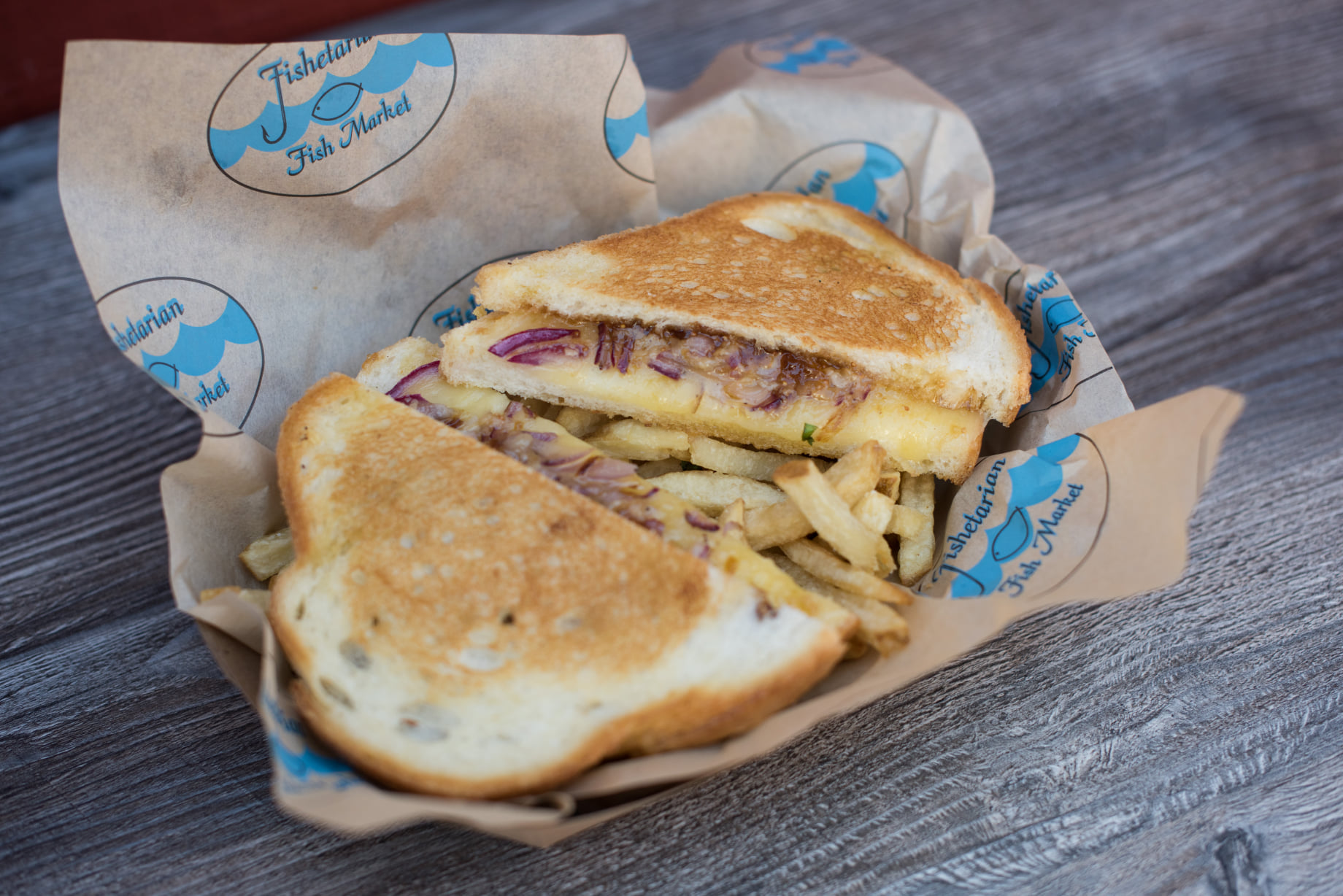
Fishetarian Fish Market, Adult Grilled Cheese: Valley Ford Estero Gold, Hwy 1 and jack cheeses with grilled onions and fig jam on sourdough. The seafood here is top notch, but the grilled cheese shouldn’t be missed. 599 Highway 1, Bodega Bay, 707-875-9092, fishetarianfishmarket.com
Grilled cheese sandwich from Fishetarian in Bodega Bay. (Courtesy Fishetarian)
Here are your best bets for no-frills grilled cheese sandwiches (just melty cheese and toasty bread).
Downtown Bakery & Creamery, Grilled Cheese: Cheddar cheese on housemade wheat, sourdough or French bread. The ham grilled cheese with housemade aioli and Dijon is also spectacular. At $7, it’s undoubtedly the most affordable and satisfying sandwich lunch in town. 308 Center St., Healdsburg, 707-431-2719, downtownbakeryhealdsburg.com
Boudin, The Great Grilled Cheese: Havarti and sharp cheddar on Parmesan-crusted sourdough. 2345 Midway Drive, Santa Rosa, 707-303-4100, boudinbakery.com
The Twins Restaurant, Grilled Cheese: Swiss, cheddar, provolone and Parmigiano-Reggiano on sourdough. 572 E. Cotati Ave., Cotati, 707-242-3075, thetwinsrestaurant.com
Hole in the Wall, Grilled Cheese: Cheddar cheese on toasted sourdough. 972 Gravenstein Highway S., Sebastopol, 707-827-6040, holeinthewallrestaurantsebastopol.com
Ridge Vineyards, Lytton Springs, Dry Creek, Sonoma County. (Robert Holmes)
Sonoma County is home to 60,000 acres of vineyards, and 99% of them are certified sustainable. Impressive as that is, not all local vintners share the same level of dedication to earth-friendly practices. Here are three Sonoma County wineries that go above and beyond.
Littorai Winery
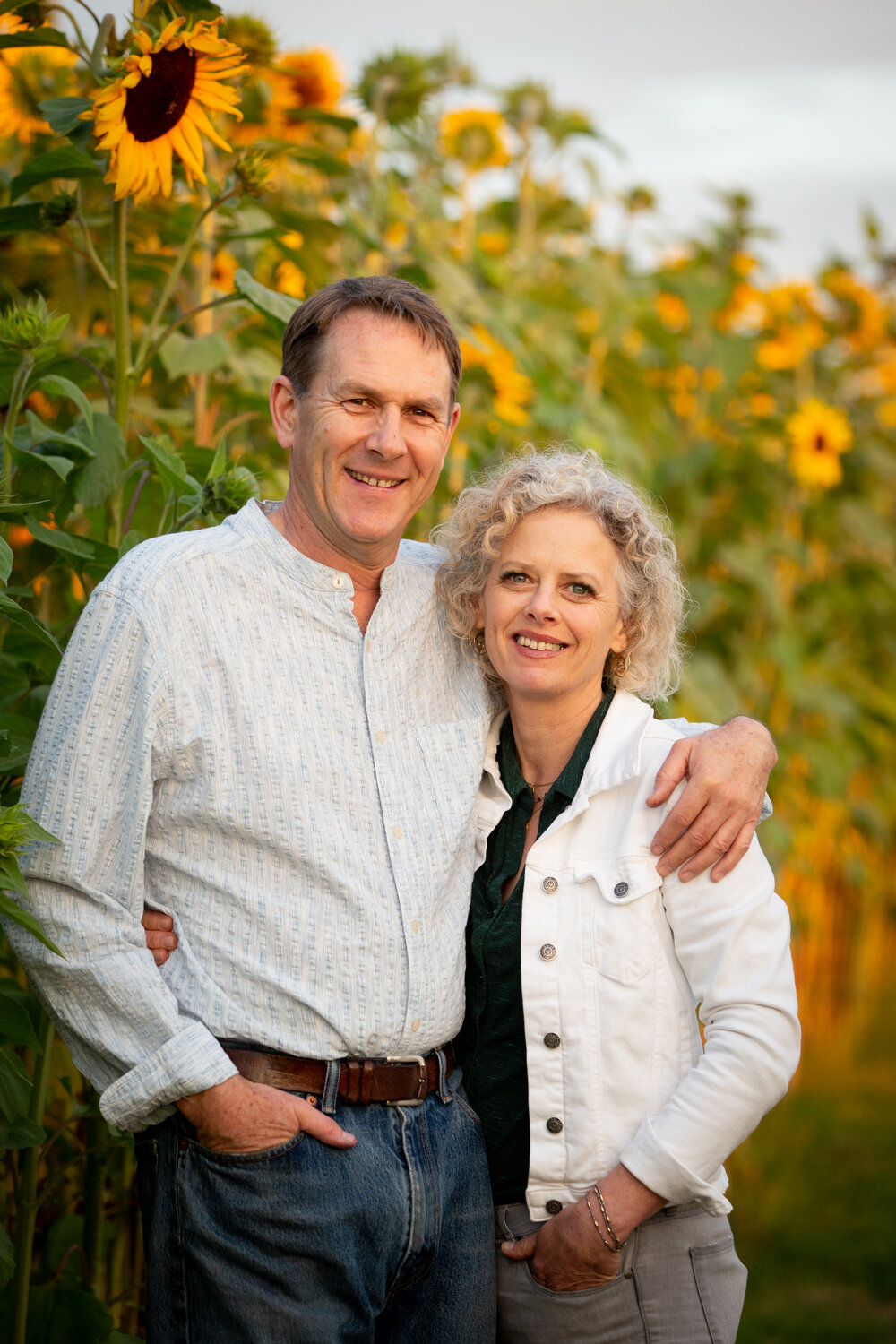
Founder and winemaker Ted Lemon learned to embrace biodynamic farming during his early career in Burgundy. While some paint biodynamics with a “woo-woo” brush, pointing to practices like following lunar cycles, Lemon emphasizes the interconnectedness of soil, plants, and nature.
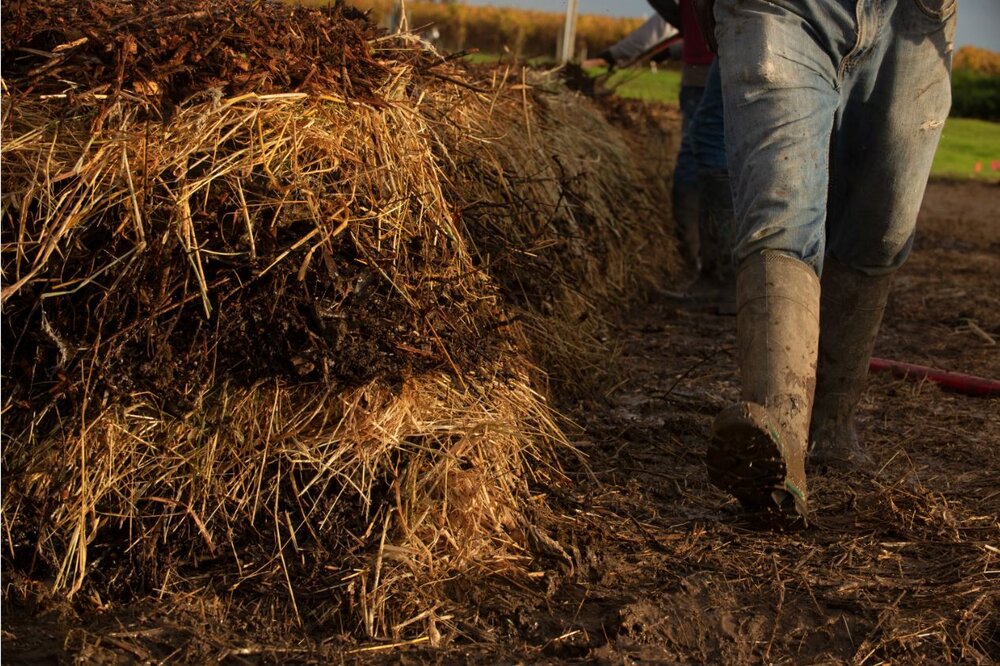
Instead of chemical inputs, Littorai uses compost and natural preparations on its Sebastopol ranch to stimulate soil vitality and improve plant health. The idea is to maintain ecological balance by treating the farm as an integrated whole.
Walking among compost at Littorai Wines. (Littorai Wines)Ted and Heidi Lemon of Littorai Wines in Sebastopol. (Littorai Wines)
“The goal of biodynamic farming is to work with humans as sentient beings,” says Lemon, explaining that with the rapid advance of artificial intelligence, a boots-in-the-vineyard approach is more important than ever. “We have sight, touch, smell, taste, intuition, and emotion. We have an instrument that has a value that techno-utopians cannot replace or imitate.”
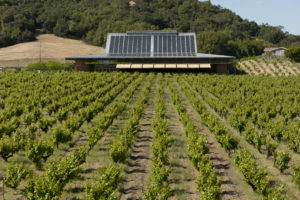
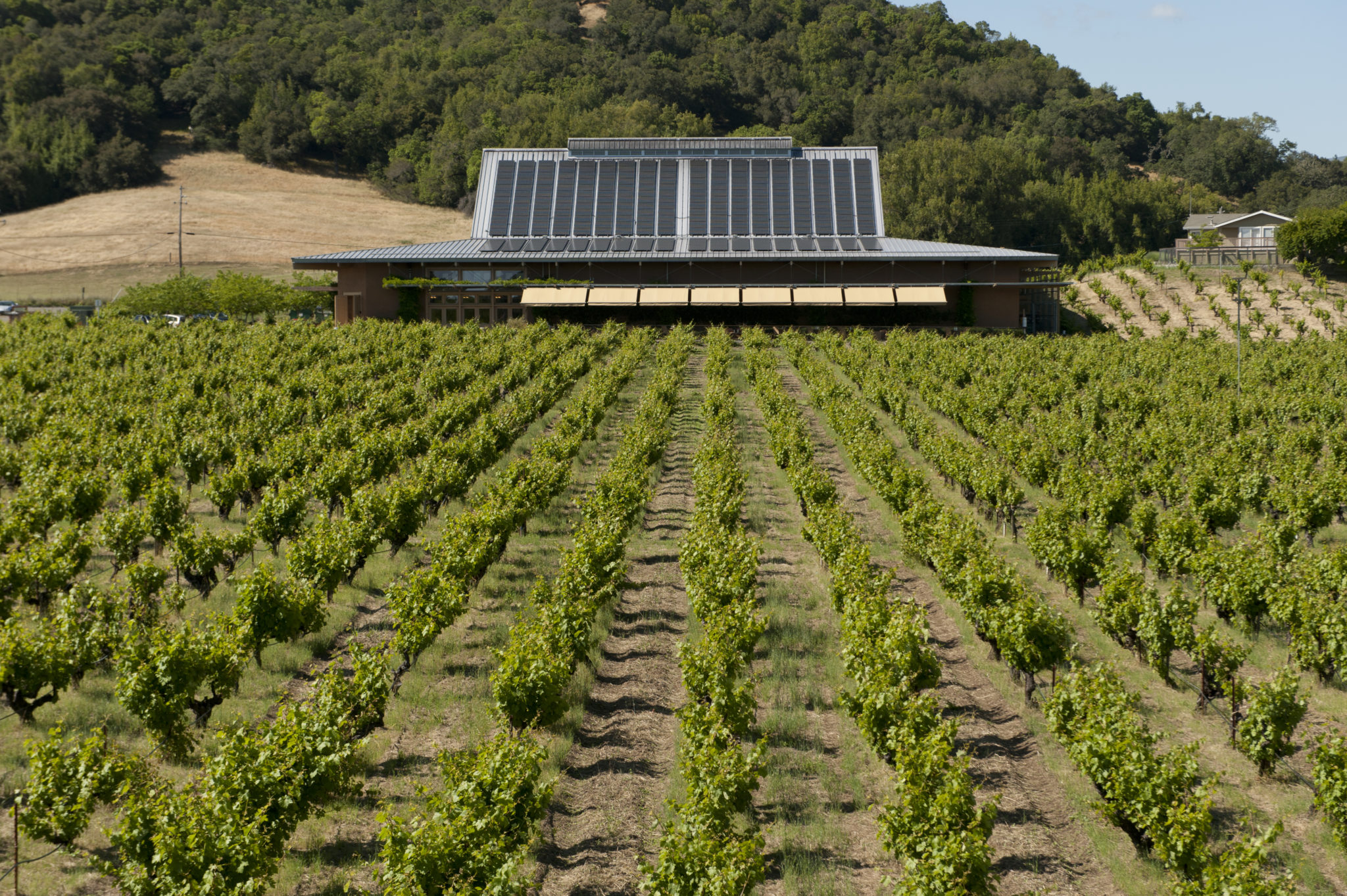
Ram’s Gate’s estate vineyards in Sonoma are Regenerative Organic Certified — one of only a handful of California wineries to hold that distinction. The regenerative approach focuses on improving everything from soils and ecosystems to the well-being of farm workers and communities.
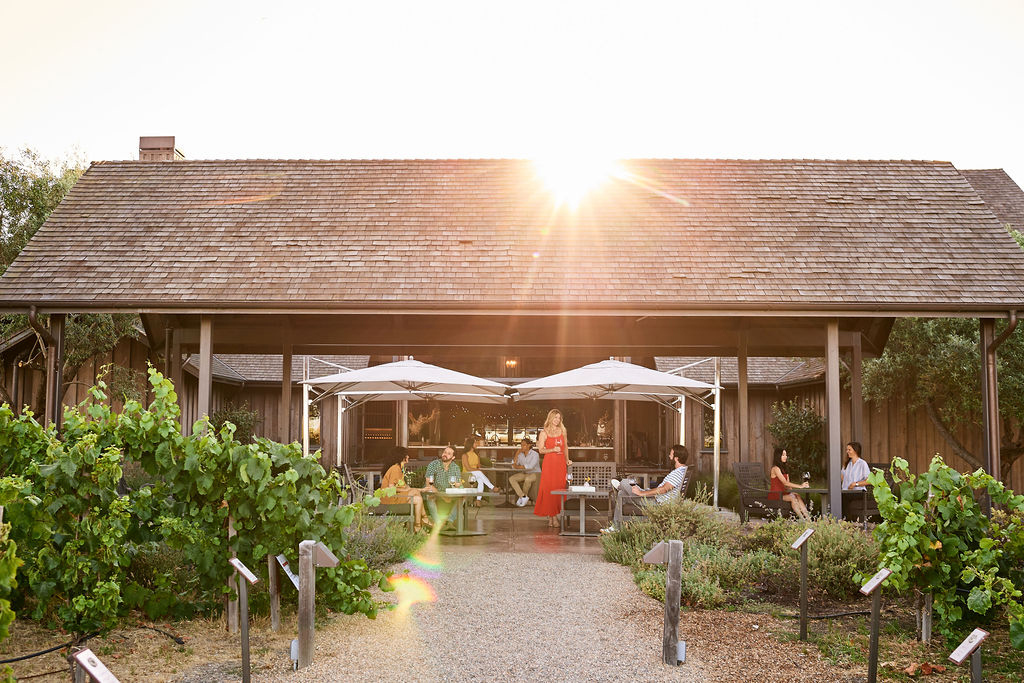
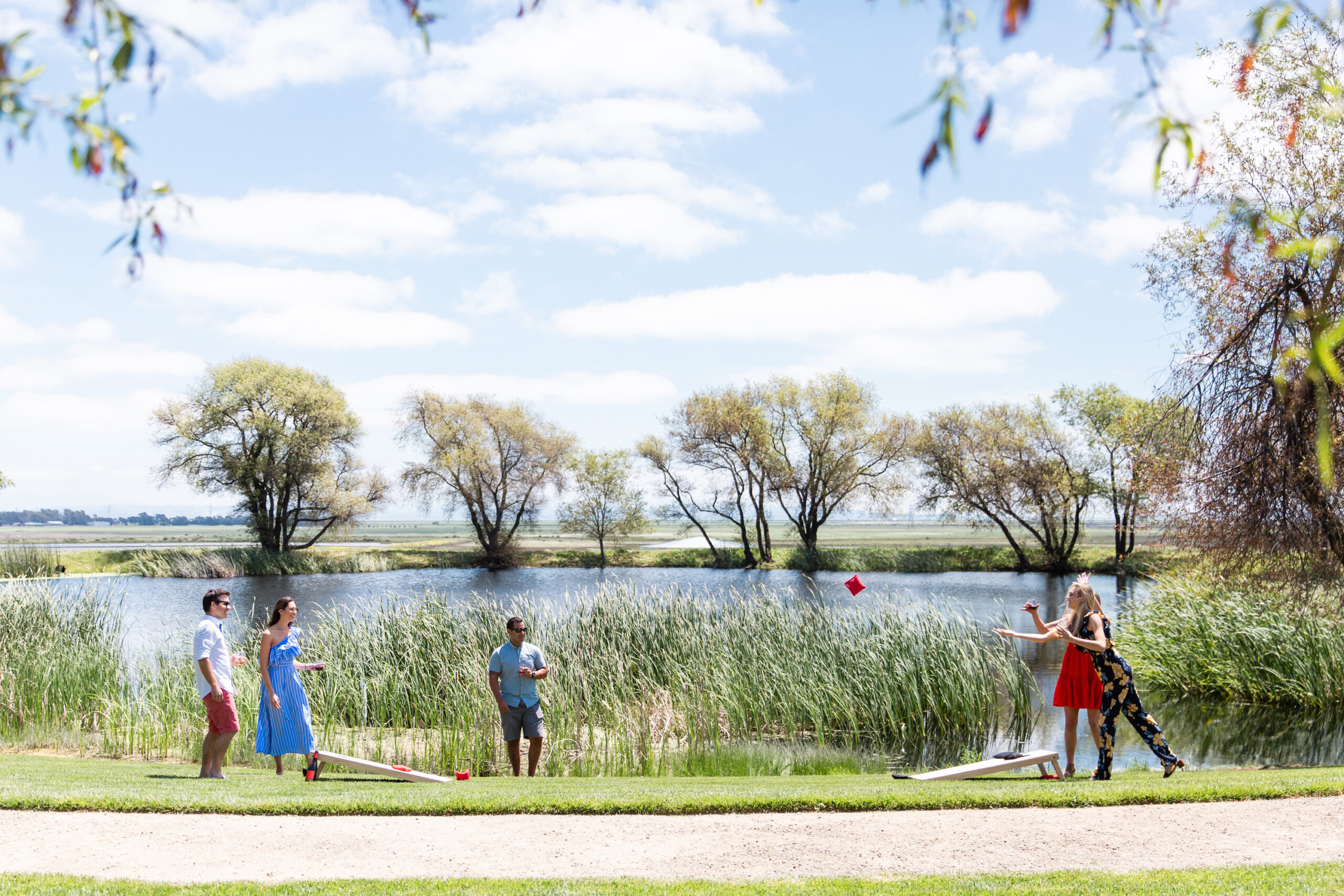
The cool breath of San Pablo Bay will greet you at Ram’s Gate Winery in the Carneros appellation, where renowned architect Howard Backen and interior designer Orlando Diaz-Azcuy joined to create the winery’s sleek farmhouse aesthetic. (Ram’s Gate Winery)Playing cornhole at Ram’s Gate Winery in Sonoma. (Jen Philips Photography)
The winery forgoes synthetic inputs, uses cover crops to boost soil health and biodiversity, and integrates animals into its ecosystem through practices like sheep grazing for weed control. Last year, Ram’s Gate launched an agroforestry initiative, planting heirloom fruit trees within the vineyard rows to enhance soils, increase biodiversity, and sequester carbon.
Caine Thompson, the head of sustainability at O’Neill Vintners, Ram’s Gate’s parent company, says regenerative farming could have positive impacts around the world in promoting climate resilience.
“It is really critical that it scales beyond small properties and individual estates,” Thompson says. “Our hope is that this can be a catalyst not only in showing what can be done in a viticultural context, but in other crops.”
Ridge Vineyards’ Lytton Springs estate in Dry Creek Valley in Healdsburg. (Robert Holmes)
Vines at Ridge’s Lytton Springs, Geyserville, and East Bench properties are certified organic. The winery also uses regenerative, sustainable farming practices like cover cropping, composting, water conservation, and creating habitats for beneficial insects. As a member of the International Wineries for Climate Action, Ridge is working toward carbon neutrality.
“Our philosophy…has always been to work in harmony with nature to produce grapes that reflect where they are grown,” says David Gates, senior vice president of vineyard operations at Ridge. “We believe that special wines come from special places, and you must be mindful and purposeful when growing grapes and making wine from them.”
Ridge’s sustainable practices also extend to packaging — from lightweight bottles to recycled shipping materials.
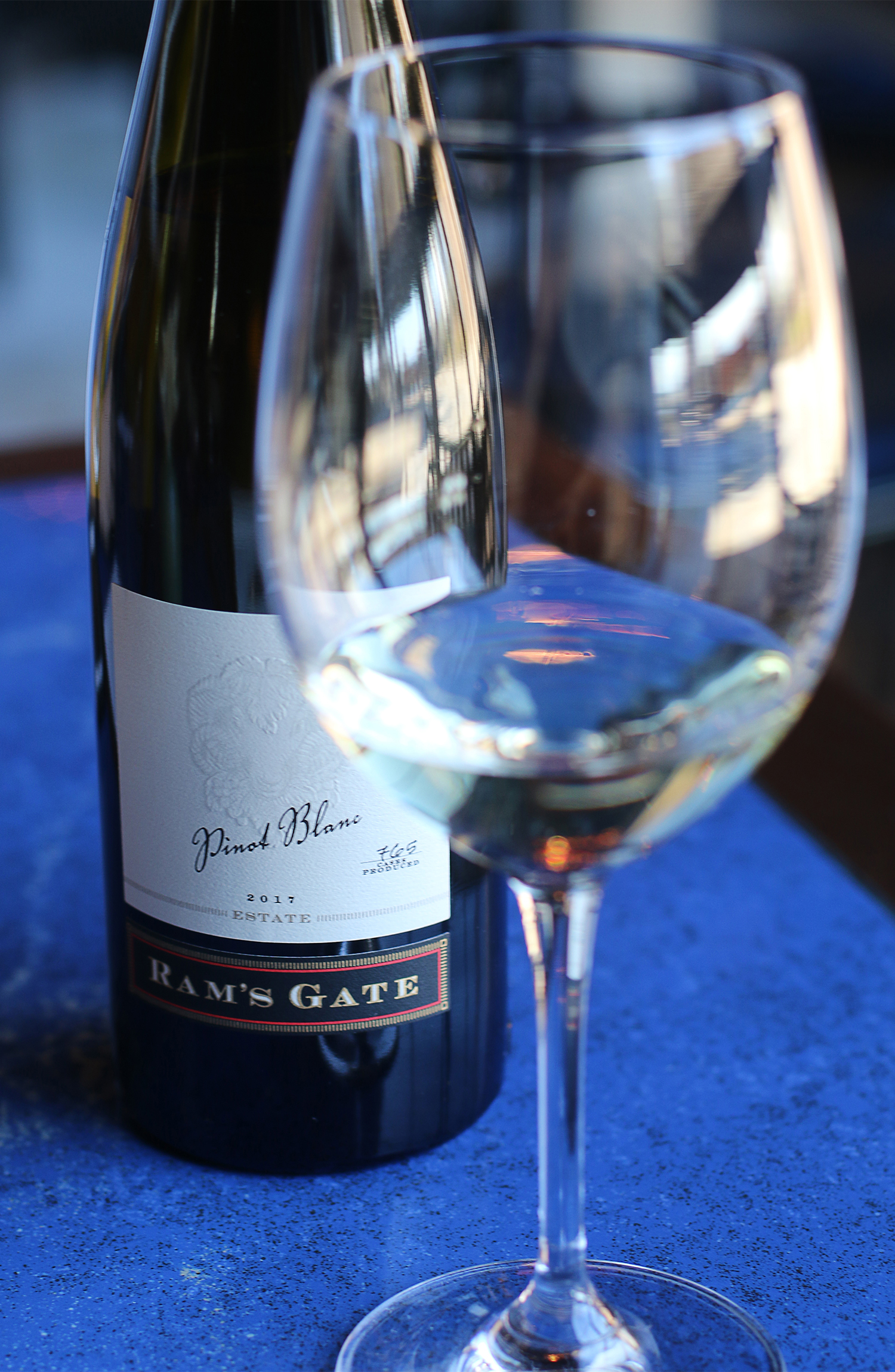
The winery is best known for Pinot Noir and Chardonnay, but it’s also fun to explore its lesser-known offerings. This organic Pinot Blanc from the winery’s home ranch is fresh and flirty, combining stone fruit, citrus, and a touch of spice.
Ridge Vineyards
2023 Lytton Springs, Dry Creek Valley, $56
This is not your typical big-and-jammy Zinfandel blend. Made from organic fruit, the wine has aromas of dark fruits and woody spice. Take a sip to discover black cherry and black tea flavors, along with subtle tannins and food-friendly acidity.
Wine tasting at Littorai Wines in Sebastopol. (Nat Martinez/The Labs & Co.)
Littorai
2023 Pinot Noir, The Pivot Vineyard, Sonoma Coast, $105
Littorai’s Pinot Noirs are legendary, and this wine is a prime example of why. Made from biodynamically grown fruit from a 3-acre block on the winery’s home property, it’s elegant and beautifully balanced, with black and red berry notes.
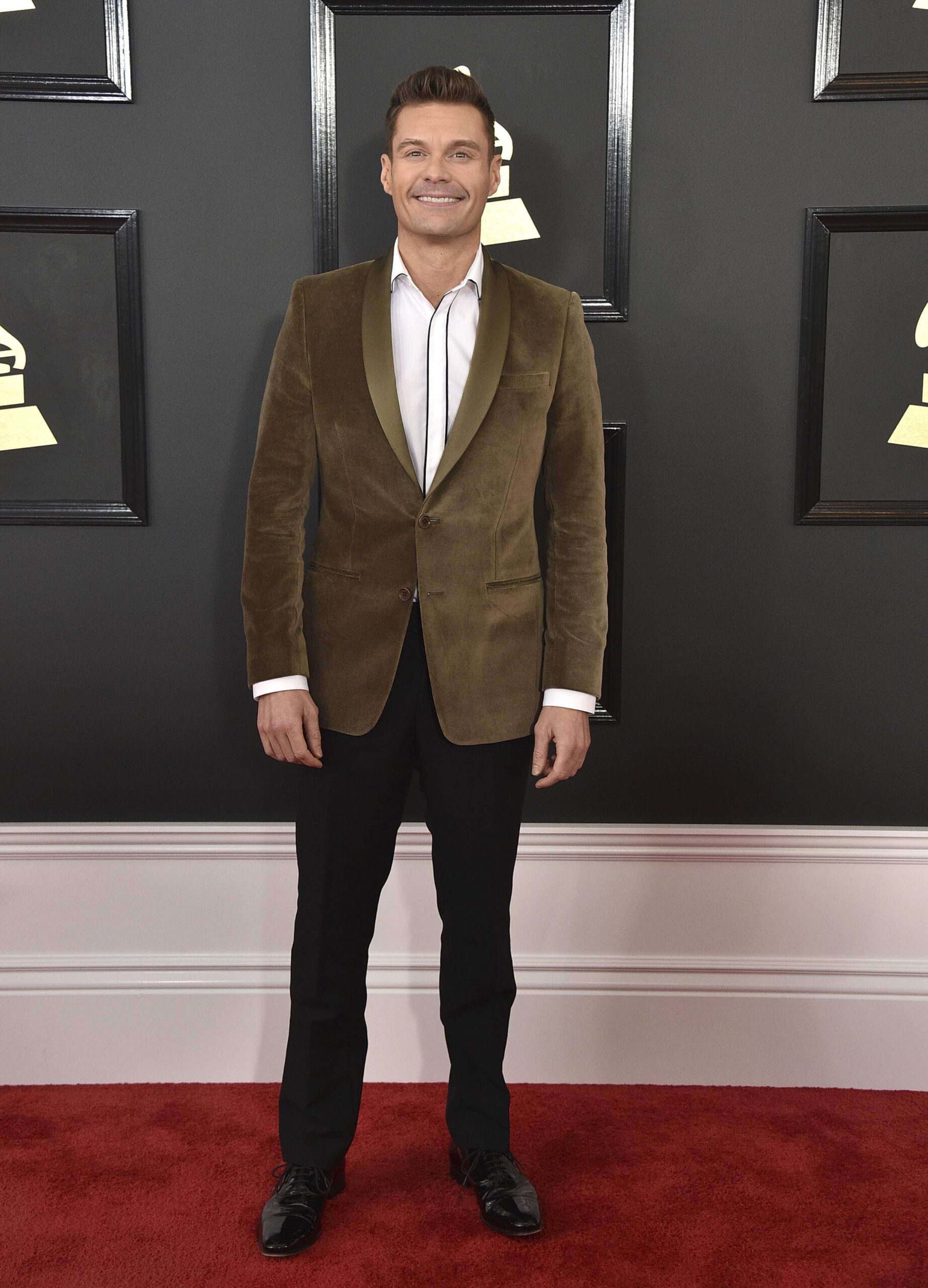
LOS ANGELES, CALIFORNIA – DECEMBER 05: Ryan Seacrest attends iHeartRadio 102.7 KIIS FM’s Jingle Ball 2025 at Intuit Dome on December 05, 2025 in Los Angeles, California. (Photo by Monica Schipper/Getty Images)
If your personal wheel of fortune has landed on “a grand Wine Country estate with soul-soothing views,” Ryan Seacrest may have the answer: his St. Helena property is on the market. The five-bedroom, seven-bathroom compound spans 40 acres and is listed for $19.8 million, down from its original $22 million.
Seacrest, host of “American Idol” and “Wheel of Fortune,” told Maison Global he purchased the home for the “absolutely stunning views” — vistas of mountains, vineyards and the verdant valley floor.
Ryan Seacrest’s St. Helena home resides within the Crystal Springs of Napa Valley AVA, offering stunning vineyard and valley views. (Courtesy of Steven Burgess)TV personality Ryan Seacrest has put his recently remodeled Napa Valley home up for sale. (Jordan Strauss/Invision/AP)
A main home, a pool house and a guest cottage make up the compound, which, in total, offers 10,750 square feet of living space. The home’s rustic grandness epitomizes the Napa Valley design ethos.
The main home has chiseled limestone walls, a repeat of substantial, reclaimed-wood beams, and seven fireplaces. A checkerboard floor gives the kitchen — complete with views and a pizza oven — a classic playfulness. Richly toned wood offers handsome warmth in the cabinetry, millwork and on the steeply vaulted ceiling of the living room. Pocketing doors deliver spectacularly in connecting the indoors to the lush setting.
The grounds include an infinity pool and spa, a bocce ball court and — to double-down on the tranquility — an olive grove with 220 trees.
For more information on this listing at 232 N. Fork Crystal Springs Road in St. Helena, contact listing agent Cyd Greer, 707-322-6825. Coldwell Banker Brokers of the Valley, 1200 Main St., St. Helena, cbnapavalley.com/properties/326018600
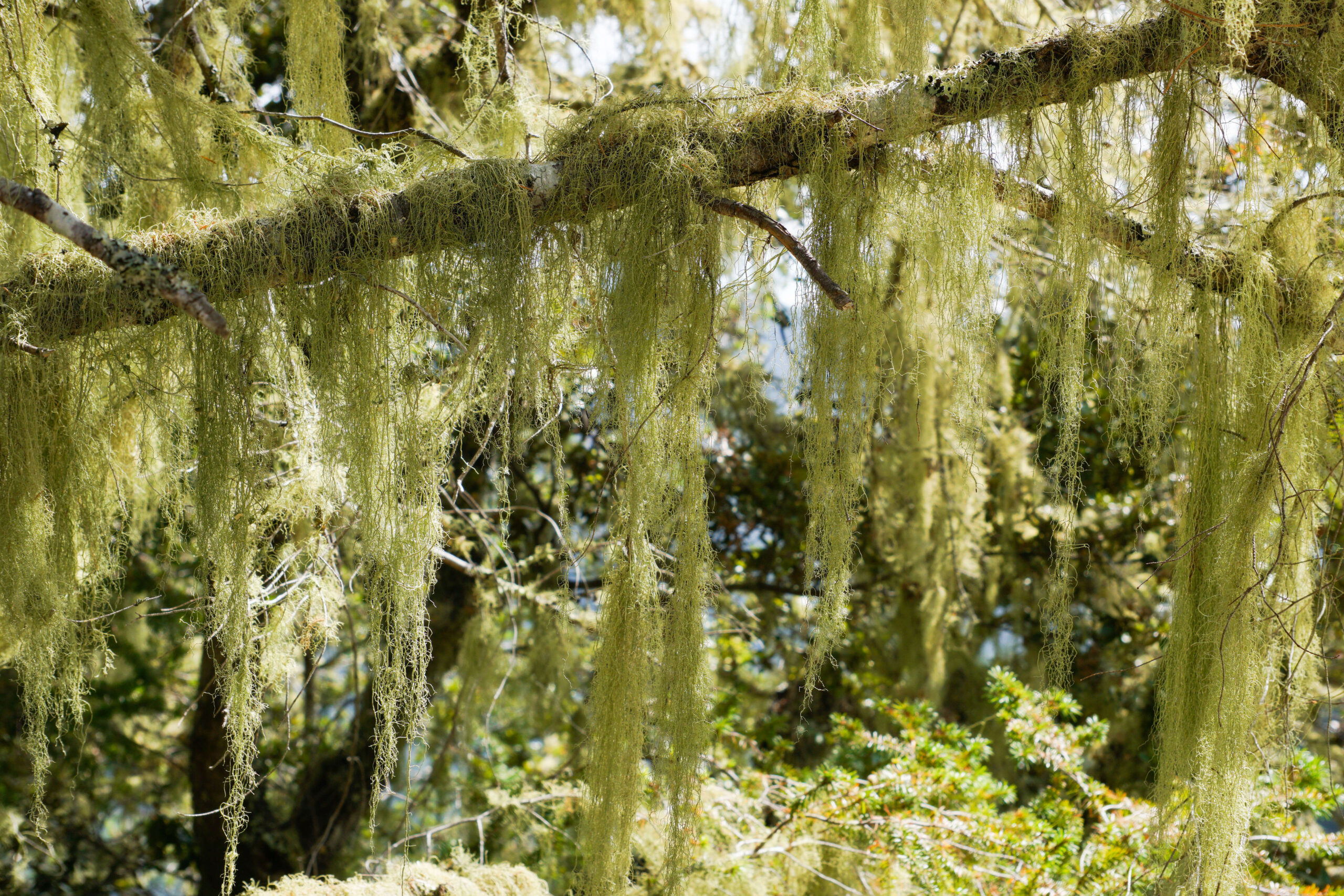
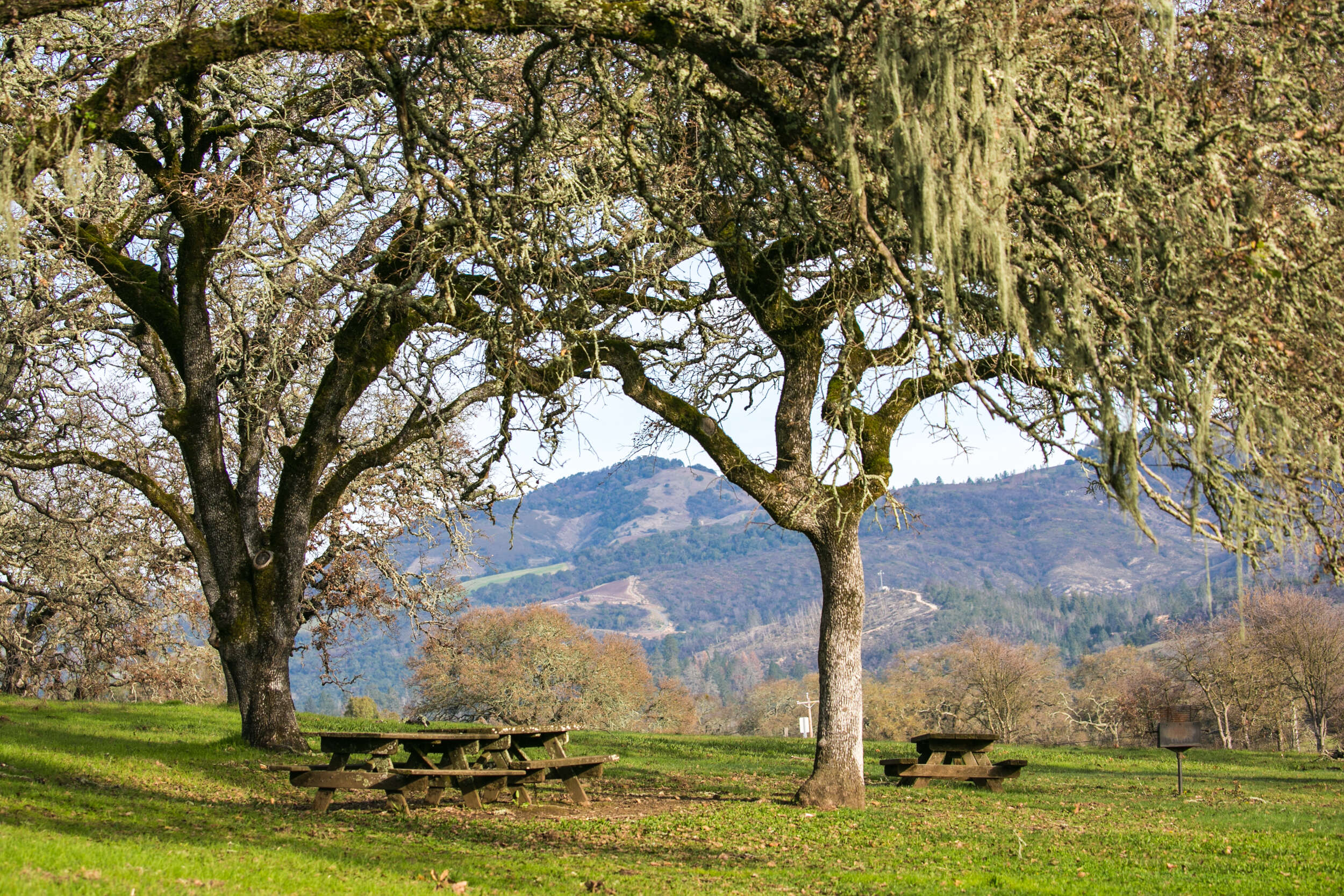
Lace lichen festoons the trees in Sonoma Valley Regional Park. (Julie Vader / Special to the Index-Tribune)
Two-in-one and one-of-a-kind; misunderstood and misidentified; generally mysterious and undoubtedly magical: that is lace lichen. Some think it causes harm, like a parasite. Not true, says Sebastopol lichenologist Shelly Benson. Others call it Spanish moss (which doesn’t grow in California) or old man’s beard (which does, but looks different — less lacy).
Inscrutable, perhaps — but also ubiquitous. Lace lichen ornaments trees throughout Sonoma County and the entire West Coast from Baja California to British Columbia. It was named California’s state lichen in 2015 and remains the only thus-honored lichen in the nation.
Early spring is a good time to become acquainted with Ramalina menziesii, not because of what it’s doing, but because of what it isn’t. Lace lichen is an iconoclast. It doesn’t flower like everything else in spring, Benson says. Nor does it die off in fall or go dormant in winter.
“[Lichen] don’t have a particular bloom. And they’re not like fungi that emerge after rains and they’re ephemeral,” she says. “That’s the great thing about being a lichenologist. You can look at them every month of the year.”
Lace lichen is a common sight in California, hanging from oaks and other trees. It does not harm its hosts. Animals use it for food and nesting material, according to the California State Library. (Sundry Photography / Shutterstock)
Instead of following the seasons like most plants and animals, lace lichen marches to the beat of its own drum, a beat that goes drip-drip-drip.
“Lichens grow when they’re wet,” Benson says, “and when they dry out, they go into a state of dormancy.” In spring, local lace lichens are fat and happy after months of rain and damp air. In summer, they will be sustained by coastal fog.
Benson explains that reproduction also happens year-round, in two different ways: asexually, through fragmentation, and sexually, through spore release.
Lace lichen grows on many different trees and shrubs. Beyond being harmless, it can actually help, especially during summer, by catching moisture from fog that then precipitates down to hydrate the soil and roots below. Birds use it for nesting, and deer have been known to munch on it. Plus, it just looks cool — especially this time of year, draped like a shawl over the budding branches of a black oak or box elder.
But what is “it,” anyway? Like all lichen, it’s not one species but two, living together in symbiosis: a fungus, Ramalina menziesii, which provides structure, and an alga, Trebouxia, which provides energy via photosynthesis.
Lace lichen draped on tree branches at Sonoma Valley Regional Park in Glen Ellen. (Julie Vader/for Sonoma Index-Tribune)
So this spring, while you’re out enjoying all those colorful, predictable, single-species wildflowers, be sure to also look up, into the trees, for another wonder all its own.