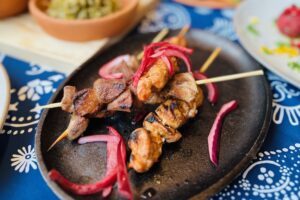
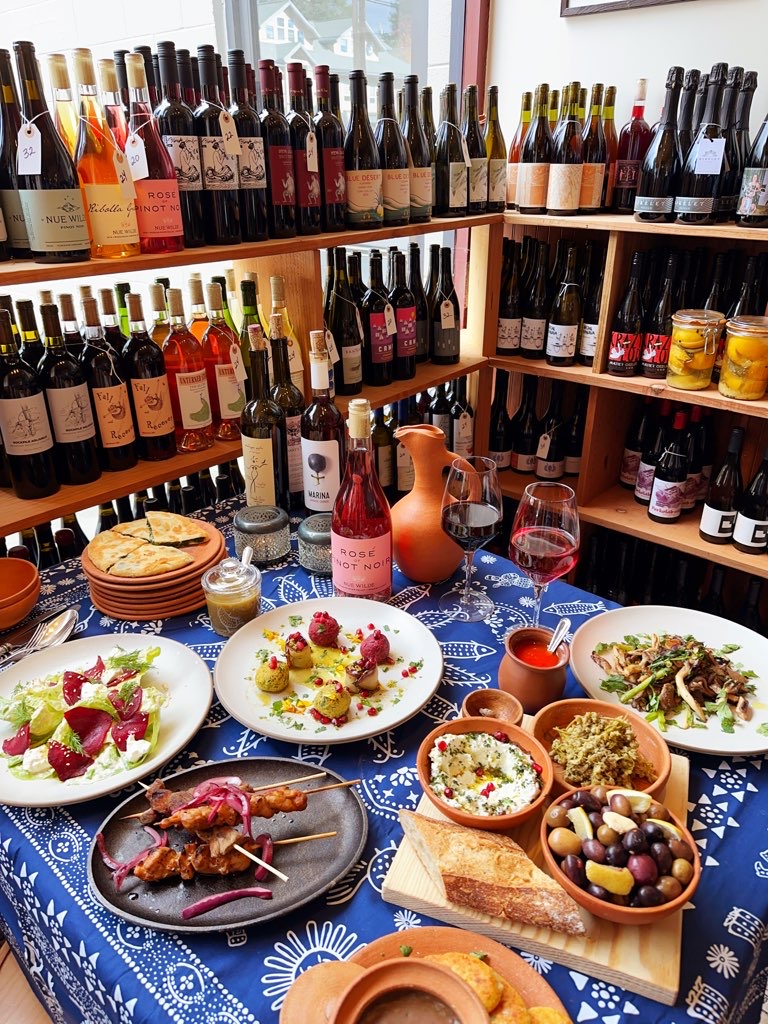
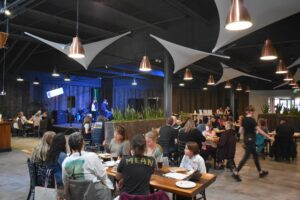
Skewers at Piala restaurant in Sebastopol. (Piala)
After months of speculation about its future and a delay linked to accusations against local restaurateur Lowell Sheldon, Sonoma County’s first Georgian restaurant and wine bar, Piala, has opened in Sebastopol.
Piala co-owner Jeff Berlin, a longtime Bay Area wine director and restaurateur, is a fan of the Eastern European country and its cuisine.
“I have long loved the country, the food, the wine and the people. I’ve made several journeys there,” he said.
Berlin has worked at several European restaurants in the Bay Area, including Oakland’s À Côté, which has a Mediterranean focus and features a lengthy list of Eastern European wines.
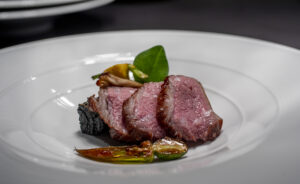
At Piala, the menu is concise, with just a handful of dishes. There is Pkhlovani, a cheese pie with greens; Soko, a mushroom dish with tarragon; Ch’Visht’ari, cornbread with cheese; and Mtsvadi, grilled pork with pomegranate and marinated onions.
Piala restaurant in Sebastopol features Georgian cuisine and wines. (Piala)
Georgian food reflects the country’s location, with a coast on the Black Sea and neighbors of Turkey, Azerbaijan, Armenia and Russia. The result is a delicious mashup of European, Persian, Turkish and Mediterranean cuisine.
Berlin helped develop recipes for Piala with Chef Irma Hernandez and plans to add more dishes to the menu in the coming months, including Khachapuri, a cheese-filled bread, and Khinkali, meat-filled soup dumplings.
“It’s a good starting point for showing some of my favorite Georgian food, and we’ll add specials,” he said.
The food and wine of Georgia also reflect the country’s long and sometimes bloody relationship with its northern neighbor Russia — 20% of its territories remain occupied by Russia, and it was a Soviet-ruled country for decades, up until 1991. Georgia’s bustling cities are modern and cosmopolitan, but, according to Berlin, its cuisine isn’t widely known outside its borders.
“There’s so much Georgian cuisine. It’s mostly unknown to Americans. The country is the size of Switzerland but has 22 winegrowing areas, and every village and town has its food specialties,” Berlin said. (Georgia has many ancient vineyards and is one of the oldest winemaking regions in the world; some consider it the birthplace of winemaking.)
“It was a pilgrimage that took me there, but once you try the food, it’s a no-brainer, Berlin said. “I fell in love with the people and the land, and it was (a) pretty immediate thought that I would open a Georgian restaurant one day.”
But the development of his Georgian restaurant stalled when Piala co-owner and Sebastopol restaurateur Lowell Sheldon was accused of sexual harassment and, in one instance, sexual assault, by a dozen former employees.
Sheldon denied the accusations. Several business partners distanced themselves from Sheldon, and Sebastopol’s planning department rejected an alcohol license for Piala, submitted by Sheldon.
The planning department eventually approved the alcohol permit in July, with the conditions that the license would bar Sheldon from drinking or serving alcohol at Piala and from directly managing emploees, The Press Democrat reported. (The alcohol permit is now in Berlin’s name.)
“This is a passion project for the two of us, and I don’t think hiding from the issues was ever an option,” Berlin said, adding that Sheldon had chosen to confront the accusations head-on and remain involved in the project.
“This is just something we both dreamed of doing,” he said.
Details: Open noon to 10:30 p.m. Tuesday to Saturday; no reservations. 7233 Healdsburg Ave., Sebastopol; 707-861-9186, pialanaturalwine.com
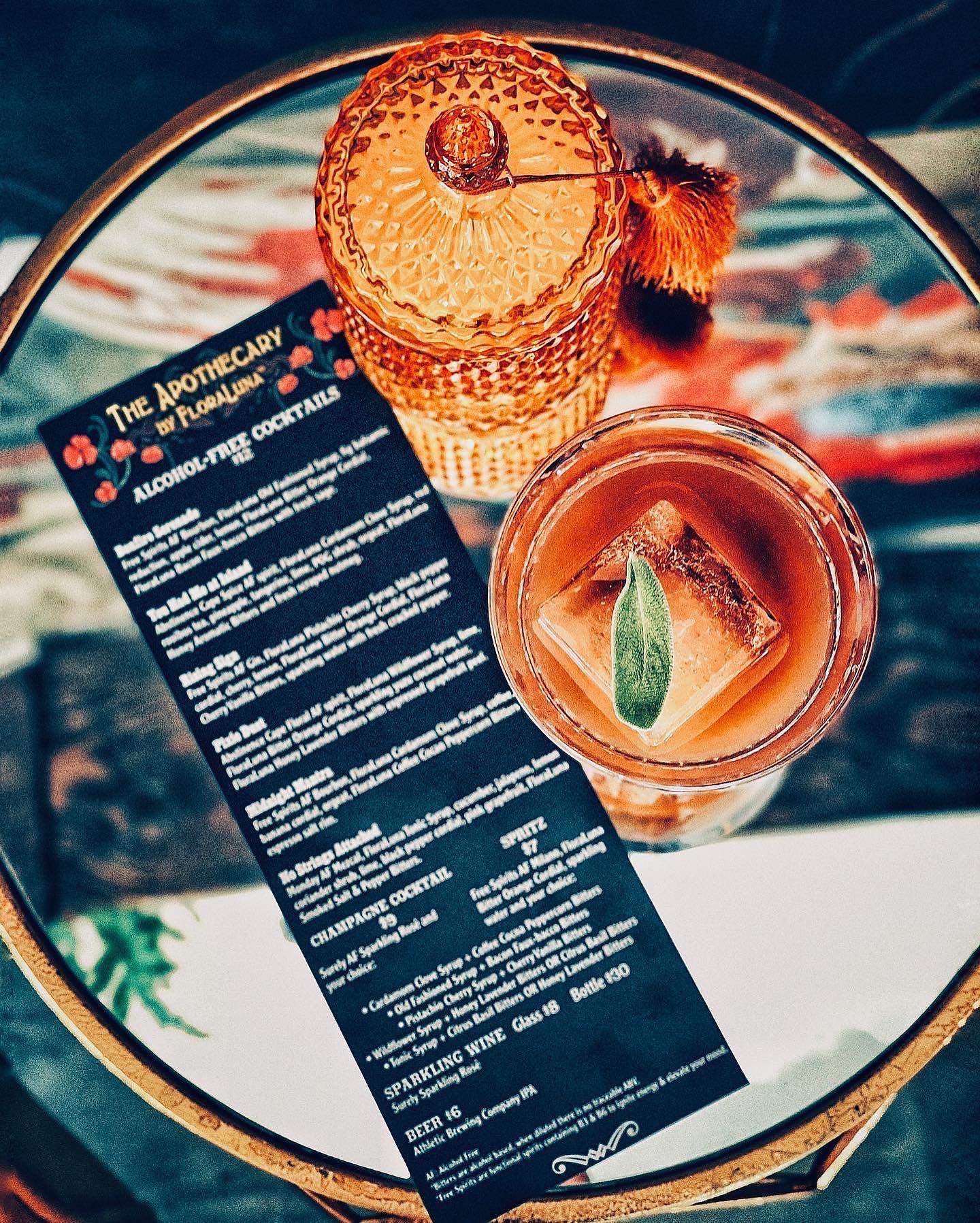
Bonfire Serenade at Flora Luna Apothecary in Petaluma features apple cider, fig balsamic reduction, FloraLuna Old Fashioned Syrup and Bacon Faux-bacco Bitters with aromatics from fresh sage, and Free Spirits alcohol-free Bourbon. (Phaedra Achor)
Phaedra Achor is a lot like the Monarch butterflies that adorn the labels of her award-winning FloraLuna cocktail bitters and syrups — always ready for a beautiful transformation.
A former massage therapist with a culinary bent, Achor started out blending extracts of barks, roots and botanicals in her spare time to create cocktail bitters. She launched Monarch Bitters in 2017, and then rebranded a couple of years later as FloraLuna. In 2019, she opened FloraLuna Apothecary & Trading Co. in downtown Petaluma as a retail showcase for her elixirs, adding botanical teas and other natural products to the lineup.
Now, Achor has reinvented the shop as The Apothecary by FloraLuna, Sonoma County’s first alcohol-free cocktail lounge.
Tucked between Vine & Barrel Wines and Ethical Clothing on Kentucky Street, the diminutive, jewel-box space has a cozy, speakeasy feel — minus the bathtub gin. The Apothecary seats just 18 guests, including small lounge areas on the sidewalk and in the adjoining hallway.
For Achor, launching a zero-proof bar in wine-soaked Sonoma County was a risky undertaking — but one whose time had come.
“I had a sense of the sober-curious movement coming out of the pandemic, and a lot of people in their 20s are choosing to not have alcohol in their lives,” she said. “There’s definitely been a shift in consciousness, so I thought I could create a little niche in Petaluma. My mixers show just as beautifully in nonalcoholic cocktails as they do in spirited ones.”
The Bonfire Serenade cocktail features apple cider, fig balsamic reduction, Flora Luna Old Fashioned Syrup, Bacon Faux-Bacco Bitters with aromatics from fresh sage, and Free Spirits alcohol-free Bourbon. (Phaedra Achor)
Achor also received a push from mandated pandemic shutdowns, which hobbled the initial momentum of her newly opened apothecary.
The shop managed to hang on through the reopening phase, she says, but it never quite bounced back. A few months ago, she took stock of her business and realized that another shift was in order. With FloraLuna cocktail bitters and syrups in distribution across the state, it was time to pivot to a concept that would showcase and support her core products.
Once the idea of a nonalcoholic cocktail lounge took root, Achor went all in on the concept and began developing recipes. Though she had experience creating craft cocktails with alcoholic spirits, this was her first foray into alcohol-free drinks.
“It’s a very different approach,” she explained. “Nonalcoholic spirits don’t have the same density and mouthfeel, so there were a lot of holes to fill.” Fortunately, the richness and complexity of her elixirs did the trick, adding flavor and dimension to the drinks.
Achor arrived at eight cocktails for The Apothecary’s opening menu, including No Strings Attached — a blend of alcohol-free mezcal, tonic syrup, lemon coriander shrub, jalapeño and smoked bitters — and Midnight Mantra, made with nonalcoholic bourbon, cardamom clove syrup, coffee banana cordial and coffee cocoa peppercorn bitters. All selections are priced at $12.
Along with sipping cocktails in the lounge, shoppers can purchase drinks-to-go in glass jars, along with FloraLuna elixirs, shrubs and zero-proof spirits to mix into cocktails at home. Stay tuned for branded cocktail kits, complete with recipes.
Open 4-8:30 p.m. Fridays and Saturdays, and 11 a.m.-3 p.m. Sundays. 122 Kentucky St., 707-387-6766, floralunaapothecary.com.
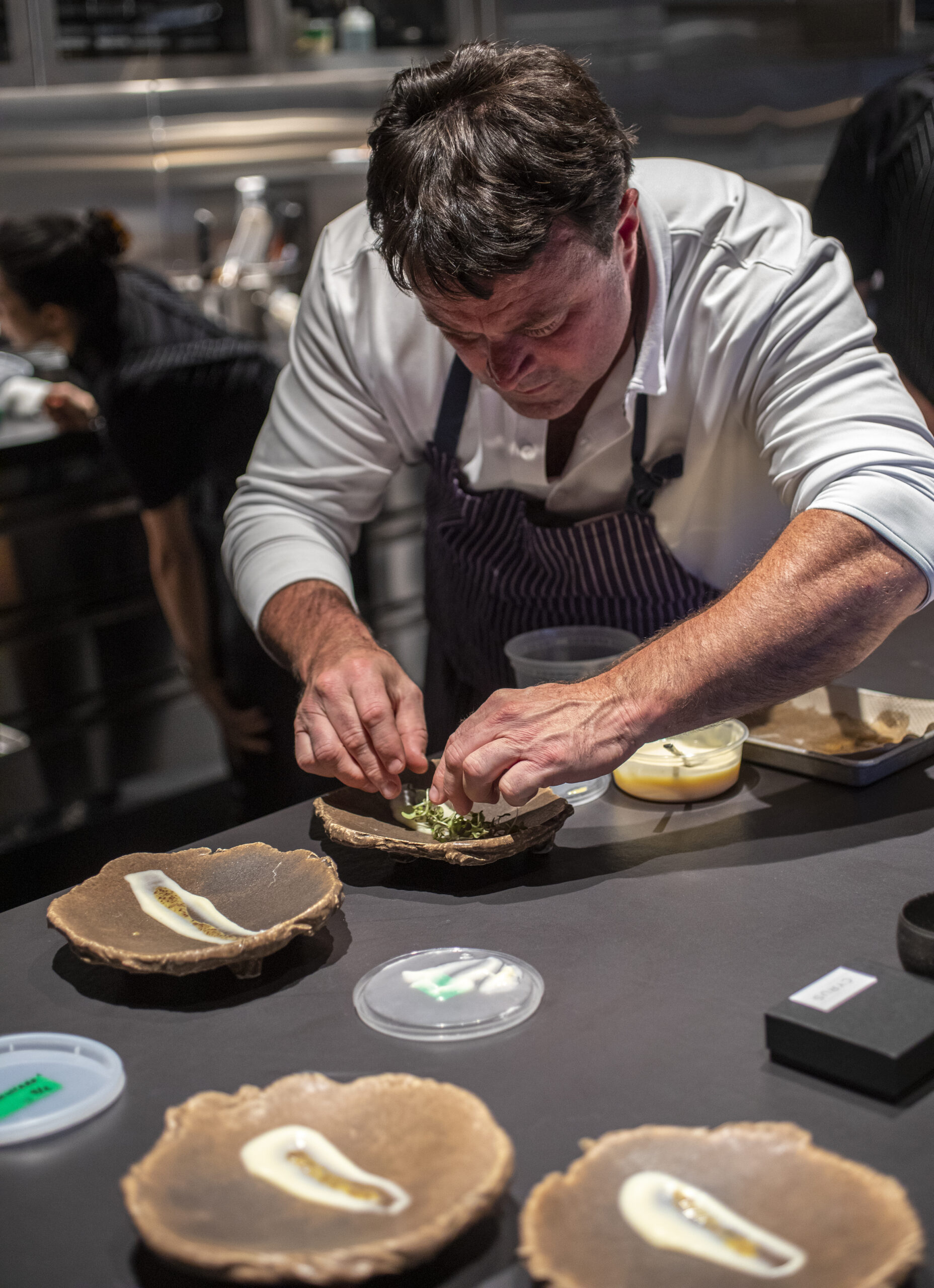
Beef, squash and maitake are plated for service at Cyrus in Geyserville. (Chad Surmick/The Press Democrat)
Click through the above gallery for a sneak peek inside the new Cyrus restaurant.
The California Michelin Guide has tapped the recently-opened Cyrus in Geyserville as one of 37 new restaurants on the radar of Michelin inspectors.
The announcement of the guide’s latest round of “New Discoveries” offers a preview of restaurants usually considered too new for Michelin stars but still worthy of note. Star rankings for the 2023 California Guide will be announced Dec. 5 during a live ceremony at the Petersen Automotive Museum in Los Angeles. It’s an event that most restaurateurs and food lovers anticipate all year as favorite eateries either get chosen – or sometimes snubbed – by the international restaurant guidebooks.
“Celebrated wine country chef Douglas Keane has returned to the fore with his re-launch of Cyrus in Geyserville. Dinner is an ebullient experience that progresses from canapes and Champagne in the lounge to small bites in the kitchen and concludes with substantial compositions in the dining room,” read the Michelin announcement.
Chef Doug Keane at Cyrus in Geyserville on Thursday September 8, 2022. (Chad Surmick / Press Democrat)
Cyrus reopened in September after a 10-year hiatus and several false starts for co-owners Douglas Keane and Nick Peyton. The original restaurant, located at the Les Mars Hotel in Healdsburg, closed in 2012 after a dispute with owner and wine magnate Bill Foley. (Read the review of the new Cyrus.)
“We hope that these regular revelations and updates to the selection throughout the year will provide opportunities to highlight the profession and invite everyone to discover and support the restaurants around them,” said Gwendal Poullennec, international director of the Michelin Guides.
Other new California restaurants selected for the “New Discovery” distinction include Oakland’s buzzy Hi Felicia; and Ken, Osito, Yuji and Itria restaurants in San Francisco. Los Angeles and Southern California restaurants, which in previous years had limited inclusion by the Guide, received 30 Michelin nods. Earlier this year, The Matheson in Healdsburg was named a New Discovery by the California Michelin Guide. (New Discoveries are featured on guide.michelin.com)
The complete list of New Discoveries, with Michelin inspector notes, follows.
AMA Sushi (Montecito): It’s worth going all in on the omakase to sample the chef’s artistry, which begins with a trinity of bites from soba noodles and fried eggplant to sesame tofu.
Asterid by Ray Garcia (Los Angeles): The evolving menu draws from seasonal local produce and Latin American, Asian and European influences with Chef Garcia’s distinctive Angeleño point of view.
Bar Le Côte (Los Olivos): Slide in to one of the booths or banquettes and settle in for a meal that is an ode to the sea and is best enjoyed with shared plates.
Bird & Buffalo (Oakland): Picnic tables gift-wrapped with colorful plastic tablecloths and unhurried, nonchalant service readily evoke the casual roadside restaurants scattered throughout Thailand — and happily, so do the multifaceted, punchy flavors.
Caboco (Los Angeles): This airy, industrial-chic space welcomes guests with a well-rounded menu of deeply flavorful and thought-provoking modern Brazilian dishes.
Camphor (Los Angeles): Camphor plates seriously good French fare with a sprinkle of spicing from India and Southeast Asia. Creative cocktails, including the refreshing Saint-Germain, complete the experience.
Chulita (Venice): Tacos are served all day at this spot where Oaxacan-style, California-influenced Mexican food rules.
Cyrus (Geyersville): Celebrated wine country chef Douglas Keane has returned to the fore with his re-launch of Cyrus in Geyserville. Dinner is an ebullient experience that progresses from canapes and Champagne in the lounge, to small bites in the kitchen, and concludes with substantial compositions in the dining room.
Damian (Los Angeles): Housed within a repurposed warehouse with polished concrete, exposed brick and pendant lighting, Damian has that industrial chic look down pat, and the menu speaks to a kitchen that is rooted in the nuances of Mexican cooking.
The Dutchess (Ojai): This quirky concept features a bakery/cafe by day and a trendy Burmese restaurant by night. Come hungry, as this heartfelt menu is brimming with snacks, salads, curries and large plates designed for sharing.
Ember (Arroyo Grande): Its inviting industrial-rustic interior is the perfect setting for their heartfelt and down-to-earth cooking. You’ll likely never tire of the contemporary menu filled with comforting favorites.
The Hatch (Paso Robles): It’s all hail to the bird at The Hatch. This downtown Paso Robles restaurant reveres the rotisserie and roasted chicken is indeed the must order.
Hatchet Hall (Los Angeles): This is open-flame cooking, rendered with a Southern twang and seasonal focus thanks to an abundance of local product.
Hi Felicia (Oakland): The transformation of a popular underground supper club into a fully formed brick and mortar may sound like a familiar tale, but rest assured that there’s nothing formulaic about this East Bay iconoclast, whose name is a clue to the kind of exuberant irreverence diners should expect.
in bloom (Paso Robles): Executive Chef Kenny Seliger and Executive Sous Chef Ron Frazier take the now-classic Californian menu and give it a clever update (sweet parsnip cannoli, anyone?) at in bloom. Their cooking is confident, and their dishes really come alive.
Itria (San Francisco): This welcoming, easygoing retreat draws in a lively crowd with Italian cooking that’s appealingly modern. Chef Daniel Evers employs a confidently uncomplicated approach, bringing a light touch to classic flavors and allowing simplicity to shine.
Ken (San Francisco): The city has its share of intimate omakase counters, but few offer quite as much cozy charm as this six-seat gem in the Lower Haight.
Kingfisher (San Diego): A striking central bar provides the perfect perch for thirsty guests to wet their beaks with a terrific assortment of inventive cocktails, which serve as excellent complements to the mouth-watering menu of inspired Vietnamese cooking.
Kinn (Los Angeles): Chef Ki Kim delivers something special with Kinn and his experience in upscale restaurants informs the menu, which features dishes retooled with a Korean bent.
Kodō (Los Angeles): Off-menu specials, such as the Japanese sea snail, are especially memorable, while sea bream and octopus are impeccable. A steaming bowl of little neck clams, garlic and butter is dreamy.
LA Cha Cha Chá (Los Angeles): This sister spot to Mexico City’s Terraza Cha Cha Chá delivers on its name with its upbeat atmosphere. The menu is refreshingly uncomplicated yet inventive with a round-up of botanas, platos principales and well-crafted desserts.
Les Petites Canailles (Paso Robles): Meals begin with a warm gougère before moving on to a selection of hearty appetizers. The menu features several entrées, though most eyes land on the perfectly cooked steaks.
Matū (Beverly Hills): The inviting ambience is elevated by a visible kitchen with views of the action, and the warm, courteous wait staff rounds out the experience.
Meteora (Los Angeles): Chef Jordan Kahn means to cast a spell with his highly inventive cuisine, which defies neat categorization, making use of ancient cooking techniques like hot stones and live fire while utilizing a uniquely modern tapestry of eclectic, global ingredients.
Nate’s on Marsh (San Luis Obispo): Nate Long is the consummate host and the service is exceptionally warm, though it certainly doesn’t hurt that the menu is loaded with classics and riffs on favorites that will have you coming back for more.
Osito (San Francisco): Chef Seth Stowaway puts his heart, soul, and even his nickname (osito means “little bear”) into this rustic, lodge-like spot where live fire cooking takes center stage. Warmth radiates from the central hearth and from the supremely hospitable staff.
Peasants FEAST (Solvang): It may seem impossible to be even more charming than its Solvang surroundings, but peasants FEAST doubles down, and delivers. This daytime-only café from Michael and Sarah Cherney spotlights the seasons on its sandwich-driven menu.
Pizzeria Bianco (Los Angeles): Those who think Los Angeles can’t compete with New York when it comes to pizza obviously haven’t been to Pizzeria Bianco. There is a reason long lines snake through ROW DTLA and queue up at the takeout window with diners hankering for a taste of Chef Chris Bianco’s pizza.
Ramen & Tsukemen TAO (Buena Park): This unassuming spot in an easy-to-miss location in an open-air mall belies the wondrous steaming bowls found within.
Rebel Omakase (Laguna Beach): As its name suggests, omakase is indeed the name of the game here, and with its seasonal, ever-changing fish selection, you’re sure to have a unique experience at each visit.
Saffy’s (Los Angeles): From the hitmakers behind Bavel and Bestia comes this breezy space awash in shades of Starburst pink and orange marmalade. Lamb and pork kebabs cooked on long metal skewers are the main event, but appetizers easily hold their own.
San Laurel (Los Angeles): Expect modern Californian dishes with Spanish leanings from a talented team put together by visionary chef, José Andrés.
Sushi Kaneyoshi (Los Angeles): Great care is taken with every detail, whether it’s the quality of ingredients or the artful plating — some of the dishes are handmade by Chef Yoshiyuki Inoue.
Valle (Oceanside): The name is a reference to the Guadalupe Valley of Baja California, Mexico’s premier viticultural region, which furnishes the restaurant’s wine list, and serves as inspiration for Chef Roberto Alcocer’s refined, modern expression of Mexican cuisine.
Yangban Society (Los Angeles): Katianna and John Hong are behind Yangban Society, a DTLA multihyphenate that is equal parts deli, mini-mart and restaurant offering a multicourse prix fixe featuring straight-up comfort food with Korean flair.
Yuji (San Francisco): Specializing in kappo cuisine, the 12-course menu similarly reflects the seasons, featuring a progression of dishes spanning a series of delicate bites, both hot and cold, and culminating in a hearty dish of steamed rice (which might be enriched with hairy crab or a similar delicacy), paired with pickled and savory miso soup.
Yunomi Handroll Bar (Los Angeles): Chef David Movsisian’s Yunomi Handroll is located on a stretch of East 3rd Street that has become a hotbed of terrific restaurants and nightlife, and this cool, inviting spot is certainly keeping up with its neighbors.
Traditional Native American dancers perform during an Indigenous Peoples Gathering at the Sonoma County Fairgrounds in Santa Rosa, Saturday, May 1, 2021. (Kent Porter / The Press Democrat) 2021
Long before European settlers arrived in North America over five hundred years ago, Indigenous peoples lived all across the continent.
European colonization had devastating effects on Native populations, who were killed and forced from their ancestral lands. After the United States was founded, massacres, forced migration and discriminatory policies toward Native populations continued and then intensified in the 19th century, including The Trail of Tears, a series of forced displacements of approximately 100,000 American Indians.
These traumatic experiences have had a lasting impact on Native Americans, who continue to be disproportionately affected by high rates of poverty, unemployment and health disparities, as well as racism and discrimination.
But the Native American story is not just one of loss. It is a story of persistence and courage. It is a story of the preservation of rich traditions and cultures. It is a story of land stewardship and deep knowledge of the natural environment. It is a story of great achievements and profound contributions to this country.
Celebrating Native American heritage
In the early 1900s, anthropologist and historian Dr. Arthur Caswell Parker, of the Seneca tribe, proposed a day be dedicated to “First Americans.” The president of the Congress of the American Indian Association, Rev. Sherman Coolidge, issued a proclamation on Sept. 28, 1915, that declared the second Saturday of May as American Indian Day and contained the first formal appeal for recognition of Native Americans as citizens.
New York was the first state to adopt American Indian Day in 1916, and other states followed suit enacting days to honor Native Americans. But it wasn’t until 1990 that President George H. W. Bush approved a joint resolution designating November as “National American Indian Heritage Month,” now more commonly referred to as Native American Heritage Month.
The month is “a time to celebrate rich and diverse cultures, traditions, and histories and to acknowledge the important contributions of Native people,” according to the National Congress of American Indians (NCAI).
Native American dancer Laila McCloud, 8, of the Kashia Band of Pomo Indians at Fort Ross State Historic Park, during the Bicentennial celebration of Fort Ross. (Kent Porter / The Press Democrat)
One way to celebrate Native American Heritage Month is to learn more about the Native American tribes and traditions in the area where you live.
The sprawling lands of Sonoma County encompass the territories of several Native communities, including the Miwok, Wappo, Pomo, Wintun and Patwin tribes. The rich heritage of Indigenous peoples in the county can be seen everywhere, from the pristine woodlands and waterways to the traditional artwork and cultural sites.
The Coast Miwok tribe covered a large area, from Sonoma to Bodega Bay, including the entirety of Petaluma, which the Miwok collectively called Peta Lumaa. The Kashia Pomo territory also covered parts of Bodega, along with other areas of the coast, such as Fort Ross and Stewart’s Point. In the northern end of the county, in Healdsburg and Santa Rosa, lived the Central Wappo, whose ancestral homelands also included the idyllic Pepperwood Preserve.
The Southern Pomo territory encompassed what’s now the Highway 101 corridor, from Cotati and Rohnert Park, throughout Santa Rosa and Sebastopol, and into Healdsburg and Cloverdale. Traveling further north into Geyserville and across Alexander Valley, the Western Wappo established two settlements that became the basis of Sonoma County’s name: Tsi’mitu-tso-noma, on the east bank of the Russian River, and Tekanan-tso-noma near the Geysers.
There are a handful of museums where you can learn more about the legacy and culture of local Native groups.
Santa Rosa Junior College has a Multicultural Museum with a vast collection of traditional Native American art, including baskets, pottery, sculptures, textiles and jewelry. The California Indian Museum and Cultural Center, also in Santa Rosa, offers various exhibits on the history and culture of the state’s Native tribes, as well as a museum store featuring food, clothing, jewelry and more from Native vendors. The center also provides Native youth programs and heads a Tobacco Prevention Project. In Novato, situated on the site of a former Coast Miwok settlement, there’s the Museum of the American Indian, which hosts events and exhibits highlighting Indigenous peoples all over the Americas.
Historic Native sites can be seen all around the county, including Tolay Lake Regional Park south of Petaluma, which was known as a spiritual healing center and is stewarded by the Federated Indians of Graton Rancheria. From Miwok Beach in Bodega Bay to Trione-Annadel State Park, Indigenous influences and preservation has graced the bountiful lands of Sonoma County.
To honor and celebrate the rich heritage of Native tribes in Sonoma County, visit art museums, Native American-owned businesses, and local events held throughout November.
Sonoma State University events
The Native American Heritage Month celebration at SSU kicked off this month with a virtual reading group discussion on “The Seed Keeper” by Diane Wilson, an award-winning author and Mdewakanton descendent, on Nov. 1 and a communal luncheon on Nov. 3 to “discuss the importance of celebrating Native American Heritage Month” over lunch. The rest of the month’s events include insightful presentations, discussions and a pizza night. (Note: Find links to Zoom events on SSU’s Native American Heritage Month event page.)
Eco-Kincentric Collaborations with the Center for Environmental Inquiry
Dr. Enrique Salmón, professor and head of the American Indian Studies Program at Cal State University, East Bay, will lead a virtual discussion on the ecological connection between humans and nature and how to enhance that bond. The talk will also illustrate some of the ways the Center for Environmental Inquiry is collaborating with the Federated Indians of Graton Rancheria at SSU’s Fairfield Osborn Preserve on Sonoma Mountain. The Zoom discussion will be held from 1-2:15 p.m. Tuesday, Nov. 8.
Native & Indigenous Pizza and a Show
The university’s HUB Cultural Center will host a pizza night with a showing of Reservation Dogs, a comedy show following the lives and exploits of four Indigenous teenagers in rural Oklahoma. The event will be held from 5-7 p.m. Thursday, Nov. 10, in the HUB Cultural Center, and all are welcome to attend.
History of the Federated Indians of Graton Rancheria
Matthew Johnson, a tribal citizen of the Federated Indians of Graton Rancheria and a cultural resources specialist for the tribe, will present the history and culture of the local Coast Miwok and Southern Pomo groups, from pre-colonization to present day. The presentation will be held over Zoom from 1-2 p.m. Thursday, Nov. 17.
Indigenous Experiences in the Realm of Academia
Trelasa Baratta, lead curriculum developer at nonprofit Redbud Resource Group, will discuss in a virtual lecture how Native American tribes in California survived genocide, forced assimilation and removal from their lands. The discussion will “explore modern Native identity, reconnection with traditional knowledge-holders through literature, and looking ahead at what the future may hold for Native communities.” The Zoom event will be held from 1-2:15 p.m. Tuesday, Nov. 29.
So You Want to Talk About Place: Decolonizing & Indigenizing “Race Talk”
Mary Churchill, professor of Native American Studies (as well as American Multicultural Studies, Women and Gender Studies, and Liberal Studies), will host a lecture to discuss the 2018 book “So You Want to Talk About Race” by bestselling author Ijeoma Oluo and share perspectives on decolonizing and indigenizing “race talks.” The lecture will be held from noon to 1 p.m. Wednesday, Nov. 30, at the Student Center Ballrooms.
Sonoma County Library events
The county’s libraries will be celebrating and paying tribute to Native people and their culture this month with virtual and in-person author talks along with a documentary panel discussion. The Sonoma County Library’s Native American & Indigenous Heritage Month event page includes information on events as well as a resource of books (for every age) “written by, for, and about Native American and Indigenous people.” Thanks to a resource sharing agreement, a Sonoma County Library Card grants you access to both the Lake County Native American Collection and the Mendocino First American Collection.
In-Person Author Talk with SSU’s Dr. James Mestaz
The Rohnert Park-Cotati Library will host an author discussion with Sonoma State history professor Dr. James Mestaz, who will discuss his first book “Strength from the Waters: A History of Indigenous Mobilization in Northwest Mexico.” The book examines the history of environmental and social connection to water access through the lens of the Mayo people of Sinaloa, Mexico. The in-person talk will be held from 6-7 p.m. Tuesday, Nov. 8, in the Rohnert Park-Cotati Library meeting room.
We Are Grateful: Otsaliheliga with children’s author Traci Sorell
In a virtual book reading and discussion, Traci Sorell, a Cherokee Nation citizen and award-winning children’s author, will share her book “We Are Grateful: Otsaliheliga,” about a Cherokee family celebrating community and expressing gratitude. Recommended for ages 4-8. This Zoom event will be held from 10:30-11:30 a.m. Wednesday, Nov. 9. Registration is required.
Inhabitants: Indigenous Perspectives on Restoring Our World virtual panel discussion
The library will host a virtual panel discussion on the documentary “Inhabitants: Indigenous Perspectives on Restoring Our World,” featuring two people involved in the making of the film. “Inhabitants” follows five Native American tribes across varying ecosystems as they restore their traditional land management practices to combat climate change and revive ancient relationships with the land. Panelists include producer and advisor Ben-Alex Dupris, of the Colville Confederated Tribes, and advisory board member Dr. Michael Kotutwa Johnson, of the Hopi Tribe. The virtual discussion will be held from 6-7 p.m. Tuesday, Nov. 15.
Virtual Author Talk with Nicole Eustace
Pulitzer Prize-winning historian Nicole Eustace will host a virtual conversation to discuss her book “Covered with Night: A Story of Murder and Indigenous Justice in Early America.” The virtual talk, which includes a Q&A with the author, will be held at 9 a.m. Wednesday, Dec 14. Register here.
Santa Rosa Junior College hosts a series of events during Native American Heritage Month, including one hosted by SRJC’s Intercultural Center on Nov. 15. More upcoming events an be found on the SRJC website: intercultural.santarosa.edu/native-american-history-month
Traditional Pomo Food Demonstration: Acorn Mush, Salmon, Seaweed & Tortillas
SRJC Native American Studies faculty member Lori Laiwa Thomas (Pomo, Coast Miwok, Huchnom) will lead a traditional Pomo food demonstration in the Santa Rosa Intercultural Center in Pioneer Hall, room 380. The event is free and open to all, following current SRJC Covid guidelines, and will be held from 2-4 p.m. Tuesday, Nov. 15.
The Sonoma Community Center will host instructors Elise Gonzales and Alicia Retes as they teach a pair of family-friendly culinary and art classes honoring Native American traditions, from 11 a.m. to 1 p.m. on Saturday, Nov. 19.
The culinary class, from 11 a.m. to noon in the center’s Rotary Kitchen, will teach about “the three sisters,” a Native American agricultural tradition of growing and cooking corn, beans and squash together to create a colorful, nourishing dish. The art class, from 12:30-1 p.m. in room 110, will see Native American storyteller Alicia Retes perform her version of The Three Sisters using handcrafted husk characters and instruments in an interactive performance and sing-along. The event is meant for families and tickets are $10-$75.
Graton Resort & Casino: Hotel, casino and restaurants, owned and operated by the Federated Indians of Graton Rancheria. 288 Golf Course Drive West, Rohnert Park, 707-588-7100, gratonresortcasino.com
River Rock Casino: Casino and eateries, owned and operated by the Dry Creek Rancheria Band of Pomo Indians. 3250 Highway 128, Geyserville, 1-877-883-7777, riverrockcasino.com
Fry Bread Shop: Eatery serving fry bread, Indian tacos and the original “Rez Dog,” owned by Derek Muro of the Kashia Band of Pomo Indians of Stewarts Point Rancheria. 521 W Ninth St., Santa Rosa, 707-694-7405, facebook.com/frybreadshop
NativeGirl40: Retail shop selling bags, wallets and prints, owned by Violet Wilder of the Kashia Band of Pomo Indians of Stewarts Point Rancheria. 1007B W. College Ave., Suite 246, Santa Rosa, 707-508-5797, facebook.com/nativegirl40bagsandpouches
Native Riders: Clothing store and gift shop selling handmade accessories, unique knives, leather booties, painted mugs, incense and more. 851 Gravenstein Hwy S., Sebastopol, 707-829-8544, facebook.com/people/Native-Riders/100063868039441
Lucid Luck: Online clothing store, by Cloverdale brothers Matthew and Michael Molina, selling T-shirts, hoodies and accessories. lucidluck.com
Revolutionary Mystic: Psychic medium and astrology reading services, plus candles, oils, crystals and tarot cards, owned by Mētztli Wolf. revolutionarymystic.com
Sonoma County is getting ready for the holiday season and, with it, plenty of visitors.
Several new (or newly renovated) hotels have opened their doors in the past year, including The Madrona in Healdsburg and four renovated Russian River properties: The Stavrand,Dawn Ranch,The Highlands, and Mine + Farm, The Inn. Now, two new inns can be added to the list and many local hotels also offer something a little special right now, from in-room Fender guitars to updated restaurant menus.
Here’s what you need to know about Sonoma County’s hotel scene right now. Click through the above gallery for a peek at the properties.
New hotels to check into
Boho Manor
Formerly known as the Village Inn & Restaurant, this Russian River hotel has been renovated with an Art Deco flair. Two new rooms have been added to the property, which now has 14 rooms in total, and a former storage space has been turned into a speakeasy with live jazz on Saturdays. A new riverfront lounge area boasts a hot tub and fire pits.
20822 River Boulevard, Monte Rio, 707-865-2304, bohomanor.com
Hampton Inn & Suites Santa Rosa Wine Country
Located off Highway 101, about 10 minutes south of the Charles M. Schulz Sonoma County Airport and 10 minutes north of downtown Santa Rosa, this new 100-room hotel features complimentary breakfast, parking and Wi-Fi. Pet-friendly rooms are available.
3815 Airway Drive, Santa Rosa, 707-522-6201, hilton.com
New hotel offerings and updates
Fender guitars and brunch at Dawn Ranch
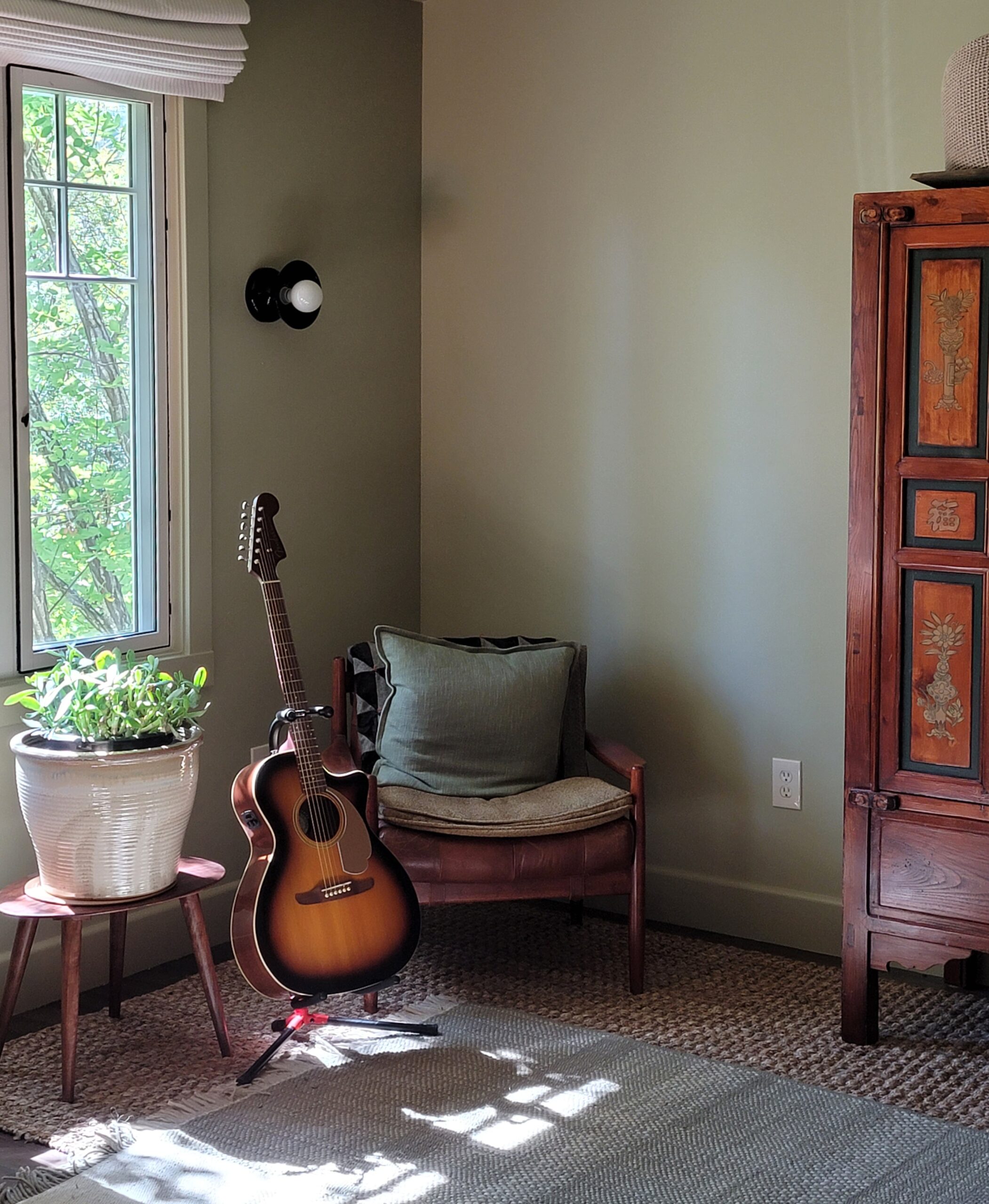
There’s a new way to play during a stay along the Russian River. Guests at Guerneville’s Dawn Ranch can rock out with Fender acoustic guitars. The instruments, which include the Redondo, Malibu and Newporter from Fender’s California series, are available in select rooms or on loan for the hotel’s campfires. Complimentary access to Fender Play, Fender’s online learning platform, also is available, for beginners and experienced players alike.
Dawn Ranch’s onsite farm-to-table restaurant, Agriculture Public House, kicked off brunch services Nov. 5. Brunch favorites like avocado toast and chicken and waffles, along with dishes such as the Power Bowl and Breakfast Poutine, are served 9 a.m. to 1 p.m. Saturdays and Sundays. The cozy restaurant with a fireplace also will be offering a Thanksgiving prix fixe menu ($65) with dishes like Pumpkin Safe Arancini, Warm Butternut Squash Soup, Arugula Fig Salad, Honey Mustard Slow Braised Turkey and Grilled Portabello. Make reservations by emailing dining@dawnranch.com.
Dawn Ranch reopened its doors in April, following an extensive renovation of its guest rooms. The hotel, which dates back to 1905, features 53 cabins as well as river access, an apple orchard believed to be more than 120 years old, and two rare dawn redwood trees, which gave the property its name. The hotel organizes a variety of activities, including creative art workshops, yoga and meditation groups, bird watching excursions and kayaking on the river.
16467 California 116, Guerneville, 707-869-0656, dawnranch.com
A Fender guitar in a room at Dawn Ranch in Guerneville. (Courtesy of Dawn Ranch)
A new menu at Flamingo Resort
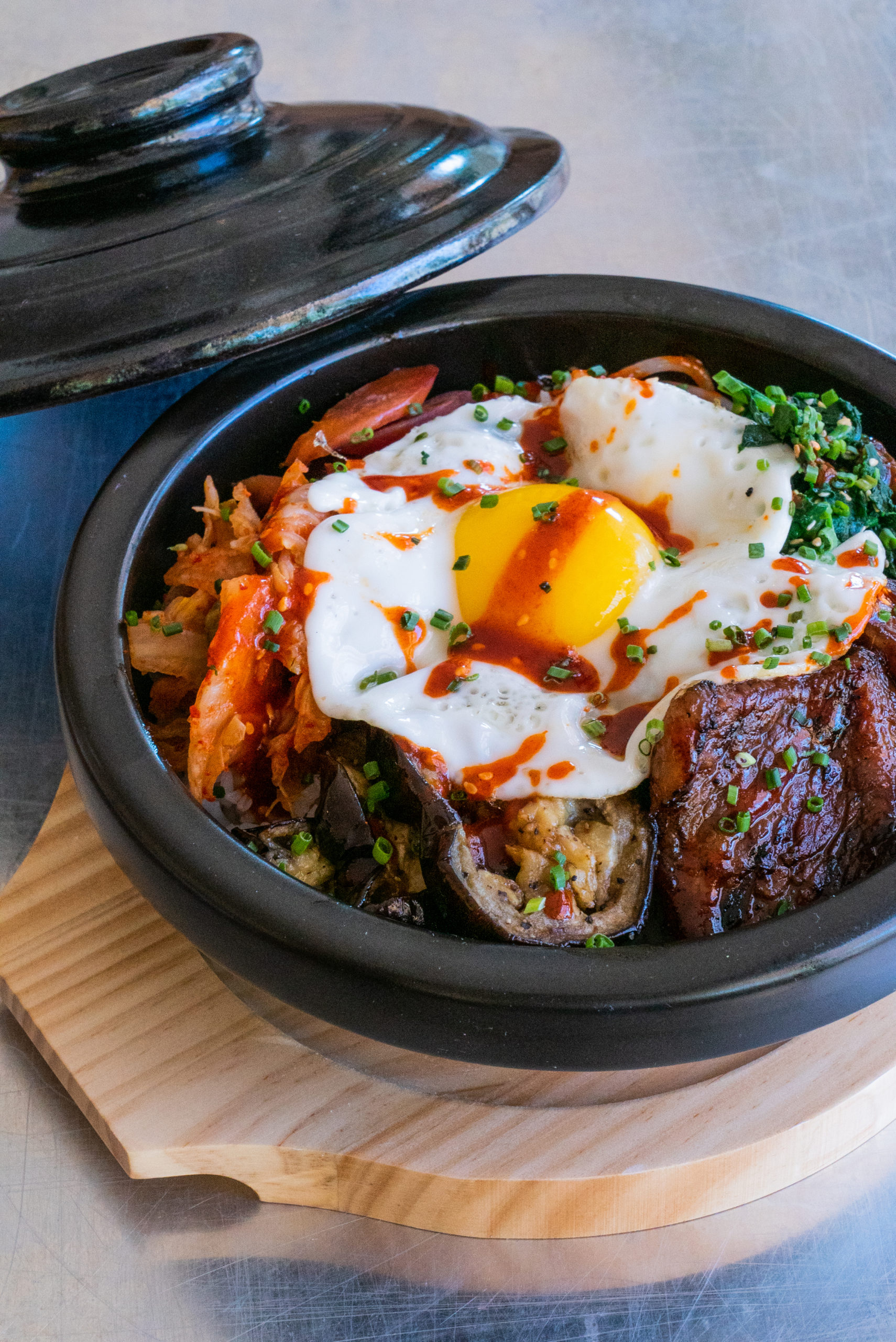
There’s a new chef in the kitchen at Flamingo Resort’s poolside Lazeaway Club. Chef Chris Ricketts is putting his twist on the restaurant’s Cal-Pacific menu; think dishes like Loco Moco, a ground beef patty on coconut rice with an over-easy egg, and bibimbap with grilled Kalbi beef short ribs, kimchi, coconut rice, eggplant, carrots, bean sprouts, fried egg and a sweet gochujang sauce (the dish arrives at the table sizzling.) If you can, save room for the pineapple upside-down cake.
Flamingo Resort, popular for its midcentury style, emerged from a $20 million renovation in 2021. The property has retained its retro charm, but rooms and public areas have been updated with a fresh new look. Set on 10 acres, the resort features 170 rooms and suites located in five two-story buildings. Guests will find fun retro touches in their rooms, like mint green Trimline telephones and matching tea kettles. The pool and spacious inner courtyard continue to serve as the social hub of the hotel property, which recently got a new cocktail lounge and live music venue, Vintage Space.
Bibimbap at Lazeaway Club at the Flamingo Resort in Santa Rosa. (Courtesy of Flamingo Resort)
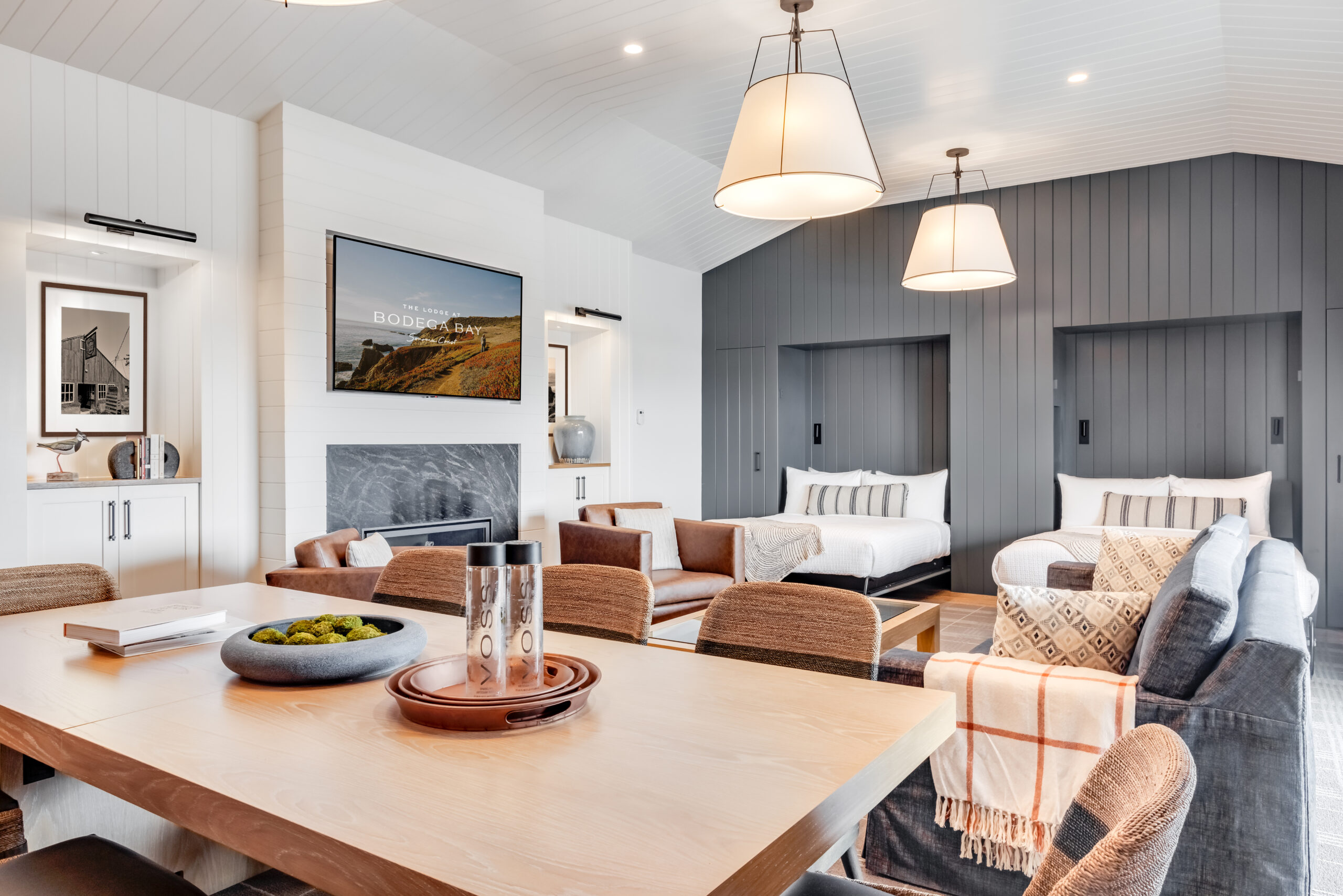
New Captain’s Quarters at The Lodge at Bodega Bay
The waterfront property formerly known as Bodega Bay Lodge is celebrating its 50th anniversary this year, and the completion of a multi-million-dollar renovation. The Lodge’s largest accommodation, known as The Captain’s Quarters, was stripped to the studs for a complete redesign. It boasts a bedroom with a king bed and private balcony, a living area with a fireplace, two queen-sized Murphy beds, a sundeck with coastal views, and more. The property’s Coastal Bodega Bay Rooms, with fireplaces and spa-like bathrooms, also got a face lift.
Nestled atop a hill overlooking Bodega Bay, this coastal hotel has 83 modern rooms — most of them overlook the bay, where you can see coastal birds, fishermen in their boats and, if you’re lucky, a whale or two. The property is minutes from downtown Bodega Bay, with seafood shacks, surf shops and cafes. The property has a heated bayside pool, a hot tub and a full spa for those looking to relax after a busy week. Watch the sunset from the fire pit, followed by dinner at Drake’s Sonoma Coast Kitchen. Don’t miss the local clam chowder.
The living area in The Captain’s Quarters at The Lodge at Bodega Bay. (Courtesy The Lodge at Bodega Bay)
‘Every Stay Gives Back’ program at The Stavrand Russian River Valley
The former Applewood Inn and Spa changed hands in early 2020 and caught the world’s attention when it opened as The Stavrand Russian River Valley early this year and, shortly thereafter, was named among the best new hotels in the world by Travel + Leisure.
The relative newcomer has now joined Kind Traveler’s “Every Stay Gives Back” program. Launching in early 2023, the program will enable guests to donate $2 per night to local nonprofit Farm to Pantry, a gleaning organization that rescues unharvested produce from farms and backyards across Sonoma County and distributes it to people in need. The Stavrand will match every donation up to $4 per night.
Located just a 10-minute walk from downtown Guerneville, the registered historic landmark features 21 renovated rooms in three buildings. Along with a garden, the Chef’s Meadow at The Stavrand also is home to fruit trees, many of which date back to the 1920s when they were planted by the property’s original owner, Ralph “Rooster” Belden.
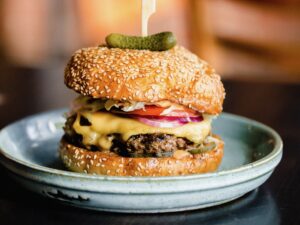
Burger from Lunch Box Sonoma County. The pop-up restaurant is among a handful of local restaurants that have signed on for a space at the new Livery on Main food hall in Sebastopol. Click through the gallery for more. (Courtesy of Lunch Box Sonoma County)
Late fall is bringing with it a flurry of restaurant openings and soon-to-open eateries in Sonoma County. Many are located in Sebastopol, which is seeing a huge influx of new businesses, as well as in Petaluma. Click through the above gallery for some new places we’re dying to try (along with one or two we’ve had a sneak peek at).
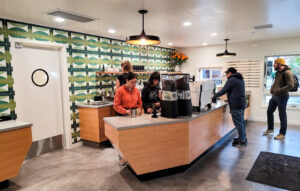
Flying Goat coffee shop in Healdsburg reopened in October 2022. (Heather Irwin / Press Democrat)
First, the good news. Flying Goat Coffee reopened in Healdsburg at 300 Center St. last month with the kind of fanfare usually reserved for Super Bowl wins. Longtime fans were elated to get their organic Guatemalan and Ethiopian single-origin coffee fixes once again.
“I’m a coffee guy, and I always will be. I see coffee as a mission,” said Flying Goat owner Phil Anacker.
But Sonoma County bean buffs have long wondered what happened to the once-thriving Healdsburg and Santa Rosa Flying Goat shops that closed in 2019 and 2020.
The tragic story told by Anacker is one many restaurateurs, especially in Healdsburg, have experienced recently: a combination of untenable rent hikes, the COVID-19 pandemic and financial exhaustion. He said small, family-run businesses like his had been hit especially hard.
Founded in 1994, Healdsburg’s Flying Goat Coffee was a morning staple for the town’s caffeine-seeking locals for 25 years.
As Anacker and co-owner Maura Harrington watched sleepy Healdsburg grow into the tourist hot spot it is today, they sold pastries and coffee made with beans Anacker sourced through relationships with coffee farmers worldwide.
Things began to unravel in late 2019 when Harrington died from cancer, the rent doubled on the Flying Goat shop at 324 Center St. near the plaza in Healdsburg and the emerging pandemic and subsequent restrictions dried up business.
“Late 2019 was the beginning of a year of challenges. It was hugely sad. Maura was a spark in the community,” Anacker said.
By mid-2020, as the pandemic raged, ongoing problems forced Anacker to close the once-thriving Healdsburg shop. Their original roastery and coffee shop, a couple blocks north at 419 Center St., remained open for takeout. A small coffeehouse in Santa Rosa’s Railroad Square also stayed open.
“We built out that space at 324 Center St. in 1994. But we had to leave our home,” said Anacker.
That wasn’t the end of Flying Goat’s troubles. By December 2020, the rent on their Santa Rosa location in Railroad Square was another financial drain. During the pandemic, as many restaurants and businesses closed, Anacker said, the Santa Rosa rent was too much for the bottom line.
“Margins are always a challenge, and the numbers didn’t work there,” he said.
Anacker said staff dwindled from 50 to around 25 at its lowest point, with just the roastery open. He tried to keep longtime workers employed at the roastery.
For two years, Anacker had looked for a new location on the Healdsburg square and finally found the 300 Center St. location (on the corner of Center and Matheson streets) and landlords willing to work with the company.
When the new coffeehouse opened, Anacker said, many came to check it out.
“We just let people come in as they saw the doors open, but when word gets out in Healdsburg, it spreads like wildfire. The community totally came out, and it was like a community group hug,” he said.
As for the future of Flying Goat? Anacker sees hope.
“We still get emails weekly from customers in Santa Rosa who want us to have another store, and we are in discussions with some property owners there. We are intent on getting a store in Santa Rosa and possibly Windsor as well,” he said.
Wine Country got a much-welcomed wet start to November. But there are still sunny and bright fall days ahead before winter arrives. So take this time to enjoy the warm hues of yellow, orange and red. One of the best ways to enjoy Mother Nature’s autumnal art is to hit the trails and take in vineyard views. Click through the gallery above to see some of our favorite scenic treks. Did we miss one of your favorite spots? Let us know in the comments.
An event area at Sally Tomatoes Catering and Events. (Courtesy Sally Tomatoes)
Heirloom Cucina Italiana at the Sally Tomatoes space in the sprawling SOMO Village business center ended its restaurant service on Oct. 28.
Sally Tomatoes will transform into a full-service event center and catering company. Special community nights will be offered for the public on Wednesdays with a fireside buffet of homemade soups and pizza, salads and pasta for kids and adults. There also will be drinks and games, including corn hole and Wednesday paint nights.
Watch the Sally Tomatoes website (sallytomatoes.com) for more details on upcoming music shows and events at the space, located at 1100 Valley House Drive, in Rohnert Park. Call 707-665-9472.
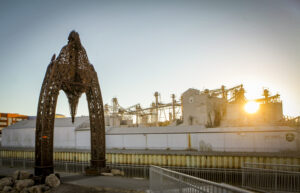
The River Arch, a metal sculpture by renowned local artist David Best stands at Lynch Creek Trail alongside the Petaluma River. (Crissy Pascual/Petaluma Argus-Courier)
In Sonoma County, public art is easily accessible, in every town. Petaluma, especially, has loads of public art, and to help you explore it, we’re offering a guide of the highlights.
There are more than 30 outdoor public art pieces scattered around the city, including murals, sculptures, arches and a community-built fountain.
‘River Arch’
In August, Petaluma-based artist David Best unveiled his new public art piece, “River Arch,” an intricate, rust-colored steel archway that greets passersby on Lynch Creek Trail off Lakeville Street. The 25-foot metal arch — with decorative curves, natural motifs and a chandelier-like detail — enhances the industrial look of the area while serving as a gateway between downtown Petaluma and the surrounding natural landscape.
Best is known for the large, elaborate temples and sculptures he creates for the Burning Man festival. The Petaluma Public Art Committee commissioned Best in 2017 to create the River Arch to improve the site for residents and visitors, welcoming them to Petaluma’s downtown. Lynch Creek Trail is located at 88 Lakeville St. in Petaluma.
‘Wrist Wrestling Champions’
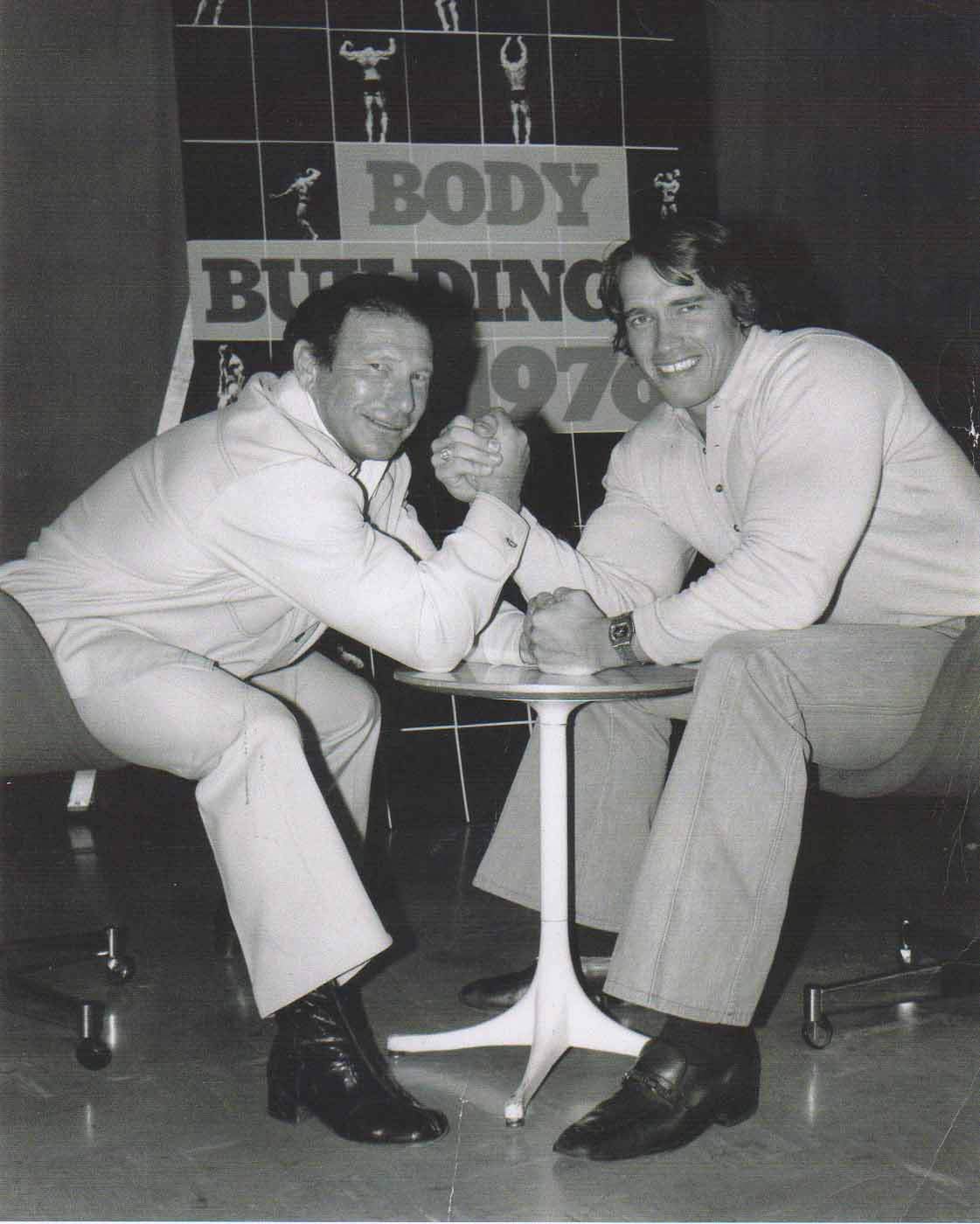
Wrist wrestling transformed from a playful test of machismo to a nationally recognized sport when local legend and Argus-Courier columnist Bill Soberanes arranged a match at “Diamond Mike” Gilardi’s bar in 1955. The thrilling contest, which ended in a draw, generated so much attention that a committee was formed to organize a tournament. The tournament grew over the years, and, in 1962, the first World Wristwrestling Championship was held in Petaluma’s Hermann Sons Hall.
By 1988, the city of Petaluma erected a statue downtown — made by prominent Cuban artist Rosa Estebañez — in Soberanes’ honor, depicting him and another man locked in a strenuous battle of the forearms. The bronze sculpture includes a plaque commemorating Soberanes as “the World’s Number One People Meeter” for his knack for making fast friends. Find the statue near the corner of East Washington Street and Petaluma Boulevard North, next to Lemongrass Thai Noodle and across the street from the Petaluma Heritage Mural
On Feb. 12, 1952, Petaluma’s first wrist wrestling championship was held at Gilardi’s bar. The competition grew to international proportions attracting celebrities and politicians from near and wide. In this photo then-Gov. Ronald Reagan wrestles Bill Soberanes at a later competition. (Petaluma Museum)Arnold Schwarzenegger made a special guest appearance at the 1978 World Wrist Wrestling Championship tournament. (Petaluma Museum)
‘Reared In Steel’
Get a taste of Burning Man at the corner of Copeland and East Washington streets, where Petaluma artist Kevin Clark set up his private art studio Reared In Steel. The massive metal sculptures out front are a fixture in downtown Petaluma, when they’re not at the annual Burning Man festival or rented out to various other events.
The steampunk-like artworks that can be spotted on Copeland Street include a 70-foot “Flower Tower,” a metal-winged guardian lion (“Guardino Leone”), a fully motorized “Rhino Redemption” art car and an intimidating “Medusa Madness” sculpture. Then there’s the giant squawking metal raven perched atop the studio.
While the working art studio is private, visitors are welcome to view it from the street and snap photos of the huge, unusual art sculptures in the studio yard, at 100 Copeland St., in Petaluma.
‘Outlet, Plug & Cord’
In Petaluma’s Theatre District, it’s hard to miss the giant wall outlet and plug protruding from the PG&E Substation on the corner of First and D streets. The comically large sculpture made of steel, wood and fiberglass seems to fit right in with its surroundings while adding levity to the industrial look of the area.
The cord of the plug appears to be coming out of the ground, suggesting it’s drawing power from the nearby electrical towers to supply energy to the PG&E building. The utility company commissioned artist Joel Jones, of Basal Ganglia Studio, and fabricator Shawn Thorsson to create the art piece, which they unveiled in 2015.
Daya Ceglia checking out the Plug during the unveiling reception of a sculpture by fabricator Shawn Thorsson and artist Joel Jones at the First and D Street PG&E substation in Petaluma on Friday, July 10, 2015. (Jim Johnson/For the Argus-Courier)
‘Faces of Petaluma Fountain’
In the middle of Petaluma’s Theatre District is a water fountain covered in more than 800 unique faces made of clay and set in colorful mosaic tile. Ceramic artist and community organizer Donna Billick designed and led the public art project, which welcomed Petalumans of all ages to sculpt self-portraits from clay.
Billick took the finished clay faces back to her art studio in Davis to fire and prepare them for installation, and Heath Ceramics in Sausalito provided the mosaic tile panels. The project was completed in 2007 and presents an artistic link with the Petaluma community’s past and future. See the colorful, whimsical fountain in Theatre Square, surrounded by local businesses such as Trattoria Roma, Sol Food and La Dolce Vita Wine Lounge. It’s located at Theatre Square, 140 Second St., in Petaluma.
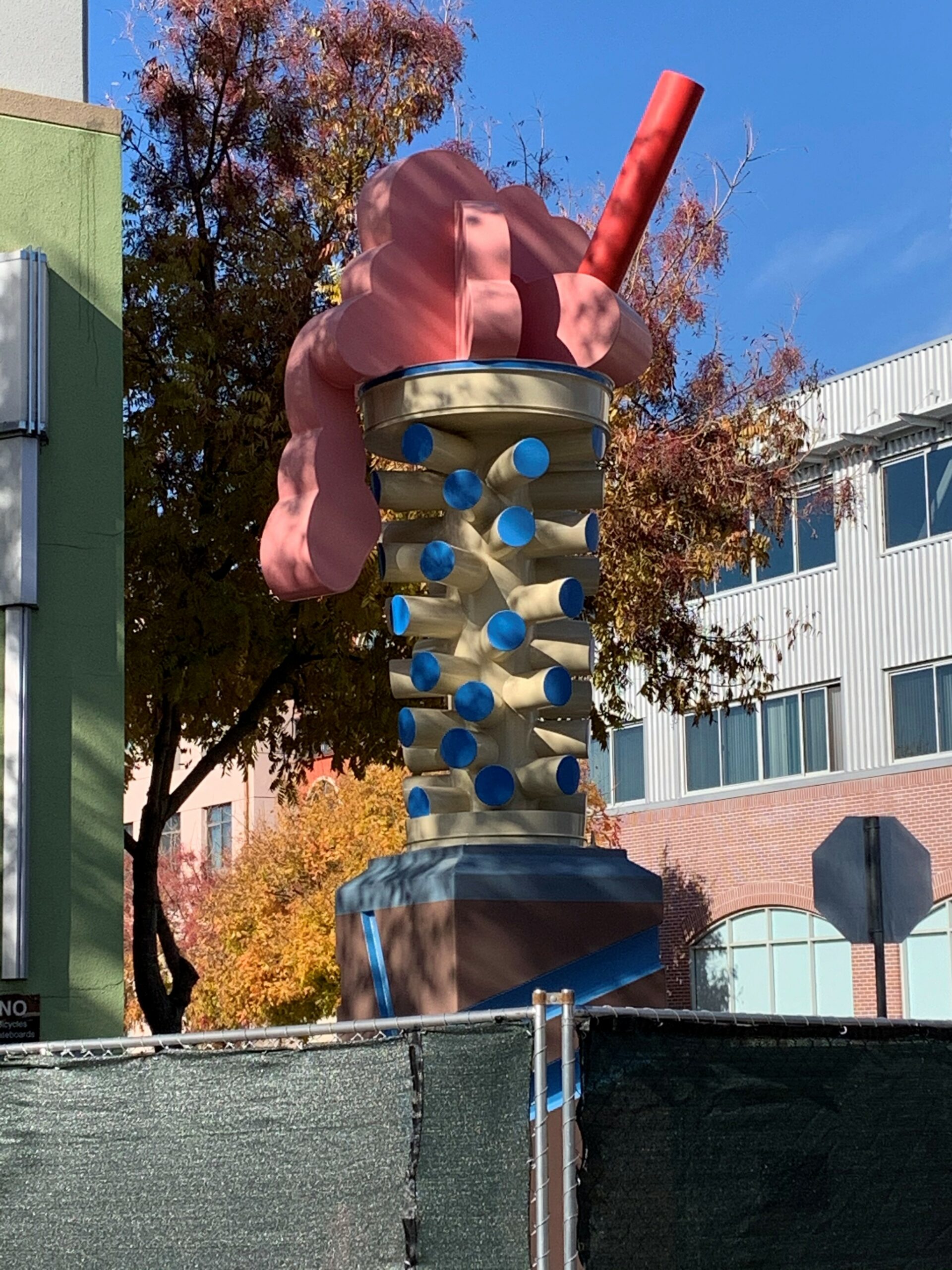
‘Cherry Soda’
Patrons of Petaluma’s Boulevard Cinemas can’t miss this whimsical abstract statue of a yellow-and-blue cup spilling over with pink cherry soda. Sculptor Robert Ellison created the painted-steel statue in 2003, originally installed at Lucchesi Park.
The Petaluma Public Art Committee purchased “Cherry Soda” from the Voigt Family Sculpture Foundation after Ellison’s death in 2012, and the two groups worked with the city of Petaluma to facilitate the installation at the cinema. “Cherry Soda” resides at the corner of Second and C streets in front of the theater, and the statue remains a popular hangout spot for young people waiting to see a movie. Boulevard 14 Cinema is located at 200 C St. in Petaluma.
Patrons of Petaluma’s Boulevard Cinemas can’t miss this whimsical abstract statue, “Cherry Soda,” by sculptor Robert Ellison. (The Press Democrat, file)
‘A Whale of a Good Time’
A life-size whale tail made from scrap metal stands 15 feet tall in the Deer Creek Village shopping center, where it dives into the pavement between Sourdough & Co. and Habit Burger Grill. Sacramento artist Terrence Martin created the sculpture in 2014 after gaining inspiration from a whale-watching trip. The statue seats nine people inside and is surrounded by a ring of fluorescent blue lighting that glows at night.
The aquatic sculpture was the first piece in a series of art installations at the shopping center, including a 20-foot steel and glass abstract tree sculpture (also made by Martin) next to Mary’s Pizza Shack and decorative benches created by Martin and local artist David Duskin
Hands & Balls, Petaluma
Meant to represent balance — of the rational and spiritual, terrestrial and celestial — a pair of giant concrete hands rest on red marbled balls in front of Lagunitas Brewing Co., coaxing in curious onlookers. The position of the hands evokes Buddhist iconography of symbolic hand gestures (known as mudras). The right hand appears to be in the Abhaya position, with the palm facing forward, representing fearlessness and protection. The left hand is in the Dhyana position (the meditation mudra), with the hand resting and palm facing up, symbolizing compassion for all living beings.
The husband-and-wife team Peter Crompton and Robyn Spencer-Crompton built the sculpture, with Peter focusing on the form of the concrete hands and Robyn on the mosaic surface design. The “Hands & Balls” sculpture has been a part of the Sculpture Trail in Cloverdale and Geyserville and was installed in front of Lagunitas in Petaluma in 2012. Lagunitas Brewing Co. is located at 1280 N. McDowell Blvd. in Petaluma.
‘Fred J. Wiseman Monument’
In 1911, local pilot Fred J. Wiseman embarked on a short flight, in a biplane he designed and built, to deliver mail and newspapers from Petaluma to Santa Rosa. It was the world’s earliest “air mail” flight. A park in Petaluma was named after the pilot (Wiseman Park), and local Cuban artist Rosa Estebañez created a monument in his honor in August 1968.
The monument, a bas-relief of Wiseman’s bust and plane mounted on a wall of stone and concrete, was originally located in Kenilworth Park, where Wiseman began his first air mail flight. Now it resides in Wiseman Park on the east side of Petaluma, near the Petaluma Municipal Airport.
‘Home Stretch’
Standing at the corner of Lakeville Highway and Frates Road, an 18-foot totem sculpture seems to defy physics. Made by Donna Billick in 2007 and covered in vibrant mosaic tiles, it has an inverted cone perched on what appears to be a miniature house, which balances atop five colorful spheres descending in size.
Like Billick’s Faces of Petaluma Fountain, the mosaic tiles on “Home Stretch” are from Heath Ceramics in Sausalito. The totem may be in an odd place — on the corner of Lakeville Highway and Frates Road, across from Petaluma Poultry Processors — but it’s encircled by four benches, where people can relax and admire its details
Honorable Mentions
Petaluma Friends: A sculpture made of Corten steel depicting a dog with a cat standing on its back, and a small bird perched on the end of the cat’s tail. The dog has a bone-shaped hole across its body, revealing the green tin of the Adobe Animal Hospital building behind it. The animal sculpture was created by Dale Rogers Studio in 2015. Adobe Animal Hospital, 408 Madison St., Petaluma
Heron & Reeds Wall Relief Sculpture: A large wall relief sculpture depicting a heron flying low among reeds, made of copper and established in 2009. Raley’s Grocery Store, 157 N McDowell Blvd., Petaluma
Lucchesi Park Tower Sculpture: An abstract, green metal tower sitting in front of the Petaluma Community Center. 320 N. McDowell Blvd., Petaluma
Millennium Arch: A black-painted, steel archway in McNear Park commemorating the local Rotary Club’s commitment to the city. Made by sculptor Nicolas van Krijdt and established in 2003. McNear Park, 1008 G St., Petaluma
Dubull Eagull: Unsurprisingly, Petaluma’s art and visitor centers have a number of sculptures outside, including the “Dubull Eagull” (also known as the Double Eagle). The rust-colored steel sculpture is an abstract, minimalist depiction of two eagles flying between two tall columns. It was made by Peter Forakis in 2001. Petaluma Arts Center, 230 Lakeville St., Petaluma