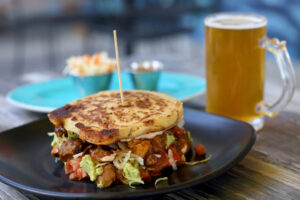
The papusa burger at Don Julio’s Latin Grill in Rohnert Park Monday, April 13, 2026. (Beth Schlanker / The Press Democrat)
Pupusas, the heart of Salvadoran comfort food, are the reason to seek out Don Julio’s restaurant in Rohnert Park — you’ll have to, because it’s not easy to find.
Tucked into a quiet shopping center at the south end of Rohnert Park, surrounded by thrift shops, hobby stores and family-run businesses, it’s the kind of place you might pass without a second glance. That would be a mistake.
Inside the tiny pupuseria, you’ll likely see co-owner Evelyn Sanabria shaping pupusas with a steady thwap, thwap between her practiced hands — a skill honed over a lifetime. Each thick, hand-formed round of masa is stuffed with cheese, meat or vegetables and griddled until the edges crisp. Tear one open, and a puff of steam carries the scent of ground corn. Add a forkful of curtido, a dip in salsa, and you’re tapping into millennia-old Salvadoran tradition.
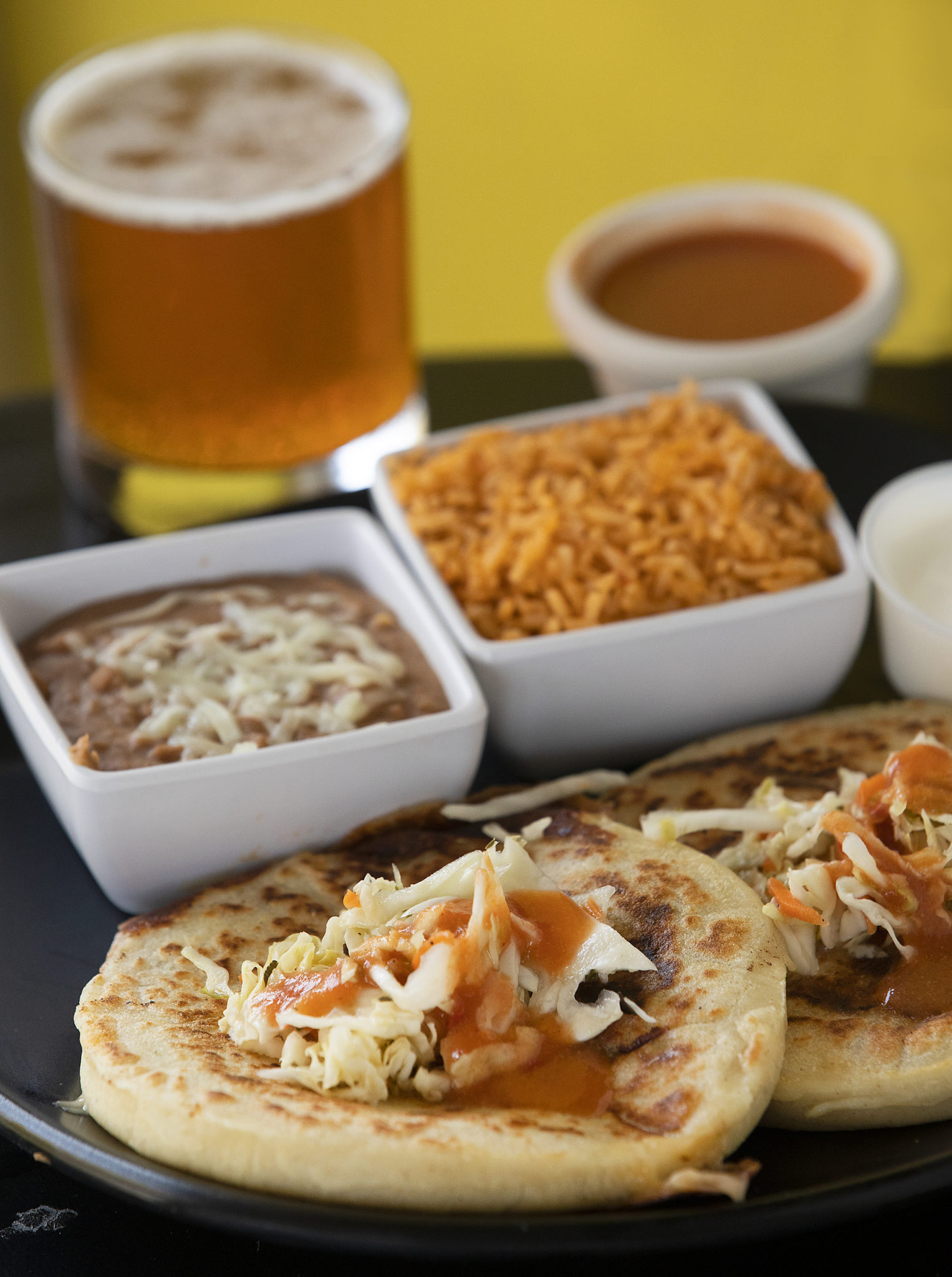
Chicken pupusa combo plate with rice, beans, slaw, crema, and hot sauce from Don Julio’s Latin Grill & Pupusas in Rohnert Park on Monday, Aug. 31, 2020. (John Burgess / The Press Democrat)
A decade ago, pupusas were nearly impossible to find in Sonoma County. When Sanabria started tucking them into her adult son’s lunches, his co-workers were captivated by the warm, cheese-filled rounds. Requests started rolling in. Word spread, orders multiplied, and what began as a favor became a side hustle, then a neighborhood restaurant.
For Salvadorans, the craft is intimate — passed mother to daughter, shaped by family tradition, each household with its own touch. Now she’s trying to teach it to people who didn’t grow up with masa between their palms.
But two hands can only work so fast. Son and business partner Carlos Alas Grande saw trouble ahead: crafting dozens of pupusas by hand each day wouldn’t scale. Turning instinct into instruction, it turned out, wouldn’t be simple either.
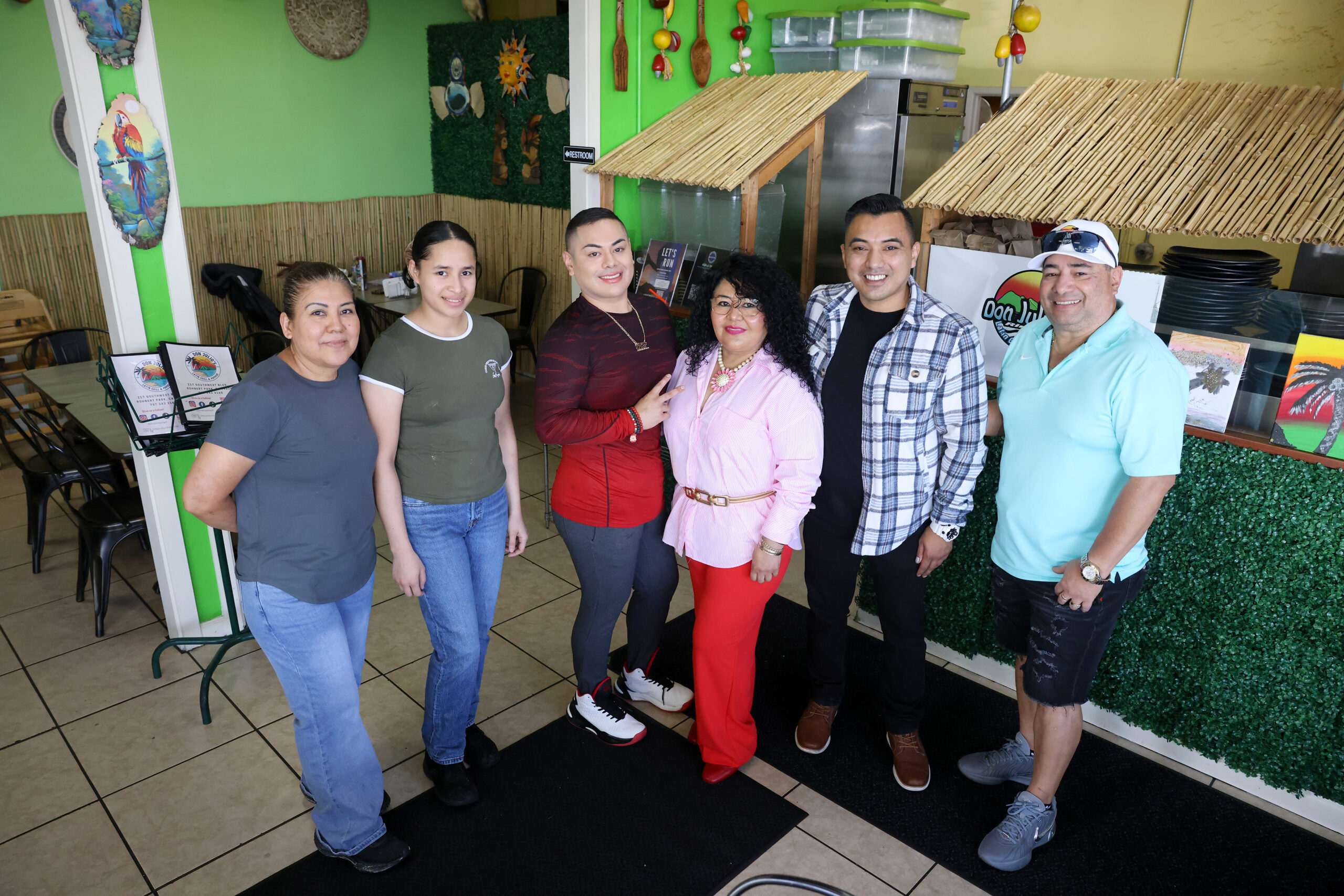
(From right) Don Julio’s Latin Grill team members Julio Sanabria, Carlos Alas Grande, Evelyn Sanabria, Cesar Sanabria, Fernanda Duerte and Isabelle Mendez at Don Julio’s Latin Grill in Rohnert Park Monday, April 13, 2026. (Beth Schlanker / The Press Democrat)
Like many family cooks, Sanabria works by feel and taste rather than strict measurements.
“She never wrote anything down; it was all in her head,” said Grande, who works the register, busses tables, greets guests and from time to time makes pupusas.
“We can’t hire new people and tell them a little pinch of this and that,” he said. So he had his mother weigh every ingredient, every spice and herb, creating a roadmap for family and staff to follow.
Even then, there are limits.
“You still always have to taste everything,” Grande said. And his mother’s role remains central: “It’s all in her hands.”
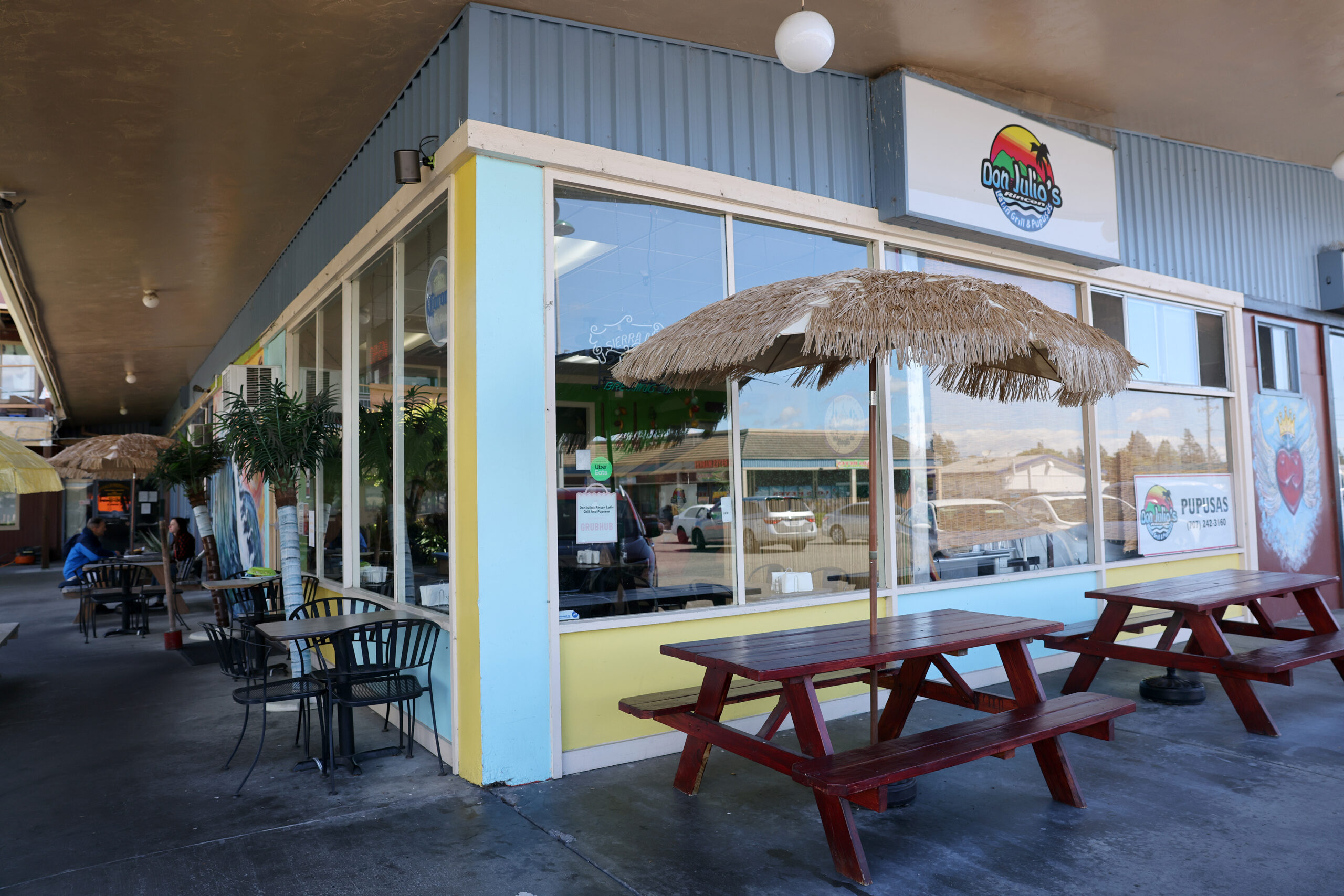
Don Julio’s Latin Grill in Rohnert Park Monday, April 13, 2026. (Beth Schlanker / The Press Democrat)
Like many small businesses, the family does a little bit of everything, including the decor — equal parts heart and Home Depot. Inside, the dining room glows parrot green, with bamboo wainscoting and plastic foliage lining the walls. The kitchen is tucked behind a tiny beach shack, a nod to the family’s roots in El Salvador. Set into a shady nook with both indoor and outdoor seating, it feels like a small, hard-won escape from the everyday. Outside, picnic tables sit beneath faux-thatched umbrellas, and hand-painted murals of tropical beaches transport you just long enough to inhale the scent of a warm pupusa in your hands, steam rising, the edges still hot from the griddle, and settle in for a little lunchtime escape.
The food
Pupusas may be the main attraction, but the menu stretches far beyond with Mexican, Latin, and creative fusion dishes. Think hefty burritos, tamales, enchiladas, chimichangas, tacos, and even a pupusa burger.
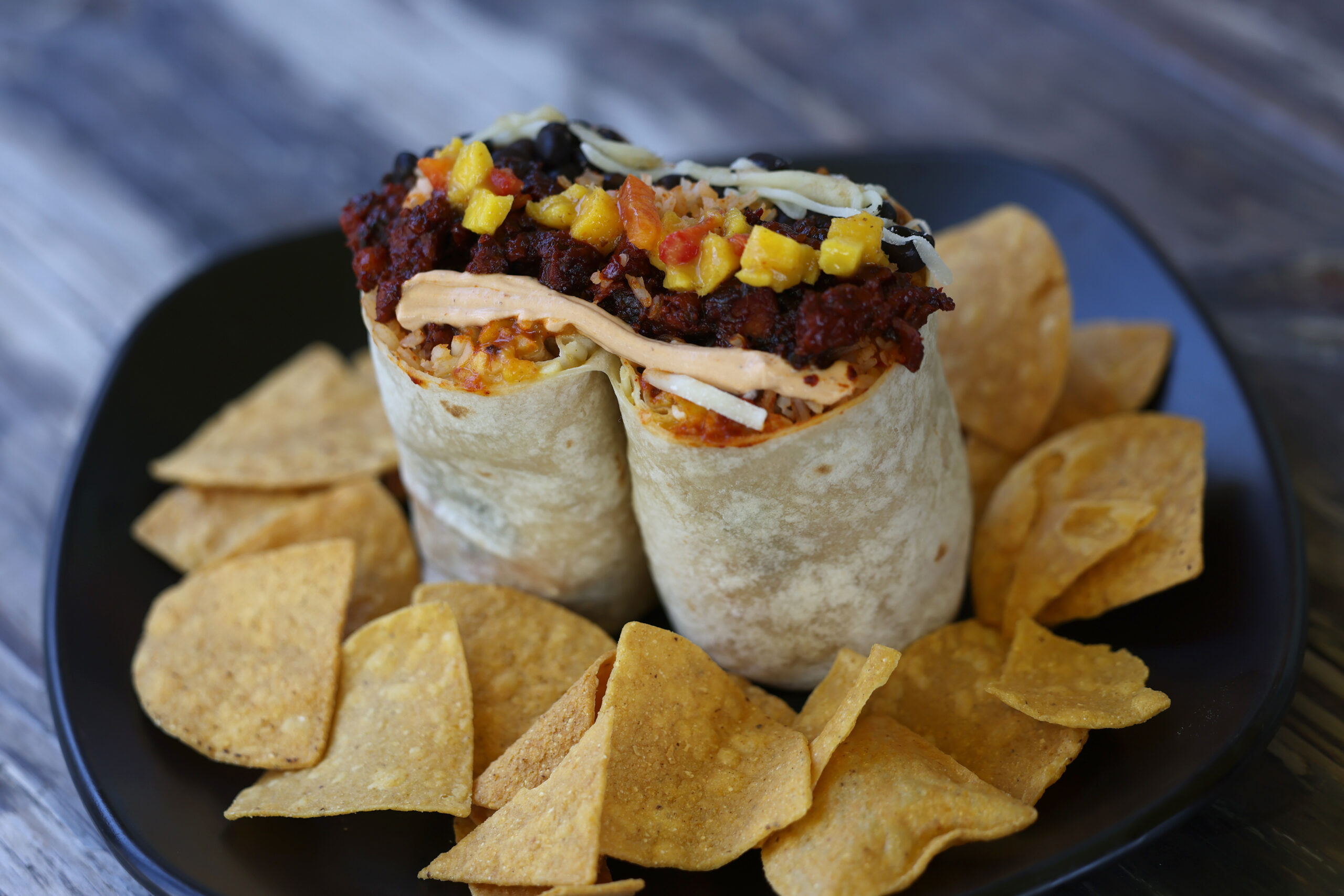
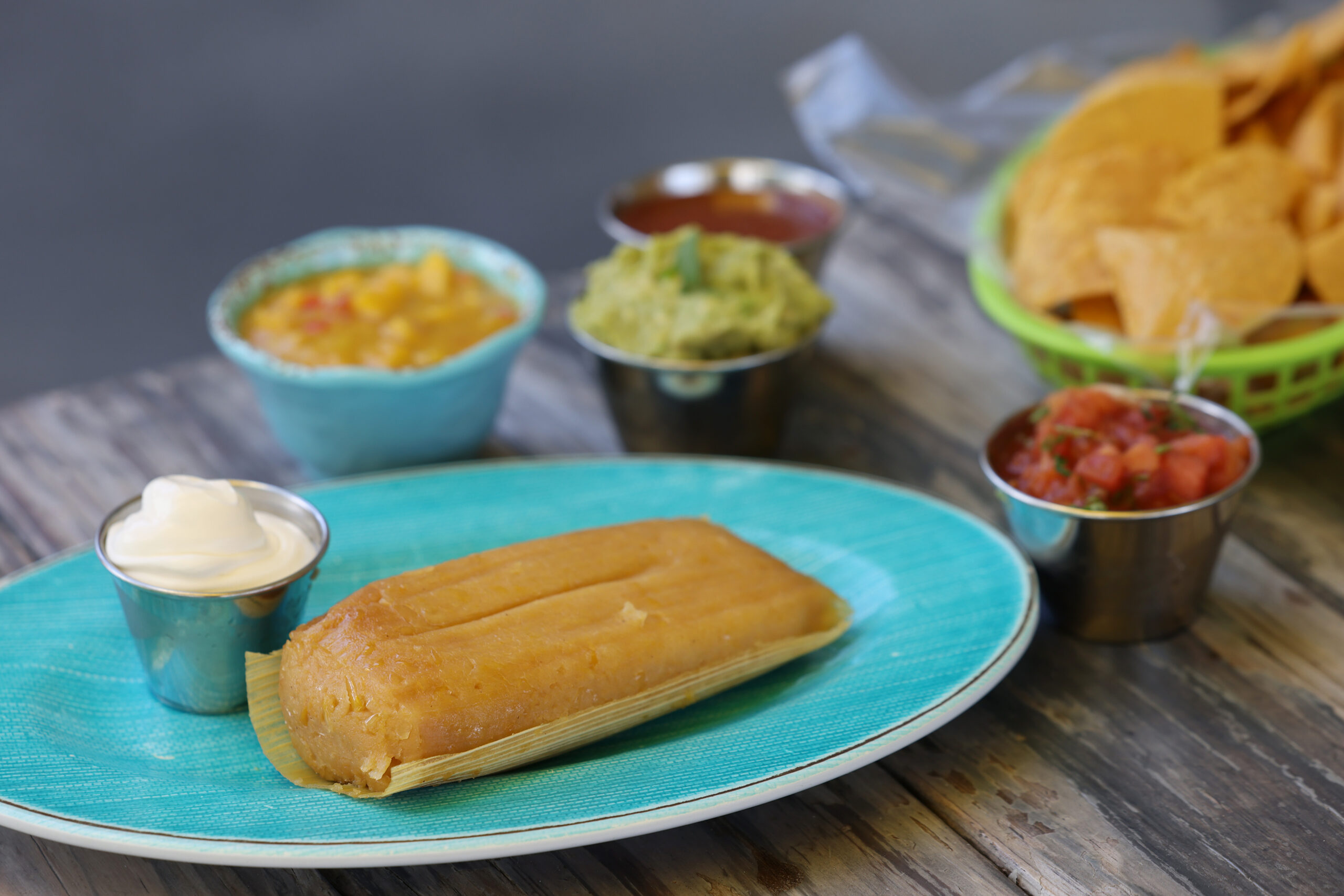
Pastor tropical burrito at Don Julio’s Latin Grill in Rohnert Park Monday, April 13, 2026. (Beth Schlanker / The Press Democrat)Tamal de Elote at Don Julio’s Latin Grill in Rohnert Park Monday, April 13, 2026. (Beth Schlanker / The Press Democrat)
Best bets
Pupusas, $5.25: These fat corn tortillas stuffed with pork, beans, cheese, chicken or vegetables are warm, comforting pockets of joy. Rip, dip into housemade salsa and add a pinch of vinegary curtida. Specialty pupusas, with fillings like birria and ground beef, rotate onto the menu every two weeks. Try the Pupusas Rancheras ($19.99) with two eggs, refried beans and salsa for a powerful breakfast or the Puchitaco, a pupusa topped with meat, potatoes, chipotle salsa and sour cream.
Sweet corn tamale, $10.99: A sweet twist on tamales served with mango salsa, fried plantains and beans.
Pastor Plantain Paradise Burrito, $15.49: A two-meal burrito filled with pineapple- and cinnamon-marinated al pastor, fried plantains, black beans, scrambled eggs, cheese and creamy chipotle crema. It’s sweet and savory and absolutely my favorite.
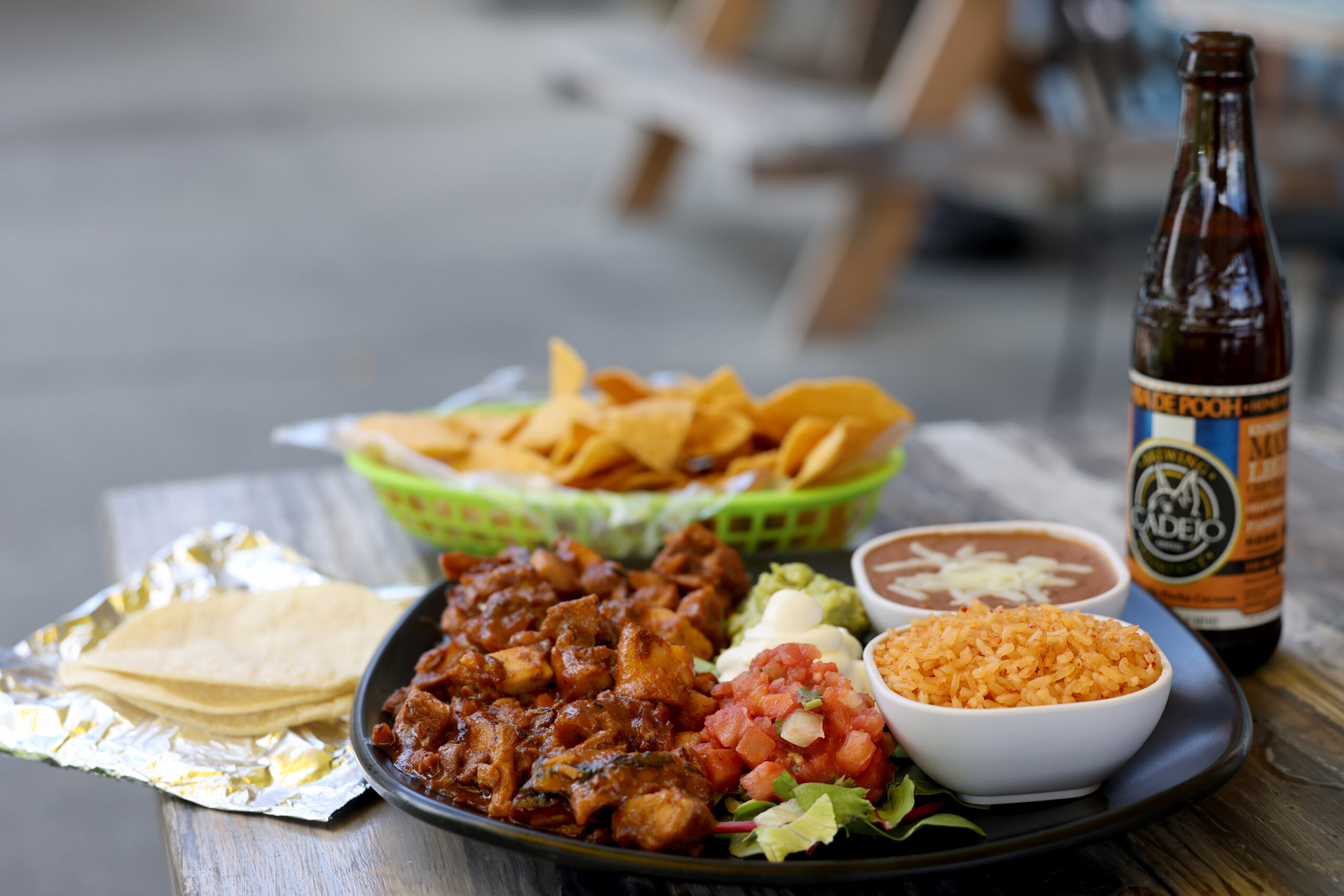
Orange Marinated Chicken Dinner Plate, $18.99: Evelyn’s chicken, marinated in orange juice and a secret blend of herbs and spices, is worth the trip alone — lightly sweet, with a tropical edge and seriously craveable.
The orange marinated chicken plate served with tortillas, rice and beans at Don Julio’s Latin Grill in Rohnert Park Monday, April 13, 2026. (Beth Schlanker / The Press Democrat)
Horchata, $5.49: Made from a family recipe with rice, milk, cinnamon and a lot of love.
How long in business
The restaurant opened in 2014.
Most popular dish
Pupusa de chicharron (pork and cheese pupusa).
The deals
Don Julio’s offers a 10% student discount.
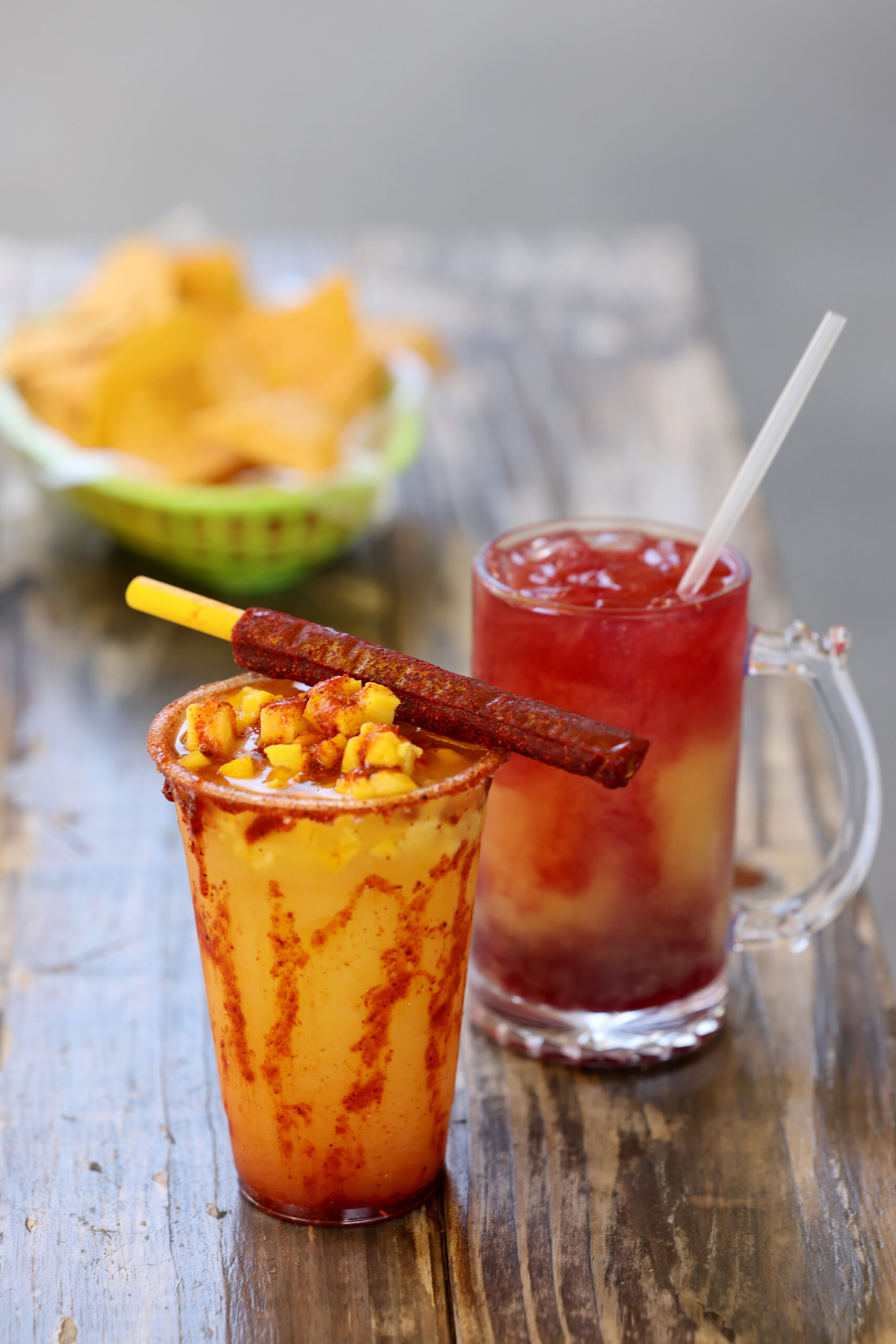
Two popular drinks include the Michelagua, left, a mango and pineapple juice spiced with chamoy and Tajin and topped with mango chunks, and the Mango Piña Sunset, right, with mango, pineapple and hibiscus at Don Julio’s Latin Grill in Rohnert Park Monday, April 13, 2026. (Beth Schlanker / The Press Democrat)
The price
Prices are easy on the wallet: pupusas cost $5.25, burritos $15.49, and soft tacos $3.99. Nothing on the menu is more than $22.
The spot
Open 11 a.m. to 8 p.m., Thursday through Tuesday; closed Wednesday. The restaurant will be closed April 27-29. 217 Southwest Blvd., Rohnert Park, 707-242-3160, donjulioslatingrill.com
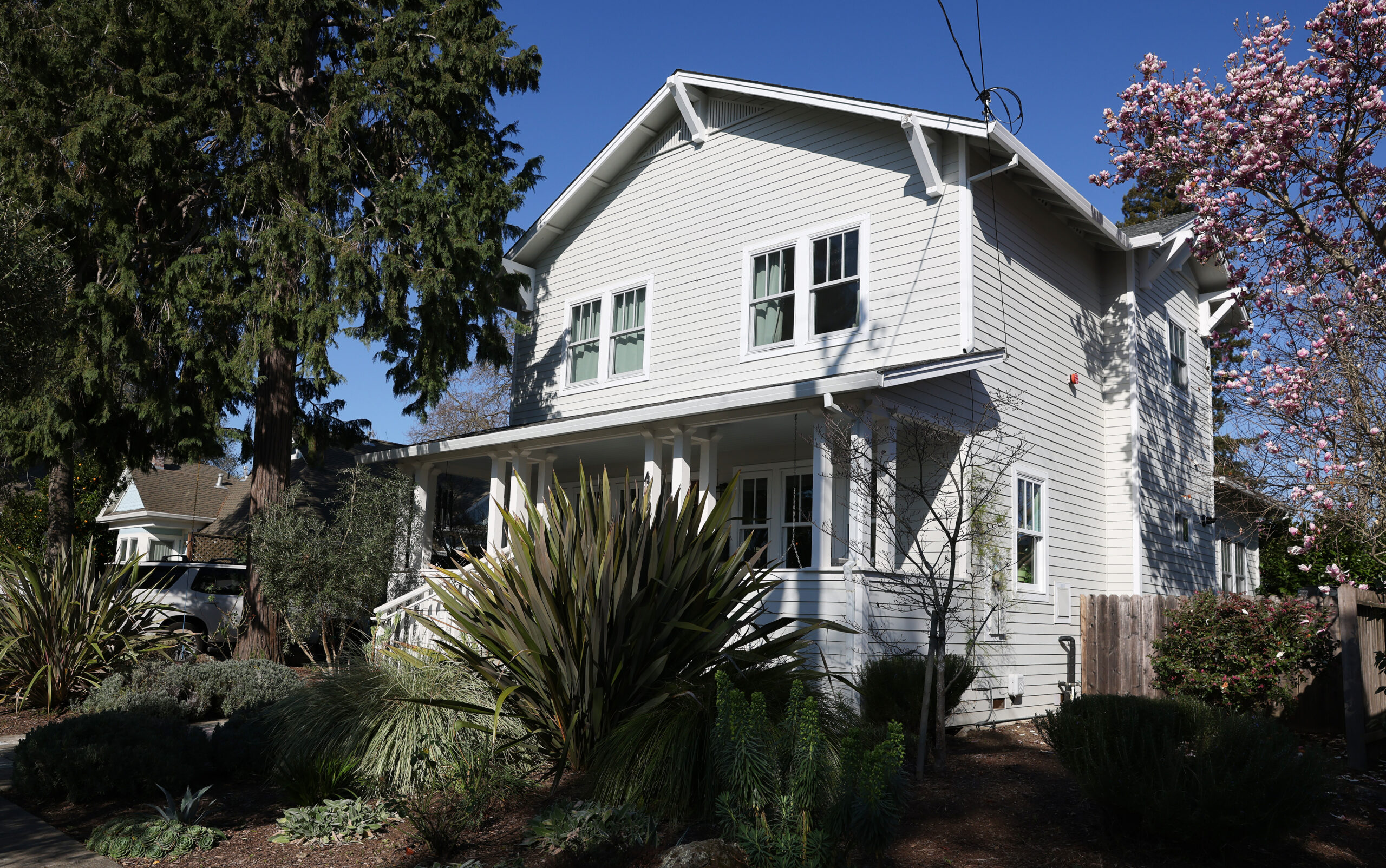
Jake and Corrin Messing with their 2-year-old son Leo in the living room of their Healdsburg home on Friday, February 6, 2026. (Christopher Chung/The Press Democrat)
It’s a house devoted to family life and art—the two things most dear to the hearts of Jake and Corrin Messing.
Their vintage 1918 two-story home, within walking distance of the Healdsburg Plaza, was reimagined to comfortably accommodate three young children. The space hums with the kids’ noise and is deeply personal, filled with cherished objects found in nature, treasured art, travel souvenirs, and furniture Jake made himself. As Corrin puts it, “It’s a well-worn, well-loved space. With kids, nothing is too precious.”
A decade ago, the couple left burgeoning artistic careers in New York City to embrace a slower life in Jake’s native Healdsburg—a far cry from bustling Brooklyn, where they had been living with their firstborn, Goldie, now 10.
Jake grew up on 170 acres in the hills west of Dry Creek Valley, a property christened Deergnaw by his parents, Russ Messing and Arlene Naschke. Former Haight-Ashbury hippies, they moved to Sonoma County during the back-to-the-land movement of the 1970s and are now well known locally for the award-winning olive oil they sell at the Healdsburg Farmers Market.
Jake’s childhood was rustic and idyllic. The family cabin lacked electricity until he was 4. He spent his days exploring the property’s forests of madrone, oak, and redwood, along with its gardens and large pond.
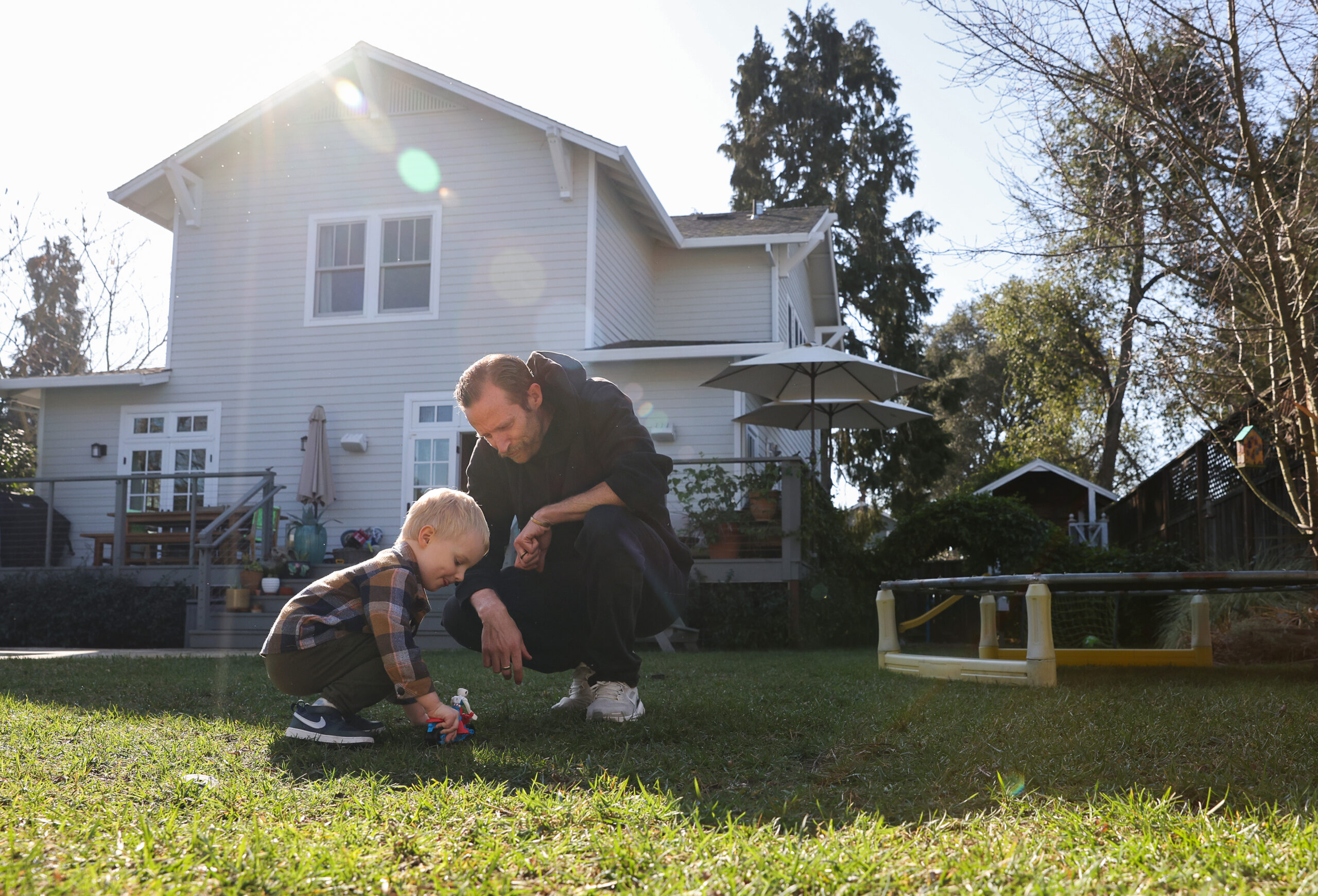
Jake and Corrin Messing’s home in Healdsburg on Friday, Feb. 6, 2026. (Christopher Chung/The Press Democrat)Jake Messing plays with 2-year-old Leo in the backyard of their Healdsburg home on Friday, Feb. 6, 2026. (Christopher Chung/The Press Democrat)
Although he was drawn to New York to attend the Parsons School of Design, by his early 30s, he felt ready to leave city life behind and raise his children with the same connection to nature he had enjoyed. At the time, Jake had an established career in high-end corporate design, illustration, and merchandising for companies like Harry Winston, Bergdorf Goodman, and Tiffany & Co. Corrin, who grew up in upstate New York, also was a successful designer specializing in branding, styling, and event design.
“We were excited to make the move,” Corrin says. “We were feeling a little burnt out. So we made a conscious decision to leave. It’s nice to have more space, and to have the quiet.”
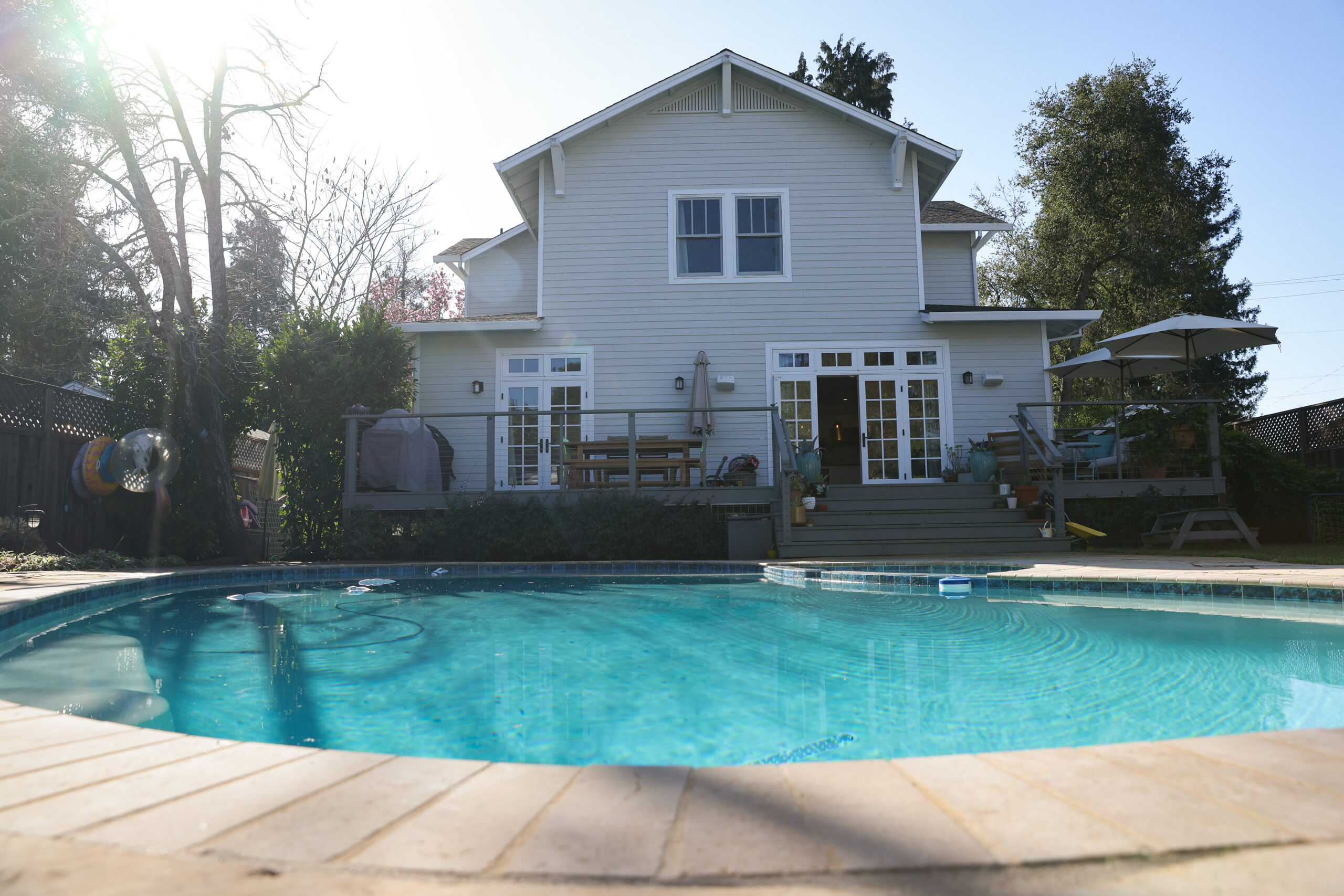
After searching the county, the couple chose an early-20th-century cottage in town rather than a rural retreat. The children would still have Deergnaw to roam, but daily life could unfold on foot—walks to shops, restaurants, and the park. The house also included a backyard for playing and an accessory unit for Jake’s studio as he transitioned to more fine art and commissioned pieces. They weren’t keen on the old kidney shaped pool, but it has since become a summer hub for the family, now expanded to include Dia, 7, and Leo, 2 ½.
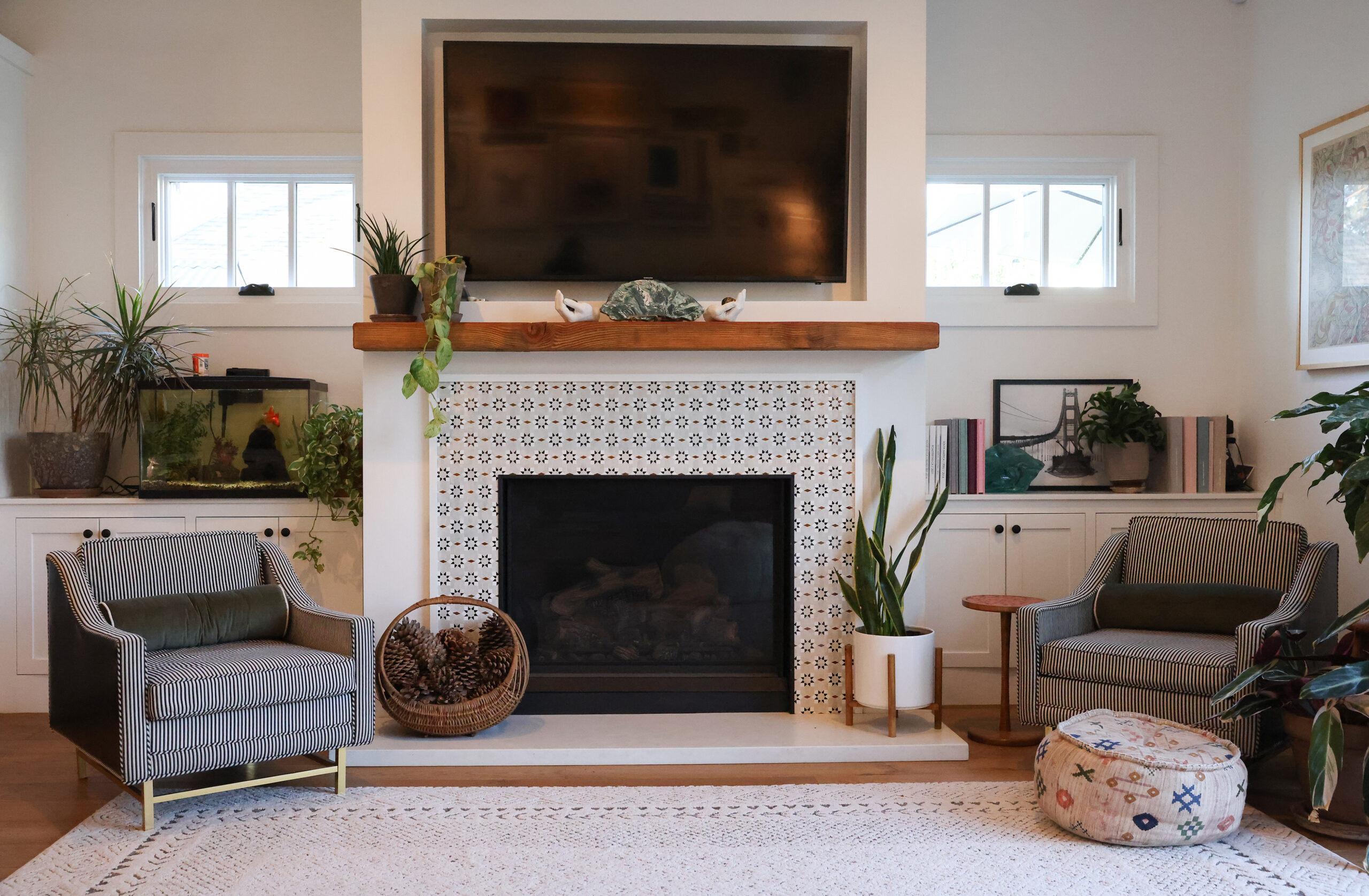
Backyard pool at Jake and Corrin Messing’s home in Healdsburg on Friday, Feb. 6, 2026. (Christopher Chung/The Press Democrat)Living room fireplace in Jake and Corrin Messing’s home in Healdsburg on Friday, Feb. 6, 2026. (Christopher Chung/The Press Democrat)
Although the house came with preapproved remodeling plans and original features they hoped to preserve, such as a brick fireplace, built-in cabinets with leaded glass doors, and coffered ceilings, once renovations were underway they discovered extensive fire and water damage behind the walls, forcing a full interior gut. They did salvage a claw-foot tub, which now anchors the upstairs children’s bathroom, part of a 1,000-square-foot addition with three bathrooms.
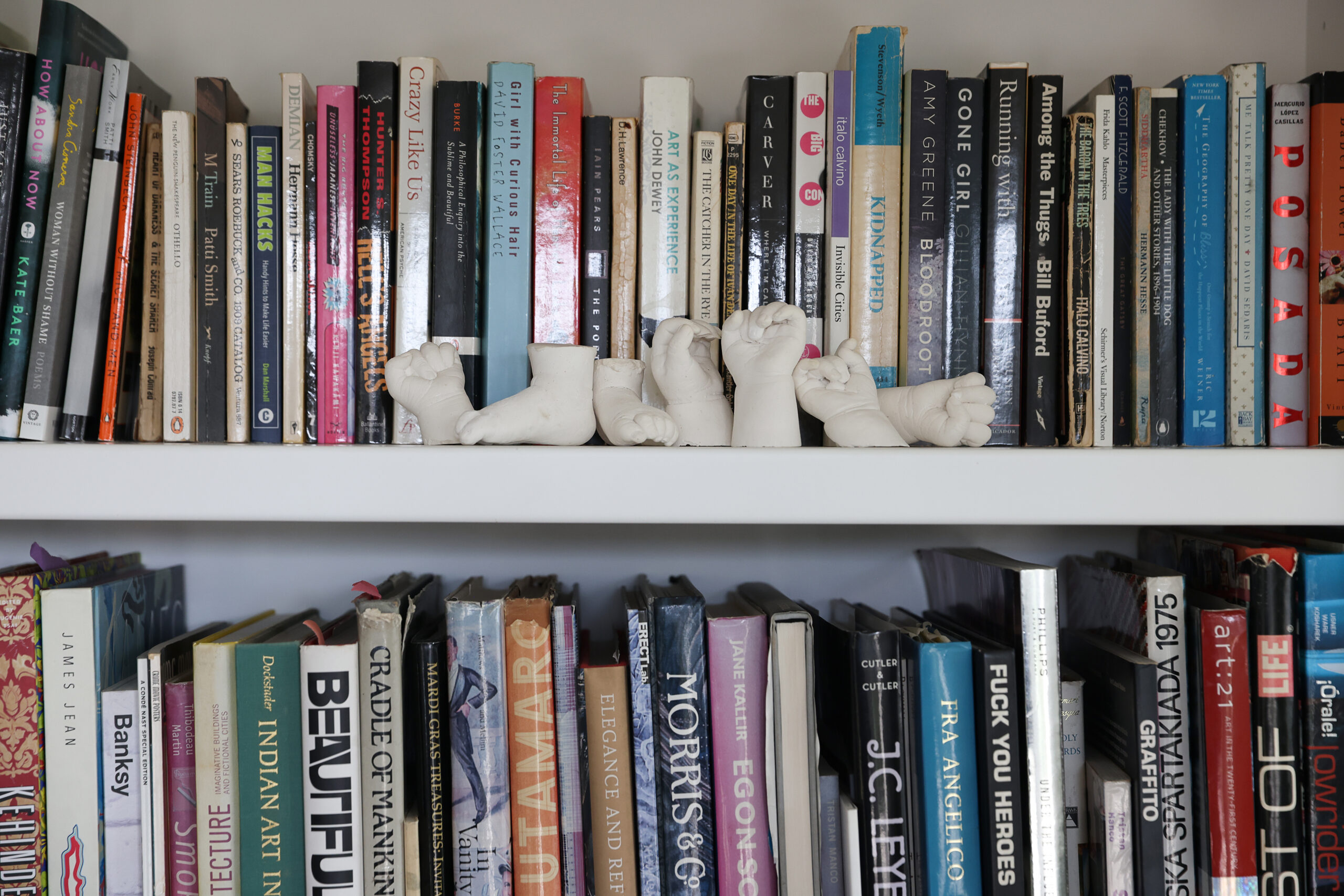
Art is everywhere: children’s drawings, family photographs, paintings, and posters. A recurring motif is hands, including casts of their babies’ hands, and a prized drawing by illustrator Ben Shahn depicting an artist’s hand holding a stylus. “Hands tell such a story about a person,” Jake says. “And for me, being someone who is creative and works with my hands, they’re my tool. The human experience is so tactile. It’s how we create everything in the world. I think there’s power to that.”
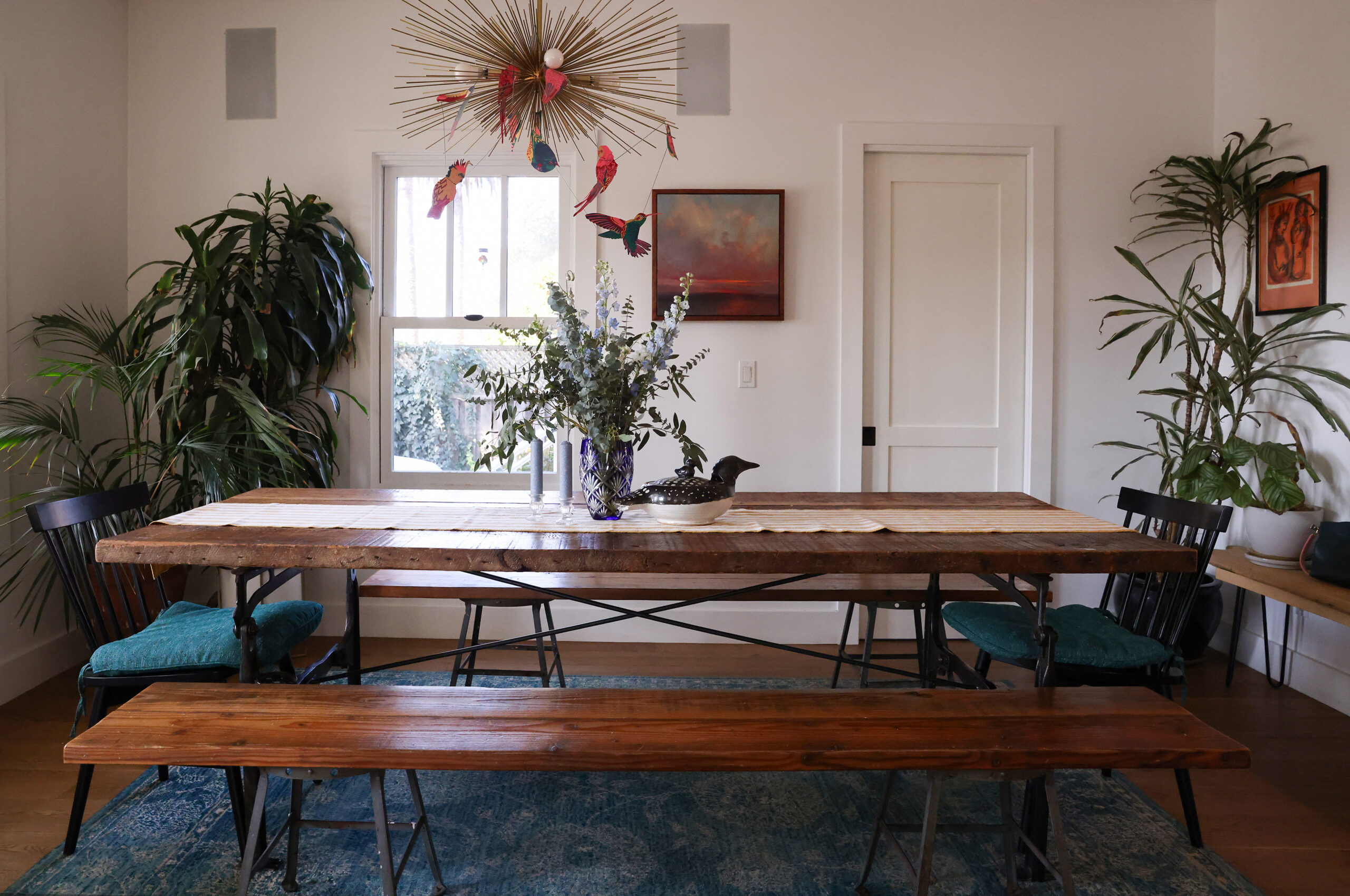
Casts of Jake and Corrin Messing’s children’s hands and feet adorn a bookshelf in their Healdsburg home on Friday, Feb. 6, 2026. (Christopher Chung/The Press Democrat)Jake Messing made his dining room table with salvaged material when he lived in New York. Photo taken in Healdsburg on Friday, Feb. 6, 2026. (Christopher Chung/The Press Democrat)
The couple carved out a cozy music room and library filled with instruments, travel books, and a vintage stereo and turntable, complete with classic rock and jazz vinyl records. Jake built the dining room table from reclaimed beams salvaged in Brooklyn and repurposed legs from a sewing factory. Driftwood collected on their honeymoon in Maine became a console table.
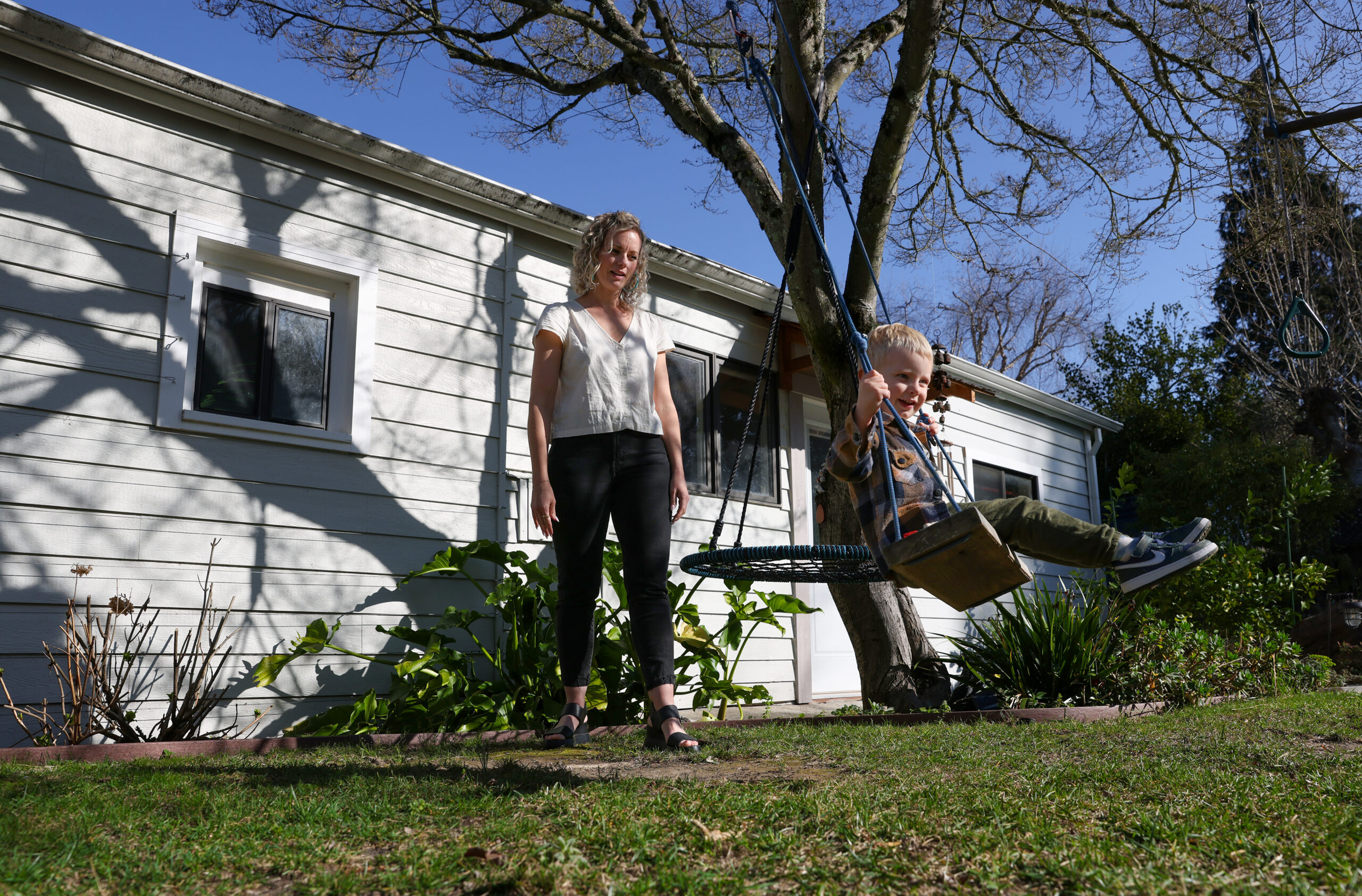
The heart of the home is the kitchen, where family life and socializing center around a 5-by-6-foot soapstone island. French doors open to the backyard, where swings hang from a tree the kids call “Maple” and a playhouse Jake built anchors the lawn. One wall of built-in cabinets serves as a gallery of objects and art gathered over time and through travel. Corrin’s favorite is a brass brooch handmade in the Peruvian Andes.
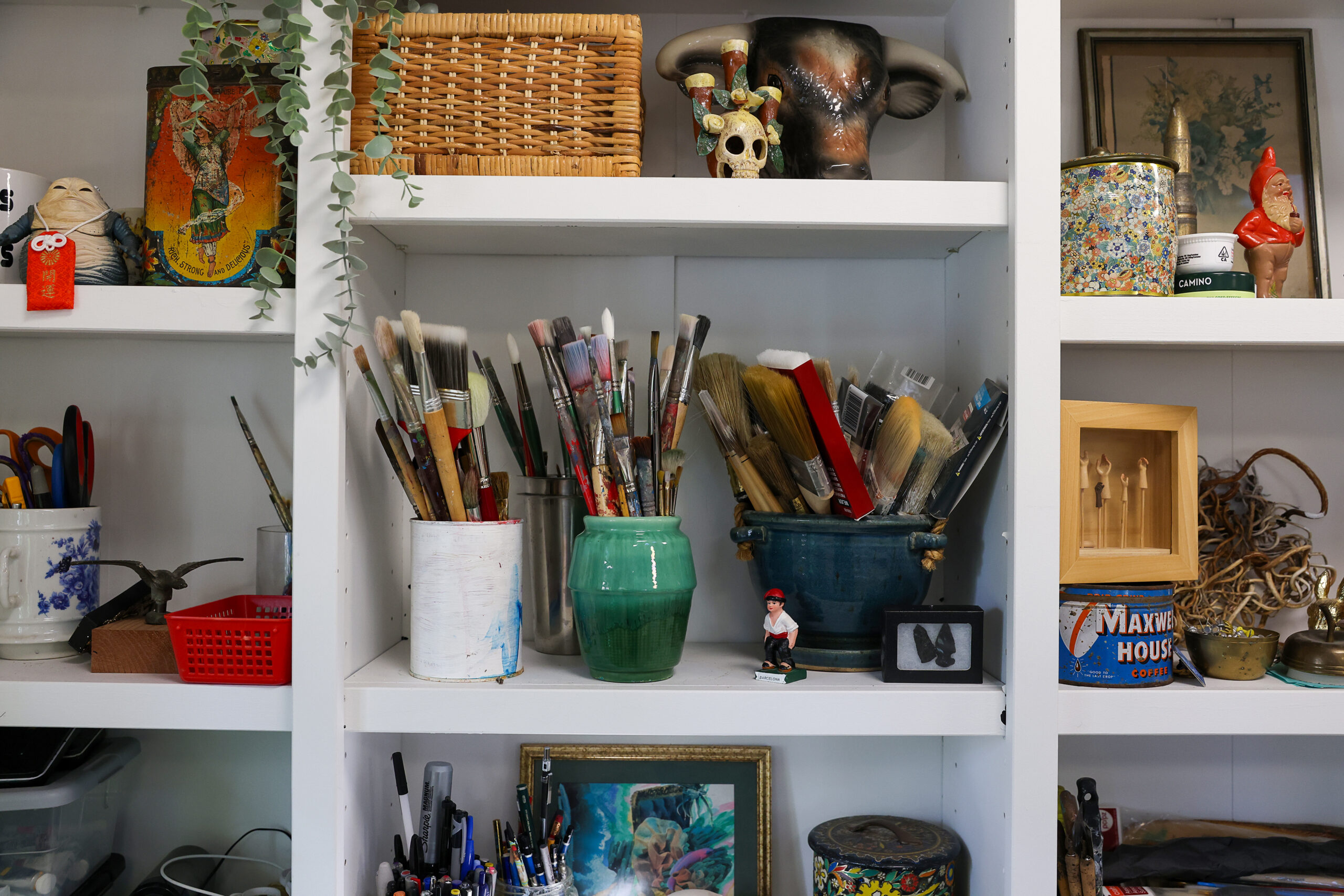
Corrin Messing pushes 2-year-old Leo on a backyard swing in Healdsburg on Friday, Feb. 6, 2026. (Christopher Chung/The Press Democrat)Shelves in Jake Messing’s studio hold paint brushes among other knickknacks in Healdsburg on Friday, Feb. 6, 2026. (Christopher Chung/The Press Democrat)
With backgrounds in styling and visual design, the couple has an eye for arrangement: Every surface feels intentional. “We find beauty in things that are just normal or found… that may not be precious to other people,” says Corrin. “If we display it in the right spot, it takes on a different meaning.”
Corrin still does small art projects for friends, but now works as a group facilitator and prevention specialist at Verity, a Santa Rosa-based nonprofit serving incarcerated youth at Sonoma County Juvenile Hall. She has also collaborated with Healdsburg chefs Ari Rosen and Jorge Flores to develop a culinary skills program at the facility, which will offer paid restaurant work to selected students.
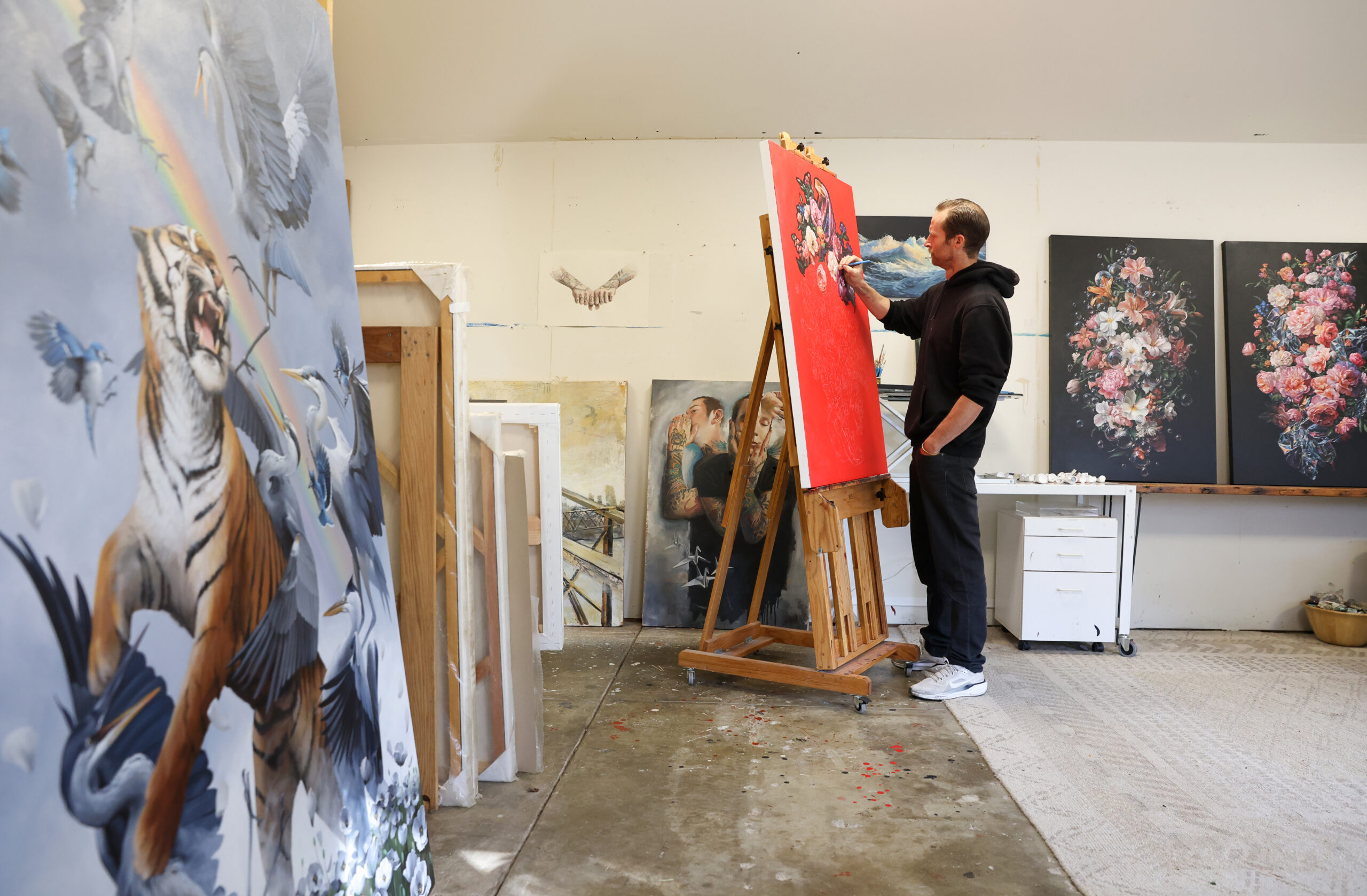
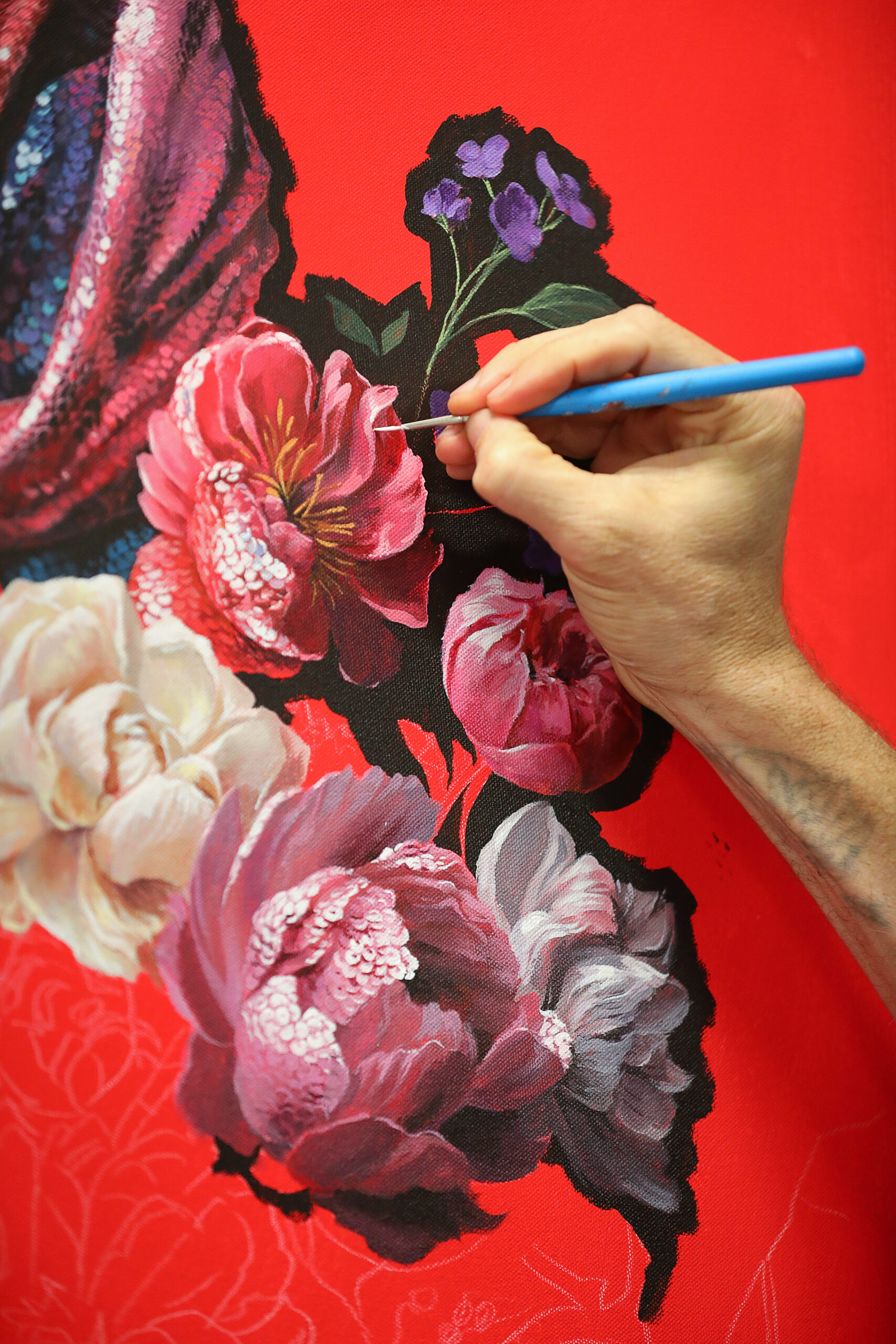
Jake remains focused on his art, drawing inspiration from the natural world just as he did when tramping the local fields and forests in his youth. From his backyard studio—sometimes shared with his children—he often works in the vanitas tradition of the Dutch masters, who explored themes of transience through objects such as wilted flowers, an hourglass, or skulls.
Artist Jake Messing works on a painting at his studio in Healdsburg on Friday, Feb. 6, 2026. (Christopher Chung/The Press Democrat)Artist Jake Messing works on a painting, which will be exhibited at the Paul Mahder Gallery, at his studio in Healdsburg. Photo taken on Friday, Feb. 6, 2026. (Christopher Chung/The Press Democrat)
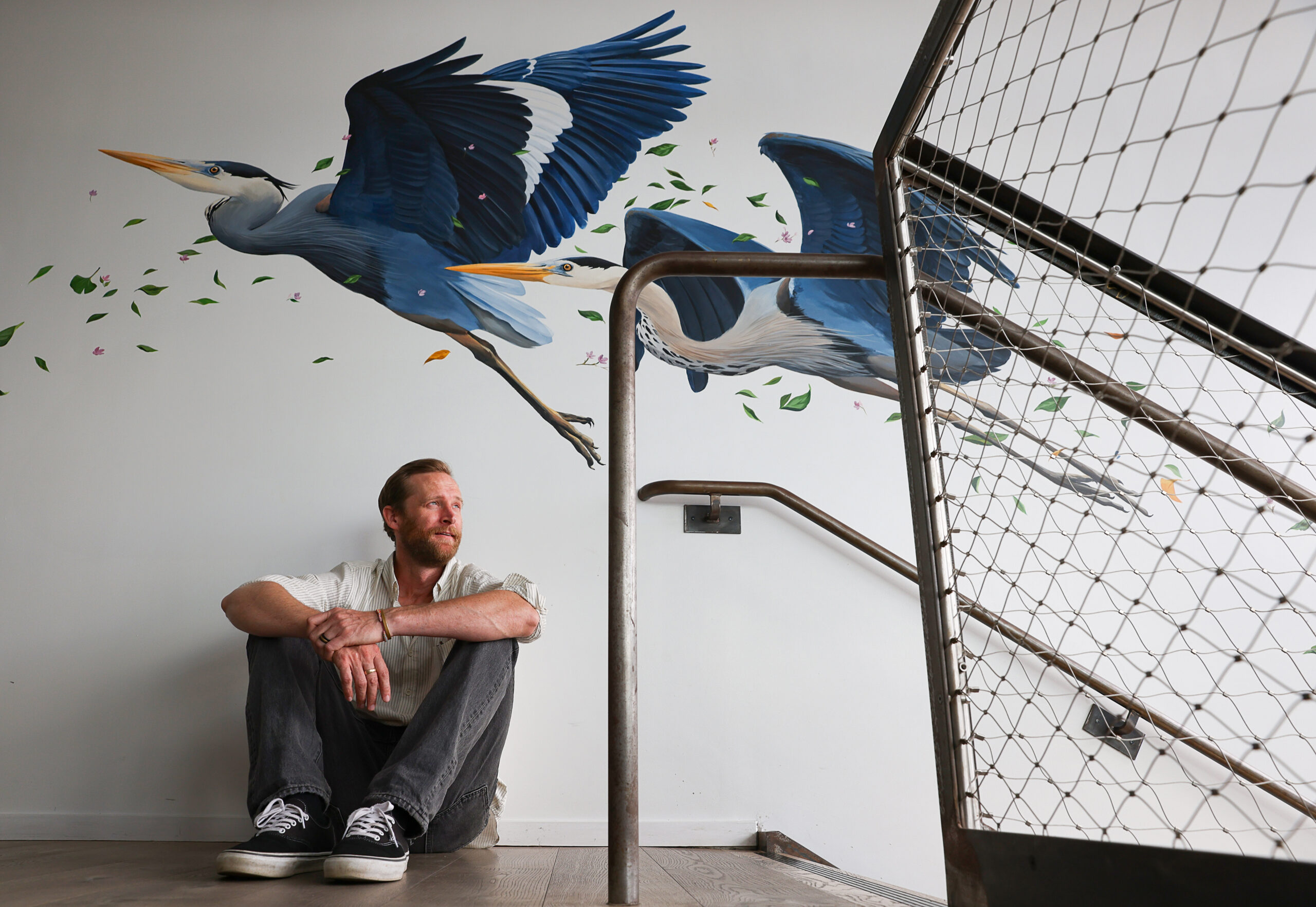
His work can be seen locally, including in an upcoming show at Paul Mahder Gallery in August and in the stairwell of Harmon Guest House, where a mural he calls “Blue Harmon” depicts butterflies and a magnificent blue heron, one of his favorite birds in the local landscape. “There is something about their length and power,” Jake says of the birds. “It always feels like a blessing to see one.”
Like many longtime residents of a town turned world-class destination, he feels a sense of push and pull.
“It’s not what it used to be, and part of me wants to hold on to that,” he says. “But I love that it’s such a beautiful place to live and raise kids. After 14 years in New York, I always knew I was coming back here at some point. It’s such a deep part of who I am—and my soul and spirit.” jakemessing.com
Artist Jake Messing poses with his “Blue Harmon” mural, which spans the staircase at Harmon Guest House in Healdsburg. Photo taken on Monday, Sept. 16, 2024. (Christopher Chung/The Press Democrat)
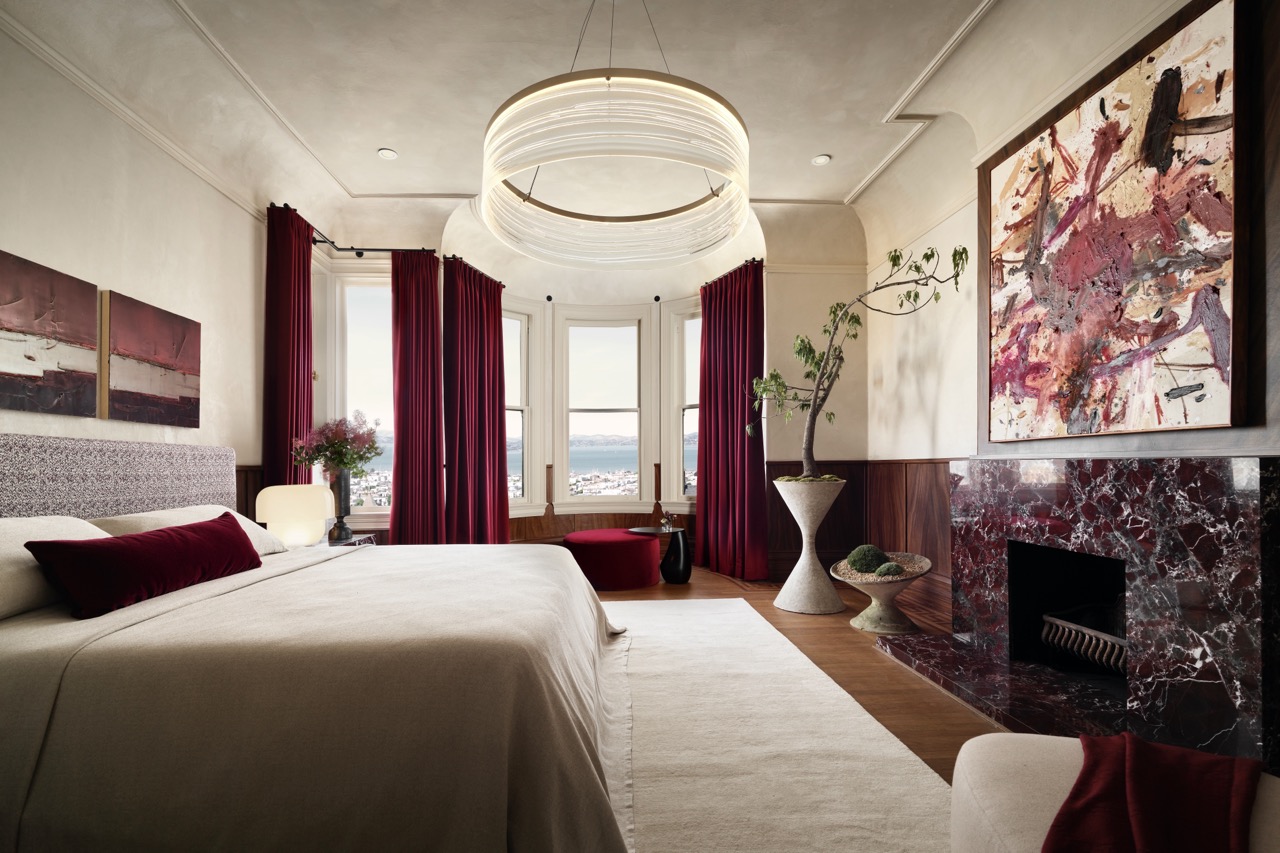
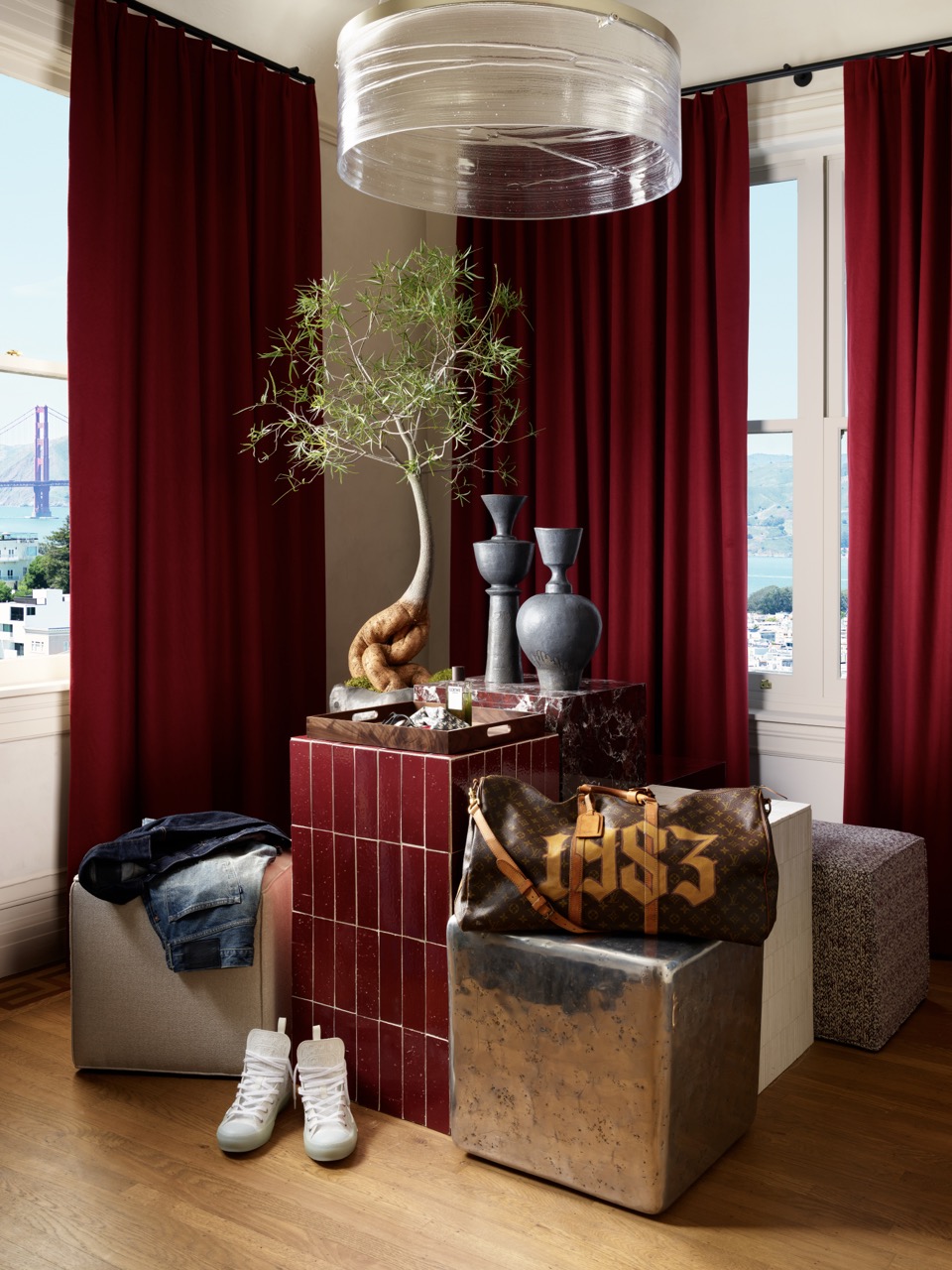
Castellanos Interiors of San Francisco designed the “Red Bedroom” featuring curtains from Healdsburg-based Sandra Jordan Prima Alpaca. (Jose Manuel Alorda)
The 47th annual San Francisco Decorator Showcase — a design event and home tour that invites several top Bay Area designers to transform an exceptional home in the city — will be open to the public from April 25 through May 25. Several Sonoma County design professionals participated in this year’s showcase, offering fine art inspiration and expert in-home design to thousands of visitors.
The site of this year’s home tour, which raises funds for the San Francisco University High School financial aid program, is an 1897 Queen Anne Victorian in Pacific Heights, designed by architect Moses J. Lyon.
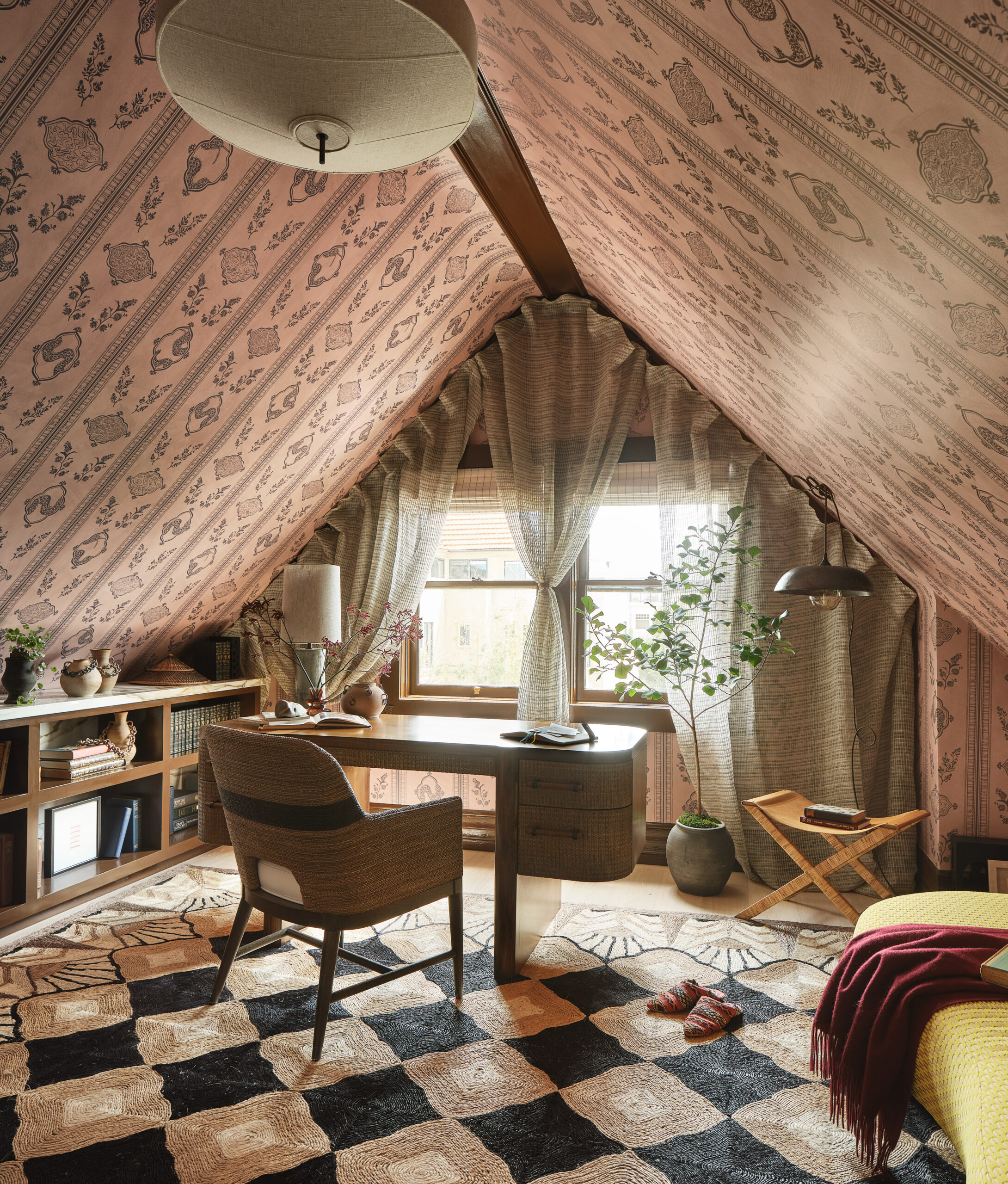
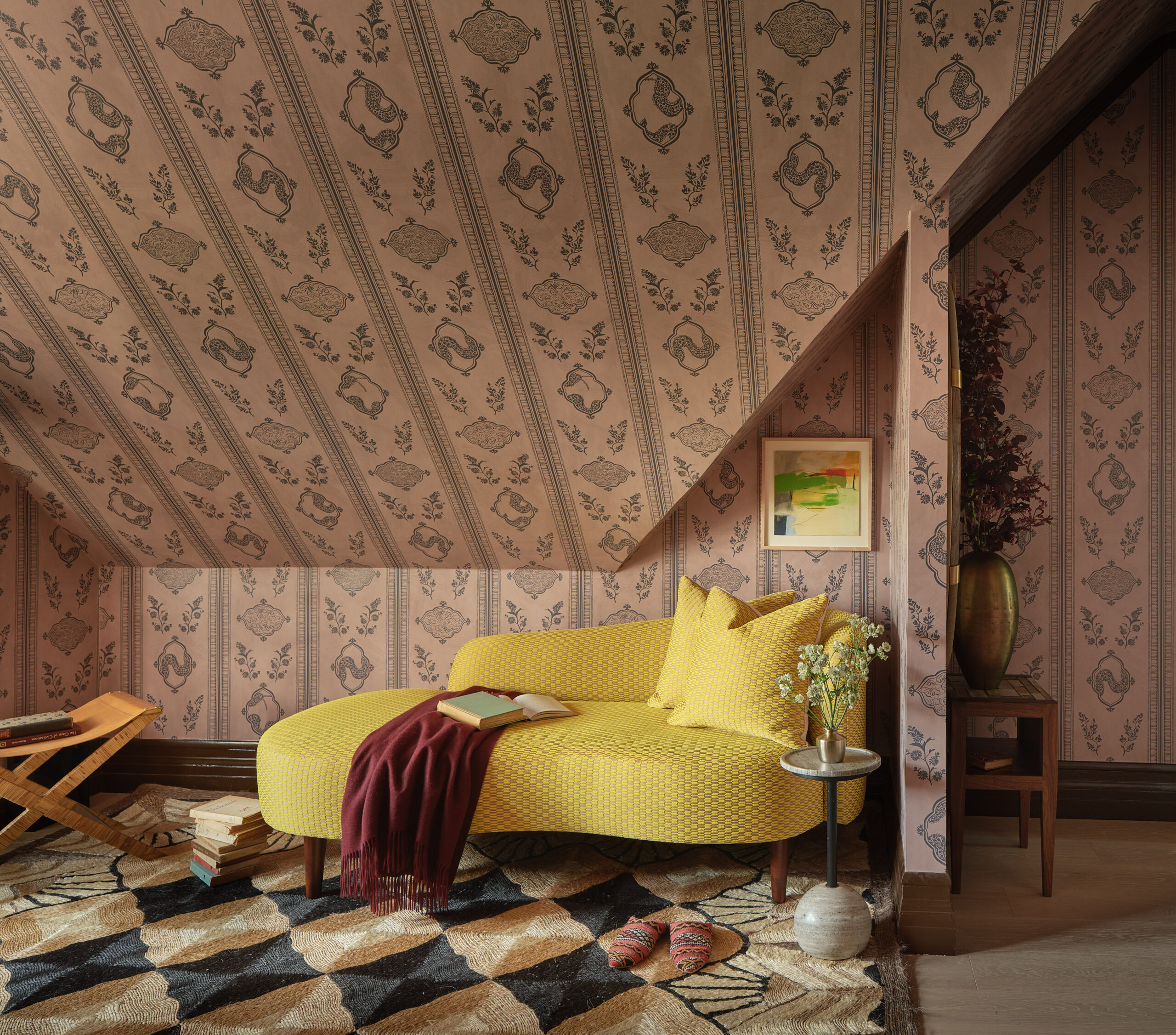
San Francisco design firm Maker & Moss transformed a diminutive space into a study inspired by what a 19th-century traveler might collect. The A-frame room is covered in a rosy Oonsai wallpaper with vintage imagery; draped with gauzy, grid-pattern curtains; and lined with low-profile, built-in bookshelves. A cadmium-yellow chaise lounge provides a playful if not showstopping counterpoint to the scheme.
“The Study” by Maker & Moss. (Brad Knipstein Photography)Maker & Moss’s design of “The Study” features several artworks by Petaluma abstract artist Lisa Lightman. Her piece “Highway 101 in The Morning” sits above the chaise. (Brad Knipstein Photography)
A modern painting by Petaluma abstract artist Lisa Lightman served as inspiration in the design. The yellow in Lightman’s piece “Highway 101 in The Morning” was a natural match for the punchy-colored chair, according to principal Maker & Moss designer Briana Tunison, who worked on the room with the firm’s founder, Matt Bissinger. Several of Lightman’s pieces are placed throughout the space.
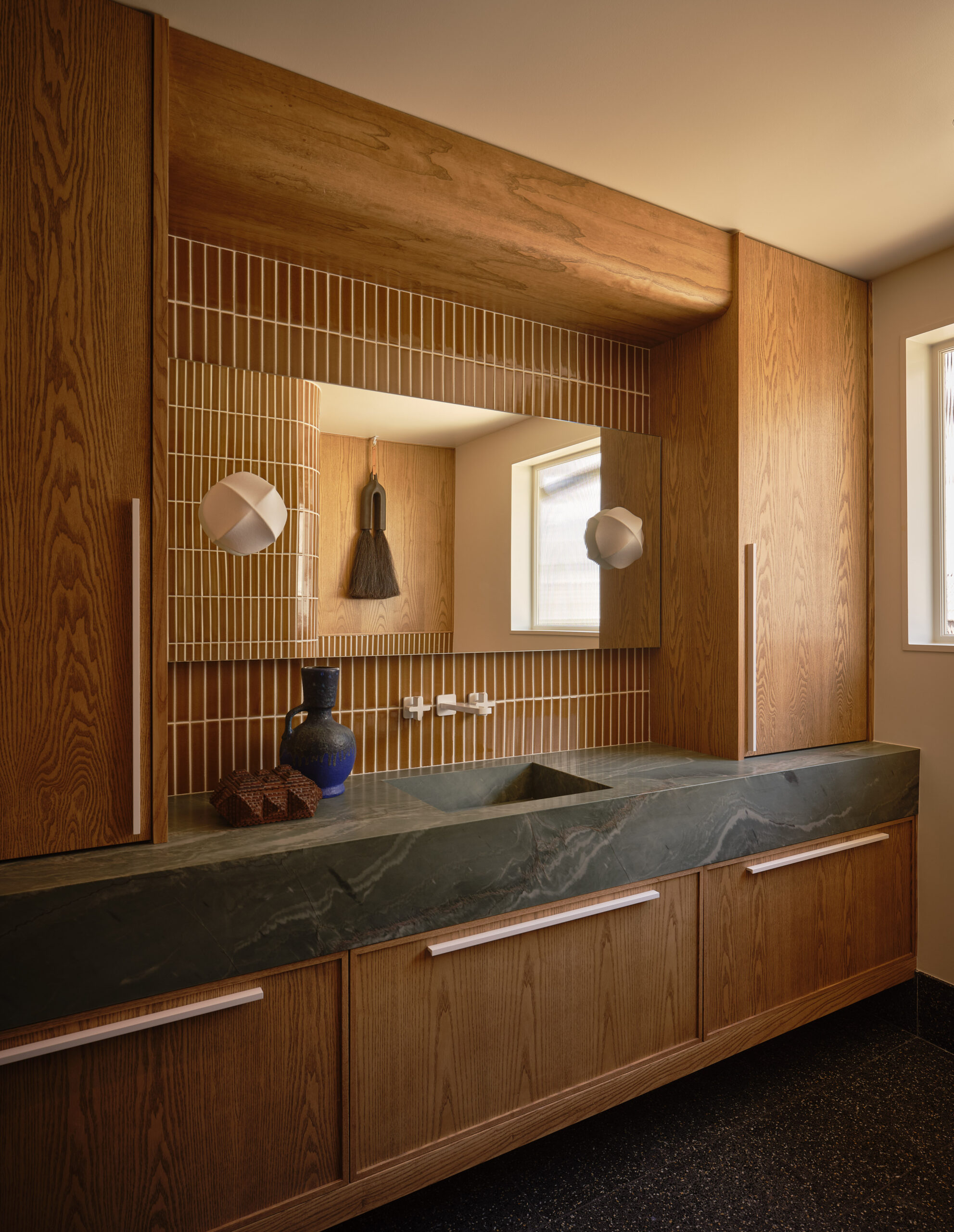
A bathroom designed by San Francisco firm AubreyMaxwell, and built by Perez Construction, features linear ochre tiles — handmade by Healdsburg-based McIntyre Tile — in the shower and on the vanity surrounding the mirror, which is punctuated by lantern-like fabric sconces. The richly clean look is contrasted with smoky colored floor and trim terrazzo tiles by Sonoma Tilemakers.
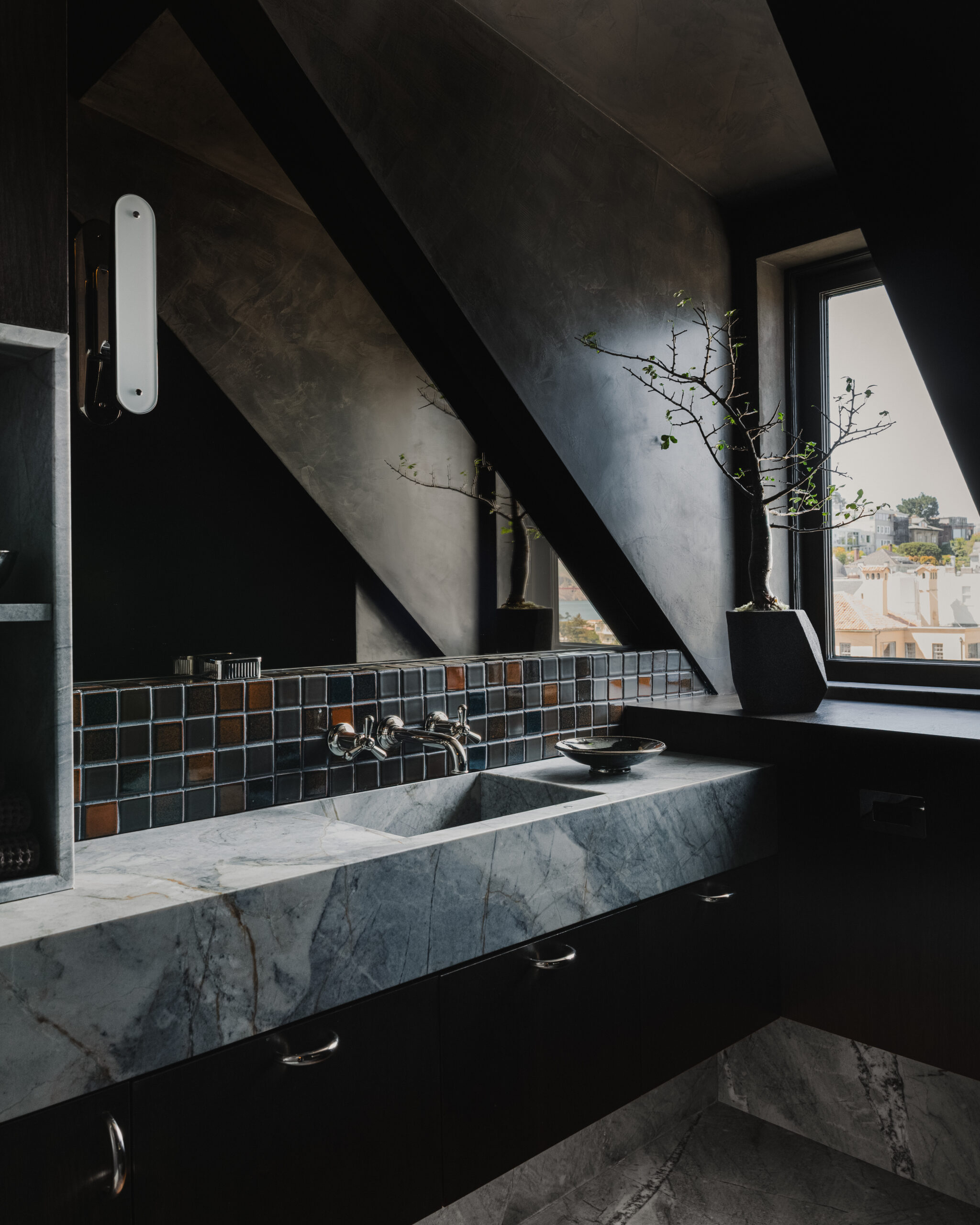
San Francisco design firm AubreyMaxwell designed this bathroom vanity featuring ochre finger tiles from McIntyre Tile and terrazzo floor tiles from Sonoma Tilemakers. (Brad Knipstein Photography)This moody bathroom overlooks “the greatest view in the world,” according to Alexander Nikban. The plant is from House of Botanicals. (Dane Deaner)
Alexander Nikban of Studio Alexander handpicked a variety of McIntyre tiles to give dimension and color to a “moody” shower and bathroom that, he said, “overlooks the greatest view in the world.”
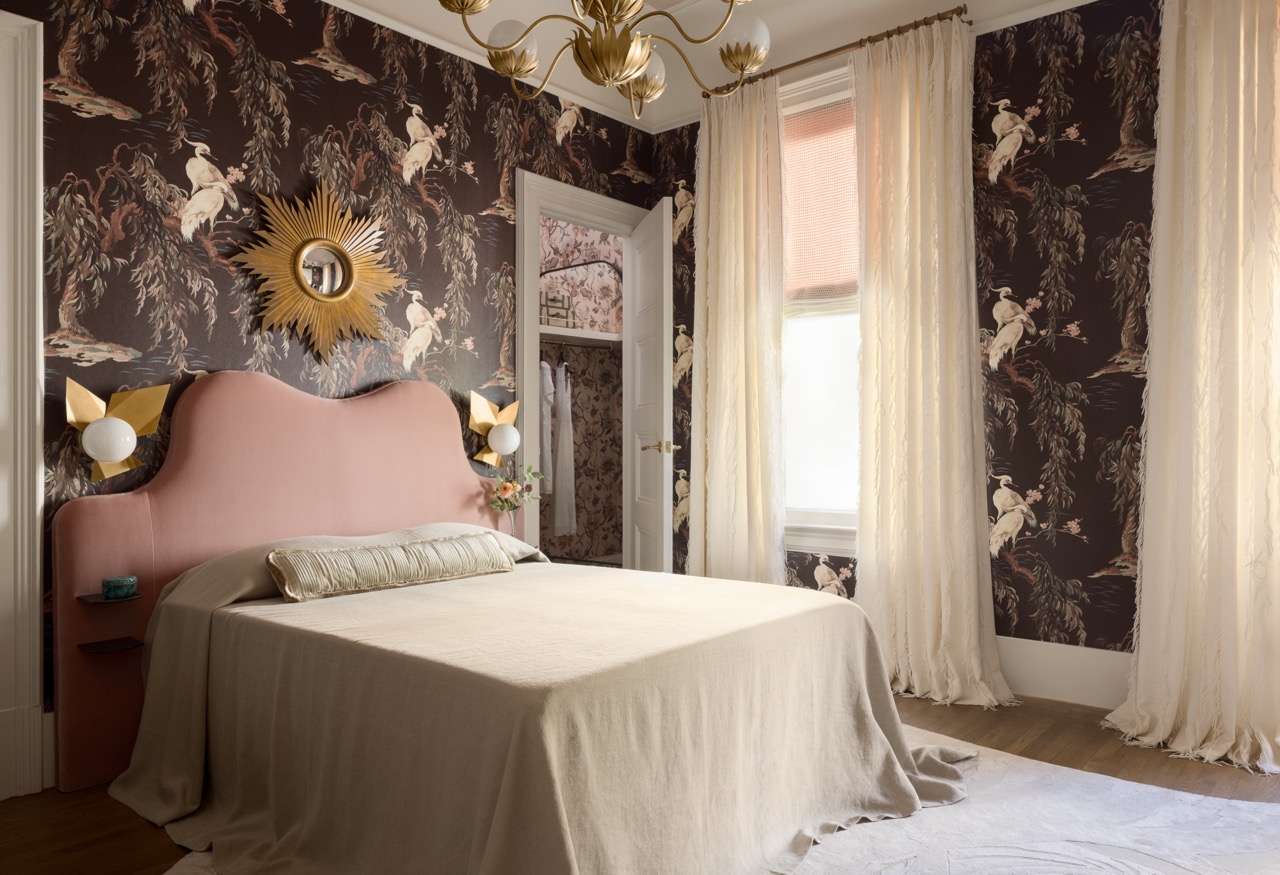
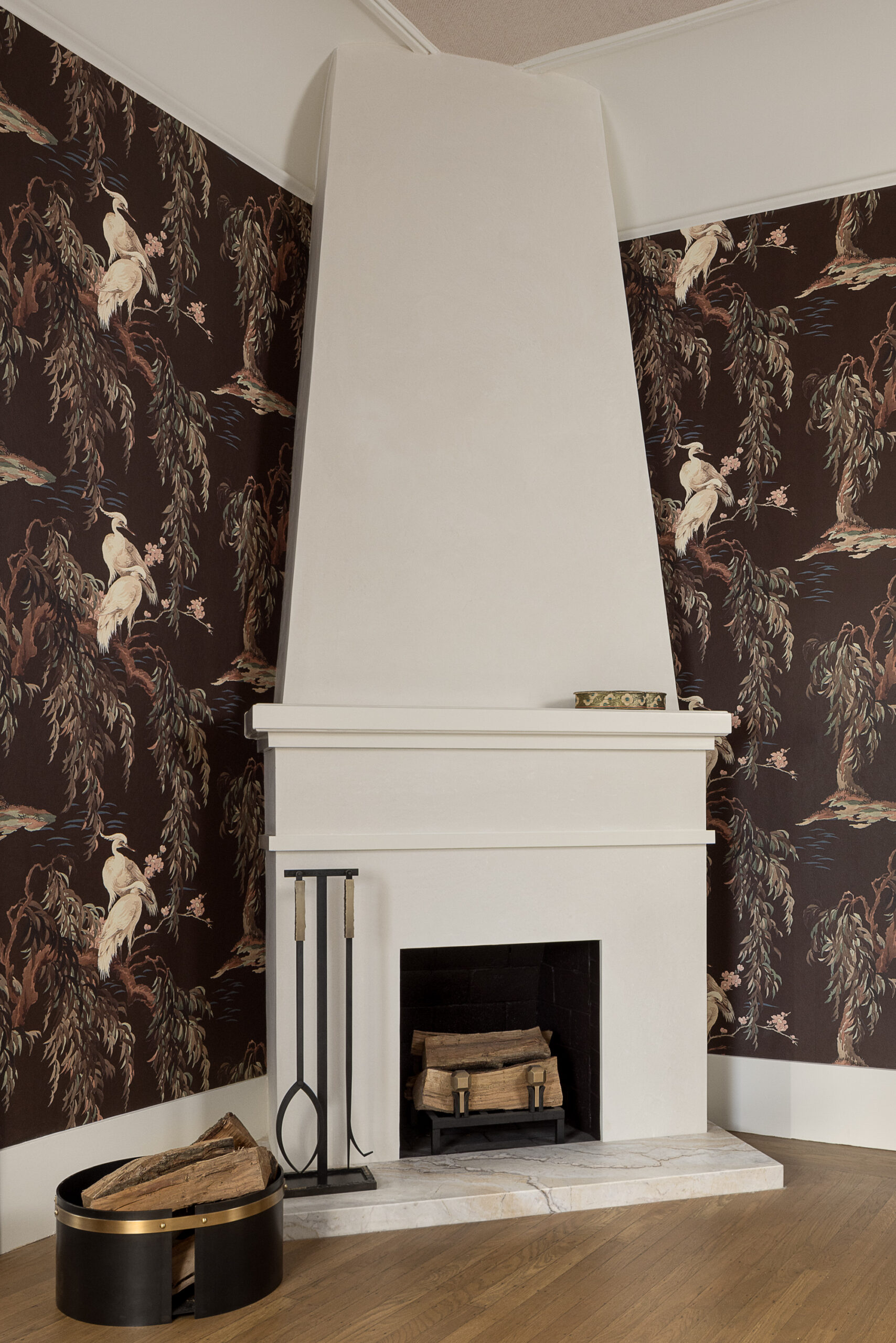
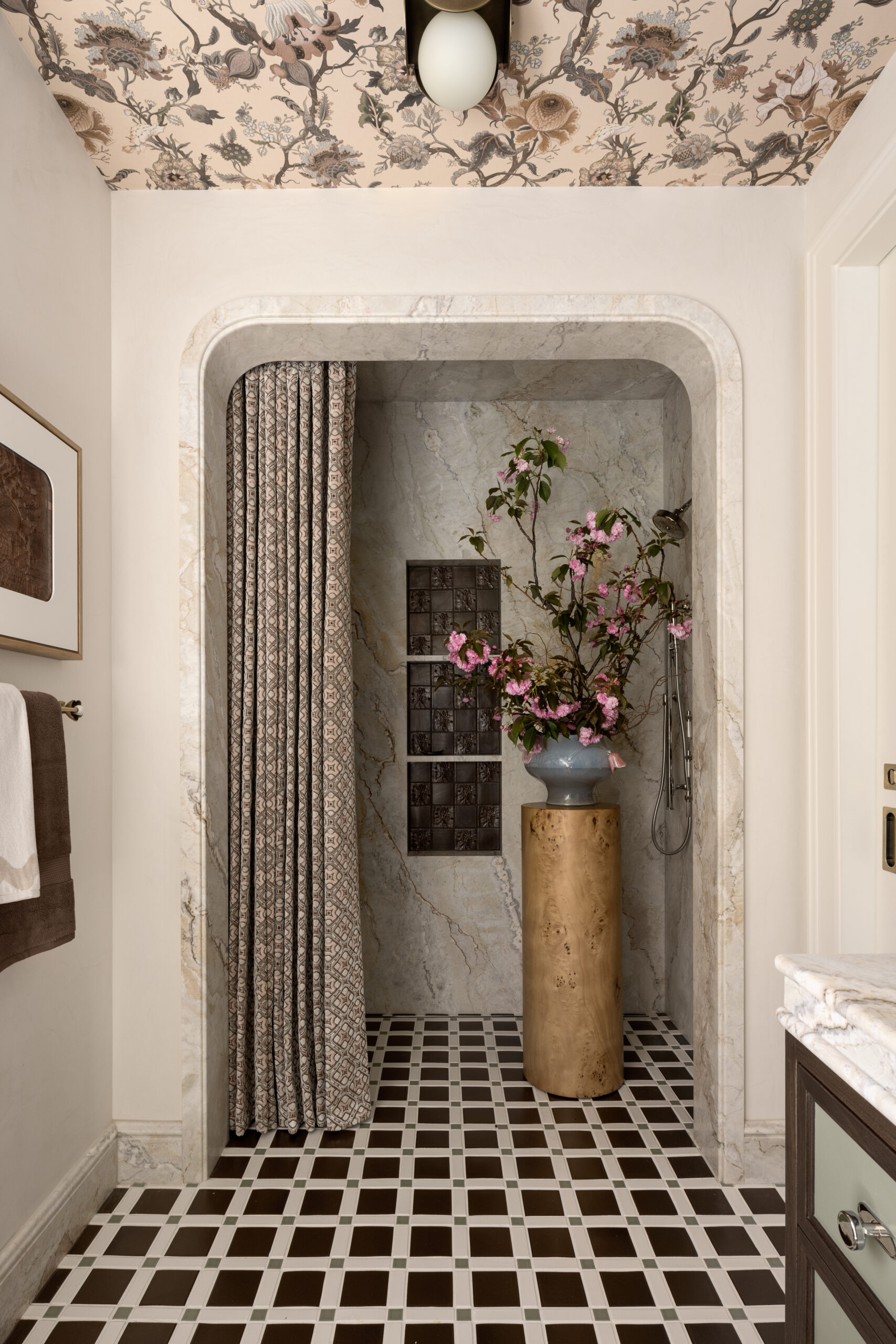
Cranes and willow branches on House of Hackney wallpaper inspired Sonoma Interiors’ “Birds of a Feather” bedroom and en suite bathroom. Principal designer Andrea Halkovich tapped Healdsburg-based Sandra Jordan Prima Alpaca for drapery with lines of feather-like fringe. The cream-colored curtains — hanging from Tuell & Reynolds bronze curtain rods — give a playful and airy quality to the weighty ornamentation of Victorian millwork and the carob-colored wallpaper.
Andrea Halkovich of Sonoma Interiors designed the “Birds of a Feather” bedroom and en suite bathroom featured in the 47th annual San Francisco Decorators Showcase. (Tim Coy)Andrea Halkovich had the fireplace refinished in a modern Tadelakt. The fire grate and accessories were provided by Coverdale-based fine art furnishings crafters Tuell & Reynolds. (Tim Coy)
The Cloverdale-based, fine art-furnishings firm Tuell & Reynolds also lent their modern fire grate and other fireplace accessories to the hearth, which Halkovich had refaced in a clean-lined Tadelakt, creating another light and modern counterpoint to the rich aesthetic.
Halkovich credits the team of generous and talented collaborators for the outcome of the room, including Aguilar Stone’s expert installation of an arched marble shower entrance; contractor Dominic Dotto’s dedication to the design; and Sonoma designer and Halkovich’s high school friend, Heather Kearsley Wolf, who provided a linen bedcover in a quiet beige. The experience wraps up with a Wine Country Chocolates truffle that Halkovich hands out to visitors — a sweet, sumptuous finish that recalls the richness of the room.
En suite bathroom designed by Sonoma Interiors featuring McIntyre Tile floor tile. (Tim Coy)Castellanos Interiors of San Francisco designed the “Red Bedroom” featuring curtains from Healdsburg-based Sandra Jordan Prima Alpaca. (Jose Manuel Alorda)
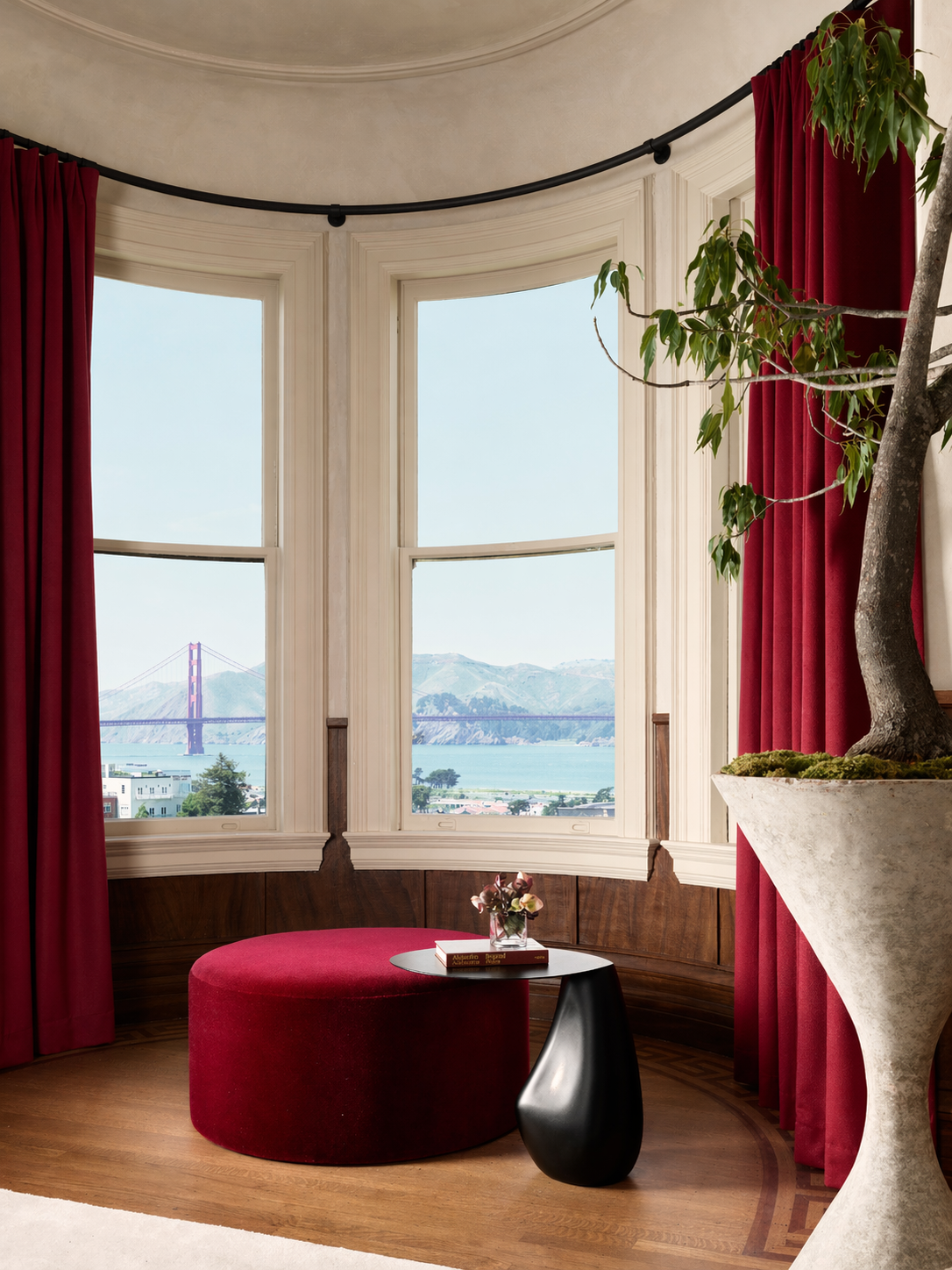
Fernando Castellanos of Castellanos Interiors designed the “Red Bedroom” and “Red Dressing Room.” Although boldly accented, the “Red Bedroom” is decidedly tranquil with cream-colored walls and grand-but-airy sculpted glass chandeliers by Berkeley artist Cliff Hersh. The design’s red palette is influenced by views of the Golden Gate Bridge through the room’s turret windows.
The “Red Bedroom” by Castellanos Interiors takes its color cues from the views of the Golden Gate. (Jose Manuel Alorda)The “Red Dressing Room” by Castellanos Interiors features handmade tiles from McInyre Tile. (Jose Manuel Alorda)
Red Sandra Jordan alpaca curtains, shimmery brick McIntryre tile on the dressing-room plinths, and high-gloss red paint in the entryway and cocktail room bring unabashed color that counterbalances the dramatic Rosso Venezia marble fireplace, sourced by showcase sponsor Da Vinci Marble. The look is complemented with artful greenery from House of Botanicals in Santa Rosa. Dramatically shaped trees and succulents sit in concrete hourglass and half-dome vessels, relics of 1960s Europe, that are the work of late Swiss furniture designer Willy Guhl.
47th Annual San Francisco Decorator Showcase, 2315 Broadway St., San Francisco. April 25 – May 25, Tuesday through Sunday; closed Monday, except for Memorial Day. $45-$55. For tickets and information, visit decoratorshowcase.org.
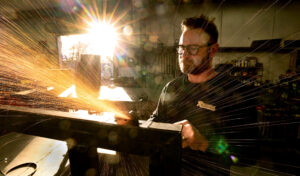
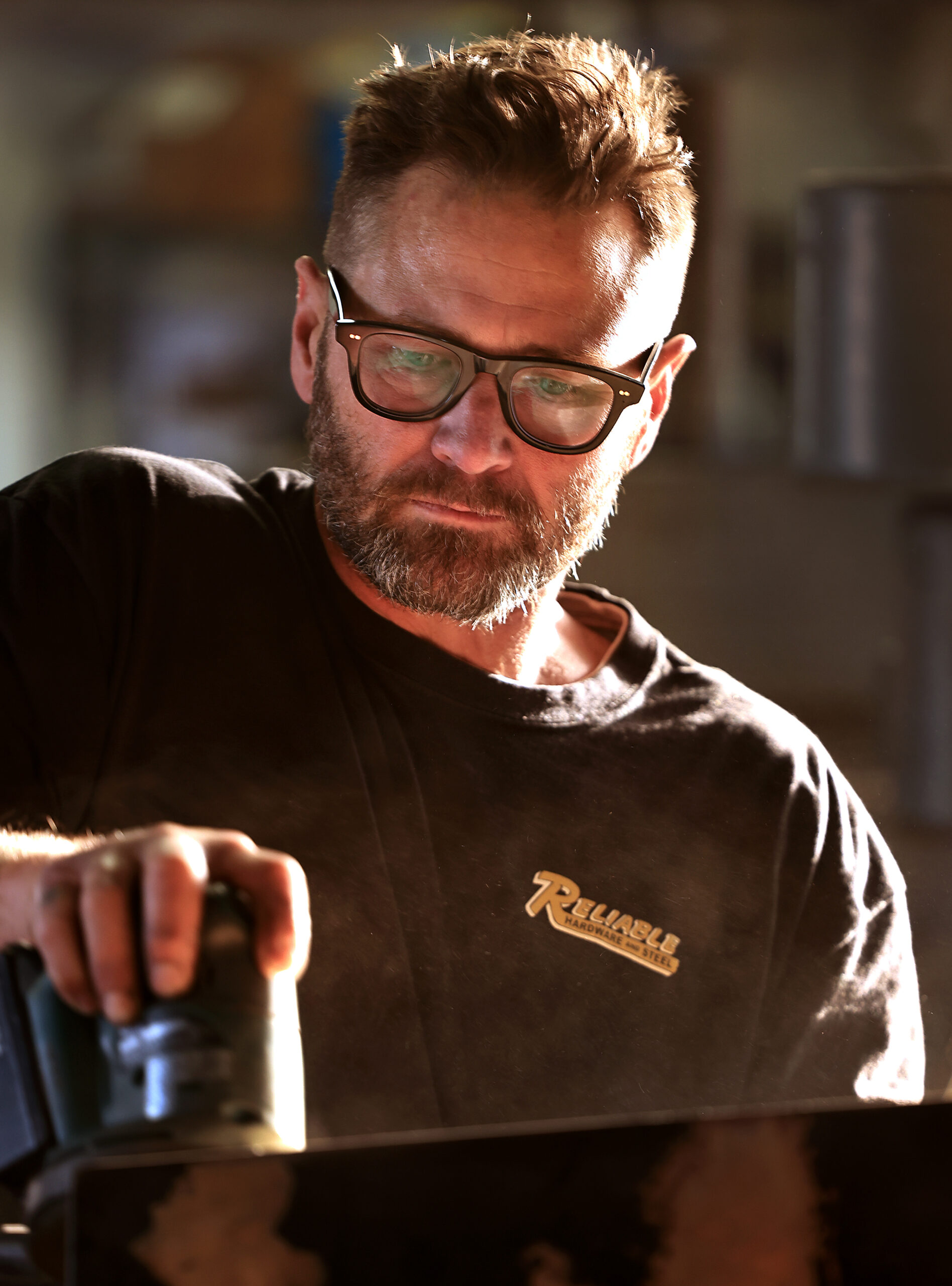
Klaus Rappensperger smooths out an edge on a custom metal project at Schnitzkraft Steel Artistry in Santa Rosa, Thursday, Jan. 29, 2026. (Kent Porter / The Press Democrat)
Rocking spandex and battling butterflies, road cyclists by the hundreds will gather in Windsor on April 25 for the 17th edition of Levi’s GranFondo, featuring seven routes of varying difficulty.
Clustered at the front of the bunch—the pointy end of the peloton, in velo-speak—will be elite riders contesting the most daunting of those options, the mountainous, 138-mile sufferfest called “The Growler.” The men’s and women’s winners of that one-day road race will each collect a cool $25,000, courtesy of presenting sponsor Skipstone Winery, and a unique trophy created by a local artist who is also passionate about bicycles, although not in a Lycra-clad, leg-shaving kind of way.
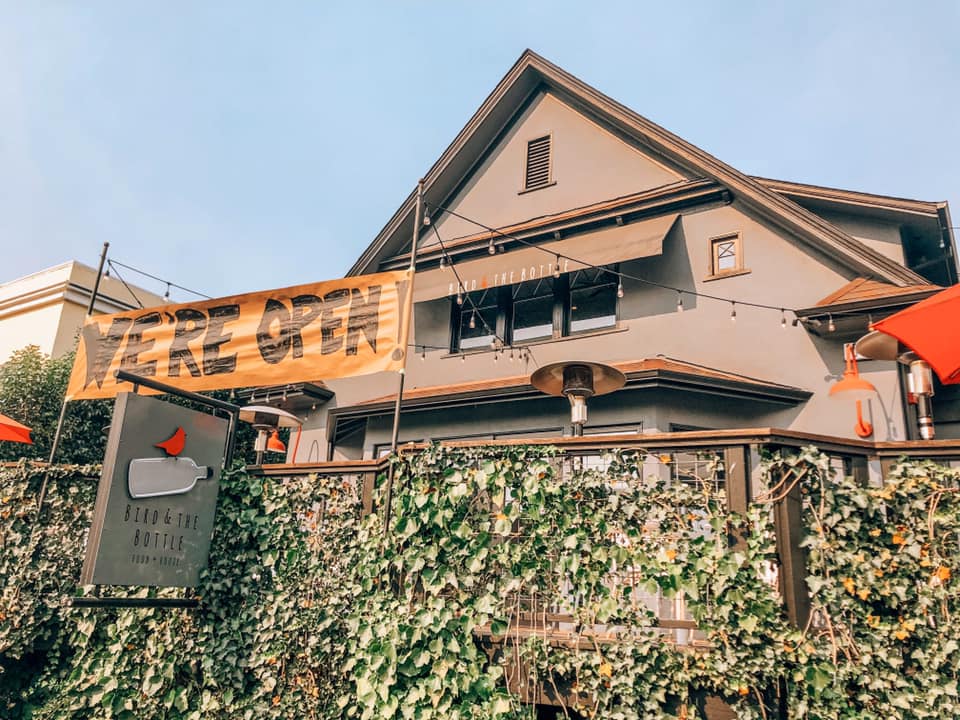
You may not know Klaus Rappensperger’s name, but you’ve almost certainly seen some of his metal work, ubiquitous across the county, including the stainless steel logo with cedar background fronting the MacRostie Winery in Healdsburg, and the plump Northern cardinal atop a corked bottle outside Bird & The Bottle in Santa Rosa.
Klaus Rappensperger crafted the red cardinal atop a corked bottle on the sign outside Bird & The Bottle in Santa Rosa. (Bird & The Bottle)Wording for a sign carved out by a plasma cutter at Schnitzkraft Steel Artistry in Santa Rosa, Tuesday, Feb.10, 2026. (Kent Porter / The Press Democrat)
Those signs are a small fraction of his output, which ranges from sacred geometry tiles and candle pedestals to bath cabinets, sculptural metal sunshades, staircases, and conical flues for gas fireplaces.
Before he evolved into a full-time artist, steel fabricator, and designer specializing in custom-made pieces, Rappensperger went through a “clunker” bicycle phase. A founding member of the now defunct Whiskeydrunk Cycles, a Santa Rosa-based group of bike aficionados, he earned local renown for his prowess at refurbishing vintage two-wheelers.
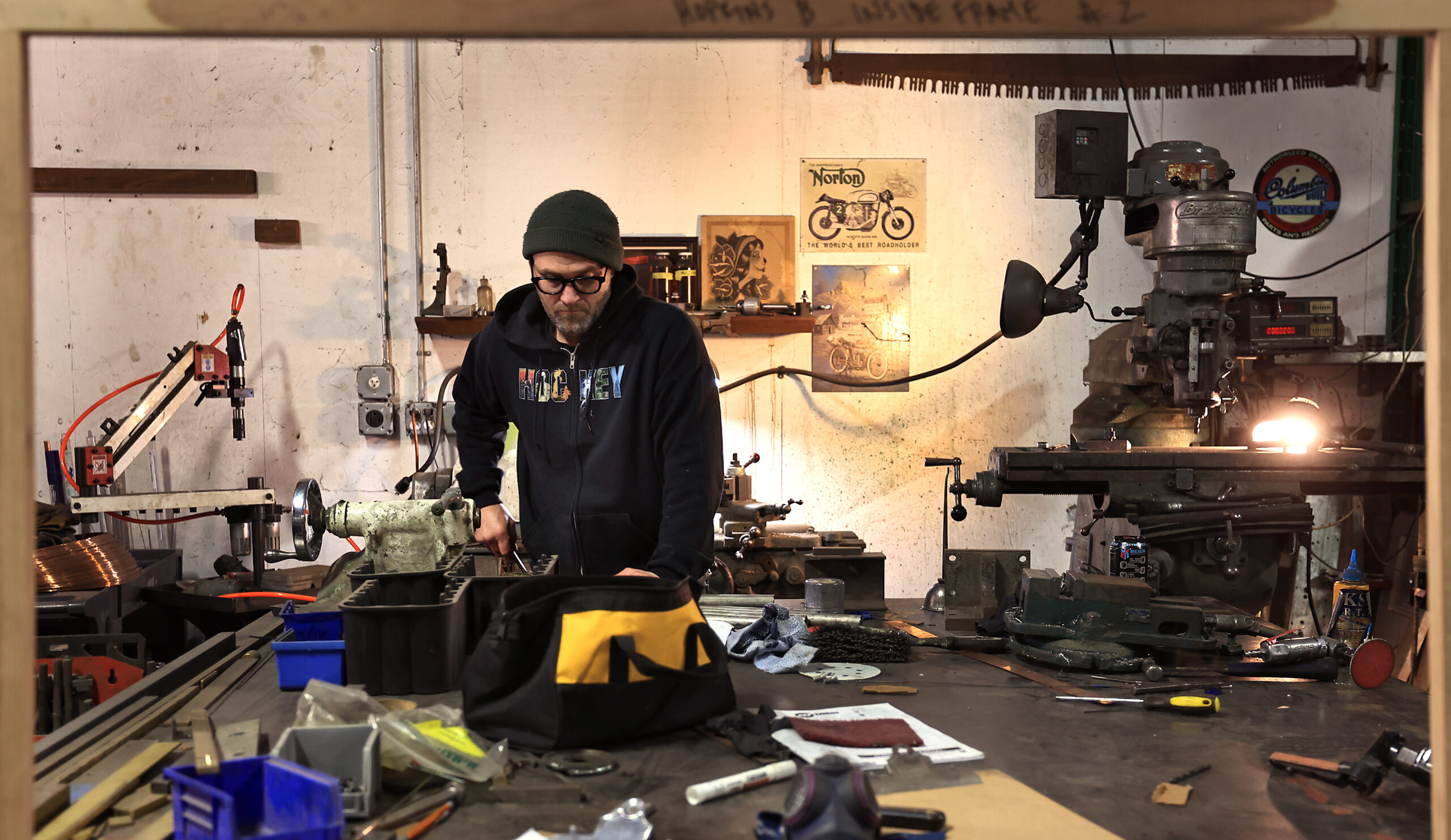
“I’ve had hundreds of frames,” says Rappensperger, who expressed a preference for pre-World War II Schwinns while guiding a visitor on a tour of his industrial studio, Schnitzkraft Metal Artistry, on Guerneville Road where Santa Rosa’s landscape transitions from urban to rural.
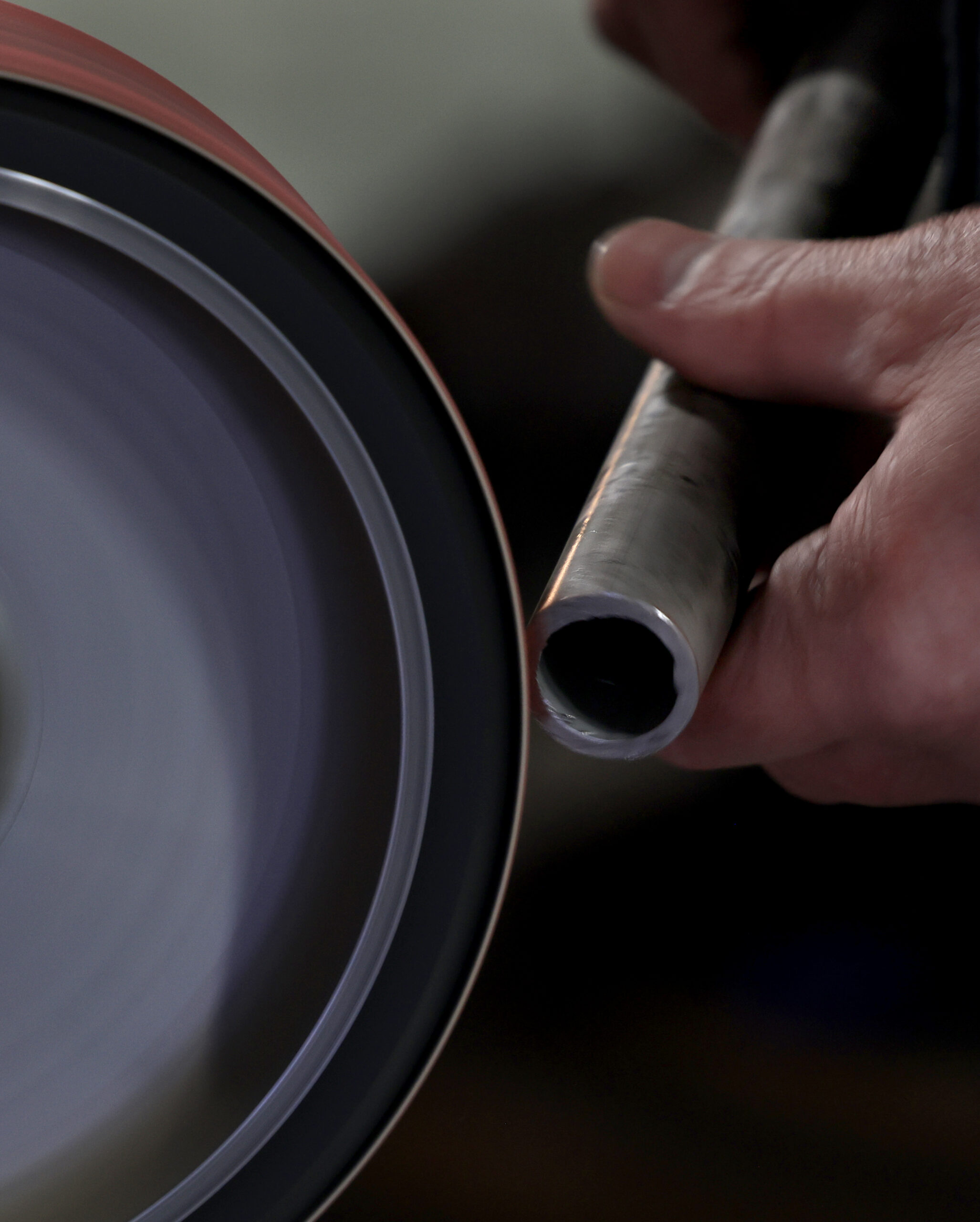
Klaus Rappensperger sizes material for a custom metal project at Schnitzkraft Steel Artistry in Santa Rosa, Tuesday, Feb. 10, 2026. (Kent Porter / The Press Democrat)Klaus Rappensperger smooths the edges of a pipe, which will be used in a custom cabinet job at Schnitzkraft Steel Artistry in Santa Rosa, Tuesday, Feb. 10, 2026. (Kent Porter / The Press Democrat)
Outside the studio, the tour takes him past a pair of slanted concrete ramps. Art installations, perhaps?
“That’s my skatepark,” explains Rappensperger, who turns 50 in November but still drops in on those ramps, especially on Mondays. “A lot of my buddies are skaters, so we come out Monday night. It’s evolved into a kind of men’s club.”
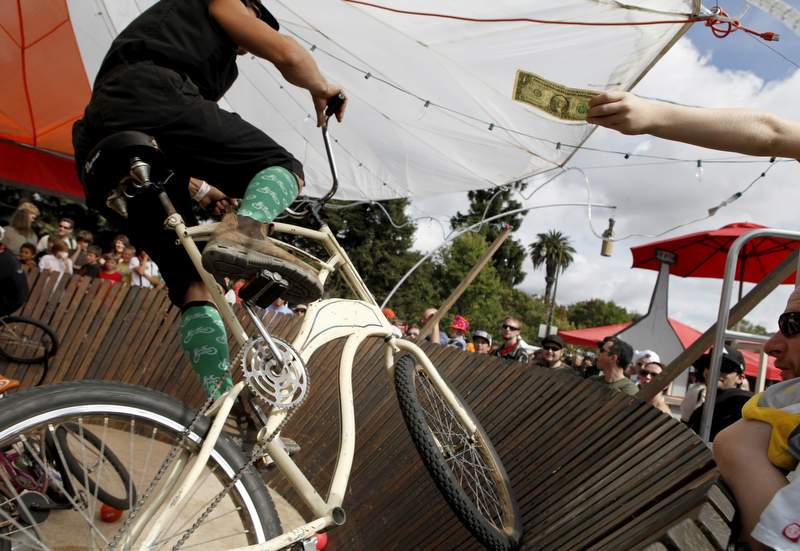
A certain brand of derring-do—fun, sometimes borderline-dangerous wheeled adventures shared with friends—runs like a leitmotif through Rappensperger’s life. Around 2011, he and other Whiskeydrunk members built the Whiskey-Drome, a steeply banked, 26-foot-wide wooden exhibition track, composed of 215 slats and inspired by early 20th-century photos of a similar contrivance, reminiscent of an oversized barrel. “Centrifugal force keeps you on the side of the wall,” he says.
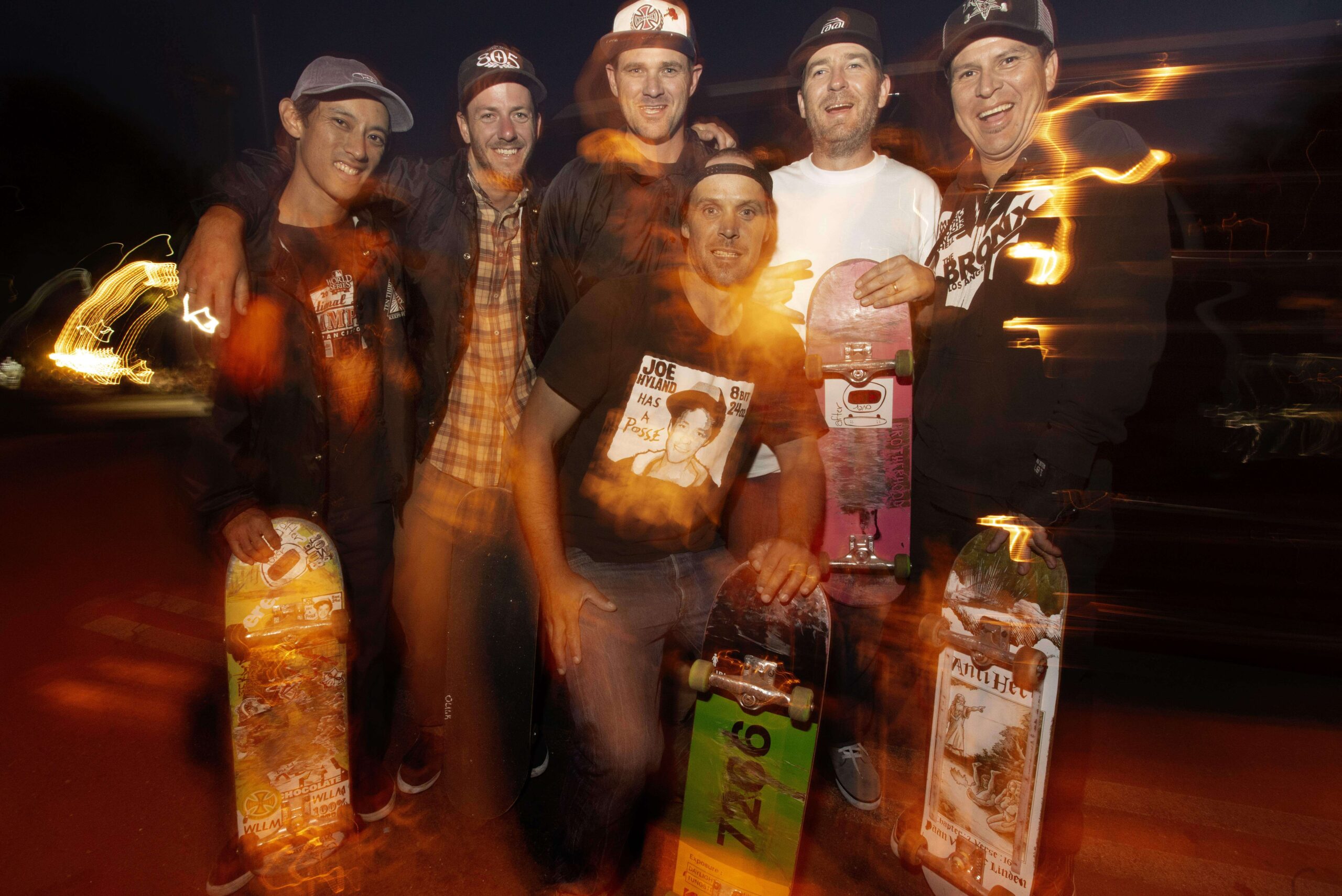
From left: Jacques Law, 37, Michael Minard, 29, Klaus Rappensperger, 41, Uriah Green, 39, William Tobler, 39 and Eric Gardea, 45, are a group of dads who formed a skateboard club called the 10 30 Club. They pose for a portrait in the parking lot of the CVS at Mendocino and Steele Lane in Santa Rosa, where they were having a Friday night skate session, June 15, 2018. (Erik Castro / for The Press Democrat, file)Drew Merritt of Santa Rosa rides the Whiskey-Drome during Winterblast in the South A Street neighborhoods in Santa Rosa, Saturday, Nov. 15, 2014 in Santa Rosa. (Kent Porter / The Press Democrat, file)
A popular exhibit at public events, the drome made an appearance at an early Levi’s GranFondo, recalls Carlos Perez, the founder of Bike Monkey, which produces the annual cyclosportive. Long an admirer of Rappensperger’s work, Perez commissioned him in 2024 to make the trophies for the event. He was tapped to create this year’s awards, as well—though at press time the concept and design of those trophies had yet to make their way from his brain to his workbench.
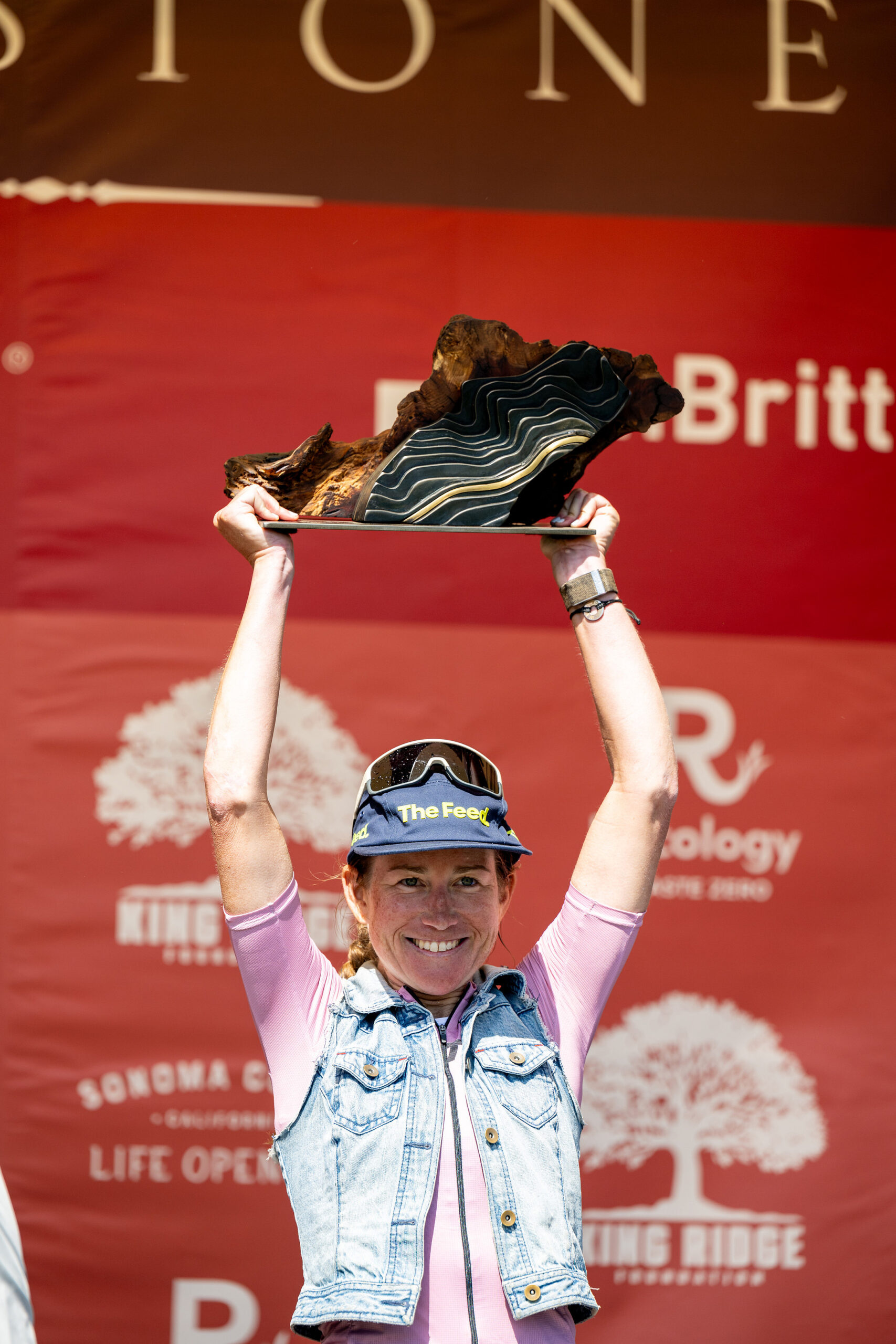
Rappensperger made last year’s trophy from a burl—a gnarled growth from a redwood tree along the Growler course in Cazadero. Using computer-aided design (CAD), he superimposed the profile of the Growler’s highest climb onto the swirling grain of the burl, and with inlaid brass, turned the trophy into a representation of that ascent. Perez gravitates towards Rappensperger’s work, he says, because of the passion the artist pours into his pieces and how he gets “immersed in the little details.”
Levi Leipheimer, left, presents Bike Monkey founder Carlos Perez with the ceremonial bib No. 1 at the start of the 10th Levi’s GranFondo at A Place to Play in Santa Rosa on Saturday, Oct. 6, 2018. (Alvin Jornada / The Press Democrat, file)Lauren Stephens, 2025 winner of The Growler, a race within Levi’s GranFondo, hoists the Rappensperger-designed burl and brass trophy over her head. (Jenny Keller Photography)
A career as an artist and metal fabricator is a singular niche, one that was influenced early on by Rappensperger’s father, also named Klaus, who owned a repair shop for high-end German cars. As a boy, Klaus the younger spent much time in the shop, “doing brake jobs from an early age.” His mechanical bent would manifest whenever he got a new bike. “The first thing I would do was go out to the garage, take it apart, and put it back together,” he recalls.
But Rappensperger gives the most credit for his creative success to his mother, Rebecca, whom he says gave him “the tools and space to be an artist and maker” and the encouragement “to think outside the box.”
He admits it took him a few years after his 1994 graduation from Montgomery High School to find his way, noting he was governed at times by “some rebellious blood.”
He worked early on as a carpenter and framer, then “fell into” land surveying for several years. Ready for something new, Rappensperger enrolled in an AutoCAD class at the College of the Redwoods. During this deep dive into 3D computer-aided design (which also found him devouring a yellow copy of “AutoCAD for Dummies”), he purchased his first welder.
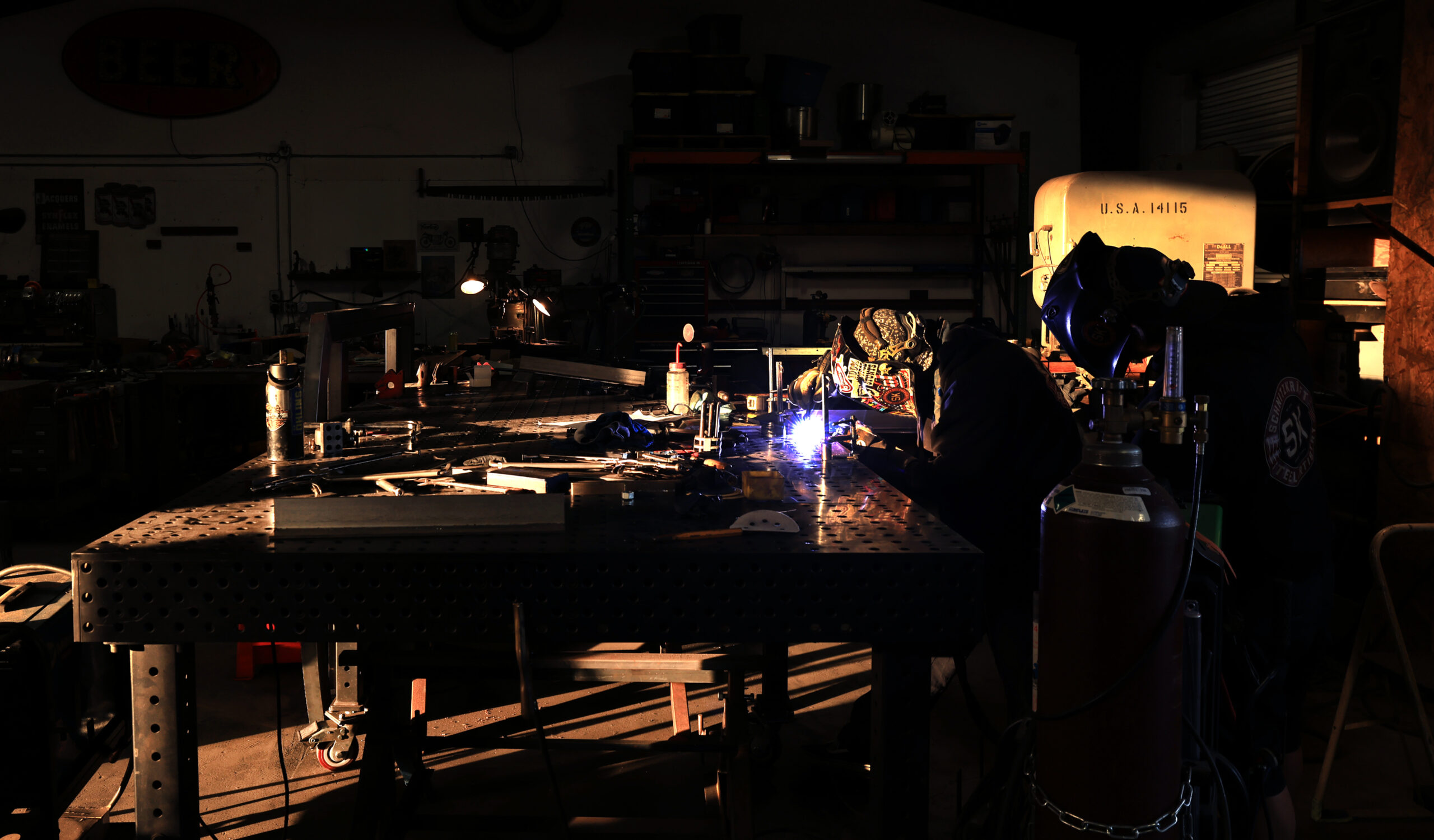
Custom fabricator Justin Warren spot welds a metal frame together at Schnitzkraft Steel Artistry in Santa Rosa, Tuesday, Feb. 10, 2026. (Kent Porter / The Press Democrat)
“So I’m welding in my garage, I’m doing AutoCAD, and that kind of just morphed into what I do now,” he says.
On this particular day at the shop, a co-worker named Jason was busy finishing a six-foot gate Rappensperger had designed for a client.
While that gate looked finished to a layperson, Rappensberger explained it still awaited brass details and an aluminum insert with routed grooves to achieve a wainscoting effect.
This is where Rappensperger’s singular alchemy takes place. Whether he’s welding or simulating wainscoting or adding a satin patina to a fireplace panel—it looks, when finished, like molten gold—his work often crosses the line from metal fabrication to straight-up artistry.
Klaus Rappensperger uses a sander on a custom metal tabletop project at Schnitzkraft Steel Artistry in Santa Rosa, Thursday, Jan. 29, 2026. (Kent Porter / The Press Democrat)
After moving back to Santa Rosa in 2005, Rappensperger found an outlet for his creativity—and, eventually, a life partner—at a delightfully offbeat annual event called the Great Handcar Regatta.
One day each summer, from 2008 through 2011, Railroad Square was overtaken by revelers in antique costume—steampunk, it was called—cheering and racing fantastical, Seussical machines along the then-unused train tracks.
Joey Castor, clockwise from top left, Klaus Rappensperger, Joshua Thwaites and Neil Espenship pilot their vehicle down the tracks during the third annual 2010 Great West End & Railroad Square Handcar Regatta, in Santa Rosa on Sunday, Sept. 26, 2010. (The Press Democrat, file)A child holds out a dollar for Josh Thwaites as he rides his bike in the Whiskeydome, a wooden velodrome, built by Whiskey Drunk Cycles during the Great Handcar Regatta in Santa Rosa on Sunday, Sept. 25, 2011. (Beth Schlanker/ The Press Democrat)
Rappensperger and the Whiskeydrunk crew hurled themselves into creating “art cars” for the regatta. They would then bring them to the after-school program at Chop’s Teen Club where Robin Stephani, a local architect and fellow regatta racer, was teaching a class on how to build and design a handcar for that quirky event.
Stephani, a former college soccer player who knew Rappensperger from pickup games in Santa Rosa, was struck by his generosity of spirit and creative energy. “I talked him into teaching a welding class, and it really put Chop’s on the map in terms of the summer artists program.”
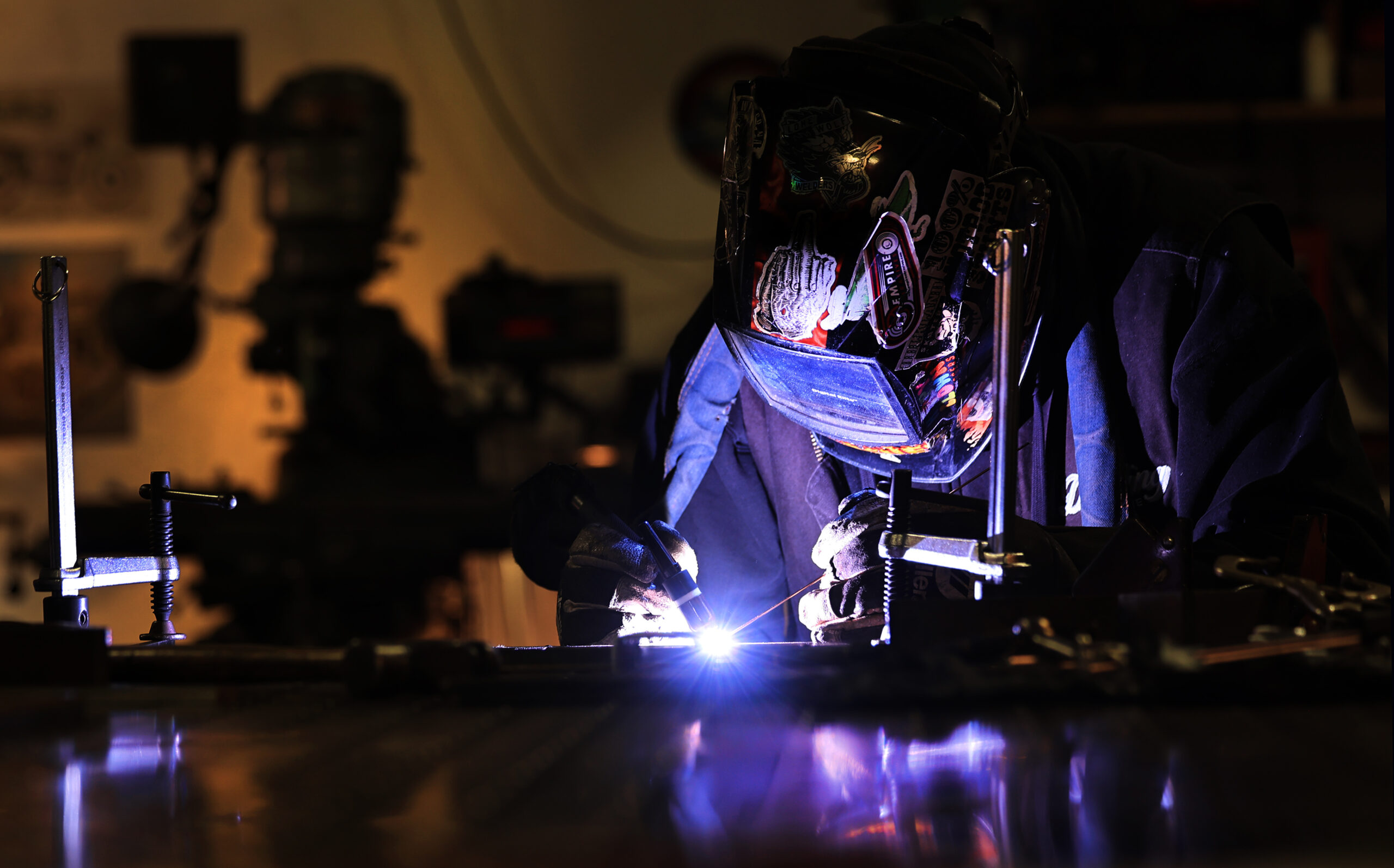
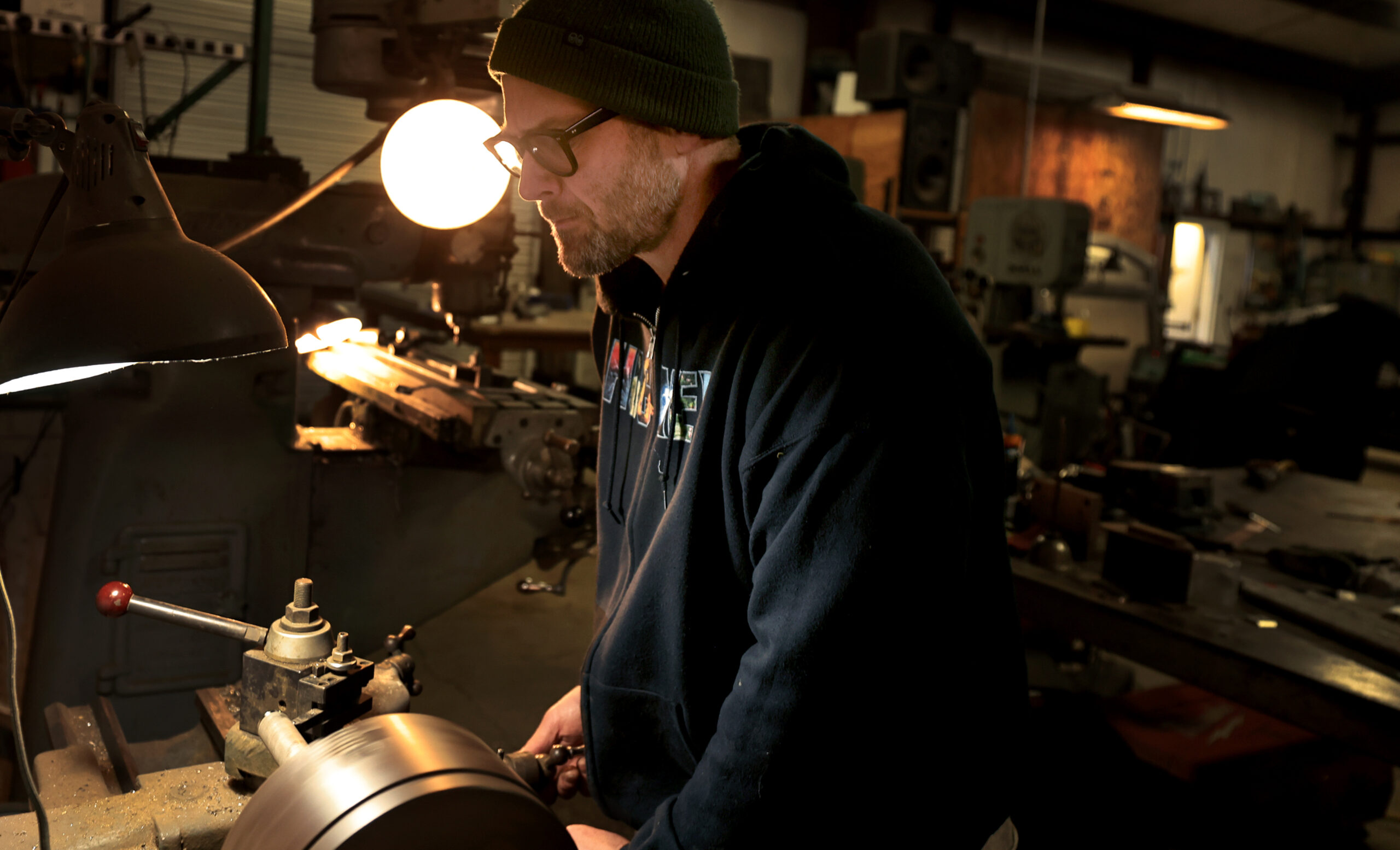
Klaus Rappensperger uses a metal lathe on piping to be used on custom metal project at Schnitzkraft Steel Artistry in Santa Rosa, Tuesday, Feb. 10, 2026. (Kent Porter / The Press Democrat)Custom fabricator Justin Warren welds as he works on a custom project at Schnitzkraft Steel Artistry in Santa Rosa, Thursday, Jan. 29, 2026. (Kent Porter / The Press Democrat)
Watching teens who didn’t consider themselves especially creative at the start of the program develop “and start thinking of themselves as artists,” recalls Stephani, “was such a cool thing. It was amazing.”
To help pay for students’ welding materials, Rappensperger and his Whiskeydrunk associates would throw “epic” bike-themed art shows on the top of parking garages in downtown Santa Rosa. Among the most popular was a mustache competition called “’Staches and Spokes.”
Storage lockers for fabricators at Schnitzkraft Steel Artistry in Santa Rosa, Tuesday, Feb. 10, 2026. (Kent Porter / The Press Democrat)
It was during this heady epoch of handcars and steampunk and ’staches that the two became a couple and eventually married. Despite his love of bikes, her husband has never taken the start at a Levi’s GranFondo.
“He’s a huge cyclist advocate,” says Stephani, “but less on the sporty side, more on the whimsical side.”
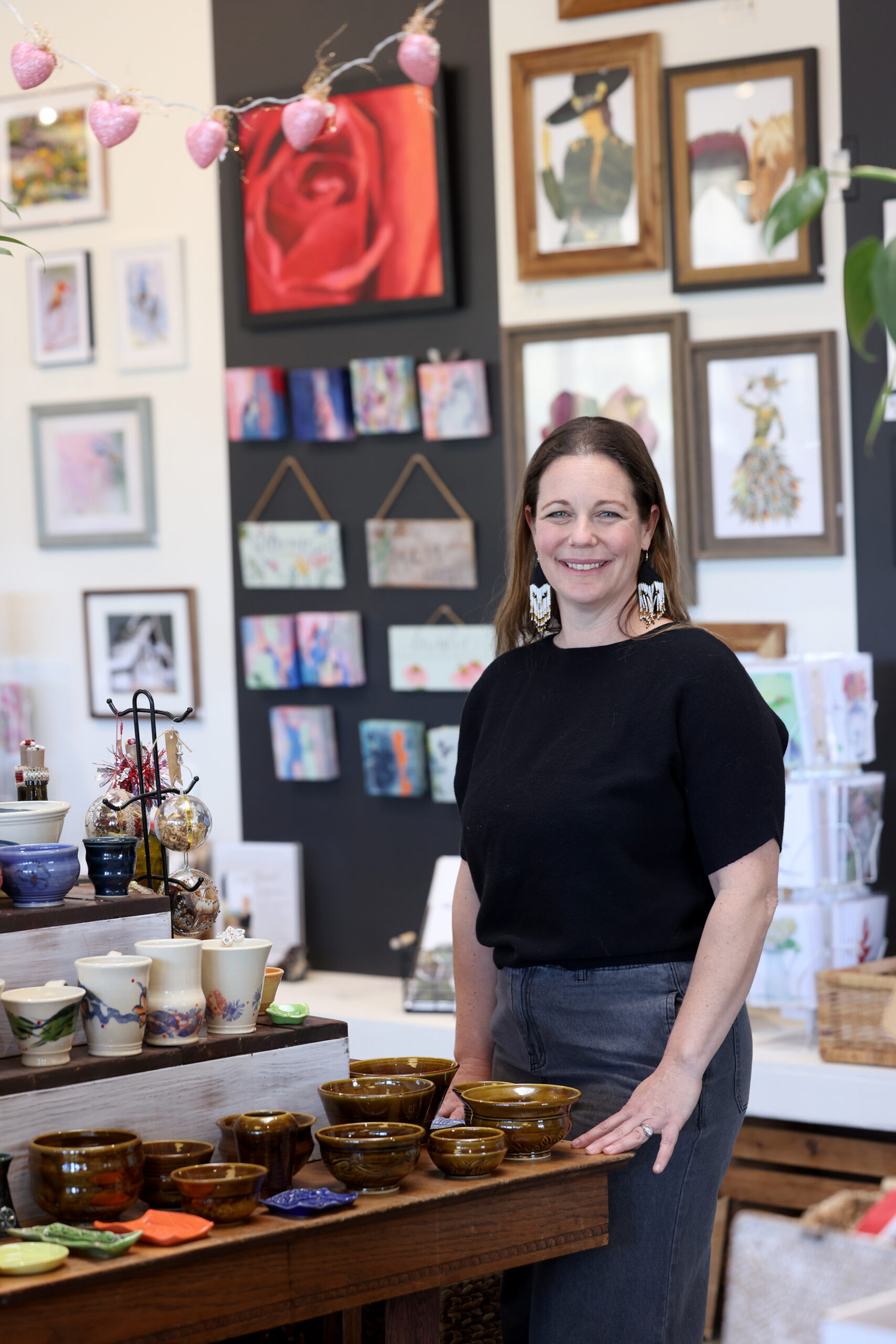
Willow Peterson, owner of Made Local Marketplace at Montgomery Village in Santa Rosa, Wednesday, Feb. 4, 2026. (Beth Schlanker / The Press Democrat)
When it comes to buying and gifting locally, Willow Peterson is a bona fide expert.
The Sebastopol flower farmer and real estate agent purchased Made Local Marketplace in 2020 to prevent it from closing its doors for good in downtown Santa Rosa. After moving to Montgomery Village later that year, she’s continued to grow and refine the shop that features local artisans and makers and is beloved by shoppers for offering an alternative to mass-produced goods.
A Made Local outpost opened last year in Novato, and in February, the Santa Rosa store relocated within Montgomery Village. Peterson sees the move as an opportunity for growth and plans to add a small section of wine and beer from boutique producers.
Willow Peterson, owner of Made Local Marketplace at Montgomery Village in Santa Rosa, Wednesday, Feb. 4, 2026. (Beth Schlanker / The Press Democrat)
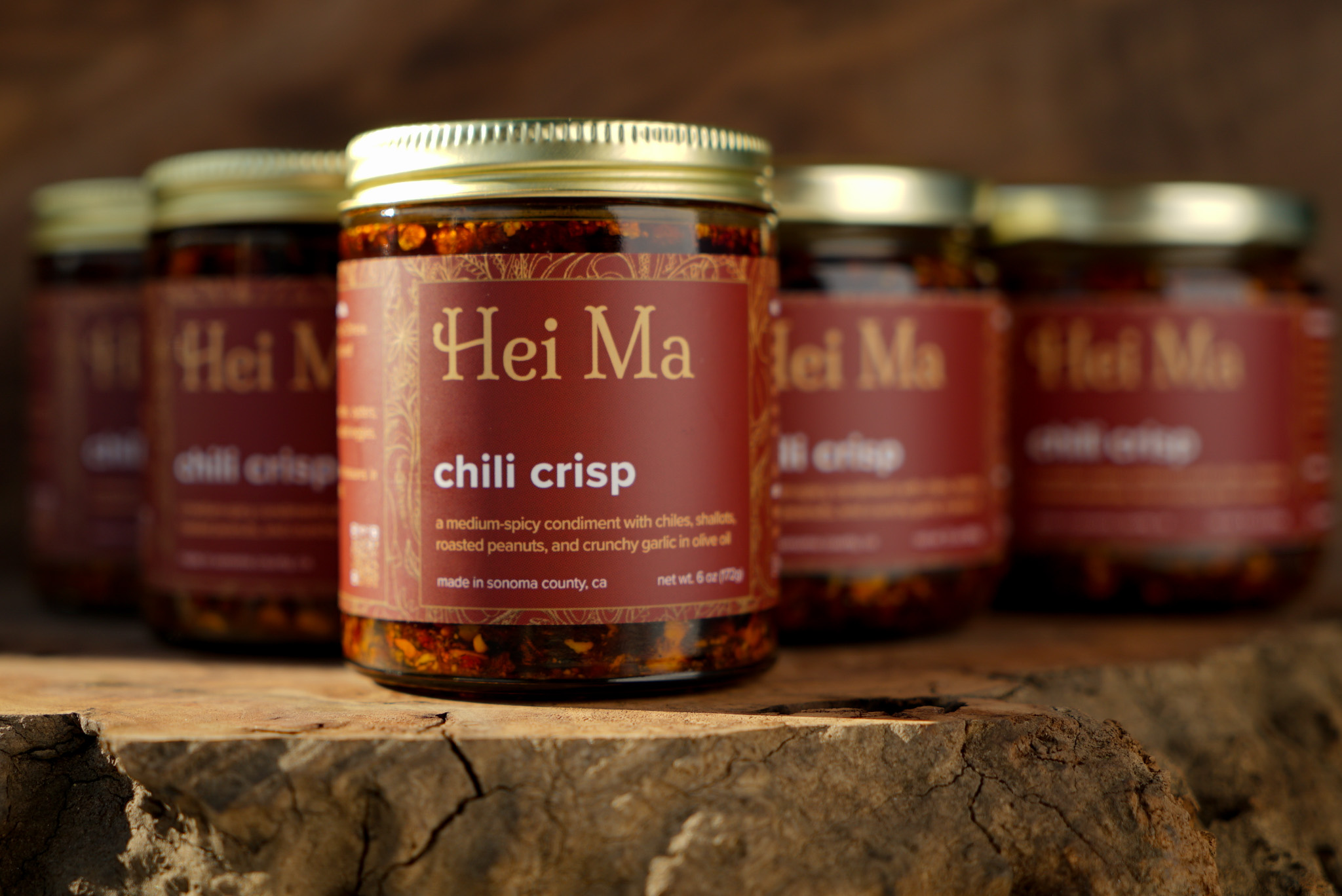
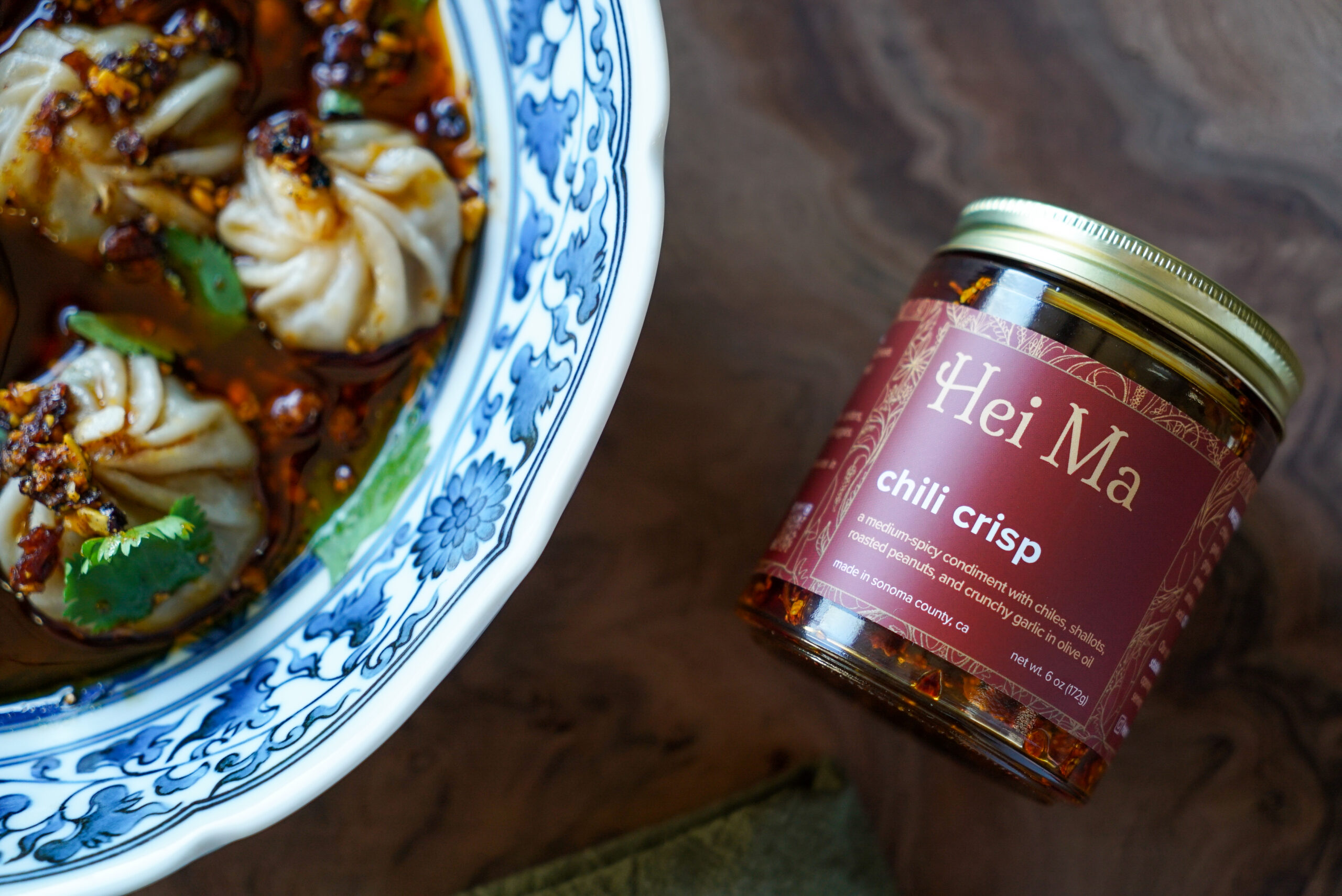
A believer in using products that are sold at Made Local Marketplace, Peterson keeps chili crisps from Hei Ma (formerly Big Spoon Sauce Co.) in her cupboard at all times. “I make a savory oatmeal in the morning and I use the Kraken Sauce,” she says describing the mild, seaweed-based chili crisp, one of the seasonal specials from Hei Ma’s founder, Lani Chan. “It’s got a fried egg on top and Sriracha sauce and the seaweedy crispiness. It’s amazing. It’s the weirdest breakfast, but it’s so nourishing.” heimamade.co
Chili crisps from Hei Ma (formerly Big Spoon Sauce Co.) are a pantry staple for Willow Peterson. (Courtesy Lani Chan)Chili crisp from Hei Ma (formerly Big Spoon Sauce Co.) provides a crunchy, spicy kick to dishes. (Courtesy Lani Chan)
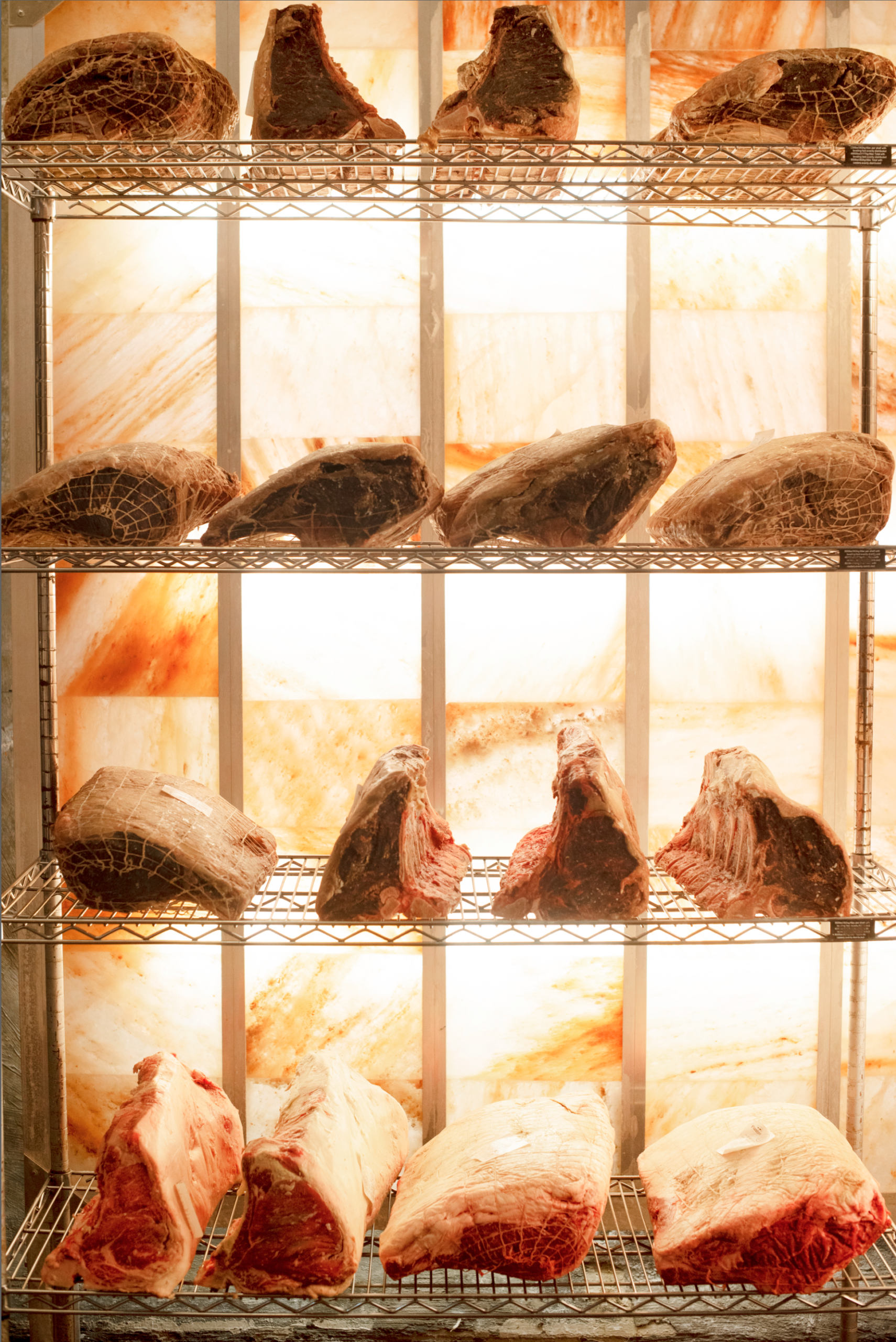
Peterson has two big dogs — Akbash mixes — including one, named Zeke, who weighs in at 150 pounds. And big dogs need big treats, which is why she heads to Panizzera Meat Co. for their super-sized snacks. “They have bones that are cheap, but very good quality,” she says. “I give my big guy big beef bones so that he doesn’t destroy the house.” 3905 Main St., Occidental. 707-874-9770, panizzerameatco.com
A selection of meat from Panizzera Meat Co. in Occidental. (Beth Schlanker / The Press Democrat, file)
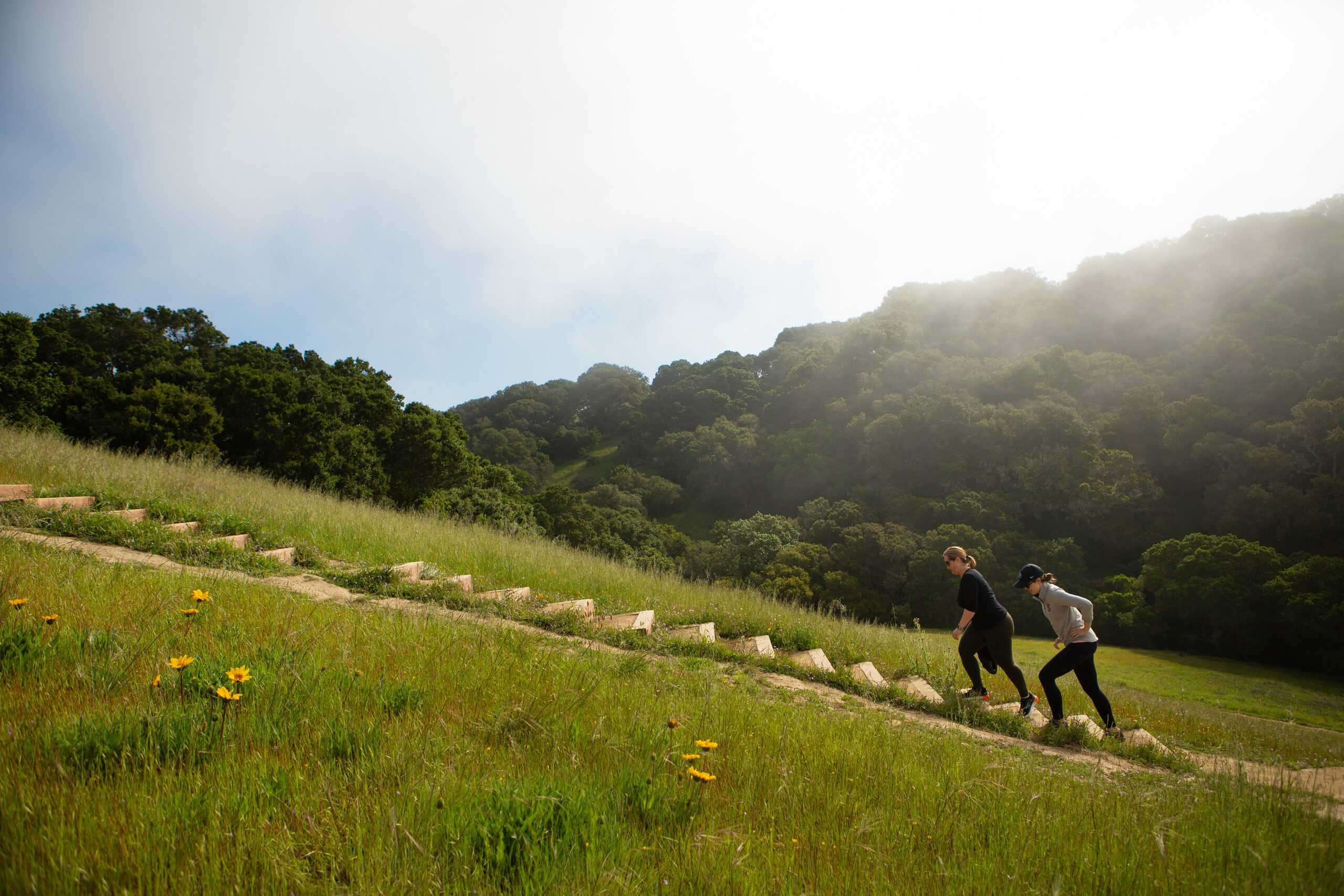
As a busy working mom, finding time to work out can be a challenge. After dropping her daughter off at school, Peterson sometimes heads to Helen Putnam Regional Park to squeeze in a micro-hike on the Panorama Steps. “It’s this long set of stairs that goes to the top of the hill and has this amazing view,” she says of the 123-step climb nicknamed The Stairway to Helen, which she climbs twice. “Then I get back to the car in 20 minutes, huffing and puffing a little bit.” 411 Chileno Valley Road, Petaluma. parks.sonomacounty.ca.gov
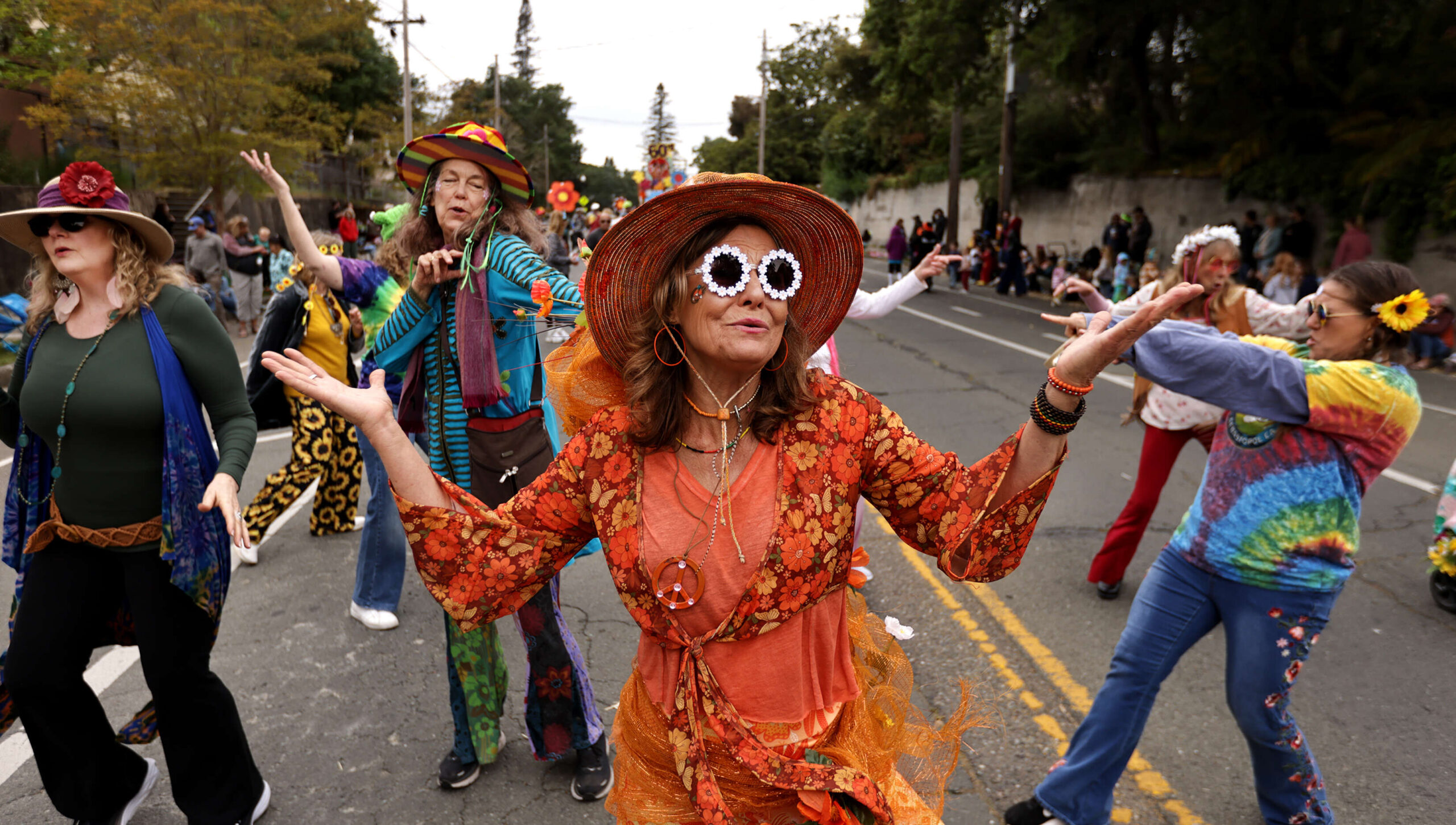
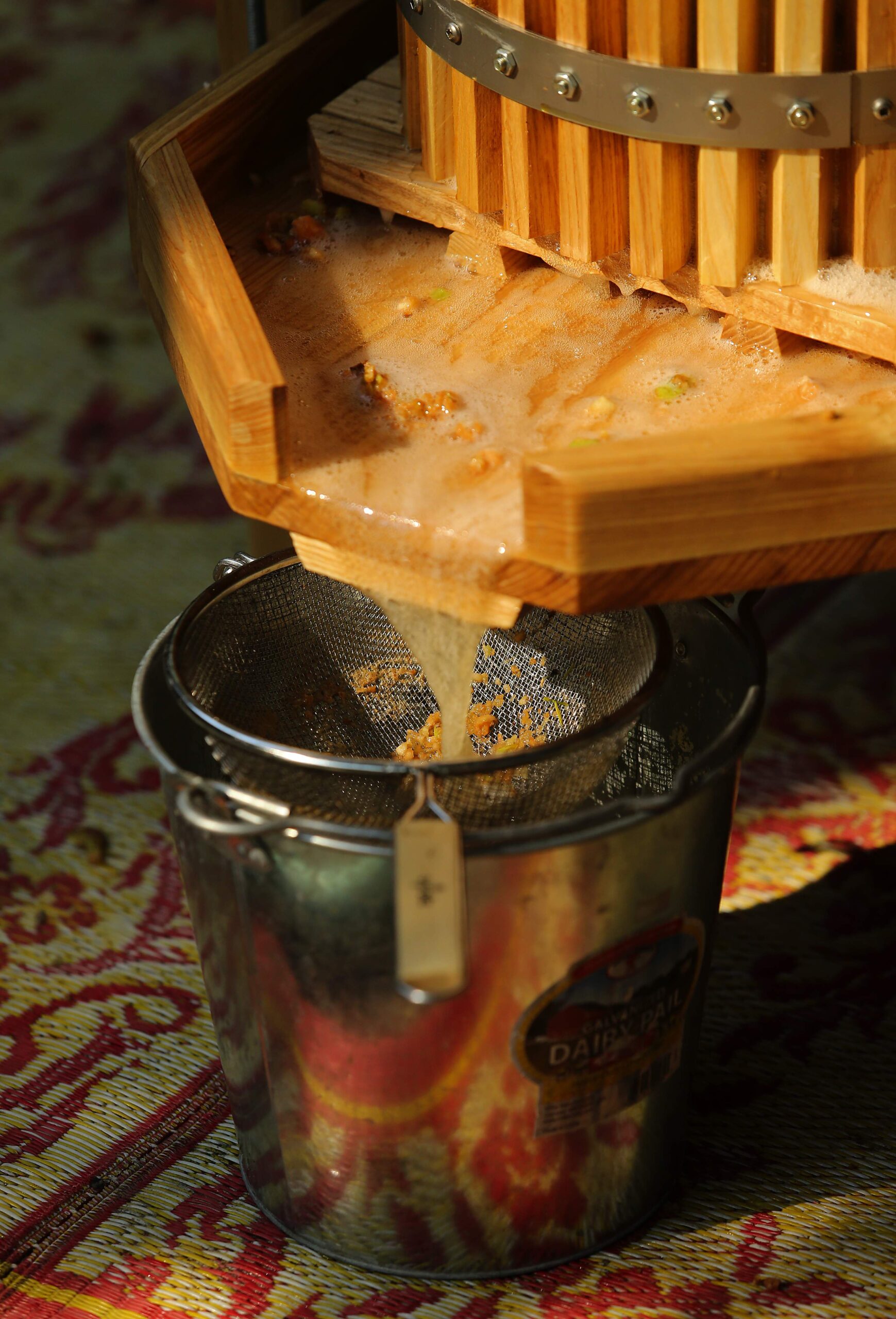
Hikers walk up the Panorama Steps at Helen Putnam Regional Park in Petaluma. (Sonoma County Regional Parks)Deena Broderick from Coaches Corner in Sebastopol, dance with her crew during the 79th Annual Apple Blossom Parade and Festival, Saturday, April 26, 2025. (Kent Porter / The Press Democrat)Slow Food Russian River operates the Sebastopol Community Apple Press at the Luther Burbank Gold Ridge Experiment Farm. (John Burgess / The Press Democrat, file)
Living in Sebastopol, Peterson and her family are all about apples and grow their own. In April, the Apple Blossom Parade and Festival is a long-standing family tradition. “We love to watch the parade. It feels like the unofficial start of spring.” When harvest rolls around a few months later, they take apples from their trees to Slow Food’s community apple press to make cider. Apple Blossom Parade & Festival is April 25-26. appleblossomfest.com; for community apple press, see slowfoodrr.org.
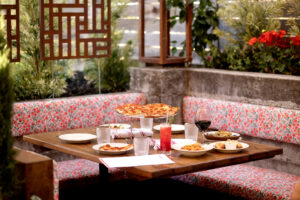
Pepperoni pizza in the corner table in the garden patio at Campanella Friday, Sept. 6, 2024, in Sebastopol. (John Burgess / The Press Democrat)
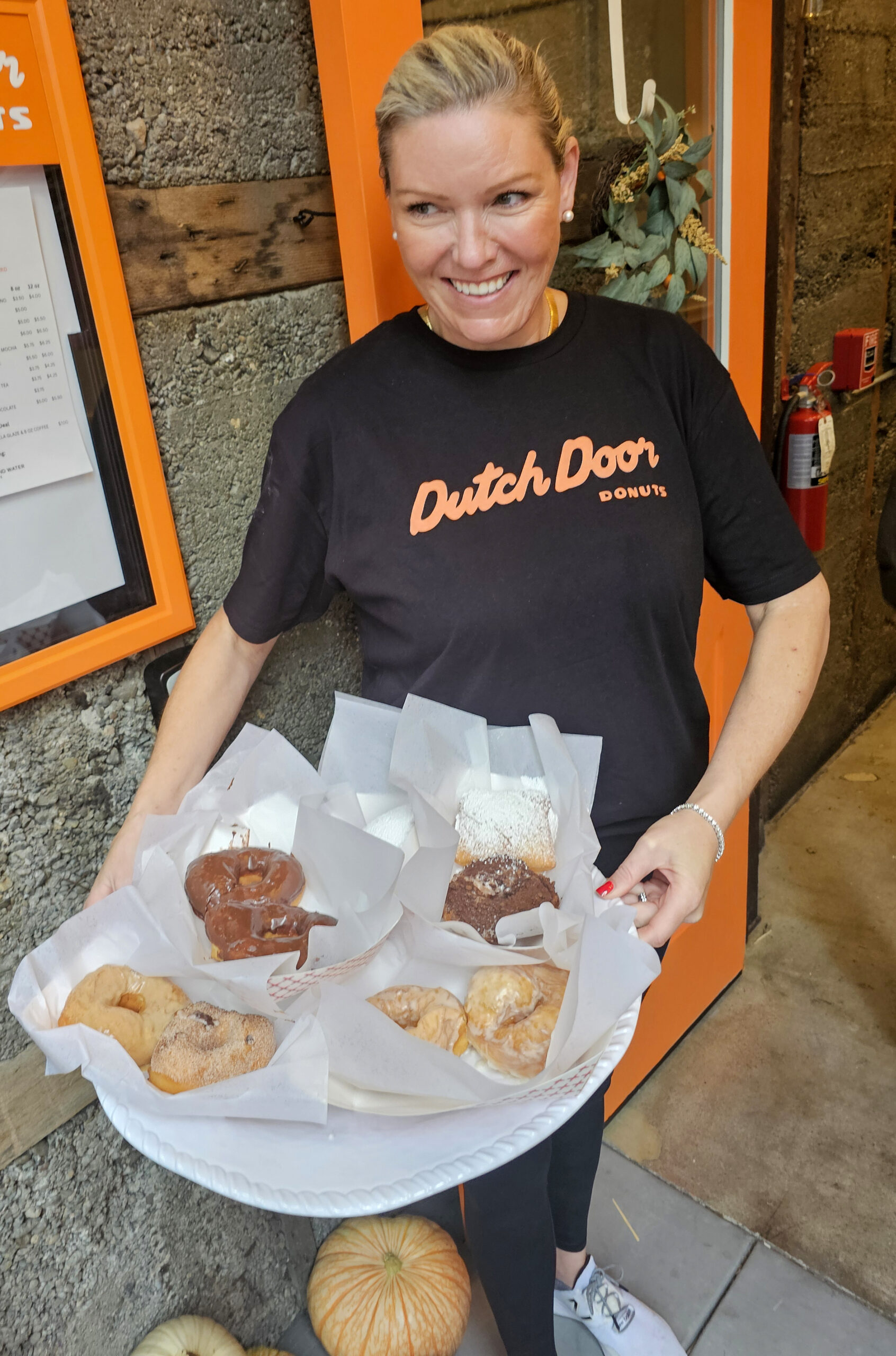
Healdsburg’s Dutch Door Donuts (109A Plaza St.) has announced it will close on April 26.
“This is not a goodbye we saw coming. Circumstances beyond our control made it impossible to continue our chapter here, and we are deeply grateful for every single guest who walked through our Dutch Door and tasted our handcrafted, made-to-order donuts,” the social media announcement read.
Dutch Door Donuts was founded in 2021 by a group of friends living in Carmel and co-owners Jill Schlenker and Victoria Bunch partnered with Kirstin Ducommun to expand the business to Healdsburg, opening in September 2025. The original location will not close.
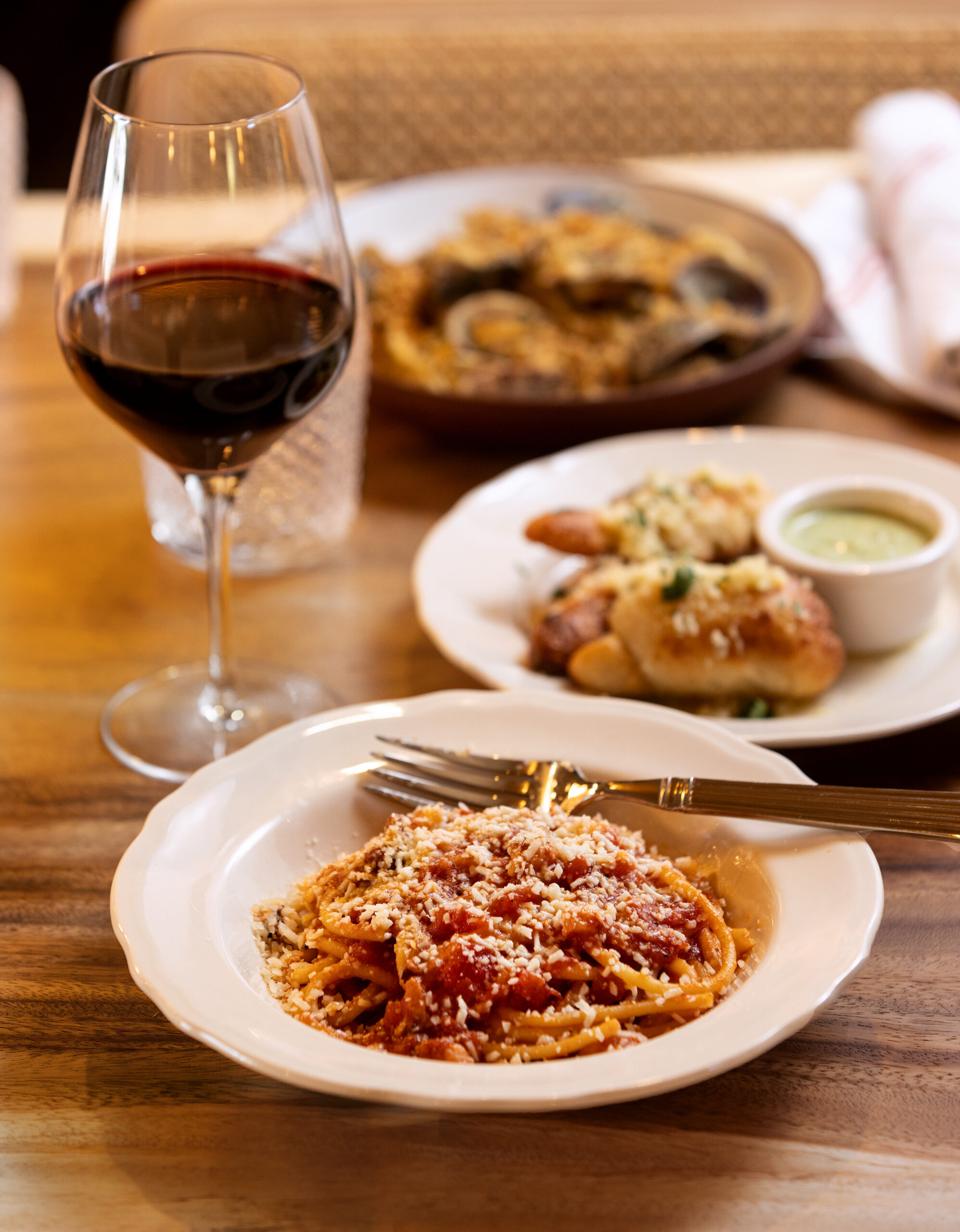
Co-owner Kirstin Ducommun greets guests on opening day at Dutch Door Donuts in Healdsburg. (Heather Irwin / Sonoma Magazine)Bucatini Amatriciana with guanciale, tomato and pecorino from Campanella Friday, Sept. 6, 2024, in Sebastopol. (John Burgess / The Press Democrat)
Campanella in Sebastopol (7365 Healdsburg Ave.) will serve its last meal on April 30.
“This restaurant was the realization of a 20-year dream, and bringing it to life has meant more to us than we can fully put into words,” said a social media post announcing the closure.
The Italian-American menu was inspired by owner Tom Rutledge’s memories of his East Coast grandmothers.
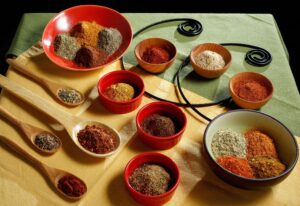
Sonoma Spice Queen spices give holiday dishes a kick of flavor. (Alvin Jornada / The Press Democrat)
Santa Rosa is about to get a whole lot spicier.
Sonoma Spice Queen Wind McAlister has announced a second location for her hand-crafted spices, teas and rubs at 404 Mendocino Ave. downtown. And she’s well aware the space’s former tenant was the decidedly spicy Kozy Kar nightclub.
After renovations (and, perhaps, a thorough smudging), she’s aiming for a mid-June opening.
McAlister had been scouting Healdsburg and Sonoma when the Santa Rosa storefront became available. With the city losing both Savory Spice and Penzeys in recent years, she saw an opening for her small-batch blends.
“I figured it was just meant to be,” she said.
Spices from Sonoma Spice Queen. (Alvin Jornada / The Press Democrat, file)
McAlister has been grinding whole spices and herbs by hand for more than 13 years and was among the first in Sonoma County to secure a Cottage Food Operator Permit in 2013, allowing nonperishable foods to be produced in a home kitchen. She now works out of a commercial kitchen.
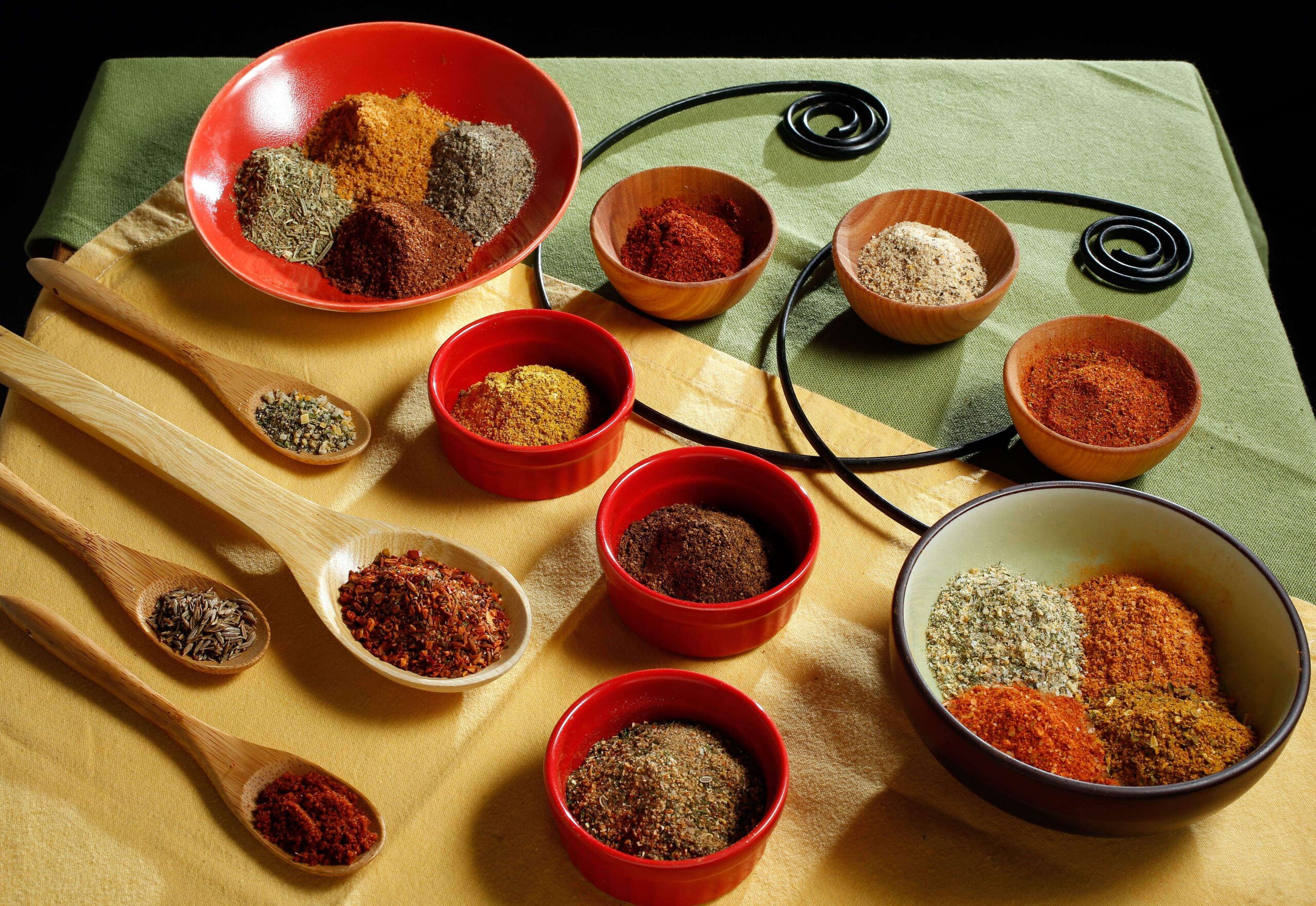
Today, she offers more than 50 single spices — including saffron, paprika and cinnamon — along with dozens of housemade blends and rubs, each ground, mixed, packaged and labeled by hand.
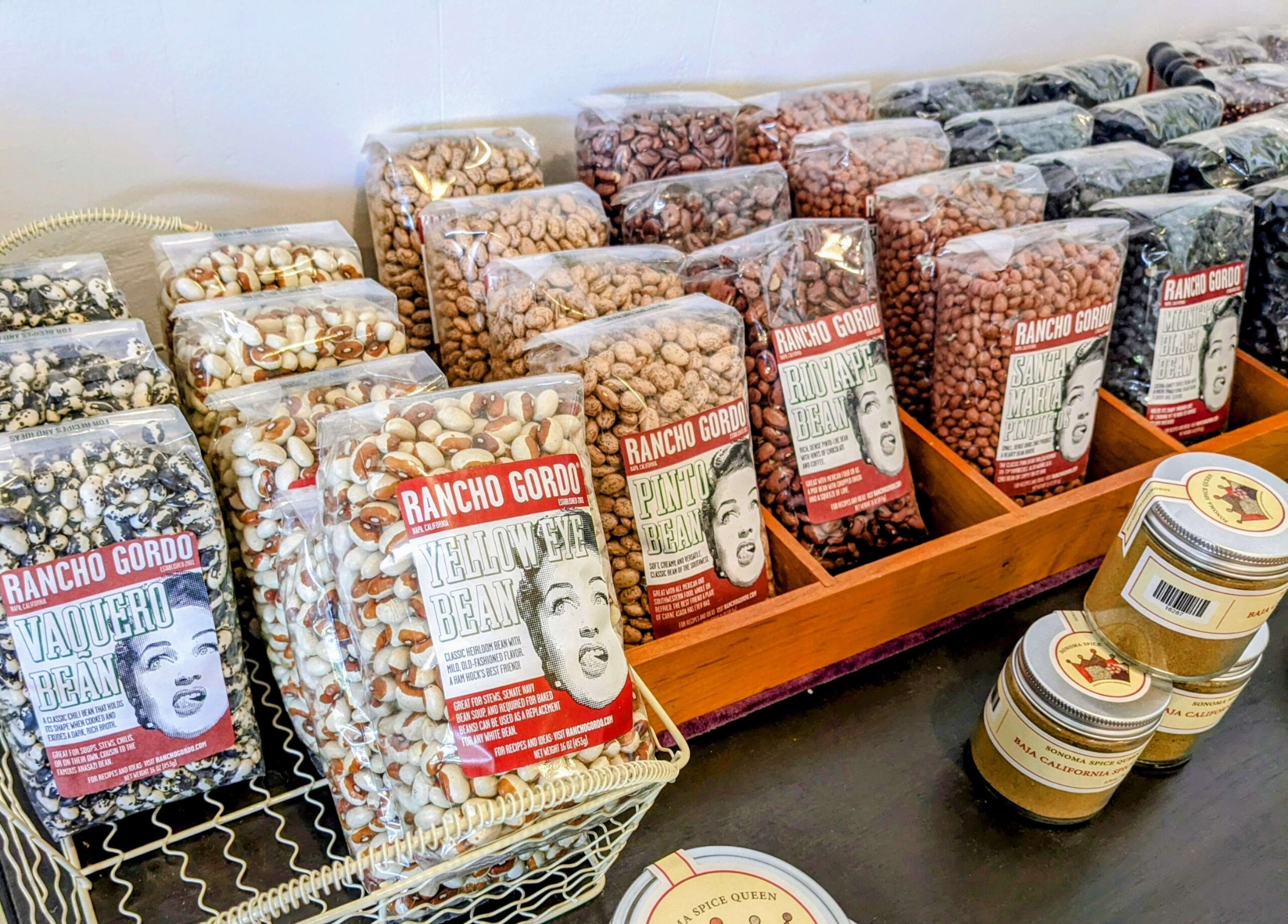
A wide selection of Rancho Gordo beans are available at Sonoma Spice Queen in downtown Petaluma. (Houston Porter/for Petaluma Argus-Courier, file)
Her bestseller is also the most labor-intensive: vadouvan French curry, a layered blend of nearly a dozen ingredients, including turmeric, ginger, coriander, garlic and curry leaves. Other global mixes include Middle Eastern za’atar, Ethiopian berbere and Lebanese sabah baharat, all available at her Petaluma shop, 9 Fourth St.
“We make everything ourselves, and we’re known for spice blends that are truly authentic,” she said. “It’s not mass-produced somewhere in the Midwest.”
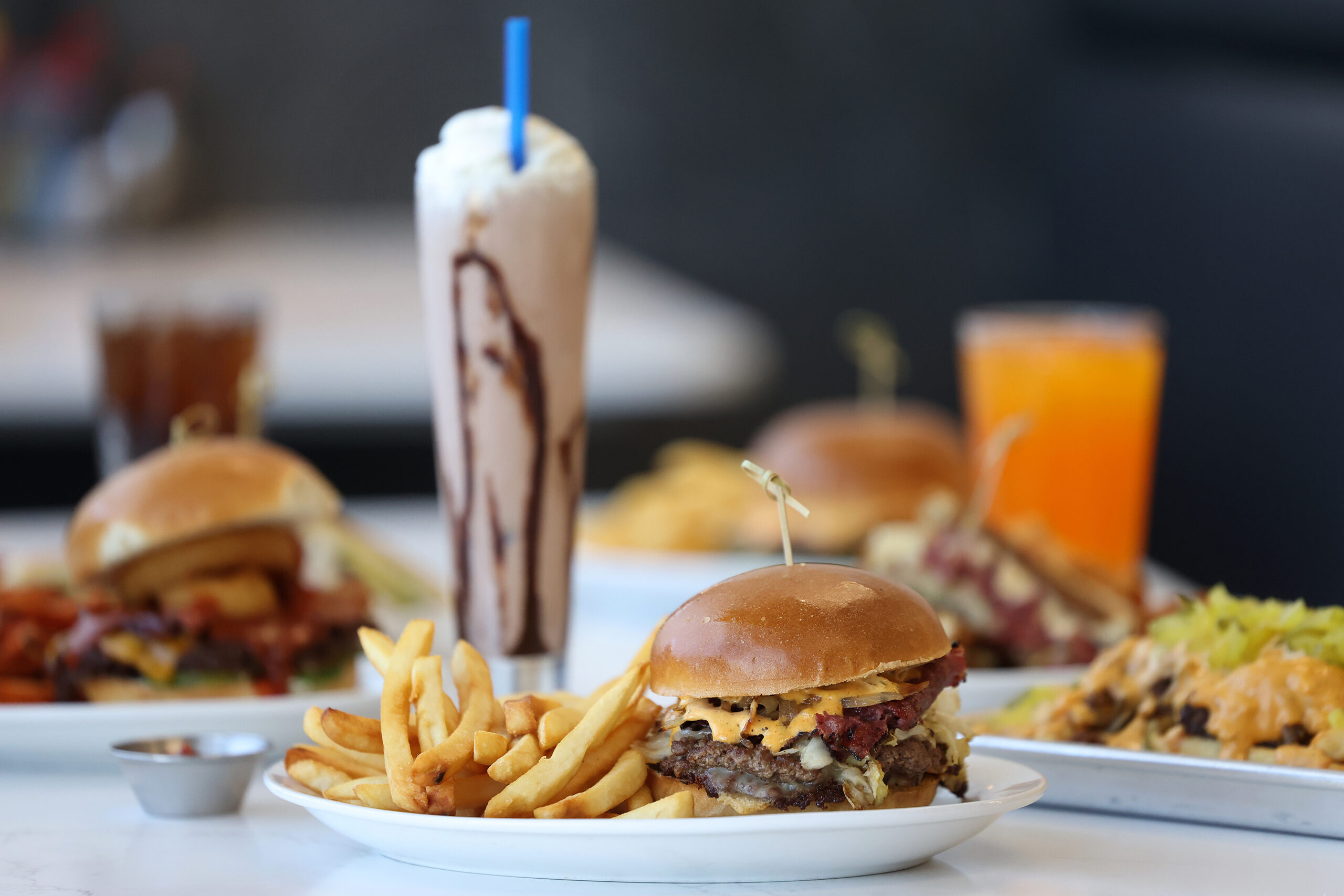
The P & B, made with two beef patties, pastrami, Swiss cheese, sauerkraut, grilled onions, pickles and house-made Pressed sauce, with a side of fries at Pressed in Rohnert Park Friday, April 17, 2026. (Beth Schlanker / The Press Democrat)
Social media has always been a mixed bag for restaurateurs.
Anonymous reviews from questionable “critics” can sink a restaurant overnight, but a few well-placed raves can just as quickly pack a dining room. At Rohnert Park’s Pressed, owner Maen “Eric” Alkfof swears the glowing buzz around his smashburger cafe isn’t the result of a calculated marketing campaign, but of Sonoma County’s food-obsessed social media crowd.
For more than a year, members of the Sonoma County Foodies Facebook group, along with Reddit fans and Instagrammers, have gushed over the $9 smashburgers at this suburban strip mall spot.
“I have never ever ever ever ever had such a good burger. Ever. Seriously,” read one Facebook post, followed by “It lived up to the hype” and “Very generous portions. Very delicious burgers.”
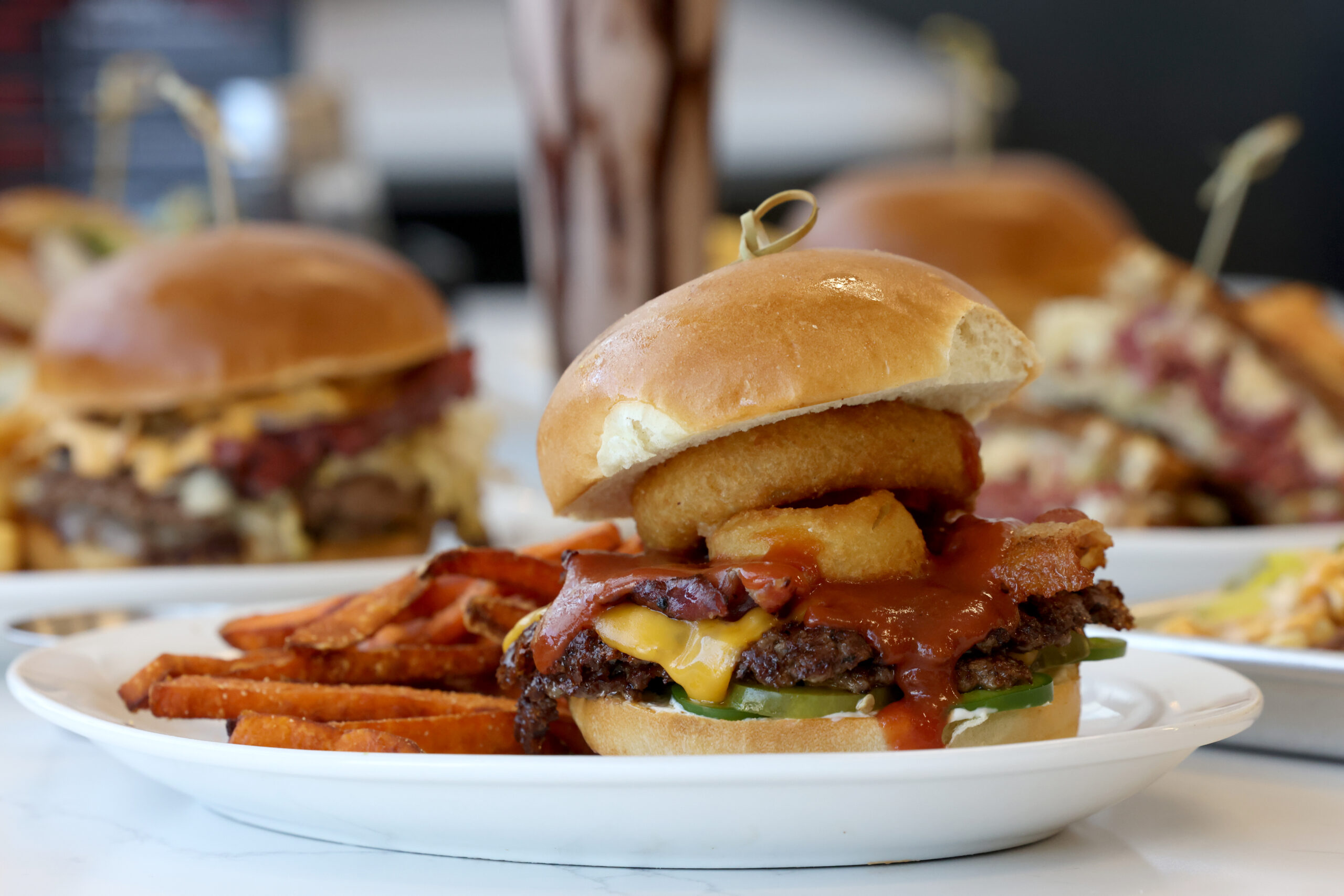
The P & B, made with two beef patties, pastrami, Swiss cheese, sauerkraut, grilled onions, pickles and housemade Pressed sauce, with a side of fries at Pressed in Rohnert Park Friday, April 17, 2026. (Beth Schlanker / The Press Democrat)The BBQ Burger, made with two beef patties, onion rings, bacon, jalapeno, pickles, cheddar cheese, barbecue sauce and mayo, with a side of sweet potato fries at Pressed in Rohnert Park Friday, April 17, 2026. (Beth Schlanker / The Press Democrat)
Still, social media can only take you so far. The proof is in the patty.
Pressed sat on my to-do list for months, slipping further down until a text from a friend bumped it back to the top.
“If you want a story about a good, cheap burger, Pressed in Rohnert Park,” he wrote. “I go all the time.”
The words “good, cheap burger” are a dog whistle to a food writer. Immediately my ears perk up and I’m on the hunt.
Simple but satisfying
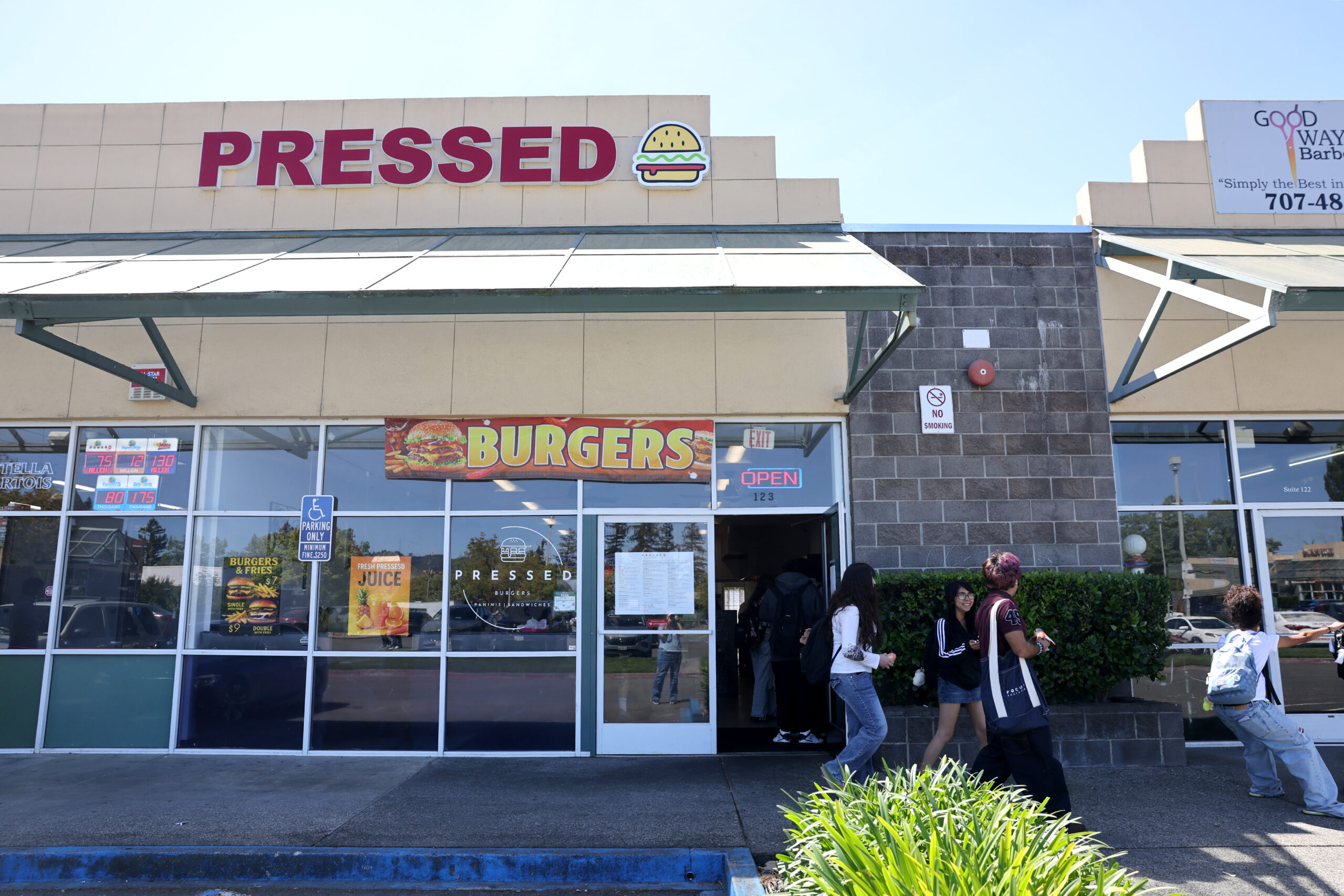
Like any hidden gem, you sometimes have to look for the sparkle behind vinyl signs and a neighboring liquor store. Pressed isn’t about expensive decor or vibey touches.
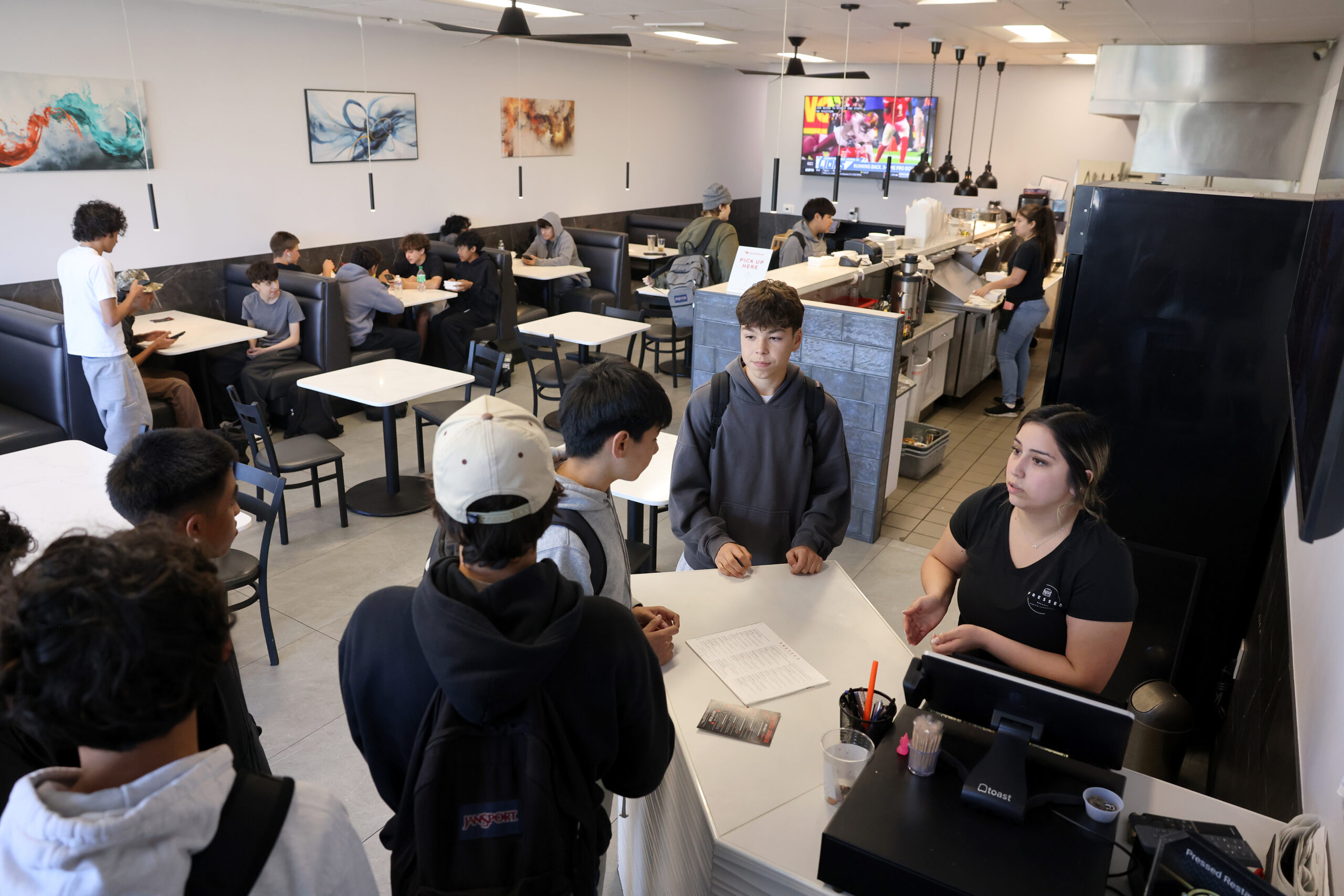
Rancho Cotate High School students wait in line for food on their lunch break at Pressed in Rohnert Park Friday, April 17, 2026. (Beth Schlanker / The Press Democrat)
Inside, the former Pepper’s Cafe has a restaurant-supply-catalog feel — vinyl booths, laminate tabletops and bright lighting that leans more “efficient” than intentional. A muted “Friends” on loop above the register offers a welcome distraction from doomscrolling or a slow date. From the open kitchen, the fryer occasionally burbles to life as tater tots hit the oil, while pickup orders move out at a brisk clip. It could be any strip mall cafe, anywhere.
Alkfof makes every sauce in-house. His smash patties are thin with crisp, lacy edges; the buns are soft and squishy; the loaded fries are piled high. Milkshakes are rich and creamy, produce is fresh, and the servers are friendly.
Pressed is solid across the board, with every item I tried well-crafted and satisfying. It’s not trying to be a Michelin-starred restaurant or a once-in-a-lifetime meal, just good food at a good price.
On the side
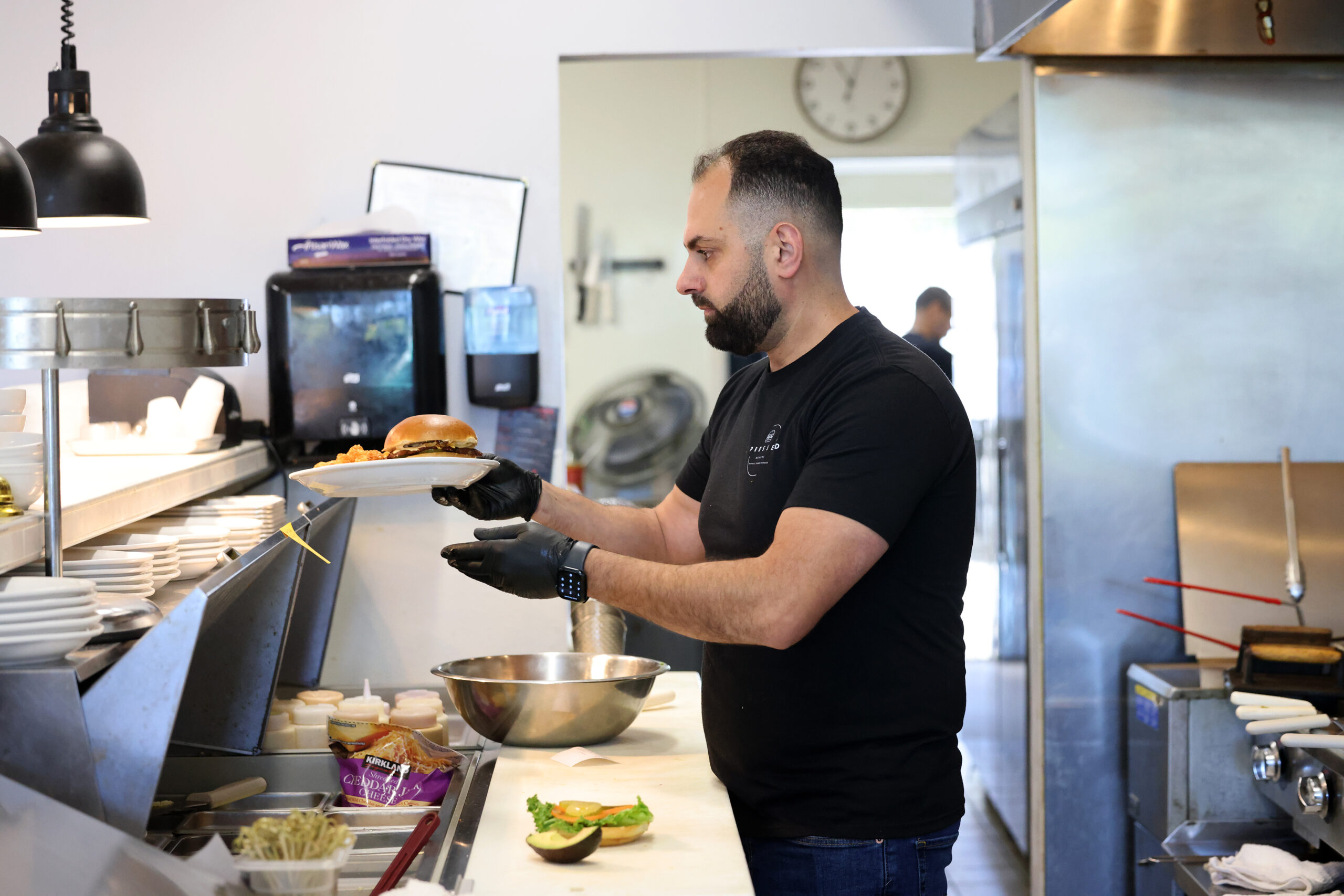
Pressed co-owner Eric Alkfof works in the kitchen at Pressed in Rohnert Park Friday, April 17, 2026. (Beth Schlanker / The Press Democrat)
Alkfof’s busser-to-boss experience is a significant part of the Pressed story. The Jordanian immigrant arrived in 2007 speaking no English and needing work. A cousin in the restaurant business hired him as a dishwasher, and from there he learned the language and mastered the American diner menu. In 2016, he bought his first restaurant, Pepper’s Cafe, a much-loved breakfast and brunch spot. After COVID-19, business slumped. In 2024, he reimagined the space as Pressed, reopening a few months later as a burger and sandwich shop.
Alkfof got the timing right — smashburgers are having a moment, and Pressed struck while the griddle was hot. But trends are fickle. It’s the burgers that bring locals back, along with family-friendly prices that make Pressed an easy after-work dinner, while Rancho Cotate High School and Sonoma State students keep things busy during the day.
Pressed isn’t trying to be a Michelin-starred restaurant or a once-in-a-lifetime meal, just good food at a good price — and sometimes that’s the kind of advertising you can’t buy.
Best bets
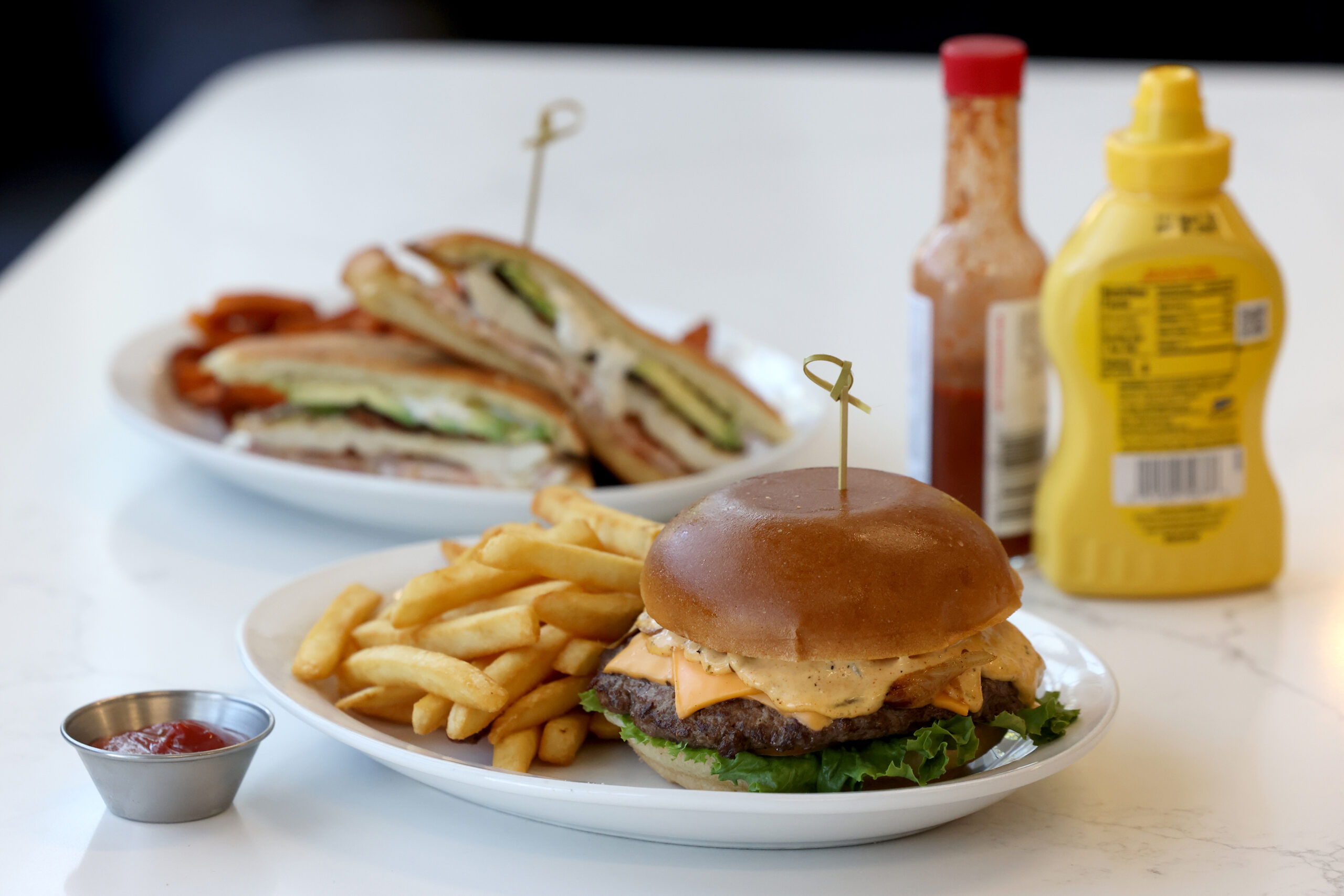
The Classic burger with American cheese, onion, pickles, lettuce, and house-made Pressed sauce, with a side of fries, and the Chicken Ranch sandwich, rear, at Pressed in Rohnert Park Friday, April 17, 2026. (Beth Schlanker / The Press Democrat)
The Classic ($7 single/$9 double): I love a deal, especially when you can get fries and a cheeseburger for roughly what you’d pay at In-N-Out ($6.80) or McDonald’s ($8.58). Price-wise, the single is hard to beat, but the double has the better meat-to-bun ratio, with two patties, cheese, pickles, onions and housemade Pressed sauce (a sort of Thousand Island-meets-ranch situation). Keep in mind, this is a smashburger, so the patty is thin, well-done and nicely crisped.
The Original ($12): A half-pound burger with some heft. Cooked to order (I’d recommend medium) with grilled onion, American cheese, lettuce, tomato and sauce.
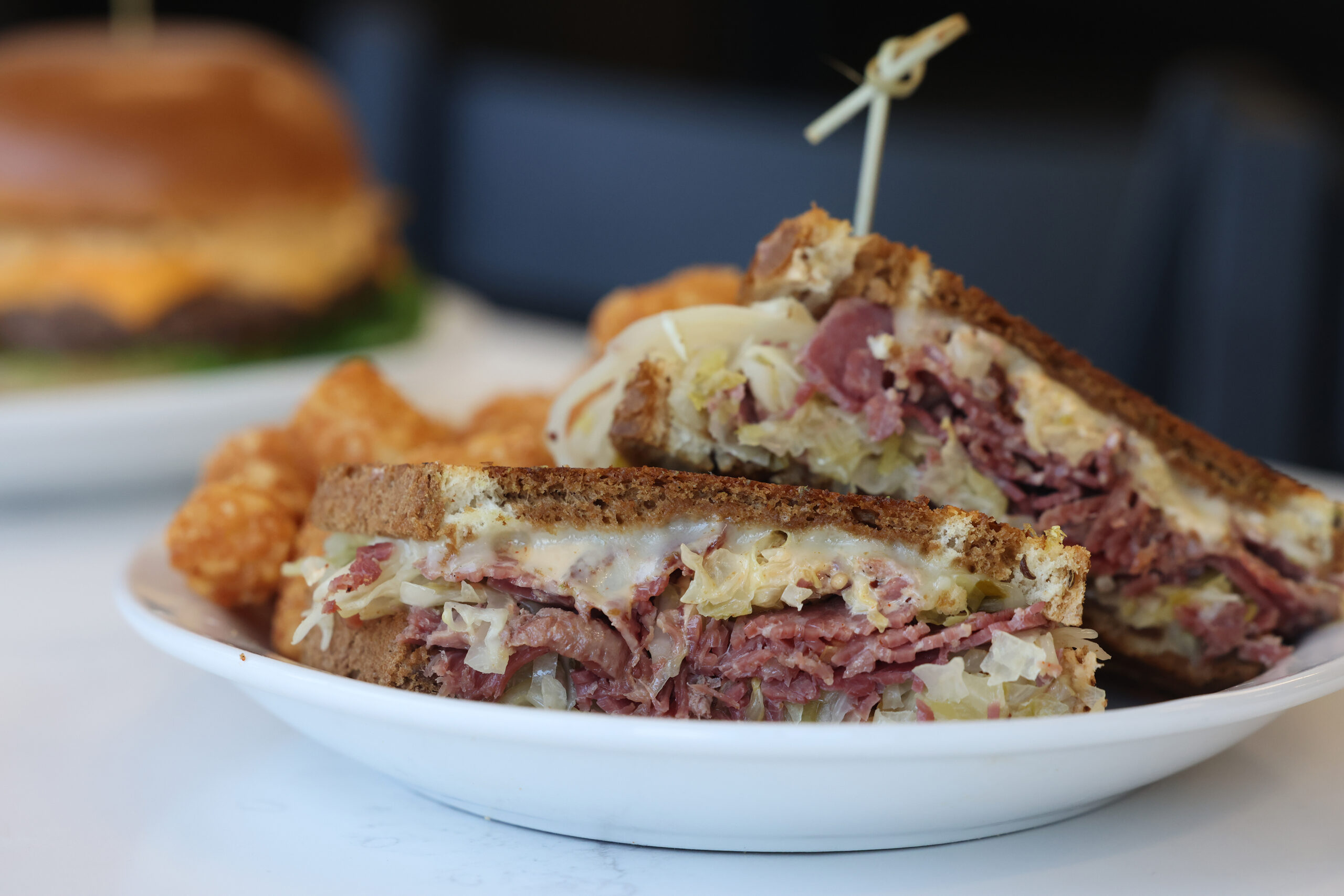
The Rueben sandwich with tater tots at Pressed in Rohnert Park Friday, April 17, 2026. (Beth Schlanker / The Press Democrat)
Reuben ($14): The zippy horseradish aioli is what sets this classic sandwich apart. Made with corned beef, sauerkraut and Swiss on toasted rye. Ask for a side of Pressed sauce for extra sauciness.
French Dip ($14): Skip the tri-tip and substitute in thinner “Philly steak” for a more authentic version. Griddled with red and green peppers and onions on a toasted French roll. The au jus is perfectly salty and dunk-worthy.
Loaded fries, The Classic ($9): Tots (rather than fries) are the best move here, keeping their crispiness while topped with ground beef, melted American cheese, pickles, grilled onions and Pressed sauce. Heat up the leftovers in the air fryer for a late-night snack. Bacon and cheese loaded fries with creamy cheddar sauce are also an excellent choice.
Chocolate and vanilla milkshakes ($6): Happy-making, if not life-altering.
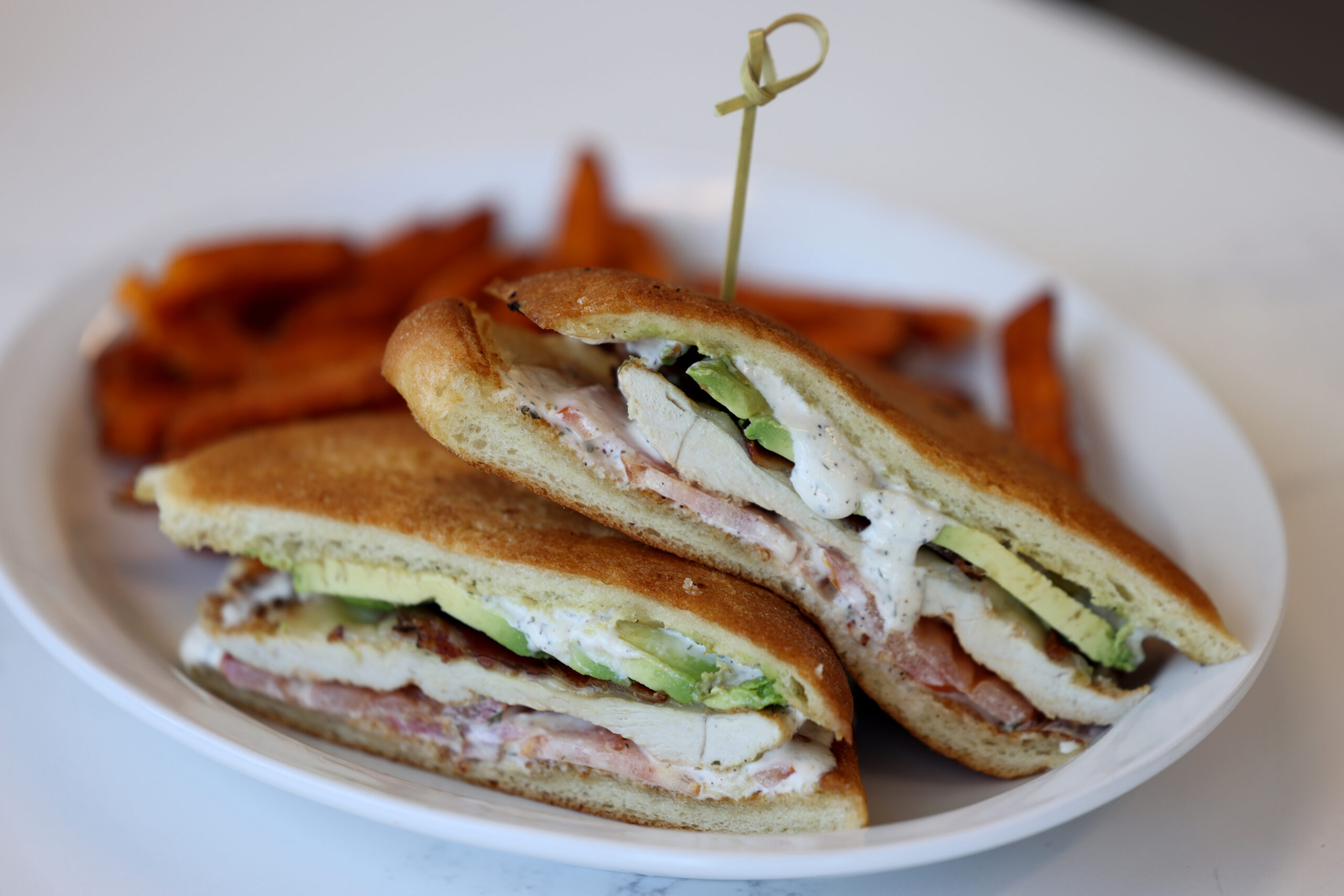
Chicken Ranch ($14): A satisfying sandwich, with a slim but flavorful piece of marinated chicken, thick slices of bacon, avocado, pepper jack cheese and housemade ranch on a ciabatta bun.
The Chicken Ranch sandwich made with marinated chicken, bacon, avocado, pepper jack cheese, tomato and house-made ranch on a ciabatta bun, with a side of sweet potato fries at Pressed in Rohnert Park Friday, April 17, 2026. (Beth Schlanker / The Press Democrat)Pressed in Rohnert Park Friday, April 17, 2026. (Beth Schlanker / The Press Democrat)
If you go
Weekday specials include a chili burger (Tuesday) and Shaka Burger with pineapple bacon jam on Friday. Vegetarian Beyond Burgers are available, gluten-free buns are not currently available, but burgers can be wrapped with lettuce. Beer and wine available. Open 8 a.m. to 2:30 p.m. Sunday through Tuesday; 8 a.m. to 8 p.m. Wednesday through Saturday.
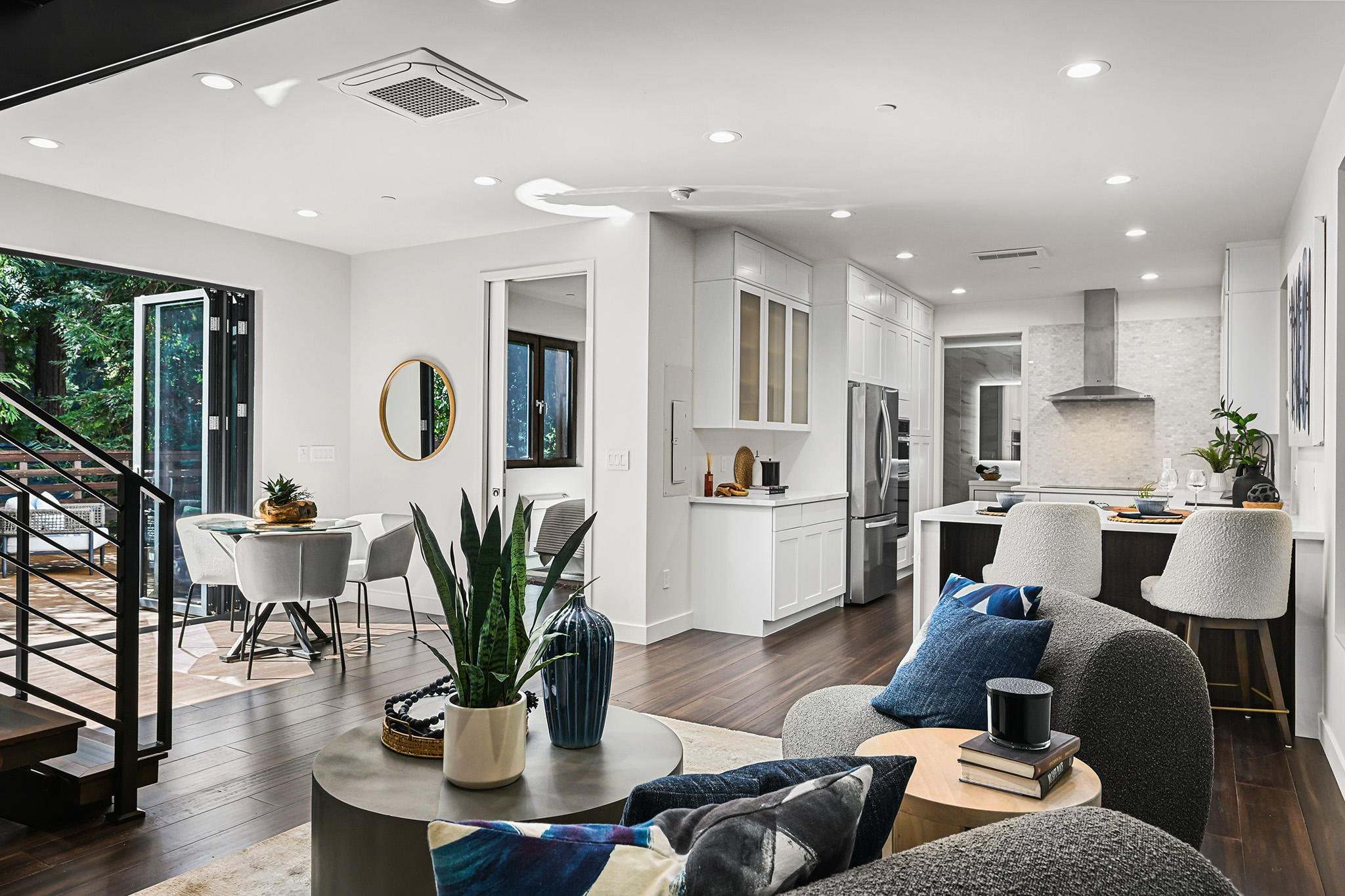
A newly built home in Rio Nido brings modern design and sought-after amenities to the Russian Riverredwoods. The three-bedroom, three-bathroom home is listed for $1,650,000.
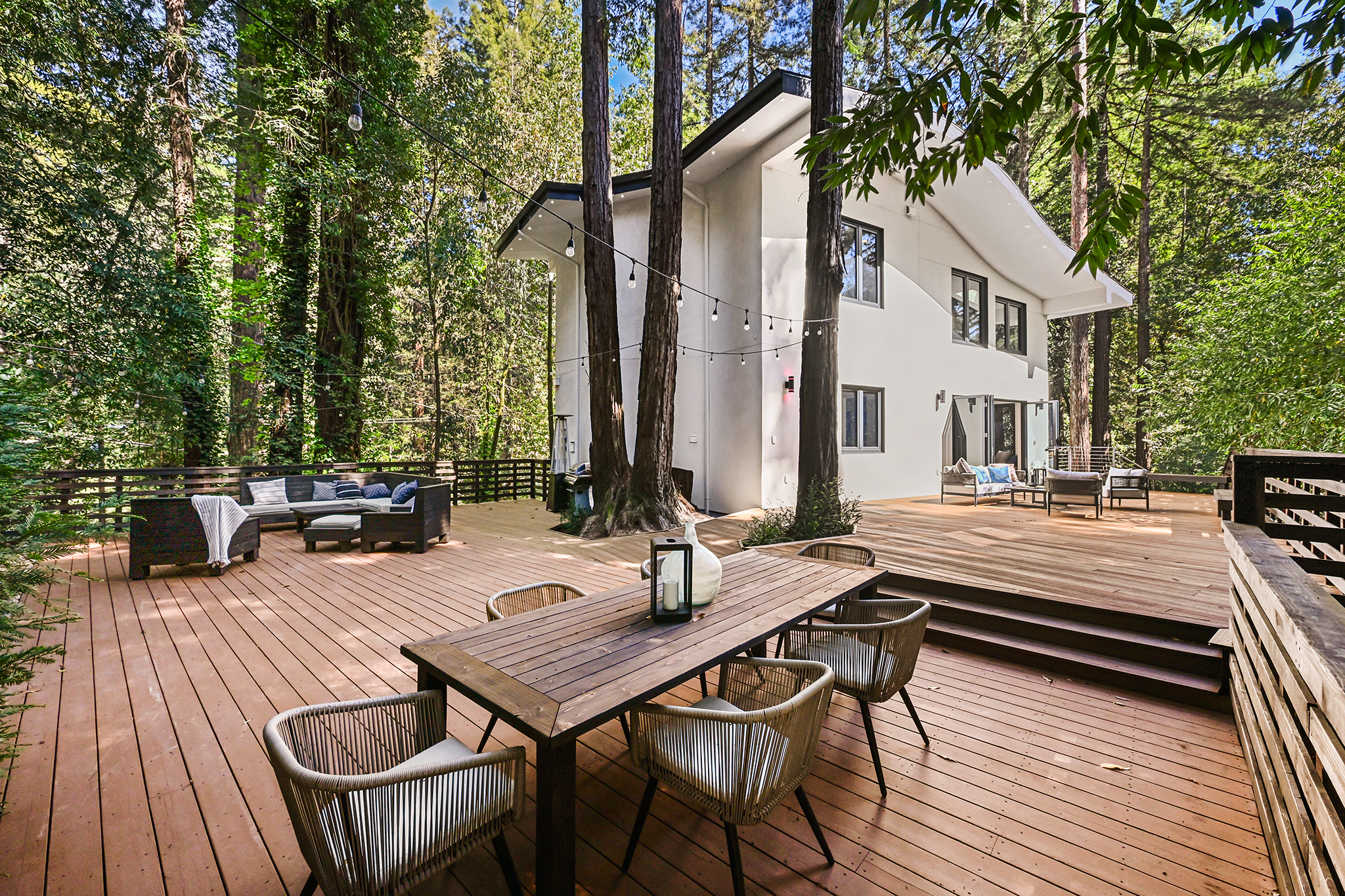
The dwelling’s 2,557 square feet of living space extends over three levels. The main level has a great room with a kitchen and dining, lounging and office areas. Plentiful windows and folding glass doors open to views and a substantial patio.
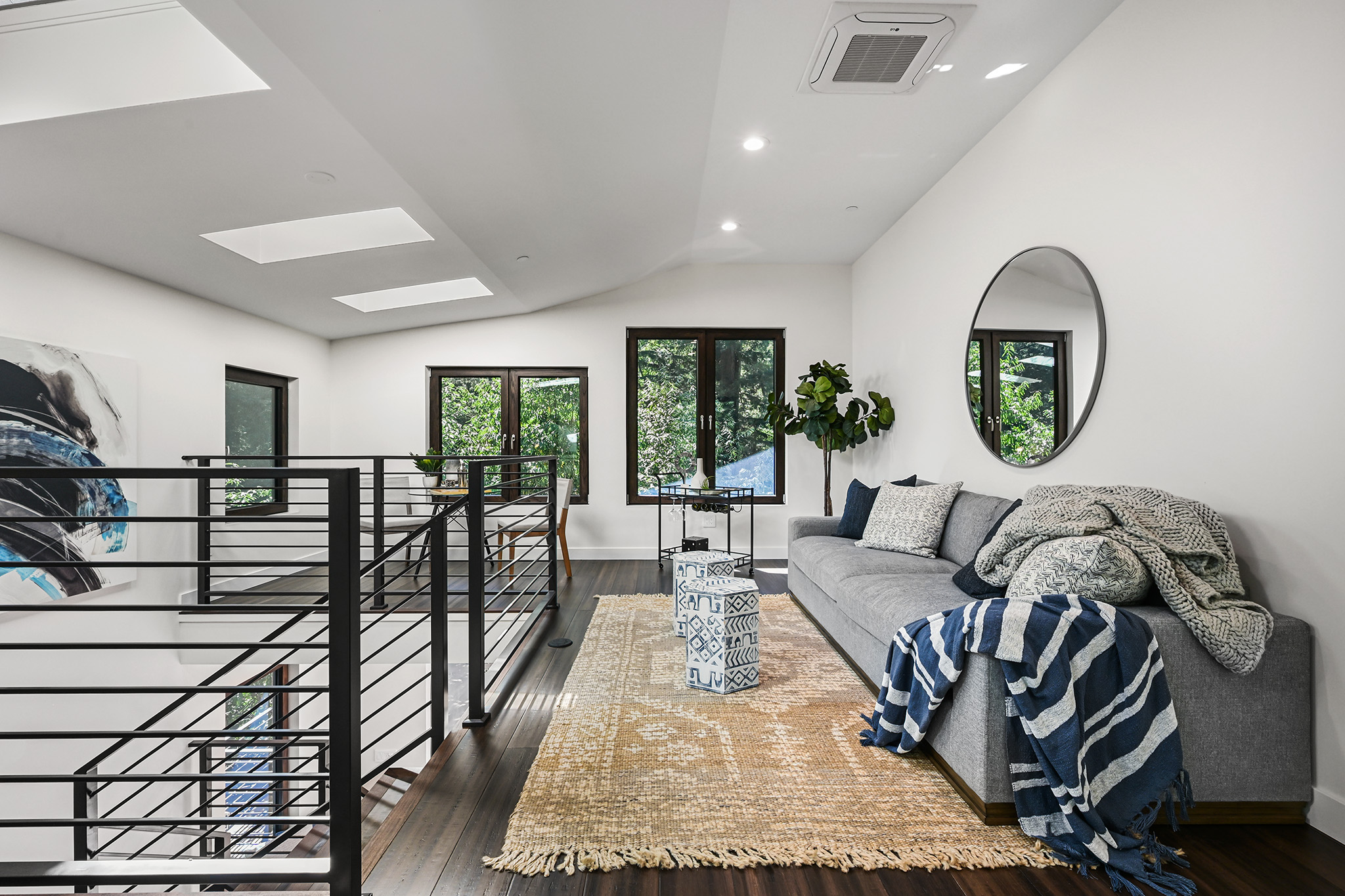
The top level enjoys tree-top views in the main bedroom, an en suite bathroom, and flexible work and lounging areas. The bottom level includes an apartment with its own entrance.
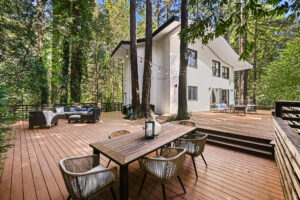
Great room on the middle level. (Jesse West / West media)Lounge area on top-level landing. (Jesse West / West media)Deck. (Jesse West / West media)
The open staircase with windows and skylights connects the levels and provides a well of light and views that emphasize the home’s height alongside the towering trees.
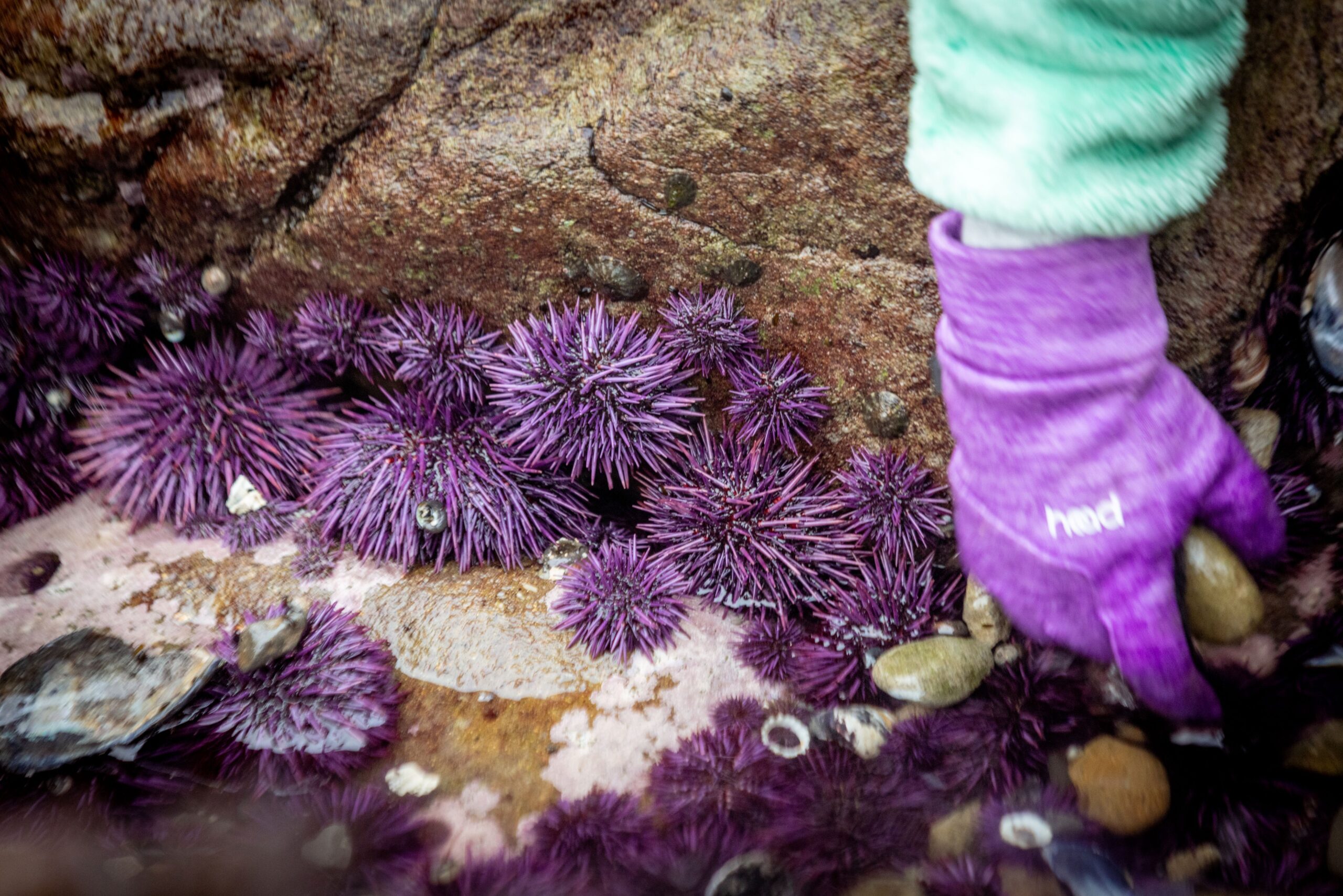
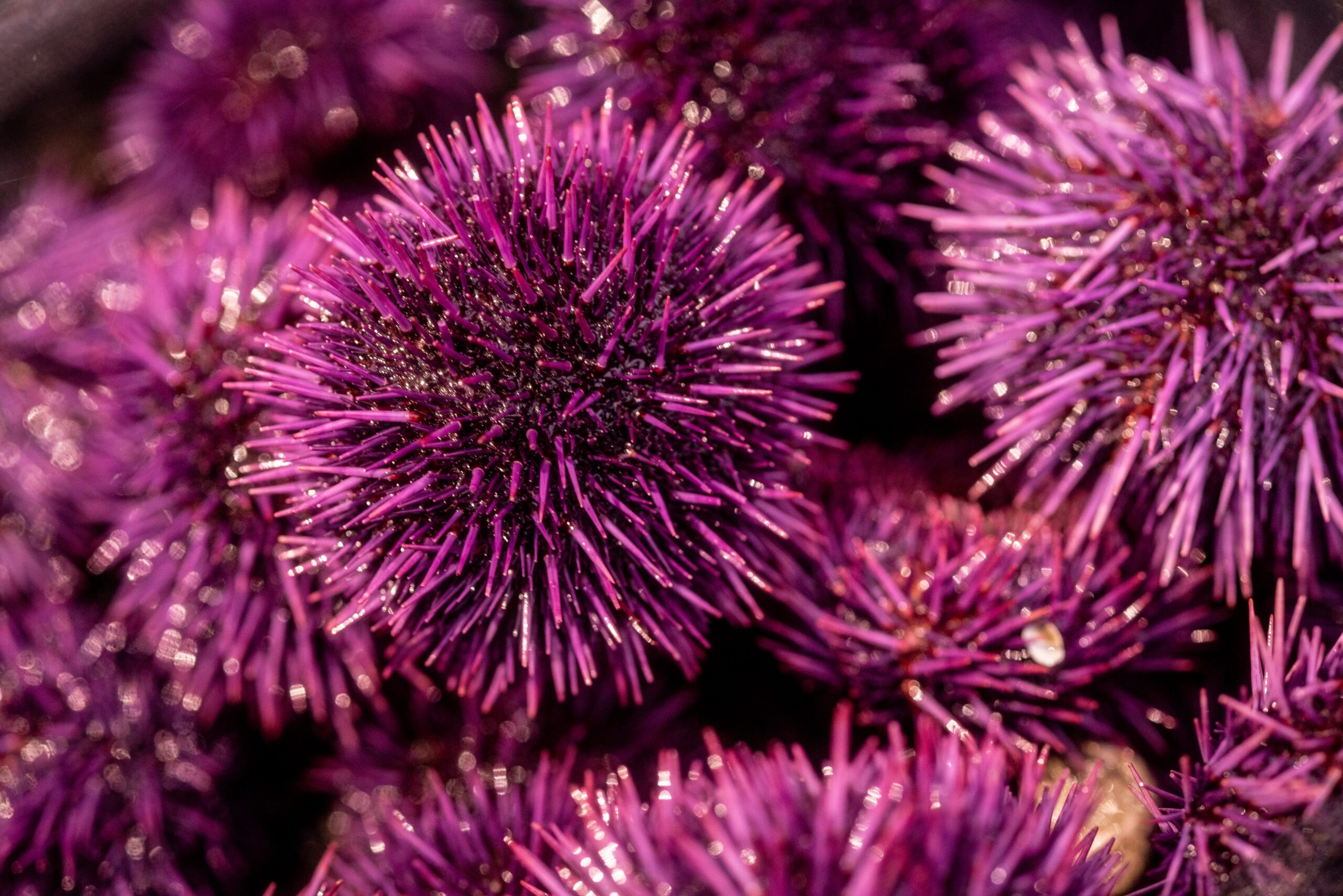
Purple sea urchins gathered during a sea urchin uni foraging class with Fork in the Path tours Jan. 18, 2026 at the Sand Beach Cove at Fort Ross State Historic Park on the Sonoma Coast. (John Burgess / The Press Democrat)
At first glance, it hardly looks like the beginning of a sea-urchin foraging expedition: a circle of 40 people on the grass pretending to be kelp, feet rooted to the ocean floor, swaying from the knees up in the current, arms elastic like stalks, heads bobbing. It could be a flash mob reviving the ’60s dance sensation “The Swim.”
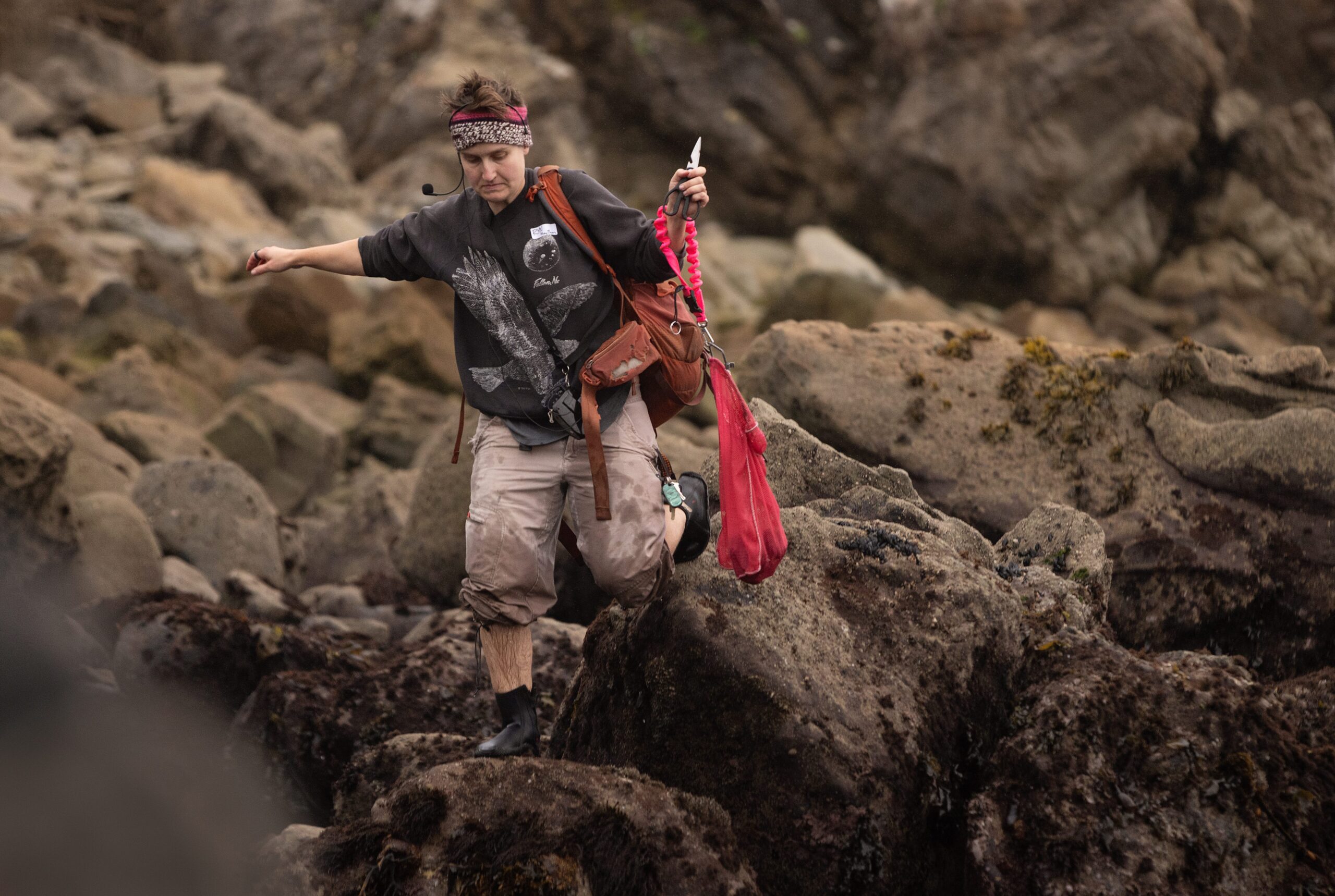
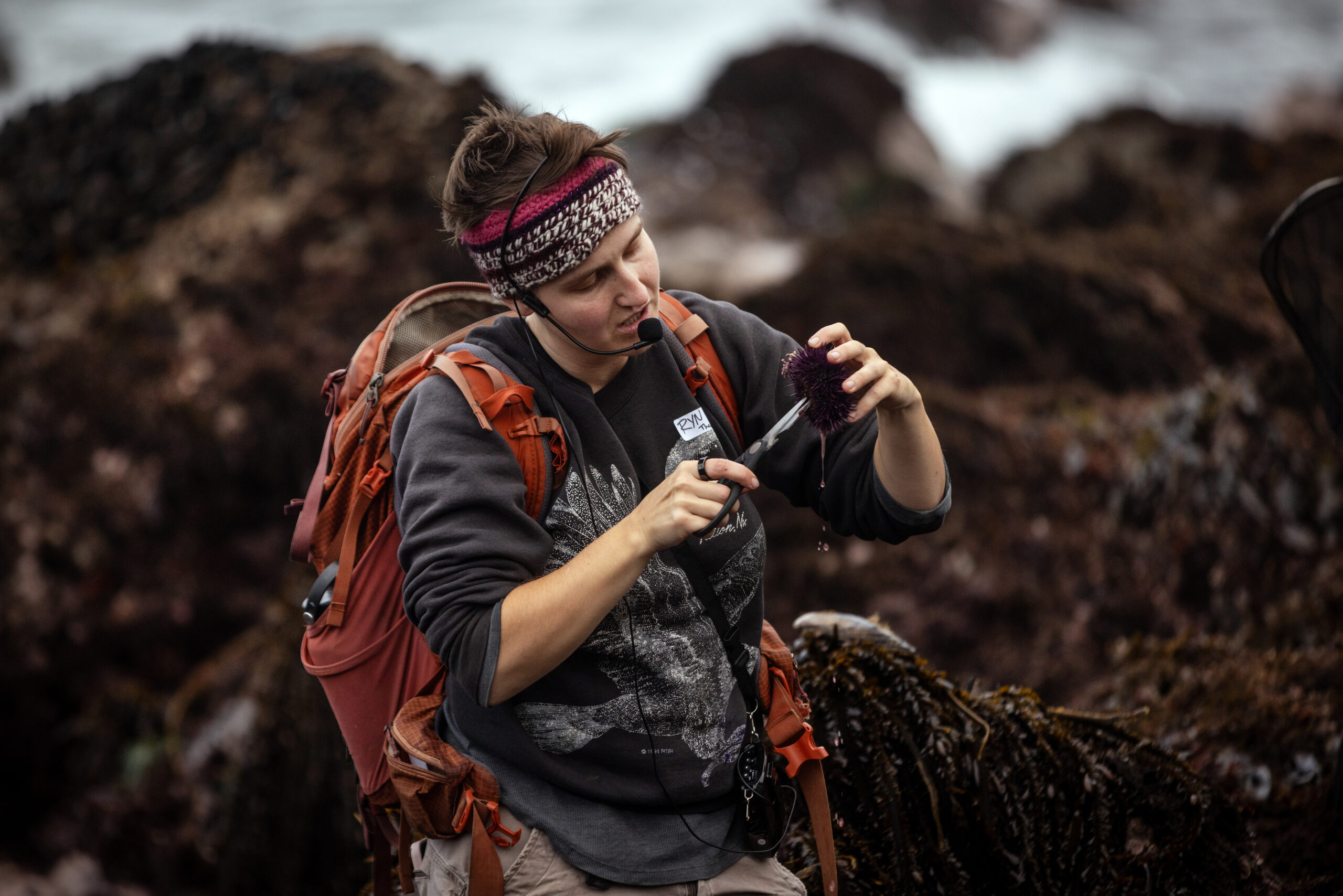
“Wave your kelpy arms all around as your back warms up and your arms warm up,” says teacher Ryn Sullivan, who, along with colleague Ricardo Romero Gianoli, leads curious landlubbers into the ocean for Fork in the Path, a Berkeley-based company that curates wild-food foraging adventures throughout the Bay Area.
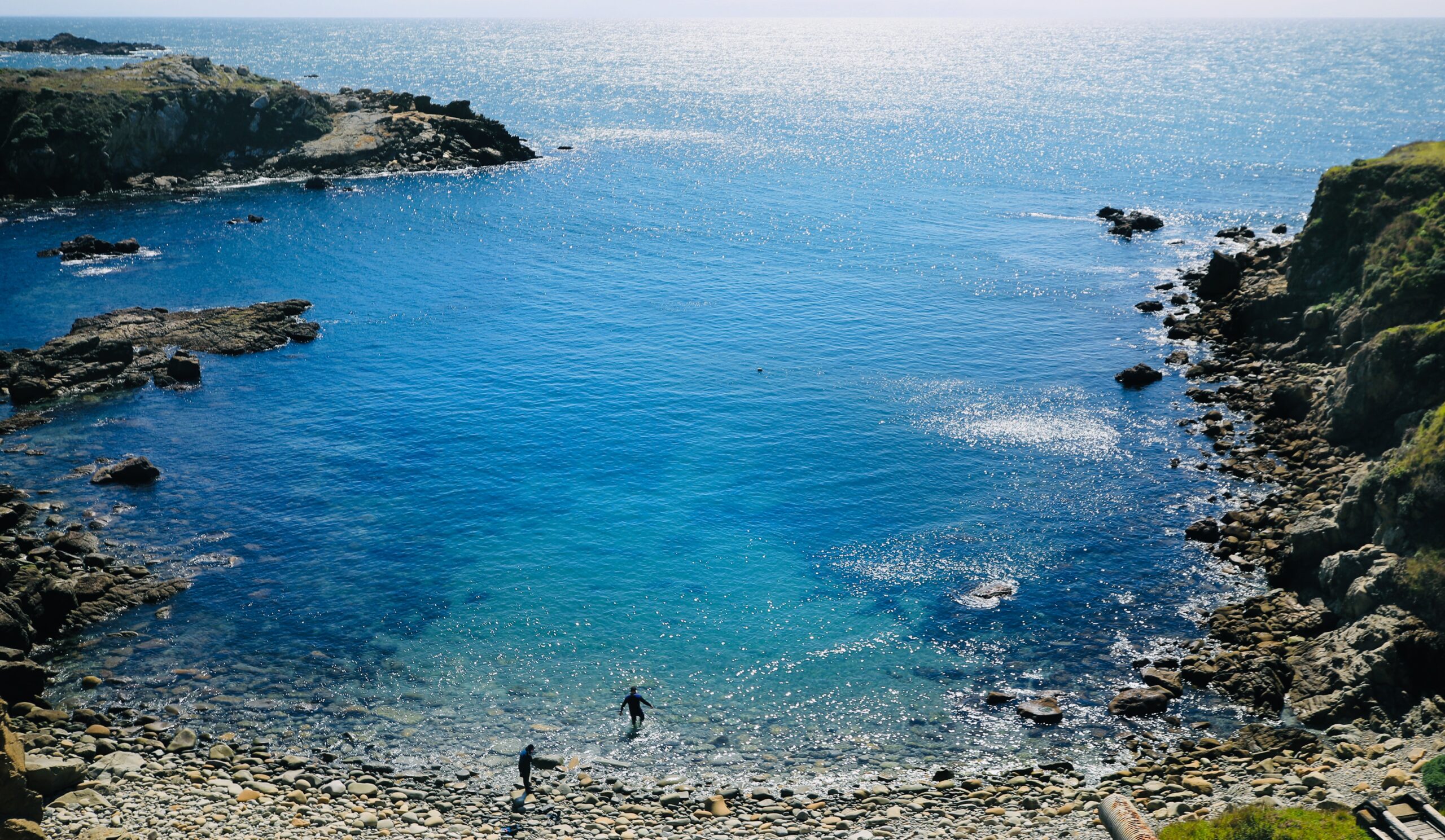
It’s a late Thursday afternoon alongside the Fort Ross State Historic Park parking lot, not far from a sheltered cove where briny treasure awaits at low tide. “Now we are sea urchins,” Sullivan beckons, encouraging everyone to squat down on the sea floor of grass.
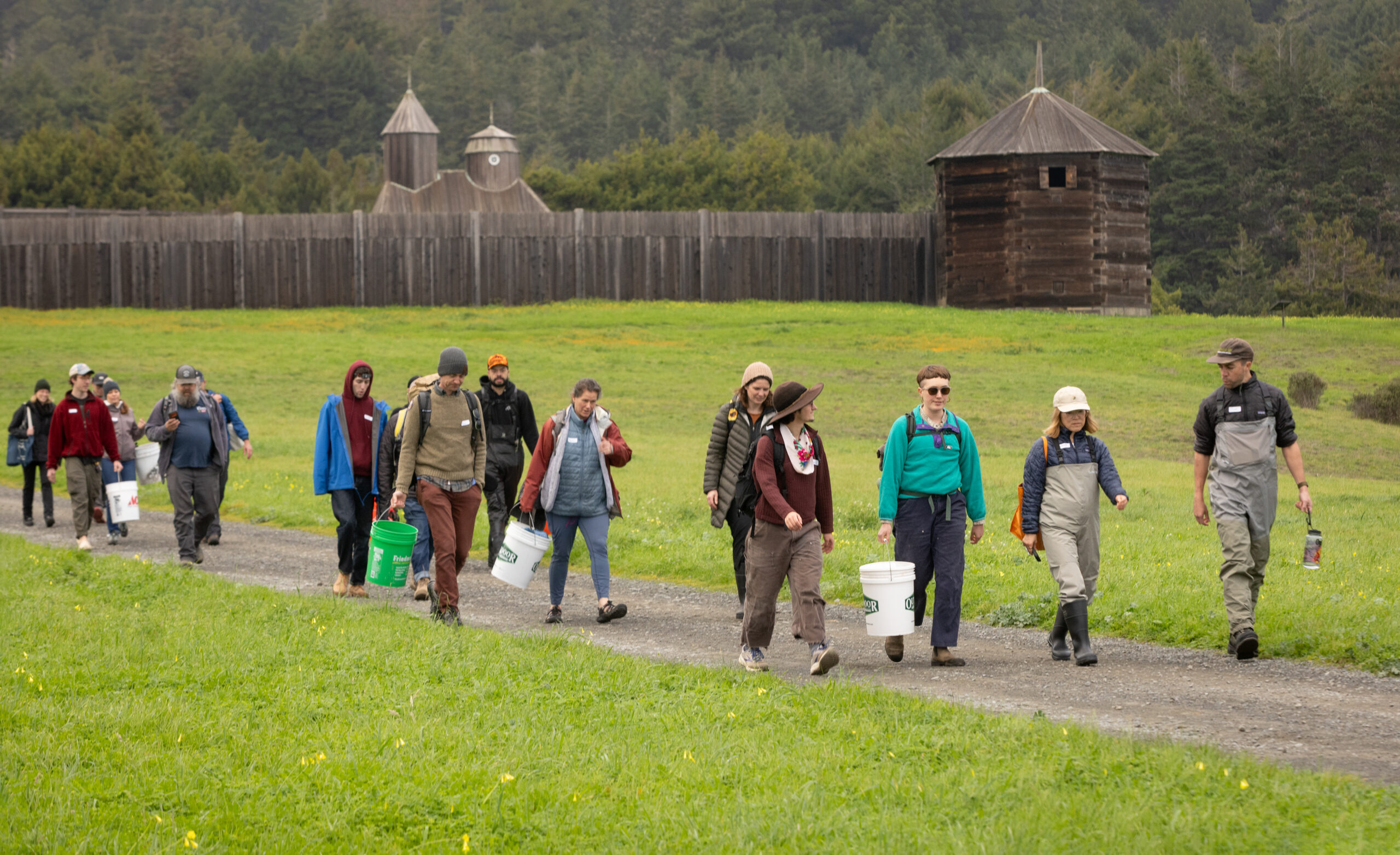
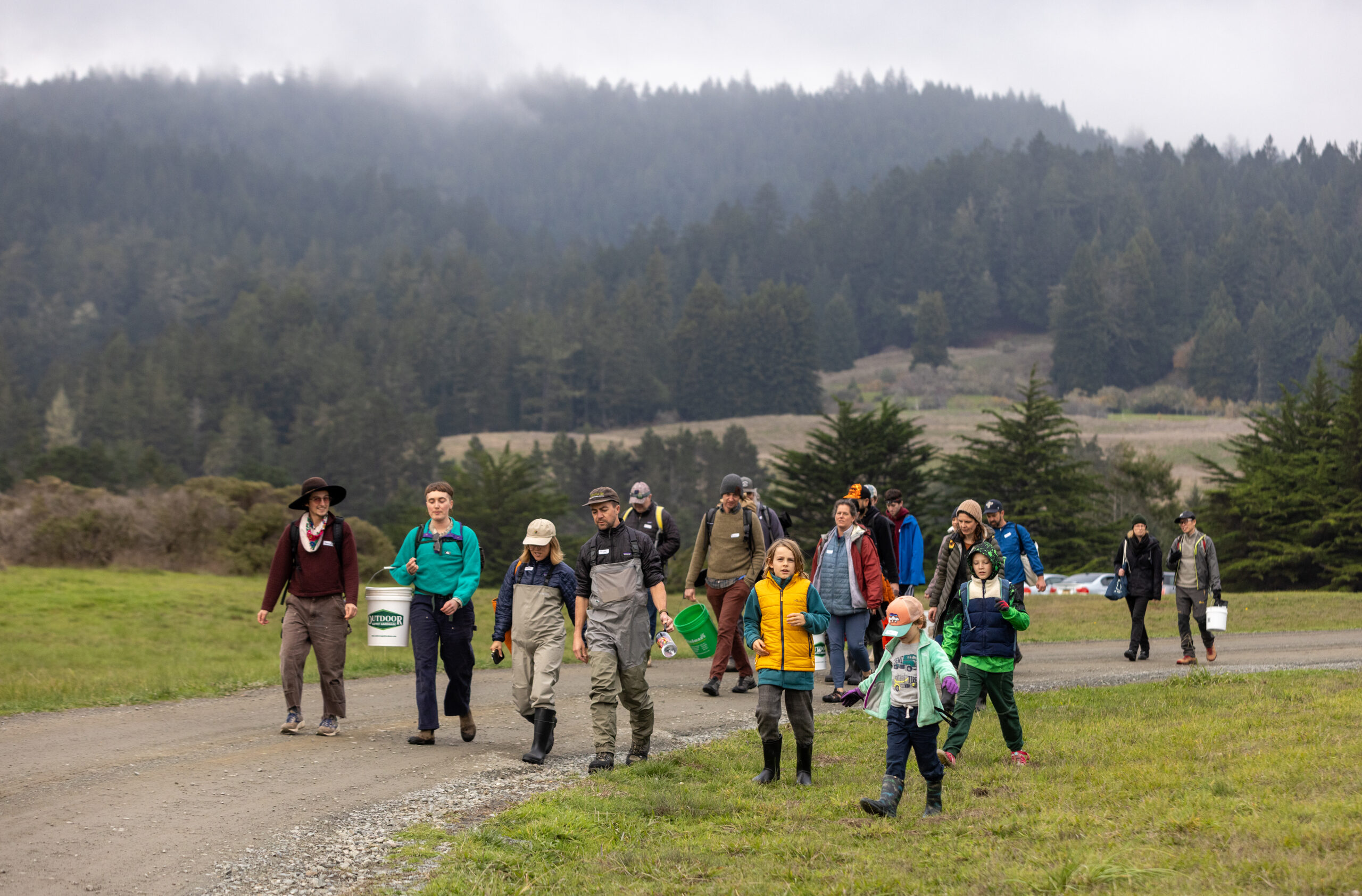
With their buckets and waders, participants in a sea urchin uni foraging class with Fork in the Path tours head to a beach near Fort Ross on the northern Sonoma Coast for the harvest Jan. 18, 2026. (John Burgess / The Press Democrat)
Earlier, a puzzled park ranger stopped by to take in the scene. “You guys have a pretty big group—what’s going on?” he asked a would-be forager.
They’ve come from miles around—some as far as Connecticut and Los Angeles, others as close as Occidental and Sebastopol—a ragtag band of foragers all in search of the notorious purple sea urchin. Martin Wobig drove over an hour from Santa Rosa to learn to harvest a creature he’s never actually tasted, although he’s seen uni on the menu many times at sushi restaurants. “I’m curious to see what they taste like. I mean, they’re gonads, so that’s the initial thought,” he says, grimacing slightly. “But they’re supposed to be a delicacy.”
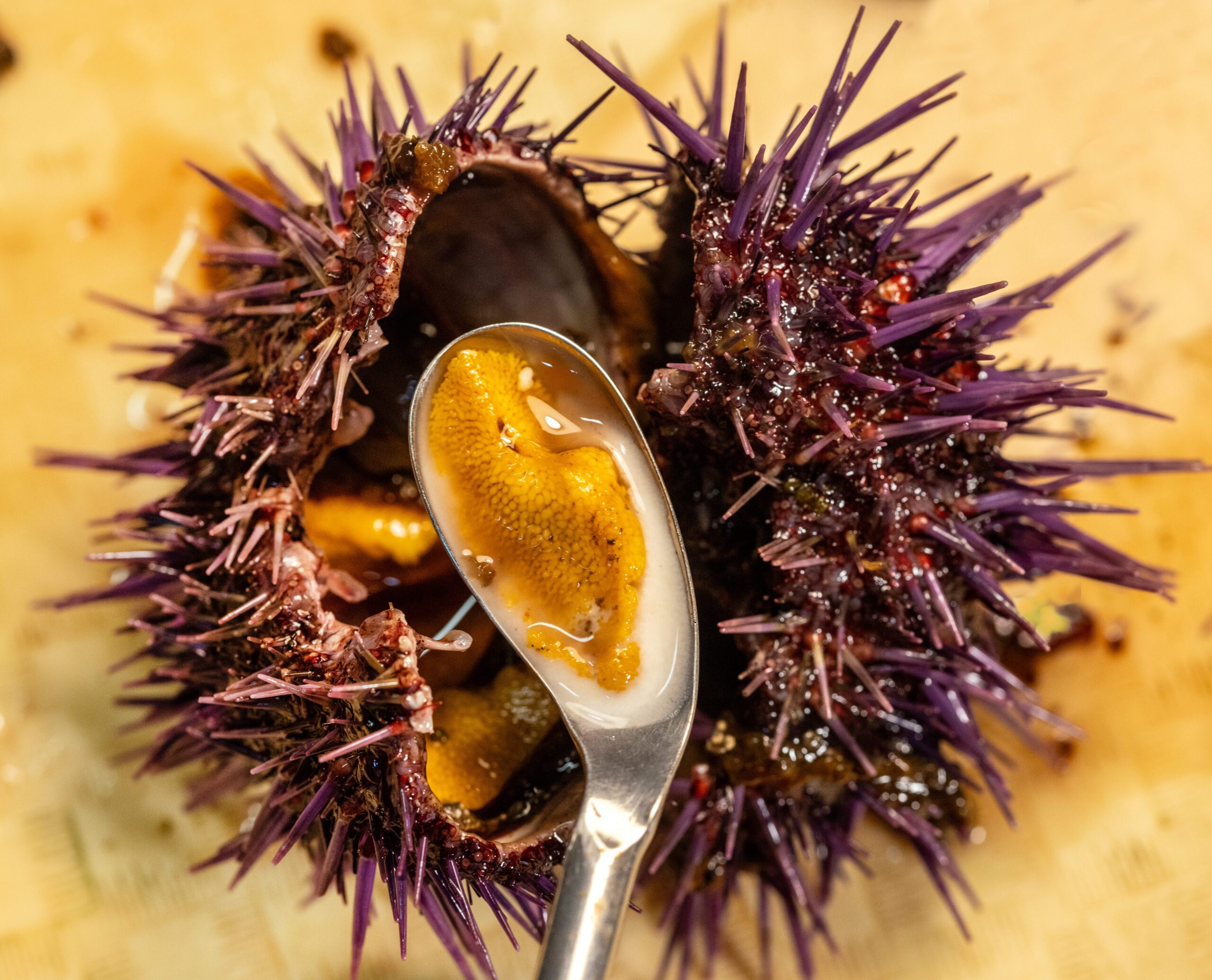
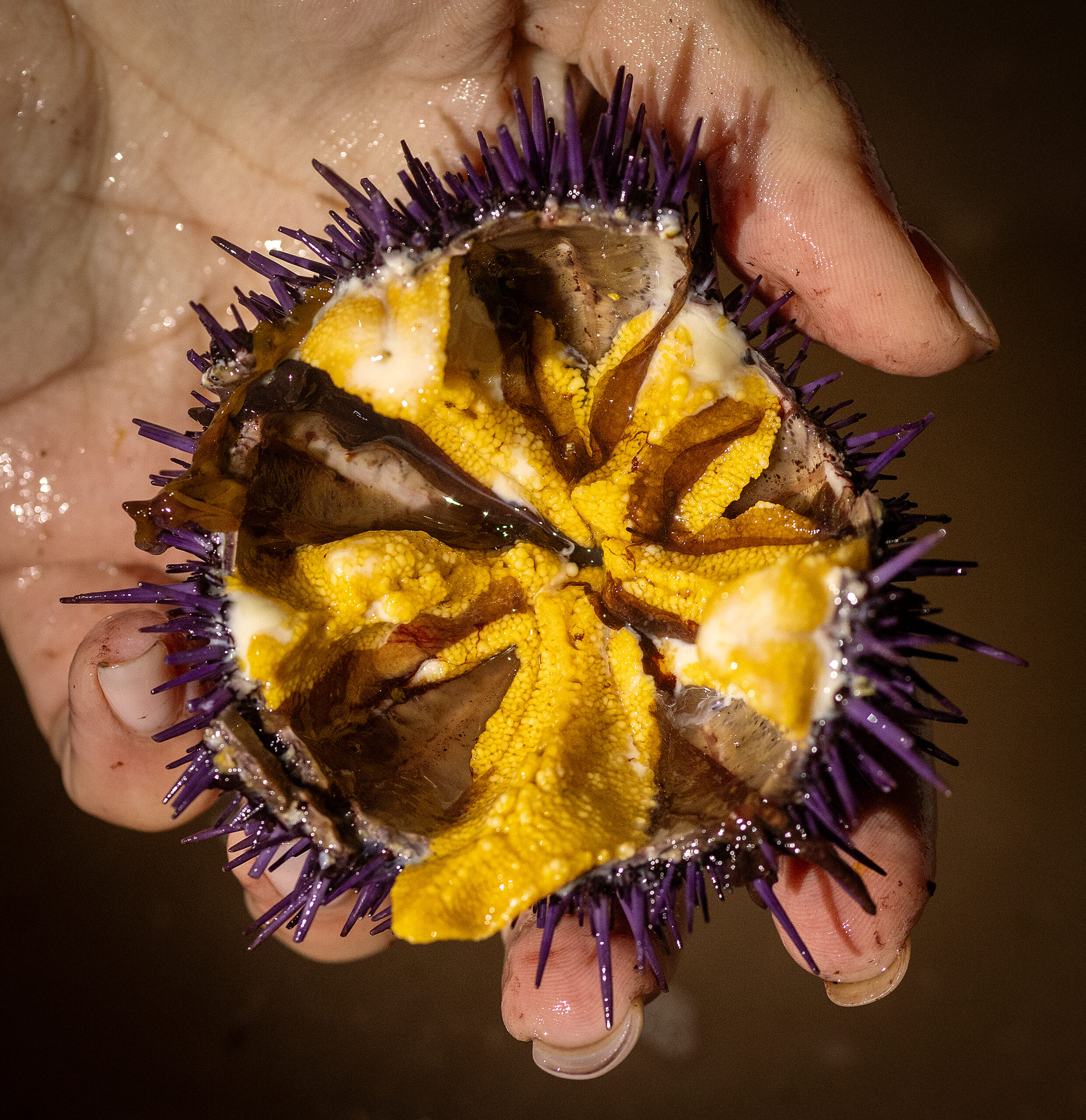
The dissected purple sea urchin reveals the gonads, the edible uni, with the sperm that makes them such prolific breeders along the Sonoma Coast. (Courtesy of Maya Munstermann)Bodega Marin Lab PhD candidate Maya Munstermann studies urchins and the effects of climate change and marine heatwave events on kelp forest ecosystems. (Courtesy of Maya Munstermann)
There’s something about the spiny, round marine invertebrate that draws people in. Maybe it’s the forbidding exterior or the salty sweet interior that is the roe. Or maybe it’s the hard-to-fathom stories of how this seemingly innocuous little creature is directly responsible for the destruction of more than 95% of the kelp forest along the North Coast. It turns out climate change and the centuries-long mass hunting of sea otters have left the hungry sea urchins without any natural predators. To convey the impact, Sullivan asks people to imagine a similar outcome on land. “What if the redwood forests just disappeared overnight? That’s kind of what happened with the kelp forest. But people can’t see beneath the water, so we’re trying to give them that same kind of scale and understanding.”
The marching orders are clear as Sullivan, who uses gender neutral pronouns, tells everyone, “We can take 35 sea urchins per person today. All together in our 40-person class, that is 1,400 urchins removed from this tidal ecosystem, which takes some pressure off the reef.” Their hope is that starving urchins off the coast, where the kelp once grew, will come in and fill the void, and the next round of foragers will remove them, creating a continuous cycle of population reduction.
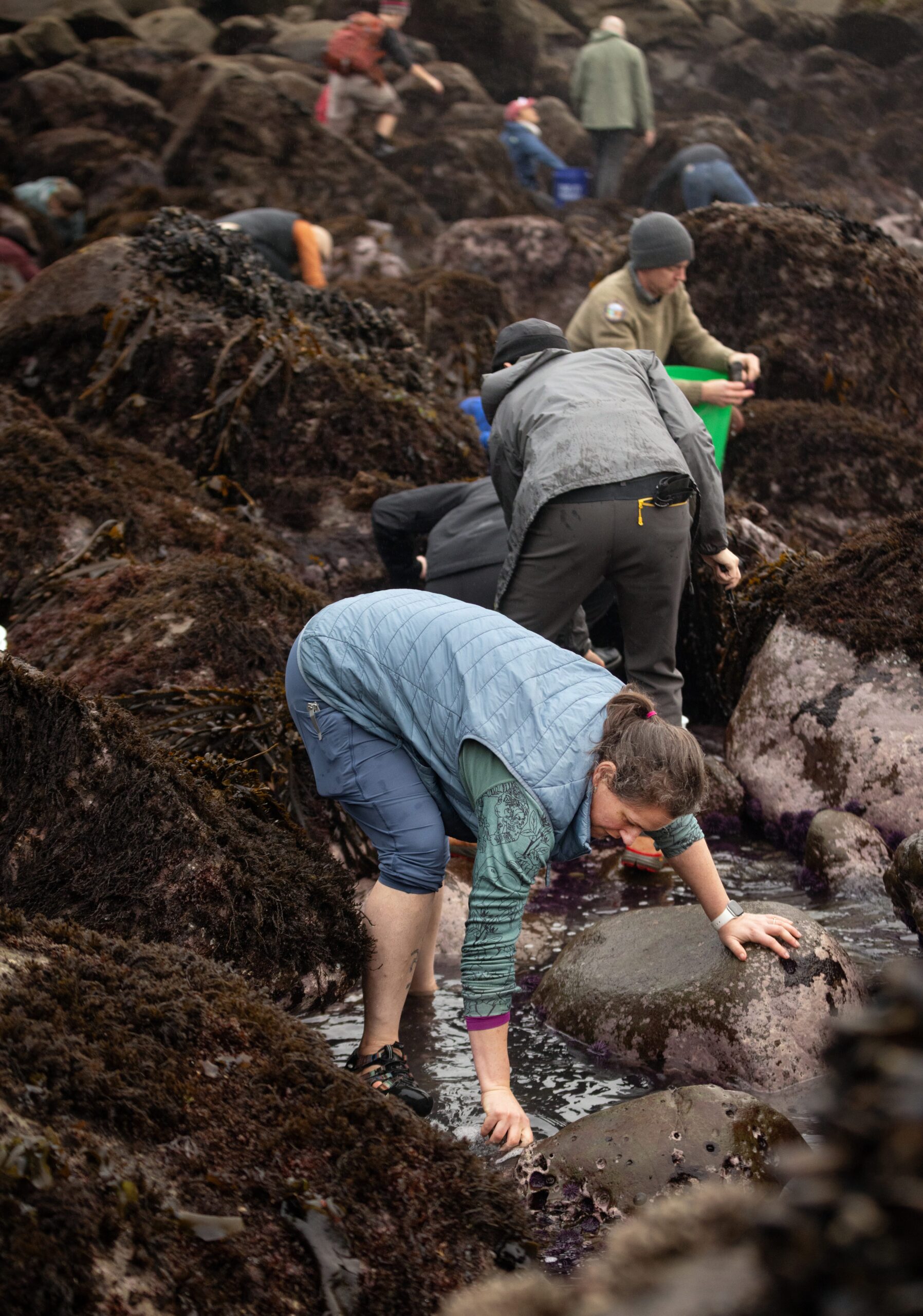
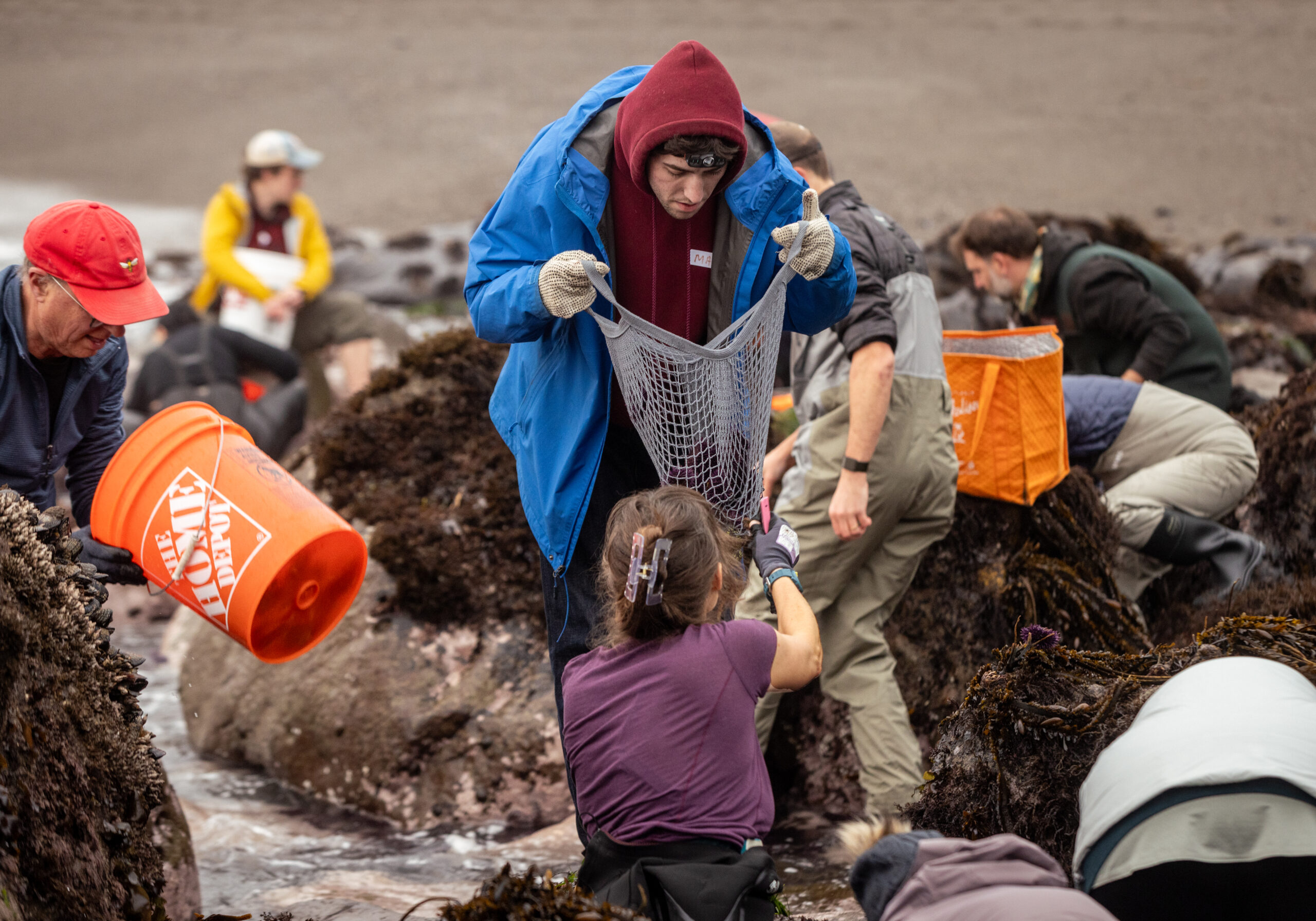
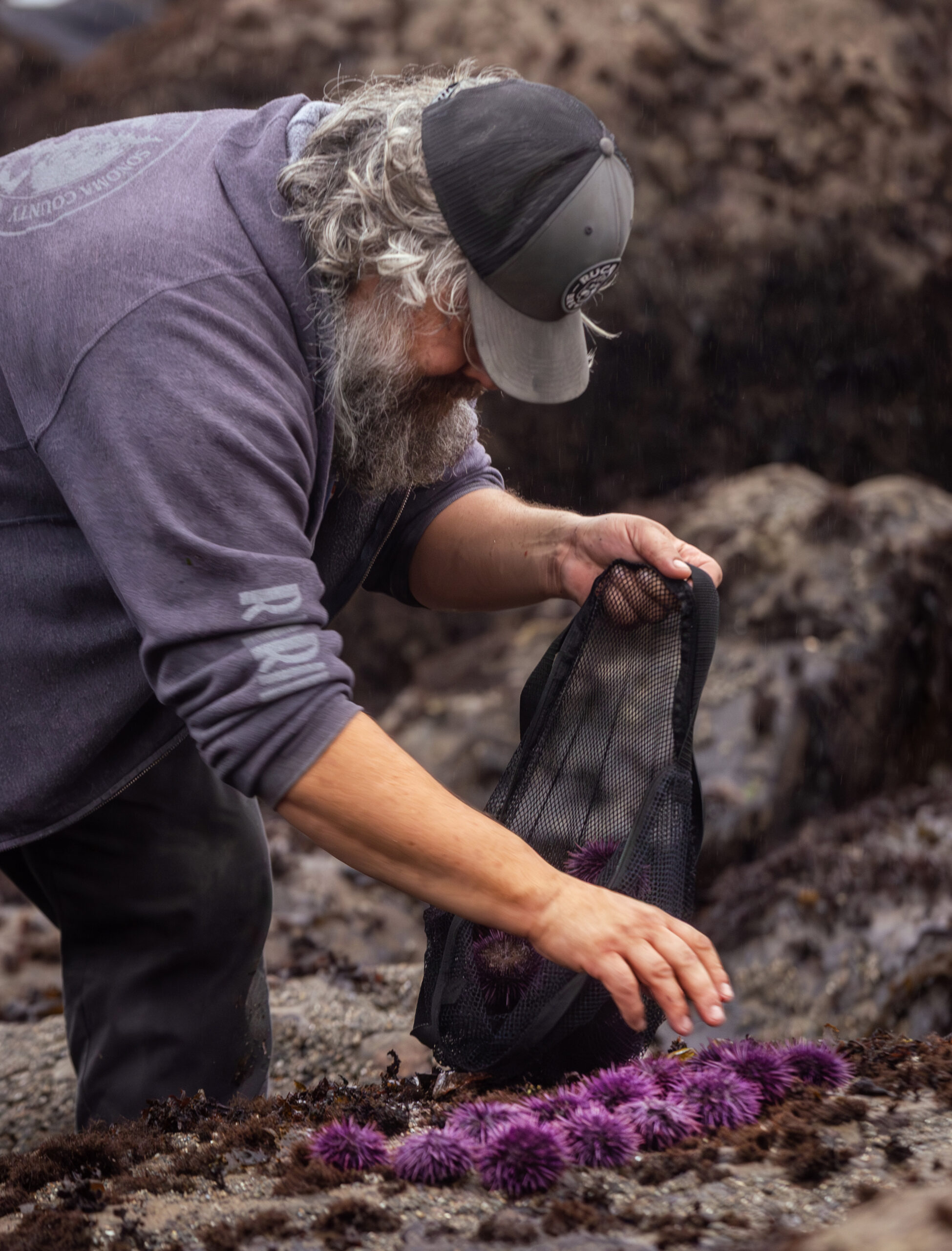
On a mission, the harvesters—some decked out in expensive waterproof gear from head to toe, others in jeans and hiking boots—gather their bags and makeshift tools, and off they go, hiking down to a cove where a minus tide has exposed glistening tide pools rich with aquatic life.
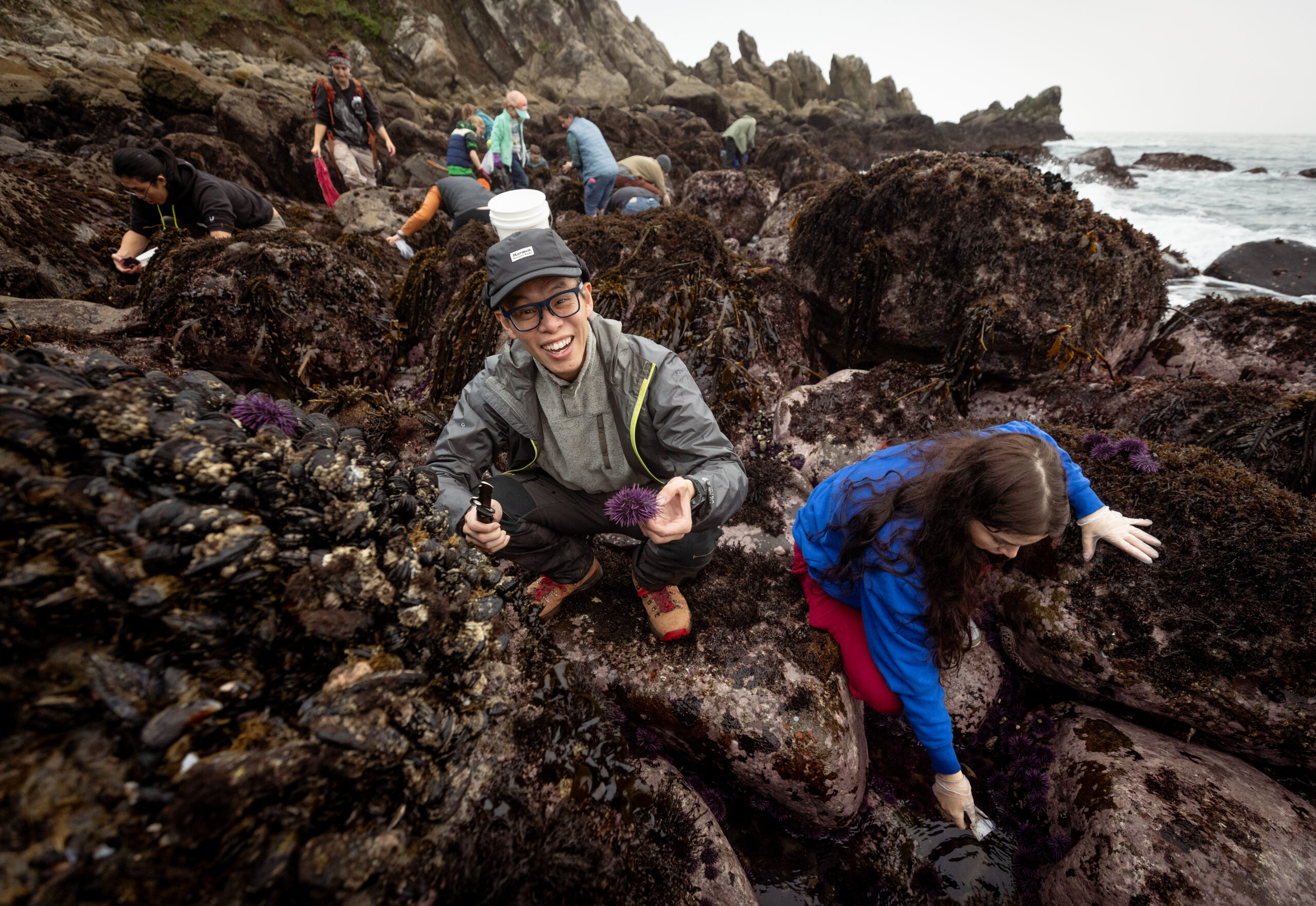
With their buckets and waders, participants in a sea urchin uni foraging class with Fork in the Path head toward a beach near Fort Ross for the harvest Jan. 18, 2026, on the Sonoma Coast. (John Burgess / The Press Democrat)Delicacy seeking foodies comb the rocks for purple sea urchins during a foraging class with Fork in the Path Jan. 18, 2026, at a beach near Fort Ross on the Sonoma Coast. (John Burgess / The Press Democrat)
Long before the Russians ran aground in this same inlet in the late 1700s, later building Fort Ross trading post in 1812, the Kashia Pomo harvested sea urchin and abalone here for as long as anyone can remember. Their nearby village of Metini moved every few years so they didn’t deplete natural resources in one area. At the time the Russians settled, Metini was a little to the east of the fort, closer to Highway 1.
“For Kashia, we are from the ocean,” says Anthony Macias, Cultural and Tribal Preservation Officer for the Kashia Band of Pomo Indians of the Stewarts Point Rancheria. “We have a lot of contact with the ocean. It’s been with us since the beginning, you know, since Creator made us.”
Most often, they ate sea urchin raw. Occasionally, they would dry it by curing the roe over a fire and saving it for a snack later. They also used urchin roe in fish traps made from willow branches.
But that all changed when the Russians arrived. Driven by greed and an endless demand for hats and coats, fur traders nearly wiped out the entire North Coast population of sea otters by the end of the 19th century. According to tribal lore, the Pomo tried to warn them about driving the sea otter to regional extinction. “To this day, everything we have said has come true,” says Macias.
As a boy he pulled abalone from the sea, many more than a foot long. “Now we can’t hunt our abalone because of what happened to the ocean—how it got depleted, how we lost the kelp forest, how we’re even losing seaweed.”
Dan Furr and his daughter Chelsea, 13, of Woodland, prepare to snorkel in Gerstle Cove on the Sonoma Coast at Salt Point, Saturday, March 13, 2021. Very little bull kelp remains in the cove. (Kent Porter / The Press Democrat)
In 2015, when the Kashia Pomo regained nearly 700 acres of their ancestral land near Stewarts Point, it was the year after what many scientists call “a perfect storm” was set in motion. In 2014, an El Niño heat wave raised water temperatures around 10 degrees above average. Soon after, a lethal bacteria began infecting sea stars—especially the sunflower sea star, the only other major predator of sea urchins after the sea otter. The sea star wasting disease spread quickly, from Mexico to Alaska, destroying around 99% of the sunflower sea star population in Sonoma County. Left unchecked and without predators, purple sea urchin populations exploded, increasing to around 60 times their average number, voraciously devouring more than 95% of the bull kelp forest along the Northern California coast.
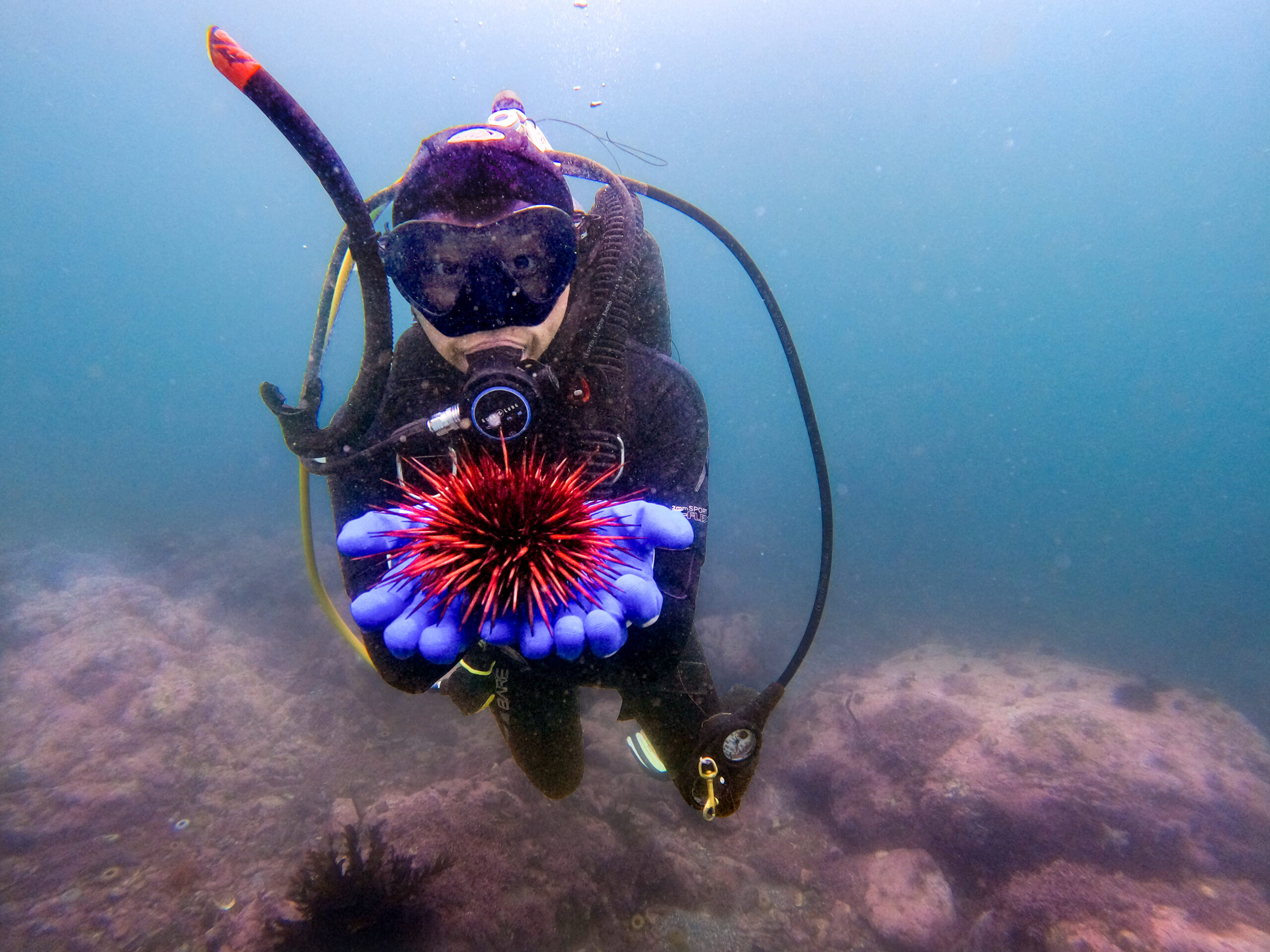
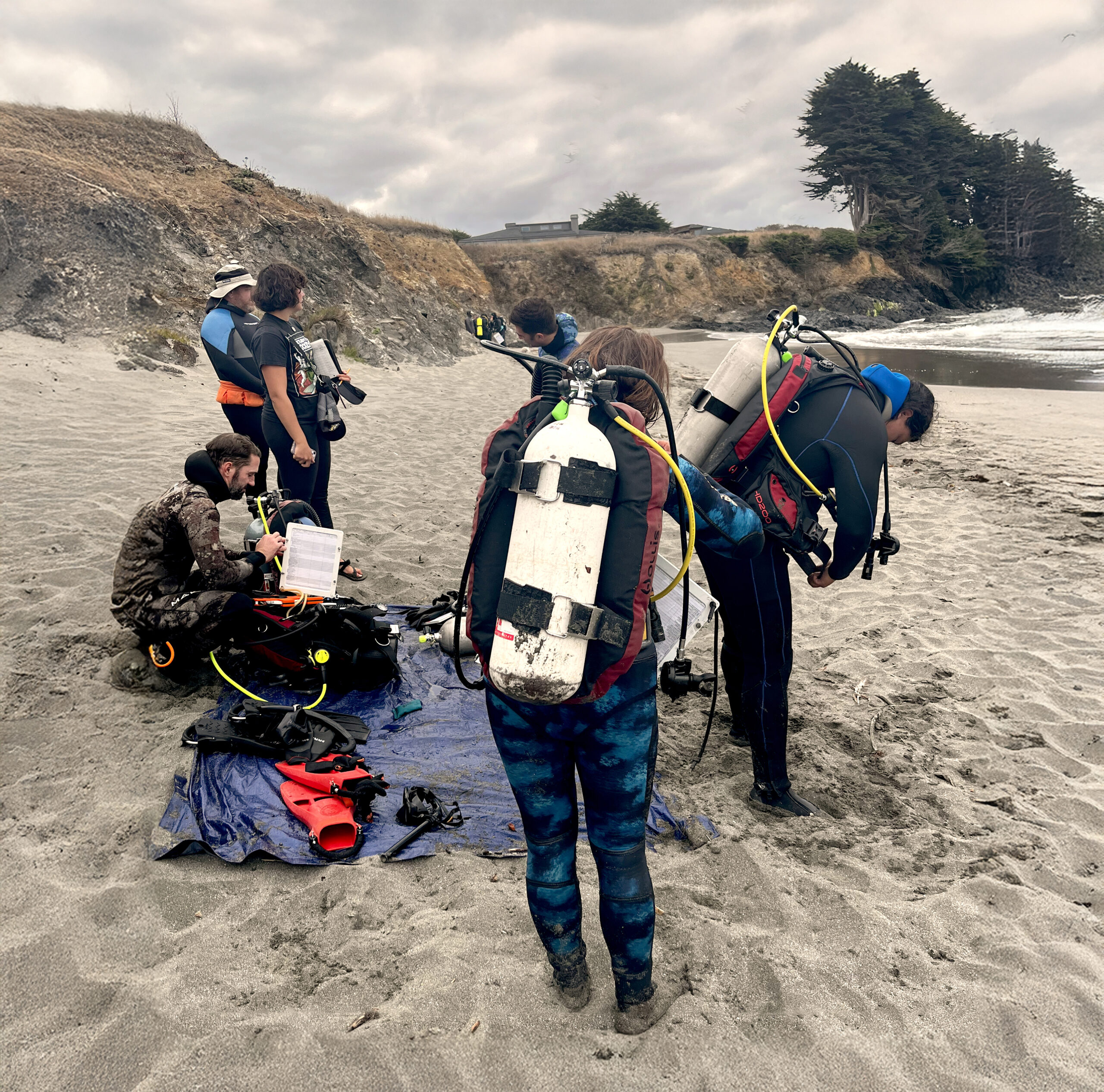
Over the past decade, myriad volunteer groups have taken to the ocean to try to curtail the rampant spread of urchins. Sullivan, the Fork in the Path guide, volunteers with the Purple Urchin Removal Project (PURP), free diving to collect and remove urchins in Stillwater Cove, 4 miles north of Fort Ross. And Gianoli is a member of the Caspar Cove Project, a team of divers who have an emergency permit to destroy purple sea urchins in designated waters off the Mendocino coast.
Fork in the Path instructor Ryn Sullivan heads to the beach with a bag of harvested purple urchins Jan. 18, 2026, near Fort Ross on the Sonoma Coast. (John Burgess / The Press Democrat)Bodega Marin Lab Ph.D. candidate Maya Munstermann studies urchins and the effects of climate change and marine heatwave events on kelp forest ecosystems. (Courtesy of Maya Munstermann)
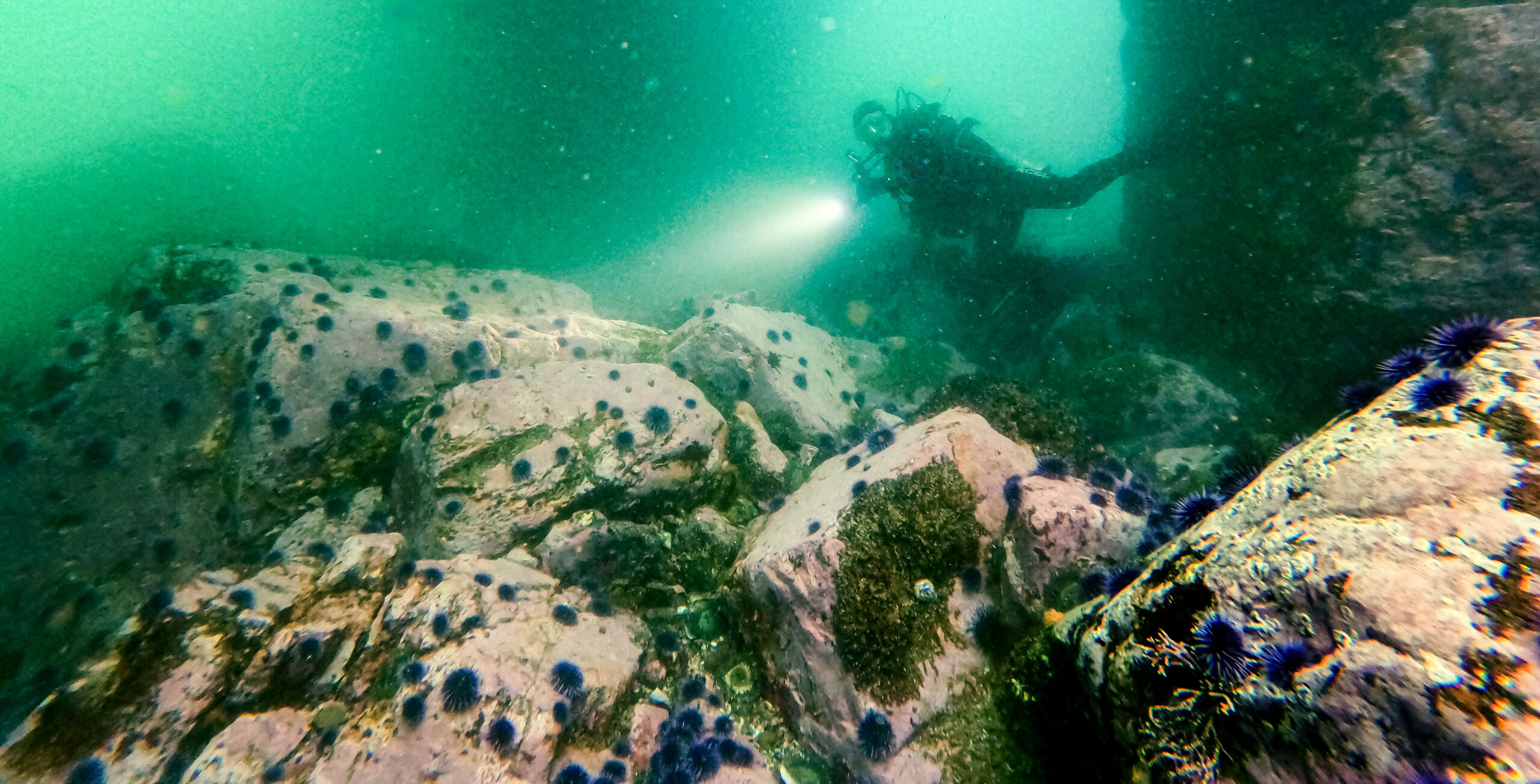
“Diving underwater, all you see is just this barren landscape like Mars or like a deforested plain,” says Maya Munstermann, a marine ecologist working toward her Ph.D. while studying purple sea urchins and kelp forest restoration at the UC Davis Bodega Marine Laboratory. “It’s weird because there’s no shade. The bull kelp provided all the shade. Now, under this wide-open bright light, you see urchins all over the ground, all these purple spines and nothing else.”
Urchins typically gnaw away at the kelp’s base, the holdfast that roots its long trunk or stipe (often 100-150 feet long) to the seafloor. Once detached, kelp plants drift away to die, leaving vast urchin barrens covered with starving “zombie urchins,” barely sustained by algae and seaborne nutrients. Without much food, their roe shrivels up—to the point where unlucky harvesters crack open the shell to find hardly any food inside.
Dan Swezey, left, leads a group of Kashia tribal members on a diving and ocean skills course in Hawaii this January. (Courtesy Dan Swezey)Dan Swezey leads a group of Kashia tribal members on a diving and ocean skills course in Hawaii this January. (Courtesy Dan Swezey)
But Munstermann is working with fellow marine ecologist Dr. Dan Swezey on an “urchin ranching” project that will hopefully create a rich uni pipeline for restaurants and provide jobs for the Kashia Pomo, a non-gaming tribe. Last year, as part of a grant to restore the kelp forest, the tribe teamed up with commercial divers and several marine science organizations to remove tons of sea urchins off the coast near Shell Beach in The Sea Ranch. A team of Pomo divers is currently in training. For now, they’re turning the high-calcium urchin remains into compost for farmers. But, by next year, they hope to have an aquaculture facility in place to farm both urchins and abalone—a shellfish of great cultural and spiritual importance to the Pomo. Eventually, the goal is for tribal divers to collect tons of empty, starving urchins from kelp forest restoration sites, fatten them up in about two months with a special diet (including kale, carrots, and cabbage), then sell them to local chefs.
“The big vision is for it to support the ocean restoration and to also be that critical piece that’s missing, which is traditional food,” says Swezey, director of oceans and aquaculture for the Kashia Pomo. “This is something that is valuable to the people. If we’re going to be removing tens of thousands or hundreds of thousands of urchins year after year to restore kelp forest, the tribe feels a lot better about making use of that resource for food rather than just compost.”
Delicacy seeking foodies comb the rocks for purple sea urchins during a foraging class with Fork in the Path tours Jan. 18, 2026, at a beach near Fort Ross on the Sonoma Coast. (John Burgess / The Press Democrat)
Back in the Fort Ross tide pools, the class of newbie urchin wranglers are trying to do their small part in the restoration process, hoping to reach their limit in the last hour of daylight. Sullivan’s advice to “sneak attack” the urchins and come at them from the side, seems to be working. “You want to twist,” they tell everyone. “You don’t want to pull it off. You want to push to the side. Straight off is how they’ll suction themselves back to the rock.”
Adam De La Montanya, of Healdsburg, makes the most of a stainless steel frosting spatula to pry urchins off the rocks. “I snagged it without my wife knowing,” he says, later explaining how one of his daughters wrote a long letter to the California Department of Fish and Wildlife encouraging them to focus more on reintroducing sea otters along the North Coast.
Delicacy seeking foodies comb the rocks for purple sea urchins during foraging class with Fork in the Path tours Jan. 18, 2026, at a beach near Fort Ross on the Sonoma Coast. (John Burgess / The Press Democrat)David Chew and Megan Harclerode comb the rocks for purple sea urchins during a foraging class with Fork in the Path Jan. 18, 2026, at a beach near Fort Ross on the Sonoma Coast. (John Burgess / The Press Democrat)
Nearby, Serena Ingre is using a three-pronged garden rake to claw urchins from the rocks. She drove up from Berkeley with her husband, Sean Gibson, who has memories of melt-in-your-mouth uni in Tokyo sushi bars. But after tasting one mid-harvest, he declares, “It’s best fresh out of the ocean.”
How would he describe it for the uninitiated?
“Silky, a little buttery, but also salty at the same time.”
But Kenny Guay from San Francisco isn’t so sure. “It’s not as strong as I thought it would be coming right out of the ocean,” he says, after cracking open an urchin.
His girlfriend, Jen Goza, seems unfazed. This day has been on her bucket list for years. “Honestly, I started eating more purple sea urchins because of the overpopulation,” she says. Goza is hoping to raise awareness by sharing tales of her adventure. “I’m telling everyone, ‘Look what I did. It’s fresh from the California coast.’ This is a way to be more mindful of our surrounding habitat and how we as humans can try to help.”
Frank Rolle of Fremont gathers his harvest of purple urchins during a uni foraging class with Fork in the Path tours Jan. 18, 2026, at a beach near Fort Ross on the Sonoma Coast. (John Burgess / The Press Democrat)Purple sea urchins gathered during a sea urchin uni foraging class with Fork in the Path tours Jan. 18, 2026 at a beach near Fort Ross on the Sonoma Coast. (John Burgess / The Press Democrat)
It’s the same philosophy that inspired the Mendocino County Purple Urchin Festival. A conscious effort to rebalance the coastal ecosystem is also behind everything from branded Urchinite marbled table- and countertops made from crushed sea urchins to fabric workshops, titled “Help the Kelp: Create Natural Dye with Sea Urchins,” led by artist Margaret Seelie.
Also trying to do their part, local chefs up and down the North Coast often forage for purple sea urchin to bring back to the kitchen, or specifically order purple instead of red urchins from their seafood distributors. Traditionally, the prized uni at sushi restaurants—which can fetch more than $200 for an extravagant uni rice bowl at fish markets in Japan—comes from the red sea urchin, not the purple. But there’s been a push over the past decade to get the purple urchin on local menus. Part of the trick is finding chefs willing to tell the story and come up with creative ways to encourage their guests to try it.
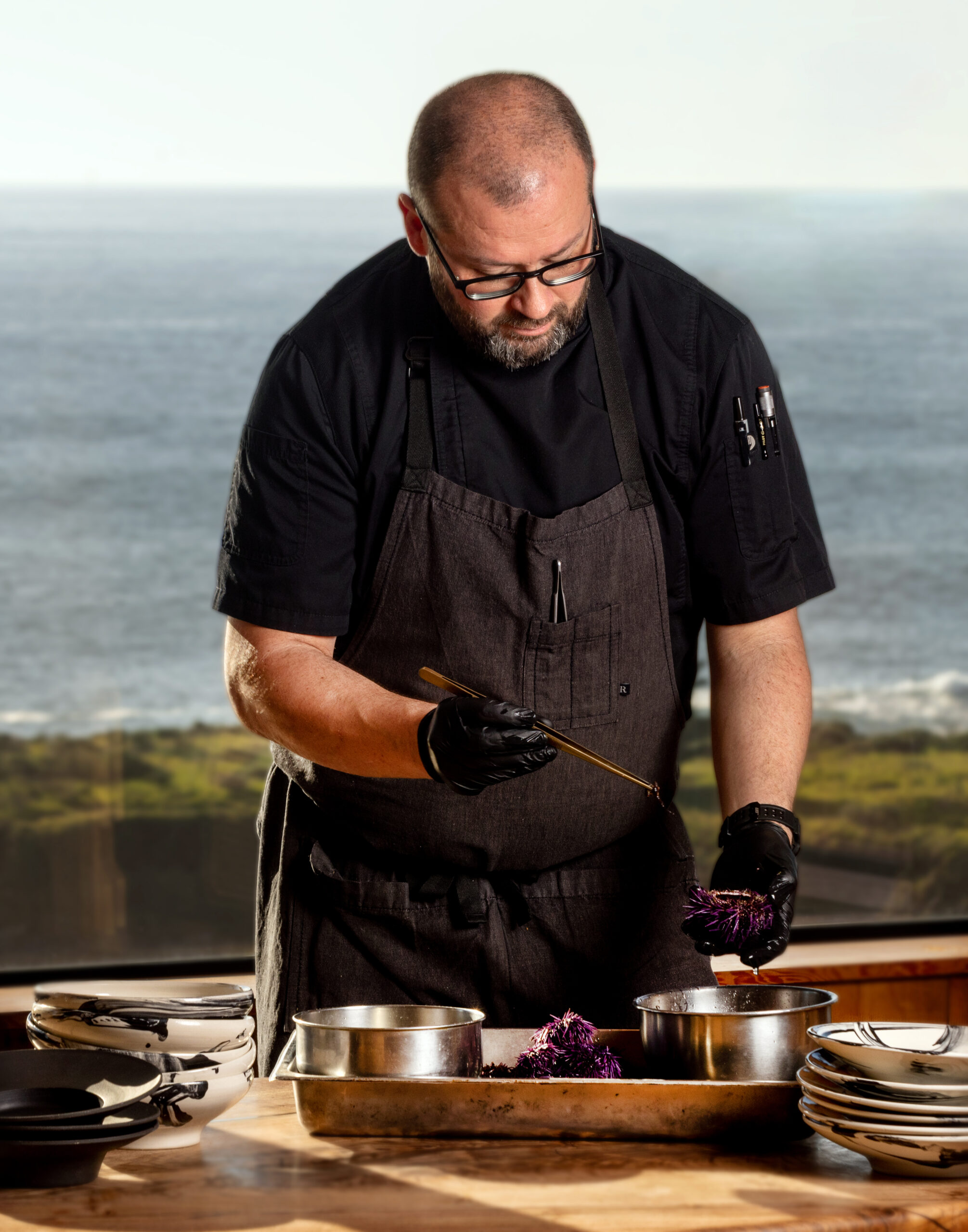
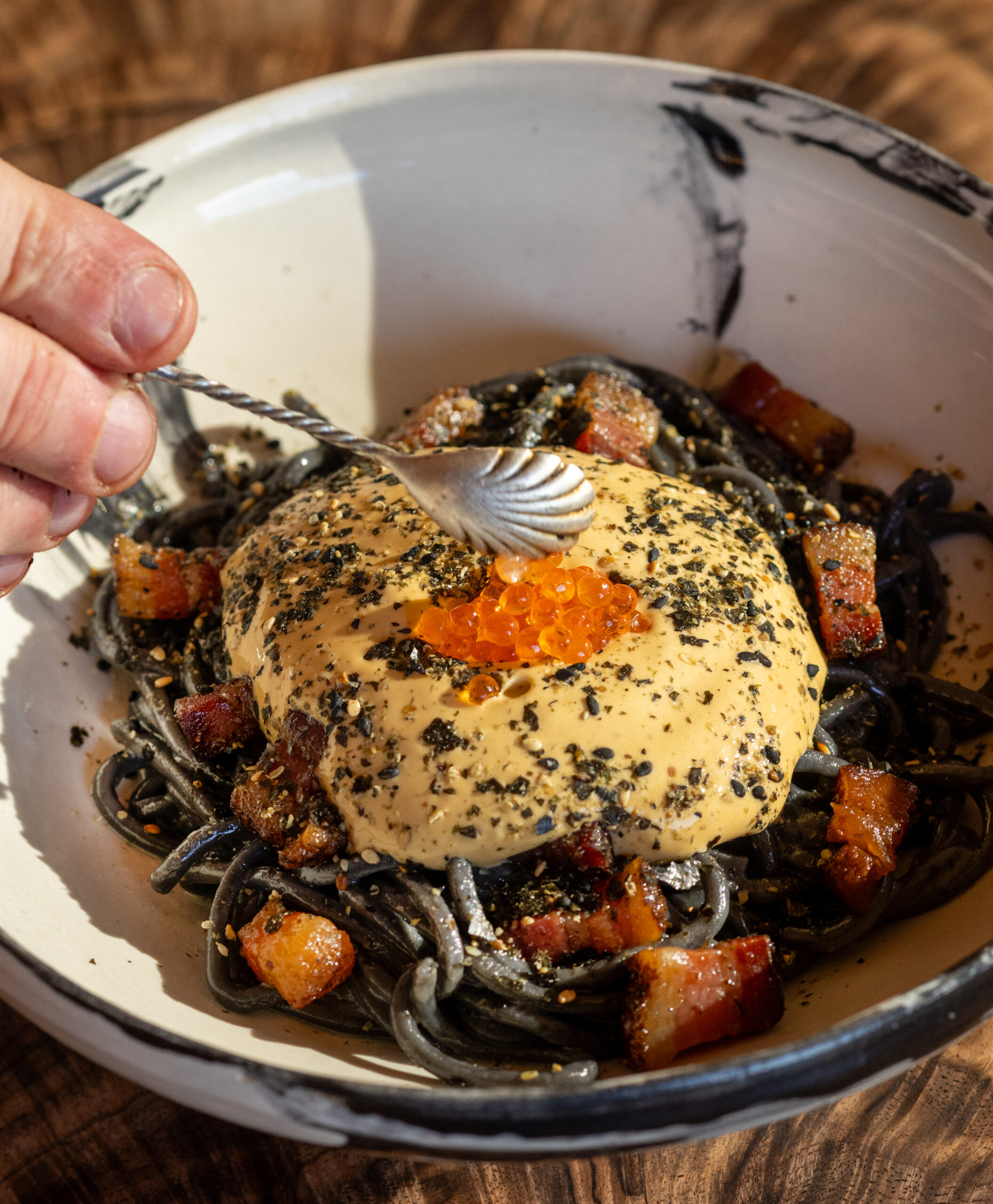
Sea Ranch Lodge chef Ryan Seal makes uni carbonara with squid ink chimaera pasta, pancetta, furikake and the uni from local purple sea urchins Thursday, Feb. 6, 2026. (John Burgess / The Press Democrat)Uni carbonara with squid ink chimaera pasta, pancetta, furikake and the uni from local purple sea urchins from Sea Ranch Lodge chef Ryan Seal Thursday, Feb. 6, 2026. (John Burgess / The Press Democrat)
At The Sea Ranch Lodge, not far from Shell Beach where the Kashia Pomo are hauling out urchins by the ton, executive chef Ryan Seal makes a popular uni carbonara with purple sea urchin foam, pancetta, and squid ink pasta sprinkled with katsuobushi (skipjack tuna flakes). The kitchen goes through nearly a pound of uni roe—around 60-80 urchins—every night it’s on the menu.
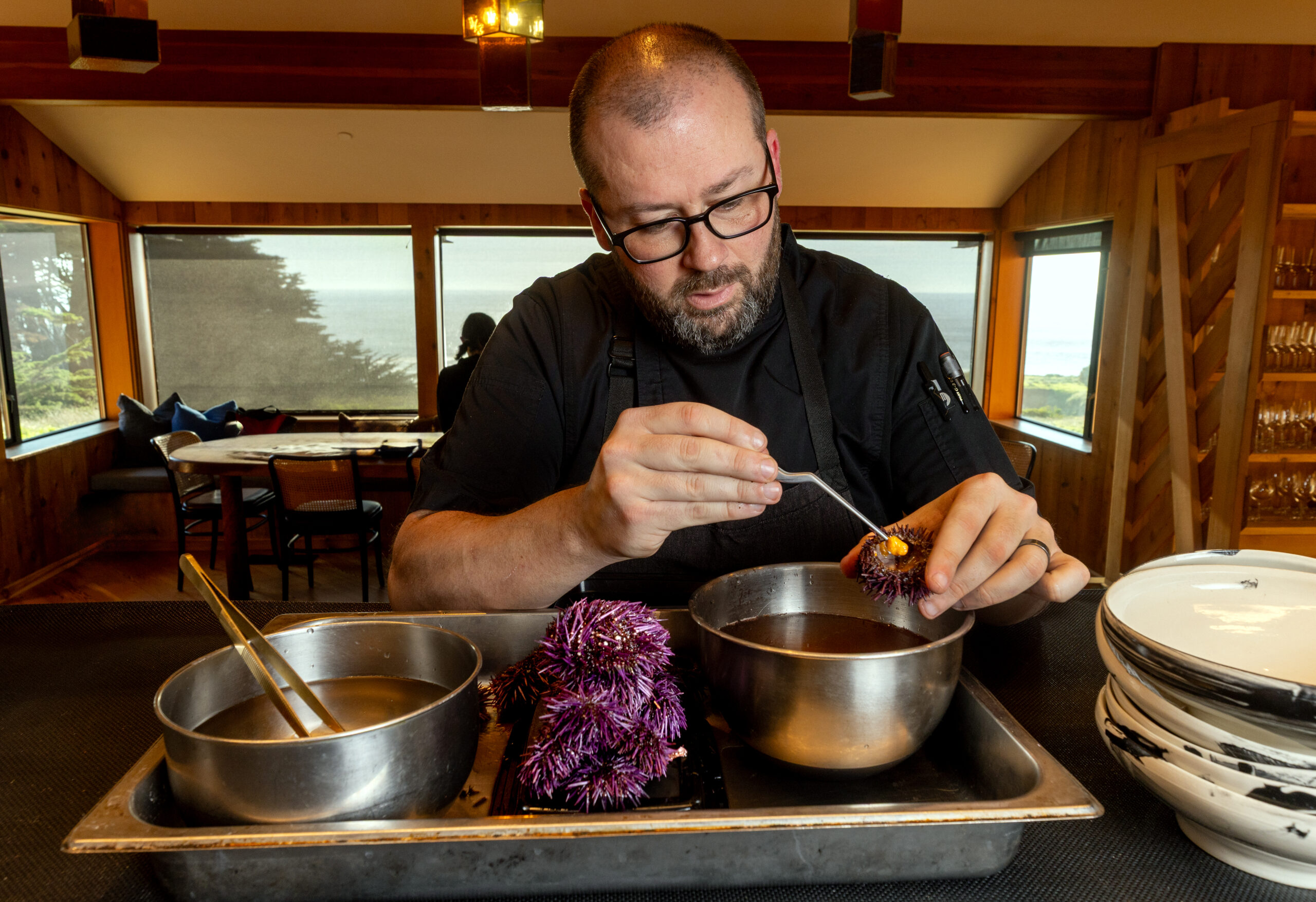
“We’re not using it because it’s weird. We’re using it because we should and need to, to keep the other sea life around us growing and happy,” says Seal, who foraged for purple urchin when he was cooking at the now-closed Sacred Rock Inn in Elk. A mile down the coast, chef Matthew Kammerer has been known to pluck urchin from local waters for his two-Michelin-starred Harbor House Inn, making tempura-fried maitake mushrooms and fried crispy mustard leaves topped with purple sea urchin roe.
Executive chef at the Michelin-starred Harbor House Inn, Matthew Kammerer was the co-organizer of the Mendocino Coast Purple Urchin Festival in 2022. (John Burgess / The Press Democrat)Sea Ranch Lodge chef Ryan Seal prepares a dish using uni from local purple sea urchins Thursday, Feb. 6, 2026. (John Burgess / The Press Democrat)
But Seal might win the prize for most creative and unlikely urchin dish: Behold “the Banuni”—a surprise starter with roasted banana sorbet, conjuring notes of caramel, but also slightly savory, similar to a plantain, topped off with what he describes as “the fresh ocean taste” of uni.
At a recent conference in San Francisco, Swezey talked with seafood industry experts about challenges they face marketing purple urchin to new customers. “Many people think it tastes sweeter,” he says. “But the market sort of wants this mango, yellow-orange color and purple urchin roe sometimes looks like that, depending on what they’re eating, but it also looks a little bit different sometimes.”
Purple urchin can display more of a light yellow, he says, and sometimes less desirable “gray twinges” depending on diet. Red urchin are also more meaty and larger in size on average, and hold their shape a little better.
“If we can kind of get over this size thing—like maybe you could combine a couple gonads from a purple urchin and make a bigger piece that is as appealing—the flavor is there,” Swezey says.
Cutting open purple sea urchins to reveal the edible uni at a foraging class with Fork in the Path tours Jan. 18, 2026, at a beach near Fort Ross on the Sonoma Coast. (John Burgess / The Press Democrat)
When David Hopps, chef and owner of Izakaya Gama in Point Arena, gets a batch of purples with less than perfect roe, he often uses the uni as a thickening agent in pasta sauce, blitzing it down with cream and shallots and serving it over thicker noodles sprinkled with chives.
When he’s not serving it raw as sashimi, Hopps likes to wrap it in a shiso leaf, fry it in tempura batter, and serve it with a dipping sauce. But his favorite uni dish might be layered on top of chawanmushi, a savory egg custard. “It’s the counterbalance of the sweet umami to a really savory umami of the egg custard itself,” says Hopps, who tries to keep purple urchin on the menu about half the year.
The problem with foraging, he says, is the often unpredictable yield. “I’ve had great days where you go out and get like 50 sea urchin and you crack them and they’re all perfect,” says Hopps. On other days he says he can crack 100 and get less than what he could purchase from a seafood purveyor with much smaller investment of time. Occasionally, he wanders down to the Point Arena pier when a dive boat is offloading excess urchins and they’re giving them away.
“When you do get great purple sea urchin, I think it’s just as good, if not better, than the red sea urchin. It’s sweeter,” says Hopps, who often fields questions from tourists curious about the latest news on purple urchin and the local ecosystem.
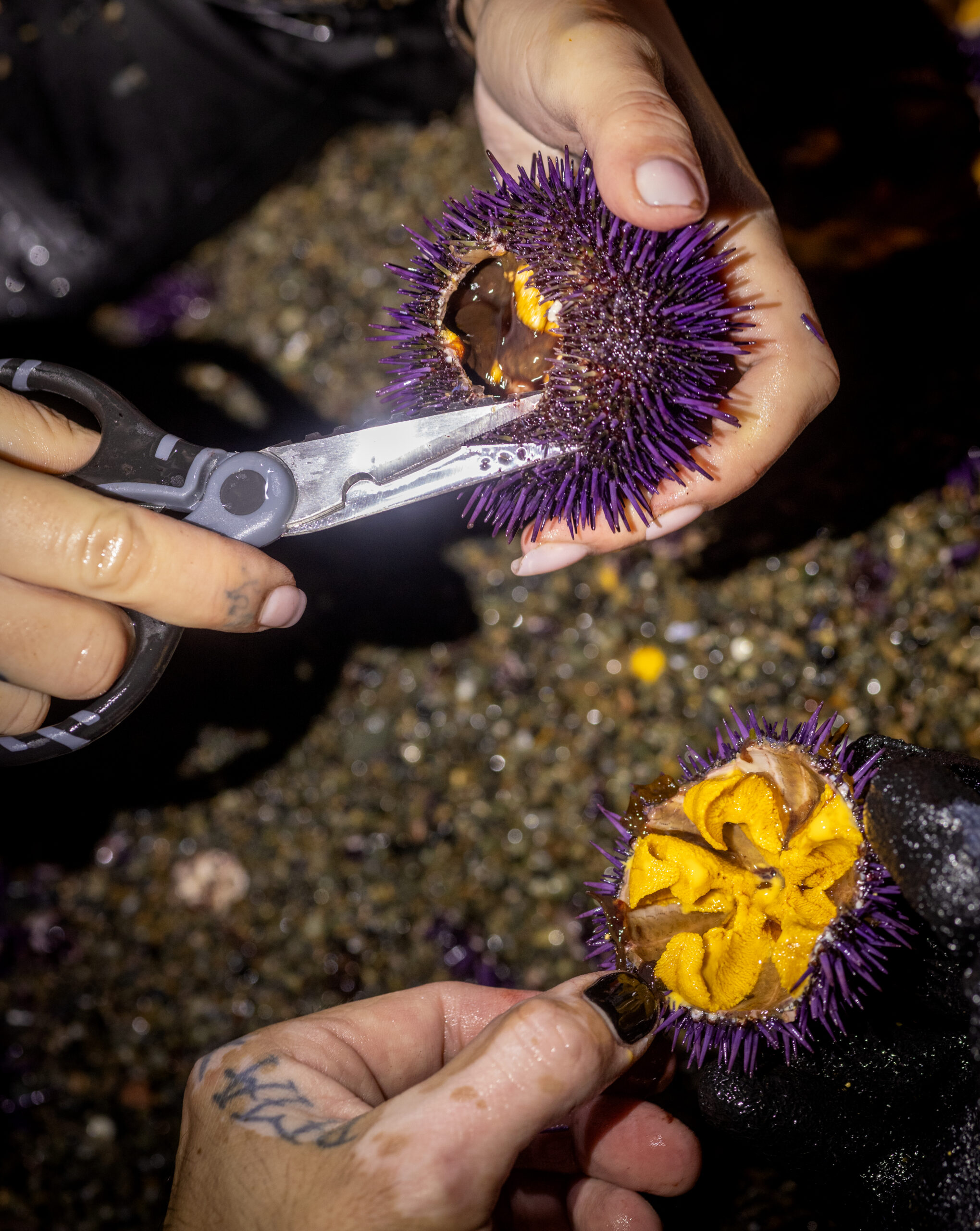
Fork in the Path instructor Ryn Sullivan shows participants how to open and remove the uni from purple sea urchins during a foraging class Jan. 18, 2026, at a beach near Fort Ross on the Sonoma Coast. (John Burgess / The Press Democrat)Cutting open purple sea urchins to reveal the edible uni at a foraging class with Fork in the Path tours Jan. 18, 2026, at a beach near Fort Ross on the Sonoma Coast. (John Burgess / The Press Democrat)
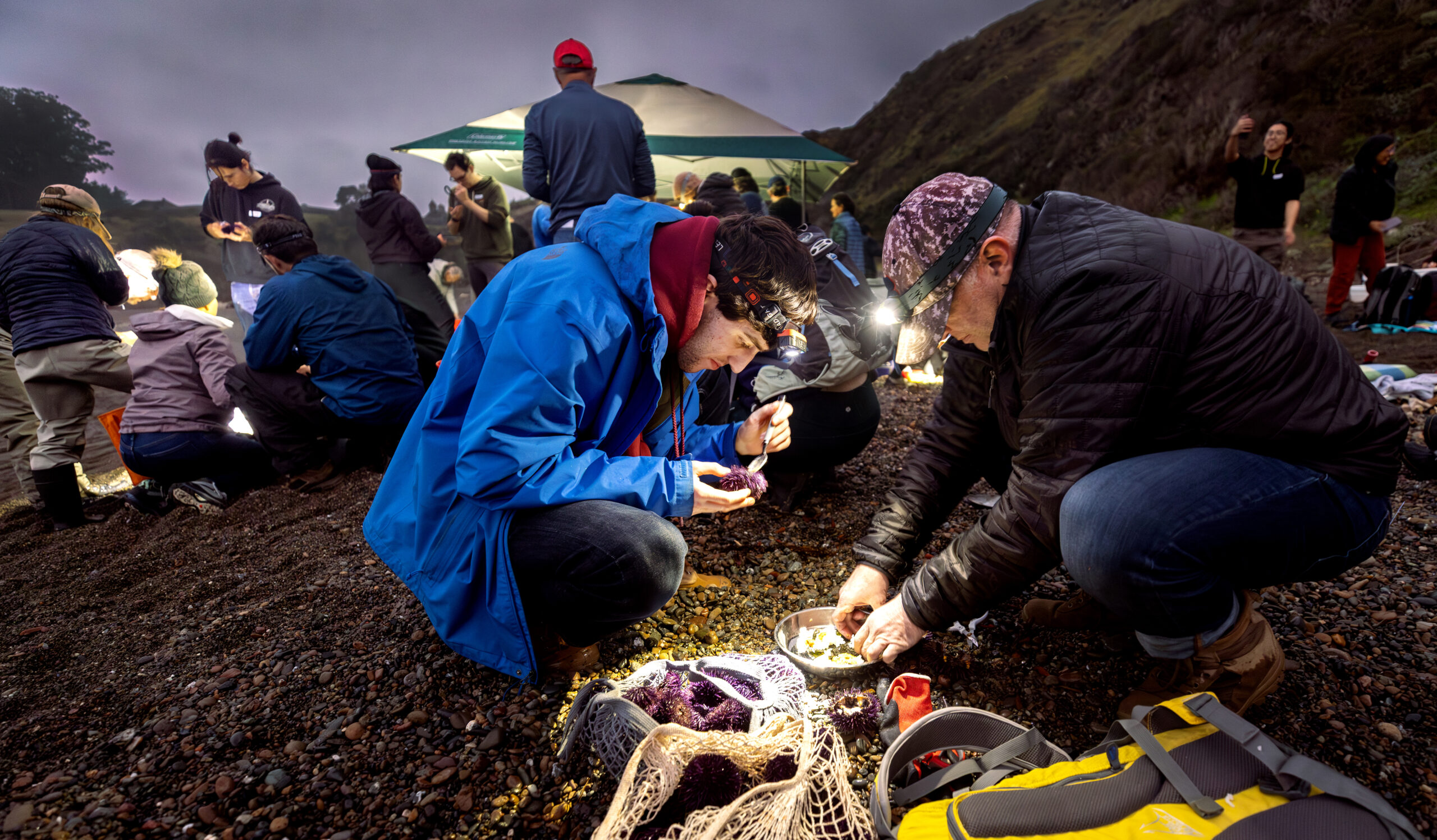
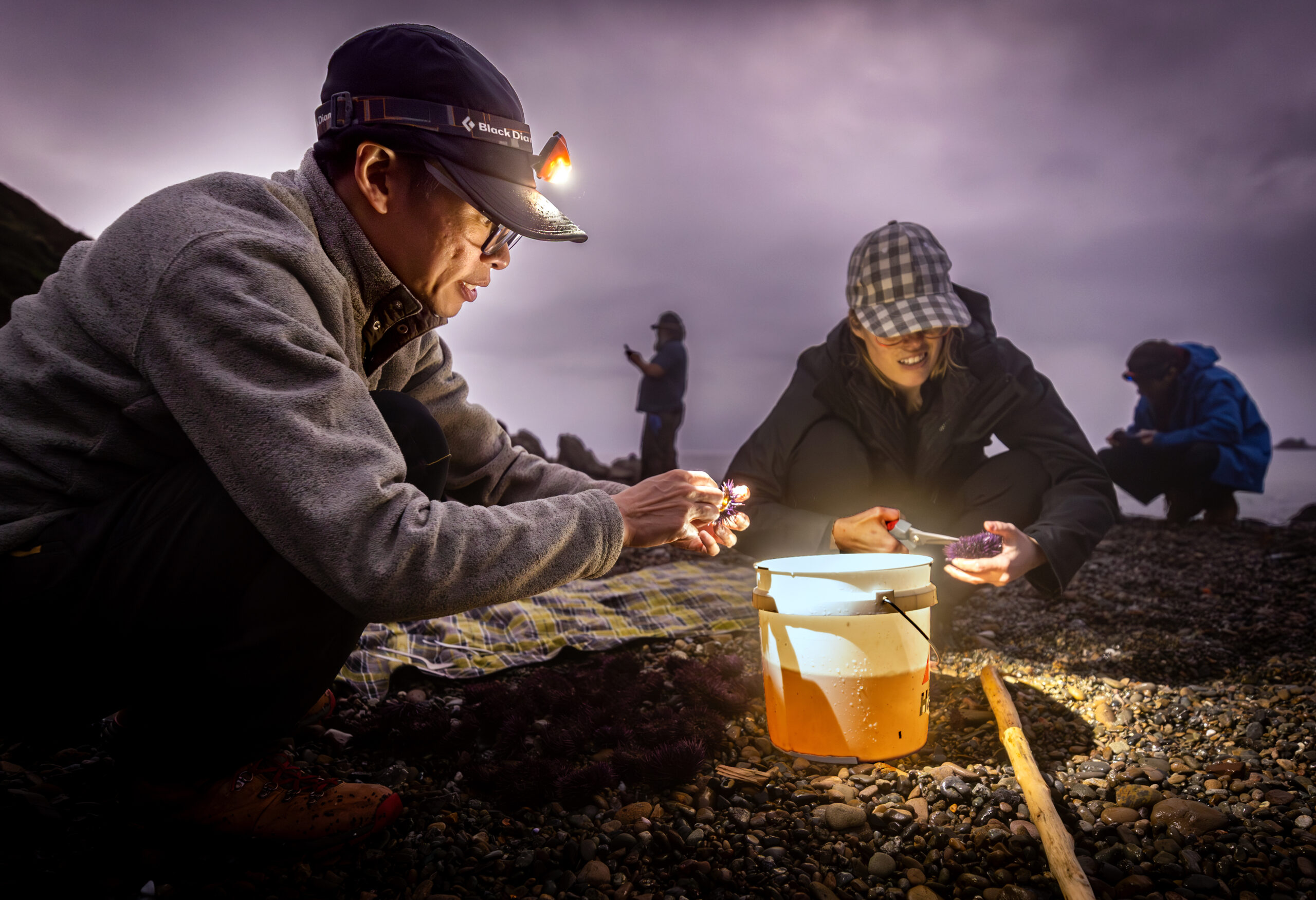
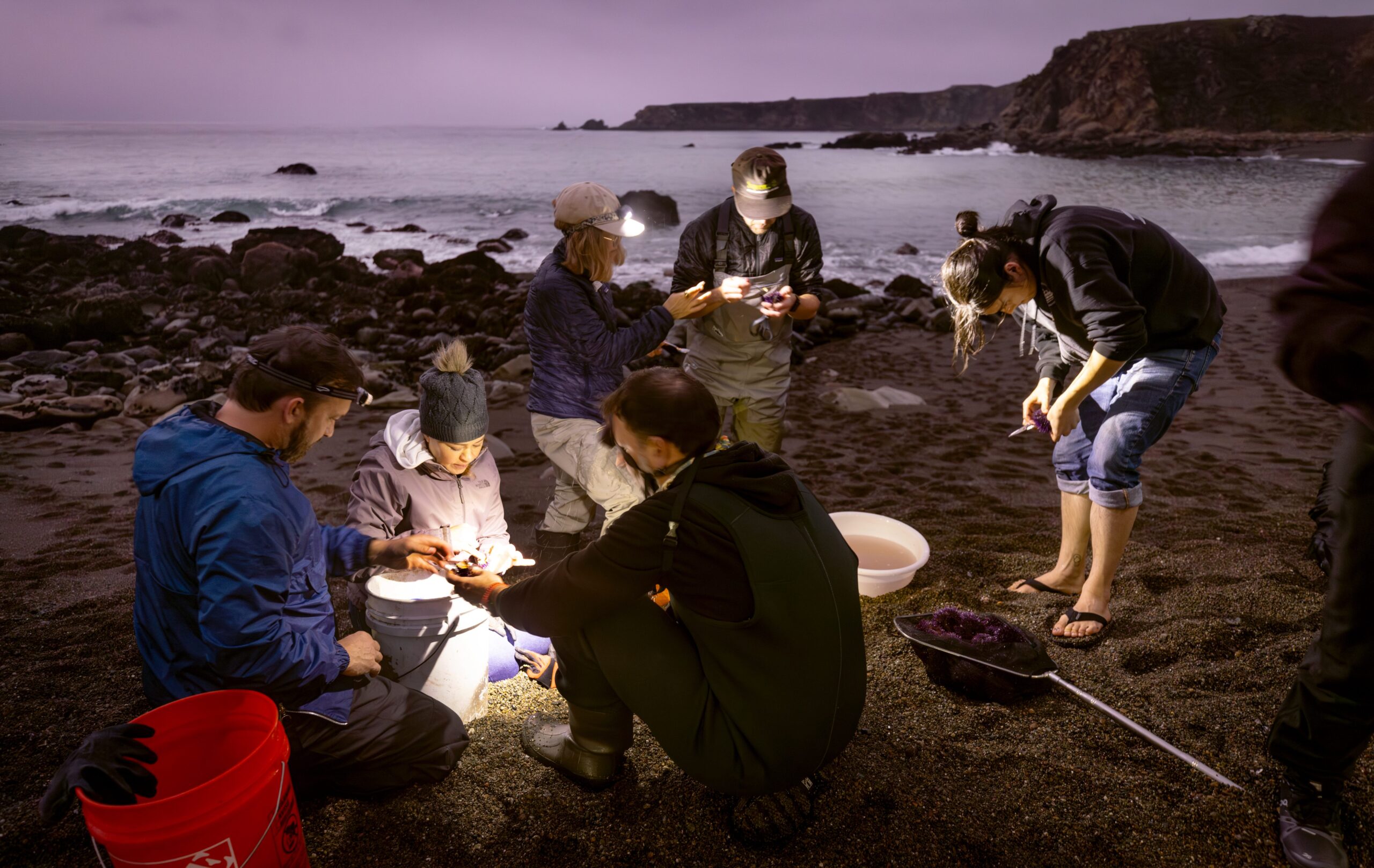
As night falls on the cove near Fort Ross, the class gathers on the beach beneath the spotlight glow of headlamps to learn how to clean their urchins. Gianoli teaches them to use small scissors to remove the hard five-toothed mouth on the bottom, known as Aristotle’s Lantern, to gain access to precious urchin innards. Then he demonstrates how to run a finger along the inside lip of the shell to dislodge any other teeth gripping the uni flesh. After making a smaller, circular cut around the opening of the shell, and a little more finger prying, he dunks it in a small bath of seawater, then shakes the uni into his hand—something that’s easier said than done.
Under a beach tent, the instructors fire up a hearty miso soup over a gas burner, chopping green onions to sprinkle on top. They offer handrolls of seaweed and rice so guests can top it with fresh uni, and Sullivan explains how to make uni butter at home.
After a low-tide harvest of purple sea urchins, participants gather to crack open and eat the delicious uni during a foraging class with Fork in the Path tours Jan. 18, 2026, at a beach near Fort Ross on the Sonoma Coast. (John Burgess / The Press Democrat)David Chew and Megan Harclerode open their harvest of purple sea urchins for their delicious uni during a foraging class with Fork in the Path tours Jan. 18, 2026, at a beach near Fort Ross on the Sonoma Coast. (John Burgess / The Press Democrat)
Amid sounds of cracking and grunting, people try their best to wrestle open the brittle shells and unearth the gooey prize. Finally, the moment of truth—the first slurp everyone has been working toward. But not everyone agrees on the taste.
“It’s interesting, but I’m not sure I would go, ‘Wow!’” says Martin Wobig, a first-time harvester and taster from Santa Rosa. He compares it to a soft cheese, more sweet than salty.
A few feet away, Max Aukes is celebrating his 6th birthday with his family. After straining to “take out the mouthpiece” and open the shell, how would he sum up the taste?
“Slimy, yet satisfying,” he says with a big grin.
Another way to size it up: “It’s salty, ocean-flavored butter,” says Keeley Waite, who drove up from Sausalito for the day. “But if you don’t like oysters, you’re not gonna like this.”
After a low-tide harvest of purple sea urchins, participants gather at a beach near Fort Ross to crack open and eat the delicious uni during a foraging class with Fork in the Path tours Jan. 18, 2026, on the Sonoma Coast. (John Burgess / The Press Democrat)
No matter what they think about the taste, everyone in the class can agree on one thing: The cautionary tale of the sea urchin, the sea star, and the kelp forest is impossible to ignore. It makes you want to join in and lend a hand, even if it’s just pulling three dozen sea urchins from the millions of spiny invertebrates blanketing the ocean floor.
“It’s nice to engage in a way that doesn’t feel extractive,” says Vanessa Wilbourn. The singer and bass player in the popular folk-rock trio Rainbow Girls is back for her second time, bringing along a friend visiting from Connecticut. “I feel like we’re actually working to bring some measure of balance, or at least that’s what I hope is happening.”