







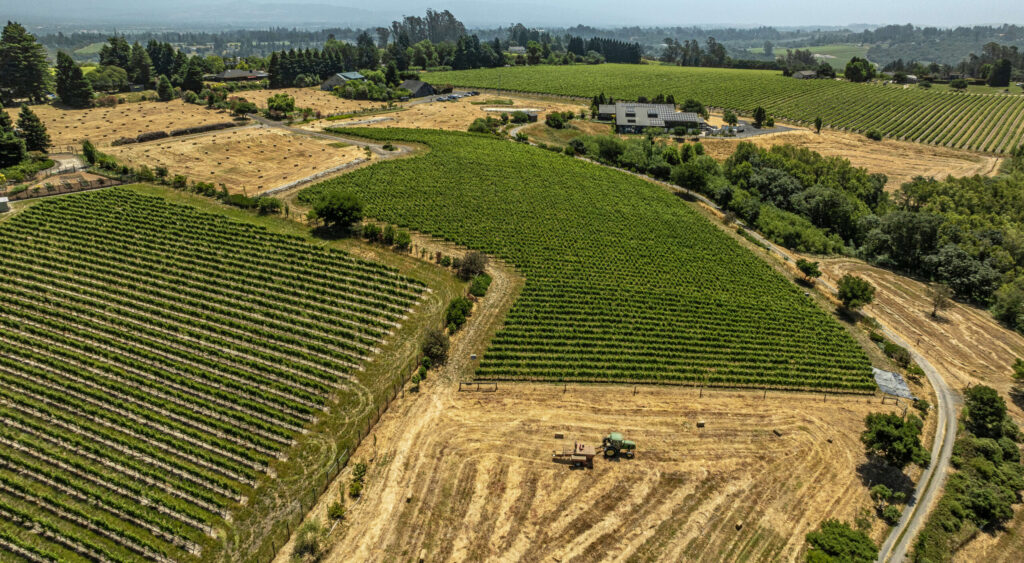



Sonoma County is home to 60,000 acres of vineyards, and 99% of them are certified sustainable. Impressive as that is, not all local vintners share the same level of dedication to earth-friendly practices. Here are three Sonoma County wineries that go above and beyond.
Littorai Winery
Founder and winemaker Ted Lemon learned to embrace biodynamic farming during his early career in Burgundy. While some paint biodynamics with a “woo-woo” brush, pointing to practices like following lunar cycles, Lemon emphasizes the interconnectedness of soil, plants, and nature.
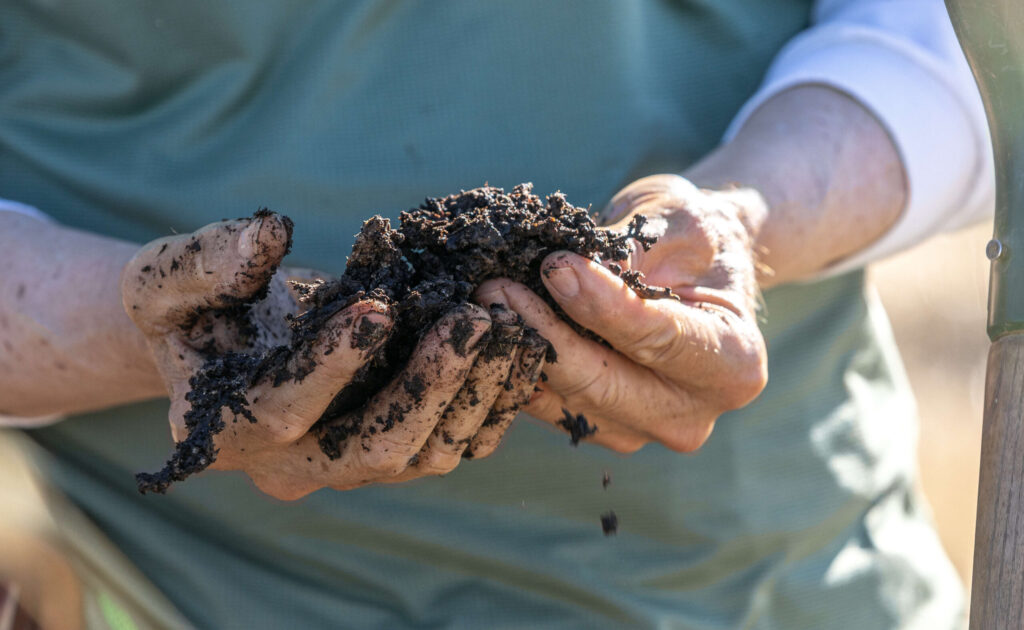
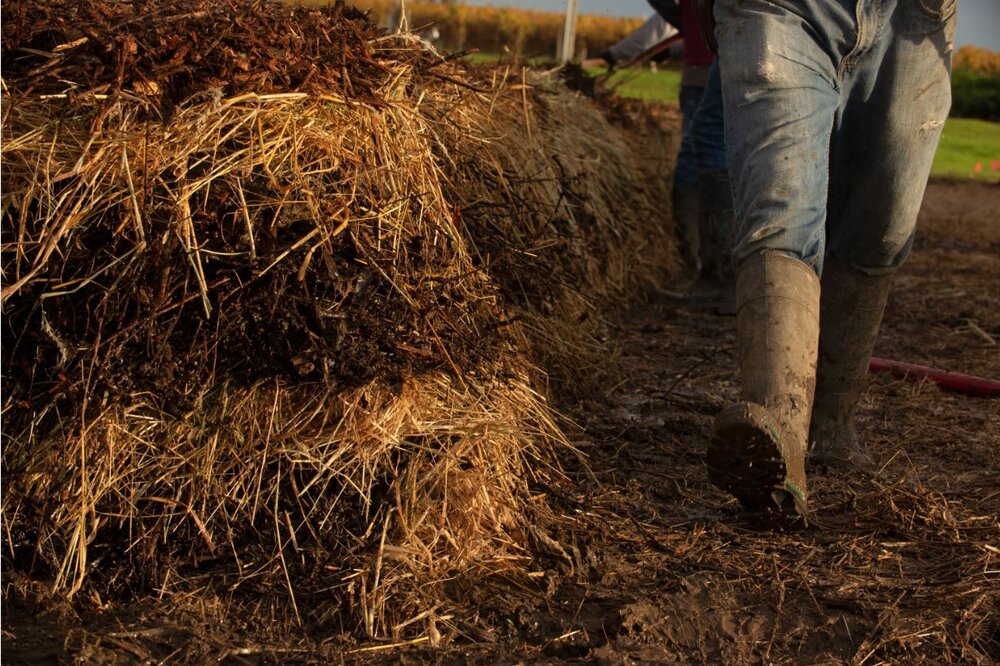
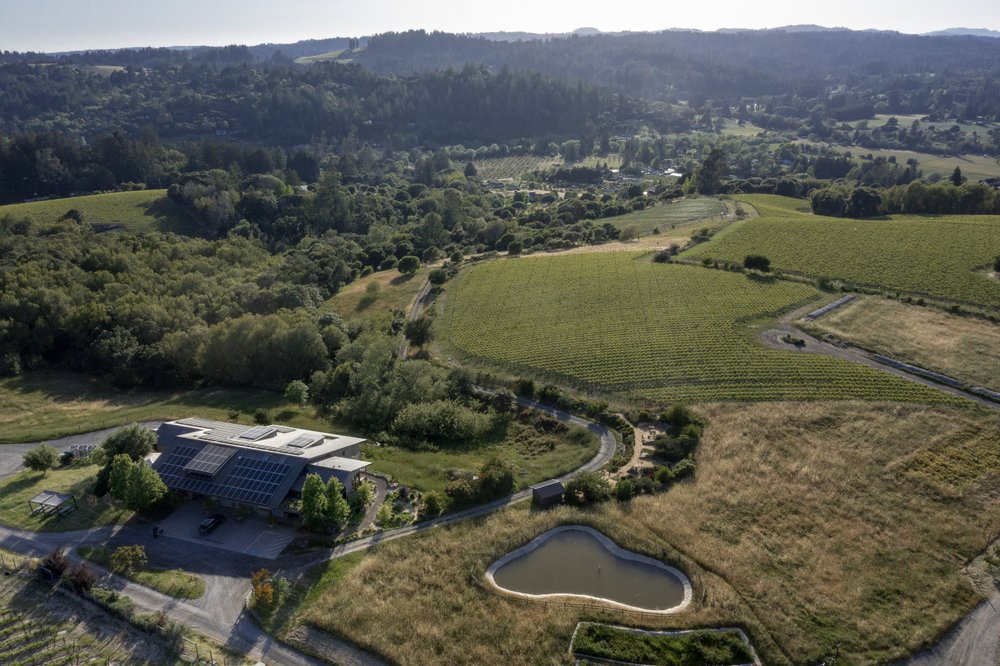
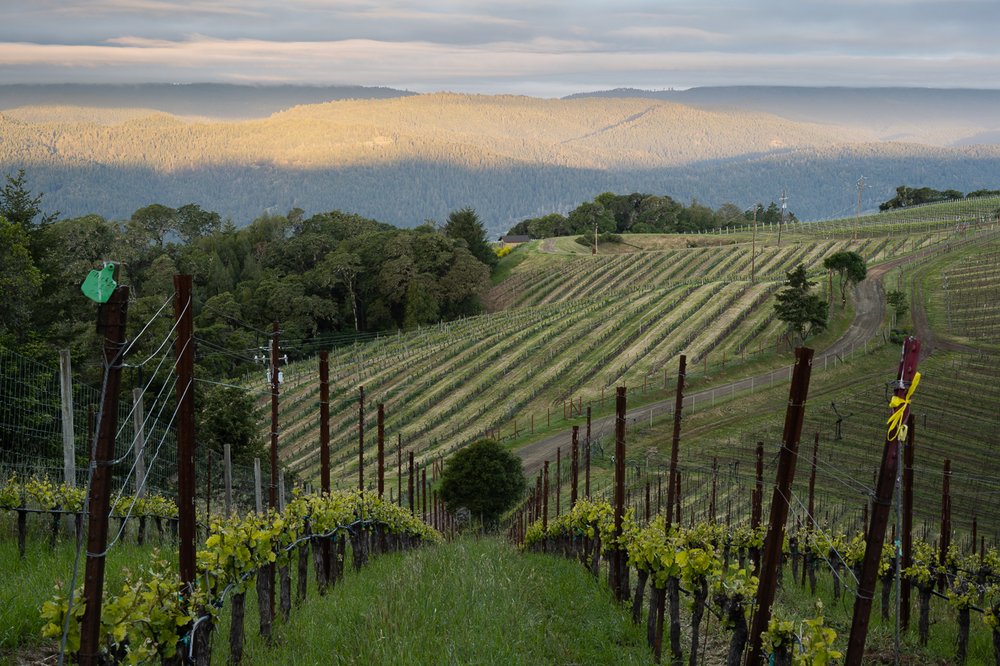
Instead of chemical inputs, Littorai uses compost and natural preparations on its Sebastopol ranch to stimulate soil vitality and improve plant health. The idea is to maintain ecological balance by treating the farm as an integrated whole.
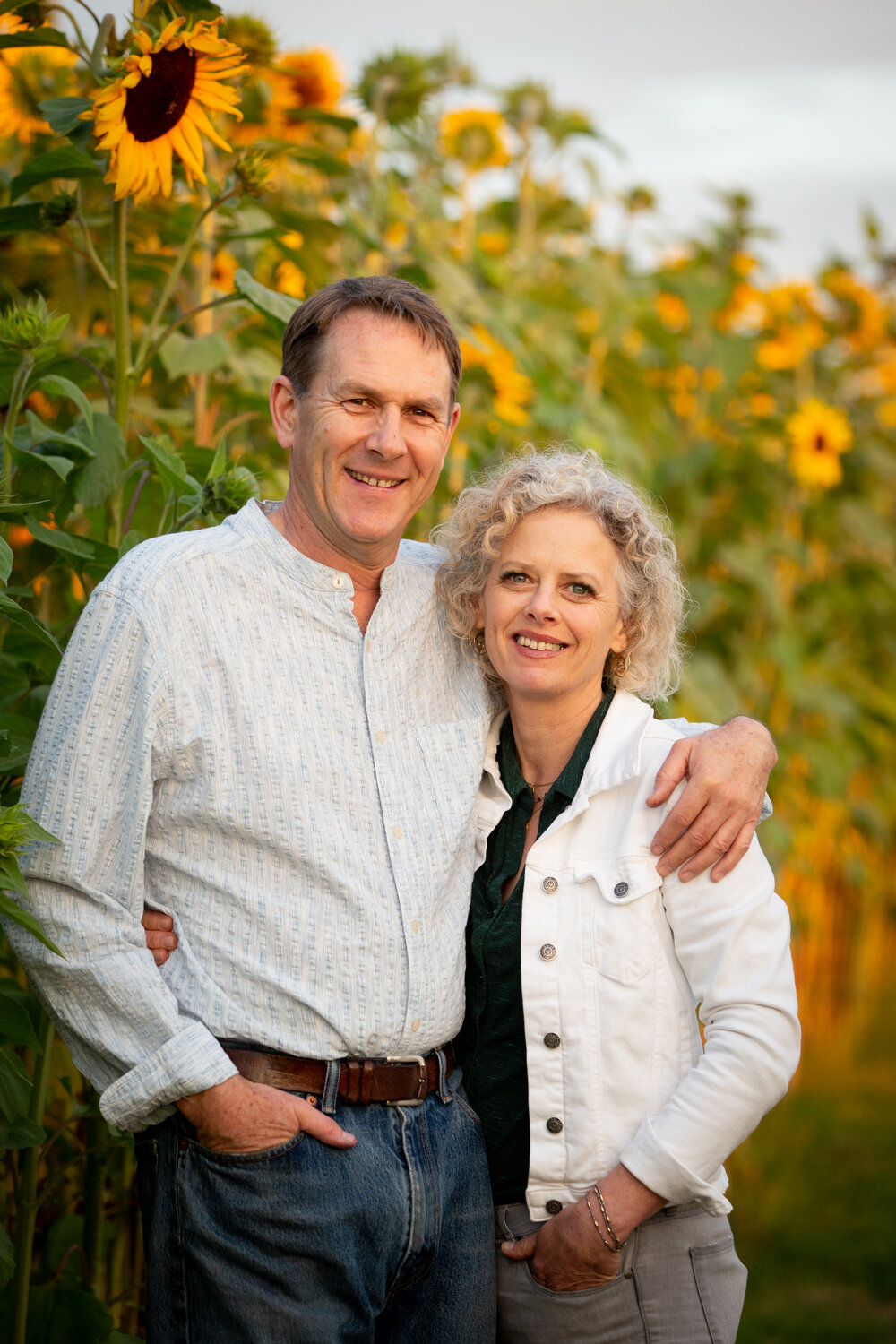
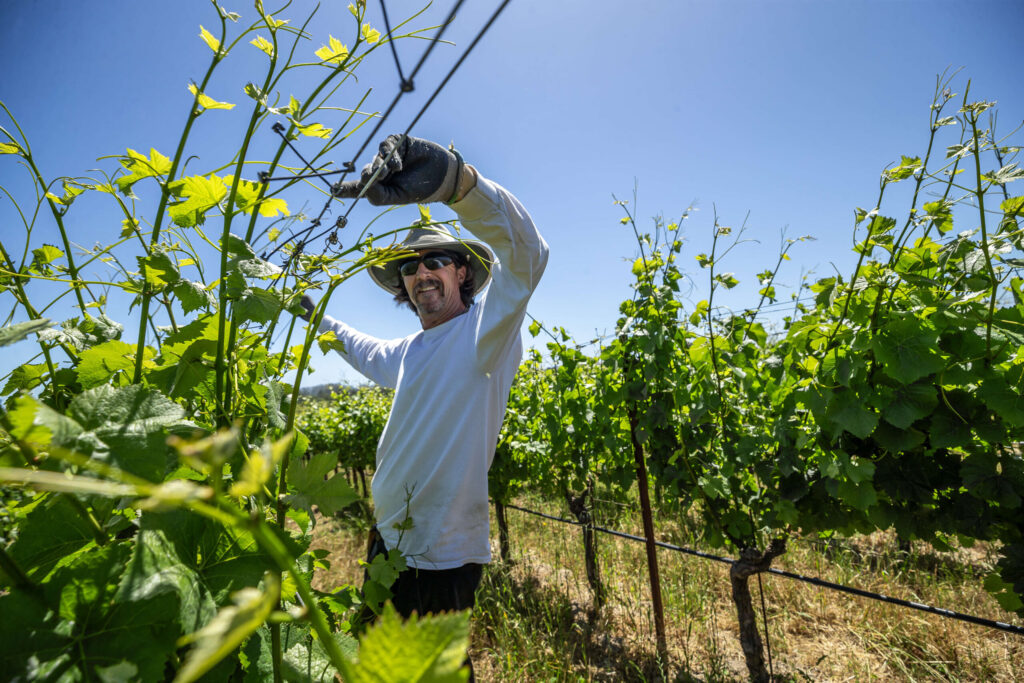
“The goal of biodynamic farming is to work with humans as sentient beings,” says Lemon, explaining that with the rapid advance of artificial intelligence, a boots-in-the-vineyard approach is more important than ever. “We have sight, touch, smell, taste, intuition, and emotion. We have an instrument that has a value that techno-utopians cannot replace or imitate.”
788 Gold Ridge Road, Sebastopol. 707-823-9586, littorai.com
Ram’s Gate Winery
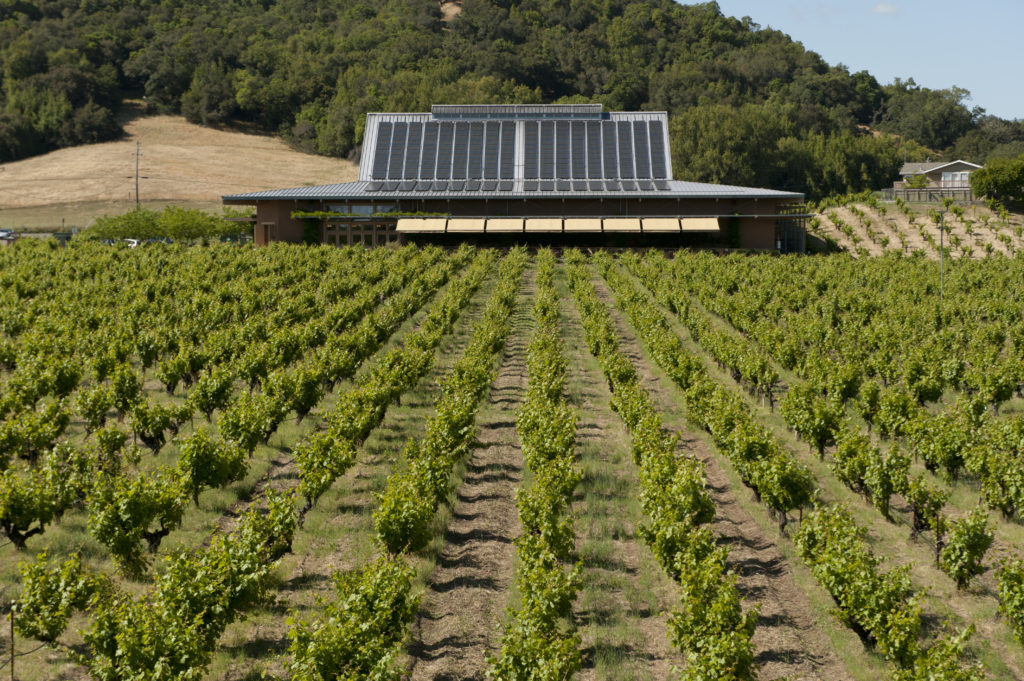
Ram’s Gate’s estate vineyards in Sonoma are Regenerative Organic Certified — one of only a handful of California wineries to hold that distinction. The regenerative approach focuses on improving everything from soils and ecosystems to the well-being of farm workers and communities.
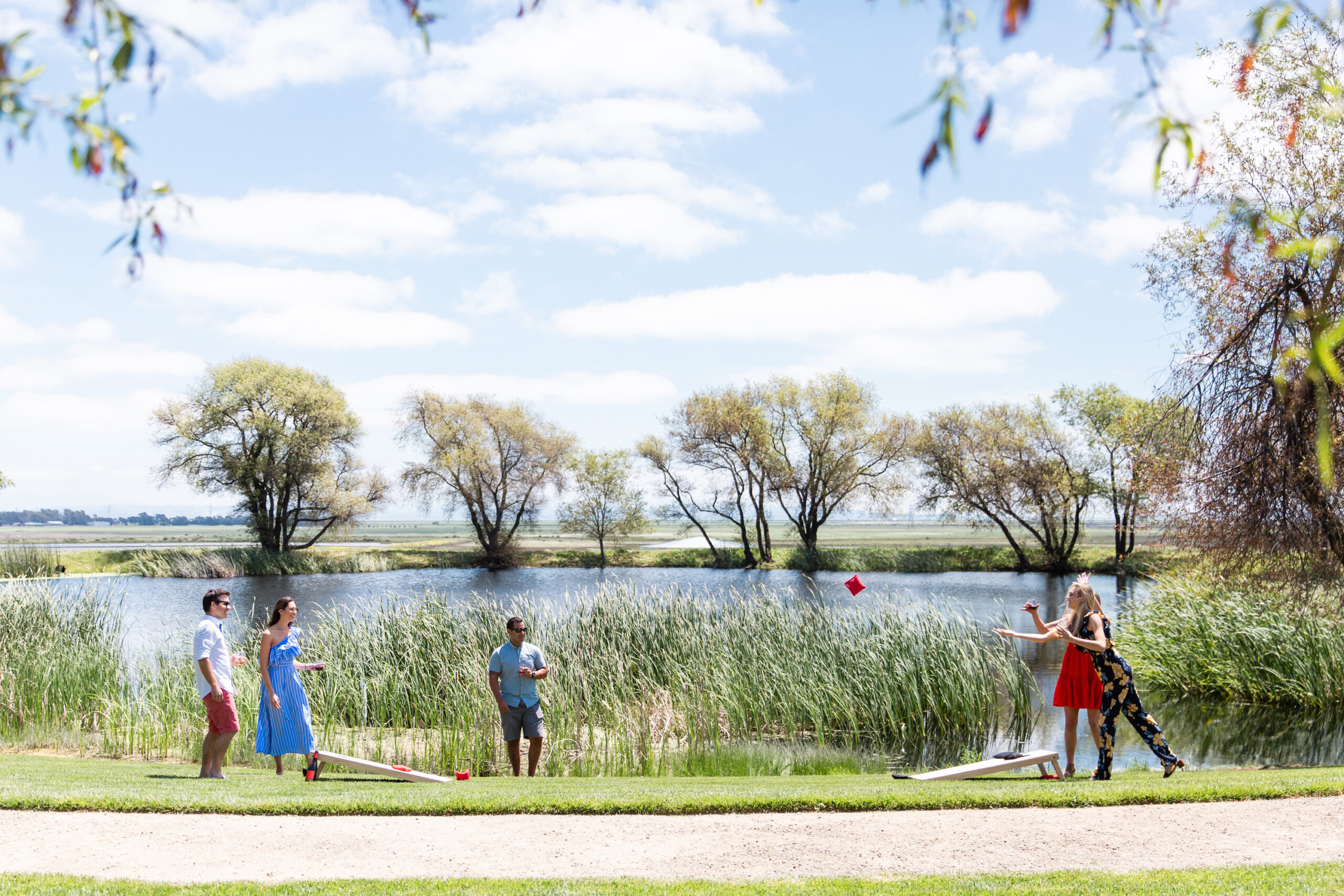
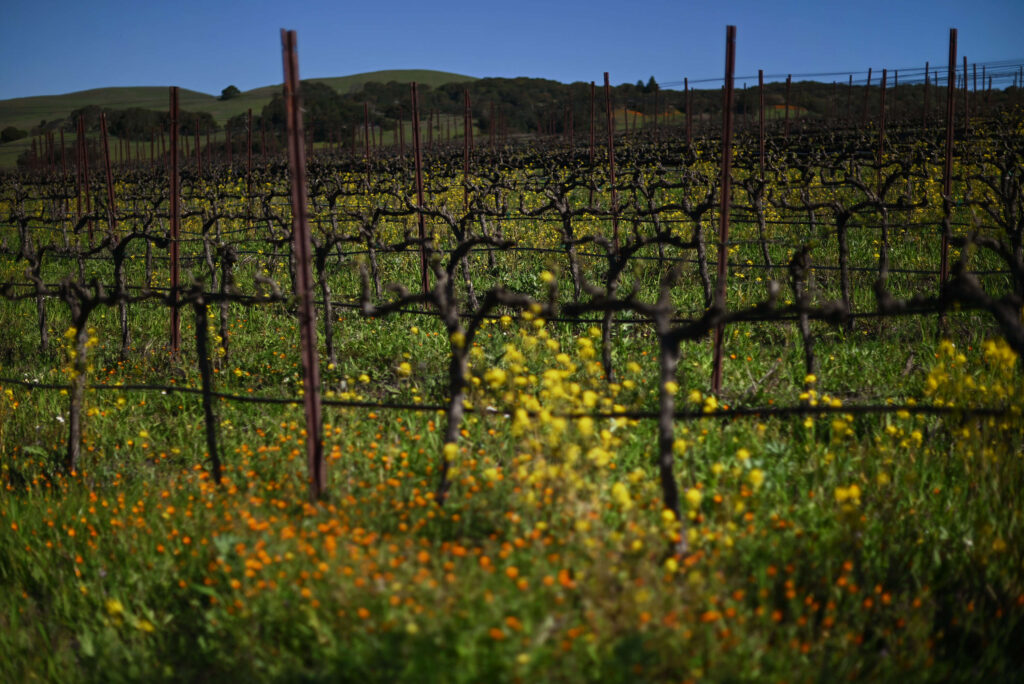
The winery forgoes synthetic inputs, uses cover crops to boost soil health and biodiversity, and integrates animals into its ecosystem through practices like sheep grazing for weed control. Last year, Ram’s Gate launched an agroforestry initiative, planting heirloom fruit trees within the vineyard rows to enhance soils, increase biodiversity, and sequester carbon.
Caine Thompson, the head of sustainability at O’Neill Vintners, Ram’s Gate’s parent company, says regenerative farming could have positive impacts around the world in promoting climate resilience.
“It is really critical that it scales beyond small properties and individual estates,” Thompson says. “Our hope is that this can be a catalyst not only in showing what can be done in a viticultural context, but in other crops.”
28700 Arnold Drive, Sonoma. 707-721-8700, ramsgatewinery.com
Ridge Vineyards
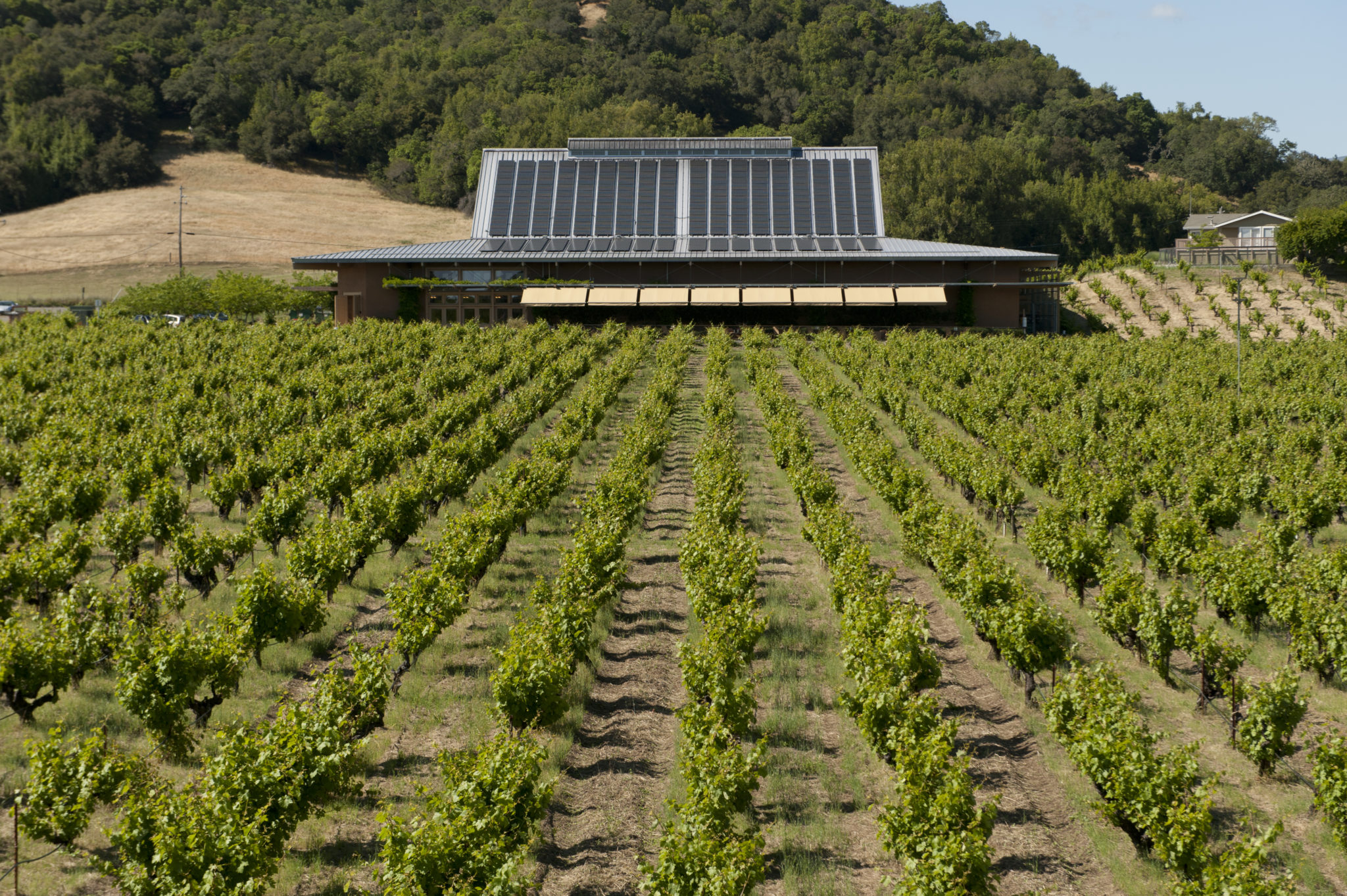
Vines at Ridge’s Lytton Springs, Geyserville, and East Bench properties are certified organic. The winery also uses regenerative, sustainable farming practices like cover cropping, composting, water conservation, and creating habitats for beneficial insects. As a member of the International Wineries for Climate Action, Ridge is working toward carbon neutrality.
“Our philosophy…has always been to work in harmony with nature to produce grapes that reflect where they are grown,” says David Gates, senior vice president of vineyard operations at Ridge. “We believe that special wines come from special places, and you must be mindful and purposeful when growing grapes and making wine from them.”
Ridge’s sustainable practices also extend to packaging — from lightweight bottles to recycled shipping materials.
Lytton Springs tasting room, 650 Lytton Springs Road, Healdsburg. 707-433-7721, ridgewine.com
Three to Try
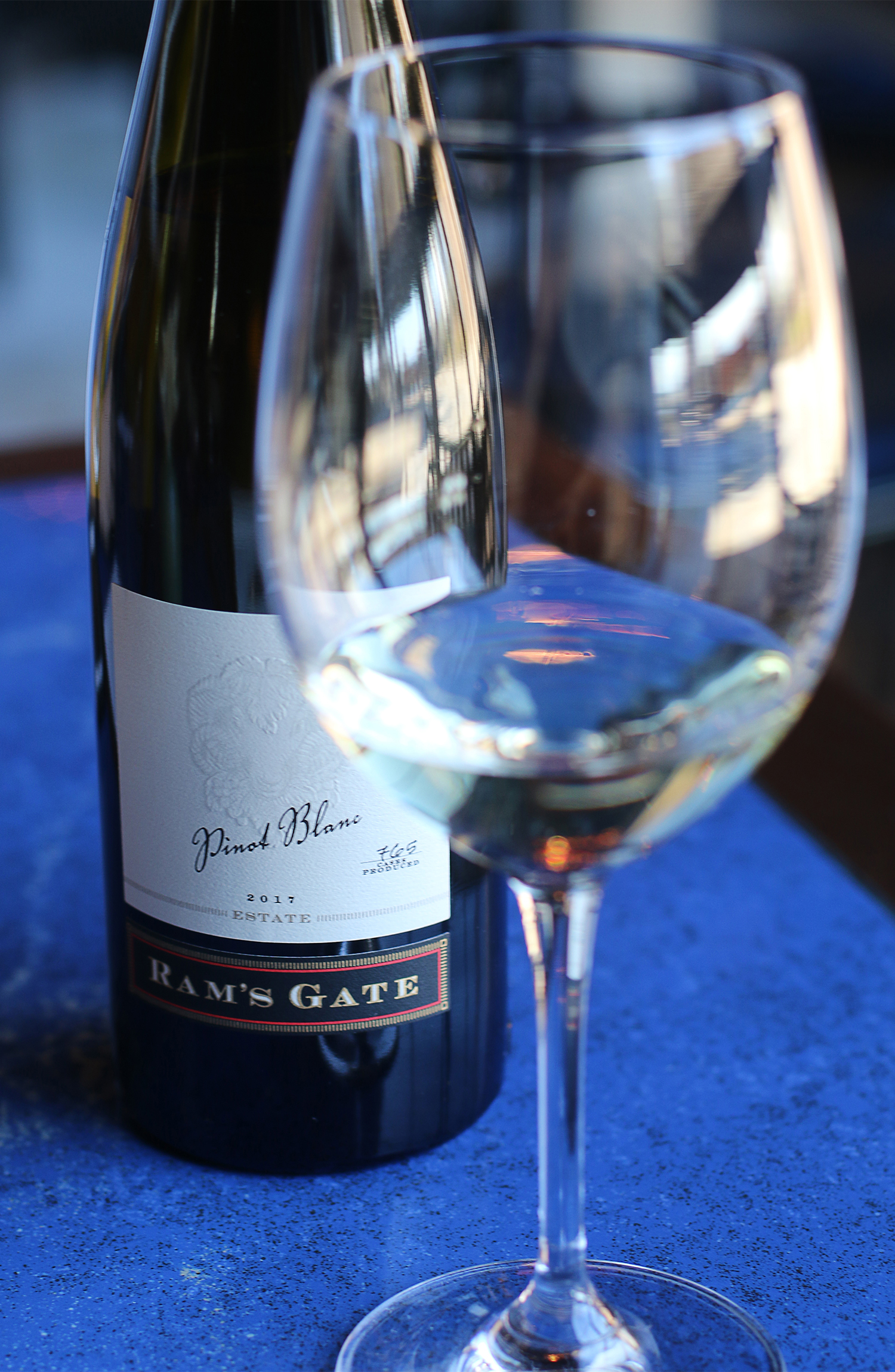
Ram’s Gate
2023 Pinot Blanc, Ram’s Gate Estate, Carneros, $40
The winery is best known for Pinot Noir and Chardonnay, but it’s also fun to explore its lesser-known offerings. This organic Pinot Blanc from the winery’s home ranch is fresh and flirty, combining stone fruit, citrus, and a touch of spice.
Ridge Vineyards
2023 Lytton Springs, Dry Creek Valley, $56
This is not your typical big-and-jammy Zinfandel blend. Made from organic fruit, the wine has aromas of dark fruits and woody spice. Take a sip to discover black cherry and black tea flavors, along with subtle tannins and food-friendly acidity.
Littorai
2023 Pinot Noir, The Pivot Vineyard, Sonoma Coast, $105
Littorai’s Pinot Noirs are legendary, and this wine is a prime example of why. Made from biodynamically grown fruit from a 3-acre block on the winery’s home property, it’s elegant and beautifully balanced, with black and red berry notes.