




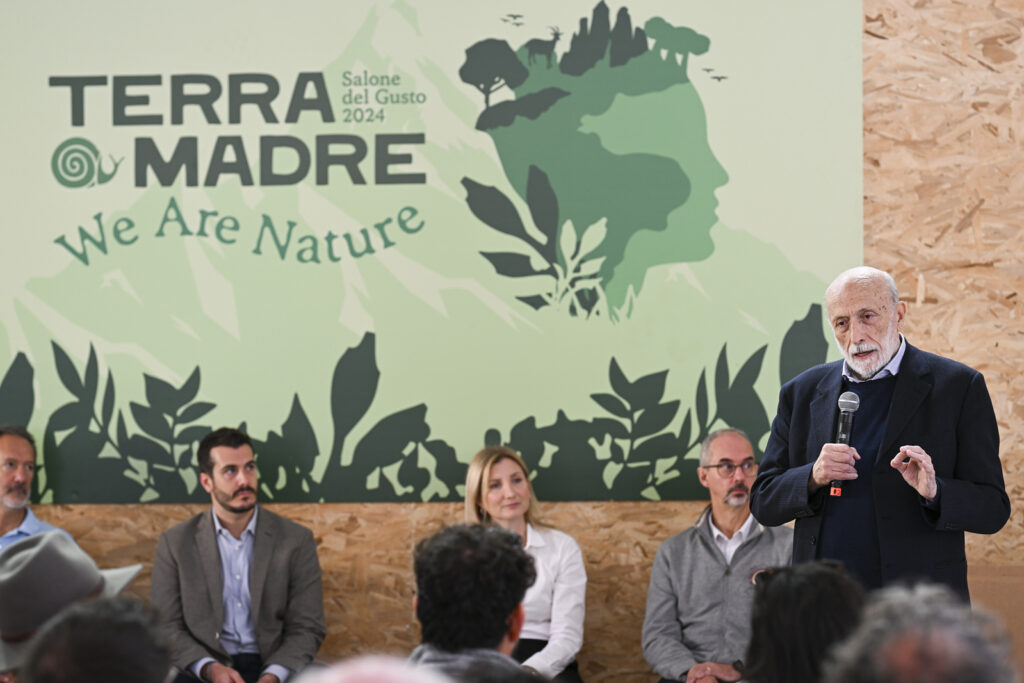

Carlo Petrini, the founder of the Slow Food movement and one of the world’s most influential advocates for thoughtful eating, died May 21. He was 76.
Petrini spent decades championing heirloom ingredients, regional food traditions and small-scale agriculture, helping shape the modern organic and farm-to-table movements. His criticism of industrialized food systems inspired generations of chefs, farmers and consumers to rethink how food is grown and consumed.
The Slow Food movement began in 1986 after plans emerged to open a McDonald’s near Rome’s Spanish Steps, replacing a local cafe. The proposal ignited protests over the creeping homogenization of Italian food culture. By the mid-1990s, Slow Food had evolved into an international network of local chapters, known as Convivia, dedicated to food education, sustainability and the promotion of what Petrini called “good, clean and fair food.”
Sonoma County became one of the movement’s early American strongholds.
For more than 20 years, Slow Food Russian River has partnered with 4-H and FFA students to raise heirloom-breed Thanksgiving turkeys. Meanwhile, the Sonoma County North chapter helped rescue the Bodega Red, a creamy pink potato introduced from Chile to the Sonoma Coast in the 1840s and later used by horticulturist Luther Burbank in breeding programs. Today, the potato is listed in Slow Food’s Ark of Taste, a catalog of endangered heritage foods, and has become a prized ingredient among local farmers and chefs.
“A lot of the folks in the Sonoma North chapter really knew him because the chapter was one of the first in the country,” said Donna del Rey of Healdsburg’s Relish Culinary Adventures, a longtime Slow Food member.
Del Rey, who attended several Terra Madre gatherings in Italy, said Petrini’s influence extended beyond food itself.
“It was about the mission and the balance of joy and justice in everything he did,” she said. “It survives in the people who are Slow Food.”