








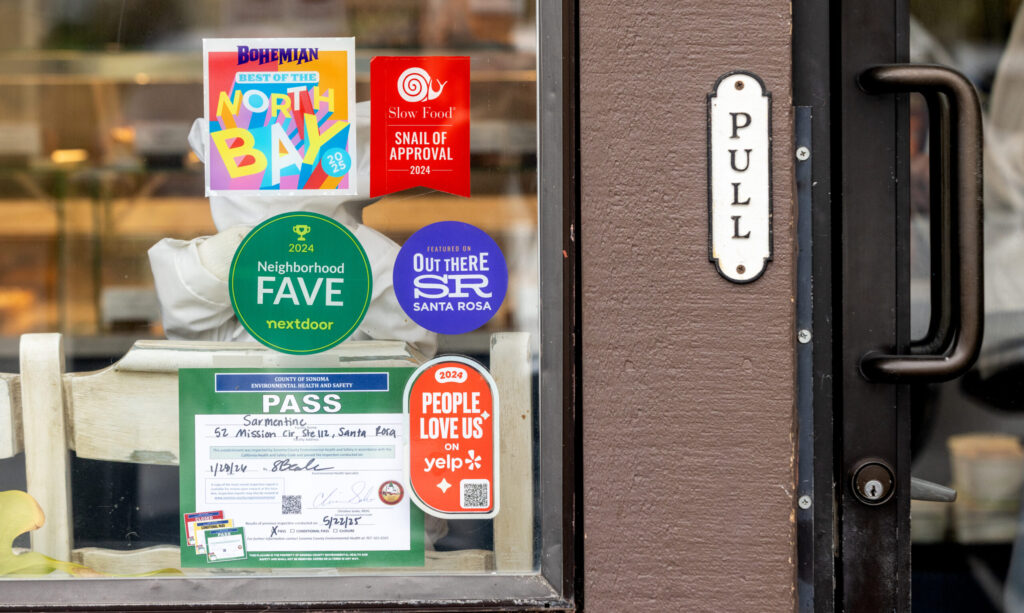


Sonoma County food has a new, unofficial mascot: snails. The slippery, shelled gastropods are increasingly showing up in restaurants, gourmet markets, on farms and ranches, in spirit and wine shops, at farmers markets, and even in small businesses, including a cookie bakery and a boutique hot-sauce kitchen.
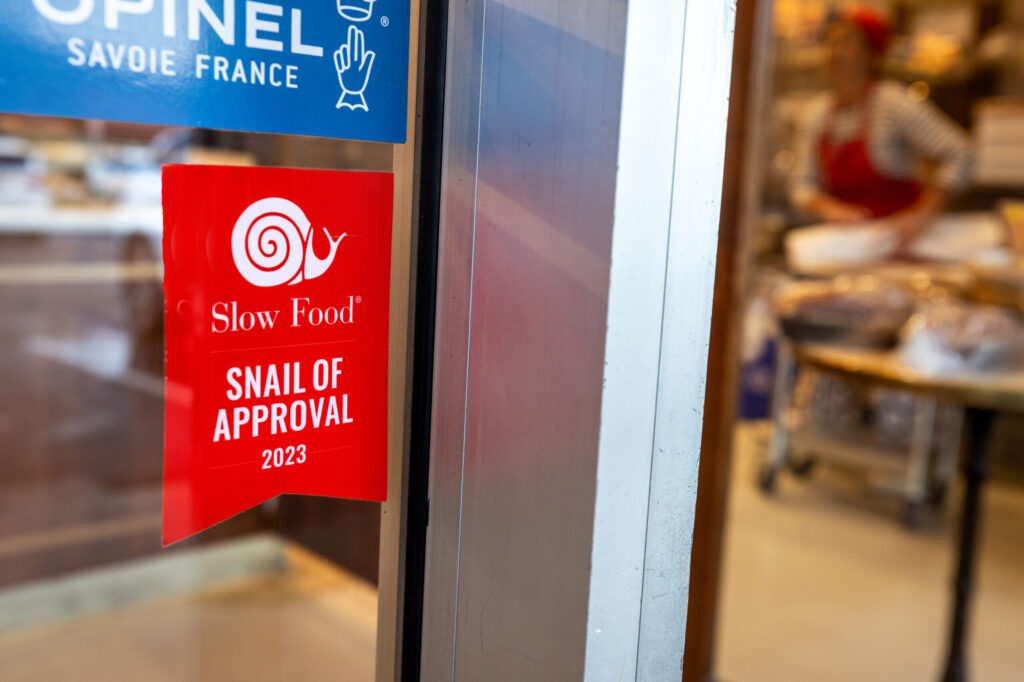
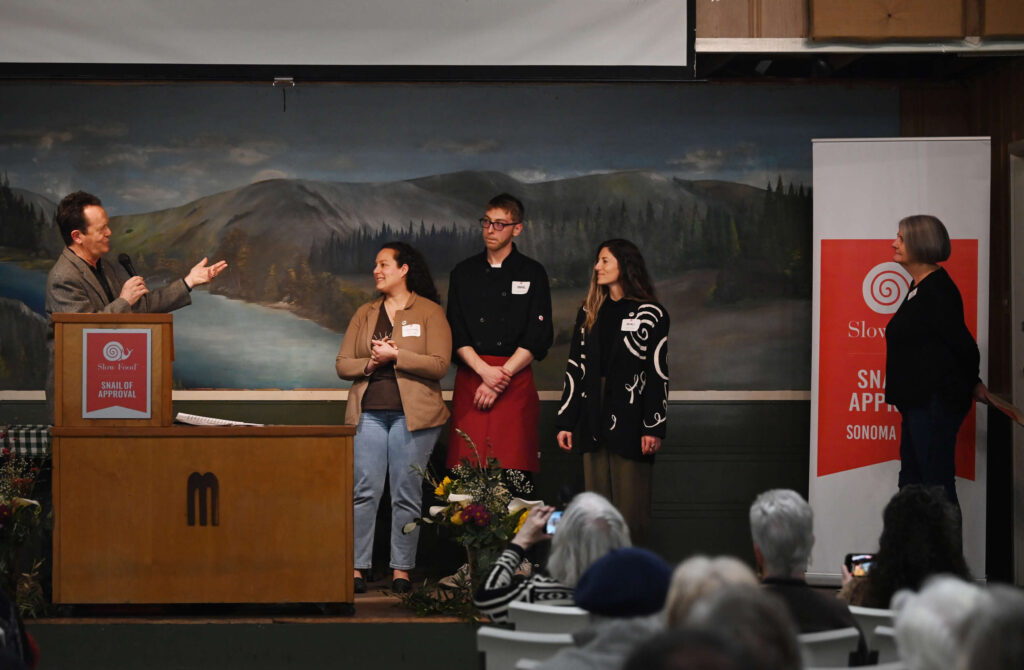
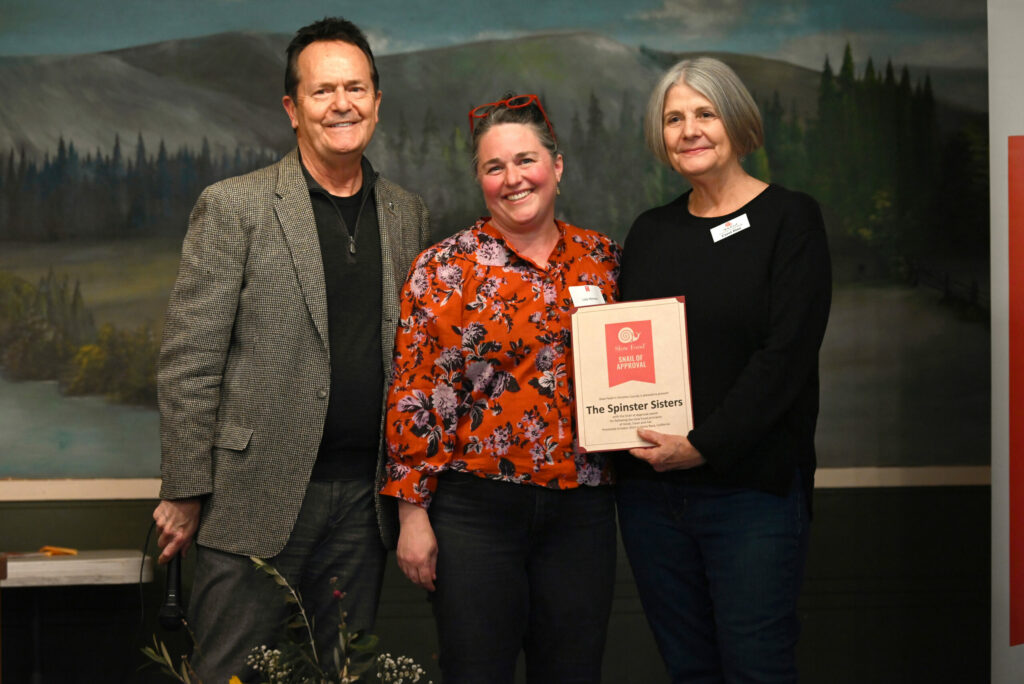
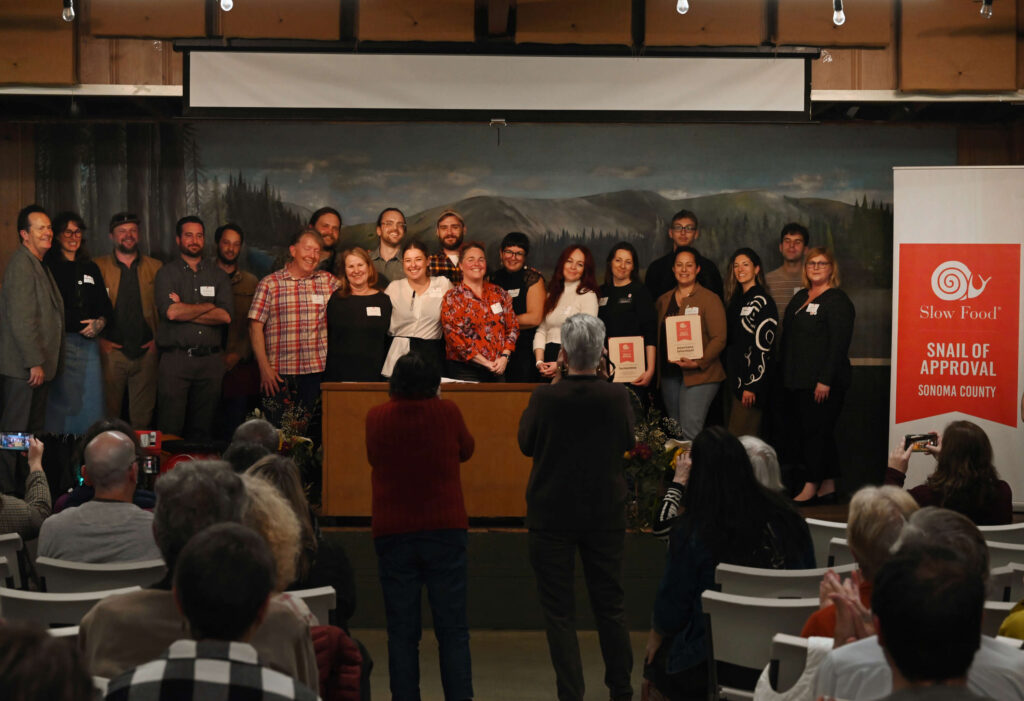
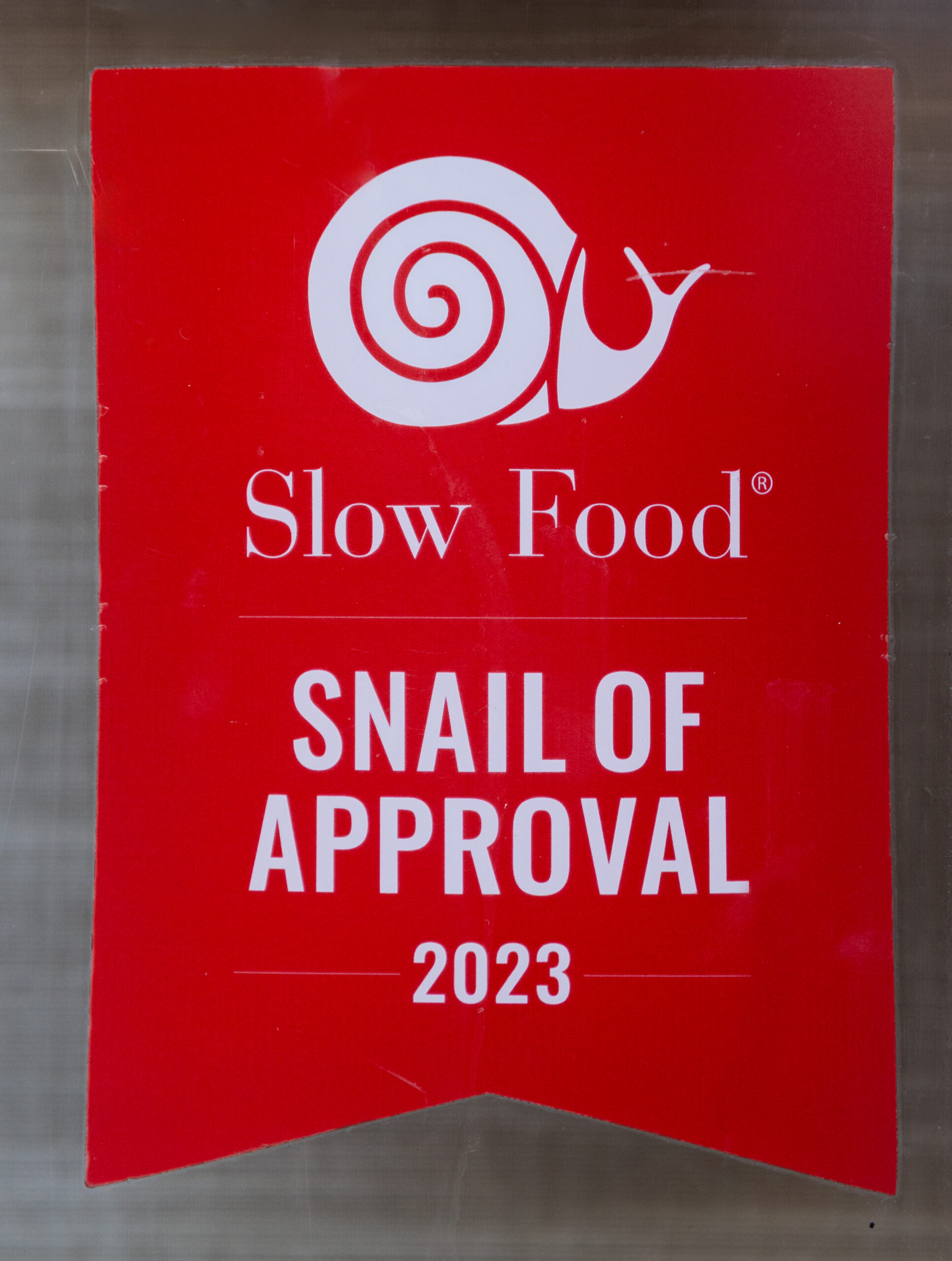
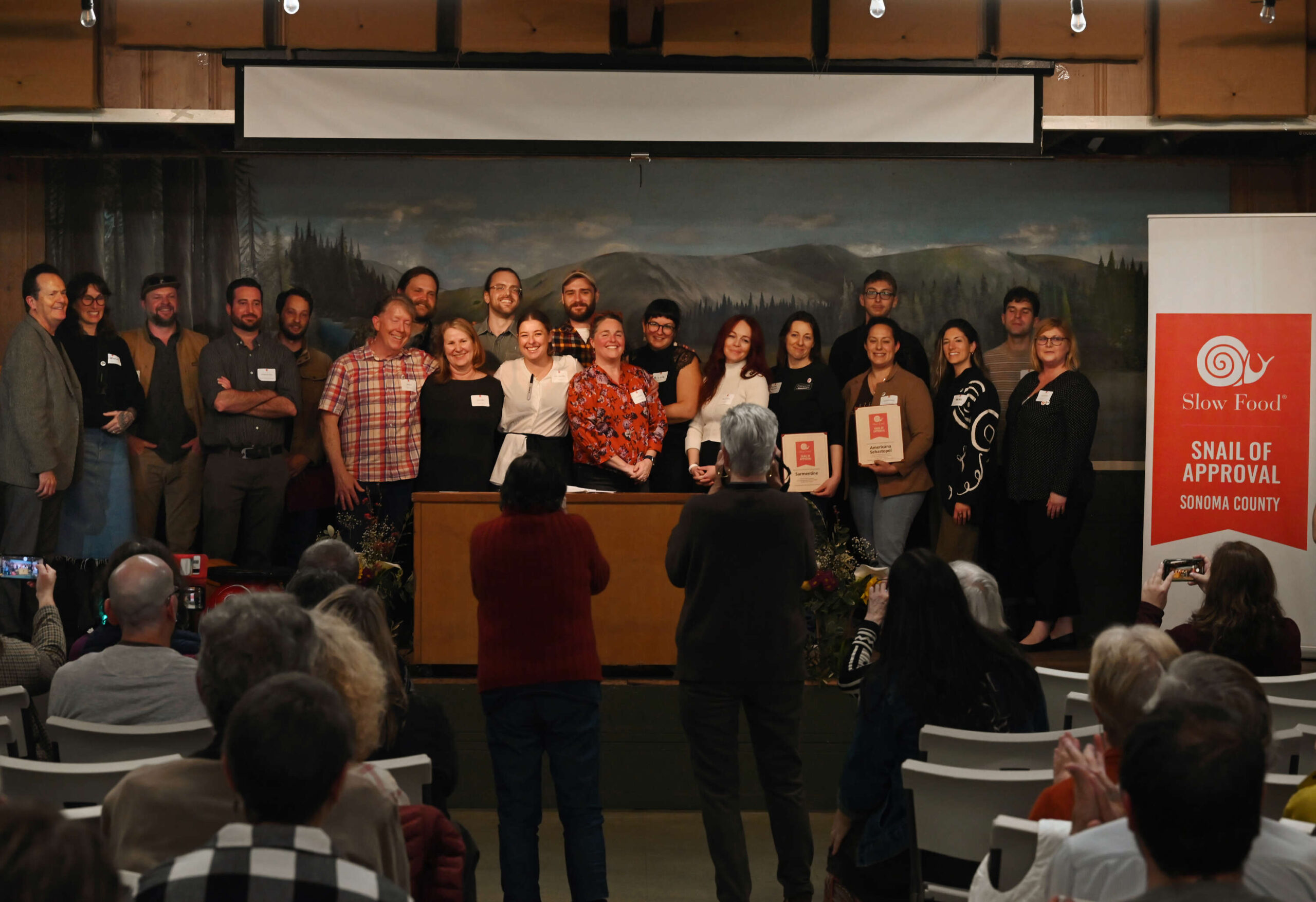
But the snails aren’t the escargot variety. Instead, these critters are printed on signature red and white posters and stickers that hang in doors and windows all around the county, representing a Snail of Approval award from Slow Food Russian River and Sonoma County North. Last year, 21 businesses were honored for their leadership in community-centered food. Since the snails first appeared here in 2017, 82 local businesses have garnered approval for their “good, clean, and fair” practices.
It’s a terrific honor for our artisan food and drink producers. Yet some might wonder what all the fuss is about. Consider a coveted Michelin star, which is generally understood and admired by restaurant guests as designating a remarkable dining experience. The French-owned tire company claims it sends out anonymous inspectors to restaurants around the world, though it operates with secret judging criteria and produces subjective guides for profit. A Snail of Approval, awarded by the nonprofit Slow Food organization, on the other hand, is less about fancy kitchen tricks and posh dining rooms than it is a globally recognized celebration of purely local food, and the soul and hard work it takes to make it.
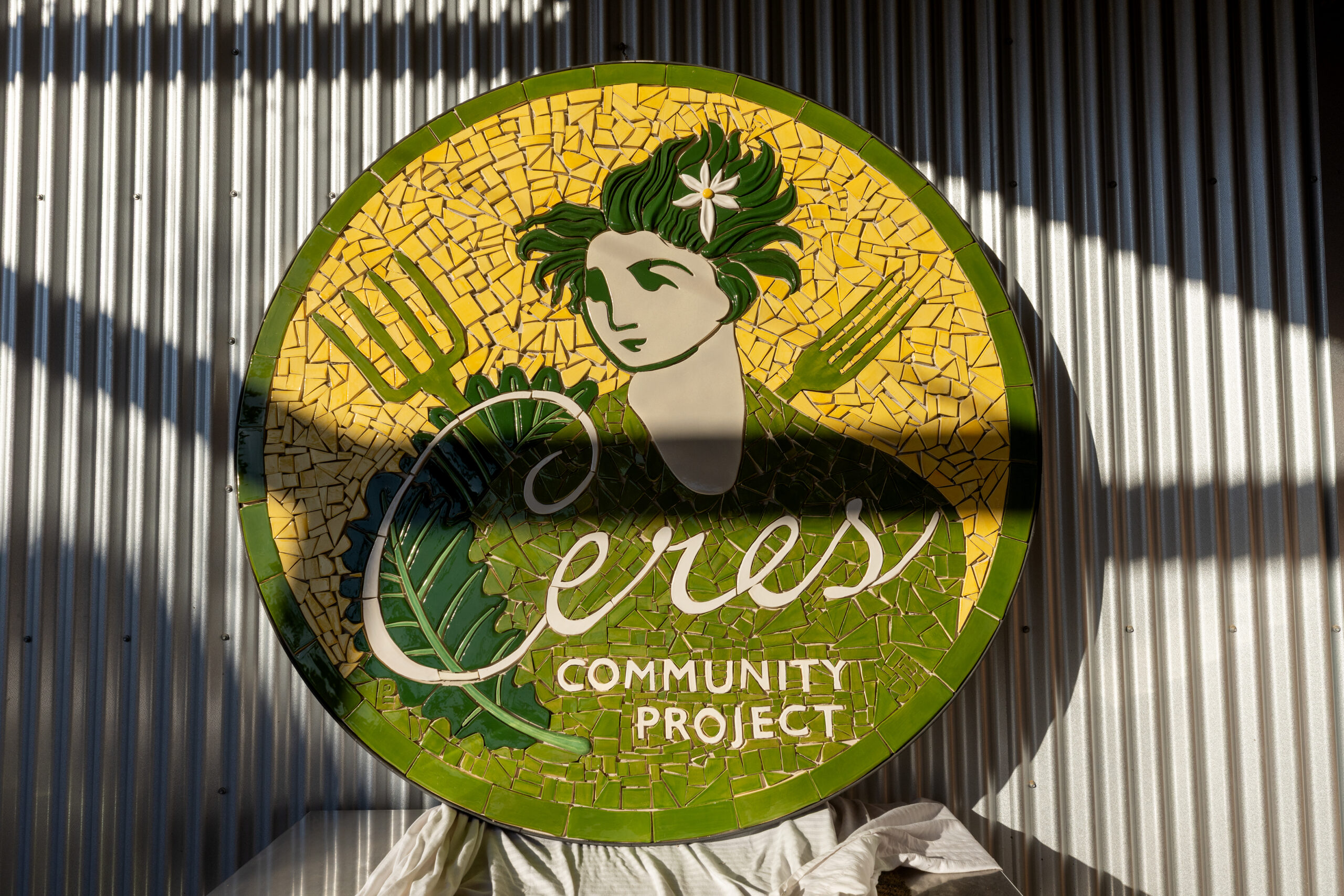
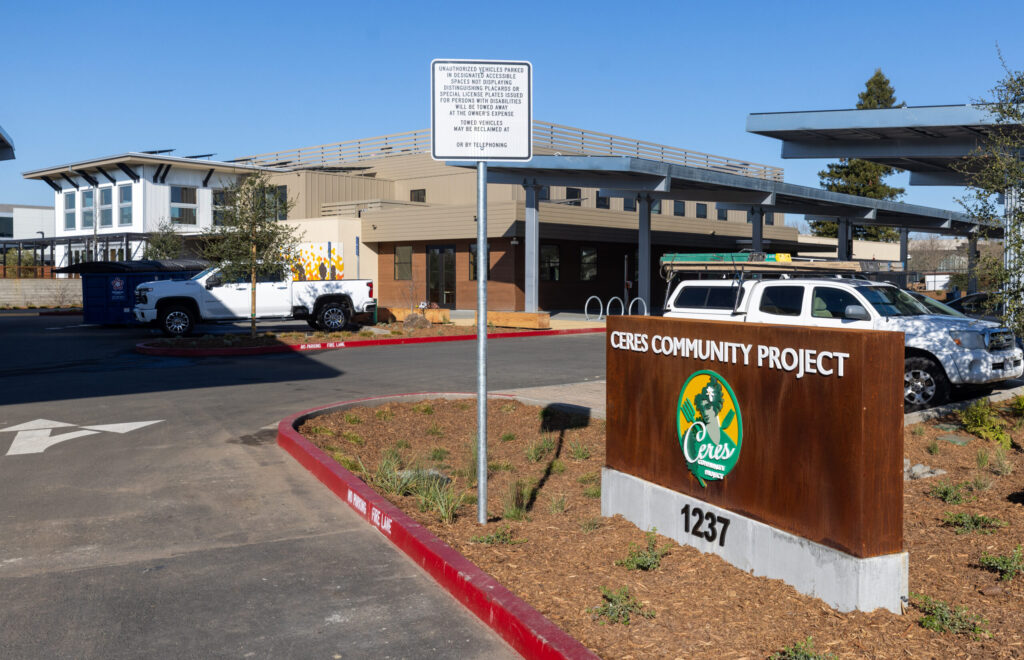
But the two aren’t necessarily mutually exclusive. The famous, ultra-high-end three Michelin Star SingleThread restaurant in Healdsburg has earned a snail, but so has Healdsburg’s Farm to Fight Hunger and Santa Rosa-based CERES Community Project—both nonprofits that provide locally grown and sourced food for people in need.
“Unlike other food awards, the Snail of Approval is always awarded locally and evaluated through the lens of a sustainable food system,” says Slow Food communications chair Carol Diaz. “Businesses are assessed on sourcing, environmental impact, cultural connection, community involvement, staff support, and business values. The program aims to elevate and support businesses that align pleasure with responsibility in the food we eat.”
The vetting is rigorous, covering 12 categories, including the use of seasonal, sustainable ingredients sourced from local producers, humane treatment of people and animals, investment in fair labor practices, and green business practices like composting and recycling. The inspectors aren’t anonymous, either, and are transparent with their expectations. For small businesses like The Beet Restaurant & Wine Shop in Cloverdale, the connection helps guide their dedication to local, pristine ingredients.
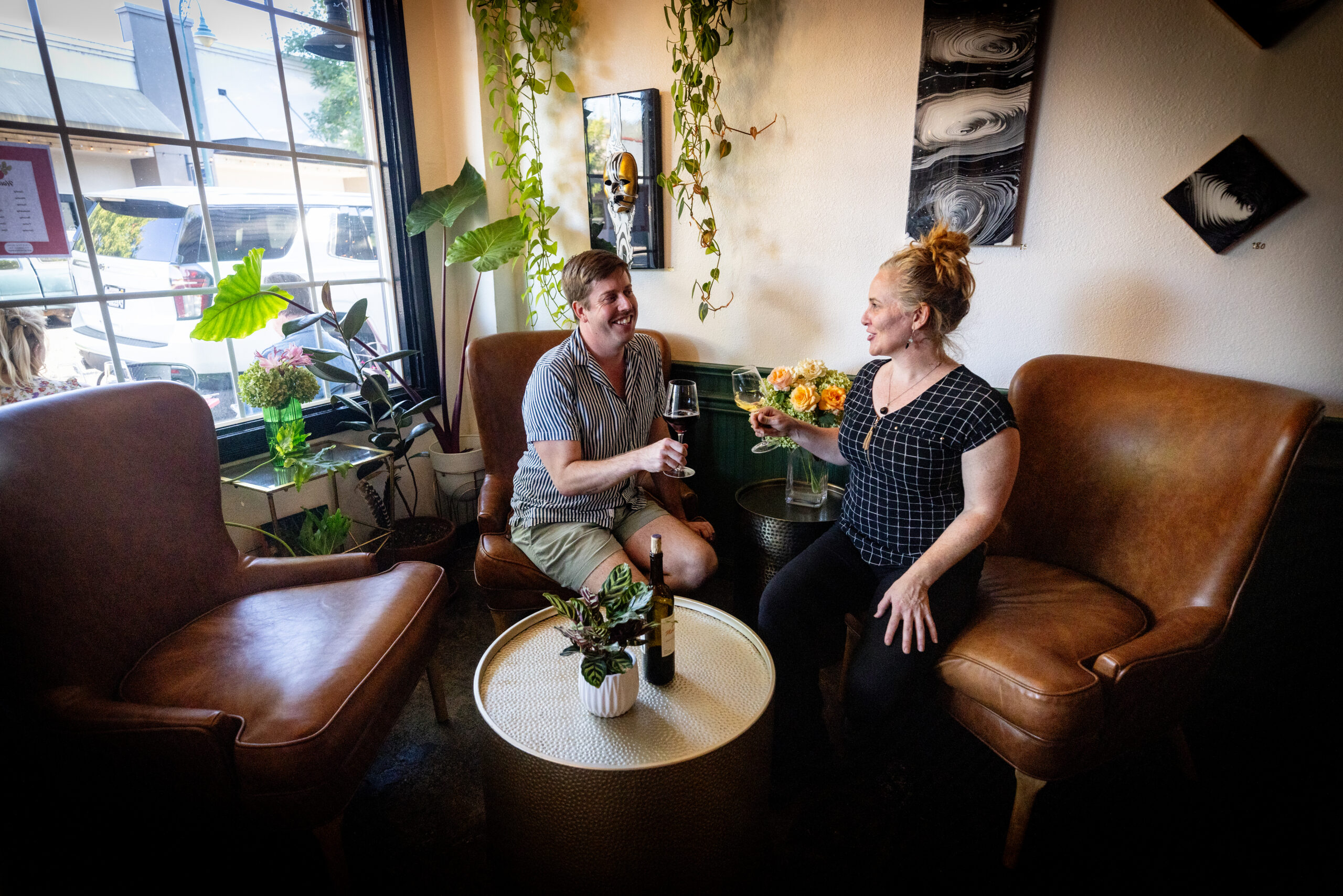
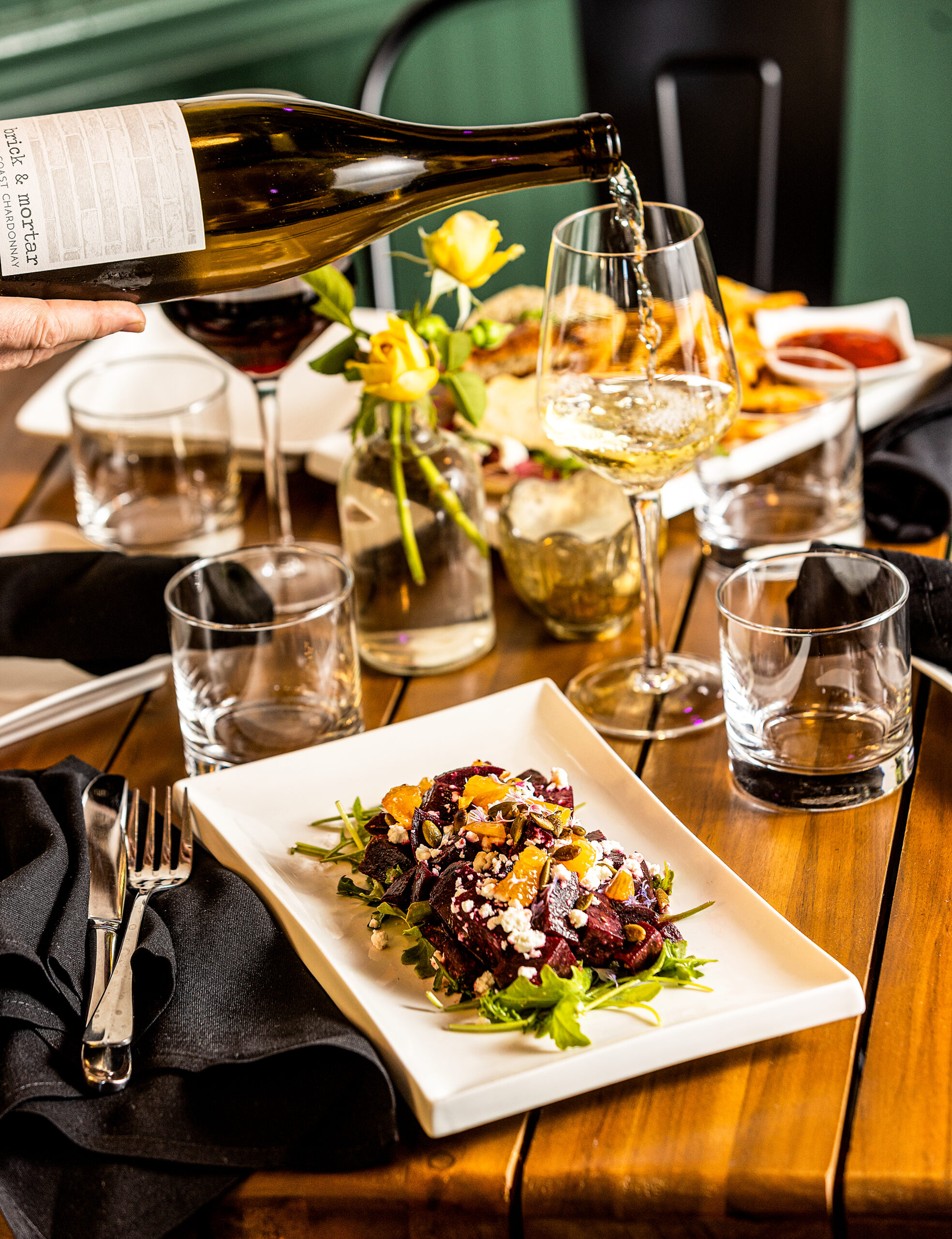
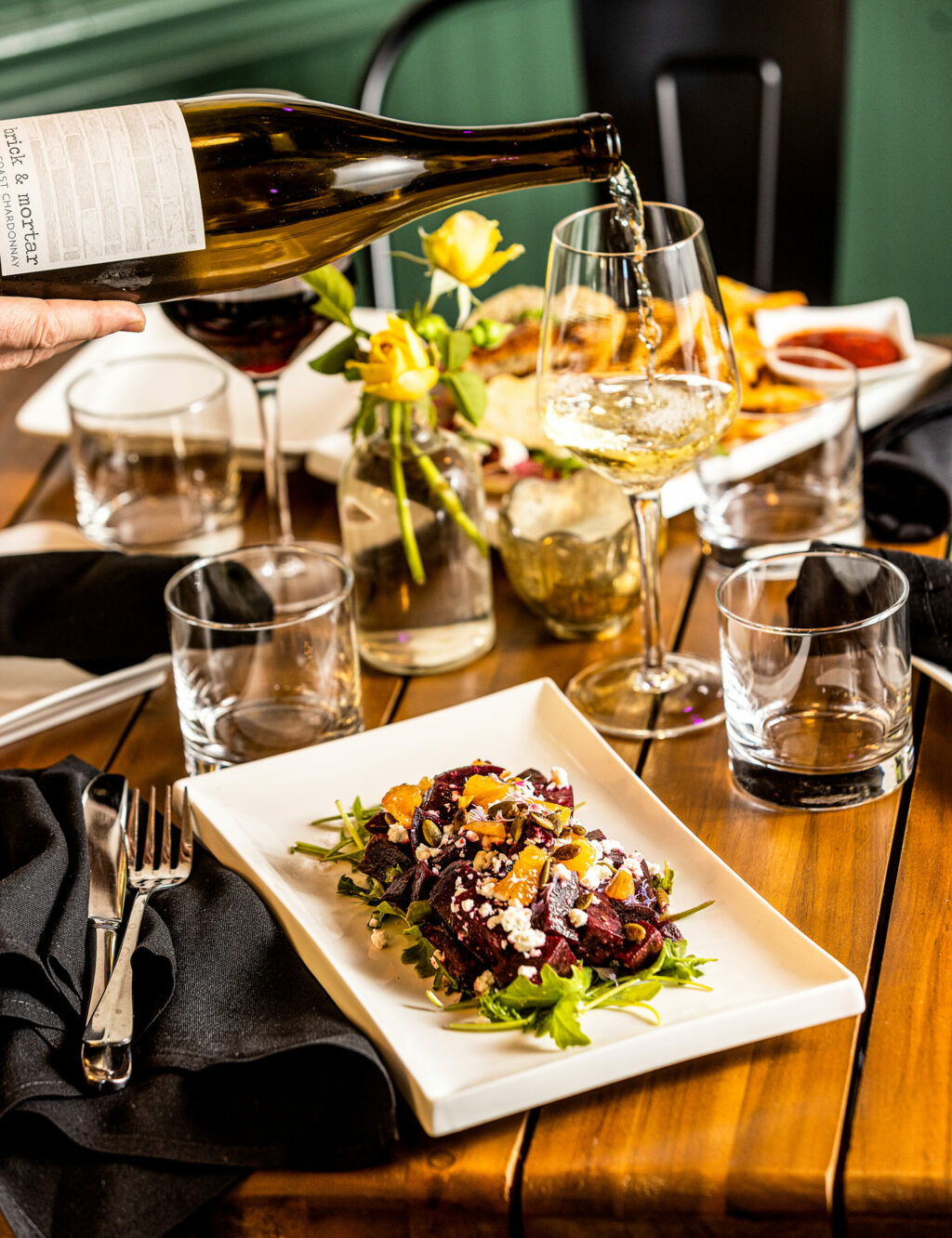
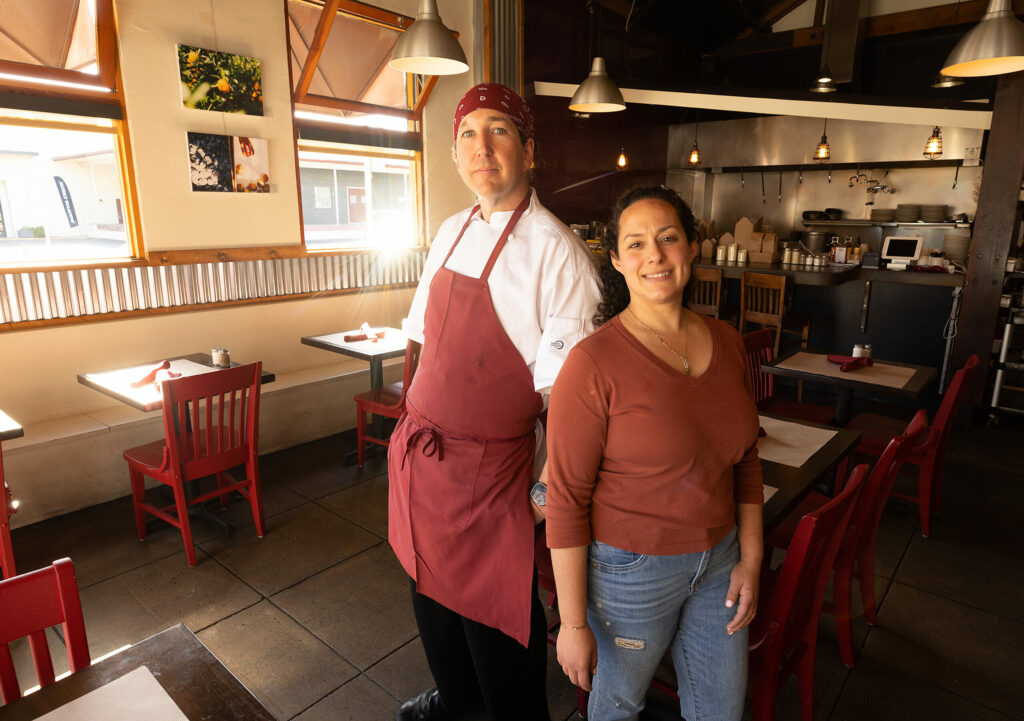
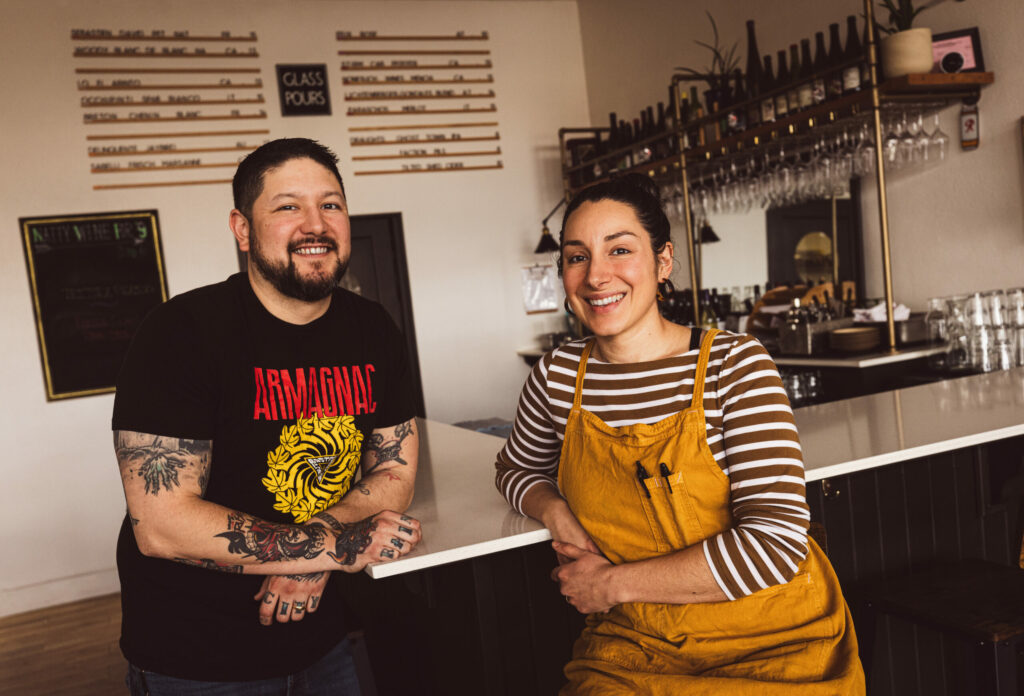
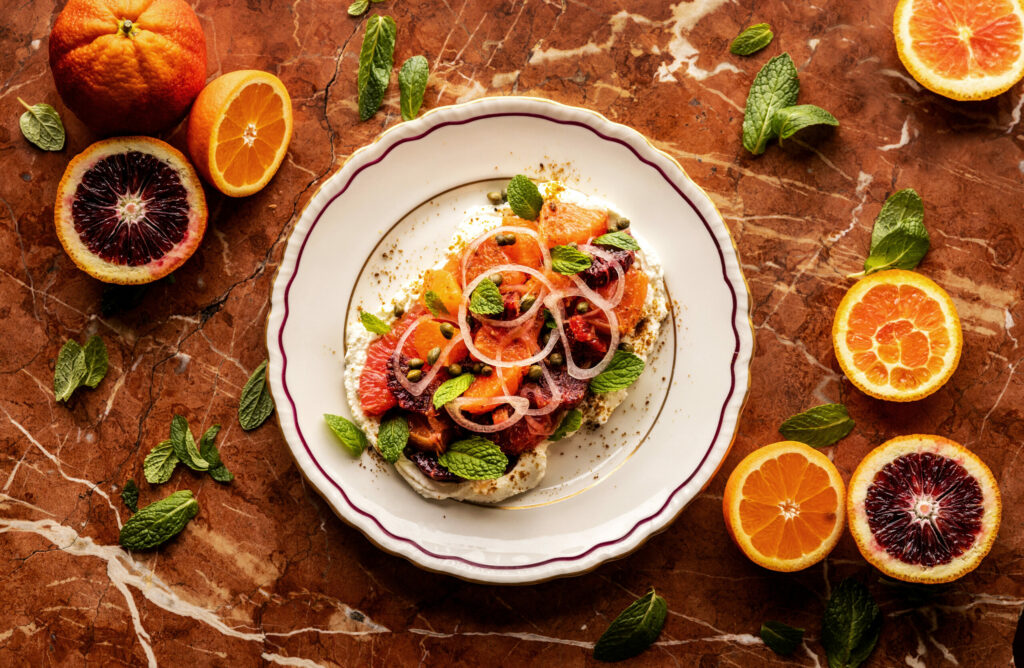
Andrew Radabaugh and Alessandra Ziviani opened their diminutive bistro in 2024 and received their honor last August. They work with local farms like Healdsburg’s Preston Farm & Winery, Cloverdale’s Eco Terreno Farm, SingleThread Farm, and Hopland Heirloom Farm for their signature Up Beet salad. Pastas are made with grain from Mendocino Grain Project, itself included in Slow Food’s Ark of Taste, a designation created to preserve unique, culturally significant, and endangered foods that are at risk of disappearing under industrial agriculture.
Michelin accepts nominations, and so does the Slow Food Sonoma County team. Once nominated, businesses must fill out a highly detailed application. After The Beet’s nomination was accepted, the process began.
“A group of snails (volunteers) came to the restaurant and interviewed us for an hour and a half about our ingredient sourcing and daily practices, then toured our kitchen,” says Radabaugh. “For us at The Beet, ‘good, clean, and fair’ isn’t a buzzword, it’s a daily practice. When all three come together, the result is food that tells an honest story—of place, of people, and of values—and that’s the kind of food we want on our tables and in our community.”
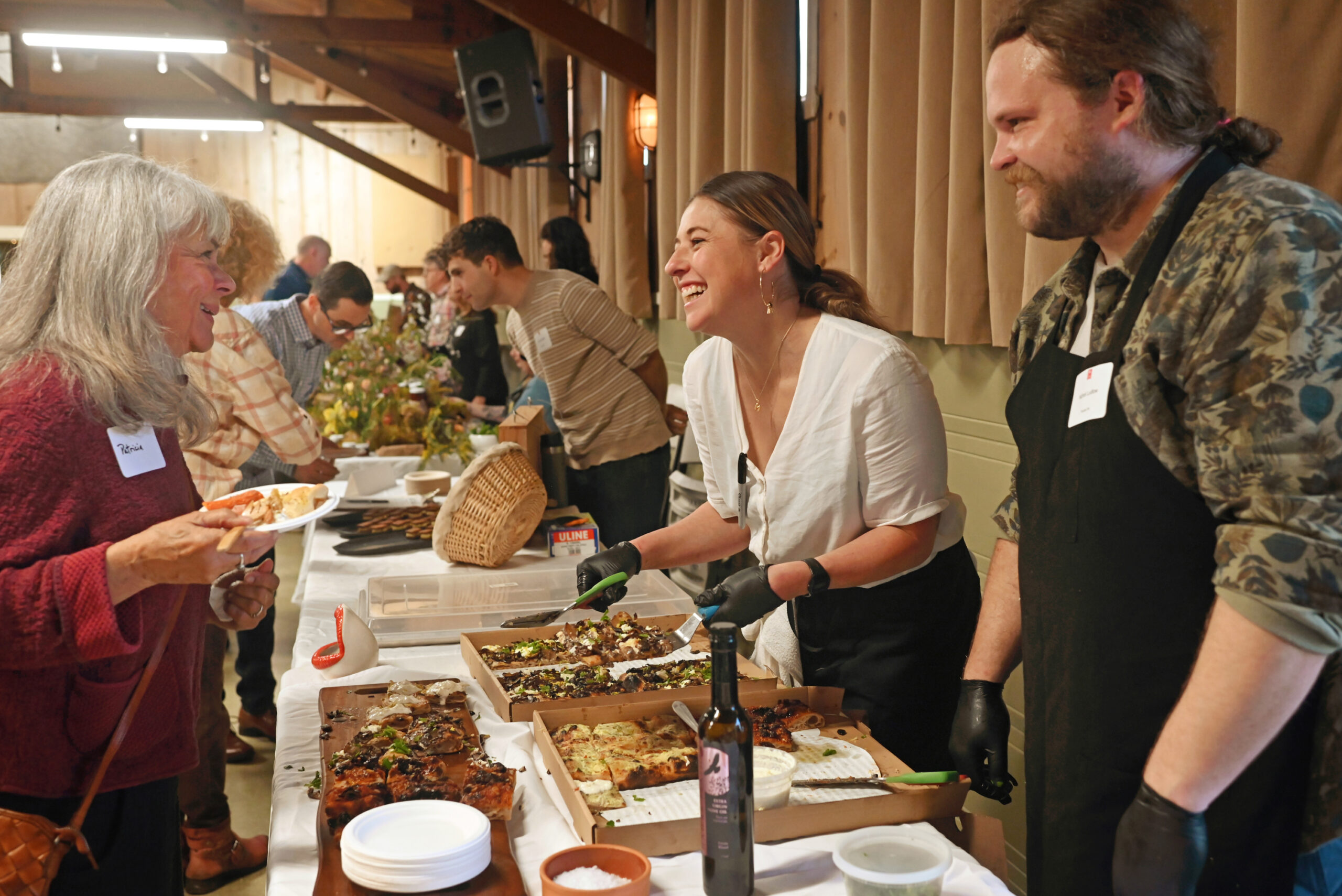
When delegates from 15 countries met in Paris in 1989 to sign the Slow Food Manifesto, it signaled a sea change from the industrialized food system then sweeping the globe. Eschewing processed, packaged foods, Slow Food supporters dedicated themselves to clean, seasonal, environmentally friendly, and humanely sourced sustenance.
Less than a decade later, in 1997, Sonoma County was one of the first places in the United States to establish a Slow Food Chapter, Slow Food Sonoma County North. Slow Food Russian River followed in 1999. Because here, in this abundant agricultural foodshed, Slow Food has long been a way of life. Surrounded by family-run farms and farmers markets, many of us already seek out what’s freshest and most delicious.
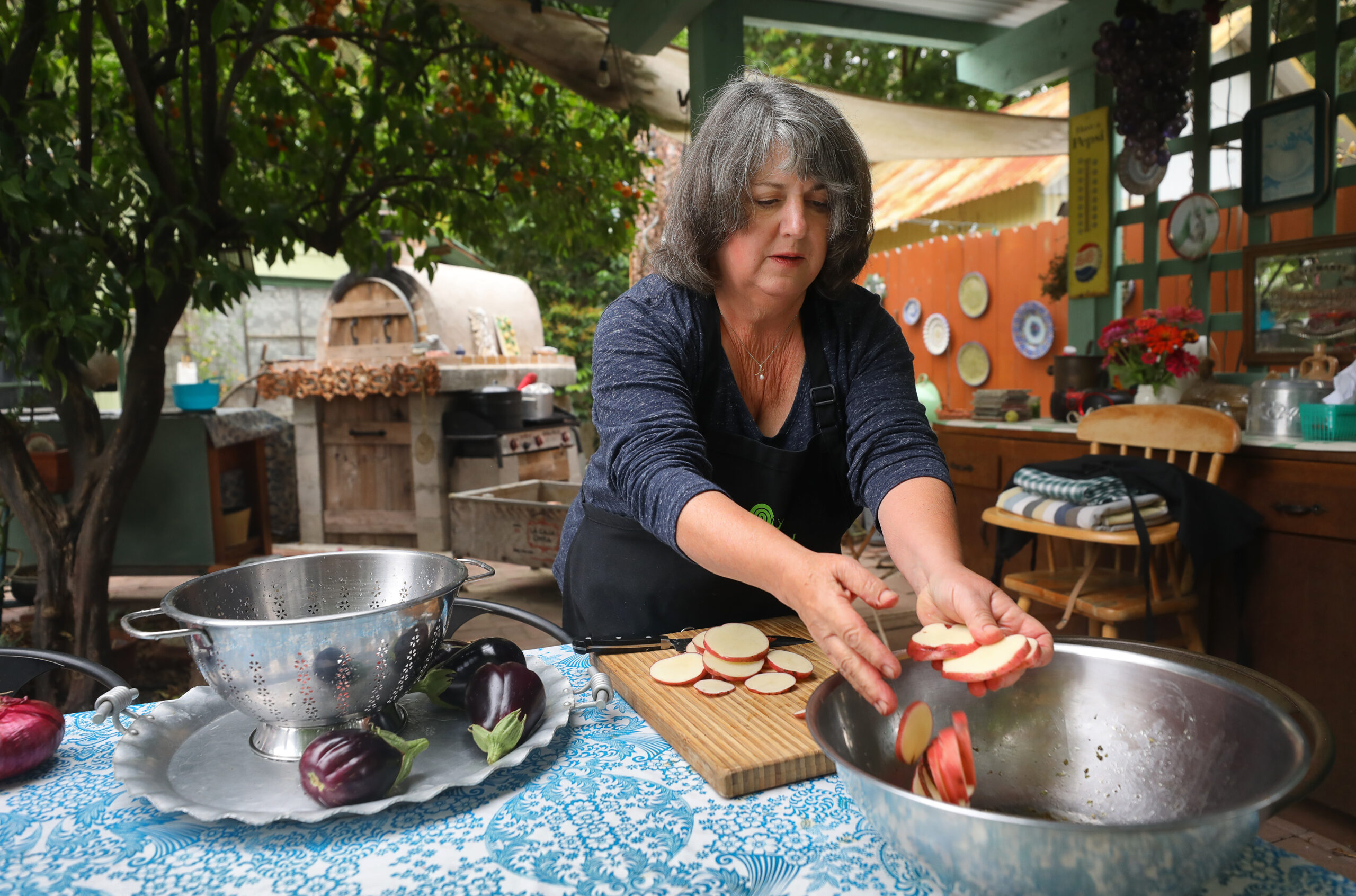
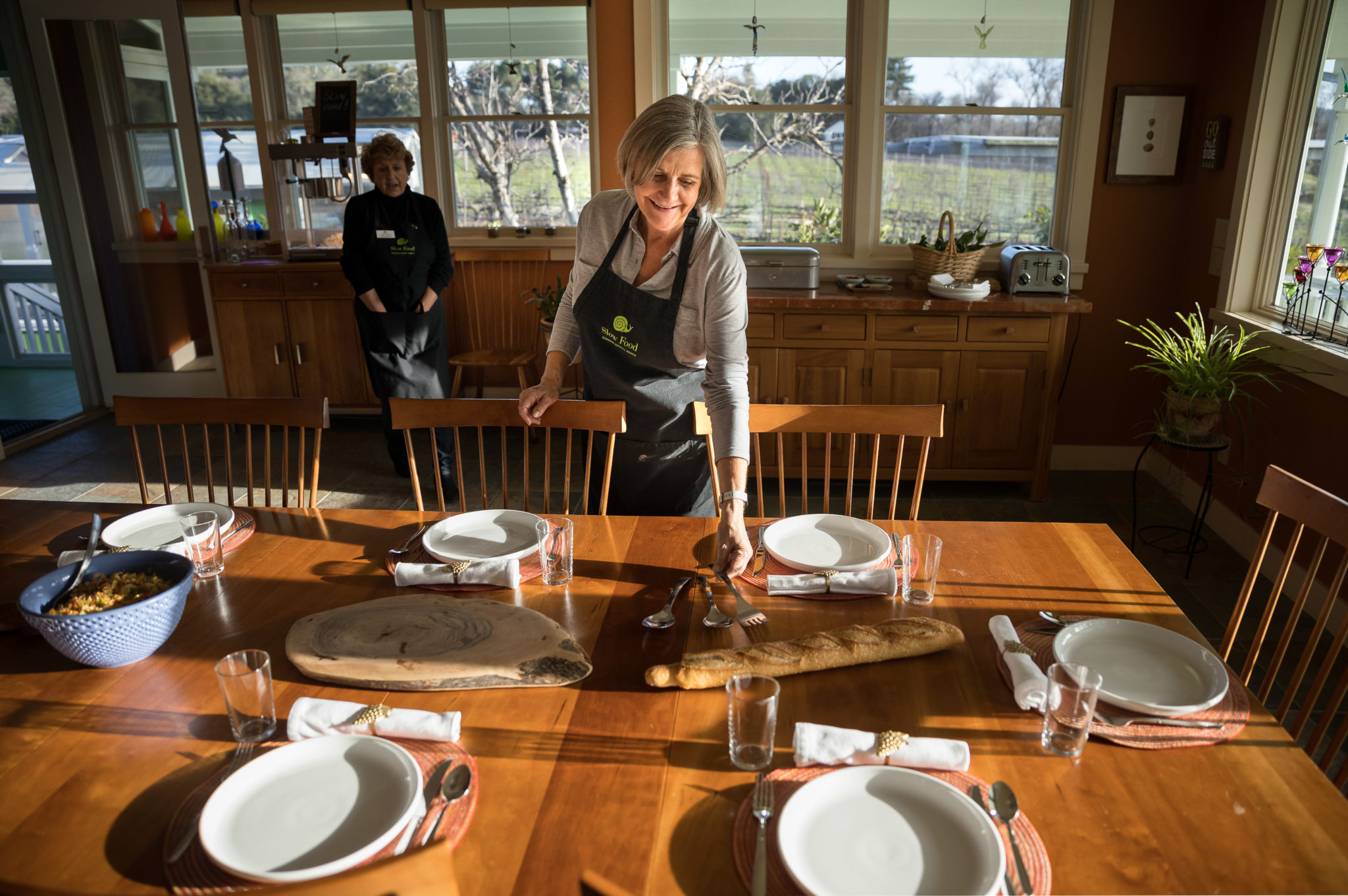
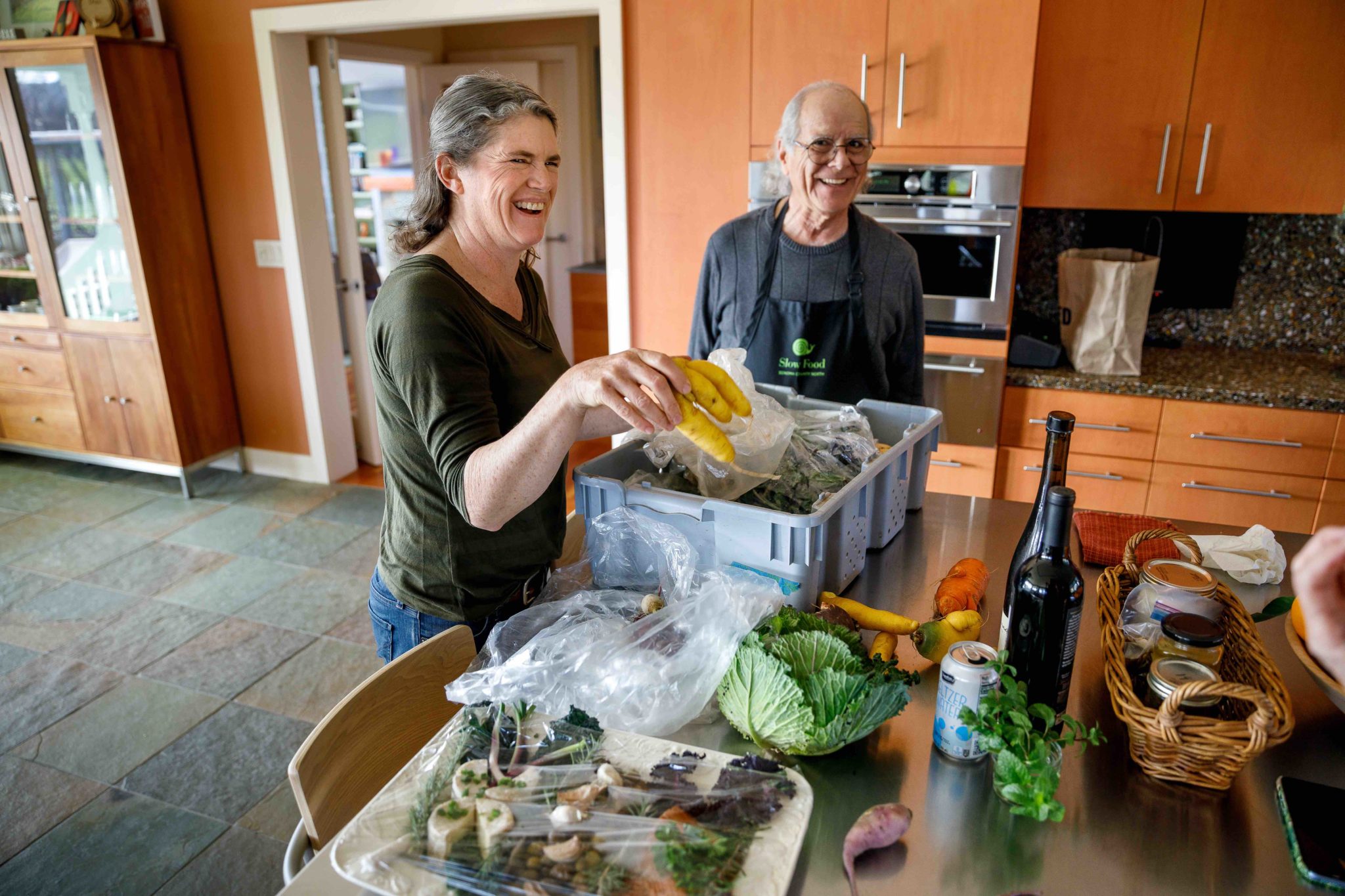
These days, the culinary movement is growing to feed our minds as much as our bodies, furthering the conversation about food justice and equality. The Food Justice movement works to solve economic pressures that prevent access to healthy, nutritious, and culturally appropriate foods. As Slow Food’s mission statement notes, one goal is “accessible prices for consumers, and fair conditions and pay for small-scale producers.”
In addition, Sonoma County’s Slow Food chapters work hands-on to show communities how to incorporate goodness from the land into their everyday routine. The Russian River group, for example, helps establish organic gardens at local elementary and high schools, teaching students how responsible planting practices bring long-term soil fertility, an economically feasible healthy diet, and delicious food to generations.
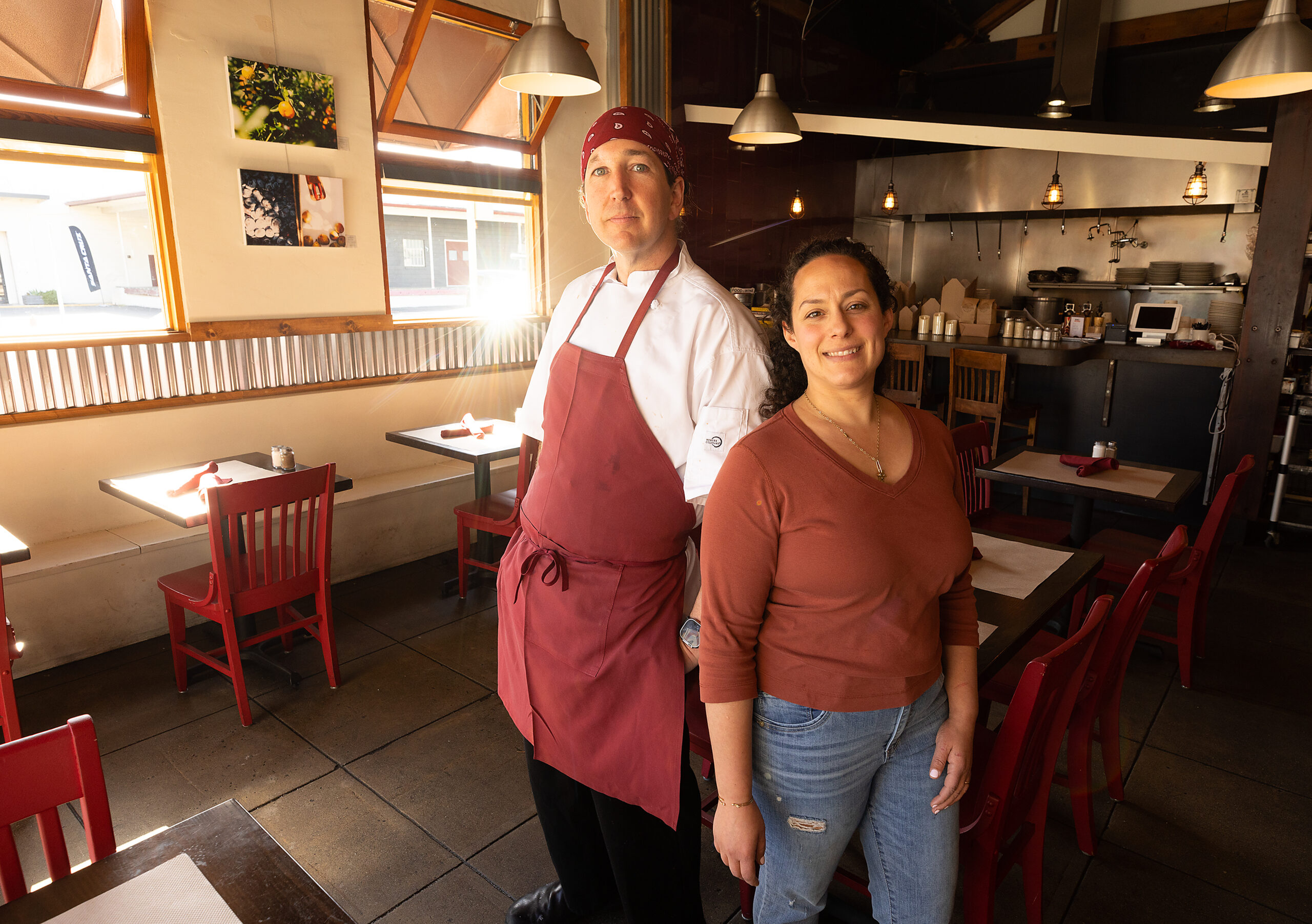
Estero Café in Valley Ford was part of Sonoma County’s Snail of Approval pilot program in 2017 and was among the first group of awardees.
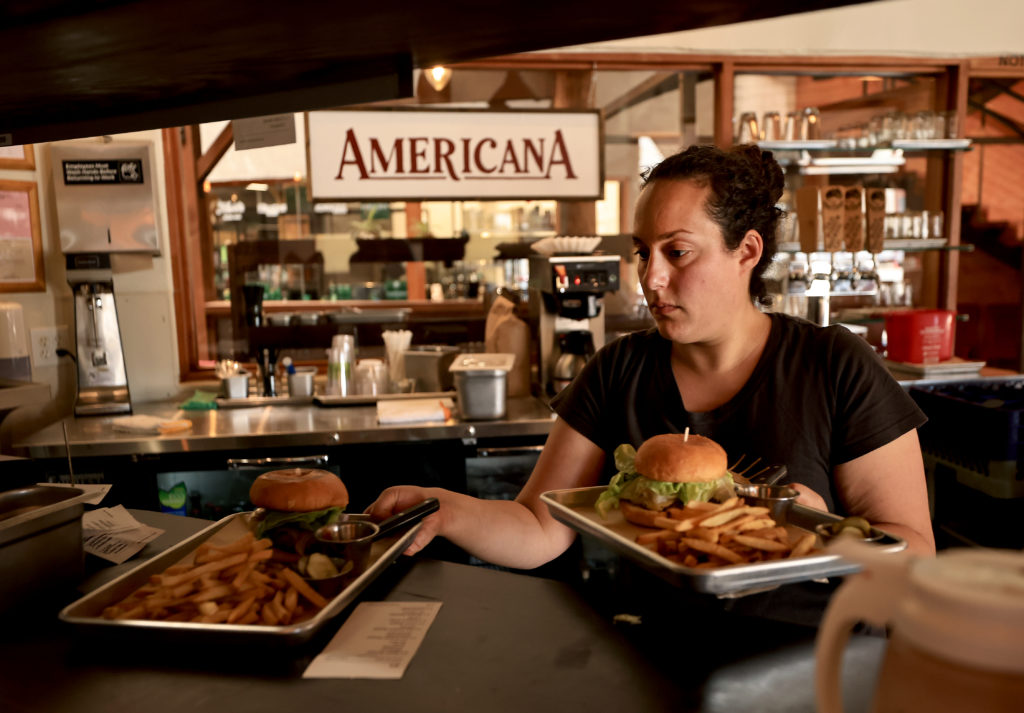
“We have maintained our snails since,” says Samantha Ramey, who along with her husband, Ryan Ramey, owns Estero, plus the Americana restaurants in Santa Rosa and Sebastopol, which also have snails clinging to their windows.
There’s no slacking after earning a Snail, either. Winners are reviewed every two years. “Slow Food members will do surprise inspections, much like a health inspection. They review your invoices, they check your kitchen and look in your walk-ins and storage area to see that you truly are purchasing the things you say you are.” But the challenge, she says, is worth it. “I think the award works both ways, it does help people who are looking for organic farm-to-table food to find us, and it also helps them find other businesses that focus on sustainability and Slow Food.”
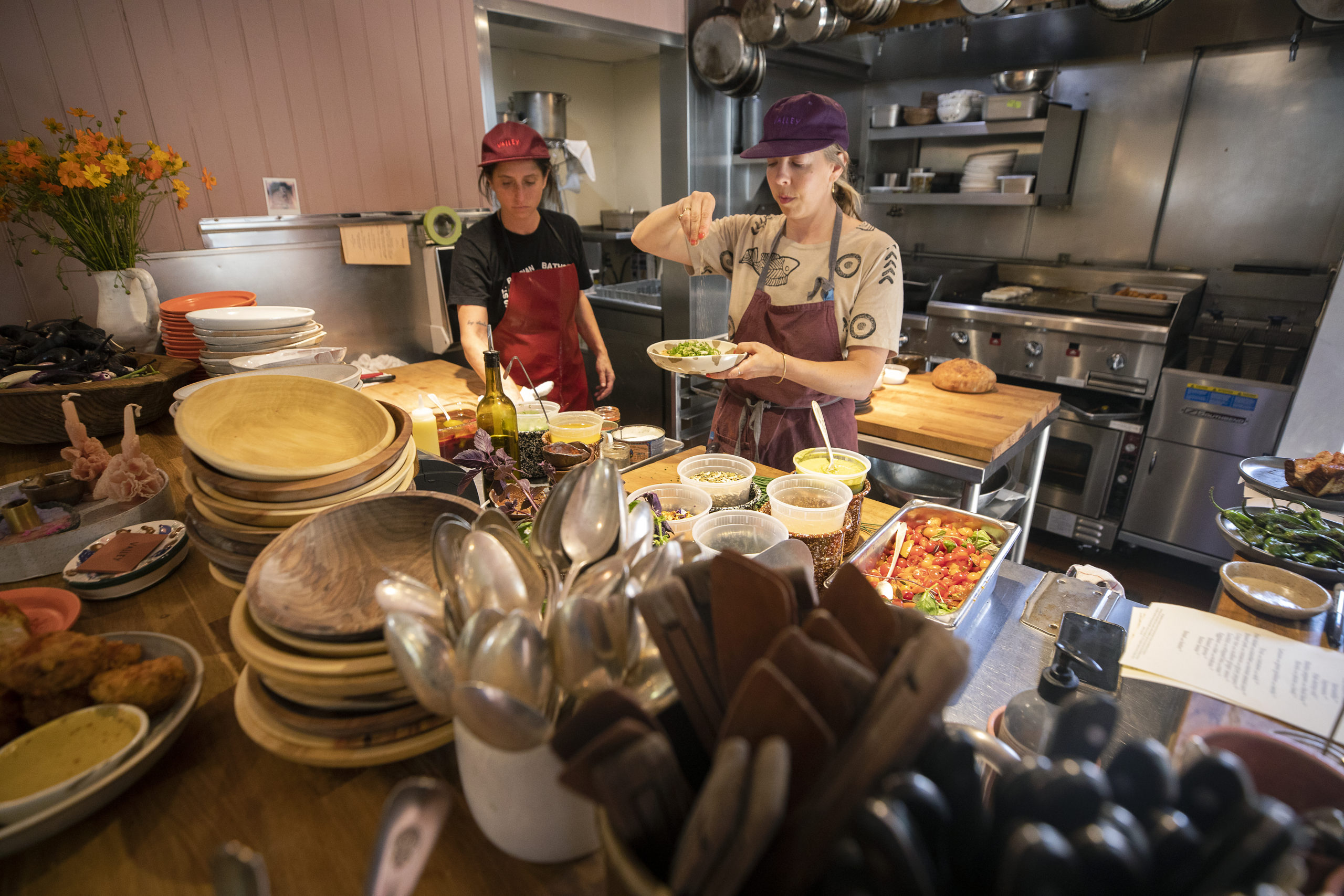
Even wine programs can scoop up snails. At Valley Bar + Bottle Shop and Valley Swim Club, both in Sonoma, grapes helped play a role in gaining both eateries awards last April. (Valley Bar owners Emma Lipp and Stephanie Reagor also have been named James Beard semifinalists for “Best Chef: California”; winners will be revealed June 15). “We have always emphasized clean agriculture both in our culinary program and on our wine list,” says Lipp. “Produce and grapes grown without chemicals, animals raised without chemicals. And the vast majority of our ingredients come from purveyors we personally know within 80 miles of the restaurants.”
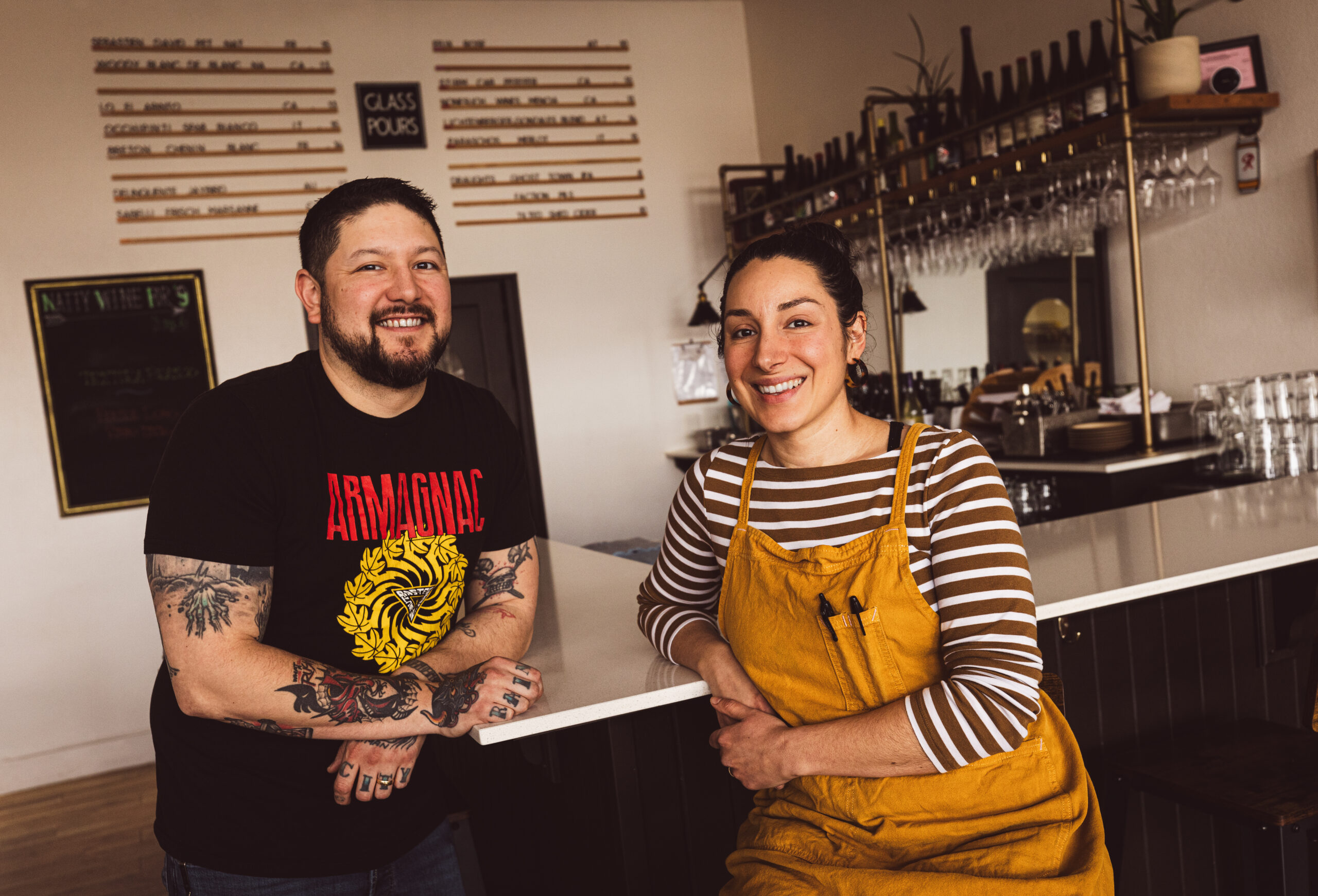
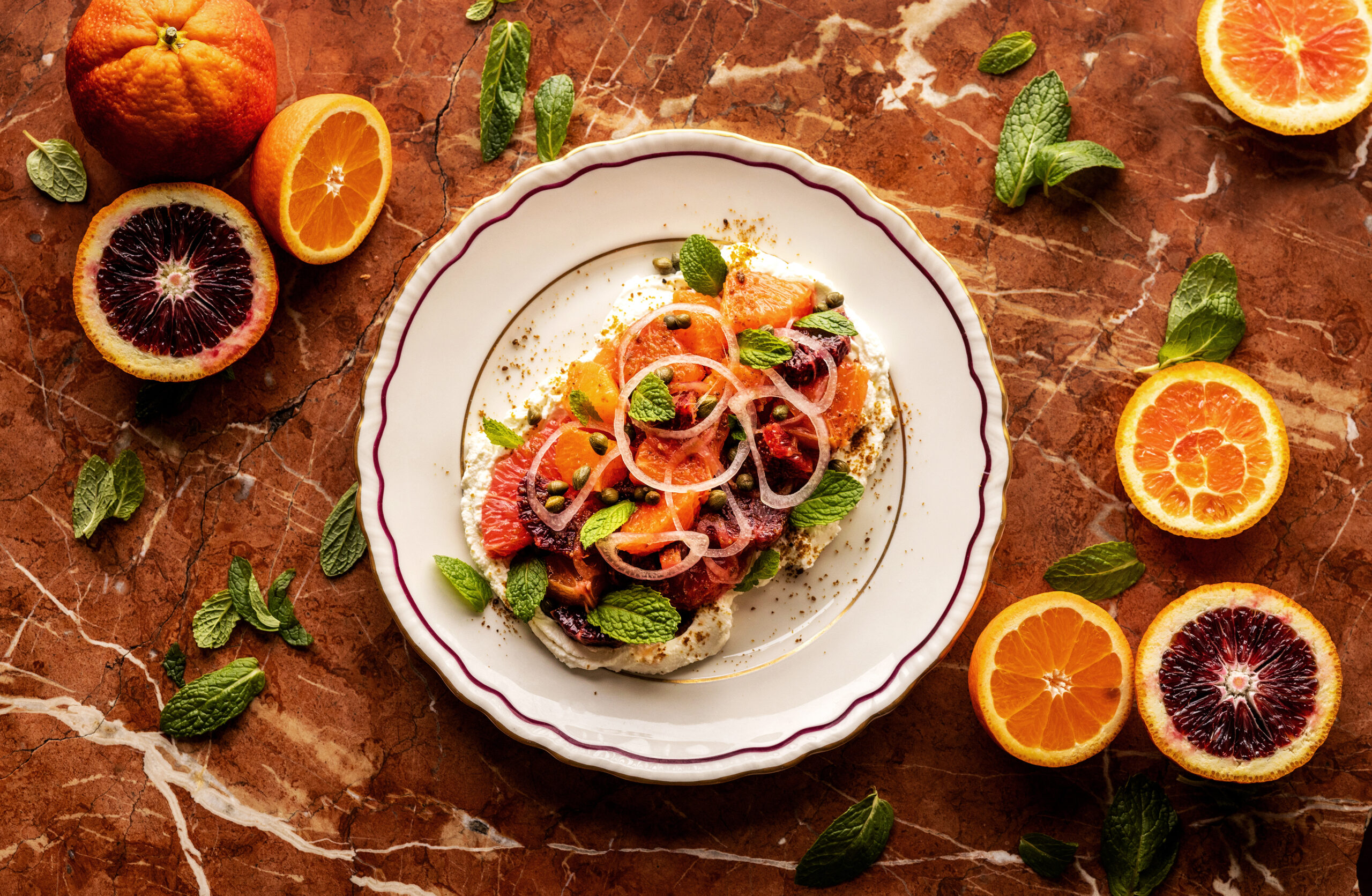
The Redwood, a restaurant and natural wine bar in Sebastopol, earned its first snail last August and owners Geneva Melby and Ryan Miller have found that the honor opens valuable conversations. “In Sonoma County, it does seem like there is a fairly large contingent of consumers who are aware of the existence and the importance of Slow Food and the Snail of Approval, so I do think it helps us,” Miller says. “For those who don’t, we love the opportunity to talk to our customers about the importance of the concepts of the Slow Food Movement. This restaurant gives us the platform to advocate for local farmers, fishermen, winemakers, and other artisans, and we really value that ability.”