Eggs & Farmers

Recently gathered eggs from Pepper Ranch. (photos by Chris Hardy)

In the first half of the 20th century, the explosion of chicken farms amid the sunny, fog-kissed hills of Petaluma lined residents’ pockets with a feathery fortune and gilded its reputation as the richest little city in America. Dubbed “Chickaluma” and the “Egg Basket of the World,” Petaluma produced 612 million eggs in 1945, from an estimated 6 million hens.

Chickens of Annika's Eggs at Moreda Family Farms in Petaluma.
Chickens of Annika’s Eggs at Moreda Family Farms in Petaluma.

The region had the rich, alluvial soil, cooling fog and sunny hillsides required for chickens to thrive. On Petaluma’s southern end, a series of sloughs allowed the eggs to enjoy smooth sailing on boats heading south to the Bay Area market, where they arrived unbroken and unspoiled. The area developed into a hotbed of innovation and entrepreneurship, particularly with the invention of the world’s first incubator.

After World War II, however, the small family farms were slowly bought out, and the once-proud industry collapsed in the mid-1960s, a victim of farm subsidies, urbanization and a new generation intent on leaving the farm behind.

Each April, Petaluma still cracks open a window to its egg-centric past during the Butter & Egg Days parade and celebration, where local kids dress up for cutest-chick contests and see how far they can throw cow pies. But most of the old chicken houses now recline like wooden skeletons, sagging back into the earth.

Over the years, mechanization provided the impetus to increase the industry’s scale, allowing just a few Sonoma farmers, such as Petaluma’s Sunrise Farms partner Arnie Riebli and Petaluma Farms owners Steve and Judy Mahrt, to produce eggs in numbers that approach those seen in the Sonoma egg industry in its early good times.

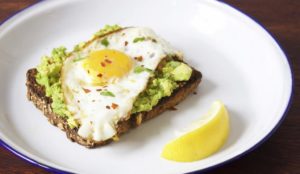
In the past 10 years, however, two forces have fueled a growing demand for pasture-raised eggs. The “eat local” movement that took root in the early 2000s, combined with a back-to-the-farm ethos, inspired a new, younger generation of farmers to get involved in food production. Second, the 2008 passage of Proposition 2, an animal welfare ballot measure that went into effect Jan. 1, 2015, aims to ensure the health of laying hens by mandating they be capable of “fully spreading both wings without touching the side of an enclosure.” Many egg eaters appreciate such care.

Today, there is a growing demand for pasture-raised eggs sold for $5 to $10 a dozen at local farmers markets and grocery stores. The home-grown movement also spawned a rush to raise backyard chickens.

“Chickens are making a huge comeback in Petaluma,” said Laurie Figone, an award-winning Petaluma home cook who writes a column for the Sonoma County Farm Bureau. “I’ve been talking to the people who are raising them, and they are branching out because there is a higher demand for eggs. The ‘Egg Basket’ is coming back.”
THE NEW GENERATION

Dawn Dolcini of Tully Dolci Organic Farm holds a Leghorn rooster.

Meet the new generation of chicken ranchers raising heritage birds such as Delawares and Rhode Island Reds for both meat and eggs, often as a side business to a dairy or cattle ranch or as a second job. Like their grandparents and parents, these young farmers are finding there’s a niche for producing a food that provides a high-quality and affordable source of protein.

Despite the hard work and high costs — gathering and cleaning the eggs, moving the henhouses, keeping predators at bay and buying grain for feed — the business of the small egg farmer has once again landed sunny-side up.

Don Gilardi of RedHill Farms, a fourth-generation farmer in western Petaluma, went from raising lamb to producing chicken eggs seven years ago, after voters passed Proposition 2. RedHill Farms now partners with 10 other pastured-egg producers to supply 10,000 eggs a day to 120 grocery stores in Sonoma and the greater Bay Area, including Whole Foods outlets.

“That was the lightbulb going off that there was a demand for the pastured eggs,” Gilardi said of the passage of Proposition 2. “The main hub is the Bay Area, because of the California laws, but it’s spreading across the U.S. … People are saying, ‘We want the best product available in the market for our children and for us.’”

It helps that eggs are no longer shunned by the medical establishment. Despite years of worry about dietary cholesterol, a review of more than 25 studies published in 2000 by the Journal of the American College of Nutrition showed that eating an egg a day is not associated with increased risk of heart disease among healthy adults. In fact, nutritionists now tout pasture-raised eggs as a prime source of healthy, omega-3 fatty acids.

And those watery egg-white omelets are becoming a thing of the past as consumers learn that the yolk actually holds most of the egg’s vitamins and minerals, including iron, vitamins A and D, phosphorus, calcium, thiamine and riboflavin.

The deep color and rich flavor of the farm-fresh yolk is also what sends many Wine Country chefs swooning in the springtime as they prepare delicate dishes to showcase its charms.

Fresh, organic egg from Annika's Eggs in a frying pan.
Fresh, organic egg from Annika’s Eggs in a frying pan.

“When you have a poached egg and you cut into it, there’s an explosion of deep yellow and orange,” said Annie Simmons, chef and co-owner of Topsy’s Kitchen in Petaluma. (The yolk color is affected by what chickens eat.)

“The yolk color is nicer in the spring, because the grass is green. You just know the egg is coming from a good source,” Simmons added.

Kay Baumhefner, original chef for the Della Fattoria Café who now runs the Come Home to Cooking school at her Petaluma home, once raised her own laying hens at a farm in Forestville.

“Once you’re raised your own eggs, other eggs seem pale by comparison,” she said. “They have these gorgeous yolks, and the shells are thicker and harder to crack. When you crack an egg, you notice three distinct levels: The yolk stands up, the central part of the white, and the water part of the white. A truly fresh egg should display all of those.”

The new wave of egg producers comes from the chicken farms dotted among Petaluma’s rolling hills that Figone, Simmons and Baumhefner turn to when they want to make savory, spring egg dishes, from eggs Benedict to egg salad.

Figone sources her eggs and chicken from Pepper Ranch Poultry in Petaluma, located at a former dairy farm on Pepper Road. The farm was founded by Craig Azevedo and his wife, Amy Swenson, who started raising chickens five years ago to make a little extra money.

Dawn Dolcini of Tully Dolci Organic Farm.

“My grandfather always raised chickens, and we always had fresh eggs and his roasting hens,” said Figone, who grew up on a ranch in Novato. “I’ve not tasted chicken like that until Pepper Ranch Poultry came along.”

Azevedo is a third-generation rancher who rents land from his father, Pete Azevedo. He makes his living as a carpenter but still harbors the compassionate heart of a farmer.

“Craig was born to be a rancher,” Swenson said. “He’s so happy doing it. He’s a nurturer. The animals come first. He doesn’t eat until everybody’s taken care of.”

Over the years, the couple expanded their flock to 400 egg layers, including five heritage breeds. In addition to chicken parts and eggs, they also sell laying chickens to the growing ranks of urban farmers who want to raise their own backyard flocks.

For the farmers market, Swenson makes homemade soup stock from chicken feet, and often feeds her family an “upside- down” dinner of scrambled eggs and hash browns.

Figone eats an egg every day for breakfast, either poached or scrambled, with toast. The baker, who won the World Dessert Championship in 2014, also likes to bake the fresh, Pepper Ranch Poultry eggs into luscious treats such as lemon bars.

“The fresh farm eggs make a huge difference in the color of the lemon bars,” she said. “The yolk is such a vibrant, beautiful color.”

The chickens of Annika’s Eggs at the Moreda Family Farms are housed in an RV that is moved around a big field in the middle of the valley.

In 2011, Travis Moreda and Annika Urquhart launched Moreda Family Farms with 140 dairy cows pastured on 530 acres between Petaluma and Bodega Bay. Urquhart started raising her first flock of chickens in 2013, as a way to diversify the small, organic dairy. She now looks after 140 chickens as well as taking care of the calves.

“Chickens require a lot of protein, so we take the leftover grain from the cows and feed it to the chickens,” said Urquhart, who grew up raising all kinds of animals in Olema in Marin County. “I spend a lot of time on having high-quality, healthy animals.”

The chickens lay their eggs in a former RV trailer that’s been outfitted with laying boxes and other chicken-friendly accoutrements. The eggs are mainly sold to Topsy’s Kitchen and Brickmaiden Breads in Point Reyes Station.

“At a breakfast restaurant, that’s when you know the quality is there,” Urquhart said. “You see the yolk melt out.”

At Topsy’s Kitchen, Simmons showcases Urquhart’s eggs in springtime dishes that often highlight Petaluma’s fresh dairy products along with seasonal ingredients like asparagus and morel mushrooms.

“The eggs and dairy in this area are incomparable,” Simmons said. “If you go to the farmers market, you can get a dozen eggs for $5 or $6. You’re looking at 50 cents an egg, so it’s an affordable luxury.”

Egg's Benedict at Topsy's Kitchen in Petaluma.
Egg’s Benedict at Topsy’s Kitchen in Petaluma.

Along with eggs Benedict topped with lemony Hollandaise sauce, Topsy’s Kitchen also serves French-style eggs, baked in cream, butter, herbs and lemon zest.

Another popular dish at the homey cafe is the croque madame, a base of salad and tartine (an open-faced sandwich) topped with ham, bechamel sauce, fontina and Comté cheese, then crowned with a fried egg.

“Eggs as a whole have really taken off,” Simmons said. “They are beautiful in their simplicity, and little pieces of perfection. “

Baumhefner, who frequents the Marin Farmers Market in San Rafael on Thursdays and Sundays, buys her eggs from two members of the Dolcini family of egg producers: Kitty Dolcini of Red Hill Ranch on Point Reyes-Petaluma Road, and Kitty’s sister-in-law, Dawn Dolcini of the Tully Dolci Organic Farm, located on a former chicken farm on Hardin Lane.

On a blustery day, Dawn Dolcini heads uphill to check on her “girls,” who share the ranch with grass-fed cows. She keeps about 350 heritage chickens, including Delawares, Barred Plymouth Rocks and Rhode Island Reds, in small, portable houses and in large, historic chicken houses left over from Petaluma’s heyday as the nation’s egg capital.

During the day, the chickens get to scratch and peck throughout the farm, rooting for worms, earwigs and other nutritious treats.

Chickens follow Dawn Dolcini as she carries a bucket of feed.

“I love that the birds are able to go where they want to go,” Dolcini said. “The Delawares really like to move around. For me, it’s about balance, so that the birds are healthy and happy and producing the best eggs, and I still have a bit of a life.”

Baumhefner likes to cook the Tully Dolci eggs for six to eight minutes, until they’re barely hard-cooked, and sprinkle them in a spring version of Le Grand Aioli, made with new potatoes, baby leeks and baby peas, then topped with homemade mayonnaise and green garlic.

“I’ll also have a beautiful, soft-cooked egg on a plate with a lot of fresh greens,” she said. “It’s fun to do an egg salad sandwich on brioche bread (made with eggs), which compounds the theme.”

Instead of peeling and mashing fresh eggs to make deviled eggs, she cooks them, then cuts them in half, shell and all, with a sharp knife and scoops out each egg half with a spoon, serving a dot of green garlic aioli next to the yolk. If the egg is colorful, she may even keep it in its shell.

“Some of the shells are almost polka-dotted,” she said. “And they remind me of topographical maps.”

In the spring, it’s important to choose a simple preparation that plays off the egg’s vibrant color and flavor. As an example, Baumhefner fondly recalled a fresh pea soup she ordered in Paris, which came with a poached egg floating in the middle.

“In the spring, you want to show off their beauty,” she said of farm eggs. “Let them take center stage because they are so symbolic of spring, of birth and new life. It’s an egg, for heaven’s sake.”

Making a Lot of WineSense

From left: Jonjie Lockman, Julie Johnson and Michaela Rodeno help lead the Women for WineSense. (Photos by Conner Jay/PathosPhoto)

Michaela Rodeno and Julie Williams were mothers of young children and busy wine professionals in Napa Valley in the early 1990s. When their kids started coming home from school with anti-drug pamphlets equating wine with heroin, they knew something had to be done.

“This caused considerable confusion in households where wine on the dinner table was customary,” recalled Rodeno, who at the time was CEO of St. Supéry Estate Vineyards & Winery in Rutherford. Her children wondered, “Why are you making drugs?”

“They were curious,” she said. “In our household, we simply replied, ‘We’re not making drugs,’ and they were satisfied.”

But there was a neo-Prohibitionist movement afoot, and the anti-alcohol furor landed hard on women, particularly when it came to pregnancy, Rodeno said. It bothered her, and she soon found a kindred spirit in Williams (now Johnson), then co-owner of Frog’s Leap Winery in Rutherford. Both believed there was nothing wrong with wine consumption in moderation, and they wanted to work to counter the anti-wine hysteria of the times.

They founded Women for WineSense for that purpose, and 25 years later, the organization will celebrate its silver anniversary at its national conference April 30-May 2 in Napa.

“We were dreaming about what if one of us was to sit down and tell it like it really is?” Johnson said. “Could any of us sit down and hold our own in a discussion against the specific attack against women, against wine, against women with a family? And the answer was yes, and that’s what we proceeded to do.”

Margrit Mondavi hosted the first gathering of like-minded wine women on Aug. 7, 1990, at Robert Mondavi Winery in Oakville. Among those in attendance were such prominent winemakers and wine industry leaders as Rosemary Cakebread, Suzanne Chambers, Beth (Novak) Milliken, Nancy Andrus, Dawnine Dyer, Paula Kornell, Mary Novak, Cathy Corison and Margaret Duckhorn. They called themselves Women for WineSense.

Their collective energy now focused, the group devoted itself to a “mantra of moderation,” as Rodeno would call it, dedicated to spreading the word on wine’s health benefits, using solid but then little-publicized scientific research as backing.

Hundreds of pages of studies were copied (pre-Internet) for distribution, while letter-writing campaigns and visits to Washington, D.C., promoted the message that healthy wine consumption was possible.

“The public debate at the time was one of extremes,” Rodeno said. “Laissez-faire libertarians battled with media-savvy anti-alcohol forces, with no one speaking up on behalf of the moderate middle.”

The efforts led to a 1991 cover story in the trade magazine Vineyard & Winery Management, which drummed up more support and a $10,000 donation from Marvin Shanken of Wine Spectator magazine. It was such a generous offer that when Shanken told Rodeno of it, she said she almost fell off a bench.

A Portland, Ore., chapter launched in 1992, followed soon by groups in New York City, Seattle and Rochester, N.Y. Then, in 2001, Morley Safer interviewed French researcher Dr. Serge Renaud for a segment of the “60 Minutes” TV show and unveiled the principles of what would become known as the “French Paradox.” Fundamentally, Renaud’s research had shown that the French people’s ability to enjoy rich and some would say unhealthy foods, and live longer on average than Americans, was thanks to their moderate consumption of red wine.

The neo-Prohibitionist wave quickly collapsed.

“Overnight, red wine with meals became part of our lifestyle,” Rodeno said.

With that, Women for WineSense began to shift its focus away from battling legislation meant to scare people away from wine and evolve into what it is today: a way for people (men are welcome, too) interested in wine to learn more about it and to find others who share their enthusiasm.

Chapters continue to open across the country, with the founding Napa/Sonoma chapter robust at 300-plus members, many of whom work in the wine industry. In 2004, the organization launched what are now popular professional roundtables.

From the left, Jonjie Lockman, Julie Johnson and Michaela Rodeno enjoy a bottle of Rodeno's wines at her home in Oakville.
From the left, Jonjie Lockman, Julie Johnson and Michaela Rodeno enjoy a bottle of Rodeno’s wines at her home in Oakville.

It continues to draw new faces. A few years ago, Jonjie Lockman moved to Sonoma from Atlanta for a wine marketing job and started looking for professional organizations to help her make new friends and learn more about wine. She happened across a Women for WineSense poster in her office and was intrigued.

“I made a bold decision to attend the next upcoming event, alone,” she remembered. “Despite my dread of making small talk with strangers, I made friends right away. I love what it’s all about, connecting people who share a passion so they can learn from one another, support one another and thrive.”

The experience was so positive that Lockman is now the national president of Women for WineSense, a volunteer position.

The group’s mission statement stems from a belief that wine enhances and enriches everyday life. It also promotes the appreciation and responsible enjoyment of wine, as well as supporting the success and professional development of women in wine and associated
industries.

New chapters have recently launched in San Francisco, Texas Hill Country (in and around Austin), central Florida and Pittsburgh, Pa. In 2013, the national organization hosted “Girls Gone Willamette,” a tour of Oregon’s Willamette Valley wine region.

Women for WineSense’s 2015 Grand Event and 25th Anniversary Celebration includes visits to wineries and vineyards, educational sessions about food and wine at the Culinary Institute of America in St. Helena, and keynote speeches by Rodeno and Johnson.

Shopping: Put Spring in Your Step

With heavy coats once more banished to the depths of the closet, windows thrown open and the mower powered up, it’s clear that spring has sprung. We found a bevy of bouncy, fun and fabulous items to pull anyone out of winter’s grip.

YUM! ~ Need we say more?

Pug’s Leap Tomme
This is a goat cheese for people who think they don’t like goat cheese. Limited in production, this Petaluma-produced tomme has a mild and mellow taste that goes perfectly with a dab of honey (and your honey). It’s made from milk from happy, humanely treated goats and aged for two months.
$8.50 for 4 ounces, The Epicurean Connection, 122 W. Napa St., Sonoma, 707-935-7960, theepicureanconnection.com

Sonoma MagazineGourmet Chocolate Eggs
Move over, Cadbury. Made by Napa Valley chef Holly Peterson, Robin Eggs are hand-painted in shimmery jewel tones, filled with white chocolate ganache and cinnamon, pomegranate, ginger, raspberry and strawberry, saffron, tangerine and other seasonal flavors. What makes them extra yummy? They’ve got a boost of antioxidants, and a portion of the profits is donated to fund research about cancer-fighting foods.
$19 for six-piece box, $55 for 18-piece box, order at chefhollypeterson.com.

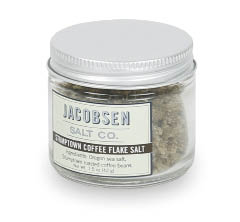
Mushroom Salt Cellar
This little salt keeper is so adorable you’ll want to pinch its little mushroom caps. Made by local artist Laurel Begley, these ceramic bowls (available in a variety of sizes) come in jade and sky blue colors, with perky little woodland fungi perched on top. Use them in the kitchen for salt, or as tiny treasures throughout the house.
$28 and up, B Street Mercantile Co., 316 B St., Petaluma, 707-766-6800, bstreetmercantile.com

Bear Hug Milk Bottle
Proclaim your love for the Golden State with a vintage-style milk bottle and straw. No matter what you put inside (perhaps a saucy little Gewürztraminer), the bear hug decal leaves no doubt as to your West Coast affinity.
$10, Tiddle E. Winks, 115 E. Napa St., Sonoma, 707-939-6933, tiddleewinks.com

STYLIN’ ~ Make your mark

Skateboard Art
Sebastopol artist Ricky Watts is best known for his larger-than-life, spray-painted murals, including a five-story behemoth on the western wall of the Phoenix Theater in Petaluma. We’re in love, however, with his smaller-scale, recycled skateboard artworks with names like Acid Drop and Nosegrind Supreme, which are far too pretty to grind on. Each skateboard is painted, signed and dated by the artist, and varnished, ready for hanging.
$250, rickywatts.com

Easter Topper
Celebrate spring like its 1919 with an authentic straw boater. These breezy chapeaux are styled for both men and women. Stick a few fresh flowers in the brim and you’re ready
for an Easter parade.
$70-$120, Portobello Hats, 311 D St., Santa Rosa, 707-528-4287, portobellohats.com

boxesNot Your Basic Box
Inspired by everyday objects and machines, Todd Barricklow makes multidimensional boxes in the sgraffito (Italian for “scratched”) process, creating raised outlines on the ceramic. Ranging in size from just a few inches across to several feet, they’re beautiful in a series or alone. Each is an original artwork.
$150-$2,500, toddbarricklow.com

Inspired by the Sea
Bay Area artist Phillipa Roberts creates stunning silver jewelry inspired by land and sea. This watery blue chalcedony (a form of quartz) pendant hangs from a brushed-metal oval as part of Roberts’ Ocean Collection. Each piece is unique, so shapes and sizes may vary.
$113, Sonoma Silver Co., 491 First St. W., Sonoma, 707-933-0999, sonomasilver.com


SPRING FLING ~ Fresh finds

80 Acres Travel Kit
Mediterranean women have long known the secret to glowing skin and hair: olive oil. But oh, the mess. Skip the drips and get soft and supple with McEvoy Ranch’s 80 Acres Body Care. Made from 80-plus acres of olive trees in Petaluma, the travel kit includes shampoo, conditioner, lotion, wash and bar soap in the signature scent, Verde, which is inspired by spring gardens.
$34, B Street Mercantile Co., 316 B St., Petaluma, 707-766-6800, bstreetmercantile.com, mcevoyranch.com

Topless Fun
Drop your top and hit the coast in this sporty, spicy little number that seats just two. Meaning no kids, no dog, no in-laws, just you and your squeeze hitting the open road. The 3-liter turbo-charged engine in the 2015 BMW Z4 35is keeps things moving along briskly, but when you’re looking this moneyed, you may want to slow it down and let folks gawk a little.
$65,800 and up, Hansel BMW, 2925 Corby Ave., Santa Rosa, 888-804-9469, hanselbmwofsantarosa.com

hokaSuper Shoes
Hoka One One Stinson ATR shoes have some serious sole. Popular with long-distance runners, hikers and folks on their feet for long periods, their meta-rocker cushioning makes for a stable stride on road or trail. Unlike less expensive “toning” shoes, these are engineered for comfort rather than glute-tightening abilities.
$130-$170, Heart & Sole Sports, 900 Fourth St., Santa Rosa, 707-545-7653, heartnsolesantarosa.com

Indigo Unmentionables
These handmade, indigo-dyed briefs and bras are adorable undergarments you’ll want to show off. With a high-waisted, vintage silhouette comes modern comfort with a cotton-Lycra blend and unique batik artwork. Each piece, made by Santa Rosa artist Rachel Blodgett, will vary, but the moon phase set will lift anyone’s tide.
$39-$125, available online at etsy.com/shop/serpentandbow

Victorian Farmstead Meats’ Adam Parks Outrages Bicyclists

Adam Parks of Victorian Farmstead Meats

Update: Parks and his wife plan to sponsor Tour D’Organics, a bike race in Sebastopol in early August.

You might be surprised at the number of local chefs who are also avid bicyclists, as well as cyclists involved in the food world. So it isn’t surprising that my inbox blew up this weekend when meat monger Adam Parks of Victorian Farmstead Meats posted a rant about cyclists on Sonoma County roads.

Suffice to say, it included “jokes” about running cyclists over. Suffice to say local cyclists were outraged, with good reason.

Within hours of the post, Parks got a barrage of several thousand emails and Facebook messages. “They ranged from telling me I was a d**k, to long stories of cyclists injured and hurt on a bicycle,” said Parks. “It made people really upset,” he said. “I went too far,” he added.

The post, however, touched on a not-uncommon refrain from impatient drivers who encounter pelotons of riders on both rural and city roads exercising their rights to use traffic lanes. “It was supposed to be a funny, over-the-top post about the annoyance to vehicle drivers. It was not written from the perspective of the cyclist,” said Parks.

The Sonoma County Bicycle Coalition was quick to respond on their Facebook page with a reposting of the blog (since taken down) with a call to riders to “visit the farmers markets where Adam sells his products and ask him if he was really serious when he said that “anyone not in single file and/or on the right side of the solid white line is fair game (for hitting).“

christineculverHe barged into a room where there is an enormous amount of pent-up, vigilant energy,” said Eric Anderson, a local real estate developer, bicycle enthusiast and owner of Spinster Sisters in Santa Rosa. Anderson, and others, have vowed to boycott Parks’ product. “Keep your money, punk,” said one detractor on the Victorian Farmstead Meats Facebook page. This graphic has also been circulated.

Despite the kerfuffle, Parks hopes for some redemption and education in the wake of the pain he’s caused. An apology posted on Facebook has 124 comments, the majority of which are positive, and Parks has reached out to the biking community — in fact he was on his way to a Healdsburg cycle shop when we spoke by phone. “For the most part, people have been very forgiving where they may not have needed to be,” he said.

“What it has created is a huge learning experience certainly in terms of knowing both sides of an issue, regardless of my opinion. The ridiculously huge power of social media has opened a dialog, of knowing what a cyclist goes through. Stories of cyclists injured and hurt on a bicycle, regardless of where they are riding, was a real eye opener,” said Parks.

As a biker, and an eater, its good to see some education coming from this unfortunate situation.

(Just a side note, I’m a food writer, so this is written for a food audience, rather than a broader news audience. Look for Mary Callahan’s upcoming news article on the subject.)

A great blog about spoke rage from Bruce McConnell


Artisan Cheese Festival

Chef and author Mary Karlin shows Virginia Merwin of Petaluma how to tell when the panir is ready to be put into a cheese mold during the Farm to Table cheese making seminar during the 5th Annual Artisan Cheese Festival held at the Sheraton in Petaluma, Mar. 26, 2011. Panir is a dense, firm cow’s milk cheese from India. Crista Jeremiason
Chef and author Mary Karlin shows Virginia Merwin of Petaluma how to tell when the panir is ready to be put into a cheese mold during the Farm to Table cheese making seminar during the 5th Annual Artisan Cheese Festival held at the Sheraton in Petaluma, Mar. 26, 2011. Panir is a dense, firm cow's milk cheese from India.   Crista Jeremiason
Chef and author Mary Karlin shows Virginia Merwin of Petaluma how to tell when the panir is ready to be put into a cheese mold during the Farm to Table cheese making seminar during the 5th Annual Artisan Cheese Festival held at the Sheraton in Petaluma, Mar. 26, 2011. Panir is a dense, firm cow’s milk cheese from India.
Crista Jeremiason

The annual California’s Artisan Cheese Festival kicks off March 20, with an ever-dizzying lineup of curd-wranglers, cooking demos and brunch, and the big Kahuna, the Sunday Artisan Cheese Tasting and Marketplace from noon to 4p.m. Details and tickets online at artisancheesefestival.com.

No Motors, No Gas

The Belly Boat Bass club fishing at Spring Lake. (photos by Chris Hardy)

In the early 1980s, as bass fishermen were screaming across lakes all over America in sleek, expensive boats, a band of Luddites in Santa Rosa donned flippers and inflated inner tubes to fish Northern California lakes at a much slower pace, without the aid of motors or gasoline.

They called their group the Sonoma County Belly Boat Bass Club. The year was 1983 and after lugging their float tubes (aka “belly boats”) on their heads or strapped to their backs along the steep hike to Lake Ilsanjo in Annadel State Park, nine fishermen pitched in $1 apiece, and a decent lure, for the first official tournament.

“Whoever caught the first fish yelled, ‘Fish on!’ and got the first dollar out of the pot,” said founder Rich Caro, 51, of Santa Rosa, who now sells his own line of CatchEmCaro Bait Co. lures.

First-, second- and third-place finishers (based on the weight of their catches) split up the rest of the pot, and Nos. 4 and 5 split up the lures.

More than 30 years later, the club now has several dozen members, some as young as 16 and others in their 50s. It’s a recognized B.A.S.S. Nation Club with tournament pots of around $500. Most members now fish with kick boats instead of belly boats, preferring larger, double-pontoon contraptions powered by oars, which allow fishermen to sit up out of the water. Yet the spirit of the belly boat remains: No motors and no gas.

Past members have gone on to win much larger Bassmaster purses, becoming heavily sponsored pro bass fishermen. Former Belly Boat president Jimmy Reese, 40, of Ukiah, recently passed the $1 million mark in career earnings. His brother, Skeet, 45, of Auburn, who was not an official club member but started out fishing float tubes, has 64 top-10 finishes on the Bassmaster tour with more than $2.8 million in earnings.

“Back then, all you had was 2 horsepower — your kick fins,” Jimmy Reese said. “Honestly, it slowed you down. Fishing in a boat, you can go through a lot of water and pass a lot of fish because you can. It’s easy to start that motor and run 5 miles, 10 miles. In a float tube, you’re fishing that quarter-mile section and you better learn to be versatile. It’s gonna teach you to adapt to the conditions and make you a more versatile fisherman.”

Most club members start with belly boats because they’re a lot cheaper than shelling out $60,000 for a new, motorized Ranger bass boat. Then they begin to realize it’s also great exercise. (GPS fish finders have logged more than 3 miles on a tournament day for a fisherman.) But most keep coming back for love of the stealth factor, the thrill of sneaking up on hungry largemouth bass as silently as possible.

“Out on Clear Lake, I’ve been catching fish after fish and a boat will come roaring up right next to me and they stop biting,” said Jon Graves, 33, of Lake County, last year’s points leader and Angler of the Year winner. He joined the club in 2006, investing about $800 in his initial rig. When he’s not fishing, he drives a UPS truck in Lakeport.

This time of year, as the new season gets underway, Graves said he hopes to defend his title through seven tournaments leading up to the Tournament of Champions on Clear Lake in October.

“You can’t win it in the first month of the year, but you can put yourself in a big hole,” he said. “In February and March, I’m just looking to catch my limit and set myself up for a good run.”

All but the largest “trophy” fish are released back into the water, to swim another day. The fishing got so competitive one year that a club member was busted for catching fish in a nearby lake and transporting them to the tournament lake.

“We never heard from him again,” Caro said.

But beyond the competition and the glory, the Belly Boat Bass Club is really a place to share information about what’s working out on the water and what’s not. At monthly meetings, held at the Round Table Pizza on Marlow Road in Santa Rosa, recent tournament winners share the secrets to their success. On the SCBBBC online forum, members with names such as “Bass_Stalker,” “fishon” and “BucketMouth” share tips on new regulations, gear, 49ers vs. Raiders and the latest hot spot.

“What has kept this club going all these years is the camaraderie,” Caro said.

He keeps his original 1970s belly boat in the garage, the one that caused a “massive argument” between his parents as his 13th birthday approached. Caro’s mother wanted to buy him a belly-boat setup at Lyle’s Tackle. Back then it was around $70 for float tube, $40 for waders and $20 for flippers.

“But my dad thought it was way too expensive,” Caro recalled. His mother won out and “Since that day, I’ve turned on hundreds and hundreds of people to float tubing.”

For years, Caro would take a photo as each new member embarked on his or her maiden voyage, teetering into the water, holding the tube around the waist with waders and scuba fins.

Along the way, he also caught a few thousand bass, including a record 11.82-pounder at Highland Springs Reservoir in Lake County.

“The guys in the big bass boats used to look at us kind of funny,” he said. “But I think we’ve earned their respect by now.”

Membership is open to Northern California residents ages 16 and up, and dues are $60 a year. Visit scbbbc.com for more information.

Feeding Appetites for Learning

The farm store at Tara Firma Farms in Petaluma beckons visitors to try fresh produce. (photo by Beth Schlanker)

Sonoma orchards and farms have long drawn visitors eager to pick apples or collect a dozen farm-fresh eggs. But in recent years, the agritourism trend has exploded, as local farms draw folks from near and far with an ever-expanding list of activities, from guided tours and barn dances to plant sales and pig roasts. The goal is as much “agri-tainment” as it is education, giving city dwellers a peek at the sources of their food.

Tara Smith didn’t set out to be a farmer, much less a vocal proponent of sustainably raised foods. In 2008, Smith and her husband, Craig, were both working in the insurance industry when they happened to read the book “The Omnivore’s Dilemma” by Michael Pollan.

“I didn’t know anything about food,” Smith said. “I would only shop for what was cheap.”

But after reading the book, “We went into fanatic mode,” she recalled. “All we talked about was how bad food is.”

Fresh eggs get washed by hand and packed in recycled cartons at Tara Firma Farms in Petaluma. (photo by Beth Schlanker)

Convinced that talking wasn’t enough, the Smiths decided to try to make a difference in the way food, particularly meat, is produced. Guided by the principles of Virginia farmer Joel Salatin, considered the guru of rotational grazing, they found a 290-acre former dairy ranch south of Petaluma and launched Tara Firma Farms in 2009.

From day one, Smith knew she wanted to use the farm as an educational tool, so free Saturday tours were introduced immediately. Booths at local farmers markets drew more visitors as Smith promoted the tours: “I didn’t care about selling food. I was handing out flyers.”

As more visitors arrived, however, her food did sell. Soon she had hundreds of families signed up to receive deliveries of sustainably pastured pork, beef, poultry and eggs. Currently, 1,200 members receive regular shipments, and additional customers stop by the farm store to buy meat and other locally produced foods.

Tourists from around the world have visited the farm, as well as school kids from down the road. Children, especially, love Tara Firma, Smith said. “The animals and the space are all the entertainment they need. Kids love nature because they don’t get enough of it.”

Such a hands-on introduction to life on the “beyond organic” farm where the Smiths live with their youngest son is critical, she said. “We need to open up our farms,” Smith said. “People don’t know enough about where their food comes from.”

Interns make lunch in their house at Green String Farm in Petaluma. (photo by Beth Schlanker)

On the opposite side of Petaluma, in the shadow of Sonoma Mountain, Bob Cannard carries out his own mission to educate and inform. In the late 1990s, Cannard, a former Santa Rosa Junior College instructor, collaborated with winemaker Fred Cline to switch Cline’s vineyards to natural-process farming, a practice that blends the best of organic and biodynamic agriculture. They soon established the Green String Institute, and Green String Farm, on 140 acres of former dairy land.

The goal is to inform the next generation of farmers through internship programs that attract students from across the globe. They live in Green String housing while they learn all aspects of farming, from fixing tools to metal working, and the intricacies of natural-process agriculture, which focuses on feeding the soil to nourish the plants.

Green String Farm offers free tours every Saturday, but visitors are welcome to stop by anytime.

Students also run the farm store, where just-picked produce is sold to regular customers, local chefs and motorists passing by on busy Adobe Road.

Cannard conducts regular workshops for students at the Culinary Institute of America at Greystone in St. Helena, but it’s the average folks that he is most keen to attract.

“This is about education,” he said. “The primary purpose of the farm is social contact through the food we produce.”

Free tours of Green String Farm take place every Saturday, so that people “have a better understanding of how and why we grow stuff,” Cannard said. “Natural-process agriculture is very simple.”

Student-planned events, including a spring plant sale, are held four times a year, yet impromptu visits are also encouraged. People are welcome to wander the farm at any time.

Reflecting on the growing popularity of farm visits in Sonoma, Cannard credited the advent of farmers markets, which first gave the public the opportunity to meet the people who grow their food. “That was really the beginning of agritourism,” he said.

In fair weather or rain, visitors can tour the McEvoy gardens by appointment, enjoying the lush coastal hills west of Petaluma. (photo by John Burgess)

Agritourism probably wasn’t on Nan McEvoy’s mind when she purchased the old Morelli dairy farm outside Petaluma in 1990. Rather, the San Francisco publishing heiress was seeking a rural retreat for her family.

The 550-acre property was zoned for agriculture, so McEvoy had to find an agricultural use for the land in order to make any improvements. A big fan of Tuscan olive oil, she decided to plant 80 acres of olive trees on her ranch, in spite of much nay-saying from local agricultural experts.

“Nan has such a pioneering spirit,” Jill Lee, manager of events and community relations at the ranch, said with a laugh. McEvoy brought in an Italian olive oil expert, and 18,000 Tuscan olive trees — Frantoio, Lecino, Pendolino and other varieties — were planted on the rolling hills.

“Nan and a handful of others are the founding fathers and mothers of this industry,” Lee said.

Potted olive starts at McEvoy Ranch will someday yield fruit. The family cat is attempting to help the process.

McEvoy Ranch olive oil is so popular that other products have been introduced: olive-oil-based body-care items and a line of wines made from grapes grown on and off the ranch.

As public curiosity about the Red Hill Road olive orchards grew, garden tours were introduced.

“We brought in a caterer for lunches prepared with a lot of things grown in the garden,” Lee said. “Five or six years ago, we started to showcase other components of the ranch.”

Visitors now enjoy seasonal pruning classes, yoga workshops, wreath-making classes and family-friendly fun such as bocce and tastings of fresh-pressed cider made from apples grown on the ranch.

“We get people from all over the place, not just local,” Lee said. “Education is a big component of what we do. Most people don’t know that much about olive oil. Knowing where your food comes from is the No. 1 benefit. Seeing the property is so important, I believe.”

While visitors are sometimes surprised that the remote location of McEvoy Ranch precludes cellphone service, “Somehow they survive,” Lee said with a smile.

The Gastronomist, Sebastopol

Joe Rueter, chef with the Green Grocer, serves a porchetta during Windsor’s Farmers Market on the Town Green, June 14, 2012.

CLOSED
The Gastronomist, Sebastopol, 6681 Sebastopol Ave., Sebastopol, 707-837-8113 or greengrocerdirect.com.

Joe Rueter, chef with the Green Grocer, serves a porchetta during Windsor's Farmers Market on the Town Green, June 14, 2012.
Joe Rueter, chef with the Green Grocer, serves a porchetta during Windsor’s Farmers Market on the Town Green, June 14, 2012.


Can’t we all just get along? Vegans, vegetarians, omnivores, locavores, lacto-ovovores, the gluten-intolerant and spice avoidant?

Food doesn’t have to be a battle ground. In fact, forward-thinking chefs know that co-mingling creative vegan, gf, allergy-sensitive and vegetarian fare on their omnivorous menus is more than just pandering — it’s smart business in an evolving food culture.
(Don’t believe it? Check out New York Times author Mark Bittman’s VB6, which encourages plant-based eating before 6 p.m. and, well, pretty much every restaurant offering something gluten-free).

Windsor farmer and chef Joe Rueter is putting that bold idea into practice with his new venture, The Gastronomist in Sebastopol.

Here, duck tacos, grass-fed beef, lamb and, yes, foie gras get cozy with vegan, squash fries, lentil salad, pumpkin gnocchi and a raw chocolate terrine Wednesday through Saturday evening from 5-11p.m.  Housed in the Gravenstein Station railroad car that formerly housed Starlight Wine Bar, Rueter’s fiercely sustainable and local dishes have always been a BiteClub favorite (his heirloom tomato B.L.T. is a top 10).

But sprouted living salads, kefir, organic wine and sprouted grains from a guy who routinely grills up hundreds  of pounds of bacon at his weekly farm market stands? Yup. Rueter keeps a separate griddle and cooking boards for vegan foods and cook the meat outside under a market tent (mmm, the smell of sizzling bacon). Anyone with allergies will be accommodated by using the phrase “No-Touchey…” followed by the allergy. Yup, seriously.

“I am not serving anything that has spent weeks in a walk-in, and has been on a truck all day coming from no produce company,” said the never-shy-to-speak-his-mind Rueter in a text message.  “Darn nutrient-depleted tasteless vegetables not happening at this restaurant, period. No frozen meat or fish, nada. We’ve got an established local food system built from the markets we participate in weekly,” he added.

Rueter will offer breakfast and lunch from 9a.m. to 5p.m. daily at the train car with craft beer and organic wines, along with a simplified menu of salads, duck tacos, B.L.T. and burgers.

 The Gastronomist, Sebastopol, 6681 Sebastopol Ave., Sebastopol, 707-837-8113 or greengrocerdirect.com.

Elixirs Extraordinaire

Laura Hagar Rush enjoys one of her signature aperitifs outside the old Denman Creamery at Sonoma Aperitif in Penngrove. (Photos by Connor Jay / PathosPhoto)

For Laura Hagar Rush, Qu’est-ce Que C’est is the name she gave her Sonoma Aperitif brand beverages in response to U.S. regulations that prevent her from calling them aperitifs.

One of the region’s newest delicacies, Hagar’s ethereal blends of wine and vodka infused with fruits, herbs and flowers are aromatic and refreshing, meant to be sipped before a meal to whet the appetite and awaken the senses. But the federal definition of an aperitif allows only the addition of herbs and spices to wine and spirits, not fruit. When Hager learned this, she came up with Qu’est-ce Que C’est (kes-kuh-say) as a fanciful name for her beverages.

Hagar produces her elixirs at her new winery, Sonoma Aperitif, in Penngrove, in the former tasting room of Eagle Ridge Winery on the old Denman Creamery property. Her inspiration came in a singular moment in Berkeley, where a friend was making aperitifs in a garage and offered her some.

“When I tasted one made with bergamot,” she said, “I thought, ‘Why have I never tasted this before? Why doesn’t this exist?’”

Hagar, a graphic artist and writer, set out to create it, first by immersing herself in the story of aperitifs and then experimenting with batch after batch in her own garage in Forestville.

Fruit aperitifs have a history that goes back centuries in Western Europe, where they have long been made throughout the French countryside and in Spain and Italy. Their ancestors include fruit ratafias, vins maison and vins de grand-mére, delicate drinks typically made at home with family recipes passed down through generations. In recent times, French feminists, eager to shine a light on the creativity of their female predecessors, have generated new interest.

With history and those few tastes in Berkeley to guide her, Hagar realized that it was essential for her to find the right wine to infuse. “A wine needs to be lively and have plenty of acid,” she explained, adding that Sauvignon Blanc, the classic choice, and Pinot Grigio both work. Chardonnay doesn’t, as infused flavors turn flat when mixed with Sonoma’s signature white wine.

While classic aperitifs such as Campari (very bitter and best with soda or in cocktails), Lillet (white and red blends of wine and fruit liqueurs) and licorice-flavored Pernod are produced to exacting (and secret) recipes to have consistent aromas and flavors, Hagar’s aperitifs are seasonal, relying on whatever is fresh at any given time of year.

The Grapefruit Qu’est-ce Que C’est, for example, is light on the palate, a little bit bitter, a little bit sweet and a whole lot refreshing. More substantial is the Vin de Noix, made from green walnuts, vanilla, nutmeg and other spices infused into Syrah wine.

For fruit, she gleans from farmers markets, friends’ trees and those of strangers. Unharvested fruit signaled to her that some rare varieties (she used yuzu, a hard-to-find citrus, from a tree in Sunnyvale for her first batch) might be hers for the picking.

Now Hagar’s citrus comes primarily from a test orchard established 20 years ago in Forestville by UC Davis. After more than a dozen varieties of citrus were planted to see what might grow this far north, the trees were given just minimal care, with no special protection during freezing temperatures. The only variety to truly thrive is the Japanese tangerine, but some of the other trees, though struggling, still produce delicious fruit and the farmer invites neighbors to pick whatever they can use.

Hagar keeps her eyes and ears open, watching for trees laden with fruit and listening to recommendations from friends. Last fall, she found black figs and an unidentified variety of pear in Penngrove, not far from her winery. Before long, it was one of her newest creations, a beguiling drink with the perfume of fig in the aroma, a hint of pear on the first sip, and a rich fig flavor throughout. Adding sparkling wine, a traditional way of enjoying these aperitifs, makes an irresistible cocktail.

The aging room at Sonoma Aperitif is filled with dozens of 5-gallon carboys, glass jugs filled with wine and sliced or crushed fruit. Some will sit for two or three weeks, others longer, before they are siphoned off, cold-stabilized overnight, and in some cases, strained through cheesecloth, bottled and labeled by hand with Hagar’s beautiful drawings.

Sonoma Aperitif was bonded in the spring of 2014 and made its first sale, of Grapefruit Qu’est-ce Que C’est, in mid-November, after the long approval process that led to the unusual moniker. The goal is to produce about 600 cases a year.

The Grapefruit aperitif is available year-round, with a second signature release each season. Small-batch bottlings are produced when Hagar is inspired by found fruit.

And she is at work on additional products. Aperitif jams, made from a blend of macerated fruit from the infusions and fresh fruit, await legal approval. Soon there will be shrubs (blends of macerated fruit and vinegar), and Hagar is experimenting with making her own vinegar to create these refreshing, nonalcoholic beverages.

Chefs You Gotta Know

The best chefs are often the ones you don’t hear much about. They’re the ones who spend more time practicing how to make the perfect 63-degree egg than fluffing their own feathers. Not that they don’t get accolades such as Michelin stars, sold-out dinners and kudos from foodies who adore them, because they do. They just don’t brag about it.

So it’s time to shine the spotlight on six of Sonoma’s most show-stopping toques who toil away behind the scenes rather than out in front.

Chef Jesse Mallgren at Madrona Manor Restaurant in Healdsburg.

RAISING THE BAR: Jesse Mallgren, Madrona Manor

It’s an odd matchup: a chef on the cutting edge of modern cuisine operating inside a quaint, Victorian country inn. “Stylish, high-end cuisine in a cozy, Old World setting,” is how he describes it. Since 1999, 44-year-old Jesse Mallgren has been quietly elevating Sonoma cuisine, one can of liquid nitrogen at a time.

But don’t expect a showman in the kitchen. Mallgren is quiet and disciplined, having served in the kitchens of esteemed chefs Jeremiah Tower and Gary Danko, and lets his Twitter account (@madronachef) do most of his talking. With an inspiring kitchen garden, relationships with some of the region’s best meat and cheese purveyors, and free rein to run Madrona Manor’s culinary program exactly as he wants, Mallgren has a dream job he takes very seriously. For years, he’s been chasing a second Michelin star, which seems nearly in his reach.

Ultra-seasonal tasting menus include tiny, tweezer-placed bits of protein, garden vegetables and herbs, and French-inspired sauces (scallop crudo with lovage and edible flowers; pork jowl confit with apples, lentils and chicory), and liquid-nitrogen ice cream made at the table.

Madrona Manor, 1001 Westside Road, Healdsburg, 800-258-4003, madronamanor.com

Executive Chef Shane McAnelly at Chalkboard Restaurant in Healdsburg.

MAKING A NAME OF HIS OWN: Shane McAnelly, Chalkboard

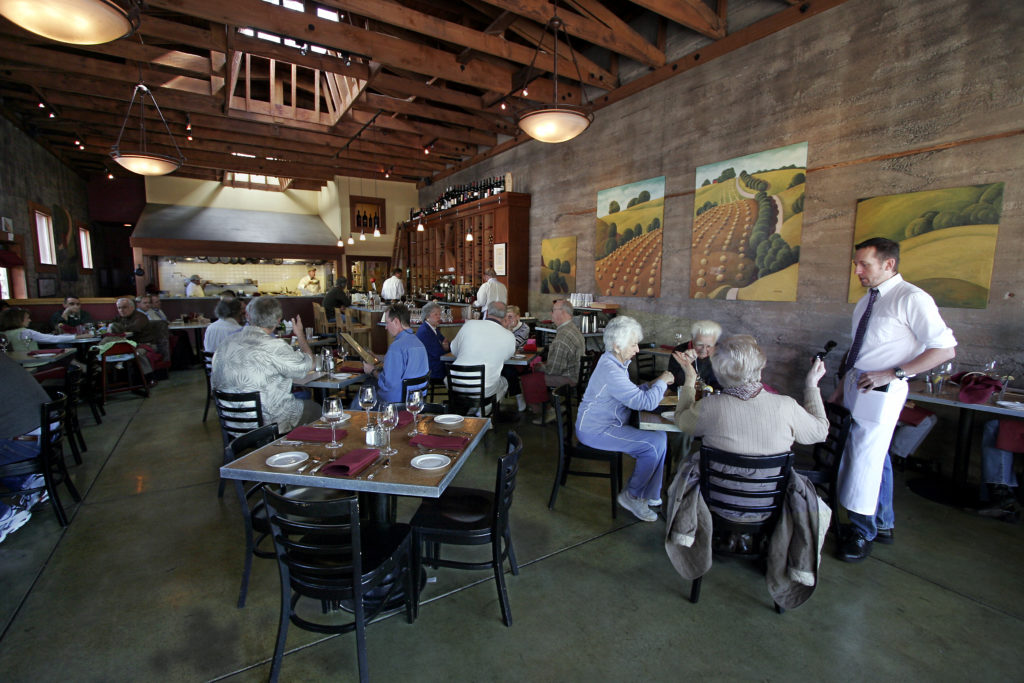
Many in Healdsburg cringed a bit when William Foley opened Chalkboard in the space that previously housed the beloved, two-Michelin-star restaurant Cyrus. Chef and owner Douglas Keane had vacated Cyrus on rather astringent terms with Foley, the building’s owner, so when chef Shane McAnelly took over the very same kitchen for the opening of Chalkboard in May 2013, it was, and to some degree still is, hard not to make comparisons.

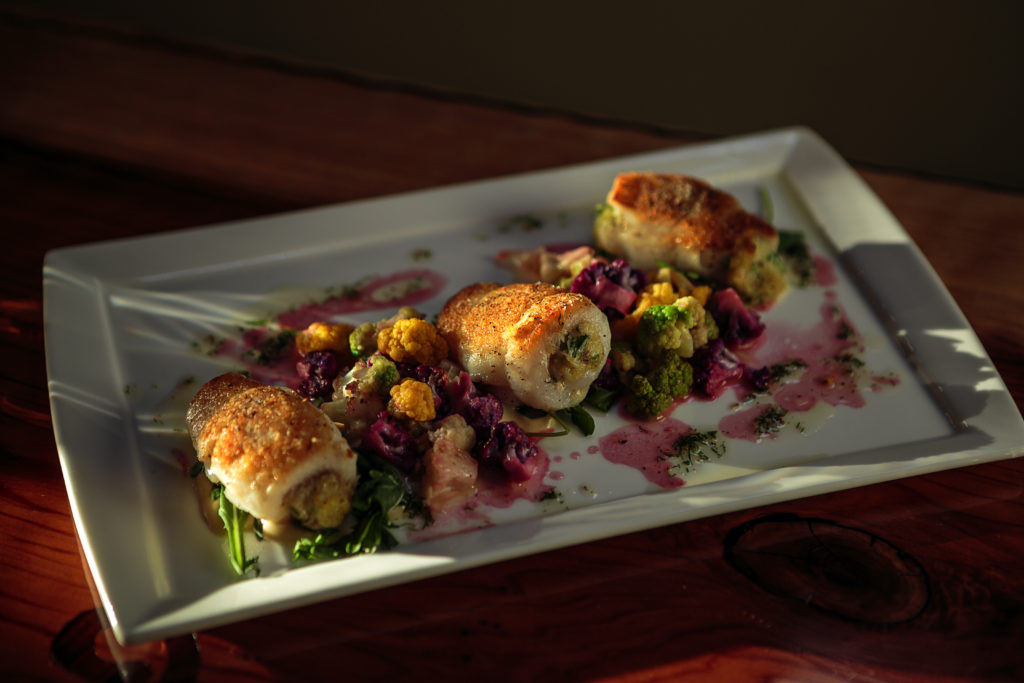
But McAnelly rose immediately above the fracas, winning over locals and visitors with his approachable yet sophisticated menus. Dishes such as warm pretzels with Cheddar cheese sauce, pork-belly biscuits and precious shots of pea soup grace the menu, along with housemade pastas (squid ink, cocoa carbonara) and hearty meat dishes including fried chicken and lamb tacos (with pickled kohlrabi, just to keep it classy).

Using the epic gardens of Chalk Hill Estate (also owned by Foley) gives a just-picked quality to McAnelly’s dishes, and a stellar wine and beer list adds to the “everyone hangs out here” vibe. He briefly tried his hand at a higher-brow tasting menu in the hotel’s library. Though fleeting (running two entirely different menus proved a challenge), it polished McAnelly’s chef cred, with perfectly plated, of-the-moment bites paired with unusual wines and beers. He’s a chef of many colors, for sure.

Chalkboard, 29 North St., Healdsburg, 707-473-8030, chalkboardhealdsburg.com

Chef/Owner Darren McRonald at The Pullman Kitchen in Santa Rosa's Railroad Square.
Chef/Owner Darren McRonald at The Pullman Kitchen in Santa Rosa’s Railroad Square.

FILLING BIG SHOES: Darren McRonald, The Pullman Kitchen

Like Chalkboard’s McAnelly, Darren McRonald took over a restaurant space with a storied history and a loyal following, Josh Silvers’ Syrah Bistro (and later Petite Syrah) in Santa Rosa. It’s not an easy act to follow, especially since Silvers’ legacy moved across the street to his Jackson’s Bar and Oven.

But McRonald quietly opened the revamped space in summer 2014 with a menu that speaks to both comfort and luxury. The roast chicken is a standout, with crispy skin and juicy, tender meat (both light and dark), serving the bird with a light pan sauce and two dreamy spinach Parmesan pancakes. He’s done stints at Le Cirque in New York City, Chez Panisse in Berkeley and Cindy’s Backstreet Kitchen in St. Helena, as well as being a managing partner at the former West County Grill in Sebastopol. It’s easy to taste those echoes in his cooking: bavette steak; Jonathan Waxman’s brick chicken; seasonal California produce a la Chez Panisse; Cindy Pawlycn’s knack for comfort classics.

A quiet presence, McRonald doesn’t showboat, instead letting his cooking speak for him.

The Pullman Kitchen, 205 Fifth St., Santa Rosa, 707-545-4300, Santa Rosa, thepullmankitchensr.com

Chef/owner Ari Weiswasser at Glen Ellen Star in Glen Ellen.

DEFINING SONOMA CUISINE: Ari Weiswasser, Glen Ellen Star

A few weeks before opening their jewel box of a restaurant, Ari Weiswasser and his wife, Erinn Benziger-Weiswasser, held a preview party featuring several of their wood-fire-oven dishes. Relatively unknown in Sonoma, despite his stints at the French Laundry in Yountville and Daniel in New York, Weiswasser’s wine-braised short ribs with mustard flowers, gnocchi with orange-blossom honey, and grilled escarole salad wowed the crowd.

Word got out fast. At opening, the wait for a table at Glen Ellen Star could be excruciating, and more than two years later, reservations are still necessary. Weiswasser’s secret? A cuisine that defines Sonoma with a menu focused on the wood-fire oven, backyard-picked produce from Benziger Family Winery’s biodynamic plots just up the hill, sustainably raised local meats, and a jeans and T-shirt vibe that makes the signature vanilla-maple-bourbon ice cream seem like the only rational dessert choice.

Glen Ellen Star, 13648 Arnold Drive, Glen Ellen, 707-343-1384, glenellenstar.com

Chefs and co-owners Matthew Williams, left, and Moishe Hahn-Schuman at Ramen Gaijin in Sebastopol.

POPPING UP: Matthew Williams and Moishe Hahn-Schuman, Ramen Gaijin

Who knew Sonoma was so starved for authentic Japanese ramen? The Ramen Boys.

What began as a weekly pop-up inside Woodfour Brewing Co. at The Barlow center in Sebastopol has turned into a semi-regular dining experience that continues to draw crowds in Ramen Gaijin’s new home down the street, in the former Forchetta space.

Dedicated to the principles of this ancient noodle dish, Matthew Williams and Moishe Hahn-Schuman make nearly everything by hand, from the pork-infused miso soup to toasted rye noodles, brined soft-boiled eggs, locally sourced pork belly and mushrooms. Serving up bowl after steaming bowl, they know that sometimes less is so much more.

Ramen Gaijin, 6948 Sebastopol Ave., Sebastopol, 707-827-3609, facebook.com/RamenGaijin

* Photos by Erik Castro

chefbox