
Shady Oak Barrel House Concocting Unique Sour Beers

Steve Doty of Shady Oak Barrel House is one of the most highly regarded newcomers to the local craft beer scene.

But it wouldn’t be right to call Doty a brewer.

Pulling from his experience in the wine industry, he’s more of a blender, with a little bit of mad scientist thrown in.

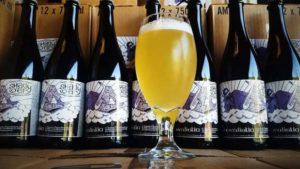
Since December, 2013, Doty has been producing sour and farmhouse ales that are brewed elsewhere, then aged at his nondescript Santa Rosa warehouse in wine and spirits barrels.

Some of them contain exotic wild yeasts such as Brettanomyces that produce the trademark tart or acidic taste of sour beer.

It’s an acquired taste that some love and others do not, residing on a much different part of the spectrum from the hop-heavy India pale ales that dominate the North Coast beer scene.

“There is a reason I’m not called Shady Oak Brewing,” said Doty, 34. “It is a barrel house.”

His one-man operation is beginning to attract a wider audience, even though his beer — made in small 1,000-gallon batches — is available only in California at grocers and retailers such as Whole Foods and Rincon Valley Taproom and Bottle Shop.
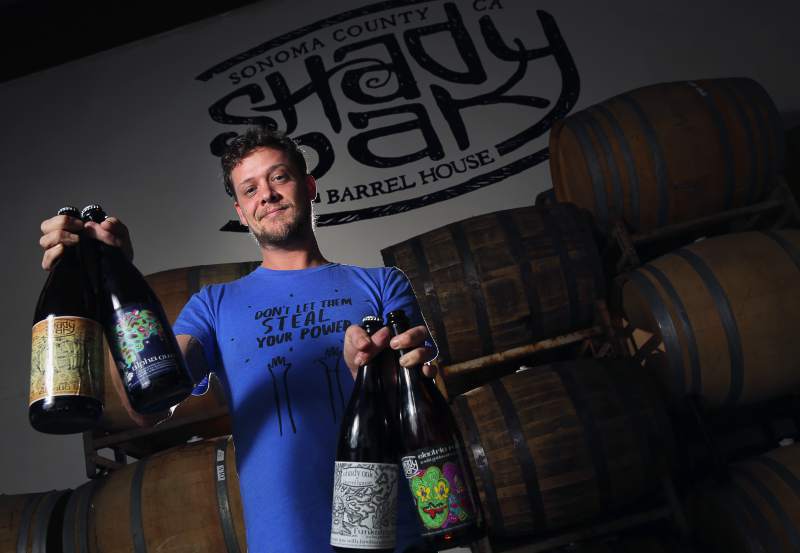
Steve Doty is the one-man show producing beer for his Shady Oak Barrel House in Santa Rosa. (Christopher Chung/ The Press Democrat)

High honor

In January, Doty was ranked as the world’s third best new brewer and California’s best new brewer by RateBeer.com, an industry forum for craft beer enthusiasts. The honors should create a bigger buzz in the region that is already the home to some of the country’s best brewers.

But unlike some that have expanded outside the state, such as Lagunitas Brewing Co. in Petaluma and Bear Republic Brewing Co. in Cloverdale, Doty would like to stay small, especially because his process is much more complicated than traditional brewers.

He takes the wort, or the unfermented extract from the mashing process at another local brewer’s, and then selects different strains of yeast to add to the mix.

Doty typically tinkers with cultures from his kitchen at home, using the expertise he garnered during seven years as a laboratory assistant at Sterling Vineyards in Calistoga.

Next come the barrels that have been used to age bourbon or local pinot noirs and chardonnays.

When the wild Brettanomyces yeast in wine barrels grows to a sufficient level, it can carry a pungent aroma often referred to as “barnyard” that makes wine undrinkable.

When that happens, wineries get rid of their barrels, but they are perfect for creating Doty’s sour beers.

Fruit, too

If he is feeling adventurous, Doty throws fruit such as peaches, grapes or cherries into the mix.

“What happens with the cultures afterward is unpredictable,” he said.

“I can’t make a definitive decision about any beer until it’s done, and that could be months. I have one batch that has been in there 18 months.”

Doty has produced six different types of beers so far. His most well-known, Funkatronic, is a Belgian style beer that features a lot of hops and a dose of Brettanomyces. One RateBeer reviewer described its taste as “funky, peppery and citrusy. Hints of green grape and melon, too … maybe a hint tropical.”

Doty’s current favorite, Sonomatastic, has been called a rustic farmhouse ale fermented with Brettanomyces, with one reviewer describing its aroma as “pineapple juice, buttery spicy french oak and light clove.”

While most brewers aim for consistency in the taste of their beers, Doty’s wild yeasts make each batch different to some extent. At times, he may throw some away because the cultures have made them undrinkable.

“You just don’t know until it’s done,” he said. “You’re not going to get the perfect beer every single time.”

For now, Doty is content to be the mad scientist, producing one experimental 1,000-gallon batch at a time.

His future growth plans are equally modest, perhaps doubling his production and opening a tasting room in a new location.

You can reach Staff Writer Bill Swindell at 521-5223 or bill.swindell@pressdemocrat.com. On Twitter @BillSwindell.
Easter Brunch in Sonoma County

Written by Heather Irwin for BiteClubEats.

As if a day off from kitchen duty isn’t enough for mom (or dad), bottomless mimosas, grilled lamb and chicken and waffles should pretty much seal the deal. Here are our top brunch picks for Easter Brunch in Sonoma County for March 27, 2016.

Jimtown Store: Take a trip out to the Alexander Valley to pick up your Easter brunch at the Jimtown Store. Menu includes Green Goddess salad kit, smoked salmon rillettes, ham, Swiss and caramelized onion quiche; white veggie lasagna, hot cross buns, roasted beet salad, lemon bars and more. Order by March 24, pick up on March 26th.

Mark West Lodge: The newly reopened Mark West Lodge is offering a champagne brunch from 11a.m. to 3p.m. including a prime rib carving station, raw oyster bar, waffles, country potatoes, biscuits and gravy, mac and cheese and plenty of kid-friendly additions. Indoor and outdoor seating with bocce ball, $35 adults, $17 kids 5-11. 2520 Mark West Springs Rd., Santa Rosa.

Della Fattoria: Special orders for hot cross buns, coconut egg cakes, lemon olive oil coffee cake, cookies and tarts, along with custom-made chocolate eggs are taken until March 24.

French Garden: Easter Brunch Buffet from 10a.m. to 3p.m. with deviled eggs, applewood smoked salmon, eggs Benedict, grilled prawns, baked honey mustard ham, leg of lamb and more. $42 adults, $21 kids 12 and under, 8050 Bodega Highway, Sebastopol.

Easter Bunny Camp: Crafts, egg hunt, face painting and an Easter egg hunt in the garden for kids 3-7, $10, reservations required. Bunny Brunch in the main dining room includes breakfast bunny pancake, egg and cocoa for kids, and plenty of goodies for adults too. 7751 CA-1, Little River.

Sante at Sonoma Mission Inn: Money may not be able to buy happiness, but it can buy you access to a brunch whose sheer magnitude and luxury will at least put a smile of contentment on your face for a few days. The Michelin-starred resort restaurant gilds every lily with an all-you-can-eat spread that includes Liberty duck foie gras, Loch Duart salmon, charcuterie, artisan cheeses and four salads to start. Chefs carving stations wield six kinds of smoked fish with caviar; filet mignon, leg of lamb. Entrees include eggs Benedict, artisan breakfast meats, quiche Lorraine, mushroom ravioli with black truffle in addition to grilled vegetable platters, a bread station and nearly 20 desserts (passion fruit creme brulee, Meyer lemon custard, honey caramel and pistachio eclairs, carrot cake torte, chocolate truffles, white and dark chocolate dipped strawberries). A hefty $99pp, $49 for children keeps it classy, but even high rollers may need to loosen their belts a few notches to accommodate the bounty of good eats. Live entertainment, 10a.m. to 2p.m. Reservations required. 100 Boyes Blvd, Sonoma.

Mateo’s Cocina Latina: With a new bar area and one of the best outdoor eating areas in Healdsburg, Mateo’s is a great Easter Brunch choice. The casual a la carte menu from 11:30a.m. to 4p.m. includes ceviche, Huevos Rancheros, braised pork in black beans, yellow corn pancakes, and Conchita Pibil (marinated pork wrapped in banana leaves and slow roasted). 14 Healdsburg Ave, Healdsburg.

John Ash and Co.: One of the most popular spots, reservations are highly recommended. Easter brunch a la carte menu includes rock shrimp omelette, steelhead salmon gratinee, grilled lamb chops, chicken fried steak, crayfish tail and spinach crepes. 10a.m. to 3p.m., 4330 Barnes Road, Santa Rosa.

Ramkins: Family-friendly Easter buffet brunch with homemade waffles, dijon marinated pork loin, rosemary potatoes, muffins, scones and an Easter egg decorating station for kids. Two seatings at 10a.m. and 12:30p.m., reservations required.

El Dorado Kitchen: Three course prix fixe, $45 per person, includes Dungeness crab cake, carrot soup, Wagyu beef carpaccio, eggs Benedict, rack of lamb, lemon pudding cake. 405 First St., West, Sonoma, eldoradosonoma.com.

Zazu Restaurant and Farm: Sour cream pancakes with strawberries, fava and mushroom risotto, shrimp and grits with bacon fat collard greens, maple glazed donuts, $29 per person. 6770 McKinley St., Sebastopol (at the Barlow).

Healdsburg’s Sonoma Cider a Bubbly Success

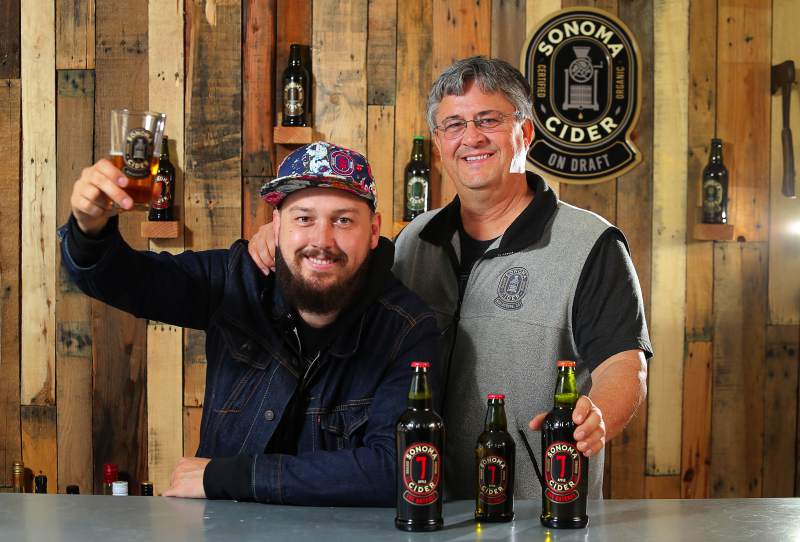
Sonoma Cider founders Robert Cordtz, left, and his father, David, at their production facility in Healdsburg, on Tuesday, March 1, 2016. (Christopher Chung/ The Press Democrat)
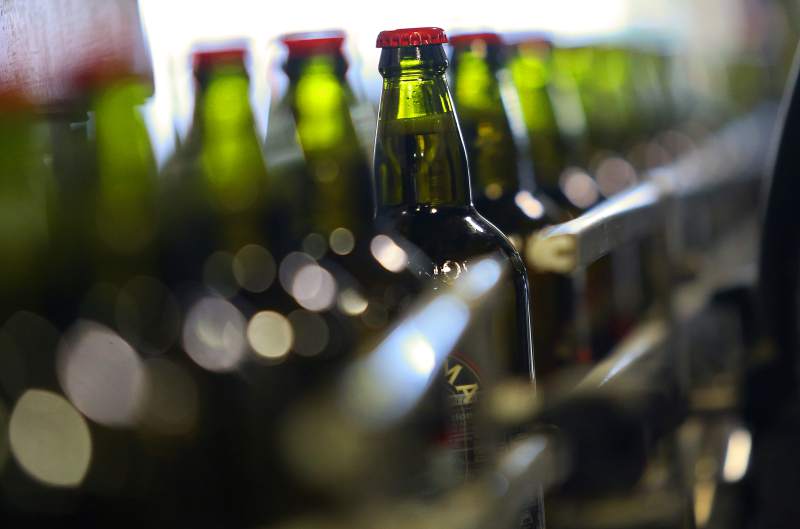
Freshly filled bottles of cider make their way down the production line at Sonoma Cider in Healdsburg, on Tuesday, March 1, 2016.   (Christopher Chung/ The Press Democrat)
Freshly filled bottles of cider make their way down the production line at Sonoma Cider in Healdsburg, on Tuesday, March 1, 2016. (Christopher Chung/ The Press Democrat)

The challenge with making apple cider in Sonoma County is an ironic one: it can be hard to find apples. Especially when you’re shopping strictly for certified organic kinds. But the team at Sonoma Cider in Healdsburg is working to change that, one juicy piece of fruit at a time.

In 1940, the county reached its peak of 14,000 acres in apple orchards, many producing the region’s signature Gravenstein heirlooms. Now grape vines rule, and there are just 2,320 acres in apples, according to the 2014 Sonoma County Crop Report.

“We started buying local apples right off the bat, but quickly found out there are not as many certified organic apples locally as we would like to see,” said Sonoma Cider co-owner Robert Cordtz.

Yet since 2013, when Cordtz and his father, David Cordtz, opened the 16,000-square-foot distillery and warehouse in a former auto parts store on Mill Street, the craft cidery has been building up a reliable network of growers in Healdsburg, Sebastopol and other Sonoma County towns.

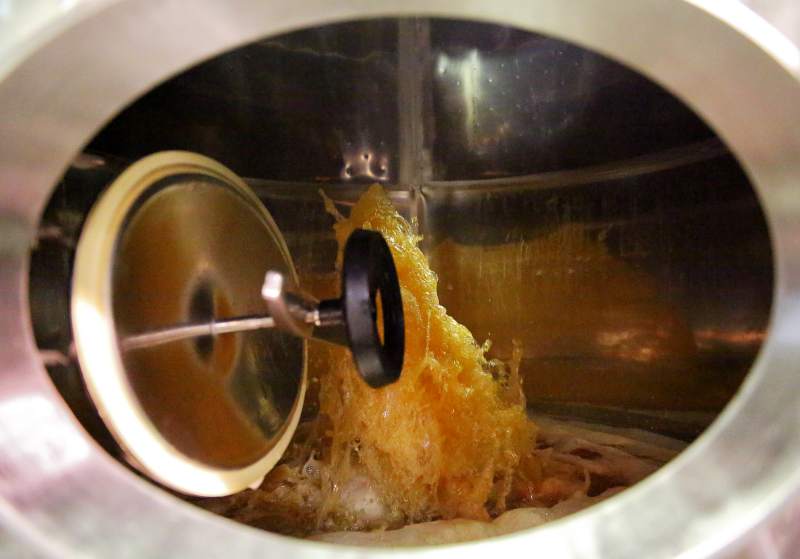
Apple juice flows into a stainless steel tank at Sonoma Cider in Healdsburg, on Tuesday, March 1, 2016.   (Christopher Chung/ The Press Democrat)
Apple juice flows into a stainless steel tank at Sonoma Cider in Healdsburg, on Tuesday, March 1, 2016. (Christopher Chung/ The Press Democrat)

About 10 percent of the fruit now comes from local trees, rounding out the vast majority shipped from Washington.

As the business grows — cider production has more than doubled each year from the first year’s 65,000 cases — so has the company’s buying power. Asking his 30 employees to keep their eyes peeled for available hometown fruit is working, too.

“As time has gone on, we have been able to align ourselves with more area orchards,” Cordtz said, noting that he recently secured fruit from a winery orchard just down the street from his Golden Delicious small batch release.

“I particularly want all of the Gravenstein apples.”

And soon, Sonoma Cider Co. is going to need a lot more of the precious fruit. A 5,000-square-foot fermentation, event and tasting room space is slated to open this summer behind the distillery.

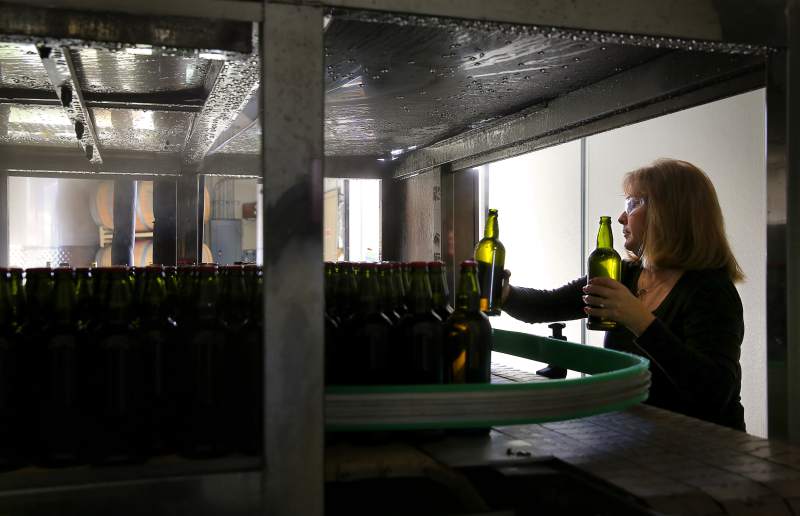
Rachelle Sindle performs quality control as bottles exit a pasteurizing machine on the bottling line at Sonoma Cider, in Healdsburg, on Tuesday, March 1, 2016.   (Christopher Chung/ The Press Democrat)
Rachelle Sindle performs quality control as bottles exit a pasteurizing machine on the bottling line at Sonoma Cider, in Healdsburg, on Tuesday, March 1, 2016. (Christopher Chung/ The Press Democrat)

With seating for 60, it will have a kitchen serving pub food and extras like live music and comedy. But the primary function will be showcasing the eight base ciders, seasonal ciders and new products like an 85-proof apple brandy.

The Cordtz clan can count on plenty of competition for their harvest, though.

Apple cider, and particularly the company’s alcohol-kissed hard cider, is increasingly popular in Wine Country.

Hard cider was a $500 million U.S. industry last year, according to Impact Databank Cider Report, and more companies keep popping up, capitalizing on the craze for the bittersweet-bittersharp quaff that can burst with a near endless array of flavors, an easy drinking alcohol level of 5 to 7 percent, and a crisp, clean finish.

There are 56 large and small commercial cider producers in California alone, notes the Cyder Market online database, with a dozen in Sonoma County.

To stand out from the crowd, Cordtz focuses on inventive recipes like his Crowbar, made with organic apples, organic habanero peppers and organic limes.

The Pulley is spiked with fennel for an absinthe-style black licorice hint, while the Bananaweiss is fermented with hefeweizen yeast and bananas for an aroma like banana cream pie.

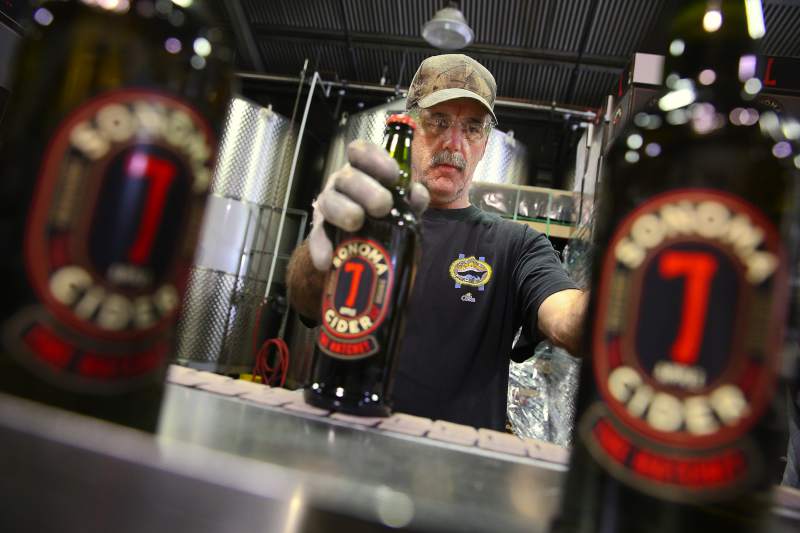
Mike West grabs bottles off the production line to pack into boxes at Sonoma Cider in Healdsburg, on Tuesday, March 1, 2016.   (Christopher Chung/ The Press Democrat)
Mike West grabs bottles off the production line to pack into boxes at Sonoma Cider in Healdsburg, on Tuesday, March 1, 2016. (Christopher Chung/ The Press Democrat)

Cordtz imports sarsaparilla roots from India for a vanilla-spiked Washboard label that is so reminiscent of root beer that Noble Folk Ice Cream & Pie Bar on the Healdsburg Plaza makes an ice cream with it.

He also crafts a Jax cider goosed with honey, toasted buckwheat and cinnamon that tastes remarkably like Apple Jacks breakfast cereal. For another twist, he makes an intriguing German gose beer-style cider kicked up with rhubarb and a whisper of sea salt.

“Our sarsaparilla tea is the most complicated, because we brew some of the ingredients, which is fun,” Cordtz said.

“It’s like halfway between the beer world and the wine world.”

Then there are the pear-, peach- and plum-based ciders, using local fruit and resulting in drinks like The Pitchfork, a blend of pear, apple and a touch of vanilla that begins crisp, then softens to creamy without too much sweetness.

“Ciders are huge now because they’re gluten free, and so different,” Cordtz said.

“Sometimes I just float down the river and play mad scientist in my head with all kinds of ingredients. Craft drinkers want to try everything, even if it’s weird.”

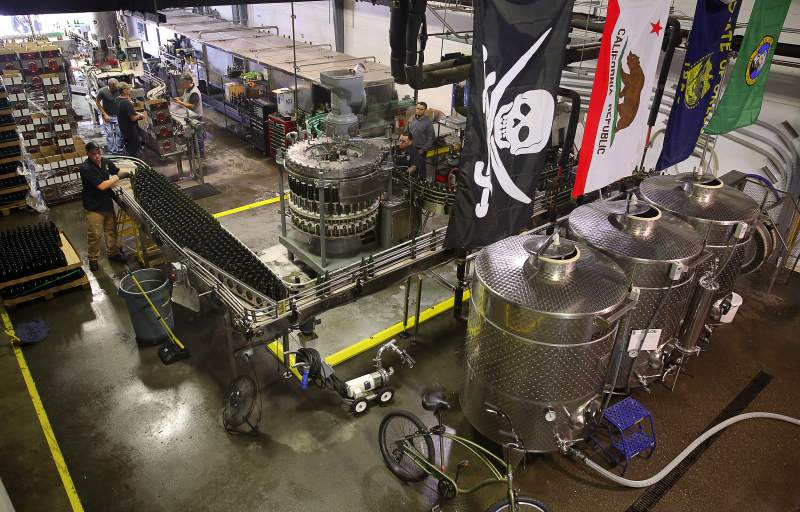
The Sonoma Cider production facility in Healdsburg, on Tuesday, March 1, 2016.   (Christopher Chung/ The Press Democrat)
The Sonoma Cider production facility in Healdsburg, on Tuesday, March 1, 2016. (Christopher Chung/ The Press Democrat)

Those apples are the crux of the concoctions, though, critical to bottlings like The Hatchet, where Cordtz looks for small fruit, preferring its bigger, more concentrated flavor.

Different apples must then be blended for a balance of sweet and tart varietals, fruit maturity and color.

There’s nowhere to hide, either, since recipes are startling simple. The Hatchet, for example, is nothing but U.S. grown organic apples and organic apple juice, fermented 30 days for the masterful result that must be all at once sweet, tart, crisp, dry, tangy, smooth and refreshing.

When it works, it works. The first Sonoma Cider batch was bottled the week before Thanksgiving three years ago, with the first batch going to Big John’s Market in Healdsburg the day before the holiday.

“The store was so busy, and I was so new, I hadn’t even figured prices,” Cordtz recalled. “So we had no contract. I just stacked cases on the floor, and told them to charge what they wanted. It sold out fast.”

Sonoma Cider founders Robert Cordtz, left, and his father, David, at their production facility in Healdsburg, on Tuesday, March 1, 2016.   (Christopher Chung/ The Press Democrat)
Sonoma Cider founders Robert Cordtz, left, and his father, David, at their production facility in Healdsburg, on Tuesday, March 1, 2016. (Christopher Chung/ The Press Democrat)

Ultimately, Cordtz hopes to have his warehouse stocked wall-to-wall with Sonoma County apple crates.

Apples can be cold stored about a year, and there’s this advantage, too: they’re a kinder, gentler fruit than some of his other fresh, local ingredients.

“For the Crowbar, I juiced 200 pounds of habaneros,” Cordtz said. “I wore goggles, a respirator mask, two pairs of gloves and a fan blowing fumes away. It could have killed me.

“But whatever, it’s worth it. The cider is great with tacos.”

See original post here.

Coming Soon to Santa Rosa: Flower and Bone

Written by Heather Irwin for BiteClubEats.

The owners of Santa Rosa’s popular Naked Pig Cafe have a new project in the works called Flower and Bone, slated to open in Santa Rosa in summer 2016.

Partners Dalia Martinez and Jason Sokach are converting an early 20th century mercantile building at 5th St. and Humbolt into unique restaurant that’s going to feature a “preserve-centric menu”, according to Martinez. That means expanding out the couple’s passion for canning, pickling and fermenting, much of which is already on the Naked Pig’s breakfast, brunch and lunch menus.

“There are only a handful of restaurants in the world that are doing what we are with food preservation and we are happy to give Santa Rosa that edge,” said Martinez, who is an avid forager and gardner.

The menu concept, according to the couple, will be international; inspired by ancient traditions and techniques and feature clay oven cooked, local pasture-raised meat, handmade dumplings, bone broths, dainty starters with house made spiked sodas & punch, farm fermented ciders and low-proof vegetable juice cocktails. The restaurant launch with a series of dinners.

A collection of preserved products will be featured in a large utilitarian library-esque cabinet complete with a wooden ladder, she said. The expanded commercial kitchen at the restaurant (the kitchen at Naked Pig is impossibly tiny) will allow them to increase production of certain preserves for sale, with the rest reserved for the restaurants.

“Our intention is to continue providing Sonoma County and all it’s visitors with pure food—handmade, small batch and unique,” said Martinez.

Upcoming Food Events in Sonoma County

Beer, chocolate, cheese, kvass and more fermented foods than you can shake a mason jar at. Farm to Fermentation Festival 2015.

Get ready to eat your way through Wine Country. Here are some of the top upcoming food events in Sonoma County.

March 28: An Encounter with “Dr. Chocolate” – An Informative Tasting of Wine and Chocolate. Moshin Vineyars presents Kristy Leissle, aka: “Dr. Chocolate,” as she guides us through a tasting of single origin chocolates. Sip a selection of single vineyard and chocolate-friendly wines while learning about chocolate ‘terrior’. 6:00pm -7:30pm, $20 includes tasting and lecture. Space is limited to 15 attendees. RSVP to Jessica at 707-433-5499. More details

Single Thread Farm Restaurant Getting Closer in Healdsburg

GM David Sisler and Sommelier Evan Hufford have been hired for the forthcoming Single Thread Farm Restaurant in Healdsburg. (courtesy photo)

The lineup at the upcoming Single Thread Farm Restaurant in Healdsburg just keeps getting more extraordinary. Chef Kyle Connaughton and his wife/head farmer Katina have added restaurant heavyweights David Sisler, Evan Hufford and Matthew Siciliano to their team.

Sisler is the former general manager of San Francisco’s Michelin-starred Saison. Sommelier Evan Hufford also is a Saison alum and has worked at Michael Mina in San Francisco and Joë l Robuchon in Las Vegas. Siciliano will lead the pastry program, working with Connaughton and chef de cuisine Aaron Koseba. Koseba, most recently from Aubergine restaurant at L’Auberge Carmel, was tapped in early 2016.

Chef Kyle Connaughton and his wife, Katina Connaughton, will open Single Thread Farms and Inn in Healdsburg. Photo courtesy of Sally Egan.

If you’ve been sleeping through all the excitement about this Healdsburg restaurant on the horizon (called the most important opening of 2016 by Eater), the plan is for a 54-seat fine dining restaurant with a “bespoke hospitality experience” in the center of Sonoma Wine Country. Eleven-course meals will be created around of-the-moment seasonal ingredients, including items from the rooftop garden, greenhouse and Healdsburg farm, and will include wine pairings and tours of the garden and greenhouse. Five luxury hotel suites also will be included in the Single Thread building, designed by the New York firm AvroKO.

The restaurant will issue tickets for each evening’s dinner, with a limited number of seats and an expected tab of $225 per person. This high profile undertaking won’t be for every wallet but it is aimed at diners looking for a one-of-a-kind luxury experience. Leading up to Single Thread’s early summer opening, Connaughton and his team will be guest chefs at several dinners, including a series with Dominique Crenn of Atelier Crenn on April 12 and 13. Each meal will cost nearly $400 per person and will include a multi-course menu featuring live sea urchin, gin-smoked steelhead and a dessert tasting co-created by Siciliano.

P .S. Reservations for the restaurant’s opening go online in the coming weeks through the Tock, an online reservation site.

Easter Brunch in Sonoma County 2016

Easter Buffet in Sonoma County

As if a day off from kitchen duty isn’t enough for mom (or dad), bottomless mimosas, grilled lamb and chicken and waffles should pretty much seal the deal. Here are our top brunch picks for Easter Brunch in Sonoma County for March 27, 2016.

Jimtown Store: Take a trip out to the Alexander Valley to pick up your Easter brunch at the Jimtown Store. Menu includes Green Goddess salad kit, smoked salmon rillettes, ham, Swiss and caramelized onion quiche; white veggie lasagna, hot cross buns, roasted beet salad, lemon bars and more. Order by March 24, pick up on March 26th.

Mark West Lodge: The newly reopened Mark West Lodge is offering a champagne brunch from 11a.m. to 3p.m. including a prime rib carving station, raw oyster bar, waffles, country potatoes, biscuits and gravy, mac and cheese and plenty of kid-friendly additions. Indoor and outdoor seating with bocce ball, $35 adults, $17 kids 5-11. 2520 Mark West Springs Rd., Santa Rosa.

Della Fattoria: Special orders for hot cross buns, coconut egg cakes, lemon olive oil coffee cake, cookies and tarts, along with custom-made chocolate eggs are taken until March 24.

French Garden: Easter Brunch Buffet from 10a.m. to 3p.m. with deviled eggs, applewood smoked salmon, eggs Benedict, grilled prawns, baked honey mustard ham, leg of lamb and more. $42 adults, $21 kids 12 and under, 8050 Bodega Highway, Sebastopol.

Easter Bunny Camp: Crafts, egg hunt, face painting and an Easter egg hunt in the garden for kids 3-7, $10, reservations required. Bunny Brunch in the main dining room includes breakfast bunny pancake, egg and cocoa for kids, and plenty of goodies for adults too. 7751 CA-1, Little River.

Sante at Sonoma Mission Inn: Money may not be able to buy happiness, but it can buy you access to a brunch whose sheer magnitude and luxury will at least put a smile of contentment on your face for a few days. The Michelin-starred resort restaurant gilds every lily with an all-you-can-eat spread that includes Liberty duck foie gras, Loch Duart salmon, charcuterie, artisan cheeses and four salads to start. Chefs carving stations wield six kinds of smoked fish with caviar; filet mignon, leg of lamb. Entrees include eggs Benedict, artisan breakfast meats, quiche Lorraine, mushroom ravioli with black truffle in addition to grilled vegetable platters, a bread station and nearly 20 desserts (passion fruit creme brulee, Meyer lemon custard, honey caramel and pistachio eclairs, carrot cake torte, chocolate truffles, white and dark chocolate dipped strawberries). A hefty $99pp, $49 for children keeps it classy, but even high rollers may need to loosen their belts a few notches to accommodate the bounty of good eats. Live entertainment, 10a.m. to 2p.m. Reservations required. 100 Boyes Blvd, Sonoma.

Mateo’s Cocina Latina: With a new bar area and one of the best outdoor eating areas in Healdsburg, Mateo’s is a great Easter Brunch choice. The casual a la carte menu from 11:30a.m. to 4p.m. includes ceviche, Huevos Rancheros, braised pork in black beans, yellow corn pancakes, and Cochinita Pibil (marinated pork wrapped in banana leaves and slow roasted). 14 Healdsburg Ave, Healdsburg.

John Ash and Co.: One of the most popular spots, reservations are highly recommended. Easter brunch a la carte menu includes rock shrimp omelette, steelhead salmon gratinee, grilled lamb chops, chicken fried steak, crayfish tail and spinach crepes. 10a.m. to 3p.m., 4330 Barnes Road, Santa Rosa.

Ramekins: Family-friendly Easter buffet brunch with homemade waffles, dijon marinated pork loin, rosemary potatoes, muffins, scones and an Easter egg decorating station for kids. Two seatings at 10a.m. and 12:30p.m., reservations required.

El Dorado Kitchen: Three course prix fixe, $45 per person, includes Dungeness crab cake, carrot soup, Wagyu beef carpaccio, eggs Benedict, rack of lamb, lemon pudding cake. 405 First St., West, Sonoma, eldoradosonoma.com.

Zazu Restaurant and Farm: Sour cream pancakes with strawberries, fava and mushroom risotto, shrimp and grits with bacon fat collard greens, maple glazed donuts, $29 per person. 6770 McKinley St., Sebastopol (at the Barlow).

Wine of the Week: Kenwood Vineyards’ Cabernet Sauvignon

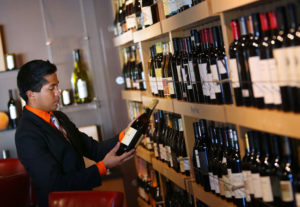
Beverage director Jordan Nova selects a bottle from the many featured wines at 1313 Main in Napa on Friday, October 11, 2013. (Conner Jay/The Press Democrat)
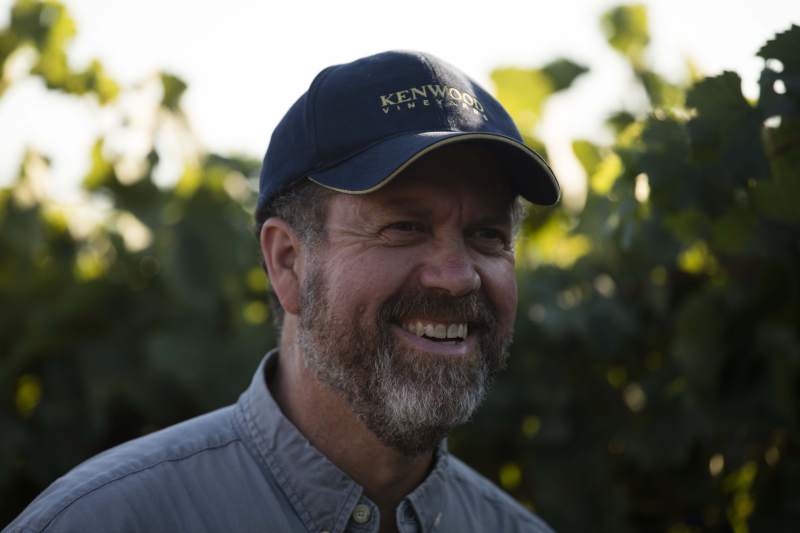
Pat Henderson, chief winemaker of Kenwood Vineyards.

Winemaking is the perfect blend of Mother Nature, science and art.

That’s how Pat Henderson sees it.

Henderson, 53, is the chief winemaker behind our wine-of-the week winner, the Kenwood Vineyards 2012 Sonoma County Cabernet Sauvignon at $19.

The cabernet has enticing aromas of black raspberry and currant. On the palate, the wine is weighted to concentrated black fruit, with notes of herbs and pepper in the mix. It’s a smart pick for the caliber of cab.

“With our Kenwood style of cabernet, we want a wine that has a lot of complexity and intensity of flavor,” Henderson said. “It should be well-balanced so it complements food rather than fighting with it.”

Bottling comes only after some serious tastings.

“When the wines are ready to come out of barrels, we taste them and spend a lot of time determining what the most flavorful combination will be,” Henderson said. “After we get the cabernet portion figured out, we start tasting it with small amounts of other Bordeaux varietals to improve the balance and complexity.”

The 2012 Sonoma County Cabernet has 2 percent cabernet franc, 2 percent malbec, 2 percent petit verdot and 1 percent merlot.

“(The additions) make for a much more interesting wine,” Henderson said.

The winemaker began crafting wine in 1981 when he was 19. His first vintage at Kenwood was in 1983, when he was still going to school at UC Davis. He returned as chief winemaker in 2003 when founder Mike Lee retired.

“I had big shoes to fill,” Henderson explained. “Mike was a great winemaker, as well as my mentor and friend.”

Endeavoring to fill those shoes, Henderson acknowledges his strengths and weaknesses.

“I think my main strength as a winemaker is knowing how much I don’t know,” he said.

“There are so many variables in growing grapes and making wine, you have to keep your mind open and never stop trying to improve your product. We have a great team of winemakers at Kenwood, and I also know to listen to them and take advantage of their skill.

“As far as weakness goes, I think my biggest regret is not being able to speak Spanish.”

Henderson said he likes to teach students about wine almost as much as he likes to make it. He is the author of a textbook for culinary students called “About Wine.”

He said the most gratifying part about wine is the celebration of uncorking it.

“Wine makes good food and good company even better. I love to think that there are people all over America enjoying the wine that we make every day. They are having it while they are on first dates, having an anniversary dinner and family holidays, as well as just having a glass with pizza in front of the TV on a weeknight.

“If we’re doing things right, it makes each of those occasions a little more special.”


Cabernet Sauvignon

TOP PICK

Kenwood Vineyards

Kenwood Vineyards, 2012 Sonoma County Cabernet Sauvignon, 13.5% alcohol, $19. ★★★★

Enticing aromas of black raspberry and currant. On the palate it’s weighted to concentrated black fruit, with notes of herbs and pepper in the mix. It’s a smart pick for the caliber of cab.

Tasty ALTERNATIVES

Louis M. Martini, 2013 Sonoma County Cabernet Sauvignon, 13.8%, $20. ★★★★: A smart, layered cab. Aromas and flavors of currant, black cherry, herbs and cracked black pepper.

Bogle Vineyards, 2013 California Cabernet Sauvignon, 13.5%, $11. ★★★1/2: A tasty cab with notes of cherry, tobacco, tea and black pepper. Firm tannins. Easy drinking.

Pedroncelli, 2012 “Wisdom” Dry Creek Valley Estate Vineyards, Sonoma County Cabernet Sauvignon, 14.4%, $36. ★★★★: A solid cab with notes of cherry, plum, herbs and spice. Soft tannins. Nice length. A smart value.

Rockpile 2013 Rockpile Ridge Vineyard Cabernet Sauvignon, 14.6%, $50. ★★★★1/2: A striking cab with generous fruit. Aromas and flavors of black raspberry, black cherry and cracked black pepper. Seamless texture. Ripe tannins. Lingering finish. A standout.

Bella Rosa Coffee Company: Building Santa Rosa’s Perfect Cuppa Joe

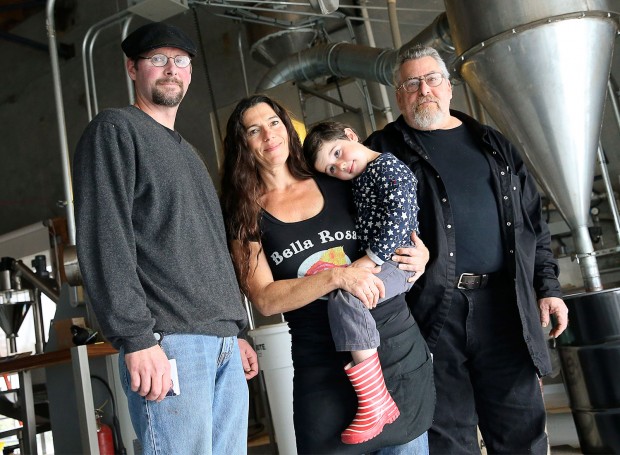
The Bella Rosa Coffee Team. (Heather Irwin)

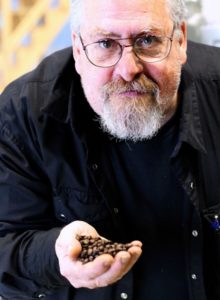
Four years ago, Jon Bixler and Cynthia Buck didn’t know a thing about coffee, but they did know David Greenfield. A bear of a guy with a shaggy gray goatee, piercing hazel eyes and a penchant for welding together brilliant contraptions for roasting coffee, Greenfield had a million-dollar idea without a home.

David Greenfield of Bella Rosa Coffee Company. (heather irwin)
David Greenfield of Bella Rosa Coffee Company. (Heather Irwin)

With more than 30 years in the java business, this quirky Coffee Whisperer had a plan to revolutionize industrial roasting. Well, not exactly a plan, which is where Bixler and Buck came in, with a solid business model and entrepreneurial experience. The three joined forces in 2012, and Santa Rosa’s Bella Rosa Coffee Company was born. Specializing in organic, fair-trade and shade-grown coffee, the trio are forging a new path to your cuppa joe, one bean at a time.

“We’re doing this from scratch and evolving,” said Bixler.

After three years of explosive growth, the artisan coffee company is on track this year to roast 200,000 pounds of coffee. By comparison, Starbucks will roast an estimated 400 million pounds, while tiny micro-roasting businesses may do as little as 10,000-30,000 pounds per year. Bixler said they have more than 120 accounts and growing in Sonoma County, with restaurants, grocery stores, hotels and cafés.

“There’s a renaissance in artisan roasting,” said Bixler, sipping a latte in the small café Bella Rosa operates in front of its manufacturing area. “We’re seeing in coffee what has happened to craft beer in the last few years.”

But it hasn’t always been a bed of roses. The trio is admittedly a bit different than the usual coffee magnates, forging a very personal path for the company. “We are unabashedly who we are,” said Bixler, who rarely minces words. “We want to have fun, and we don’t take ourselves too seriously.”

Bella Rosa Coffee Company Cafe in Santa Rosa, California (Heather Irwin)

With mismatched chairs and hand-drawn signs strewn about (including one over the recycling bin that touts itself as “The Most Ineffective Sign in the World”), it’s not a place for plugging into your Wi-Fi and tuning out the world. Instead, the Bella Rosa crew, who purposely don’t offer Wi-Fi, encourage having an actual conversation over your cup. Adding to the homey atmosphere, the son of Bixler and Buck, Giacomo, colors and makes Play-Dough shapes in the corner while an oven full of bacon perfumes the café .

It’s not for everyone, and that’s okay,” said Bixler.

Giacomo in the Bella Rosa Coffee Company Cafe. (Heather Irwin)

Giacomo in the Bella Rosa Coffee Company Cafe (Heather Irwin)

The coffee also reflects their unique perspective. In a world where bitter, acidic coffees are often the norm, Bella Rosa uses a unique hot air roasting method, rather than conventional metal plates, that creates a balanced blend they call “Sweet Medium.” Think air-popped popcorn versus popping it in a pan.

“We believe the sweet spot is right between dark, smoky coffees and light, acidic coffees,” said Bixler.

They also won’t give you the stink eye if you choose to personalize your order with creamer, Splenda, agave, sugar or CoffeeMate.

Jon Bixler of Bella Rosa Coffee Company in Santa Rosa (Heather Irwin)
Jon Bixler of Bella Rosa Coffee Company in Santa Rosa. (Heather Irwin)

“I want people to put their two hands around a mug and say, ‘Ahhhhhhh, coffee’,” he adds, “not, ‘That tastes like lemon grass and burdock root’.” But selling their coffee around the globe isn’t the goal. Bixler said his primary focus is Sonoma County. “I don’t want to ship coffee to Florida,” he said, referring to buyers who would like to wholesale his product. “It isn’t eco-friendly or supportive of their local businesses.”

Bella Rosa lavender white chocolate mocha at the cafe in Santa Rosa (Heather Irwin)
Bella Rosa lavender white chocolate mocha at the cafe in Santa Rosa. (Heather Irwin)

The next step for the business is to build and license versions of their roaster, which has a tiny footprint, a state-of-the-art-computer and can be adjusted to specific parameters (and checked for consistency) via an internal computer network. The new energy-efficient models are in prototype and will be able to roast 60 pounds of coffee in four minutes.

“Artisan production doesn’t have to stop at larger production,” he said. The new roasting technology will ensure a consistent product, consistent temperatures and consistent quality no matter what the amount produced, he said. It’s an ambitious plan, but one Bixler said his team is ready for.

“Either it will work or it won’t, and that’s fine as long as it’s on our own terms,” he said.

Bella Rosa Coffee Company, 5491 Skylane Blvd, Santa Rosa, 542-6220.

Hours are 7 a.m.-2 p.m. weekdays. Coffees also are available online in 10-ounce cans; 1-, 2- and 5-pound bags.

Flower and Bone Coming to Santa Rosa

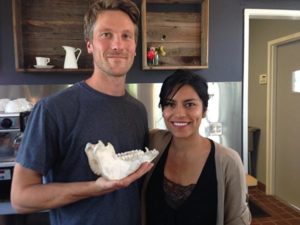
Naked Pig owners Dalia Martinez and Hason Sockach will open Flour and Bone in summer 2016 (heather irwin)
Naked Pig owners Dalia Martinez and Jason Sockach will open Flour and Bone in summer 2016 (heather irwin)

The owners of Santa Rosa’s popular Naked Pig Cafe have a new project in the works called Flower and Bone, slated to open in Santa Rosa in summer 2016.

Partners Dalia Martinez and Jason Sokach are converting an early 20th century mercantile building at 5th St. and Humbolt into unique restaurant that’s going to feature a “preserve-centric menu”, according to Martinez. That means expanding out the couple’s passion for canning, pickling and fermenting, much of which is already on the Naked Pig’s breakfast, brunch and lunch menus.

“There are only a handful of restaurants in the world that are doing what we are with food preservation and we are happy to give Santa Rosa that edge,” said Martinez, who is an avid forager and gardner.

The menu concept, according to the couple, will be international; inspired by ancient traditions and techniques and feature clay oven cooked, local pasture-raised meat, handmade dumplings, bone broths, dainty starters with house made spiked sodas & punch, farm fermented ciders and low-proof vegetable juice cocktails. The restaurant launch with a series of dinners.

A collection of preserved products will be featured in a large utilitarian library-esque cabinet complete with a wooden ladder, she said. The expanded commercial kitchen at the restaurant (the kitchen at Naked Pig is impossibly tiny) will allow them to increase production of certain preserves for sale, with the rest reserved for the restaurants.

“Our intention is to continue providing Sonoma County and all it’s visitors with pure food—handmade, small batch and unique,” said Martinez.