


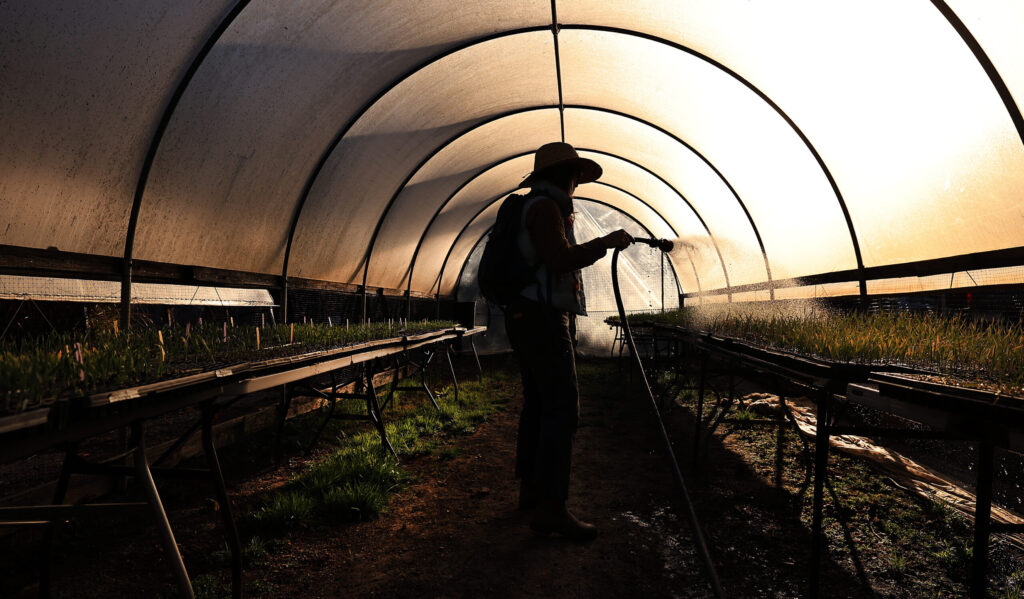
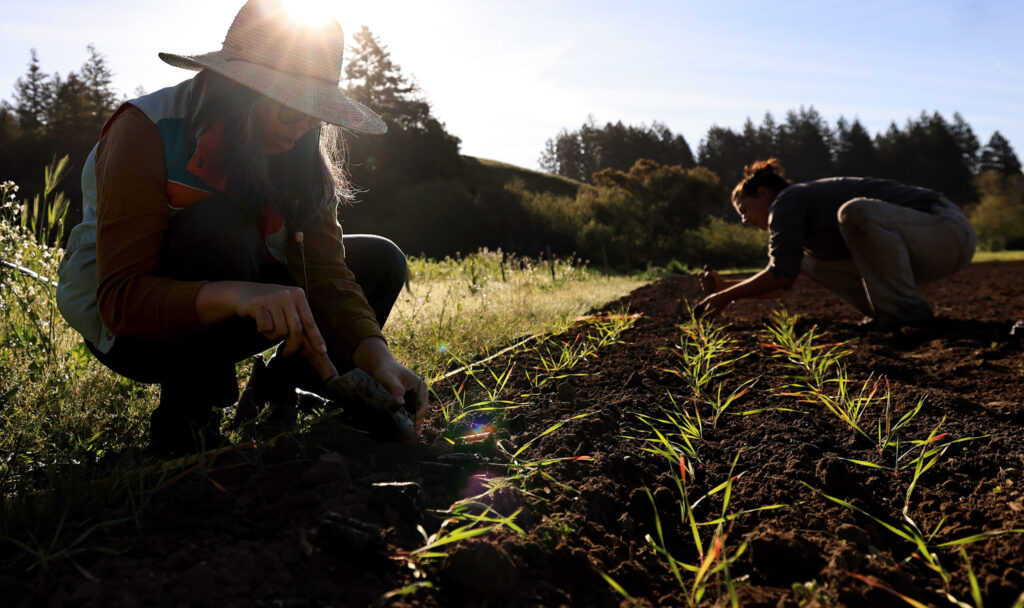

The United Nations declared 2026 the Year of the Woman Farmer. In Sonoma County, women have long been thought-leaders and innovators in agriculture.
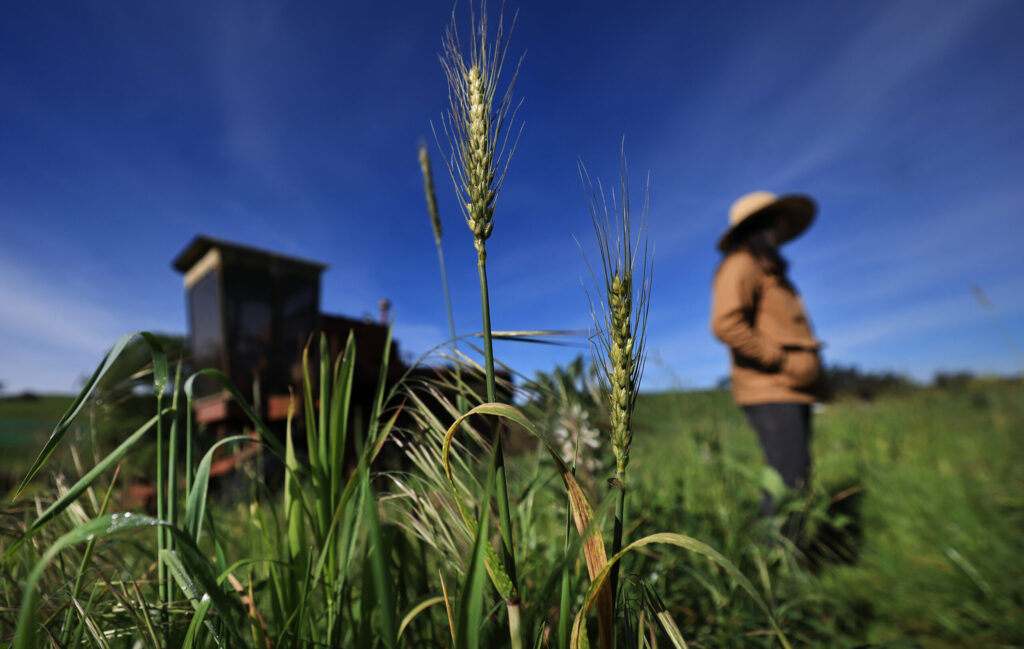
Mai Nguyen, a Sebastopol grain farmer, is working to build a regional grain economy with aims to improve local soil health, increase biodiversity, create agricultural jobs and reconnect consumers with goods made from fresh, locally milled flour. Nguyen’s work as a sustainable farmer and social justice activist has earned them national recognition from organizations such as the James Beard Foundation and U.S. Federation of Worker Cooperatives.
Here are a few more women farmers from all around the county making a difference.
Charity Epperson
Wild Things Ranch, Cazadero
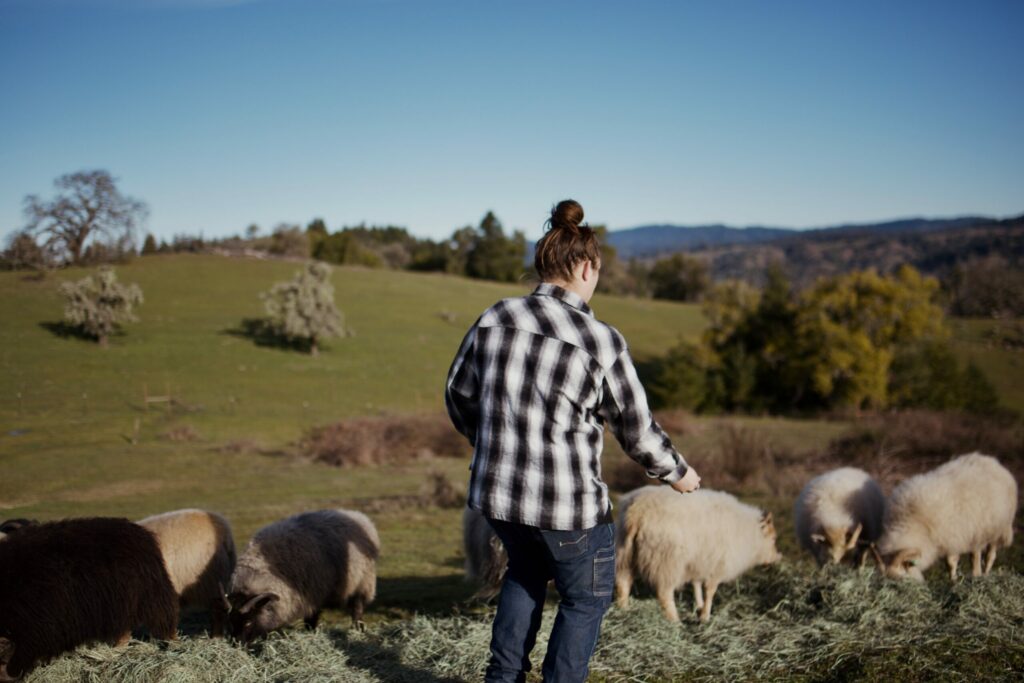
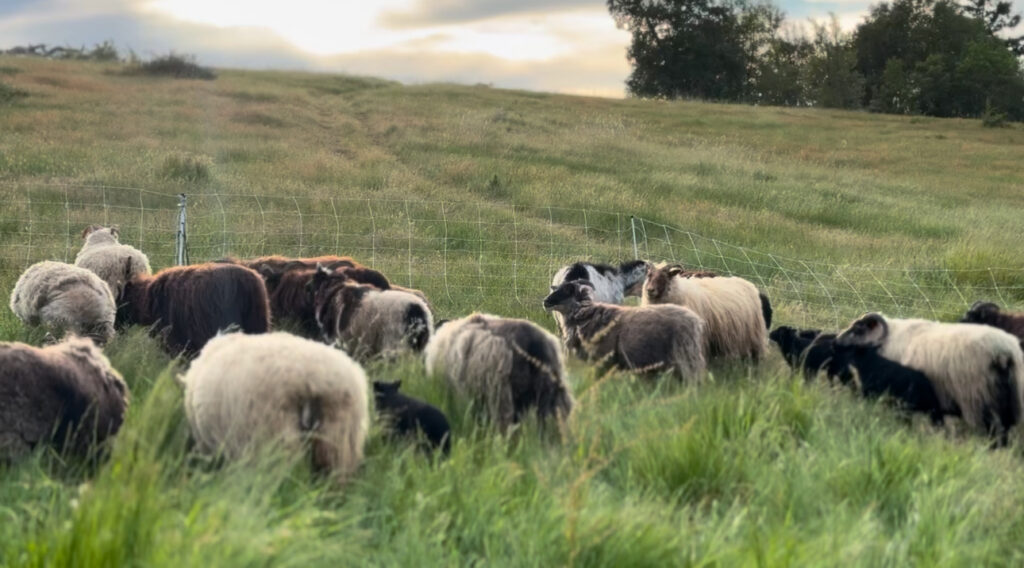
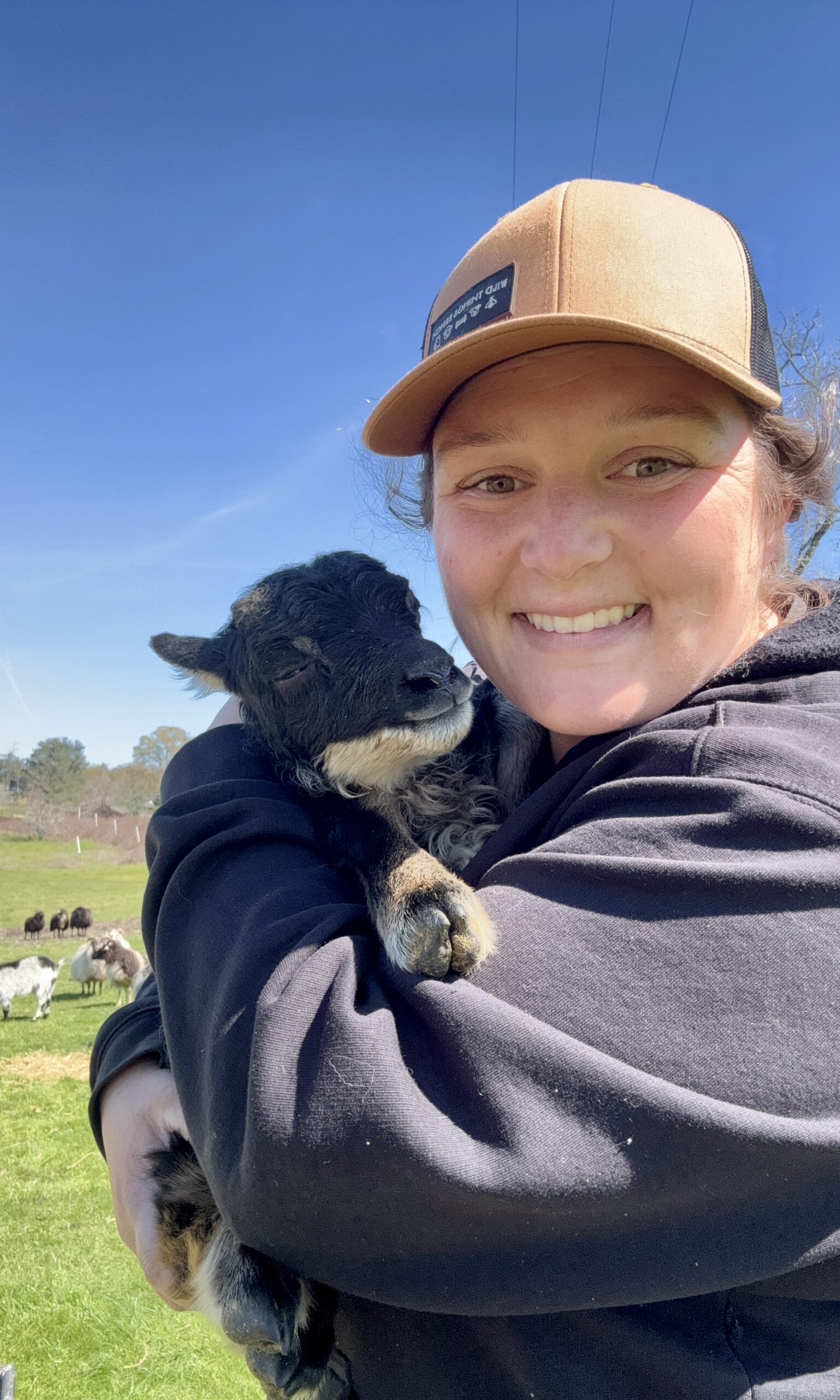
Charity Epperson grew up around California ranches, helping at brandings and herding sheep. In 2018, she started Wild Things Ranch on her family’s former sheep farm.
“When my husband’s grandparents got older, they sold off the livestock and the ranch just kind of sat,” Epperson says. “It felt stagnant.”
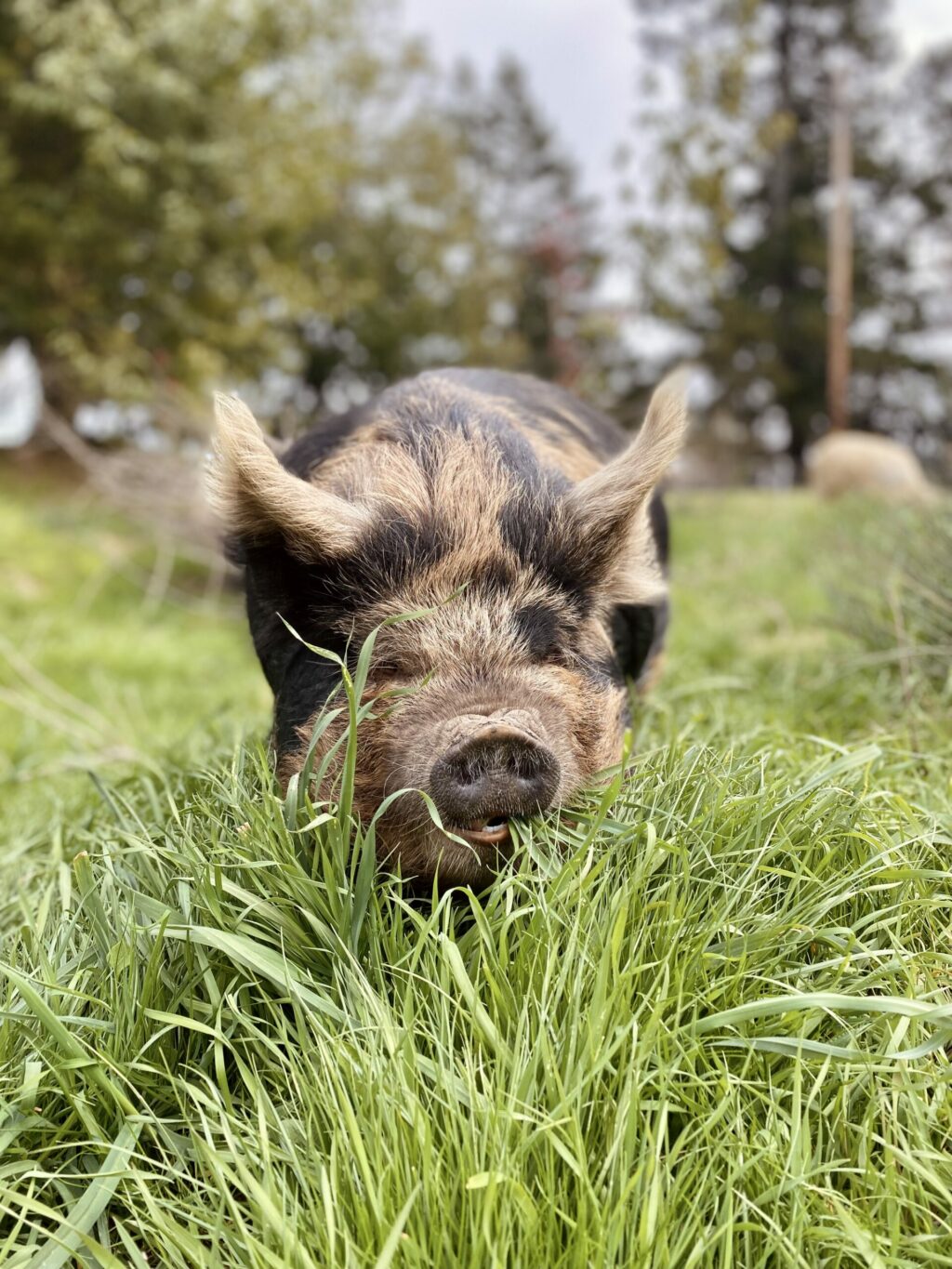
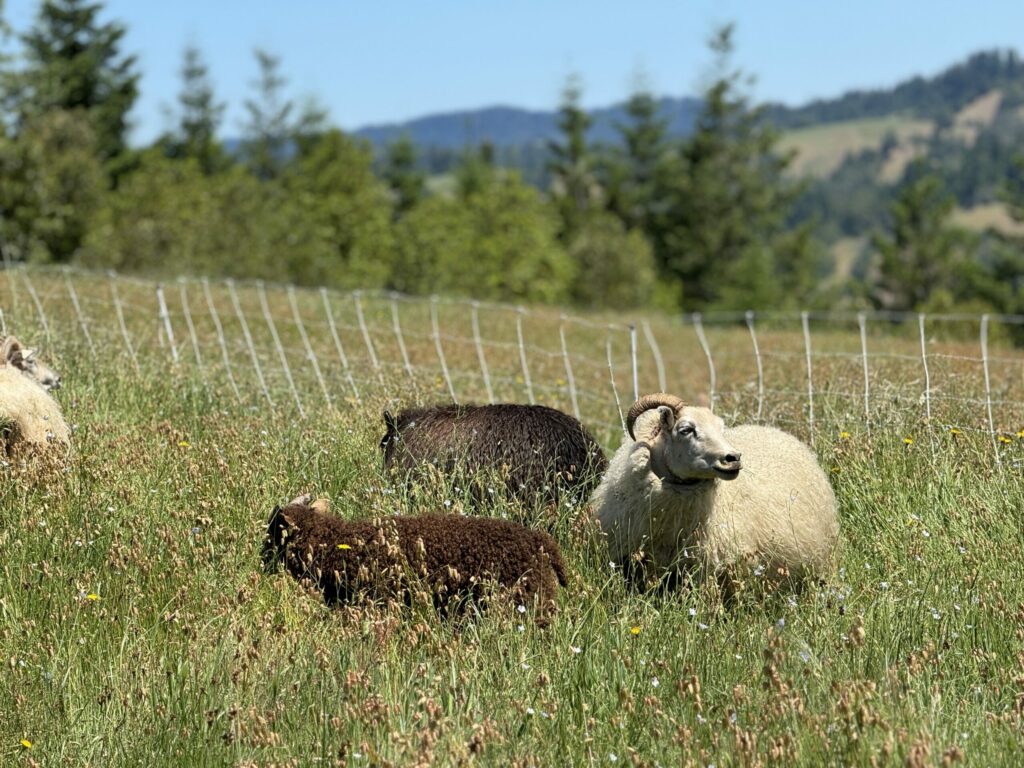
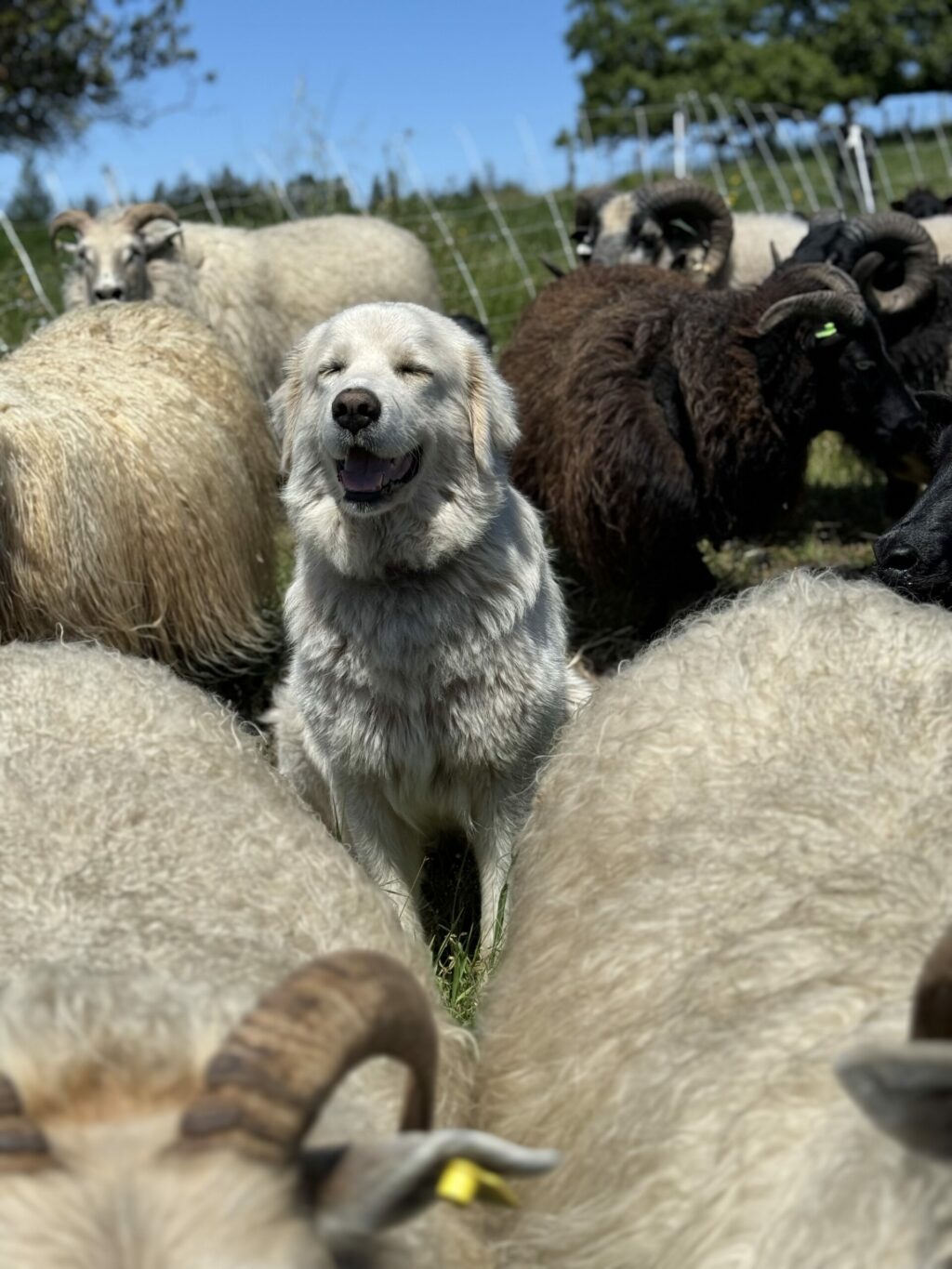
Longing to build something of her own, she gave the place a reboot. The ranch is now home to Icelandic sheep, Kunekune pigs, and Galloway cattle — thoughtfully raised with equal care for the animals and the land.
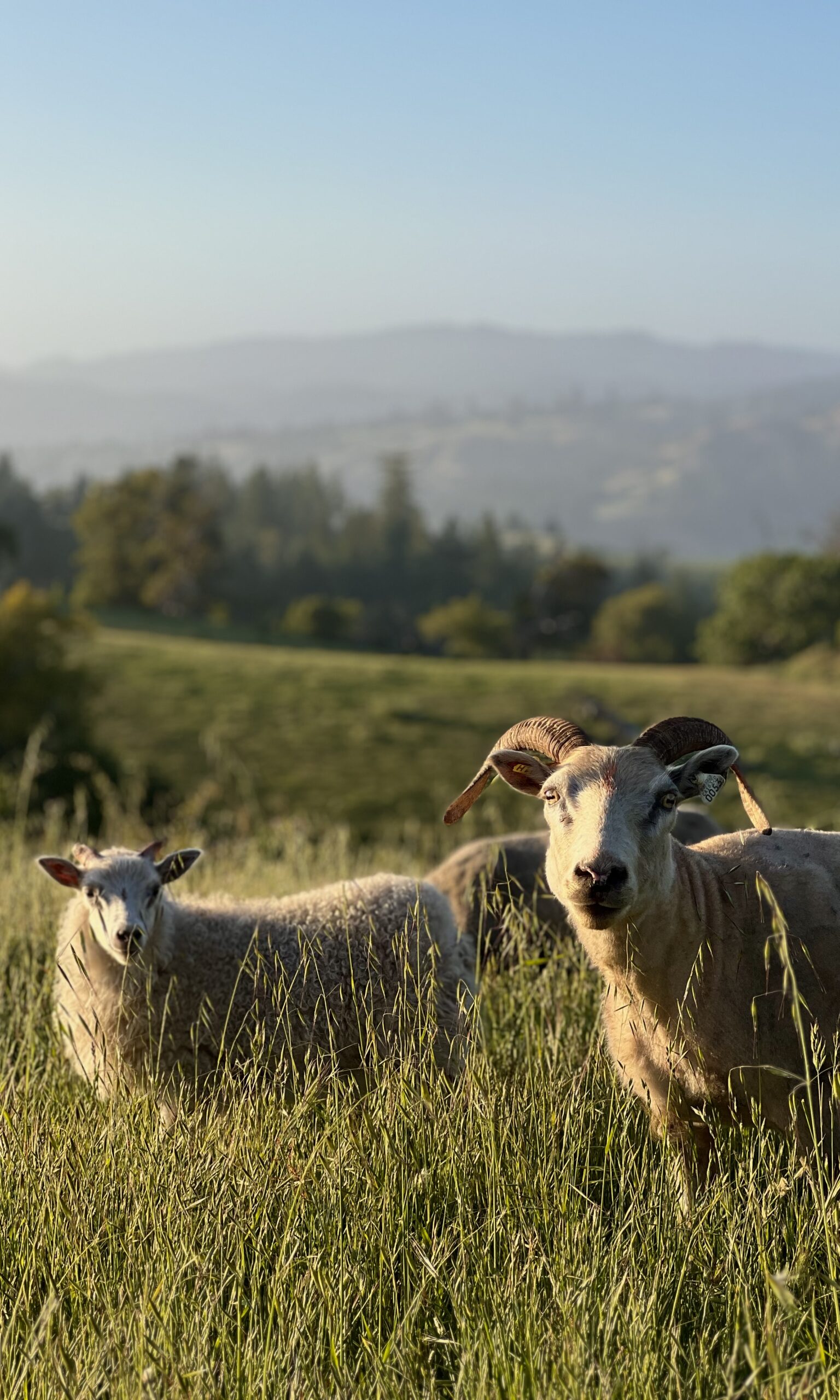
“We keep animals moving across the pastures,” Epperson says, “so they are always on fresh ground and the pasture has time to recover instead of getting run down.”
The result is a healthier ecosystem and better-tasting meat.
“Animals that are moving, eating a variety of forage, and not being pushed to grow fast and big in a short amount of time develop differently,” Epperson says. “The meat has more flavor, better texture, and it reflects how it was raised.”
Caiti Hachmyer
Red H Farm, Sebastopol
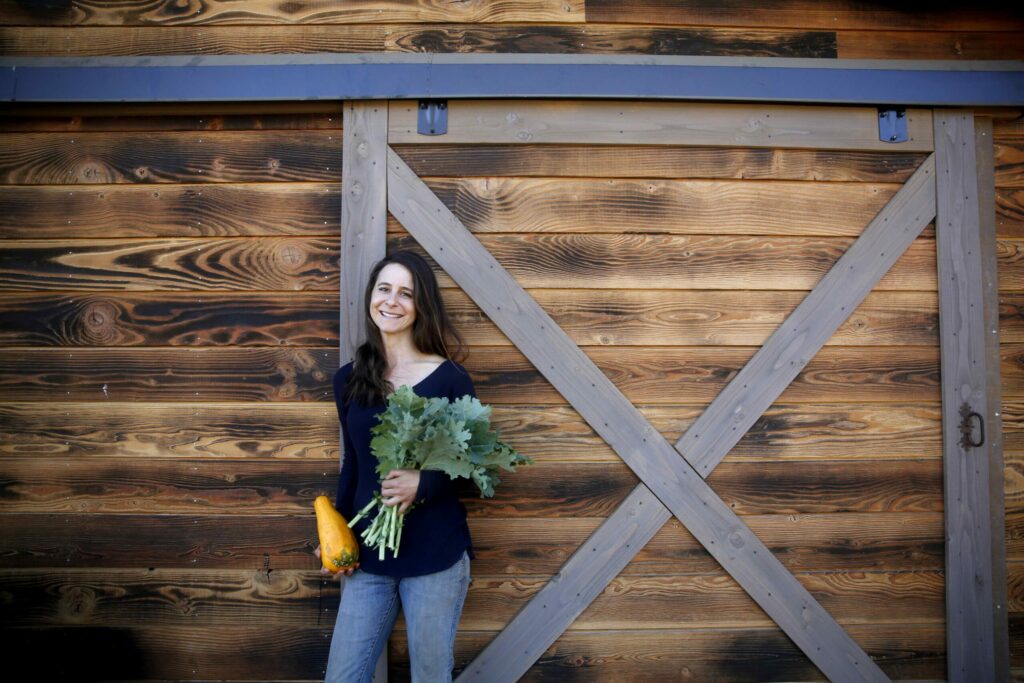
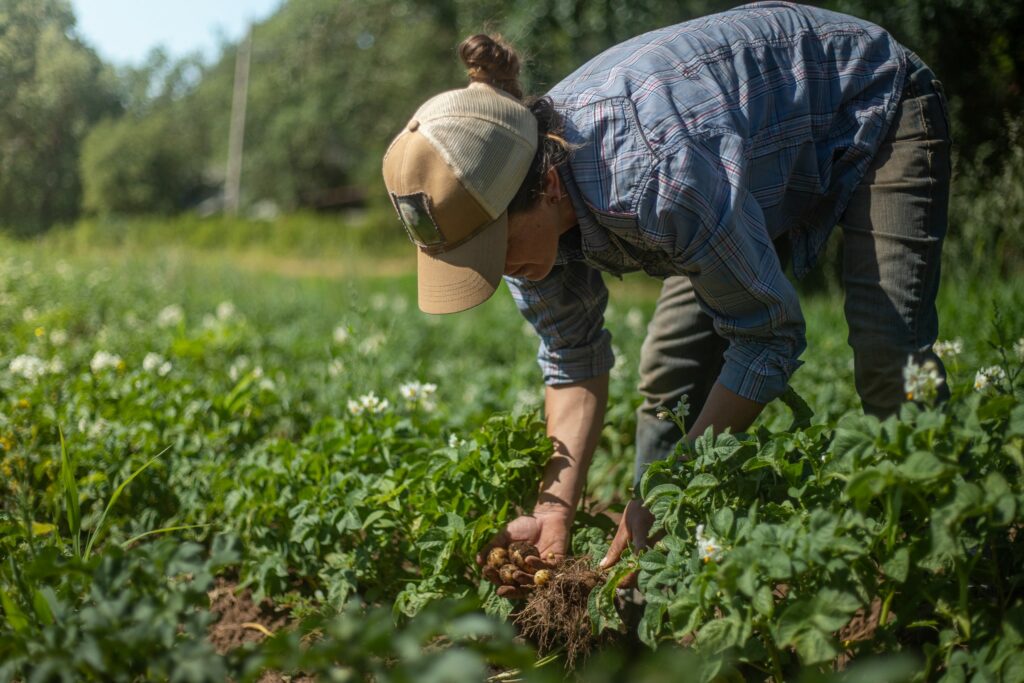
Caiti Hachmyer is more than a farmer. Along with founding Red H Farm, a 1-acre vegetable farm outside Sebastopol, she’s an activist and educator, sharing her deep knowledge of agroecology with students at Sonoma State University.
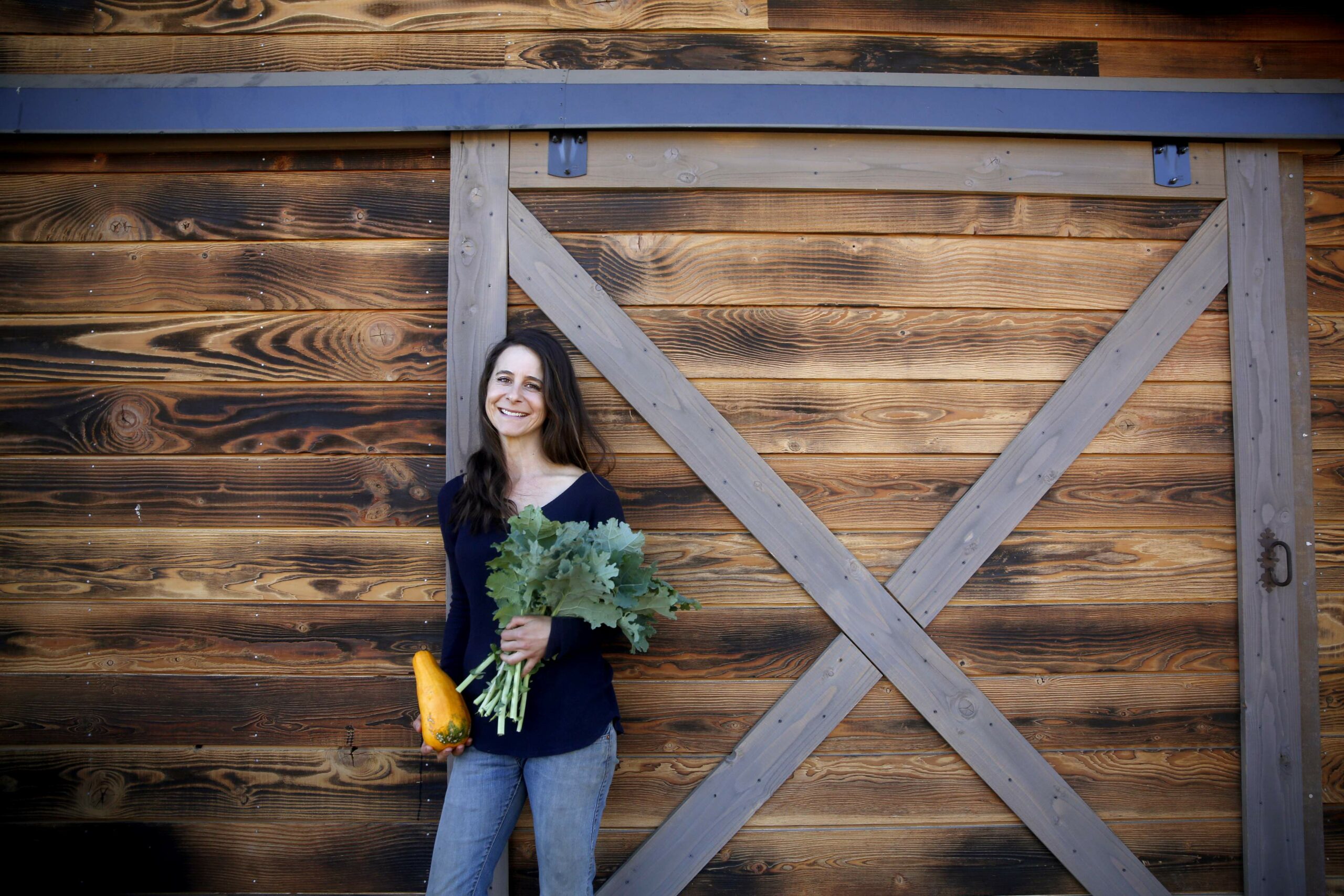
Hachmyer’s work focuses on designing food systems that work in harmony with nature while advancing sustainability and social equity.
A dedicated supporter of the LGBTQ+ and BIPOC communities, she also organizes the annual Celebrating Womxn’s Leadership in Food symposium in Sebastopol.
Hachmyer’s latest project — and it’s a big one — is launching the Center for Just Food Systems at Sonoma State. With a focus on policy and advocacy, its mission is to cultivate leaders and changemakers in the food and agriculture realms.
The center will provide experiential opportunities, mentorship, and a certificate program centered on social and policy-driven aspects of regenerative agriculture and food systems.
Arden Bucklin-Sporer
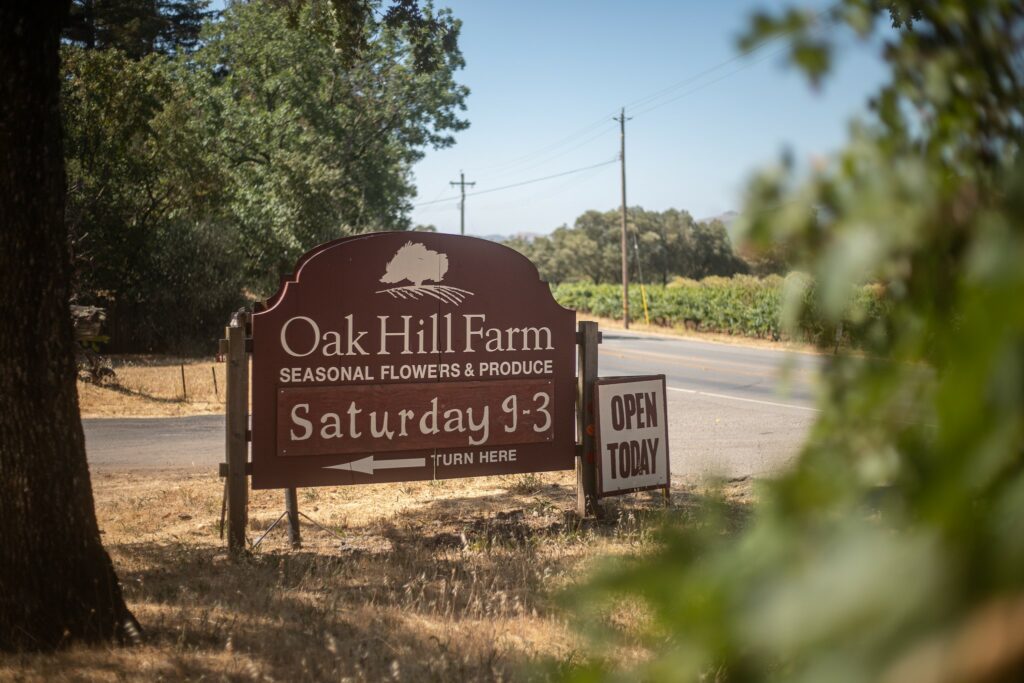
Oak Hill Farm, Glen Ellen
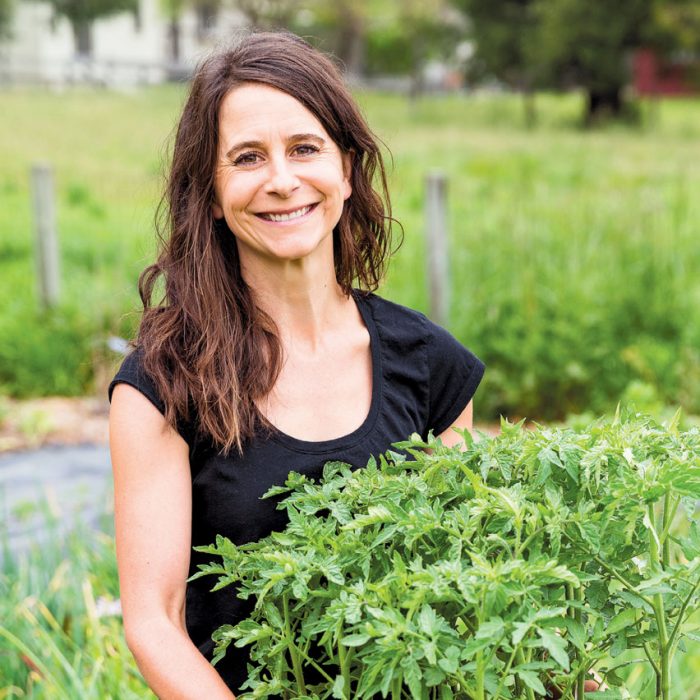
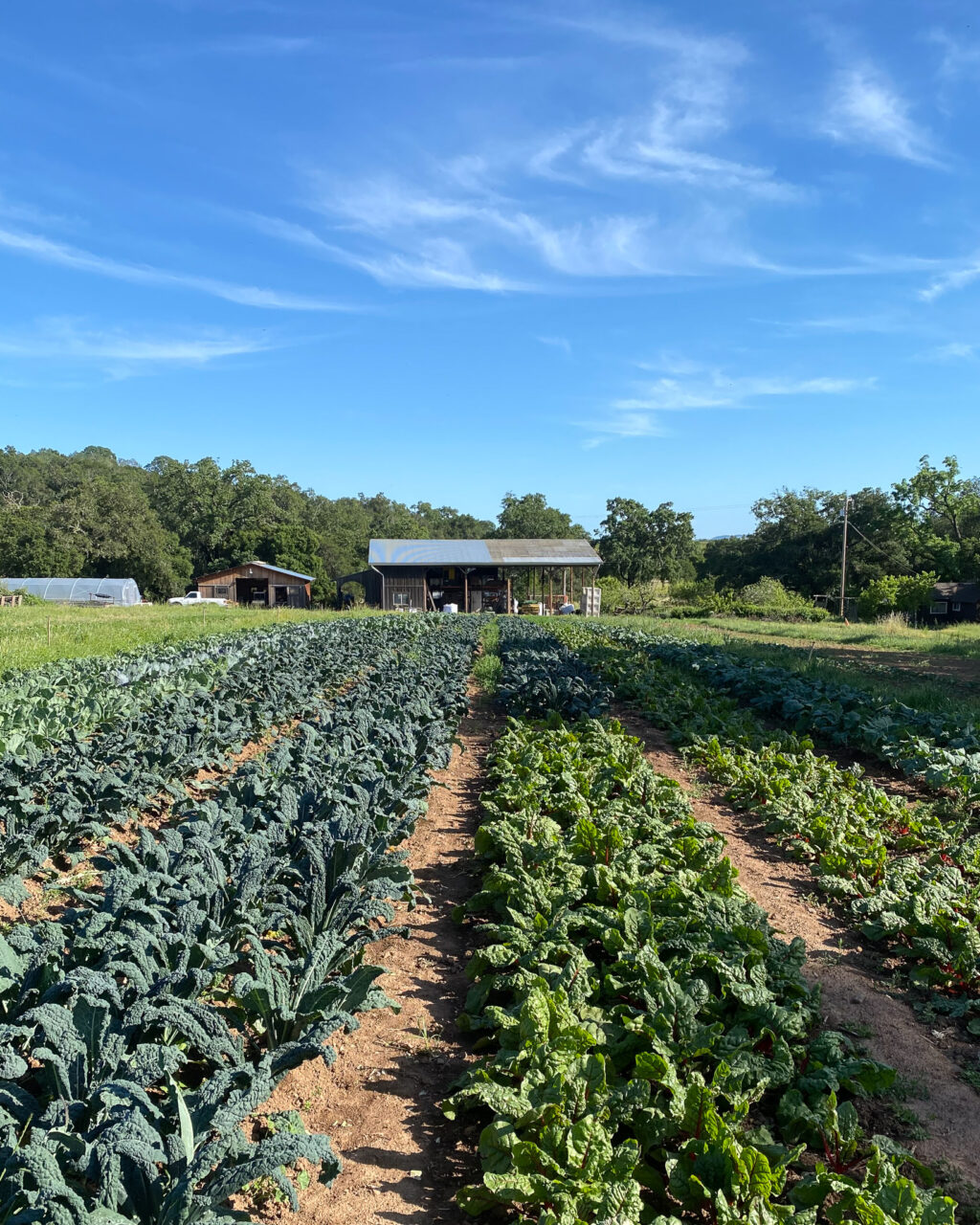
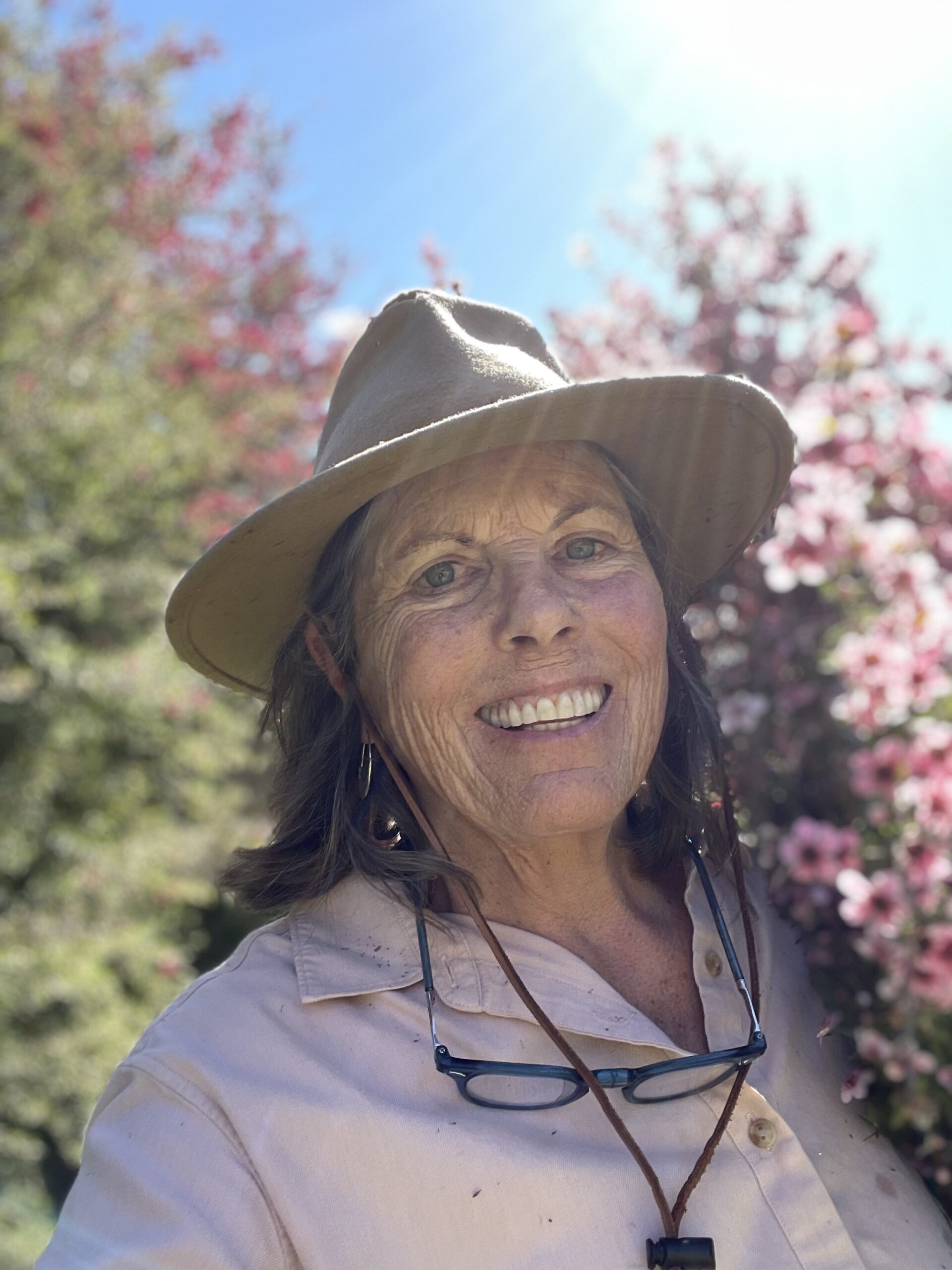
Arden Bucklin-Sporer likes to say she is the “executive producer” at the 700-acre farm founded by her mother Anne Teller and Anne’s husband Otto nearly 50 years ago. Today, Bucklin-Sporer runs Oak Hill Farm with her sister, Kate Bucklin, along with their niece and nephew-in-law.
Like her late mother, an original founder of the Sonoma Land Trust, Bucklin-Sporer is an avid conservationist and a passionate believer that small-scale farms such as Oak Hill are true assets to their communities.
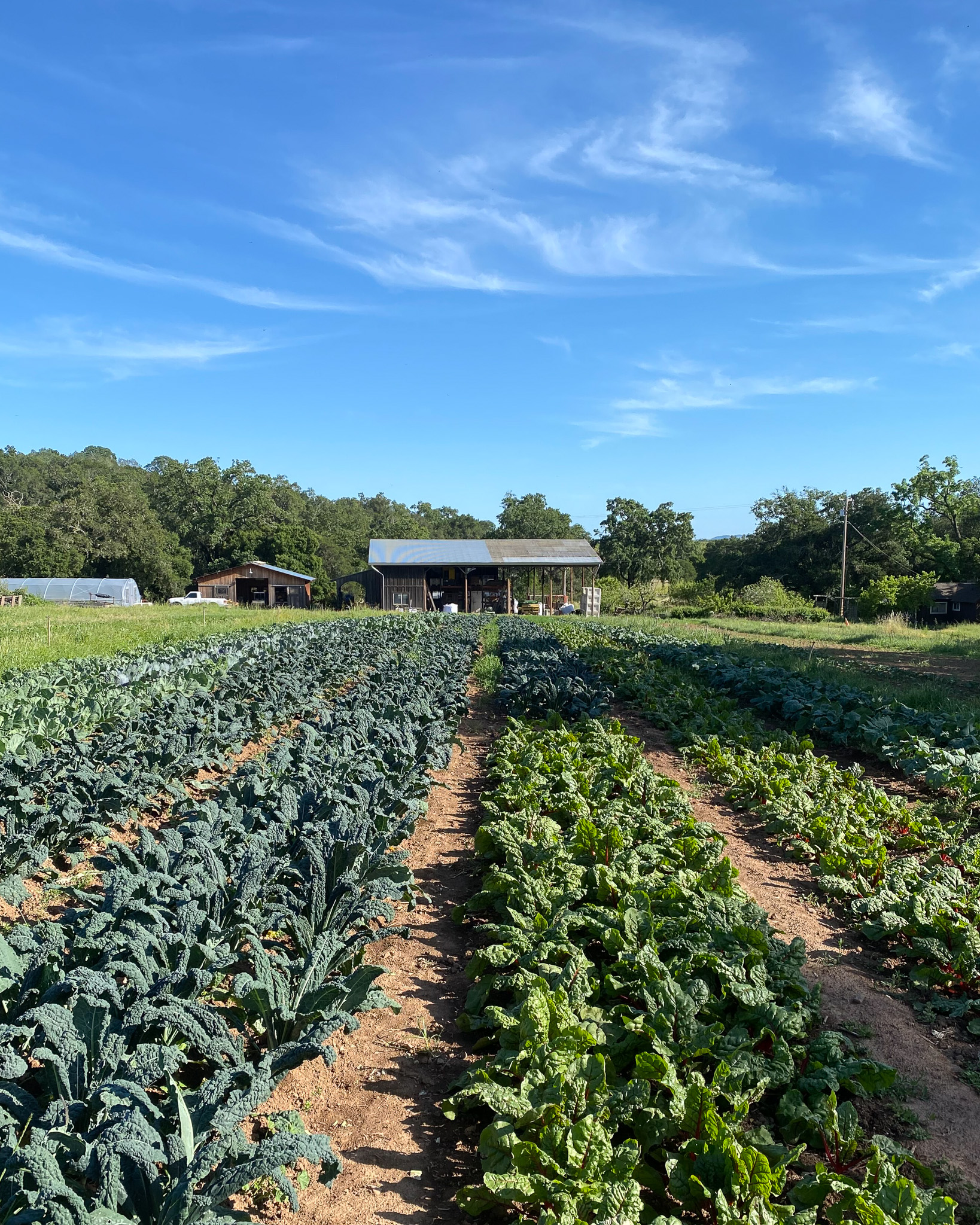
“It feels to me like the right thing to be doing with the land,” she says. “I know Sonoma as an agricultural place, as a place of farms and walnut trees and orchards and beautiful produce. I think we’re doing our part to keep it that way.”
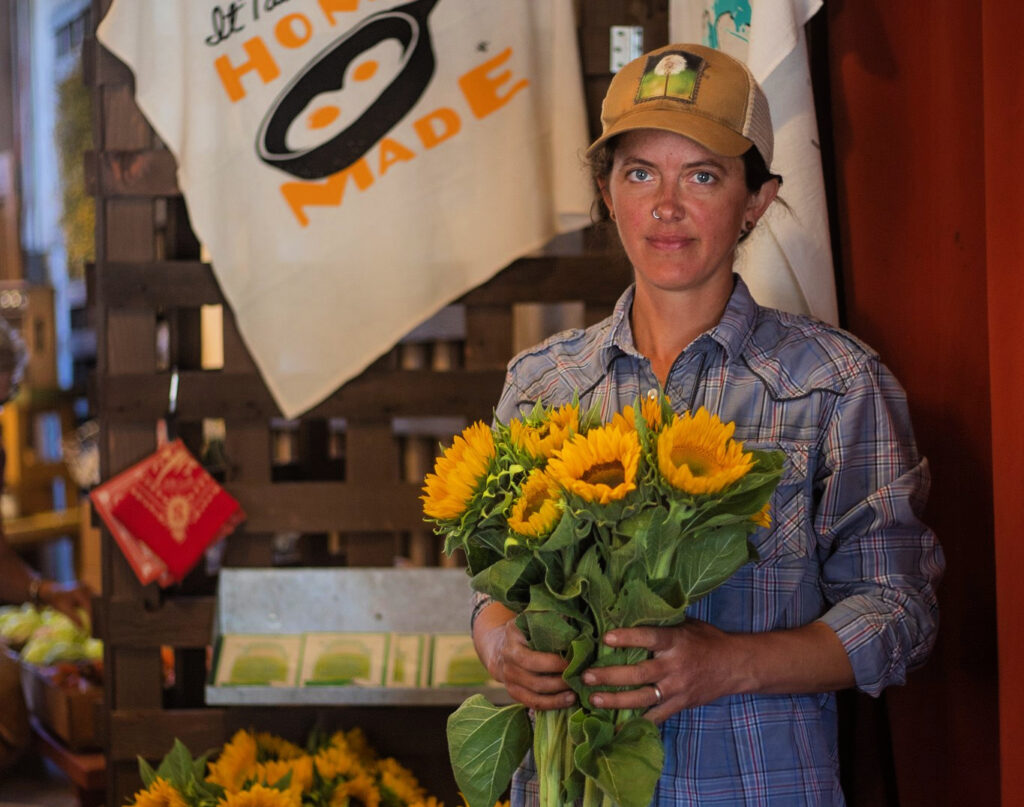
Oak Hill sells its heirloom vegetables, fruits, and flowers in its Red Barn Store, a rustic century-old building among the vegetable and flower fields.
Oak Hill Farm, 15101 Sonoma Highway, Glen Ellen. oakhillfarm.net
Elizabeth Stein
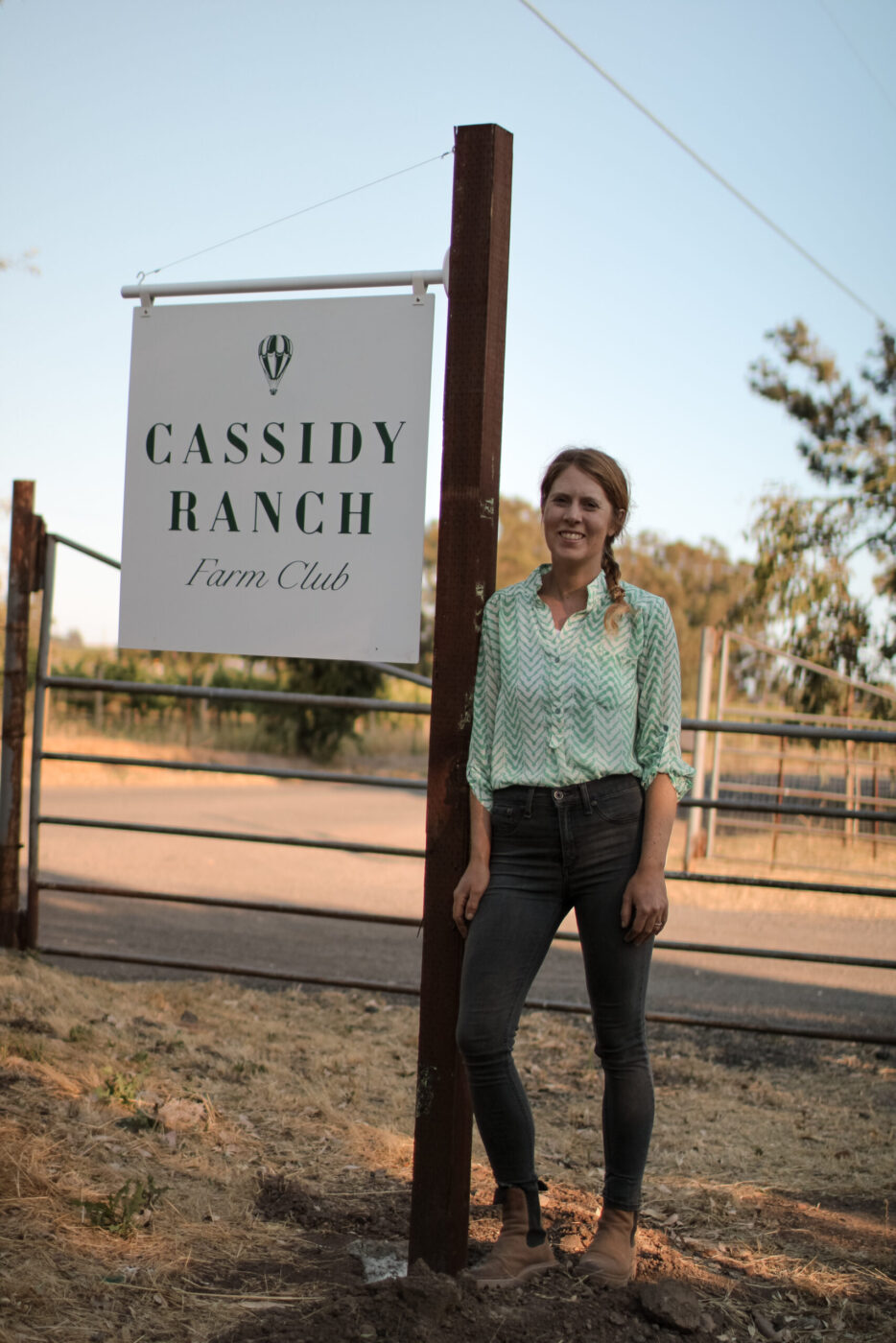
Cassidy Ranch, Sonoma
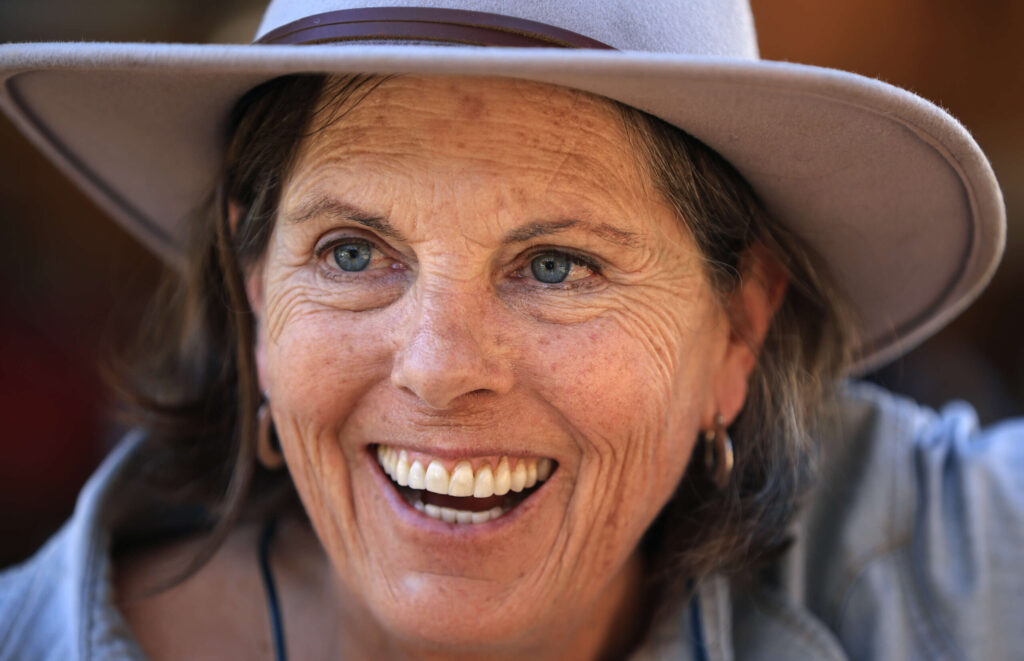
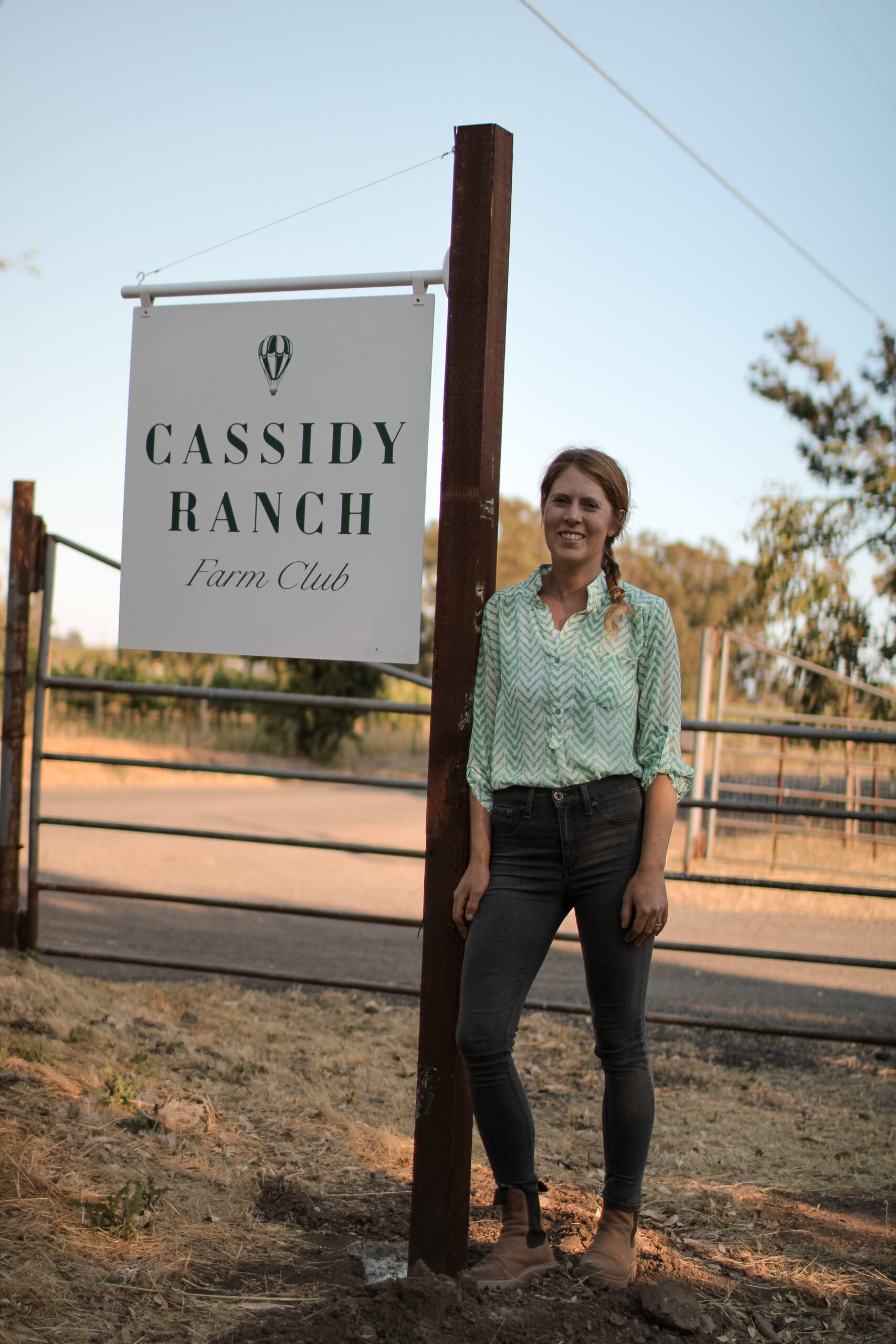
Boston native Elizabeth Stein worked as a sommelier and founded a healthy snack brand before moving to Sonoma County in 2020 and taking over the former Bi-Rite Market farm in Carneros.
“At the time I didn’t have any real farming experience,” she says, “but we jumped in anyway with the vision to preserve the farmland and build a destination centered around organic farming and immersive experiences.”
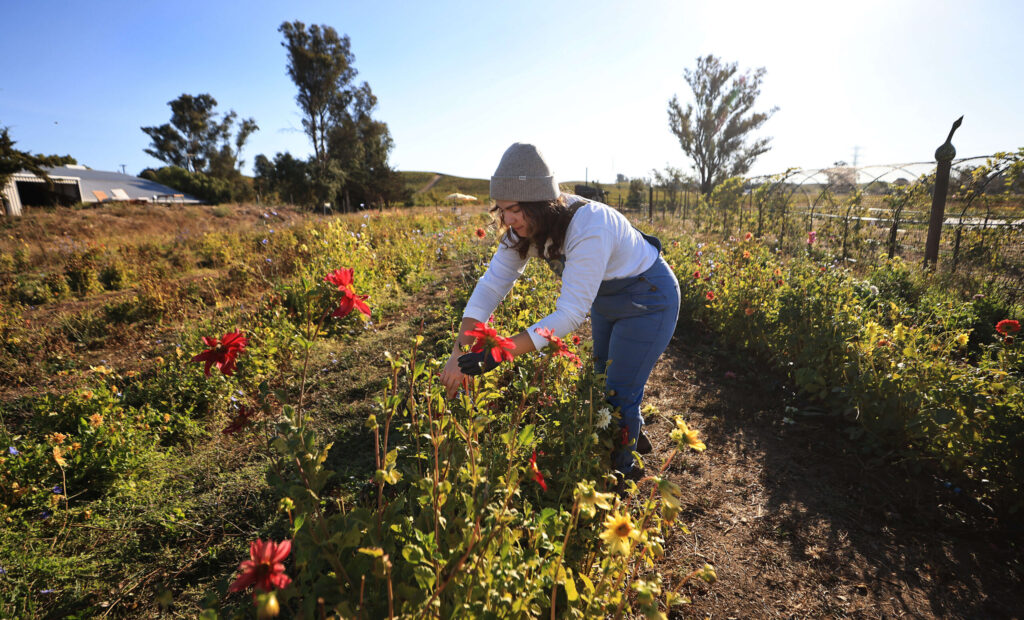
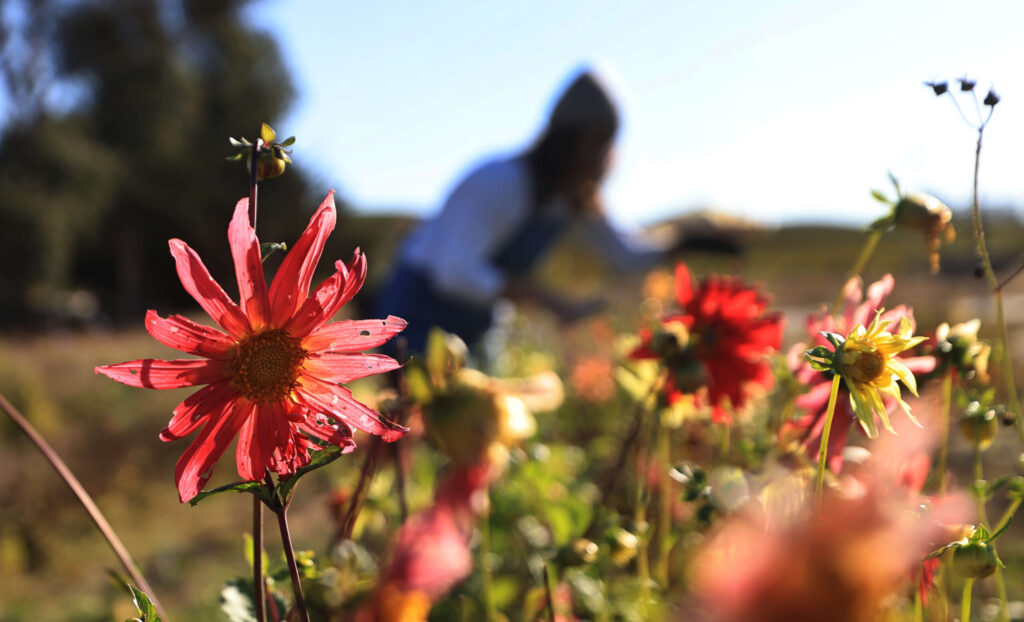
Now known as Cassidy Ranch, Stein’s farm grows more than 100 varieties of flowers, plus strawberries, wine grapes, and vegetables. A model of agritourism, it offers U-pick days, wine tasting, pickleball, and workshops in everything from fermentation to beekeeping.
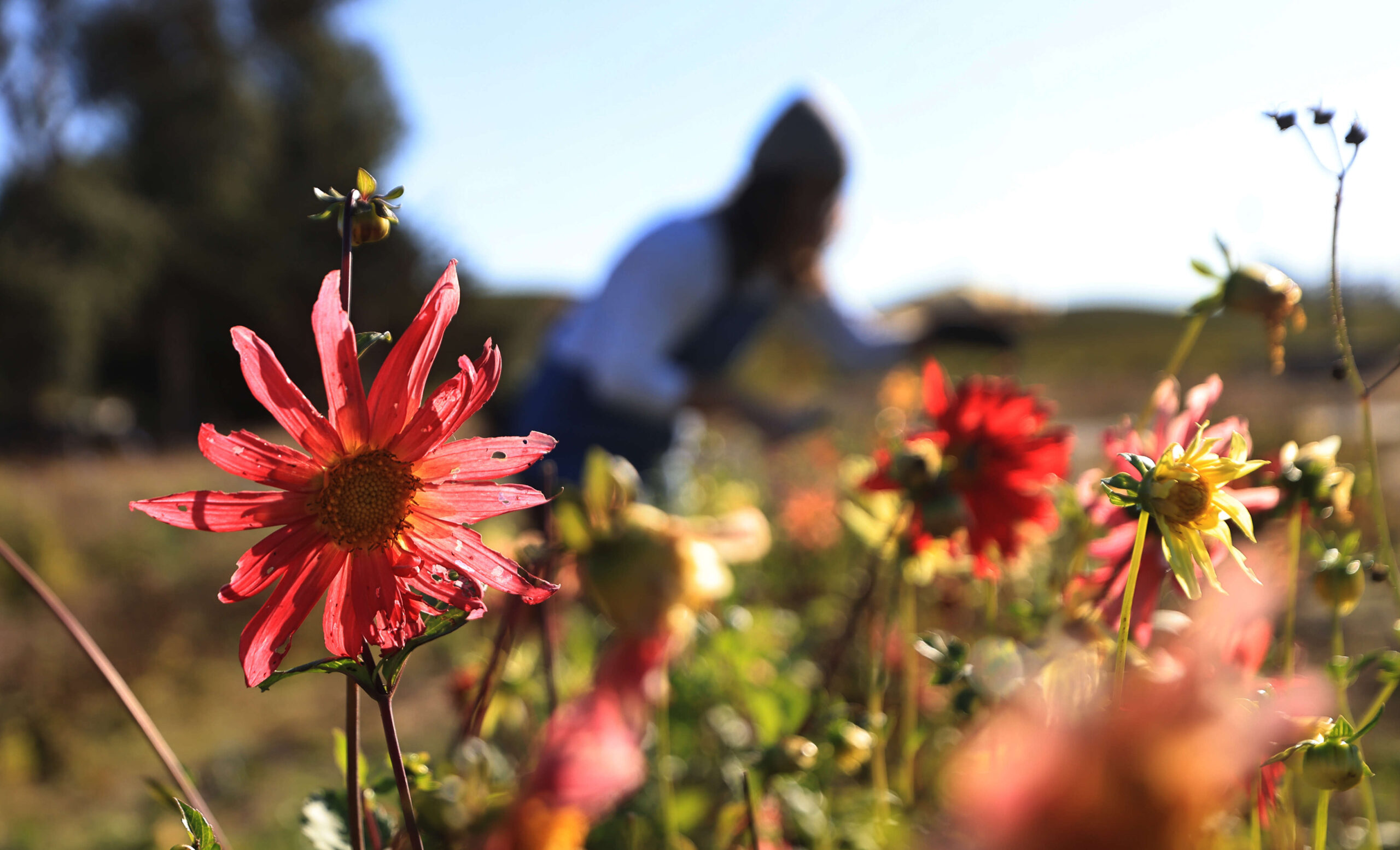
“There’s something special about seeing guests wander through the flower fields or pick their own produce for the first time,” Stein says. “Those moments remind me why we built Cassidy Ranch — to create a place where people can slow down, connect with nature, and enjoy the beauty of a working farm.”
22661 S. Central Ave., Sonoma. cassidy-ranch.com