







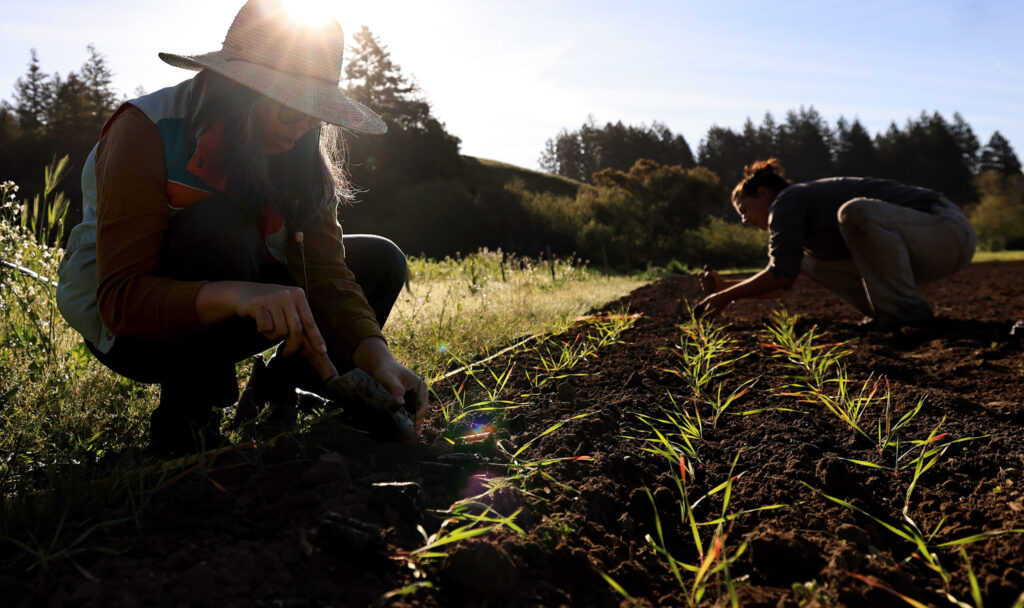
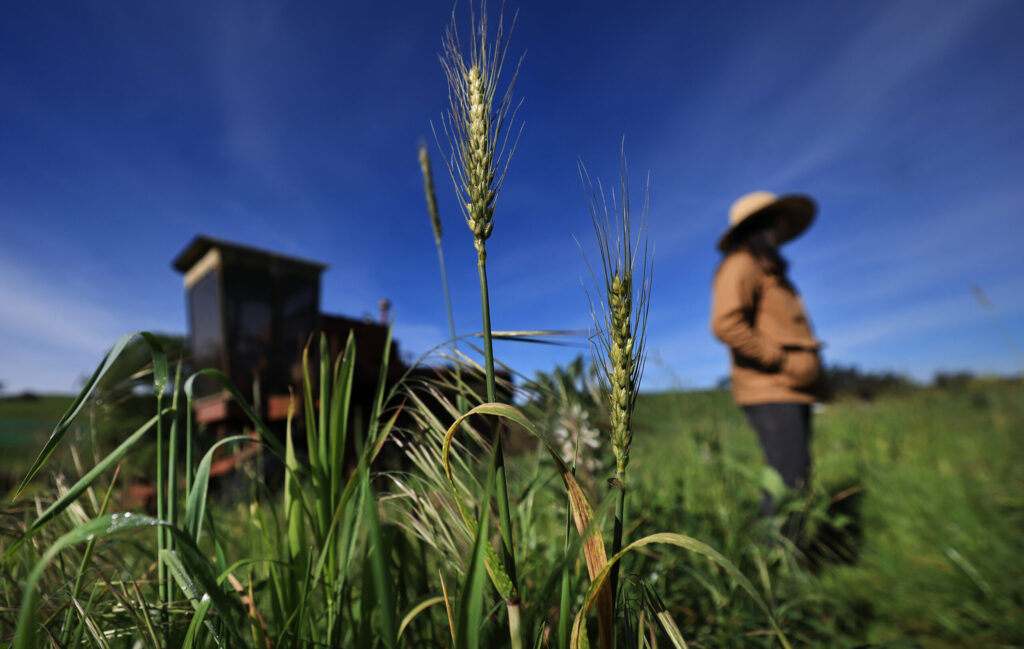

Like many in Sonoma County, Mai Nguyen took advantage of an unseasonably warm stretch of early spring days to get some planting done. But for this Sebastopol grain farmer, the stakes were higher than most. On a morning in early March, Nguyen arrived for a day of seeding in the greenhouse at Green Valley Farm + Mill wearing a wide-brimmed straw hat, work pants, boots, and a blue T-shirt featuring a loaf of bread and the words “Rise Up.”
Nguyen, who prefers to use gender-neutral pronouns, came prepared to combat climate change and to help revitalize global food cultures, armed only with a red-and-white Igloo cooler and a seemingly bottomless reserve of knowledge, compassion, and resolve.
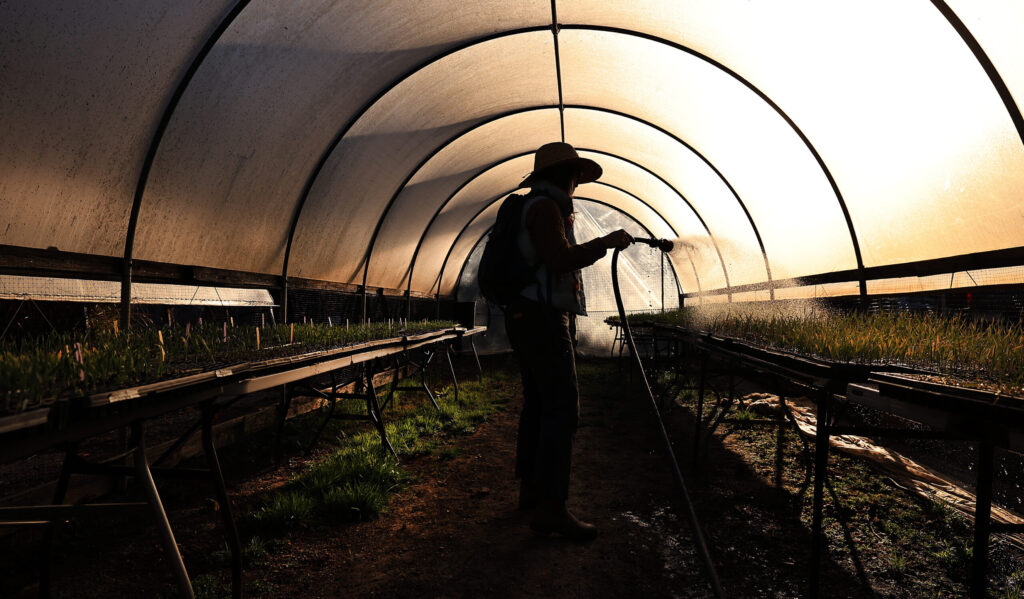
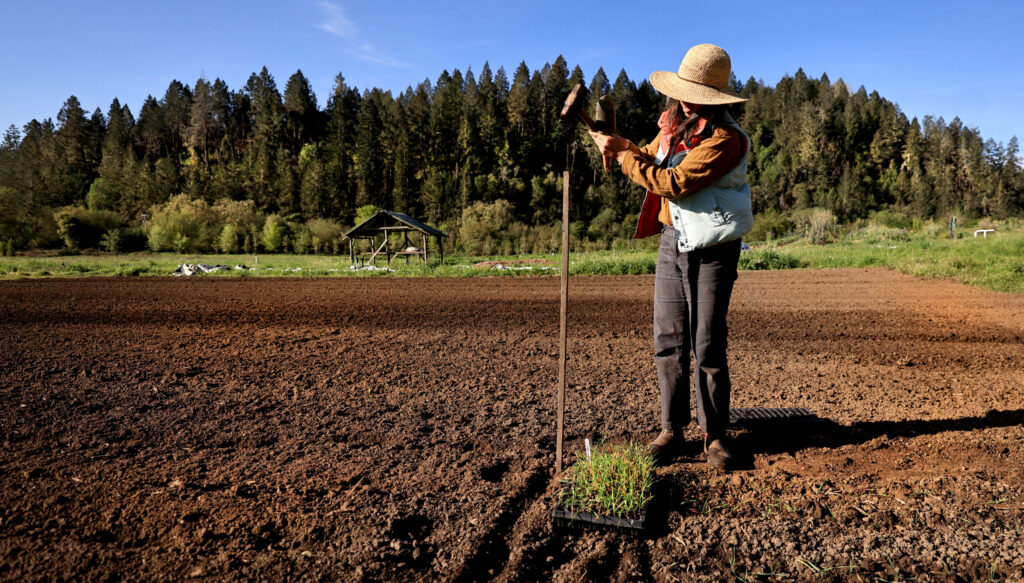
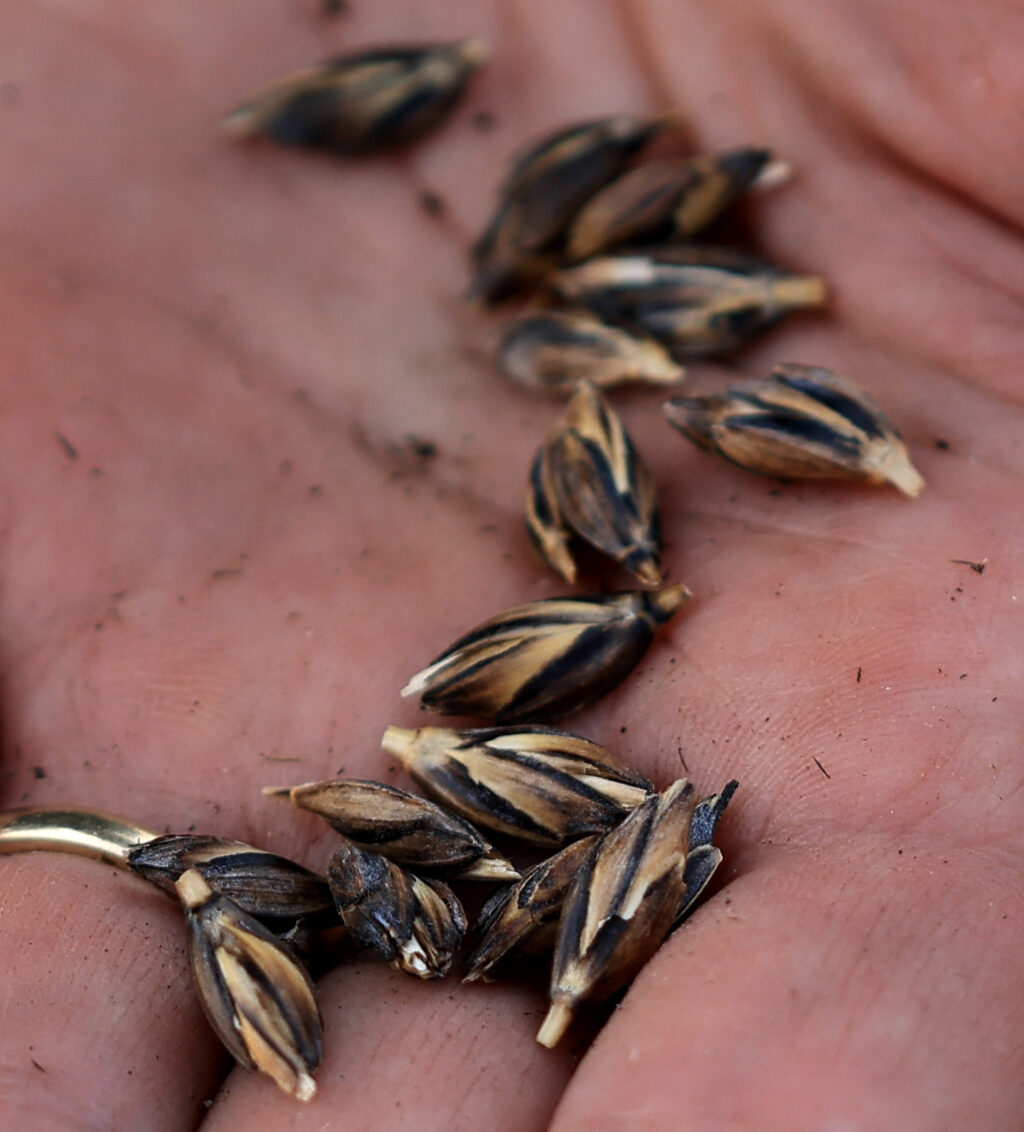
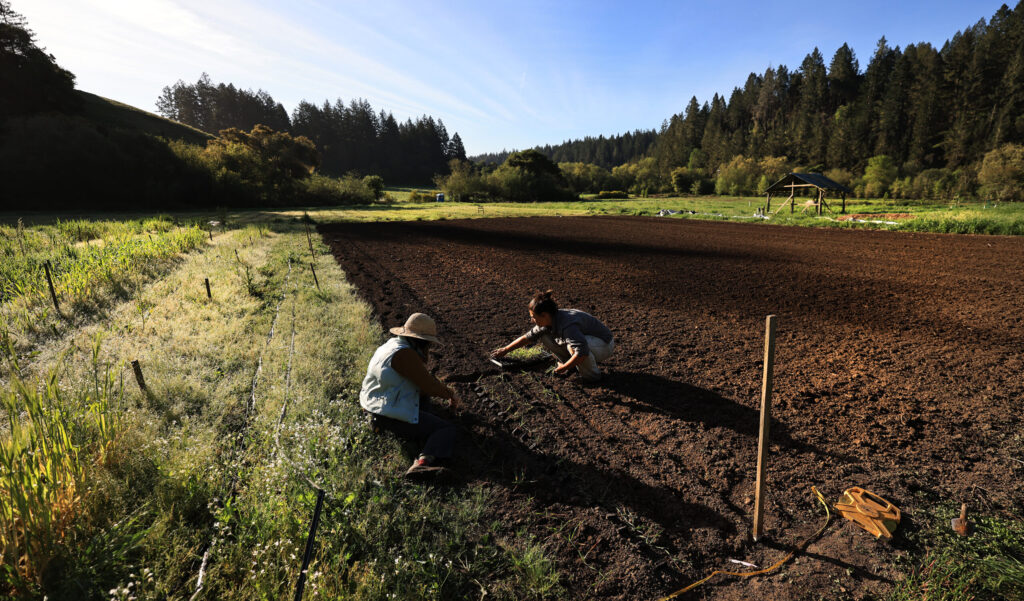
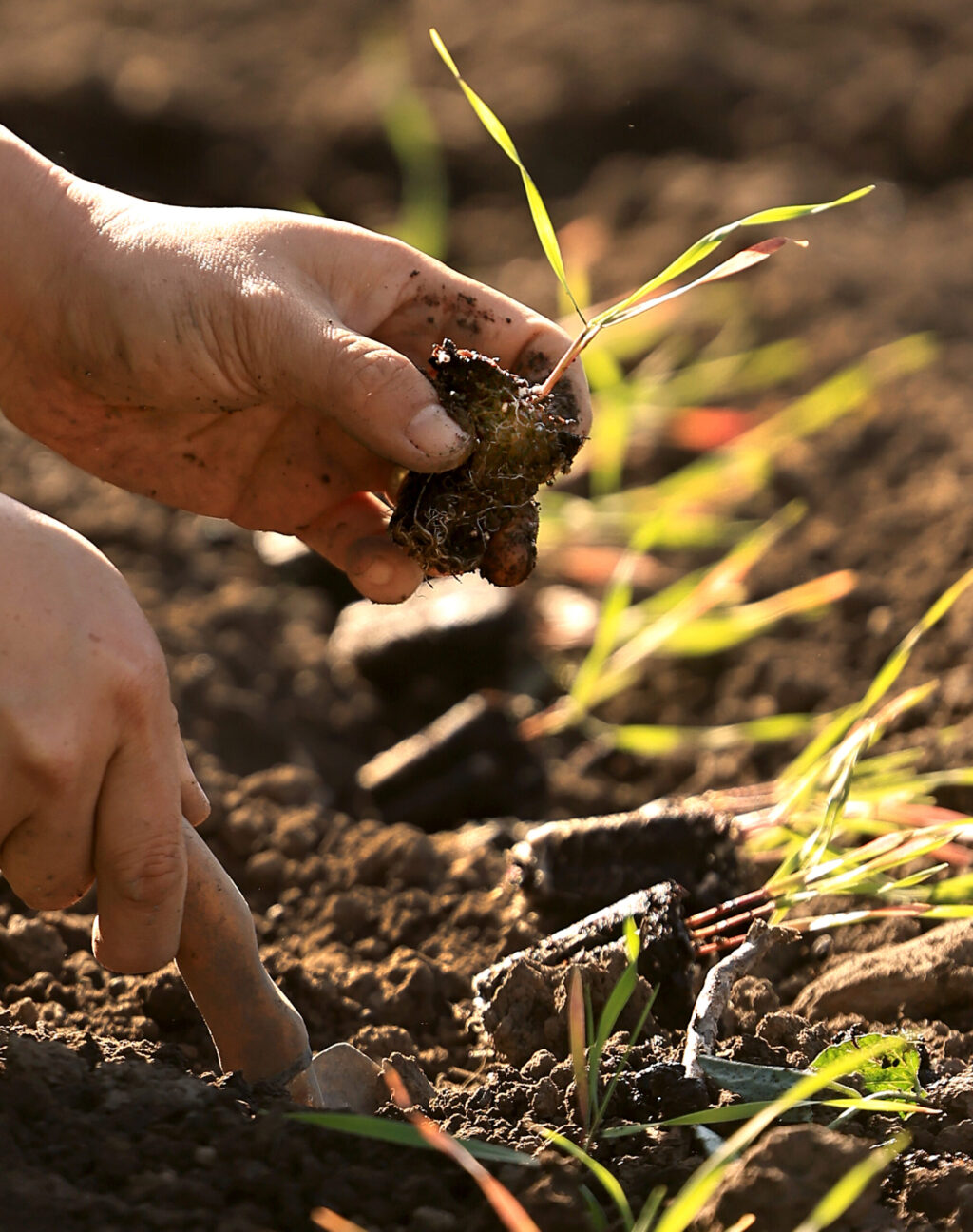
Inside the cooler were heirloom wheat seeds, sorted into numbered plastic bags. On tables in the greenhouse, trays held week-old sprouts labeled Bolero, Black Eagle, Einkorn, Emmer, and Ukrainka. Other trays sat empty, waiting for Nguyen and two women volunteers to begin the painstaking work of seeding hundreds more for a project Nguyen is working on.
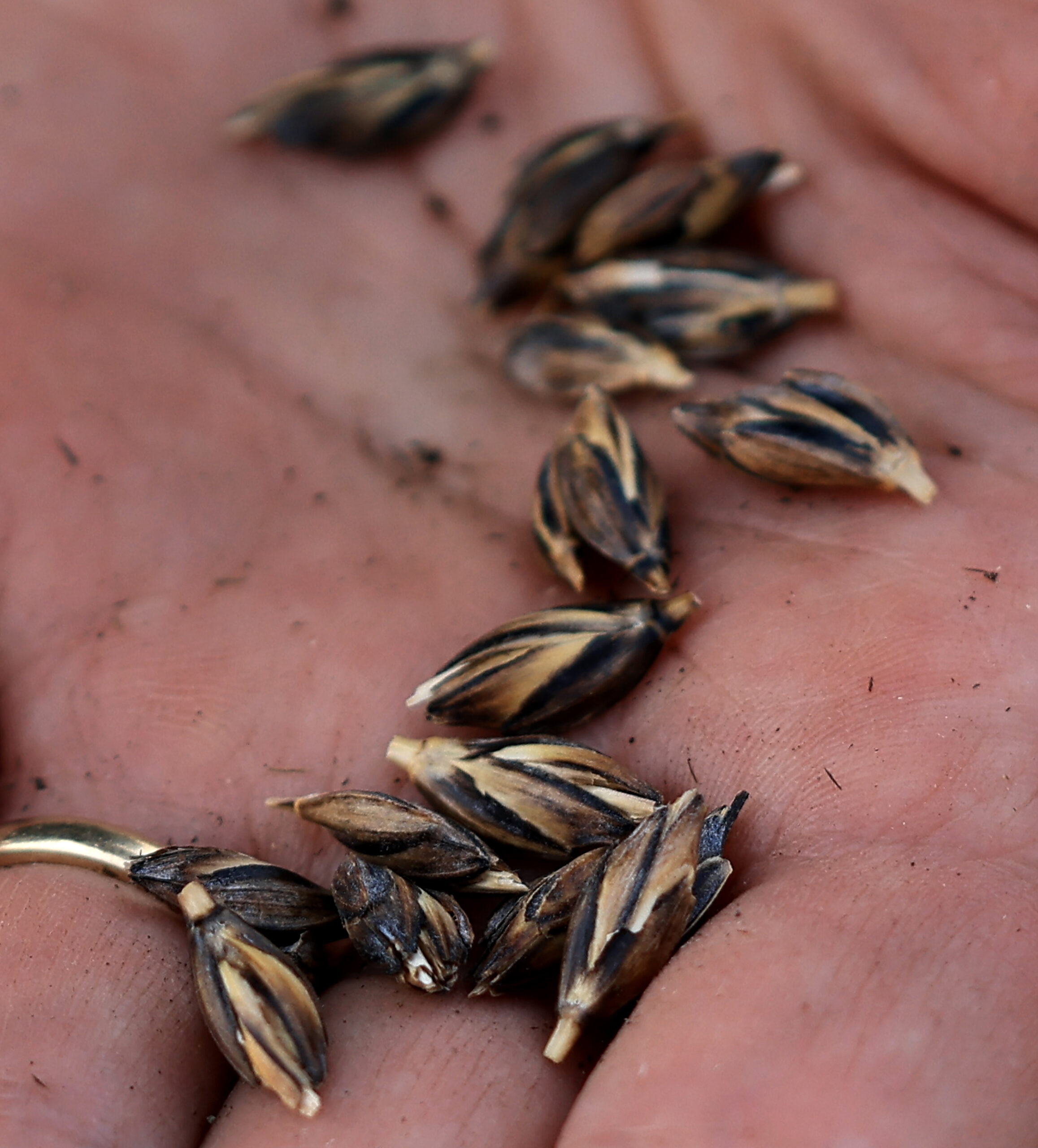
“I’m trying to build the seed bank infrastructure, like a mini-Greenland,” Nguyen says.
After harvest, the seeds will be sent to the California Wheat Commission laboratory for genomic sequencing. The goal is to return some of these heirloom grains to the cultures where they originated, restoring crops displaced across generations by war, colonization, and industrial agriculture. Nguyen argues that patented seeds owned by large corporations have made communities around the world dependent on a narrow industrial system.
“For people to have autonomy and sovereignty such that their cultures can thrive, the rematriation of grain seeds is really key,” Nguyen says. A diverse seed supply, they added, is also essential to ensuring staple crops can adapt to a changing climate.
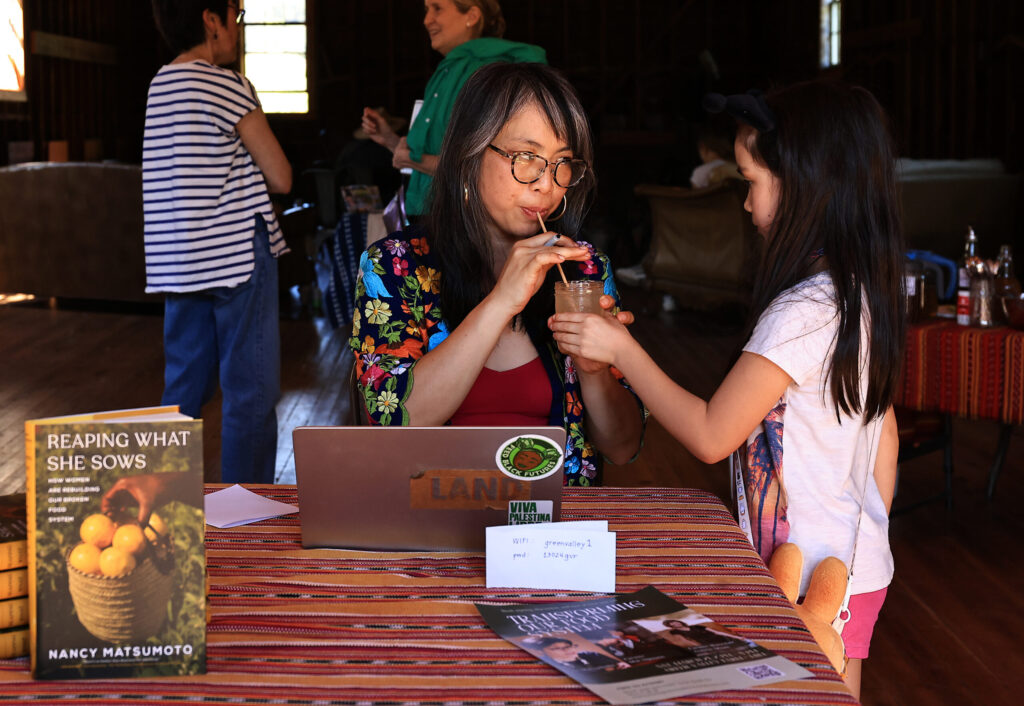
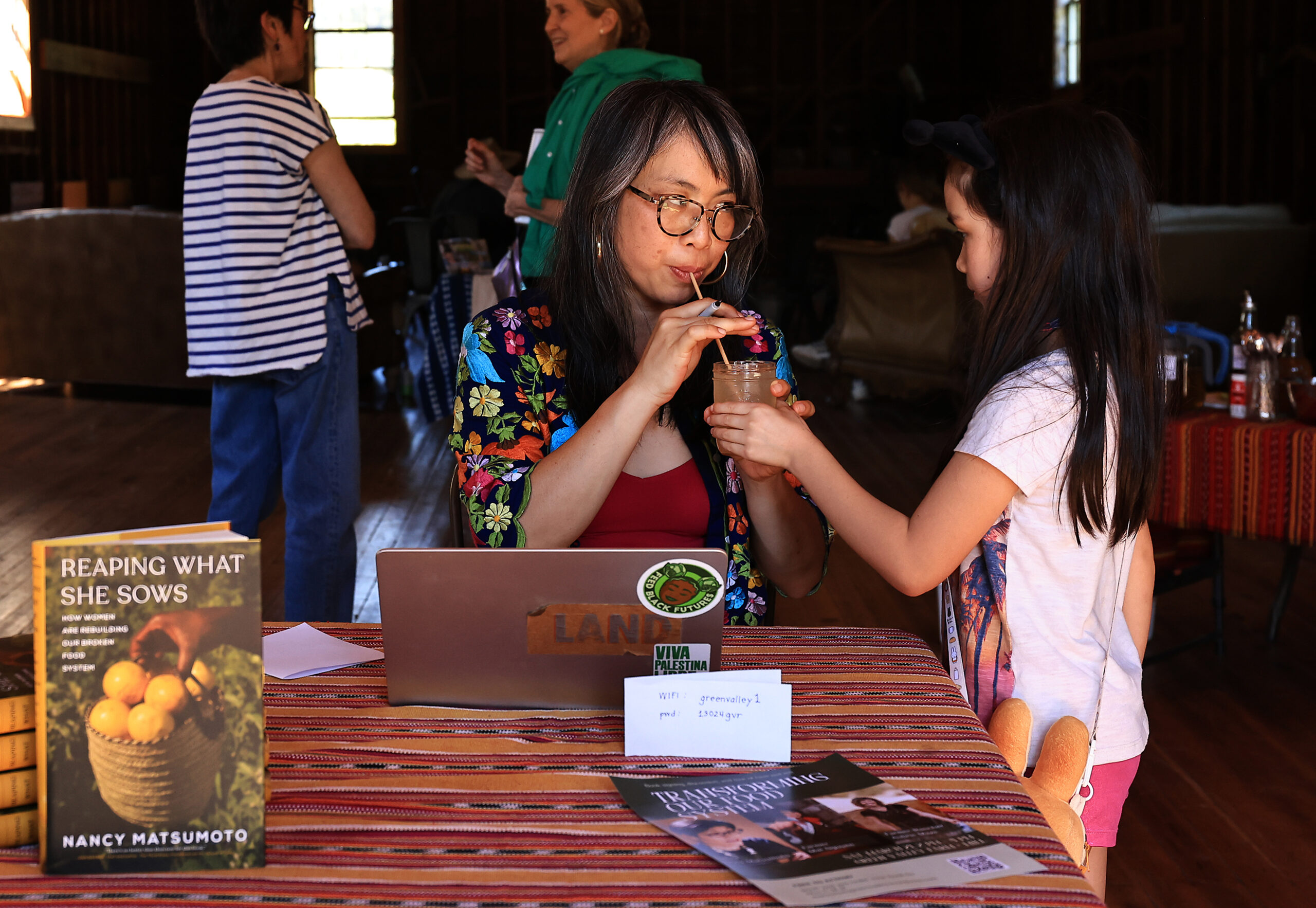
“Mai is trying to change our food system for the better, not just as a commodity, but to feed people more equitably,” says Nancy Matsumoto, author of “Reaping What She Sows,” which chronicles women pushing back against profit-driven food systems. Nguyen’s work in agroecology—combining regenerative agriculture with social justice—has earned national recognition, including a 2024 James Beard Leadership Award for sustainability.
The ambitions are global, but Nguyen’s work is also deeply local. In Sonoma County, they are working to build a regional grain economy—one they say could improve soil health, increase biodiversity, create jobs for agricultural workers displaced by downturns in the wine and dairy industries, and reconnect consumers to goods made with freshly milled flour.
Nguyen began farming wheat in Sonoma County nine years ago but moved here full time only last year, after federal funding for their off-farm job was cut. Last July, they relocated with their partner and two young children to the 172-acre Green Valley Farm + Mill property west of Sebastopol, where they now live alongside other members of a farming collective that includes Bramble Tail Homestead and the Climate Farm School. Since settling in, Nguyen has focused on building community by hosting potlucks, Lunar New Year pop-ups, and baking workshops using their freshly-milled flour.
While there were practical considerations that initially brought Nguyen to Sonoma County to farm (namely, the shared equipment they needed to harvest, clean, and mill their flour was here), their connection to Sonoma County dates back two decades when they would come to visit the hometown of their first serious boyfriend. Exploring the area, including the redwoods, they recall, felt “magical,” intertwined with the emotions of falling in love.
“Every place I go to, I still feel that first-love kind of feeling,” Nguyen says, taking a philosophical approach as they equate the laws of energy to love and the belief that the love they experienced back then has been transformed into the life they’re building here now. “It feels so good to have that embodiment in my relations and work here. It makes me so happy to be here.”
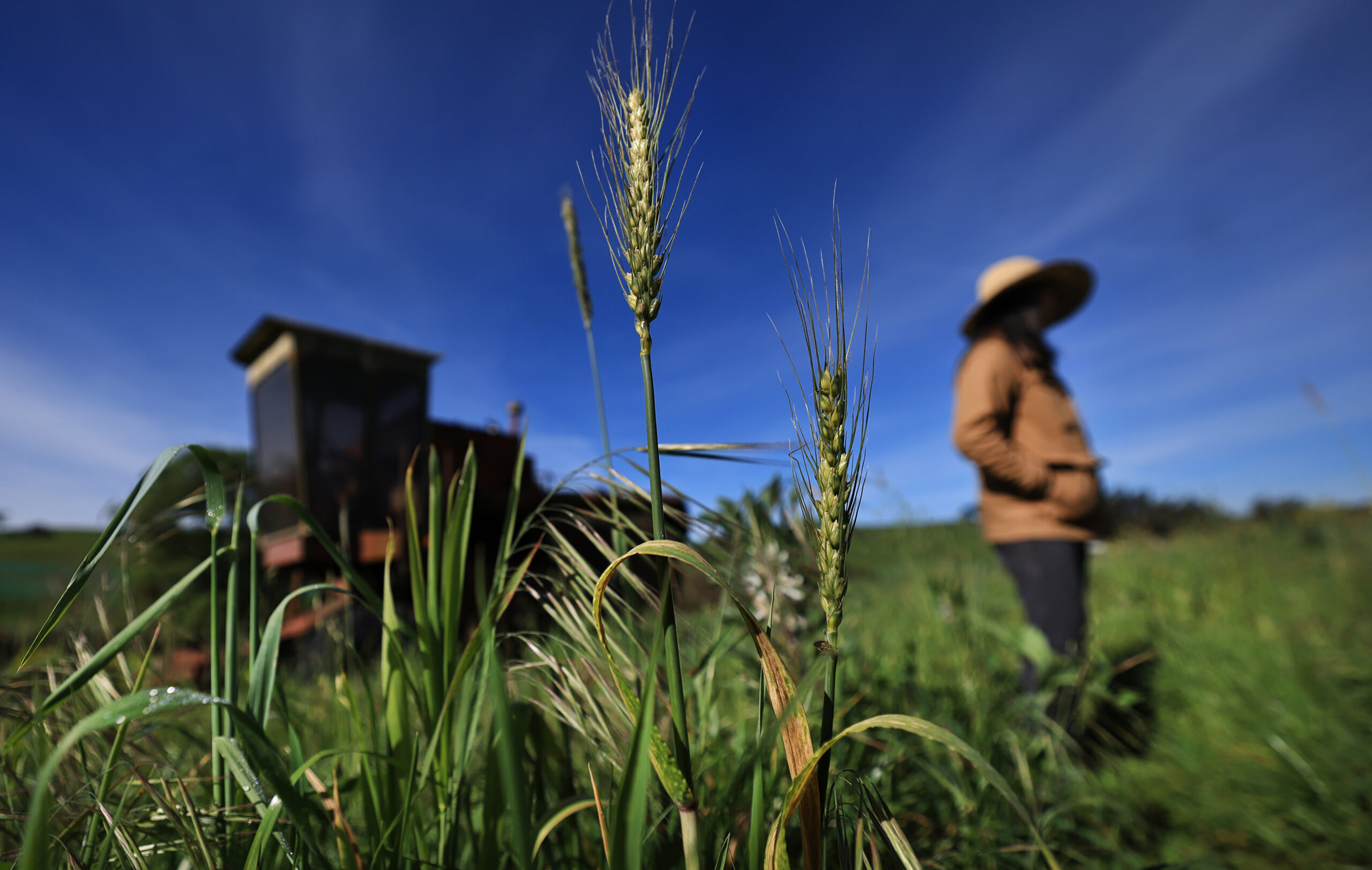
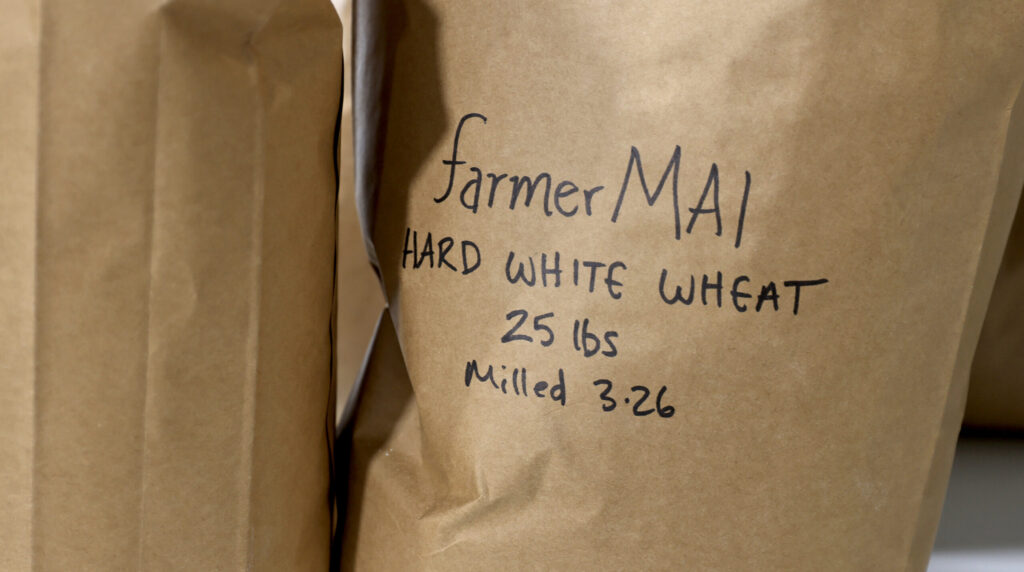
Today, Nguyen farms more than 100 acres across four sites around Sebastopol, with hopes to expand. While their focus remains on heirloom grains, they have recently added organic hard white wheat and oats—what they call “tariff crops”—in response to import tariffs imposed by the Trump administration in 2025.
They also grow rye and heirloom wheat varieties such as Marquis, Rouge de Bordeaux, and Chiddam Blanc de Mars, the latter a tribute to Nguyen’s mother.
“It’s the French wheat they brought over to Vietnam,” says Nguyen, referring to the decades Vietnam spent under French colonial rule before the Vietnam War. “My mom really loves bread, and it was likely the wheat she ate over there.”
Nguyen, who grew up in San Diego as the child of Vietnamese refugees, studied geography at UC Berkeley, focusing on atmospheric physics and climate models.
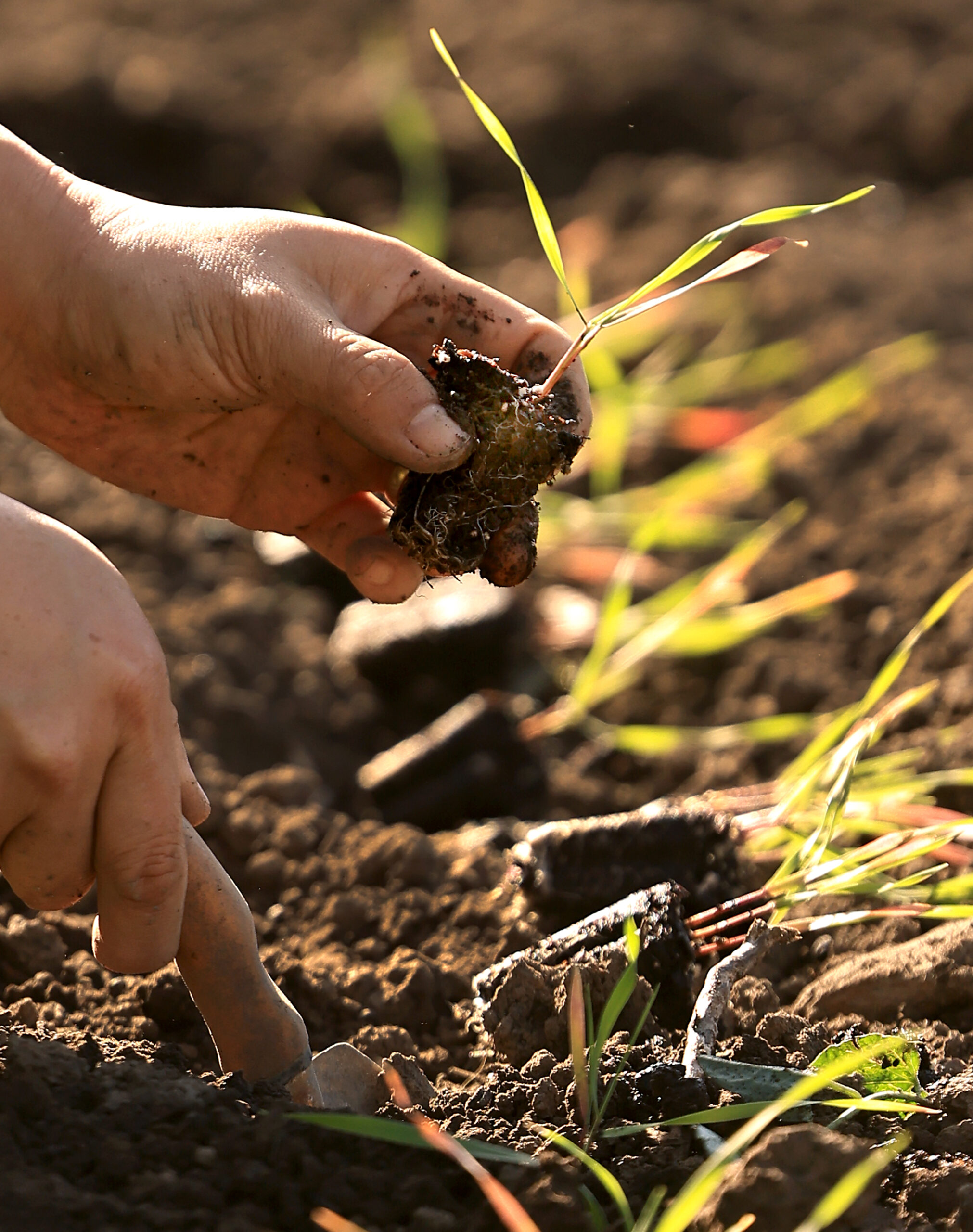
In 2005, while studying hurricanes, they traveled to New Orleans after Hurricane Katrina to help with disaster relief and witnessed firsthand the disproportionate impact of climate change on people of color. Later research in Arctic regions reinforced those lessons. Combined with their experience running a farmers market—where they noticed a lack of local grains—those moments shaped their path toward grain farming.
By 2012, Nguyen was working with the Mendocino Grain Project, and two years later, started their own business. In 2017, they planted their first Sonoma County crops, one of the driest years on record—a tough start for someone who dry farms—then lost 20 acres to the Tubbs Fire. Now, they time planting for a June harvest, avoiding peak wildfire season. “I don’t want to harvest when the air quality is really bad,” Nguyen says.
The necessity of quality grain is something Nguyen’s mom instilled in them, they explain, noting how their family struggled to access clean rice in postwar Vietnam. It often arrived with rocks, and Nguyen’s grandfather would painstakingly sort it by hand.
Nguyen approaches their own harvest with similar care. After threshing, the grain must be cleaned—a labor-intensive process made more complex by their commitment to soil health. Fields are interplanted with nitrogen-fixing crops, like peas, which must be separated out before milling.
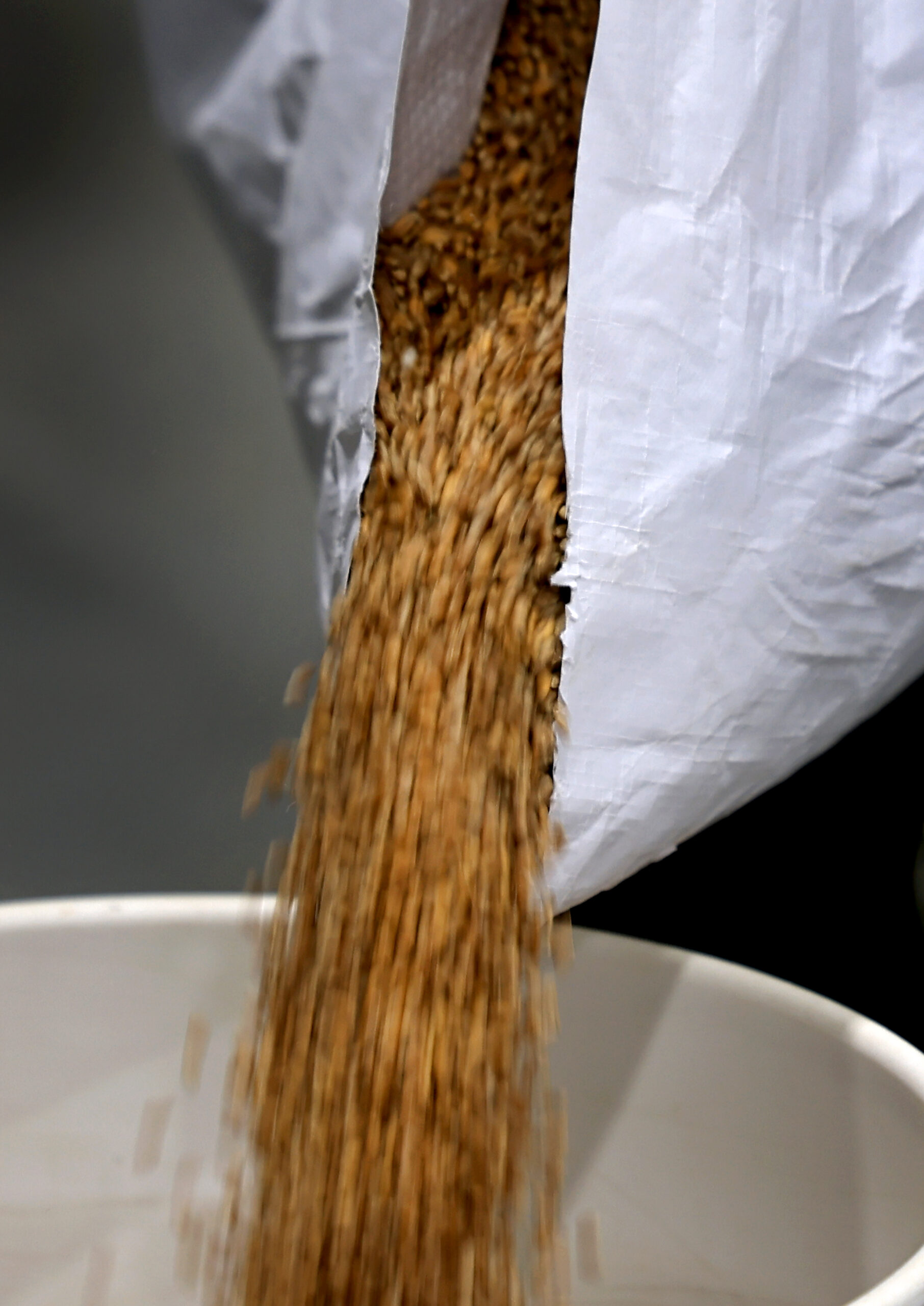
The cleaned grain is stored and milled in small batches, typically twice a month, to maintain freshness. Nguyen produces between 60,000 and 80,000 pounds of flour each year, selling through bakeries and restaurants, through the FEED Cooperative, and via a monthly subscription-based flour share. Their customers are as far south as San Diego and Los Angeles to Oakland, San Francisco, and Sonoma County with pick-up locations in Petaluma, Sebastopol, and Healdsburg. Customers sign up in four-month increments for a 3-pound bag of flour each month, with about 150 customers participating during each subscription period.
On an unseasonably warm day in March, Nguyen steps out of the mill for a short break, flour dust clinging to their sleeves and settling into the creases of their hands.
“I’m letting the stones sit for a bit because it got a bit warm,” they explain.
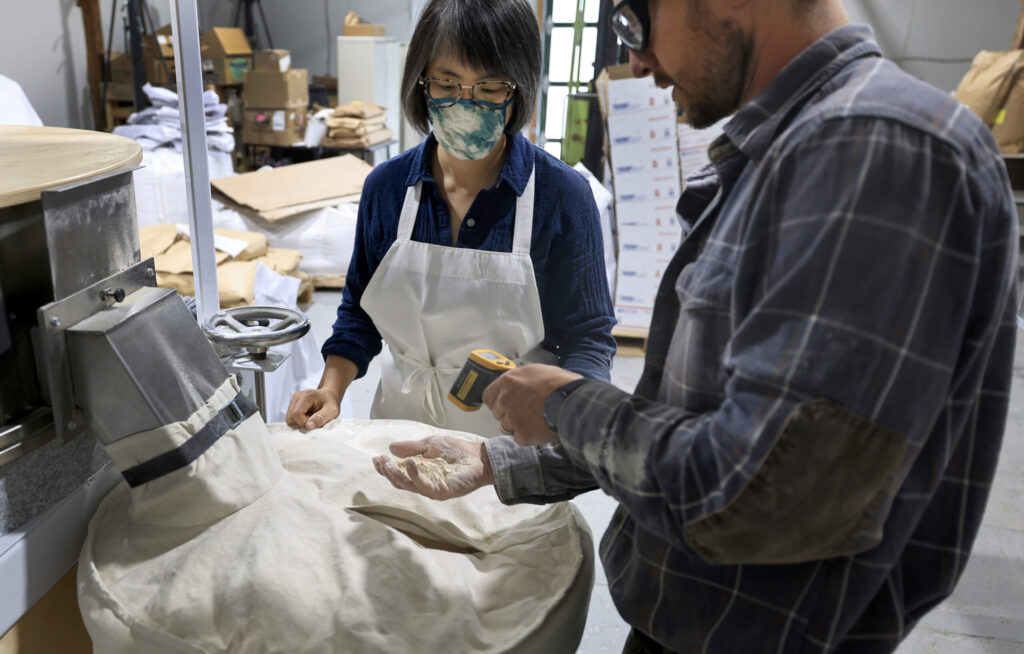
Nguyen aims to keep the temperature to around 80 degrees or below—significantly cooler than industrial milling, which is done on roller mills in the range of 112-120 degrees. Nguyen explains that because they mill whole grains with the germ and bran of the wheat berry intact, higher heat levels make the oils in the germ and bran more volatile, which can degrade nutrients and shorten shelf life. “This is the better option—even if that’s not a good business decision,” they say with a laugh. “That’s probably the story of my farm: Good for you, bad for business.”
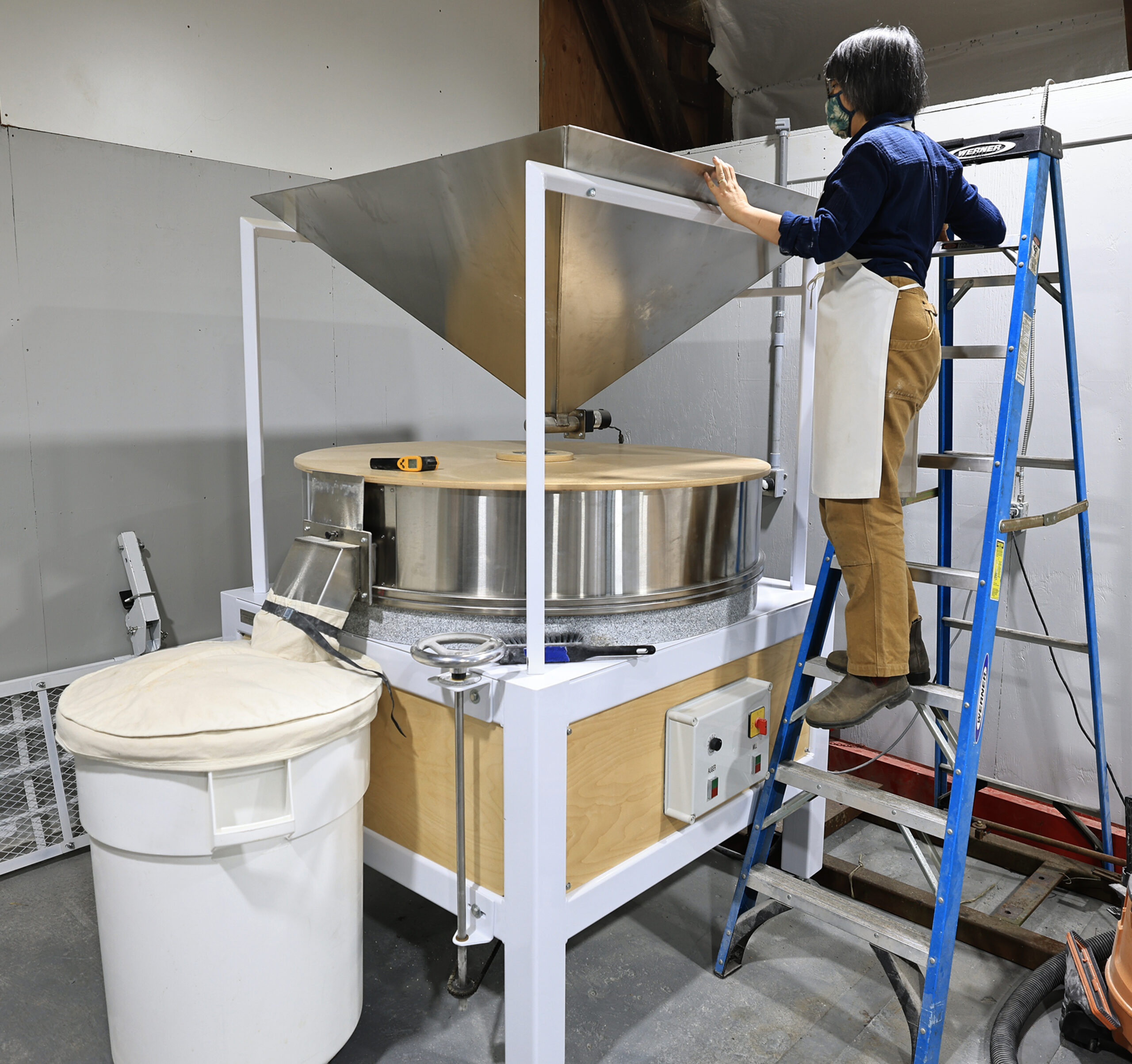
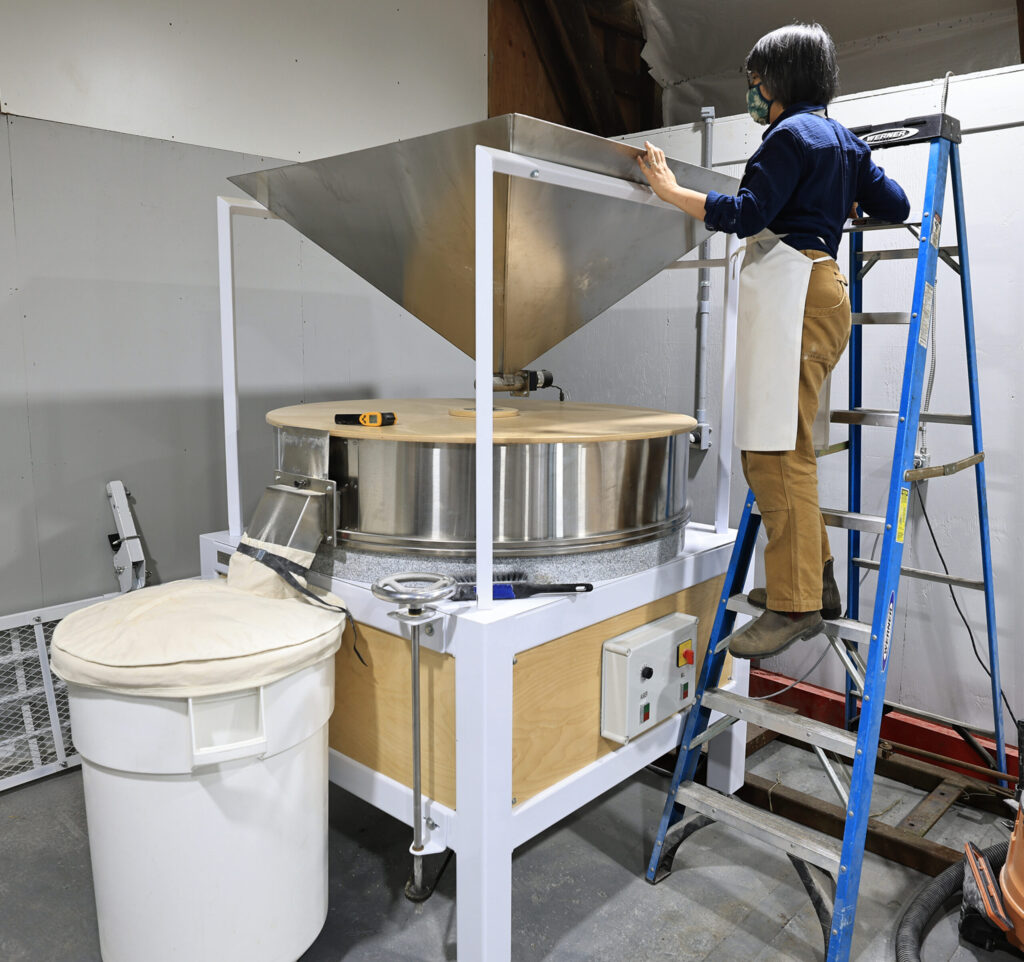
Inside the mill, a machine fitted with 4-foot Vermont granite stones hums to life. Nguyen carefully calibrates feed rate, stone pacing, and speed—variables that affect both temperature and texture. “It’s a real art to do that in a way that doesn’t diminish the nutrients, flavor, and workability of the flour,” they say.
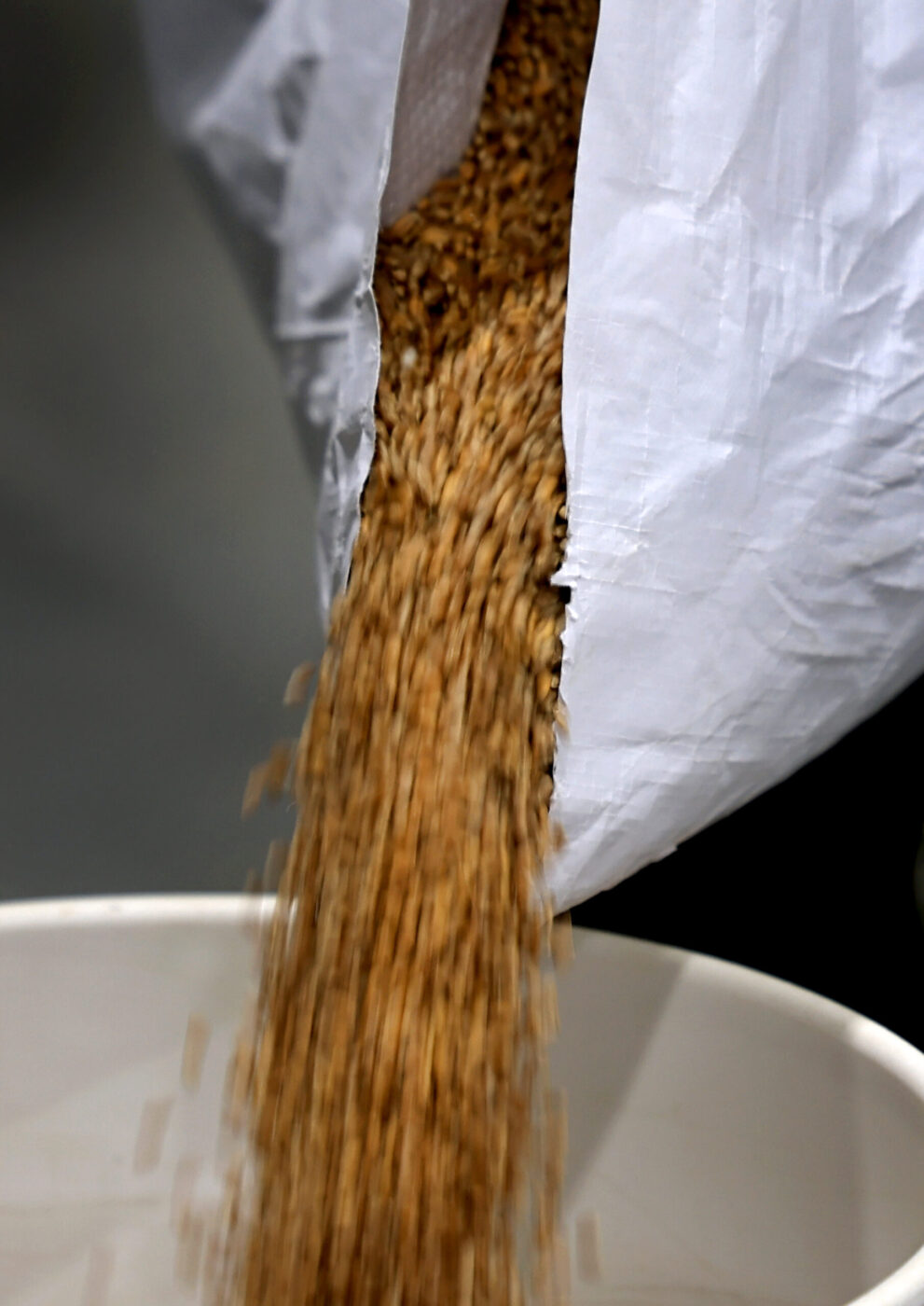
Helping Nguyen is Colby Accacian, a fellow member of the Green Valley Farm + Mill community, who is learning the process. Accacian dumps 10-gallon buckets of hard white wheat into the hopper and, after consulting with Nguyen, flips a switch. The mill begins to whir, its pitch and volume rising as the millstone speeds up. After about two minutes, Accacian opens the auger, and wheat berries tumble from the hopper into a hole in the top stone. After the wheat is ground, centrifugal force drives the finished flour to the outer edge of the stone and then through a chute into a white 55-gallon canvas-covered bin. Nguyen keeps their hand beneath the canvas cover, feeling the flour as it emerges, checking its texture and temperature.
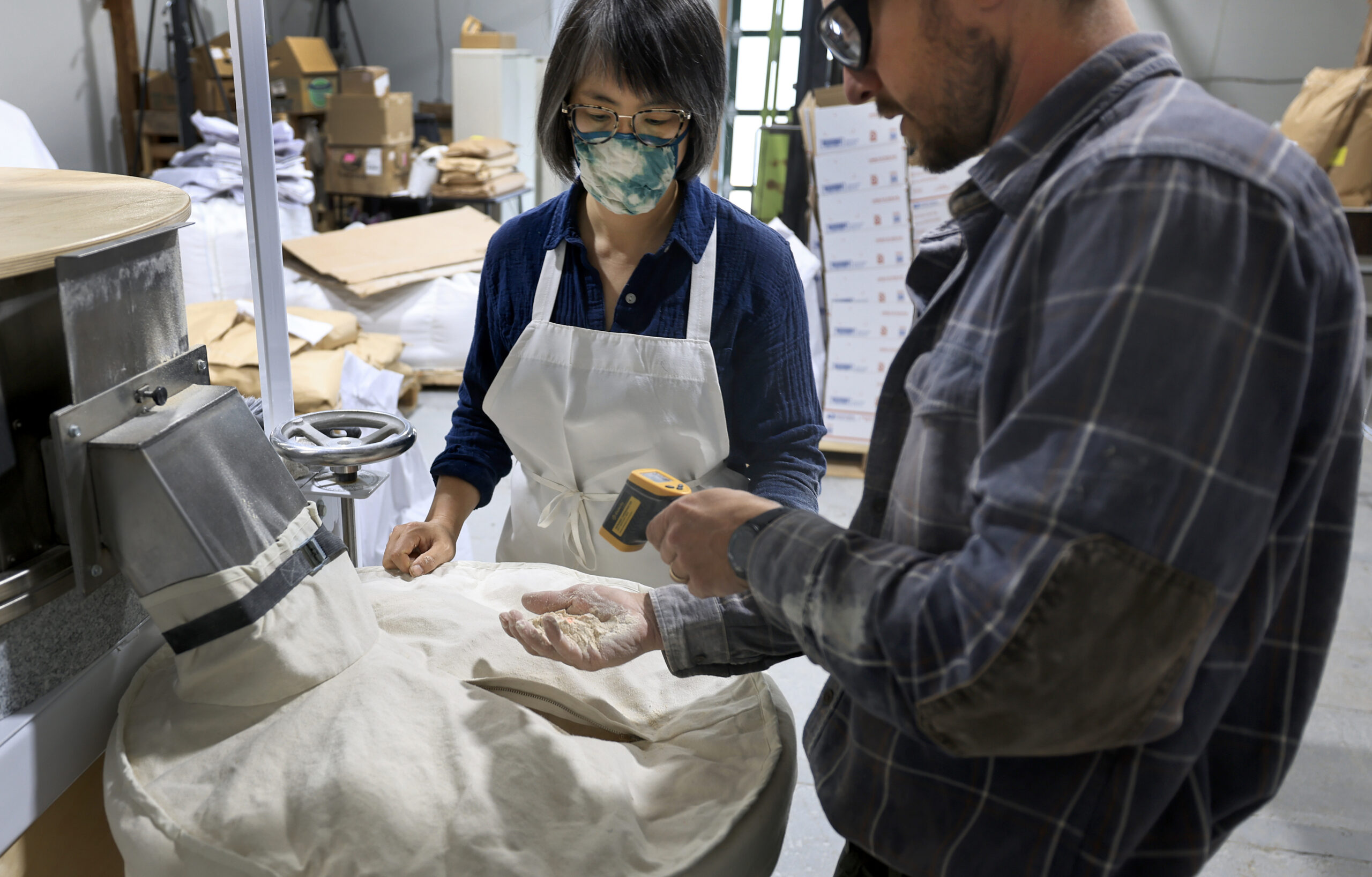
That tactile connection—or human touch—Nguyen believes, is part of what distinguishes their product. “It’s why people enjoy artisan products and old ceramics,” Nguyen says. “You can kind of feel when a human energy was put into that.”
But this time-intensive, hands-on approach to producing high-quality, locally grown grain is costly. Land, equipment, and storage all add to the expense, raising questions about whether consumers accustomed to cheap industrial flour are willing to pay more.
Nguyen has long advocated for farmers of color to access land, co-founding an organization—Minnow—to help secure it. Yet in Sonoma County, they face the same barriers.
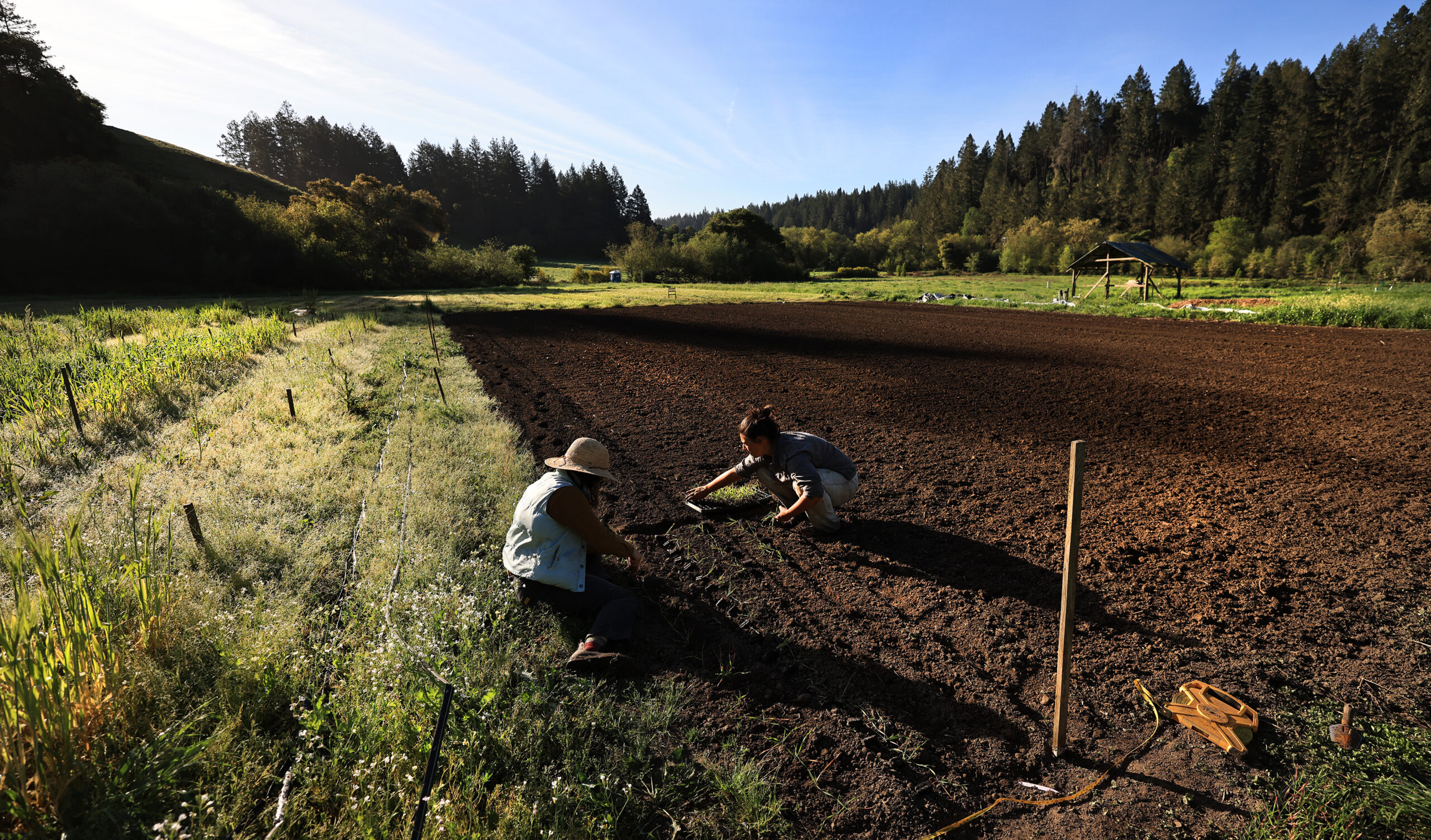
“I’ve secured farmland for many other farmers of color,” they say. “Hopefully, I’m next.” They see opportunity in the decline of wine and dairy industries, and in overgrazed land that could be restored through grain cultivation—but acknowledge the financial hurdles.
“I have compassion for (ranchers) who are land-rich and cash-poor—the ground is so depleted; they feel stuck,” Nguyen says. “But it doesn’t make sense for me to give a landlord money to rehabilitate land they’ve run into the ground.”
Some local bakers, however, are willing to take on the added expense of supporting a nascent local grain economy.
Lee Magner, owner of Sonoma Mountain Breads, recently shifted to using exclusively whole-grain flour sourced from Nguyen, which he uses to bake bread he sells on an honor system from a roadside cart on Sonoma Mountain.
“What Mai is doing may be a first indicator of different crops that can be lucrative and relevant to what Sonoma County is—wine and otherwise,” Magner says. “No one’s really cognizant of what goes into growing and harvesting wheat. Seeing Mai do that, it’s special, and I want to be a part of it.”
Magner, who has been baking professionally for nine years, says working with Farmer Mai’s Flour—as it’s branded—keeps him engaged and pushes him to constantly learn and adapt.
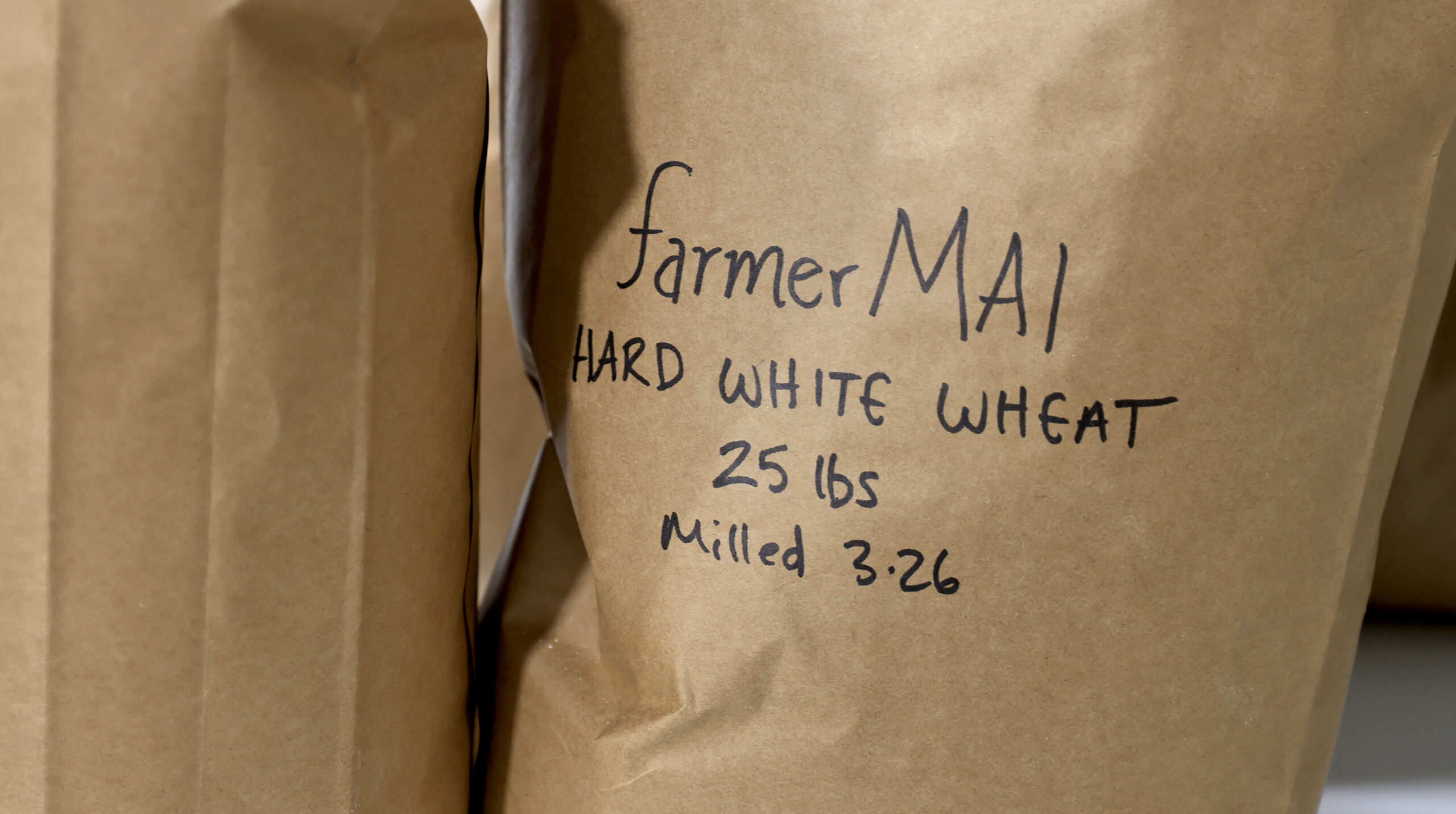
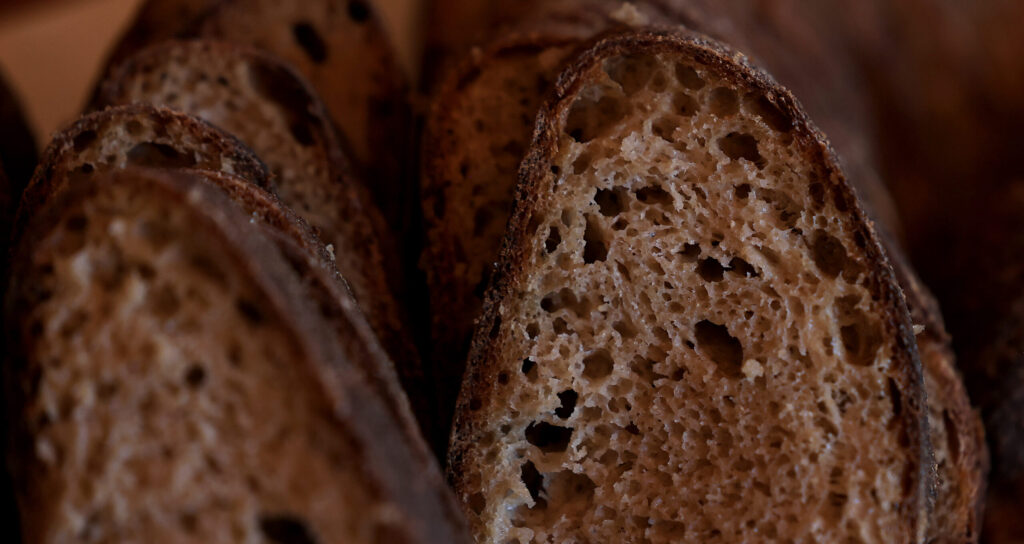
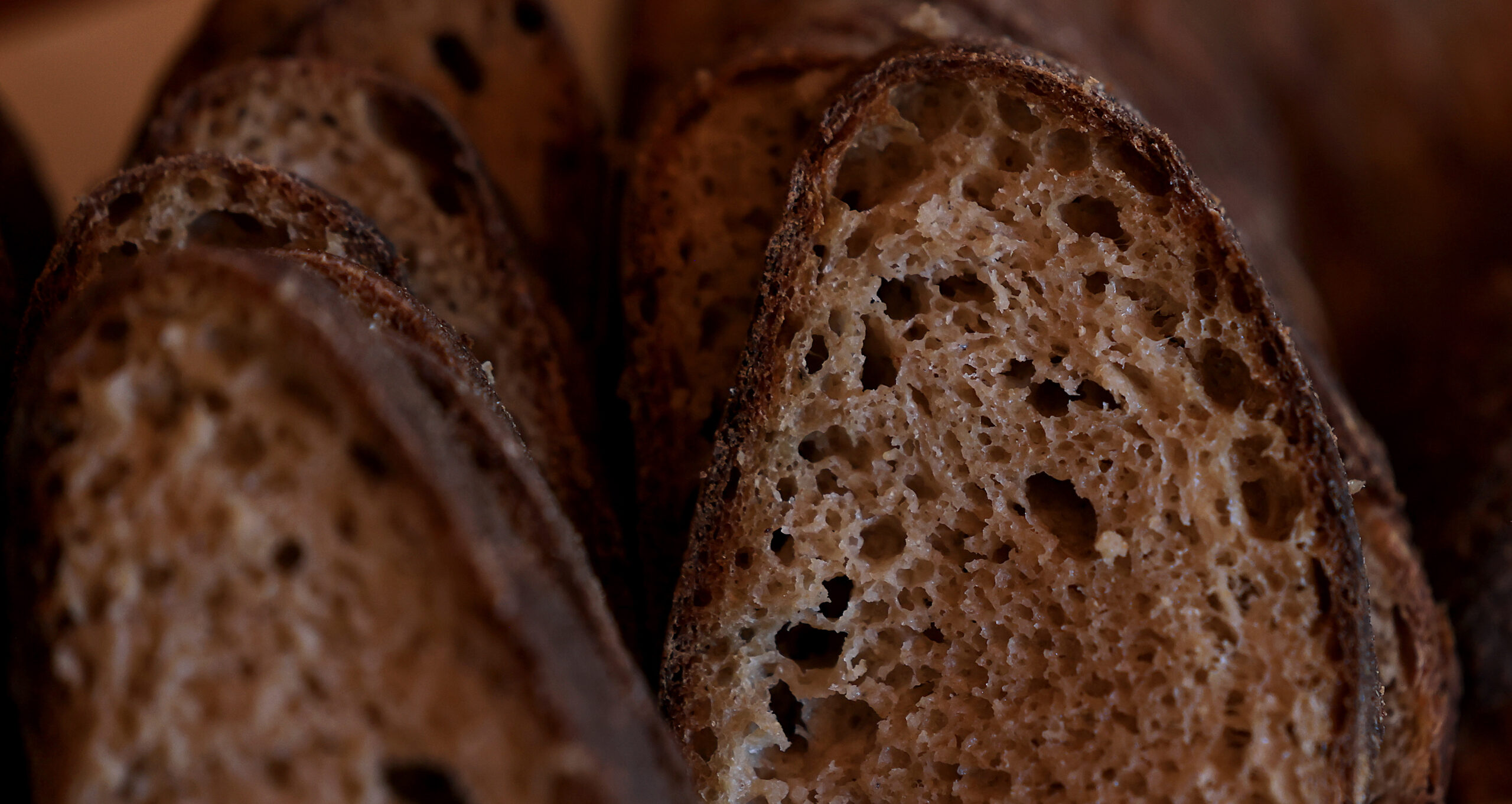
“There’s terroir in wheat,” he says. “Different crops yield different qualities that affect how you’re using that flour. It’s an intuitive approach where you need to be fully present to achieve the desired outcome.”
Nguyen and Magner recently taught a workshop to help home bakers navigate whole-grain baking—a process that can challenge both technique and taste.
“It’s a very different kind of bread,” Matsumoto says. “If you grew up on a steady diet of white processed bread, you might not immediately like it.”
But for many, the experience is revelatory.
“I’ve had so many people eat my grains and realize they’ve been denied this real food their whole lives,” Nguyen says. Others, they added, respond with delight—like a 93-year-old who called their bread the best she had ever tasted.
Nguyen could reduce financial risk by selling crops in advance through conventional channels. But that would mean losing the direct connections they value most.
“I got a photo of someone’s baby eating bread for the very first time made out of my flour,” they say. “It was such an honor to be the person who grew the food that’s going to nourish a person from the start.”
For Nguyen, those moments offer a counterweight to the scale of challenges they are trying to address, from climate change and social inequality to saving seeds, caring for the land, and feeding others.
Every time they mill, they say, has the potential to create more joy.
“This is what nature gave us, and what our ancestors have been saving for us,” Nguyen says. “This is like a 14,000-year-old surprise gift for you.”
Find Farmer Mai’s Flour and Oats
Online: farmermai.com
In person:
Green Valley Farm + Mill, 13024 Green Valley Road, Driveway E, Sebastopol. gvfam.com
Gather, 122 N. Main St., Sebastopol. gathersebastopol.com
Tenfold Farmstand, 5300 Red Hill Road, Petaluma. tenfoldfarmstand.com
Find bread made with Farmer Mai flour at Sonoma Mountain Bread every Friday. Join the mailing list: sonomamountainbreads.com