




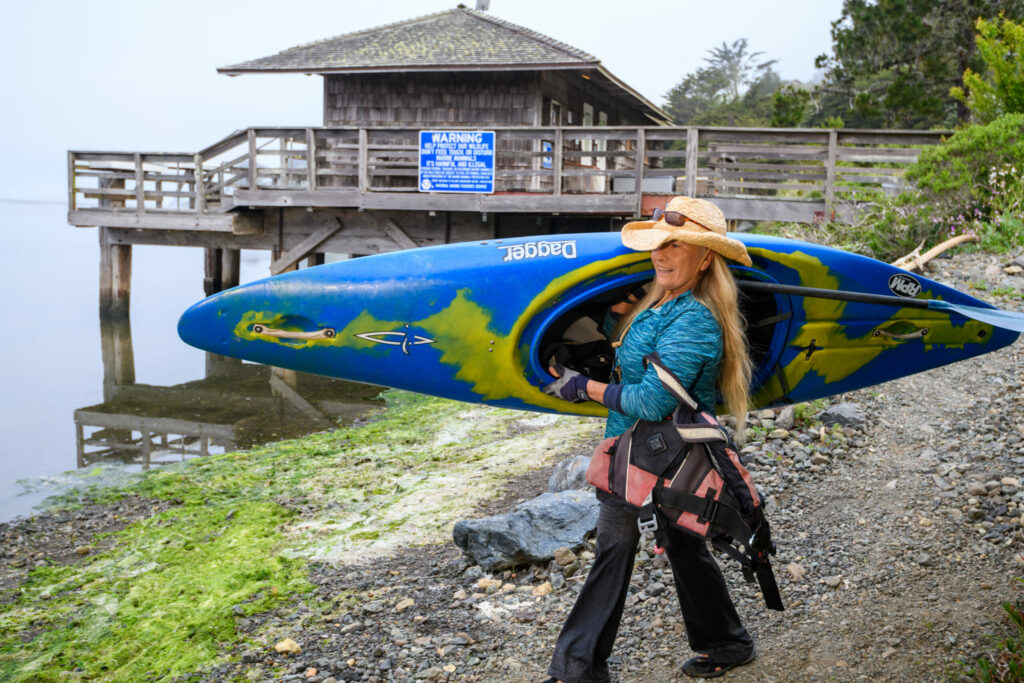
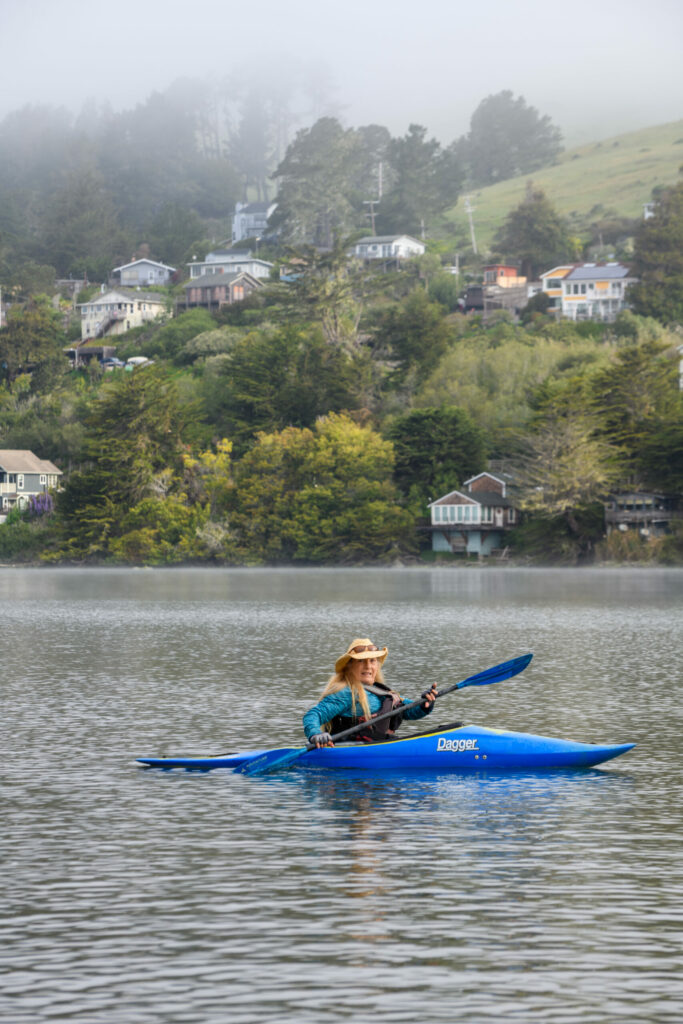
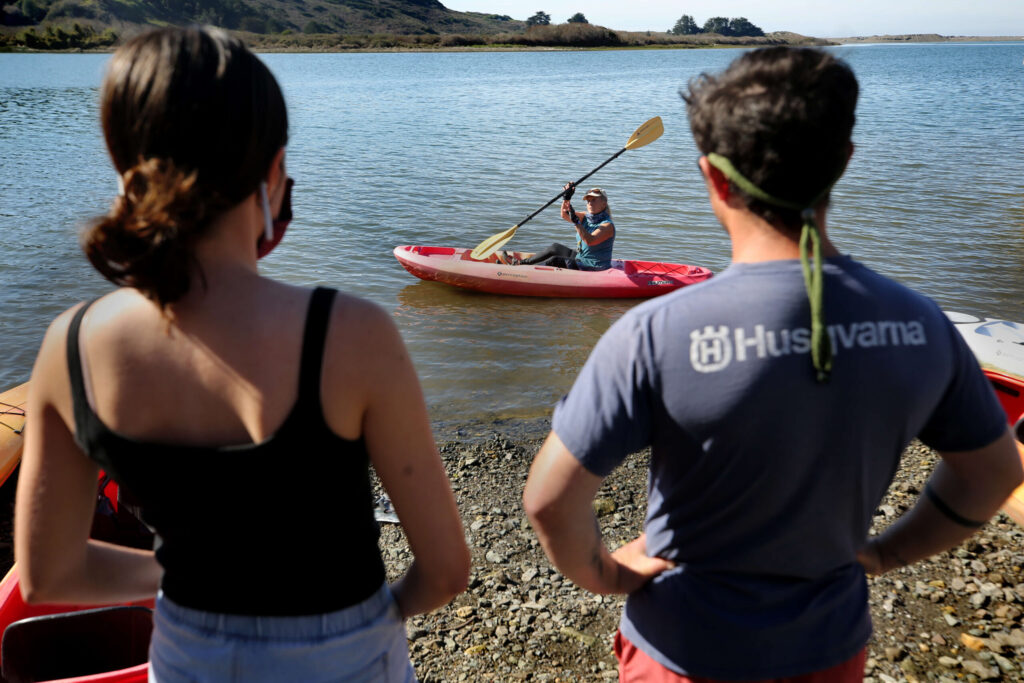

The connection between the King of Pop and the phenomenon of bioluminescence may be tenuous, but kayak guide Suki Waters links the two in nearly poetic fashion.
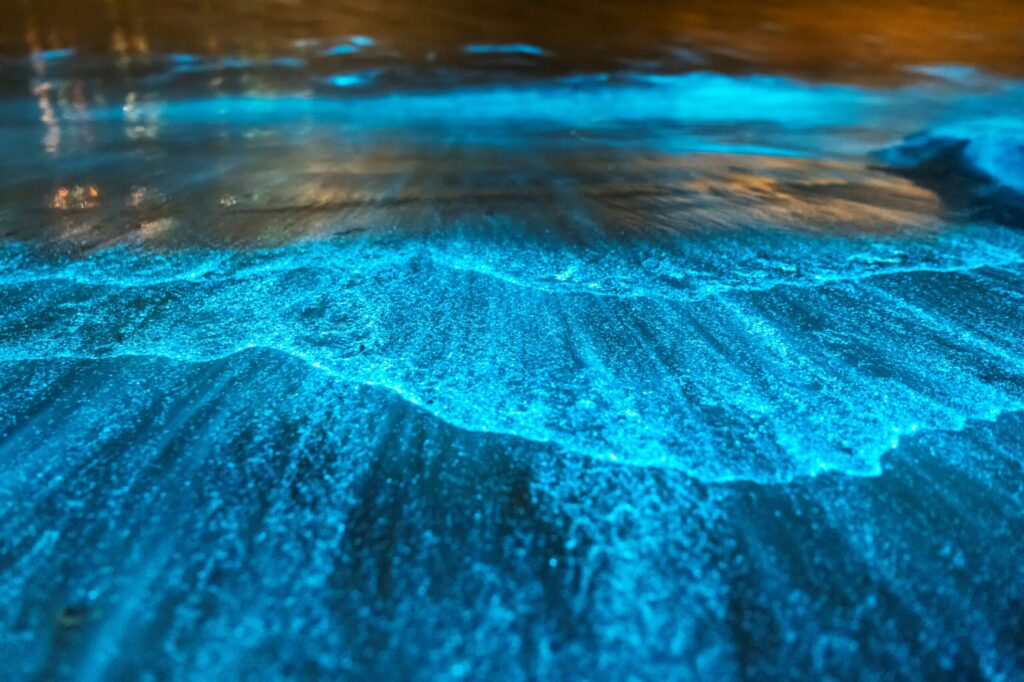
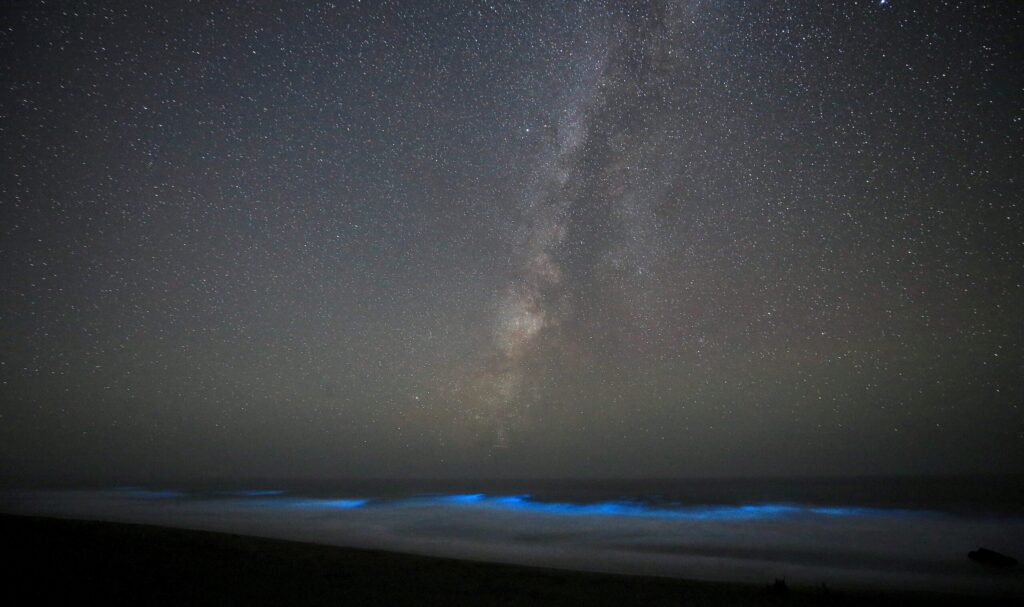
“On the strongest nights, you can dip your hand in the water and it comes up looking like a sparkling Michael Jackson glove,” says Waters, owner of WaterTreks EcoTours in Jenner. “And then, with every stroke of your paddle, you can be throwing balls of light 20 feet behind the boat. Every ripple lights up.”
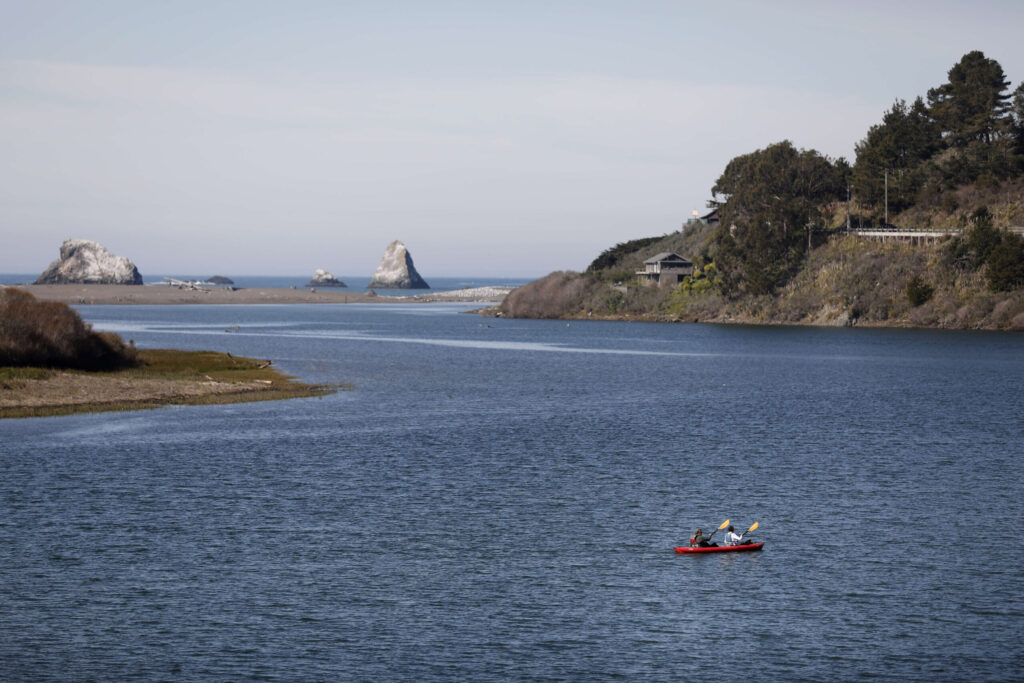
Her brackish realm on the Russian River Estuary — the wide, calm, lake-like area near the mouth, where salt water mixes with fresh — supports an abundance of wildlife. It has also earned recognition and protection through the Russian River State Marine Recreational Management Area, which stretches from the shore to the Highway 1 bridge.
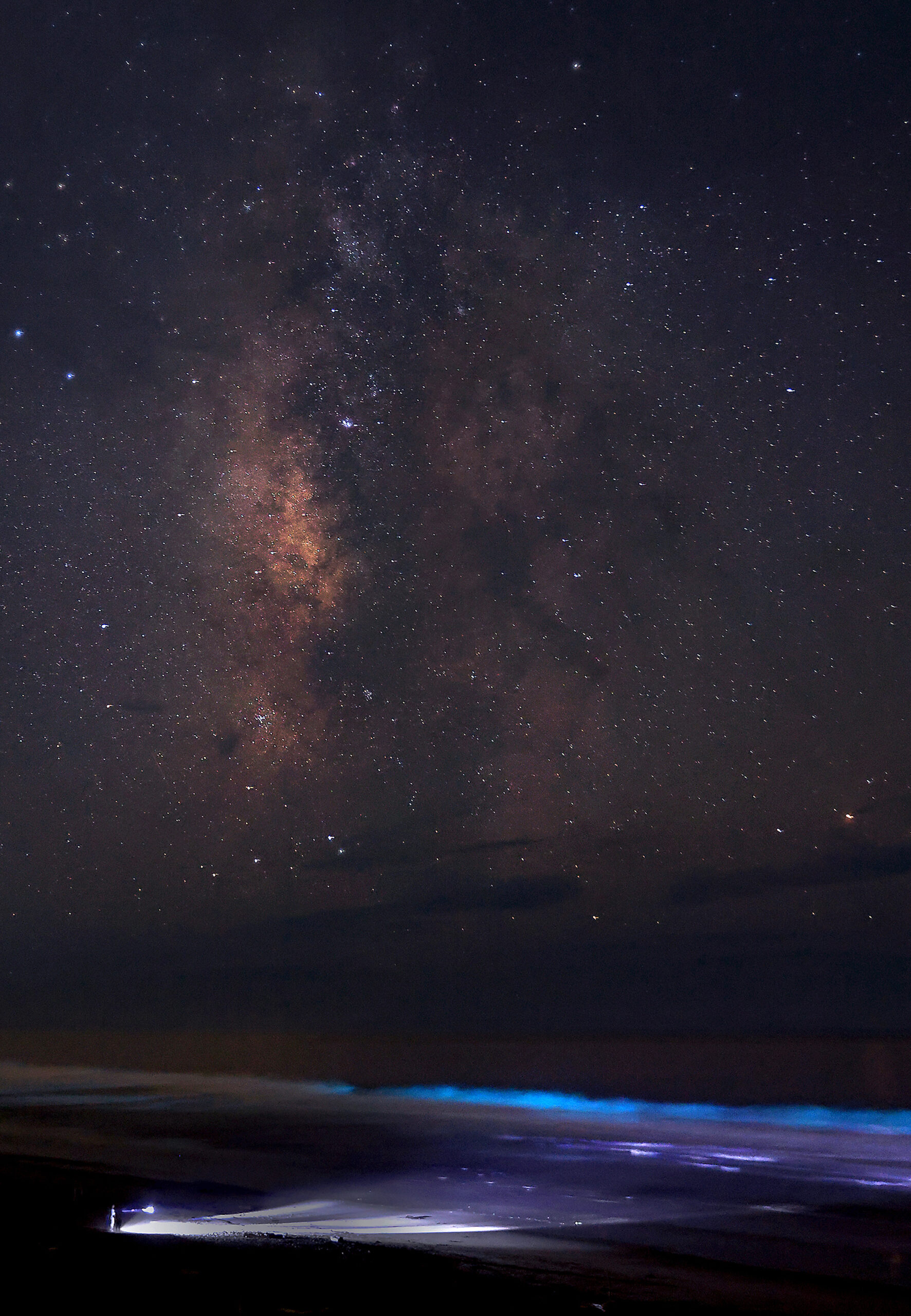
Among the organisms thriving in this coastal nursery are dinoflagellates: microscopic phytoplankton named for the two hair-like appendages called flagella that they use to get around.
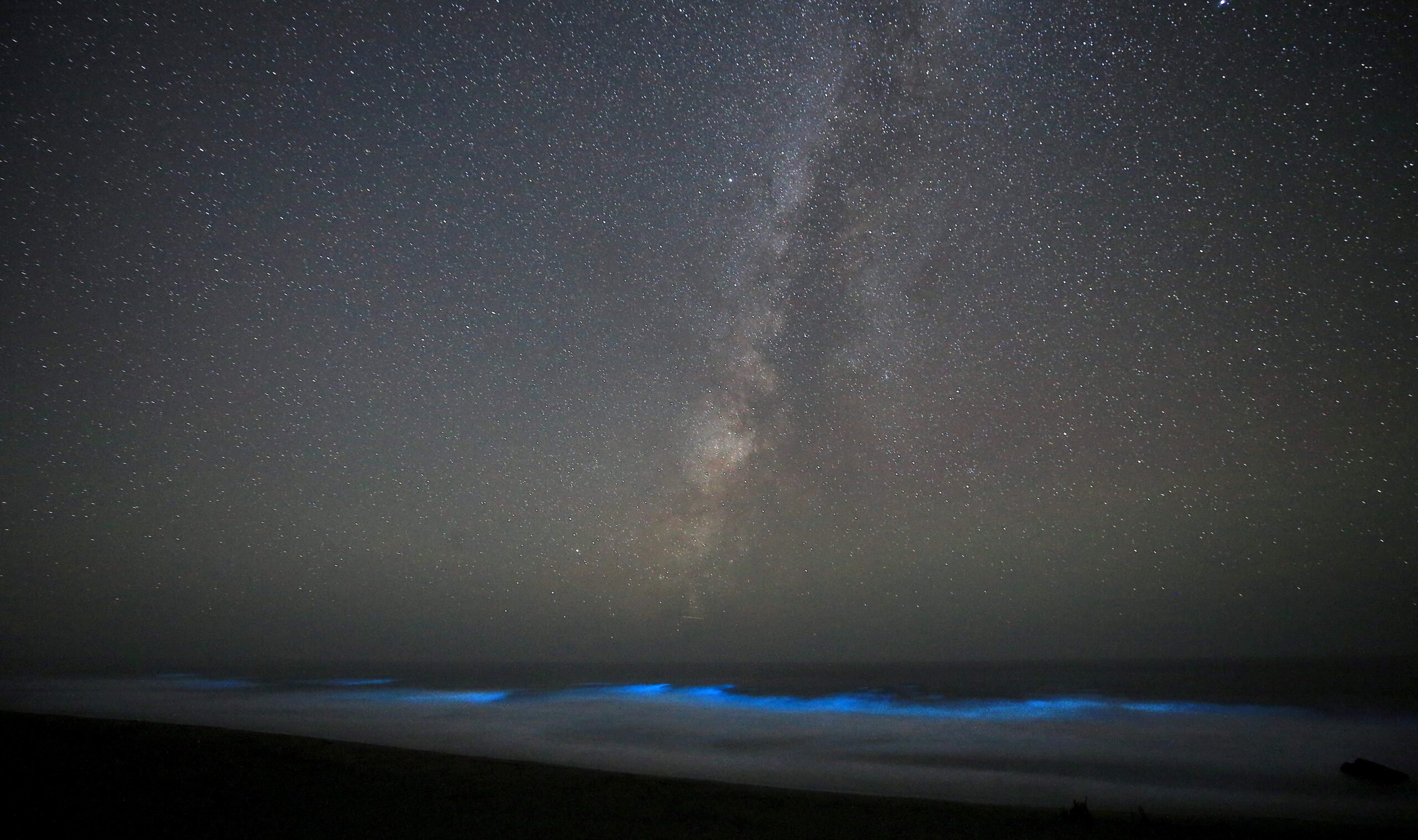
But dinoflagellates are much better known for how they respond when outside forces disturb or agitate them: by lighting up like a blue-white glowstick.
Bioluminescence is produced through a reaction between two chemicals in the plankton’s body. It serves as a defense mechanism. Scientists think this sudden burst of light may protect the dinoflagellates in a number of ways, including to disorient or startle a predator; act as a warning signal suggesting that the plankton is toxic or unpalatable; serve as camouflage against the faint light coming from above; or attract larger, higher-order predators to the area that may in turn prey on the fish or zooplankton that feed on them.
In humans, however, bioluminescence mostly sparks awe. Between Waters’ other roles educating about local wildlife, assisting with water rescues, and renting out kayaks, she leads evening excursions onto the estuary to experience the magic, especially during the summer months when warmer temperatures and reduced river flows increase plankton populations.
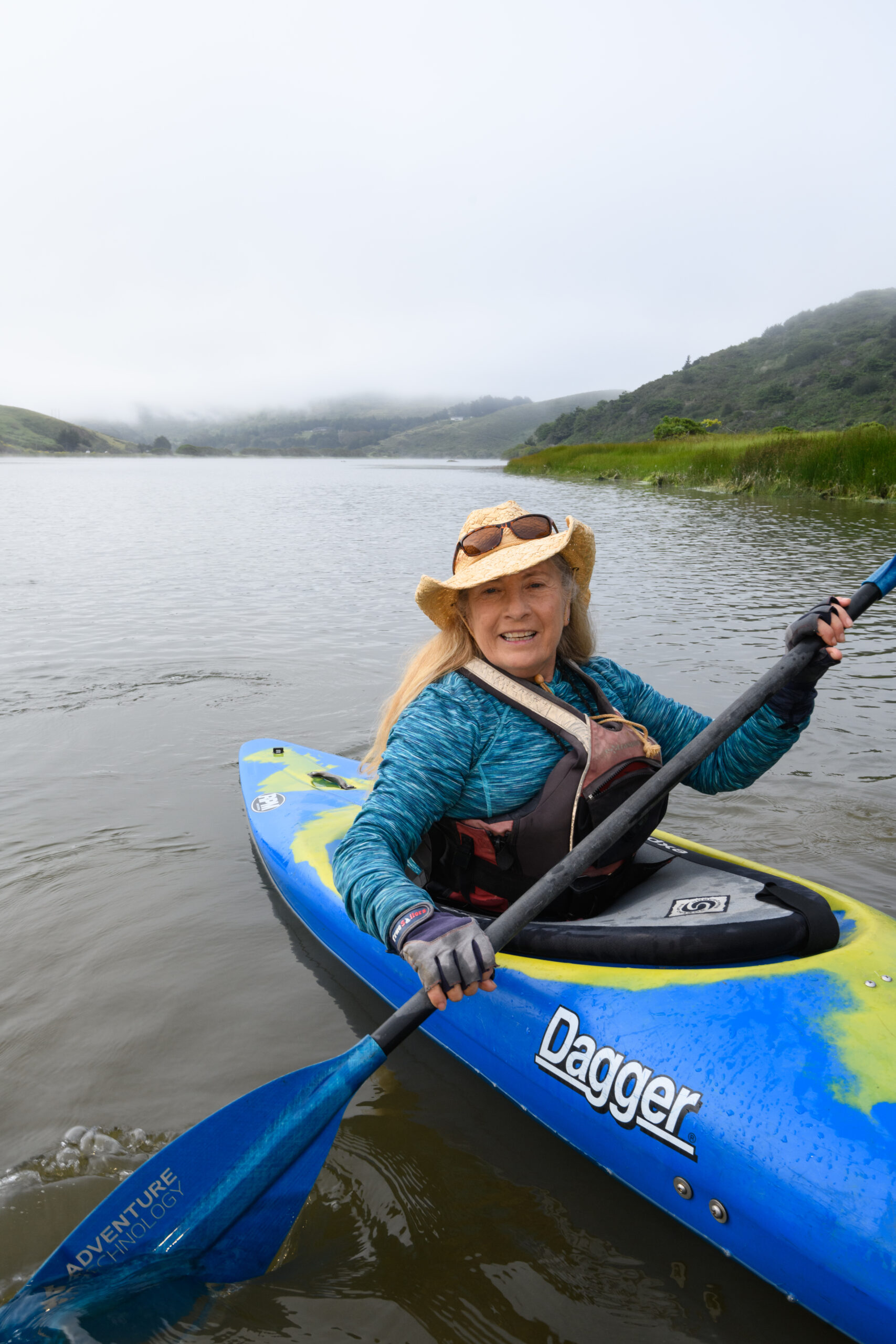
At 65, she’s been guiding kayak tours in the area for 26 years, and still gets a kick out of it. She’s particularly charmed by interactions between bioluminescence and underwater animals, like schools of fish that make “glowing paisley patterns in the water” and seals swimming just below the surface that can only be identified by their shimmering outline.
“One of our biggest highlights of the year is our Perseids and Plankton tours,” Waters says. For 2026, the prominent meteor shower peaks on Aug. 11, 12, and 13, fortuitously aligning with a series of moonless nights — important for all bioluminescence viewing.
“We’re at between 5% and 0% of the moon, and it’s setting before it gets really dark anyway,” she says. “This year, it’s lining up.”
Where to see bioluminescence
- Russian River Estuary tours with WaterTreks EcoTours. watertreks.com
- Tomales Bay tours with Blue Waters Kayaking. bluewaterskayaking.com
- If going out solo, be mindful of tides, wind, and other weather conditions; these areas can be dangerous, especially in the dark.