






Sarah Reid called her mustang, Oreo, her “10,000-mile horse.”
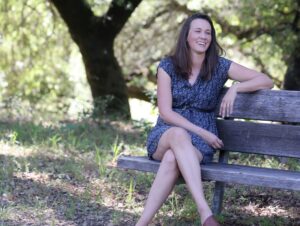
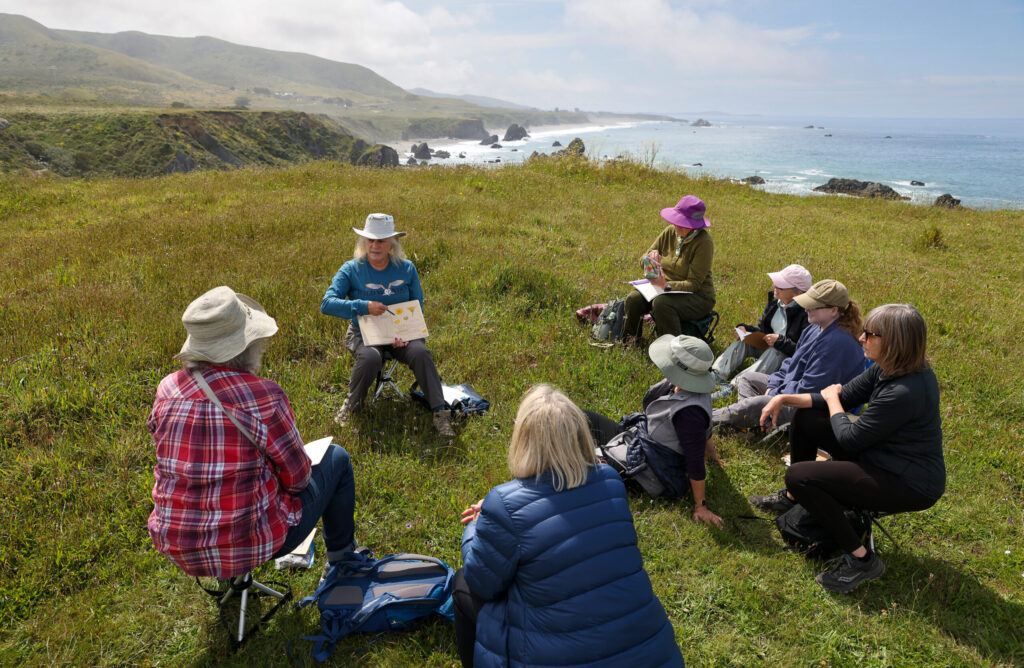
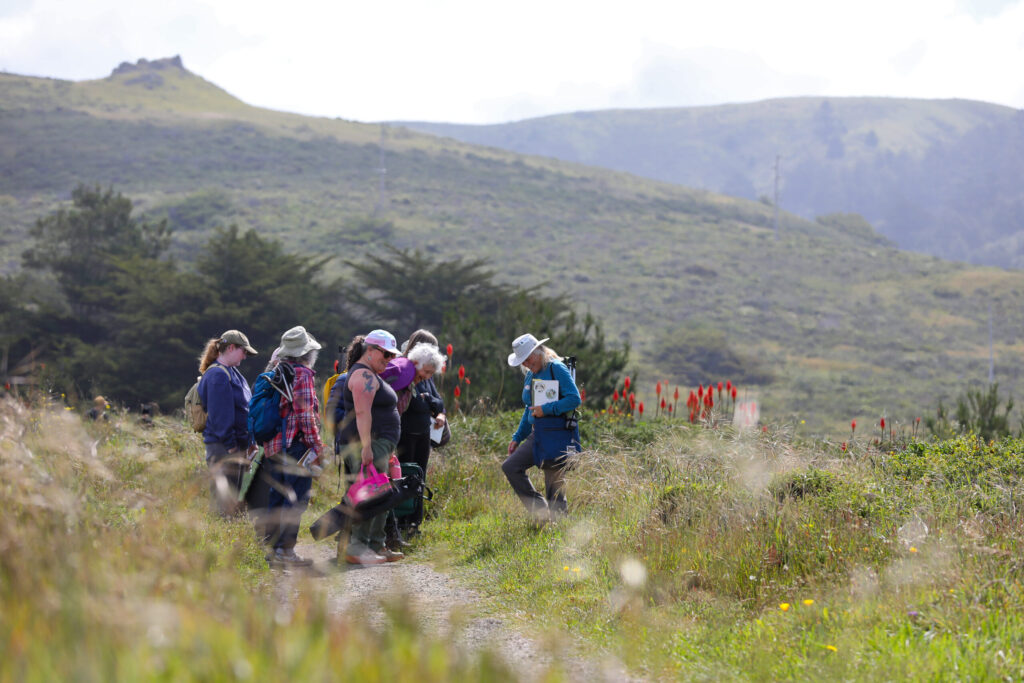
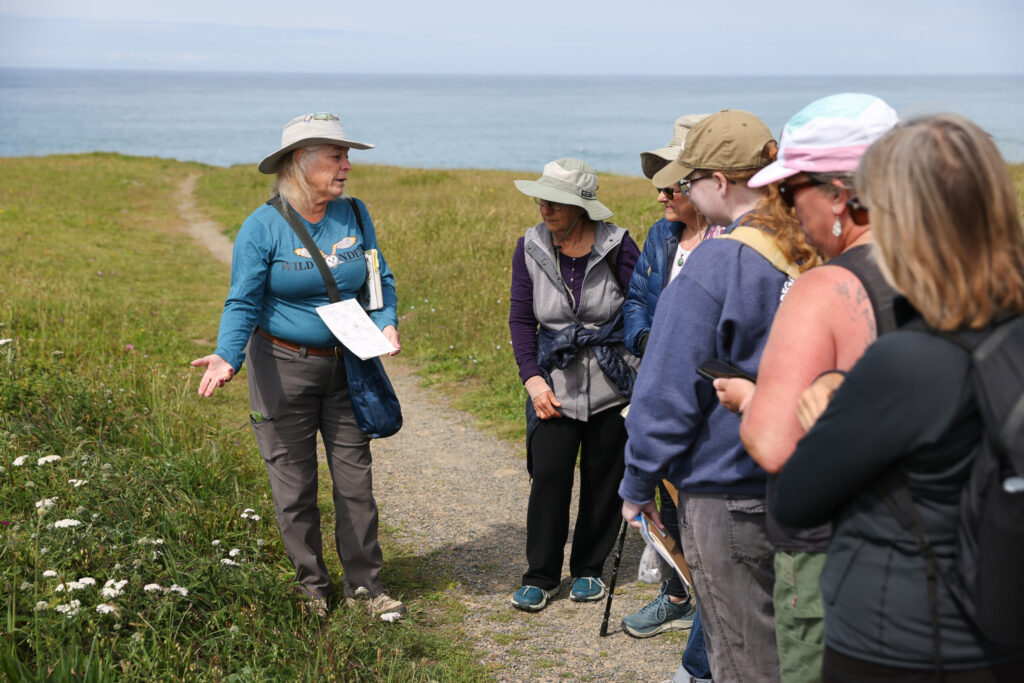
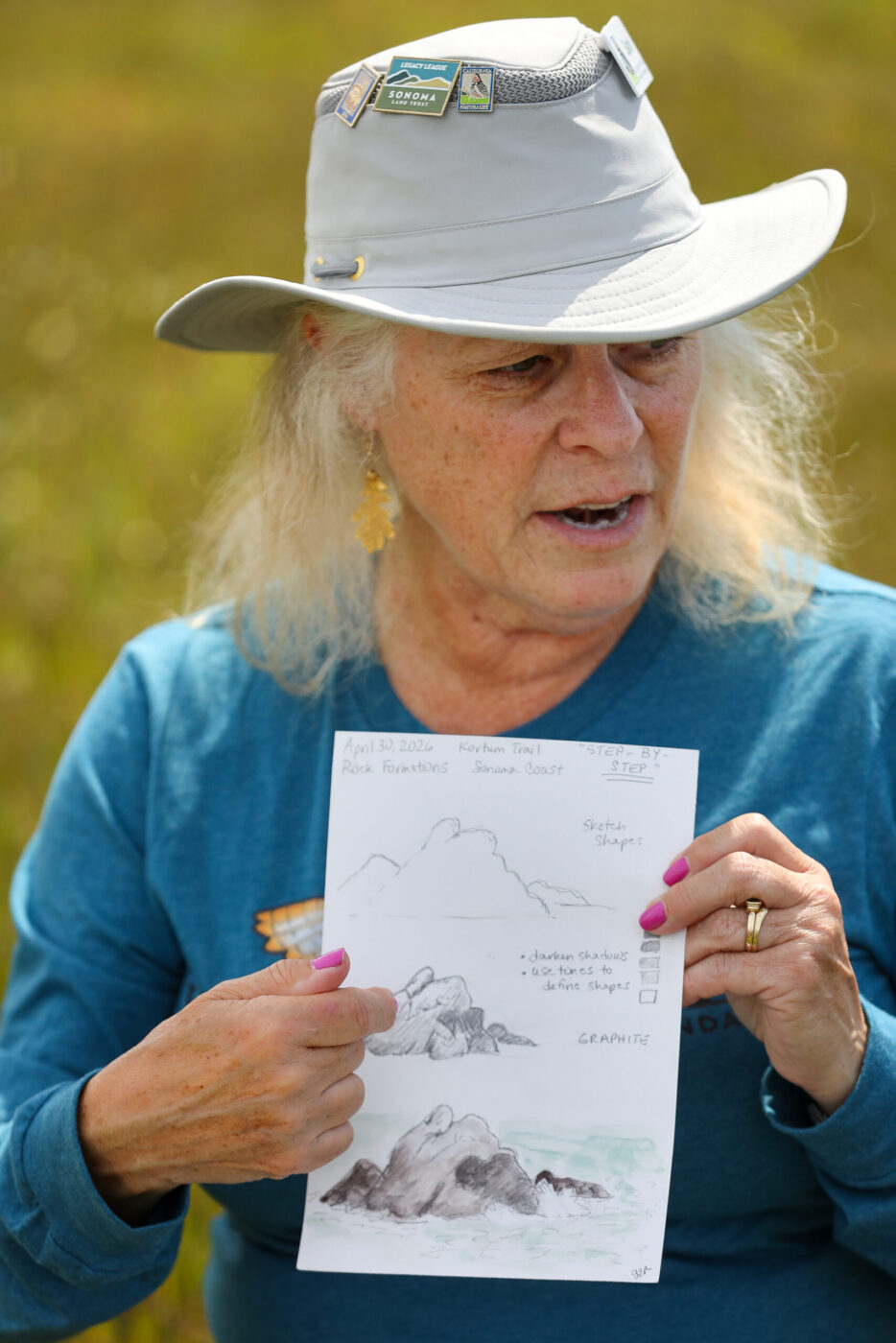
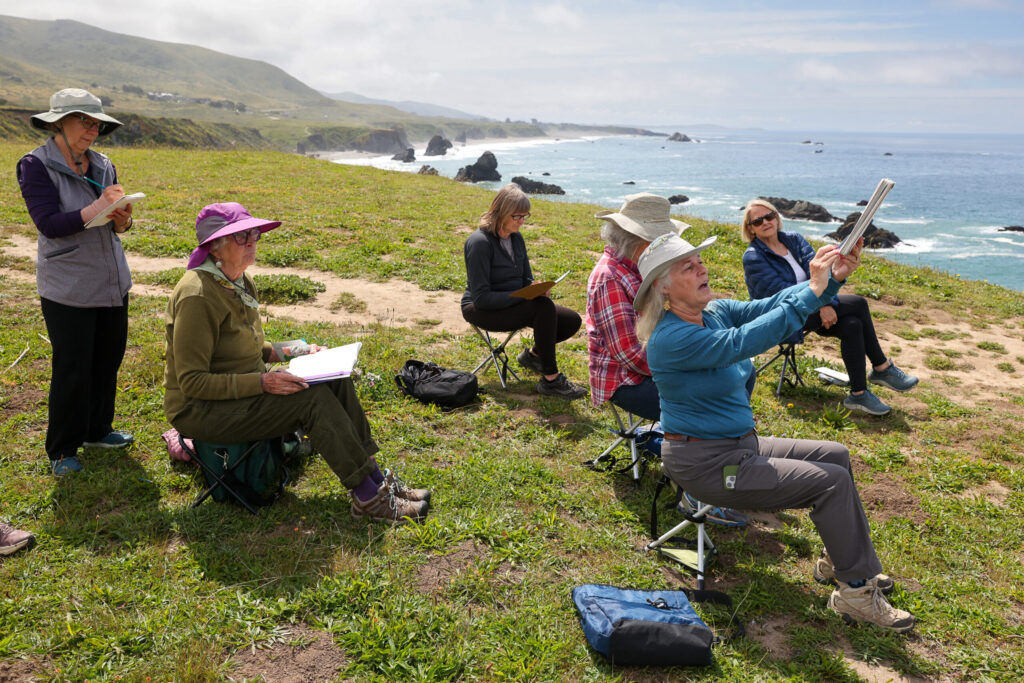
As they rode thousands of miles of Northern California trails together, the mustang taught her how to notice small details most people would simply pass by. With just a cock of his ears, the horse would point out a buck napping in the shade off in the distance or a subtle shift in the landscape. Now Reid, a naturalist and conservationist, teaches others how to slow down and observe through nature journaling workshops she leads around Sonoma County for organizations such as the Sonoma Ecology Center and Sonoma State’s Center for Environmental Inquiry.
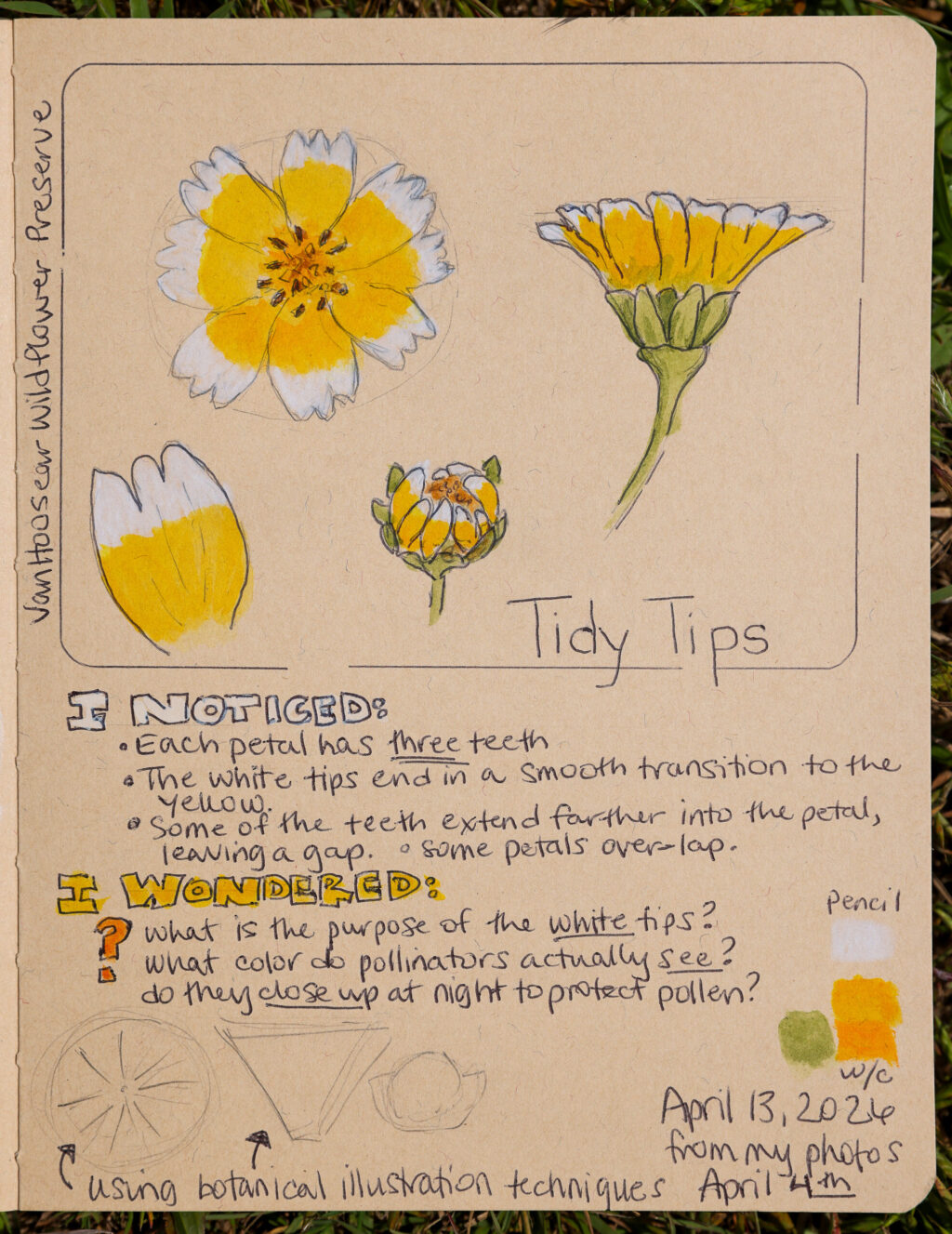
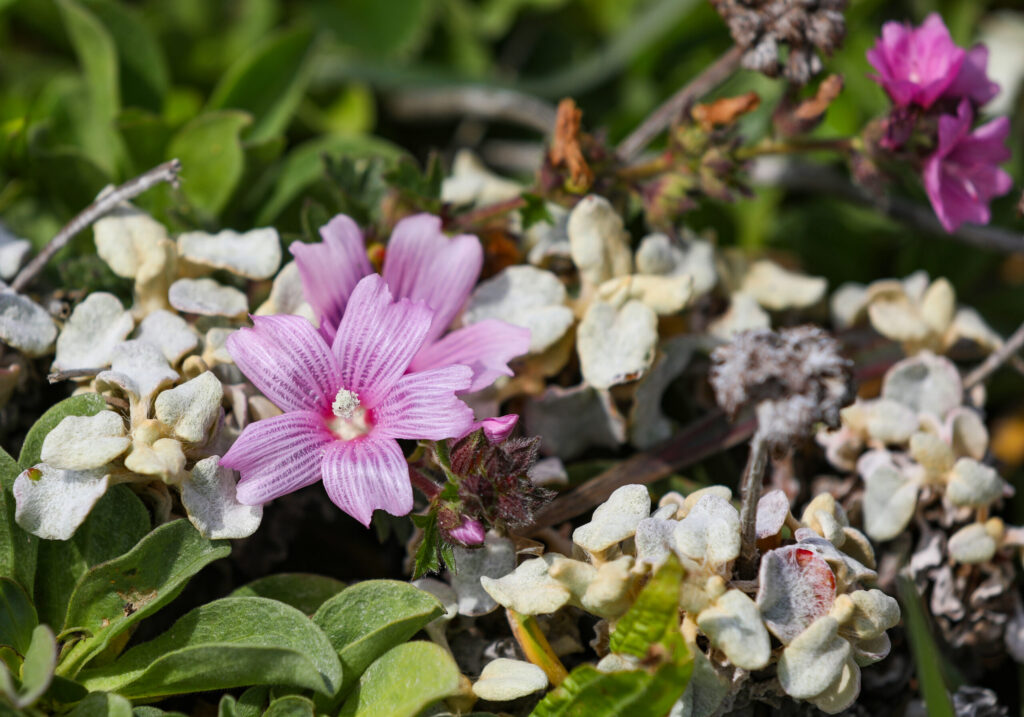
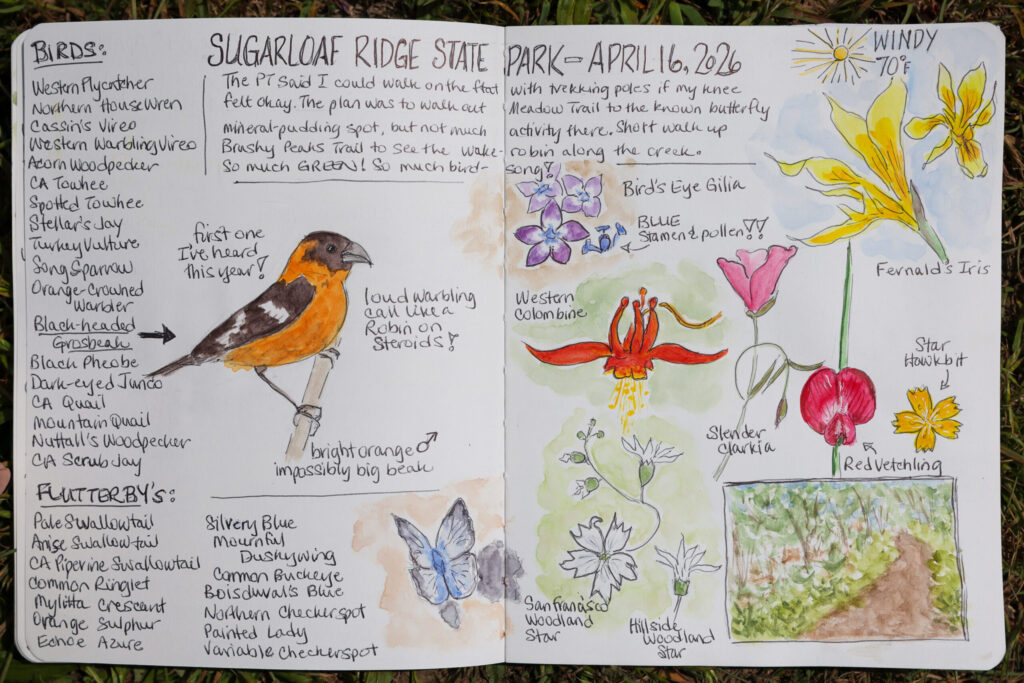
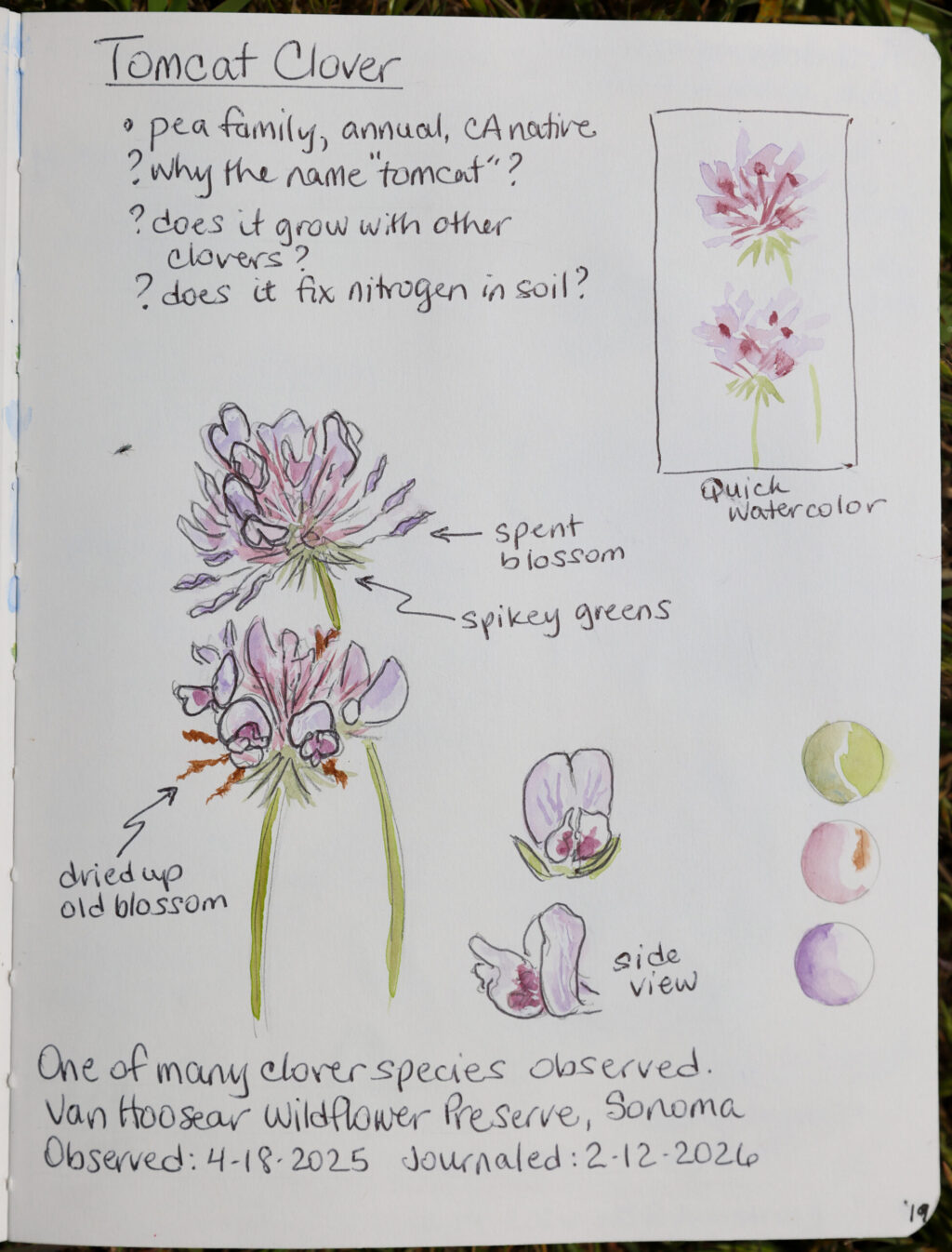
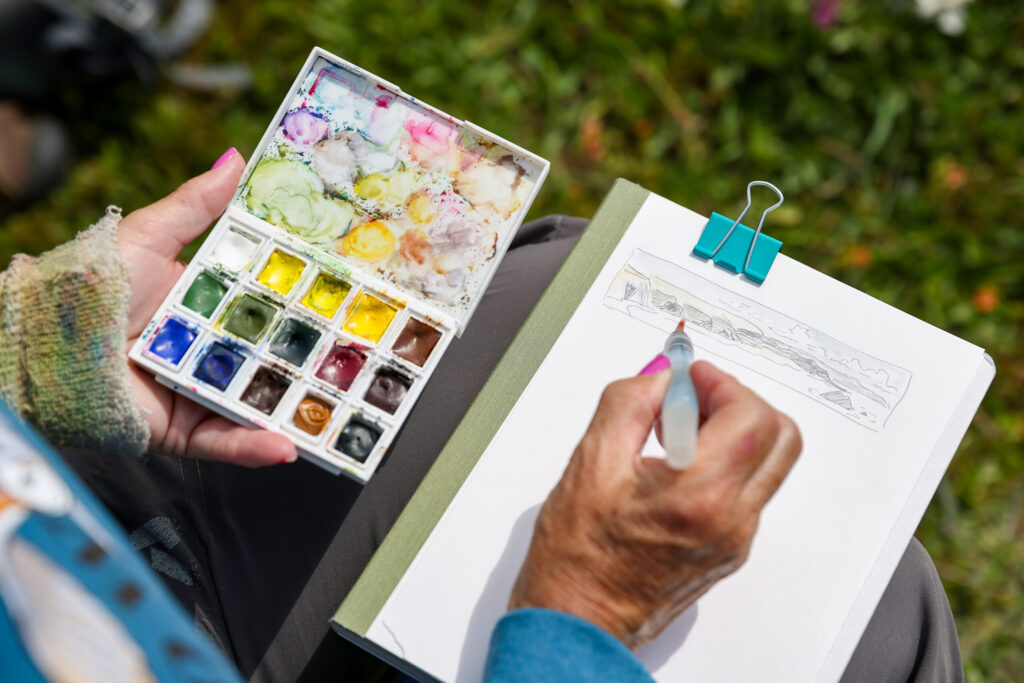
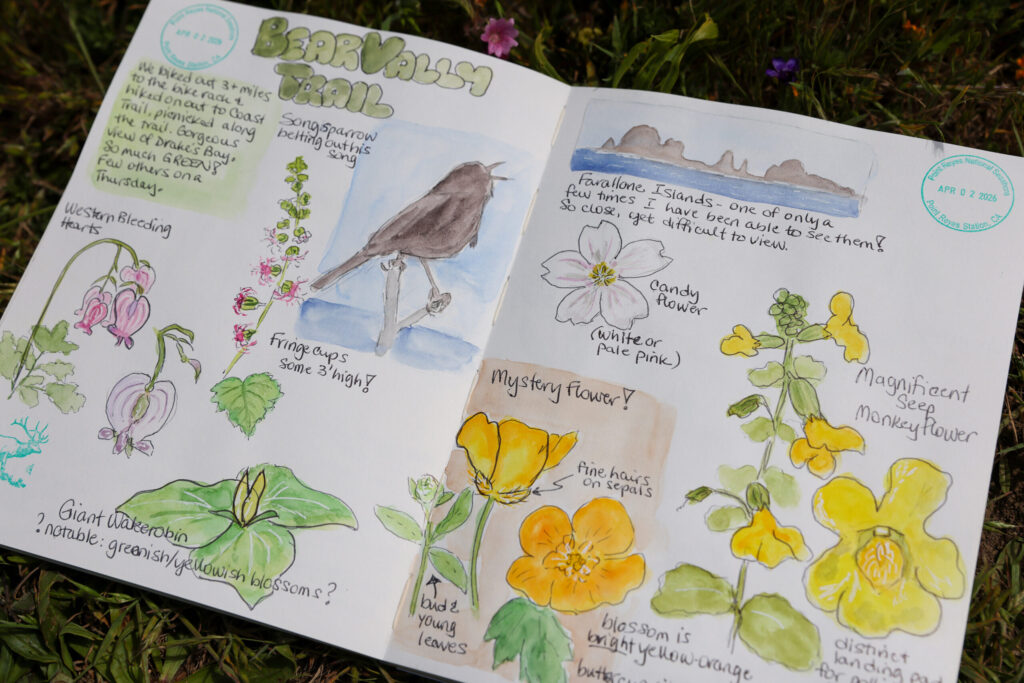
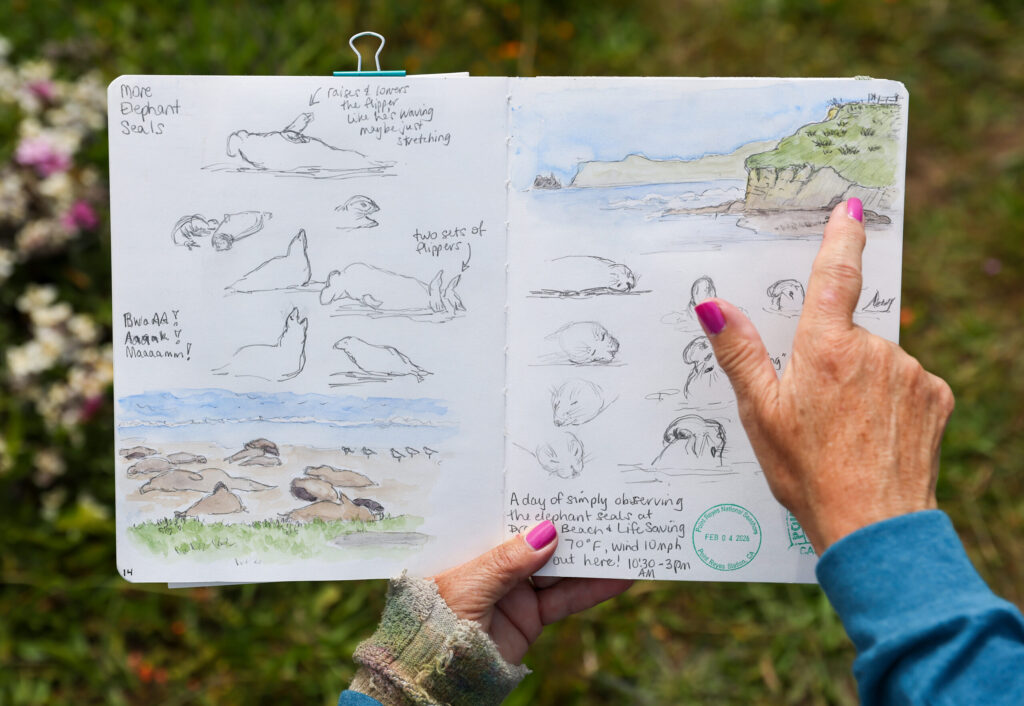
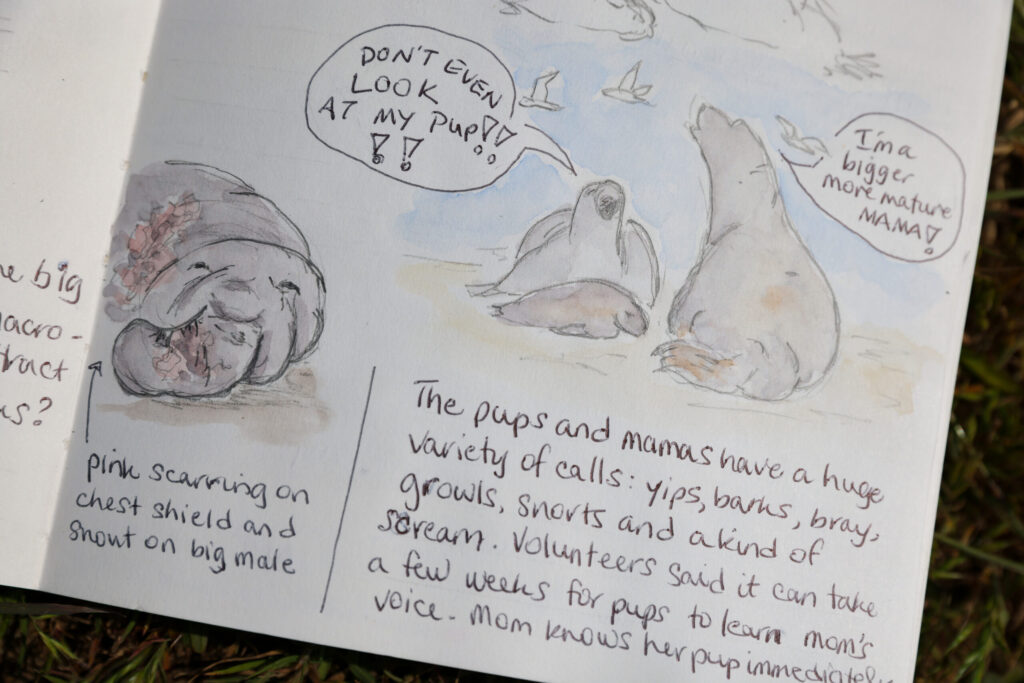
Reid began nature journaling in 2017 while taking a California naturalist class, a requirement for the course. Though she once believed she couldn’t draw, Reid taught herself using books and online tutorials. Now, page after page of her colorful journals are filled with watercolor sketches, handwritten notes, and questions about everything from mushrooms spotted along trails to coastal wildflowers and woodpeckers flying overhead. She encourages others who feel similarly artistically uninclined to focus on meaningful engagement with what they see rather than on artistic perfection.
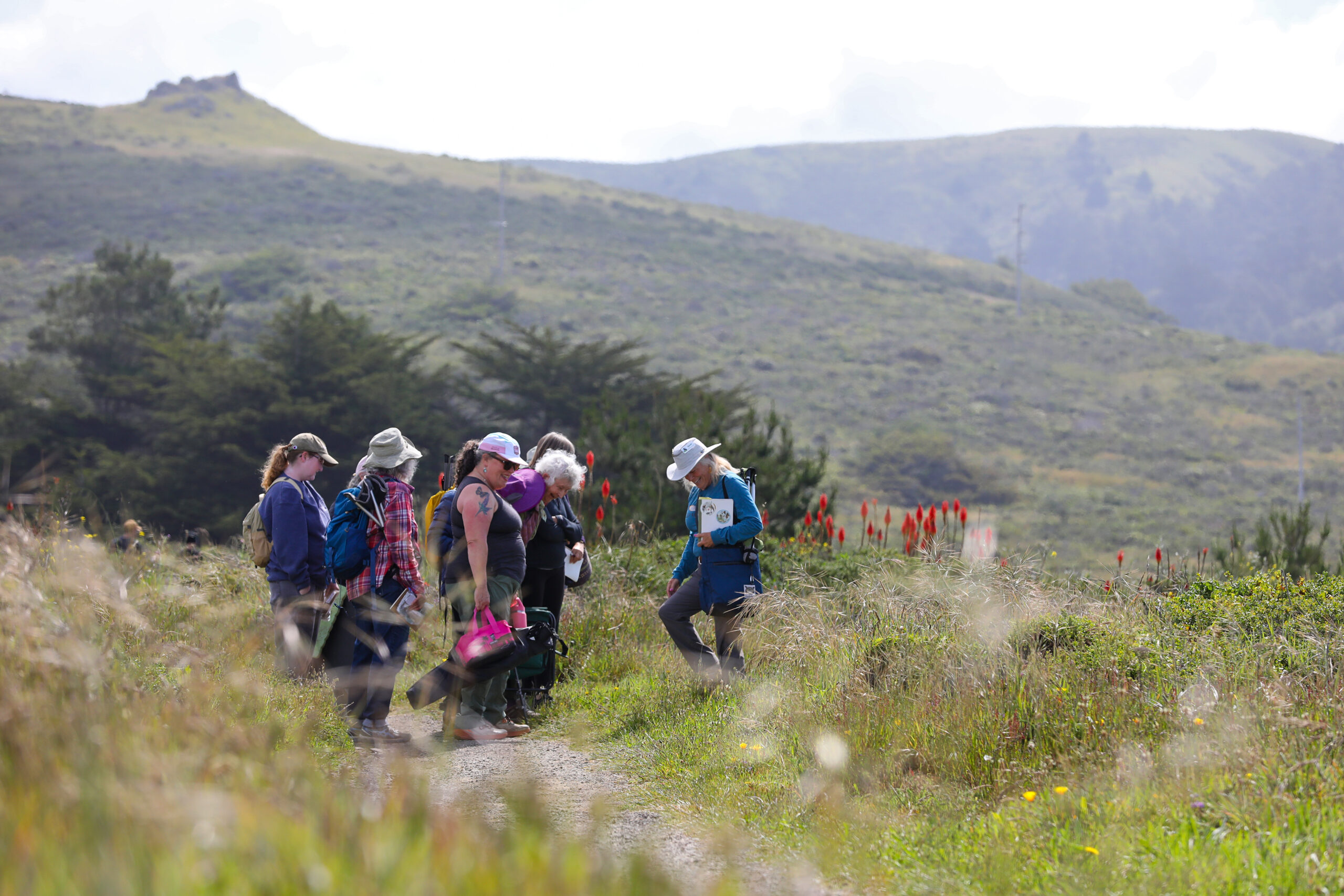
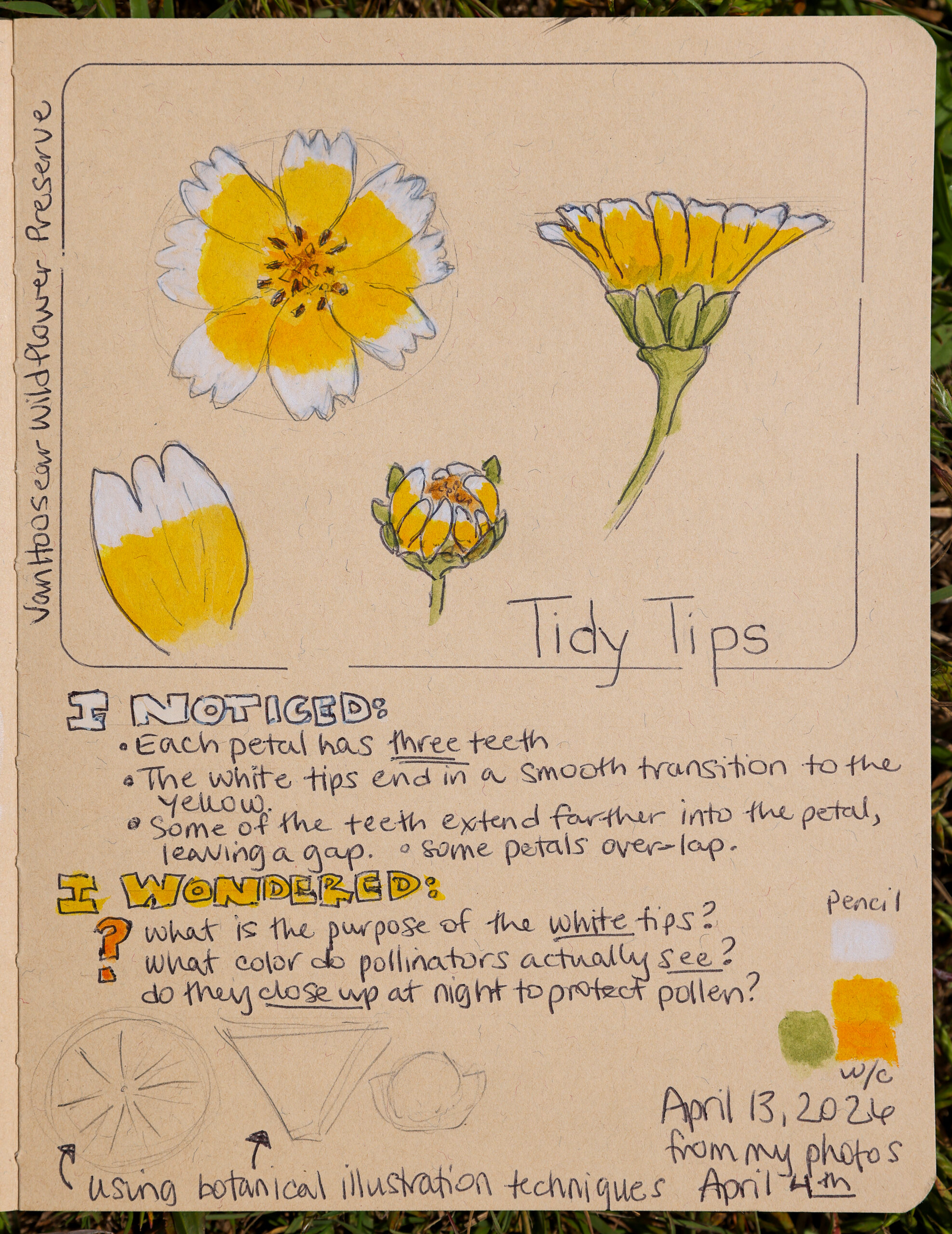
Workshops often begin with a simple leaf. She asks participants to trace its shape and study its texture, color, and imperfections before guiding them through the reflection process with writing prompts such as “I notice, I wonder, and it reminds me of…”
This exercise, Reid says, helps people move past the fear of not being able to draw while encouraging deeper curiosity about the natural world. “All of our nature and outdoors is so filled with things to be curious about, to wonder about and to be awed by,” she says.
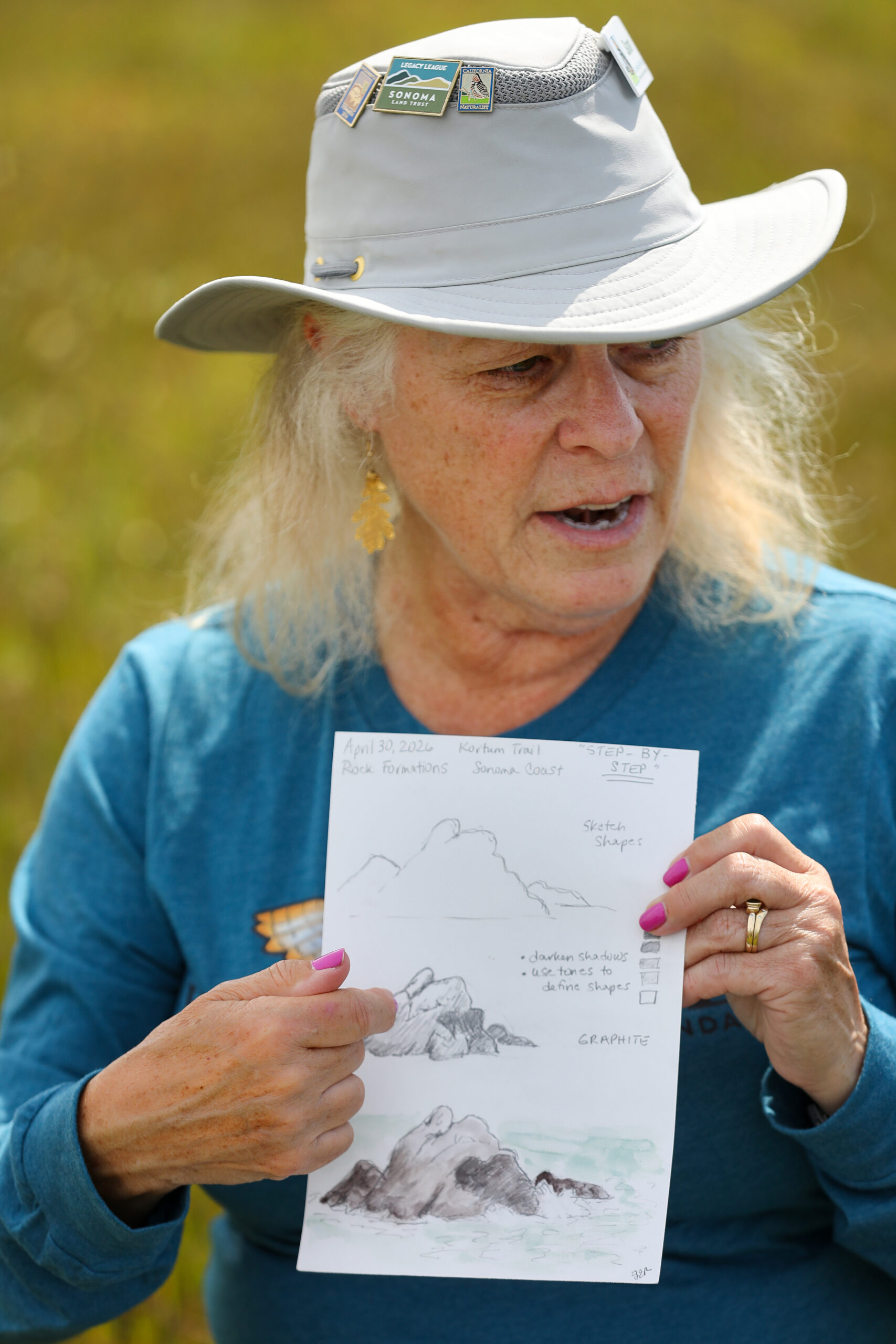
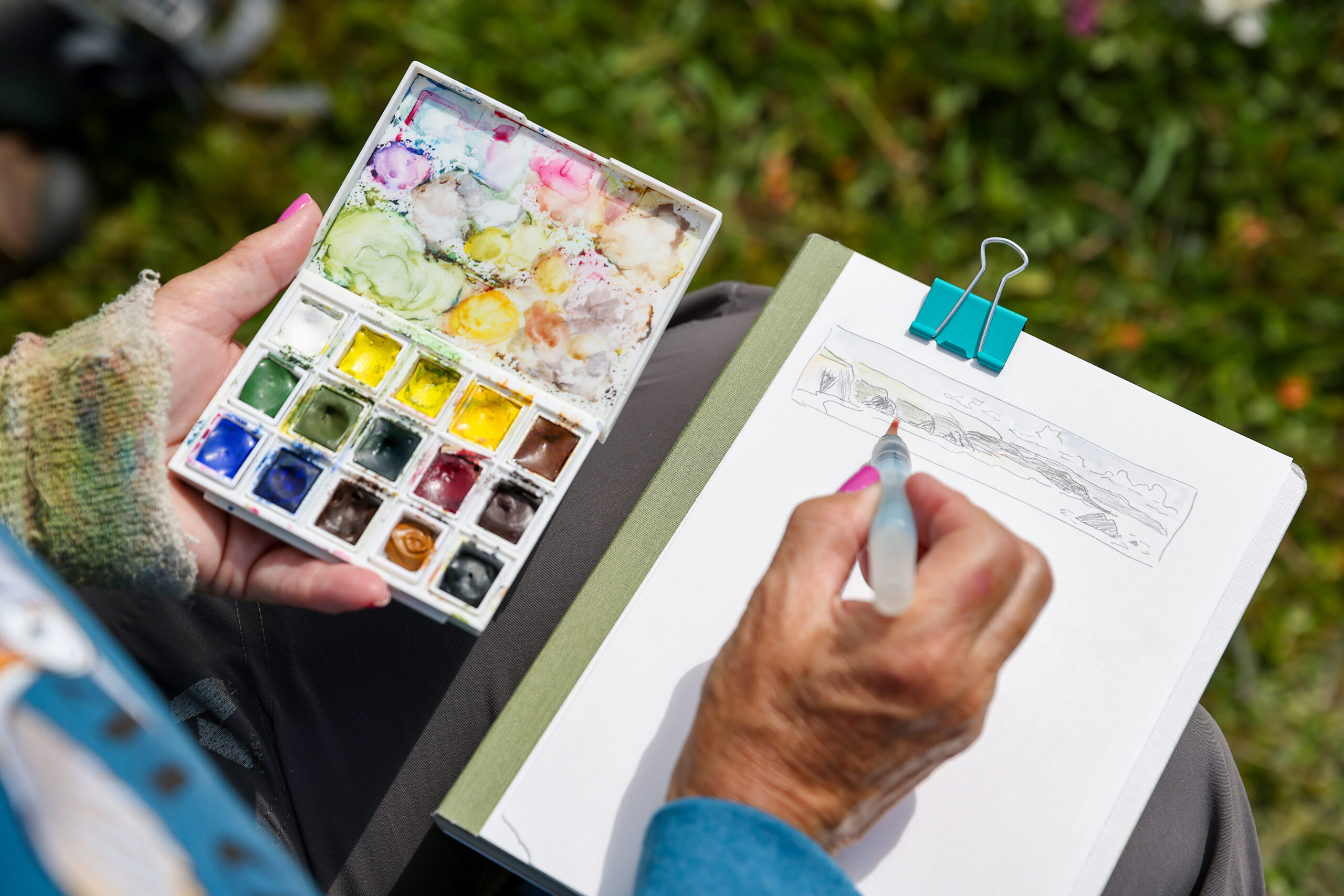
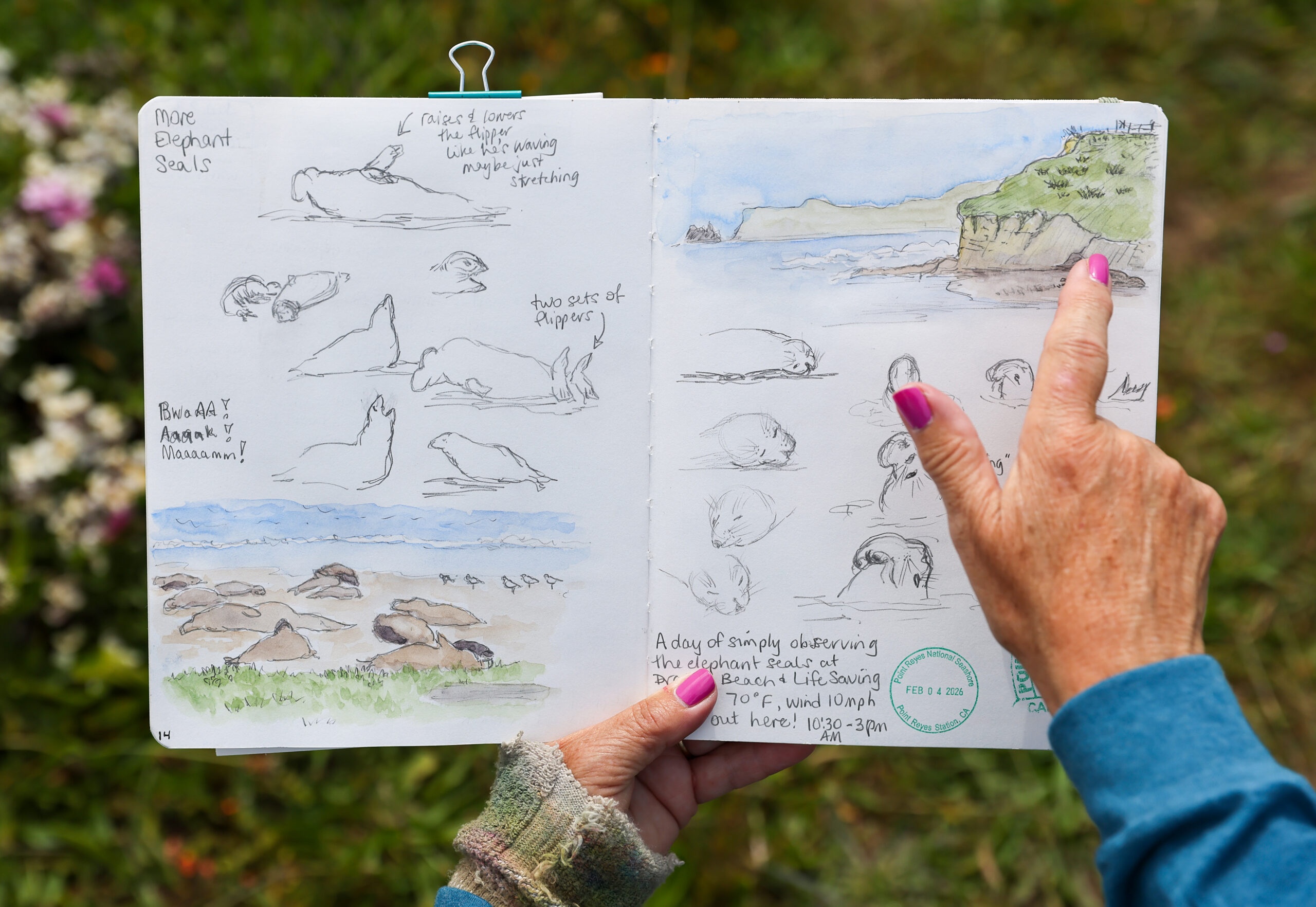
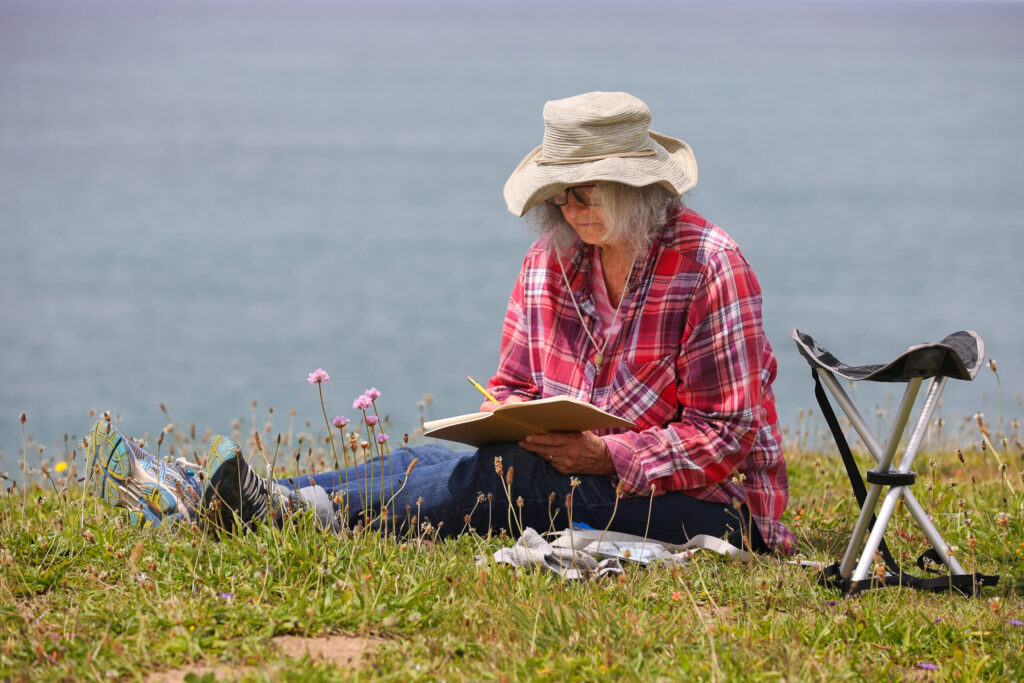
During the pandemic, nature journaling served as a form of therapy for Reid that quieted all of the “external noise.” Today, the practice continues to be a meditative one, allowing her to slow down and pay “intentional attention” to the natural world around her.
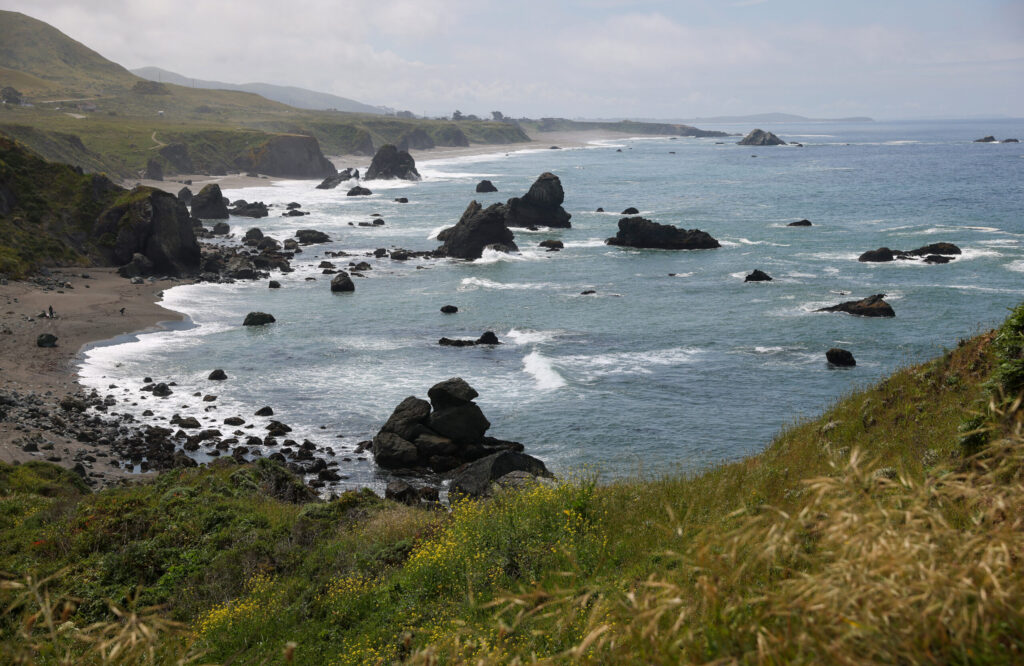
Her observations have shaped the way Reid views the changing climate. Across decades spent outdoors, she has watched many species of wildflowers, which used to bloom plentifully, bloom early or not at all. She has seen how prolonged drought stresses centuries-old oak trees and how seasonal weather patterns have shifted dramatically.
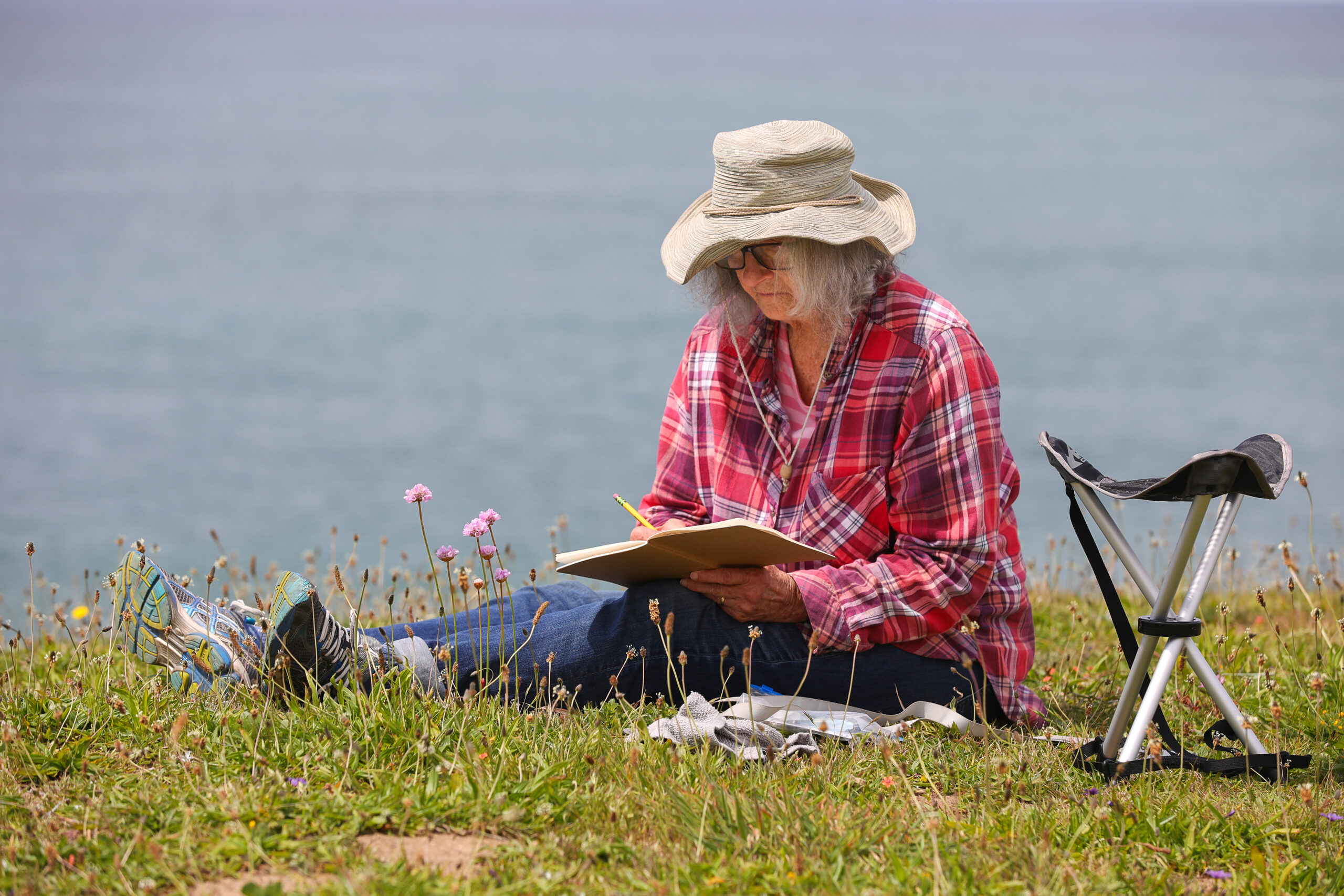
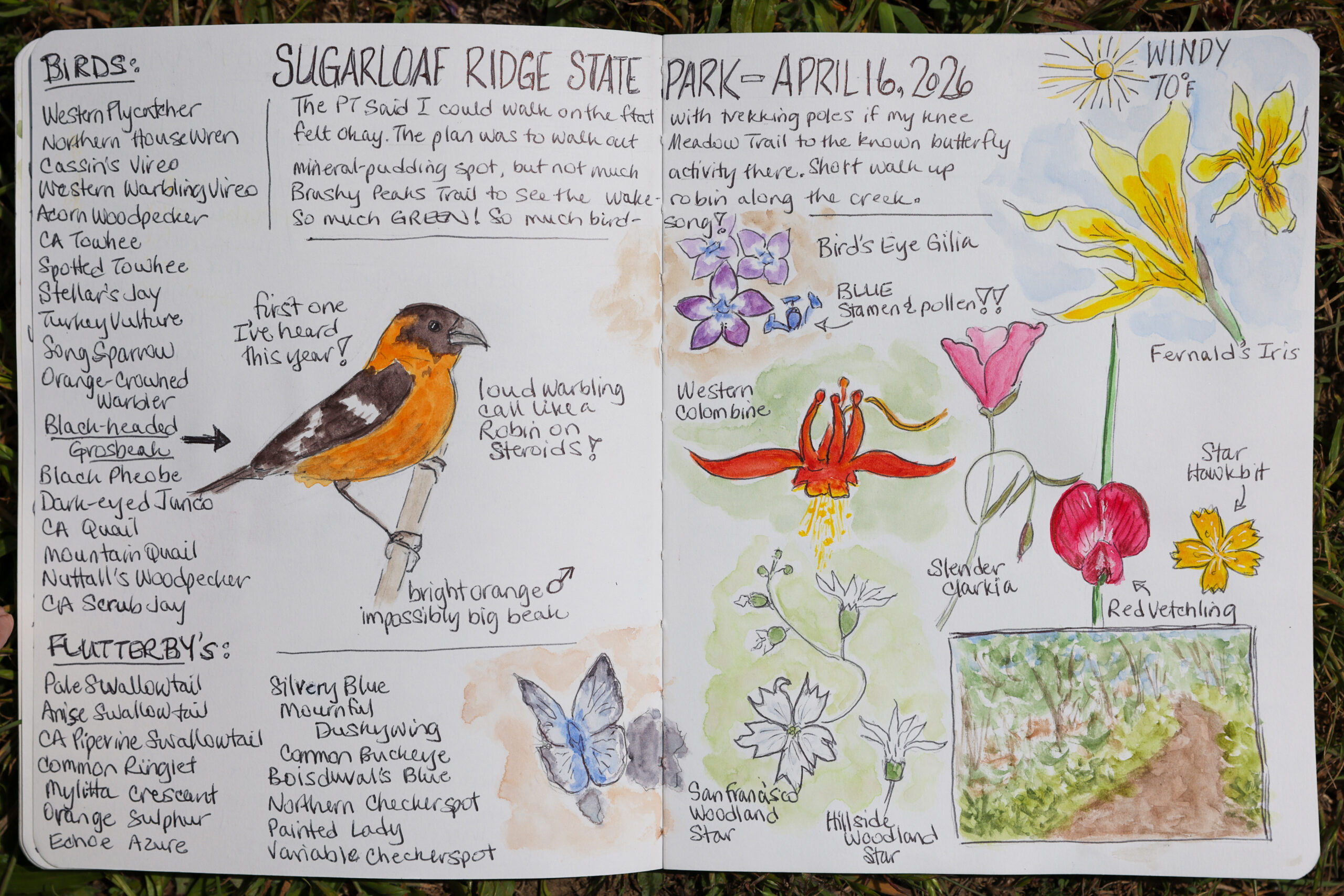
Reid believes nature journaling is important, particularly as society has become increasingly disconnected from the outdoors. The act of slowing down to observe plants, animals, and landscapes, she explains, is transformative, often blossoming into environmental stewardship and conservation. “When we take and look at something with intentional curiosity and wonder and we put it down on paper, that becomes solidified in our brain,” Reid says. “This results in a sense of place and a love for the place.”
Join Sarah Reid for nature journaling workshops at Sonoma Botanical Garden on Sept. 26 and Oct. 4. Register at sonomabg.org.
This article was excerpted from our Ultimate Guide to Sonoma County’s Great Outdoors, originally published in the July/August 2026 issue of Sonoma Magazine.