


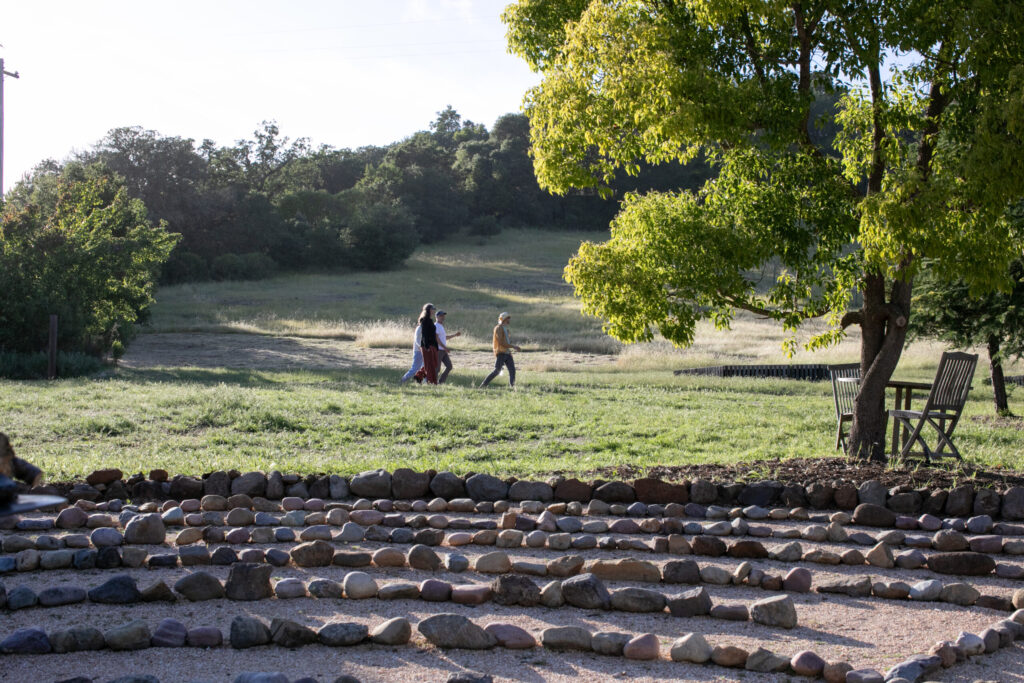

Legend has it, there are “voices” in The Valley of the Moon. The Miwok and Pomo heard them as spirits or ghosts, visible in the illusion of multiple moons, a legend retold by author Jack London in his 1913 novel of the same name. Contemporary listeners cite the voices as echoes of nature.
In either case, if voices do whisper through this valley of rolling hills, wildflowers, and scattered oaks, Sonoma’s Westerbeke Ranch would be the place to hear them. A family homestead for five generations, its wooden beams and adobe walls were drawn from the surrounding earth more than 80 years ago. In its storied evolution from family home to retreat and conference center, it has hosted notable visionaries such as Joseph Campbell, Stan Grof, Werner Erhard, and Elisabeth Kübler-Ross.
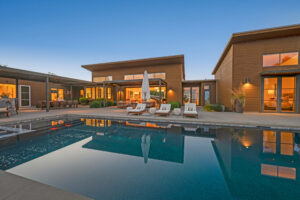
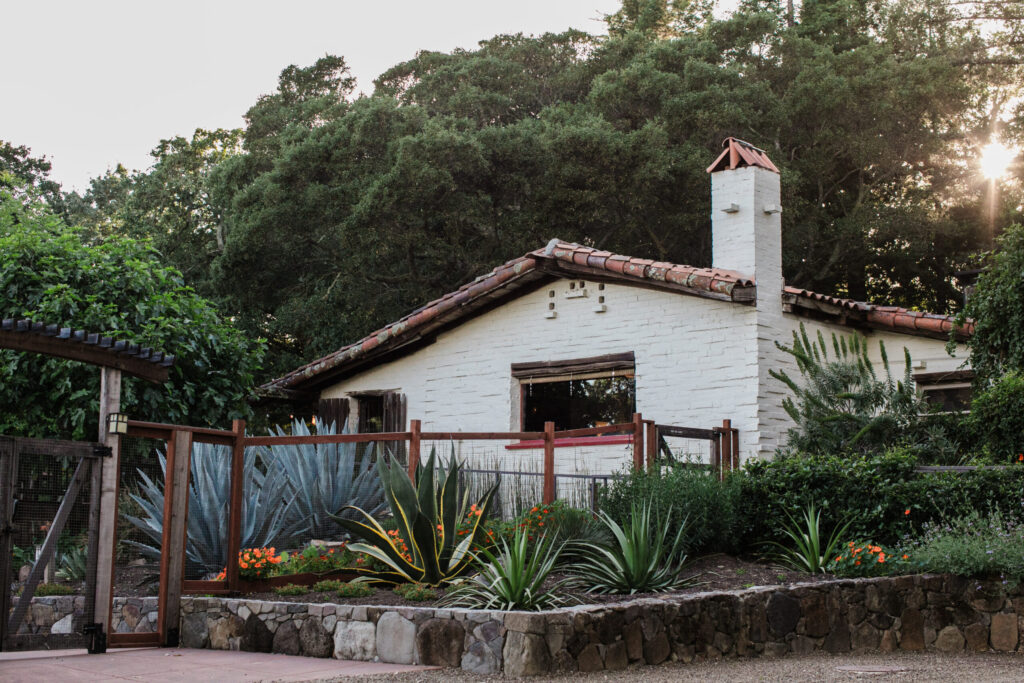
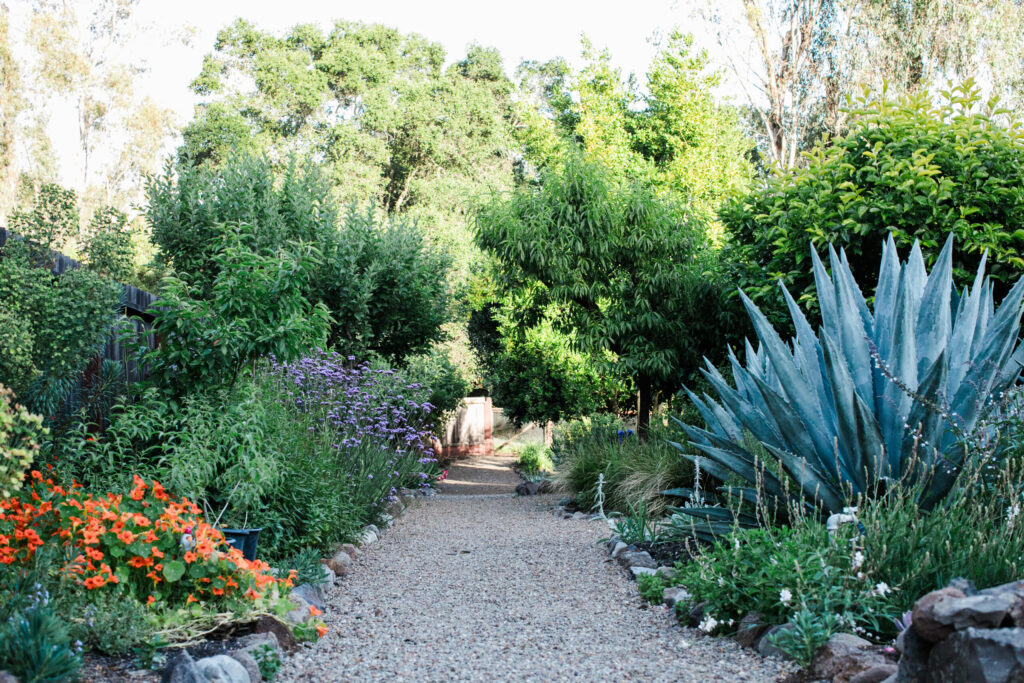
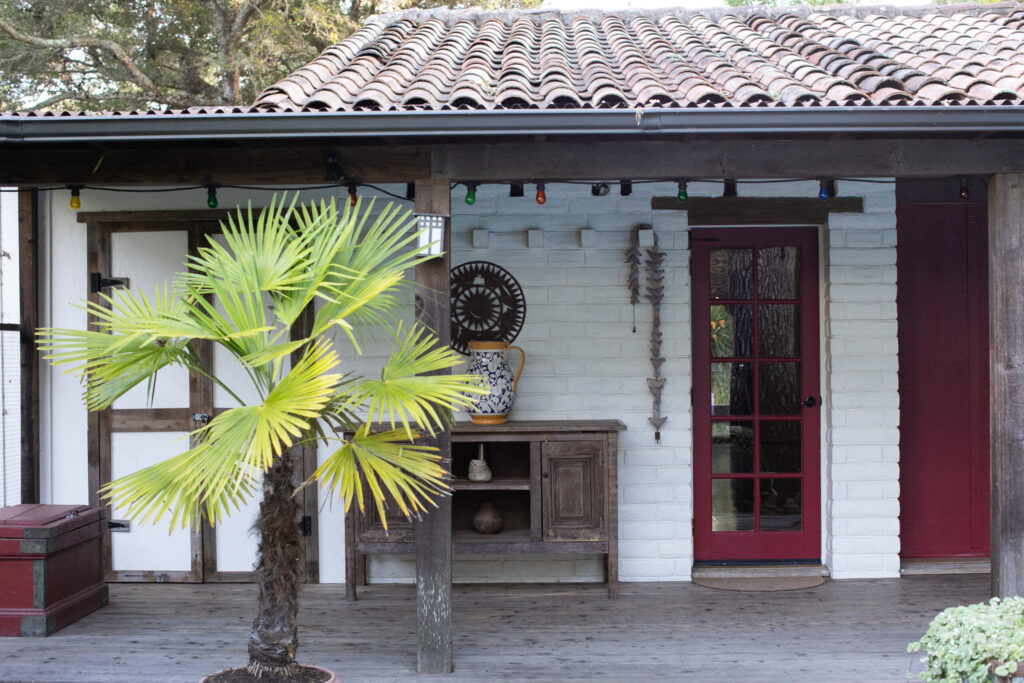
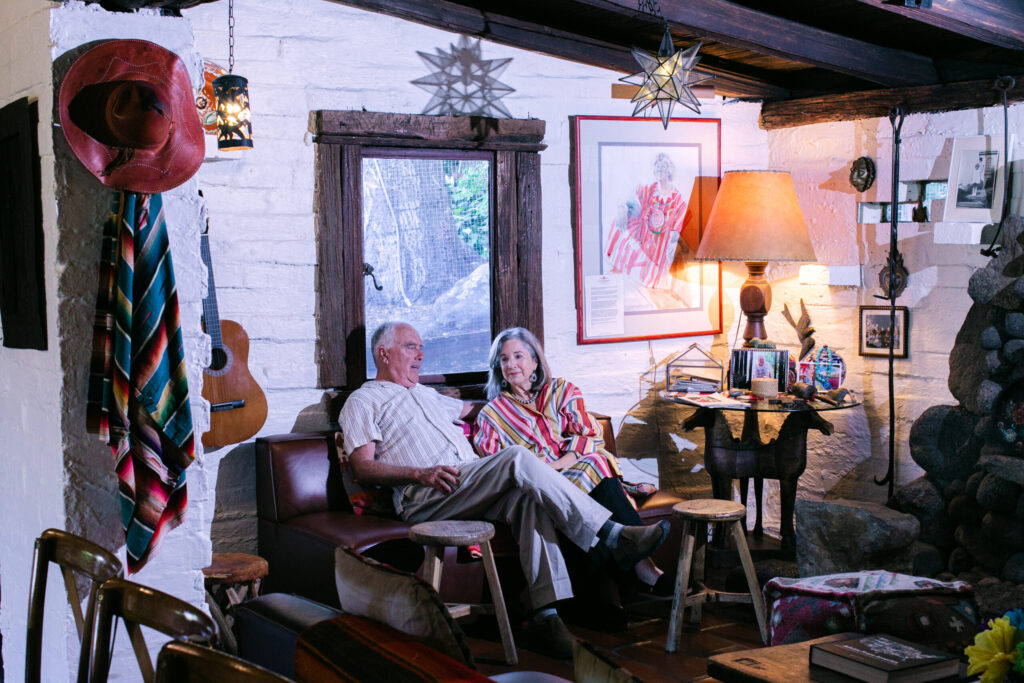
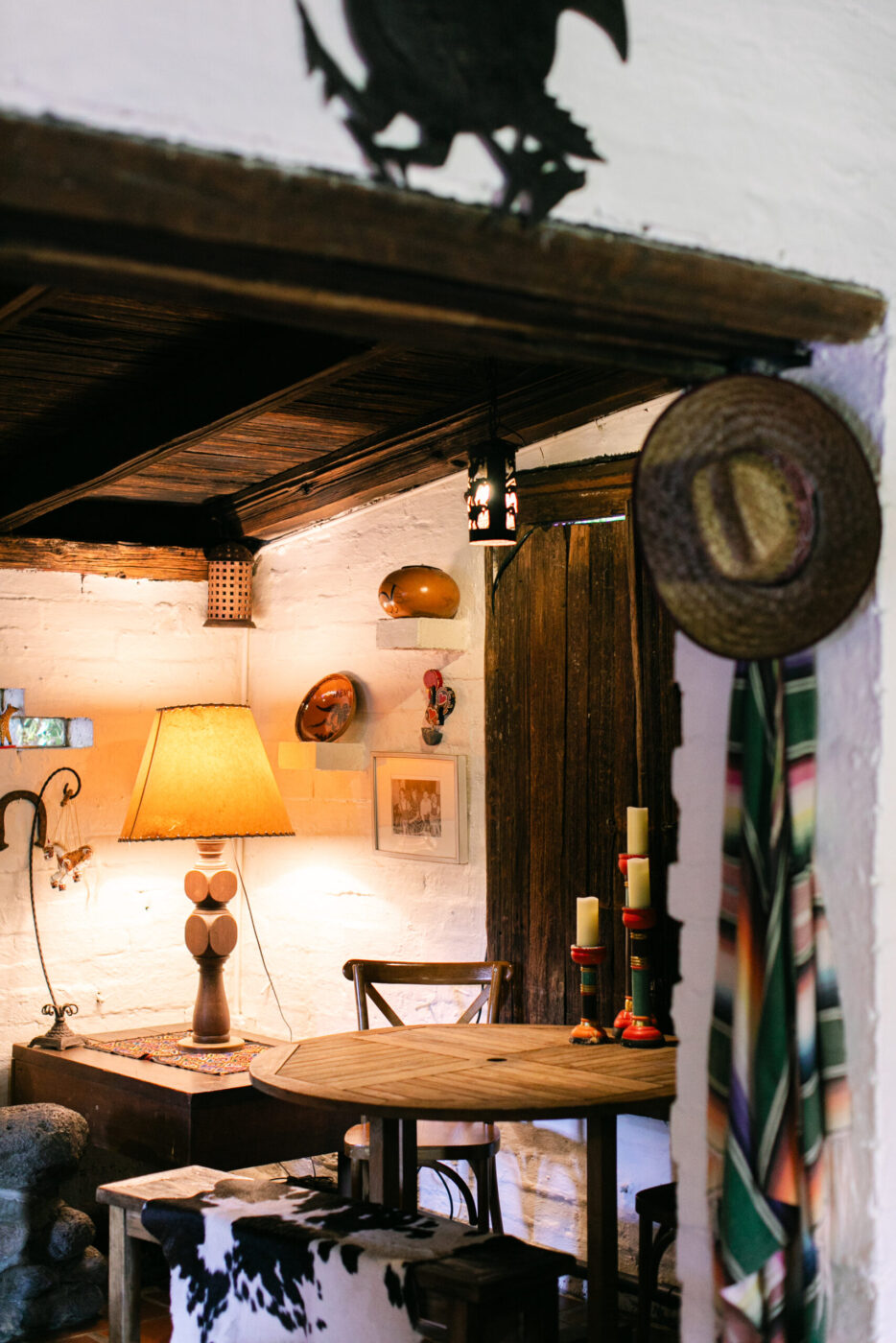
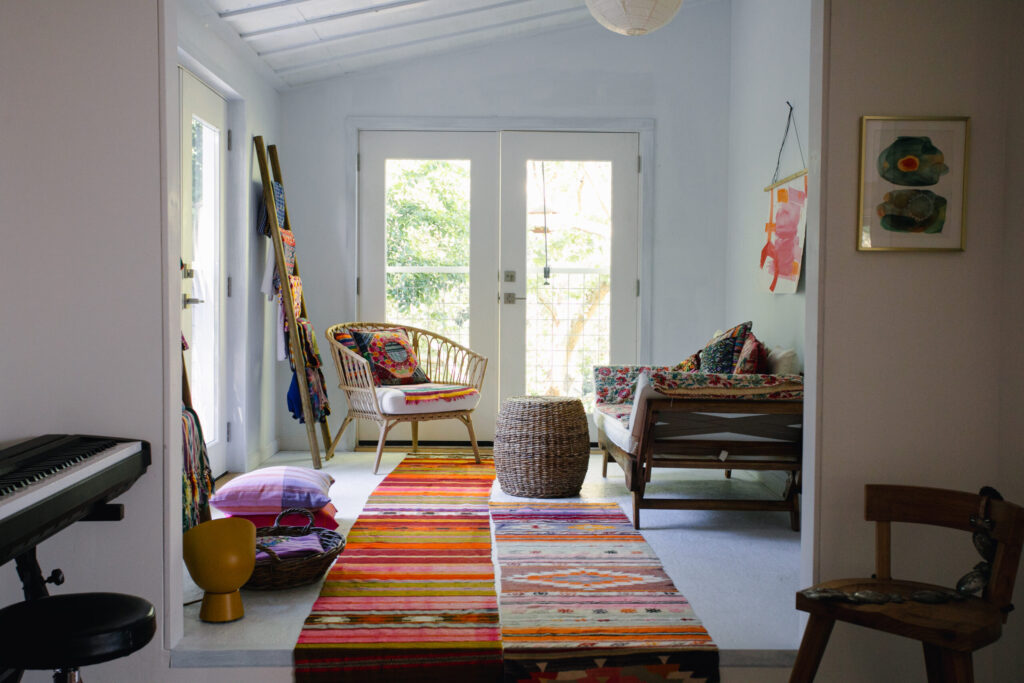
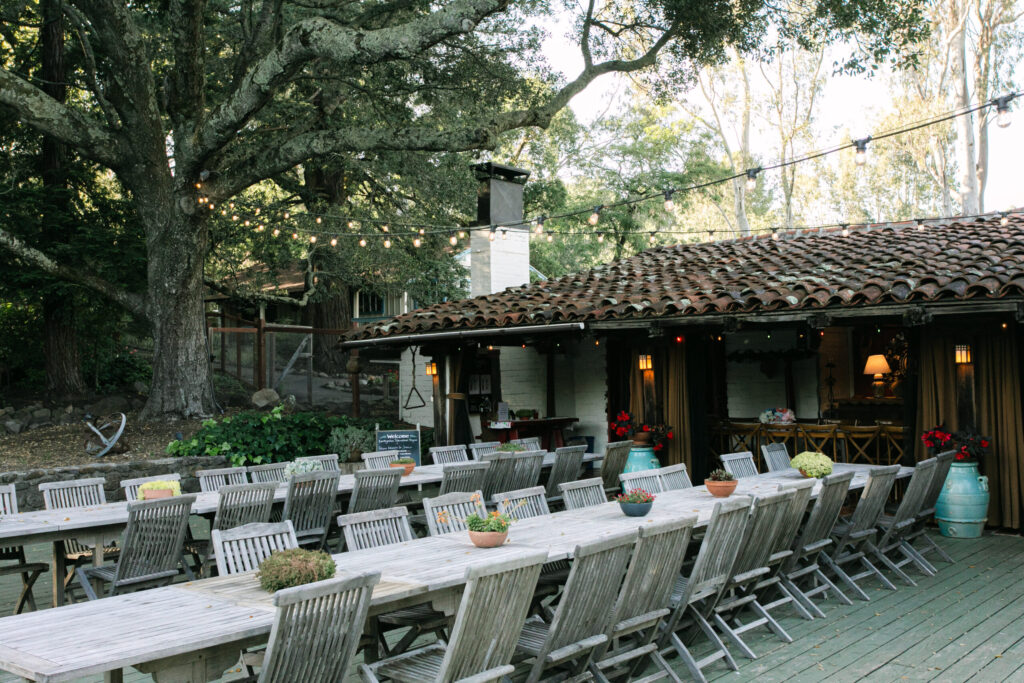
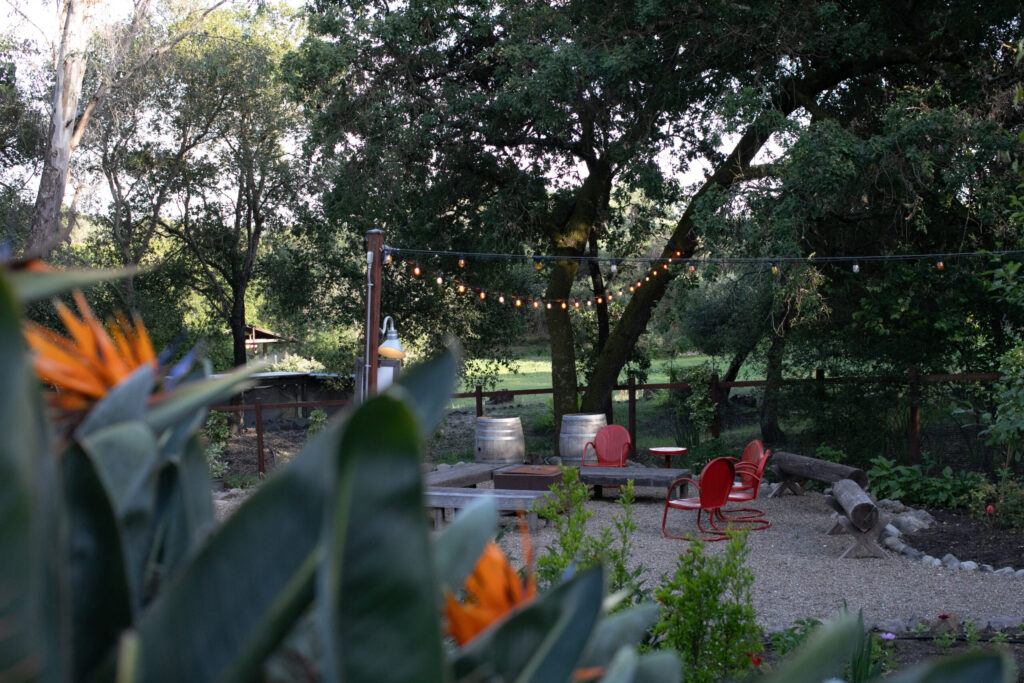
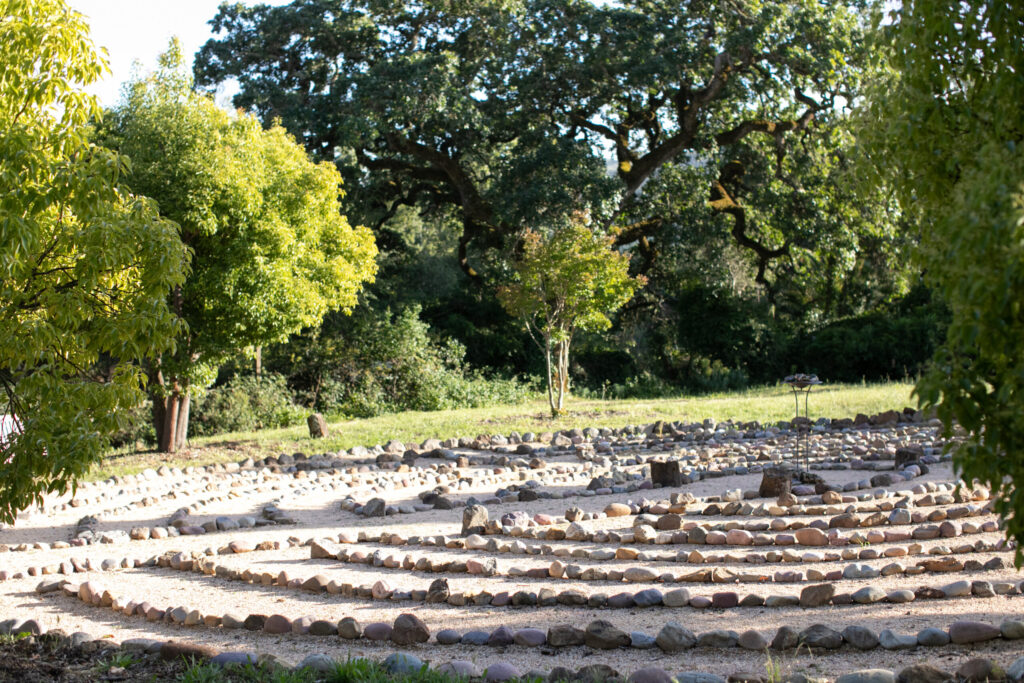
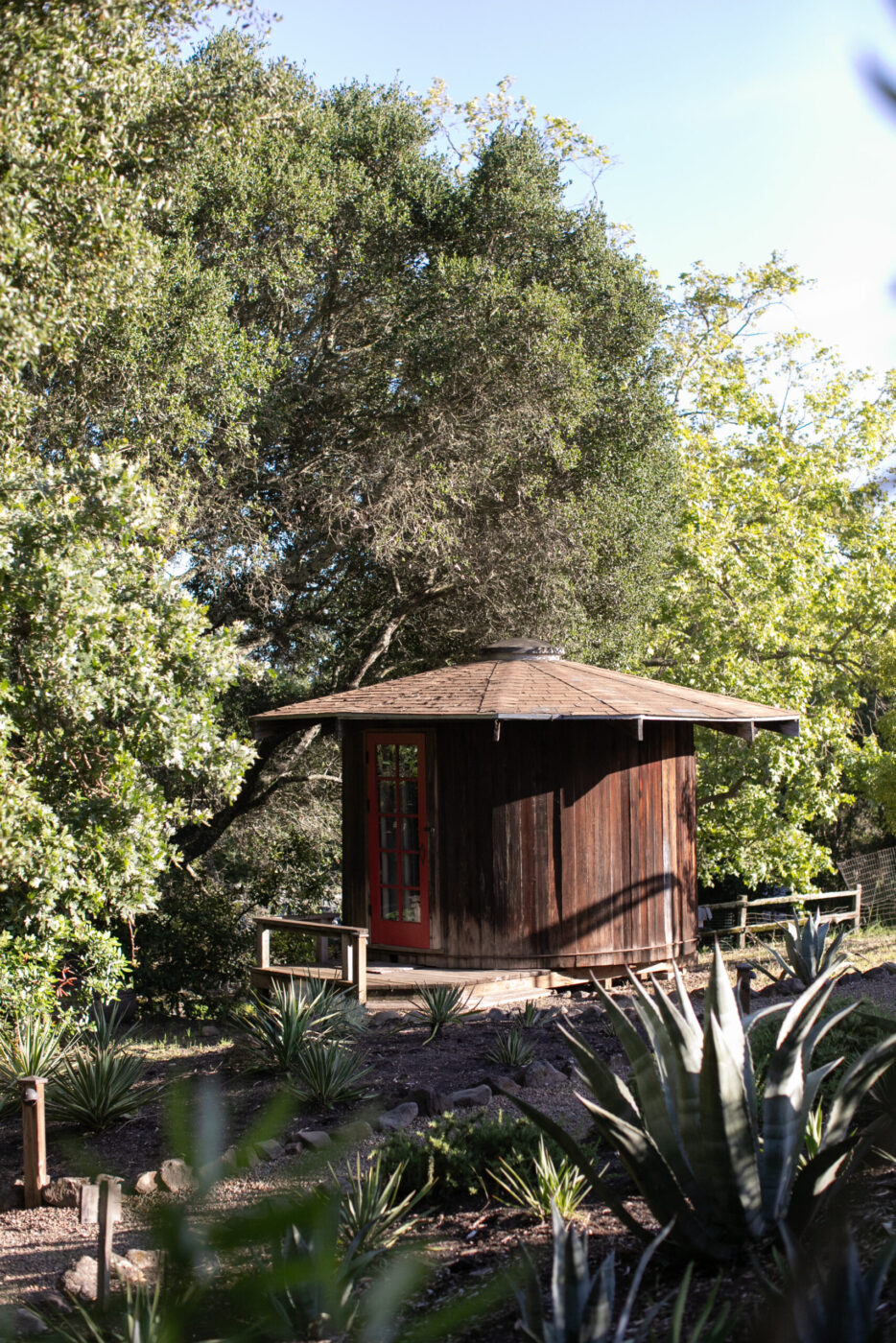
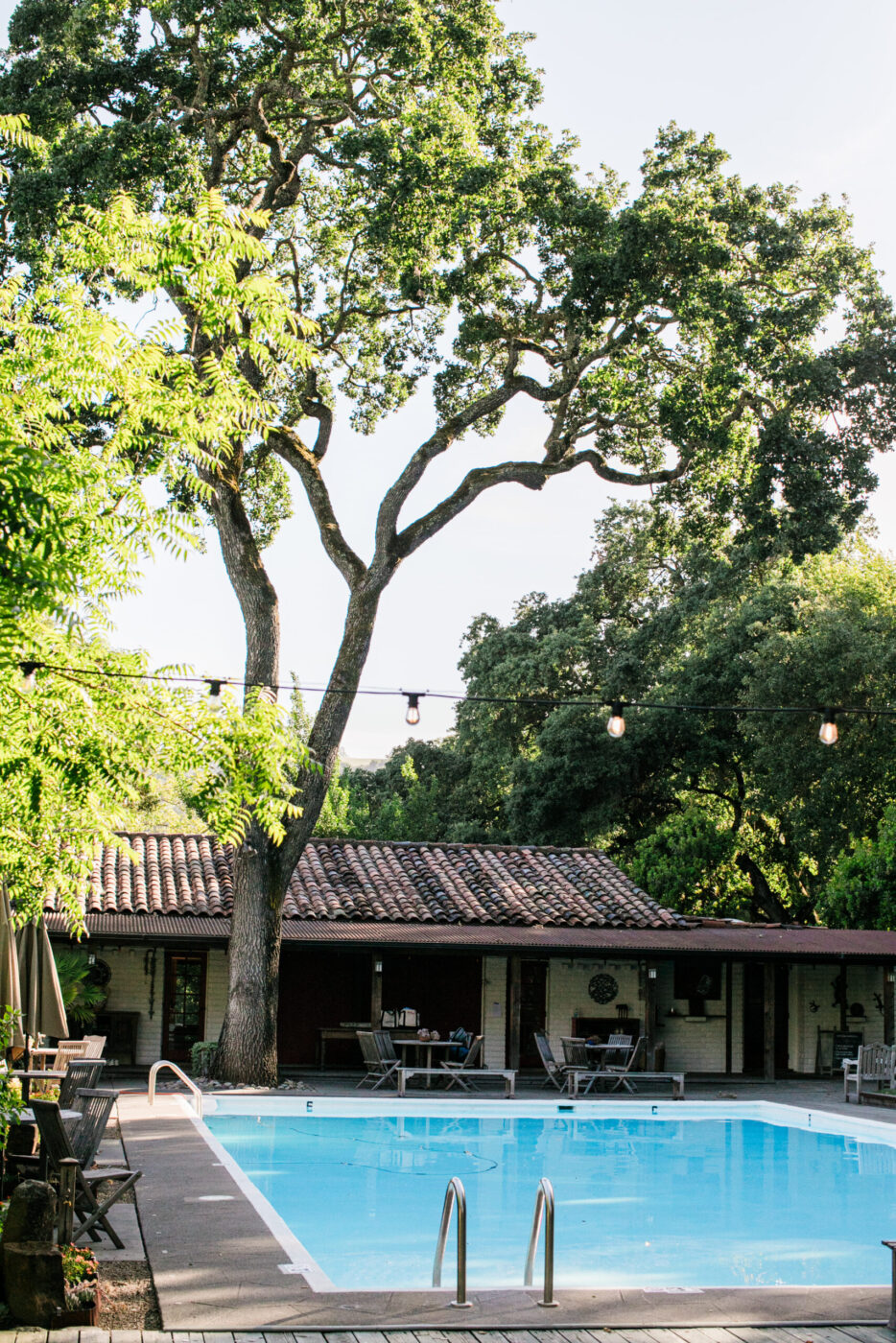
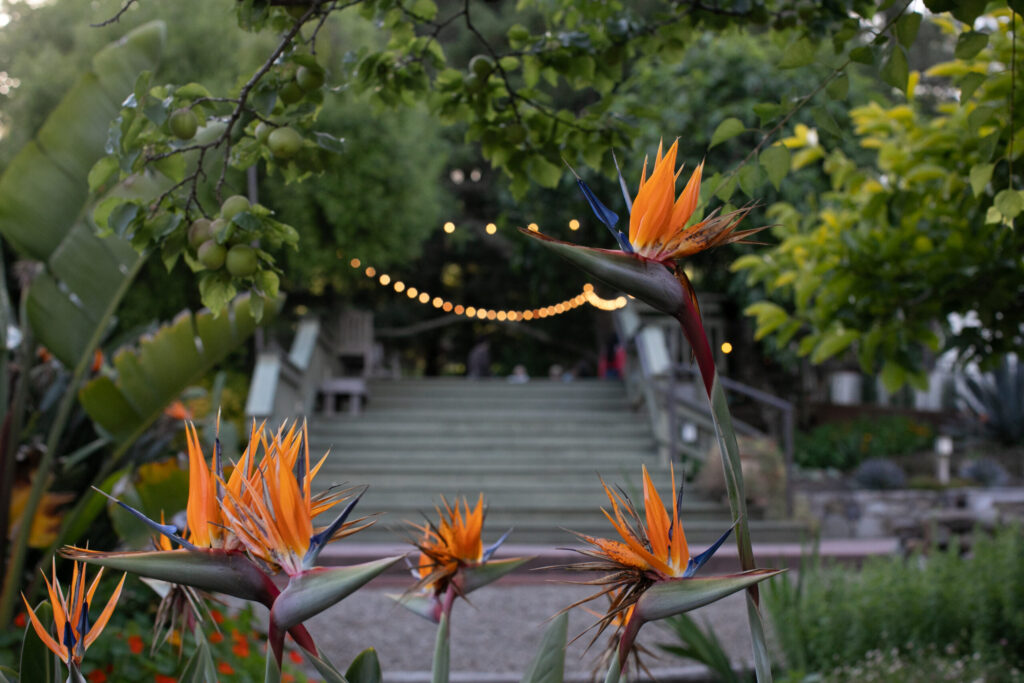
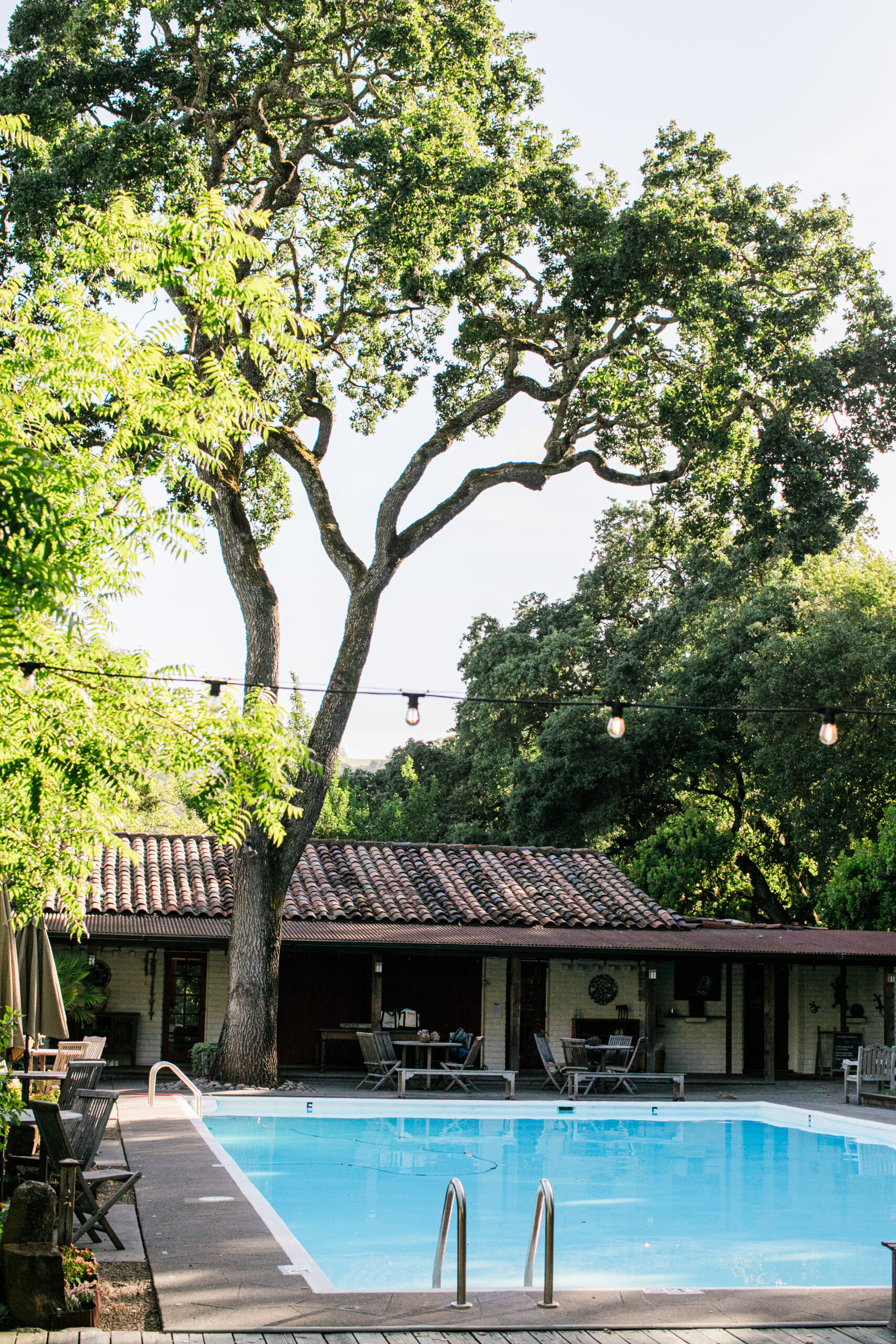
With its smooth archways, weathered beams, and ceramic-tiled roofs, the ranch feels like an authentic early Californian hacienda. Comfortable gathering spaces surround a central patio and a pool. Well-tended, but unfussy gardens wrap around pathways that lead through dappled shade to the property’s guest cabins. From furnishings and artifacts to artwork and plantings, everything has been curated to flow in harmony with the natural surroundings.
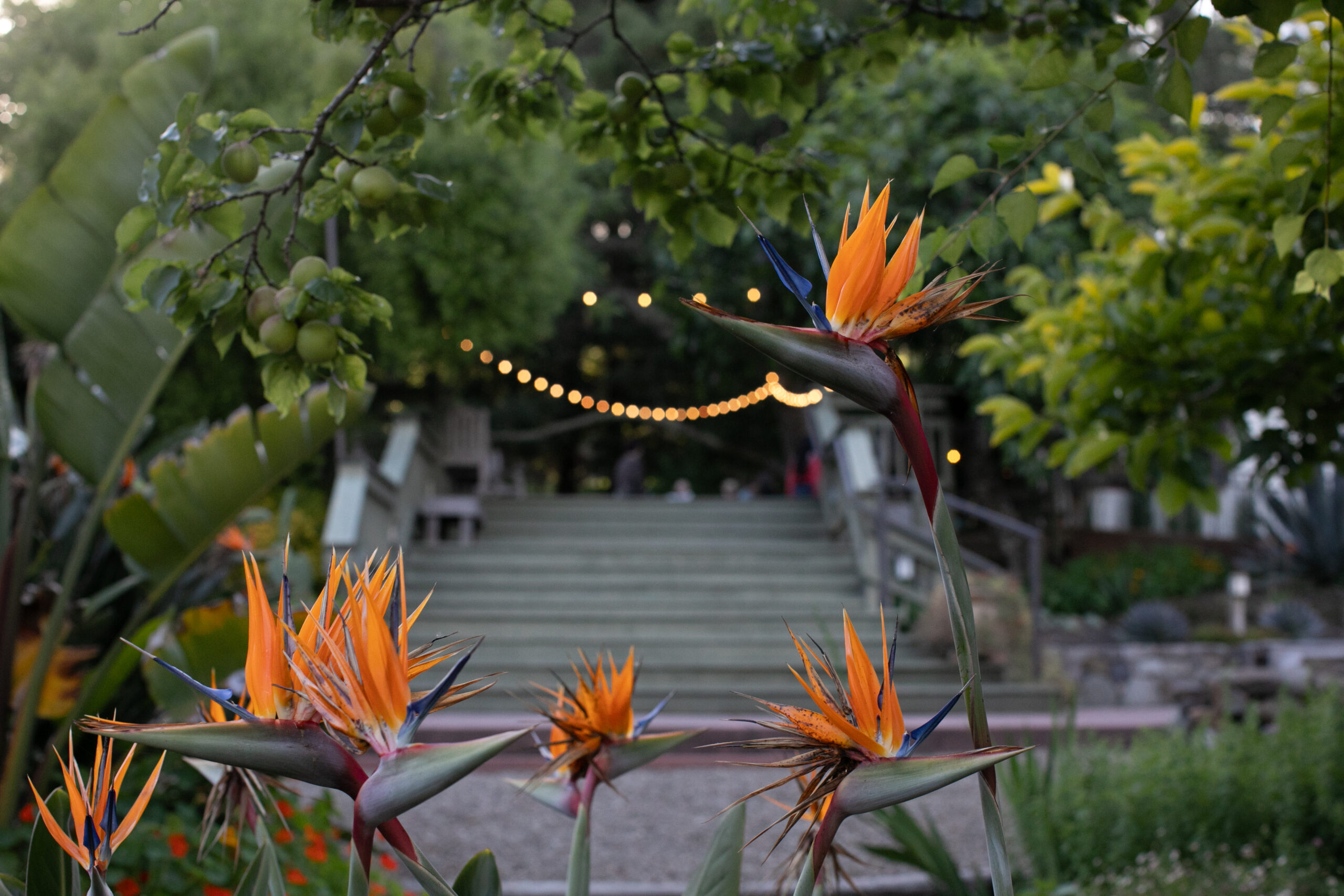
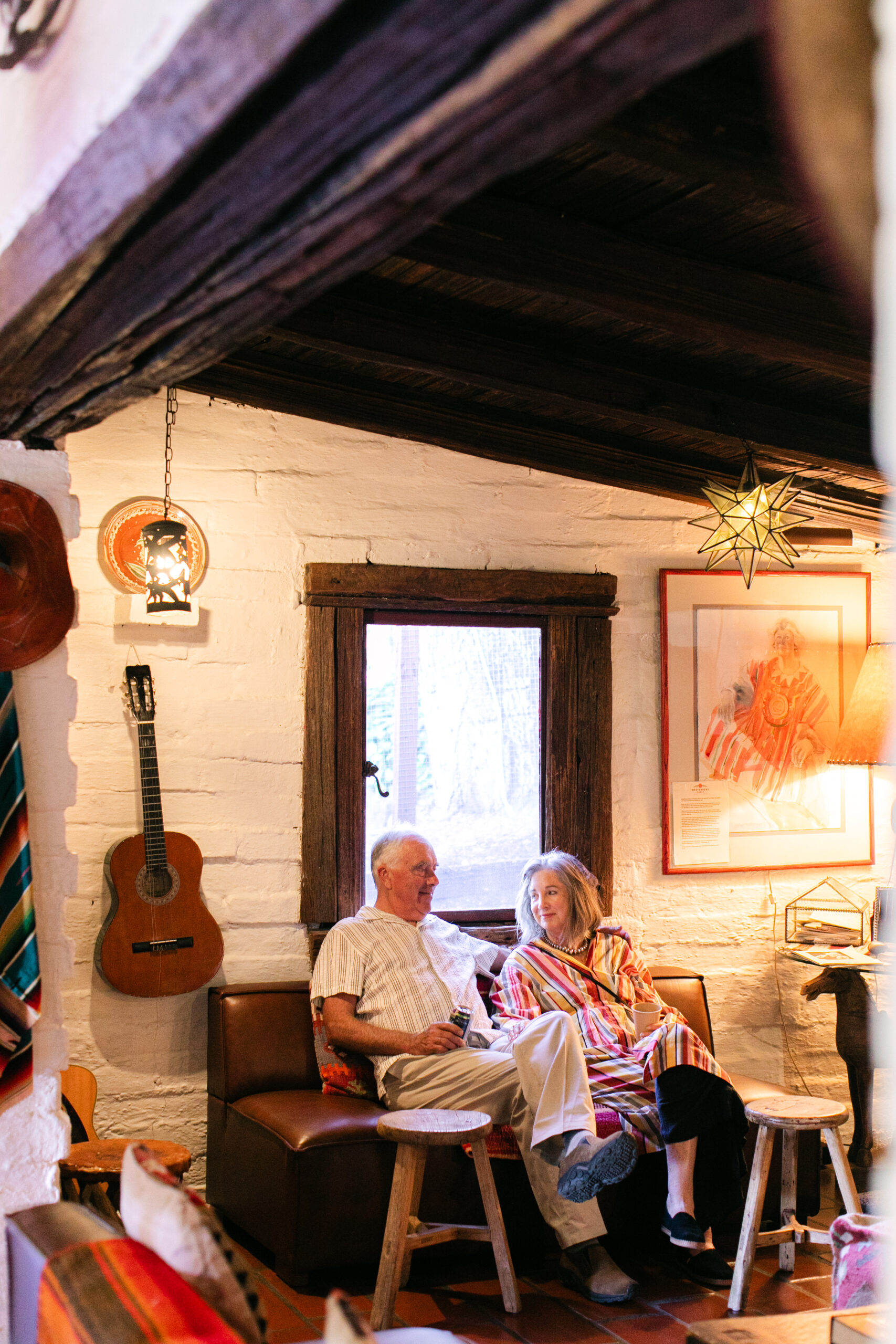
The 11-acre property on Grove Street is overseen by owner and CEO Wendy Westerbeke, who still makes her home here. She credits the rustic ambience and authenticity of the place to her grandparents, Muriel and “Dick” Van Hoosear, who purchased and built on the property in the 1930s.
Grandfather Van Hoosear, she says, was an adventurous and peripatetic builder, raised in the East Bay, who bounced between California and favorite places like Mexico, Arizona, and the Four Corners region, where he gathered inspiration, artifacts, and salvaged materials like old hardware, hinges, and tile.
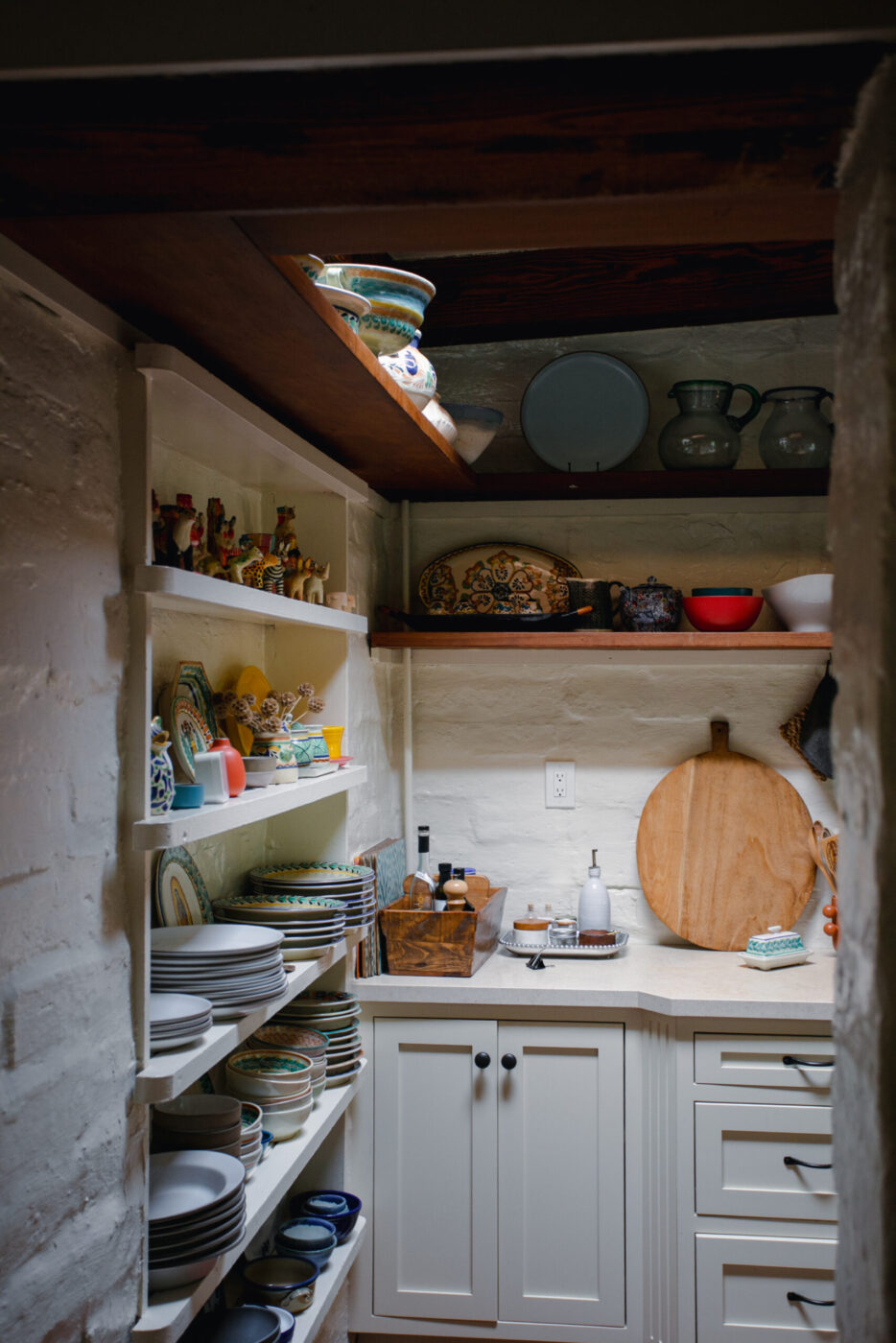
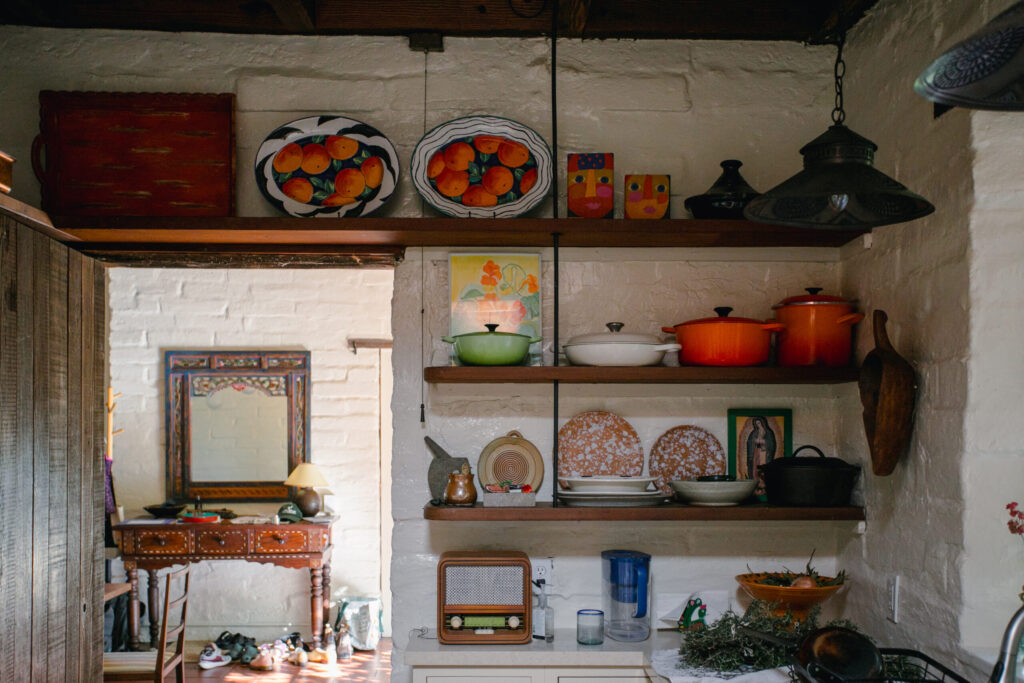
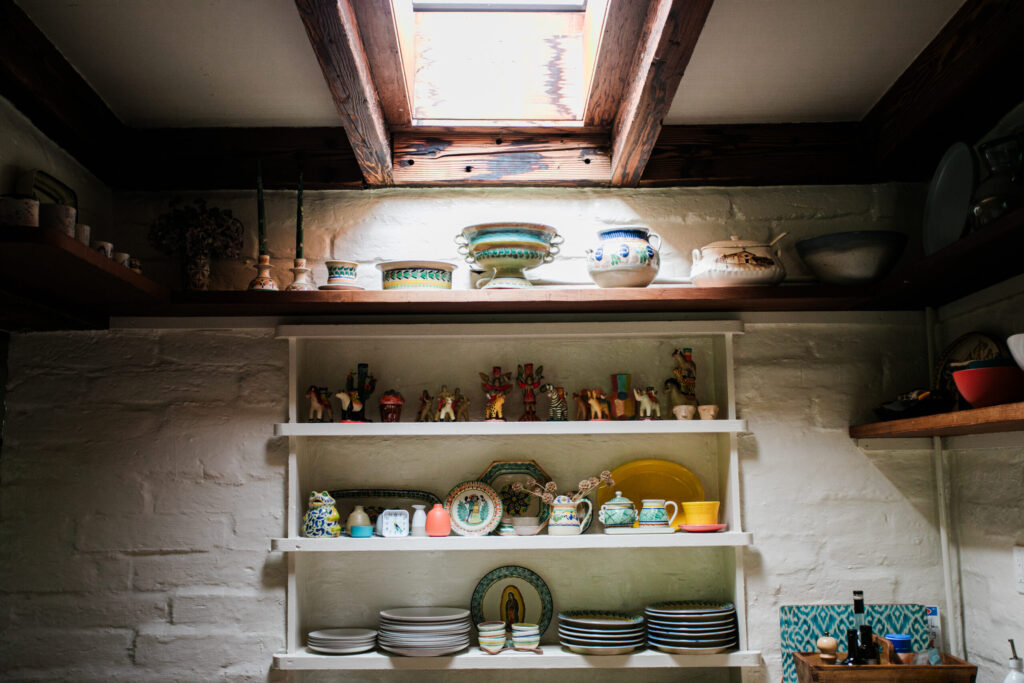
The timeworn timbers of the ceiling beams, window frames, and heavy doors reveal the ridges of old-growth wood he rescued locally from aging fences and crumbling barns. “He always had a project,” Westerbeke recalls. “He would come here on weekends, jump out of his car, leave the door open, run to the tool room to do things on the property. There was a lot going on at once.”
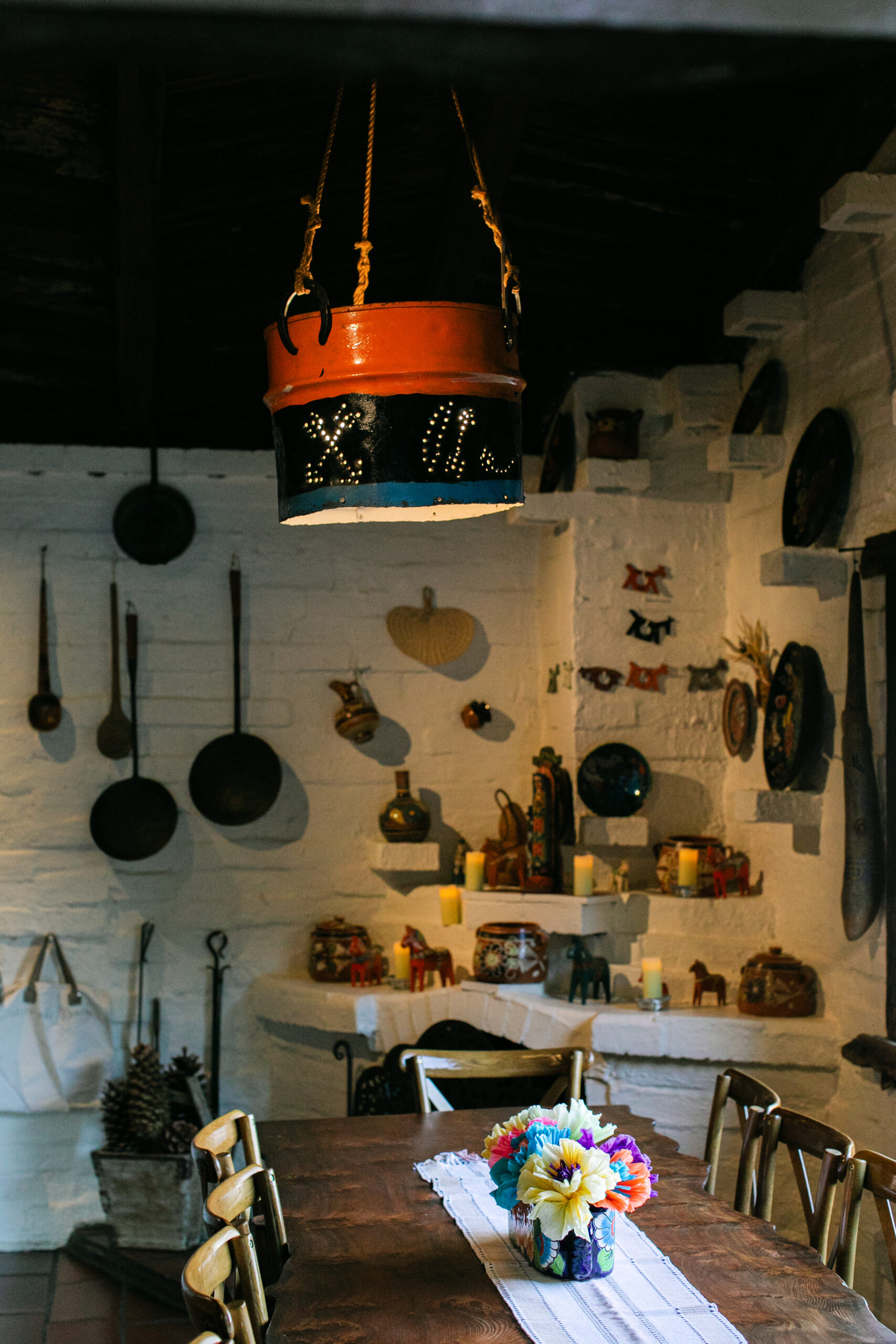
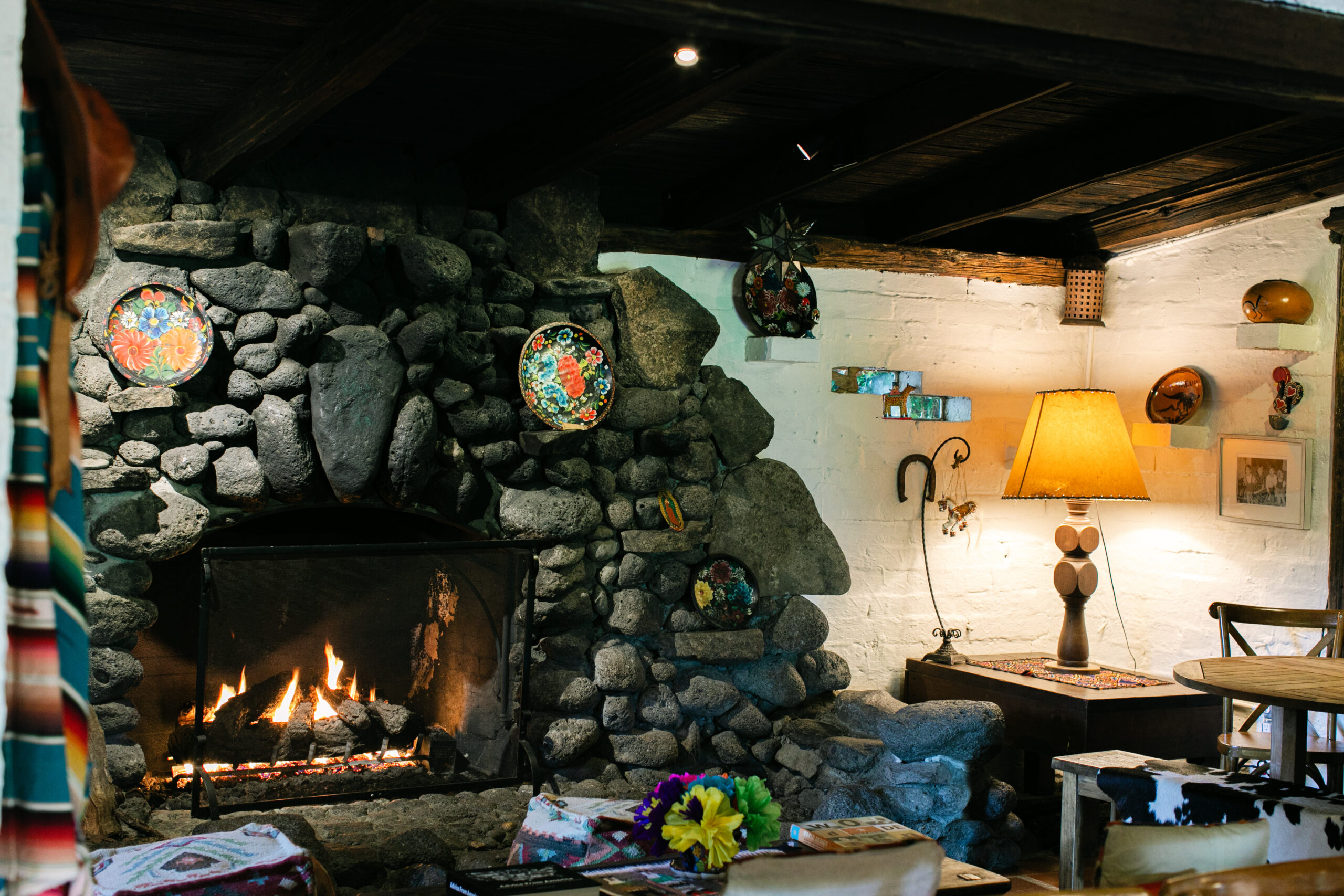
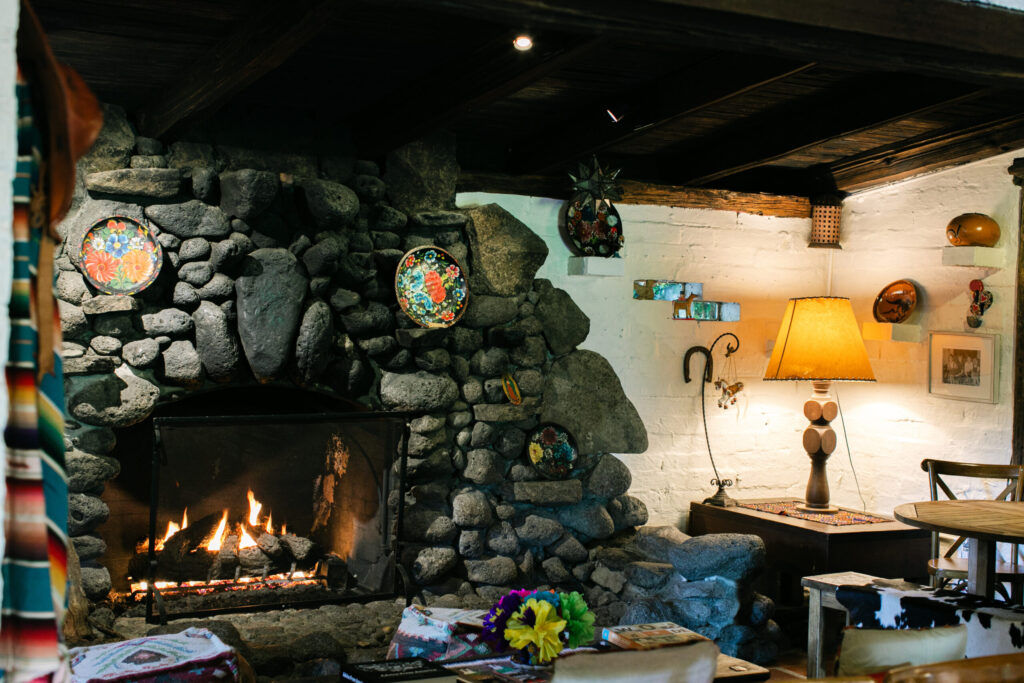
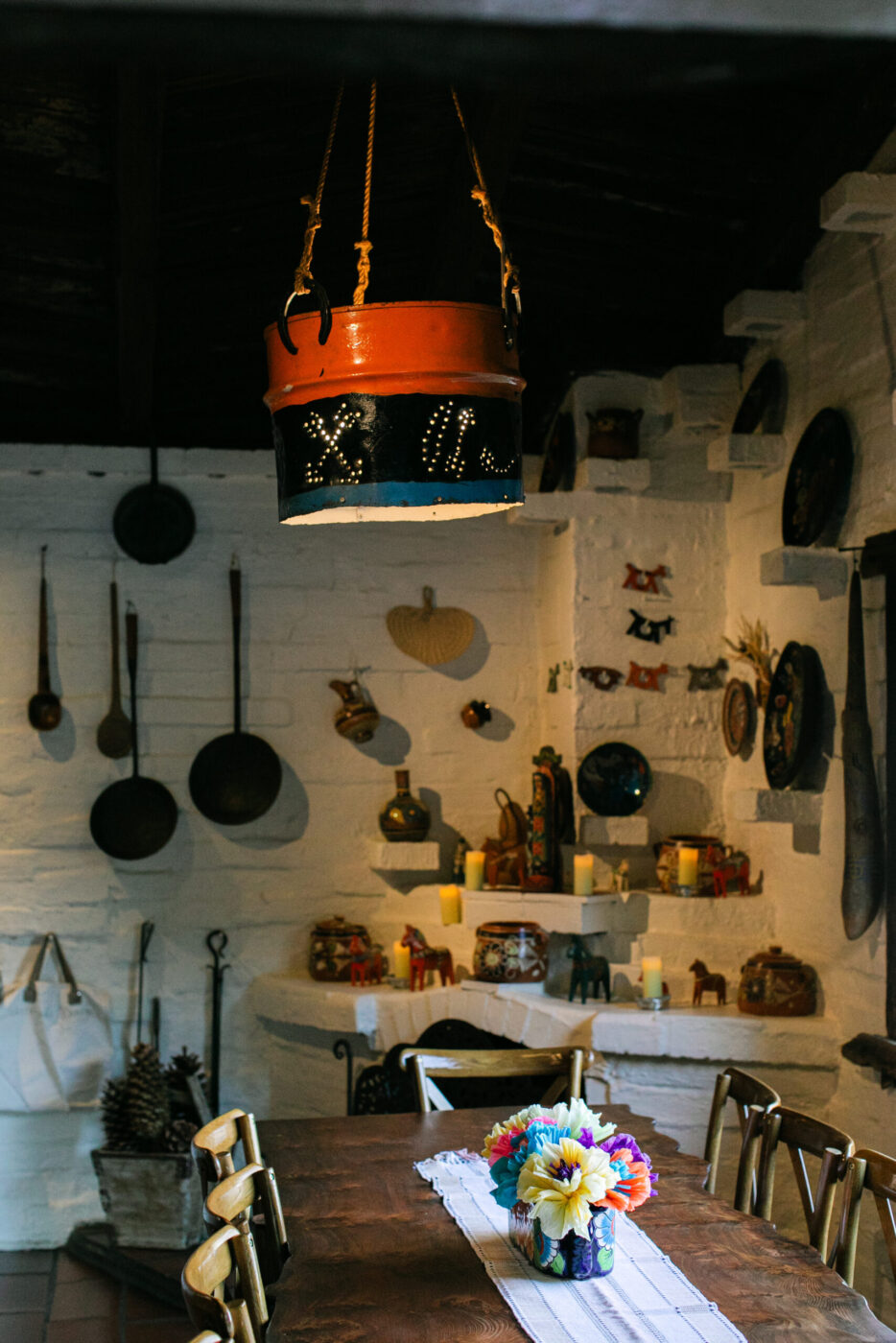
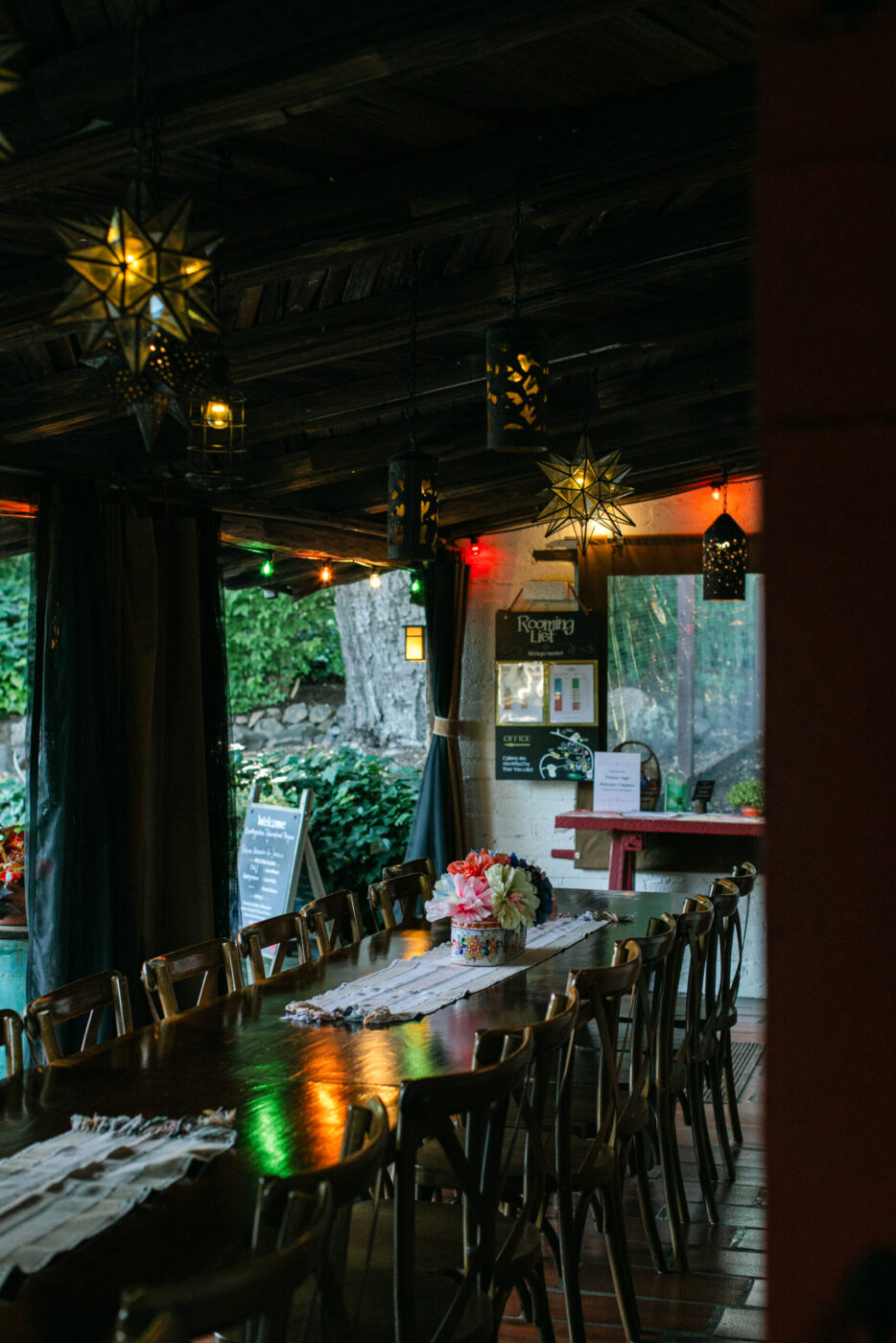
The property’s central dining room showcases Van Hoosear’s talents. The adobe walls, now painted a warm white, were made with mud from the bottom of a former reservoir on the property. His handmade fireplace still serves as a focal point, a rustic-yet-majestic construction of local stones that occupies a charming alcove they call “the walk-in.”
A walled courtyard attached to the dining room features Spanish-style rustic brick and tilework, with arched nichos framing plants and artifacts. “This kind of patina—you can’t create this stuff,” Westerbeke says, running her hand over the deeply ridged grain of a door. “There’s so much imitation around now, but this is the real deal.”
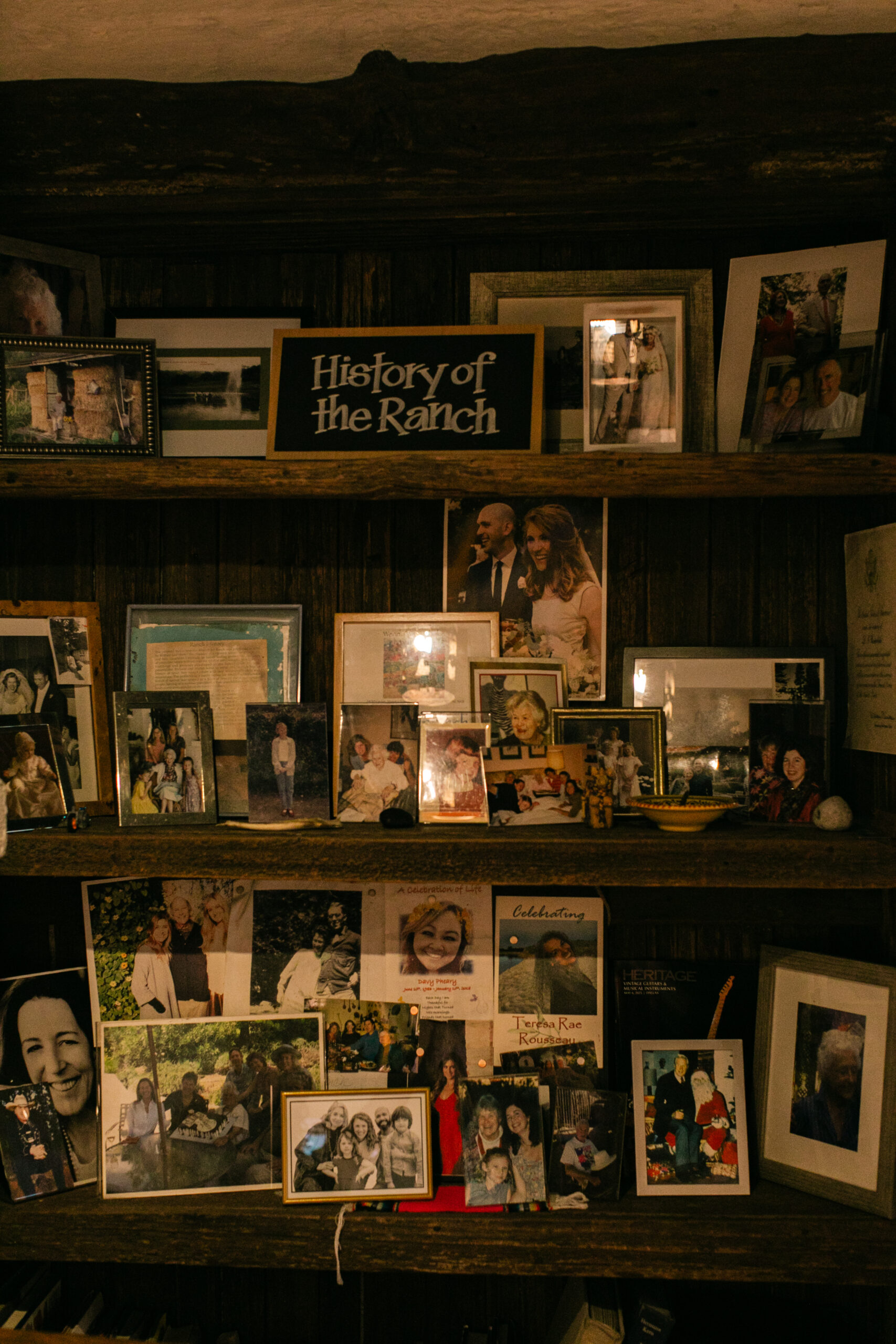
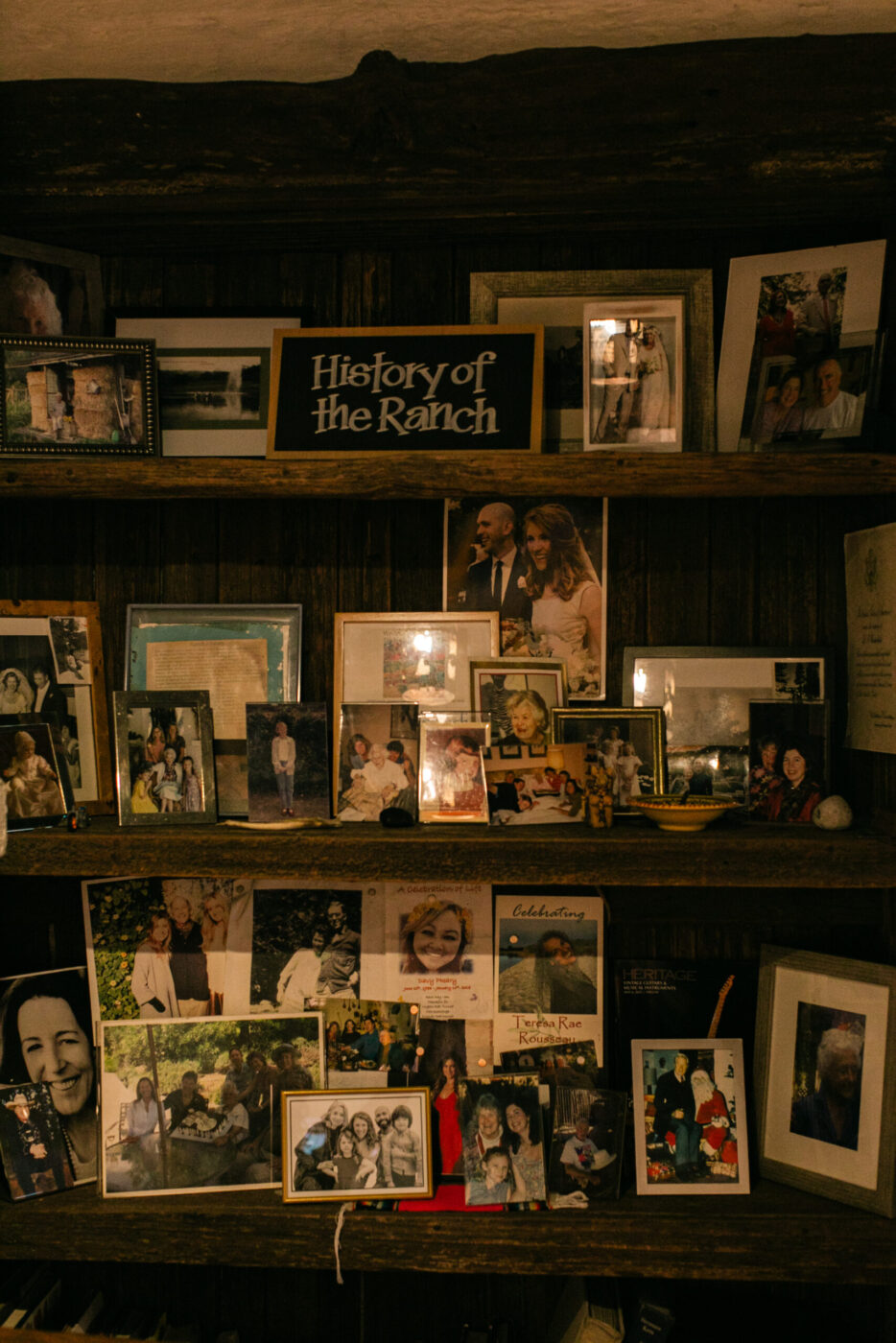
The term “real deal” could also be applied to “Grandpa Dick” himself, who appears in black-and-white photos throughout the property, along with dozens of other historical family photos. In one, he appears with wife Muriel, wearing worn chaps and Southwestern accessories, in the Tom Mix-style cowboy chic popular in early 20th-century America.
In 1936, her grandparents put in the 40-by-70-foot pool that guests use to this day. The couple raised their three daughters there, one of whom was Westerbeke’s mother, Patricia.
In the 1960s, Patricia and her husband Donald Westerbeke began hosting yoga retreats and meditations at the ranch, riding the wave of interest in alternative healing and Eastern medicine. As word-of-mouth traveled through the psychology corridors of UC Berkeley and spiritual centers such as the Esalen Institute, a who’s-who of humanist psychologists and New Age thinkers flocked to the property for community and inspiration.
When Donald suffered a pituitary gland tumor, it was an alternative healer that suggested he explore alternative therapies. He recovered, and Westerbeke’s parents became devoted to the idea that well-being is tied to state of mind, and that changing personal attitudes can actually improve health. Westerbeke herself studied psychology specializing in art therapy and, in her 20s, returned home with a vision to help her parents grow and manage the business.
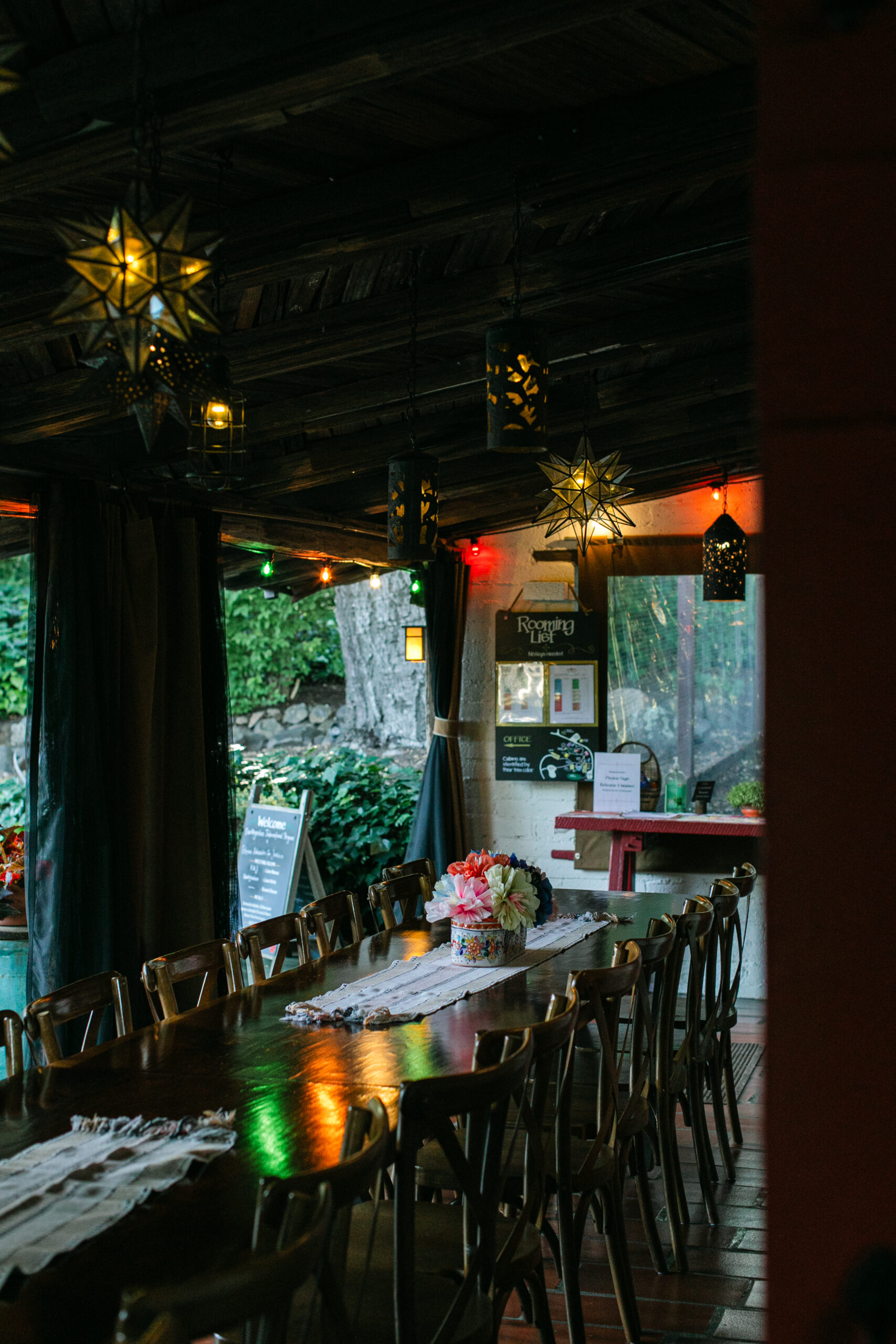
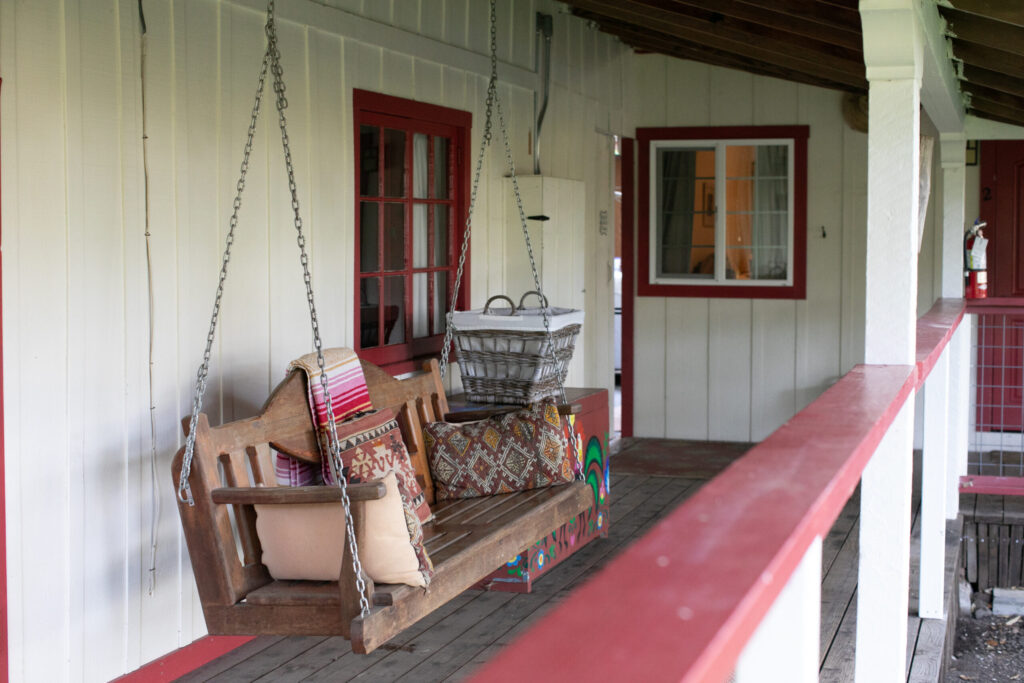
Today the property holds five charming cabins that sleep up to 48 people. With the gardens, the large dining room, and sprawling pool, it makes a popular package for weddings and family reunions.
Additionally, conference spaces offer four distinctive meeting rooms that can handle groups from 15-80 people. Westerbeke estimates 80% of her conference and retreat clientele are women—often healthcare workers, psychologists, and educators—people, she acknowledges, “who really need a break.” Others are companies seeking unity, or a fresh start. They have several repeat customers that talk about lasting bonds forged from experiences there, delightful farm-to-table meals, and memorable gatherings.
“Because it’s peaceful and has this kind of energy, remarkable things do happen here,” Westerbeke says. “I think that’s what my parents really wanted, and that’s what I want to pass down, is that this can be a respite from the world.”
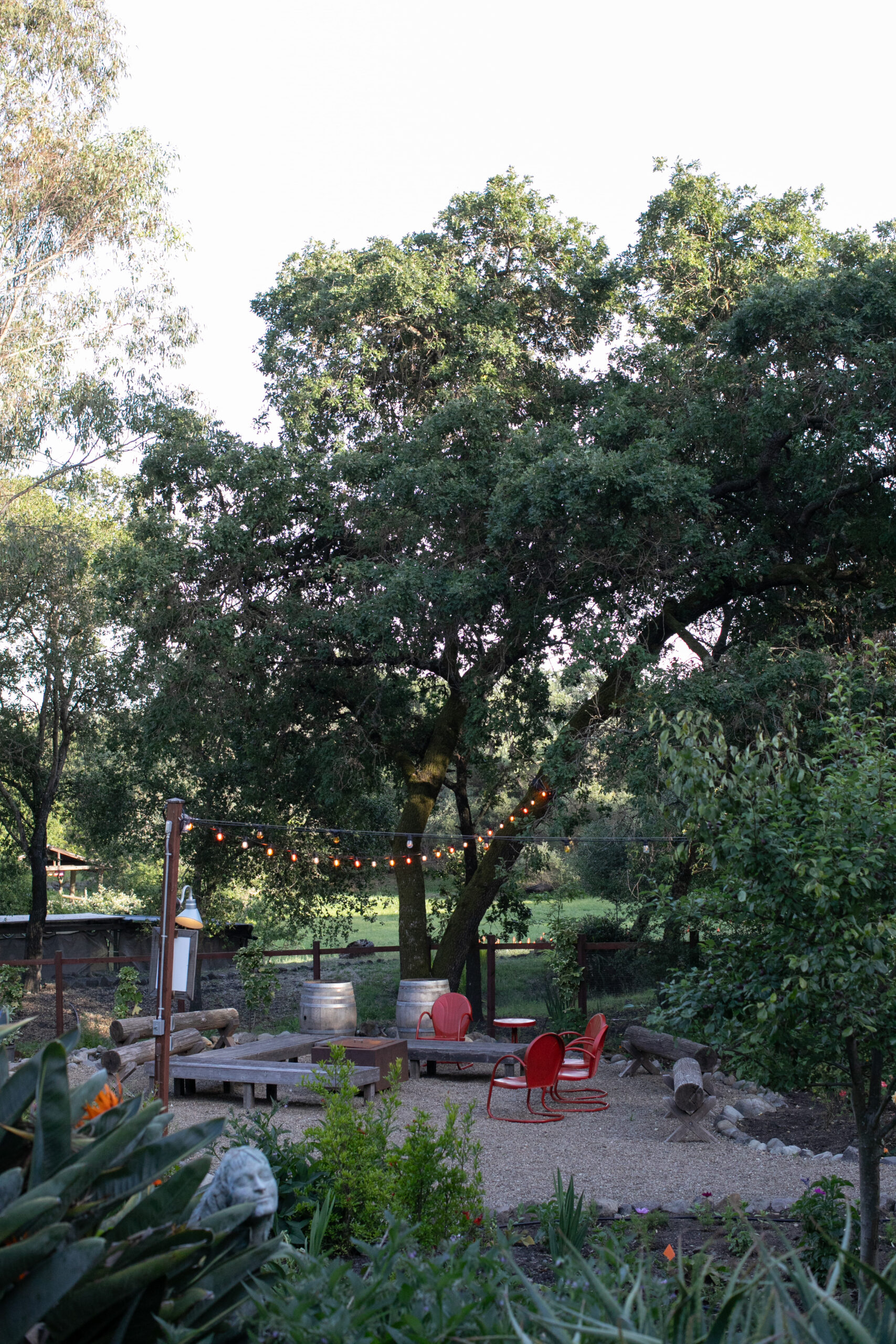
On a recent weekday morning, a group of 20 or so people studying to be personal coaches sat in a circle, attention rapt on their speaker, while a colorful luncheon of fresh salads and chicken sliders awaited in the main dining room. Later they laughed and shared stories outdoors on an adjoining sunny patio overlooking the pool and grounds.
“I think one of my favorite things about this place is people’s responses to being here,” Westerbeke says. “We have guest books going back… and it’s all these people writing about how they change their lives here. They come to workshops, and they recognize something about their patterns, and they become a completely different person because of their visit here. We’re just really the vessel for this to happen in.”
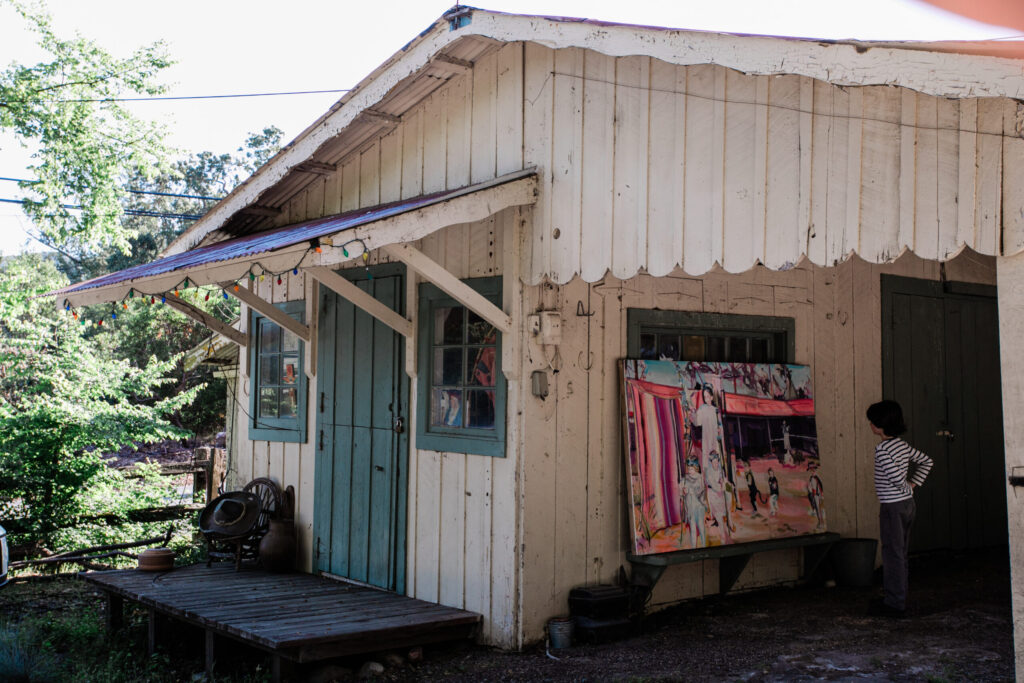
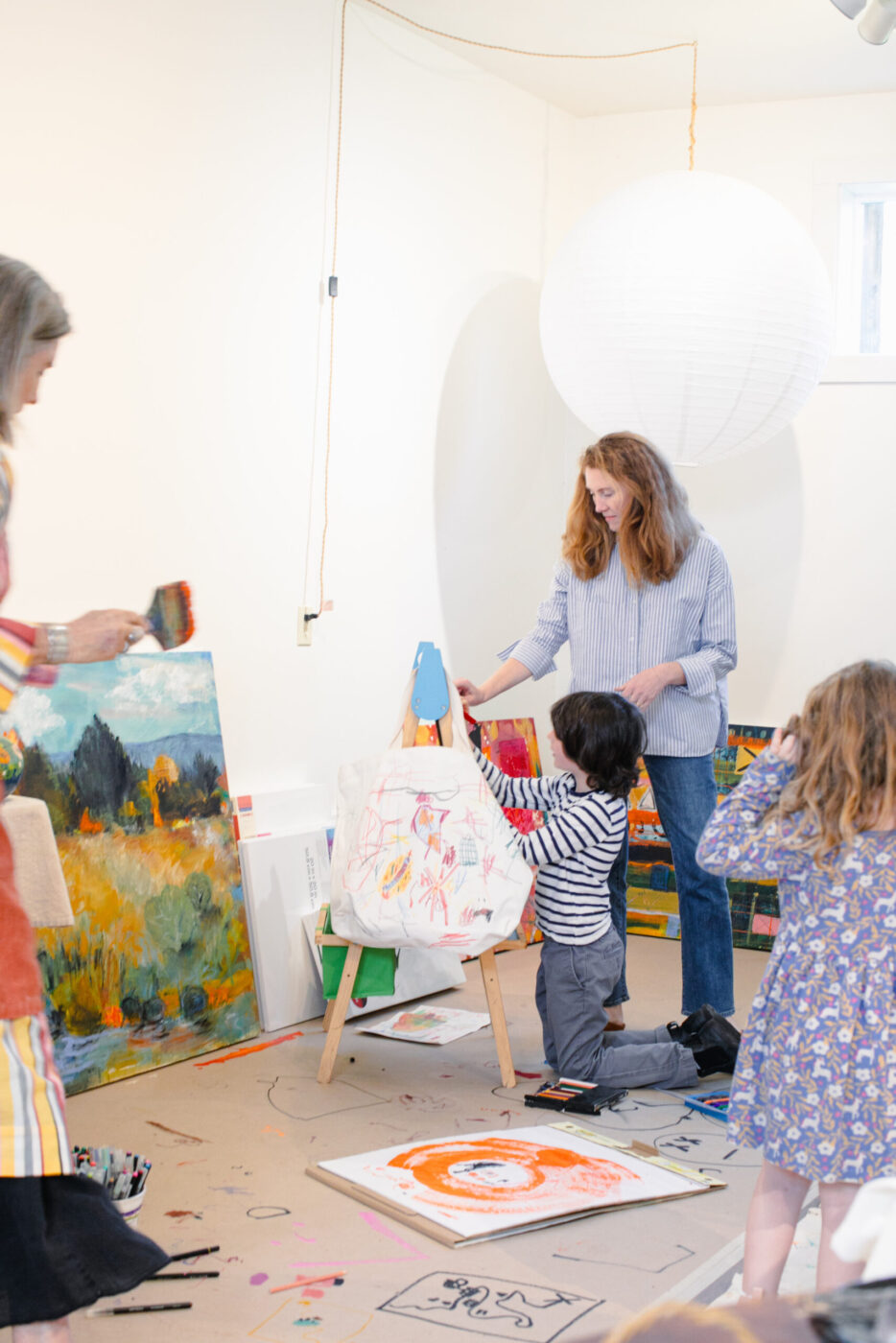
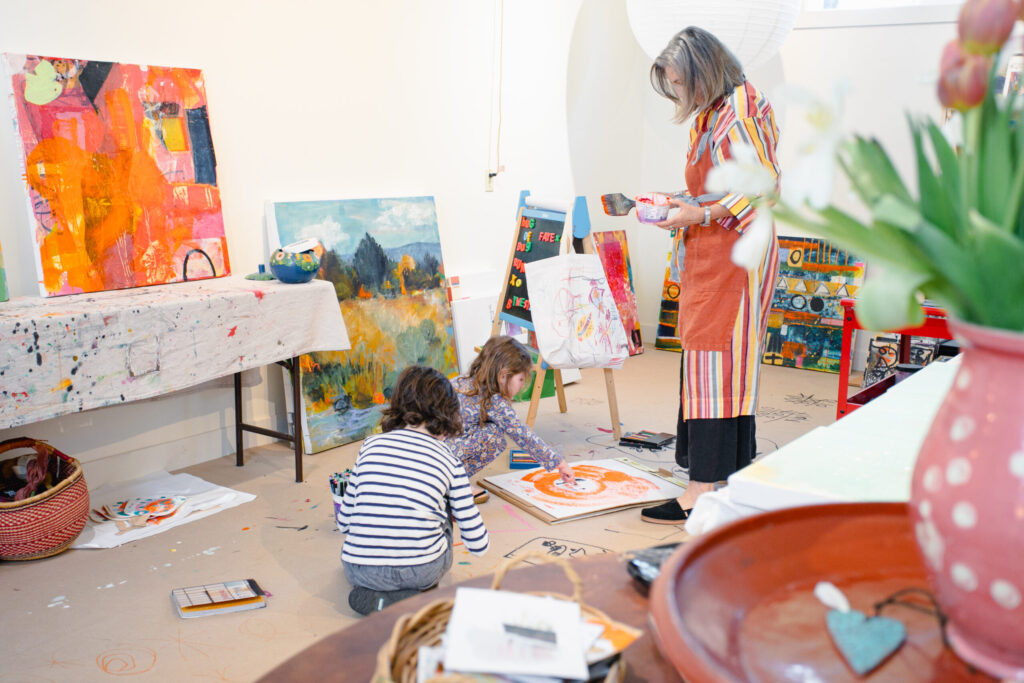
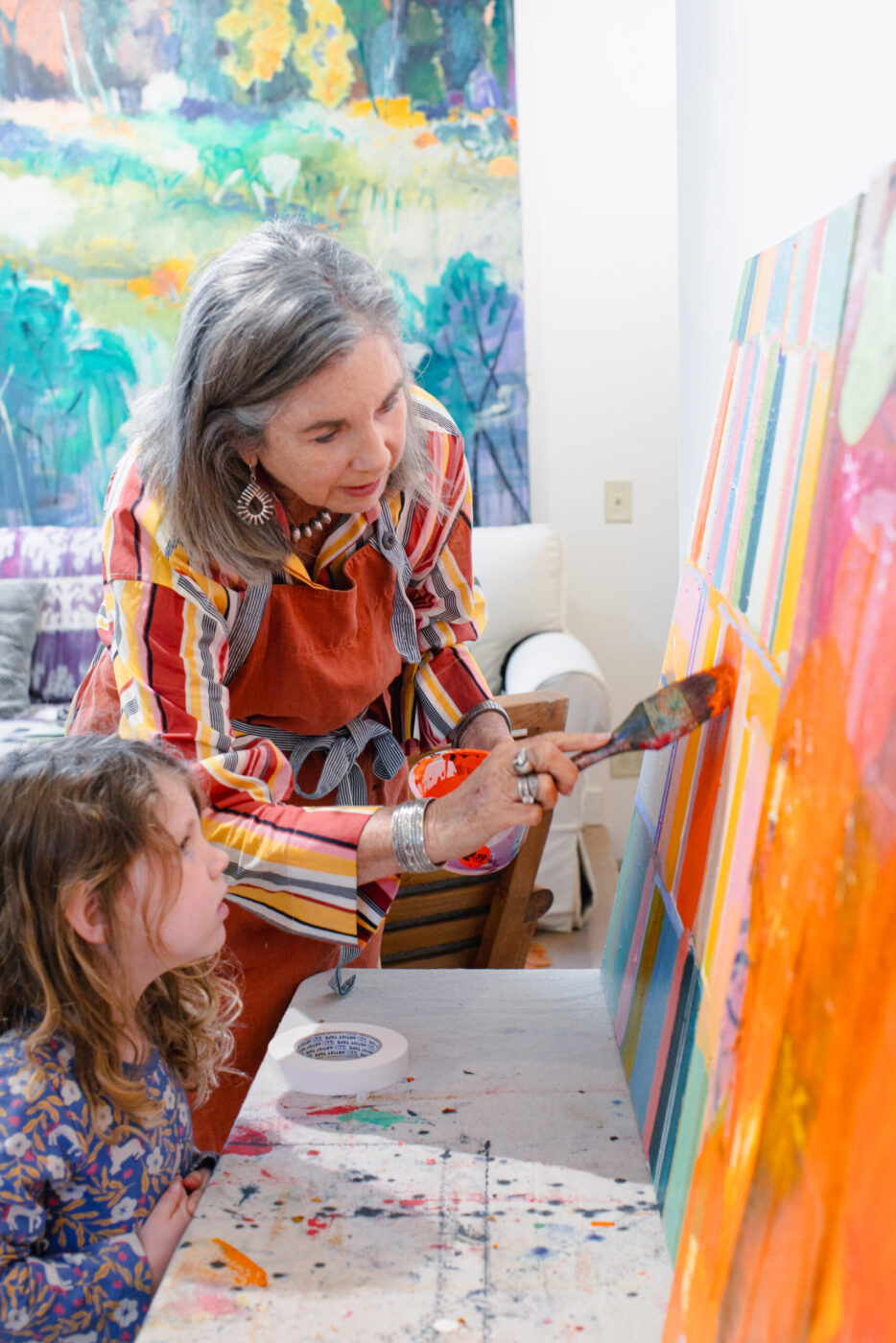
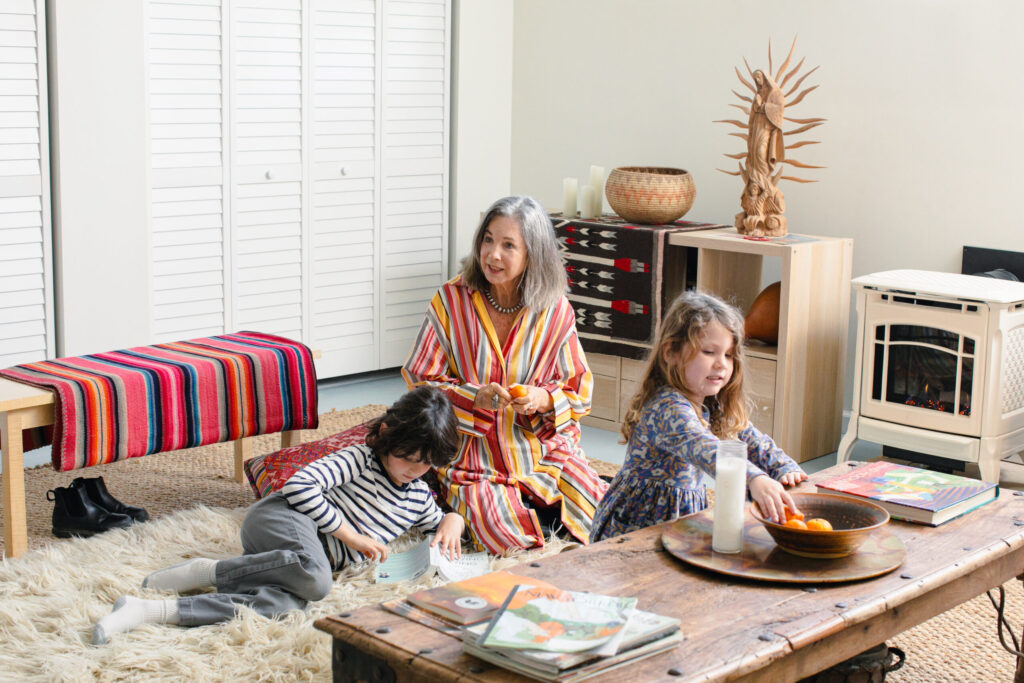
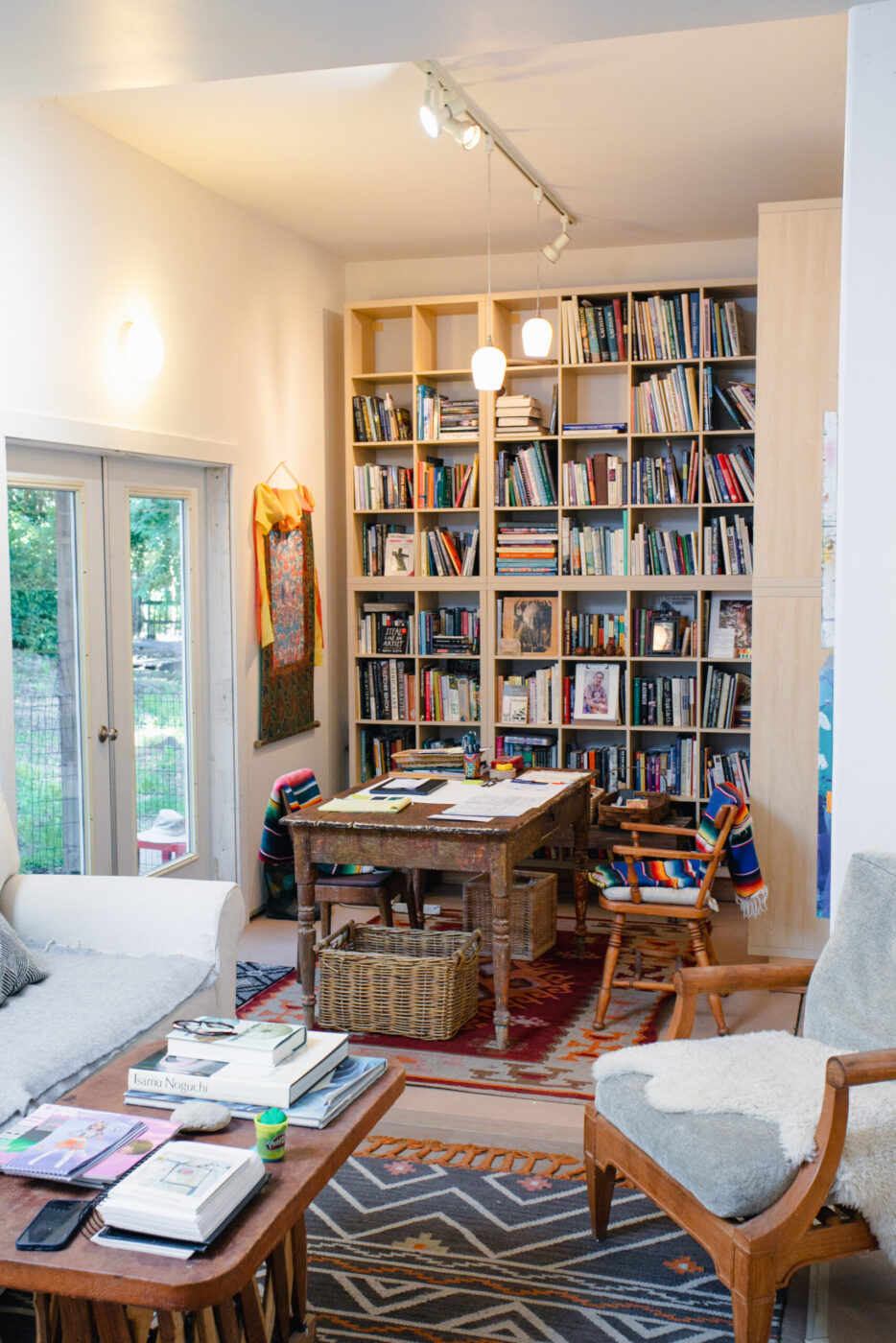
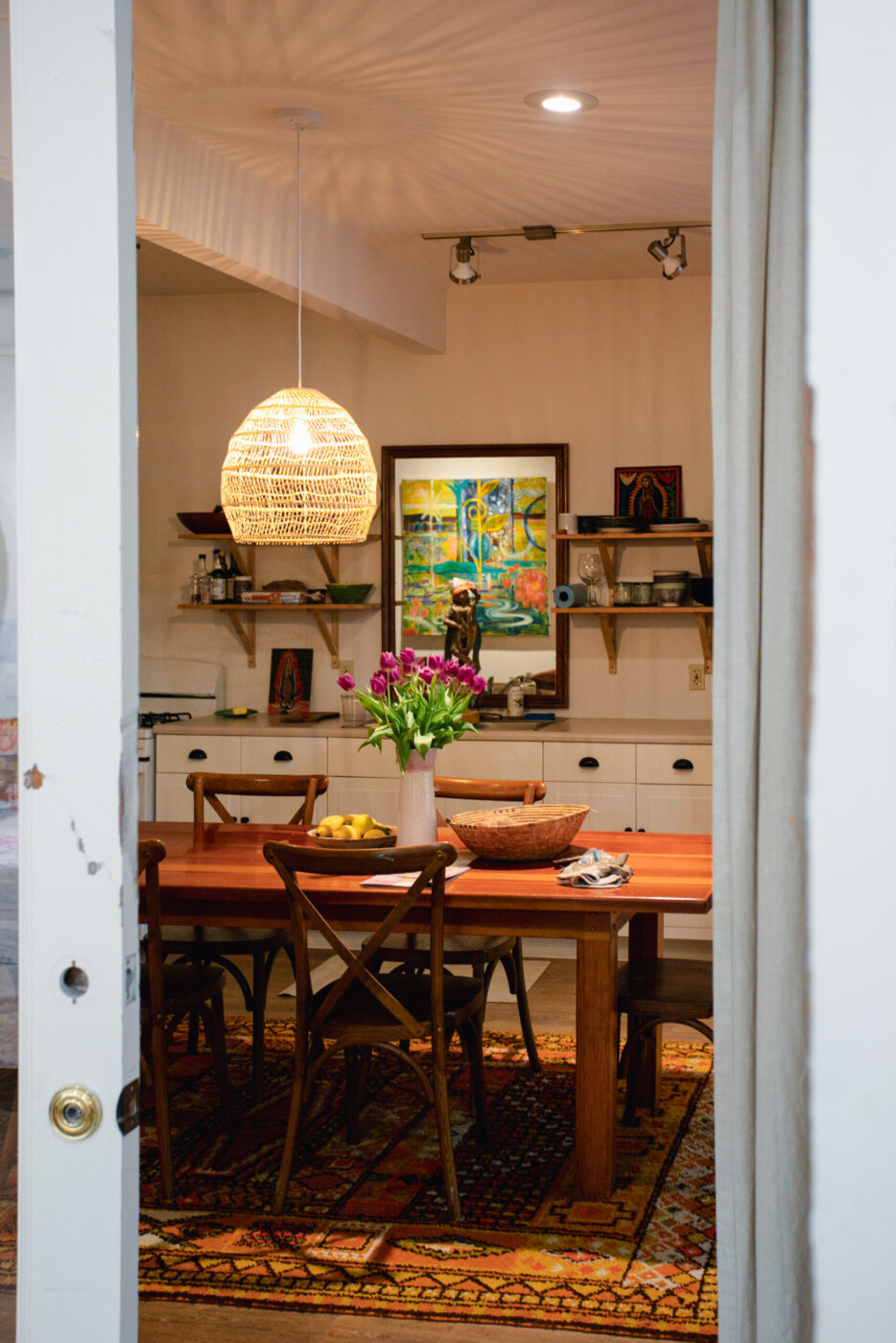
Recent additions to the property include an updated residence for Westerbeke and her husband, Ted Bucklin, after the couple decided to offer the family’s main house to her daughter’s family to live in. In her new home, Westerbeke’s vivid floral paintings adorn the walls, evoking the colorful gardens of the property itself and the 163-acre Van Hoosear Wildflower Preserve across the road, which the family still owns but has set up as an open space conservation easement managed by the Sonoma Ecology Center. The lower level serves as her painting studio, complete with her own stunning landscapes, and a special area for her to “paint with the grandchildren.”
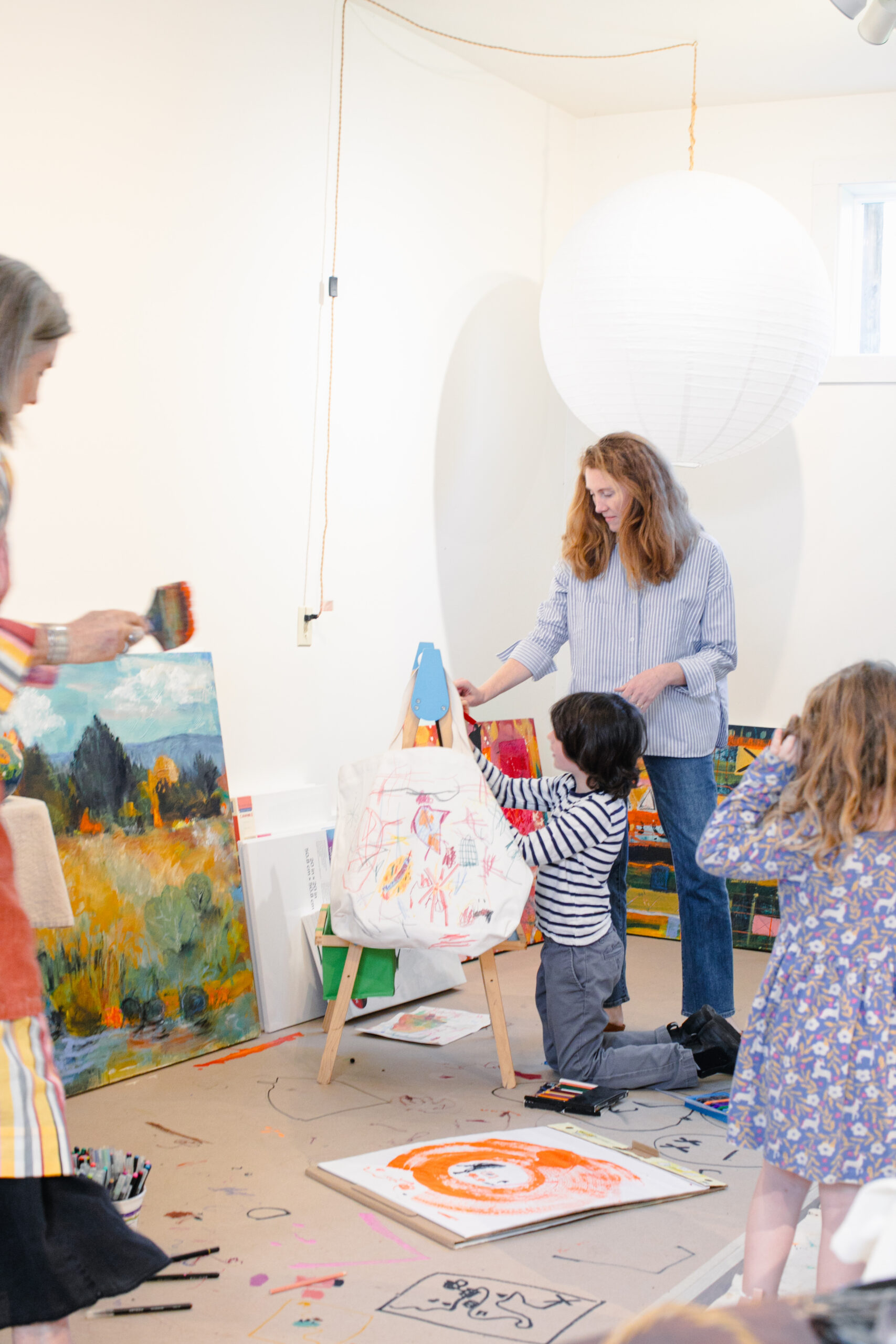
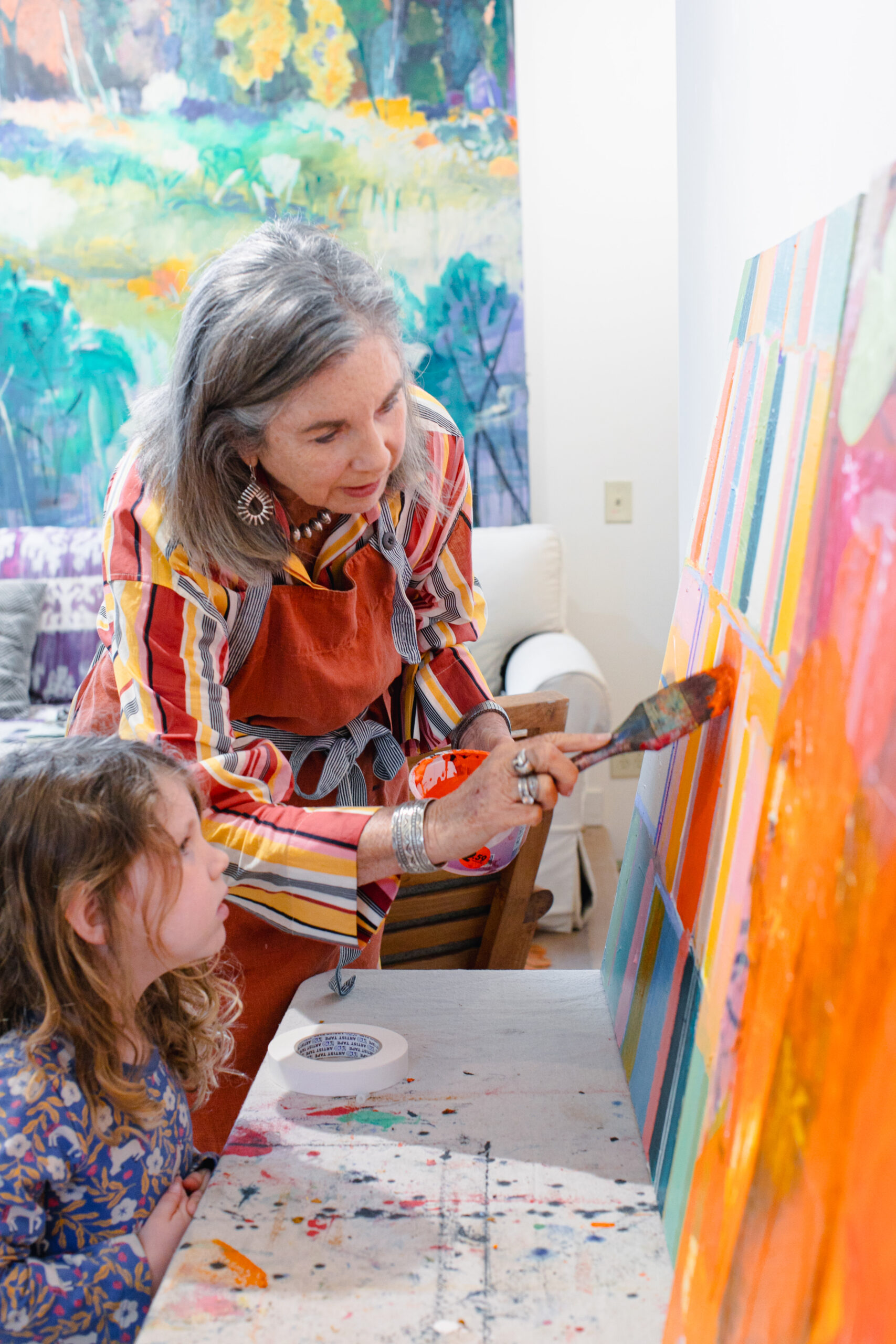
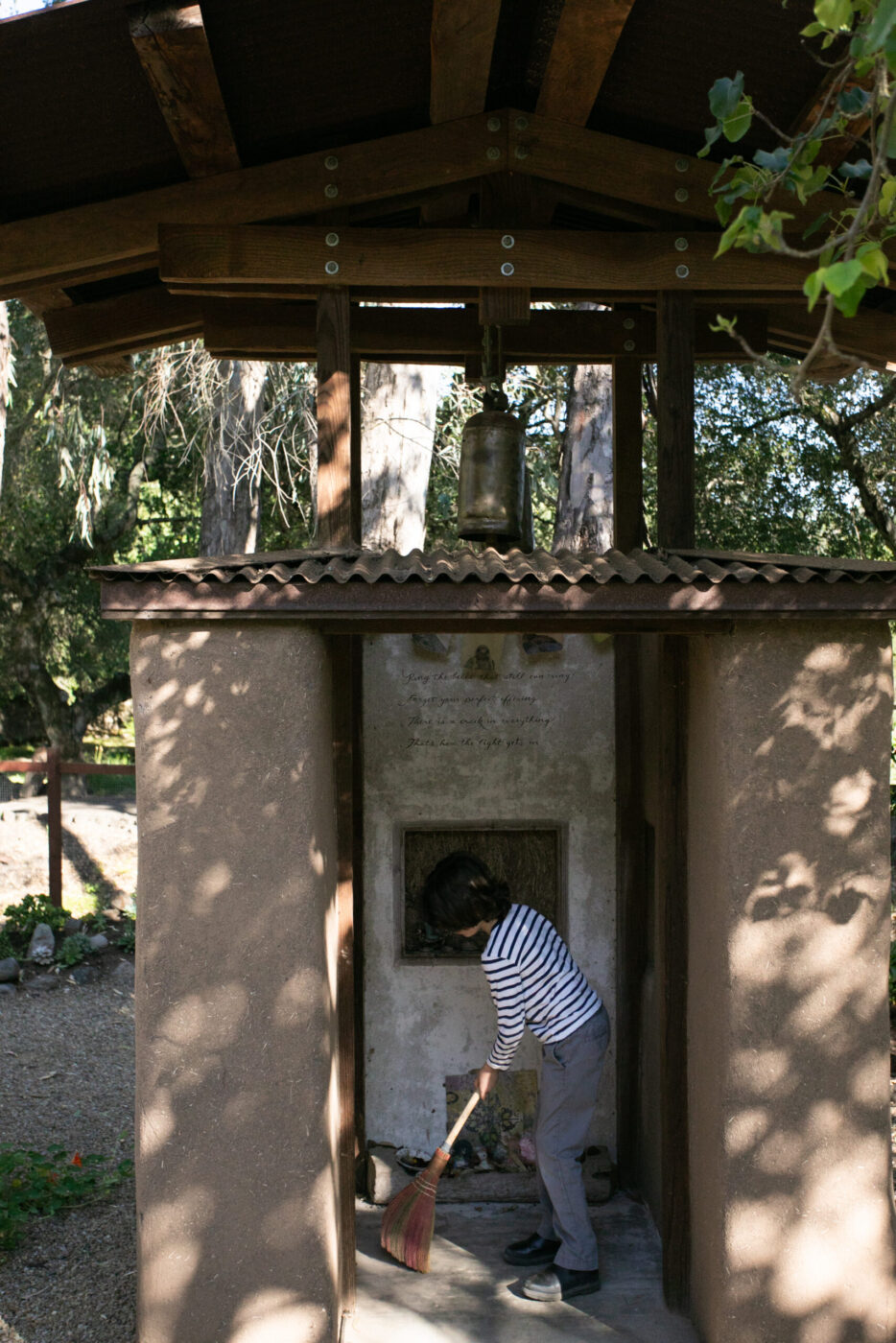
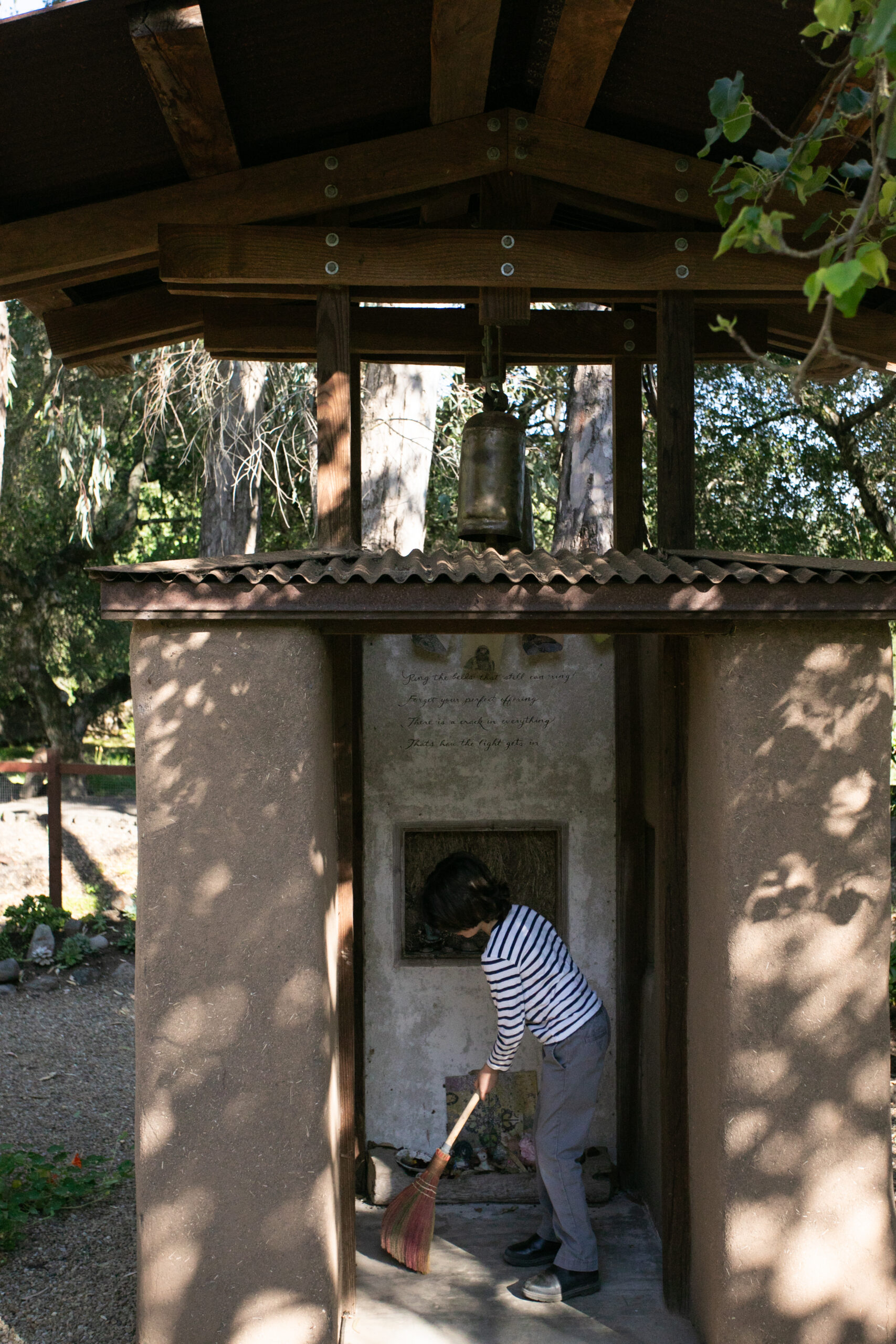
Another new addition is a tall, narrow hay-bale structure with a weathered bell and chimes that echo within its second story, creating a sound bath below. A verse from Leonard Cohen’s “Anthem” is printed on the wall:
Ring the bells that still can ring, forget your perfect offering.
There is a crack in everything. That’s how the light gets in.
The structure looks like it has been there as long as the ranch itself, a testament to the care the family puts into maintaining harmony with the property’s original design.
“A lot of our colleagues and friends are wine- and grape-oriented,” Westerbeke reflects, “And, you know, I always joke, ‘Well, we don’t grow grapes here; we grow people.’ And it’s true. You know, people come here and it’s their spirits that get touched. And it’s a different kind of nurturing, but I love that.”
Learn more about Westerbeke Ranch at thewesterbekeranch.com. Wendy Westerbeke’s art can be found at wendywesterbekeart.com.