
Beer Country: Hot Kids on the Block

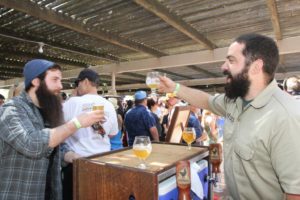
Fraser Ross pours a beer for the Friday crowd at Fogbelt Brewing Company. (Conner Jay)

Russian River, Bear Republic and Lagunitas may have put Sonoma craft brews on the map, but a new crop of up-and-comers is shaking up the local brewing scene with gutsy, adventurous offerings to quench just about any thirst.
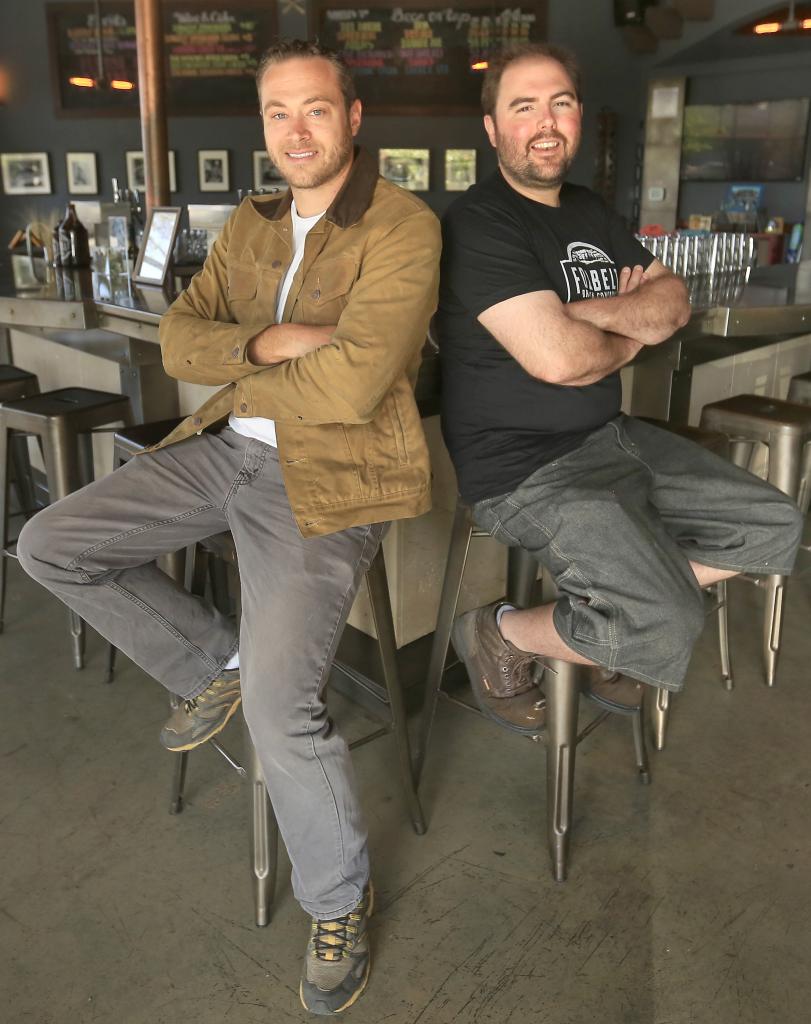
Paul Hawley, left and Remy Martin of Fogbelt Brewing. (photo by Kent Porter)

Fogbelt Brewing Co.
THE CROSSOVER
It takes a lot of beer to make great wine, or so the saying goes, and no one knows that better than Paul Hawley and Remy Martin. Martin is the son of veteran Fetzer Vineyards winemaker Dennis Martin, and Hawley’s family owns Hawley Winery in Dry Creek Valley.
After brewing at home together for more than a decade, the friends opened the Fogbelt taproom in Santa Rosa in 2013.
Their beers, named for coast redwoods, are balanced and intriguing, from the crisp atlas Blonde to The Brotherhood, a slightly sour Belgian-style dubbel aged in Zinfandel barrels, to the Dyerville Giant, a red ale infused with bourbon-soaked oak chips.
• 1305 Cleveland Ave., Santa Rosa, 707-978-3400, fogbeltbrewing.com
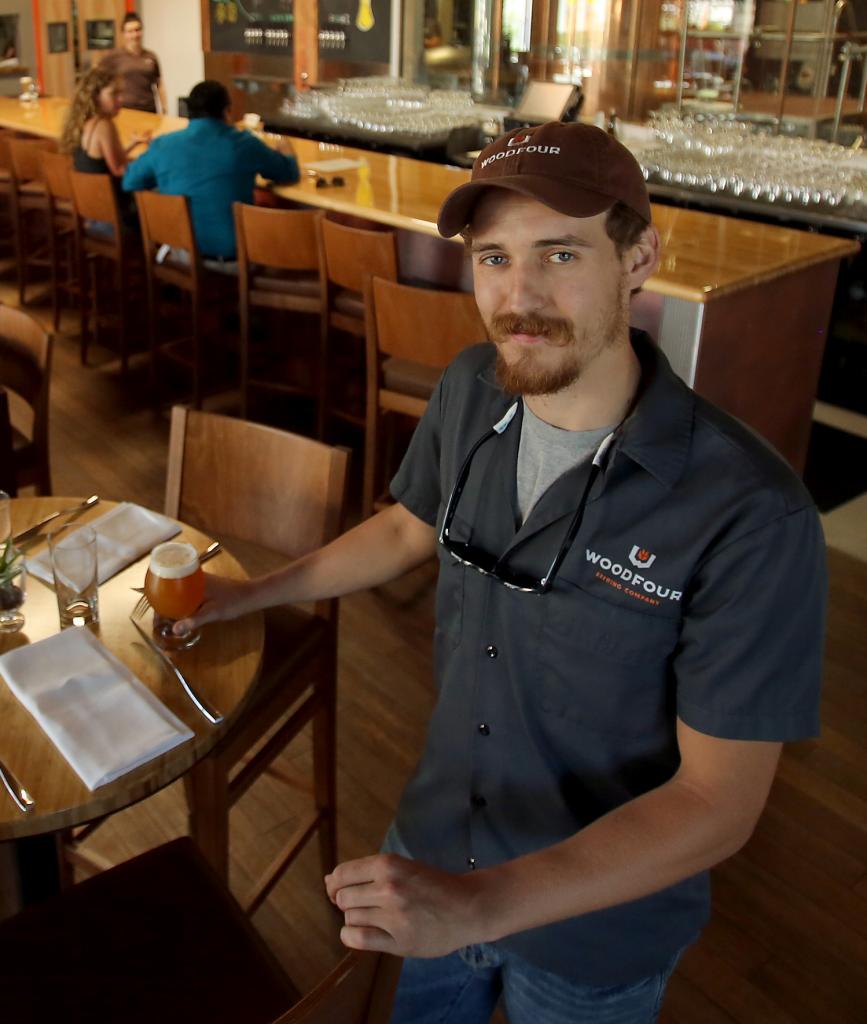
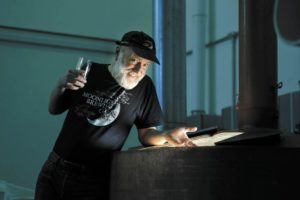
Seth Wood, co-owner at Woodfour Brewing Company in The Barlow in Sebastopol. (photo by Crista Jeremiason)

Woodfour Brewing Co.
THE TERROIRISTE
Seth Wood began brewing while attending culinary school in New York, and became so enamored with the process that he moved to Fresno to study fermentation science and enology. In 2013, he opened the Woodfour brewery and restaurant in Sebastopol, with partner Olav Vier.
Wood brings his culinary and winemaking experience into the brewery, creating food-compatible beers that express a sense of place through hyper-local ingredients and native fermentations.
Woodfour’s beer menu includes a range of styles, from the funky-fruity Sour Farmhouse ale to Coffee and Pie, a rich, dark ale made with Taylor Maid Farms espresso and Sebastopol blackberries.
• 6780 Depot St., the Barlow Center, Sebastopol, 707-823-3144, woodfourbrewing.com
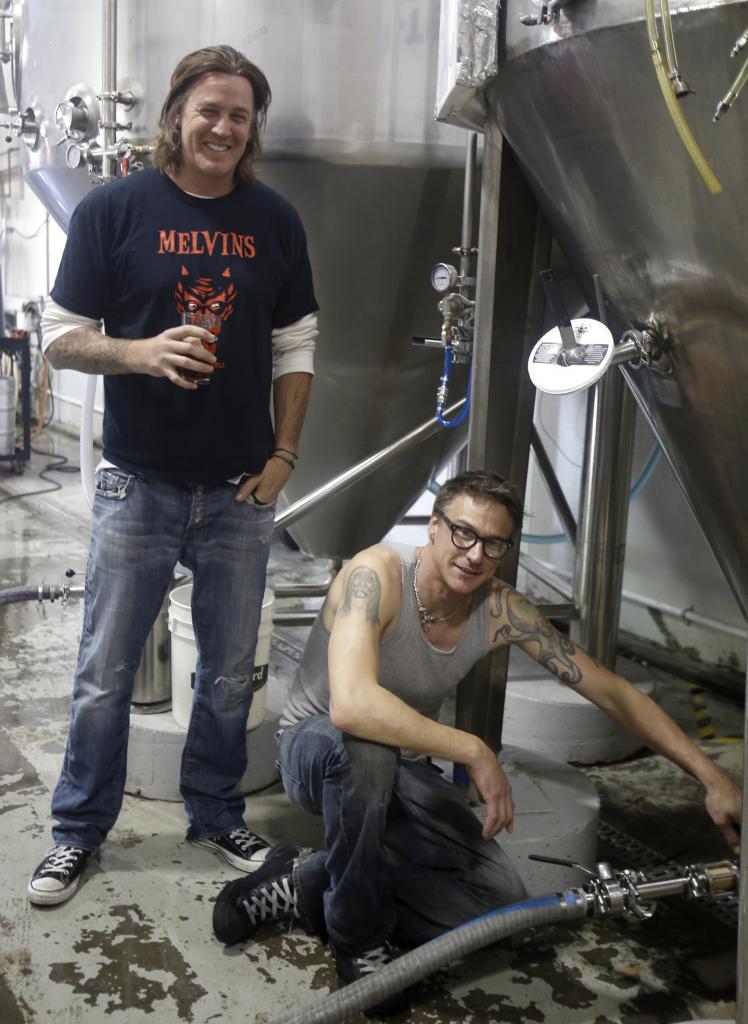
Brothers and co-owners Jake, left, and Joel Johnson at 101 North Brewing Company in Petaluma. Not shown, John Lilienthal. (photo by Beth Schlanker)

101 North Brewing Co.
THE INTERPRETER
Like most craft beermakers, Joel Johnson was a home brewer who dreamed of going pro. He landed his first brewing gig in 1998, at Healdsburg’s Bear Republic Brewing Co., and went on to become its head brewer.
After a few false starts, Johnson launched Petaluma’s 101 North Brewing Co. in 2012 with his brothers, Jake and Joey, along with lifelong friends John Brainin, John Lilienthal and Anthony Turner.
101 North’s brews are full-flavored and high in alcohol, yet expertly balanced. Its full-throttle interpretations of traditional beer styles include the amber-colored Heroine IPA, the malt-forward Stigmata American Red Rye and the unfiltered naughty Aud Imperial Stout. 101 North hopes to open a taproom sometime this summer.
• 707-778-8384, 101northbeer.com
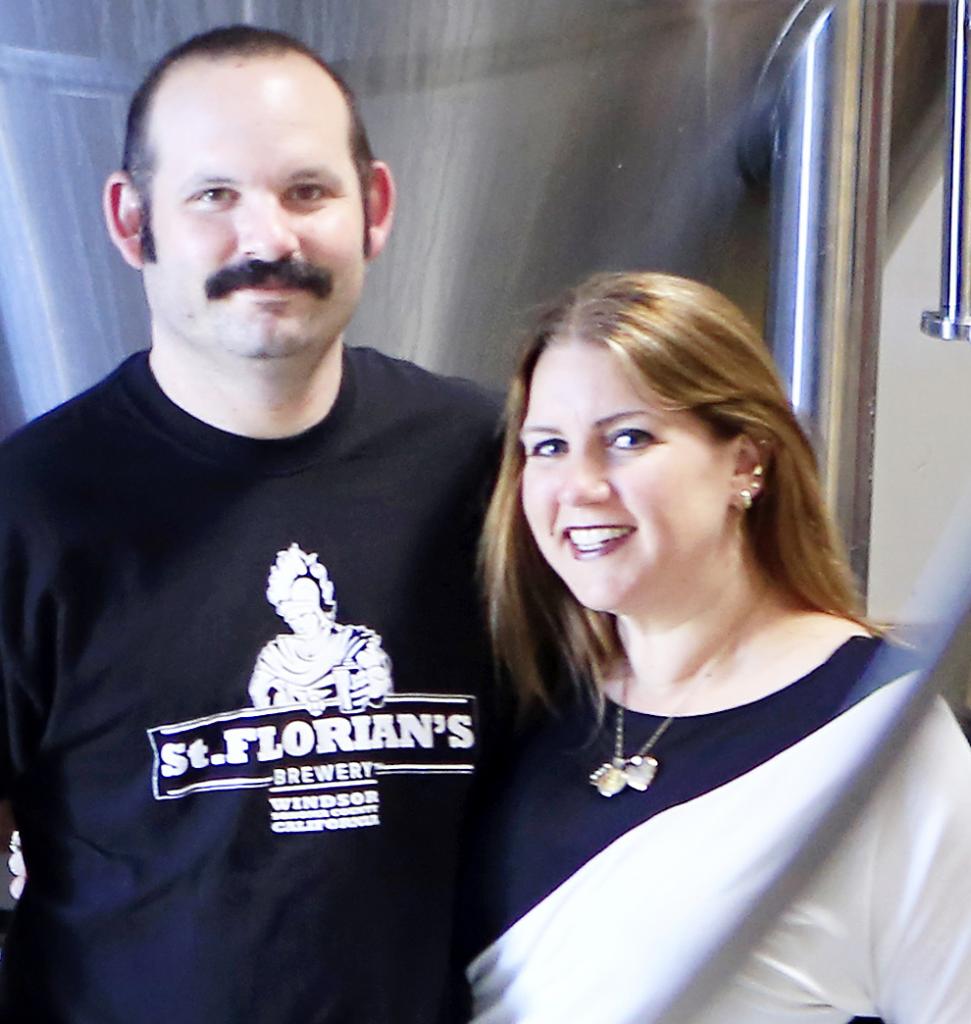
Husband and wife owners Aron and Amy Levine at St. Florian's Brewery (photo by Conner Jay)
Husband and wife owners Aron and Amy Levine at St. Florian’s Brewery (photo by Conner Jay)

St. Florian’s Brewery
THE HERO
Rather than turning heads with experimental brews, St. Florian’s has attracted an enthusiastic following with delicious traditional-style beers. The Windsor brewery and taproom, named for the patron saint of firefighters, was launched in 2013 by Windsor fire captain and home brewer Aron Levin, with his wife, Amy.
California Common, St. Florian’s flagship beer, is a steam lager that’s clean and refreshing, with a malty body and caramel notes. The brewery also makes a flavorful brown ale and two excellent IPAs: Flashover American and Belgian Style Flashover.
Along with producing heroically good beer, the Levins donate 5 percent of the brewery’s profits to fire-related and community-based charities.
• 7704-A Bell Road, Windsor, 707-838-2739, stfloriansbrewery.com
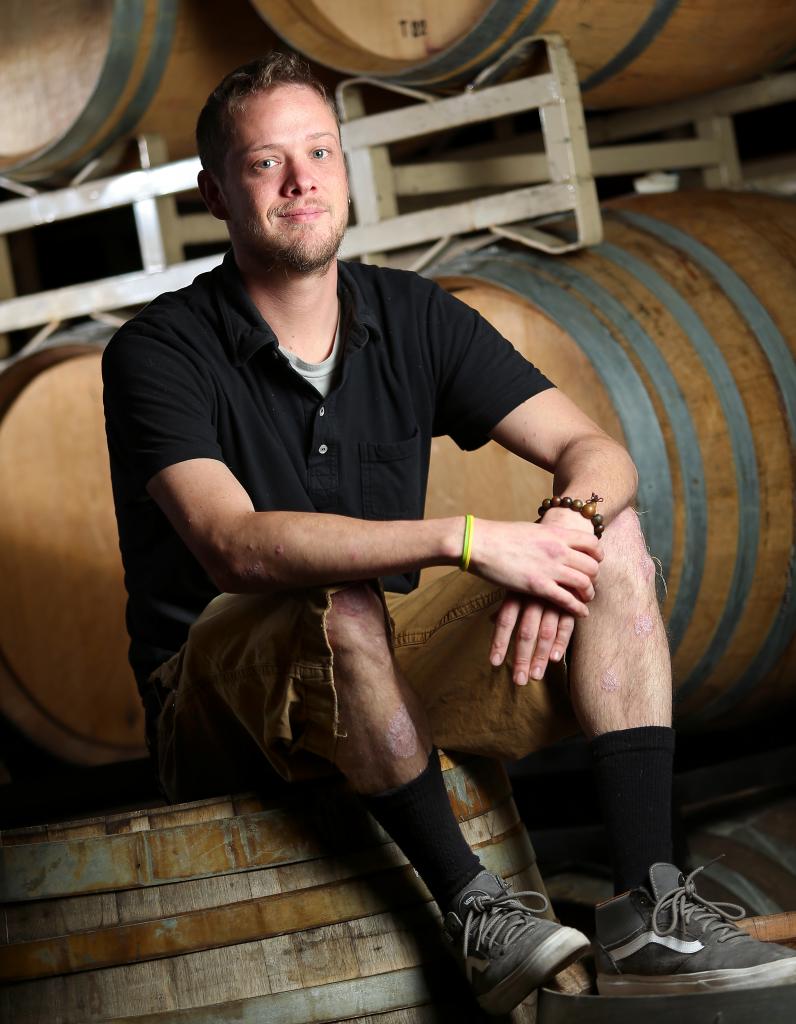
Steve Doty at Shady Oak Barrel House. (photo by Christopher Chung)

Shady Oak Barrel House
THE OUTLIER
If you’re looking for a West Coast-style IPA or British Porter, Shady Oak Barrel House is not for you.
Steve Doty, a former winery lab technician who launched Shady Oak in 2014, has a love of brewing on the fringe and a deep fascination with Brettanomyces, a wild yeast that brings a magical sort of funk to beer.
Shady Oak’s Bokonon farmhouse ale is a dry, tart celebration of “Brett.” Most of the Santa Rosa brewery’s offerings are similarly sour, barrel-aged and encouraged to undergo a secondary fermentation in the bottle for added complexity.
• 707-595-8958, shadyoakbarrelhouse.com (not open to the public)
Beer County: Beer Fanatic

Bartender Nate Hanes serves up the best beers the Fenn brothers can find at Beer Craft in Rohnert Park. (Photo by John Burgess)

Every single day, rain or shine, J.T. Fenn finds a new beer he’s absolutely in love with. Some, of course, become more lasting relationships. Others are passing dalliances, but each gets a pin-up shot on his Facebook page nonetheless.

In Sonoma, hops don’t necessarily take a back seat to grapes. Clubby gathering spots like Fenn’s BeerCraft in Rohnert Park and Rincon Valley Tap Room & Bottle Shop in Santa Rosa are beer meccas, stores that stock a broad range of craft beers. Their taprooms are places to geek out about artisanal hops, sour ales and the latest micro- micro-brewery, and coveted brews are snapped up faster than you can say, “Pour me another.”

Fenn recently scored a few bottles of Lagunitas Brewing Co. High Westified Imperial Coffee Stout. Made with local coffee and aged in whiskey barrels, it’s much coveted. ”Limited, hurry!” Fenn posted on his Facebook page, creating some additional urgency. With more than 11,000 social media fans, Fenn’s page is an immediate link to current finds, the store’s 14 taps and current beer community riffs.

In Santa Rosa, Michael Scalet, co-owner of Rincon Valley Tap Room & Bottle Shop, susses out the latest and greatest craft brews from far and wide for his Wednesday Night Flights, with five different brews served each week. Throughout the week (the taproom is closed on Mondays) there’s live music, trivia and a rotating lineup of more than a dozen taps, ranging from stouts to saisons. Scalet also offers small-batch wines at the shop.

BeerCraft and Rincon Valley Tap Room & Bottle Shop both have monthly memberships that include hard-to-find brews and limited allocations. Membership does have its privileges.


Beer Country: Sticky Fingers

(Sonoma County Museum)

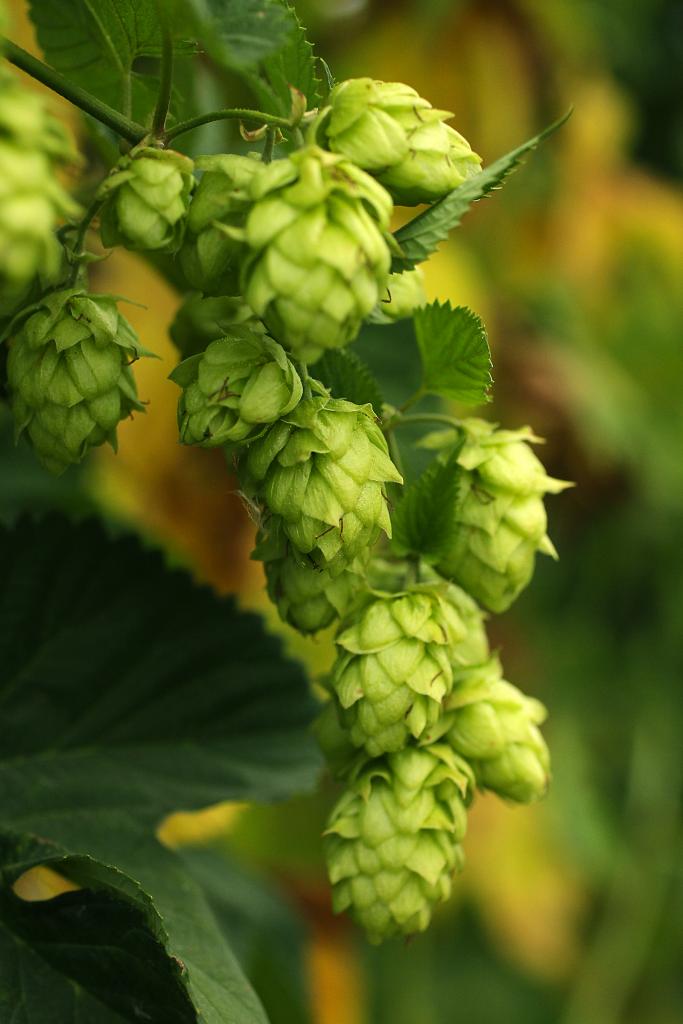
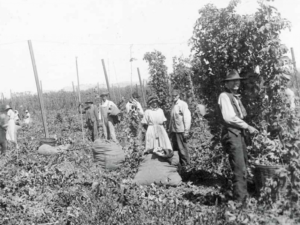
These resinous flowers that give beer its bite were planted along the Russian River, on land now largely devoted to Chardonnay and pinot noir. Until it collapsed in the early 1950s, the hop industry had a century-long run, earning Sonoma the title “Hop Capital of America.”

“In the summers, before I was 12, I picked hops,” recalled Joe Rochioli Jr., 81, owner of Rochioli Vineyards on Westside Road near Healdsburg. “I hated it. Picking hops is the most tedious thing there is. You pick every little berry off and try not to get leaves in it. My mother wanted us to pick 100 pounds a day.”

The vines were trained on 10-foot-high poles, and later on trellis wires between the poles. When the hop buds (also called berries) were ripe, in late August or early September, the cluster-laden vines were cut from the poles and the flowers plucked from the vines. It was itchy, sticky work, as the resin from the hops stuck like glue to the hands, arms, face and clothing.

(photo by John Burgess)

The fresh hops were dried in kilns, pressed and bagged for shipment to breweries across the country. During Prohibition, growers found a lucrative market in Europe, where crop failures had brewers begging for the bitter buds. Hop kilns dotted the Russian River Valley landscape, none more prominently than the Walters Ranch hop kiln, built in 1905 and now home to Hop Kiln Winery.

One purchaser of Sonoma hops was Grace Brothers Brewing, founded in 1897 by Frank and Joseph Grace. They acquired the Metzger brewery, near what is now Railroad Square in Santa Rosa, and after a fire, rebuilt the brewery. It survived through Prohibition, with several closings and reopenings, shuttering for good in 1966. At the peak of production in the 1930s, according to Santa Rosa historian Gaye LeBaron, Grace made one of the top three beers in California, along with Acme in San Francisco and Buffalo Brewing Co. in Sacramento. Today the Hyatt Vineyard Creek Hotel occupies the former Grace Brothers site.

The Sonoma hop market bottomed out in the mid-1950s, attributed to the fading American taste for bitter beers, diseased vines, less expensive mechanized farming in Sacramento, Oregon and Washington state, a booming apple and prune business, and the post-Prohibition resurrection of grape growing.

Still, a few hop plots remain, including Moonlight Brewing owner Brian Hunt’s quarter- acre patch in Fulton, and the Sonoma County Historical Society’s planting next to Hopkins River Ranch in Healdsburg. The hop industry has faded in Sonoma, yet the region’s brewing future appears to be limitless.

Beer Country: Richard Norgrove Jr., Bear Republic Brewing Co.

Richard Norgrove Jr., of Bear Republic Brewing. (photo by Chris Hardy)

Of all the Sonoma brewers, no one can stake a claim to “Renaissance man” quite like Richard Norgrove Jr. at the Bear Republic Brewing Co.

His resumé: U.S. Army veteran, firefighter, race car driver, bike builder, graphic designer (creator of all the Bear labels), Healdsburg Parks and Recreation commissioner, Little League coach and, in his free time, brewmaster.

“Today they might diagnose a kid like that as having ADHD, but back then they just called you ‘hyperactive,’ ” he said.

“I guess if I wasn’t doing all this, I’d go crazy. I just have to be going 110 mph.”

Back in 1995, when he and his father, CEO Richard Norgrove Sr., founded Bear Republic Brewing and Restaurant with $1 million, “Ricardo” had already paid his dues as an amateur home brewer and builder of custom home-brew kits for sale at The Beverage People in Santa Rosa. He used his welding experience with Salsa Cycles to construct the brewery. He had also taken classes in the brewing program at Seibel Institute of Technology in Chicago and apprenticed for free with Brandon Moylan at Moylan’s Brewing in Marin.

Norgrove, 46, still laughs at how he stumbled onto the Bear’s flagship Racer 5 India Pale ale), which today accounts for more than 80 percent of sales.

“It came out of a mistake,” he said. In 1998, when he was the solo brewer and working on a batch of the house pale ale, he accidentally threw in the hops for Red Rocket IPA. “All of a sudden you’ve got something that’s crazily unbalanced. But I made a rule with myself years ago that I would call it what it is. So we put it out to the public as Springtime Strong ale and about five versions later, it became Racer 5.”

Bear Republic would eventually expand with distribution in 35 states. But over the past four years, the company has scaled back to 22 states, producing around 70,000 barrels annually. Now, with 14 brewers underneath him, Ricardo is more interested in the motto, “Let’s be stronger in our backyard.”

Outgrowing the brewpub in Healdsburg six years ago, the Norgroves opened an additional production facility in Cloverdale.

“We’re not the little fish anymore and we’re not the big fish. We’re in the middle, so we’re getting eaten from both sides,” Norgrove Jr. said. “The little guys are eating at us and the big guys are chomping on us. So my long-term goal has always been to be that brewery that when somebody thinks of Sonoma County long term, they think of that family brewery as Bear Republic.”

Beer Country: Know the Lingo

Feeling left out, or worse, ostracized, when those around you are talking beer smack? Here’s the lingo that will earn you some beer street cred.

ABV: Alcohol by volume, shown on a beer’s label. Budweiser is 5 percent abv, Russian River Brewing’s Pliny the Elder is 8 percent, and Pliny the Younger is 11 percent. The higher the number, the more potent the beer. Pace yourself.

ALCOHOL ABUSE: Spilling beer

BITCH SLAP: Mixing a six-pack in a store.

BOMBER: 22-ounce beer bottle

BOTTLE CONDITIONED: An ale that continues to ferment after bottling, adding to the carbonation. Think Champagne.

CHURCH KEY: Bottle opener

CICERONE: The beer equivalent of a wine sommelier; a person with certified expertise in beer and the serving of it.

DEAD SOLDIERS: Empty beer bottles.

DONG: Draft Only, No Growlers

FOUR C’S: The Pacific Northwest hops varieties Cascade, Centennial, Chinook and Columbus, grown on a large scale for craft brewers with flavors that tend to be aggressively bitter and with grapefruit, pine resin and/ or floral notes. If you know Sierra Nevada Pale Ale, you know Cascade hops.

FRESH HOP: Most hops are dried after picking, making for better storage and transportation. Fresh- hopped beers use the cones soon after they’ve been picked, and are said to have more flavor.

GROWLER: A jug or other glass container meant to be refilled at brewpubs and taken home. Beer to go.

HANG: Lingering bitterness on the finish.

HEAD RETENTION: The stability of a beer’s foam, as measured in seconds, by the time required for a 1-inch foam layer to collapse.

HUMULUS LUPULUS: Scientific name for hops, the flowers of vines that give beer its bitter aroma and flavor. There are more than 100 hops varieties in the world.

IBU: International Bittering Units. The higher the number, the more bitter the beer. Light lagers typically have 5-10 IBUs; India Pale Ales can have IBUs up to 70.

LACE: The lacelike pattern of foam sticking to the sides of a glass of beer.

LAWNMOWER BEER: Thirst-quenching suds gulped after strenuous physical activity. It doesn’t necessarily have any flavor.

LUPULIN THRESHOLD SHIFT: An inside joke at Russian River Brewing Co., for when one drinks so much hoppy beer the hops no longer taste bitter.

MACRO BEER: Fizzy yellow water produced in a large, corporate beer factory, usually delivered by Clydesdale horses.

NOBLE HOPS: The traditional European hop varieties prized for their low bitterness and clas- sic flavors and aromas, typically earthy, mossy or herbal flavor notes. If you know nothing else about hops, memorize Tettnang, Hallertau, Spalt and Saaz. Bonus points if you refer to the East Kent Golding variety as “EKG.”

SESSION BEER: One that is light enough in body and alcohol that several can be consumed in one sitting.

SKUNKED: A stale, funky-smelling and -tasting beer, usually found in clear bottles that have been exposed to ultraviolet or fluorescent light.

WEST COAST IPA: A style that originated in San Diego and is popular along the West Coast; highly hopped and with big, bold, bitter flavors.

WOUNDED SOLDIERS: Partially full, abandoned beer bottles.

Oysterpalooza!

oyterpalooza_web3
It’s time for Oysterpalooza!
And that means cracking open Memorial Day weekend with a rocking and slurping good time at Rocker Oysterfeller’s annual oyster fest (Sunday, May 24, 2015).

With more than a hint of NOLA in its soul, this celebration of the bivalve features five bands on two stages along with a mollusk-heavy menu of BBQ oysters, fried oyster po’ boys, red beans & rice, BBQ brisket, Hurricanes and much more.

Tickets are $20 in advance, $25 at the door, and kids 6-12 are $10. Find out more online at rockeroysterfellers.com, 14415 Shoreline Highway, Valley Ford, 876-1983.

Return to Ramen Gaijin, Again

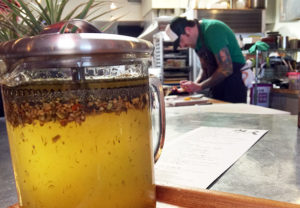
Tea at Ramen Gaijin in Sebastopol

Did Ramen Gaijin just get Rich-slapped?

Black Sesame Ice Cream at Ramen Gaijin in Sebastopol.

Chef Matthew Williams isn’t quite sure why his ramen shop recently got called “white guy ramen” by the notoriously opinionated Richie Nakano of SF’s late Hapa Ramen.

Tea at Ramen Gaijin in Sebastopol

So, okay, he and co-owner Moishe Hahn-Schuman are white guys, and their restaurant is called Ramen Gaijin (gaijin refers to a non-Japanese or foreigner in Japanese), but when you’re cranking out some of the best ramen in the Bay Area, well, people tend to take pot shots. Nakano swiped at the two in a recent Eater article, which even by outspoken chef standards seemed like a low blow.

Shoyu Ramen at Ramen Gaijin in Sebastopol.

Which is unfortunate, because Williams and Hahn-Schuman are ramen savants, meticulous to every detail of this simple-yet-exceedingly-complex noodle soup. They deserve a little more respect from a fellow ramen-eer.

In fact, the two just bought Nakano’s Japanese noodle maker for their own Sebastopol shop, cutting their 6-8 hour in-house noodle-making process to mere minutes. At a fire-sale price. Maybe that’s why Nakano’s so steamed.

Ramen Gaijin in Sebastopol features the NorthBay's best ramen
Ramen Gaijin in Sebastopol features the NorthBay’s best ramen

They also source ingredients from small local farmers and coastal fishmongers, and painstakingly craft everything from karaage (Japanese fried chicken) to their signature Shoyu Ramen with patient hands. This is no production line. And, I literally have never seen a quieter, more focused kitchen. 

The guys take it in stride, saying that they stand behind every single bowl they serve. Period. Classy.

Smoked black cod salad at Ramen Gaijin in Sebastopol

While frankly, Biteclub would be willing to bathe in every bowl they serve. Not so classy. But oh so good.

Ramen Gaijin: 6948 Sebastopol Ave, Sebastopol, (707) 827-3609.

Beer Country: Collin McDonnell, HenHouse Brewing

Collin McDonnell of HenHouse Brewing cheers Zac Greenwood at the 18th Annual Great Chili Cook-off, Salsa & Beer Tasting that was held at the Petaluma Fair Grounds on Saturday May 9, 2015. (photo by Victoria Webb)

It took Collin McDonnell about 15 minutes to decide. He was living in Oakland in 2009, when he brewed an amber ale straight out of Randy Mosher’s “Mastering Homebrew” book.

“I was like, that’s it, I’m gonna open a brewery,” McDonnell said. “That process took me about 15 minutes. The concept that you made it and it tasted so delicious, just struck me like a freight train.”

Never mind that he dumped out the second batch because it was “undrinkable.” Ditching his job as a communications consultant (he’s still not sure what that means), he signed on as an apprentice to Ron Silberstein at the ThirstyBear Brewing Co. in San Francisco. Brewing gigs followed at Beach Chalet, 21st Amendment and Drake’s Brewing, until he finally sat down one day in 2011 with Petaluma weekend brew buddies Shane Goepel and Scott Goynes and they decided, “This isn’t a home brew operation at all anymore. We should license this.”

Holing up in an after-hours space at Rogue Research in Petaluma, they did “the nano-brewing thing” for two years, making around 80 barrels a year in 2012 and 2013 as HenHouse Brewing Co. early beers included an oyster stout, made from Hog Island oyster shells, which sparked rave reviews and put them on the map.

In 2014, after scraping together funding from family and friends, they shot up to 1,000 barrels, eventually moving into a new space shared with Petaluma Hills Brewing Co.

“I like to say we’ve gone from comically small to small,” said McDonnell, 29, a home-schooled Petaluma native who enrolled at Santa Rosa Junior College at 14 and went on to compete for the speech-and-debate team at Bradley university in Peoria, Ill.

Today Goepel does a lot of the day-to-day brewing and McDonnell handles delivery and outreach, spending valuable time talking to sellers and customers.

“I can’t deal with stale beer, so going out and making sure that people are treating the beer well is really, really important to me,” he said. “It’s an area that doesn’t get a lot of attention. There’s a lot that can happen after it goes into the keg.”

Midway through their fourth year, it’s still very much “nose to the grindstone,” McDonnell said. “every once in a while you get to have these moments of, how cool is it that we make beer for a living? Then you realize we don’t have any employees, nobody gets any vacation time. … We’re still very much in start-up mode.”

But no matter how big HenHouse may grow, the philosophy remains decidedly unphilosophical: “We want to make beers that you can think about, but you don’t have to.”

Beer Country: Brian Hunt, Moonlight Brewing Co.

Brian Hunt of Moonlight Brewing Co. (photo by Chris Hardy)

While other kids were playing baseball and learning to drive, Brian Hunt was busy brewing mead in his bedroom at age 15, inspired by an article in Scientific American Magazine.

It didn’t matter that the ancient libation of fermented honey tasted “disgusting:” The seed was planted. years later, when Hunt abandoned pre-med studies and enrolled at UC Davis, that same thirst for experimentation would lead him to beer.

Since founding Moonlight Brewing Co. in 1992 in rural Santa Rosa, Hunt has never stopped pushing the edge, whether it’s inventing the California dark lager that would become his flagship Death & Taxes brew, or dropping redwood tips from a tree in his backyard into the “hopless” Working For Tips ale.

“I fail at mainstream,” Hunt said. “If everybody likes the beers that I make, then I have failed.”

Always off-center in the beer revolution that has thrived in Sonoma for more than three decades, Hunt is a maverick among mavericks.

“Death & Taxes was not a beer that was copied from somewhere else in the world,” he said. “One day, I had in my mind a beer that I wanted and it didn’t exist: not in the store where I could buy it, not on the planet.”

It was a hot day in Napa and he wanted a beer that was “refreshing and crisp and black and tannic. I wanted it to have that iced-coffee zippiness to it but not the caffeine.”

It didn’t take long for beer connoisseurs to discover the dark molasses lager goes well with “tacos, sushi and 100-degree weather.” Or for Budweiser and Guinness to come out with their own black lagers.

Over the years, while brewing with unusual ingredients such as mugwort, yarrow, bee balm and Labrador tea, Hunt has always tried to walk the balance between innovation and gimmickry.

“I call those novelty beers,” he said. “You take a sip and say, ‘Wow that’s interesting,’ and then you probably don’t finish the glass.”

These days, at 57, he has five employees who help him brew approximately 2,300 barrels a year. Despite rave reviews and widespread distribution in pubs, he’s never been interested in rampant growth, or even bottling, for that matter. Moonlight Brewing beers are sold only in kegs. While working for Joseph Schlitz Brewing Co. in Milwaukee in the early 1980s, Hunt learned “what happens to a company when you cheapen a product.”

He recently relocated his “Abbey de St. Humulus” brewery from his backyard to Coffey Lane in Santa Rosa. He had dreamed of opening a taproom, but is now working on a growler fill station to open later this year, where fans can fill glass jugs with Moonlight ales and take them home.

More important than growth, Hunt said, is his beer philosophy: “I like it when people try something I make and I see their face wince,” he said. “not wince and spit it out, but if they wince and then have this look of curiosity, then I don’t care if they don’t like it. If I put a crack in their preconceived notions of what beer can be, then I’ve succeeded with that person.”

Luxury, When Cost Is No Object

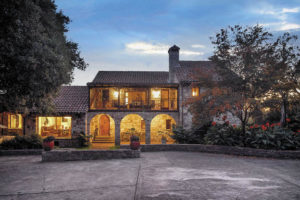
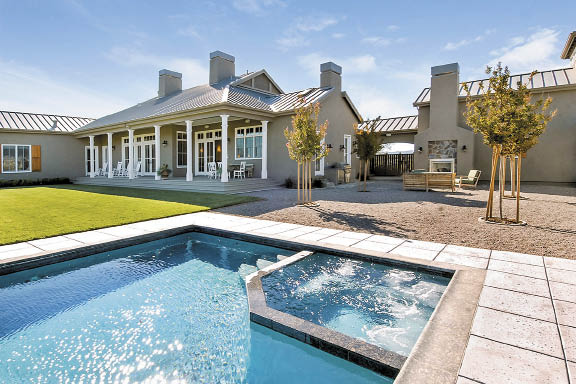
One week at historic Casa Sebastiani can be yours for about $14,500. (BeautifulPlaces.com)

On the far upper end of the vacation rental world are people who forgo hotels and traditional inns to rent their own baronial estates with sweeping views and all the over-the-top comforts befitting a celebrity. They are the 1 percent, or those who want, if only for a weekend, to feel what it’s like to live like the 1 percent. That includes all the accoutrements: outdoor fireplaces, pizza ovens, big pools, bocce courts and home theaters.

This is the market that Liza and Patrick Graves sought to tap when they moved to Sonoma about 20 years ago. Inspired by their own experience renting getaway homes from Connecticut to Europe, places where they could cook their own meals with fresh ingredients from the farmers market and meet locals, they saw an untapped potential in the high-end homes of the Sonoma and Napa valleys. Many were second homes and sitting vacant much of the year. In 2003 they launched Beautiful Places, a vacation-rental company headquartered in Sonoma and specializing in “luxury villa rentals.” They currently have 35 to 40 in Sonoma Valley and Healdsburg, a few in Napa, and a growing portfolio around the world.

“This is nothing new. If you read a lot of the famous classic writers, they were always renting homes in far-off places,” Liza Graves explained. “Many of the high-end homes in Wine Country have been purchased by second-home owners, people who want to use their house, but only one or two weeks every year. Many of these people want the chance to use their property some of the time and recoup some of the costs by renting it out. Houses are much better if they’re lived in than if they’re vacant. If your house sits vacant most of the year, it’s going to deteriorate faster than if the systems are being used.”

Villa Carneros will set you back about $18,500 and requires at least a seven-night stay. (BeautifulPlaces.com)

Her exclusive listings include the old Sebastiani family home perched on a hill above the winery in Sonoma, and the popular Villa Carneros, a plantation-style house set in a vineyard with luxury appointments, including a formal dining room and wine tasting room. Also hot is the Vineyard Knoll Estate in Glen Ellen. Showcased three years ago on TV’s “The Bachelor,” it boasts a grand piano and a free-form pool and spa with panoramic views of the Mayacamas Mountains.

Not all houses are over the top in luxury, but each must have, as Graves puts it, a certain “je ne sais quoi” that sets it apart.

She said she carefully vets houses and guests to weed out bad apples or anyone thinking about throwing a big party in a rented villa. No more than two people per room are allowed.

While big parties are a no-no, Beautiful Places, which also serves as a full concierge service, will arrange for private chefs and accommodate extra-special requests, such as for the couple who wanted to put on a Medieval-themed dinner party, complete with costumes, drumsticks and dancing to a live trio.

“We had a 60-year-old woman who was getting remarried. She had her girlfriends for the weekend and she wanted someone to teach them pole dancing. We found somebody to do that.

“We do get a lot of unusual requests, but that’s what makes it fun because you’re helping people to have a vacation or reconnect with their friends or family,” she explained.