

A Sweet Trip Down Memory Lane at New Petaluma Candy Store

Homemade chocolate dipped marshmallows at Cravin’s Candy Emporium in Petaluma. (Beth Schlanker/The Press Democrat)

If the anticipation of Halloween has you salivating for sweets, like those you hoarded years ago as a young trick-or-treater, there are plenty of places to buy unique candy in Sonoma County, including one that might take you right back to childhood.

Cravin’s Candy Emporium opened in downtown Petaluma in July, and the family-owned neighborhood candy store knows how to bring out the kid in its customers — no matter their age.

Walking into the candy store is like traveling back in time. Vintage posters and signs decorate the walls, along with game boards from the kiddie classic, Candy Land, with some of the editions dating back to 1955. Retro metal lunchboxes sit on high shelves. Hypnotizing round rainbow lollipops reach for the sky, and the movie “Willy Wonka & the Chocolate Factory” — the 1971 Gene Wilder version, of course — plays on a big-screen TV.

“It’s easy to leave your troubles behind when you are surrounded by candy,” said Debbie Giordano, who owns Cravin’s Candy Emporium with her husband, Joe.
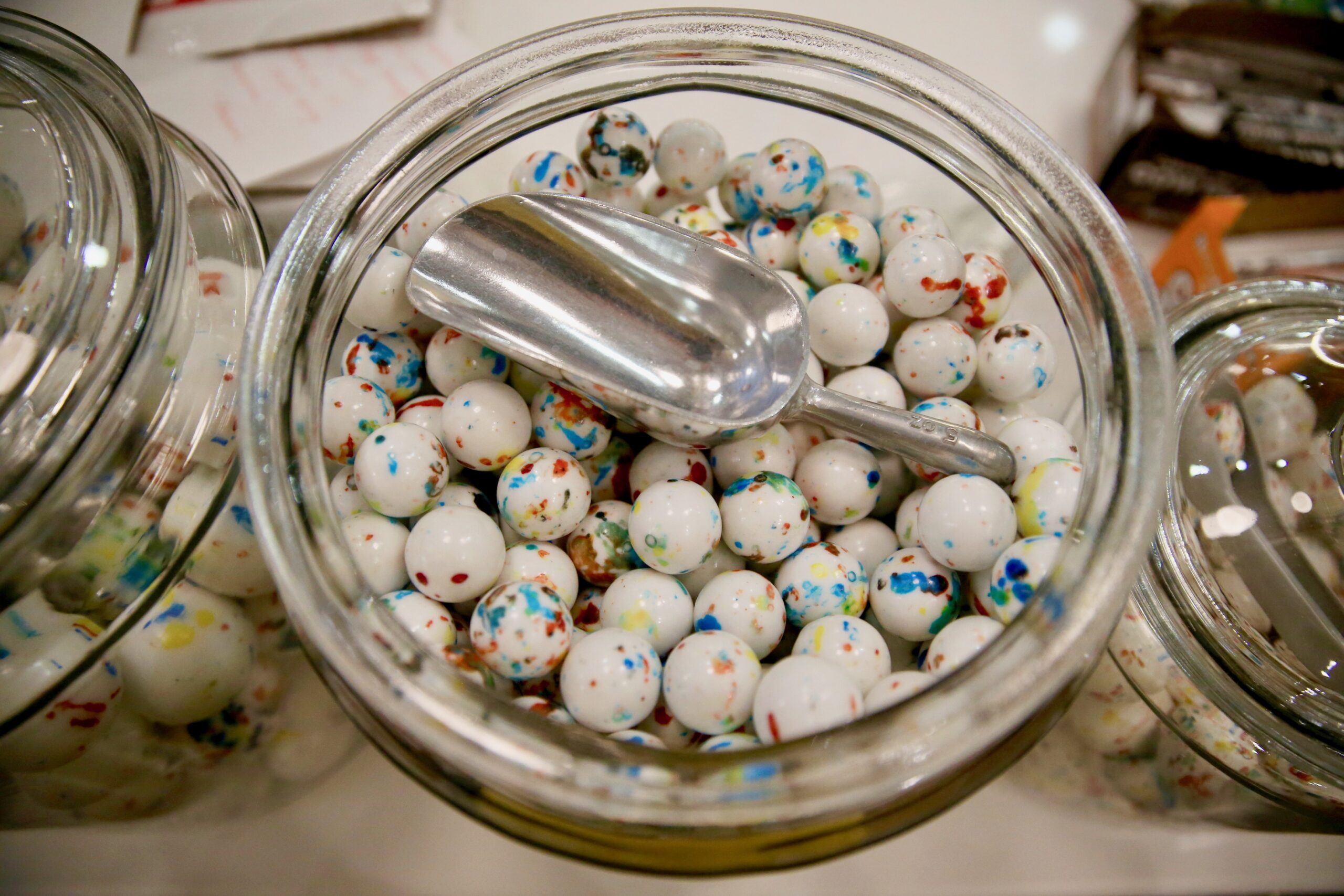
Jawbreakers for sale at Cravin's Candy Emporium in Petaluma, Calif., on Thursday, October 21, 2021.(Beth Schlanker/The Press Democrat)
Jawbreakers at Cravin’s Candy Emporium in Petaluma. (Beth Schlanker/The Press Democrat)
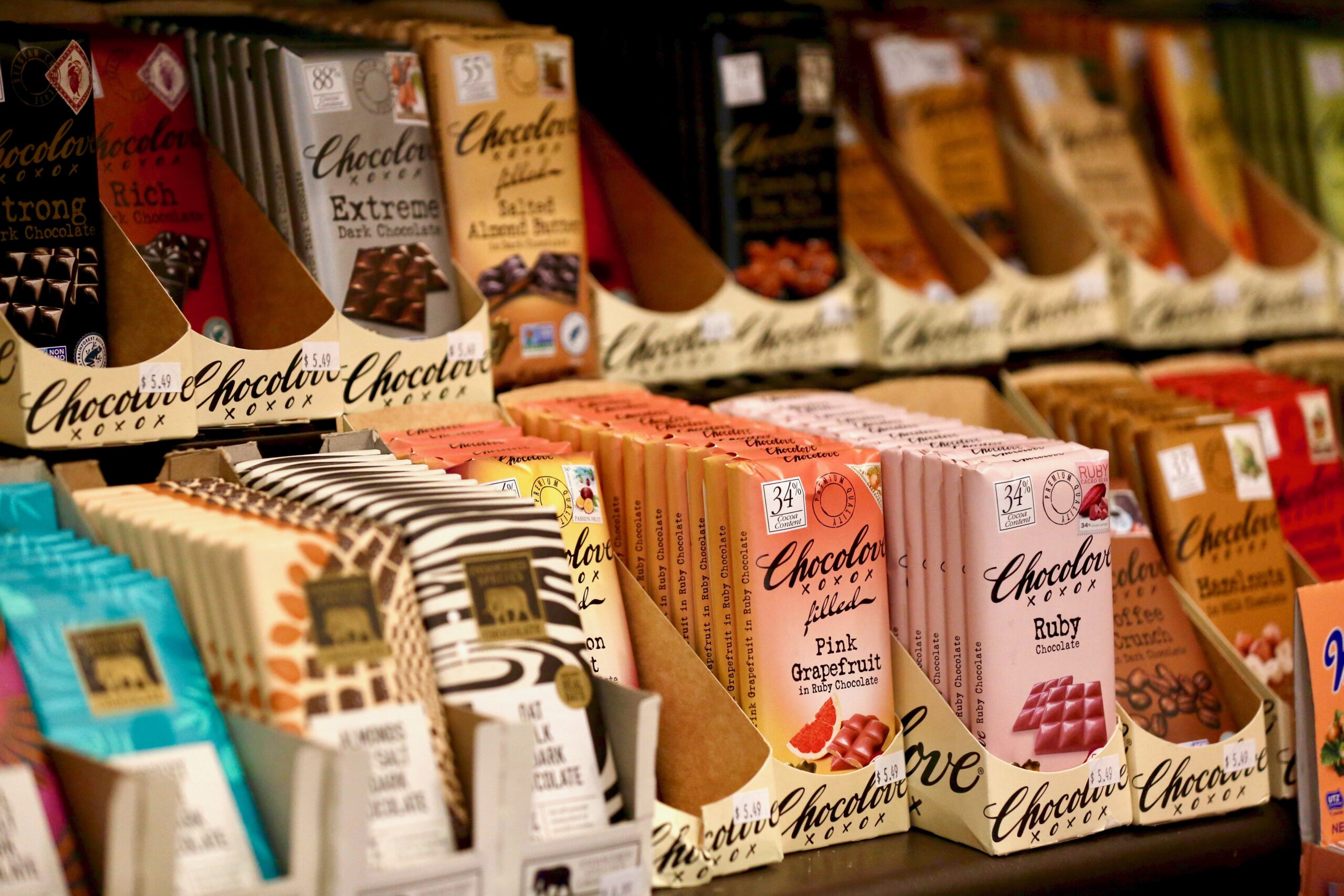
A variety of chocolate bars for sale at Cravin's Candy Emporium in Petaluma, Calif., on Thursday, October 21, 2021.(Beth Schlanker/The Press Democrat)
A variety of chocolate bars at Cravin’s Candy Emporium. (Beth Schlanker/The Press Democrat)

Retro candy

Cravin’s Candy Emporium carries more than 4,000 kinds of goodies; no doubt, you’ll stumble on at least one long-lost childhood favorite. Here you can find Pop Rocks, Candy Buttons, Ring Pops, Cow Tales, Zotz and speckled Jawbreakers the size of your fist. In fact, it’s hard to take more than a few steps without exclaiming, “I remember that!”

The Petaluma candy store pays homage to the original Powell’s Sweet Shoppe in Windsor, which opened in 2003. After owner Michael Powell franchised his business in 2006, the Giordanos moved their young family from Santa Rosa to Boise, Idaho, to open their own Powell’s candy store. They later re-branded their store Cravin’s Candy Emporium and when an opportunity arose to open a second location in Petaluma, the Giordanos jumped on it. They now split their time between Idaho and Sonoma County. (The Giordanos have licensed the Cravin’s name; there is an independently operated Cravin’s Candy Emporium in Windsor, in the former Powell’s Sweet Shoppe location, and another in Bend, Oregon.)

Like the original Powell’s, Cravin’s in Petaluma has a dedicated movie area with wooden theater-style seats for watching “Willy Wonka.” Kids and kids-at-heart are encouraged to spend some time enjoying the film here.

“This is not just a jelly bean store,” Joe Giordano said. “It is about time. … It’s (about) having something in common, where a family can be together.”

Sweet memories

In addition to old-fashioned sweets and “Willy Wonka,” Cravin’s Candy Emporium stocks other nostalgia-inducing items. Remember Lite-Brite? You’ll find the backlit light box toy here, along with classic pick-up-sticks, although you might need to do a quick internet search to remember how to play the game.

If you can’t find that favorite sugar-laced candy of your youth, the Giordanos will put it on their special requests list. Surrounded by candies of all stripes, even Joe Giordano misses some treats, like the discontinued Wonka chocolate bar. But many previously extinct old-school candies, like Astro Pops and Wacky Wafers, have made a comeback in recent years and have returned to candy store shelves.

At the front of the store, you’ll find an ice cream case with two dozen flavors of gelato and a cooler stocked with a rainbow of soda in glass bottles. But the best place for chocolate lovers is toward the back of the store, where the giant peanut butter cups handcrafted by Debbie Giordano are kept. She also makes chocolate-covered pretzels and chocolate-covered honeycomb, English toffee, pecan turtles and marshmallow pops.

“The dream is real,” Debbie Giordano said. “Owning your own candy store is fun and amazing, and actually very fulfilling when you see people having a great time together.”
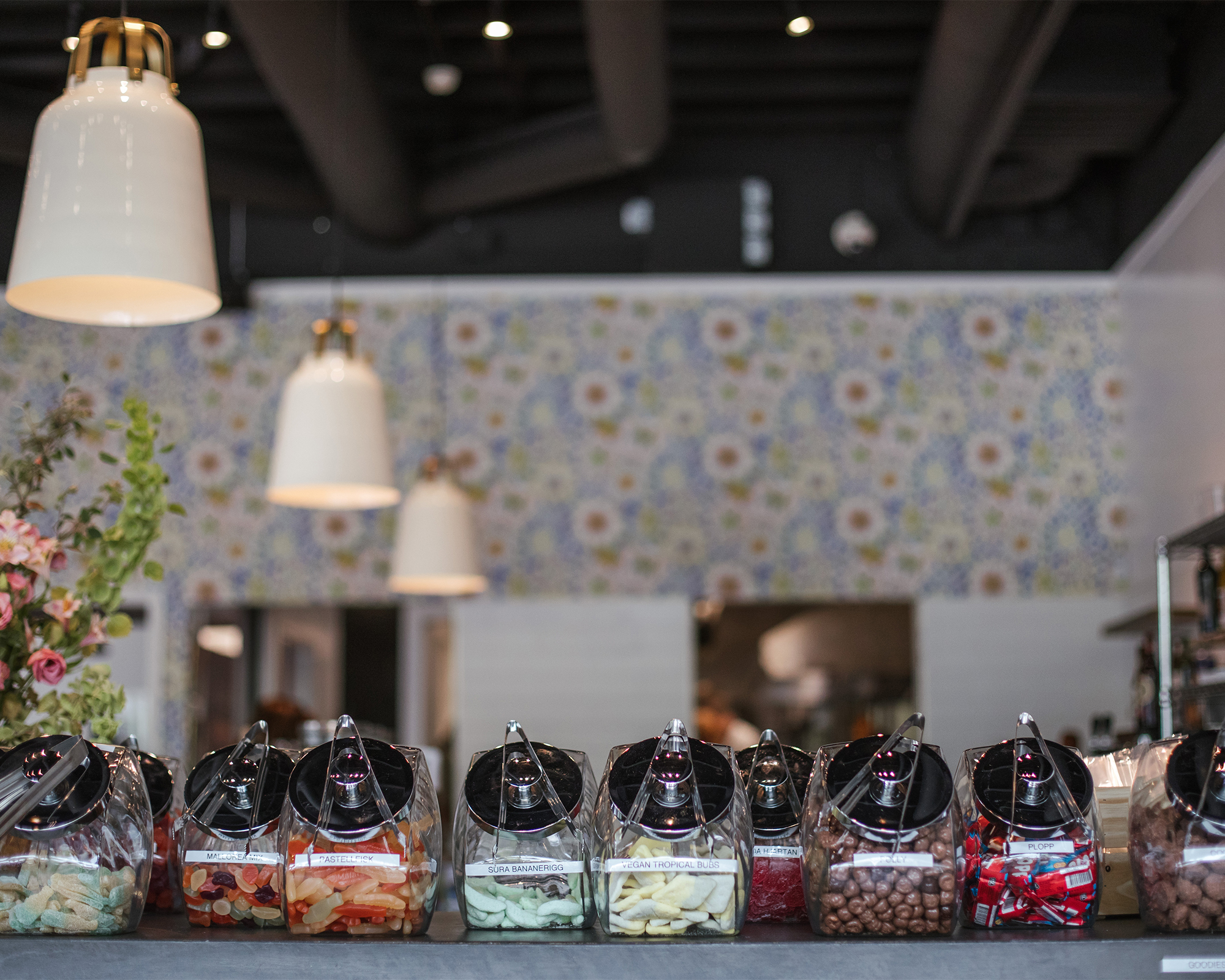
Candy at Stockhome restaurant. Photo: Elise Aileen Photography.
Swedish candy at Stockhome restaurant in Petaluma. (Elise Aileen Photography)

Candy from around the world

You’re never too old to dress up for Halloween, but trick-or-treating after a certain age or raiding your kid’s bag of sweets is a faux pas. So what’s a grown-up with a sweet tooth to do on Halloween? In addition to taking a sweet trip down memory lane, check out these Sonoma County restaurants and stores for candy from around the world:

Dulceria Las Tapatias (1630 Sebastopol Road, Santa Rosa) and Dulceria Pepito (2101 W. College Ave., Santa Rosa) have Mexican treats like cocadas (colorful candy made from coconuts), mazapan (a sweet, dry, peanut butter candy) and camote (a traditional candy from the state of Puebla made from sweet potatoes).
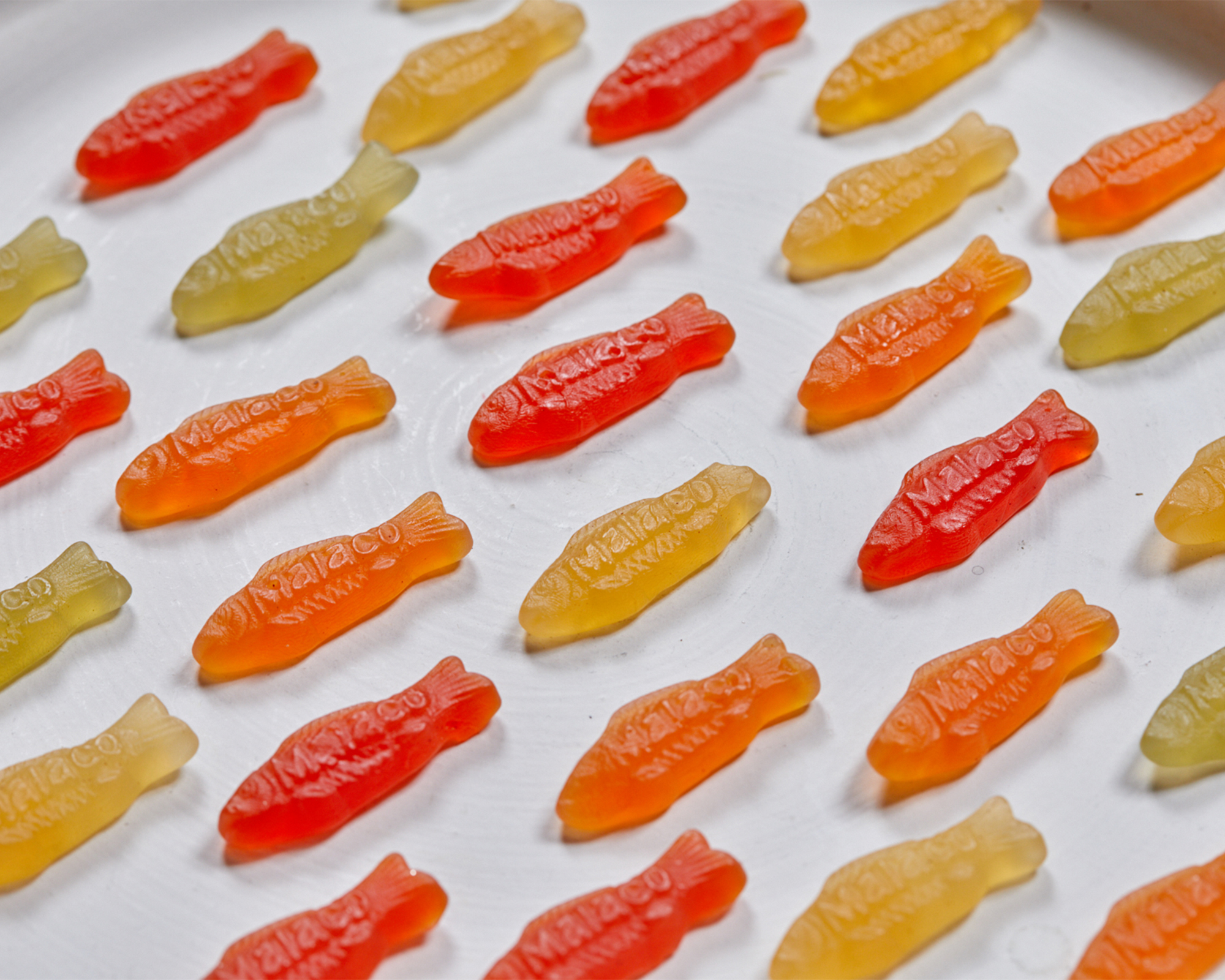
Candy fish at Stockhome restaurant. Photo courtesy of www.newrevmedia.com
Swedish fish at Stockhome restaurant in Petaluma. (Courtesy of newrevmedia.com)
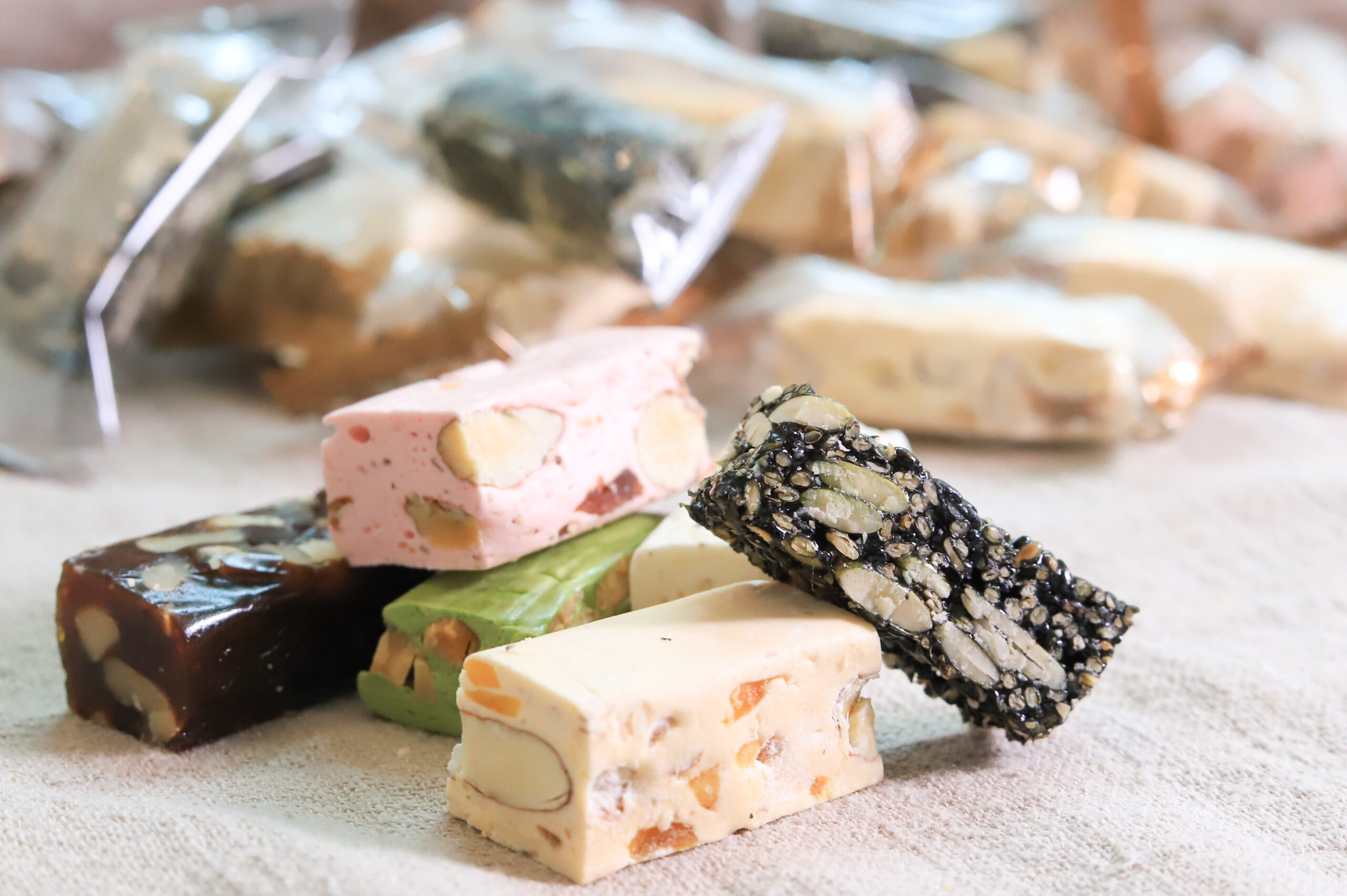
Italian torrone, a soft nougat candy made with almonds, is available at Canevari’s Delicatessen in Santa Rosa. (Shutterstock)

Stockhome restaurant (220 Western Ave., Petaluma) carries more than a dozen types of Swedish sweets or lördagsgodis (Saturday candy) in old-school glass jars, including fruit-flavored Dala Horse Gummy Candy.

For Italian sweets, look in Canevari’s Delicatessen (695 Lewis Road, Santa Rosa). They have torrone, a traditional soft nougat candy made with almonds.

The Chocolate Cow (452 First St. E., Sonoma) sells Kookaburra Licorice from Australia, and at nearby Tiddle E. Winks Vintage 5 & Dime (115 E. Napa St., Sonoma), you can traverse the sugary globe. Choose from Hermann the German Bavarian Hard Candy (in a variety of fruit flavors), Violet Crumble chocolate bars from Australia, British Maltesers milk chocolate confectionery and other foreign sweet treats.
‘This Is the New Reality’: Popular Santa Rosa Creperie Closes Due to Lack of Staff

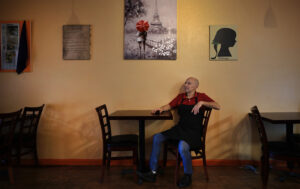
Philippe Colasse, owner of Crêperie Chez Solange, is closing at the end of October. Colasse hasn’t been able to find workers for the past six months; running the restaurant by himself is not sustainable, he says. Wednesday, Oct. 20, 2021 in Larkfield. (Kent Porter / The Press Democrat)

For more than seven months, Chef Philippe Colasse has been advertising for kitchen and serving staff at his petite Larkfield restaurant, Creperie Chez Solange. Located in the busy Molsberry Market shopping center off Old Redwood Highway, his restaurant has had precisely zero applicants.

Exhausted by trying to run his French crepe shop alone — doing all of the sourcing, cooking, serving and dishwashing himself — Colasse had decided to close the restaurant permanently on Halloween.

It’s no secret that the pandemic has gutted the hospitality industry. According to restaurateurs, the combination of on-again, off-again restaurant closures, customers surly over mask requirements, night and weekend hours, concerns about health and safety, the lack of health care and the pull of more lucrative job opportunities have occluded the steady stream of workers willing to work for California’s minimum wage of $14 per hour.

To keep staff, larger restaurants are advertising between $18 and $30 per hour with signing bonuses and health care. That’s something small mom-and-pop restaurants like Colasse’s just can’t afford.

“I do believe it’s a question of pay, and other businesses may pay higher, but they all still need people, and they’re not there,” he said.

Instead, Colasse has tried to keep his restaurant afloat single-handedly, offering takeout and later in-restaurant dining.

“I’ve just been doing it all myself, and the workload is too harsh. A restaurant needs three or four people working at minimum,” said Colasse. He said the last employee he had left six months ago to go back to school, something that’s also been a common refrain as workers reassess career opportunities.

Though unemployment is down in Sonoma County, a 2021 report by the county Economic Development Board found that 42% of businesses face hiring difficulties, and 78% had significant concerns about affordable housing and living costs for employees.

“This is the new reality, and I’m not the only one suffering,” he said. When the restaurant opened in early 2020, Colasse said he employed up to seven cooks and servers.

Sadly, the closure isn’t for lack of eager diners. With plenty of locals still trying to order his savory French buckwheat crepes and flaming crepes Suzette, the problem isn’t the lack of clientele, but Colasse’s inability to serve customers in a timely way when he’s alone.

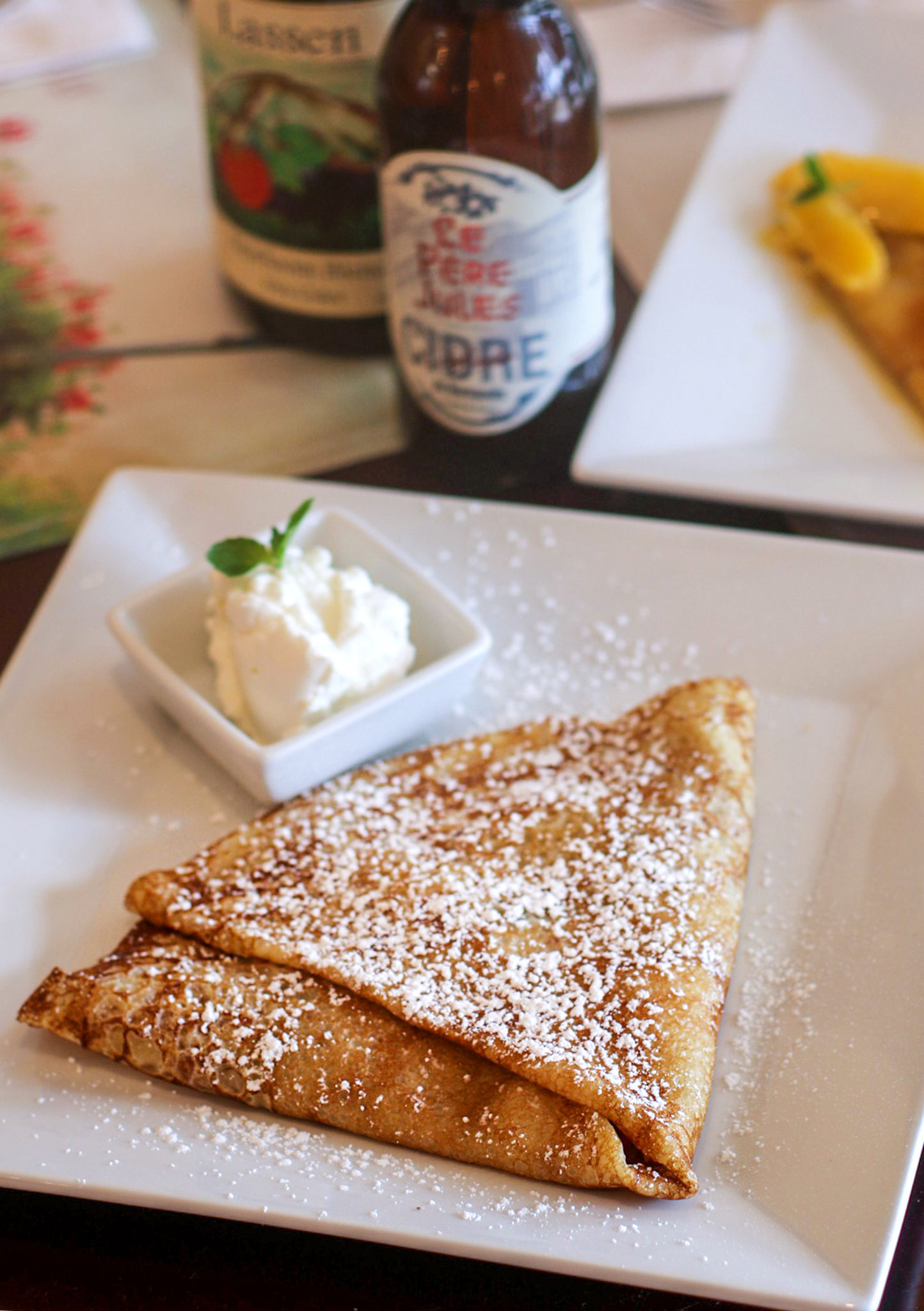
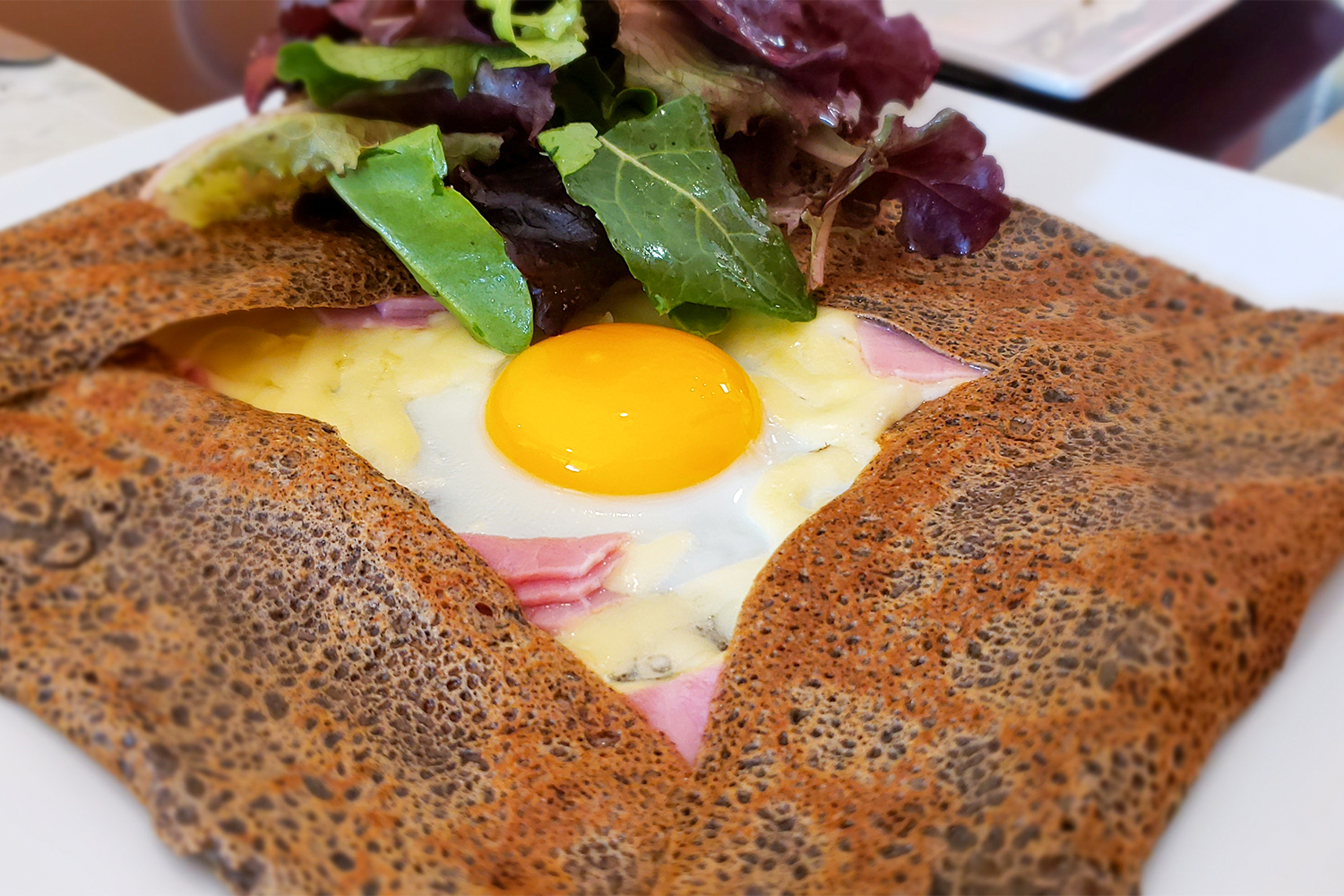
Ham and Swiss crepe at Creperie Chez Solange in Larkfield. Heather Irwin/PD.
Ham and Swiss buckwheat crepe at Creperie Chez Solange in Larkfield. (Heather Irwin/Sonoma Magazine)
Peche Melba crepe with preserved peach, berry jam, toasted almonds, chantilly cream at Creperie Chez Solange in Larkfield. Heather Irwin/PD.
Peche Melba crepe with preserved peach, berry jam, toasted almonds, chantilly cream at Creperie Chez Solange in Larkfield. (Heather Irwin/Sonoma Magazine)

“Business has come back, but we in the food industry are suffering. If I already have two or three orders, I tell people it’s a 30- to 45-minute wait, and they leave,” he said, acknowledging that long wait times are bad for business.

“I’m turning down people who try to order food or try to walk in and eat because it takes too much time to serve them. Most people are in a hurry, and they want to eat now,” he said. He estimates that he turns away at least a dozen people each day, with up to 40 people on busy Saturdays.

Adding to the woes, meat prices have skyrocketed up to 40%, to-go containers are almost impossible to buy at any cost and supply chain issues continue.

“I don’t feel like charging people for something that doesn’t have the value. I see food as a pleasure, not a way of making money, and when I see that I can’t serve at a decent price, it’s time for me to walk away,” Colasse said.

For now, he plans to help a new Vietnamese restaurant open in his space, then reassess what’s next.

“I knew that selling crepes, as close as I could to what you would get in France was a difficult challenge, but I also realized that day after day, people were more appreciative. It’s been a great satisfaction,” he said.

5 Under-the-Radar Sonoma Winemakers You Should Know

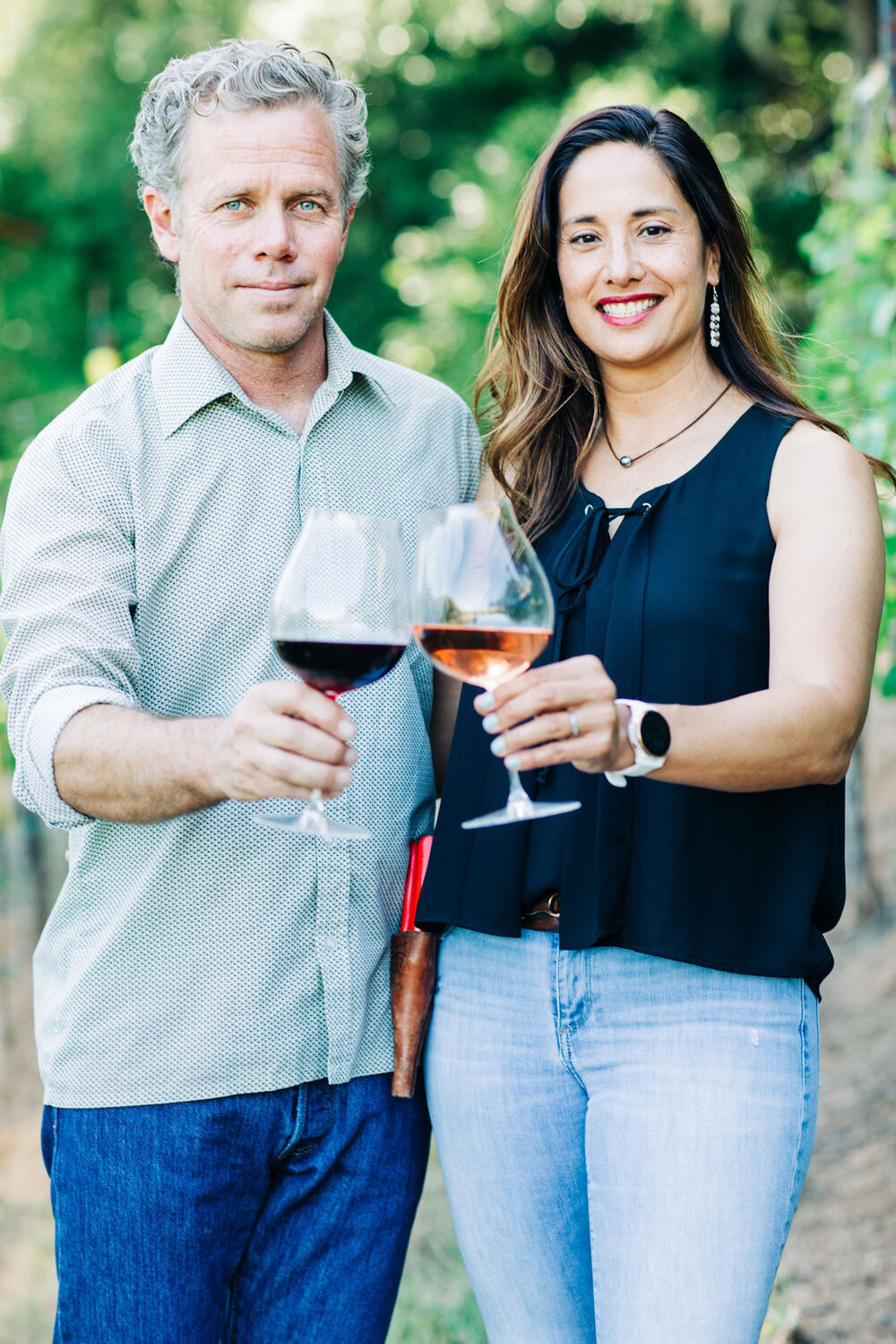
Shawn Phillips and Lise Asimont of Dot Wine in Healdsburg. (Dot Wine)

Many of Sonoma County’s least-known but still very fine wines begin as pipe dreams.

Winemakers working for someone else frequently yearn to have their own label one day, and many follow through.

Urbanites ditch their day jobs and regular paychecks to move to Sonoma County, answering the siren call to live the vineyard lifestyle and exchanging business suits and manicures for fleece vests, muck boots and perpetually stained hands. The garage often serves as their first cellar.

There are farmers, almost as proud of their grapevines as they are of their kids, who are eager to taste the fruits of their labors from bottles bearing the family name.

And there are multigenerational local ranching families that diversify with wine growing to sustain their businesses now and for the future, sometimes in unexpected ways. Blueberry wine, anyone?

Here are five wine producers that demonstrate the measures some take to follow their vinous dreams. Their brands are relatively new and often too small to have their own tasting rooms, yet they are well worth discovering. While wine critics’ scores, powerful social media campaigns and high-end tasting experiences drive consumers to wineries, word-of-mouth (and in print) remains an authentic introduction to under-the-radar brands.

Cormorant Cellars

Charlie Gilmore is one of those winemakers who had a burning desire for his own wine brand and for its focus to be sauvignon blanc. He worked 12 years at Fetzer Vineyards in Mendocino County and, before that, at wineries in France and Australia. He struck out on his own in 2018, producing two vintages of Dry Creek Valley sauvignon blanc at Matorana Family Winery, then moving his production to nearby Kokomo Winery for the Cormorant 2020 vintage.

Cormorant does not have a public tasting venue, but you can buy the wines online and at retailers and restaurants, which are listed on the company website. Sauvignon blanc devotees also can arrange private tastings with Gilmore, although his limited production, for now, means his wines can sell out quickly.

What is so special about Cormorant sauvignon blanc ($24)? It’s how it’s made, with very little oak contact, careful sur lie (on the spent yeast cells) aging and no fining or filtration. The wine can be a bit cloudy and show tiny bits of sediment in the bottle, which means minimal handling. The result is a pure, vibrant, low-alcohol (12.7%) white wine with zesty grapefruit, lime cordial, Meyer lemon and tropical fruit aromas and flavors and beautiful texture. From the 2020 and 2021 harvests, Gilmore expanded production to include grenache blanc, marsanne, chardonnay and zinfandel. These wines will debut in 2022 or later.

cormorantcellars.com

Bacchus Landing in Healdsburg. (Ricky Grossmann/Bacchus Landing)
Shawn Phillips and Lise Asimont of Dot Wine. (Courtesy of Dot Wine)

Dot Wine

Lise Asimont and Shawn Phillips recently opened a tasting room at Bacchus Landing, a new, multibrand tasting space, hospitality center and gourmet market in Healdsburg. She’s a longtime viticulturist (20 years) and Santa Rosa Junior College adjunct professor; he is a professional gardener and landscaper (30 years). They use regenerative and sustainable agriculture methods to produce wines with a heavy emphasis on Russian River Valley pinot noir. (Regenerative farming means minimal intervention and includes composting, maintaining pollinator habitats and using other environmentally friendly practices for soil health and lower carbon emissions.)

Asimont, a full-time viticulture consultant, previously worked for large wine companies, including Cakebread Cellars, The Family Coppola and Beam Wine Estates. A dare from Phillips to produce a pinot noir she truly loved prompted the couple to found their own wine label; Asimont’s familiarity with farmers and their vines gives her an inside track to procuring great grapes. They make three pinot noirs, an unoaked chardonnay and a dry rosé, with other bottlings possible in the future. Tastings at Bacchus Landing are $30 for four wines. Like other Bacchus Landing tasting rooms, food pairings can be arranged in conjunction with the onsite gourmet market.

As for the name, Dot Wine, the couple said that, “In art, the dot is the purest unit of both form and function. Dot Wine is the direct translation of vineyard to bottle.”

14210 Bacchus Landing Way (at Westside Road), Suite 201, Healdsburg, 707-385-9855, dotwinery.com

Drive Wines owners John Musto, left, and Tom Young at Puccione Ranch. (David Ruf/Drive Wines)

Drive Wines

East Coast native John Musto is among the winemakers who gave up non-agriculture careers to dive into winemaking. He worked in finance for a time, studied at the Culinary Institute of America in New York and acquired a taste for wine when his parents opened bottles of old-vine zinfandel.

After living in Italy for two years, Musto moved to Sonoma in 2013, intent on making wine. While taking enology and viticulture classes at Santa Rosa Junior College, he met Tom Young, a graphic design and print professional with a home vineyard. They hit it off, began making wine in Young’s garage and eventually upgraded to the garage of a vineyard owner and restorer of vintage race cars, Peter Lewis. Thus, the Drive label.

Musto and Young went pro in 2017, starting with zinfandel from Puccioni Ranch in Dry Creek Valley, and they have slowly added more wines to their arsenal. Their business is small and personal, the wines of excellent quality and smartly priced. It’s a labor of love, not hefty profit.

Current releases include a 2019 Sonoma Coast Syrah from Canihan Vineyard, a 2018 Dry Creek Valley Zinfandel from Puccioni Ranch (from vines planted in 1904) and a 2020 Quan Vineyard Carneros Rosé of Pinot Noir. In the pipeline are small lots of 2021 cabernet sauvignon from Alexander Valley and 2021 pinot noir from Carneros.

Complimentary tastings — yes, free — are offered by Drive and other small producers at Locals Tasting Room in Geyserville; Musto and Young are often behind the bar.

Locals Tasting Room, 21023 A Geyserville Ave., Geyserville, 707-857-4900, localstastingroom.com; drivewines.com

Montagne Russe

Pinot noirs, chardonnays and syrahs from cool-climate vineyards in the Sonoma Coast and Petaluma Gap growing regions of Sonoma County are Kevin Bersofsky’s forte. He began making his own wine in his Napa garage in 2006, after working in the business end of winemaking, holding COO and CFO positions at Merryvale Family of Wines and Trinchero Family Estates, as well as at The Republic of Tea.

Bersofsky went “legit” in 2015 and summer 2021 saw him open his first public tasting room for his own wine label, Montagne Russe, at Healdsburg’s Bacchus Landing. The brand name, French for “Russian mountain,” alludes to the 18th century European predecessor to the roller coaster (Bersofsky designed a roller coaster as his university engineering project), and perhaps also to the up-and-down nature of the wine industry.

Wine buffs will recognize the names of many of the vineyards Bersofsky sources for grapes, among them Roberts Road, La Cruz (Keller Estate) and Terra de Promissio, all in the wind-whipped Petaluma Gap AVA. A new wine is Tous Les Deux, an unusual white blend of pinot gris and pinot noir, the juice of the latter spending no time in the skins after pressing and thus not picking up the dark-red pigment and tannins of traditionally made pinot noir.

The Classic tier tasting at Bacchus Landing is $25; Reserve tier $35. Additionally, Bersofsky hosts visitors at his wine-aging cave in Petaluma ($50), with six or more wines poured during the 90-minute experience. Cave tastings must be arranged in advance; the location will be shared at that time.

4210 Bacchus Landing Way, Suite 101, Healdsburg, 855-467-8773, russewines.com

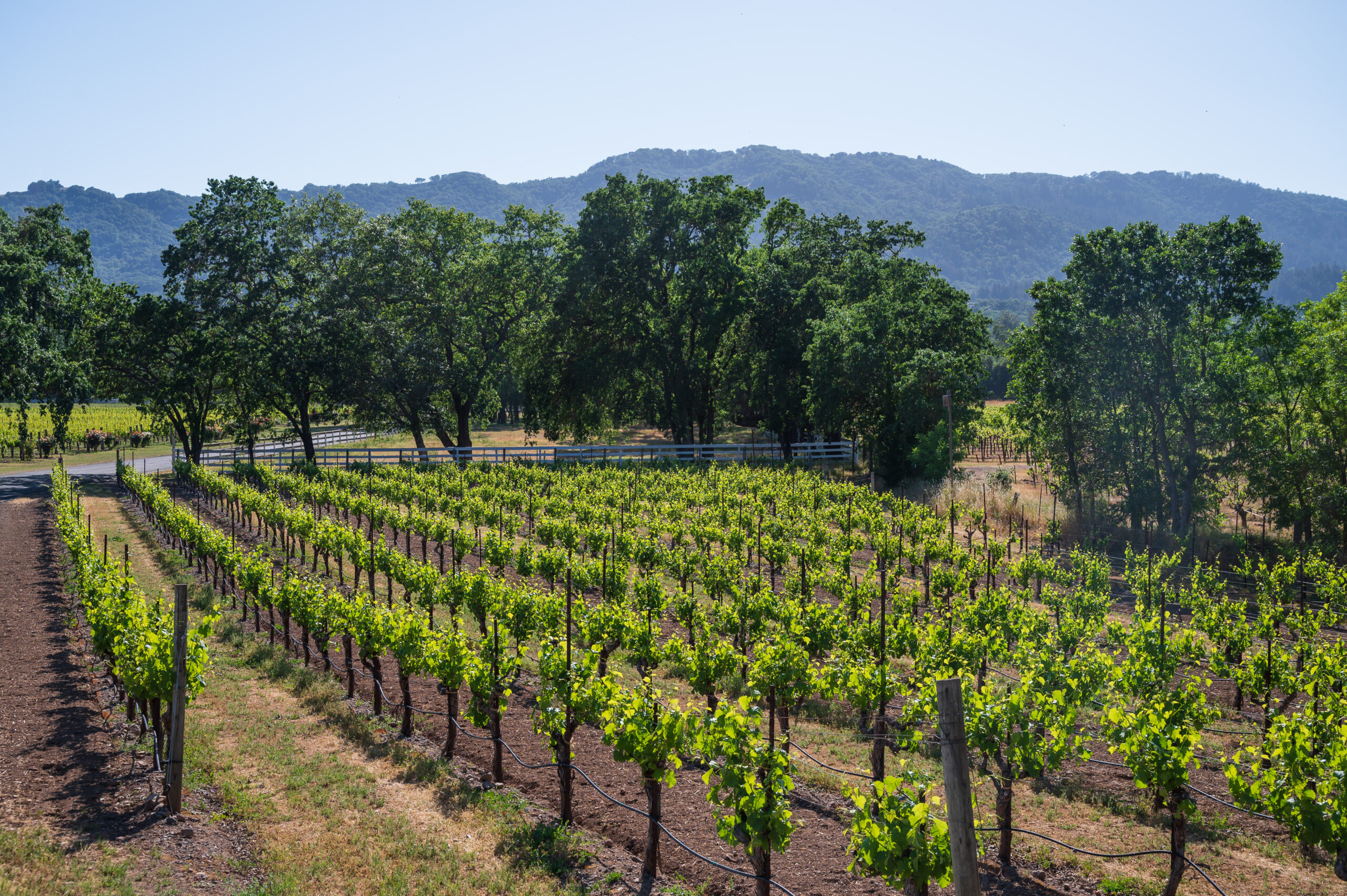
Vineyards at Serres Ranch in Sonoma. (Bob McClenahan/Serres Ranch)
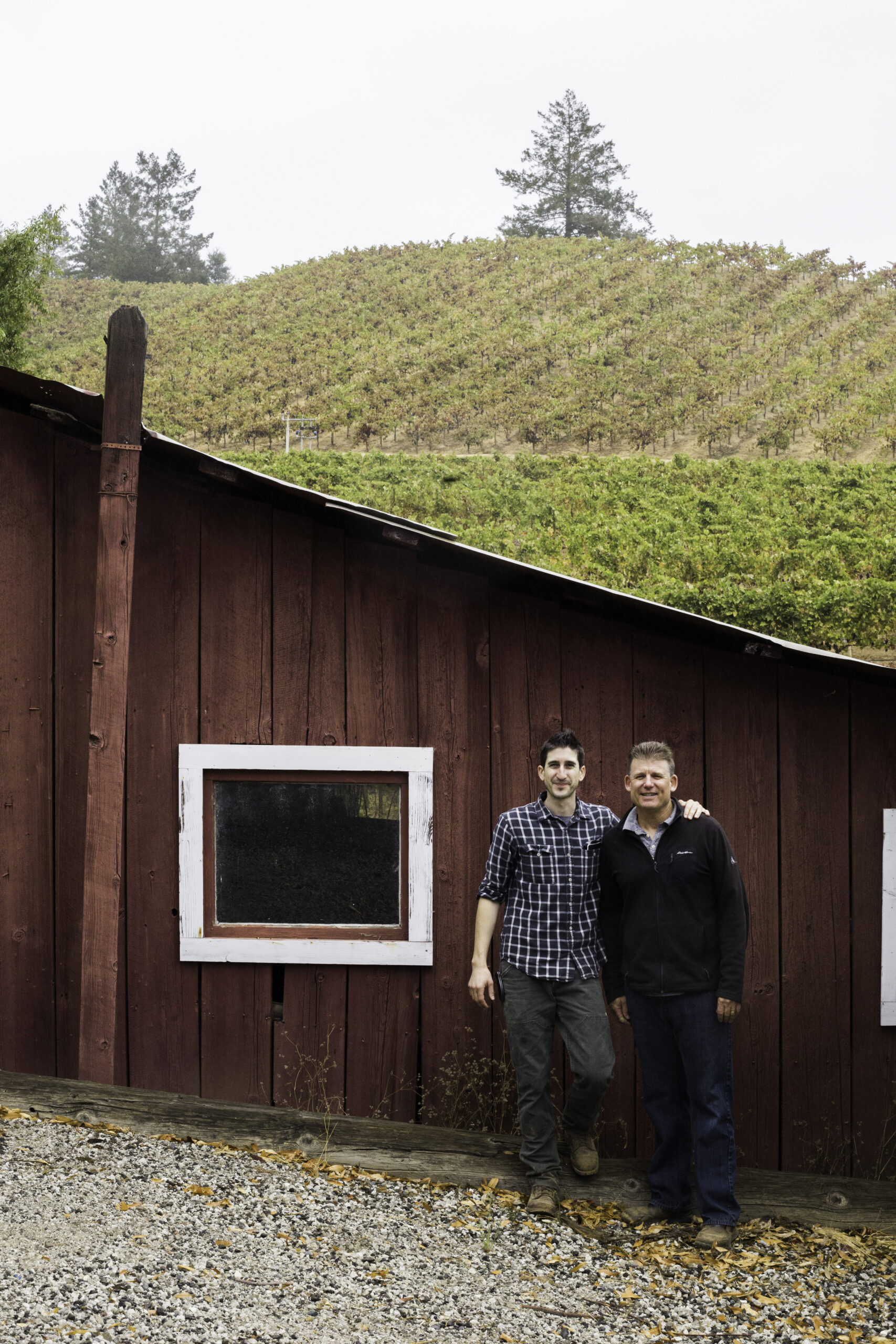
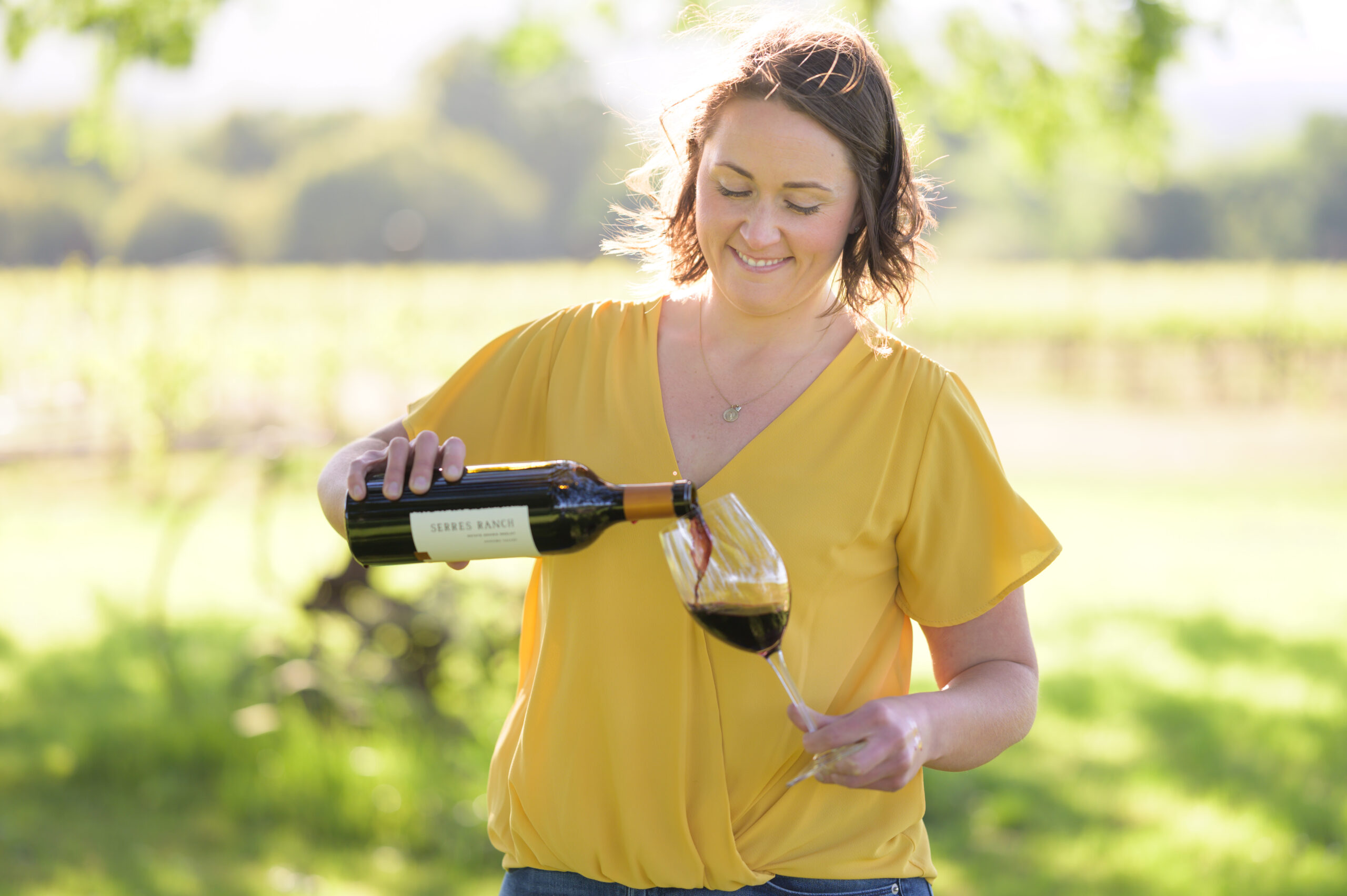
Taylor Serres pours wine at Serres Ranch in Sonoma. (Bob McClenahan/Serres Ranch)

Serres Ranch Wine

Here is where blueberries enter the enological picture, as a creative and casual extension of the Serres family’s agricultural history in Sonoma Valley. Six generations of Serres have raised cattle, blueberries and wine grapes on their property north of Boyes Hot Springs, with Gen V leading the winemaking charge.

The Serres wine brand launched in 2017, made from mostly Bordeaux red grape varieties planted in the mid-1980s. Tim Milos is the winemaker (some will recognize him from Hidden Ridge in the Fountaingrove AVA, now known as Immortal Estate), and the current releases — all exceptional — are a merlot and two blends of merlot, cabernet sauvignon, malbec, petit verdot and cabernet franc ($65). Bleusé, a sparkling blend of blueberry fruit and aleatico wine, is refreshing, low in alcohol and remarkably good ($23 for a four-pack of cans).

Schedule a private tour and tasting at the ranch ($40), usually led by fifth-generation Taylor Serres and with hellos from her father, John Serres Sr., and Taylor’s brothers, John Jr. and Buck. Tastings are accompanied by a charcuterie board with local artisan cheeses, meats and nibbles.

16060 Sonoma Highway, Sonoma, 707-996-6776, serresranchwine.com

Fireproof Sonoma Hacienda Listed for $4.2 Million

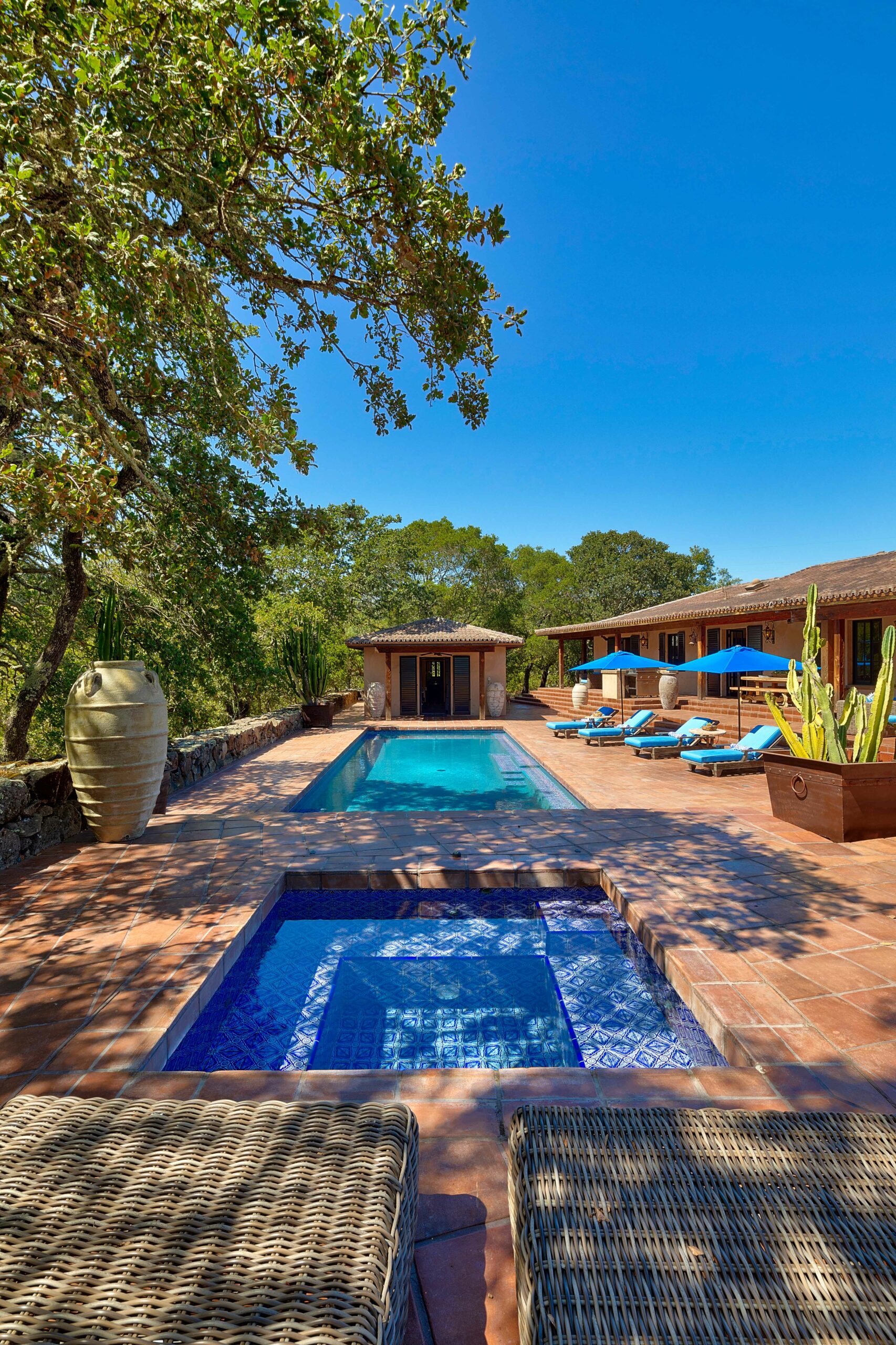
 Arustic-meets-majestic 3,500-square-foot hacienda complete with a 630-square-foot guest house has hit the local luxury real estate market with an asking price of $4.2 million.

The three-bedroom mission-style property, perched on a hill in Sonoma’s gated George Ranch community, was built in 1999. Rammed earth walls make the home fire resistant and handmade tiles from Mexico and unique design features like a wooden pantry door from an old Spanish church add a personal touch. The interior design and choice of furniture — a Ralph Lauren leather couch and a 12-foot-long credenza stand out — give prospective buyers the idea of the property’s potential.

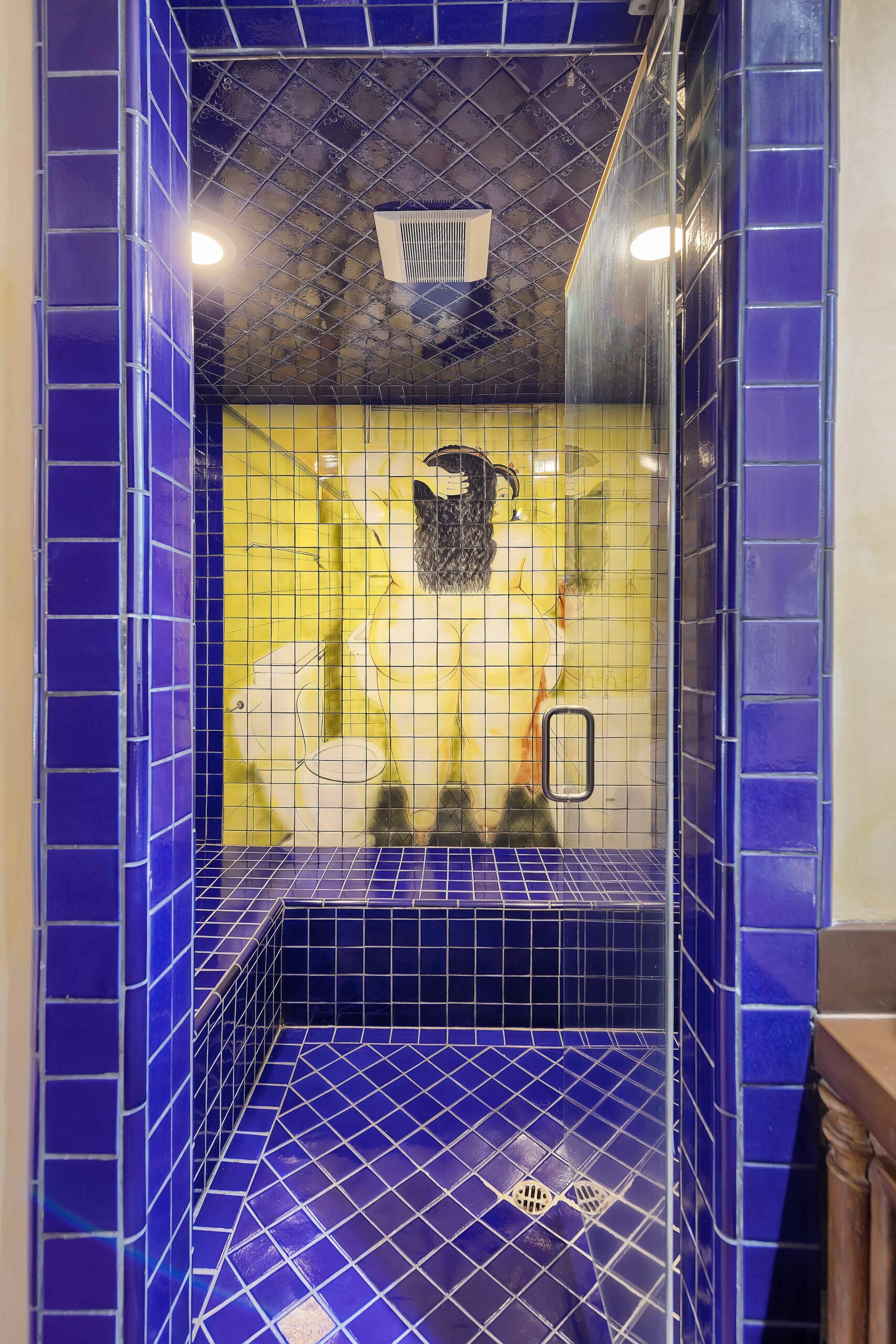
The current owners of the home, Edna Hayes and Bruce Needleman, have an eye for design: They own the high-end rustic furniture store Salsa Trading Company in the town of Sonoma. The color palette in their Sonoma hacienda includes browns from leather and wood and clay-red from ceramic floor tiles; hues of cobalt blue contrast with the earthy tones in select spots in the bathroom and by the pool. Iron sconces, sculptures and paintings decorate the space and also offer splashes of color.

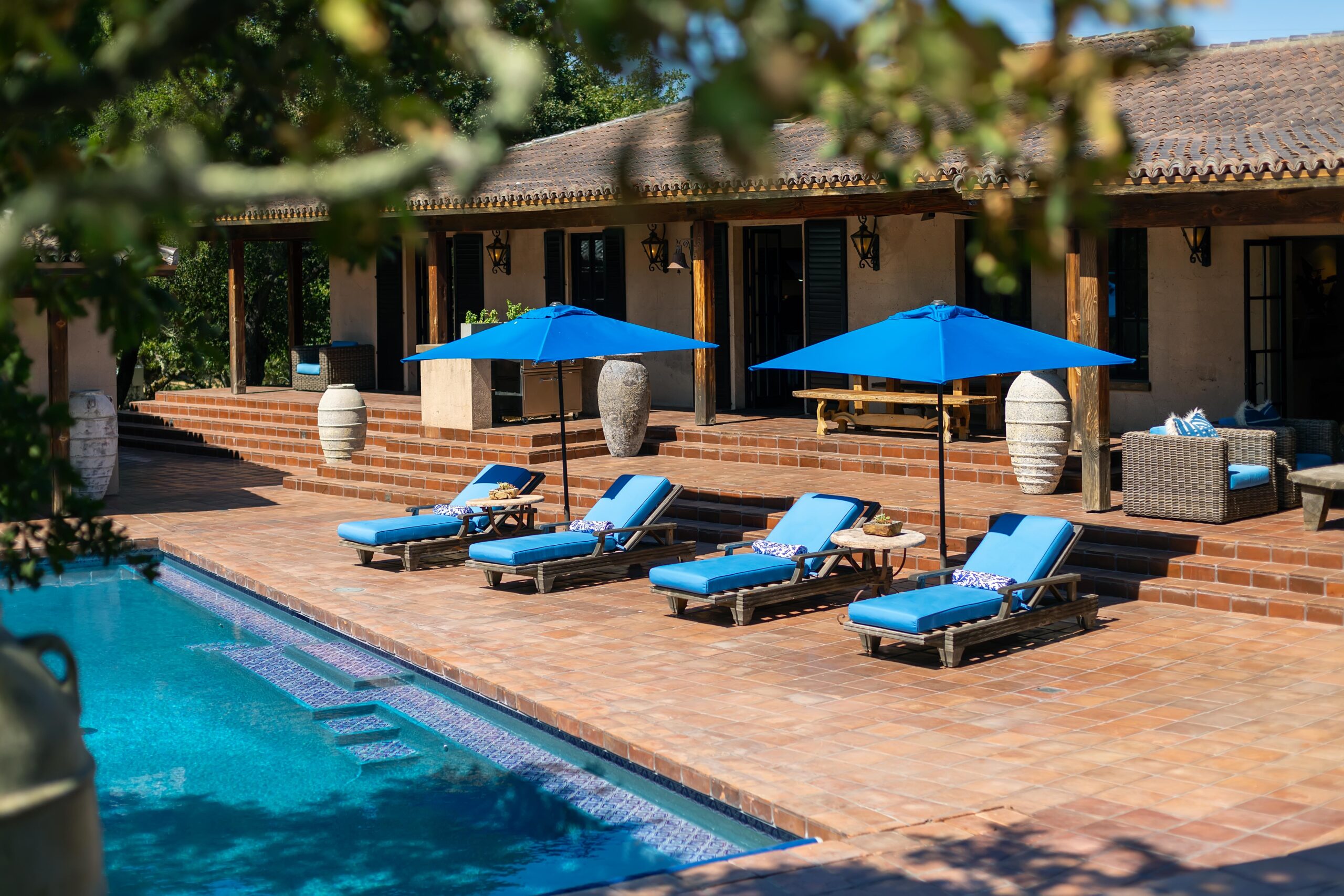
Pool area at 3480 Hawks Beard Drive in Sonoma. (Circle Visions)
3480 Hawks Beard Drive in Sonoma. Circle Visions
Pool area at 3480 Hawks Beard Drive in Sonoma. (Circle Visions)
A Botero inspired
Botero inspired mosaic and cobalt blue tiles in the shower at 3480 Hawks Beard Drive in Sonoma. (Circle Visions)

“The home is very elegant but also very kick-back,” says the property’s listing agent David Costello of the ACT team at Compass Real Estate. He adds that the sturdy materials used throughout the home allow prospective buyers to live there with kids, without worrying about damaging anything.

In addition to being fireproof, the home’s 12-foot-thick rammed earth walls, made from cement and sedimentary rock, also allow for natural temperature control while sun-blocking awnings cover the patios outside each room. A mature garden with towering succulents aligns with water conservation efforts in the area and with the style of the home. From the gates of George Ranch, which has just 51 residences spread over 1,000 acres, downtown Sonoma is just a 15-minute drive away.

The home is listed by Andy Ardilla and David Costello of ACT at Compass. For property details and appointments, please call 415-608-1003, email act@compass.com or visit 3480hawksbeard.com

Healdsburg Is Hotter Than Ever, Here Are 6 New Places to Check Out

Roof 106 at The Matheson in Healsburg. (Deb Wilson)

With its picturesque plaza surrounded by top notch restaurants, wineries and shops, Healdsburg has always been a popular destination. Over the past few months, the northern Sonoma town has added even more reasons to put a visit on the calendar: Buzzy new tasting rooms and restaurants and a reimagined historic inn are among the highlights. Click through the gallery above to discover some Healdsburg spots destined to become new favorites.

15 New Sonoma Restaurants to Try This Fall

Margherita Salametto flatbread from The Matheson in Healdsburg. (Michael Woolsey)

Summer and early fall have spawned one restaurant after another throughout Sonoma County. The fact that we, as full-time restaurant writers, can barely keep up leaves us wondering how anyone else is managing to follow the ever-expanding tally.

To help you navigate the latest in the restaurant scene, we’ve pared down the newest spots to a list of those that have risen to the top and are, in our opinion, worth checking out. Click through the above gallery for details.

New Burger Spot in Sebastopol Is a Smash

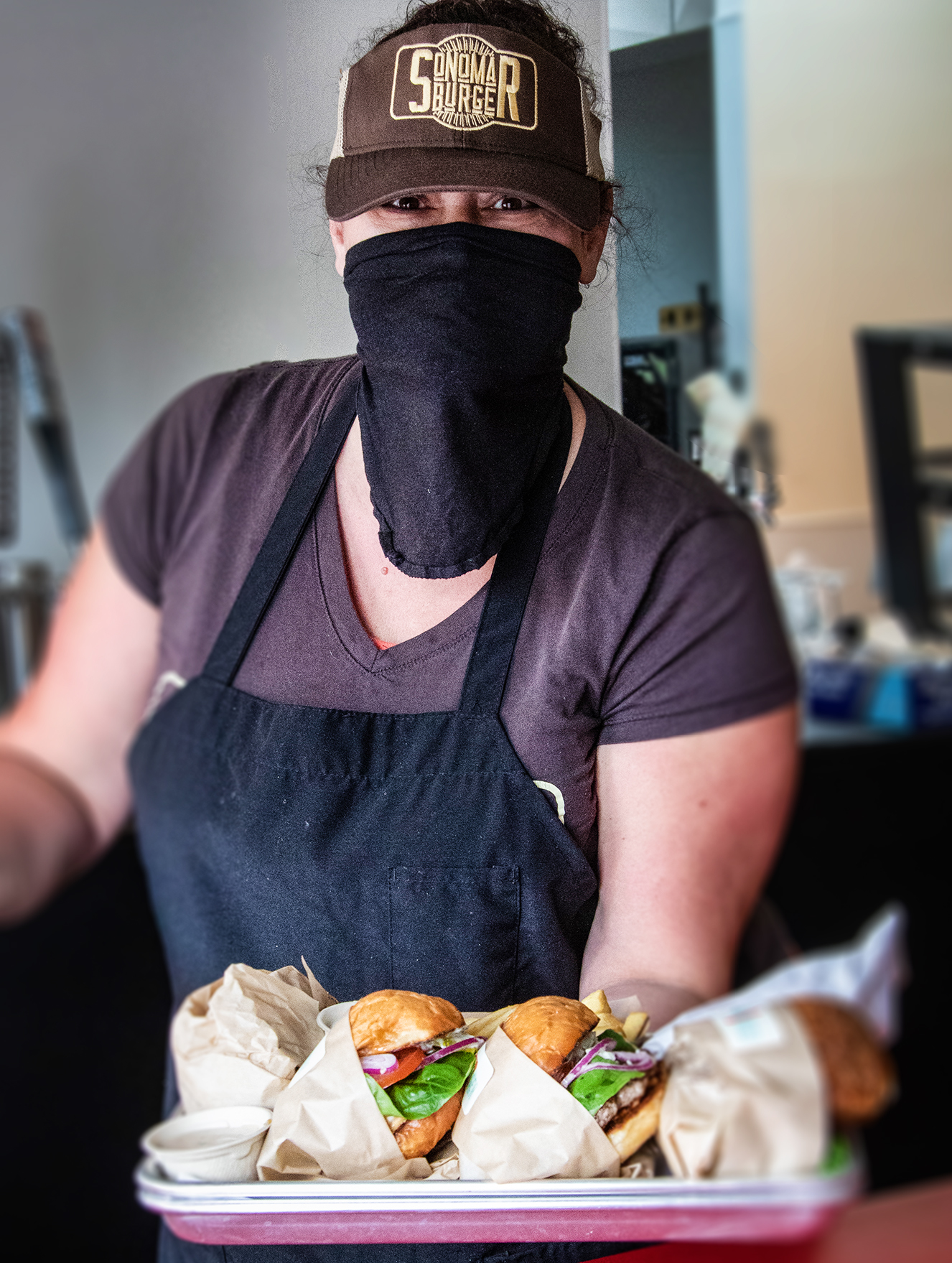
Smash burger from Sonoma Burger in Sebastopol. (Courtesy of Sonoma Burger)

Thin, crispy, Panko-crusted, bacon-fat-fried onion rings won’t change your life. But if anything could change your life — in a single bite — it would be precisely those onion rings, served at Sonoma Burger in Sebastopol.

This fast-casual burger spot started as a pop-up at Gravenstein Grill in the early days of the pandemic, as the Sebastopol restaurant navigated evolving health mandates. The pop-up gained traction and Gravenstein Grill Executive Chef Bob Simontacchi, with business partner and restaurant manager Brandon Parkhurst, started looking for a permanent location for their new venture. They settled on the former Giovanni’s Deli, just around the corner from Gravenstein Grill, and Simontacchi expanded the menu. It now includes those righteous rings along with smash burgers, “griddle hot dogs,“ a crispy chicken sandwich and other tasty bites on warm Parker House buns.

Serving up at Sonoma Burger. Heather Irwin, Press Democrat
Serving up at Sonoma Burger in Sebastopol. (Heather Irwin/Sonoma Magazine)

Almost everything on the Sonoma Burger menu is made in-house, from the herb ranch dip to the fermented pickles. Simontacchi’s passion for local ingredients shows: He gets his burgers and hot dogs from Sonoma Mountain Beef Co. and uses Moonlight Brewing’s Death and Taxes lager in the beer cheese sauce (a required addition to your order). The fried chicken sandwich is made with Mary’s chicken, and the cream for the soft serve ice cream comes from Straus Family Creamery.

Take note, however, that the burgers are conspicuously small. In fact, all portions are pretty petite. We didn’t really miss all the extra stuff, which is usually too much of a good thing anyhow. But if you want more, there are plenty of toppings to add. The smash burger, served with pickles, raw onion, lettuce, tomato and sauce, is $6 — the meat is locally raised by a woman rancher. Extras include cheese ($1 – $1.50) and Sonoma Meat Co. bacon ($1.75); a double patty is $3.25. That makes a burger with all the good stuff about $8 – $10.

It seems Simontacchi and Parkhurst are onto something with this build-your-own-burger model. As supply-chain disruptions and shortages continue, the cost of meat is skyrocketing. Instead of paying $20 for a gourmet burger with fries and sauce or $3 for a not-so-satisfying fast-food burger, Sonoma Burger customers can decide how much they want to invest in their next burger, making it deluxe or basic (but still good).

Best bets include the super-crispy and juicy fried chicken sandwich ($7); the BBQ Burger ($8.50) with a kicky ginger barbecue sauce and crispy onions; and the Tempeh Burger ($7), with house-smoked seasoned tempeh and griddled onions.

“Griddle hot dogs” are a revelation. Like smash burgers (literally smashed onto a hot griddle to achieve optimal savoriness, or umami flavor), these dogs, which are sliced in half, get perfectly browned and crisp on both sides. Topped with homemade chili and pimento cheese, they’re an arpeggio of flavors.

Order the Sonoma Strong Turkey Burger ($7) and a $1 donation will be made to Food for Thought, a west county-based charity that provides food to Sonoma County residents with medical needs.

There’s a small outdoor area for seating, and takeout is available. You can order beer on tap and local wines, along with soft drinks, floats and milkshakes. Open daily from 11 a.m. to 8 p.m., 173 Pleasant Hill Ave. N., Sebastopol, sonomaburger.com

3 New Hotels to Check Into by the Russian River

There was a time, not that long ago, when you might have struggled to find a hotel by the Russian River with a contemporary feel. Options were limited but demand was growing and, luckily, people in the know were taking notes. Now, a trio of hotels — all with a long history in the town of Guerneville — have received extensive facelifts and are making us dream of a river getaway. Click through the above gallery for details.

Pair Wine Tasting With Outdoor Activities at These Sonoma Wineries

Fall is the perfect time to get outside in Sonoma County. Sunny blue skies remain but cooler temperatures prevail. And as vineyards start to display their gorgeous take on fall colors, a number of wineries in Sonoma County are offering outdoor experiences that pair perfectly with a glass of vino. Click through the gallery above for some winery adventures worth getting on the calendar before Mother Nature sets her sights on winter.

‘The Last Nomad’: One Woman’s Journey From the Somali Desert to Santa Rosa

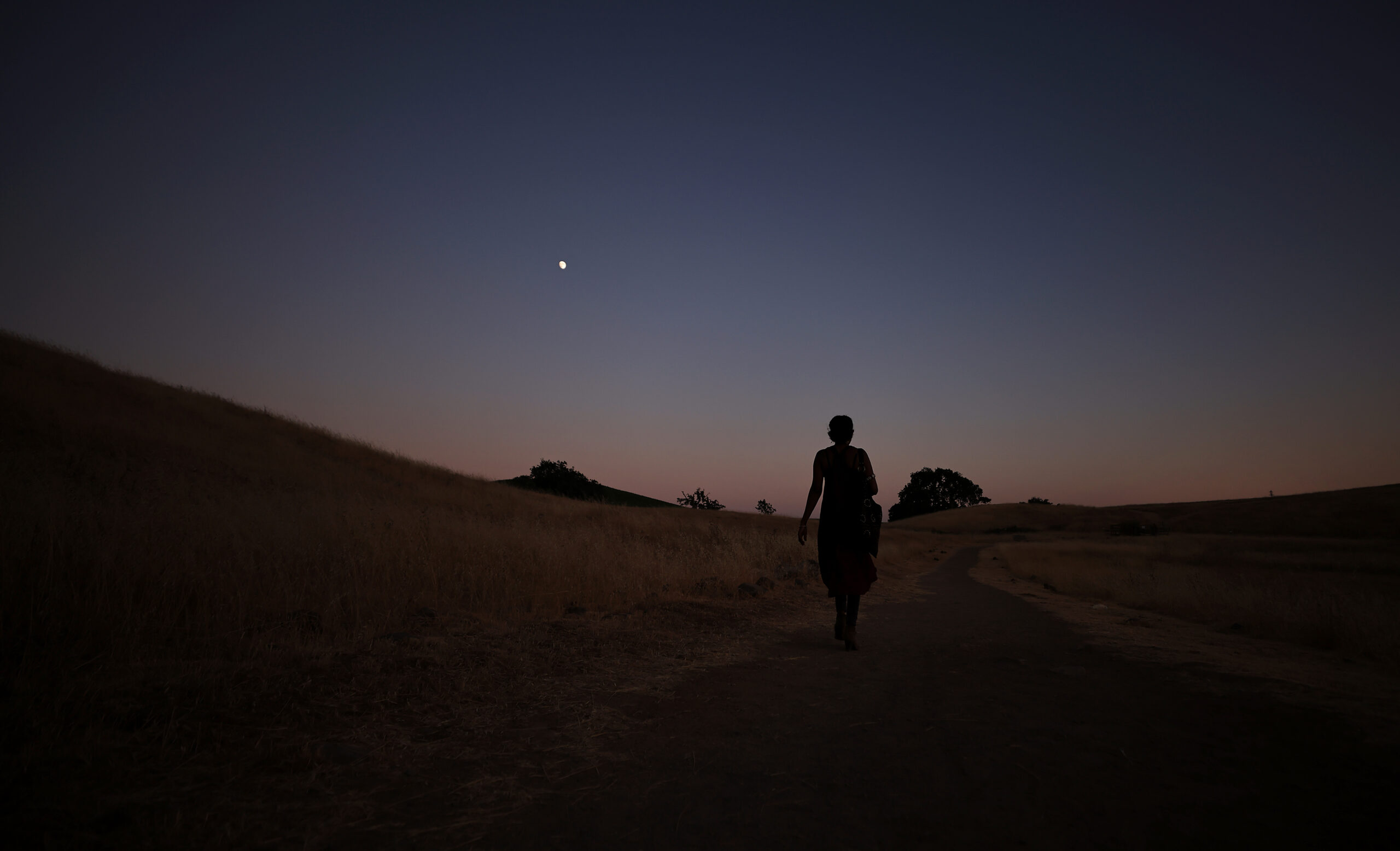
Shugri Salh yearns to return to the red East African desert of her youth. But her native Somalia is controlled by a strict and conservative Muslim sect and she would not feel safe. So she hikes the meadows and woodlands near her Santa Rosa home. (Kent Porter / The Press Democrat)

As first-time author and Santa Rosa resident Shugri Said Salh gazes out at the dry rolling grasslands of Crane Creek Regional Park, she is both overcome with wonder and reminded of the Somali desert where she was born. How did a child, raised by her grandmother in a family of nomadic goatherds, get to this place of peace and plenty?

A nurse and self-described “soccer mom,” Salh shares her incredible journey across cultures and continents in a new memoir, “The Last Nomad.” She writes with reverence of her desert upbringing, under the wing of her grandmother, in a world of savage beauty, poetry, and storytelling. She also reflects with clear-eyed honesty on the plight of women in a repressive culture and the cruelties she witnessed in a homeland she describes as riven by clan warfare.

Shugri Sahl spent the earlier part of her life as a nomad, traveling the desert in Somalia where she was born. Now 47, a mother of 3 and a nurse, she often hikes Crane Regional Park near Rohnert Park for solace and emotional therapy, Tuesday, July 20, 2021. (Kent Porter / The Press Democrat) 2021
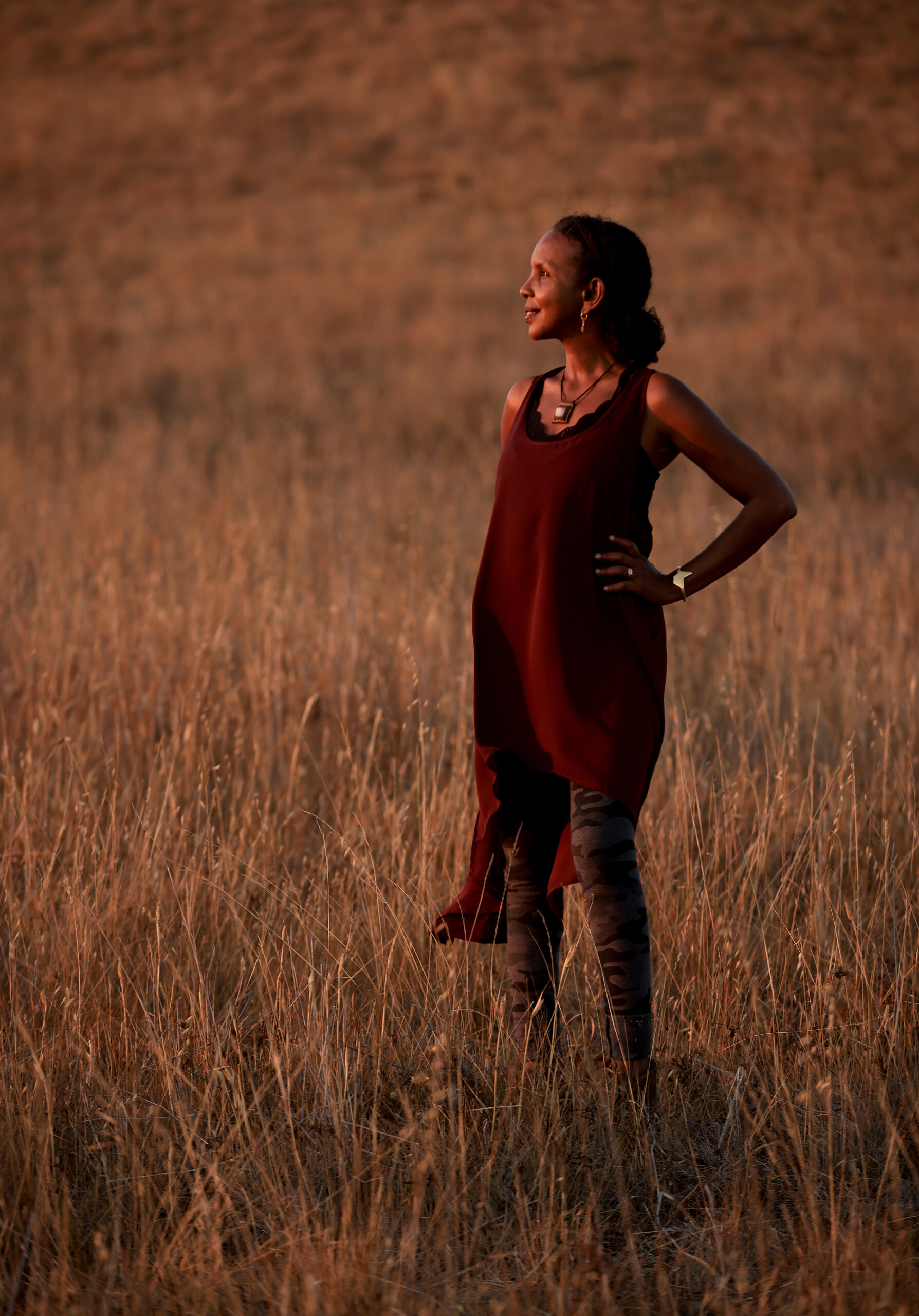
Shugri Salh takes comfort in the open meadows and clear skies in the hills above Santa Rosa. (Kent Porter / The Press Democrat)
Shugri Sahl spent the earlier part of her life as a nomad, traveling the desert in Somalia where she was born. Now 47, a mother of 3 and a nurse, she often hikes Crane Regional Park near Rohnert Park for solace and emotional therapy, Tuesday, July 20, 2021. (Kent Porter / The Press Democrat) 2021
Shugri Sahl spent the earlier part of her life as a nomad, traveling the desert in Somalia where she was born. Now 47, a mother of 3 and a nurse, she often hikes Crane Regional Park near Rohnert Park for solace and emotional therapy. (Kent Porter / The Press Democrat)
A grandmother’s legacy

I don’t believe I would have been as resilient as I am today without watching a woman that strong and resilient. She was a camel tamer. A camel is crazier than an untamed horse. I see her dismantle the hut. I see her herding goats. I see her getting ready for the droughts. I see her enjoying the rainy season. I come from this strong badass woman. So I feel like every time I’m having a hard time, I remember: I am a woman of the desert. I am the girl who came from this grandmother.

The perils of nomadic life

Survival of the fittest is put to the test. You either die or you survive. You get sick. There’s drought. Lions attack and take you. Every time you go out to the animals, it’s obvious you could encounter lions and hyenas and wild dogs. And yet they expect you to come home with the goats, all well-counted.

Shugri Sahl spent the earlier part of her life as a nomad, traveling the desert in Somalia where she was born. Now 47, a mother of 3 and a nurse, she often hikes Crane Regional Park near Rohnert Park for solace and emotional therapy, Tuesday, July 20, 2021. (Kent Porter / The Press Democrat) 2021
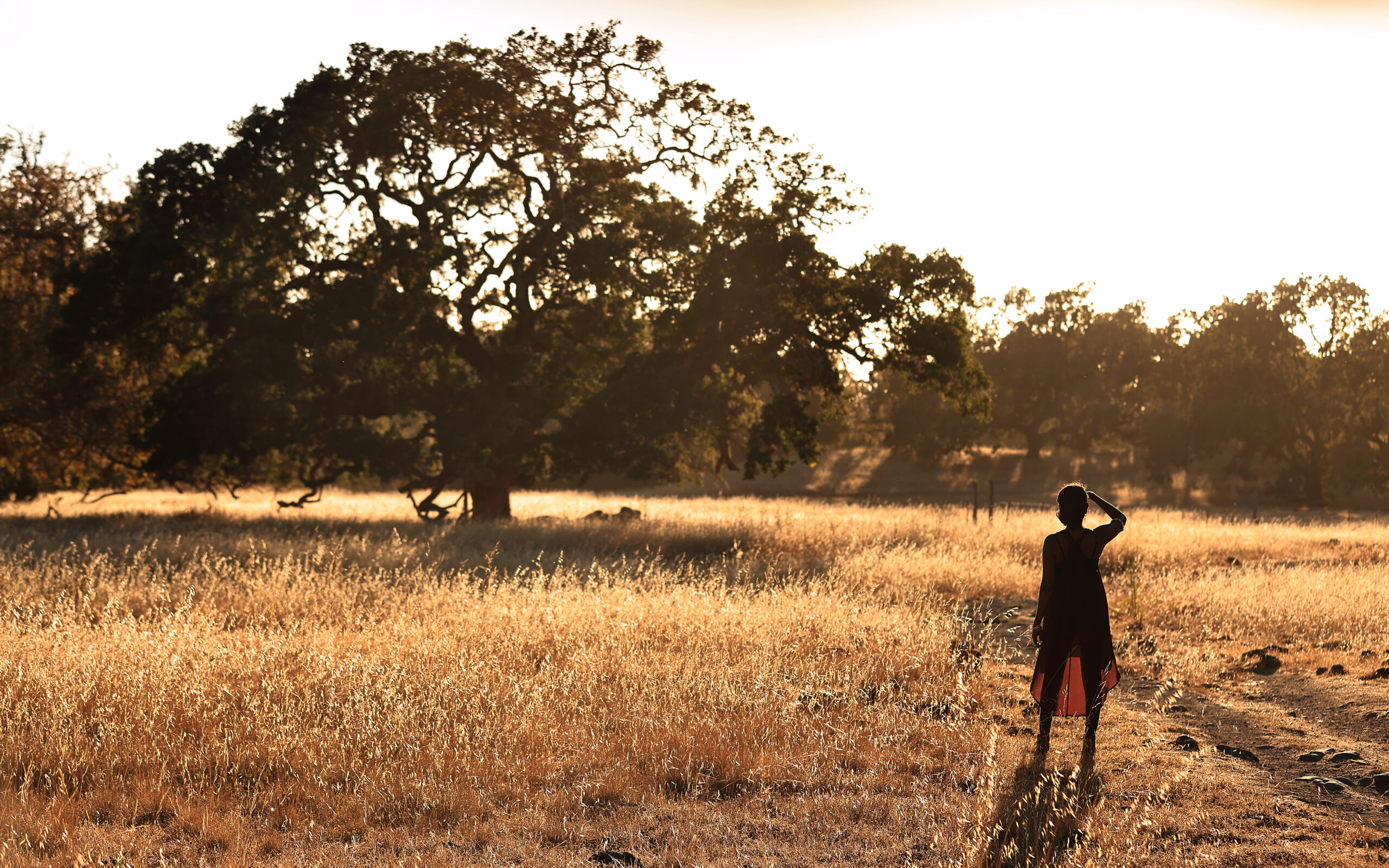
Shugri Salh surveys the grasslands and oak woodlands of Crane Creek Regional Park, where she goes regularly for emotional healing. Although the terrain is different, the open spaces stir memories of her childhood in the desert of Somalia. (Kent Porter / The Press Democrat)
Shugri Sahl spent the earlier part of her life as a nomad, traveling the desert in Somalia where she was born. Now 47, a mother of 3 and a nurse, she often hikes Crane Regional Park near Rohnert Park for solace and emotional therapy, Tuesday, July 20, 2021. (Kent Porter / The Press Democrat) 2021
Santa Rosa nurse Shugri Salh’s memoir, “The Last Nomad,” of her early life in the Somali desert and her escape to the west, was published in July by Algonquin Books. (Kent Porter / The Press Democrat)
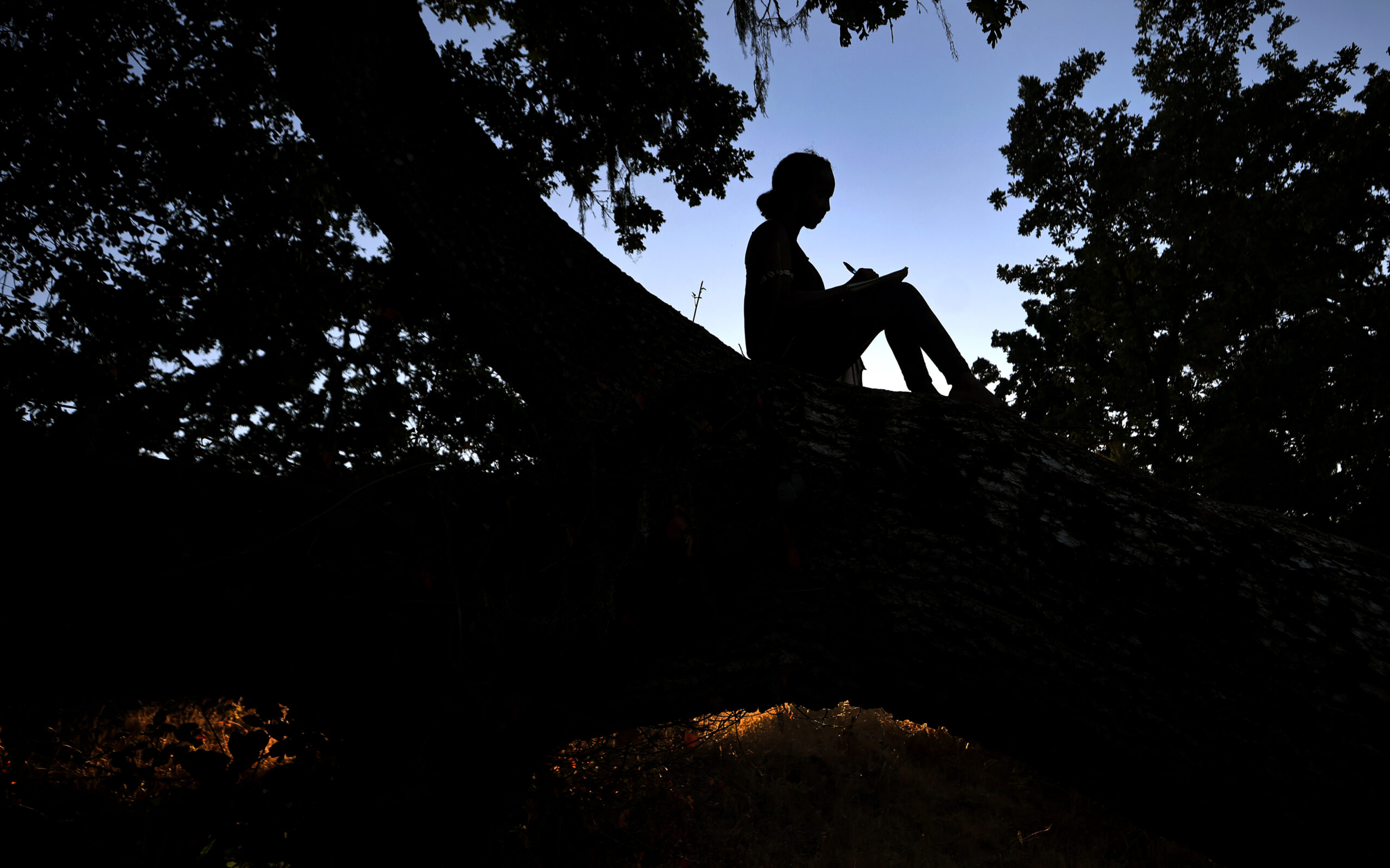
Shugri Salh has a favorite spot in the branches of a tree in Crane Creek Regional Park, where she goes to walk, write and mediate. (Kent Porter / The Press Democrat)
Revisiting a life left behind

I wanted to leave a legacy. My children don’t really know the world I came from. I want to make them understand. I was part of two cultures. I am the last nomad of my family. It’s not like my California kids will one day go back to the desert. They say in Somali, loosely translated, “You’re not going to live long or forever. But you may leave your words. “

Read the full article here