

How to Celebrate Pride Month in Sonoma County

Kevin Witham, center, waves a pride flag as and other Sutter Health Santa Rosa employees participate in the Sonoma County Pride Parade in Santa Rosa, California, on Saturday, June 1, 2019. (Alvin Jornada / The Press Democrat)

The most colorful time of the year is here. With the arrival of Pride Month, Sonoma County residents are getting ready to don their rainbow garb and spread the love at events and festivals.

Sparked by the 1969 Stonewall uprising in Manhattan and the first Pride march in New York City in June the following year, LGBTQ+ pride celebrations have long been held in June across the United States to recognize the impact of lesbian, gay, bisexual, transgender and queer people and the intolerance they often face.

Sonoma County has its own unique LGBTQ+ history. While there has long been a prominent LGBTQ+ community in the county, it took years — and several failed attempts — for activists to get supervisors to recognize Pride Week in May 1992.

Today, pride flags fly high and LGBTQ+ life is celebrated year-round in Sonoma County, not just in June. But there are also special events planned to honor the month this year. Here’s what the county has in store for this year’s Pride Month.

June 1-5: Sonoma County Pride Parade and Festival

After a two-year hiatus due to the pandemic, Sonoma County Pride will hold its 35th annual Sonoma County Pride Parade and Festival in downtown Santa Rosa on June 4, with other special Pride events happening throughout the week. The theme of this year’s celebration is “We Are Family,” to salute bonds in the community.

The organization will kick off Pride Month with a pride flag raising on top of the Rosenberg Building at 11 a.m. Wednesday, June 1, on the corner of Mendocino Avenue and Fourth Street in Santa Rosa.

Sonoma County Pride and sponsors will host a Pride Movie Night with a free showing of the romantic comedy-drama “Love, Simon” starting at 6 p.m. Thursday, June 2, in Santa Rosa’s Old Courthouse Square.

From 4 to 8 p.m. on Friday, June 3, there will be a Pride Happy Hour in Old Courthouse Square, featuring DJ Rotten Robbie and performances by singer-songwriter-guitarist Melissa Levi and modern jazz singer Spencer Day.

The Pride Parade will run along Fourth Street in Santa Rosa from 11 a.m. to noon on Saturday, June 4, with the festival kicking off at noon and continuing until 5 p.m. in Old Courthouse Square. Brent Farris and Debbie Abrams of KZST will be the parade’s masters of ceremonies and “Jeopardy!” champion Amy Schneider will be the grand marshal. Honorees include Sonoma County LGBTQ+ historian Tina Dungan, owner of the LGBTQ+ tour and event company Out In The Vineyard Gary Saperstein, Healdsburg Mayor Osvaldo “Ozzy” Jimenez and Santa Rosa Mayor Chris Rogers. Parade floats and performances will be judged by a panel, and awards will be presented on the Festival Stage at 2 p.m.

Local LGBTQ+ social networking group Santa Rosa GayDar will host a Reunion Queer Dance Party from 9 p.m. to 1 a.m. Saturday, June 4, at La Rosa Tequileria & Grille on Fourth Street. A drag show will begin at 10:30 p.m. featuring hosts and drag queens Lolita Hernandez, Maria Twampson and Shania Twampson, with DJ Ron Reeser. The party and show is for adults age 21 and older. Tickets are $10 and can be purchased on Eventbrite.

A Wigs & Waffles Drag Brunch will be held starting at 9:30 a.m. on Sunday, June 5, in the 630 Park steakhouse at Graton Resort & Casino in Rohnert Park. A drag show will begin at 11:30 a.m. with DJ host Juanita MORE! and performances by Rahni NothingMore, Mary Vice and Princess Panocha. Tickets are $85 and can be purchased on Eventbrite.

RuPaul’s Drag Race star Rock M. Sakura will host a Pink Pool Party from 1 to 6 p.m. on Sunday, June 5, at Graton Resort & Casino. Entertainment will be provided by DJs Lady Char, Hector Fonseca and Jimmy Hits, with special guest Natascha Bessez. General admission is $30, with other ticket options for poolside daybeds and cabanas with Champagne, fruit plates and amenities packages. Tickets are available on Eventbrite.

For more information, go to Sonoma County Pride’s website at sonomacountypride.org.

June 4: Capo Creek Winery Pride Celebration

Healdsburg’s Cāpo Creek Winery will host a pride celebration on its estate with wine, food and special drag performances from 1-4 p.m. on Saturday, June 4. Tickets are $50 and can be purchased here.

7171 W. Dry Creek Road, Healdsburg, 707-608-8448, capocreekranch.com

June 15: Pride Business Leadership Awards

North Bay Business Journal will host an awards show honoring LGBTQ+ business leaders in the North Bay from 4-6 p.m. on Wednesday, June 15, at Luther Burbank Center for the Arts in Santa Rosa. Tickets are $75 per person and can be purchased on Eventbrite.

Luther Burbank Center for the Arts, 50 Mark West Road, Santa Rosa, 707-546-3600

June 25: Windsor Pride Festival

People4Parks, the Windsor Parks and Recreation Foundation, will present Windsor’s first Pride Festival from 2-9 p.m. on Saturday, June 25 on the Town Green. The family-friendly festivities will include a designated kid zone, a street fair with plenty of food and drink, a community fair with resources featuring over 20 Bay Area nonprofits and live performances with headliners Wonderbread 5 and The Purple Ones. The festival is free and open to all. Find more info at lovewinsinwindsor.com.

Windsor Town Green, 701 McClelland Drive, Windsor

Throughout June: Pride Month at Sonoma County Library

In addition to having its BiblioBus stationed at the Sonoma County Pride Festival from noon to 5 p.m. on Saturday, June 4, the Sonoma County Library will celebrate Pride Month with a handful of events and book clubs dedicated to LGBTQ+ history throughout the month.

The library has been hosting a Virtual Pride Club for Teens all year from 5 to 6 p.m. on Tuesdays. Through June, it will continue to provide queer teens and allies with a virtual space to discuss books and other media showcasing LGBTQ+ voices. Register for the free Virtual Pride Club for Teens meetings here.

The library also hosts a Queer Book Club for adults from 6 to 7 p.m. on the second Wednesday of the month. June’s book club meeting will be held on Wednesday, June 8, and cover the romance novel “One Last Stop” by author Casey McQuiston. Register for the free Queer Book Club meeting here.

As part of its weekly Create Teen! crafting program for ages 12 and up, the Roseland Regional Library will celebrate Pride Month by hosting a Pride keychains and rainbow wall hangers workshop from 4 to 5 p.m. on Friday, June 10, and Friday, June 17. Snacks and all crafting materials will be provided for attendees. Register for the keychain-making event here and the wall hanger-making event here.

The library will close out Pride Month with an in-person presentation on the Sonoma County LGBTQI+ History Timeline. Local LGBTQ+ historians Tina Dungan and Shad Reinstein will hold an in-depth presentation on LGBTQ+ history in the North Bay, followed by questions and discussion. The event is for teens and adults and will take place from 6 to 7 p.m. on Wednesday, June 29, at the Central Santa Rosa Library. Registration is not required, though encouraged. Register for the event at sonomalibrary.org.

Sonoma County Wine Library a Haven for History Buffs

A row of rare and restricted use books about wine and grape growing at the Sonoma County Wine Library in Healdsburg. (Beth Schlanker/The Press Democrat)

Millie Howie blamed the moon for convincing her to move to Sonoma County.

It was the mid-1970s, and the publicist and wine writer was about to head home after an event at Geyser Peak Winery. As she made her way across the parking lot, her gaze lingered on the expansive view of Alexander Valley at dusk.

“I stopped and turned to get into my car, and the moon came up like a jack-in-the-box,” Howie recalled in an oral history recorded by the Sonoma County Wine Library in 2004. “It was the golden harvest moon … and it was perfectly round and enormous. I said, ‘Yup, this is where I’ve got to live.’”

Over the next 30 years, Howie became one of the most passionate promoters of the Sonoma County wine industry: the region’s first wine publicist, co-founder of the Wine Road, creator of the first Sonoma County wine map, curator of wine history and prolific wine writer.

But perhaps Howie’s greatest achievement was the Sonoma County Wine Library, which she envisioned and fundraised for over the span of 20 years.

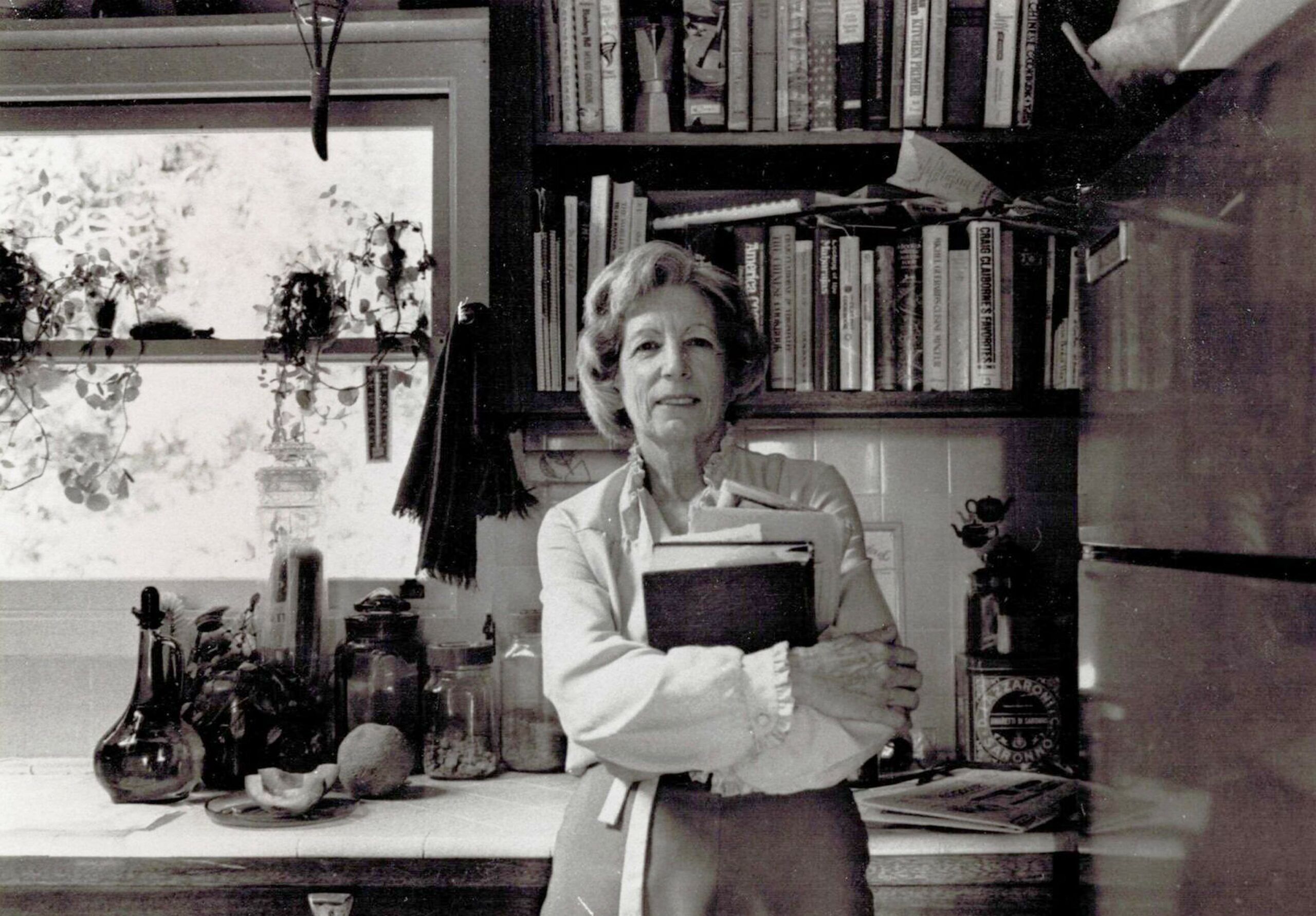
Wine Road founder Millie Howie, pictured at home, originally brought together five founding wineries — Geyser Peak, Foppiano, Trentadue, Simi and Pedroncelli — to form the Russian River Wine Road in 1976. Today, there are 200 wineries along the Wine Road. (Sonoma County Wine Library Collection)
Millie Howie, pictured at home. (Sonoma County Wine Library Collection)

“Millie was the spark plug and the driver of the wine library,” said Jan Mettler, Howie’s former mentee and retired co-founder of Boss Dog Marketing. “She loved the rich history of Sonoma County’s farm families and wanted to preserve the region’s agricultural roots. She wanted to create something for the greater community.”

What is the Sonoma County Wine Library?

Dedicated in 1989, the Sonoma County Wine Library doesn’t serve wine. But don’t let that stop you from a detour to this fascinating archive of wine history.

Located at the Healdsburg branch of the Sonoma County Library, the wine library’s collection features 5,000 wine books, including 1,000 that are rare, and one astonishing tome dating to 1514.

You’ll also find a generous collection of historical wine ephemera, local wine artifacts and a glut of historic photos, maps and posters. The library carries current subscriptions to 40 wine periodicals and trade publications and plenty of current research material.

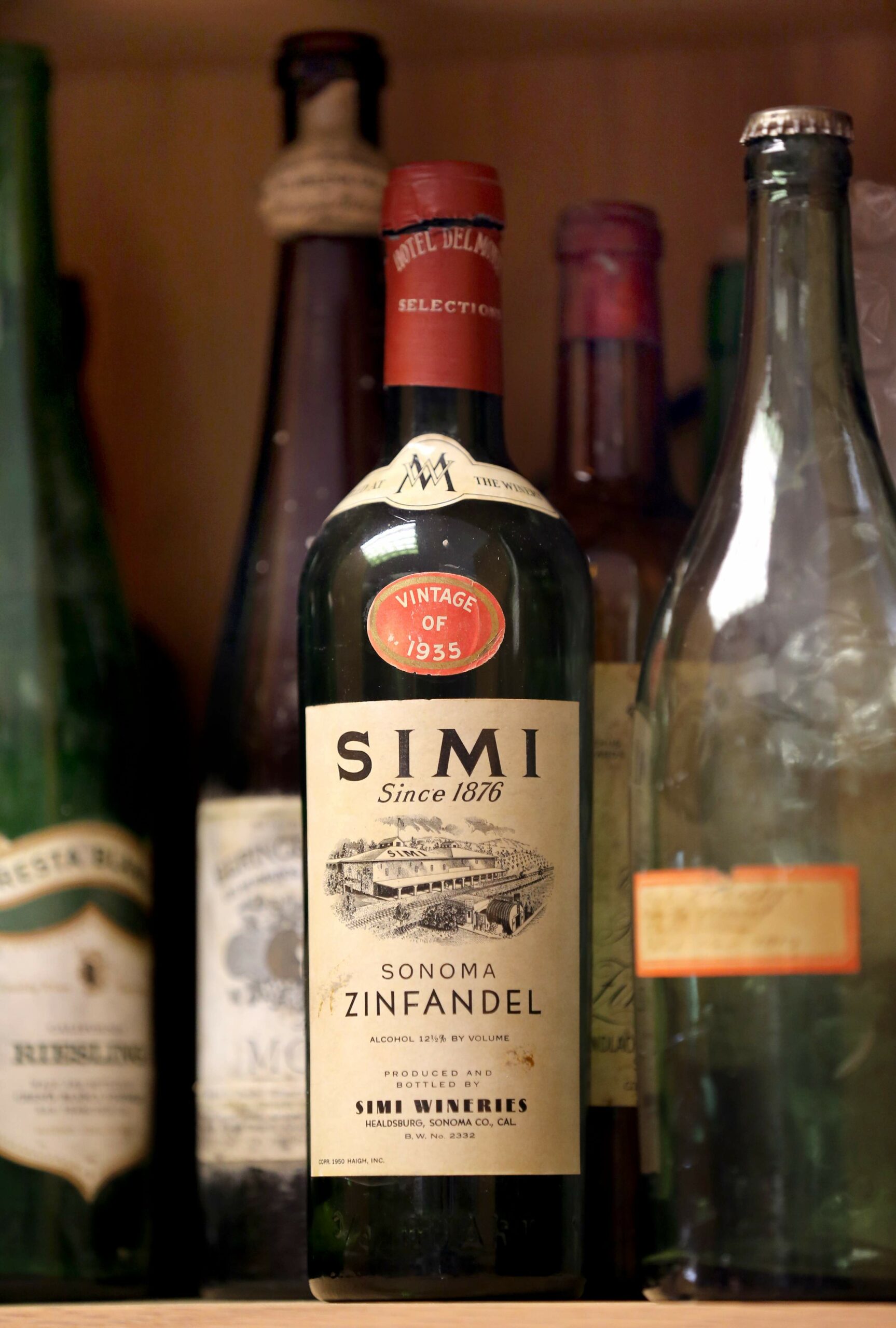
A bottle of 1935 zinfandel from Simi Winery in a collection of vintage wine bottles at the Sonoma County Wine Library in Healdsburg on Tuesday, March 19, 2019. (BETH SCHLANKER/ The Press Democrat)
A bottle of 1935 zinfandel from Simi Winery in a collection of vintage wine bottles at the Sonoma County Wine Library in Healdsburg. (Beth Schlanker/The Press Democrat)

However, perhaps the library’s most valuable collection is Howie’s brainchild: a compendium of 26 oral histories with Sonoma wine industry pioneers like Davis Bynum, Merry Edwards, Saralee and Richard Kunde, Mike Tedeschi and Howie herself. (You can find physical copies of the transcribed interviews in the library and digital copies online at digital.sonomalibrary.org.)

“All it takes is one generation to lose historical information about your family or an industry,” said Jeff Davis, the Sonoma County Wine Library Association’s oral history chair. “These oral histories are important to preserving Sonoma County’s wine history and making the information available to the public.”

In 2018, Davis began producing “visual oral histories,” or video interviews, for added engagement and insight. So far he’s captured interviews with wine industry icons Helen Bacigalupi, Jim Pedroncelli, Joe and Tom Rochioli, Gary Heck and others.

Premiere screenings of the interviews serve as fundraisers for the wine library association and include a Q&A with the guest. The next event is scheduled for June 9 with Hank and Linda Wetzel of Alexander Valley Vineyards. (Tickets are available online at sonomawinelibraryassn.org/events.)

“The 30- to 45-minute visual oral histories appeal to a younger generation who wants information quickly,” said Julie Pedroncelli, board president of the Sonoma County Wine Library Association. “Video is a format they understand, and that’s one of the main reasons we’re doing this.”

Bookplate for Libri de rustica. Dating to 1514, Libri de re rustica is the oldest book at the Sonoma County Wine Library. Author is Cato, Marcus Porcius, 234 B.C.-149 B.C. (Sonoma County Wine Library Collection)

A new generation

Compelling a young adult audience to visit and use a brick-and-mortar library is not a new challenge. So Peg Champion, the Sonoma County Wine Library Association’s media manager, is turning to local colleges and universities for help.

“We’re lucky there are so many wine studies programs in our area,” Champion said. “An internship program would be a great way for the library to connect with a younger audience who can carry on our work.”

But the legacy of the Sonoma County Wine Library doesn’t rest solely on the shoulders of younger generations.

“We have a vision for the future of the library and need the community’s support,” Champion said. “The library is a key component of wine history overall, not just in Sonoma County. We have an incredible resource in our community, and we want to expand our reach, educate students and continue to grow our treasure trove of information.”

Howie’s legacy

Howie, who died in 2011, remains an integral part of the Sonoma County wine history she fought to preserve.

This June, on the 100th anniversary of Howie’s birth, the Sonoma County Wine Library Association will celebrate her legacy by launching the Millie Howie Century Fund, a campaign to enlist new members and gain financial support for library services.

“Many people don’t even know there is a Sonoma County Wine Library, and our biggest challenge comes down to spreading that information,” Champion said. “There is history embedded in every rock and every brick in Sonoma County. We just want to share that with the greater community.”

You can reach Staff Writer Sarah Doyle at 707-521-5478 or sarah.doyle@pressdemocrat.com.

Pop-Up Spaces Are Spicing up Sonoma’s Dining Scene

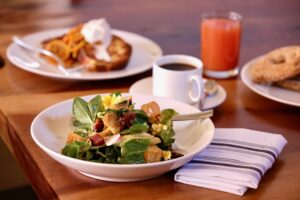
The Green Green Salad, featuring butter lettuces, spring greens, bacon lardons, sieved egg, sliced carrots and radish, croutons, My Father’s Favorite Vinaigrette, preserved lemon crema at Marla Bakery pop-up at The Spinster Sisters in Santa Rosa. (Beth Schlanker/The Press Democrat)

“Winning over your audience” and “finding your voice” are phrases Sonoma County chefs return to often when talking about the spread of pop-ups and shared kitchens. It sounds like something a musician or a playwright might say. And just like an open mic or a staged reading, restaurant pop-ups are a chance for chefs to experiment and connect with new audiences.

It’s also a chance for the restaurant community to show its true colors. “It can be a cutthroat business when you’re in the kitchen, but on the outside, we’re all a community of chefs trying to help each other, and that’s a beautiful thing,” says Ploypailin Sakornsin, the Bangkok native who dreamed up Sangsan, a Thai pop-up that serves a popular fried Thai omelet on Saturdays and Sundays at Miracle Plum.

There’s nothing new about pop-ups and shared or commissary kitchens. They’ve been around for a while. But, kicked into high gear by pandemic ingenuity and escalating local real estate prices, these spaces are popping up more often, thanks to the spirit of cooperation in Sonoma County’s resilient restaurant culture.

“When we started this business, in our very first meeting, the key word we used was ‘collaborate.’ Let’s throw out the word ‘competition’ and focus on ‘collaboration,’ ” says Sallie Miller, who, along with Gwen Gunheim, owns Santa Rosa’s Miracle Plum, a hybrid gourmet cookware shop and wine bar, with a commissary kitchen down the street.

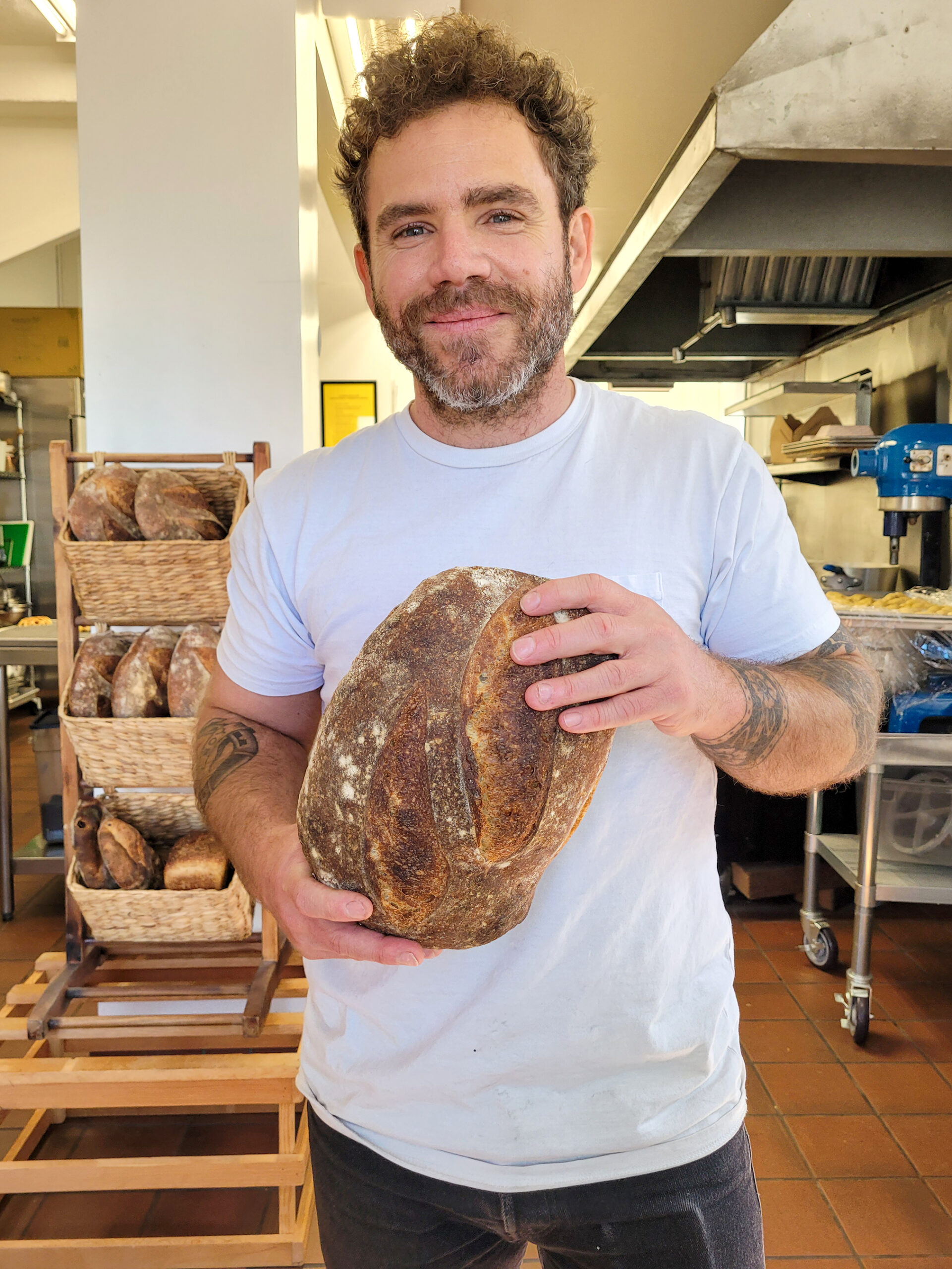
Lee Magner, owner and head baker of Sonoma Mountain Breads. (Heather Irwin/Sonoma Magazine)
Lee Magner of Sonoma Mountain Breads, which pops up at Miracle Plum. (Heather Irwin/Sonoma Magazine)
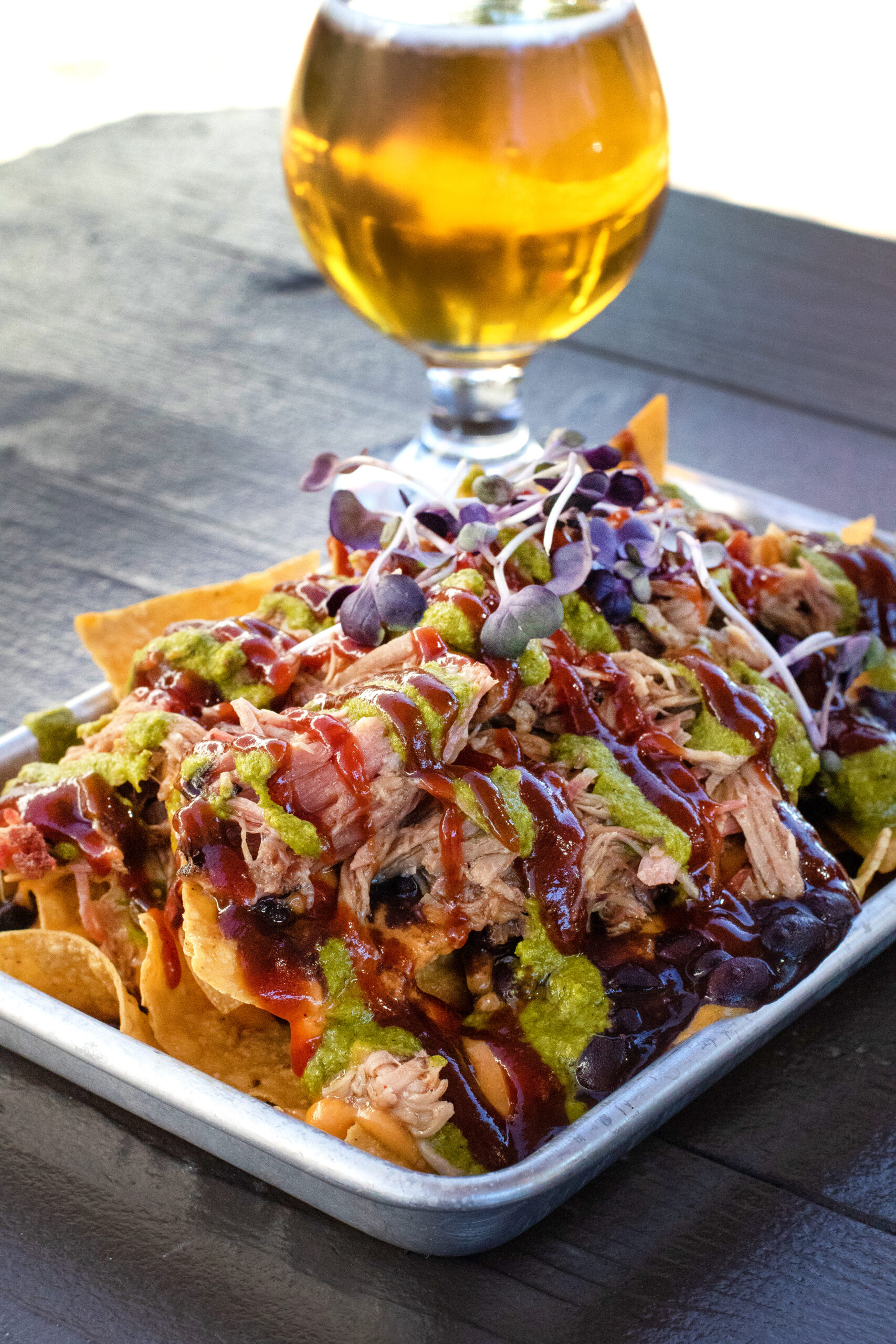
Barbecue nachos with pulled pork, nacho cheese, barbecue sauce, black beans and chimmichurri at Austin's Barbecue at Old Possum Brewing. Heather Irwin/Press Democrat
Mississippi native Kris Austin’s BBQ nachos with pulled pork at Old Possum Brewing Co. (Heather Irwin/Sonoma Magazine)

Lee Magner is one member sharing the Miracle Plum commissary with several other food operations. Magner started Sonoma Mountain Breads in 2020 with 10 loaves he baked in his apartment. He now serves breakfast sandwiches, pierogis, and Middle Eastern flatbreads on Saturday and Sunday mornings at Miracle Plum. “I feel very grateful to be where we are and have this sense of community – a community that thankfully supports what we do,” says Magner.

A few miles south in Santa Rosa, the kitchen at Old Possum Brewing Co. has been resurrected by the spirit of Southern hospitality, rotating between Texas barbecue and Louisiana Cajun pop-ups. Mississippi native Kris Austin serves up Austin’s Southern Smoke BBQ brisket and ribs one day. The next day, the crew from Bayou On The Bay cooks gumbo ramen and curry jambalaya the next (see p. 51). “Either I’m prepping and they’re serving or vice versa. It might seem weird, but it all works,” says Austin, who worked as personal trainer in Sebastopol until the pandemic hit. “Being in one place really helps us build an audience, rather than having people chase us around trying to find us.”


View this post on Instagram


A post shared by SANGSAN (@sangsanhealdsburg)

In Petaluma, collaboration is also at the heart of the new Sonoma Family Meal community kitchen.

The nonprofit jumped into action during the 2017 Tubbs fire, with chefs providing meals for the displaced and hungry. After bouncing around eight kitchens in the past five years, the group recently settled into a new 3,100 square-foot kitchen, where they will prepare weekly meals for people experiencing food insecurity and offer a home to aspiring chefs and caterers in need of affordable space. “We know there’s a tremendous lack of rentable kitchen space in this county, and you don’t necessarily need to be low-income to lack the resources for a brick-and-mortar space,” says executive director Whitney Reuling.

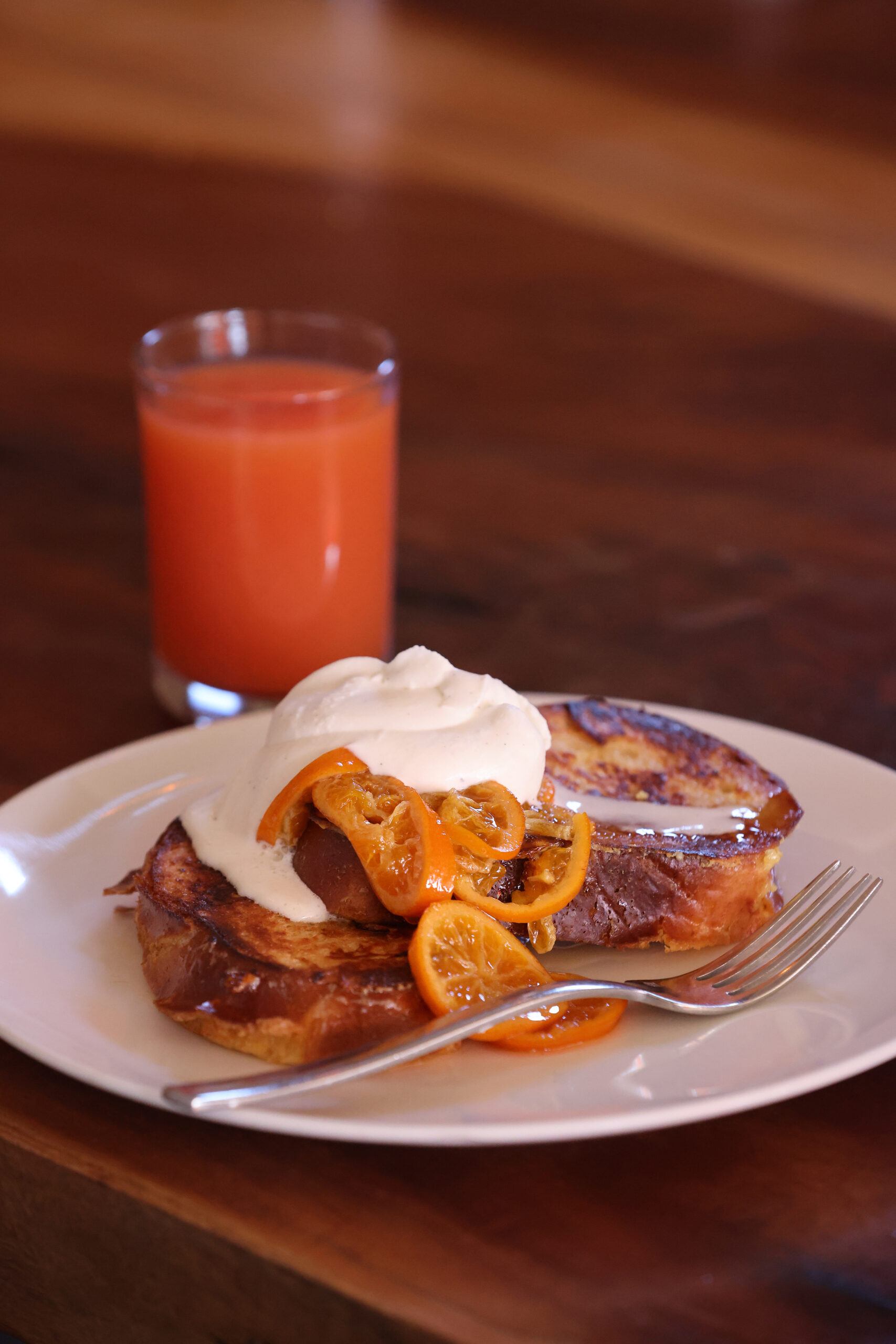
If karma exists in the restaurant industry, Marla Bakery has plenty to spare. When owners Joe Wolf and Amy Brown ran their popular brickand- mortar bakery in San Francisco, they hosted regular dinner pop-ups for friends in the industry who wanted to experiment and tap into a new audience. Now, after moving to Sonoma County just as the pandemic hit in 2020, the couple has found a new home, serving their custardy challah french toast for brunch at The Spinster Sisters in Santa Rosa, where chef-owner Liza Hinman no longer cooks breakfast (or as she puts it, “We realized we no longer find joy in poaching eggs”).

Challah French toast from Marla Bakery
Challah French toast topped with clementine marmalade and sweeter creme fraiche at Marla Bakery, a pop-up weekend brunch spot at the Spinster Sisters restaurant in Santa Rosa. (Beth Schlanker/The Press Democrat)

In many ways, looking for a pop-up partner can feel a lot like dating. “There is a level of courtship when it comes to being in someone else’s space,” Wolf says. “You’re likeminded, but you don’t have to be completely like-minded. You don’t have to have someone who fits the exact same mold as you.”

Brown, his wife and partner at Marla Bakery, agrees. “There is a little bit of a dance there – you’re a guest in their kitchen, so you’re respectful and you ask a lot of questions about how not to get in their way. You have to figure out – what’s the vibe? How does it feel? What are we stepping into?”

After working in restaurants in San Francisco for over a decade, Brown has returned to Sonoma with a new appreciation for the community where she grew up. “It can feel a little bit like a zero-sum game in the city, because everybody’s always trying to get the clicks and the Instagram likes and get people in the door. And here, in Sonoma County, it really does feel like a rising tide lifts all boats. It just feels like everybody is trying to bring their dream forward and support those around them doing the same thing.”

Find the pop-ups

Marla Bakery at The Spinster Sisters: 401 South A St., Santa Rosa. Saturday and Sunday brunch. marlabakery.com

Sangsan at Miracle Plum Kitchen: 600 Wilson St., Santa Rosa. Saturdays and Sundays. sangsanhealdsburg.com

Sonoma Mountain Breads at Miracle Plum Kitchen: Saturdays and Sundays. sonomamountainbreads.com

Austin’s Southern Smoke BBQ at Old Possum Brewing Co.: 357 Sutton Place, Santa Rosa. Mondays and Fridays. IG: @austins_smoke_bbq

Bayou on the Bay at Old Possum Brewing Co.: Tuesdays, Wednesdays, and Thursdays. IG: @bayou.onthebay

Sonoma’s Edge Restaurant Serves Up Flavors from Around the World

Executive Chef Fiorella Butron of EDGE restaurant in Sonoma. (Courtesy. of EDGE Sonoma)

Growing up in Arequipa, Peru, chef Fiorella Butron knew her life was unusual. Her mother was Peruvian, with a French great-greatgrandmother. Her grandpa on her father’s side was Italian, and her grandma was Palestinian – they met in Peru after the grandma escaped during the Israeli—Palestinian war in 1948. “I have a blend in my blood,” Butron explains.

The different cultures in her childhood household always came together in the kitchen, Butron says.

That experience would come to shape her world, as she embarked on a career that spanned continents, finally taking her to her current position as executive chef at EDGE in downtown Sonoma, a spot making waves after morphing from private supper club to full-fledged restaurant last year.

“Peruvian cuisine is already so unique,” Butron says. “But going to school, I would see that whatever my family did for the holidays or parties was so different than what my friends did. My grandma was the cook, and she would make Middle Eastern food, and also Italian, and also some Peruvian, with so many spices everywhere, and the dishes were all mixed up.”

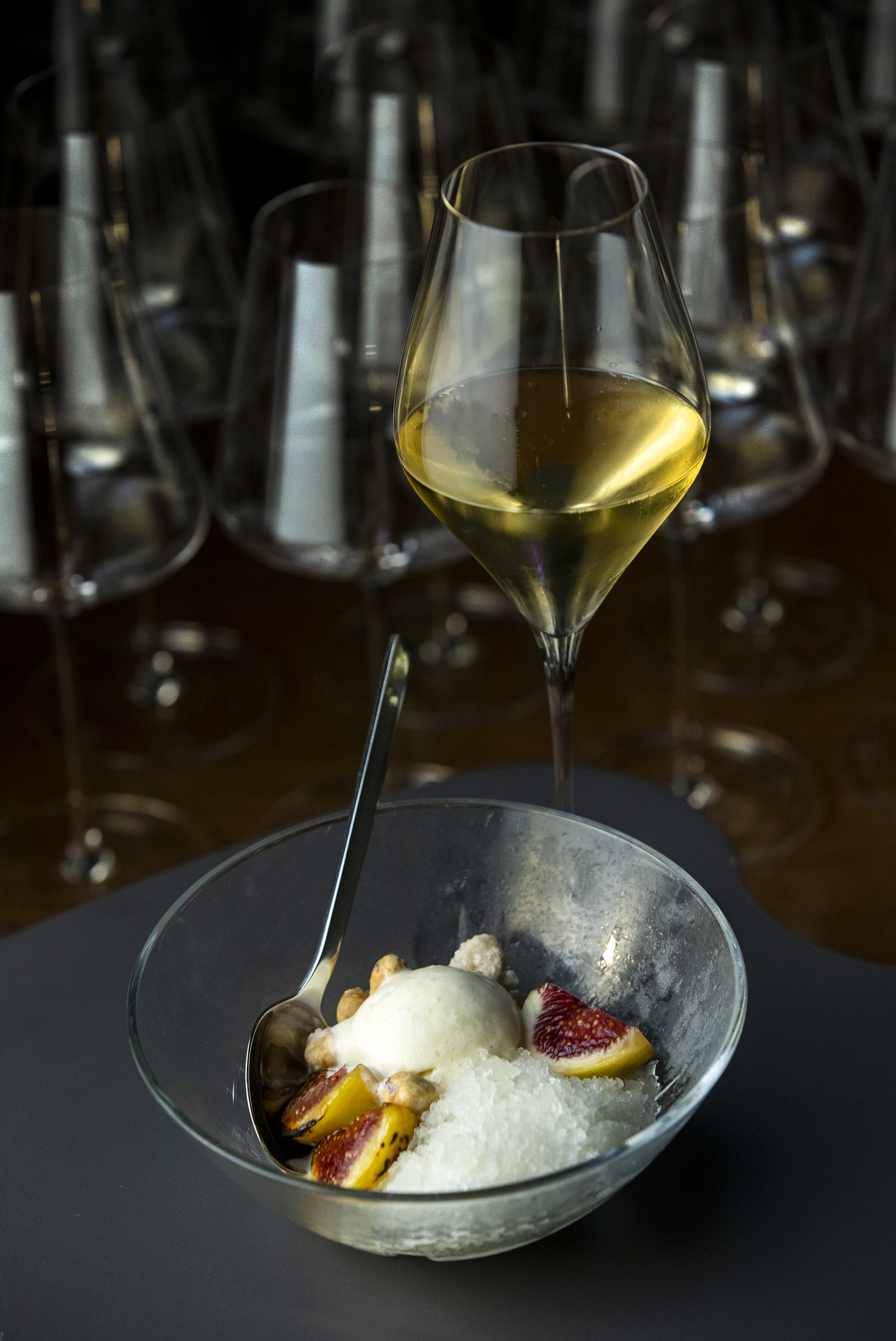
Buttermilk ice cream with plums, candied hazelnuts served with champagne, the fourth course of the ever changing Prix-fixe menu from EDGE restaurant in Sonoma. (Photo by John Burgess/The Press Democrat)
Buttermilk ice cream with plums, candied hazelnuts served with champagne, the fourth course of the ever changing Prix-fixe menu from EDGE restaurant in Sonoma. (John Burgess/The Press Democrat)
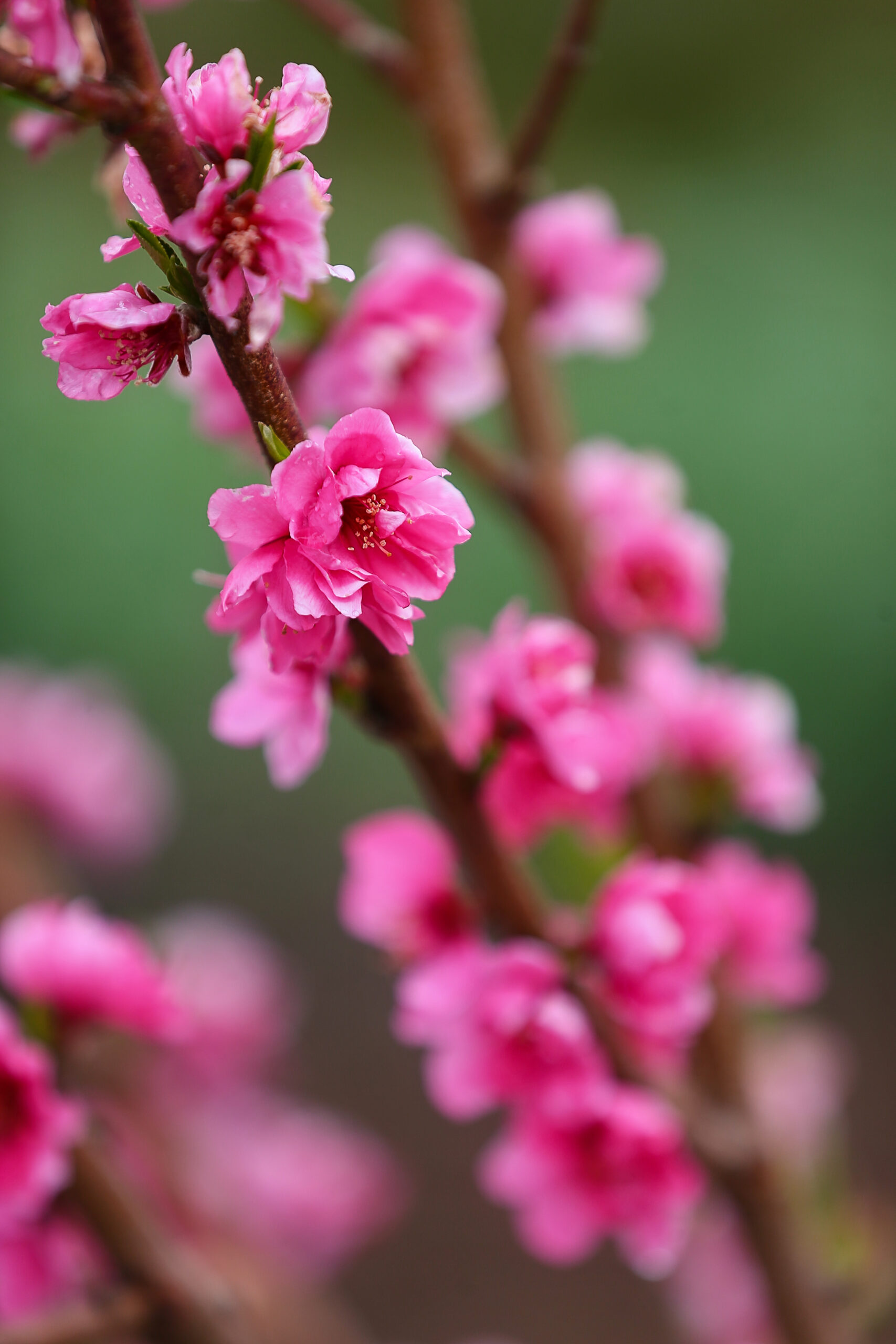
A peach tree blossoms at the culinary garden at Stone Edge Farm in Sonoma on Tuesday, March 15, 2022. (Christopher Chung/ The Press Democrat)
A peach tree blossoms at the culinary garden at Stone Edge Farm in Sonoma. (Christopher Chung/ The Press Democrat)

The only rule was every recipe had to be based on only the finest seasonal ingredients and meticulously prepared from scratch. “I have a very early memory of seeing this cheesecloth stuffed with some kind of curd, hanging in the outside stairway, and I was like, what is this?” she muses. It was labneh, a soft Middle Eastern cheese made from strained yogurt that her grandma tweaked with fresh herbs. “My friends didn’t have to spend all day wrapping cabbage leaves with lamb and rice and all these spices, either, or making Palestinian couscous by hand. But I loved it.”

Today, it’s little surprise that Butron’s own cooking is difficult to define. At EDGE, it’s California cuisine, but also French. And Peruvian —and Asian, Spanish, Mexican, Hawaiian. Expectations are high for the 42-seat restaurant, which offers a seven-course, prix fixe meal for $250, including wine pairings. It’s demanding work for Butron, 40, who is also a certified sommelier, and who changes the menu weekly, treating every element like a work of art, down to the sea salt-finished cultured butter that takes five days to make. Even her intermezzo is a study in style: Rather than simple shaved ice, she crafts a much more complex note, such as a smoky, fermented plum-mezcal sorbet sprinkled with Hawaiian sea salt that sparkles on the tongue.

“I tap into my memory banks,” she explains. “Incorporating so many different ingredients and flavors that I just know are going to work.”

Initially, Butron didn’t even plan on being a professional chef. For her first three years of college, she studied medicine. Later, she enrolled at Le Cordon Bleu in Lima, and for the next decade, she fed her other passion: travel, taking culinary jobs in in Florida, Hawaii, and California, as well as across Europe, Latin America, Southeast Asia, and the Indian subontinent.

That’s how her far-reaching dishes are born: silky kanpachi and crisp calamari with dollops of avocado puree, shaved tomatillo, and scallions, and a spoonful of Mendocino sea urchin on a pond of tomatillo sauce. The sauce is stunning, bright with the tomatillo’s bracing acidity and complex with sorrel and leche de tigre, the spicy citrus-and-chile marinade used to cure fish in classic Peruvian ceviche.

That global experience is why someone peeking into the EDGE kitchen might see Butron using a mortar and pestle to hand hand-press Peruvian huacatay (black mint), chiles, and peanuts into a spicy dressing to drizzle over baby lettuce tumbled with new potatoes and cucumbers.

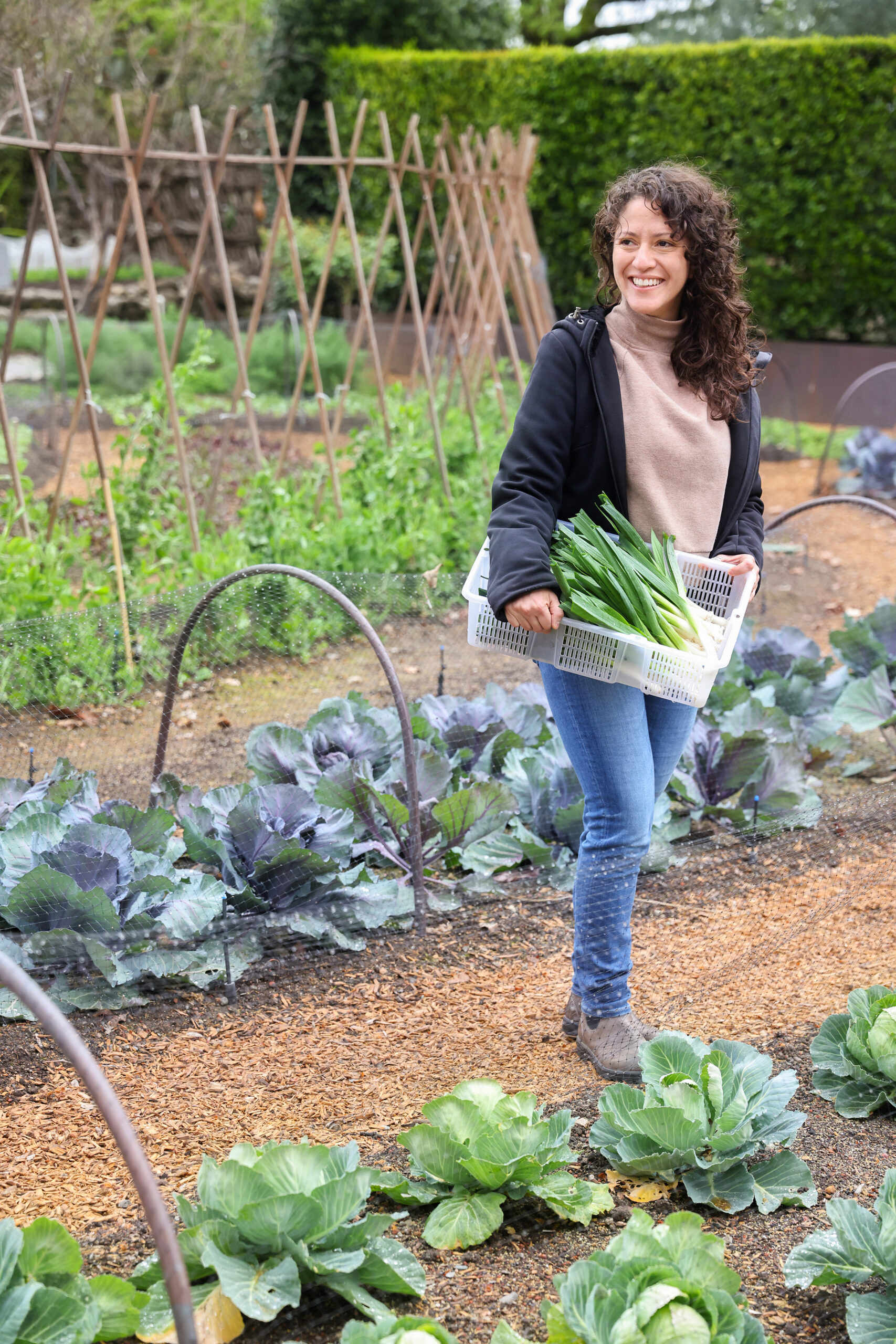
And that’s why Butron spends so much time in the fields at the restaurant’s sister property, 16-acre Stone Edge Farm in Glen Ellen. The farm and restaurant’s owners, Mac and Leslie McQuown, allow Butron free rein to cultivate what she craves, including rare plantings like marshmallow root, clary sage, candy-striped figs so beautiful they’re impossible not to eat straight from the branch, and aji amarillo chiles grown from seeds that came home from Peru one year in the chef’s suitcase.

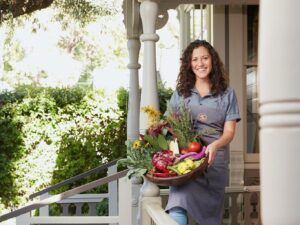
Fiorella Butron, culinary director and executive chef at EDGE, in the Stone Edge Farm culinary garden in Sonoma on Tuesday, March 15, 2022. (Christopher Chung/ The Press Democrat)
Butron oversees a spring harvest in the fields at Stone Edge Farm in Glen Ellen. The ingredients go straight from the farm to the prep table. (Christopher Chung/The Press Democrat)

“Yacón,” she exclaims on a walk through the garden, her eyes lighting up as she plucks up a slender, golden-skinned tuber, its leaves and roots dripping rich soil. “I was so excited when I saw the bed going in,” she says. She loves the South American vegetable, which is often eaten raw and tastes of apple, watermelon, and celery — but not just for its flavor. It’s medicine, too. “Yacón is made into a sweetener syrup for people who struggle with sugar levels, since it has a low glycemic index,” she explains. “Or I love fermenting it. It ends up transparent and citrus-y, so it’s a really fun accent.”

The sorrel used in her tomatillo sauce, she notes, is another gem. The herb is high in oxalic acid, vitamin C, and iron; it lowers inflammation; and it has antibacterial and antiparasitic properties. “Its acidic notes give soups, salads, and sauces an enticing flavor, or you can simply stir some in with olive oil for vegetables and fish,” she suggests.

So now, in her free time — and she stops to laugh at that fanciful notion — she is pursuing a certification as a holistic nutritionist and herbalist. “I’m fascinated by plants and the healing properties of nature,” she says.

Finding peace is a priority these days. The war in Ukraine has weighed heavy on Butron’s mind, even as she soothes her soul cooking in the pristine EDGE kitchen with shelf after shelf of seasonings, spices, herbs, and grains. “In the ‘’80s in Peru, we went through the terrorism war, and there were bombs, and that was really scary,” she recalls. “It is so hard to understand, but it is something we have all gone through in my family for so long, that we have generational PTSD. It’s sad that it is still happening, and people are still having to leave their countries.”

“Somehow, the world goes on, and we need to see the good. Food is so important to share with each other, because it nurtures all our senses, and puts us back to what we’re tasting, smelling, touching… enjoying. It keeps things positive and together, no matter where we come from or what we are going through.”

“And that’s all we have at the end, right?”

EDGE, the restaurant of Stone Edge Farm Estate Vineyards and Winery. Prix fixe dinners Weds.-Sat. 139 E. Napa St., Sonoma, 707-935-6520, edgesonoma.com

The Best Tasting Rooms in Downtown Napa

At Compline restaurant and wine shop in Napa. (Compline)

Napa is one of the most popular destinations for wine tasting in the world. But with hundreds of wineries to choose from, deciding where to start sipping can be difficult.

Downtown Napa offers a great introduction to the area with a variety of tastings rooms that allow visitors to sample a selection of wines from the same winemaker or even different wineries. Many of the tasting rooms here are family-owned and operated, which gives visitors an opportunity to meet the people behind the wines. And, as an added bonus, downtown Napa also is home to several breweries and distilleries. The best part: Whether you prefer wine, beer or spirits, all tasting rooms are within walking distance, so you can park your car and get your steps in.

From old-school to modern and sleek, from the classics to new favorites, click through the above gallery for some of the best spots for tasting wine, beer and spirits in downtown Napa. 

Jess Lander contributed to this article. 

Avinage Opens Up a World of Wine in Petaluma

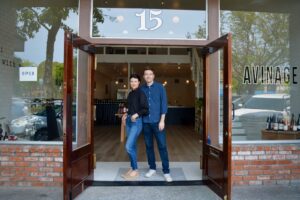
When Damien Carney moved with his family from Berkeley to Petaluma in 2019, he found warmer weather, friendly people and a shorter commute to his office in Novato. The only thing missing, he said, was easy access to the kind of wines he loves to drink and is most passionate about — ethically farmed selections from small European producers, made with minimal intervention in the cellar.

While most people would simply order their desired wines online or make the drive to San Francisco or the East Bay for a wider selection, Carney decided to open a wine shop in Petaluma. The idea wasn’t as crazy as it may sound; the ambitious 43-year-old spent years as a sales director and portfolio manager for wine importers in New York and California before taking the plunge.

Avinage (pronounced “ah-vi-nahj”) welcomed the first customers to its bright, open Petaluma Boulevard storefront — just a cork’s throw away from the Mystic Theatre — in late April. The shop is now open daily from 11 a.m. to 7 p.m., staffed by Carney with help from his wife, Shree Starkman.

Avinage carries around 250 bottles at any given time, with an emphasis on wines from France, Spain, Italy, Portugal and California, including selections from Sonoma County’s Scribe, Cobb Wines and Pax. Because Carney handpicks all of the wines for the store, he knows the stories behind each bottle.

“We have esoteric stuff, not wines you can find in grocery stores or bottles that you see everywhere,” said Carney, a French wine specialist. “Our focus is on small-production wines from family-owned producers and small importers. People that make wine on a human, not industrial, scale.”

One of Avinage’s best features is the “Table of No Regrets,” set smack in the middle of the store, with dozens of under-the-radar wines priced at $25 or less. The idea, said Carney, is to encourage customers to try new producers and varieties without spending a fortune.

“Everything on that table is some of the best wine you’re going to find under 25 bucks,” he said. “We want this to be a welcoming place for people who don’t want to spend a lot of money, and people who want to buy fine Burgundy. We want to be inviting to everyone.” That especially includes women, he added, and people across the gender spectrum.

In conceptualizing Avinage, Carney took inspiration from the caves à manger of Paris — casual shops where people can purchase a bottle of wine and then have it opened on the spot to enjoy with simple, deli-style snacks like cheeses and olives.

“I don’t want to be a wine bar or a restaurant, but I do want people to drink wine here and experience it,” he said. “I want this to be place of community and do fun things around wine.”

Retail sales are in full swing, but other elements of Carney’s vision are still in the planning phase. He expects to add specialty foods by early June, followed by in-store tastings in the next couple of months. By fall, if all goes well with licensing and permits, Avinage will begin offering wine classes and hosting casual events in the shop’s mezzanine-level lounge.

Open 11 a.m. to 7 p.m. every day. 15 Petaluma Blvd. N., Petaluma, 707-774-6080, avinagewines.com

Find Inner Peace and Unique Plant Varieties at These West County Nurseries

Warmer weather means more time in the garden. And with all the digging and planting comes a lot of thinking and planning. It’s wonderful to go with tried and true plant choices, but Sonoma’s west county has sources for unique plant varieties.

Hidden Forest Nursery (formerly Sonoma Horticultural Nursery) in Sebastopol offers lots of shade-loving plants, including the property’s own hybridized rhododendrons. While you’re there, you can enjoy some forest bathing on the property’s seven acres shaded by several trees, including a grove of dawn redwoods, an ancient tree species that dates back to the Tertiary period.

Further down Bohemian Highway, is Occidental Arts and Ecology Center. Their Mother Garden nursery (open on weekends) offers organic medicinal, edible and habitat friendly plants. Click through the above gallery for details.

15 Favorite Lunch Spots in Petaluma

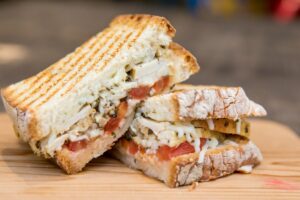
BBQ sandwich from Lombardi’s in Petaluma. (Lombardi’s)

When that midday fatigue sets in and the coffee isn’t cutting it anymore, it’s time to look for a decent meal. For those living and working in and around the charming city of Petaluma, great lunches await. Whether you’re looking for a quick, filling meal on your lunch break or have time for a casual sit-down meal with friends, there’s an abundance of options to choose from here. Check out our gallery of some of the best lunches in Petaluma.

Santa Rosa Design Firm Creates Homes Inspired by Local Landscape

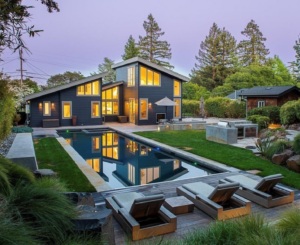
It can be hard to pinpoint the signature style of Santa Rosa-based architecture and interior design firm Zeitgeist Sonoma. Their projects don’t fall neatly within popular design categories such as “urban farmhouse” or “mid-century modern.” But there is a common denominator: they find that balance between striking and effortless.

The firm, owned and operated by husband-and-wife designer team Efraim and Jessica Wichmann, takes on a variety of projects that range from exterior restructurings to new constructions. Their portfolio includes ranch homes, farmhouses, cabins and the design of bespoke tile patterns and built-in cabinetry.

The Wichmanns like to discuss their creative process and how they arrive at their particular style. Their first priority is to “meet the pragmatic parameters.”

“We have created a pretty linear and streamlined approach. Whether it’s a renovation or new home — regardless of size — we ensure that our projects stay on time and budget,” said Jessica Wichmann, an interior designer.

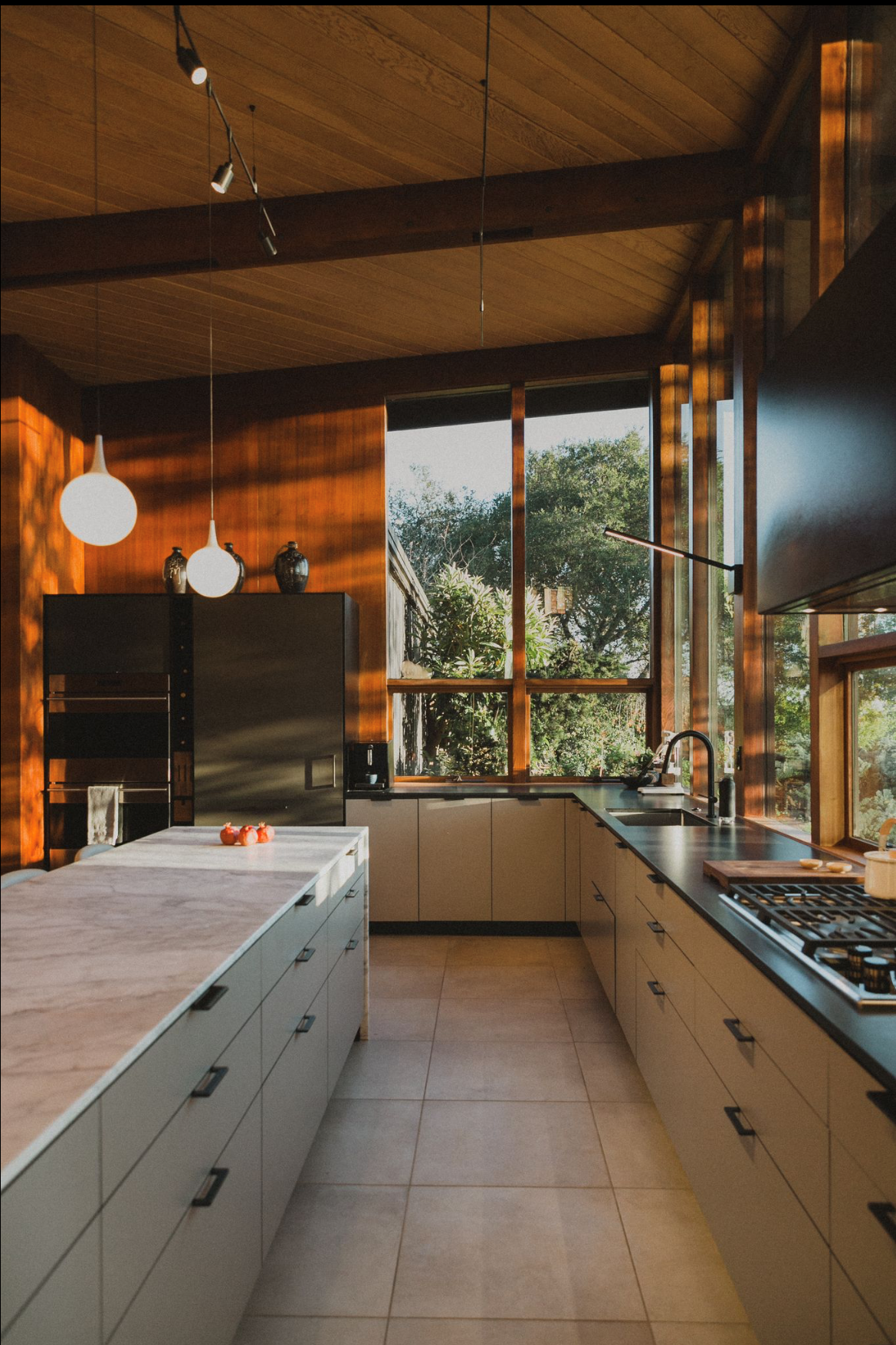
For this Fitch Mountain home — designed by Mario Corbett in 1955 — the Zeitgeist Sonoma team created an interior that evokes “a quiet earthiness.” (Tammy Horton)
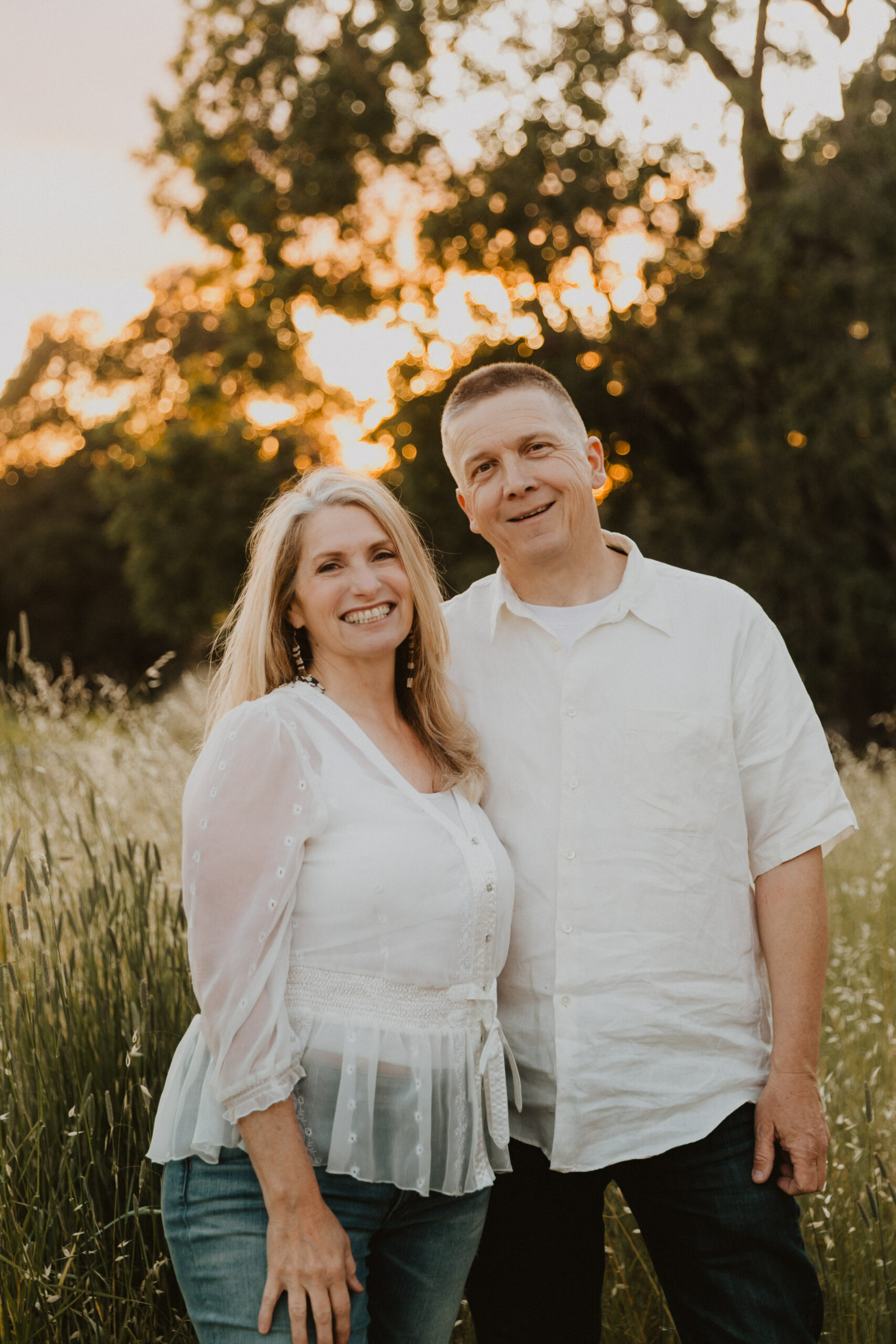
Jessica and Efraim Wichmann of Zeitgeist Sonoma. (Tammy Horton)

When designing a home, the aim is to make the client feel at home. “Spaces serve as a canvas for the life that happens within them,” said Efraim Wichmann, who has a bachelor’s degree in architecture from Temple University in Philadelphia. “We’re not interested in imposing our personal style.”

In fact, the couple are just as thoughtful when it comes to leaving out or eliminating certain design elements as they are about adding them.

“It’s like the Marie Kondo of the (home) environment,” Jessica explained, referencing the organization expert and Netflix star who advises a strict paring down of belongings, allowing only the most useful and beautiful items or design elements to shine.

The feeling a home evokes is what matters the most to the Wichmanns, who like to create a sense of quiet and serenity in the homes that they design — “something we could all use now,” said Efraim. “The home needs to be somewhere that we can shut things off and turn back to ourselves,” added Jessica.

The design duo describe themselves as house-client therapists. Questions like, “What does this building want to be?” get reconciled with the needs of the people who are going to live in it, “Who are they and how do they live?”

In order to get a better understanding of their clients’ preferences, the couple will sometimes ask them to pick out Pinterest images of homes and interiors that they like.

“If all else fails we give them a Rorschach chart,” joked Efraim.

The husband-and-wife team often makes their clients reflect on the “whys” of their wants. One client, for example, wanted to expand a living space with a 500-square-foot addition. But when the Wichmanns asked what the purpose of that would be, the client couldn’t answer. So they explored other options that tied in with more specific needs.

Another client with young children thought they needed to have a desk in their room. But Jessica, a mother of two, pointed out that her kids never do homework at a desk. Some of the things we think we need in our homes, she noted, aren’t really necessary.

Quality materials and carpentry are key to the success of the couple’s design projects.

“We integrate wood in every project,” said Jessica, who mentioned the many talented artisans and carpenters in the area. The natural elements that the couple integrates in their projects help them create a clean-lined style that also has lots of textures; a style that contrasts to the the starkness of modernism.

The Wichmanns find inspiration in a variety of places: In Europe’s historic buildings and in Victorian homes in cities like Ferndale, California. Most of all, they find inspiration in the natural landscape, in places like Point Reyes, where the couple likes to travel on their Ducati motorcycles, or on top of Taylor Mountain, overlooking Santa Rosa.

“I try to imbue the spaces we create with the feeling of being out in nature,” said Efraim. “Not literally, but in the sense of being at peace with your environment — that’s what I strive for.”

A First Look at Healdsburg’s New Madrona Restaurant

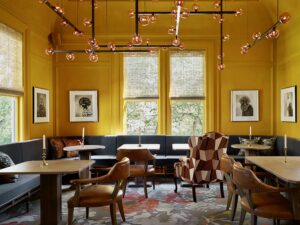
The dining room at The Madrona in Healdsburg. (Matthew Millman)

Healdsburg’s Madrona Manor was a Victorian belle in desperate need of a face-lift. Built in 1881, for decades it remained an ode to the fussy aesthetics of another era, despite its world-class restaurant and opulent location in the Alexander Valley.

After purchasing the property in 2021, a group of investors led by St. Helena-based designer Jay Jeffers; his brother, Kyle Jeffers; and general partner Cory Schisler spent more than a year rethinking the space to honor the past but also offer a modern, luxury experience worthy of the sweeping vineyard views and world-renowned restaurant.

Reopened in mid-April, the property (now called The Madrona) has maintained its elegance with fun, even whimsical touches like rabbit-eared chairs, chicken portraits and an equine-theme wainscot made of horsehair in the old carriage house. But it’s the restaurant, headed by Michelin-starred Chef Jesse Mallgren, and airy dining rooms that are perhaps most changed.

Gone are the creaky and uneven floors, heavy white tablecloths and petticoat drapes that never jived with Mallgren’s forward-thinking culinary prowess. Instead, custom carpets, modern lighting and pinstriped outdoor furniture are a visual relief for patrons dining from Mallgren’s simplified new menu.

Now serving brunch, lunch and dinner, The Madrona has tossed aside complex molecular gastronomy for more approachable, but still opulent, dishes like caviar and onion dip with trout roe and homemade potato chips, a salad of fresh estate-grown greens and chicken paillard with spicy brown butter and rice powder.

Mallgren’s famous ice cream made with liquid nitrogen is gone from the menu, but so are the early 2000s. And we’re all ready to move on.

Best Bets

Onion Veloute: One of the only dishes that remain from the original menu, this creamy soup features a floating slow-cooked egg that melts into the dish, adding a second layer of luxury.

Warm bread: Don’t be fooled by the simplicity of these towering brioche buns with tart cultured butter. Bet you can’t eat just one.

Grilled local black cod: Gently poached cod gets a bath of lemon-thyme broth studded with fresh peas and estate-grown carrots. So simple, yet so good.

Guava Sour: Don’t overlook the house cocktail menu that plays to seasonal fruits and herbs. This tart vodka sour gets a mix of guava nectar, lime, orange oil and Lillet and black salt with just a hint of herbaceous absinthe.

1001 Westside Road, Healdsburg, 707-395-6700, themadronahotel.com