Old Ernest loved himself a good daiquiri as he whiled away his writing days in Cuba.
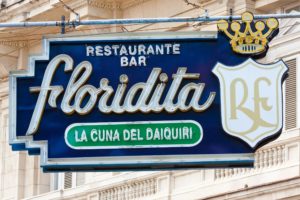
Legend has it, the Hemingway daiquiri, aka the Papa Doble was concocted by a local bartender at the El Floridita in the 1930s. Made from rum, grapefruit juice, Maraschino liqueur and lime (we like ours with a little sugar), its a fruity beach drink that’s manly enough for even old Papa H. So finding a Hemingway on the menu at M.Y. China (at the Graton Resort and Casino in Rohnert Park paired with black bean chicken feet on the happy hour menu?
Well, that’s enough to give us a reason to get our Moveable Feast on the road, and hop onto a barstool at Martin Yan’s newest restaurant. The happy hour menu is served from 3-6p.m. Monday through Friday, with all cocktails $7 (you can also get classics like a Sazerac and Old Fashioned) and “bites” including pork dumplings, steamed pork buns, shui mai dim sum and chicken feet — yup, chewy bites of poultry claws — for $5.
Graton Resort and Casino, 288 Golf Course Dr. West, Rohnert Park, (707) 703-1955.
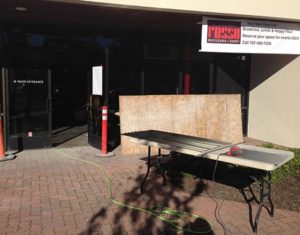
It’s easy to forget how much I love Rosso. After a few glasses of wine and a plate of burrata at the Santa Rosa pizzeria, BiteClub got the news that the new Rosso Rosticceria will be opening on March 24. 2014. I walked by the new spot, off Dutton Ave., and work seems to be coming along nicely.
As reported before, the former Sassafrass will be transformed into a casual breakfast, lunch and happy hour spot with Roman style pizzas (the pizza oven is already fired up), roasted meats, espresso and appetizers. 1229 North Dutton, Santa Rosa.
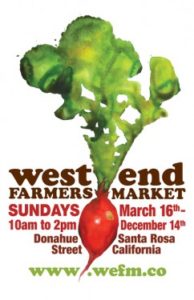
The funky little farm market near Santa Rosa’s Railroad Square, the West End Farm Market, kicks off its second year today from 10a.m. to 2p.m. near the DeTurk Round Barn. Last season, it was a wonderful mix of local farmers, crafts and food vendors with lively music and lots of family-friendly fun. Watch for Undercover Bakery, Physis Foods (great freshly made broths), Handlebar Farm, Gypsy Girl Sausage and (plotzing!) Chefs Les and Tara Goodman doing some tasty noshes at their Jewish Deli (house-smoked pastrami! Chocolate Egg Creams!)
Banshee Wines, 325 Center St., Healdsburg, 707-395-0915, bansheewines.com. One of the newer additions to Healdsburg’s downtown wine-tasting scene, Banshee has created a cool, urban enclave of wine and art, open into the evenings for lounging. Wines are available by the glass and bottle at retail prices; more formal tastings are available, paired with bites from Healdsburg Shed.
Bella Vineyards & Wine Caves, 9711 West Dry Creek Road, Healdsburg, 866-572-3552, bellawinery.com. While winter is great for meandering in Bella’s cozy caves, spring brings the opportunity to tour the hillside vineyards by four-wheel drive Pinzgauer and then taste the wines beneath the property’s giant trees. On weekends, enjoy small bites from the winery’s stellar chef, Bruce Frieseke. Cave and vineyard tours should be arranged by appointment one week in advance.
Benziger Family Winery, 1883 London Ranch Road, Glen Ellen, 888-490-2739, benziger.com. This friendly family winery is all about nature and the outdoors, nurturing an insectary to benefit the vines and taking visitors on vineyard tram tours to discuss the whys and hows of Biodynamic farming. The Benzigers produce a wide range of wines at fair prices.
Buena Vista Winery, 18000 Old Winery Road, Sonoma, 800-926-1266, buenavistawinery.com. Historic Buena Vista has refashioned its wine caves into a glittery romantic spot for barrel tasting and touring, and a section of the cave can be reserved for private, by-appointment tastes of library wines and barrel samples. Don’t miss the Champagne Cellars (kid-friendly and there is no charge), where the winery’s history can be further explored.
Campovida, 13601 Old River Road, Hopland, 707-400-6300, campovida.com. On the site of glorious gardens surrounded by vineyards, Campovida features a tasting room called Taste of Place, offering wine tasting, local artisanal fare and plenty of discussion about the advantages and challenges of organic, Biodynamic and sustainable farming in Mendocino County. In spring, don’t miss Campovida’s own stunningly delicious rosé.
Chateau St. Jean, 8555 Sonoma Highway, Kenwood, 707-833-4134, chateaustjean.com. With a sprawling picture-perfect lawn and bocce courts, the best reason to visit this venerable winery besides its gorgeous location is the 40th-anniversary celebration of Cinq Cepages, its proprietary Bordeaux-style red blend. It also carries many picnic goodies.
DeLoach Vineyards, 1791 Olivet Road, Santa Rosa, 707-526-9111, deloachvineyards.com. Producer of predominantly Russian River Valley Pinot Noir and Zinfandel, DeLoach affords visitors the opportunity to learn the philosophies of Biodynamic farming and take part in two unique experiences available daily. The M.F.S. Blending Experience ($100) is a 90-minute lesson in blending, bottling and labeling your own Pinot Noir. The Magic of Wine and Mustard ($40) explores the history of mustard in Burgundy, France, and includes a stroll through the vineyard and garden, the chance to make your own mustard from Dijon seeds, and a pairing of mustard-inspired food with a flight of DeLoach wines.
Dry Creek Vineyard, 3770 Lambert Bridge Road, Healdsburg, 800-864-9463, drycreekvineyard.com. If for no other reason, come to Dry Creek Vineyard for the dry Chenin Blanc, a fine, springtime sipper. Then move on to the winery’s Chardonnay, Zinfandel and Meritage wines. It’s worth first stopping at the nearby Dry Creek General Store for provisions to enjoy on the winery’s open-air picnic grounds.
Ferrari-Carano, 8761 Dry Creek Road, Healdsburg, 707-433-6700, ferrari-carano.com. Take a tour of the sprawling Versailles-grand gardens, so rich in tulips (said to number 10,000) that the winery mans a garden hotline (707-433-5439). Taste the wine in one of two tasting bars, Enoteca or Villa Fiore.
Gundlach-Bundschu, 2000 Denmark St., Sonoma, 707-938-5277, gunbun.com. The 1860s winery, still family-run, offers a courtyard tasting menu in good weather with flights of five current-release wines, and the option to indulge in five library Cabernet Sauvignons. A board of local cheeses, hummus and almonds might accompany the wines. Vineyard excursions start in May.
Harmonique Wines, 14501 Highway 128, Boonville, 707-895-9300, harmoniquewine.com. Opened in 2013 by owners Bruce and Moira Conzelman to celebrate the release of three aged Pinot Noirs made by winemaker Robert Klindt, the Harmonique tasting room is within the John Hanes Fine Art Gallery, across from the Boonville Hotel. Enjoy the winery’s three 2007 Pinot Noirs and delightful unoaked Chardonnay.
Hartford Family Winery, 8075 Martinelli Road, Forestville, 707-887-8030, hartfordwines.com. Tucked away in the woods, Hartford is a consistent high-quality producer of Pinot Noir, Chardonnay and old-vine Zinfandel, sourcing grapes from the Green Valley sub-appellation of the Russian River Valley, and from other cool locales such as Anderson Valley. Seated in-depth tastings, including some with food pairings, can be arranged by appointment.
J Vineyards & Winery, 11447 Old Redwood Highway, Healdsburg, 707-431-5400, jwine.com. A glass of bubbly is always a good thing, and this is a well-appointed spot at which to have it, as well as taste J’s Pinot Noirs and Chardonnays. Don’t miss having a sip of Pinot Gris, among the winery’s most popular, springtime-perfect wines. The J Bubble Room will pair wines with exquisite, locally sourced dishes.
Jordan Vineyard & Winery, 1474 Alexander Valley Road, Healdsburg, 800-654-1213, jordanwinery.com. By appointment, Jordan welcomes visitors for walking tours through its beautiful compound, which includes the estate’s gardens where executive chef Todd Knoll sources a cornucopia of produce for winery meals. Tours and seated tastings go Monday through Saturday throughout the year and also on Sundays starting in mid-April. Jordan also makes an estate extra-virgin olive oil.
Joseph Phelps Freestone Vineyards, 12747 El Camino Bodega, Freestone, 707-874-1010, josephphelps.com. On the way to the coast, stop by Freestone Vineyards for its cool-climate Pinot Noirs and Chardonnays. The tasting room also pours selections from parent winery Joseph Phelps Vineyards, the Napa Valley producer of Cabernet Sauvignon and the famous Insignia proprietary red blend. On the second Sunday of every month, Freestone features local foods paired with the Sonoma Coast and Napa Valley wines.
Landmark Wine, 101 Adobe Canyon Road, Kenwood, 707-833-0053, landmarkwine.com. In the shadow of Sugarloaf Ridge State Park, Landmark makes Chardonnay (including the acclaimed Overlook bottling) and Pinot Noir, and is increasingly becoming known for its Rhone-inspired reds, including Syrah and Grenache. In addition to its tasting room, the winery offers picnic spots and bocce courts.
Merry Edwards Winery, 2959 Gravenstein Highway North, Sebastopol, 707-823-7466, merryedwards.com. Winemaker Merry Edwards is a pioneer in Russian River Valley Pinot Noir, excelling at coaxing rich berry flavor and voluptuous texture from the grapes. She also produces some of the best Sauvignon Blanc in the state, and has recently added Chardonnay to her lineup. Don’t miss the opportunity to discover her skill and view some of the estate vineyards surrounding the winery.
Navarro Vineyards and Winery, 5601 Highway 128, Philo, 800-537-9463, navarrowine.com. The wide selection of crisp white wines and bright, mellow reds is worth the drive to Philo, where Navarro’s homey picnic grounds inspire taking one’s time. Plenty of picnic goodies are stocked in the tasting room, including daughter Sarah Cahn Bennett’s fine farmstead goat cheeses made down the road at Pennyroyal Farm. Vineyard tours are given twice a day, by appointment, and picnics are encouraged.
Odette Estate, 5998 Silverado Trail, Napa, 707-224-7533, odetteestate.com. Owned by the PlumpJack Winery guys (Gordon Getty, Gavin Newsom and John Conover), Odette is in Napa Valley’s Stags Leap District and on the path to becoming LEED-certified. With 18,000 square feet of caves, some of the first modern versions dug in Napa Valley, Odette makes for an intriguing visit, with great Cabernet Sauvignon-based wines on offer.
Porter Creek Vineyards, 8735 Westside Road, Healdsburg, 707-433-6321, portercreekvineyards.com. Here is an old-school tasting room in terms of its simplicity, but there’s nothing simple about Porter Creek’s wines, which are intriguing and complex, made from organically grown grapes from hillside vineyards. In addition to Russian River Valley Pinot Noir and Chardonnay, enjoy Viognier, Carignane, Syrah and Zinfandel.
Ram’s Gate, 28700 Arnold Drive, Sonoma, 707-721-8700, ramsgatewinery.com. Ram’s Gate was designed for lingering, with a host of spacious sitting areas, many of which are grouped around a fireplace. Then there’s the food, prepared to order by the on-staff chef for seated, guided tastings. Order a picnic lunch to take into the vineyard or out by the pond. The wines alone are a reason to stay, a collection of single-vineyard Pinot Noir, Syrah, Chardonnay and even a brut bubbly.
Ridge Vineyards / Lytton Springs, 650 Lytton Springs Road, Healdsburg, 707-433-7721, ridgewine.com. Revered Ridge is a worthy stop no matter the time of year, for its structured Zinfandels and Cabernet Sauvignons, but its location off a side road in Dry Creek Valley is also a pretty way to travel. The tasting room is open daily, but reserve ahead for a Century Tour and Library Tasting, which might include an older vintage of Monte Bello Cabernet Sauvignon, Ridge’s most famous wine, by request.
Rodney Strong Vineyards, 11455 Old Redwood Highway, Healdsburg, 800-678-4763, rodneystrong.com. For a comprehensive taste of Sonoma County with expansive views of vines, look no further than Rodney Strong, which offers an estate wine tasting daily as well as the option to try single-vineyard and reserve wines. From its staunch Alexander Valley Cabernets to Davis Bynum Pinot Noir and Chardonnay, there’s a lot to like. Outdoor picnics are also on order, on the winery’s lawn or vineyard terrace; picnic items are available for purchase.
Saracina Vineyards, 11684 Highway 101, Hopland, 707-744-1671, saracina.com. John Fetzer and his wife, Patty Rock, have created a lovely destination getaway on the outskirts of Hopland. Practitioners of biodiversity, they have 600 acres that include grapevines, olive groves and ponds, as well as comfortable outdoor tables under umbrellas. Bottlings include Malbec, Petite Sirah and an Anderson Valley Pinot Noir, but don’t miss the lovely Chardonnays, one of them unoaked.
Schramsberg Vineyards, 1400 Schramsberg Road, Calistoga, 800-877-3623, schramsberg.com. Among the first in California to specialize in sparkling wine, Schramsberg occupies hallowed ground, home to the oldest hillside vineyards in Napa Valley and some of the first caves dug for storing and aging wine. Take a tour by appointment, and don’t miss the Mirabelle Brut Rosé and other gorgeous sparklers before moving on to taste the J. Davies Estate Cabernet Sauvignon and Pinot Noir.
Sequoia Grove, 8338 St. Helena Highway, Rutherford, 800-851-7841, sequoiagrove.com. Aptly named, this Cabernet Sauvignon producer lives in a 150-year-old barn beneath an impressive stand of Sequoias, where tables await in the shade.
Stark Wine, 439 Healdsburg Ave., Healdsburg, 707-431-8023, starkwine.com. Husband-and-wife-run Stark is off the main square in Healdsburg in a swank, open tasting room. Live music plays every Friday from 6 to 8 p.m.; on Saturday, the tasting room is open until 7 p.m. Try the Viognier, a wine just right for the season.
Stonestreet Alexander Mountain Estate, 7111 Highway 128, 707-473-3333, stonestreetwines.com. Located near Alexander Valley’s popular Jimtown Store, Stonestreet excels in mountain-grown Cabernet Sauvignon, Chardonnay and Sauvignon Blanc, and invites visitors to taste through its single-vineyard bottlings. Carve out extra time to take the two-hour Mountain Excursion and Picnic ($90; 10:30 a.m. Friday, Saturday and Sunday), a revelatory traipse through Stonestreet’s 6,000-acre estate, with lunch and wine.
Tricycle Wine Partners, 23568 Arnold Drive, Sonoma, 707-255-4929, tricyclewineco.com. The newest addition to Cornerstone Gardens, Tricycle makes a range of high-quality wines, from its rich Obsidian Ridge Cabernet Sauvignon from Lake County, to Kazmer & Blaise Pinot Noir and Chardonnay from Carneros, to the Molnar Family single-vineyard wines from Napa Valley.
Valdez Family Winery, 113 Mill St., Healdsburg, 707-433-3710, valdezfamilywinery.com. Ulises Valdez is a highly sought-after, Sonoma County-based vineyard manager with access to some mighty fine grapes, so it’s no wonder he’s now producing his own lineup of stellar wines, with a special focus and place in his heart for Zinfandel. If your own heart beats for Rockpile, don’t pass up the Valdez Botticelli Vineyard Zin, an excellent expression of the rocky appellation high above Lake Sonoma.
Vigilance Winery, 13888 Point Lakeview Road, Lower Lake, 707-994-9656, vigilancewinery.com. Sustainably farmed by longtime vineyard manager Clay Shannon and his team of grass-fed lambs, Vigilance offers gorgeous vistas of Clear Lake and Mount Konocti and access to the Anderson Marsh sanctuary. A day at Vigilance isn’t complete this time of year without a glass of Sauvignon Blanc.
VJB Vineyards & Cellars, 60 Shaw Ave., Kenwood, 707-833-2300, vjbcellars.com. In an Italian-inspired, courtyard-centered villa in the heart of Sonoma Valley, VJB serves steaming coffee and pastries in the morning, panini, pasta and pizza during the day, and samples of its Italian-inspired wines. The winery also stocks co-proprietor Maria Belmonte’s line of sauces, pestos and tapenades, and houses a shop for gelato and specialty chocolates.
Alexander’s at the Timber Cove Inn, Timber Cove, 707-847-3231, timbercoveinn.com. The restaurant at the old Timber Cove Inn has been cleaned up, given a makeover and is now well worth a stop for breakfast, lunch or dinner, all served daily. The views of the ocean, rocks and land forms around the crescent beach at Timber Cove are gorgeous. The food is classic California-American with nods to Canada, Mexico, Europe, Polynesia and the Far East. Stick with the basics and you won’t go wrong: steaks, ribs, fish and fowl. There is a good wine list of Sonoma Coast and Russian River Valley wines. Reviewed 7/29/12. $$-$$$$
Baci Cafe & Wine Bar, 336 Healdsburg Ave., Healdsburg, 707-433-8111, bacicafeandwinebar.com. Classic Italian dishes, many of them from northern Italy, are expertly prepared by Shari Sarabi, who is originally from Iran but cooks as though he hails from Milan. A large wood-fired oven turns out some of the best pizza in Sonoma County. The sauce Bolognese is the real thing, and there’s tiramisu and panna cotta for dessert. The wine list features wines from Italy and the Healdsburg area. Reviewed 12/1/13. $$$
Belly Left Coast Kitchen & Tap Room, 523 Fourth St., Santa Rosa, 707-526-5787, belly707.com. Belly raises the bar for gastropubs in the North Bay, with wonderfully flavorful renditions of staples such as pizzas, burgers, steaks, barbecued pulled pork, crab cakes, salads and more. Chef Gray Rollin has been the tour chef for many popular music acts, and you can imagine band members appreciating his way with comfort food. Twenty-six beers on tap and 26 more by the bottle offer extensive choices for ways to wet your whistle and whet your appetite. Reviewed 4/28/13. $-$$
The Big 3, 100 Boyes Blvd., Sonoma, 707-938-9000, ext. 2410, fairmont.com/sonoma/dining/the-big-3. This is the Fairmont Sonoma Mission Inn’s casual dining spot, and a place renowned for its great breakfasts (It serves lunch and dinner, too). A recently installed wood-burning oven turns out excellent pizzas. There’s a wine bar for sampling Sonoma Valley wines by the glass. As it is part of the SMI hotel and spa complex, dinner entrees are pricey. The fare is all-American: meatloaf, baby back ribs, New York steak, fish and chicken. Reviewed 11/4/12. $$$-$$$$
Bistro 29, 620 Fifth St., Santa Rosa, 707-546-2929, bistro29.com. We’re lucky to have a restaurant in our area that serves the food of Brittany in northwestern France. The cuisine features beautiful buckwheat crepes, both savory and sweet, with myriad choices of fillings. Brittany is known for its excellent chicken and seafood, and chef Brian Anderson makes delicious entrees with locally sourced versions of both. Great wine list of French and local wines, too. Reviewed 5/19/13. $$$
Bistro Des Copains, 3782 Bohemian Highway, Occidental, 707-874-2436, bistrodescopains.com. This very authentic Provençal-style bistro in the charming village of Occidental is the kind of place that a tourist, stumbling upon it, would write home about. Real-deal onion soup, raclette melted cheese, feuilleté of escargot, great pissaladière, mushroom crème brulée, braised rabbit in mustard sauce, steak frites with sauce Béarnaise, and so much more. Reviewed 3/17/13. $$-$$$$
Café Lucia, 235 Healdsburg Ave., Healdsburg, Suite 105, 707-431-1113, cafelucia.net. The same highly flavored Portuguese food that has made LaSalette such a hit over the years in Sonoma is now available in Healdsburg. The kitchen turns out dishes created by executive chef Manuel Azevedo, and his sister, Lucia, hosts and runs the business. The siblings are co-owners. It’s a bright and tasty addition to Healdsburg’s already-superior food scene. The caldo verde is perfect, seafood stew is terrific, and all the entrees shimmer with intense flavor. Reviewed 1/20/13. $$$
Campo Fina, 330 Healdsburg Ave., Healdsburg, 707-395-4640, campo-fina.com. With the addition of Campo Fina to Scopa, his other restaurant, chef Ari Rosen has given Healdsburg the Italian restaurants this destination food-and-wine town deserves. At the center of Campo Fina is a wood-fired oven and its incredibly good pizzas. Lots of small plates are offered. The dishes are classic in their devotion to the Italian food sensibility but also innovative. Great wine list. Highly recommended. Reviewed 8/26/12. $$
Canneti Roadhouse, 6675 Front St., Forestville, 707-887-2232, cannetirestaurant.com. Canneti Roadhouse primarily serves Tuscan food that chef/owner Francesco Torre learned to love as a child in Italy. That means a local version of the Mediterranean diet, with lots of fresh vegetables, olive oil, bread and meat (especially game). A four-course seasonal Tuscan tasting menu is a good bet, and each course can be paired with wine. During clement weather, there’s alfresco dining out back. Reviewed 5/26/13. $$$-$$$$
Catelli’s, 21047 Geyserville Ave., Geyserville, 707-857-3471, mycatellis.com. Nick and Domenica Catelli, grandchildren of the original owners, have brought Catelli’s restaurant back to life and supercharged it with good feelings and the old Italian-American favorites made with locally grown, organic ingredients. The result? Catelli’s is better than ever. It even has Kitty’s bread pudding on the menu, a staple for more than 30 years at the restaurant’s previous incarnation. Great list of local wines. Reviewed 5/6/12. $$-$$$$
Chalkboard, 29 North St., Healdsburg, 707-473-8030, chalkboardhealdsburg.com. This hideout for tired tourists and thirsty, hungry locals is a refreshing break from the insistent gentrification going on around it in Healdsburg. A full bar offers cocktails in a comfy setting, and the rustic décor encourages patrons to relax. The small-plate dishes of chef Shane McAnelly are modestly priced and tasty, and include the best sliders in town, raw items, house-made pastas and seafood. Reviewed 6/23/13. $$
Flavor Bistro, 96 Old Courthouse Square, Santa Rosa, 707-573-9600, flavorbistro.com. In its friendly, unpretentious way, Flavor Bistro is a shining example of Sonoma County’s enviable food scene. House-made pastas and pizzas, and meats and vegetables from local organic farms are expertly prepared, and the wine list is excellent. Breakfast is served most days and lunch and dinner every day. Best of all are the modest prices on most dishes. All these features make Flavor the go-to place for locals and wise visitors. Reviewed 12/8/13. $-$$$$
El Dorado Kitchen, 405 First St. W., Sonoma, 707-996-3030, eldoradosonoma.com. The food can be superb here, although prices are high. Roast chicken? Wonderful. Fresh garden salads? Great. All are supported by an excellent wine list. The outdoor patio is a lovely setting during clement weather. Reviewed 1/8/12. $$$$
The Fig Café, 13690 Arnold Drive, Glen Ellen, 707-938-2130, thefigcafe.com. Here is a modest restaurant that’s usually full of happy customers because the food is good, there’s no corkage on wines brought in, and it doesn’t take reservations. A word to the wise: Don’t miss the Meyer lemon cheesecake with huckleberry compote. There are thin-crust pizzas, steaming bowls of plump mussels, a good pot roast plate, grilled cheese sandwiches, soups, salads and a lot more. Reviewed 4/29/12. $$-$$$
French Blue, 1429 Main St., St. Helena, 707-968-9200, frenchbluenapa.com. Here’s a comfortable refuge from the hustle and bustle of Napa Valley. Seating in the expansive dining room is first come, first served. The food is refined bistro fare with a gorgeous blue cheese burger, pasta, mussels, fish, steak, an interesting array of appetizers and a full bar. The same menu is offered all day, and the restaurant is open until 11 p.m. Comfy chairs and banquettes with lots of pillows add to the relaxing vibe. Reviewed 7/1/12. $$
Glen Ellen Star, 13648 Arnold Drive, Glen Ellen, 707-343-1384, glenellenstar.com. Chef Ari Weiswasser selects culinary ideas from around the world and uses them to make innovative and delicious versions of meat and vegetable dishes in his wood-fired oven. The broad pods of Romano beans in a bacon and brown sugar marmalade is an example, as are roasted lamb meatballs served with couscous and vegetable soffrito. A good wine list is reasonably priced. There are house-made ice creams for dessert. Reviewed 6/24/12. $-$$$
Goose & Gander, 1245 Spring St., St. Helena, 707-967-8779, goosegander.com. Here’s gastropub cooking done right, and for reasonable prices given that it’s in the hub of Napa Valley. Choose from a wide variety of interesting appetizers, including
really delicious meatballs, scrumptious wood-grilled prawns in a piperade and roasted bone marrow. There is an incredibly good tomato soup, and main plates feature seared California halibut, house-made fettucini and flatiron steak. A superb wine list completes the picture. Reviewed 6/17/12. $$-$$$$
Jacinto’s Kitchen “Pot of Flavors,” 6576 Oakmont Drive, Santa Rosa, 707-537-8933, jacintoskitchen.com. Erasto and Pablo Jacinto worked for years at some of Napa Valley’s best restaurants, and now have a place of their own in Oakmont in eastern Santa Rosa, where they brilliantly recreate the Mexican dishes they grew up with in Oaxaca. The chile rellenos, sweet-corn tamales and especially the from-scratch mole sauce are perfect evocations of those dishes. Reviewed 4/1/12. $$
Lucy Restaurant & Bar, 6526 Yount St., Yountville, 707-204-6030, bar-dessono.com. The Bardessono Hotel is one of the greenest hotels in the country, and Lucy, its restaurant serving California cuisine, relies on produce from Lucy’s Garden, right outside the kitchen door. The home-grown ingredients in every dish are marked on the menu with a symbol. Most of the items can be purchased as a small or large plate. The food is carefully prepared and the wine list is superb. Reviewed 3/25/12. $$-$$$$
630 Park Steakhouse, at the Graton Resort & Casino, 630 Park Court, Rohnert Park, 707-588-7115, gratonresortcasino.com/dining/casual-dining. Here is a big-time, casino-style steakhouse. A 42-ounce prime T-bone for two is $120, a 20-ounce rib eye for one is $54, and filet mignons start at $43 for the “petite.” The meat is as terrific as the prices, and the kitchen also serves up chicken and seafood, such as the 28-ounce Northern Australian lobster tail for $149. Side dishes of vegetables, potatoes, and comfort foods like mac and cheese, run approximately $10 extra each. You only live once. Reviewed 12/29/13. $$$$
Speakeasy, 139 Petaluma Blvd. N., Suite B, Petaluma, 707-776-4631, speakeasypetaluma.com. One of the chief virtues of Speakeasy is that it stays open for food and drink until 2 a.m. every day. Chef Dindo Borja, originally from Guam, prepares an eclectic mix of sandwiches, tacos and tapas with influences from all over the Pacific. The Taco Trio is a winner: pork belly, chicken and salmon tacos are plenty for a meal. Yes, there’s beer and wine, but none of the hard stuff. Reviewed 5/12/13. $-$$
Tony’s of North Beach, at the Graton Resort & Casino, 630 Park Court, Rohnert Park, 707-586-0777. gratonresortcasino.com/dining/casual-dining. Pizza superstar Tony Gemignani, who owns a handful of Italian restaurants in the Bay Area, added this sit-down pizza parlor to his holdings in late 2013. It’s a great place to take a break from the noisy casino floor, and the pizzas — including Neapolitan, Sicilian, Roman, Italian-American, New York and Californian — are delicious and classic examples of their styles. A fine wine list, too. Reviewed 12/15/13. $$-$$$$
Woodfour Brewing Company, 6780 Depot St., Sebastopol (in The Barlow), 707-823-3144, woodfourbrewing.com. It’s just what you want in a restaurant — something new and different. The brewery makes a range of distinctive beers and ales and has a cupboard full of bottled beers from all over the world. The food is as ingenious as the beers, and beautifully displayed on the plates. It shows great creativity on the part of the chefs, as they combine unlikely ingredients into exceptionally delicious dishes. Reviewed 9/8/13. $$
The Culinary Institute of America as seen from the CIA farm at the Charles Krug Winery in St. Helena. (Alvin Jornada / For The Press Democrat)
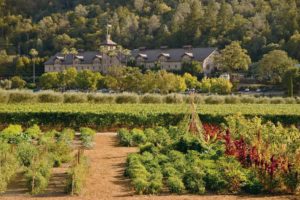
In Wine Country, the distance from farm to fork is shrinking to nearly nothing: There are restaurants that now boast onsite farms and full-time gardeners, allowing them to reap what they sow on a year-round basis.
We’re not talking about a raised bed of rosemary, parsley and thyme. These are full-on farms where greenhouses extend the season and diners can extend their visits by strolling past the asparagus and lettuce beds.
The newest restaurant farm is at the Culinary Institute of America at Greystone in St. Helena, where pioneering chef Larry Forgione launched a farm-to-table program in 2013.
“California has the Mediterranean climate that’s so conducive to growing produce year-round,” Forgione said. “If you don’t start with great ingredients, you’re not going to have great food.”
For 15 weeks, CIA students learn about composting with farm manager Christian Dake at the 3-acre garden at Charles Krug Winery, just across Highway 29 from the campus. Then, with Forgione’s guidance, they harvest, design and serve a five-course tasting menu at The Conservatory, a pop-up restaurant open Friday and Saturday nights on campus.
This spring, Dake is excited about the farm’s new greenhouse, which has a retractable roof and shade cloth system that will allow him to get a jump on tomato starts and produce cool-weather greens into the summer.
Dake is also dry-farming 3 acres of heritage wheat for breads and pastries, raising chickens for their eggs and expecting the farm’s first farrow of Red Wattle pigs in March.
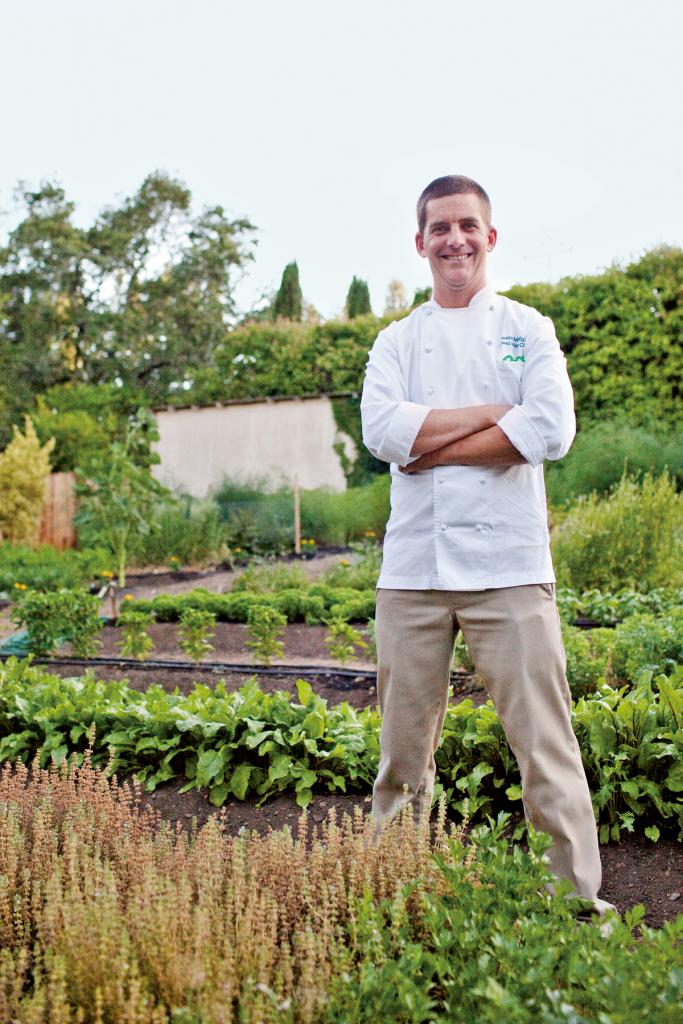
Chef Jesse Mallgren in the Madrona Manor culinary garden in Healdsburg in 2013. (Jeni + Dylan Photography.)
At the Michelin-starred Madrona Manor in Healdsburg, the 8-acre estate gardens include a 1-acre production garden tended by Master Gardener Geno Ceccato for the past 25 years. New this year is a vented greenhouse, where Ceccato can grow baby lettuces and microgreens to suit executive chef Jesse Mallgren’s exacting palate.
In the spring, Mallgren designs his menus around the herbs, carrots, fava beans and strawberries ripening in the outdoor beds as well.
“We try to grow things that can be picked and served the same day,” Mallgren said. “And things that you can’t find elsewhere.”
Mallgren, who sources about 25 percent of his produce from the estate gardens, encourages his culinary crew to pick their own ingredients.
“You get out of the kitchen that way,” he said. “And it’s got a beautiful view.”
The Conservatory, The Culinary Institute of America at Greystone, 2555 Main St., St. Helena, 707-967-2300, ciarestaurants.com
TRILLIUM CHEF JEREMY BAUMGARTNER CONSULTS WITH SUPPORTER MARGARET FOX
The view from the Trillium Cafe in Mendocino, which opens March 15, 2014 officially.
Good news from our neighbors to the north: The Baked Alaska is back.
Granted, we’ve cherry-picked this Madmen-era dessert (ice cream and sponge cake covered with meringue, baked, and often set alight) off the forthcoming Trillium Cafe’s menu. But after perusing this new Mendocino restaurant’s menu, it’s indicative of the kind of classic-meets-modern dishes on Chef Jeremy Baumgartner’s sensibility.
To wit: This Baked Alaska is an olive oil cake with kumquat meringue and mint ice cream ($9). And as long as we’re thinking dessert first, how about bourbon cream beignets with maple glaze and candied bacon, or a butterscotch pie with caramel and Chantily cream.
At least you’ve been warned to save room.
“We know this is an often overlooked area…We feel strongly that diners who are paying for a Wine Country caliber meal…in a stunning location deserve not only outstanding food and drink, but…caring service as well,” said Trillium’s owner, Sandra McElroy.
Other tempting menu items: Spring pea arancini ($12), Dungeness crab strudel with capers and nasturtium ($15), rabbit meatballs and tortelloni ($22) with sunchokes, and pork loin and belly with heirloom beans ($26). Also available are several vegetarian, vegan and gluten-free items.
The restaurant will be open for lunch and dinner. And of course, dessert.
Preparing for Restaurant Week at Red’s Apple Roadhouse Photo: Press Democrat
Preparing for Restaurant Week at Red’s Apple Roadhouse Photo: Press Democrat
I always feel like I need to announce Sonoma County Restaurant Week (March 10-16) with the same voice Oprah used to announce that her audience was flying to Australia. “And you get a three course dinner for $19! And you get a three course dinner for $29!,” BiteClub shouts over the screaming audience.
Talkshow dreams aside, it’s hard to believe this is the fifth year that Sonoma County celebrates its hardworking restaurateurs with a five-day celebration of all things delicious. With well over 100 restaurants spanning Santa Rosa, Sonoma, Healdsburg, Petaluma, the Coast and everything in-between, this is your chance to hit up some of those restaurants you’ve been dying to try, but just haven’t been to yet.
New this year: Two course lunch menus for $10, $15 or $20. Three course dinner menus remain at $19, $29 and $39.
I’ll have a full list online, as well as some of my favorite menus, but some of the newcomers you may want to check out include:
– Palooza Gastropub (8910 Sonoma Hwy, Kenwood) featuring their wedge salad, beef cheeks or Chef Chris Hanson’s luxe vegetarian risotto made with Speakeasy lager, mushrooms and season veggies, and s’mores on a stick, $39.
– 38 Degrees North: Sonoma Mission Inn’s hot new restaurant serves up roasted beet salad, beef sliders and creme brûlée, $39.
– Belly Left Coast Kitchen (523 Fourth St., Santa Rosa): Love this downtown SR restaurant that’s got a killer pork belly with hoisin and Campfire Stout chocolate mousse, $29.
– Red’s Apple Roadhouse (4550 Gravenstein Hwy, Sebastopol): One of BiteClub’s favorite off-the-beaten-path newcomers is doing both lunch ($15, pulled pork sammie or portobello mushroom burger with handout fries and pie) and dinner ($19) featuring their famous fried chicken supper or beer-braised pork belly.
– Best Value, Partake by KJ (241 Healdsburg Ave, Healdsburg): Biteclub is pretty floored by the $29 and $39 dinner menus that include 4-plus courses of Chef Justin Wangler’s life-altering food with multiple wine pairings. Think oysters with white verjus, smoked loin of lamb, white chocolate panna cotta, beet tartare and Meyer lemon pudding. Now, keep in mind, each course is more of a few luxurious bites rather than a craggy mound of food. But we’d far rather eat well than prodigiously.
Now please excuse me while sop the drool off my keyboard.
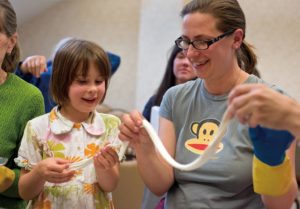
Five-year-old Dasha Kovina and her mother Anna Kovina smile as they stretch a portion of freshly made mozzarella cheese during “The Secrets of Making Stretched Curd Cheese” class at the Artisan Cheese Festival in Petaluma on March 23, 2013. (Alvin Jornada / The Press Democrat)
MARCH 15-16 Savor Sonoma Valley: More than 20 participating wineries in Sonoma Valley will showcase 2013 vintage wines straight from the barrel, offer visitors tastes of new releases and pair specific wines with dishes prepared by local chefs and restaurants. Meet the winemakers, view works by local artists and listen to live music. 11 a.m.-4 p.m. $10-$65.
Various Sonoma Valley wineries, 866-794-9463, heartofsonomavalley.com
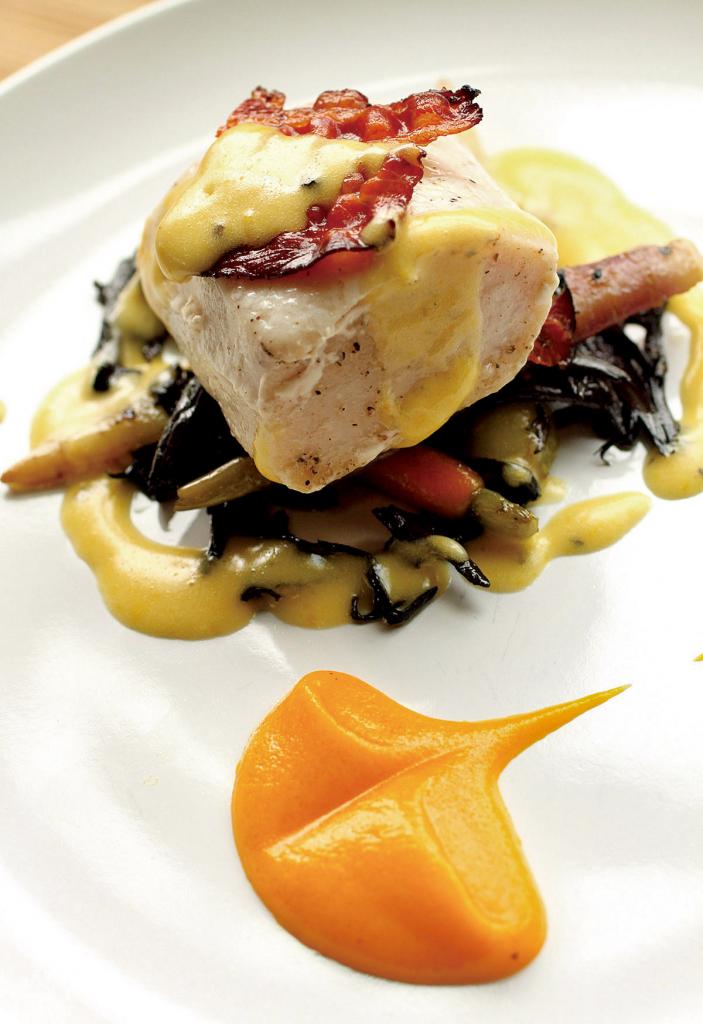
Bacon poached swordfish, with a back ‘chip’, bacon bernaise and black trumpets made by chef Dustin Valette. (Crista Jeremiason / The Press Democrat, file 2013)
MARCH 21-22 Pigs & Pinot: Dry Creek Kitchen’s Charlie Palmer teams with more than a dozen other top chefs and winemakers at this two-day celebration of all things pork and Pinot Noir. Wine and food tastings, cooking and wine competitions, and a gala dinner are among the features. $125-$175.
Hotel Healdsburg, 25 Matheson St., Healdsburg, 707-922-5249, pigsandpinot.com
MARCH 21-23 California’s Artisan Cheese Festival: Find out just how good cheese can be when cheesemakers, chefs, experts and authors gather at the Sheraton Sonoma County in Petaluma for an opening-night reception, tastings, demonstrations, classes, cheese field trips, panel discussions and seminars. Whether you like mild or sharp, white or yellow or blue, you’ll find cheeses to love here. $20-$135.
Sheraton Sonoma County, 745 Baywood Drive, Petaluma, 707-523-3728, artisancheesefestival.com
MARCH 27-30 Sebastopol Documentary Film Festival: Sebastopol’s 17th annual celebration of nonfiction cinema touches on topics ranging from local to global, with screenings at the Rialto Cinemas and other venues. $250 all-access pass.
Headquarters: Sebastopol Center for the Arts, 282 S. High St., Sebastopol, 707-829-4797, sebastopolfilmfestival.org
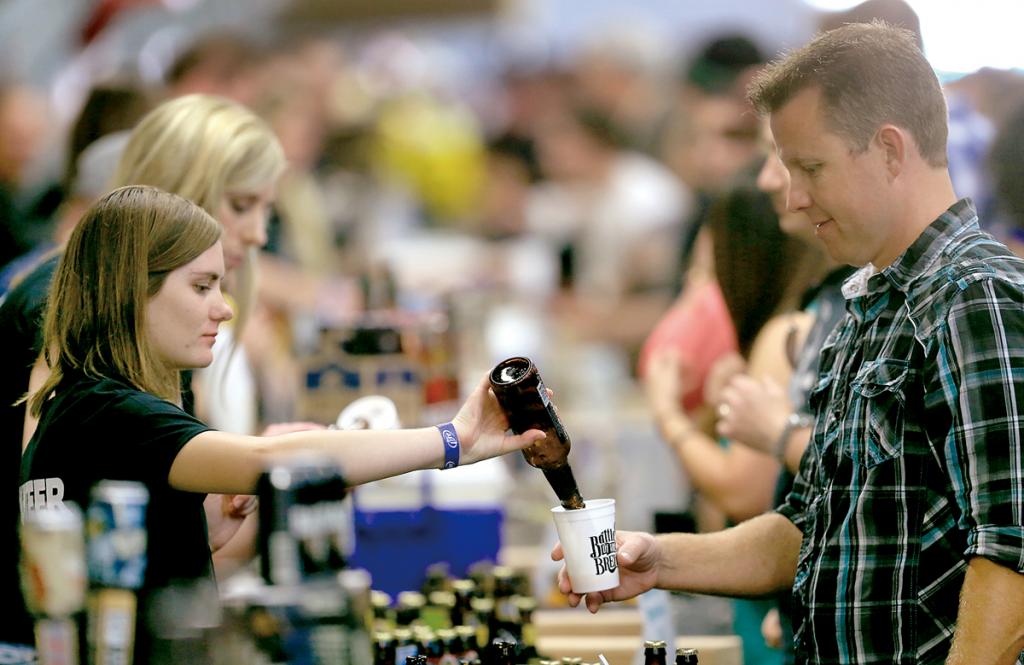
One bottle at a time at Battle of the Brews at the Sonoma County Fairgrounds, Saturday April 6, 2013 in Santa Rosa. (Kent Porter / Press Democrat)
MARCH 29 Battle of the Brews: With the rise of Northern California professional brewers making their own custom beers on a smaller scale, there’s no longer any doubt that Wine Country is also Beer Country. This 18th annual event, sponsored by the Active 20-30 Club of Santa Rosa, showcases more than 30 breweries and 20 food vendors, live music and a gourmet sandwich competition. $40-$95.
Sonoma County Fairgrounds, 1350 Bennett Valley Road, Santa Rosa, 707-545-4200, battleofthebrews.com
MARCH Children’s Museum of Sonoma County: After nearly a decade on the go, taking exhibits to various venues, the museum plans to open the Mary’s Garden and Ella’s Studio portions of its new permanent home next to the Charles M. Schulz Museum in Santa Rosa. By late March, kids will be able to explore hands-on activities there. Look for the museum’s grand opening in the fall.
1835 W. Steele Lane, 707-546-4069, cmosc.com
APRIL 12-13 Sebastopol Apple Blossom Festival: Two days of food, drink, crafts and live entertainment celebrate Sebastopol’s agricultural heritage, honoring the bygone days when apple orchards dominated the landscape. The first day’s Main Street parade is a charming slice of Americana. $10 general admission, $5 seniors and students, under 10 free.
Ives Park, 7400 Willow St., Sebastopol, 707-823-3032, sebastopol.org
APRIL 26-27 April in Carneros: Enjoy the beautiful grapevine-covered hills of southern Sonoma County during the annual two-day celebration of the wine region that bridges Sonoma and Napa counties. Nearly 20 participating wineries on both sides of the line will offer food and wine pairings, as well as barrel, reserve, vertical and library wine tastings, plus live entertainment. $39-$45. carneroswineries.org
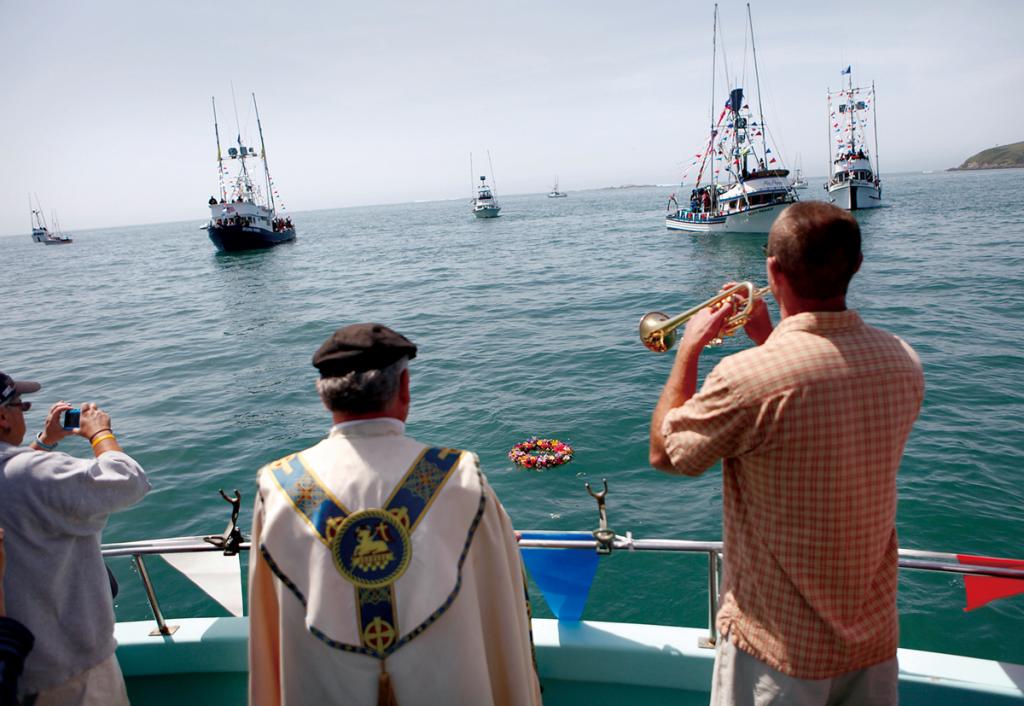
Trumpet player Nicholas Stephens plays ‘Taps’ after Father Robert White placed a memorial wreath on the water Sunday to remember lost fishermen during the blessing of the fleet in Bodega Bay. (BETH SCHLANKER/ The Press Democrat, file 2012)
APRIL 26-27 Bodega Bay Fisherman’s Festival: The 41st annual event promises local seafood, tastings of more than 25 Sonoma County wines, boat races, live entertainment, a pet parade and the beloved annual Blessing of the Fleet ceremony. $10-$12; under 12 free.
Westside Regional Park, 2400 Westshore Road, Bodega Bay, 707-875-3866, bbfishfest.org
APRIL 26-27 Passport to Dry Creek Valley: For the event’s 25th anniversary year, more than 50 wineries in the Dry Creek Valley will offer the best of Sonoma County wine and food, plus live music and vineyard tours at many of the sites. $120 for a two-day pass; $70 for Sunday only.
707-433-3031, wdcv.com
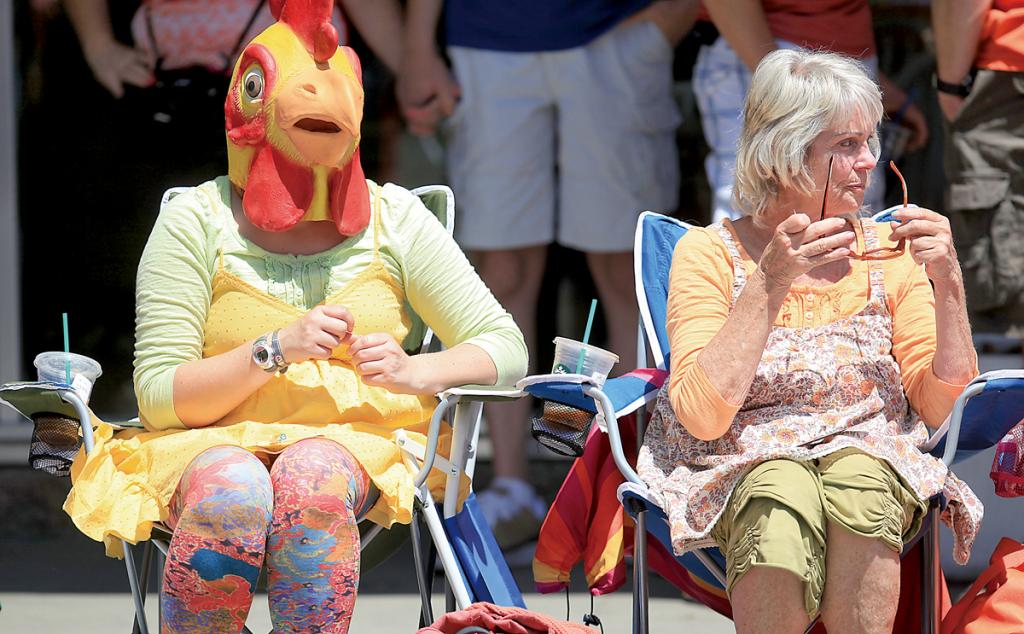
Spectators watch during the Petaluma Butter and Egg Days Parade in Petaluma. (Kent Porter / Press Democrat, file 2013)
APRIL 26 Petaluma Butter and Egg Days Parade: Celebrate Sonoma County’s agricultural roots and Petaluma’s rich history at this all-day community festival. The parade, which winds through downtown Petaluma, draws thousands every year. Free.
707-762-9348, petalumadowntown.com
APRIL 27 Hilary Hahn: At 33, the violin virtuoso already has two Grammy Awards and was named “America’s Best Young Classical Musician” by Time magazine in 2011. She’ll make her Weill Hall debut at Sonoma State’s Green Music Center. $40-$85.
Green Music Center, 801 E. Cotati Ave., Rohnert Park, 866-955-6040, gmc.sonoma.edu
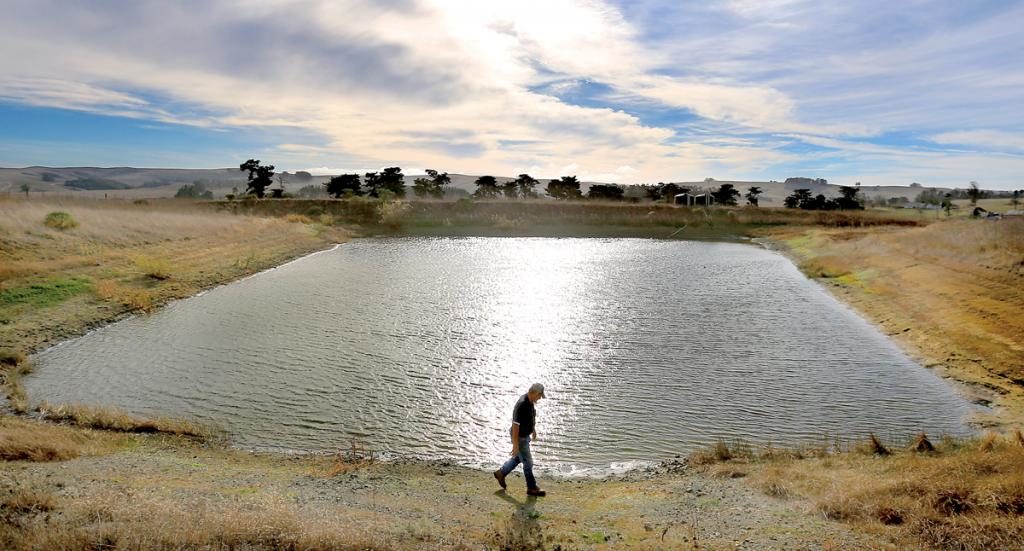
Amid record water shortfalls and unreliable rains, fear grows that Mother Nature is stealing the California dream. Are there lessons to be drawn from Sonoma’s past? (photos by Kent Porter)
It rained and it rained and it rained. And then, after three of the wettest seasons in memory, the heavens went dry.
That eerie, rainless December of 1975 began the widespread sense of unease. The grass browned and ranchers resorted to trucking in water for their livestock, an expedient usually reserved only for the driest depths of summer.
And now it has happened again. With less than 9 inches of rain, 2013 went down as the driest year ever recorded in Sonoma County. It was the same in the rest of California.
Neither the fool’s euphoria of balmy January days nor the gleeful relief at seeing rain arrive at last, late and inadequate, could soothe the growing fear that a historic water shortage could again bring catastrophe.
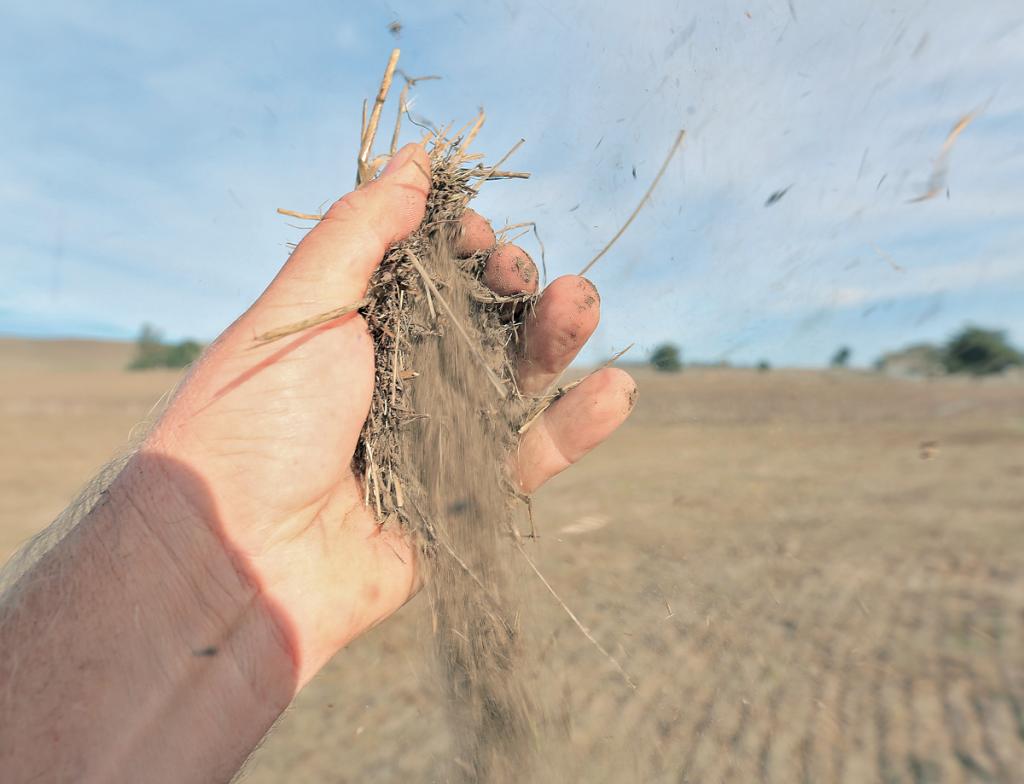
Dirt from a field, nearly fallow, easily separates in a coastal breeze at the Sonoma, Marin county line.
Your father’s drought
Fear is what J. Dietrich Stroeh remembers from the drought of 1976-77; he was the general manager of the Marin Municipal Water District through that bleak time. It is one thing to be unsettled by winter hills that are parched to tan when they should be brilliant green. It is another entirely to fear that thousands of people will have no water to drink.
“There were many nights I drove from the office to home, and it would be quite late, and I felt fear,” recalled Stroeh. “For the first time in my life I felt fear. I was looking for water and I didn’t know where I was going to get it.”
The 24-month drought cost the state more than $2.6 billion in losses, even by the most conservative estimates. It devastated California’s livestock industry, which suffered nearly $900 million in losses. Tourism declined as lakes dwindled, campground wells went dry, and fires scorched the landscape. Up to 8 million trees died in those two years, some from lack of water, some from fire, and the rest from pests that flourished in the unseasonably warm, dry winters.
By March of 1976, officials were publicly warning residents to prepare for water rationing by summer. By June, Petaluma was limiting landscape watering to every other day — on even days east of Highway 101, odd days to the west. During the next year, municipalities banned outside watering entirely and moved to ration indoor water use.
Eventually, National Guard troops were assigned to run a seven-day-a-week water trucking operation to rural farms and homes in Sonoma County. Local officials commandeered Caltrans tankers to help.
In December 1976, a newspaper writer observed that folks were “beginning to wonder if it would ever rain again.” And that was only halfway through what would become the most desperate drought the area had known in its modern history.
Rainfall in 2012 and 2013 was well less than those two withering years in the mid-1970s, and 2014 started even worse, promising a third critically dry year. Water managers spent this past winter dusting off the playbooks written decades ago by Stroeh and his colleagues, and casting nervous eyes at the dwindling supplies in area reservoirs.
As with the 1970s, there was something haunting and increasingly apocalyptic through the fall and winter of 2013: Every day became as sunny, mild and dry as anything we could wish of summer. As this January closed with barely a sprinkle all month — drier even than the arid January of 2013 — a kind of fatalism began to creep into the discussion.
“This is worse. … This is going to hurt us for sure,” said third-generation Sonoma rancher Ray Mulas, who remembers his father struggling to feed the cattle during the 1976-77 dry spell. Without rain to grow alfalfa and grass, he’s begun to wonder “if we’re going to be here in June.”
For the first time, he said, he’s considering what would happen to his 500-acre dairy ranch, in the family for eight decades, if he had to sell off the herd.
“You have to be prepared for everything,” he said as January came to a parched conclusion. “You’d be a fool if you didn’t think about these things. You have to have that exit strategy in place.”
By some measures, the North Coast is much better off today than were its frightened and thirsty residents of the 1970s. The booming population centers — Santa Rosa, Petaluma, Marin — can now access water from Lake Sonoma, which opened in 1982 and was designed to hold a three-year supply. As well, homes are far more efficient than they used to be, with water-saving appliances and fixtures that have cut home consumption dramatically.
But those measures can’t protect from truly epic droughts, today’s water managers warn.
“You can never eliminate risk,” said Jay Jasperse, chief engineer for the Sonoma County Water Agency, who was in high school when the 1970s drought swept the state. “The public, I don’t think, likes that message. It’s not a fun message. It’s an important message and an honest one, too.”
It’s difficult to overstate just how close the region came to catastrophe before the rains began again at the end of December 1977, leading to a string of wetter years starting in 1978.
By the end of that drought, the flow in the Russian River dropped to just 6 percent of its average. The six reservoirs that supplied the North Coast then had fallen to 15 percent of their average capacity to supply every city between San Pablo Bay and the Oregon border.
The drought “has again shown the finite nature of our resources and our limited ability to control nature,” wrote Ronald B. Robie, former director of the state Department of Water Resources, in the grim final report on the drought, issued in 1978.
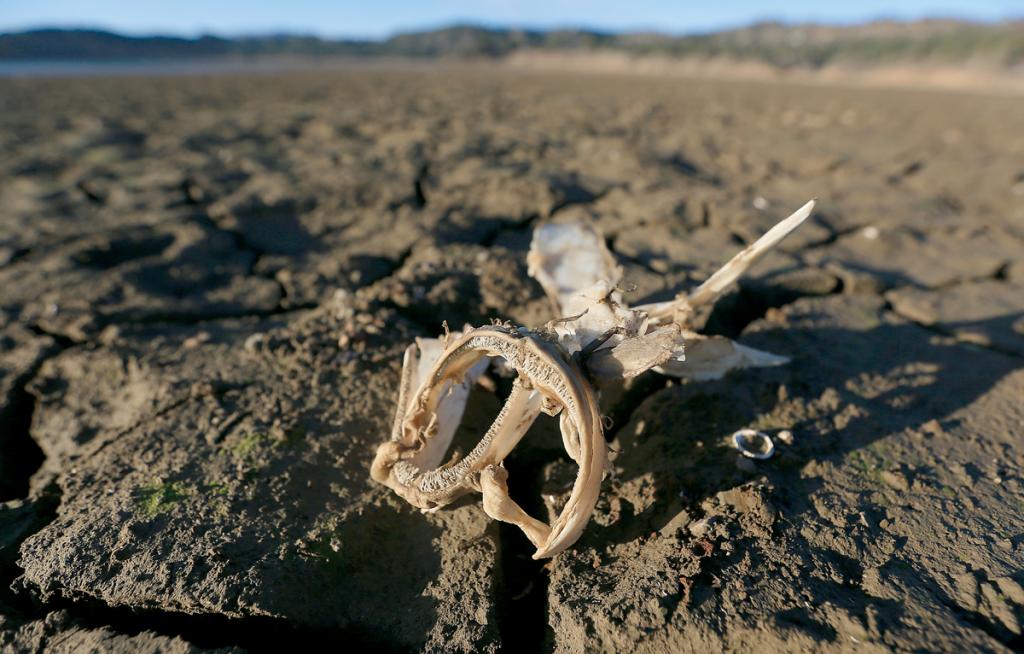
The bones of a fish lie exposed on the dry lakebed at Lake Mendocino. By early February, the lake had shrunk to a depth of just 68.9 feet, barely more than half its maximum level.
“There is no assurance that the next drought is not just beyond the horizon,” he wrote prophetically. “We can be assured, however, that drought will return and, considering the greater needs of that future time, its impact, if not prepared for, will be much greater.”
The memories are still vivid of the every-day effects of that long-ago drought. Cars collected thick coats of dirt. Dust clouds rose from the ground in February. Sparse grass on area fields and hills went from the golden of dry summer to a dead brown.
“It became a badge of who cared, who had brown lawns,” recalled Leon Sharyon, who was a teenager in Modesto at the time and now watches warily from his perch as chief financial officer of Lagunitas Brewing Co. in Petaluma, as cities contemplate mandatory water cuts on water-intensive businesses such as his.
“It’s a nerve-wracking time,” he admitted of this new drought. Any serious rationing plan would force the beer company, and any other water-heavy food or beverage manufacturer, to make difficult decisions about where to cut, and ultimately could force costly production shortfalls.
Back in the 1970s, the media was full of slogans and helpful advice, including the infamous motto explaining when to flush the toilet: “When it’s brown, flush it down; when it’s yellow, let it mellow.”
Newspapers were full of charts detailing how simple changes in behavior could save tremendous amounts of water: brushing your teeth with the tap running could use 3 gallons; “wet brush, rinse briefly” would use just one-quarter of a gallon.
One piece of advice sticks in the mind of longtime Press Democrat columnist and local historian Gaye LeBaron: Turn the shower on only long enough to wet your body. Turn it off, lather up, then turn it back on only as long as it takes to rinse off. Water managers touted that as a way to save 24 gallons in even a brief shower.
LeBaron’s verdict on the short-form showers? “A most unpleasant experience.”
The drought forced communities throughout the area to the edge of disaster. With reservoirs near empty, communities including Santa Rosa and Calistoga banned outdoor use of water.
The Marin Municipal Water District concocted a fantastic scheme to run a pipe from the East Bay across the Richmond-San Rafael Bridge, a plan that is credited with saving 170,000 customers from going completely dry in the summer of 1977.
Once rains did come back, the public moved on. But farmers and water managers remembered.
Cities all over the area kept their mandatory conservation plans on the books, developed programs to help homeowners install water-efficient fixtures and appliances, and offered incentives to rip out water-guzzling grass lawns. Vineyard owners kept the new water-conserving drip irrigation systems, installed on the fly as a last-ditch effort to save the premium crops in Napa and Sonoma counties through the drought.
The system of rationing improvised by Stroeh in Marin County in the 1970s has become an industry standard. Rather than threatening to cut off water or arrest scofflaws, his agency created a system of ever-increasing emergency rates. The more you exceed your allocation, the more you pay the next month, until the economic pain becomes unbearable.
“It all worked out, and worked out well,” he said. “People liked that.”
“I drove my ranch today, and it is a disaster.” – Two Rock dairyman Don De Bernardi, whose shrinking irrigation pond should be filing with winter rain.
How we live today
So here we are again. Even with the February rains, the drought remains a painful reality.
“This whole thing we’re going through right now is pretty serious stuff,” Stroeh said.
It’s so serious that state officials warned in January that at least 17 communities were in imminent danger of running out of water completely. Of those, three were North Coast cities: Willits, Cloverdale and Healdsburg. The governor declared a drought emergency and cities scrambled to implement conservation, at first voluntary but with the strong threat of mandatory rationing by spring.
By the end of 2013, farmers were begging county officials for help with trucking in water; the supervisors were considering reviving the emergency trucking operations that took to the road daily in 1977. Ranchers began culling their herds to save on the soaring cost of feed, starting first with calves and moving to older cows.
“I drove my ranch today and it is a disaster,” said Two Rock dairyman Don De Bernardi after a predicted rainstorm in late January fizzled, delivering just one one-hundredth of an inch of moisture. “The crops are dying,” which will force him onto the crowded and expensive market for hay and feed grown elsewhere.
Other sorts of farmers are no better off. Norm Yenni, a multigeneration grain farmer in Sonoma, said he fears a total loss on his unirrigated 2,300 acres if the rains don’t return for good.
Yenni called the February rains a fine start but said the future remains uncertain.
“We’re into territory I’ve never been in before — I don’t think anyone else has,” he said.
Grapegrowers, meanwhile, worried that the dry conditions could make their vines more vulnerable to frost damage. The warm, dry weather was fooling the vines into pushing out their delicate buds as early as January, leaving them vulnerable to devastating frost damage for the rest of the winter. Even more than for irrigation, vineyards rely on water for frost protection, so the early budding with limited water supply spelled sleepless nights for vineyard managers.
The drought could also depress vineyard yields. In the 1976-77 drought, grape crop weights dropped noticeably, particularly in the premium wine-growing areas along the coast, according to the state’s final report on the drought.
As January 2014 closed drier than ever, grapegrowers began making worst-case plans, right up to abandoning the entire 2014 crop.
With no water for irrigation, vineyard managers said, the best strategy would be to trim the vines entirely and let them rest through the drought.
“We’re going to have to save the vines for next year,” said J. Alex Vyborny, owner of Vyborny Vineyard Management, which manages 1,000 acres in Napa and Sonoma counties. “That means cutting fruit, cutting canes.”
If 2014 is dry, he said, “we’re going to be in trouble.”
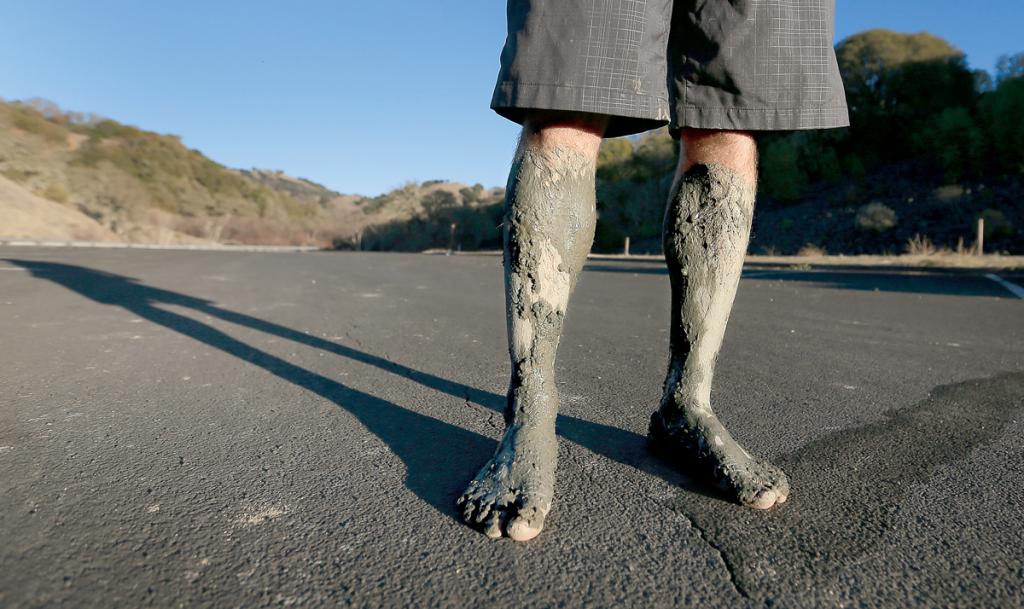
When David Martin of San Francisco went kayaking on Lake Sonoma in January, the water level has fallen so low he couldn’t launch from the boat ramp. Instead, he had to portage through several yards of gooey mud to get his craft to and from the lake.
Not your father’s drought
The only thing that’s clear about the future is that Ronald Robie’s 1978 words are true: Some day, ferocious drought will return.
Even were it not for the threat of climate change, serious dry spells are inevitable every few decades. With California’s population at 38 million and climbing by about 1 percent a year, the pressure on the state’s water resources will get progressively worse.
With climate change, all bets are off. And the best computer models disagree: Northern California will get drier; Northern California will get wetter. One thing they do agree on is that the extremes will become more so — drier dry periods and wetter wets. And that means more dangerously dry periods are ahead for Sonoma County no matter what else the future holds.
Six decades ago, former Press Democrat reporter Frank Herbert dreamed of the desert world of Arrakis, where the mere possession of water was a mark of wealth and power, and common people struggled to conserve and reuse every last drop they could collect just to survive. The story, possibly inspired in part by the dunes of Bodega Bay and the North Coast, went on to become the best-selling science-fiction classic “Dune.”
But that vision is not as much fantasy as we might like. Water managers today joke nervously about the day when customers wear “stillsuits,” the full-body suits imagined by Herbert that Arrakis residents wore to capture and recycle moisture, including sweat and waste.
Stillsuits may not be in our future, but the kind of intensive recycling it suggests is not far off the mark. There may come a day when California residents will become accustomed to the idea that the water they send down the drain, or flush down the toilet, comes back to them in the form of treated drinking water.
Already, desert cities such as Los Angeles and Las Vegas are working on plans to pump the wastewater from sewage treatment plants back into their reservoirs.
“Water is water. All the water we have has been recycled millions of times,” said David Guhin, director of utilities for the City of Santa Rosa. “There is only so much water in the world.”
Stroeh, now a consultant who works for water agencies all over the region, including Sonoma County, sees a somewhat different future: a string of desalinization plants up and down the West Coast, undertaking the fantastically expensive process of converting sea water to tap water.
And even with these plants, he said, California residents in the second half of the century can expect to be on a permanent rationing system modeled on his plan from the 1970s: daily limits enforced by a progressively steeper cost for excessive use.
The engineers at the Sonoma County Water Agency are somewhat more optimistic, at least about the local picture. Sonoma County, they said, is unusual in that it has a robust river system that, at least in most years, gets fed plenty of water if it’s added up throughout the year. The problem is that it typically is available at the wrong times: We need it in the summer but get it in the winter.
“We don’t have a shortage of water. We have a timing issue,” Jasperse said, as much of the annual winter rainfall becomes runoff into the Pacific Ocean. “And the game there is to try to play with that and make it more to our advantage. We need all the water when it is not happening.”
The chances that anyone will pay for yet another reservoir to hold all that wintertime water is near zero, so water agencies and cities are left to look at smaller-scale solutions.
One of the best is simply to reuse wastewater. Sonoma County Water Agency general manager Grant Davis said there are plenty of ways to reuse treated wastewater, short of pumping it straight back into the tap. Waste treatment plants are looking for ways to get farms, parks and golf courses to use wastewater for irrigation, thus taking pressure off precious and dwindling groundwater supplies.
Other options include capturing the extra water from the winter and storing it for the summer. The Water Agency is experimenting with using detention ponds, which would allow flood waters to soak into the ground slowly rather than just rushing off to the ocean. It is also beginning a pilot study of drilling wells that would allow winter water to be pumped into the ground and saved for use during peak summer periods.
Even if the agency can capture just a fraction of the water that normally runs off to the ocean in wet winters, engineers said, it would make a big difference during peak summer usage periods.
But the agency is also thinking bigger. It’s taking part in a series of national studies of weather forecasting and hydrology that could revolutionize how water is managed in the arid West.
In the most high-profile project, Sonoma County is home to the first in a series of West Coast weather stations that will help meteorologists understand a phenomenon known as “atmospheric rivers,” the huge weather systems that are responsible for most of the wet weather the area gets in the winter. Much of the early research on these systems was conducted in Sonoma County in the 1990s. The area will remain a key center of research in the future, in part because the Russian River is among the most flood-prone watersheds in the country, making it a great laboratory for weather researchers.
Understanding how the atmospheric rivers form off the coast of Asia and Africa, how they build across the Pacific and where they hit along the West Coast could give water managers vital advance warnings of flood and droughts alike, telling them when to hoard water behind dams and when to let it flow out to the ocean, the Water Agency said.
“This region is taking an innovative approach,” Davis said. “You entertain these sorts of short-term, midterm and long-term solutions. … I think we are going to contribute to water management throughout the state.”
Drought and memory
Until the rains return, it is impossible to know how the drought of the 2010s might be remembered. But looking back on contemporary accounts of the drought in the 1970s, an intriguing pattern emerges. When the rains stopped in 1975, there was a sense of foreboding. Later, as a series of small rains teased the North Coast, pundits confidently predicted an end to the drought even as the sprinkles failed to fill the reservoirs. As the drought dragged through its second year, a sense of fatalism crept in, with every rainstorm greeted with the grim resignation that it would amount to nothing.
Finally, when the heavy rains began to lash the coast after two bitter years, it was as if the writers of the day simply couldn’t believe that the long ordeal was over. It took a series of destructive floods before they were willing to admit that the worst was behind them.
And then, in the spring of 1978, everything returned to normal: Lawns were green, cars were washed, and everyone went back to enjoying the sublime California weather.
Or almost everyone.
Stroeh said the public, and sometimes even water engineers, tend to be optimists. They assume the best, and once the rains come, they figure it will continue. The searing drought of the 1970s cured Stroeh of his optimistic streak.
“This drought made a believer out of me,” he said. “This will happen again.”