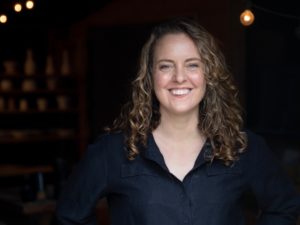
Heather Fordham converted her garage into a pottery studio a few years back to focus on improving her craft. (Paige Green)
Her creations bring joy to our everyday rituals. “It’s nice to think of people starting their day with one of my mugs. I get to help them get caffeinated,” laughs ceramicist Heather Fordham. “Or have a cup of tea when they need to calm down.”
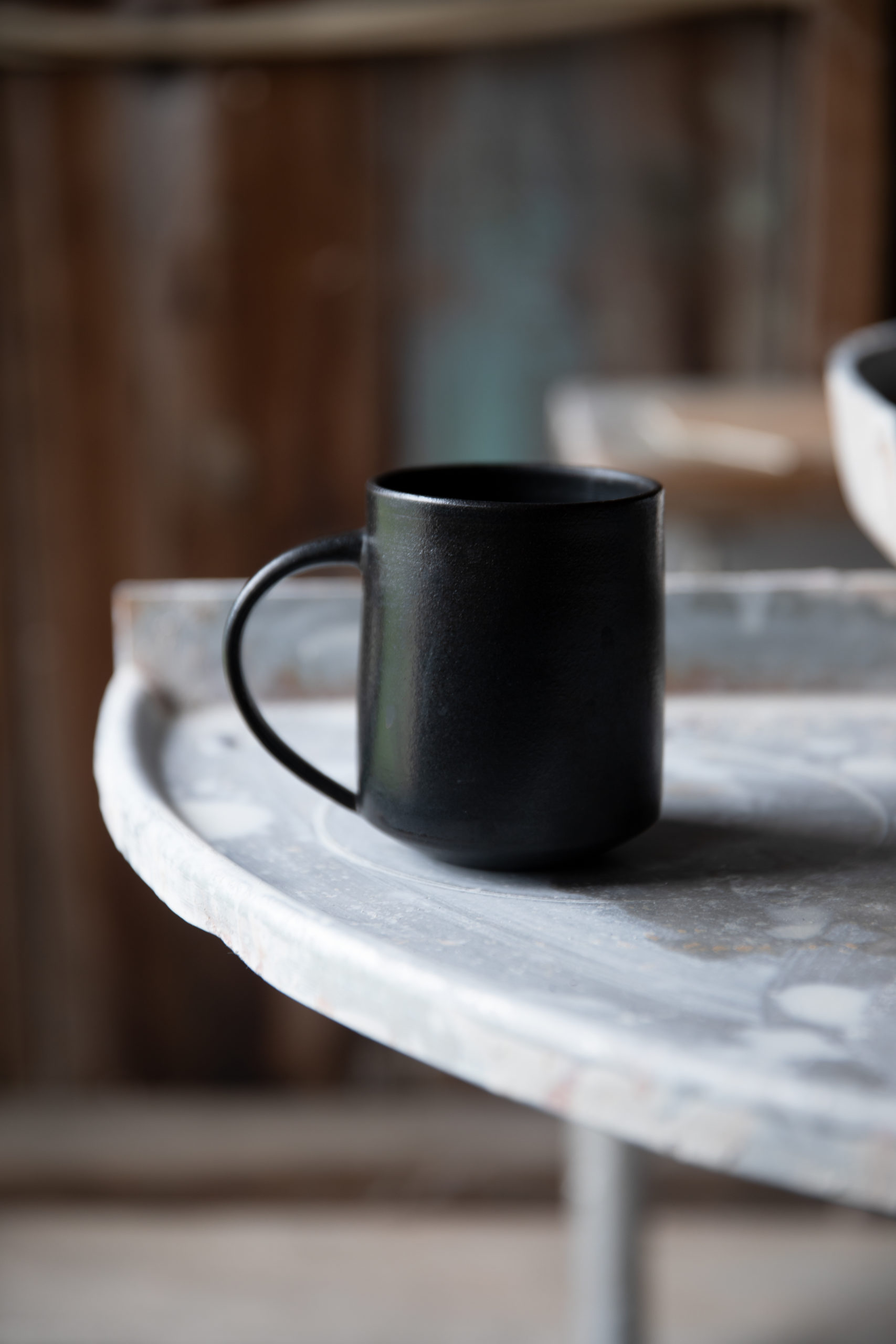
The Petaluma mother of two converted her garage into a pottery studio a few years back to focus on improving her craft. But when looking at her work, including elegantly glazed matte-black mugs and dinnerware, it’s hard to imagine even a hint of artistic struggle. “It looks so much like cast iron. It just feels strong — and it goes with everything,” says Fordham.
With a focus on form and shape as opposed to decoration, if Fordham isn’t happy with something, odds are good it won’t make it to the final firing. She doesn’t hesitate to recycle clay, working with it again and again until she gets exactly what she wants. “I am a perfectionist, and that probably shows in my work,” she laughs. “I just want to get better. That’s my main goal, to improve my craft, and it’s fun to see that happening over the years.”
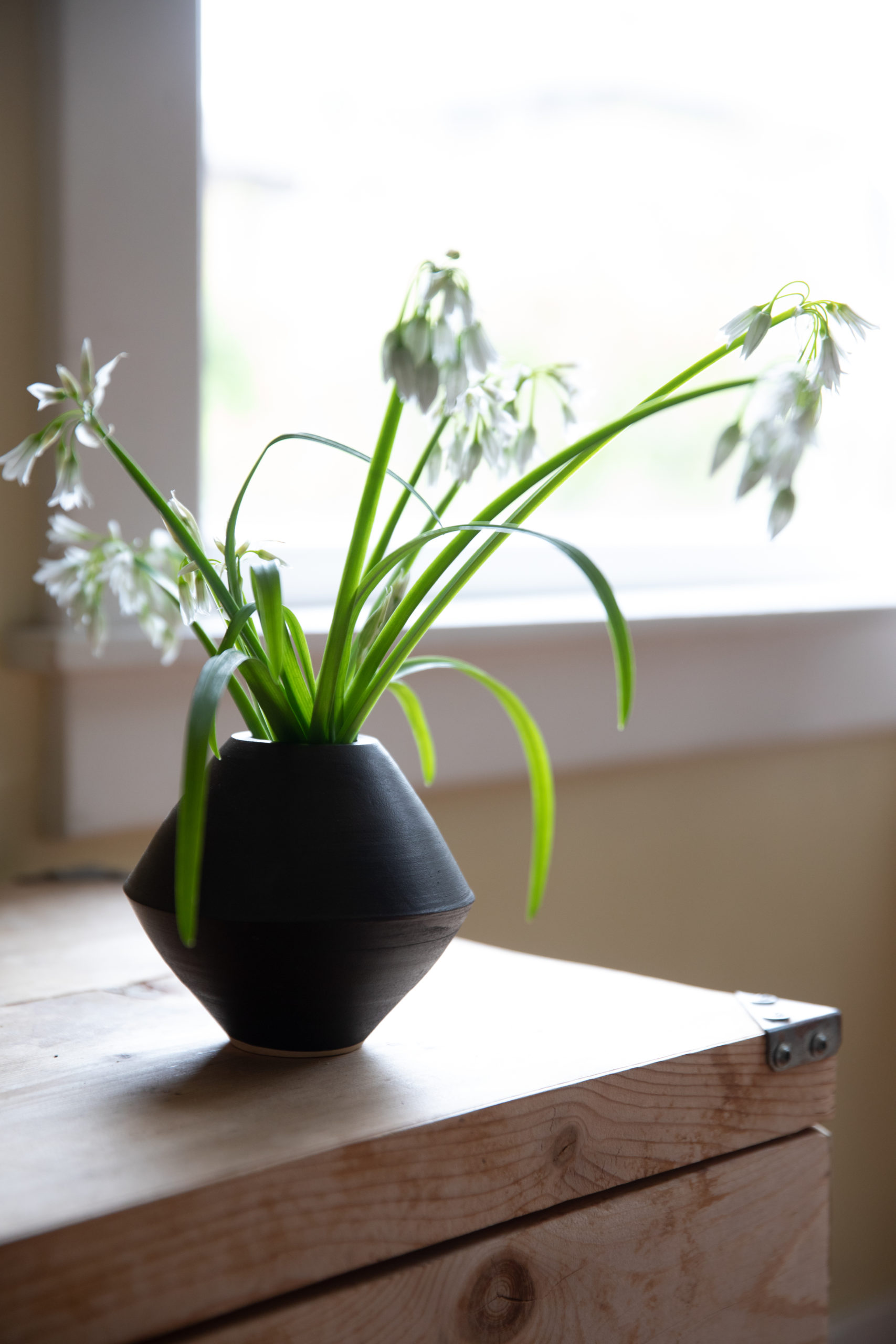
Stoneware vase by Heather Fordham. (Paige Green)Stoneware mug by Heather Fordham. (Paige Green)
As her kids head back to school this fall, Fordham is excited to have more time to indulge in the creative process and make use of a newly acquired kiln with even more capacity. Mugs may be her favorite thing to make, but she continues to branch out, working with weightier pieces of clay to create larger plates, broad serving bowls, and taller vases —which have a knack for finding their way to friends’ and neighbors’ homes filled with flowers from Fordham’s own garden.
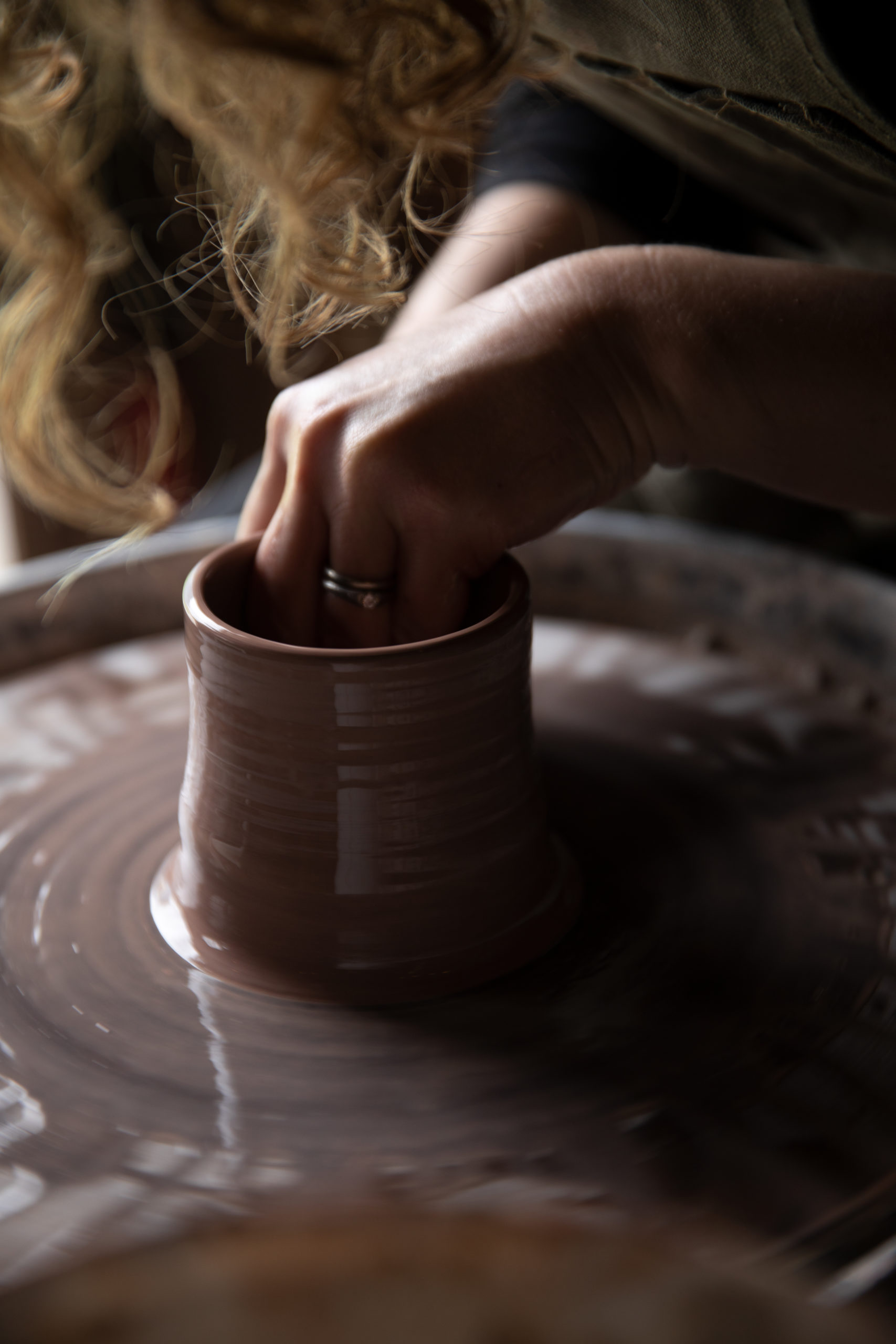
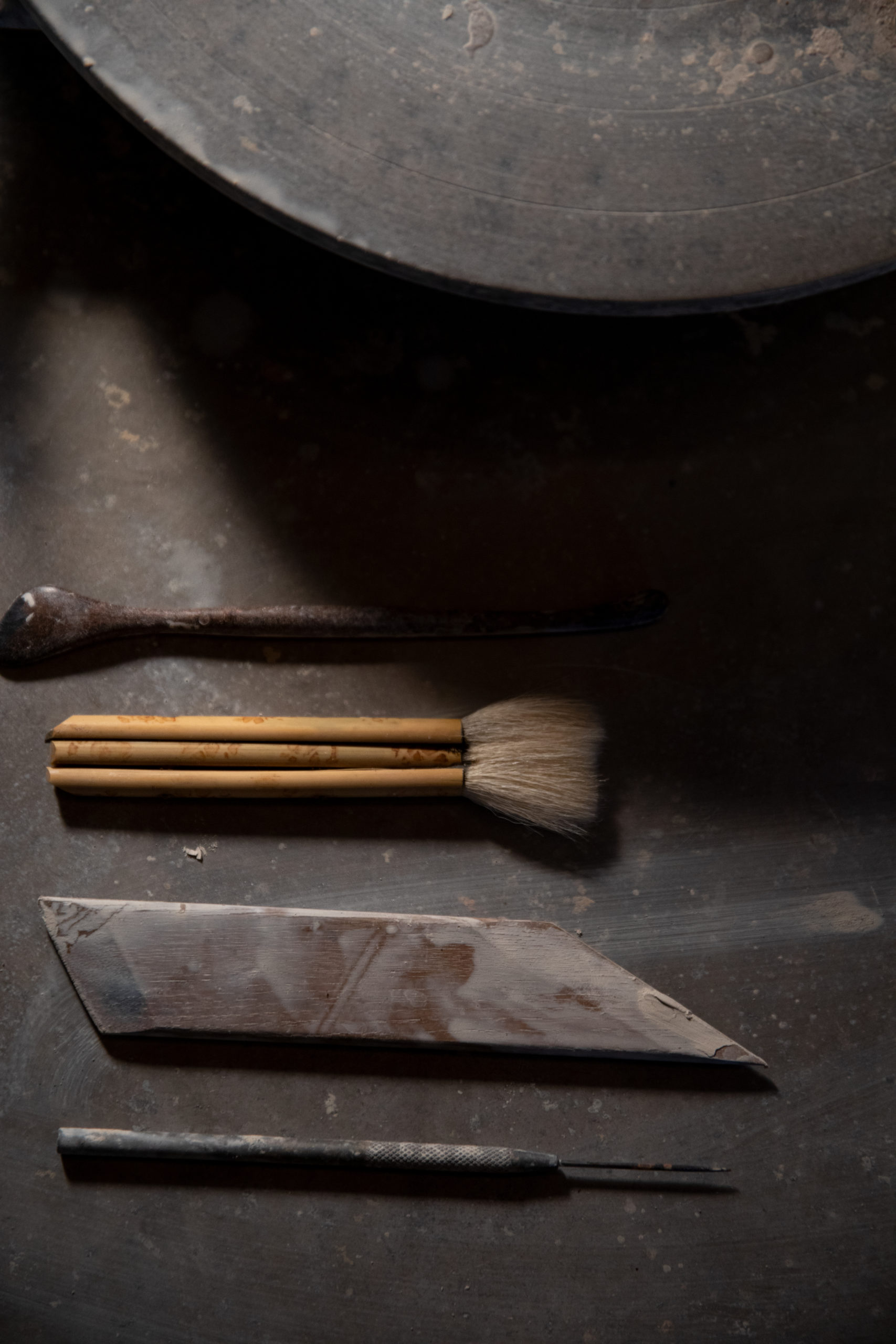
Heather Fordham works at the potter’s wheel. (Paige Green)Tools in Heather Fordham’s Petaluma studio. (Paige Green)
Interest in Fordham’s work on is the rise, as locals see it in use at nearby restaurants, including Table Culture Provisions. Fordham is thrilled by the attention but remains focused on investing that success back into her maker community. A passionate supporter of fellow small-business owners, she collects mugs made by other Sonoma ceramicists. The stockpile comes in handy on a daily basis as she indulges in her morning ritual at Petaluma Coffee & Tea Co.
“I like to think I’m supporting my fellow potters when I drink out of their mugs, when I purchase theirs, so I think it’s just supporting the makers I know. It’s a nice connection to them.”
Buy Fordham’s ceramics directly from the artist on Instagram @heatherfordhamceramics. You can also find her work at area restaurants and design shops, including Penngrove Market, Table Culture Provisions, and Herb Folk.
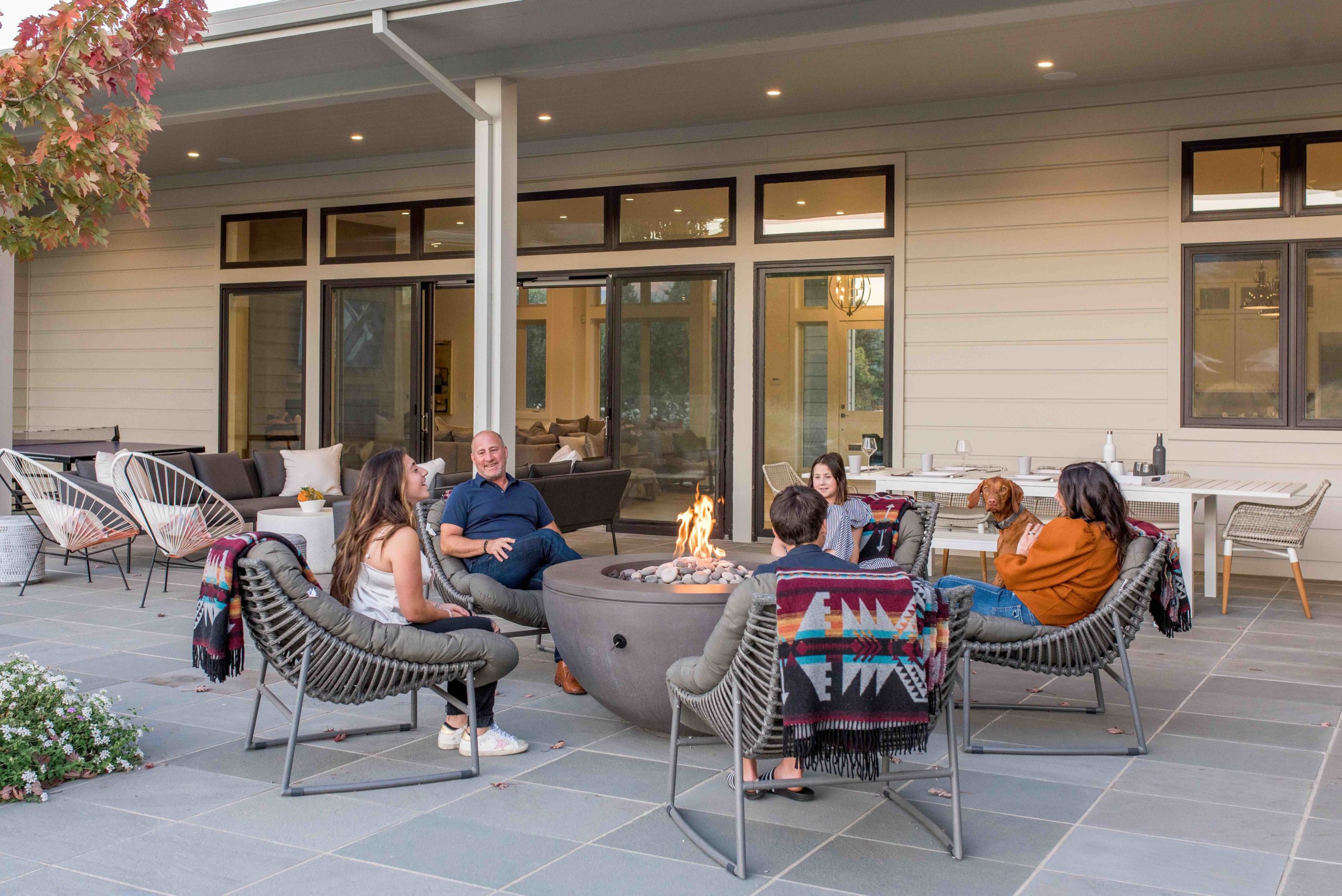
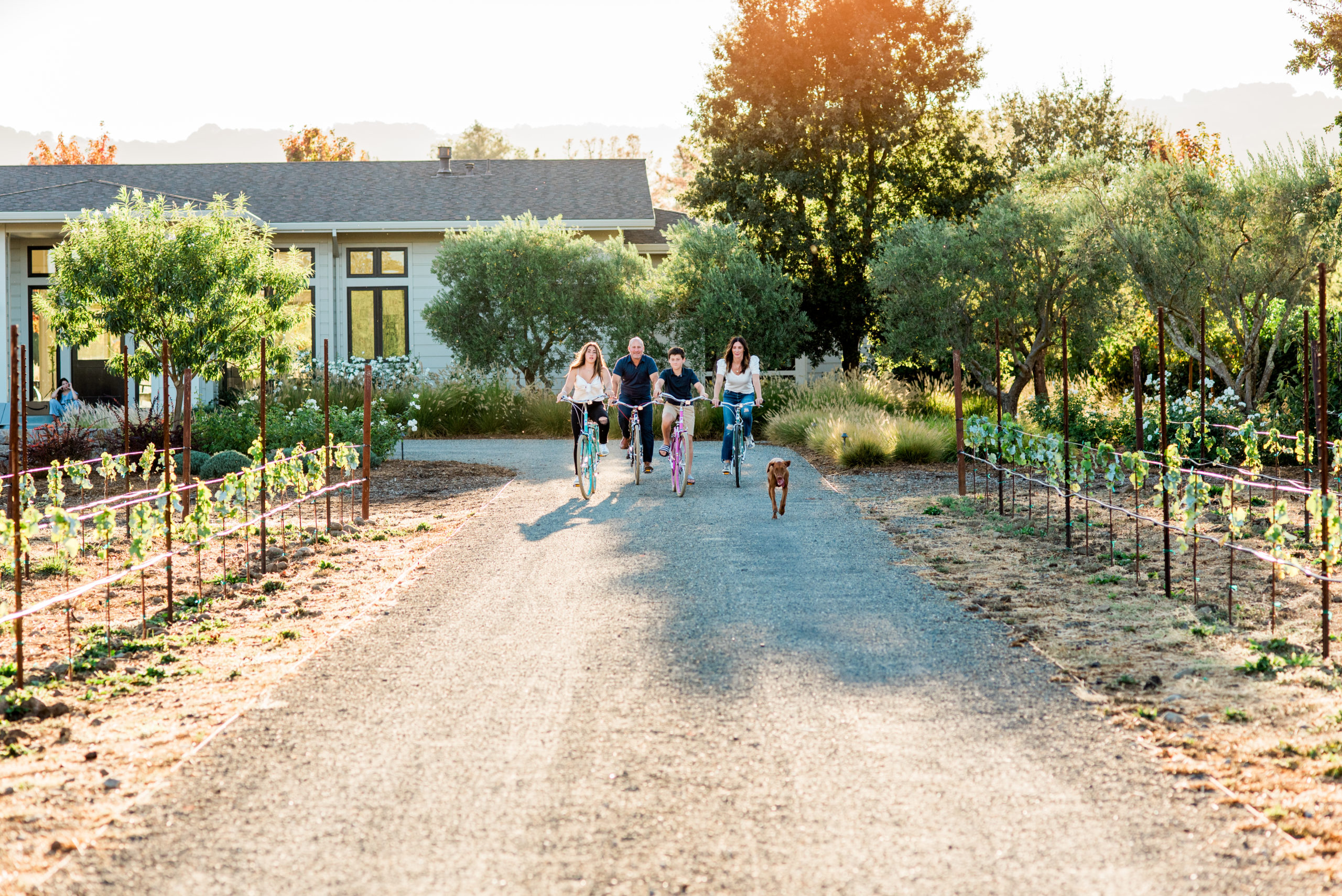
In the town of Sonoma, down a long gravel driveway and past a young Grenache vineyard, is the serene home and garden where the five members of the Potter family hunkered down as the world changed. Extra time at their Sonoma ranch was a silver lining to the upheaval of the pandemic say Scott, who works in private equity, and Dara, a consultant. The couple’s kids, Jordan (15), Miles (13), and Rhea (11), are an active bunch, logging hours in the pool and kicking around soccer balls with their Vizsla pup, Cali. “We also spend a lot of time playing golf at the Sonoma Golf Club and love riding our cruiser bikes to Sonoma Plaza,” says Dara.
The family bought the property in 2017, looking for a weekend retreat with a warm summery climate and good food and wine nearby — the fact that there was space for an on-site vineyard was a bonus for the couple. “Scott and I had dreamed of having a vineyard and making our own wine someday,” explains Dara.
Dara and Scott farm their 1,700 vines organically, with help from Mike Nuñez of Nuñez Vineyard Management. They’ve named it Figure 8 Vineyard, a nod to Dara’s former life as a competitive figure skater. Figures are an essential discipline that teach young skaters the foundations of edging, Dara explains. And since this is the family’s first foray into growing grapes, they say the name also represents newness, abundance, and love. They’re hoping for their first full crop next fall. “We can’t wait to get our allocation of wine made with Figure 8 Vineyard fruit,” says Dara.
Scott and Dara Potter with their kids, Jordan (15), Miles (13), and Rhea (11). (Rebecca Gosselin/Sonoma Magazine)
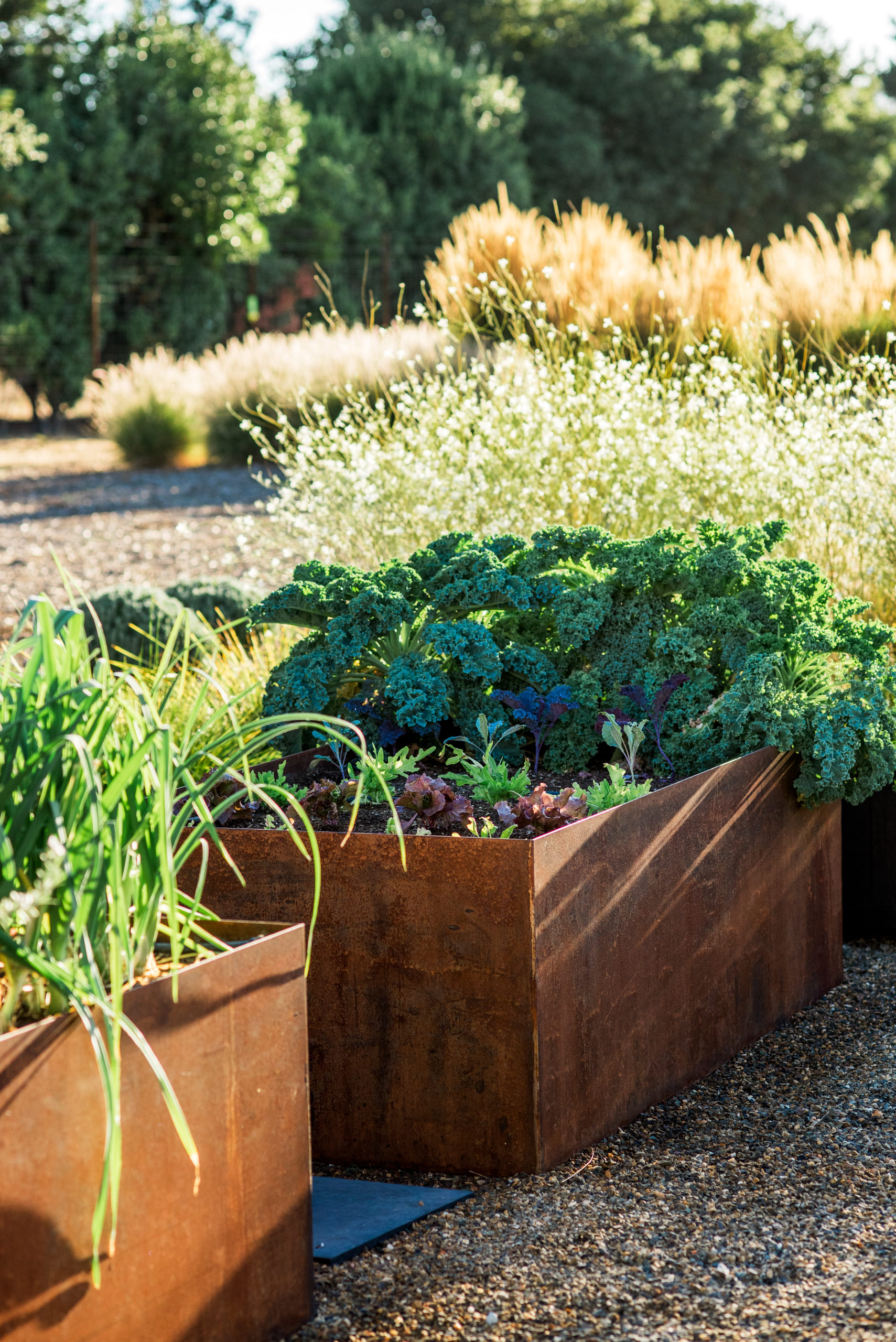
Raised veggie beds contain deep, rich soil for kale, salad greens, chives, and other crops. (Rebecca Gosselin/Sonoma Magazine)
The process of choosing which varietal to grow was as thoughtfully considered as the vineyard’s name. “Even though Sonoma is known for Pinot and Chardonnay, we wanted to do something different,” says Scott. Mike Nuñez introduced the couple to the folks at nearby Anaba Wines, who also weighed in on choosing the varietal and rootstock. So committed were Dara and Scott to their winegrape research that pre-pandemic, they traveled to France’s Rhône Valley and Spain’s Priorat region, both areas where Grenache Noir is widely grown. “Turns out, the grape fit very well with the soil composition at our property,” says Scott.
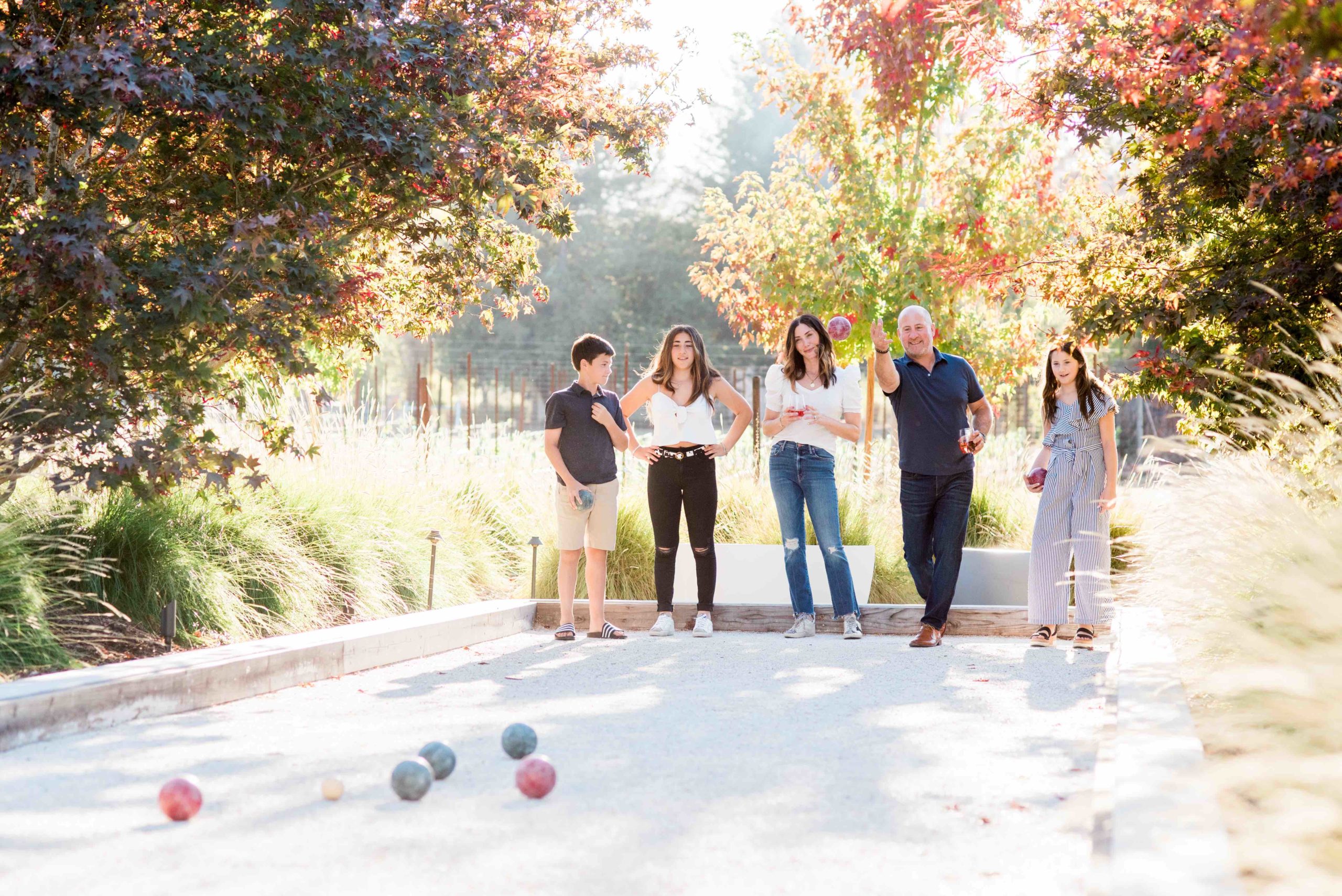
When they bought the home, the existing landscaping was minimal, with a lot of economical bark used as ground cover. Paul Rozanski of Rozanski Design helped the couple envision different outdoor spaces—a veritable Potter wish list that included a small soccer field, bocce area, outdoor kitchen, and space for veggies, olives, and fruit trees in addition to the vineyard. Part of the plan was to execute the
design in stages, over time, so that the space could evolve as the family’s needs did.
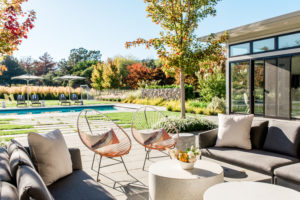
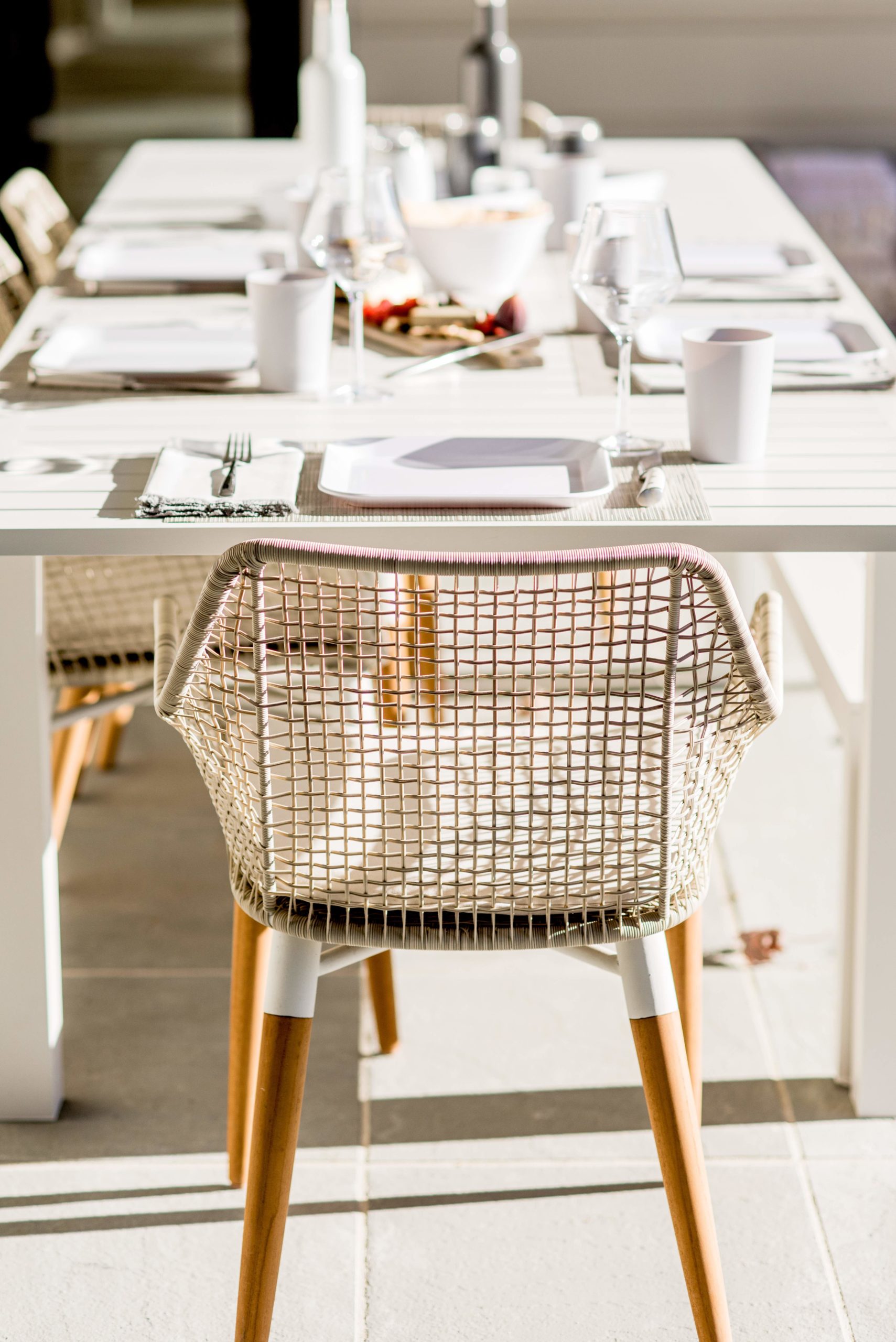
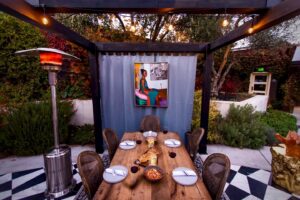
The outdoor area has different spaces for dining and socializing. (Rebecca Gosselin/Sonoma Magazine)
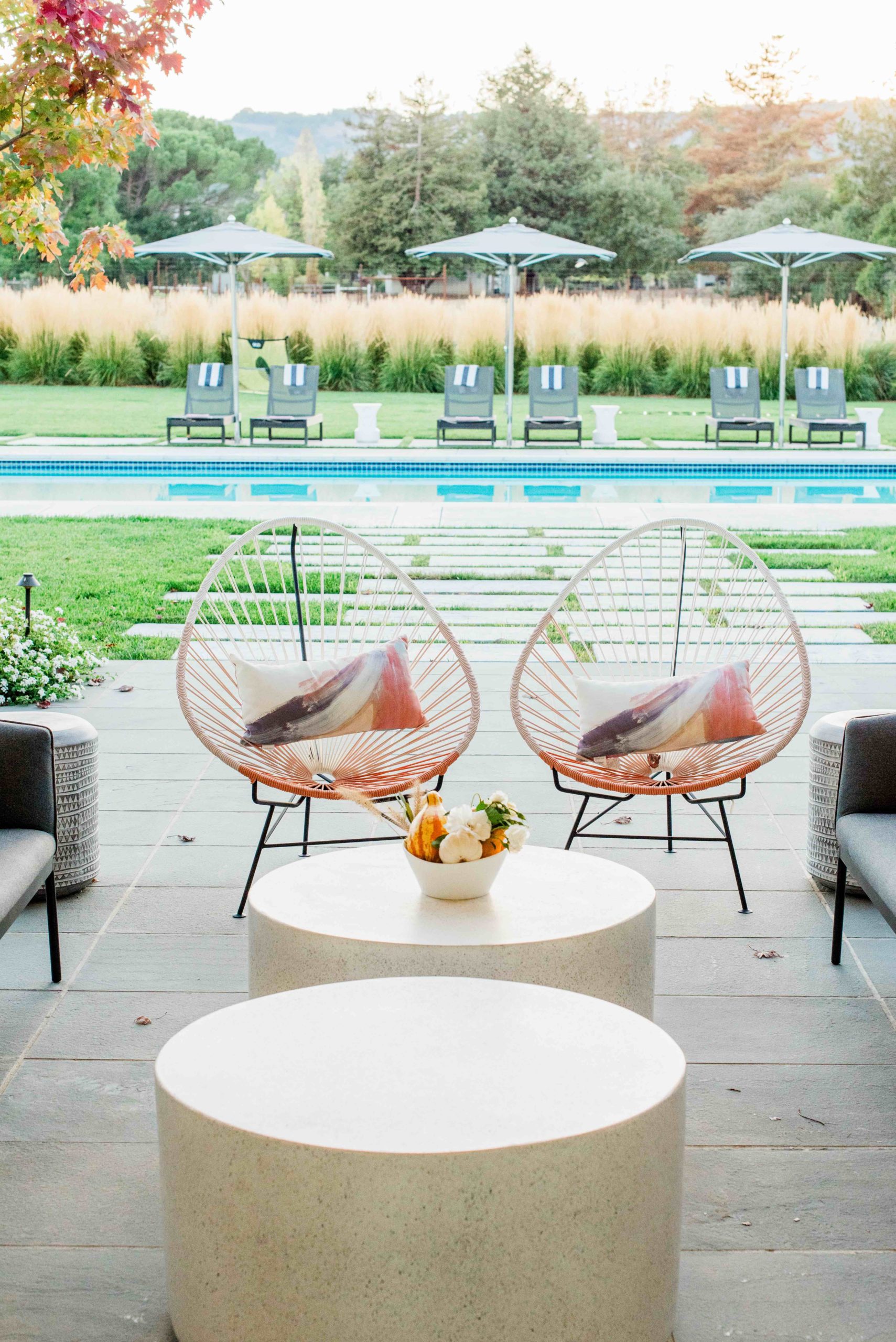
The patio overlooks a pool, a green area and tall grasses. (Rebecca Gosselin/Sonoma Magazine)Outside dining area. (Rebecca Gosselin/Sonoma Magazine)
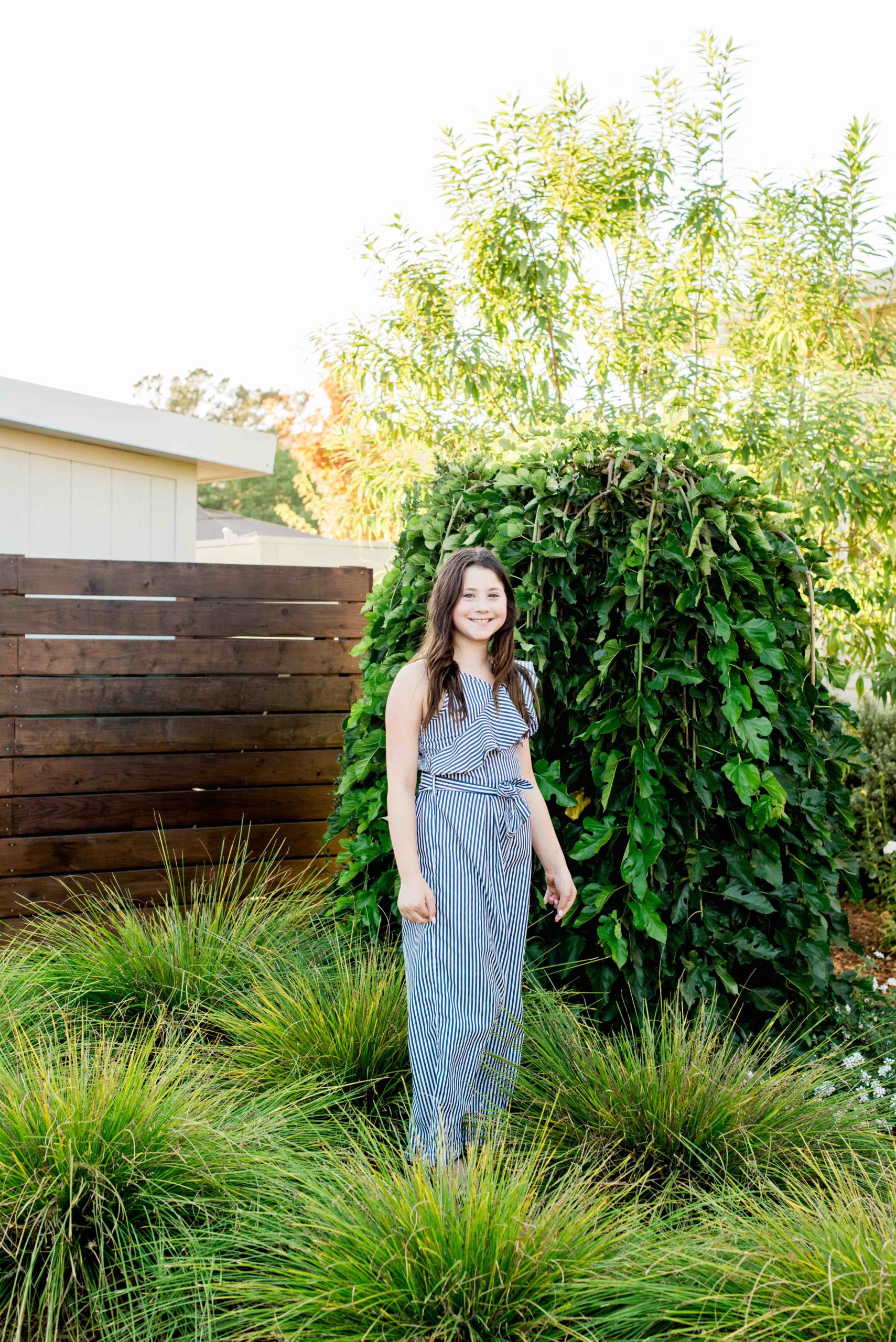
During the initial design, Rozanski took Dara and the kids to Sweet Lane Wholesale Nursery in Santa Rosa to help choose trees and grasses. “One of the most memorable moments was when Paul asked Rhea to pick out a plant of her own,” remembers Dara. “She chose a mulberry tree, and I smile every time I pass ‘Rhea’s tree.’” And Dara and Scott adore Japanese maples, so Rozanski made sure a handful of Acer palmatum ‘Emperor One’ made the final design.
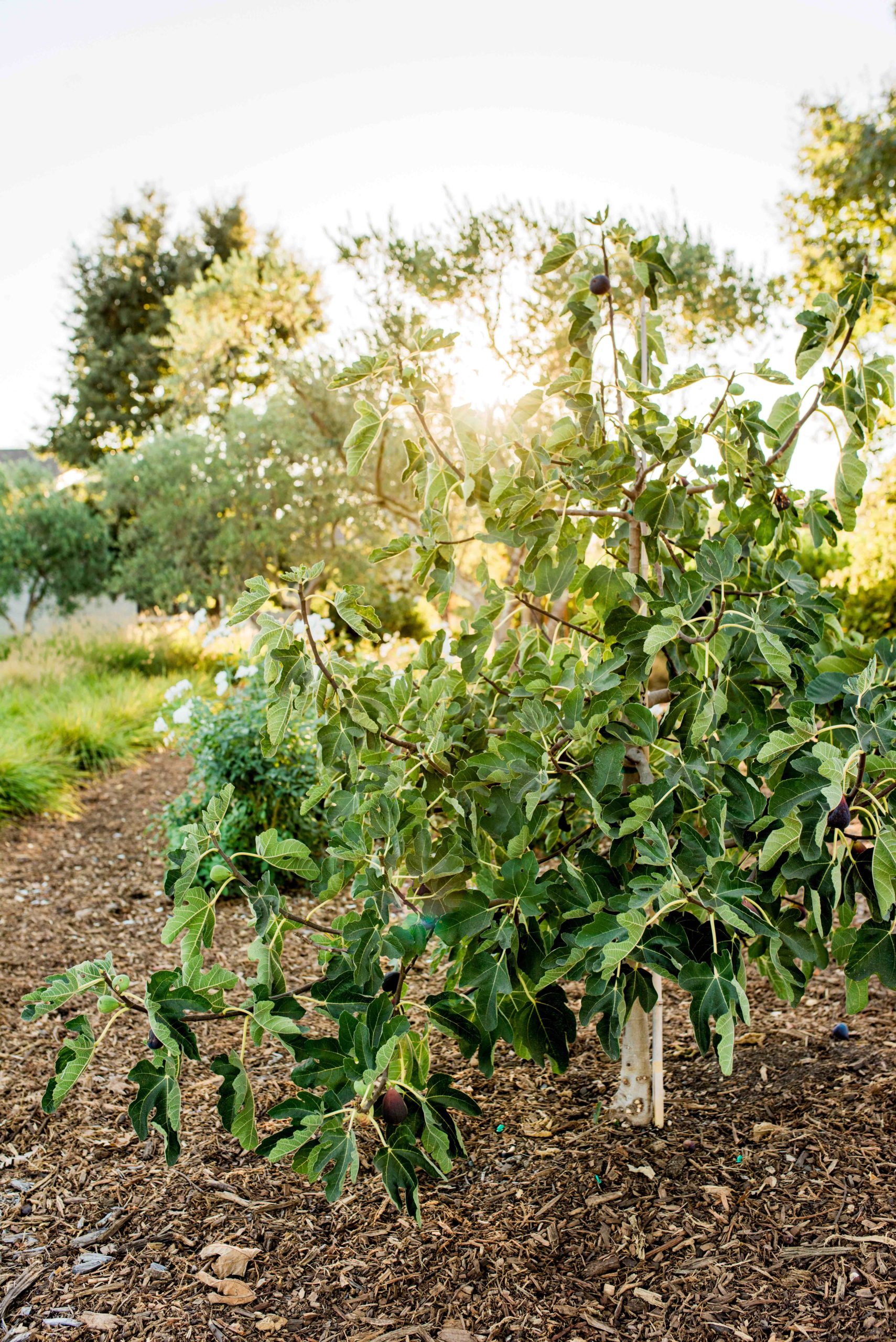
Mulberries, lettuces, and especially figs all end up going from straight from the garden to the family’s dinner table, says Dara. “We put figs on everything, whether it’s a cheese platter, salad, fig jam, marmalade for pork…figs are a favorite in the Potter house.”
The Potter family bikes through their vineyard. (Rebecca Gosselin/Sonoma Magazine)
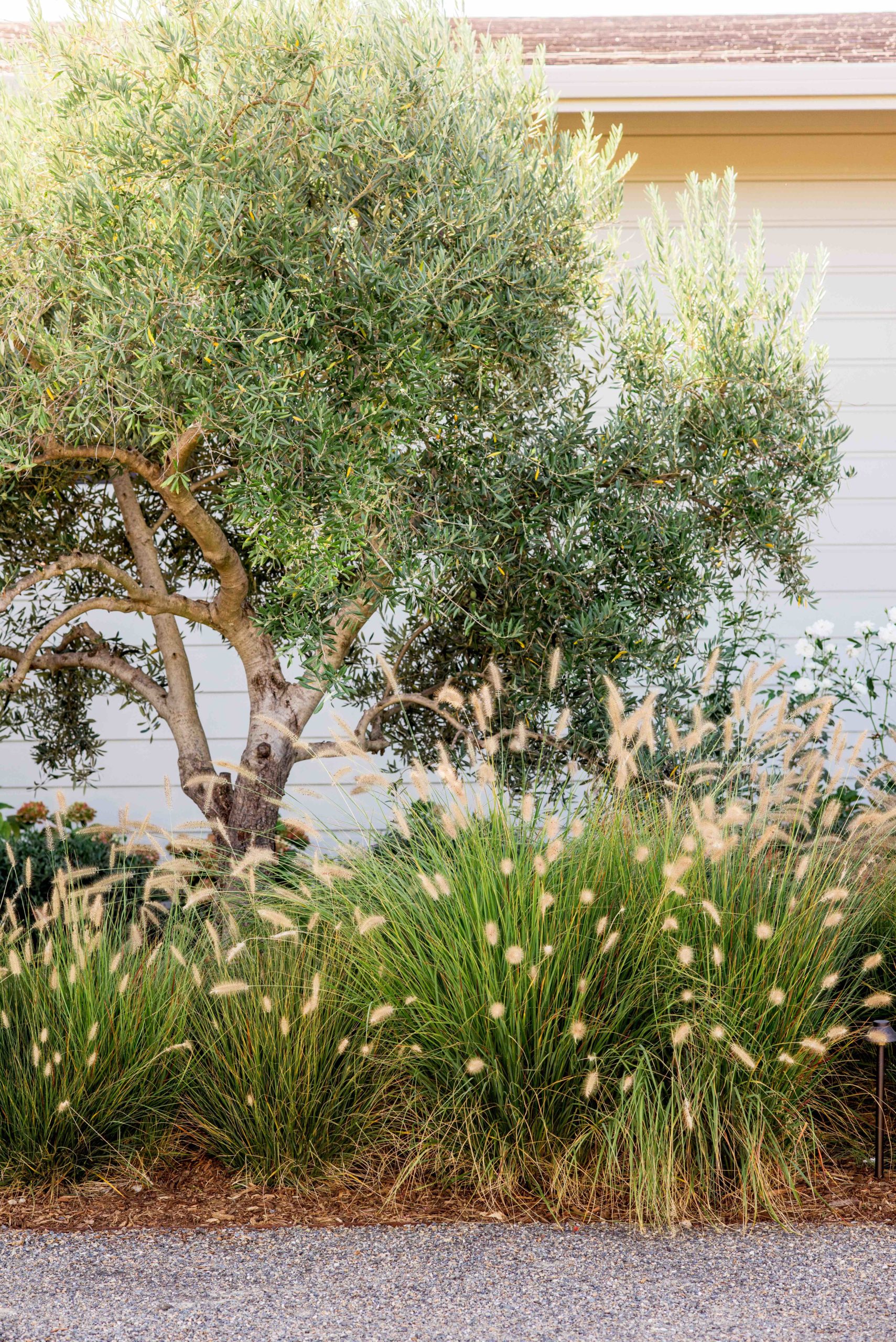
The family’s fig trees produce their second crop in fall. (Rebecca Gosselin/Sonoma Magazine)Rhea by her mulberry tree. (Rebecca Gosselin/Sonoma Magazine)Sonoma’s Rozanski Design planned the landscape, including classic pairings such as grasses and olive trees. (Rebecca Gosselin/Sonoma Magazine)
The Potters are looking forward to fall (“this time of year, the reds, oranges, and yellows around here are stunning,” says Dara), and, hopefully, being able to host gatherings again. They’d like to invite friends to join them for the fall olive harvest, helping to gather the fruit before it’s sent off to be pressed into oil. As the tail end of summer blends into cooler, more colorful days, the Potters say they enjoy seeing how the winemaking community works together to bring the joy of harvest in Sonoma Valley to everyone.
A peek inside…
The living room. (Rebecca Gosselin/Sonoma Magazine)
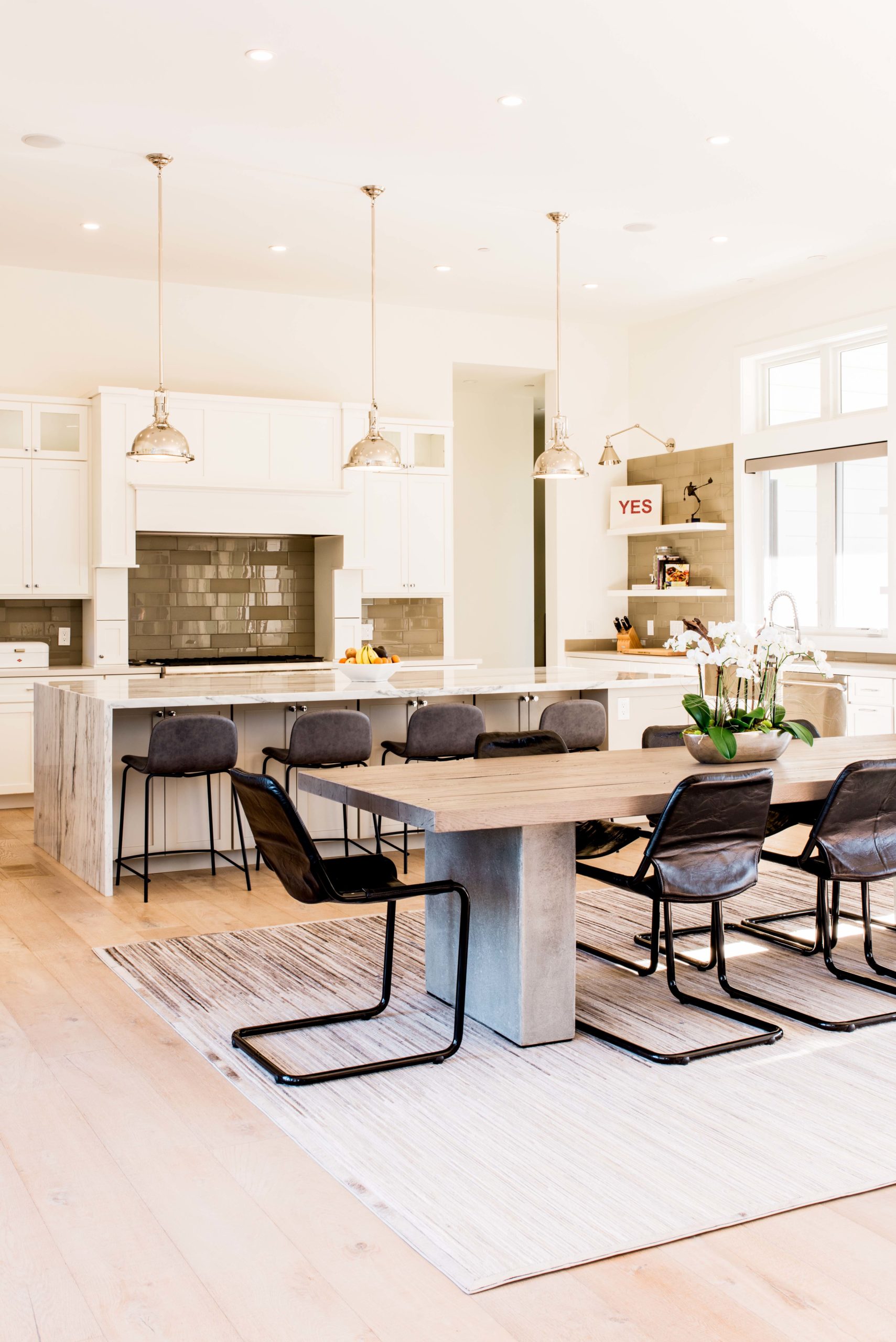
The kitchen/dining area. (Rebecca Gosselin/Sonoma Magazine)
Designer Paul Rozanski’s plan for the Potter family’s Sonona home incorporates their affection for Japanese maple trees, which the designer sourced at Sweet Lane Wholesale Nursery in Santa Rosa. Nursery manager Joe Hadley says Japanese maples are a subtle, beautiful choice: “They have an elegance of form and structure that is unique to the species, and their sizes are ideal for more personal or intimate gardens. Plus, they are quite nice from a distance and exquisitely sculptural up close.”
Hadley says a landscape designer or nursery professional can help homeowners choose the right Japanese maple for their site’s light, water, and soil characteristics. “Maples can be more complicated than people imagine,” he says. He recommends the book “Right Plant, Right Place” by Nicola Ferguson for learning more about how to match plants to a particular location.
The most popular Japanese maples Hadley sells for Sonoma gardens include Acer palmatum ‘Bloodgood,’ ‘Green,’ and ‘Emperor One.’ But he encourages people to branch out, as there are many lesser-known varieties that offer unique color and character. For three-season color, Hadley recommends Acer palmatum ‘Omato.’ And he likes varieties of Acer shirasawanum (the “full moon” maple) for beautifully layered texture and form.
One of the best ways to add a personal touch to your home is to incorporate artwork. But buying art can be expensive and the more affordable mass-produced prints that you can purchase online don’t always reflect your own personal preferences or style. Thankfully, Sonoma County is home to a variety of emerging and established artists who exhibit their works in galleries and studios. During two weekends in September, locals and visitors to Sonoma County can meet some of these artists and view and buy their artwork during the Sonoma County Art Trails (Sept. 18-19 and 25-26), an open studio tour now in its 36th year of operation.
Visitors to the Sonoma County Art Trails can download a guide that lists the 121 participating artists and the location of their studios — just follow the map and look for the square blue signs on the street near each studio. Studios are open from 10 a.m. to 5 p.m. and exhibit a variety of artwork, including oil paintings and water colors, ceramics, sculpture and even handmade furniture.
Sebastopol watercolorist Sally Baker is thrilled to be opening her studio doors to the public this year, especially since last year’s event was canceled due to the pandemic.
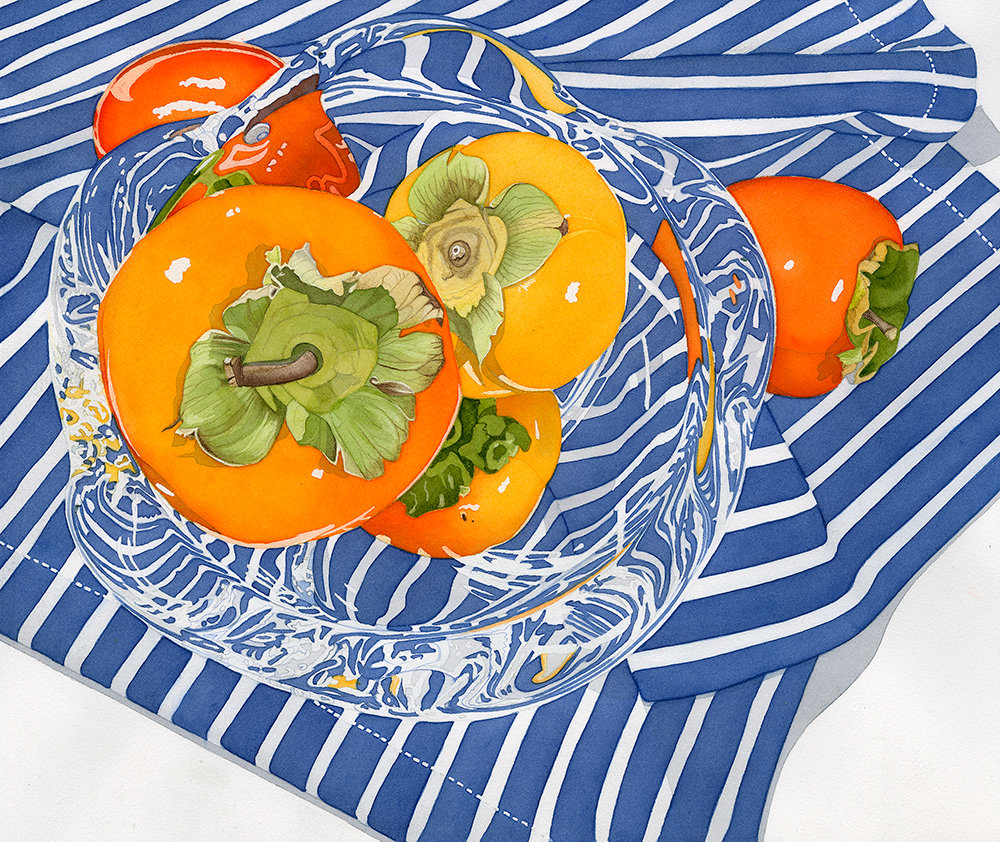
“Artists thrive on the interplay of their art with those who encounter it,” said Baker, whose still life paintings typically feature a glass element. She likes how glass distorts the lines seen through it, creating an abstract effect within a realistic context. “Sometimes in talking with an artist and understanding what inspired them to do a piece, the (viewer) becomes more engaged,” she added.
Still life by Sebastopol watercolorist Sally Baker. (Sally Baker)Still life by Sebastopol watercolorist Sally Baker. (Sally Baker)
Santa Rosa botanical artist Victoria Kochergin said that the Art Trails event gives visitors a real taste of the area. “It’s like wine tasting without the wine. It’s seeing and enjoying art and talking to the artist.”
Kochergin recalled the 2017 Art Trails, which took place just after the destructive North Bay Fires — although a few participating artists tragically lost their homes, the October show went on as planned. At the time, visitors told her that the tour provided “a quiet place away from the chaos.”
Viewing art, she said, can be healing and calming. “When you’re looking at art, you’re in the moment. It allows you to be still and allows a nice bit of peace.”
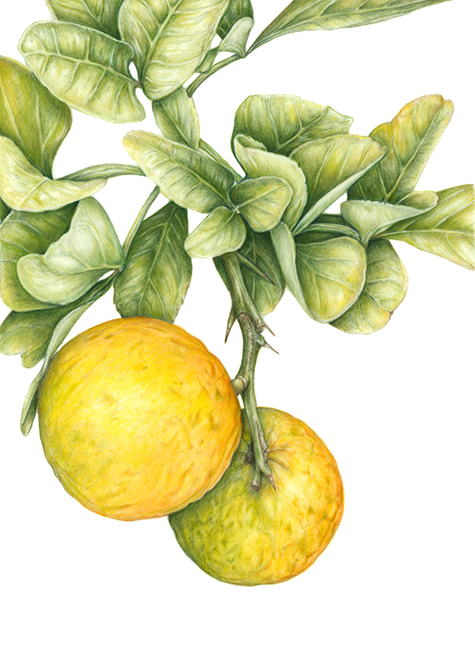
Victoria Kochergin uses colored pencil to create vivid and detailed botanical art. (Victoria Kochergin)
Kochergin likes to draw flowers and fruit from local places, like her mother’s garden, Luther Burbank Home & Gardens in Santa Rosa and even the gardens of Alcatraz, and uses colored pencil to create vivid and detailed botanical art.
“I feel this immense responsibility that I depict the beauty of (the botanicals). It’s really capturing a moment in time,” she said.
Mixed-media artist Carolyn Wilson recommends visiting the main preview exhibit at the Sebastopol Center for the Arts, which showcases one piece by each artist on the Art Trails tour. “(It’s) a great way to plan studios to visit. Pick up a Collector’s Guide and circle which artworks interest you,” she said.
Wilson said some Art Trails visitors like to explore a particular area of Sonoma County, like west county or Petaluma, while others focus on particular types of artwork, like landscapes or abstract works. Some visitors just “drive around and pull in when they see one of the signature blue Art Trails signs along the road,” she added.
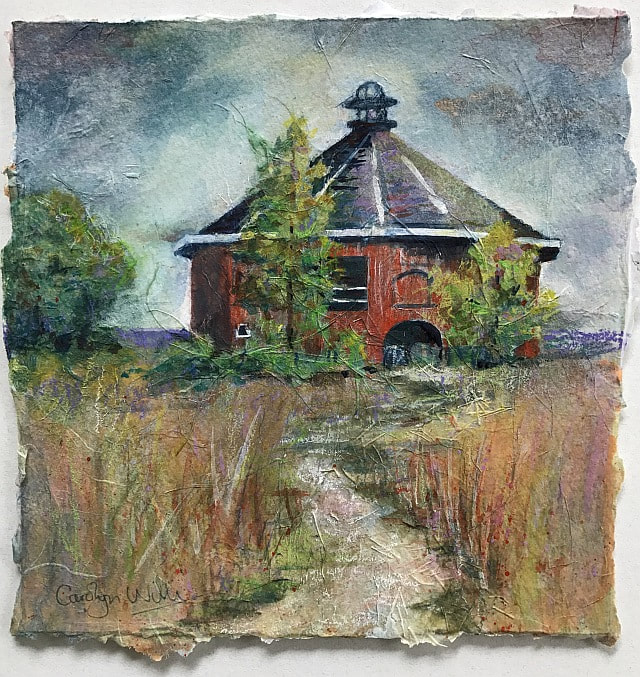
Artist Carolyn Wilson creates mixed media work. This Fountain Grove painting was donated to raise money for fellow Art Trails artists who suffered losses in the 2017 Tubbs Fire. Proceeds from the sale of reproductions were donated to the Redwood Credit Union fire relief fund. (Carolyn Wilson)
No matter where you stop along the Art Trails these upcoming weekends, you’ll be able to view a professional artist’s works. The artworks are selected, or blind juried, by a group of art professionals from outside of Sonoma County.
“There are so many styles, you’re bound to find something you’re going to click with,” said botanical artist Kochergin.
Sonoma County Art Trails, September 18-19 and 25-26, 10 a.m. to 5 p.m. Main preview exhibit at Sebastopol Center for the Art, September 17 to October 3, Sunday through Thursday, 10 a.m. to 5 p.m. Select artists are featured at Corrick’s, Gallery One and Fulton Crossing, until September 26. For more information, visit sonomacountyarttrails.org
In search of a great meal to enjoy outdoors? Here are a few of our favorite alfresco dining spots, featuring shaded, covered and heated patios and sun-dappled gardens. Click through the above gallery for details.
This article was originally published in September 2020.
When Ulises Valdez established his vineyard management company in Cloverdale several years ago, he named it Valdez & Sons and proudly placed its logo on company trucks. At the time, his sons, Ulises Jr. and Ricardo, were still too young to work. But his daughters, Elizabeth and Angelina, were busy helping their mother, Adelina, with timecards, billing, accounting and other administrative tasks for the company.
“It’s just how it was,” said Elizabeth Valdez, now 29 and the Valdez Family Wines winemaker.
In the traditional culture of Latino immigrants such as Ulises Sr., who came from Michoacán, Mexico, to Sonoma in 1985, it was men who did the physical work, provided for their families and taught their sons to do the same. Women kept house, cooked meals and cared for the children, training their daughters for future marriage and motherhood. It wasn’t much different than how most U.S.-born families functioned until the 1950s and ’60s, the divisions of labor very much determined by sex and not ability nor aspiration.
Over time, however, Elizabeth Valdez showed her father that hands-on experience in the cellar, training by acclaimed winemakers such as Jeff Cohn and Mark Aubert and enology coursework at Santa Rosa Junior College and UC Davis had prepared her for the tasks of rolling barrels, shoveling out tanks, driving forklifts and producing excellent wines.
“In 2015, my father finally said, ‘I think you’re ready,’ and I made my first vintage of wines in 2016,” she recalled.
Elizabeth Valdez. (Courtesy of Valdez Family Wines)
Ulises Valdez Sr. died of a sudden heart attack at age 49, at the start of the 2018 harvest. Despite their sorrow, Elizabeth continued with the winemaking and, the day after his father’s death, Ulises Jr. delivered just-picked grapes to other wineries contracted for the family’s vineyard management services. “Padre” would have been proud of his kids.
“He taught us to work hard and we’ll keep doing that,” Elizabeth said. “It takes all of us to do the work he did himself. We’re proud to be a family business, which he always wanted.”
A place for women
Monica López’s parents, Al and Dina López, were already successful businesspeople when they entered the Sonoma wine industry.
The couple previously had worked in design and publishing; at one point they owned the iconic Lowrider Magazine. After selling the publication, they went into real estate and eventually bought 40 acres off Mark West Springs Road in northeastern Santa Rosa in 1998. They built a home there, and Al planted a hobby vineyard from which he made wine.
“The vineyard was a passion project for my parents, which evolved into a winery. We like to say it was their 10th career,” Monica López, 37, explained. “My brother, Francisco, and I were guided by our entrepreneurial parents to work hard, be passionate about what we do and do it with integrity.”
Monica López. (Courtesy of Aldina Vineyards)
López is now CEO of Aldina Vineyards and Bacchus Landing Cellars in Healdsburg, a 52,000-square-foot project scheduled to open in spring 2021 that includes tasting room spaces for Aldina and other wineries and indoor and outdoor event spaces.
“It feels like a man’s world in the wine industry, but there is definitely a place for women in it,” she said. “We have a priority of involving Latina women in our business. Our winemaker, Belén Ceja, makes our wines at Heirs of My Dream, a custom-crush winery she owns, with her sister, Ellie.”
More visibility
Twenty-three years ago, Ana Keller, the youngest of Arturo Keller’s four children, left Mexico City for the United States and a career in winemaking. Armed with a biochemistry degree yet zero knowledge about how to grow grapes and produce wine, she learned the ropes quickly at her father’s Keller Estate east of Petaluma. She soon made it a showpiece property and winery and played a major role in creating the Petaluma Gap AVA.
Ana, 49, embraced a philosophy now quoted widely from the mouth of Sara Blakely, founder of the Spanx shapewear company: “Hire your weaknesses.”
“I stepped into running (Keller Estate) and had to wear lots of hats,” Ana said. “I realized I had to hire good people to help.”
Like López at Aldina Vineyards, Keller works hard to get more Latina women into the wine industry. There are plenty of job opportunities available to them there, she said, in addition to winemaking. Skills and experience in administration, human resources, legal work, hospitality and design are highly sought after at most wineries.
“One in four jobs (in Sonoma) is related to the wine business,” Keller said. “I’ve met women who think being Latina is not an asset in the wine industry. They believe it’s hard enough being female and don’t share their heritage when employers can see it as an asset. This is a time for Latinas to step up and make themselves visible.”
Wines to try
In addition to demonstrating the success women and Latina women can experience in the wine industry, the Aldina, Keller and Valdez wineries produce gran vino. Here’s more about them in a nutshell.
Aldina Vineyards: The brand of Monica, Francisco, Dina and Al López is best known for its cabernet sauvignon, produced from the Aldina Vineyard in the Fountaingrove District in northeast Santa Rosa. Their winemaker, Latina Belén Ceja, also bottles small amounts of chardonnay and rosé from Ceja Vineyards grapes grown in the Carneros region. The López family’s Bacchus Landing Cellars tasting room complex is scheduled to open in spring 2021 on the outskirts of Healdsburg. Aldina will be joined by a handful of other wineries, each with its own 1,800-square foot space and access to a rooftop event/tasting space.
707-799-1821, aldinavineyards.com. No tasting room at this time; order online.
Keller Estate Winery: As estate director, Ana Keller continues the vision of her father, Arturo Keller, operating an estate that combines vineyards, winemaking and olive groves for oil and outdoor art. Arturo’s love of classic cars, many of which are displayed or stored at the winery, factored into his purchase of the estate. The Keller La Cruz Chardonnay and El Coro Pinot Noir, made by Julien Teichmann, are superb, as is a somewhat hidden gem, a meaty Rhone Valley-style red blend called Rotie. If there is one winery at which to experience the winds and fog that shoot through the Petaluma Gap AVA in the afternoons, this is it. The views are spectacular.
875 Lakeville Highway, Petaluma, 707-965-2117, kellerestate.com. Open for outdoor tastings; schedule appointments online.
Valdez Family Winery: Adelina Valdez and her children (Elizabeth, Angelina, Ulises Jr. and Ricardo) now live on their Silver Eagle Vineyard, planted by Ulises Sr. in 2006. It’s a prime spot in the Green Valley of Russian River Valley, planted to chardonnay and pinot noir grapes that go to top producers. Winemaker Elizabeth keeps some of the best rows for the Valdez Family Wines label, and while production was intentionally reduced after the 2018 death of her father, the gems remain in her Silver Eagle Chardonnay and Silver Eagle Pinot Noir. Her brother, Ulises Jr., is in charge of the farming, though every Valdez is involved in the business.
Four long years in the making, Chef Dustin Valette’s epic restaurant concepts The Matheson and Roof 106, pictured, have finally opened to the public in Healdsburg. (The Matheson)
Four long years in the making, Chef Dustin Valette’s epic restaurant concepts The Matheson and Roof 106 have finally opened to the public in Healdsburg. Bite Club got a preview of the 231-seat, three-level restaurant and lounge on opening night, Sept. 2, with other diners eager for a peek.
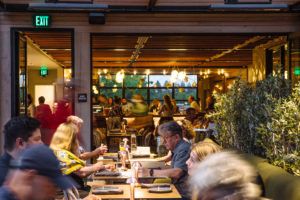
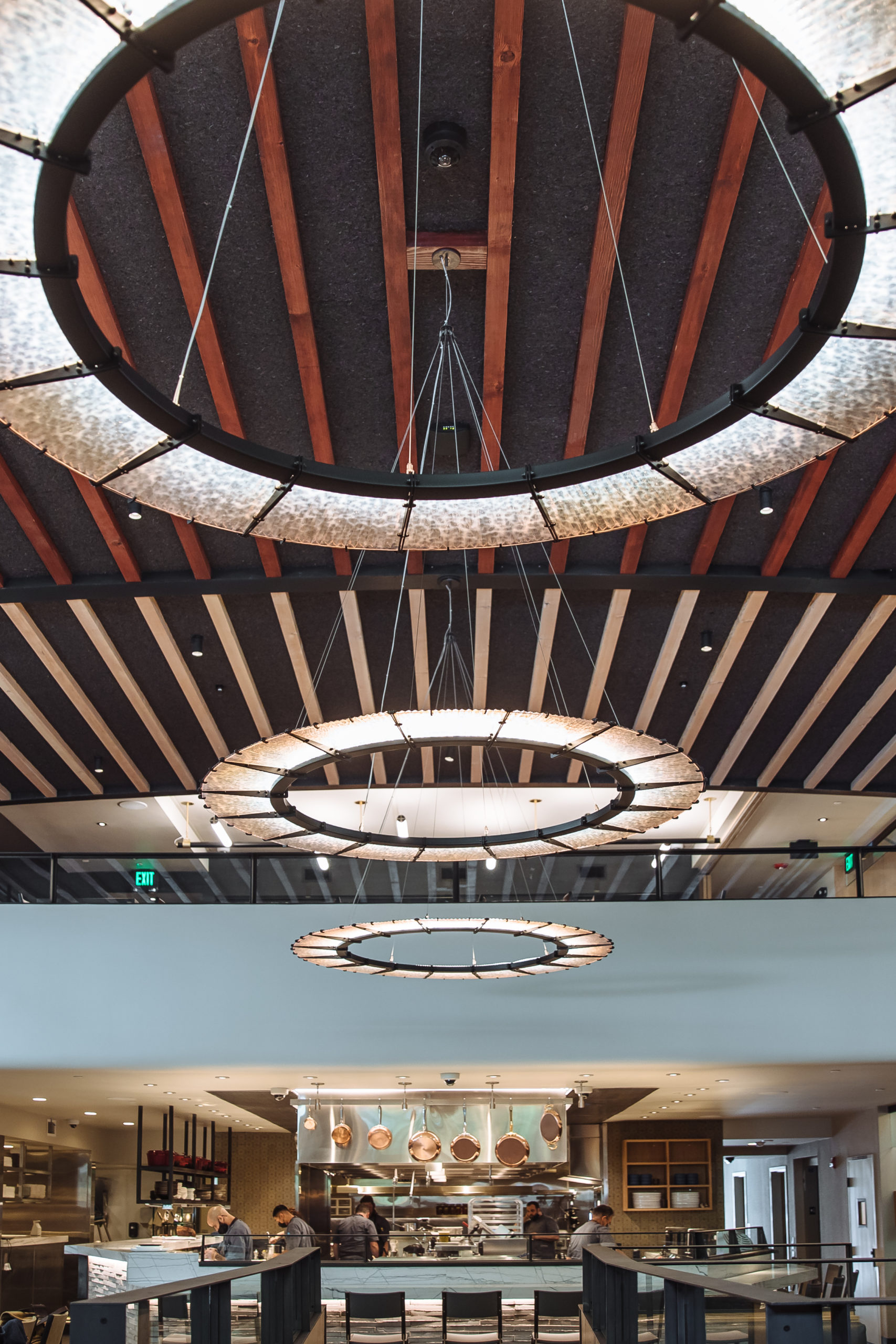
The Matheson occupies the ground floor, a sweeping, open space ringed by eight murals of Wine Country scenes by San Francisco artist Jay Mercado and crowned with a barrel-stave-inspired ceiling.
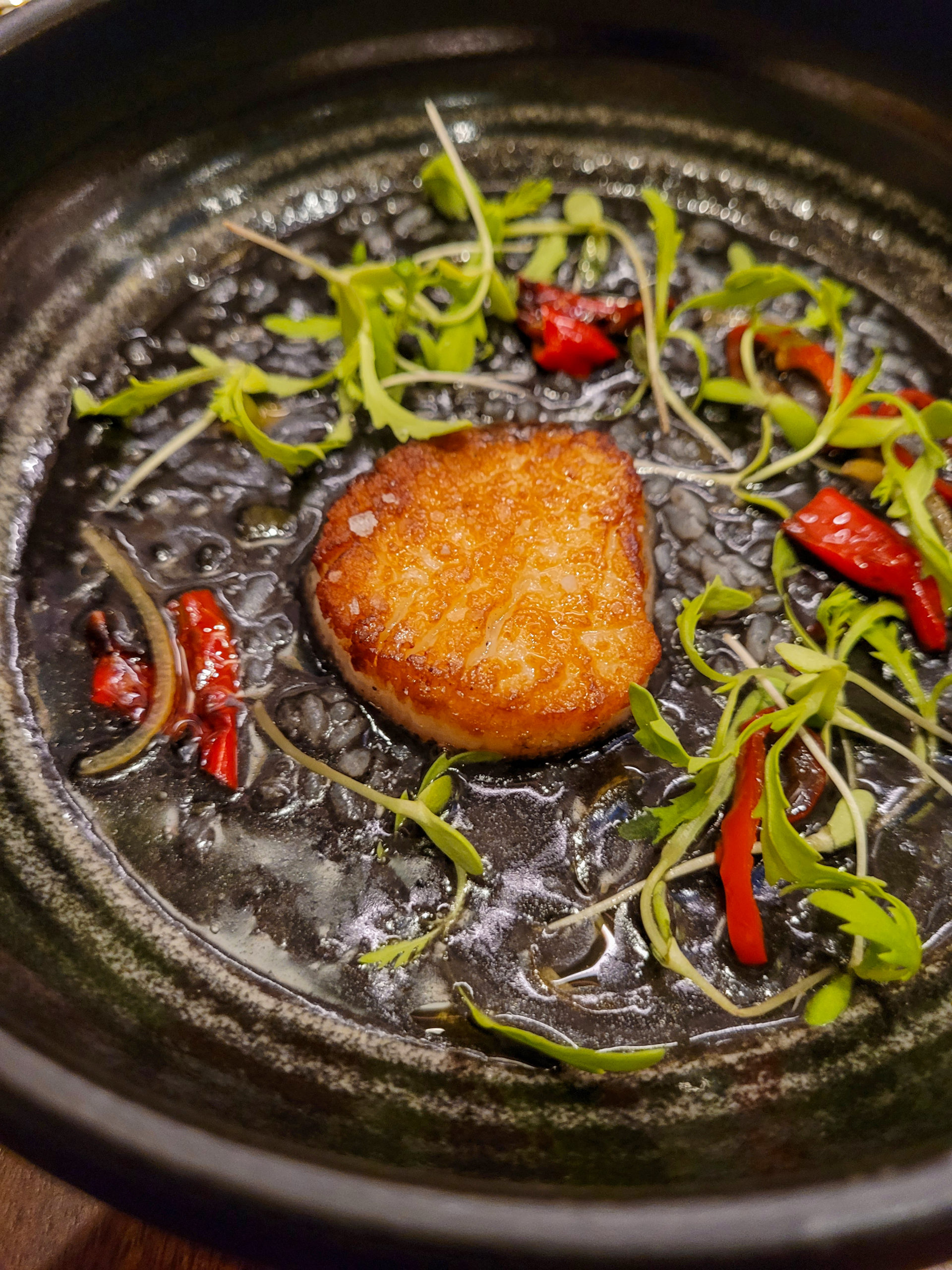
An open kitchen serves high-end appetizers and entrees, as well as Japanese-inspired dishes — including nigiri stunners created by Hana Japanese Chef Ken Tominaga and executed by sushi chef Daisuke Somato. The Tamanishiki rice porridge ($19), a risotto-like starter of black rice, a single perfectly cooked day boat scallop and preserved lemon, was the star of the night. Seasonal tomato salad with whipped burrata, lovage, sea beans and rye “soil” ($15) also was excellent.
The Matheson in Healdsburg. (The Matheson)Tamanishiki Rice Porridge at The Matheson in Healdsburg. (Heather Irwin/Sonoma Magazine)
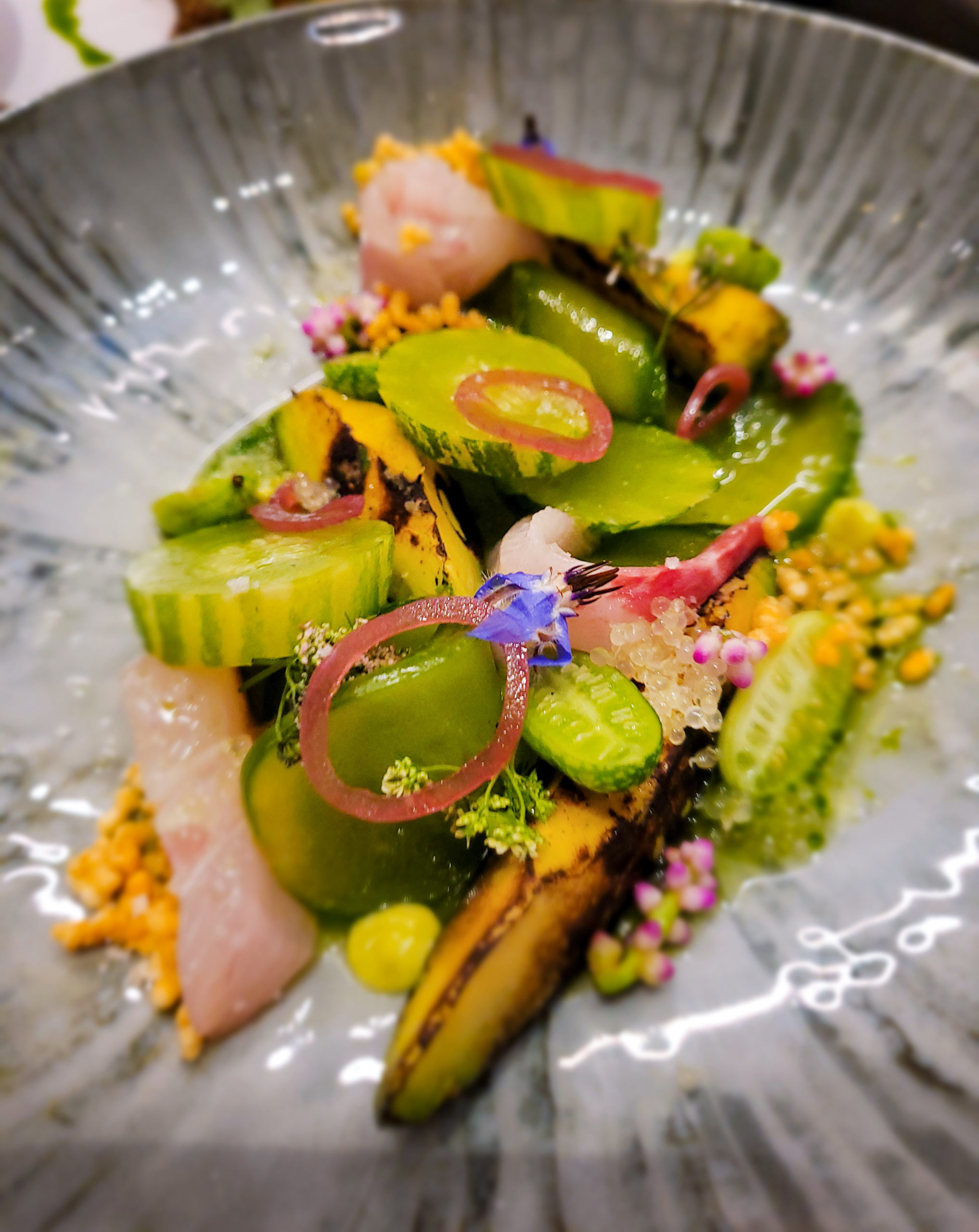
The Matheson menu is likely to change over the coming weeks and months with the seasons. For now, it includes Kampachi Crudo ($21), Aged Sonoma Duck with plum glaze ($38), Pumpkin Seed Mole with Oaxacan cheese and tempura squash ($28), along with several cuts of steak.
The tasting menu, always a solid choice at nearby Valette restaurant, includes a “best of” with sashimi, tomato salad, king salmon, Sonoma lamb and a dark chocolate pave for $95. From the bar, we also tried the Truffle Shuffle cocktail ($18) with truffle-infused Sazerac, sweet vermouth, celery and bitters ($18), which was mostly like a Manhattan and not so much like a truffle, but still fun.
Kampachi Crudo with cucumber agua chile, puffed sushi rice and finger lime. (Heather Irwin/Sonoma Magazine)
Upstairs at Roof 106, diners will find a more casual indoor-outdoor setting with a cozy bar inside and a mix of sofa-style and chair seating and plenty of greenery outside under an airy, extended pergola.
Roof 106 serves shareable snacks, including a tasty Fried Sweet Corn with citrus crema ($9); Tominaga’s Hand Rolls ($4 – 6); and wood-fired pizzas like the Cured Pork Belly with Gruyere, red onion and roasted garlic crème fraîche ($21). Larger plates of steak, crispy pork belly and a burrata and peach salad round out the menu along with entertaining frozen “push pops” ($5) of our youth in grown-up flavors like Coconut Rum Mojito and Yuzu Strawberry.
The upstairs bar serves up their own list of cocktails, among them the Modern Margarita ($10) with tequila and clarified lime, a molecular-gastronomy take on a classic. Don’t miss the beehive-themed details either, including the hexagon-shaped tiles surrounding the bar.
Expect a deeper dive in early fall as dining writer Carey Sweet and I explore the menus in detail. Reservations online at thematheson.com. 106 Matheson St., Healdsburg.
More dining news from Sonoma
Sarmentine opens: After gaining a following for her home-delivered French pastries, Alexandra Zandvliet has opened a bakery at 52 Mission Circle, site of the former Muffin Street Bakery. Offerings are limited as Zandvliet and her staff get up to speed, but you’ll find croissants and baguettes on most days, along with brioche, fougasse (a French flatbread similar to focaccia) and rustic boules. Don’t miss the espresso drinks and the refrigerated case with Laura Chenel marinated goat cheese, Marin French Cheese Co.’s washed rind Triple Creme Brie and French pates. Hours change frequently, so check sarmentine.com for the latest information.
Pastries at Stellina Pronto in Petaluma. (Heather Irwin/Sonoma Magazine)
Stellina Pronto is a stunning Italian bakery and sandwich shop for the former owners of Osteria Stellina in Point Reyes. You’ll usually find a long line for the extensive selections of sweets and savories. Go early for the best picks.
Chef Christian Caiazzo didn’t spend 35 years behind the stoves of Michelin-starred restaurants to become a barista, but that’s where the former owner of Point Reyes’ celebrated Osteria Stellina has found himself — slinging cappuccinos and lattes in downtown Petaluma. And he’s OK with that.
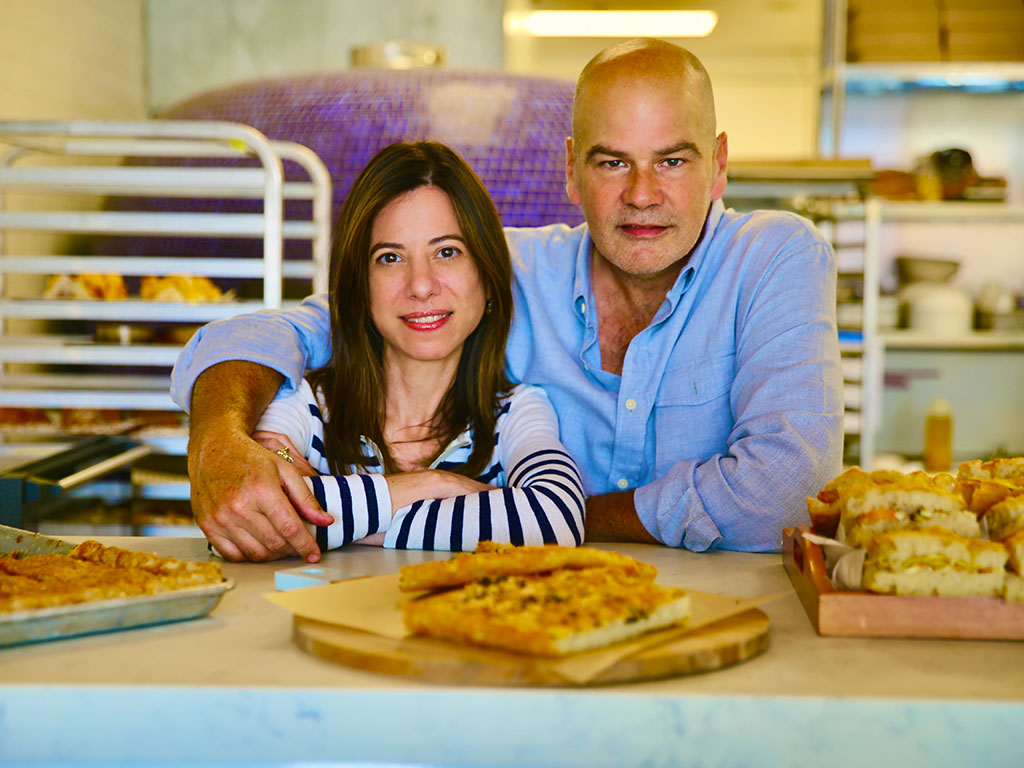
Standing behind the espresso machine at his new bakery cafe, Stellina Pronto, Caiazzo is back in the game, pumping out orders. After closing their critically acclaimed restaurant in August 2020, citing the pandemic and other pressures, Caiazzo and his wife, Katrina Fried, opened the ever-evolving Italian bakery early this summer. Humbled by the pandemic loss, Caiazzo and Fried are among the millions of restaurateurs urgently trying to figure out how to run a restaurant in a world that no longer supports traditional restaurant business models.
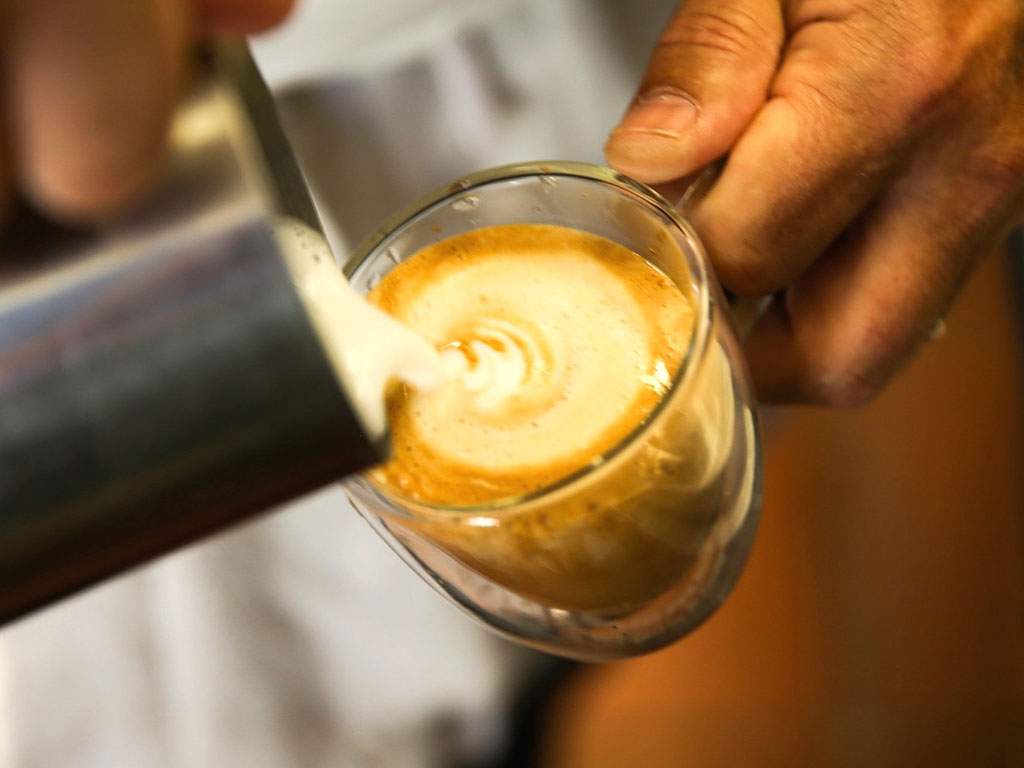
“This is me reinventing myself,” he said recently at the cafe, as he made a perfect foam with extra-rich milk from Straus Family Creamery. It is, admittedly, pretty delightful.
The cafe, which eventually will include a wood-fired oven for pizzas and piadine, meatball subs and chicken Parmesan, is a concept Caiazzo said he’s been working on for the last three years.
“I asked myself how I could do something different to make money and be profitable and also make food,” he said. “The pandemic and closing my restaurant sped that process up.”
The couple took over the former Bovine Bakery on Kentucky Street in March 2020, planning to simultaneously run the new Osteria and Toby’s Coffee Bar in Point Reyes and the new bakery.
“And then everything exploded,” Caiazzo said of the pandemic regulations that closed restaurants, slowed construction and permitting and left him and many other restaurateurs wondering what do to next.
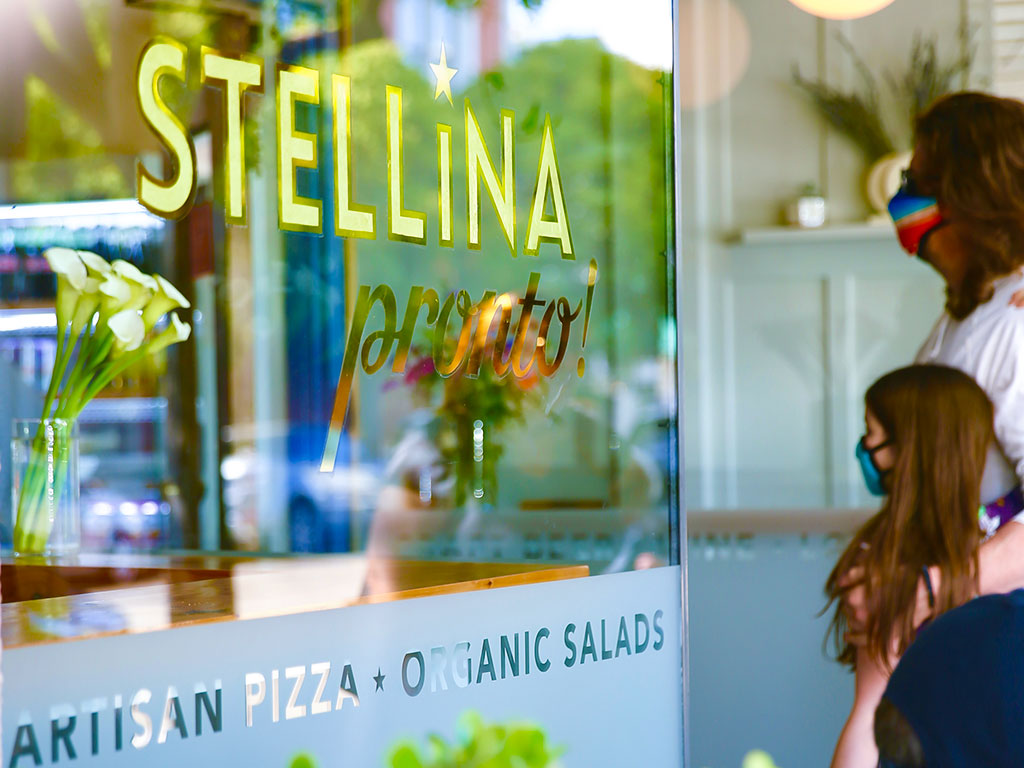
Owners Christian Caiazzo and Katrina Fried at Stellina Pronto in Petaluma. (Stellina Pronto)Entrance at Stellina Pronto in Petaluma. (Stellina Pronto)
A new plan
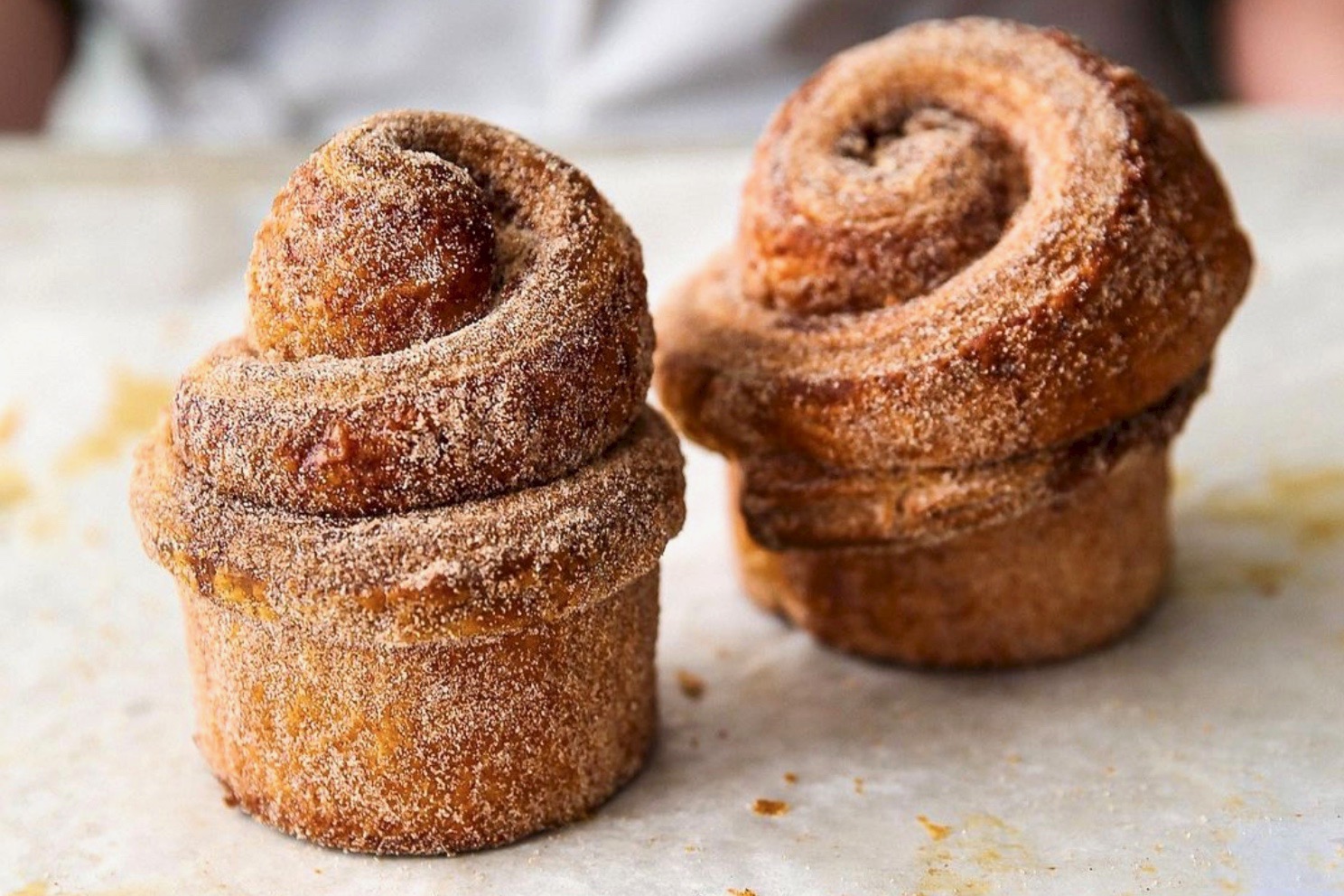
On a recent Sunday morning, customers steadily streamed through the bakery cafe, eager to get their hands on still-warm morning buns, chocolate hazelnut cornettos, olive oil cakes and cookies. There is also warm focaccia, buns filled with pastry cream and an ever-revolving lineup of Italian-inspired sweets and savories. Sandwiches and salads appear later in the day.
Fried is the face of the operation, running the register, coordinating a handful of front-of-house staff and helping to design the retail space that the couple remodeled themselves. The shelves that hold tinned fish, Linea Caffe coffee and other Italian packaged foods, as well as eating counters inside, are wood slabs repurposed from Osteria Stellina’s bar.
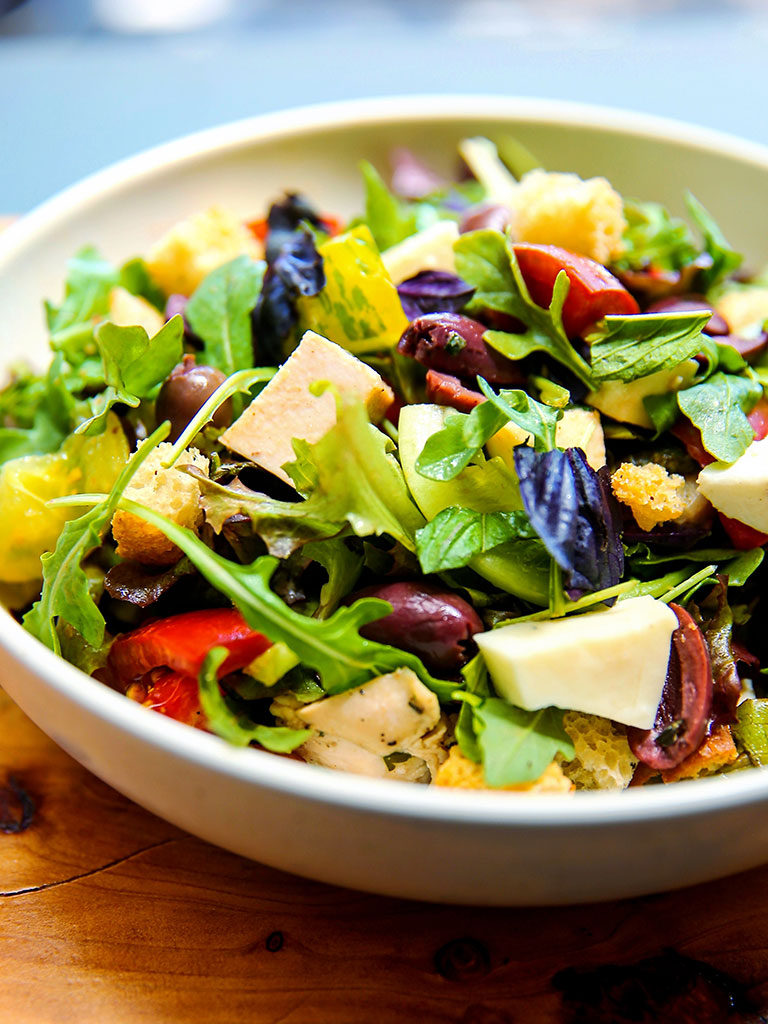
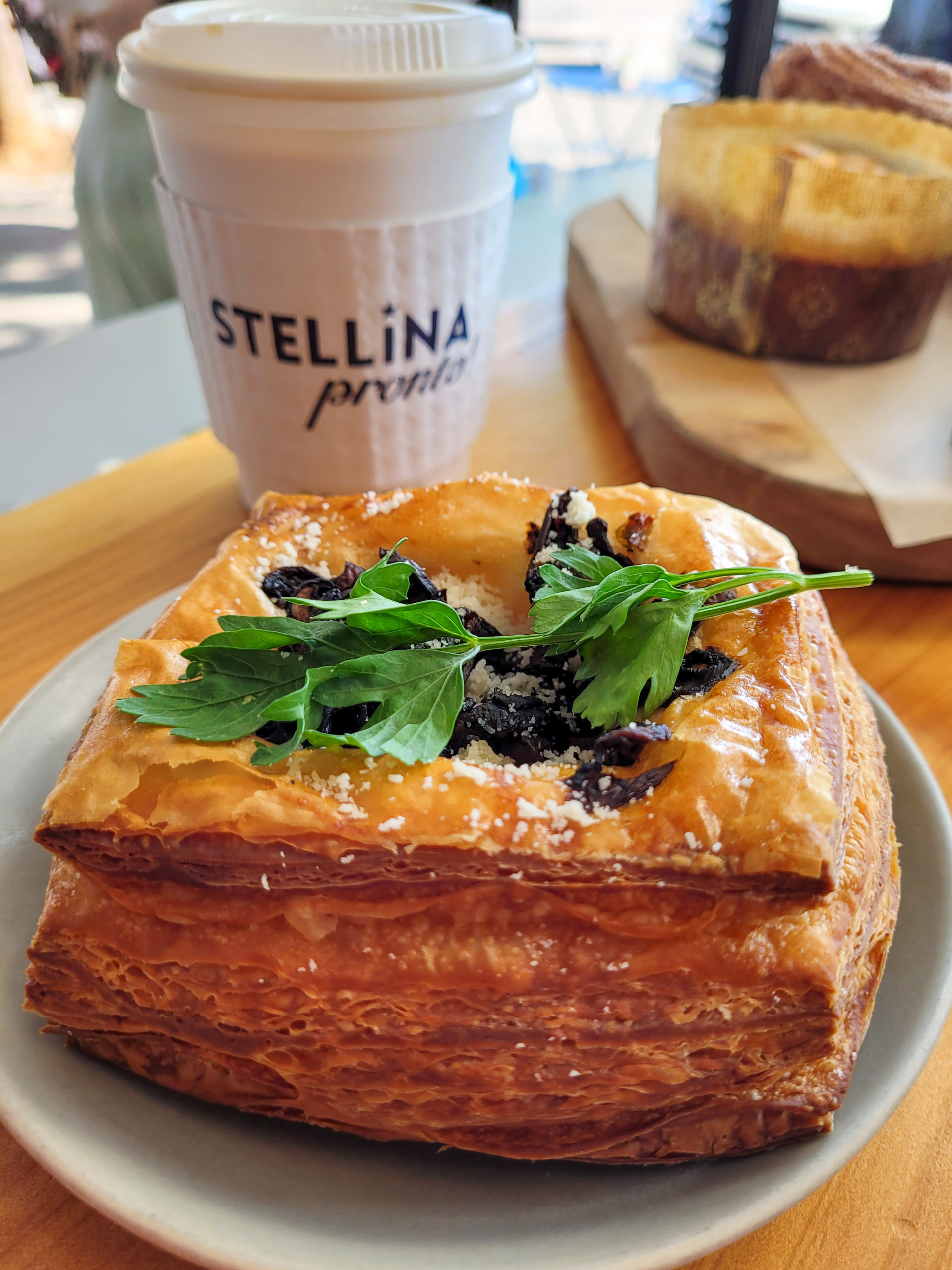
Panzanella salad at Stellina Pronto in Petaluma. (Stellina Pronto)Mushroom and cheese puff pastry at Stellina Pronto in Petaluma. (Heather Irwin/Sonoma Magazine)
Fried also makes sure each new dish that arrives on the counter looks picture-perfect. There’s a reward to lingering a bit just to see what comes out next from the kitchen.
“We’re preparing instead of cooking things to order,” Caiazzo said. “We make 18 sandwiches at a time, we put them out and we make something else.”
There’s no table service, no line cooks. The staff is limited and the focus is on high-efficiency output to keep costs low. Don’t confuse Stellina Pronto with a mass-production operation, because Caiazzo is passionate about Slow Food, high-quality ingredients and supporting the regional food system. They buy much of their produce from Green String Farm in Petaluma and local farm markets.
So how does it all pencil out? There’s no road map, so Caiazzo is constantly tinkering.
Stationed at the ovens in the back, Pastry Chef Alison Cavallaro looked exhausted as she pushed tray after tray of bread and pastry into the oven.
She started 4 a.m., and she explained the process as a sort of dance. Something is always proofing or baking or in production. Her hands slid over a tray of focaccia straight out of the oven, smothering it with sauteed lemon, olive oil and herbs. A tray of cinnamon rolls scented the air. By 11 a.m., she had already worked seven nonstop hours.
Italian pastry from Osteria Pronto in Petaluma. (Stellina Pronto)Cappuccino at Stellina Pronto in Petaluma. (Stellina Pronto)
Ironically, Stellina Pronto was never supposed to be a bakery.
“It was mainly a pizza concept,” Caiazzo said. “But when we closed Osteria, we also lost our supplier of baked goods for Toby’s Coffee Bar. So we expanded morning prep and baking for Pronto cafe as well.” The large kitchen at Stellina Pronto was a perfect space to create a bakery for both businesses. And that, he said, was a boon as the planned wood-fired pizza oven sits idle waiting for permits to operate the high-temperature cooker with a specialized vent. That could take anywhere from weeks to months.
He’s not worried, though, because he has plenty more ideas for tasty treats, like the pork buns he made that morning with Niman Ranch pork and brioche dough. And locals are eating it up.
“The support we’ve received from Petaluma has exceeded our every expectation,” said Fried as Caiazzo continued filling drink orders behind the espresso machine. “We’re working our hearts out to keep up with demand, and we’re having a ball.”
23 Kentucky St., Petaluma, stellinapronto.com. Open Thursday through Monday from 6:30 a.m. to 2 p.m.
EARTHSeed is a new permaculture farm that both grows food and fosters resilence in the land and its people. One of founder Pandora Thomas’ goals is to make the farm and its products accessible to those who have historically faced barriers to access, particularly communities of color. She hopes to offer a robust program of classes and farming internships. (Beth Schlanker/The Press Democrat)
In a county celebrated for its agriculture, just 2% of Sonoma’s farmland is Black-owned. But when Pandora Thomas first stepped onto Gabriel Farm, a piece of land for sale outside Sebastopol, she thought to herself, “This place is calling me.”
Not long after, in March of 2021, with support from a wide circle of collaborators and private donors, Thomas purchased the 14-acre property and founded EARTHseed, California’s first Afro-Indigenous permaculture farm. EARTHseed is teeming with life. There are over 4,000 fruit trees — apple, plum, persimmon — plus raspberries, native and medicinal plants, insects, and more than a few gophers. The farm is a place to practice and teach African agricultural skills that have endured and evolved despite centuries of slavery and diaspora.
“It’s really a reclaiming of those ways,” Thomas says. EARTHseed’s ethos is grounded in the West African principle of sankofa — which means, in Thomas’ words, “We must know where we came from in order to move forward.”
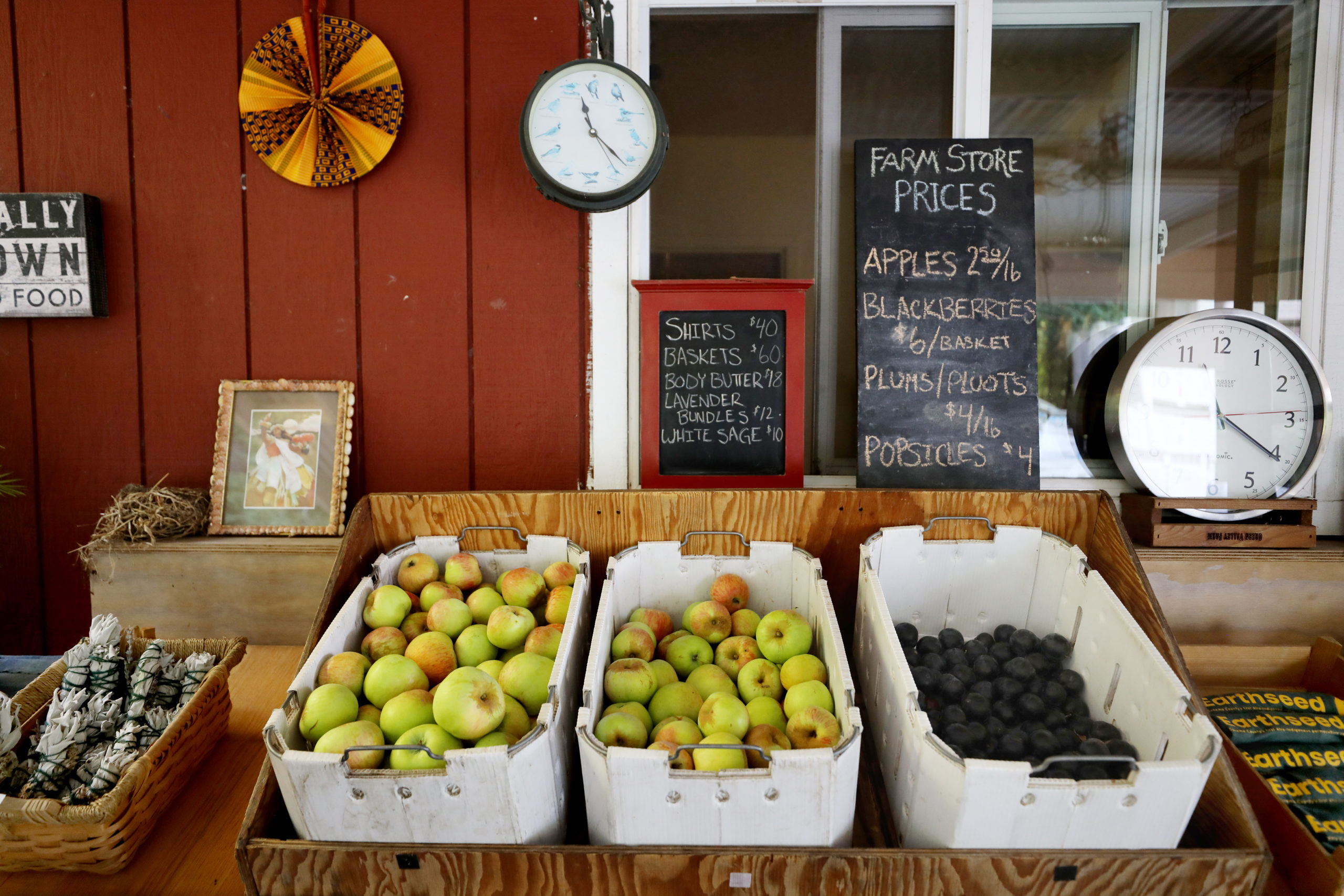
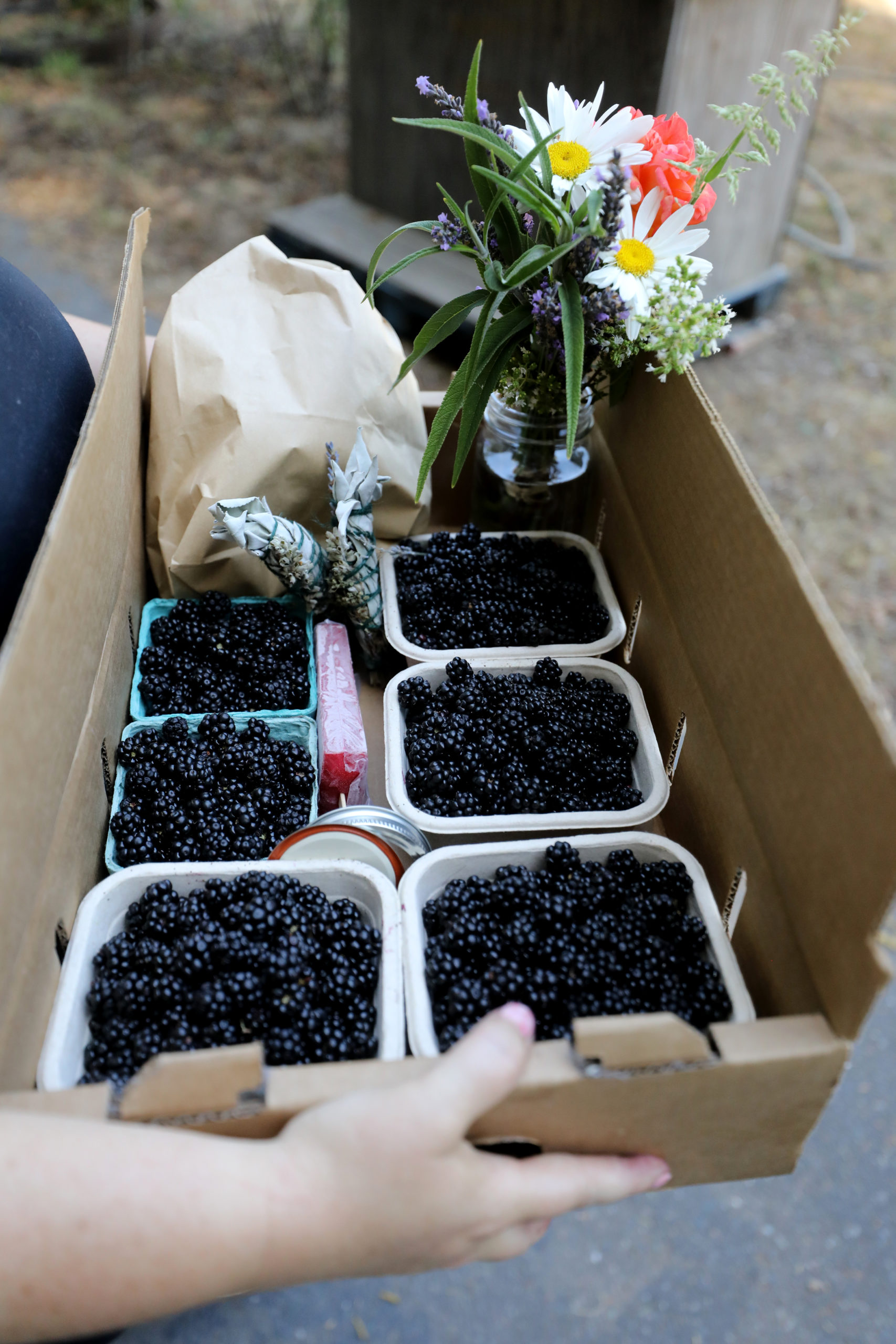
Produce, t-shirts, baskets, lavender, sage bundles, and popsicles are for sale at EARTHseed Farm in Sebastopol. (Beth Schlanker/The Press Democrat)
Signage by artist-in-residence, Radioactive, at EARTHseed Farm in Sebastopol. (Beth Schlanker/The Press Democrat)
Thomas is a designer, community-builder, and permaculture teacher with a deep love for Sonoma County. Permaculture, as she puts it, is “an ecological design system rooted in Indigenous wisdom that elevates ecosystem health while meeting human needs.” It’s an approach that fosters resilience by working with natural systems, rather than imposing a structure from the outside. In a place like Northern California, already strained by drought and wildfire, practitioners believe it’s an essential tool in climate change adaptation. That’s part of why EARTHseed is partnering with Indigenous land stewards whose knowledge of this place runs deep.
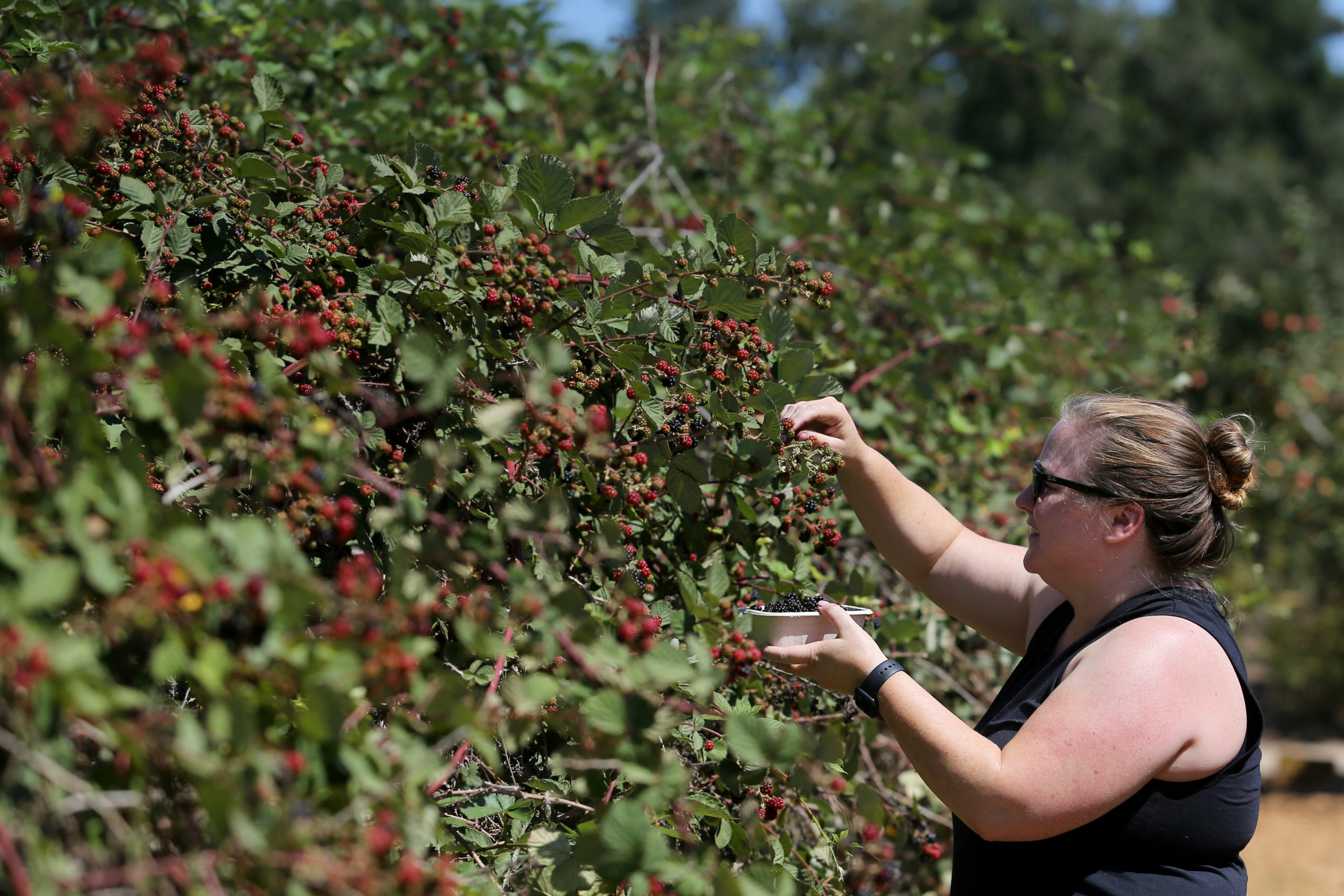
San Francisco resident Erica Stinemates picks blackberries to make jam at EARTHseed Farm in Sebastopol. (Beth Schlanker/The Press Democrat)
San Francisco resident Erica Stinemates heads out after picking blackberries to make jam at EARTHseed Farm in Sebastopol. (Beth Schlanker/The Press Democrat)
During this first year, Thomas and her collaborators are taking their time getting to know the land. They’re laying groundwork— building up the soil, installing water-catchment systems, and preparing for wildfire season. They’ve hosted their first community “U-Pick” days. And they’re exploring the best way to make their farm, its bounty, and its teachings available to those who often face barriers to access: Black people and people of color, youth, and seniors.
“There’s a sense of possibility and abundance here,” Thomas says, looking out over the rows of apple trees, heavy with fruit. “We want that for everyone, but for Black folks especially—to come home to a piece of land and feel like everything they need is taken care of.”
Families and individuals can visit EARTHseed on designated U-Pick days. Check earthseedfarm.org for offerings and availability.
Bella Snow soft ale co-founders Sean Boisson, CEO, right, and Matthew Rohrs, in their warehouse on West Napa Street in Sonoma on Tuesday, June 8, 2021. (Photo by Robbi Pengelly/Index-Tribune)
Bella Snow co-founder Sean Boisson, who grew up in Sonoma and is the JV baseball coach at Sonoma Valley High School, came up with the idea for his new business after helping his younger sister wash her car one afternoon. A good 80 pounds lighter than Sean, his sister declined a second beer that day because she knew she had to drive home. “It got me thinking about leveling the playing field of people’s tolerances and coming up with a beer that was fully beer but had less alcohol,” says Boisson.
Boisson and co-founder Mathew Rohrs, college friends from Sonoma State University, worked with consulting brewmaster Peter Stearns to develop the recipe for Bella Snow, which comes in at 2.4% ABV (alcohol by volume). The low-calorie Scottish-style “soft ale” — made with Cascade hops and infused with grapefruit flavors — is also unique in that all the gluten is removed from the beer and it contains no sugar.
Boisson and Rohrs realize that competition is fierce in the beer arena. They plan to self-distribute for as long as possible to keep the per-can price low. Their goal is for Bella Snow to be available
coast to coast within the next two years. “We want women and smaller people – people of all tolerance levels – to be able to keep drinking with their friends if they want to,” says Boisson.