



Army stew is a complicated dish — not so much to cook as to reconcile.
Born of necessity during the Korean War, the hot pot known as budae-jjigae is a spicy broth studded with Spam, sausage, tofu, kimchi, ramen noodles and mushrooms. It is a dish of resilience, combining military rations with humble pantry staples to feed a population facing scarcity and displacement.
At Seoul to Tokyo Kitchen in Santa Rosa, chef Albert Park has added it to a menu of comforting soups and stews inspired by his father’s recipes. At first glance, it can seem like an outlier among bibimbap, bulgogi, martini prawns and bento boxes. In many ways, though, it is the most personal dish he serves.
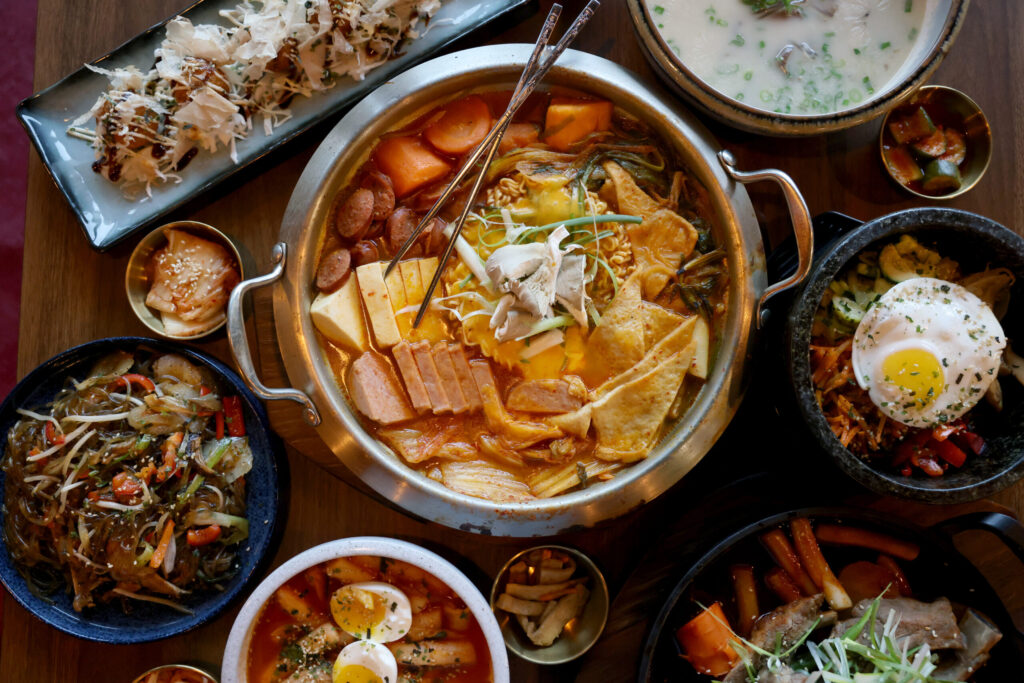
The stew arrives in a shallow tureen, its ingredients arranged in neat sections around a brick of instant ramen, topped with a single, improbable slice of American cheese. Kept simmering on a tabletop burner, it is meant to be shared — diners ladle broth and ingredients into bowls of rice or eat directly from the pot.
It’s one of the restaurant’s most popular dishes, Park said, perhaps because it bridges the familiar and the unfamiliar: American ingredients infused with the spicy, fermented flavors of Korea. Its origins, however, are rooted in hardship, when discarded food from U.S. Army bases was repurposed to feed the hungry.
For Park, the dish carries a more intimate meaning. It recalls his father, who fled North Korea and later built a life in the United States, and the meals Park now shares with his own children.
Seoul meets Tokyo
In Coffey Park, the Santa Rosa neighborhood rebuilt after the 2017 wildfires, a growing mix of restaurants is popping up along Piner Road, from Mexican cantinas and Hawaiian barbecue spots to bubble tea shops and Asian eateries. They cater to a steady stream of families looking for casual, affordable meals.
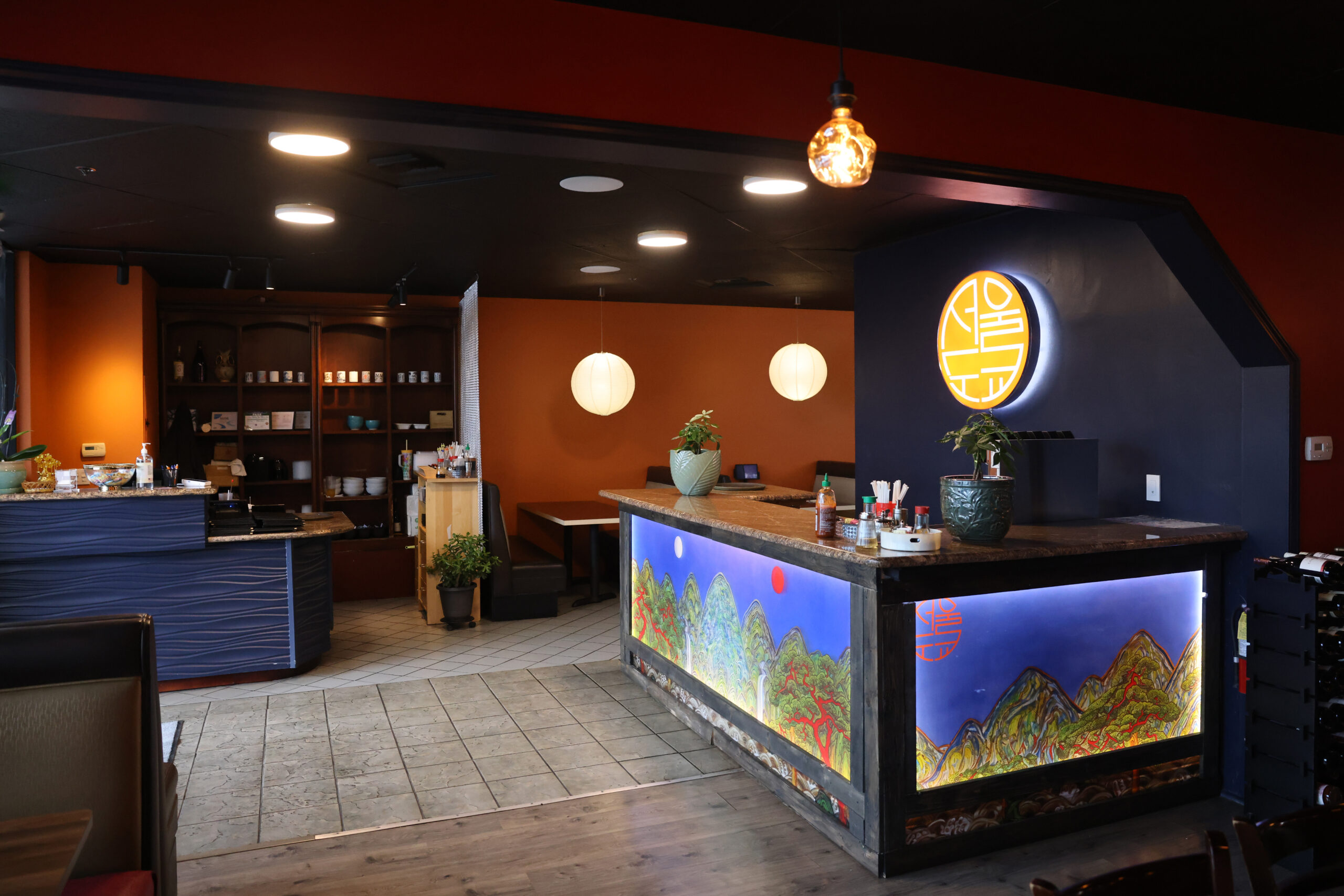
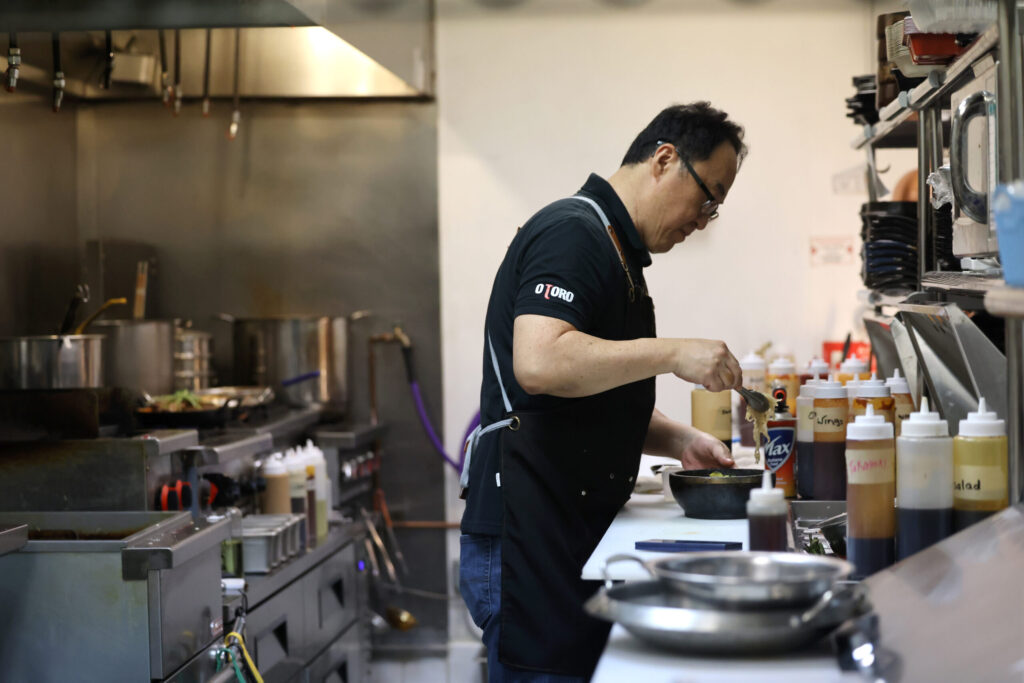
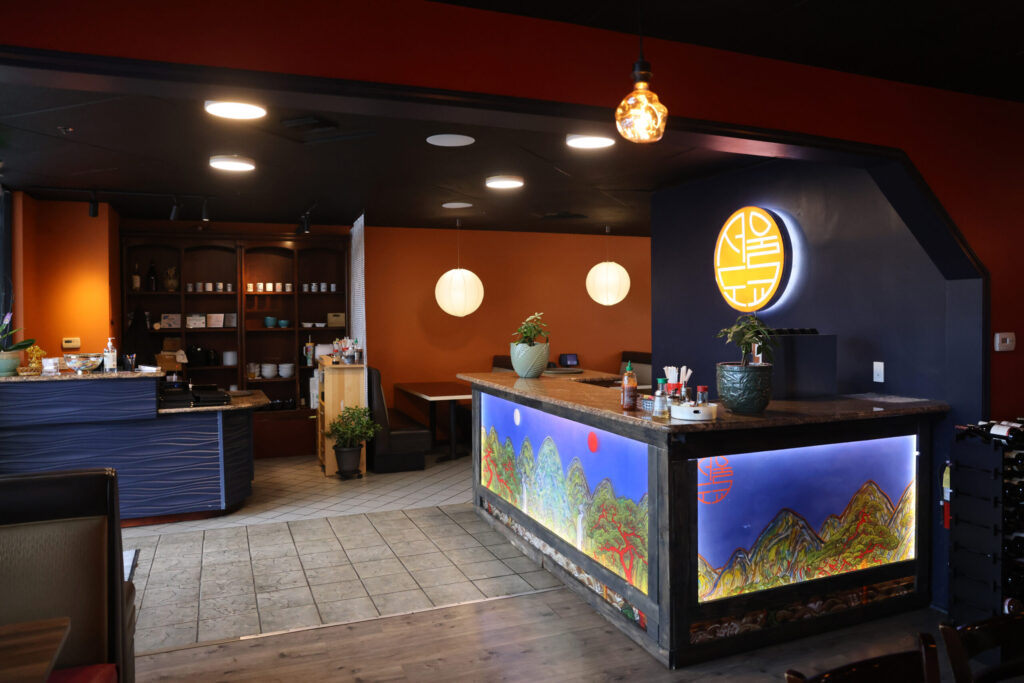
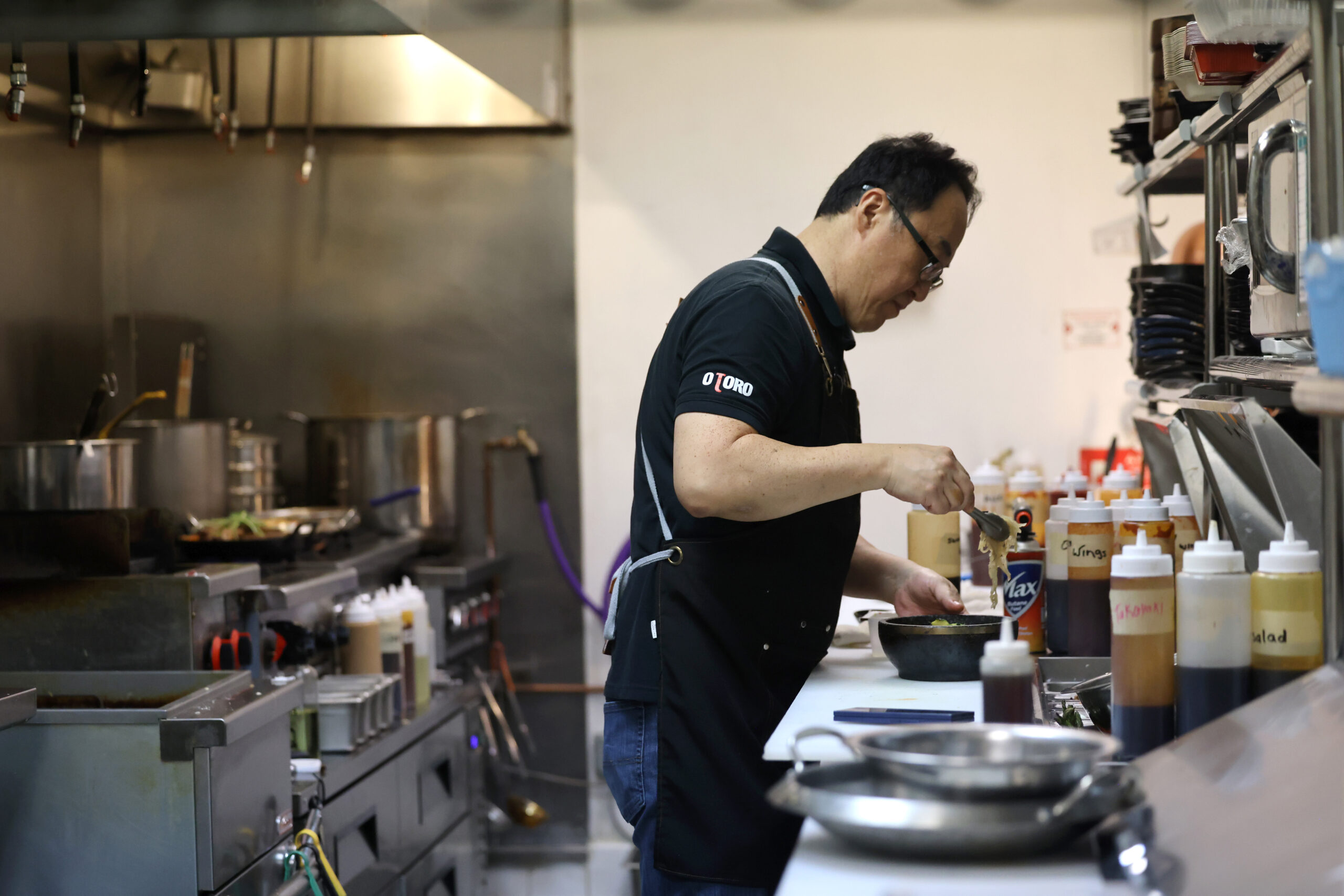
Seoul to Tokyo Kitchen sits quietly among them, tucked between a karate studio and a hair salon. The interior is sparse, little changed from previous tenants, with a dormant sushi bar — an ironic detail, given that Park also owns Otoro, a Japanese restaurant in Healdsburg.
Asked why sushi is absent from the menu, Park is matter-of-fact. “There’s enough of that around here,” he said.
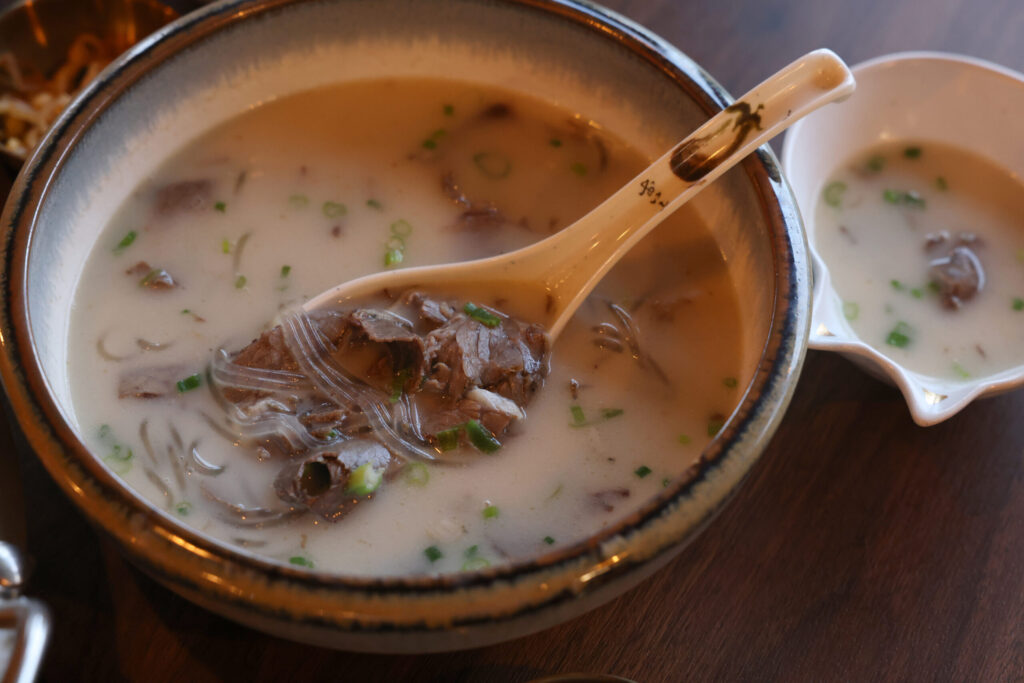
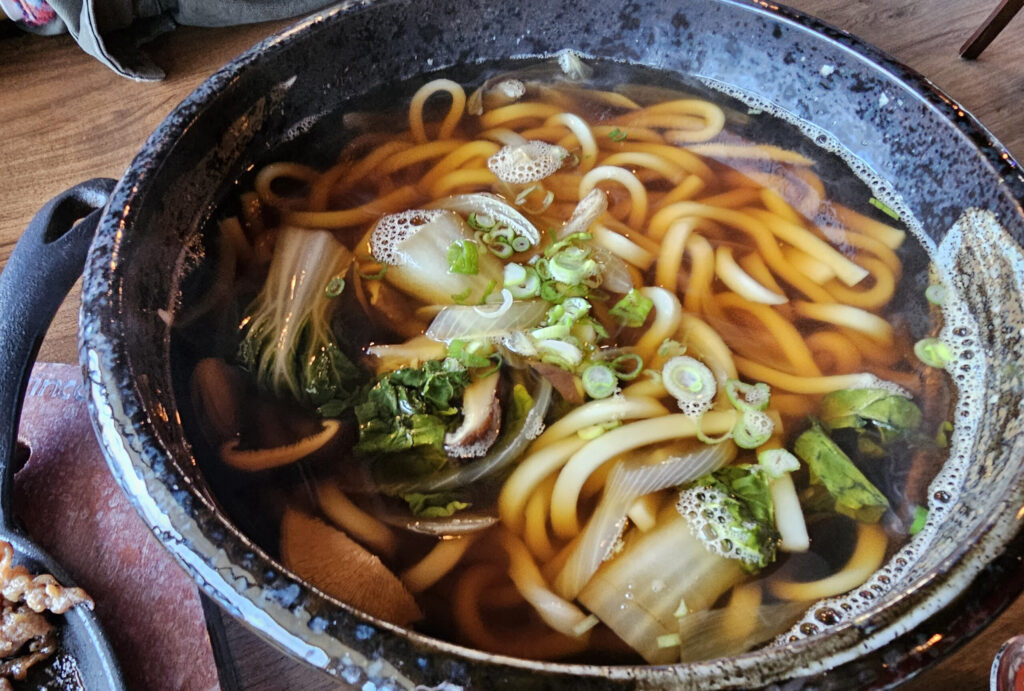
Instead, he focuses on broths simmered for up to 48 hours, rich with collagen and depth. Those stocks anchor dishes like udon, pho, ramen, budae-jjigae and seolleongtang, a milky marrow soup with brisket and shank.
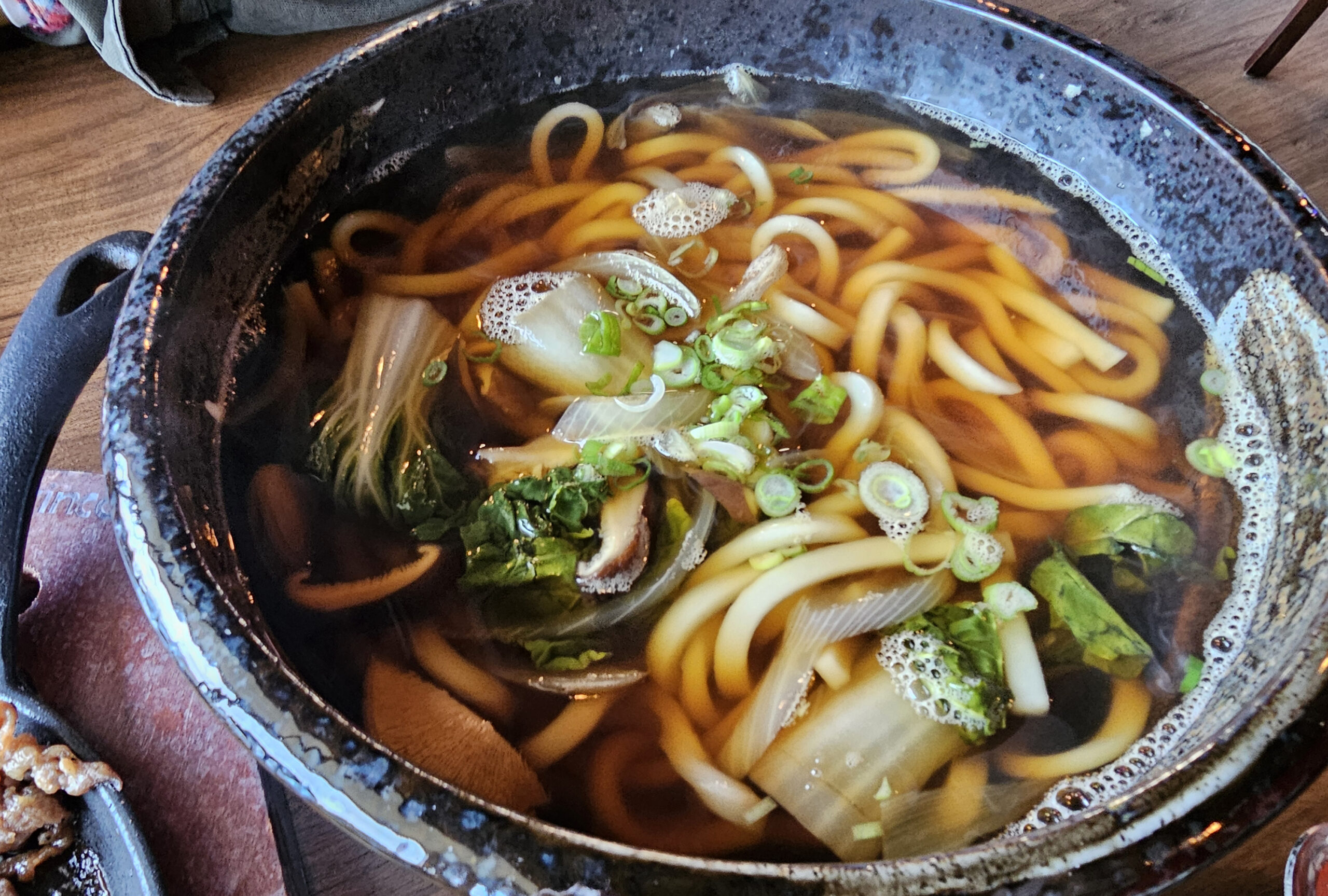
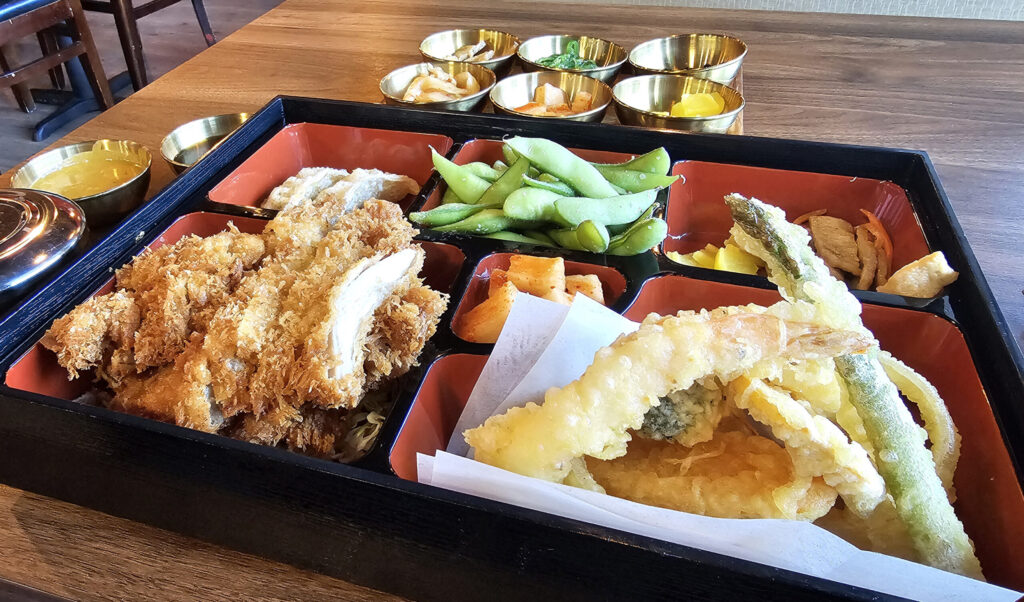
For newcomers, sizzling plates of bulgogi ($24) and hot stone bibimbap ($22) offer a familiar entry point, with well-seasoned beef, rice and vegetables. Fried martini prawns ($12), tempura shrimp ($12) and tonkatsu (pork cutlets, $21) round out the menu with approachable, crowd-pleasing options.
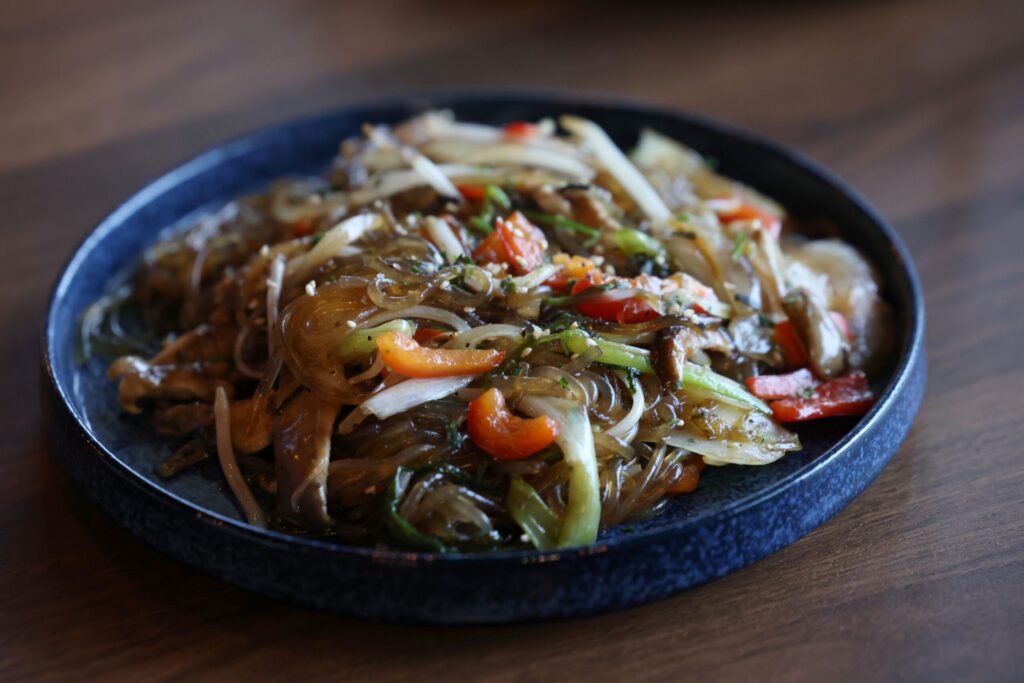
But it is the food Park cooks at home — generous, deeply comforting dishes — that stand out. Tteokbokki, chewy rice cakes in chili paste ($15); japchae, stir-fried glass noodles ($12); okonomiyaki, a cabbage-filled Japanese pancake topped with bonito flakes ($15); and galbi gui, sweet soy-glazed short ribs ($28), give the menu its heart.
Park has spent decades in restaurants, from bussing tables at his father’s Greek restaurant in Chicago to working in high-end sushi kitchens that brought him to Sonoma County. Now, he said, he is focused on something simpler: cooking the food he grew up with, and the meals he shares with his children.
“My dad always wanted a Korean restaurant,” he said. “This is for him.”
Best Bets
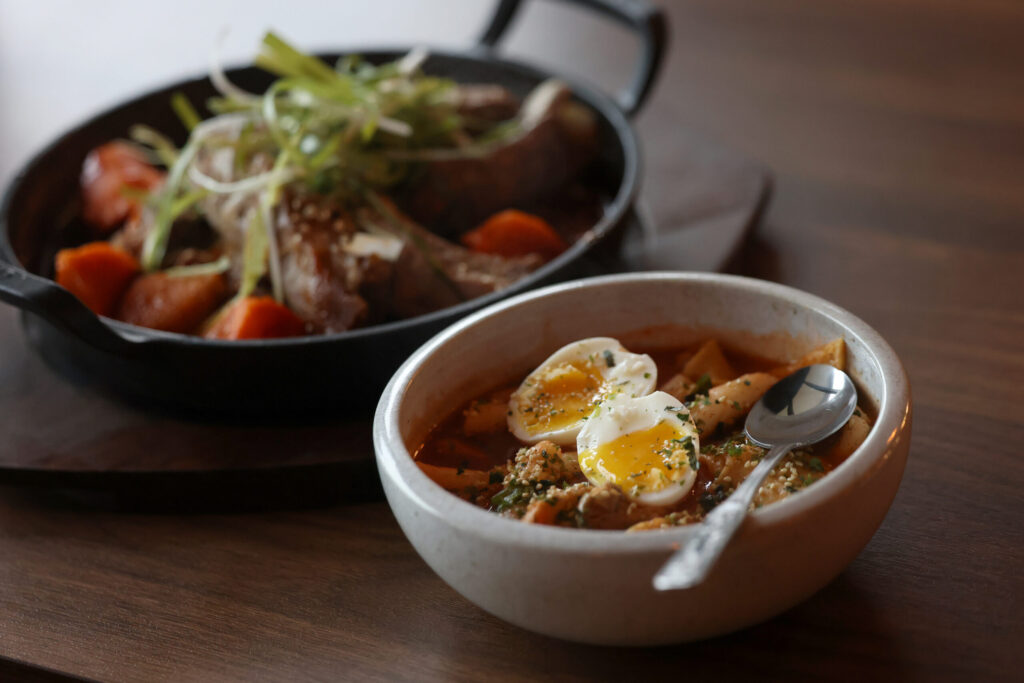
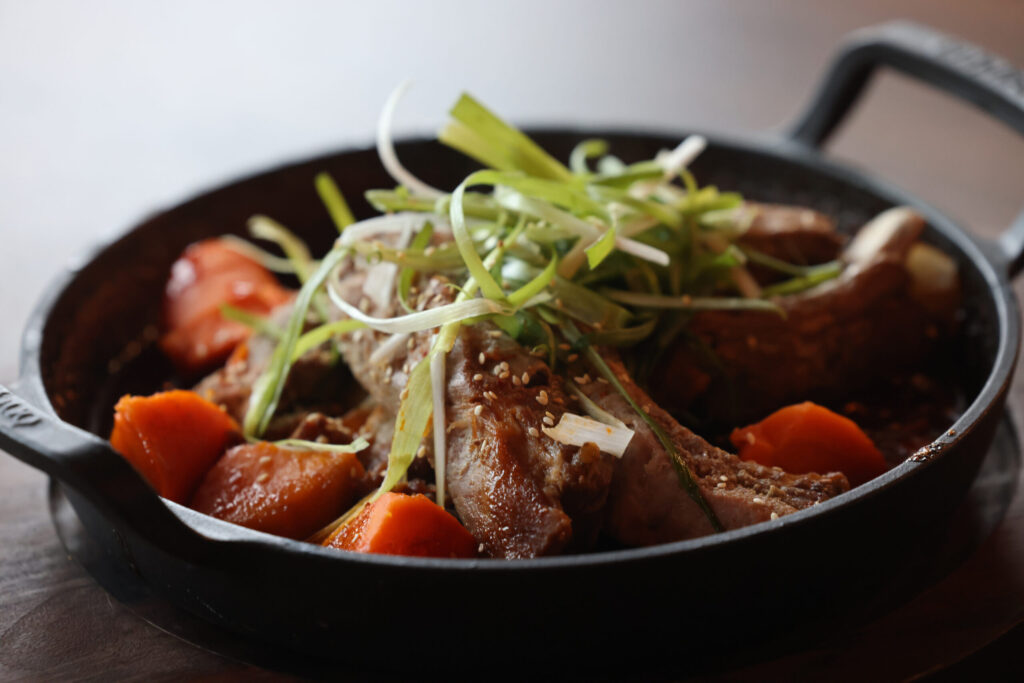
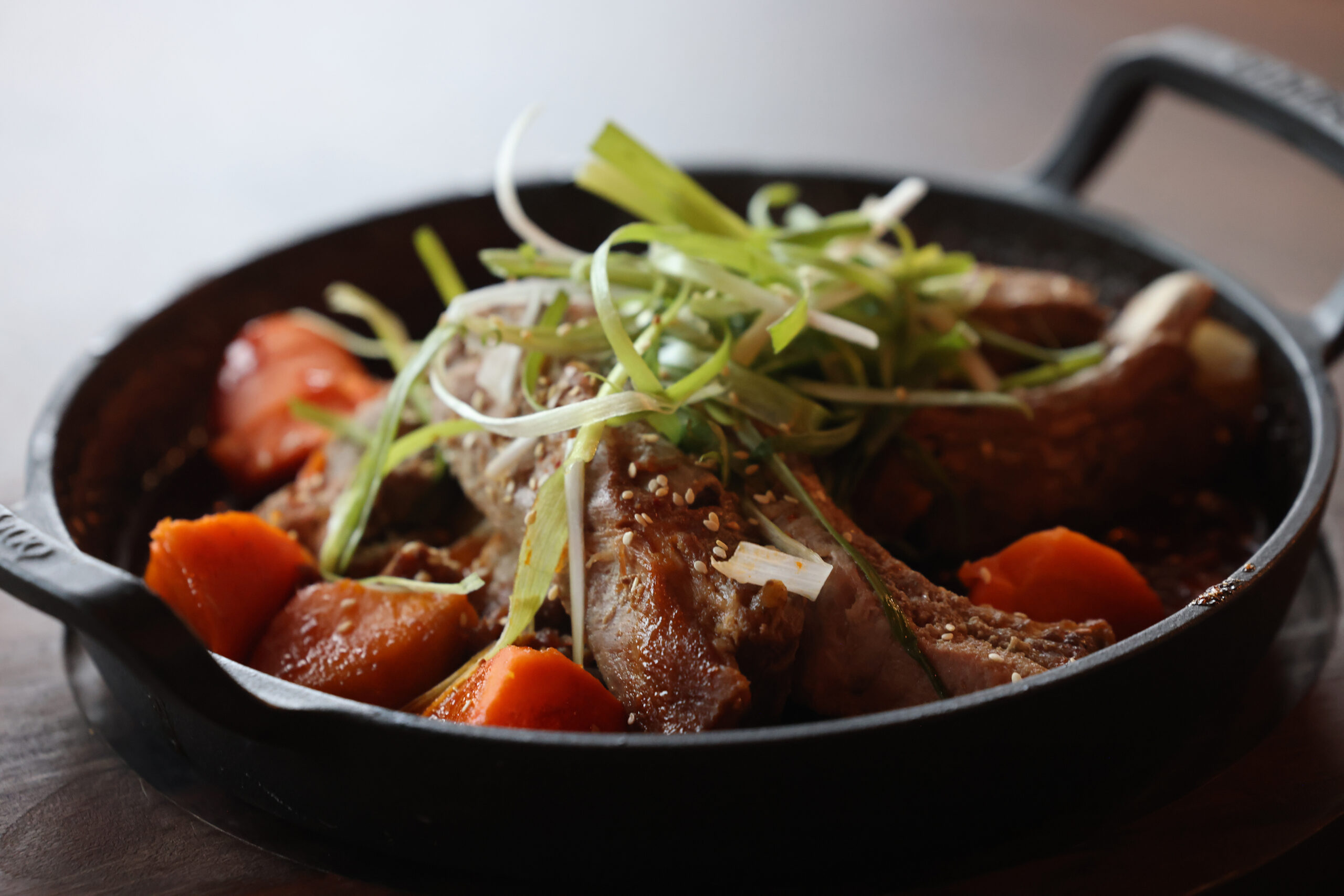
Spicy Pork Spare Ribs ($24): Fall-off-the-bone pork ribs, barbecued in a sweet gochujang glaze and served with carrots and potatoes. The heat is barely a tickle.
Kimchi Mandoo ($12): Steamed bao buns filled with kimchi and shredded pork, mild enough for newcomers yet satisfying for devotees of the fermented Korean staple.
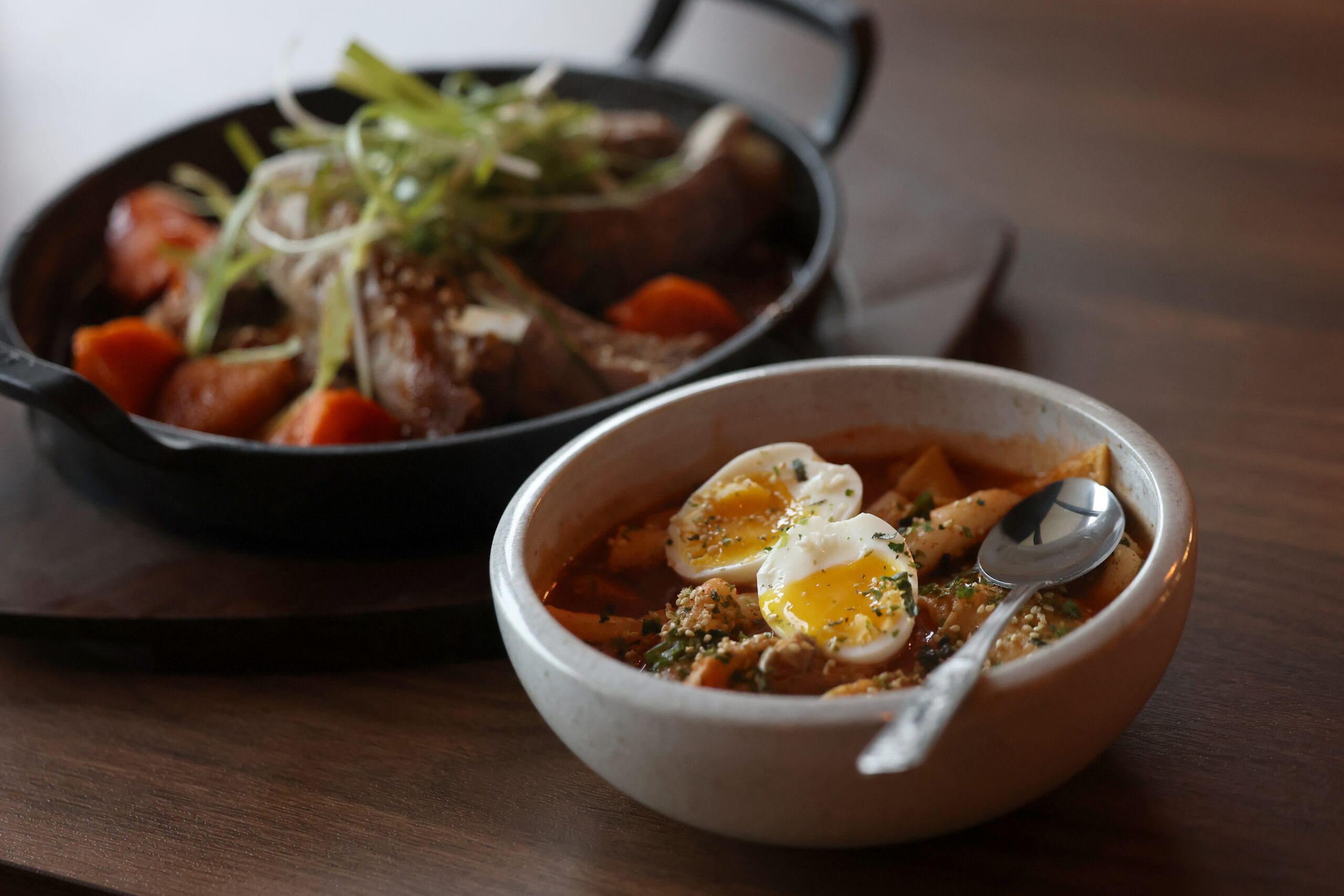
Tteokbokki ($15): This street food is so popular it’s made a debut in the aisles of Trader Joe’s, but their frozen version pales in comparison to the fresh, chewy rice logs bathed in a sweet-spicy gochujang chili paste with Korean chili flakes, soy sauce and garlic.
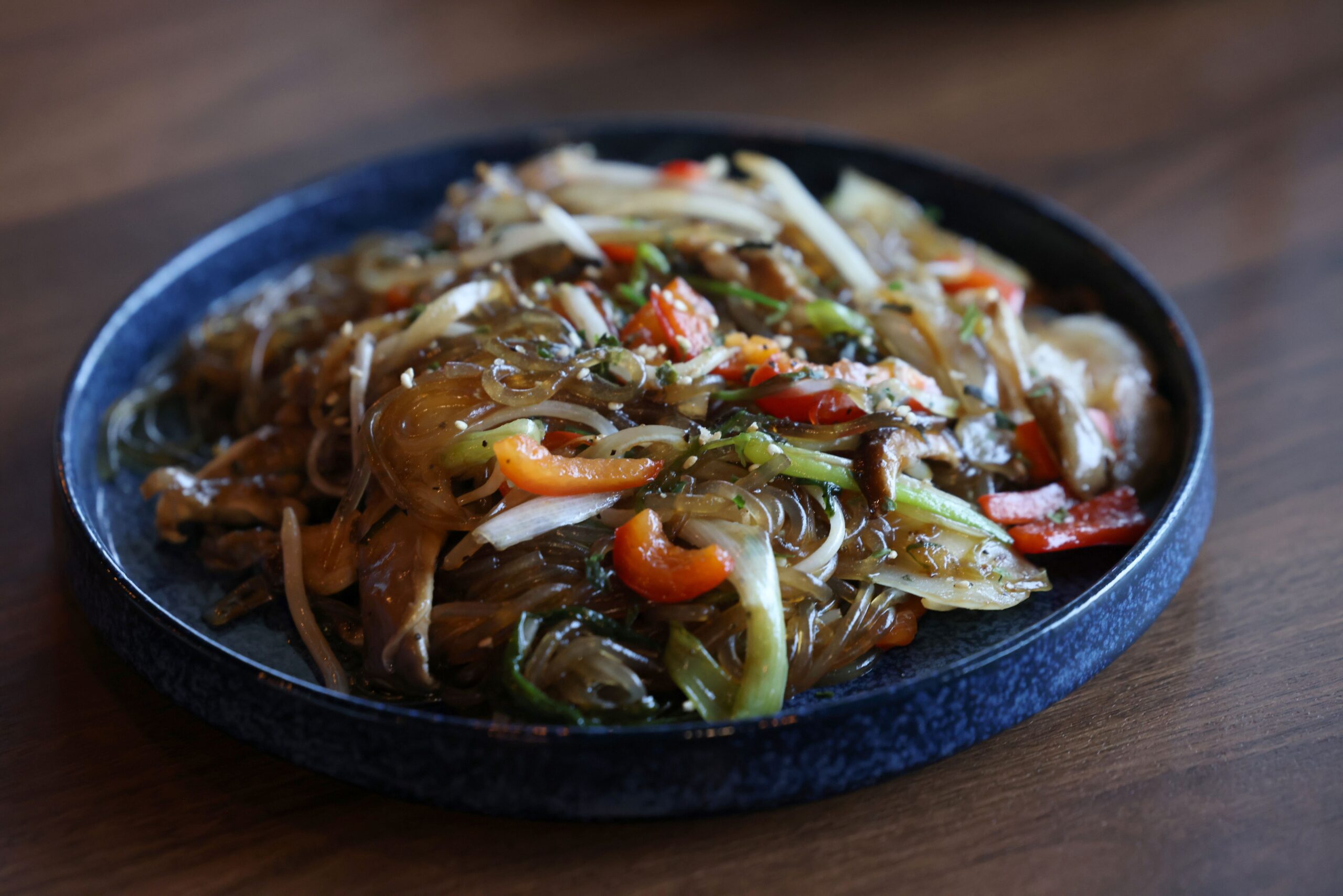
Japchae ($12): Stir-fried glass noodles made with sweet potato starch, with vegetables, for a Korean twist on fried rice.
Naengmyeon ($20): Chilled buckwheat noodles in a light beef broth, topped with slices of brisket and fresh cucumber. Perfect for a warm summer day.
Hot stone bibimbap ($24): A stone bowl, hotter than the sun, arrives at the table hissing like an angry cat. Fear not — though do respect the sizzling vessel — and dig in. Break the over-easy egg and let its yolk melt into a glossy sauce for the beef, cucumber, carrot, greens and rice. Add a spoonful of gochujang, then mix vigorously, scraping up the crunchy scorched rice that everyone at the table will fight over.
If You Go
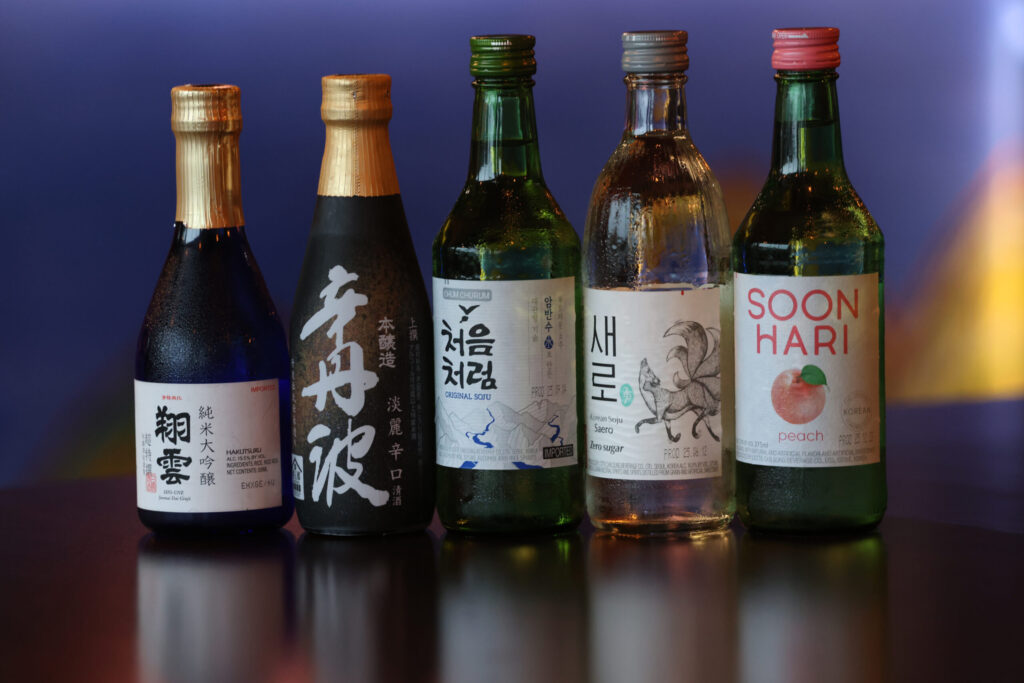
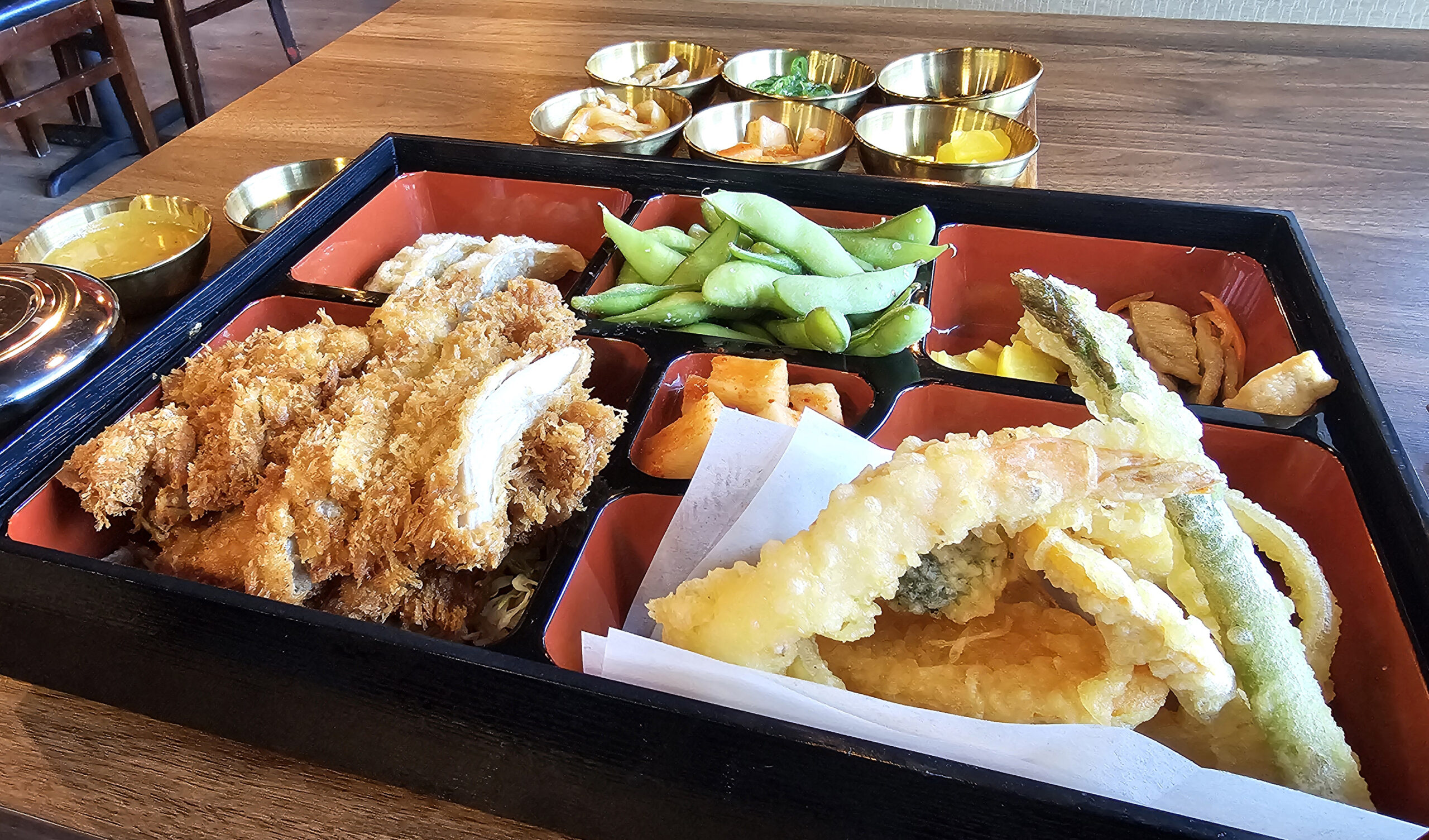
Most Korean entrées are served with banchan, small side dishes such as kimchi, pickled radish, fish cake and seasoned vegetables. Some noodles are gluten-free, though soy sauce is commonly used; diners with dietary restrictions should ask. Vegetarian dishes are available, but they may contain fish sauce. Sake, wine and soft drinks are offered.
Seoul to Tokyo Kitchen is open 11 a.m. to 3 p.m. and 4-9 p.m. Monday through Saturday and 3-8:30 p.m. Sunday.
3082 Marlow Road, Suite B3, Santa Rosa, 707-919-3014, seoultotokyokitchen.com