



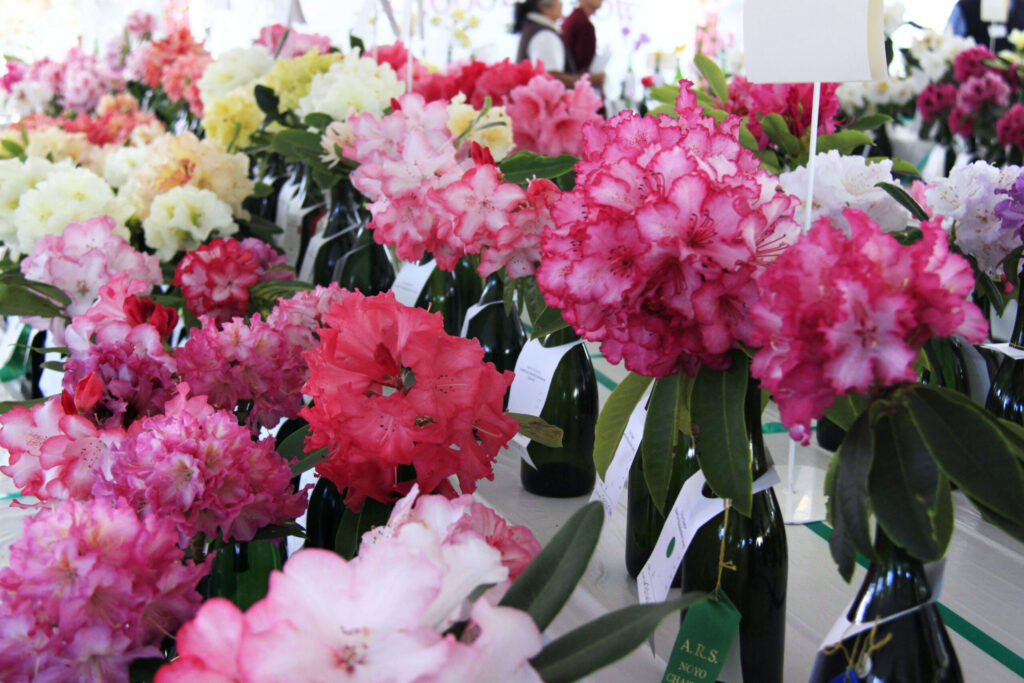

Forest succession after a major disruption like logging or wildfire — of which we’ve seen plenty lately — can be measured in stages. The early-seral stage, dominated by grasses, shrubs, and eventually saplings among both surviving large trees and standing dead and dying trees, typically lasts between one and three decades.
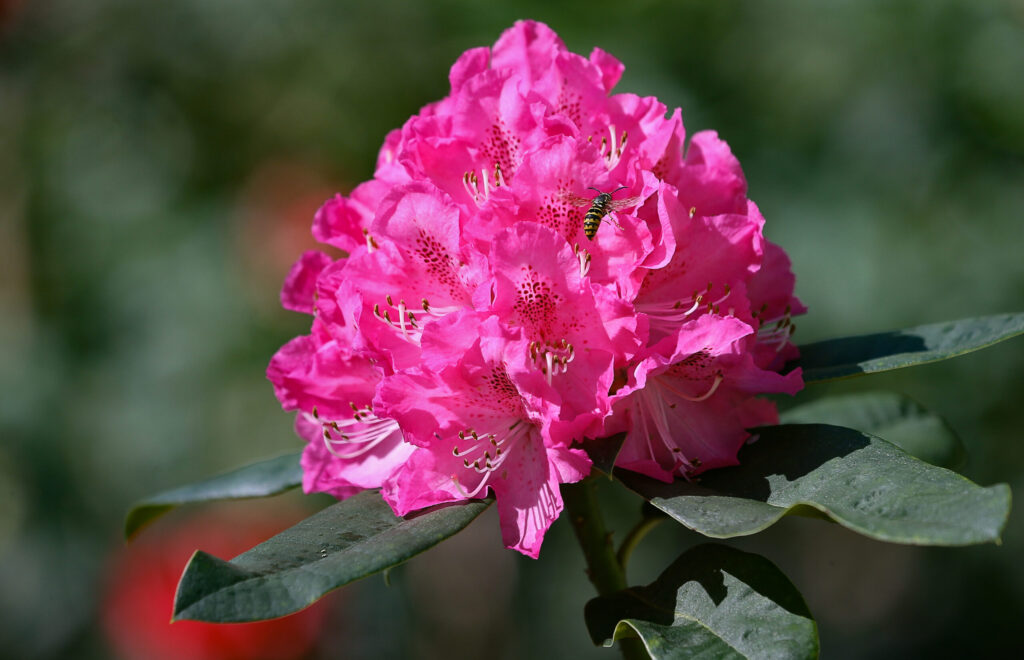
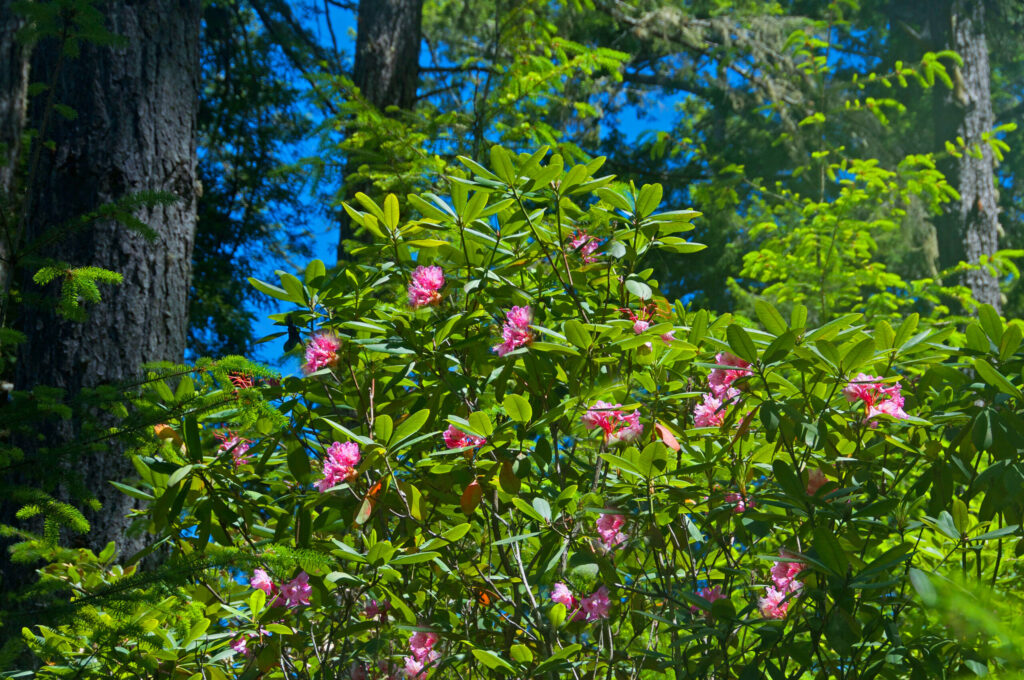
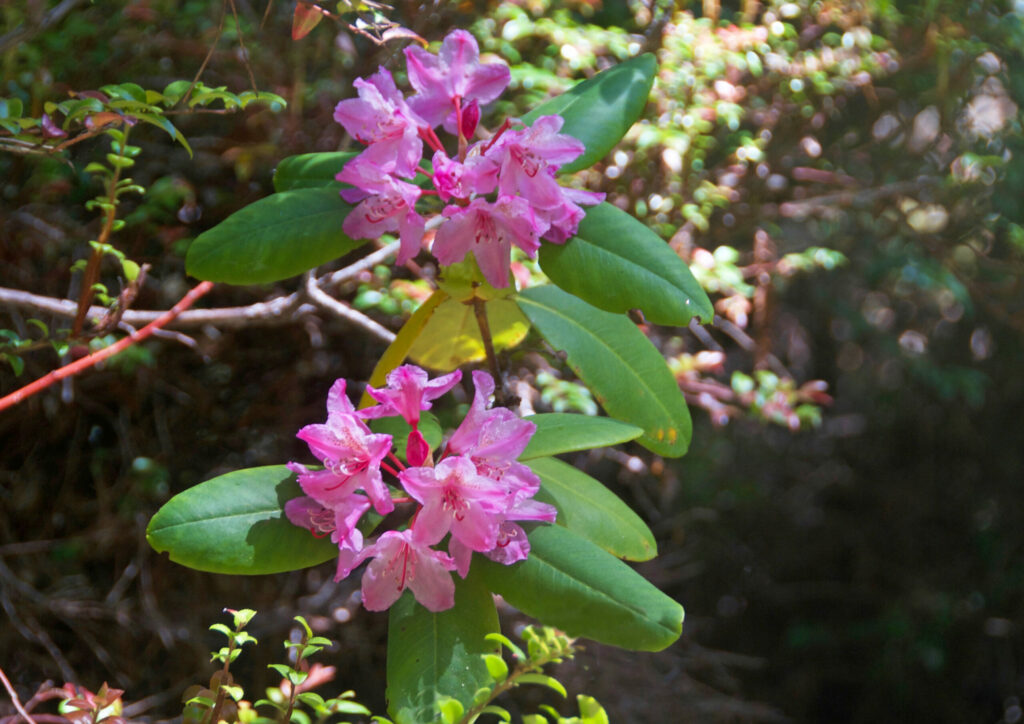
It’s been more than 100 years since the last big fire at one coastal Sonoma County state reserve, but the forest is largely suspended in an early-seral stage. That’s thanks to decades of active land management for the benefit of a single shrub, the rhododendron, which is also the namesake of the reserve. In May and June, visitors to the Kruse Rhododendron State Natural Reserve will find the plant blooming in all its rosy-pink magnificence.
California State Parks senior environmental scientist Brendan O’Neill explains that crews thin the redwood, tan oak, and fir forest by removing smaller trees from beneath the main forest canopy, then piling the cuttings and covering them to cure, before burning the piles in winter when conditions allow. “The rhododendrons depend upon sunlight and openings in the forest to be at their greatest,” O’Neill says.
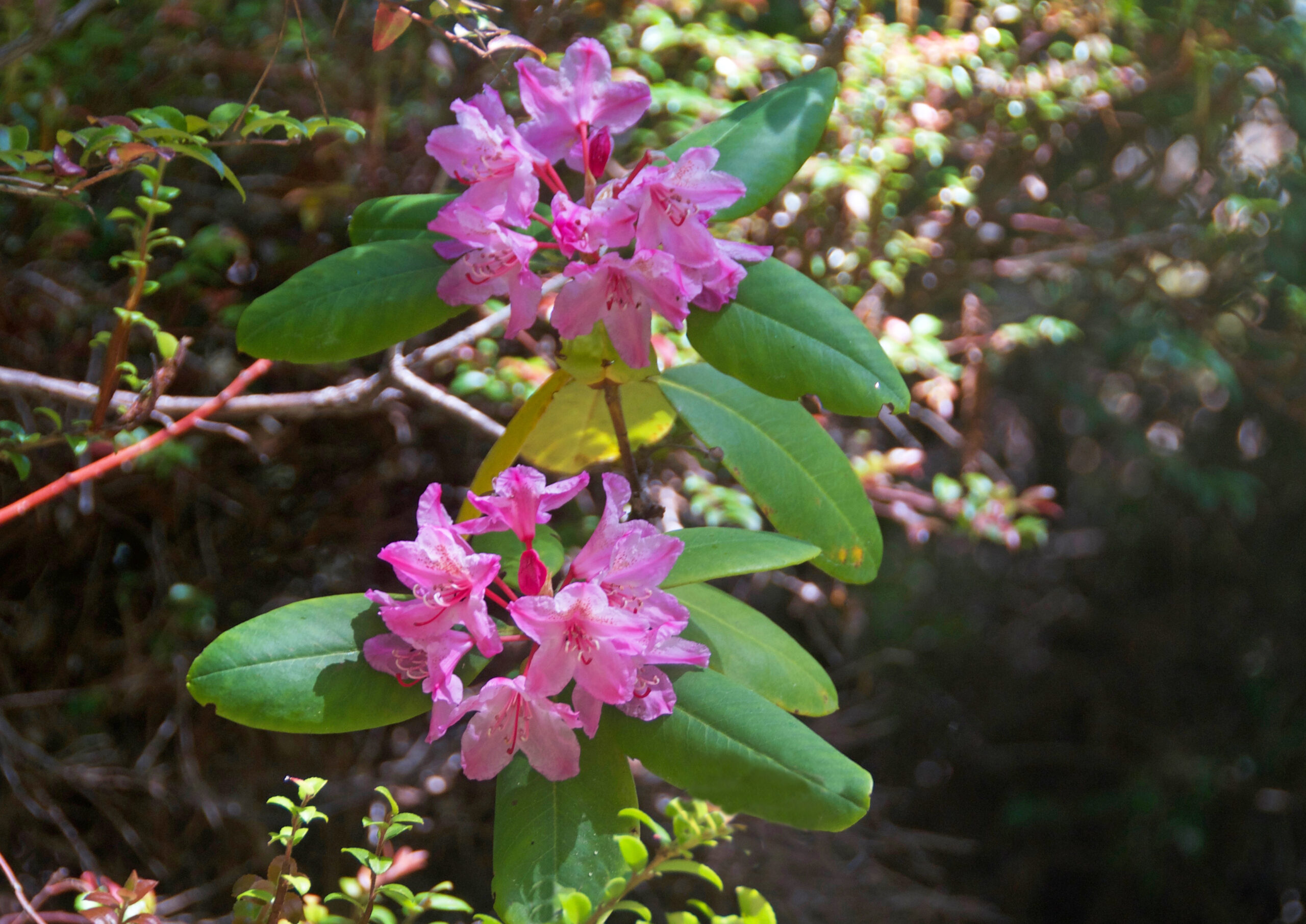
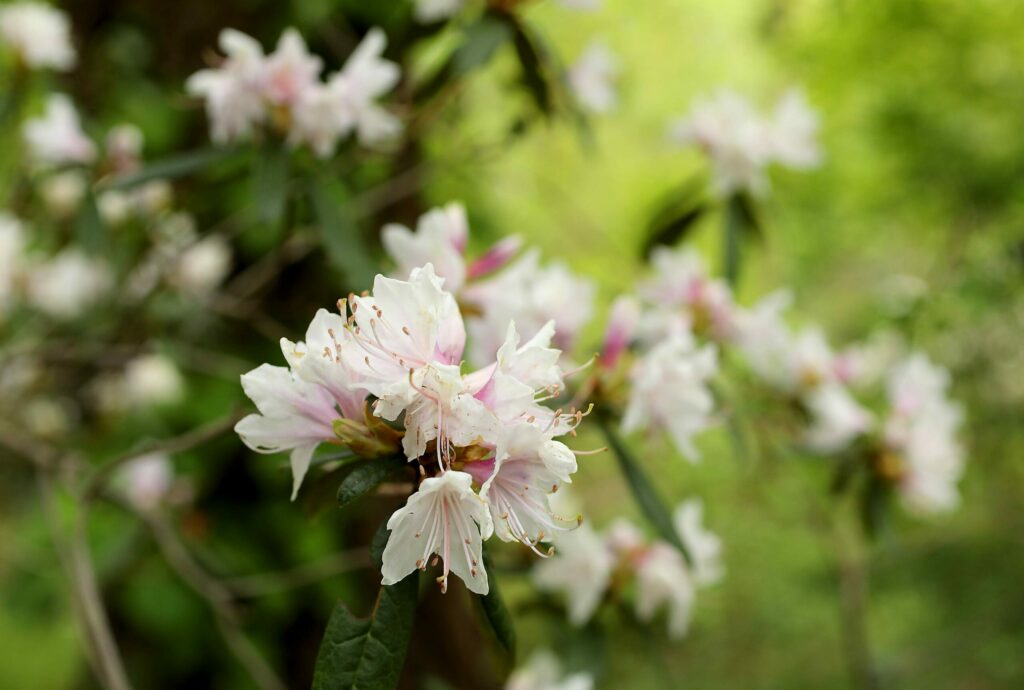
Three species of native rhododendrons exploded on the landscape after last century’s fateful conflagration. All are fire-adapted, possessing latent buds in their root crowns that initiate vigorous new growth after a fire, even if the rest of the plant is charred beyond repair. In 1933, about a decade after the fire, Edward P. Kruse donated to California part of the large ranch on which his family had been raising sheep and logging tan oak — expressly for the public’s continued enjoyment of the dense rhododendron stands whose fragrant, late-spring blossoms had already become a popular tourist attraction.
As the decades passed, the forest advanced into a mid-seral phase and the rhododendrons began to suffer. By the 1970s, State Parks ecologist Jim Barry recognized that without logging or fire, they would largely disappear. So he proposed an “out-of-the-box” and “a little bit revolutionary” idea, in O’Neill’s words, of maintaining the forest in an early-seral stage indefinitely.
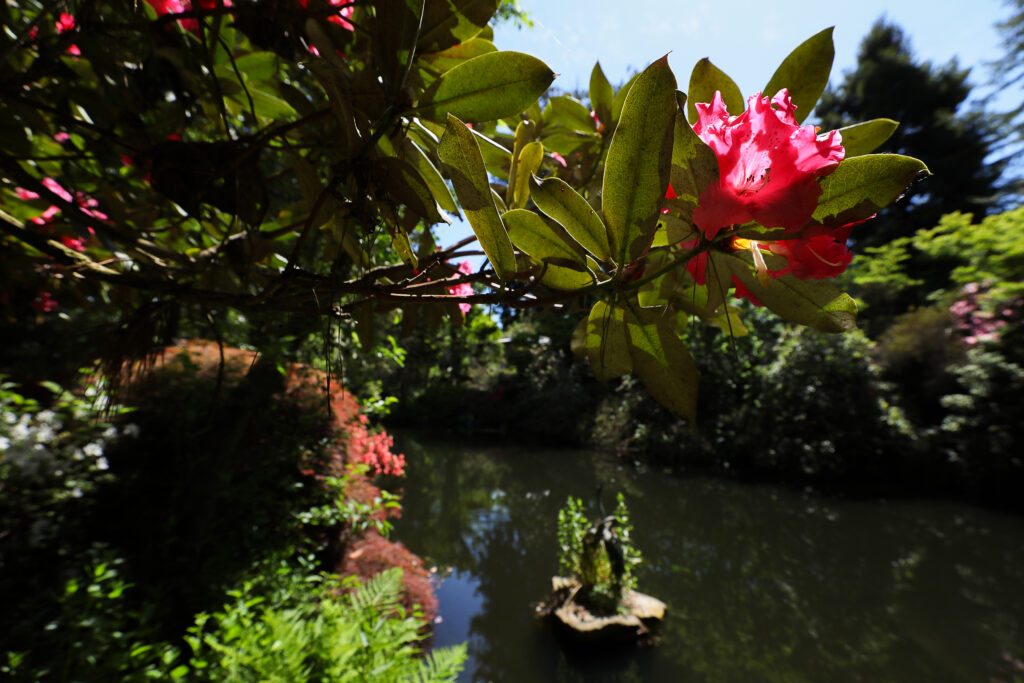
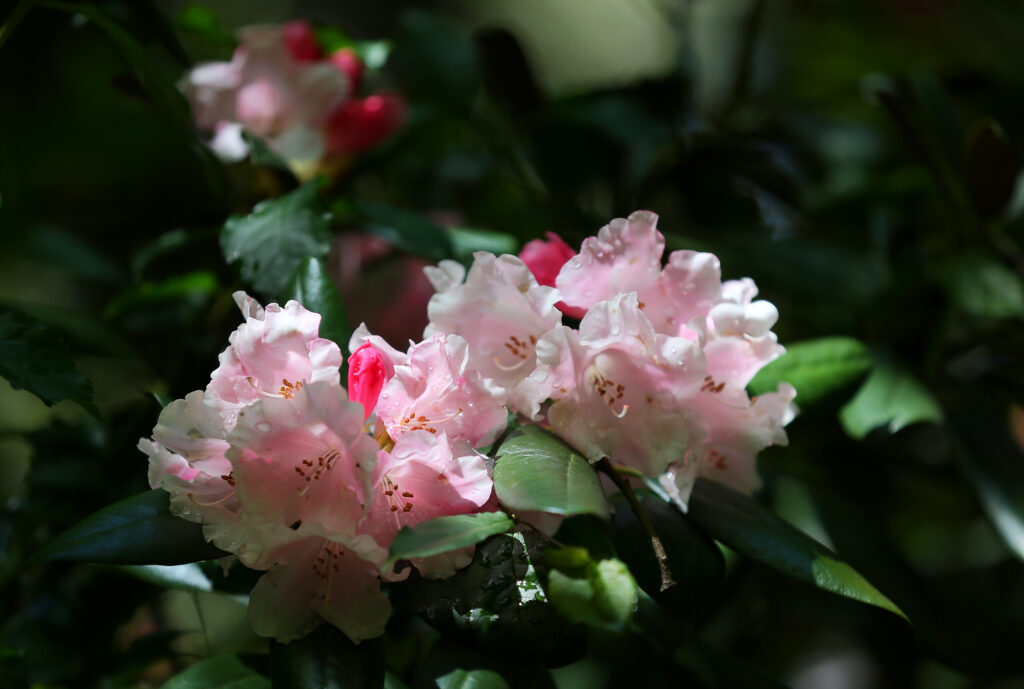
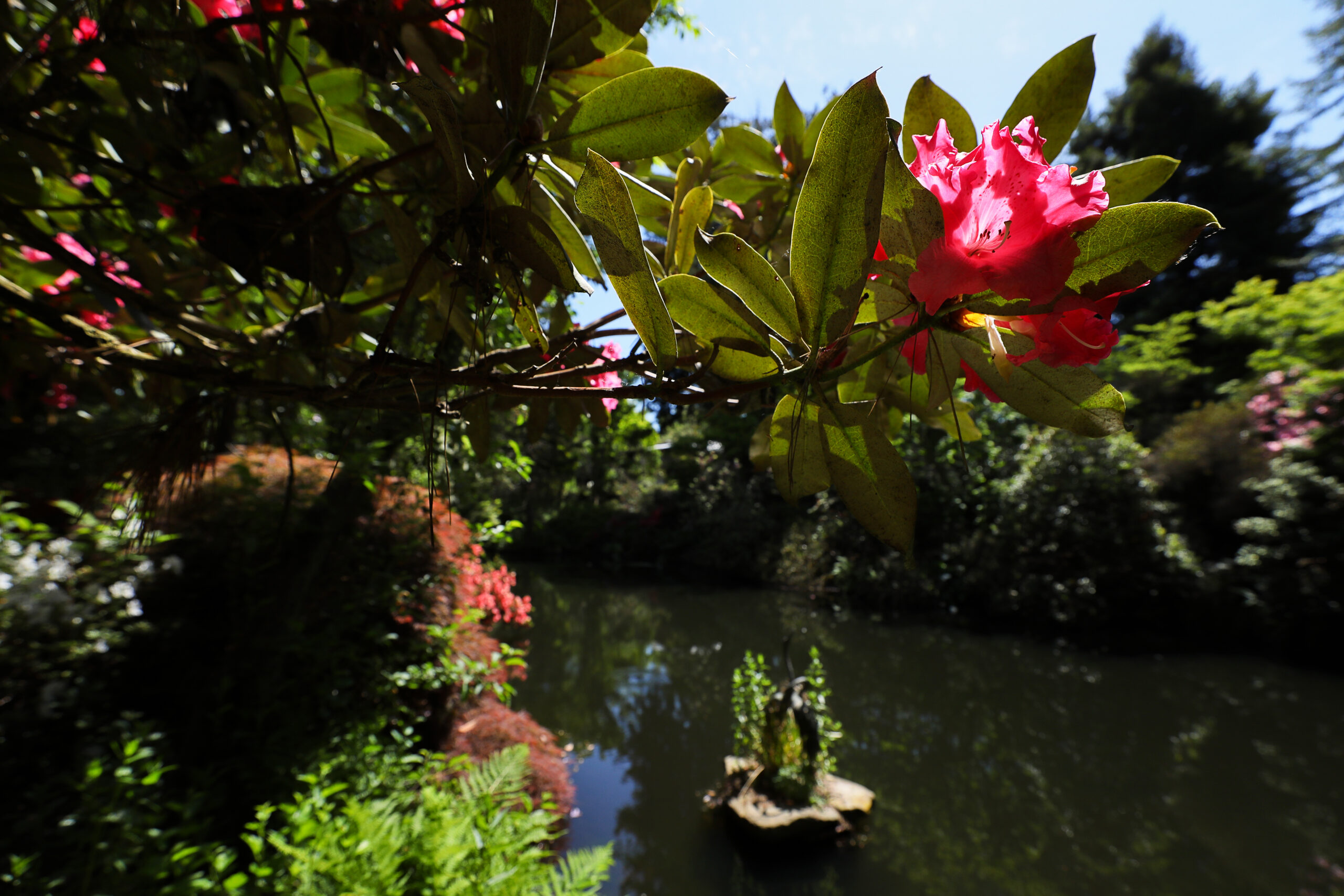
Today, selective thinning and pile-burning are far more commonplace for fire safety and fuel-load management: a clear co-benefit of the rhododendron-driven work at Kruse. Another benefit? The unique beauty of a steep, deep-green forest lit with dappled sunlight and pastel-pink blossoms held 20 feet high on the elongated branches of these endemic yet ephemeral shrubs.
Where to see rhododendrons in bloom this spring and early summer
Kruse Rhododendron State Natural Reserve
Kruse Ranch Road, Cazadero. parks.ca.gov
Salt Point State Park
25050 Highway 1, Jenner. saltpoint.org
Botanica Nursery and Gardens
3970 Azalea Lane, Sebastopol. botanicanurseryandgardens.com
Mendocino Coast Botanical Gardens
18220 Highway 1, Fort Bragg. gardenbythesea.org