





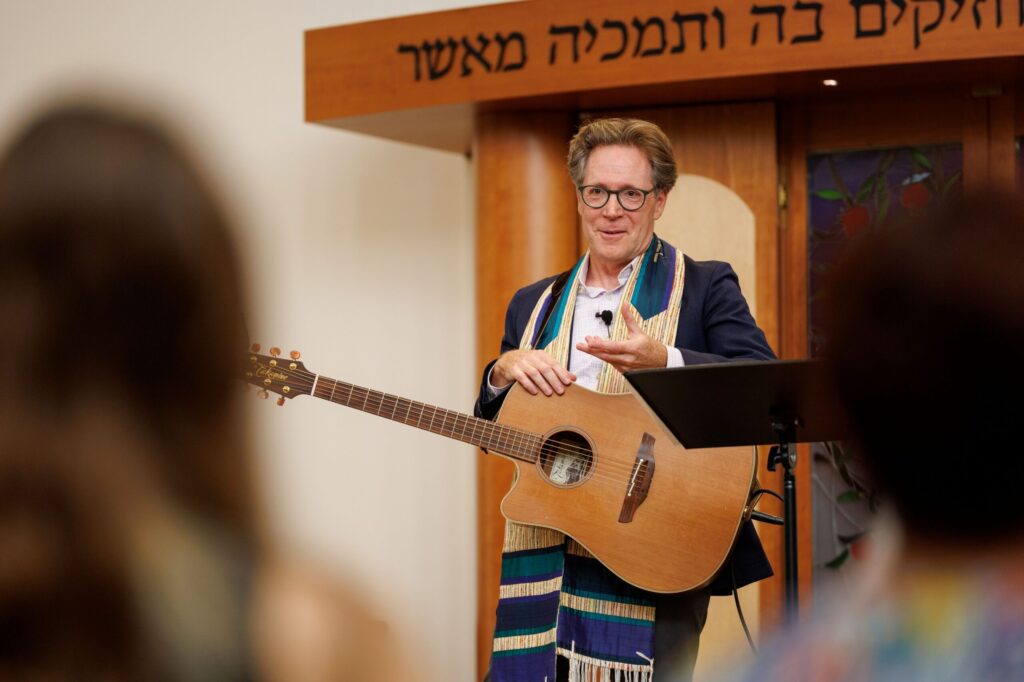
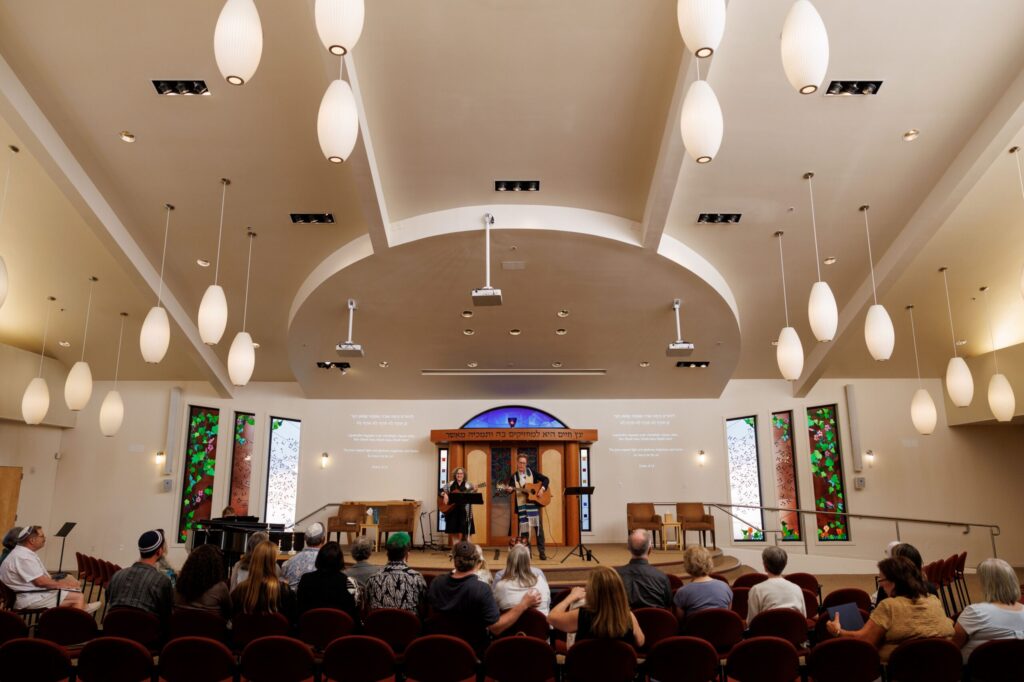
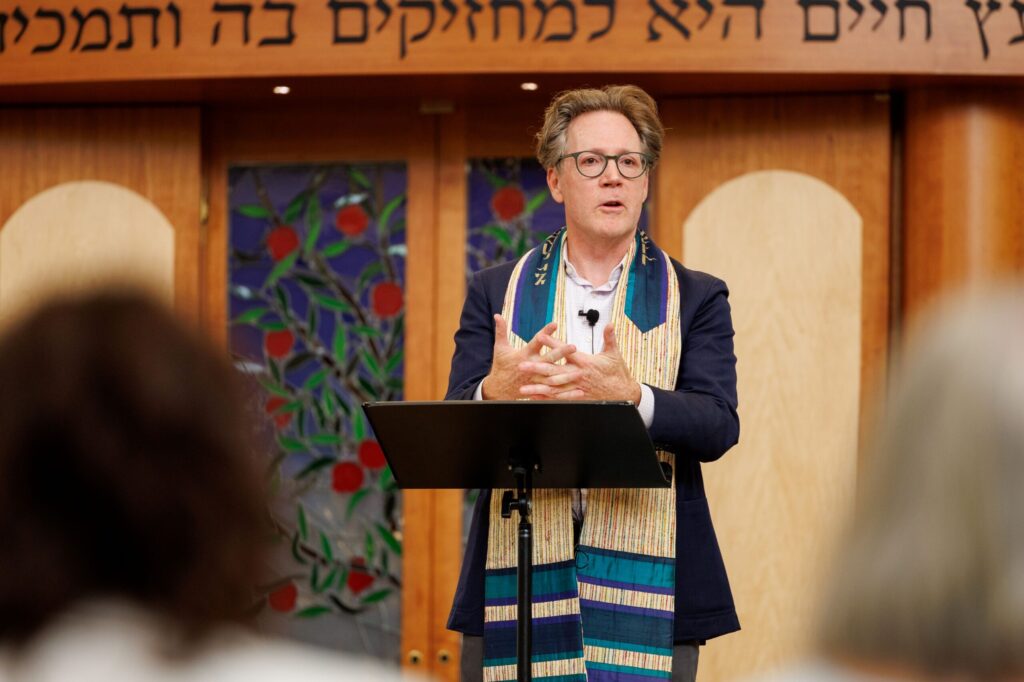
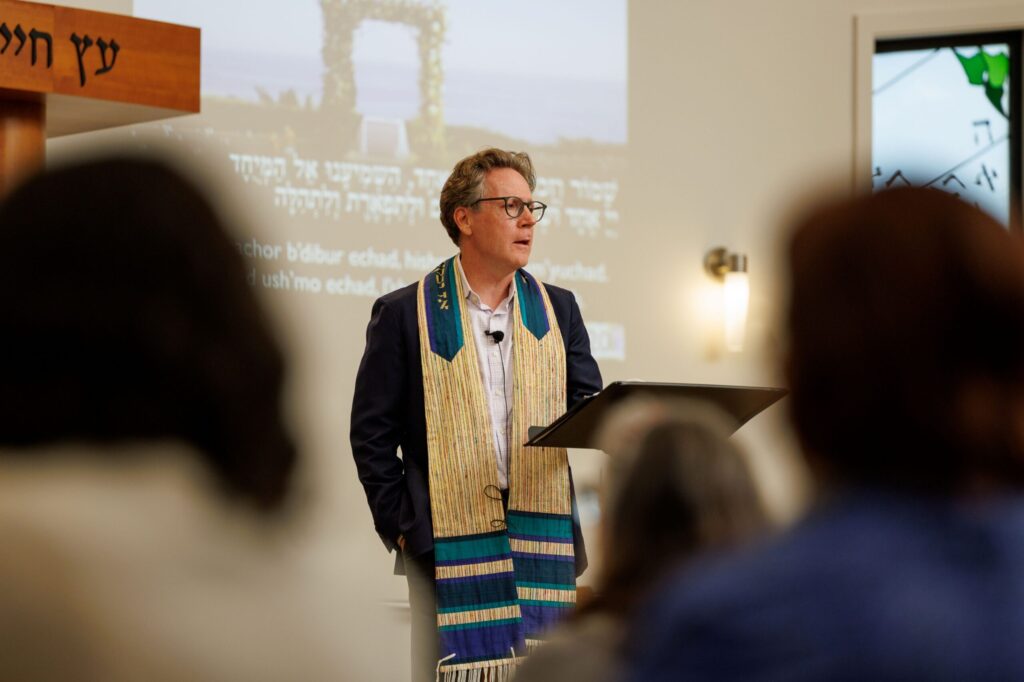
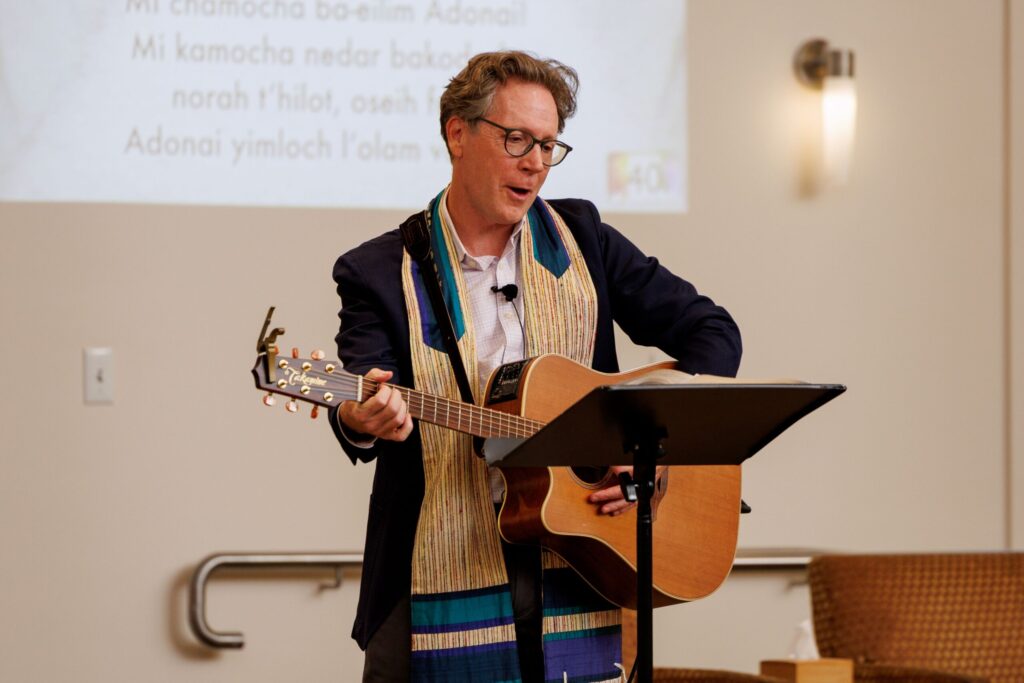
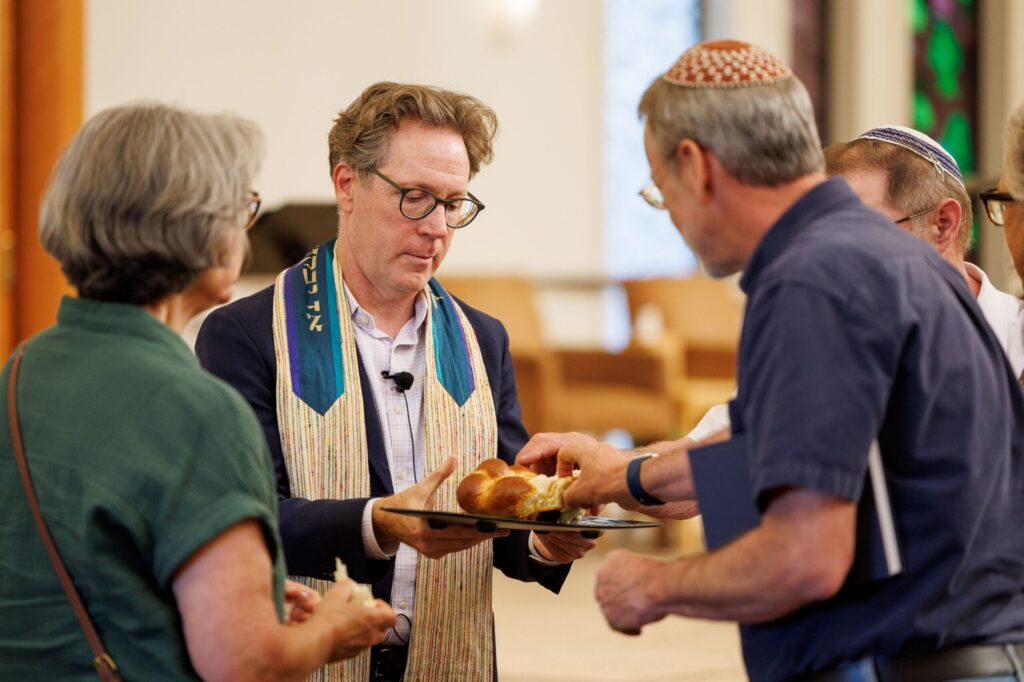
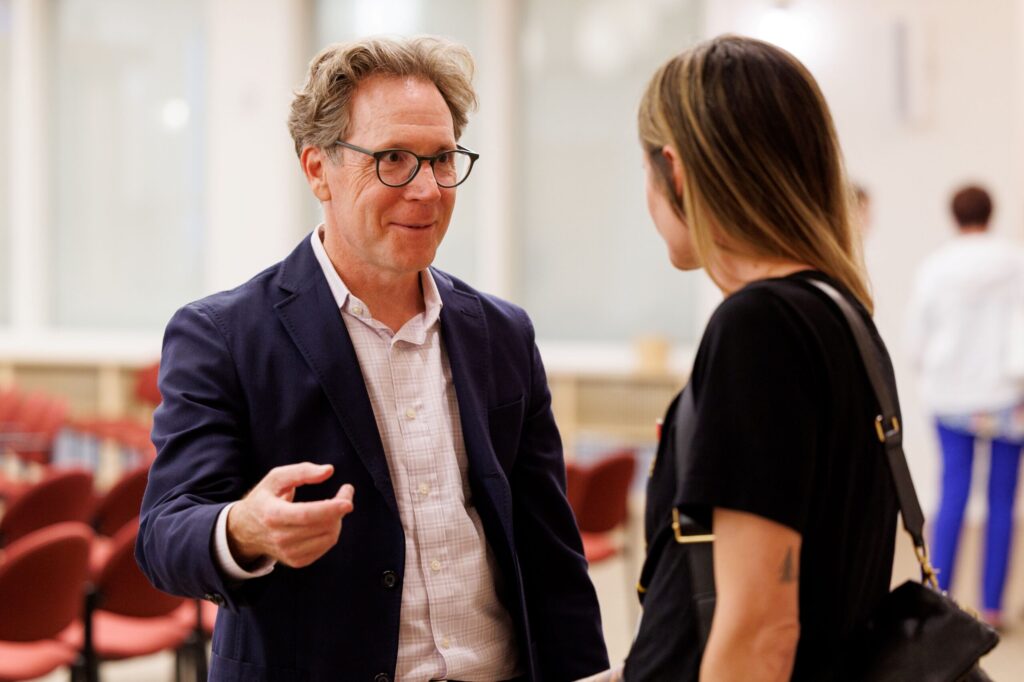

Rabbi Jeremy Morrison, who assumed the role of senior rabbi at Congregation Shomrei Torah this past summer, knows he is stepping into a pivotal position.
The Santa Rosa synagogue, the largest in Sonoma County, was founded 50 years ago and is home to 500 member families. It has long been recognized for its commitment to Reform Judaism and community service.
Morrison, a native of the Boston suburb of Brookline, joins the congregation after serving as senior rabbi at Congregation Beth Am in Los Altos Hills and as executive director of Lehrhaus Judaica, a center for adult Jewish learning in Berkeley.
He succeeds Rabbi George Gittleman, who led Shomrei Torah for nearly 30 years while becoming a pillar of the North Bay community before his retirement last year.
“(He) created a warm and diverse congregation,” says Morrison of his predecessor. “I’m responsible for creating its future.”
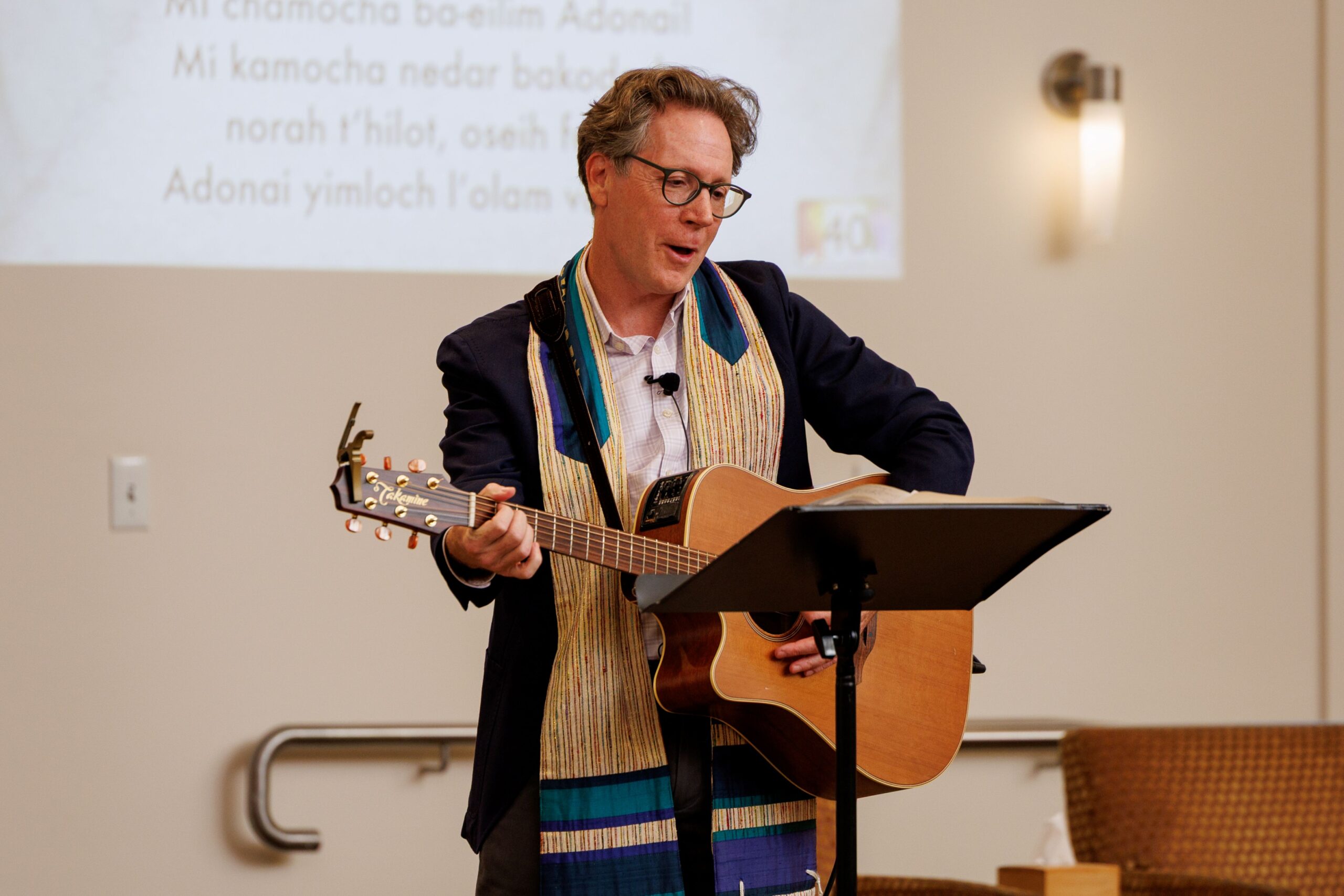
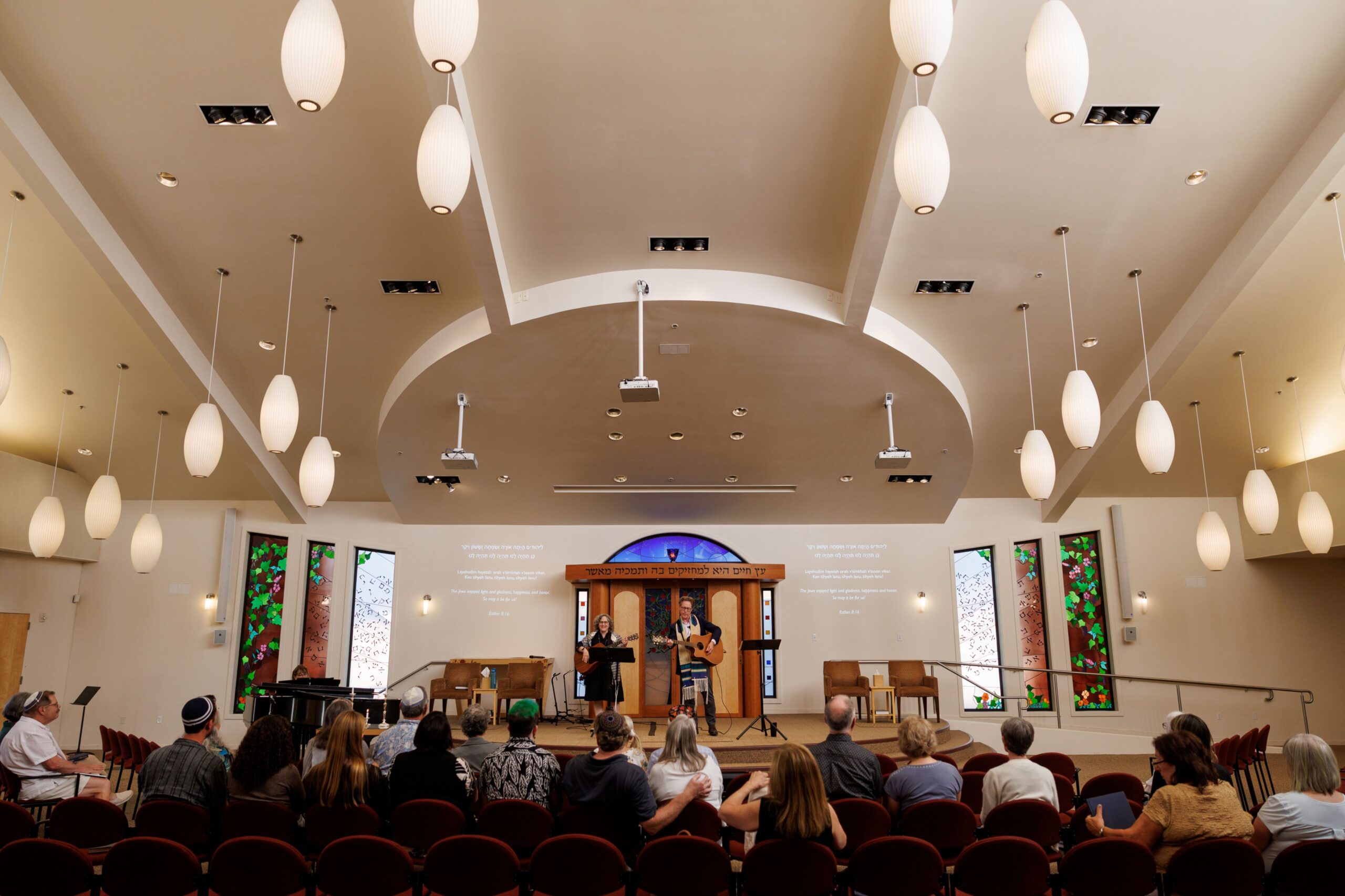
Shomrei Torah is part of the Reform movement, one of the four major branches of Judaism, along with Orthodox, Conservative, and Reconstructionist. The movement is characterized by its openness to change and a commitment to social justice and inclusivity while emphasizing individual autonomy.
“I grew up in the Reform movement,” says Morrison, 54. “I’m a child of the ’70s and ’80s. There are many more paths to creating Jewish community than before.”
But with those paths come new challenges, which he believes extend beyond the walls of any synagogue.
“We’re living in such a polarized moment in our history,” he says. “We need to create a space where we can talk through our differences without screaming at each other. I think we can find a way to talk to each other.”
He emphasizes social justice as central to the synagogue’s mission, including issues such as health care and immigrant welfare.
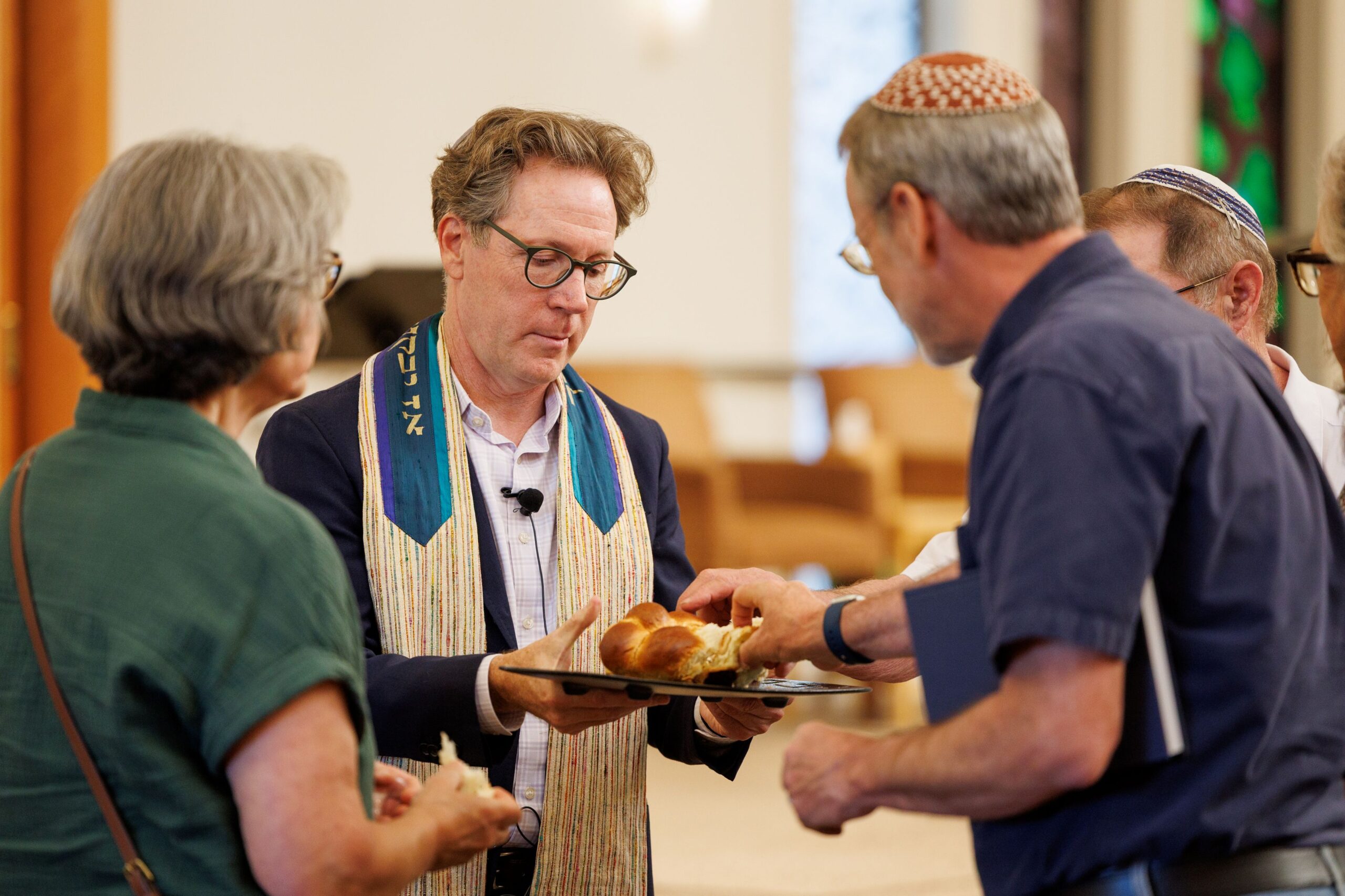
Morrison also acknowledges the deep division within and beyond the Jewish community over Israel’s war in Gaza and the broader conflict with Hamas and other militant groups.
Antisemitism, too, remains a pressing concern.
“I would never have thought we’d have to deal with antisemitism now, but it has become such a reality for Jews,” Morrison says.
Still, he stresses that he encourages his congregation to be proud and joyful in their Jewish identity, reminding them that “proudly living as a religious minority in a majority culture” is embedded in the tradition of Hanukkah, which begins on Dec. 14.
“Our task,” says Morrison, “is not to shrink back into fear, but to stand tall in hope.”
Congregation Shomrei Torah, 2600 Bennett Valley Road, Santa Rosa, 707-578-5519, cstsr.org
This article was originally published in The Press Democrat. Read the full article here.