







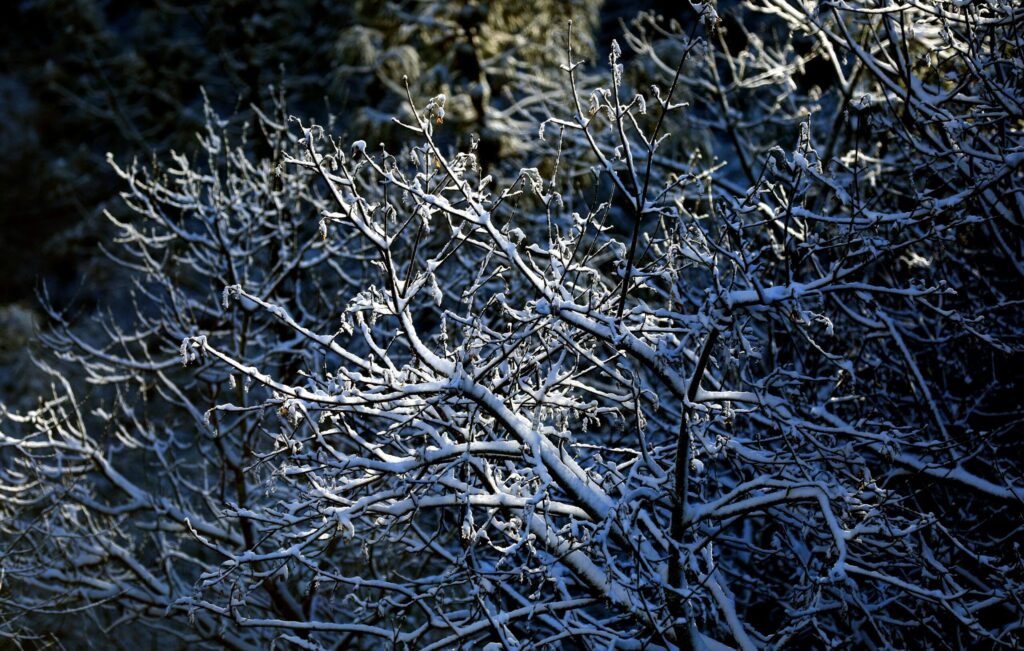
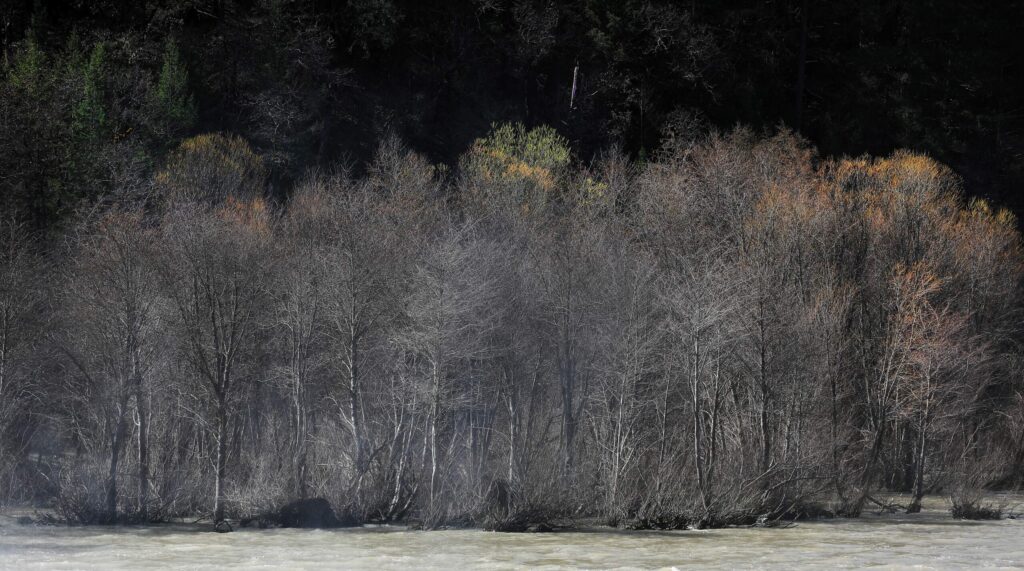


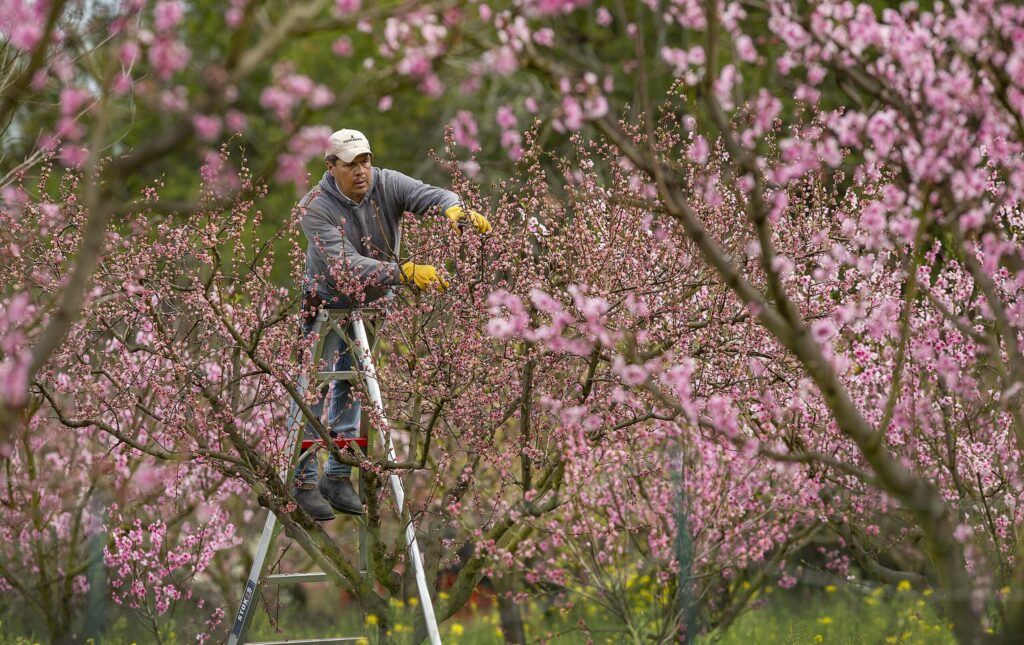

Inside every sleeping apple or pear tree is an internal clock, ticking down the darkest days of winter. Each hour of cold below about 45 degrees Fahrenheit is marked until the timer hits zero and the tree awakens, primed for the warmth of spring.
Not really, but that’s as good a way as any to think about winter dormancy in fruit trees — and many other plants, too. If you’ve ever scratched your head about chill hours while shopping for the latest addition to your home orchard, you’re not alone. Sunlight, preferred soil type, and watering requirements are straightforward and easy to understand.
But winter chill is more abstract. We don’t have an easy way to measure it, and we’re not nearly as attuned to this requirement as the trees are. Plus, the whole concept is almost counterintuitive: We’re more accustomed to considering heat requirements for sweeter fruit.
“Chill hours are pretty important, because if plants don’t get enough, they may not have a successful flowering and fruiting the following spring,” says Jerry Wilson, a nursery manager with Harmony Farm in Sebastopol.
At the risk of glossing over some fascinating science, the gist of it is this: Winter chill requirements are an evolutionary adaptation plants use to determine when the worst is over and it’s safe to break dormancy before the longer, warmer days of spring.
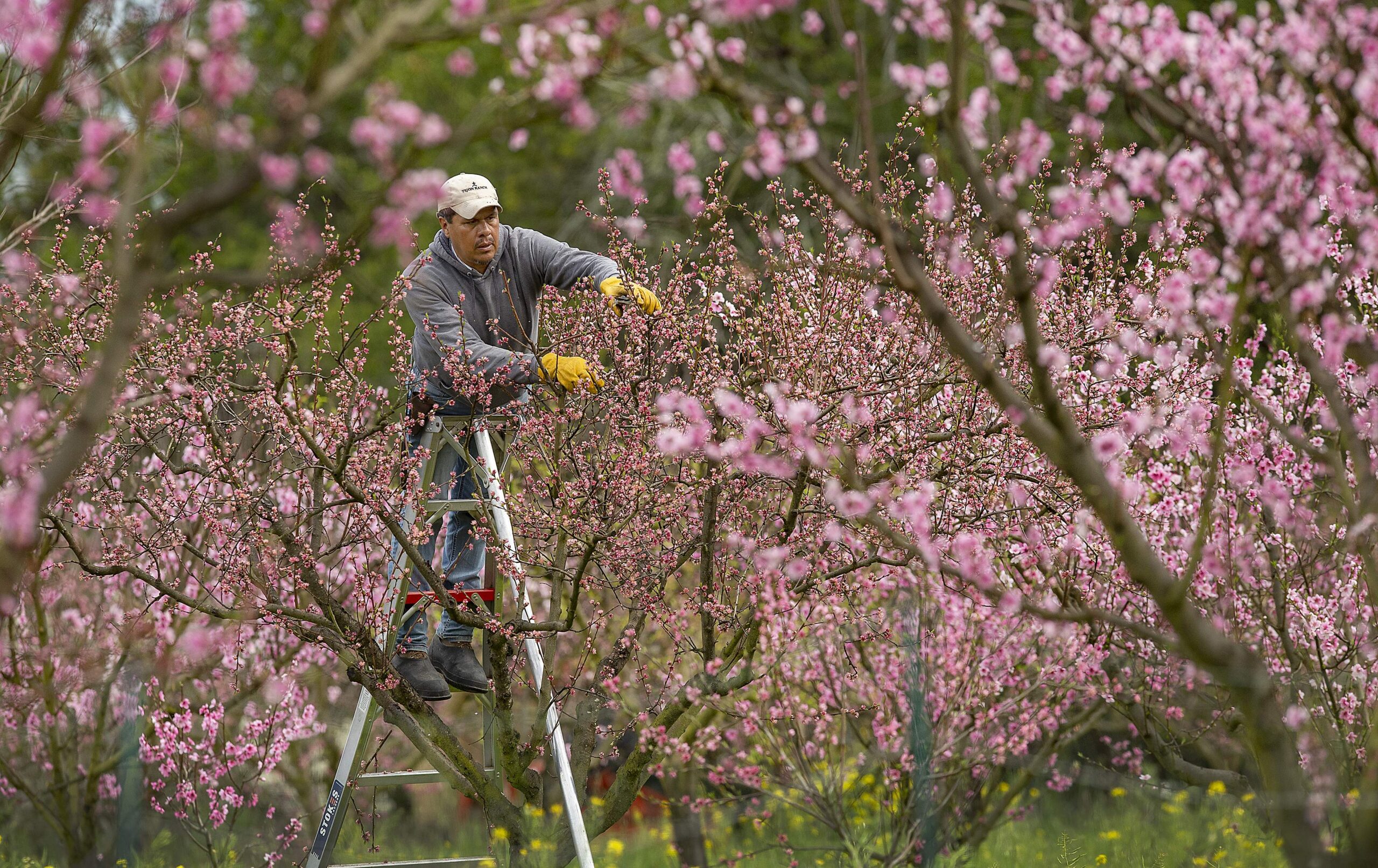
Chill needs are most commonly discussed in reference to fruit and nut trees, but they’re a feature of almost all perennial plants originating in the temperate latitudes, including most of North America, Europe, and the far reaches of South America.
Within this group there’s incredible variation, Wilson says, from the pomegranate, originating in the mountains of the Middle East (200 hours or less), to Northern highbush blueberries, native to the northeastern U.S. (up to 1,000 hours).
Among ornamentals, European lilacs, herbaceous peonies, and witch hazel all have significant chill requirements. So do tulips and other bulbs, notes Harmony Farms sales manager Patty Hamilton. “A lot of times we’ll tell people to put them in the refrigerator for a couple weeks before they plant them,” she says. That’s not to preserve them; it’s to add more hours to the chill ledger.
An easy workaround with ornamentals is to plant natives — such as California lilac, or ceanothus. Beyond being friendly to native pollinators and other wildlife, they’re also genetically adapted to our weather, not someone else’s.
That said, Wilson and Hamilton stress, Sonoma County is a land of microclimates, from the low-chill, moderate-winter environs of Bodega Bay and Jenner (as little as 700 hours, enough for perfect Burbank plums) to the high-chill, cold-winter valleys of Santa Rosa and Sonoma (more than 1,500 hours, plus sufficient heat for oranges and tangerines). So whether we’re talking fruit trees, California natives, or non-native ornamentals, it’s crucial to consider our own unique weather patterns.
“Chill hours are a factor, but I wouldn’t say they’re the deciding factor,” Wilson says. “Every garden is its own climate.”
Check your chill hours
UC Davis has a chill-hour calculator. Find it at fruitsandnuts.ucdavis.edu/chill-calculator.