

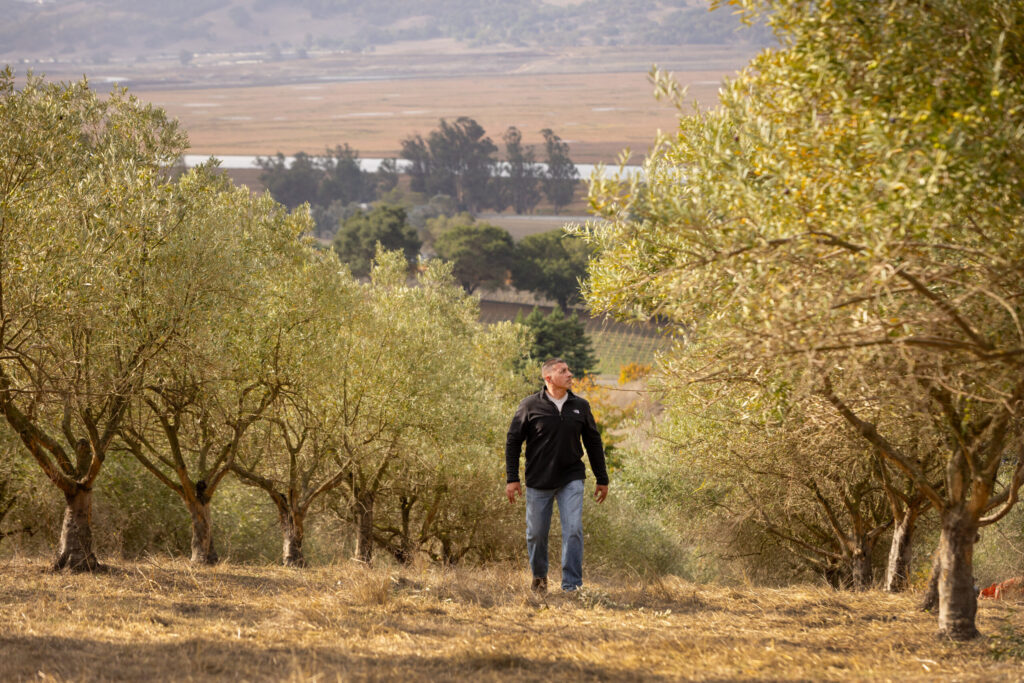

Walk into the Union 76 gas station at the corner of Gravenstein Highway and Occidental Road near Sebastopol, and you’ll see the usual convenience store fare: bags of chips, chilled drinks, motor oil. Then you might notice something out of the ordinary: a countertop wine fridge filled with slender, green-glass bottles of locally made olive oil — some of it from a small grove of trees on a gently sloped plot of land just a few dozen yards north of the busy intersection.
The station’s owner, lifelong Sonoma County resident Mousa Husary, comes from a Palestinian family with deep roots in the Middle East. While visiting Jerusalem’s Mount of Olives during a family trip to the Holy Land in 2009, he came across a grove of ancient trees.
“It was just awe-inspiring. Palestinians are all about olives and olive oil, but I wasn’t into olives before. I really wasn’t,” says Husary. “I looked around at these old trees with these big, burly trunks, and I got this vision from God. I was really struck by it. Something told me I had to come home to California and plant as many olive trees as I could.”
That epiphany profoundly changed Husary and altered the course of his family’s life. What began as a passionate hobby has become a business. The Husary family’s extra-virgin olive oil has won gold medals at the California State Fair and Sonoma County Harvest Fair. More important, cultivating olives has deepened the family’s appreciation of their roots.
“Our Palestinian heritage is so special, and olive oil, olives, harvesting, all of that is so big within the Palestinian tradition,” says Mousa’s 20-year-old daughter, Talia Husary. “That’s what ties us to our land.”
Cultivating these traditions in Sonoma County is important to them, and becomes more so with each passing year, she says. “The more we grow, the more we see it.” The “it” is how producing olive oil links the family to their Palestinian identity. Because that work connects the family to their history, Talia says that for her dad, making olive oil is “something he loves to do. It’s not something that feels like work.”
Hard-working and curious, Mousa Husary, 47, began learning about different olive tree varieties after he returned from his transcendent visit to Jerusalem. Olive trees are a symbol of freedom for Palestinians he explains, and “a big part of what gives the Palestinian people their identity.”
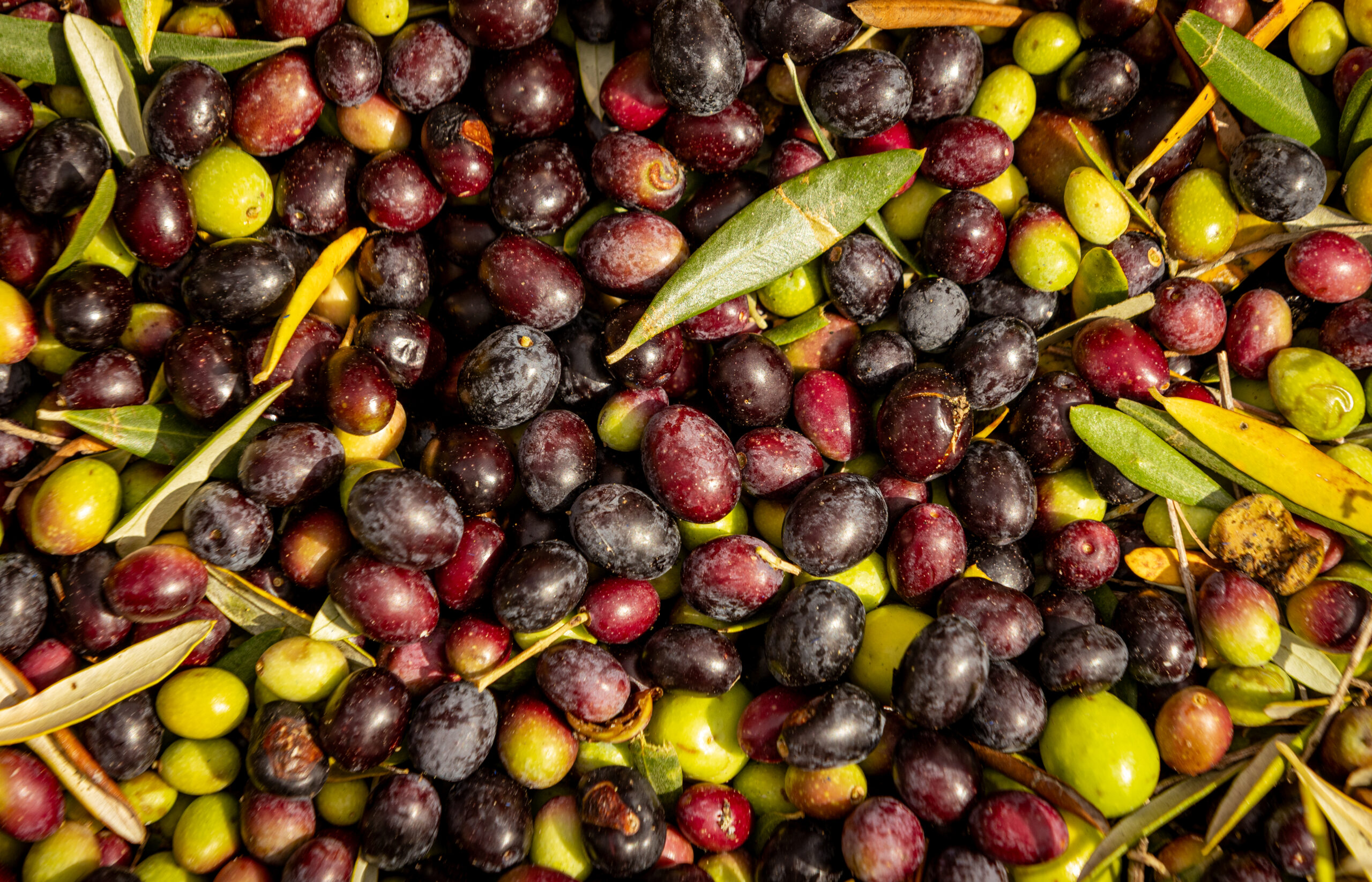
As he prepared to plant his orchards, he wondered: “What kind of olives do we have in Palestine?” He learned about the Nabali and Souri varieties and called nurseries across the United States to try to find them. They only had trees that originated in Greece, Spain, or Italy.
His search culminated at UC Davis; through the U.S. Department of Agriculture, the university had access to trees that originated in the Middle East and agreed to send a few cuttings to Husary. When they arrived, he wasn’t sure how to plant them, so he called a gardener he’d employed who cultivated them and soon learned how to do this himself.
Meanwhile, he planted nearly 60 Italian, Greek, and Spanish olive-tree varieties next to his gas station. Within a couple of years, the trees began bearing fruit. His sisters and three children helped pick the olives. His wife, Yara, would brine them in jars, sometimes with lemon or jalapeños. “That’s all we did,” he says, suggesting he hadn’t thought about making olive oil.
In 2021, Husary, who has served as a football coach at local high schools and at Santa Rosa Junior College, was hosting a barbecue for his son’s football team and spoke with a coach who’d also planted olive trees. The coach said he took his olives to the Figone Olive Oil mill in Sonoma. It was a lightbulb moment for Husary. “Oh my God, maybe I should do that,” he recalls thinking.
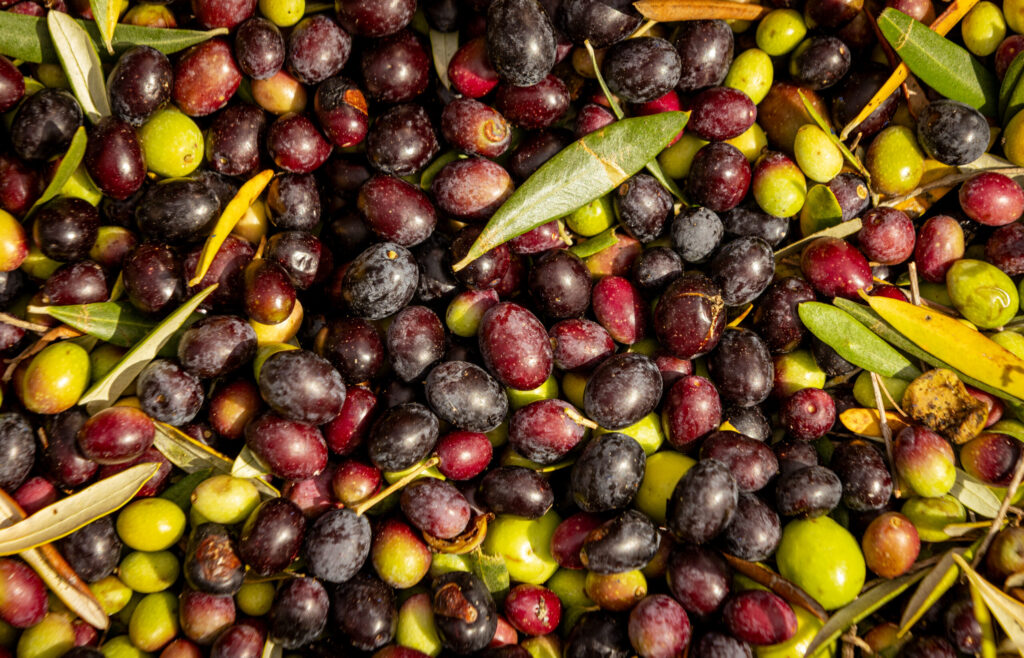
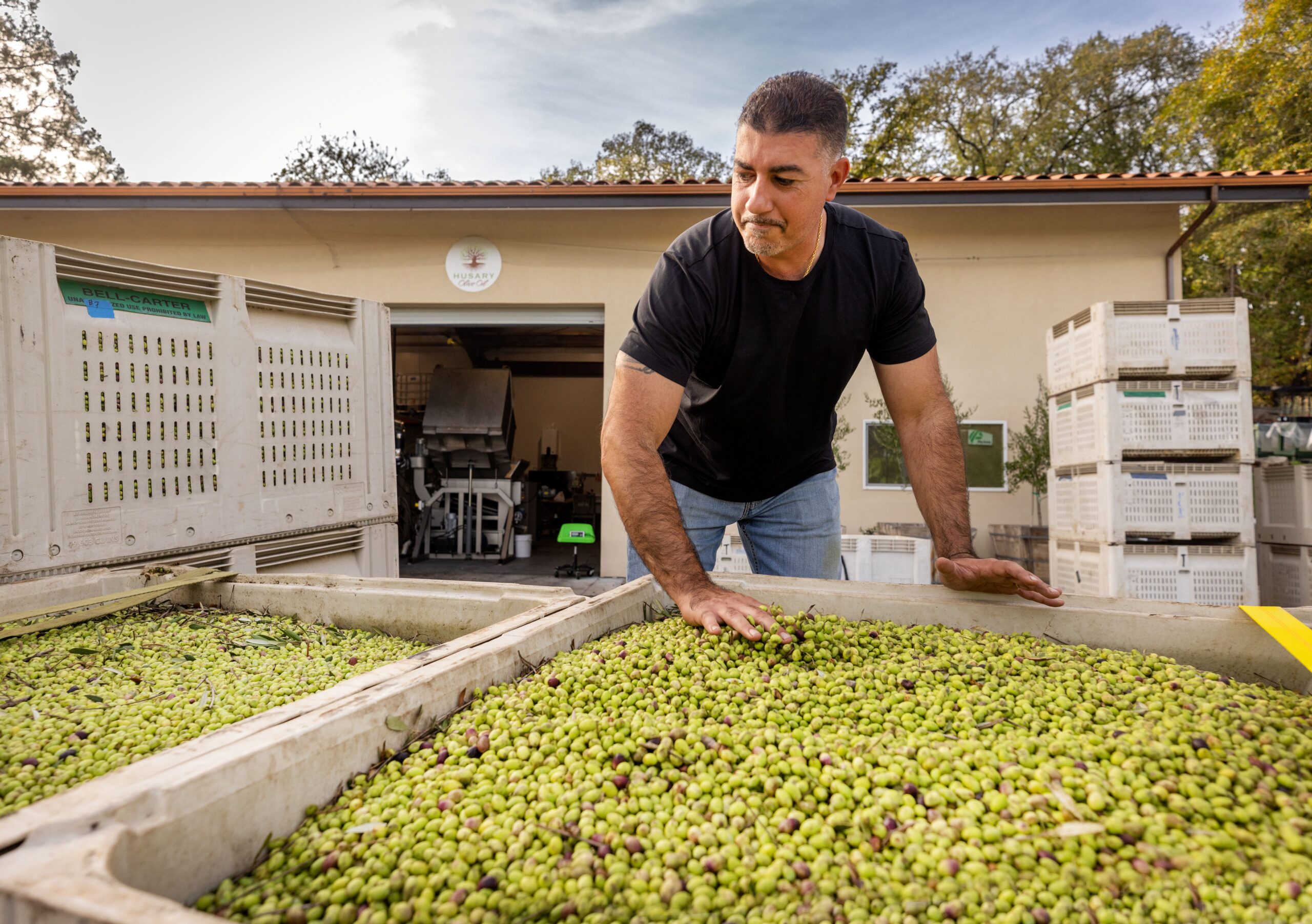
That autumn, he and his family picked the organic olives while they were still green — a tactic to avoid damage from fruit flies — and took 1,500 pounds of the hard fruit to Figone’s. Because of the early harvest, they didn’t end up with much oil — only about 10 gallons, as Husary recalls, but what they got was intensely concentrated with a piquant, grassy flavor.
“People loved it. What’s not to love? It’s super-potent olive oil,” he says.
Husary bought cases of empty bottles for the 2021 harvest, made labels on his computer, and shared that first batch of olive oil with friends and family. By 2022, Husary says, “I was kind of on a mission.” He sought to produce a few cases of oil to sell. “That’s how it started.”
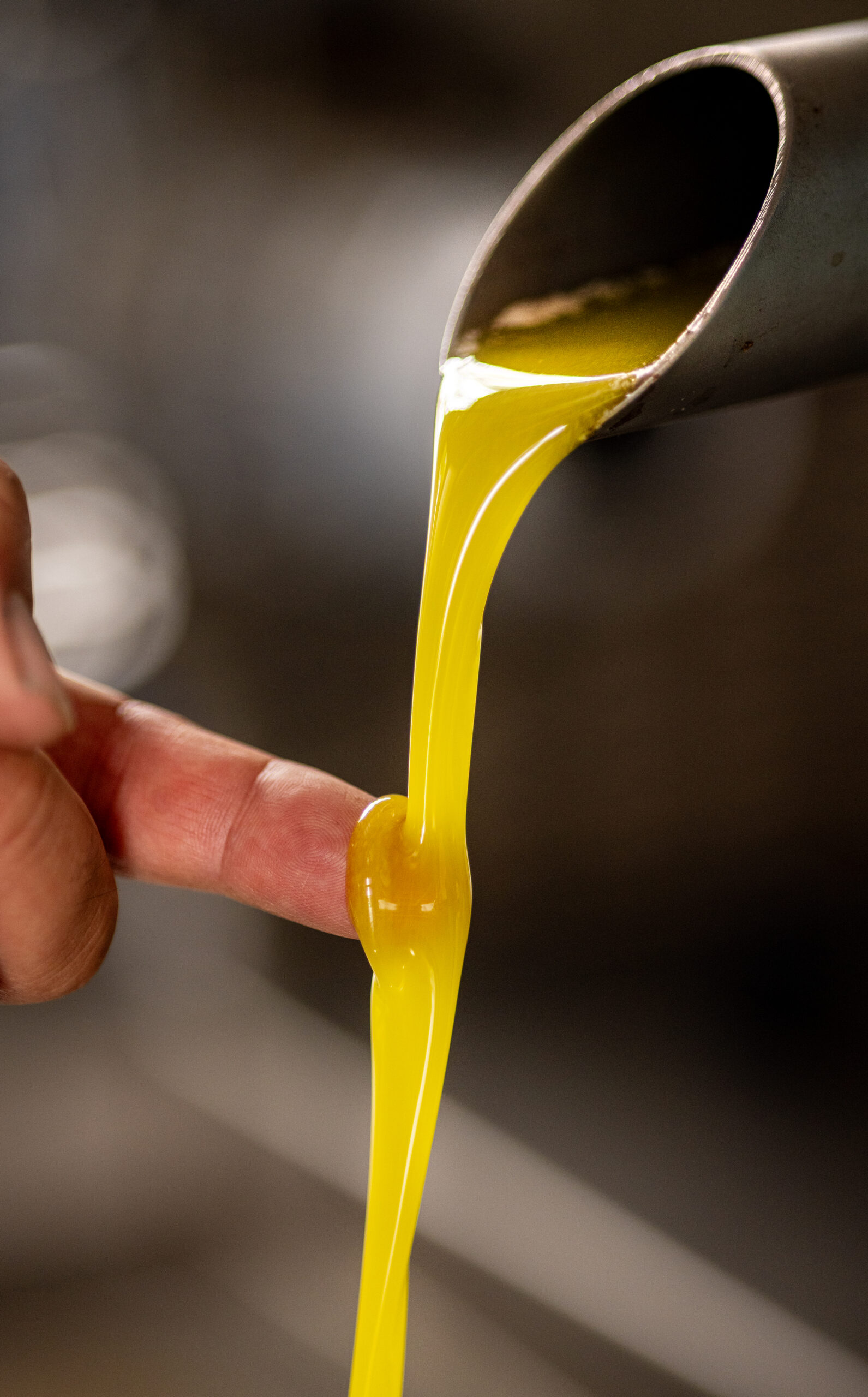
When he began making olive oil, Husary would share it with his uncle, a brother to his late father. One day, after pouring some of the golden oil onto his plate, Husary recalls his uncle looking him in the eye and telling him something about the family that floored him: “You know, we had olive trees in Palestine — we had an orchard in Lidd.” The city, now known as Lod, is in Israel between Tel Aviv and Jerusalem. Husary confirmed this with another uncle who told him the family had indeed cultivated olive orchards in Palestine for generations.
“I felt like, ‘God, this is meant to be.’ Obviously, those properties… they lost them,” says Husary, referring to Palestinians who were forced to leave their homes and land in the late 1940s, when Israel became an independent state and prevailed in the first Arab-Israeli war. “But that was cool for me to find out; it’s coming full circle.”
Husary, who was born in Santa Rosa, says he and his family are “super proud” to be Palestinian Christians, a minority within a minority. “Our orthodox church goes back to the beginning. We’re Antiochian. All of our bishops trace back to one of the apostles from Jesus’ time,” says Husary, who serves as president of Rohnert Park’s All Saints Antiochian Orthodox Christian Church.
It’s a faith handed down to him by his late father, Khader Husary. A barber by trade, Khader emigrated to the U.S. during the late 1960s when he was in his early 20s. During his first years in the U.S., he cut hair and worked in grocery stores and as a janitor to support his wife and five children. He later opened a small store of his own, sending money back to Palestine to help support family members left behind.
After saving for years, he built the gas station at Gravenstein Highway and Occidental Road, Husary 76, and opened it in 1997. As Khader’s only son, Mousa was enlisted to work alongside his father at the station, first part time while in high school, then full time after graduation while his friends attended college.
“I put in a lot of time at the station as a young man while a lot of kids were out partying, but I wouldn’t do it any different way. My life’s turned out pretty good,” he says. Mousa credits his father with teaching him about business, “So he’s a big part of this, whether he saw it or not.”
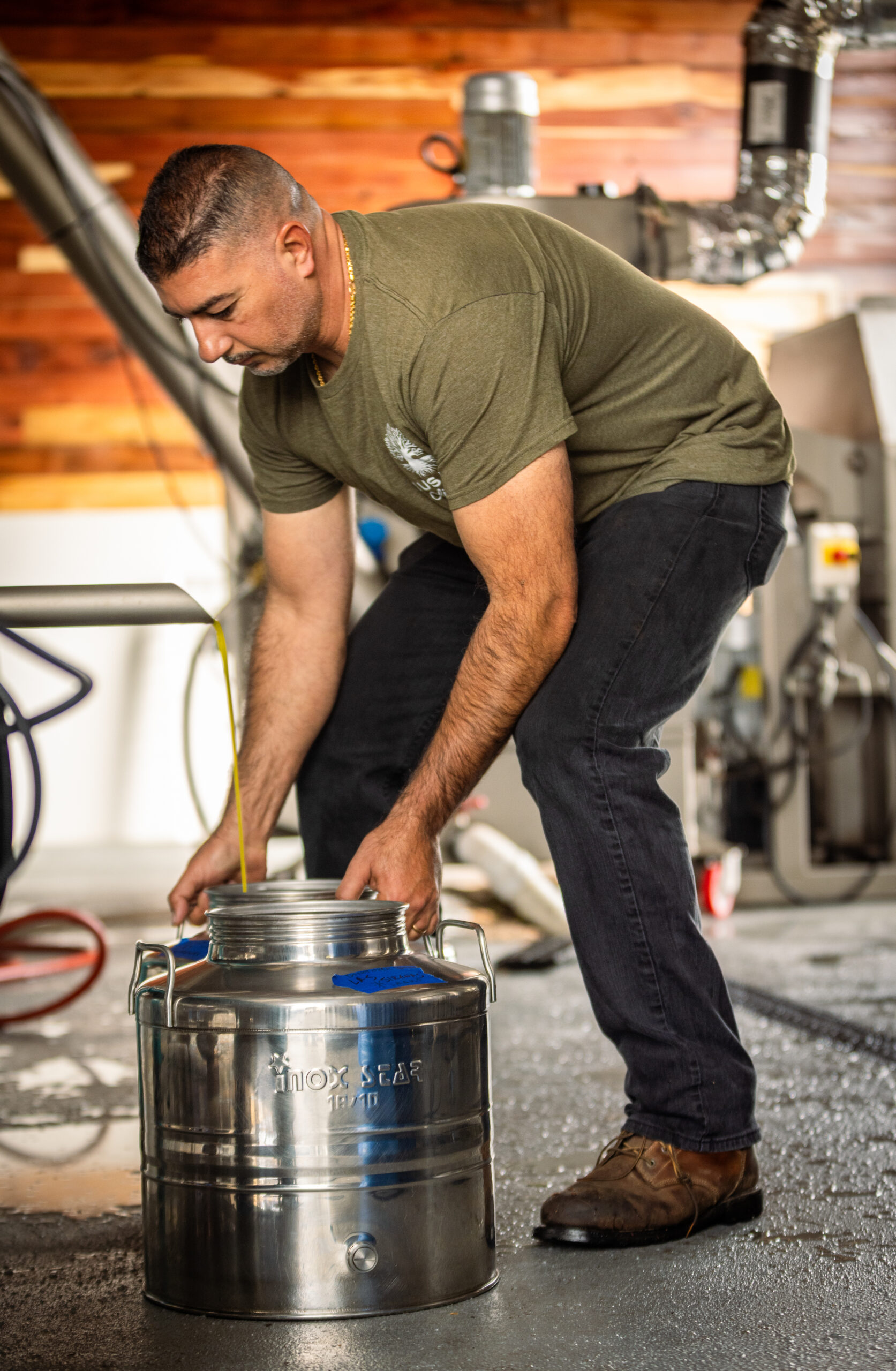
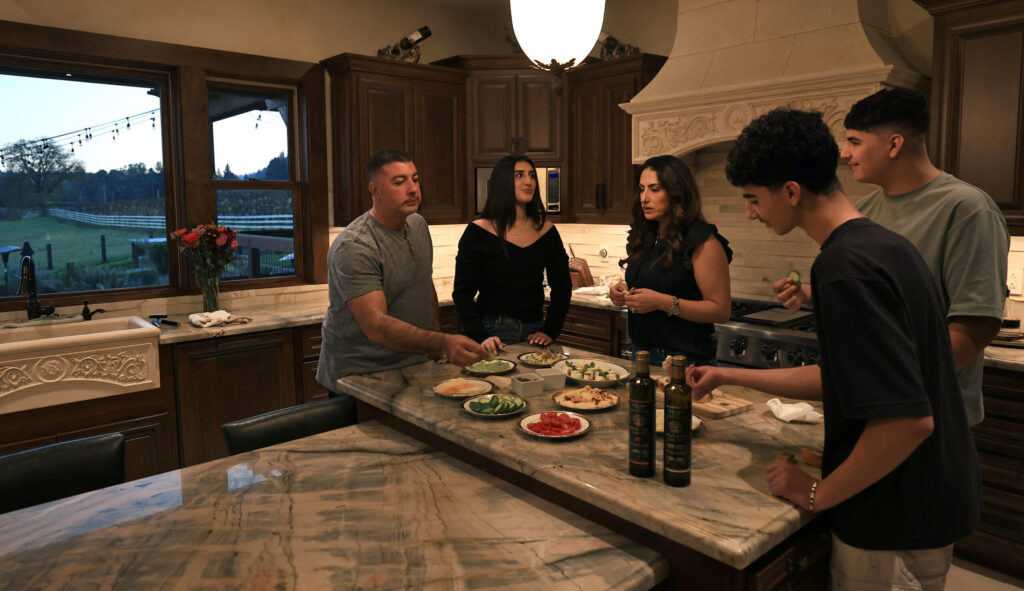
Husary now works with his three children, ages 17 to 20. Continuing the family tradition with them “means everything,” he says. “That’s the best part of the whole business, having the boys help me, because that’s what I did with my dad.”
His daughter, Talia, a senior at San Jose State, manages social media for the company and staffs booths at events such as the annual Palestine Day in Redwood City. She plans to go to law school after graduating from San Jose State. “The family needs a lawyer,” she says.
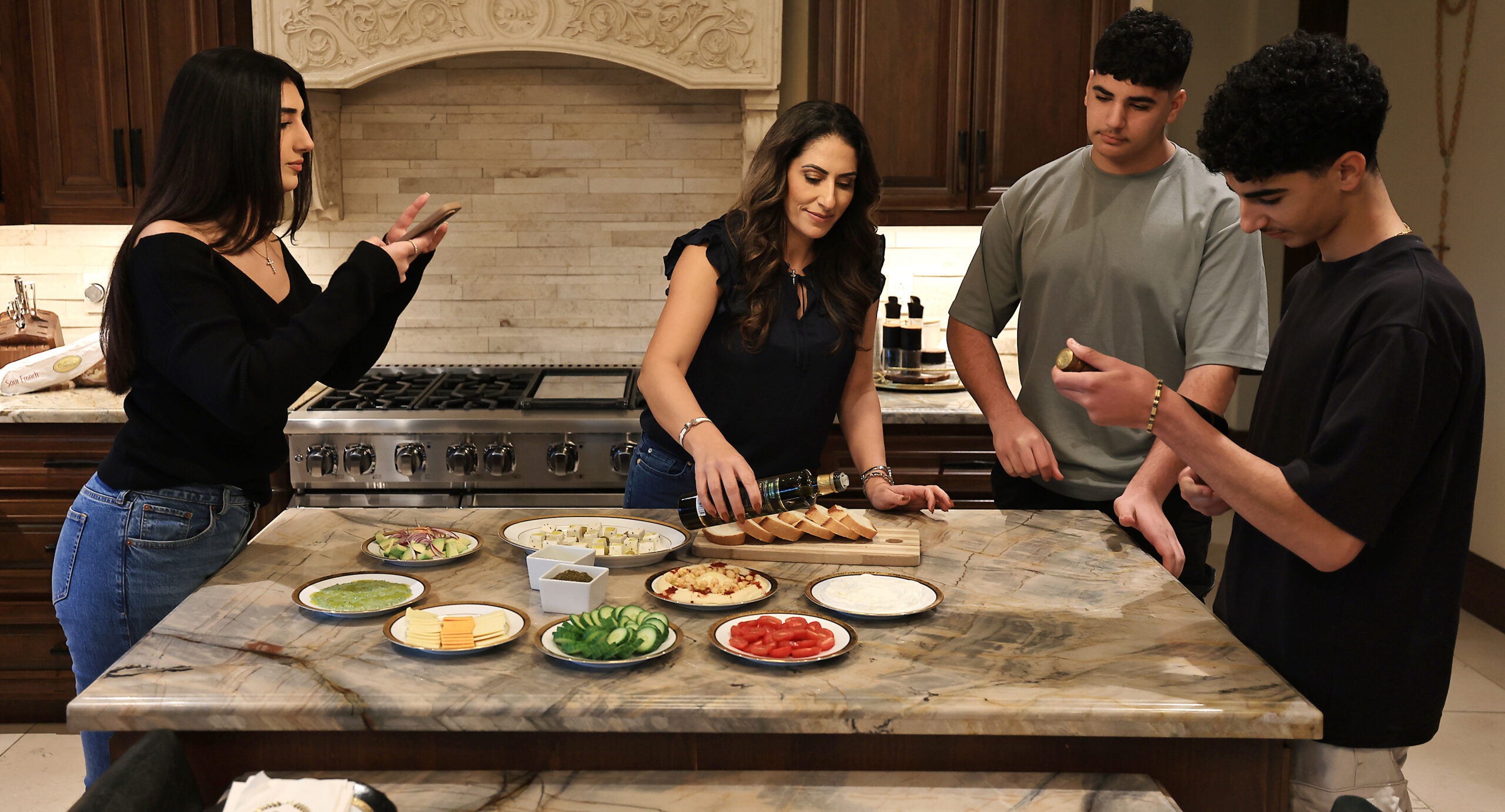
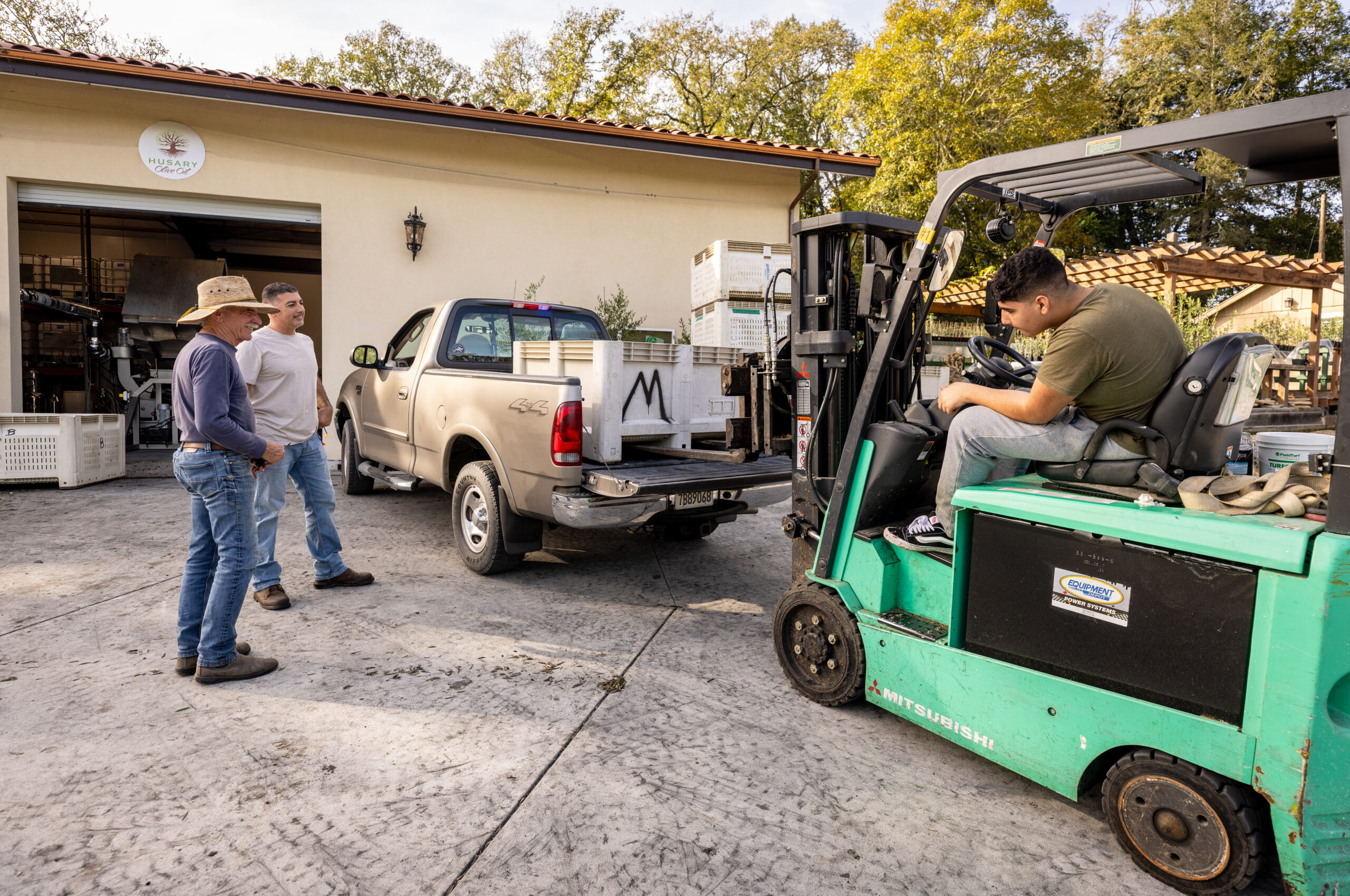
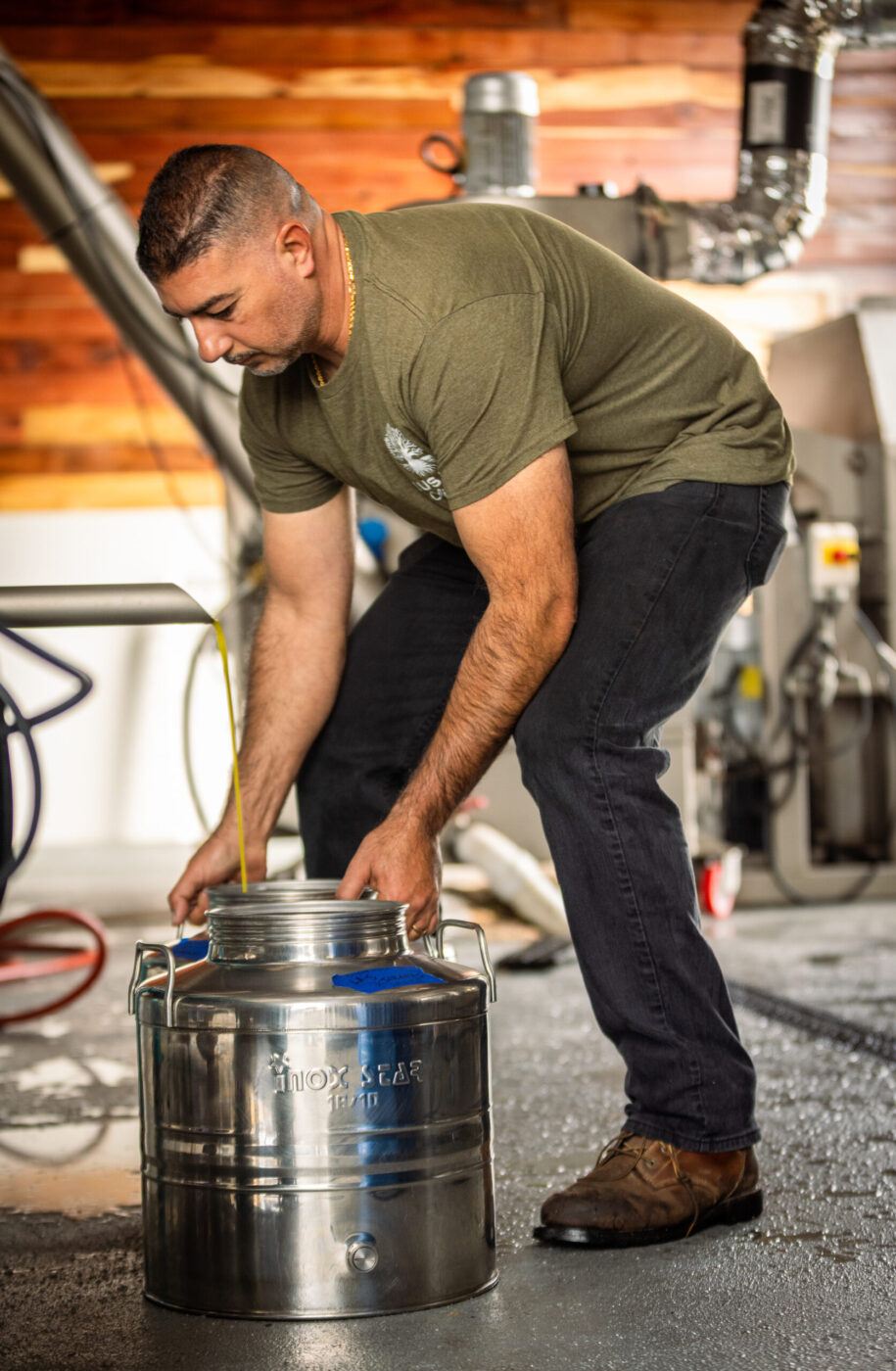
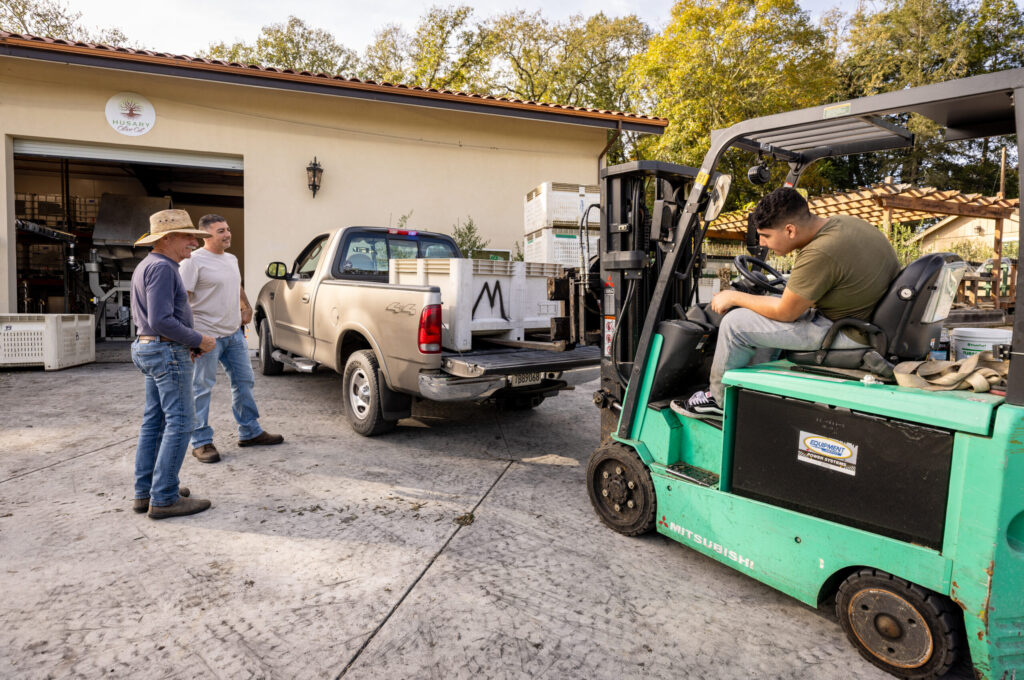
Her brother, George, a 19-year-old electrical engineering student at Sonoma State, describes himself as his dad’s right-hand man, helping to mill, bottle, ship, and deliver oil to local stores. His younger brother, Jake, 17, an Analy High School student, helps out, too, and has even learned how to operate a forklift when most kids his age are just learning how to drive.
Mousa Husary plans to pass the business on to his children. George seems especially ready to carry on the tradition, proudly wearing his Husary Olive Oil T-shirt while working at the family gas station. He loves it when people tell him how much they enjoy the oil and believes his father was meant to make olive oil.
“It took him so long to start, but now that he’s got this thing going, man, he really, really loves it,” says George.
Husary’s wife, Yara, a native Palestinian, is a key player in the business too, suggesting ideas and bringing everyone lunch during the long workdays of autumn when the olives are being milled.
The whole endeavor began with a love for olives, she says. “We gave it (the olive oil) to friends and family, and everybody was telling us, ‘Oh my God, your oil is so good. And not just because of the oil, because of you, too.’”
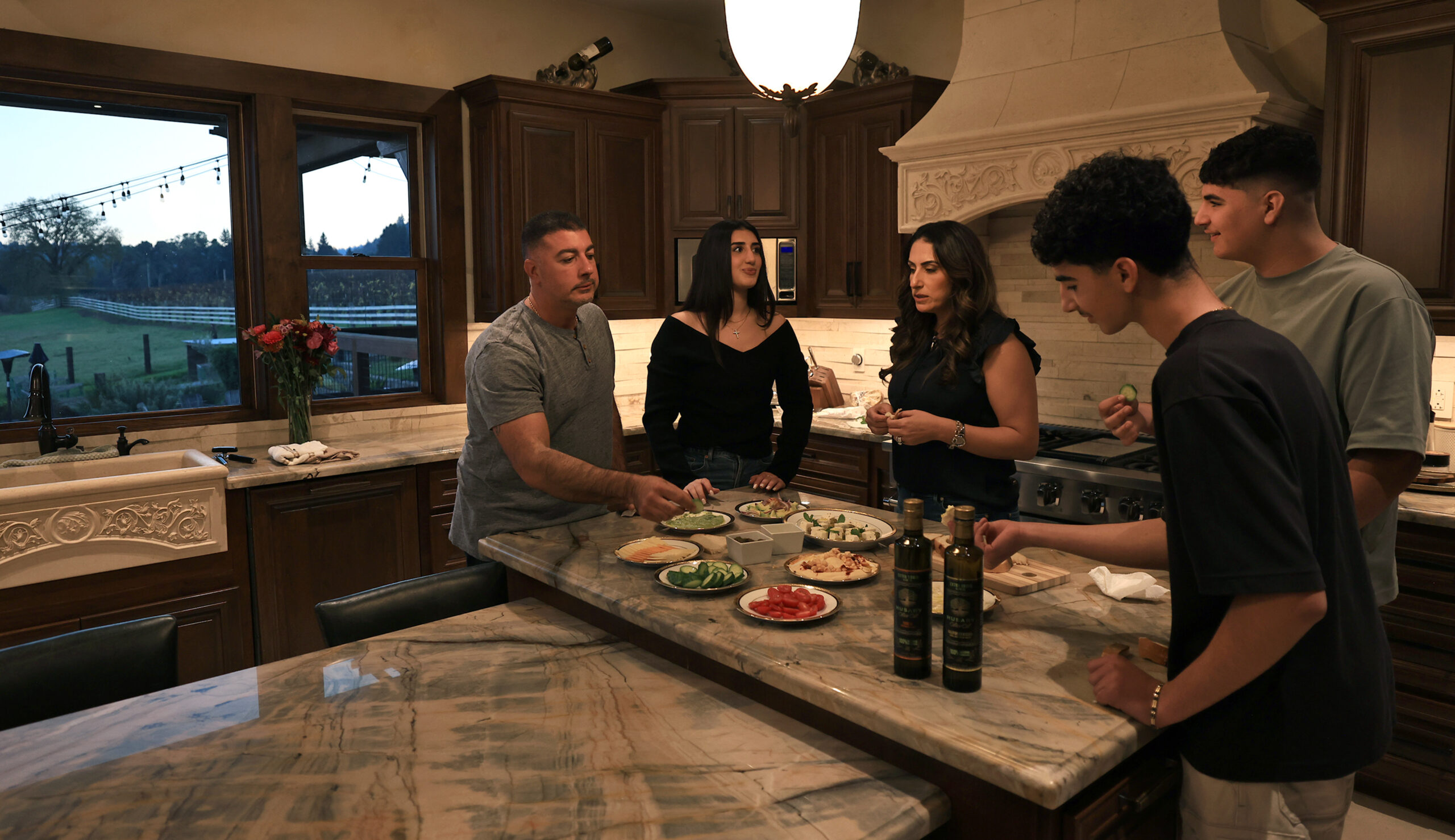
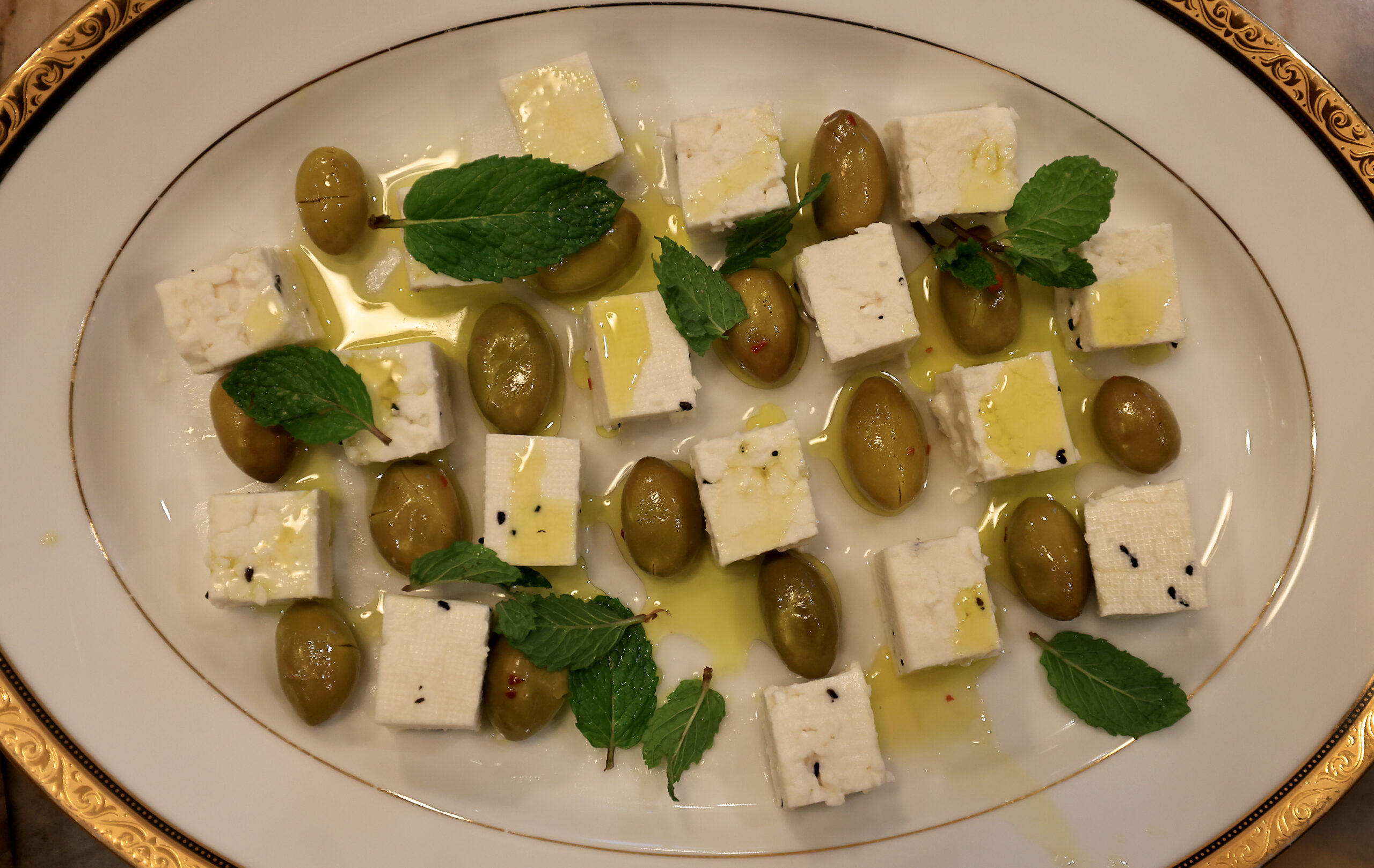
To Yara, cultivating olives is about “being rooted in the land.” The message she and her husband hope to impart to their children: “This tree is part of your roots.”
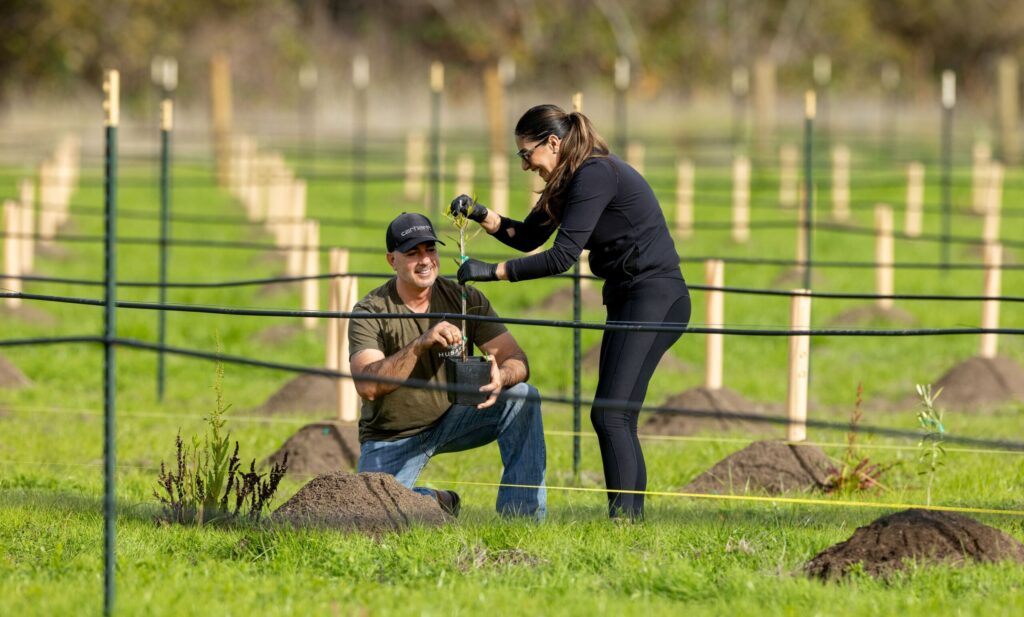
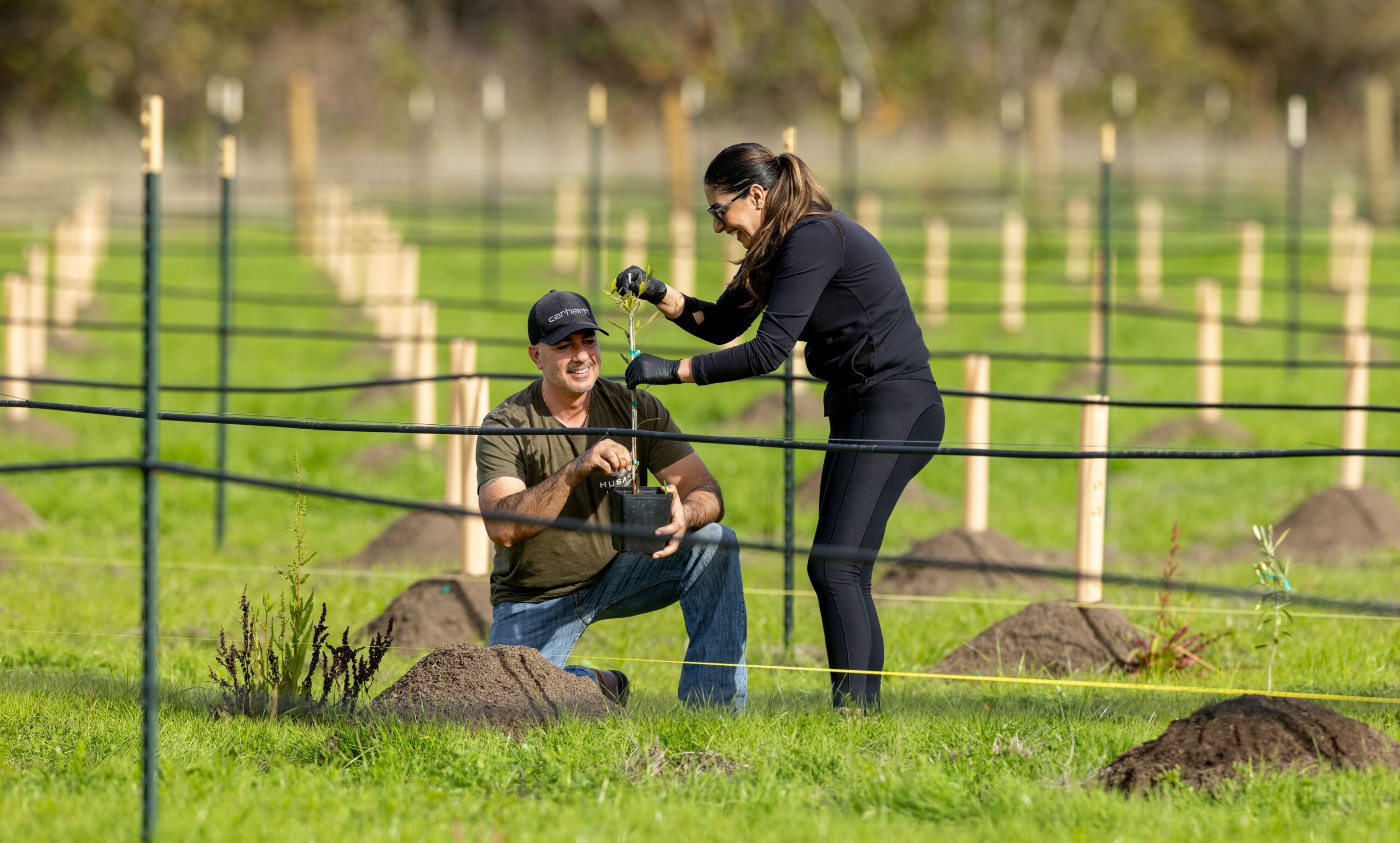
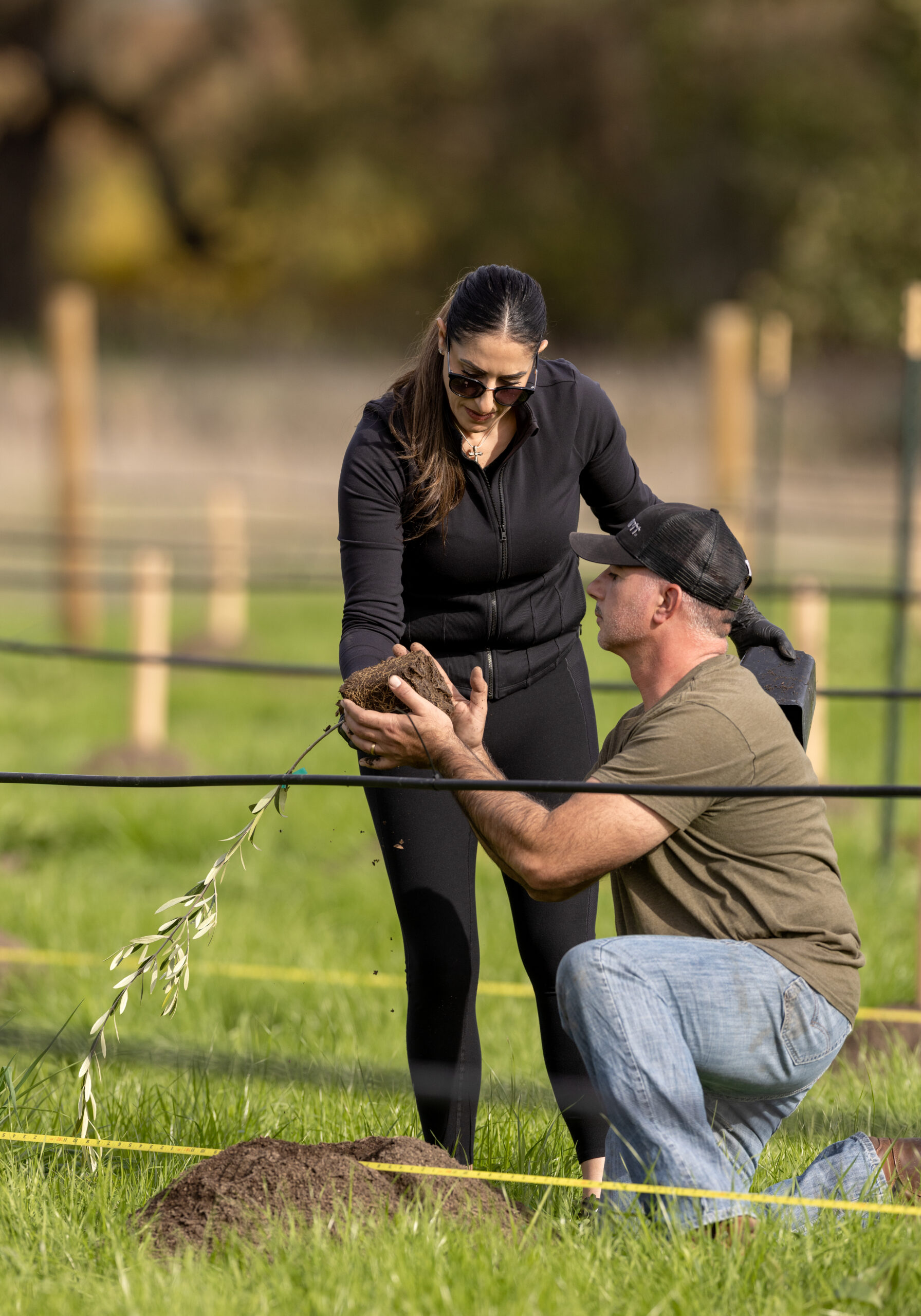
Husary has planted 4 acres of Palestinian Souri and Nabali olive trees on a property he owns in Santa Rosa and intends to plant another 4 acres for a total of about 1,500 trees. It will take time, typically three to five years, but up to 10 years, for the trees to mature and come into full production.
“When I have my own bottle of (Sonoma-grown) Nabali olive oil, that’s going to be unique because it’s one variety that you won’t see on any other shelf. I’m excited about that,” Husary says. “Sonoma County is home. This is where we work, where we were born, where we have our future. So, it means a lot.”
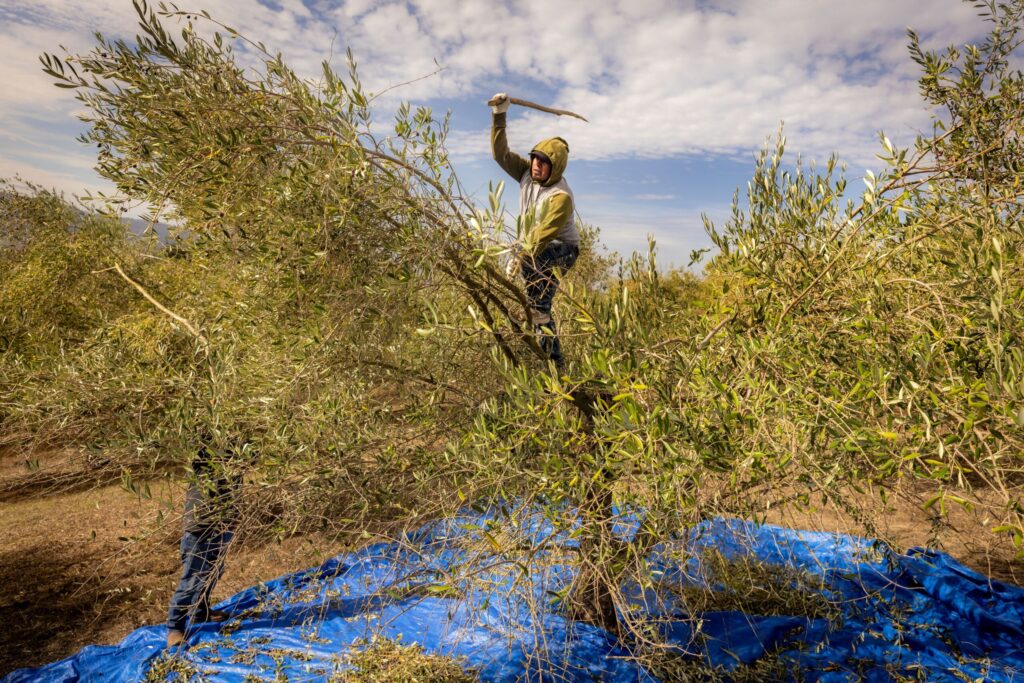
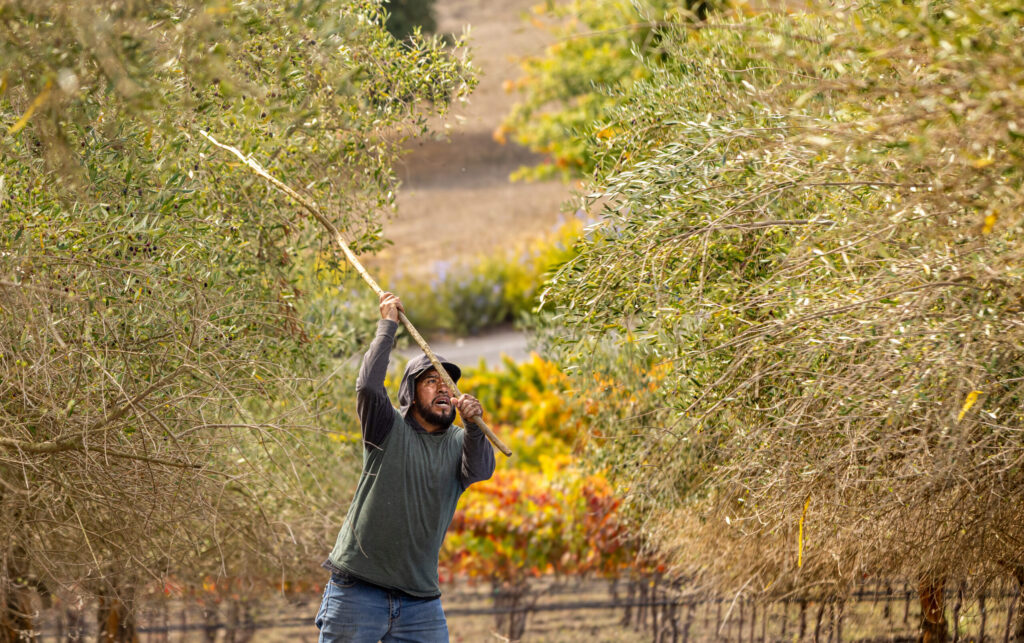
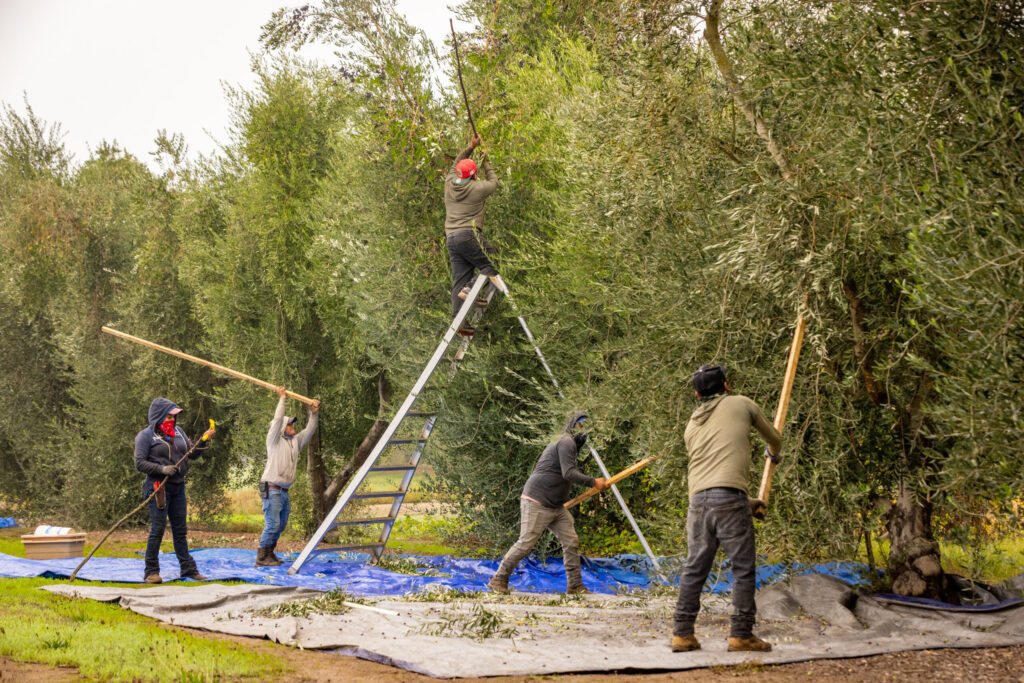
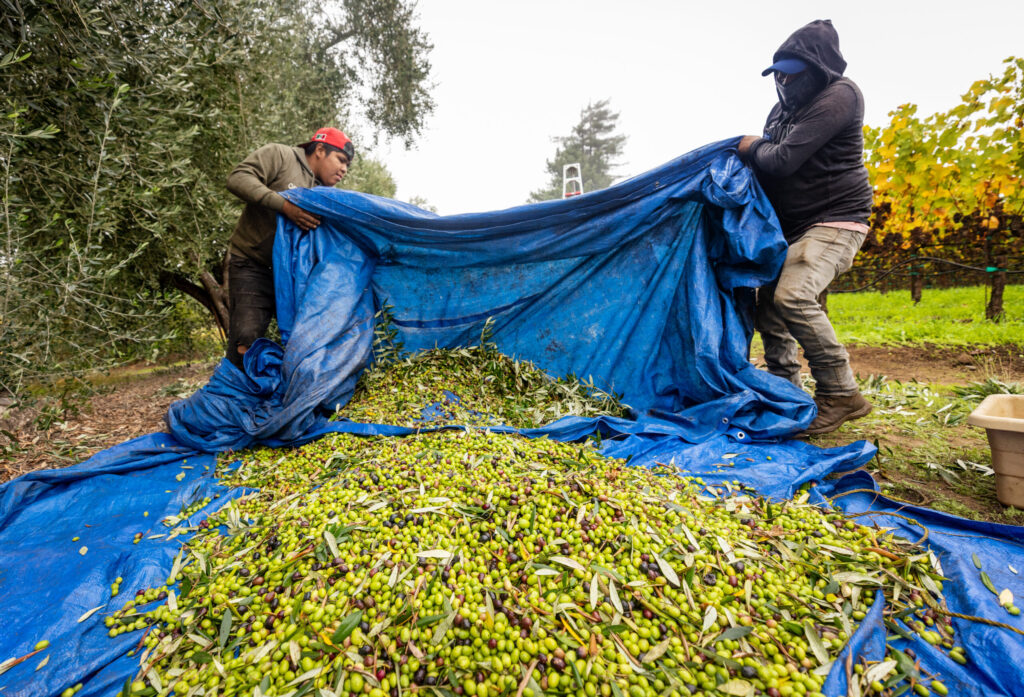
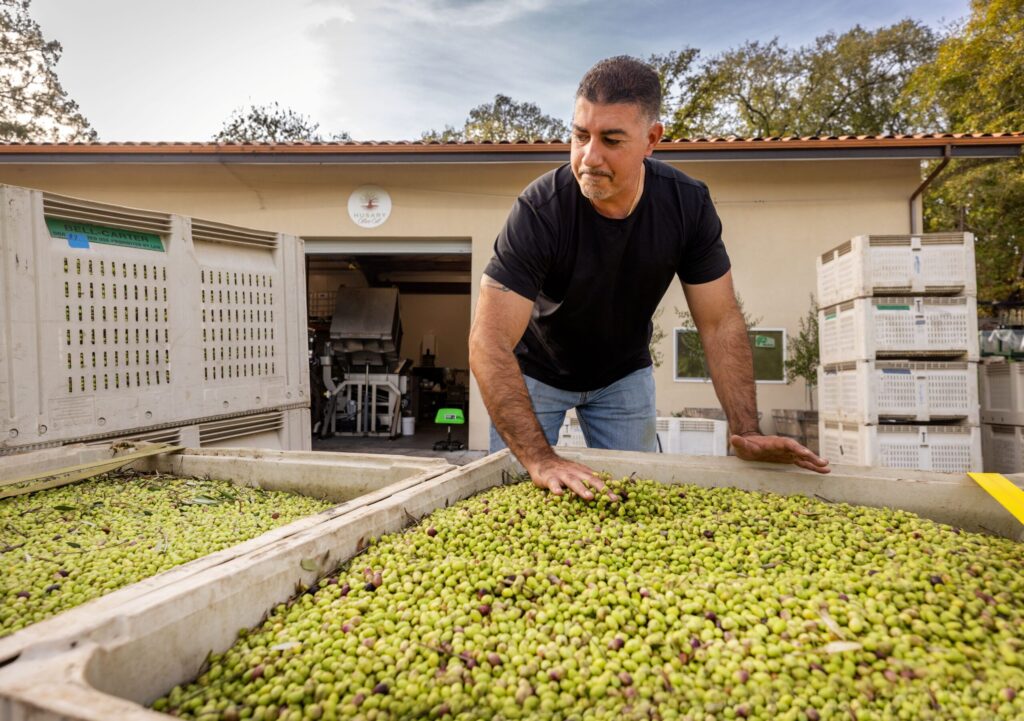
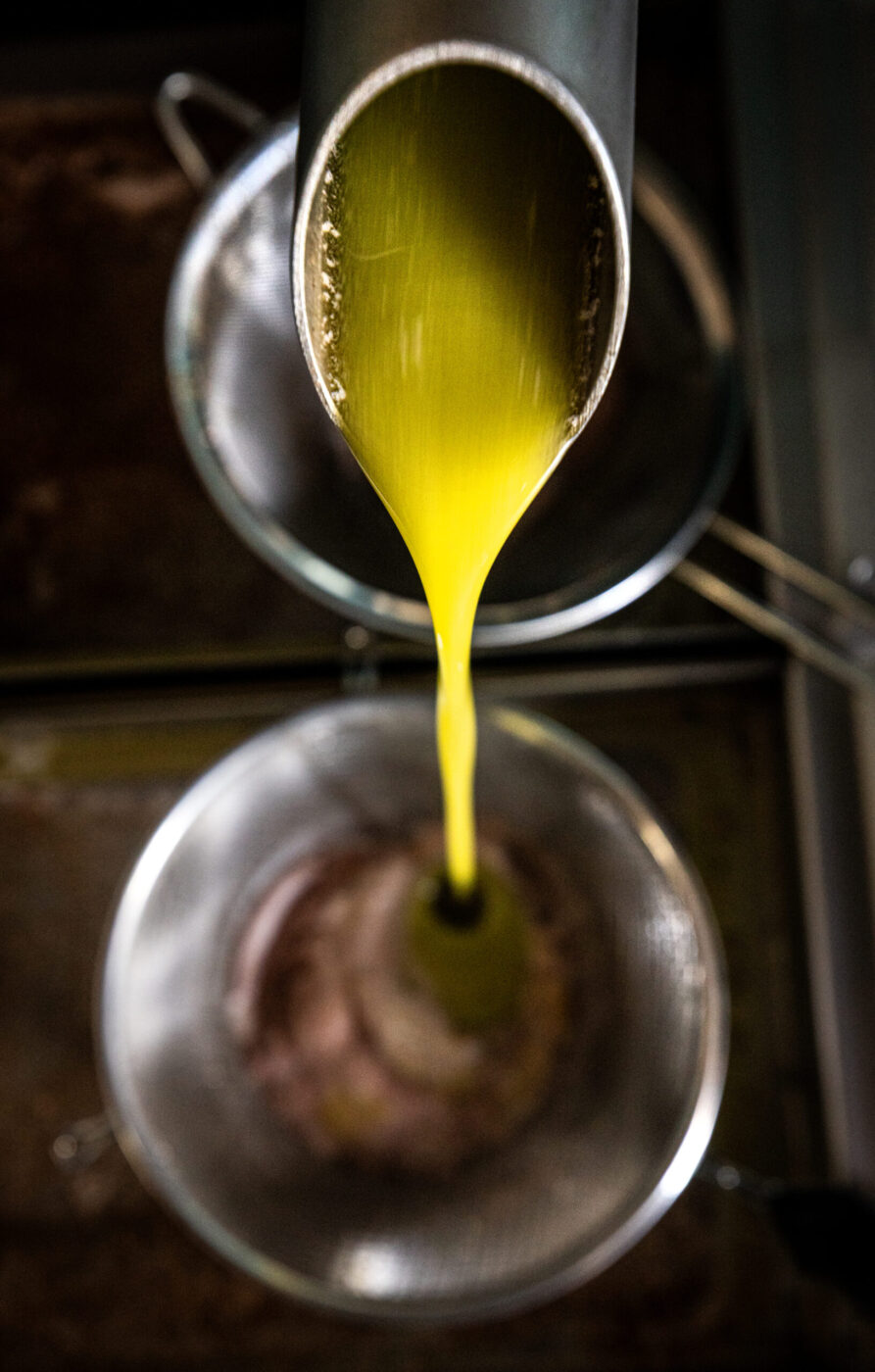
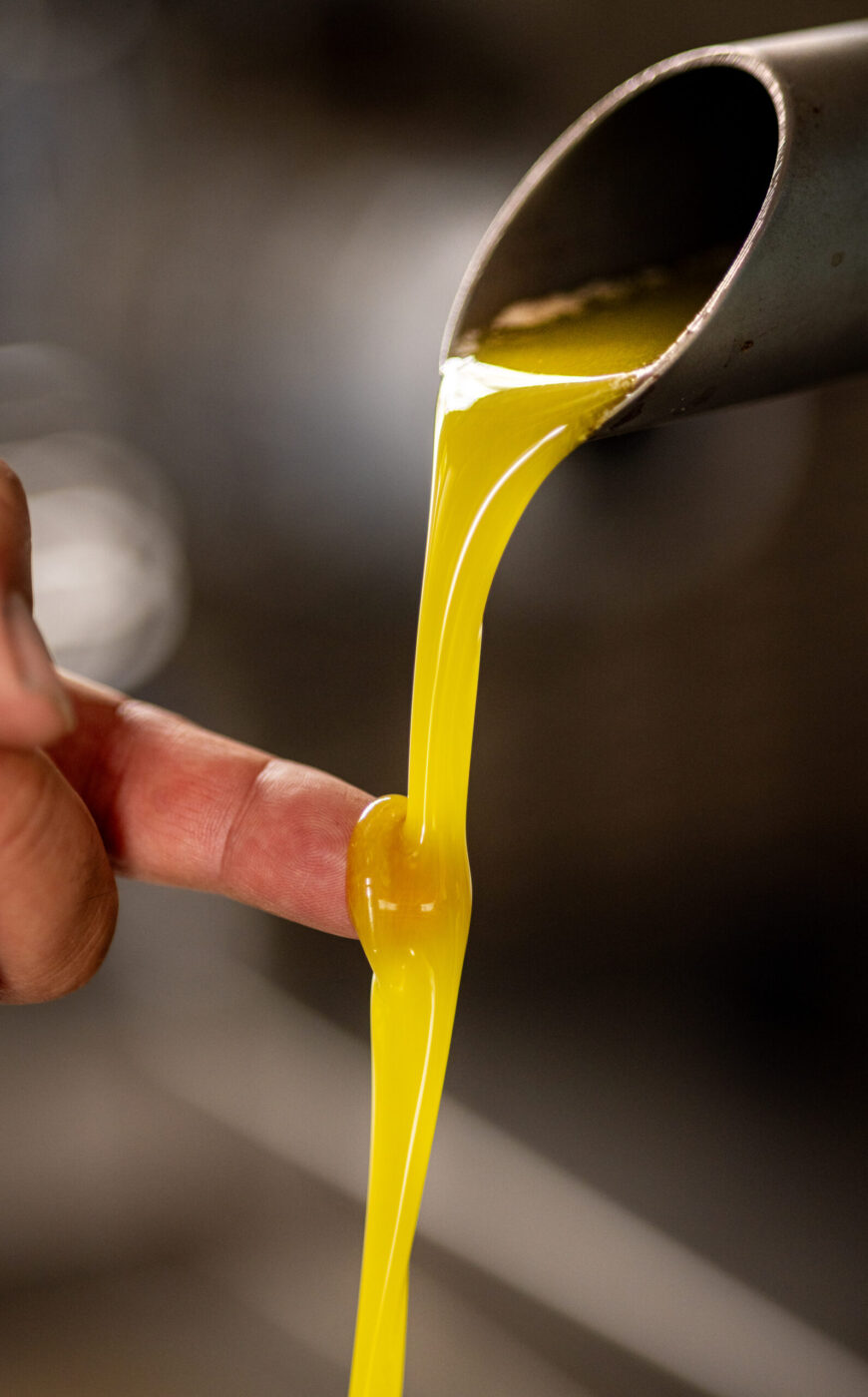
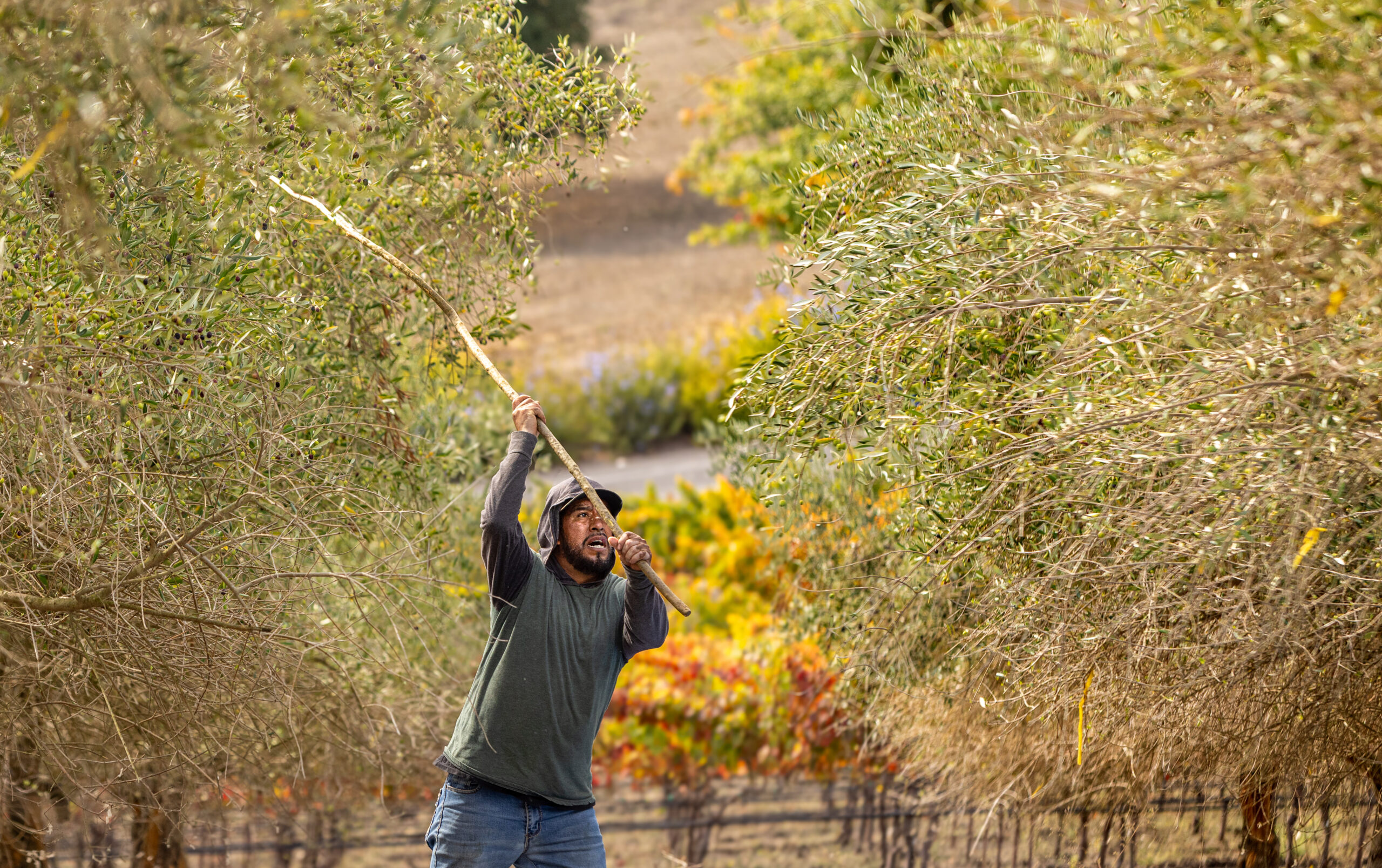
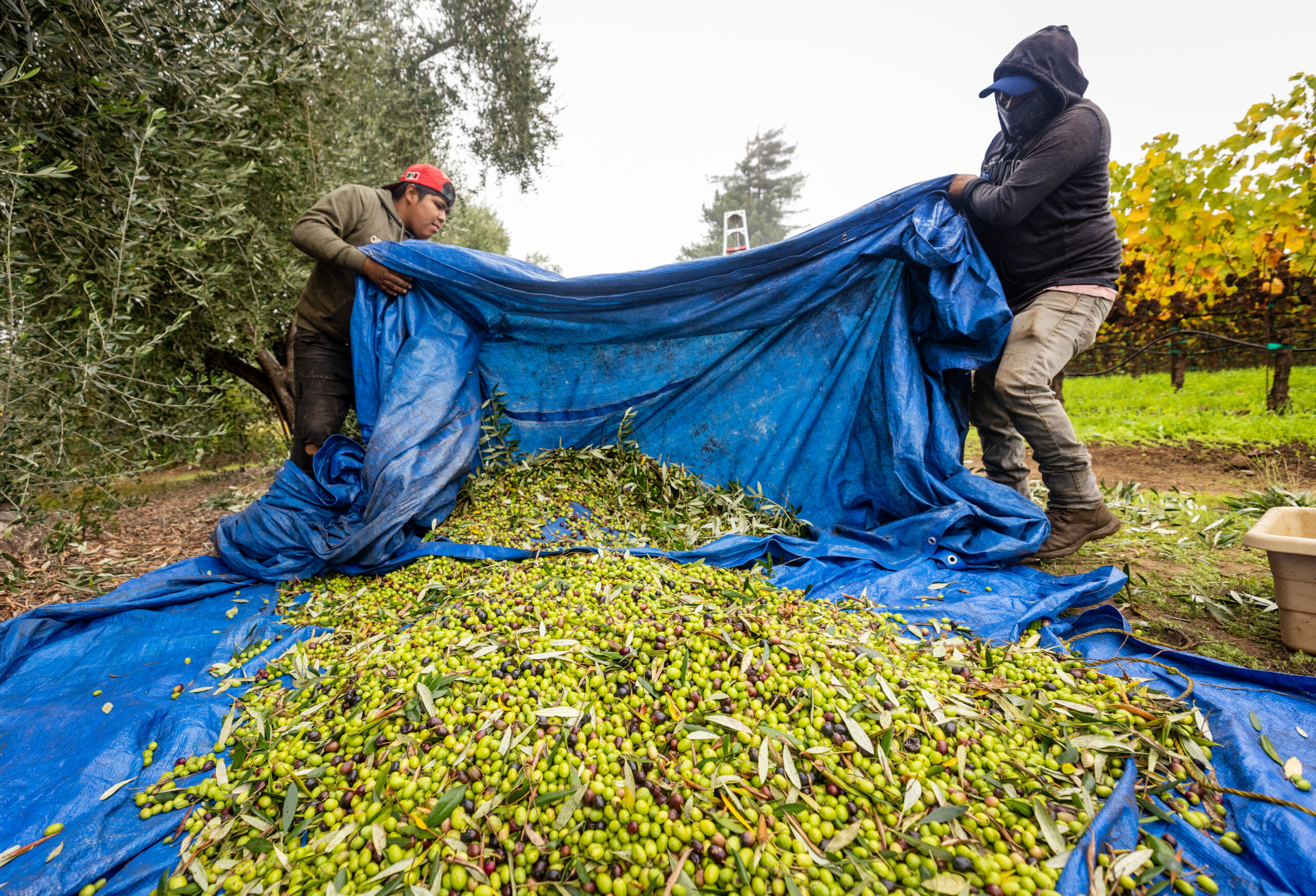
While waiting for his Palestinian trees to mature, Husary uses olives from other sources, such as Keller Estate a few miles southeast of Petaluma, where, on a morning last autumn, he watched a crew of pickers whack trees using long sticks to harvest the fruit. They collected the olives in big, blue tarps spread under the trees, then poured them into large crates to be hauled in pickup trucks to a mill at Husary’s home. The olives are milled within 24 hours of being harvested, which is essential for freshness and taste.
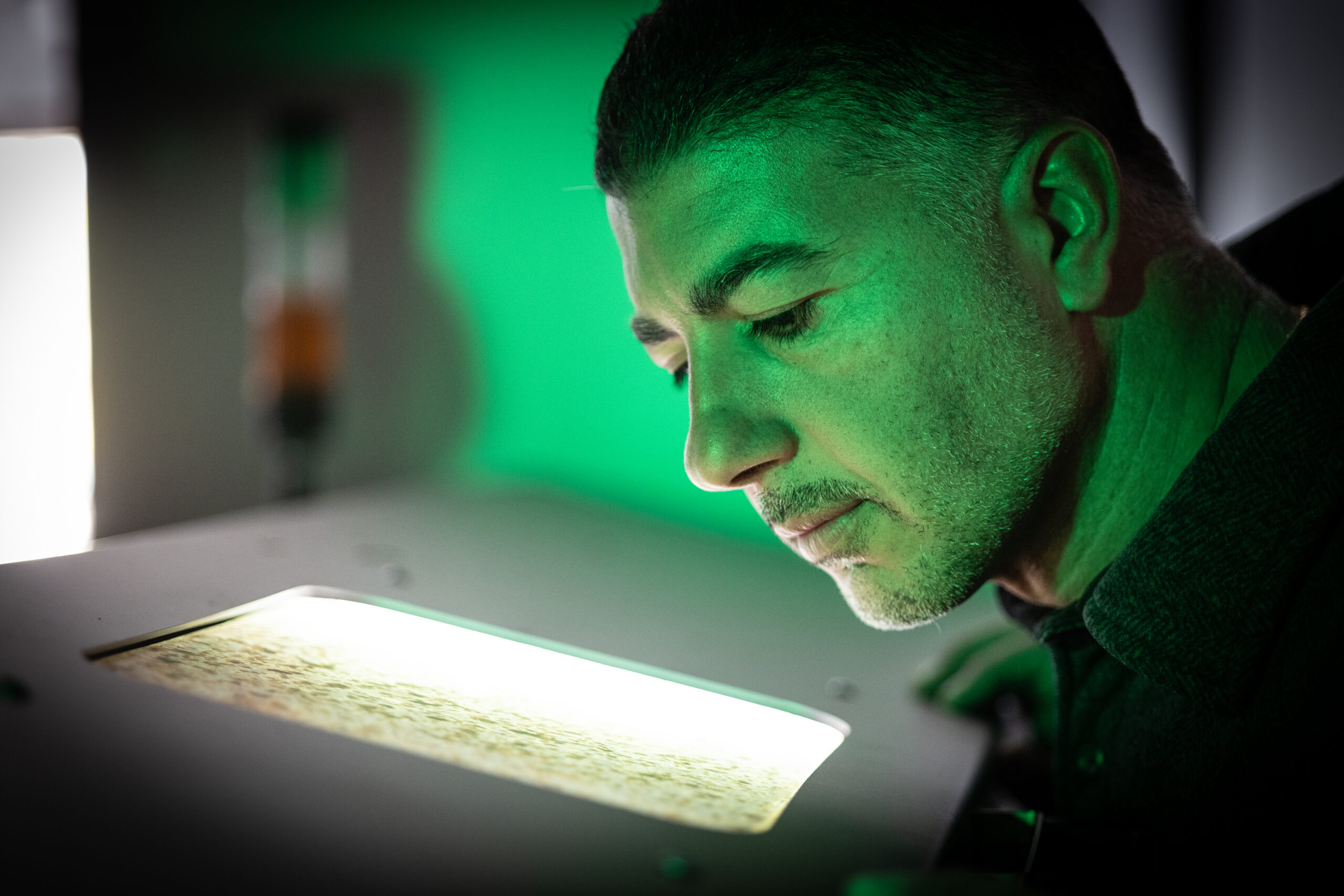
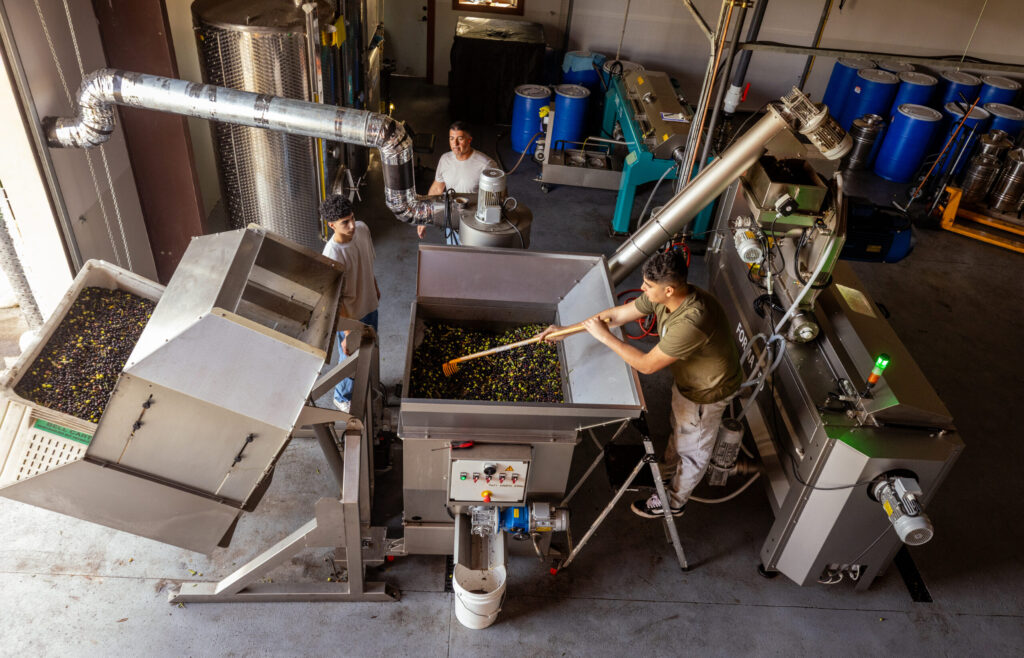
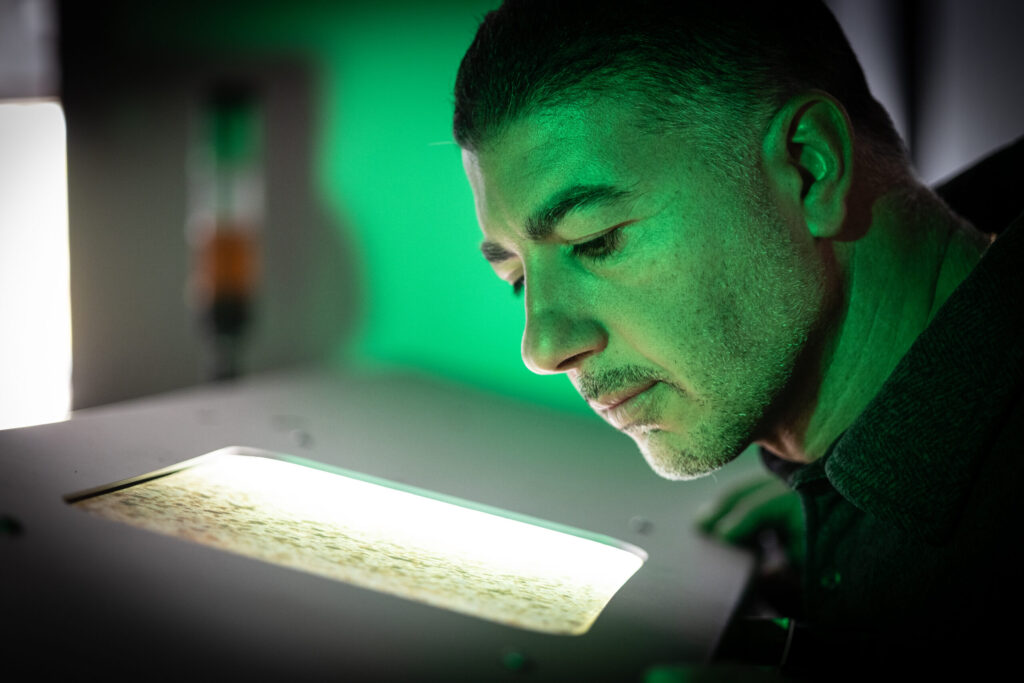
The family imported the $190,000 state-of-the-art mill, made in Italy by Mori-Tem, two years ago and spent another $150,000 on the building to house it. Having his own mill enables Husary to control the process to his exacting standards. He keenly monitors the temperature in the milling room, and once the oil is bottled, he makes sure it stays cool. Talia, his daughter, says her father has an “eye for precision,” which ensures a quality oil.
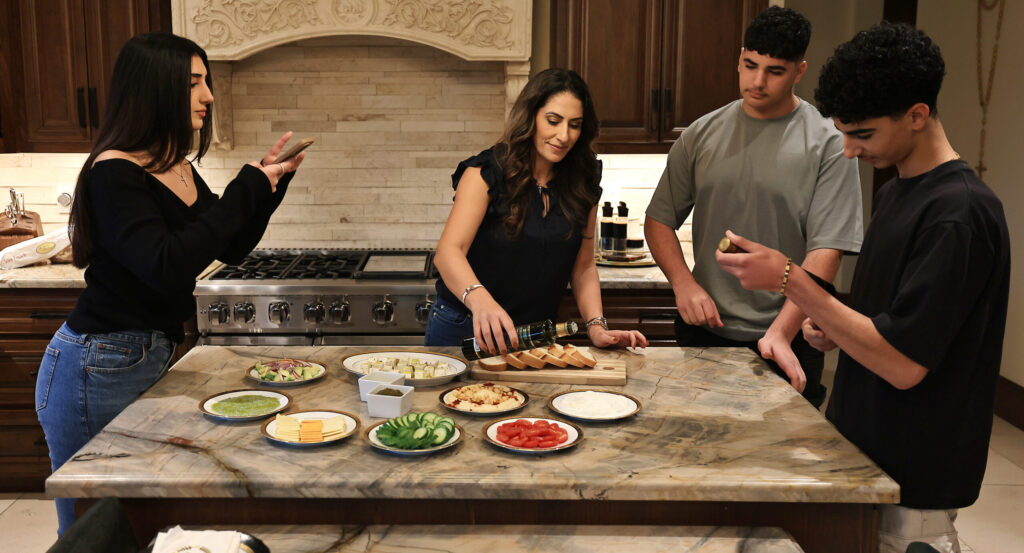
One of Yara’s great joys is seeing people’s reactions when they first taste her family’s olive oil, which she uses in her family’s treasured recipe for za’atar, a spice blend that’s an important link to the Palestinian culture. She cherishes the smiles of delight, even surprise; the exclamations about how delicious it is; and for some, how it reminds them of home. “That’s what we’re waiting for,” she says.
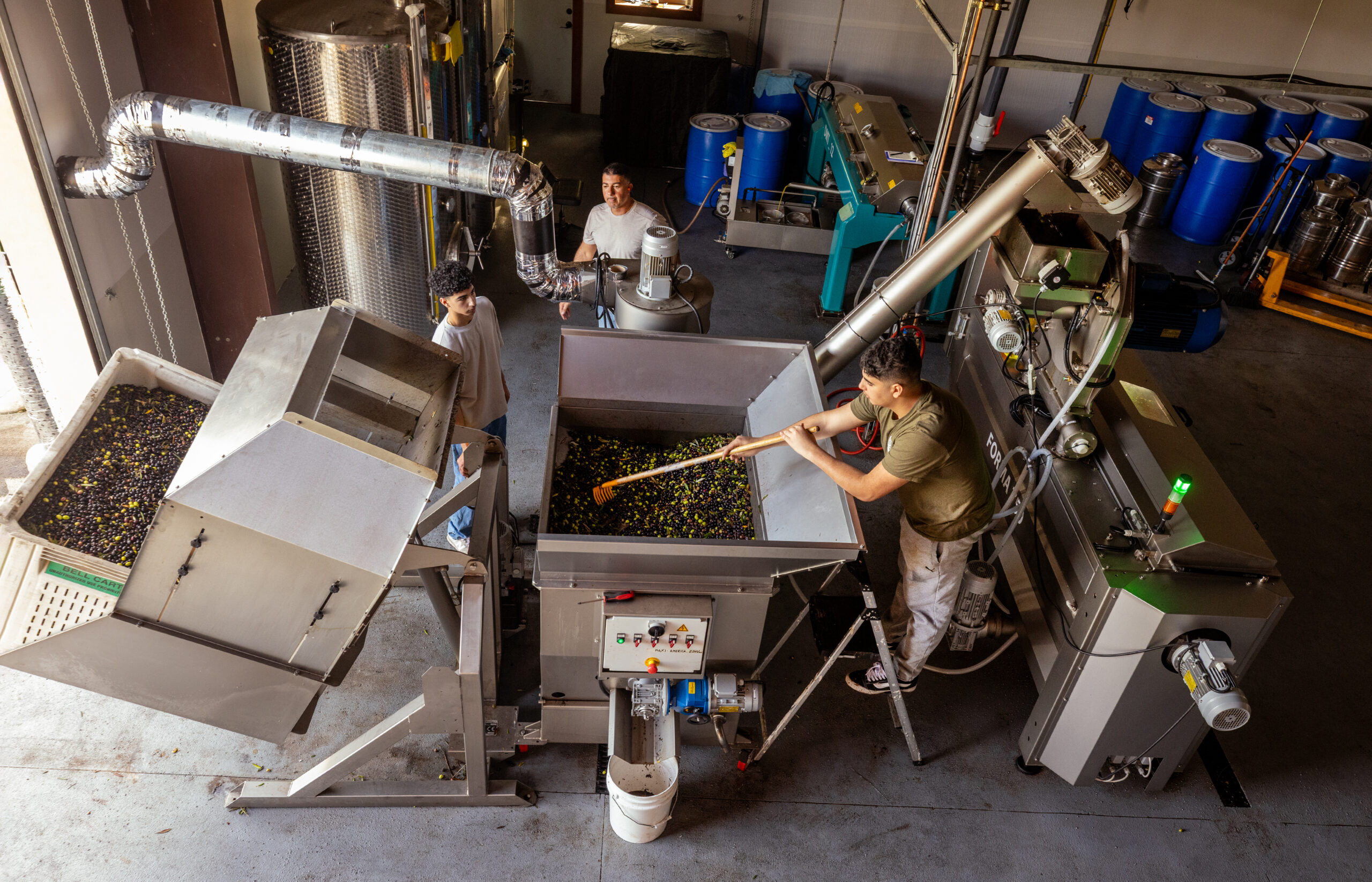
The company’s olive oil production has grown from approximately 1,000 liters in 2022 to about 5,000 liters in 2024. The 2025 harvest was expected to produce about 12,000 liters — most of the oil is bottled, but some goes in large tins to restaurants such as Mazra in Redwood City, which buys hundreds of gallons each year.
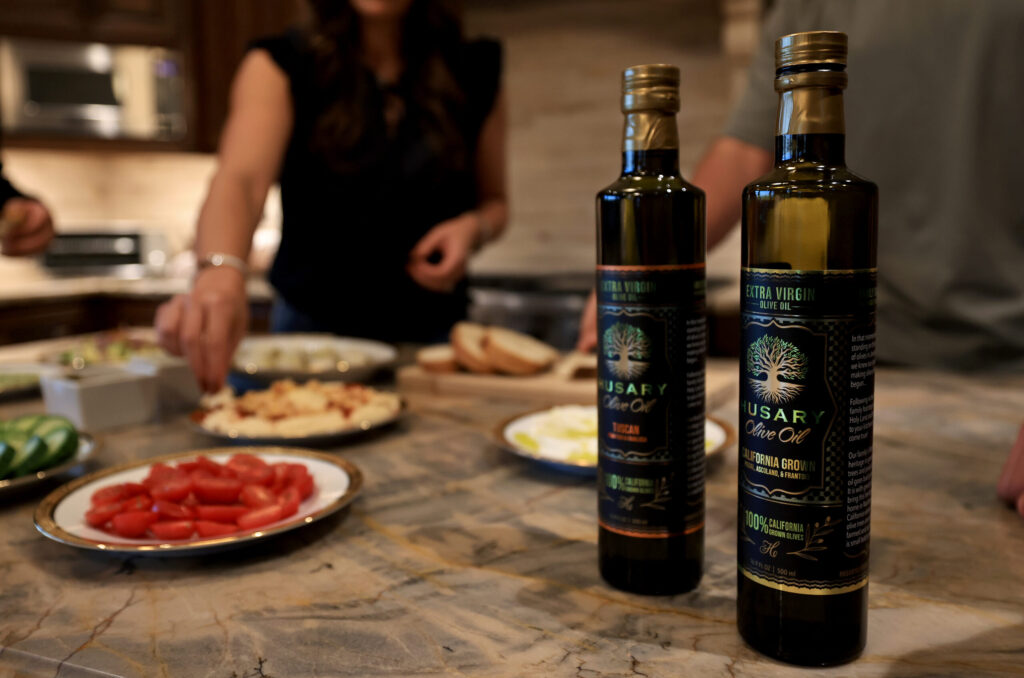
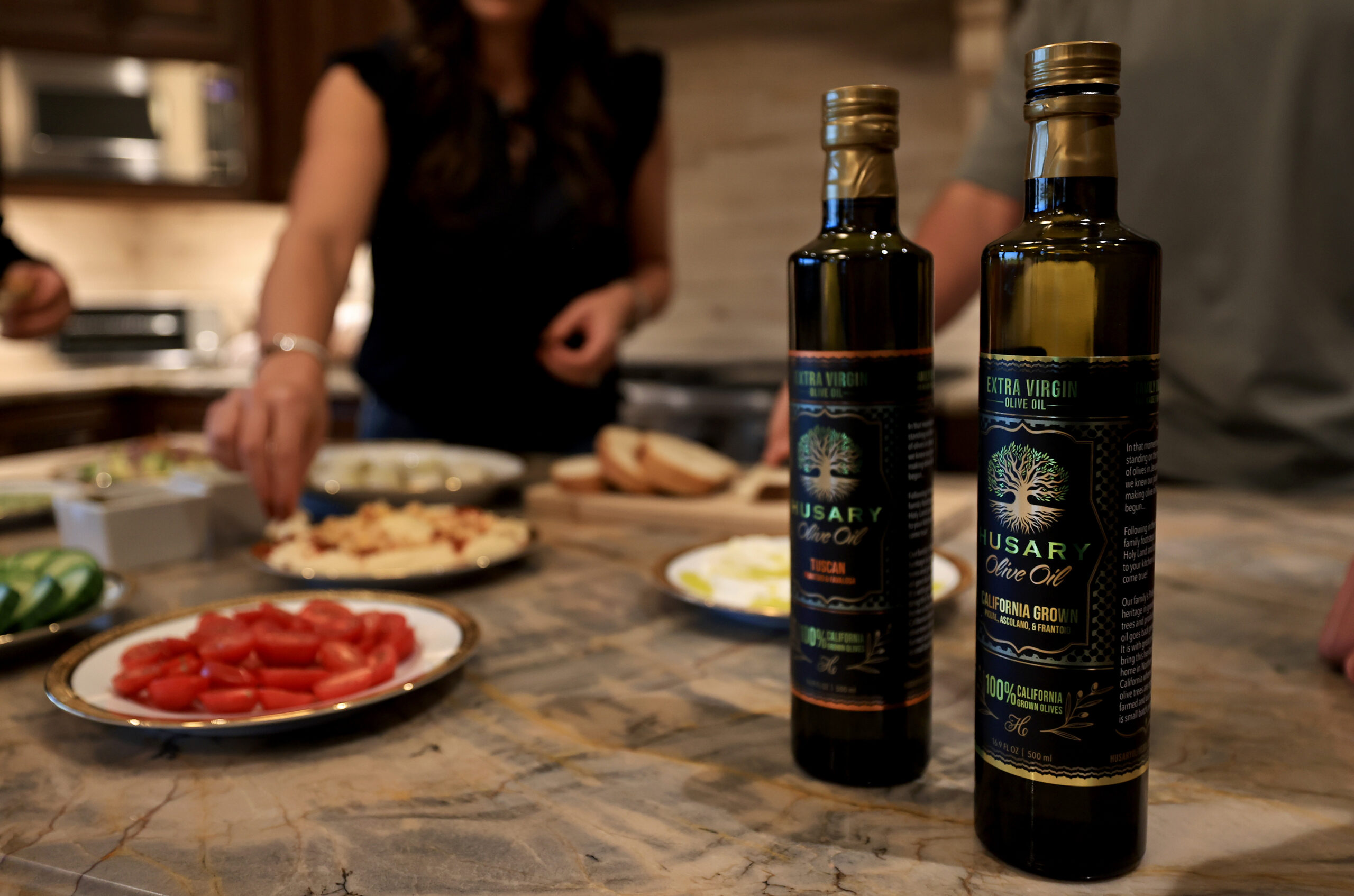
Husary Olive Oil produces three main oils: Sonoma Grown, California Grown, and a California-grown Tuscan blend. The company also imports Holy Land olive oil from Palestine, which it sells in 750-milliliter bottles, 3-liter boxes, and 15-liter tins, but was unable to import any this year due to a scarcity of oil amid the ongoing Israel-Palestine conflict. Once his Palestinian trees mature, Husary says he’ll use those to make Palestinian oil rather than importing it.
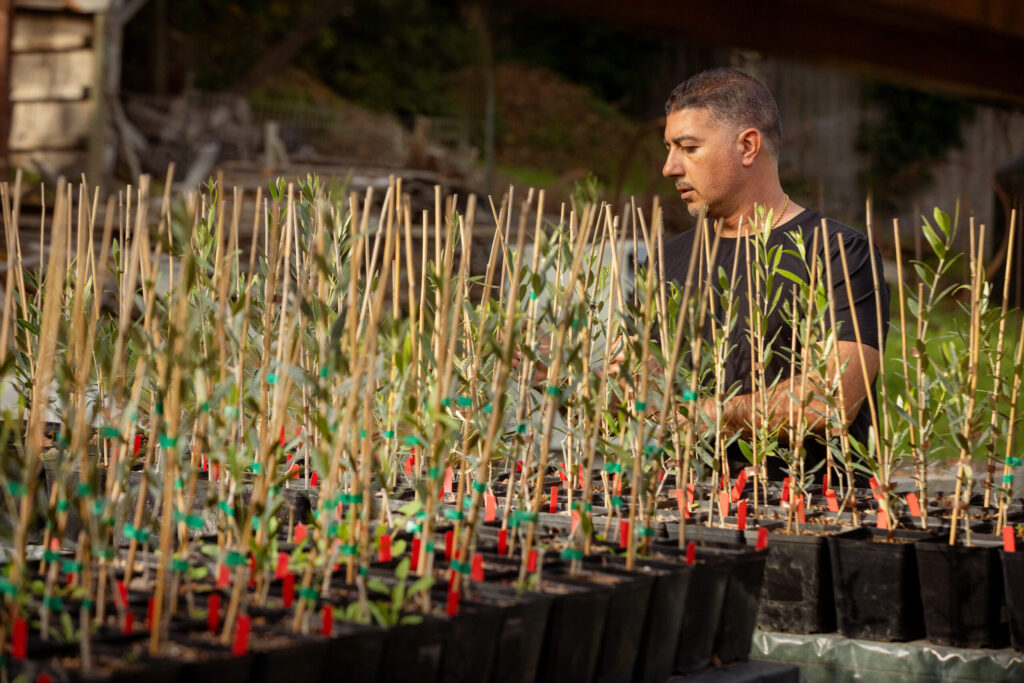
The Husary family also share their rich heritage through a nursery business, propagating and selling Palestinian Souri and Nabali varieties of olive trees in 1- and 2-gallon pots, shipping them throughout the U.S.
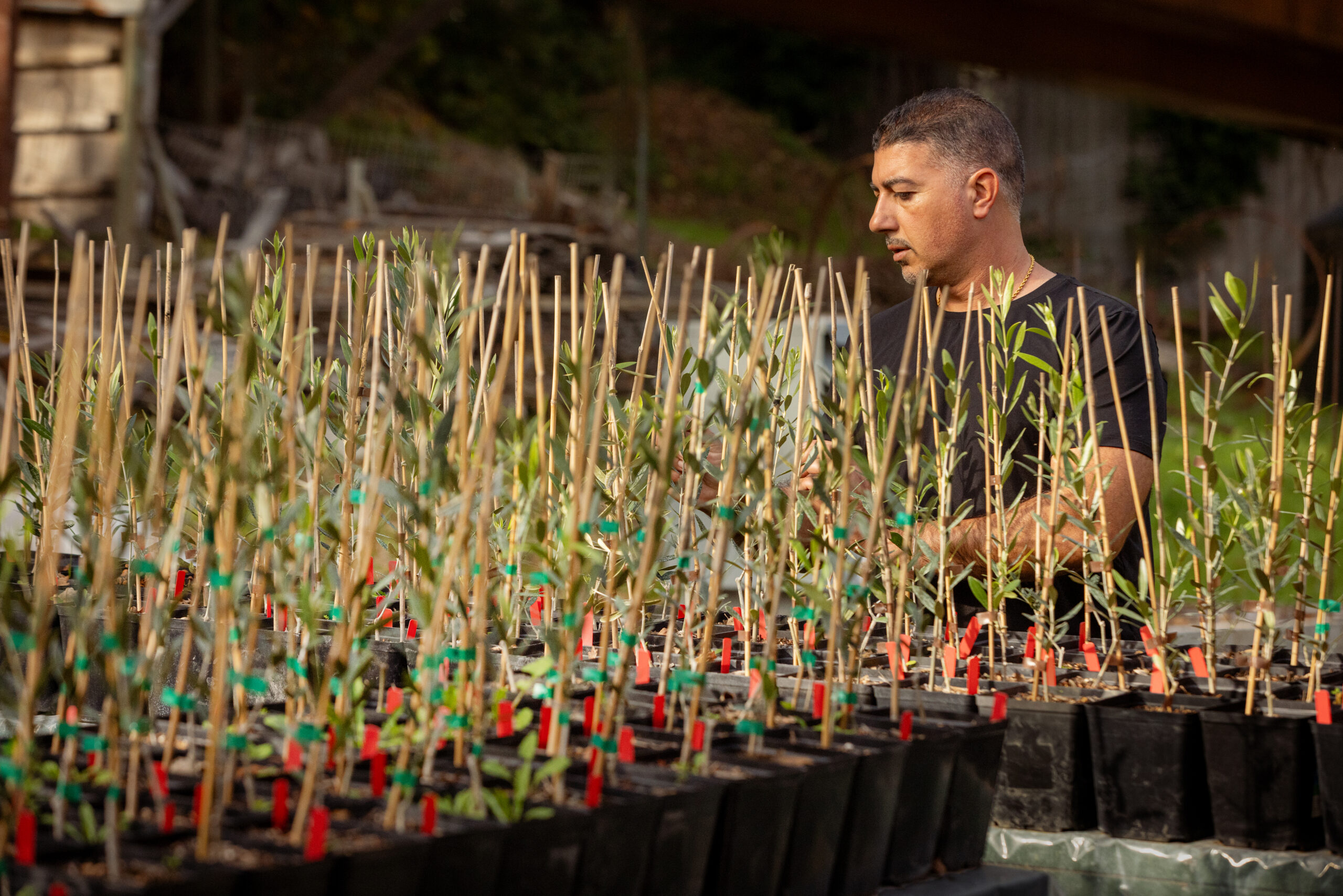
“A lot of people jump at the opportunity to buy one,” says Talia. The Nabali trees are widely cultivated in the part of Palestine where her family originated. “The fact that we’re able to propagate and successfully grow (those trees) is just so cool.”
Mousa Husary has been amazed at how olive trees evoke Palestinians’ sense of home. “Everybody we talked to that’s Palestinian or even Middle Eastern has a connection to olive trees,” he says. “I don’t know anybody else that’s Palestinian (who) has a mill and makes their own olive oil around here. It makes us feel good, like we’re doing something unique.”
The Husary family recently started the Husary Family Foundation in honor of Mousa’s late father, who died in 2020, and donates 25% of profits from the olive oil business to local organizations, such as the Boys & Girls Clubs and Redwood Gospel Mission. They also donate to groups providing aid in Palestine, though not through the olive oil company.
“The goal is to give back,” explains Yara. “There’s a lot of people there in need. We’re trying to help people to survive.”
For Mousa, it all goes back to his father. “The whole business was inspired by the old man,” he says. “We’re close to a nice profitability, but this is never a business we’re going to get rich from. It’s just a cool way to honor him. I’m just trying to spread a little bit of joy.”