







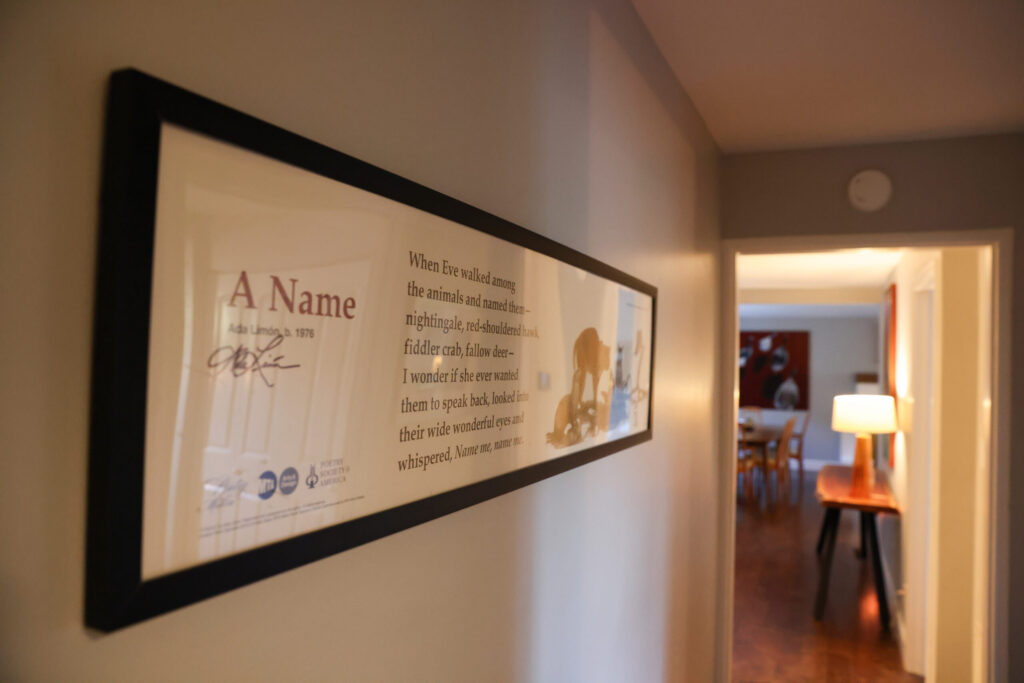

“I was born on a green couch on Carriger Road between
the vineyards and the horse pasture.
I don’t remember what I first saw, the brick of light
That unhinged me from the beginning. I don’t remember
my brother’s face, my mother, my father.
Later I remember leaves, through car windows,
Through bedroom windows, through the classroom window,
The way they shaded and patterned the ground, all that
Power from roots. Imagine you must survive
Without running? I’ve come from the lacing patterns of leaves,
I do not know where else I belong.”
~ From “Ancestors” by Ada Limón
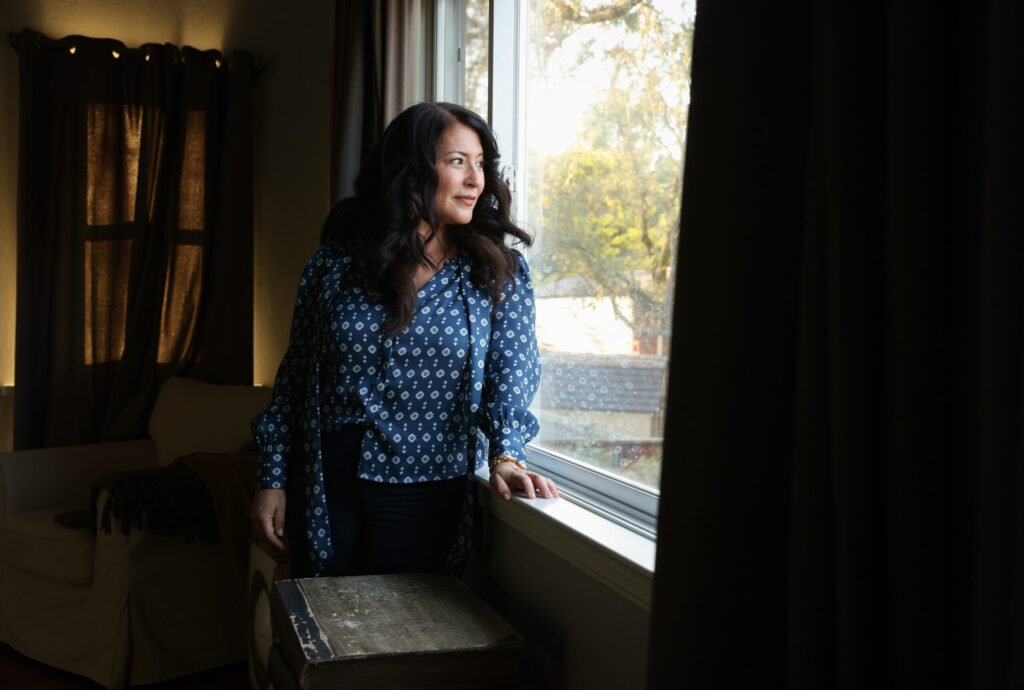
When Ada Limón learned that her childhood home was for sale, she felt an instant desire to buy it back.
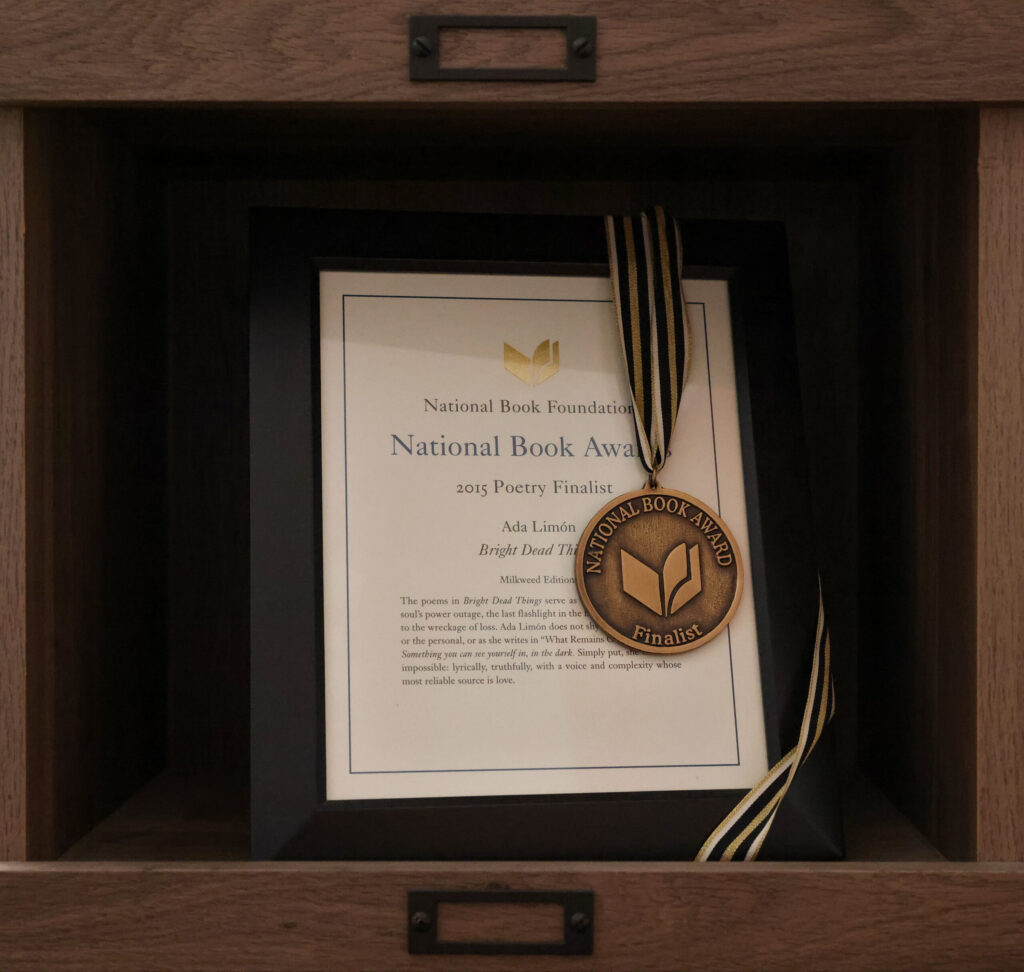
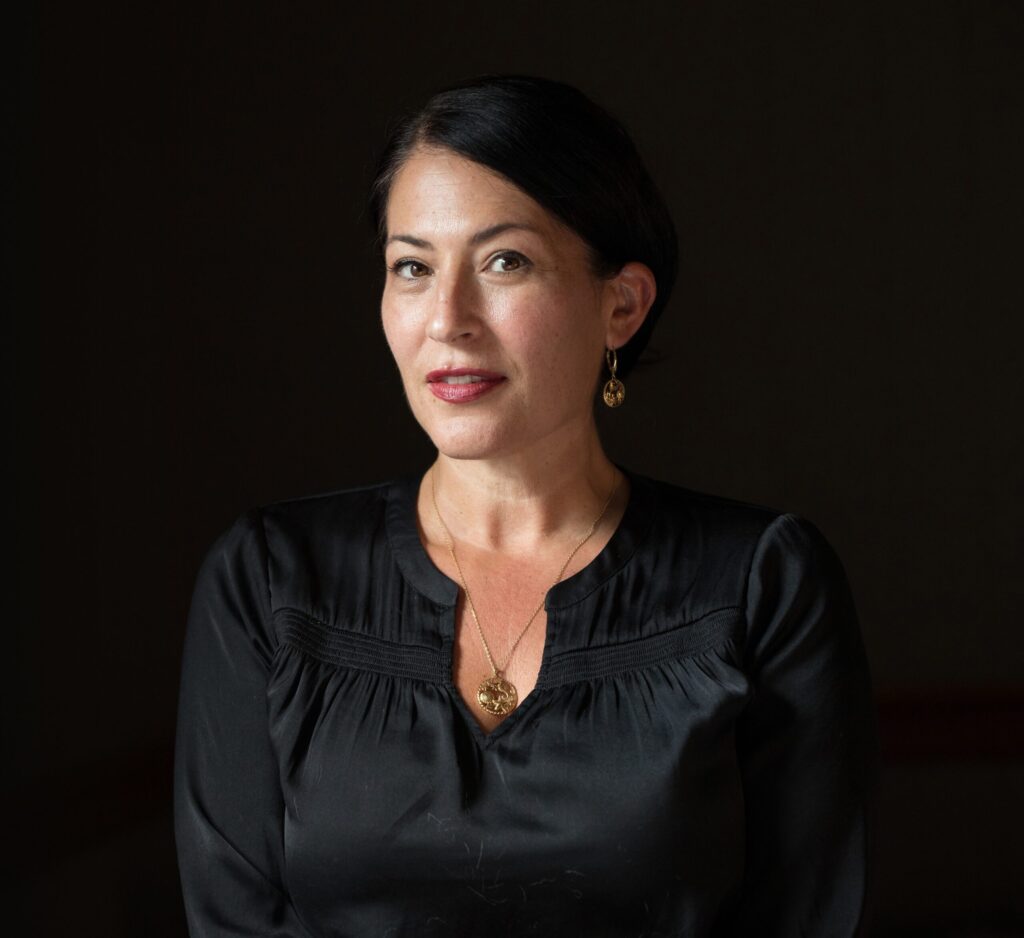
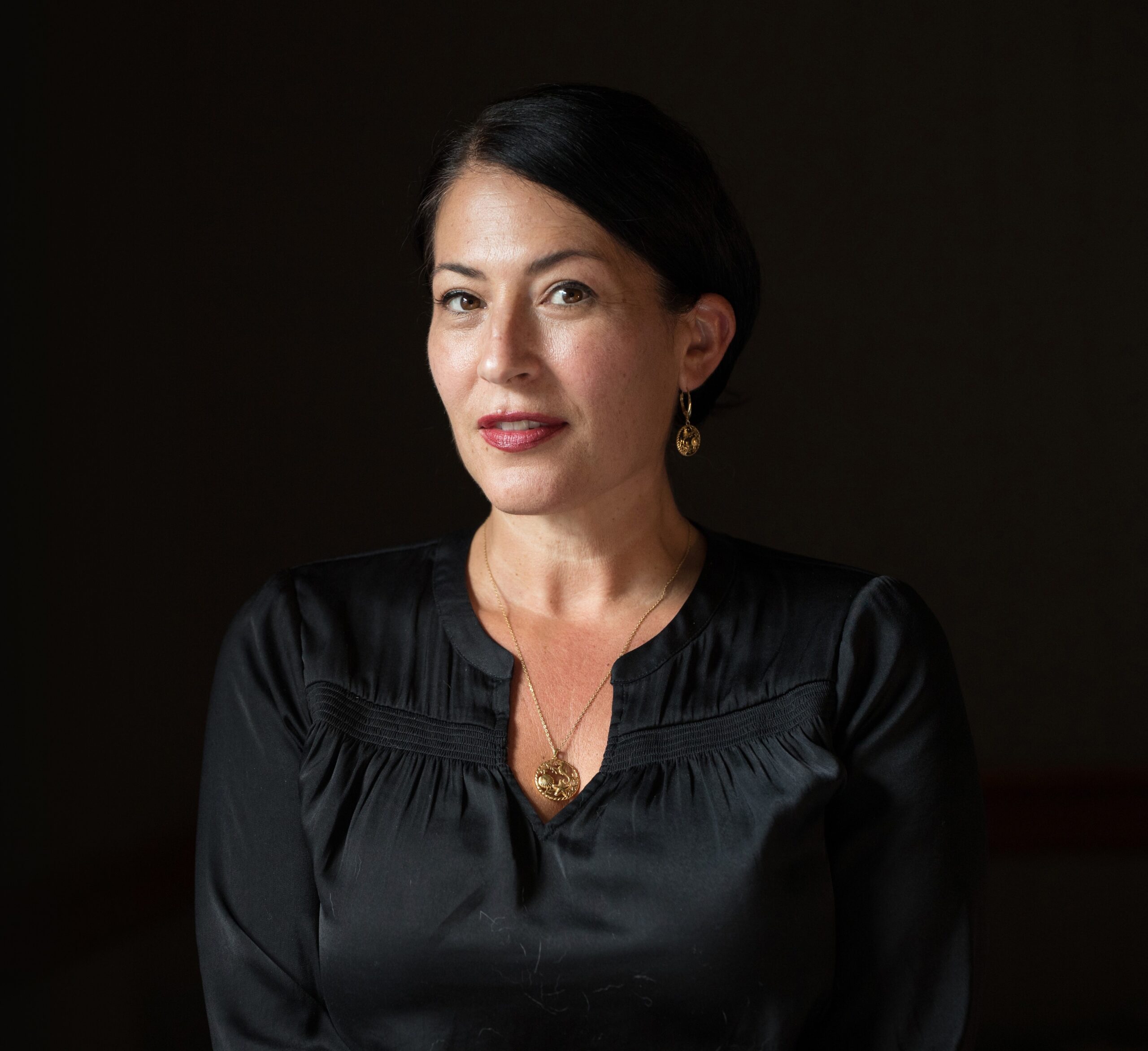
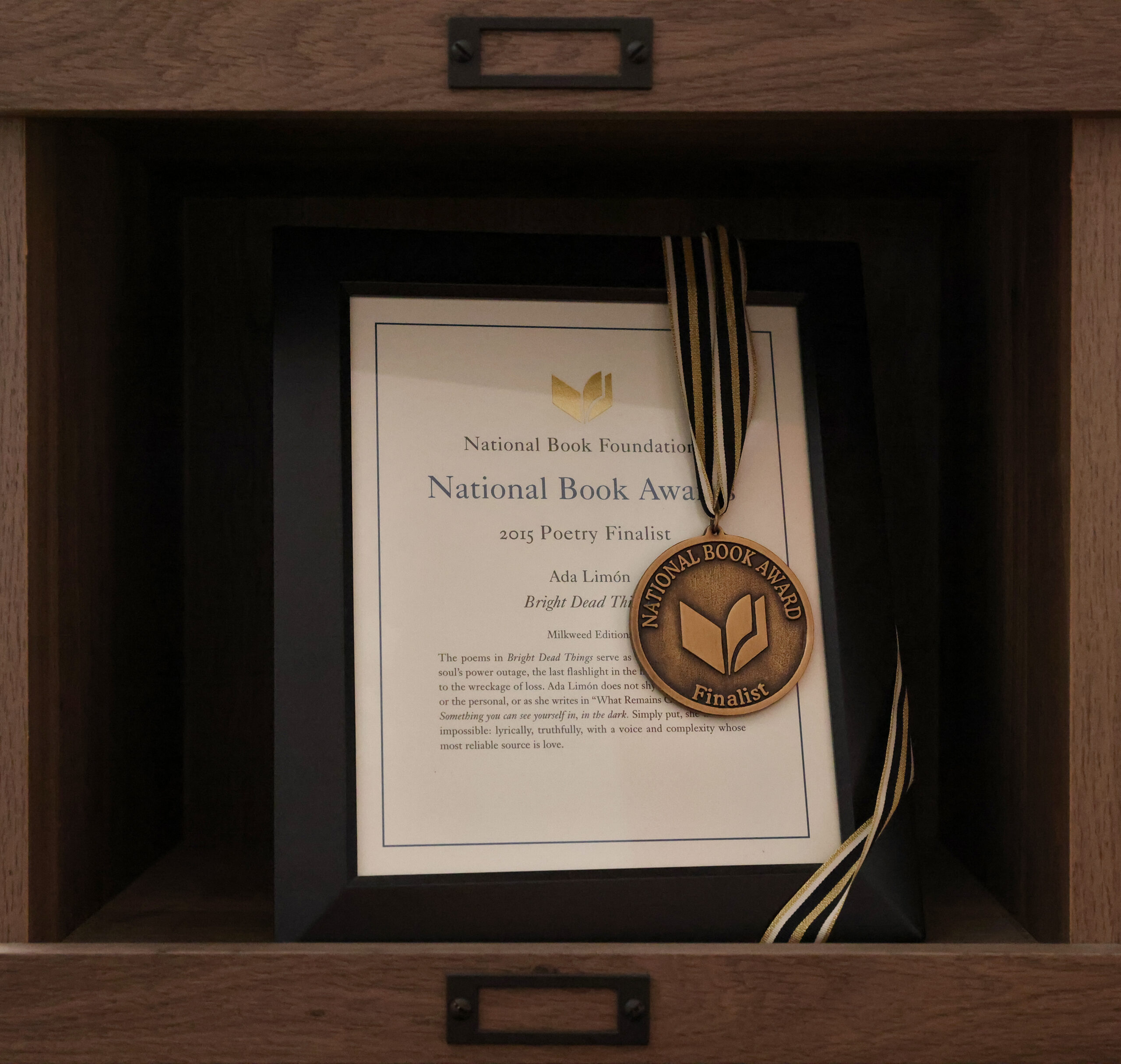
The Glen Ellen native and 1993 Sonoma Valley High School graduate who rose to the top of the literary world as a National Book Award finalist, a MacArthur “Genius” fellow, and the nation’s 24th Poet Laureate — the first Latina appointed to that role — had lived most of her life elsewhere, in Germany, Seattle, New York, and Lexington, Kentucky. Yet she longed for home, often wistfully weaving Sonoma County’s familiar landscapes, trees, and wildlife into poems composed from afar.
Still, the decision to buy the house her father, Ken Limón — a retired teacher and former principal of Glen Ellen’s former Dunbar School — had sold 35 years ago was not one she could make with her husband, Lucas Marquardt, alone. She felt she needed to consult the house itself. Is this the right thing?
“I’m going to really listen and pay attention to what the front door says,” she remembers thinking.
Limón vividly recalls saying goodbye to the house when her father sold it, struck by the weird certainty that she might never walk through that door again. When she finally did cross the threshold decades later, she felt as though the walls embraced her, as if to say, “Welcome home. We’ve been waiting for you.”
“It just felt like it was breathing me in,” she says now, two years after moving back. “There was this sense of peace. A groundedness.”
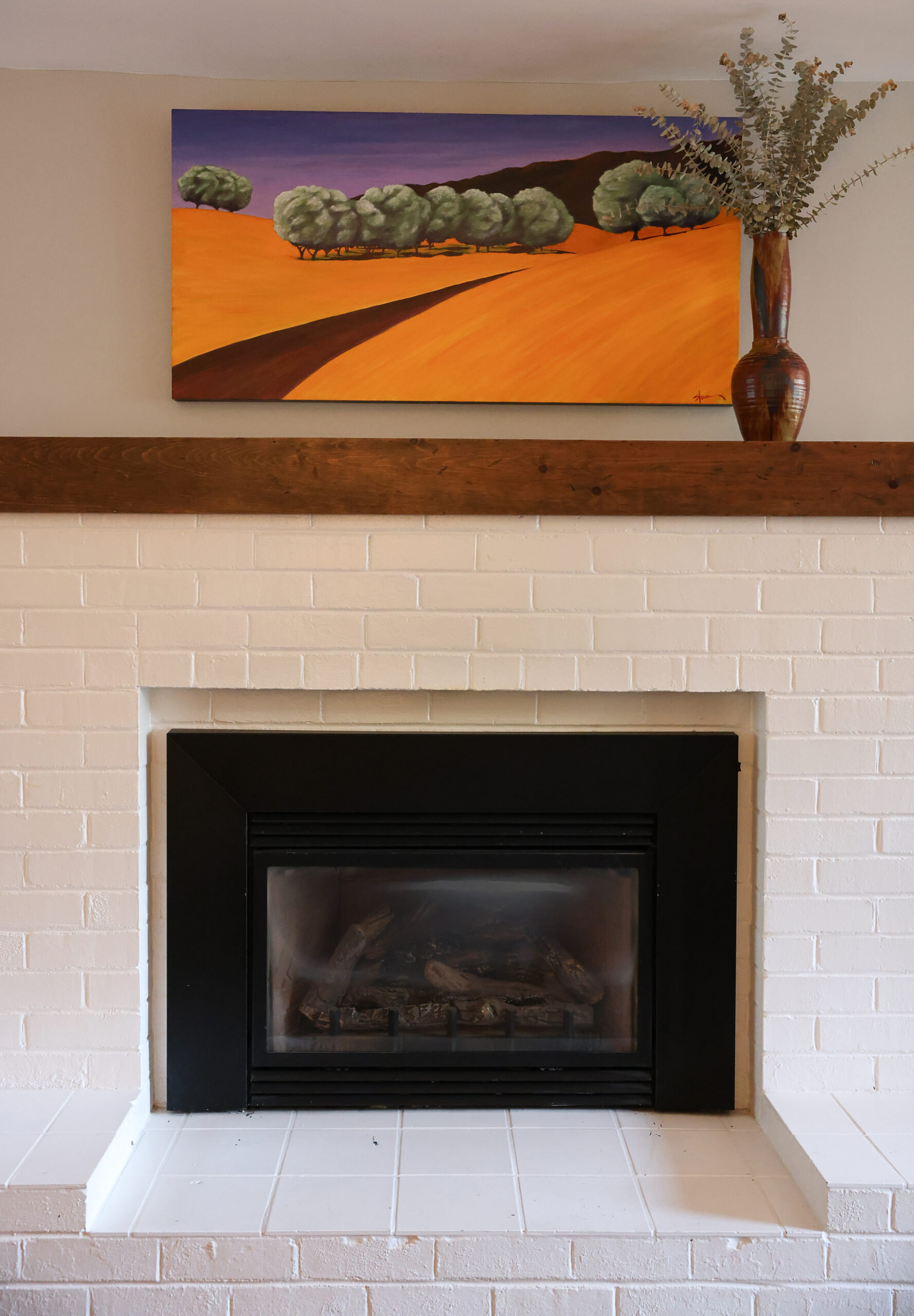
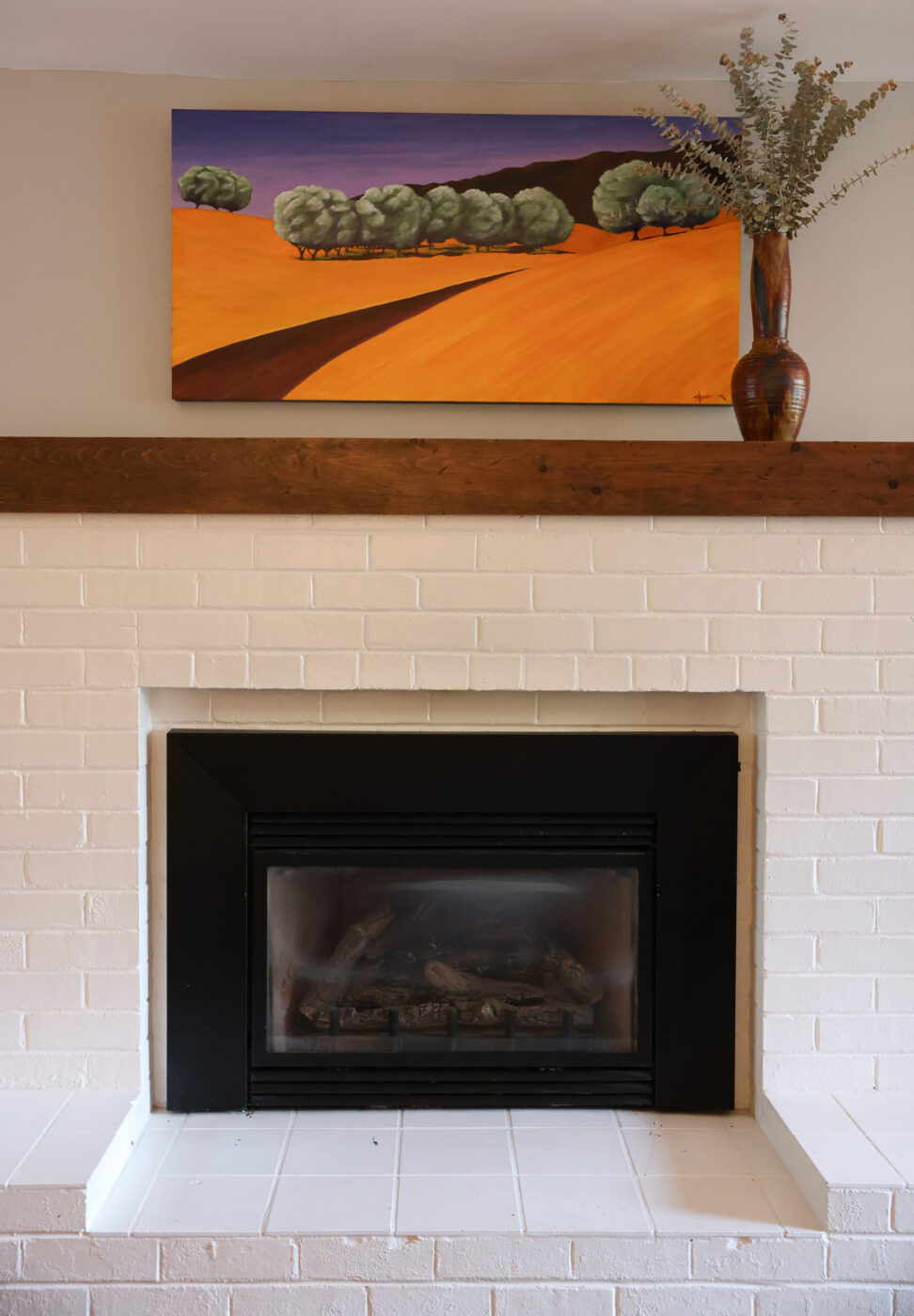
The classic midcentury ranch house built in 1950 with open-beamed ceilings had changed little. A previous owner added a lap pool and hot tub — a welcome feature since Limón loves to swim — and remodeled the kitchen. But the bones were deeply familiar, from the over-the-garage bedroom her grandfather built to the brick fireplace that still bears the white paint her stepmother applied years earlier.
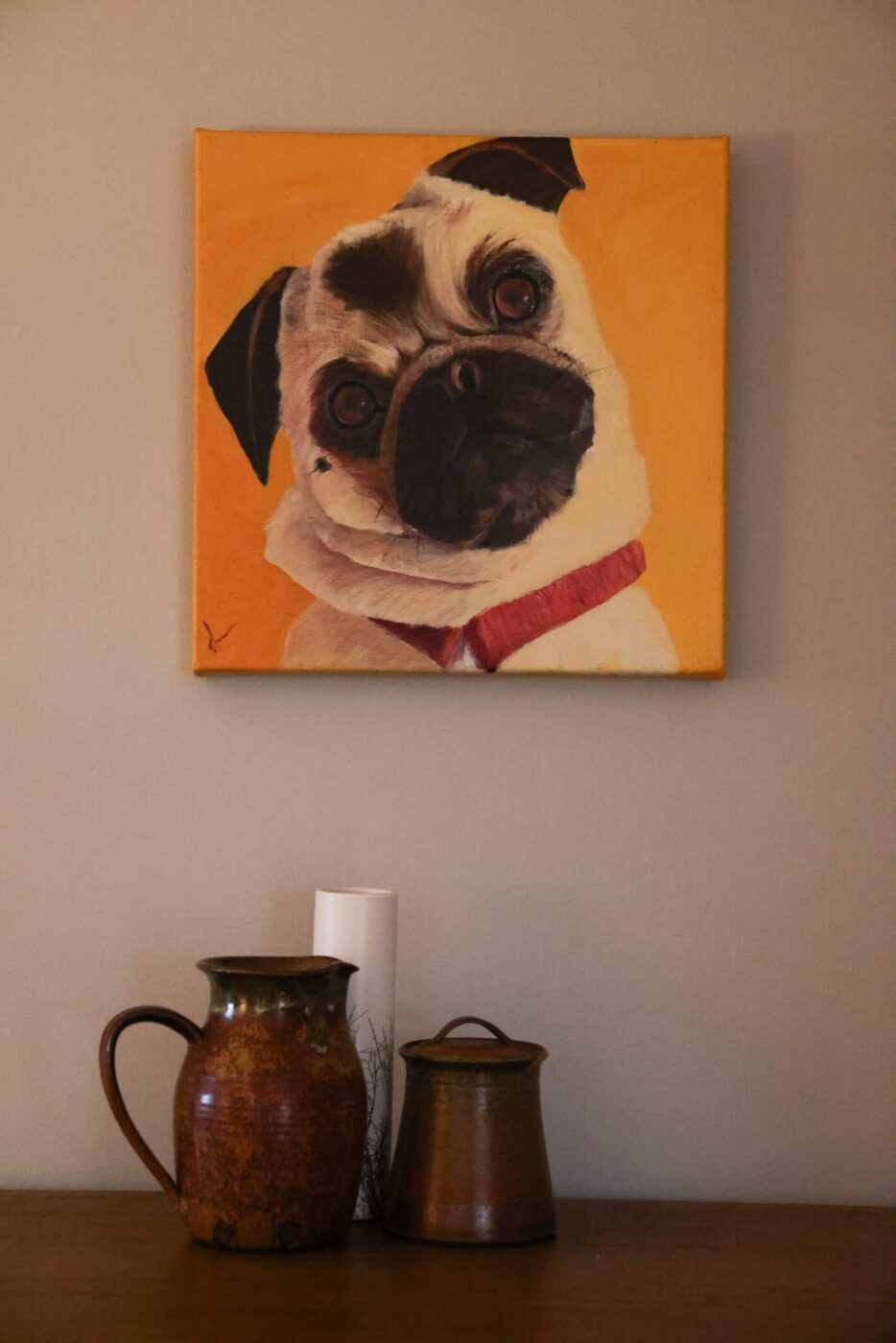
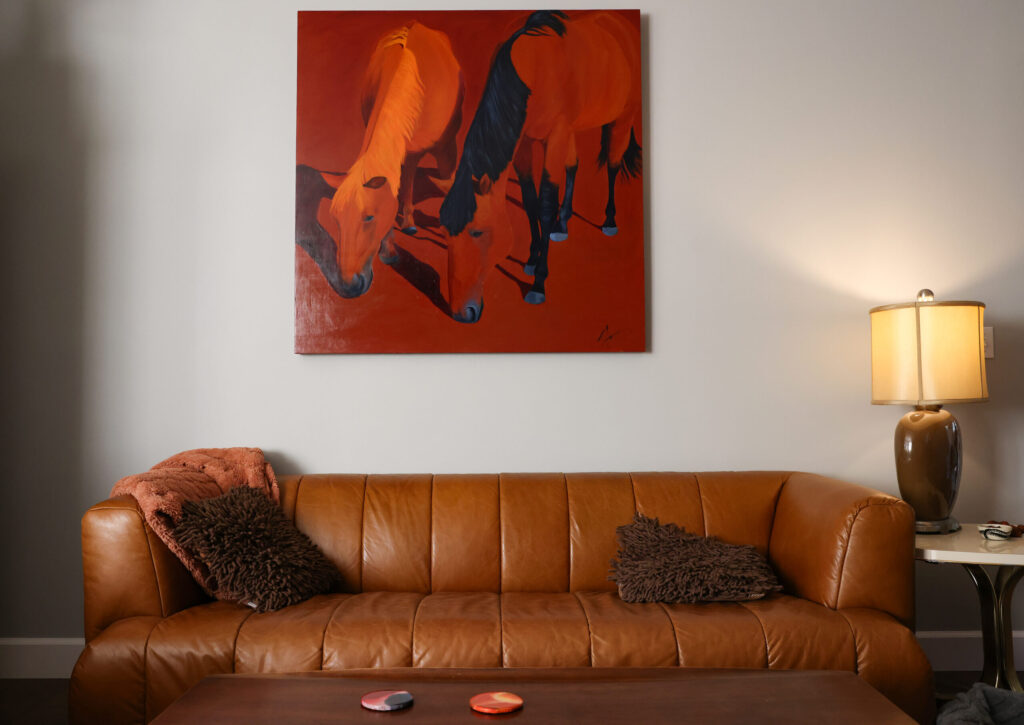
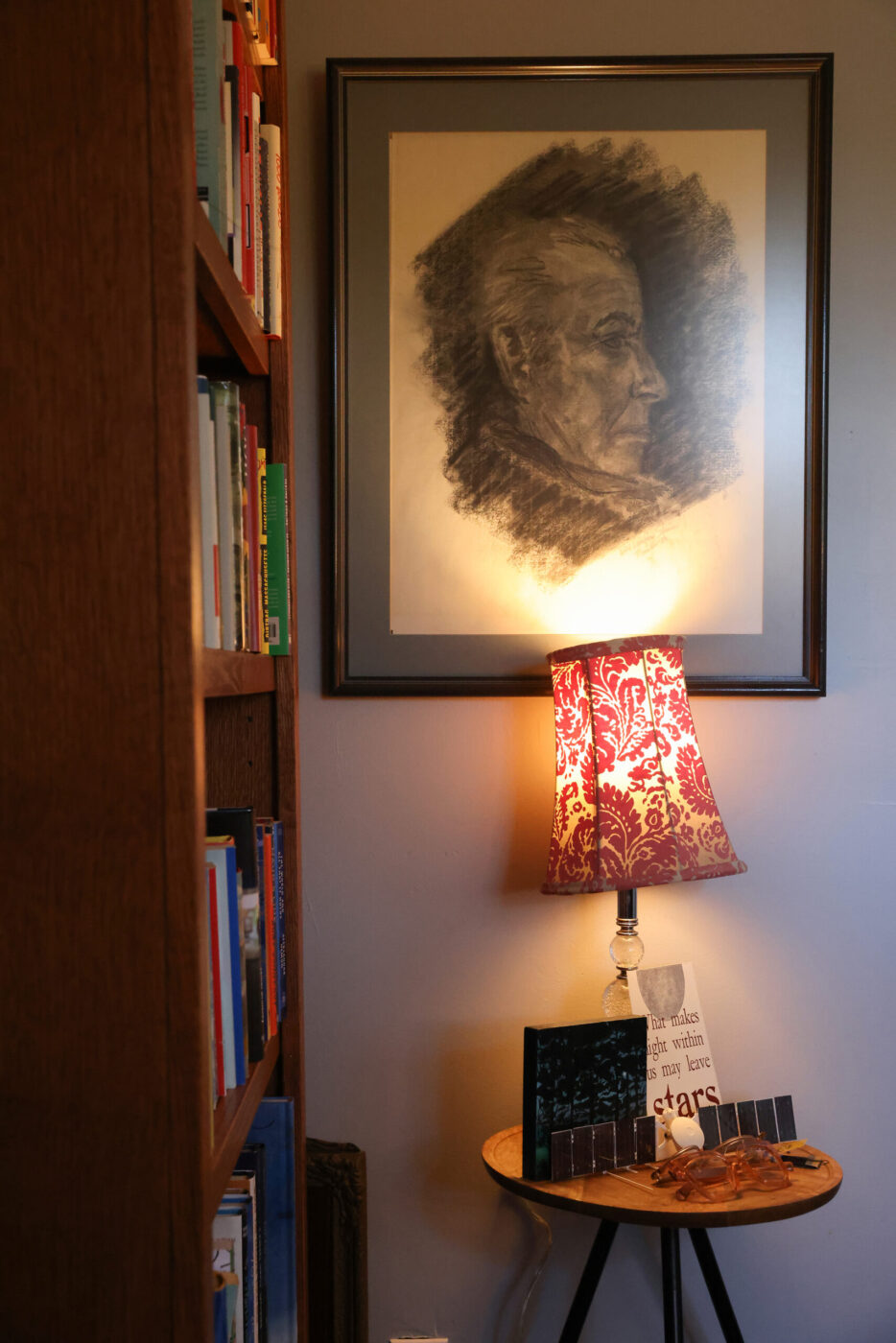
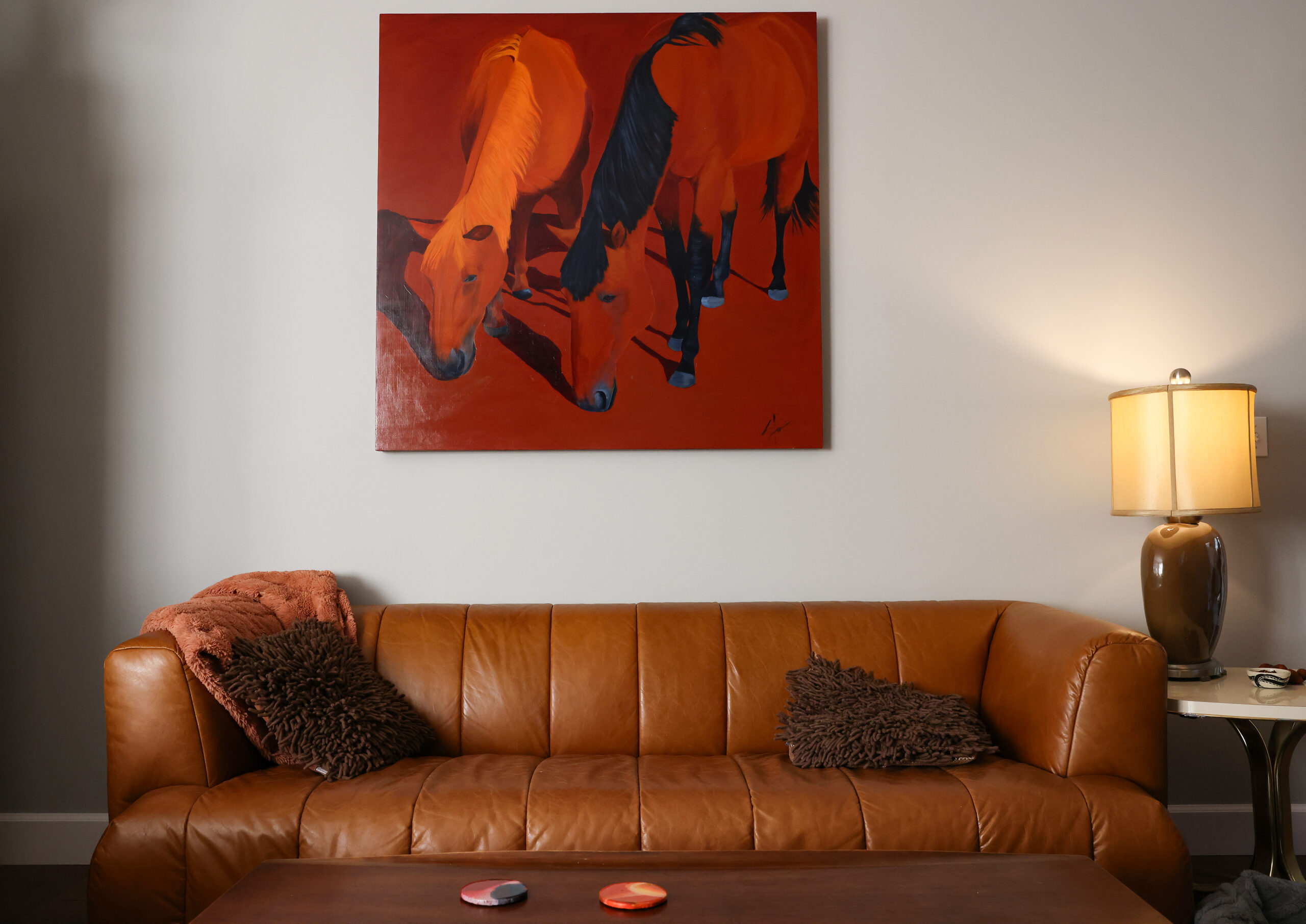
Limón has turned the walls into a gallery of paintings by her mother, Stacia Brady. The vivid local landscapes and soulful portraits of horses resonate with Marquardt, a writer, photographer, and promoter for thoroughbred racing. (Brady has also created the covers of many of her daughter’s books.) “When we moved in — the house — it just seemed to come to life as soon as we put them on the walls,” Limón says.
She and Marquardt met at a poetry reading in Greenwich Village in 2003. Limón ended up dating the Irish bartender who asked her out that same night. But she formed a friendship with Marquardt that lasted seven years before they finally went on a date.
“I came around the corner and started laughing, and we just knew,” she says. “It felt right. All the time it was you.”
Limón spent a decade in New York, where she attended graduate school for poetry and later worked for magazines, including GQ, at one point with an office literally inside the Nasdaq sign in Times Square. By 2010, she vowed to return to Sonoma Valley to devote herself fully to her poetry. Instead, she and Marquardt spent 14 years in Kentucky horse country before deciding it was finally time to go home. Limón wanted to be closer to her parents as they got older. Her mother and stepfather live in Sonoma; her father, who lives near San Diego, turns 80 this spring.
It was Marquardt who spotted the familiar Glen Ellen address when it appeared in real estate listings. Limón was intrigued, but the house was already in escrow. When that deal fell through, it felt like fate, she says.
When it came time to move, Limón was traveling extensively as Poet Laureate, serving as the Library of Congress’ ambassador for poetry and literacy. Her poem “In Praise of Mystery: A Poem for Europa,” engraved on NASA’s Europa Clipper spacecraft, launched toward Jupiter in 2024, and later became a children’s book illustrated by Peter Sis. That same year, she was named one of TIME magazine’s “Women of the Year.” She also partnered with the National Park Service to place poetry on park benches, reflecting her lifelong connection to the natural world, one forged in the creeks and open spaces of the Valley of the Moon.
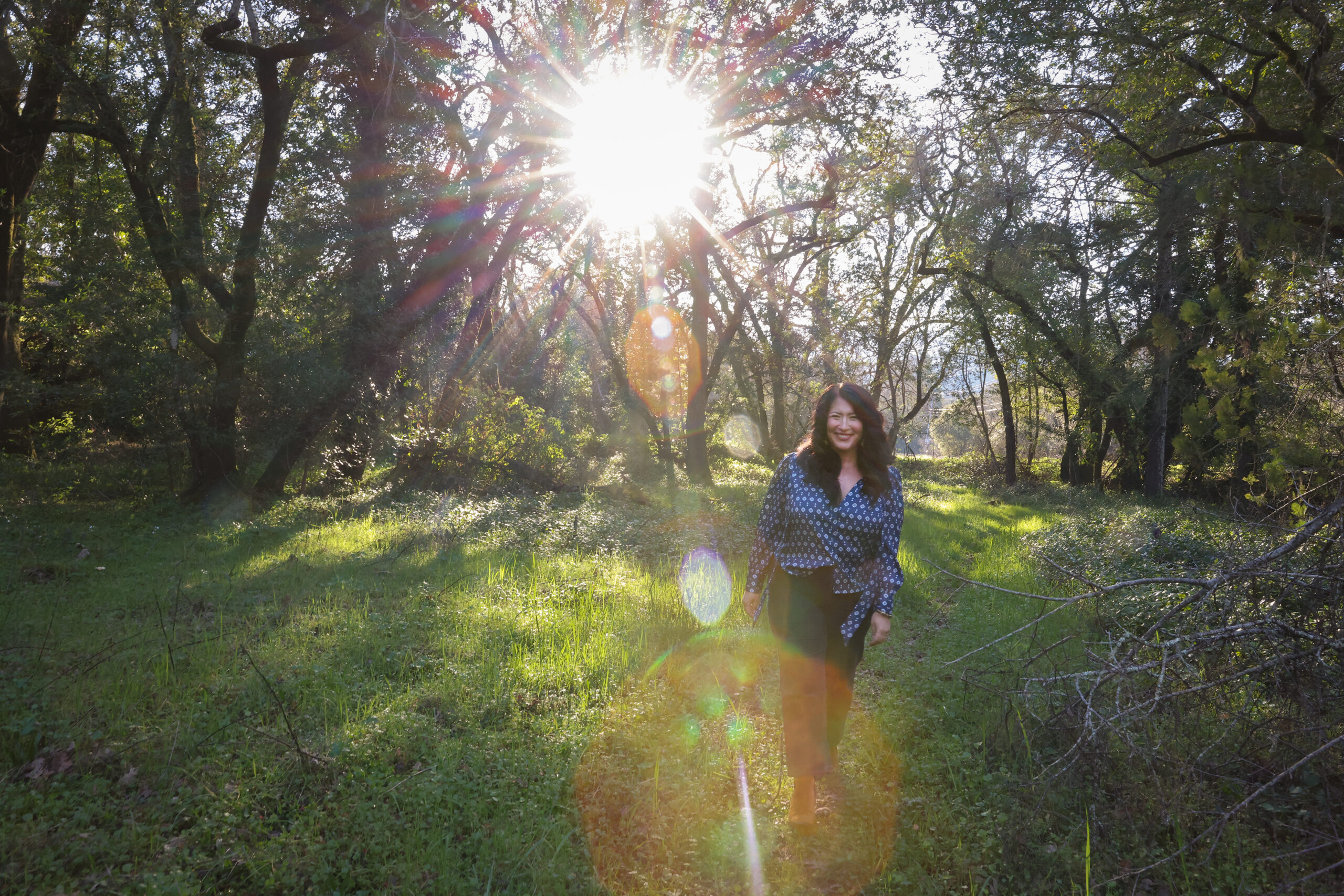
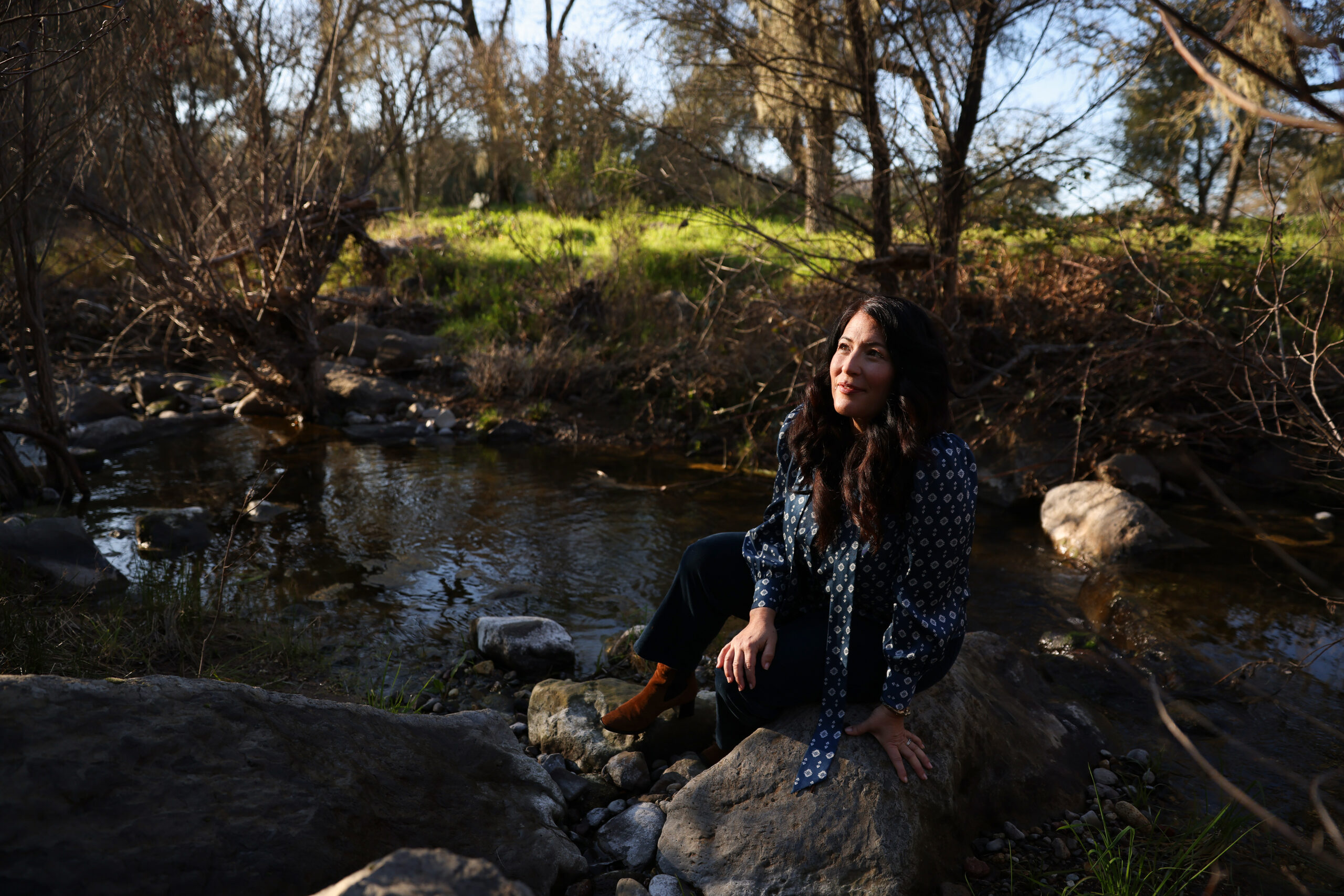
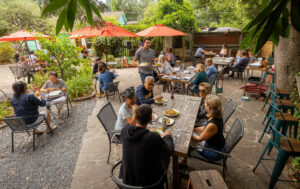
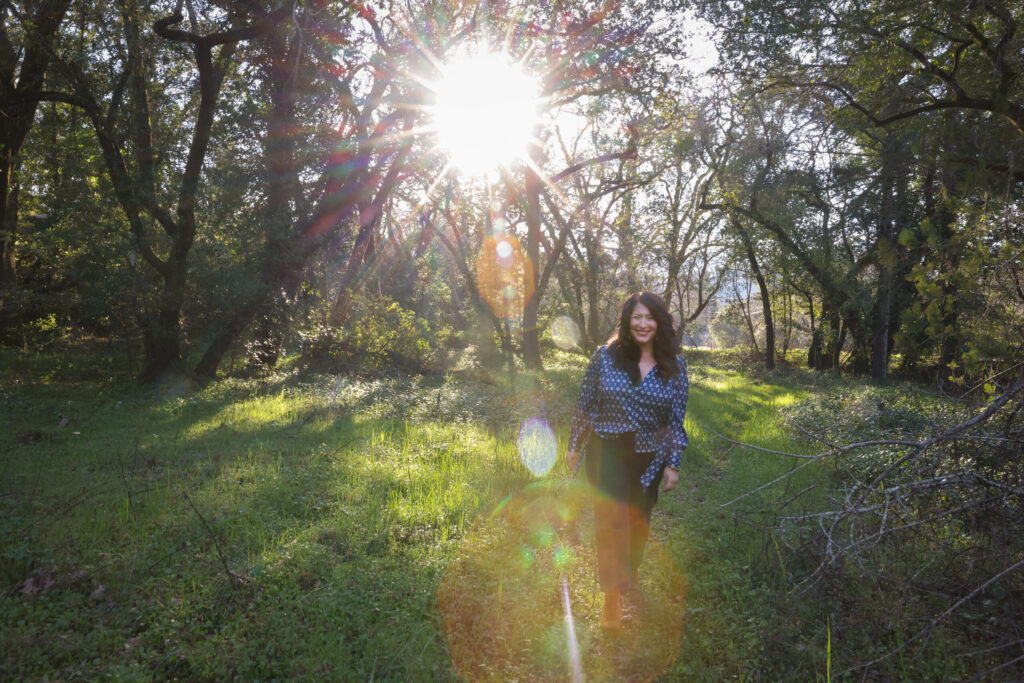
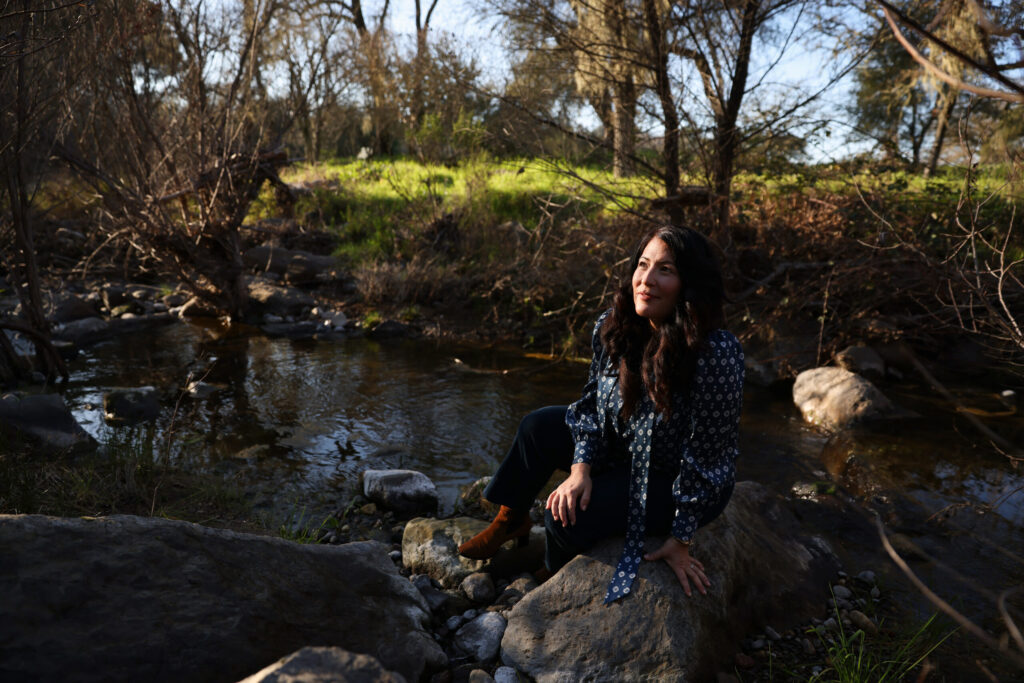
The house sits a short walk from Glen Ellen’s blink-and-you’ll-miss-it downtown — a handful of restaurants, tasting rooms, markets, and small businesses at the base of Sonoma Mountain, where Calabasas Creek meets Sonoma Creek, one of Limón’s childhood haunts. Even now, she slips down to a creek near her house, hidden by thick foliage. She finds a smooth rock in the water for a perch and sits quietly, simply listening, meditating, or observing wildlife. Once, she looked up to find a bobcat watching her. She’s still hoping to spot the great blue heron that captivated her as a child and inspired another poem, “The Great Blue Heron of Dunbar Road.”
“It feels like a place where my poems came from, because it’s where I used to go as a child and sit for long periods of time and be alone,” she says. “I can return to that place. We talk about headwaters for watersheds, but I feel like they’re headwaters for my art.”
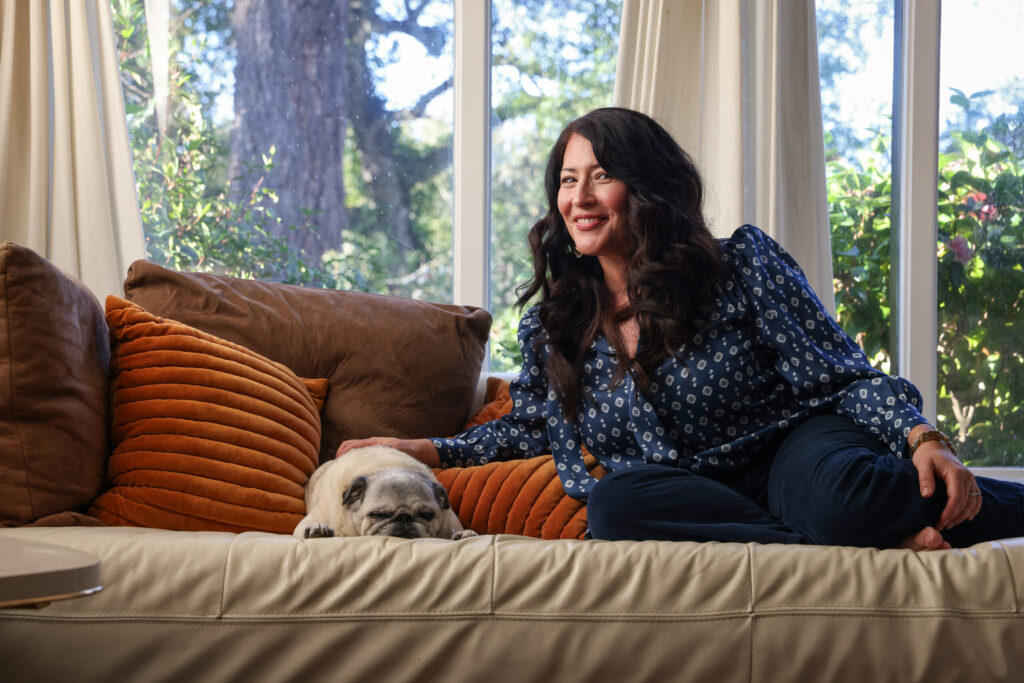
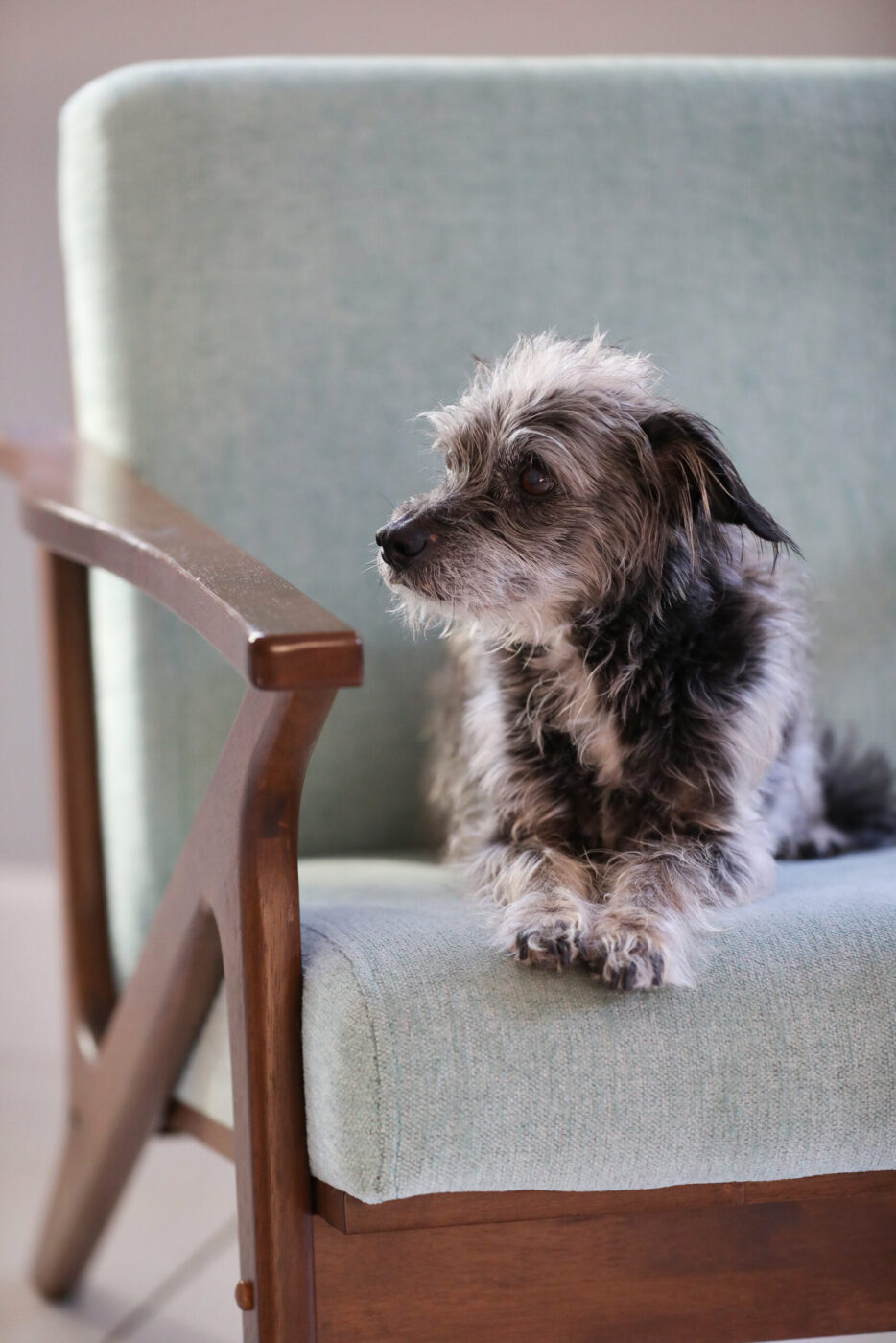
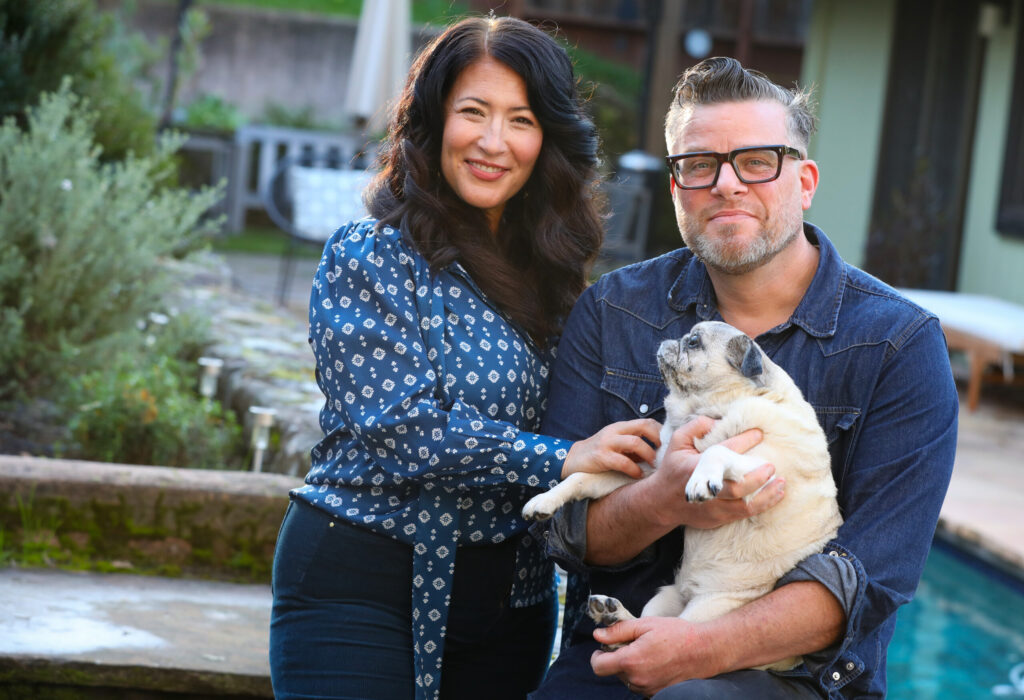
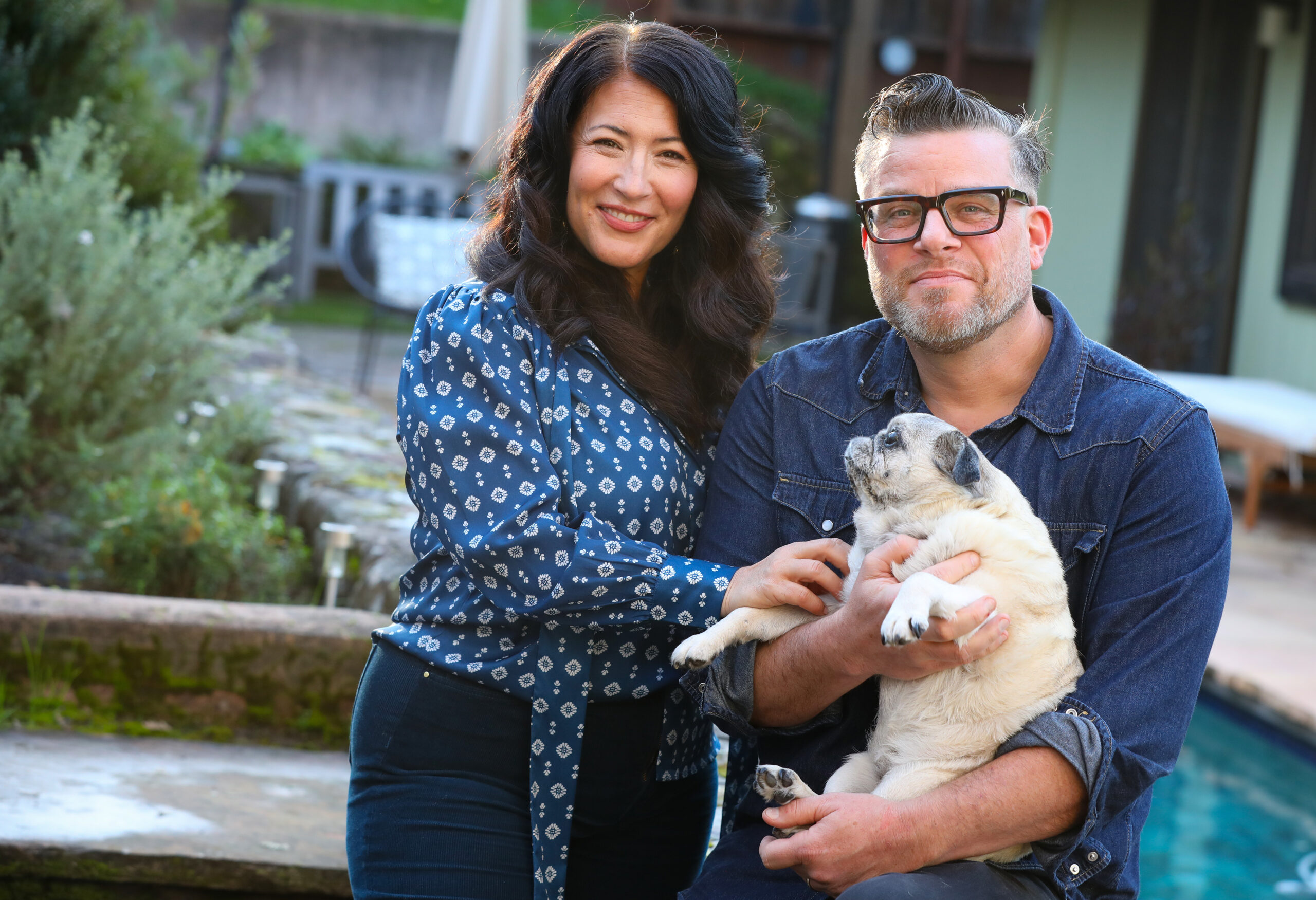
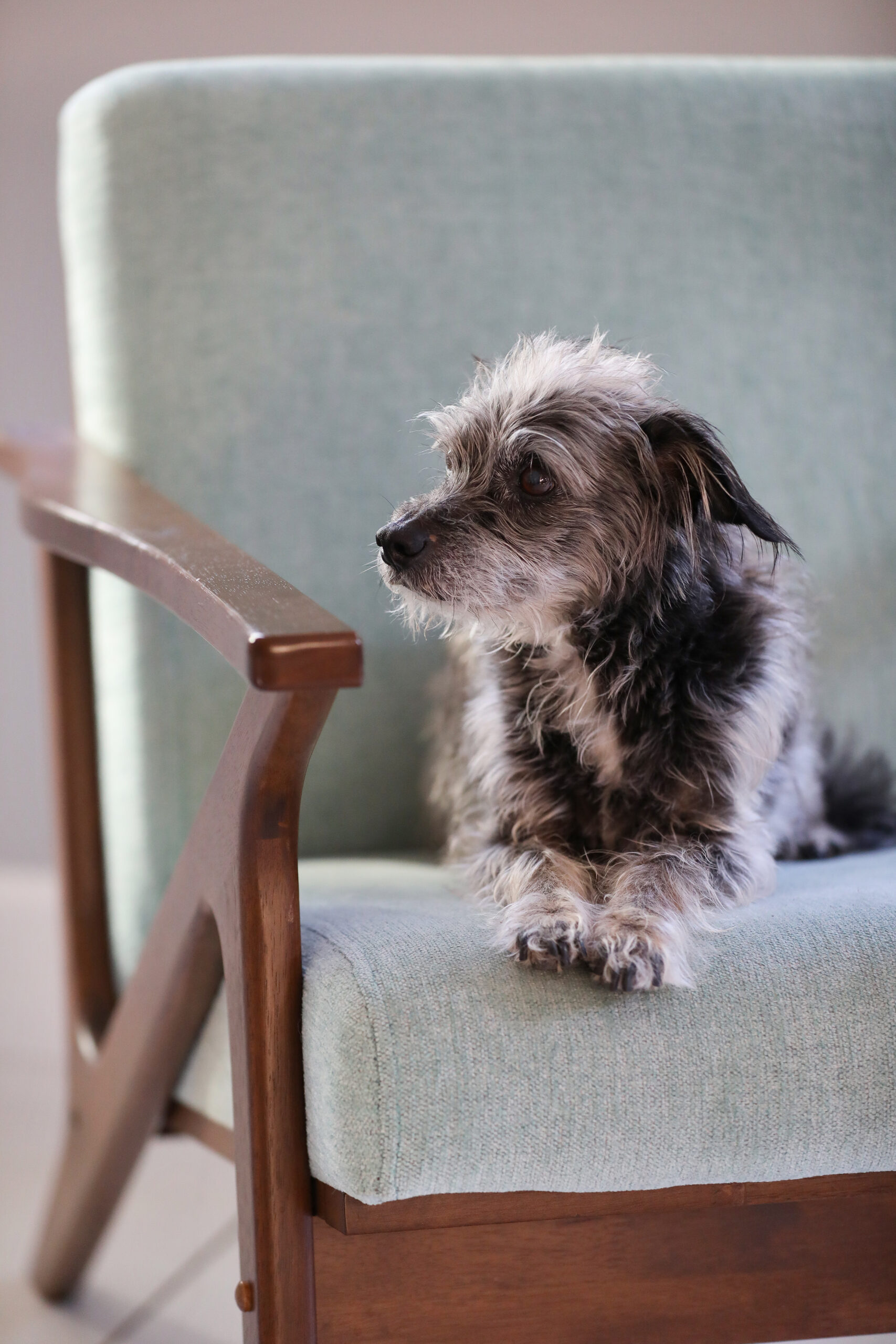
Limón and Marquardt share their home with two senior dogs: Duffy, a temperamental rescue, and Lily Bean, a pug. She used to bring her golden Labrador, Dusty, to the creek where she would “make songs” for him. She prefers that word — “make” — to “write,” which seems more utilitarian, like notetaking or transcribing.
“Poems inherently have a different relationship with time,” she says. “The present and the past are linked in every stanza. For me, it’s about building something. You’re creating a small world.”
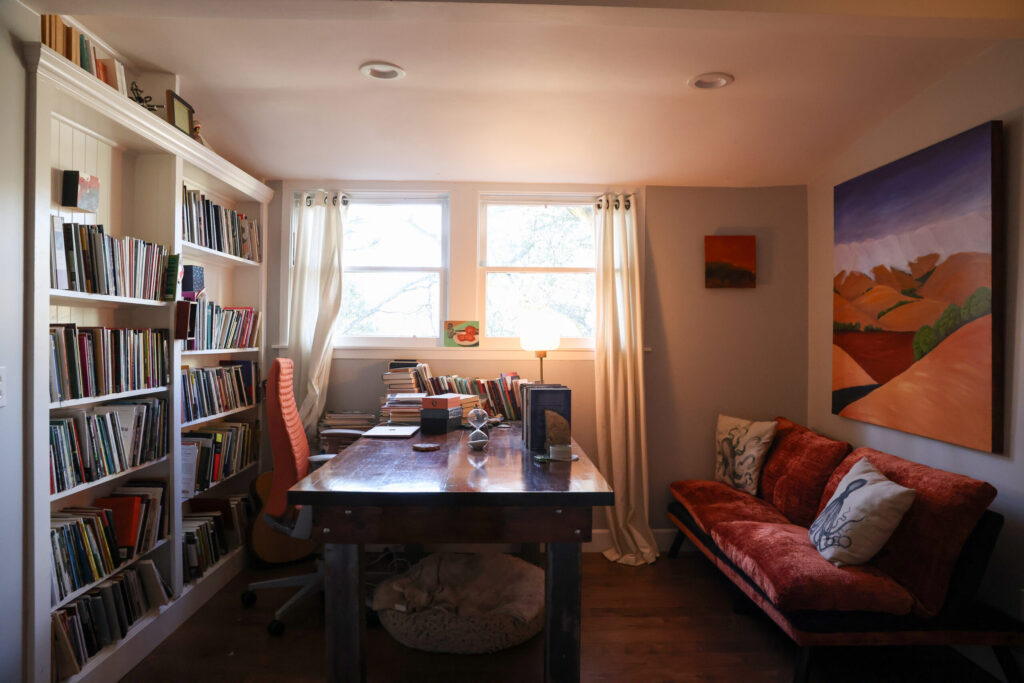
Moving back stirred complicated emotions. Her childhood bedroom is now her office, its shelves lined with slim volumes of poetry instead of “The Chronicles of Narnia” and “The Witch of Blackbird Pond.” Her parents divorced when she was young, and she split time between her mother’s home in Sonoma and the house in Glen Ellen, which her father bought for $36,000 in 1976, the year she was born. When she left the house, it coincided with her father’s move out of state and a painful separation from her baby half-brother, Bryce. She also has an older brother, Cyrus.
Sometimes memories alight like apparitions.
“It doesn’t only happen in the house,” she says. “It happens by the creek and in the regional park. It can be unsettling. If I’m in a conversation or working in my childhood bedroom, there are times when I hear something or see something, and I think, ‘Oh, that’s just me. That’s my younger self.’ It feels like I have a much more precarious relationship with time.”
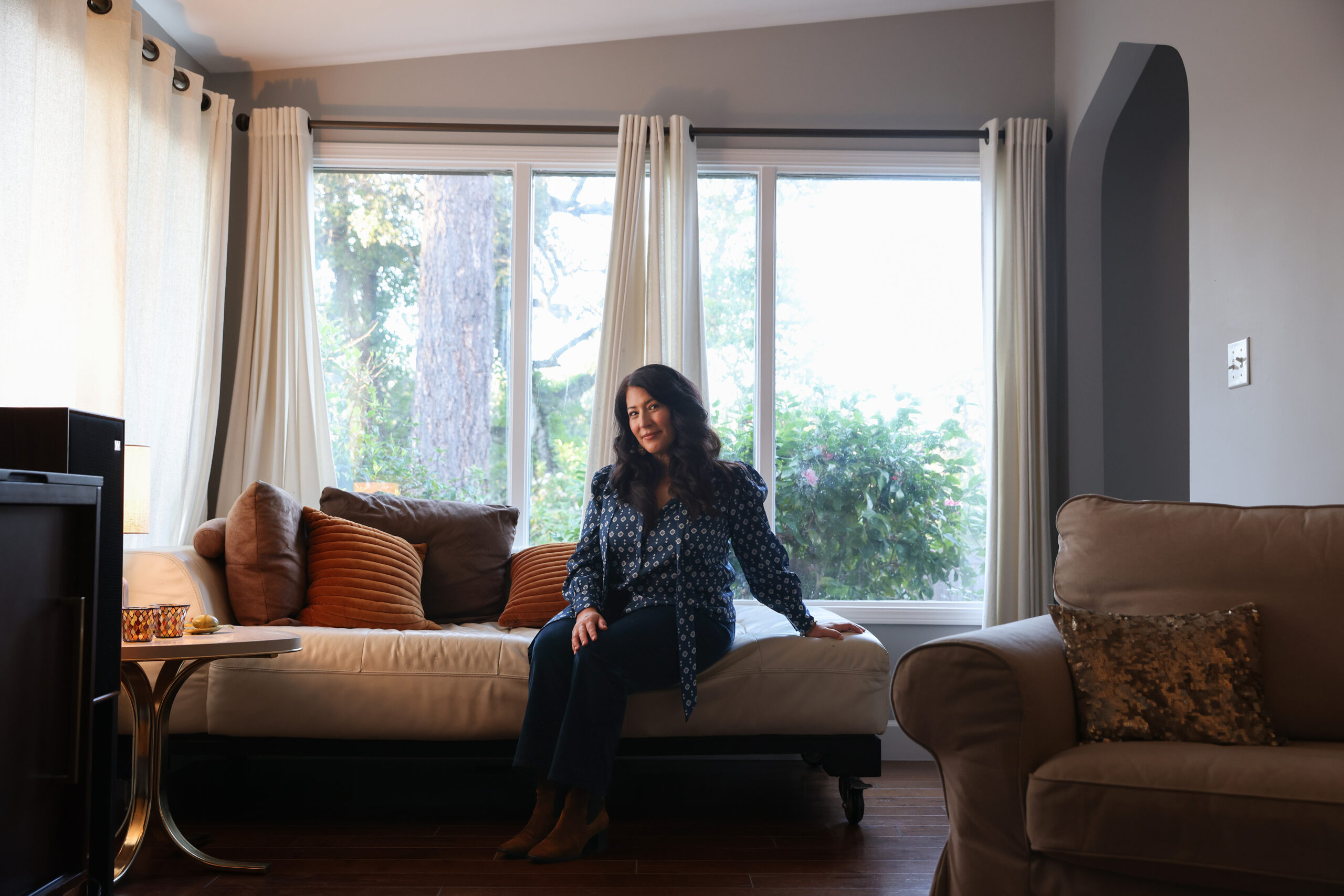
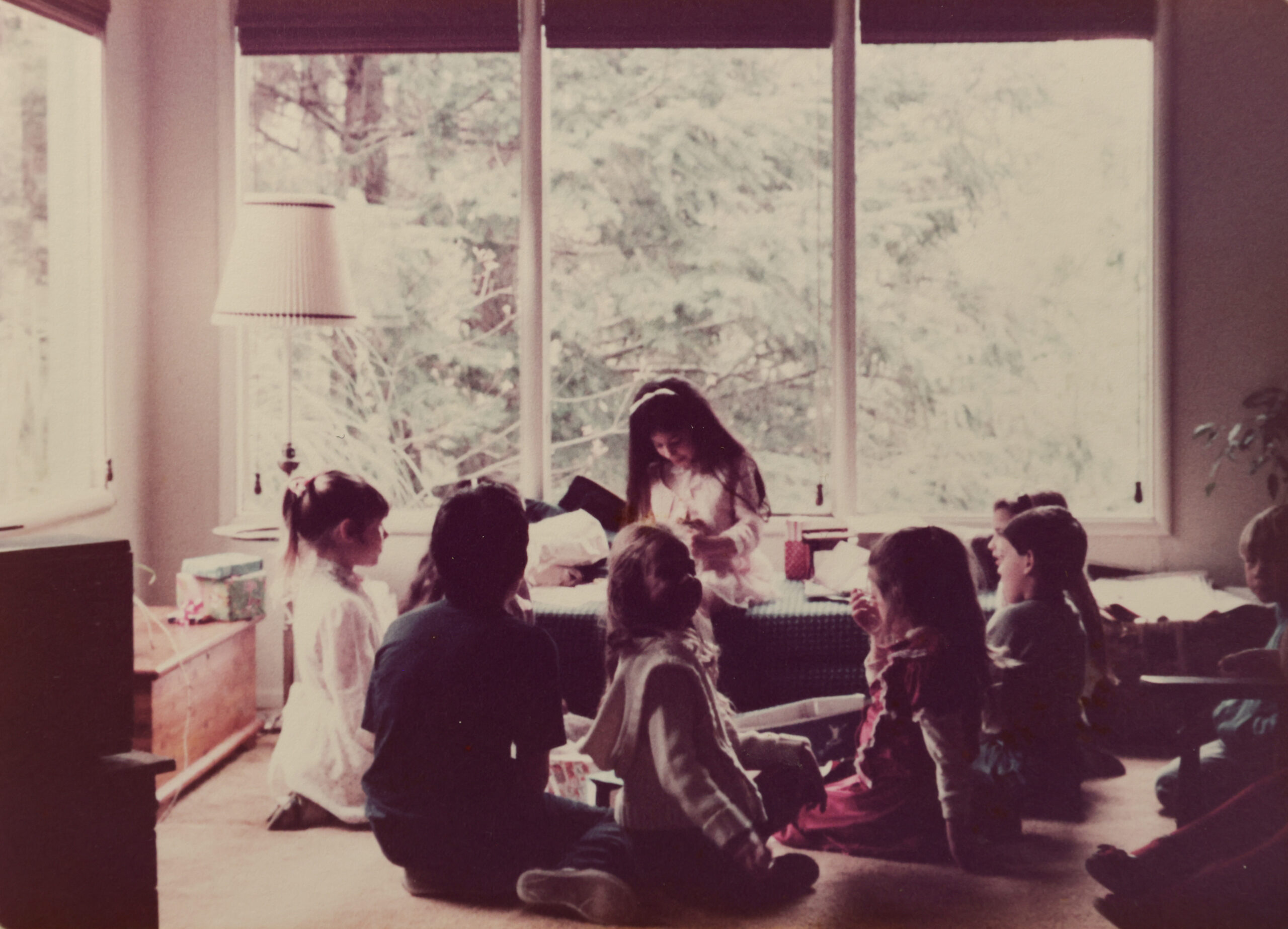
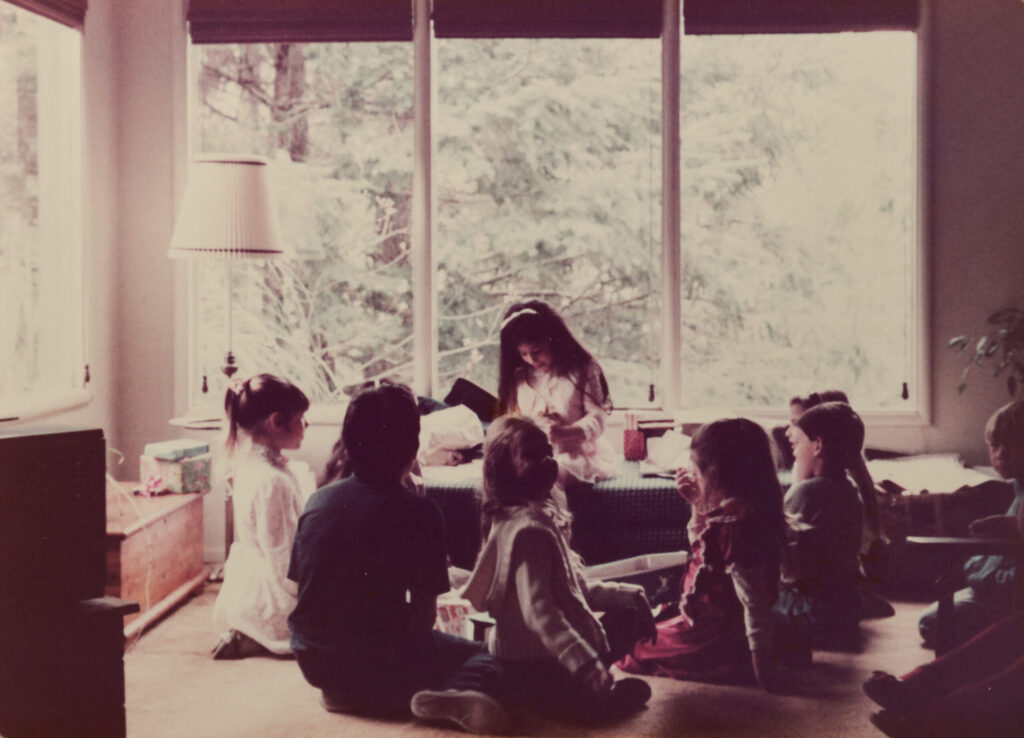
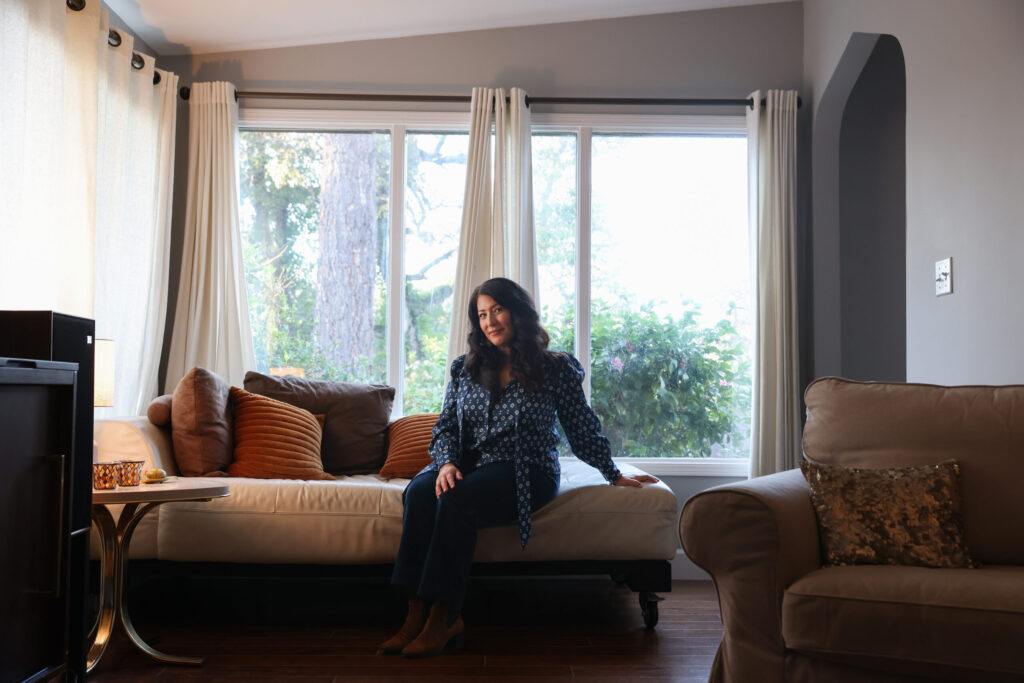
There are places that anchor her. She frequently curls up on a daybed by a picture window, reading or looking out at a valley oak whose bent branch once held a tire swing. A faded photograph shows her there on her fifth birthday, surrounded by friends she still keeps close.
“It’s also a great birdwatching spot,” she says. I see pileated woodpeckers right up there on that Douglas fir. It’s just really alive.” Another tree she “befriended” after being banished to the backyard as a child — which later inspired “Homesick,” a poem in her early collection “Sharks in the Rivers” — is no longer there.
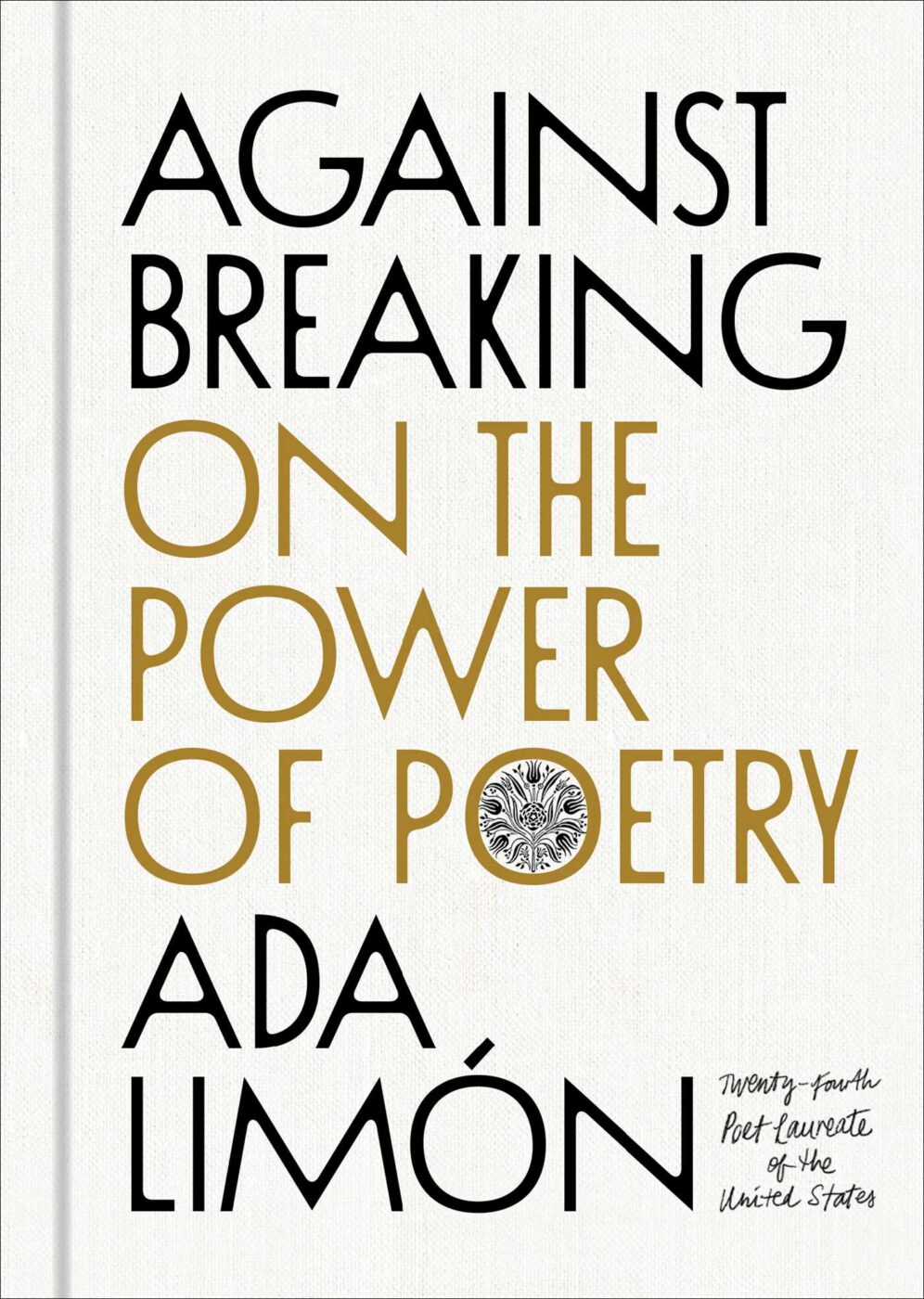
Last year, Limón published “Startlement,” an anthology of new and selected poems. In April, Scribner will release “Against Breaking: On the Power of Poetry,” adapted from the address she delivered at the end of her term as Poet Laureate. She had envisioned a celebratory event with fellow poets on the stage. But the recent presidential election, and what she describes as an administration unfriendly to the arts, shifted her tone. Instead, she wrote and read a heartfelt, uplifting essay about why poetry matters.
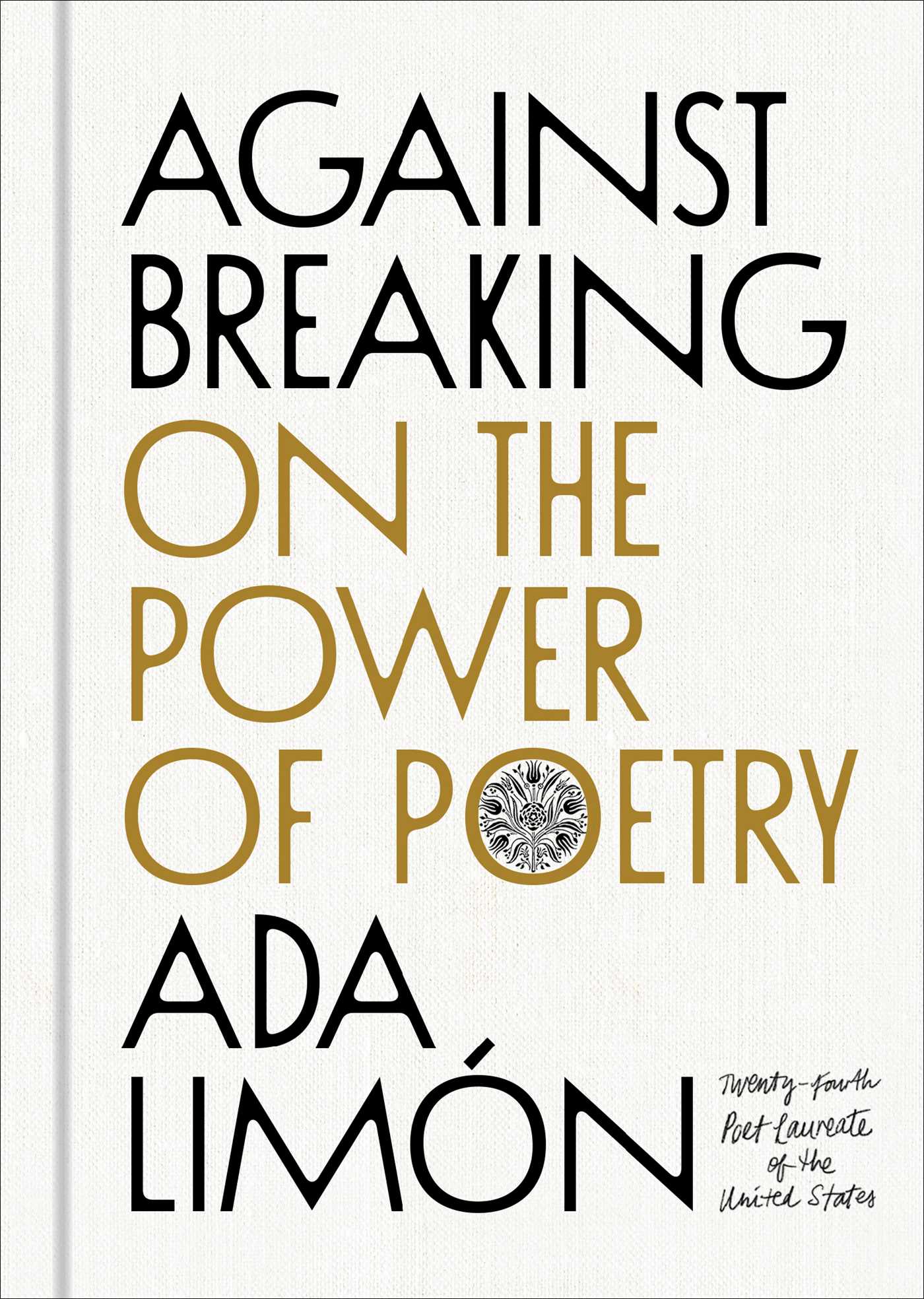
“It felt like a time to think about what the power of the arts could actually do,” she says. “I didn’t want it to be a defense of poetry. I wanted it to be a celebration of the power of the creative spirit.”
She dedicated the 50-page essay to Carla Hayden — the first African American and first woman to serve as Librarian of Congress — who appointed Limón as Poet Laureate and was dismissed from the post by Donald Trump in May 2025. “A lot of her work was undone,” Limón says, citing Hayden’s efforts to make the Library feel welcoming to all.
As a Latina, Limón says she feels more anger than fear in this political moment. “I don’t even think we’re angry enough yet,” she says. “I’m interested in what’s coming because I think we’re going to get angrier. I think the country needs it. I think the culture needs it. We feel like we’re at a breaking point, but I don’t feel like it’s here yet.”
Limón continues to “make poems” inspired by nature, a fragile world, and the human experience, traveling three to four times a month for readings and lectures. On a local level, she will be promoting poetry and writing as the City of Sonoma’s Treasure Artist for 2026. She hopes her reflections will help protect the minds and imaginations of her audience, just as they sustain her own.
She worries that imagination is being “co-opted by social media” and says she despises the use of artificial intelligence to bypass the creative process.
“The fact that it’s even entering the creative realm to me speaks to a soul-deadening place we are in in this society,” she says. “Here is the one thing that fills our soul — art making — and we’re going to somehow outsource that when it’s our one joy? The thing that makes us human?”
If she could offer one message, she says, it would be this: “Making art and spending time with art is of value. Writing a poem, and sticking it in your back pocket, and never showing it to anyone, is absolutely as important as a public poem because it’s claiming your brain power again.”
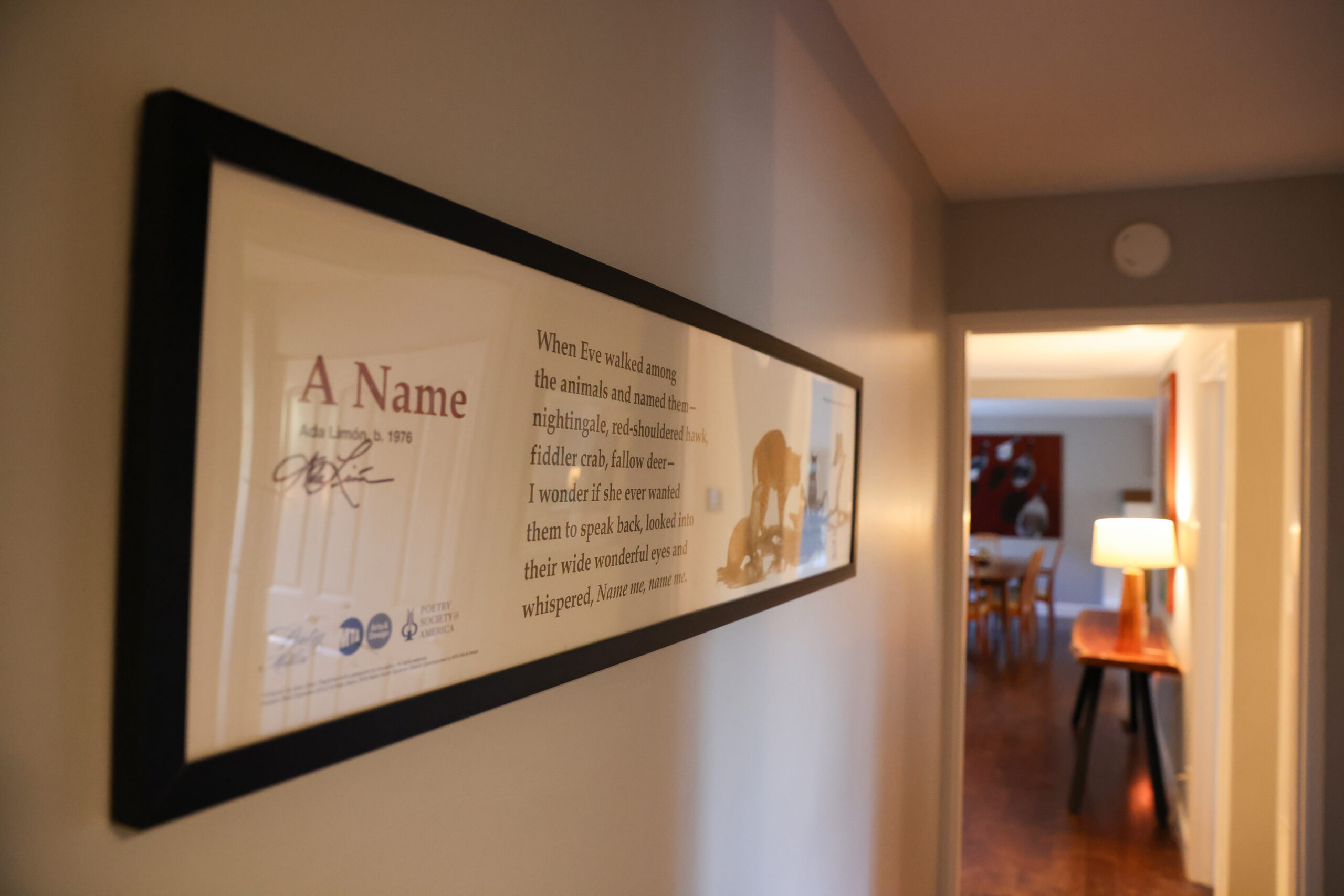
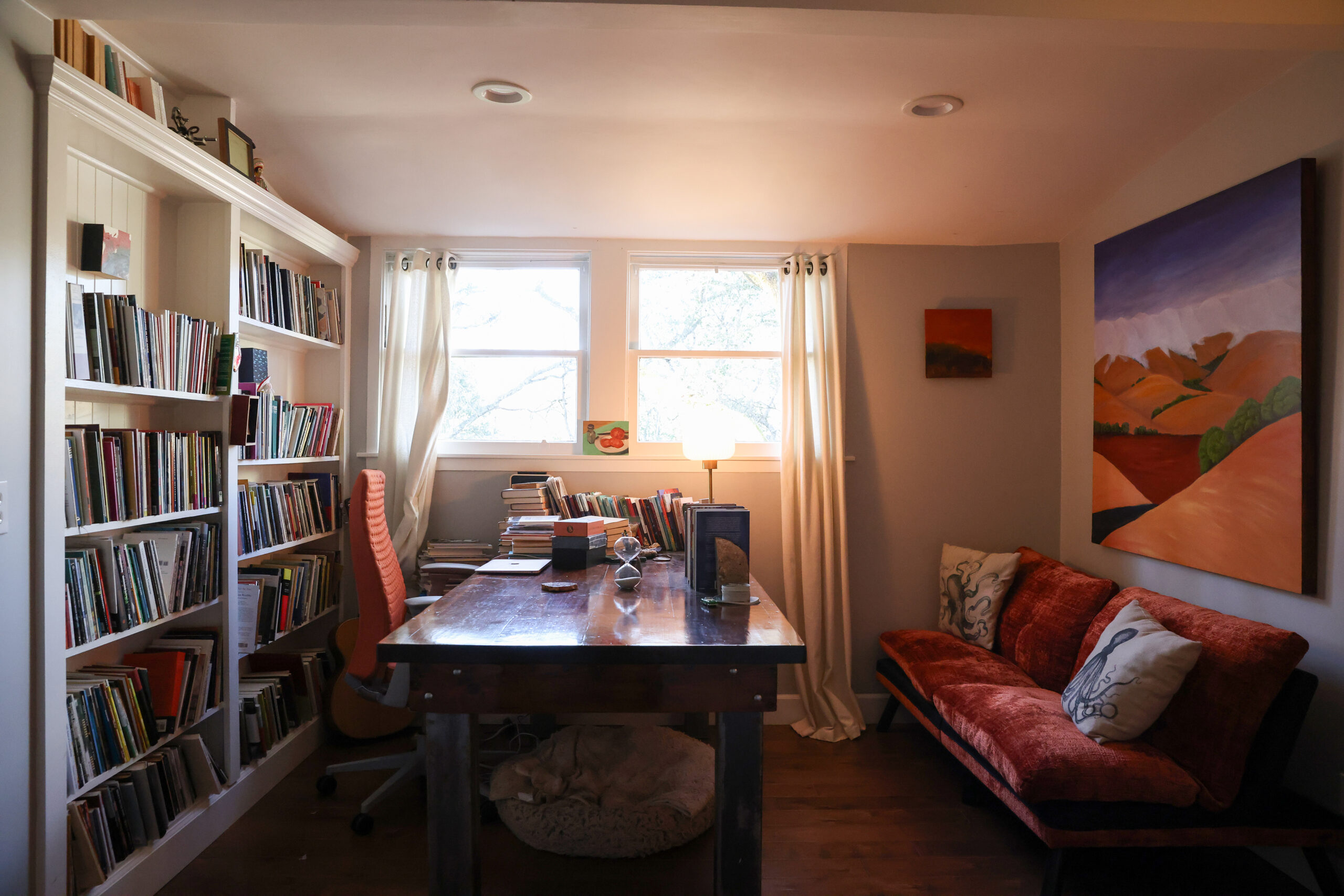
For Limón, poetry is a vehicle for exploring both the outer and inner worlds. In “The Carrying,” her National Book Critics Circle Award-winning collection, she weaves rich imagery from nature — dandelions, goldfinches, a symphony of frogs along the footpath near General Vallejo’s Home in Sonoma — into poems that capture both beauty and the burdens she carried: infertility, anxiety, and chronic pain. In “Almost Forty,” she reveals a longing for a long life.
Now, as she approaches her 50th birthday in March, Limón describes a sense of unburdening. “I just feel like I’m more grounded in a different way. I don’t have that kind of anxiety I used to have.”
She spends time with close friends navigating similar midlife awakenings. She has come to peace with not having children. “You spend a lot of time waiting for the universe to give you an answer, and sometimes the answer is no. But it gave me a different relationship with my art, and with my family.”
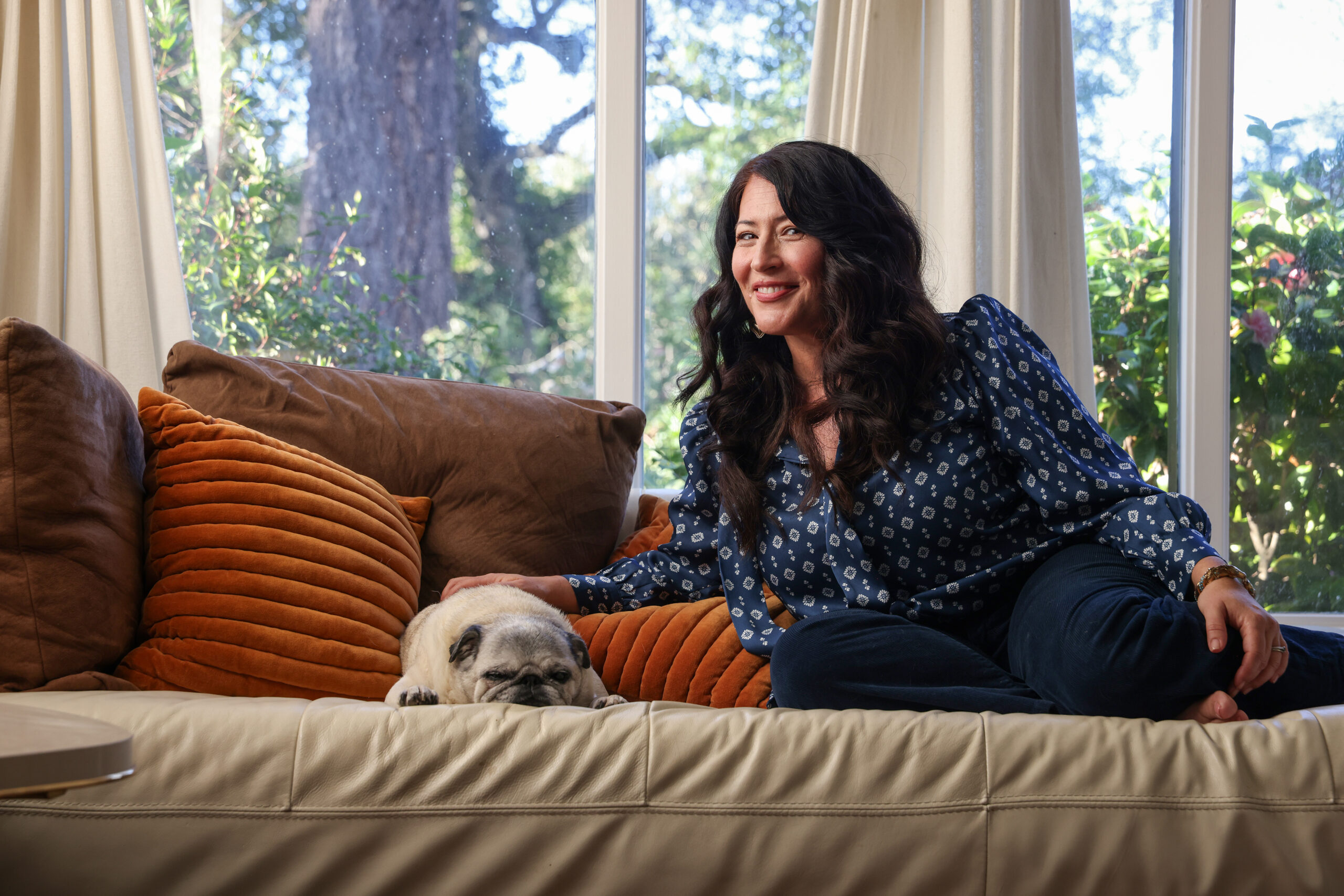
After years of writing about home from memory, she finally gets to “live inside” her poems. Glen Ellen, she says, “is the only place I want to be.”
“I feel more myself. I’m more embodied. And I think I’m interested in possibilities and the different ways that imagination can be freed,” she says, her brown eyes lighting up. “I think I’m more myself than I’ve ever been.”
Poet Ada Limón is set to visit Sonoma Valley High School’s Little Theater on April 2 to launch her new book, “Against Breaking: On the Power of Poetry.” The book officially releases on April 7, 2026. adalimon.com