


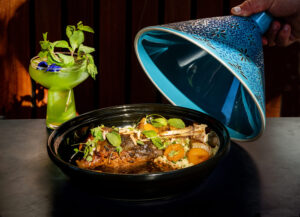
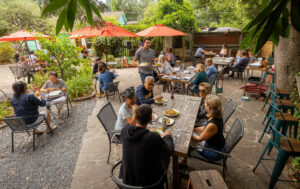
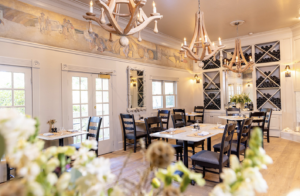
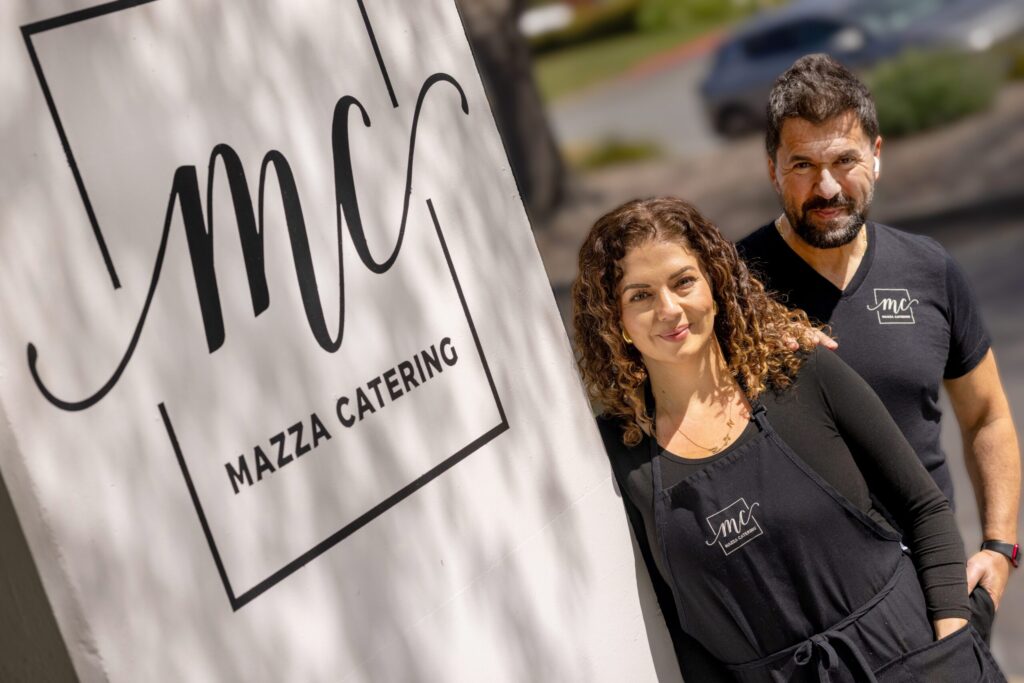
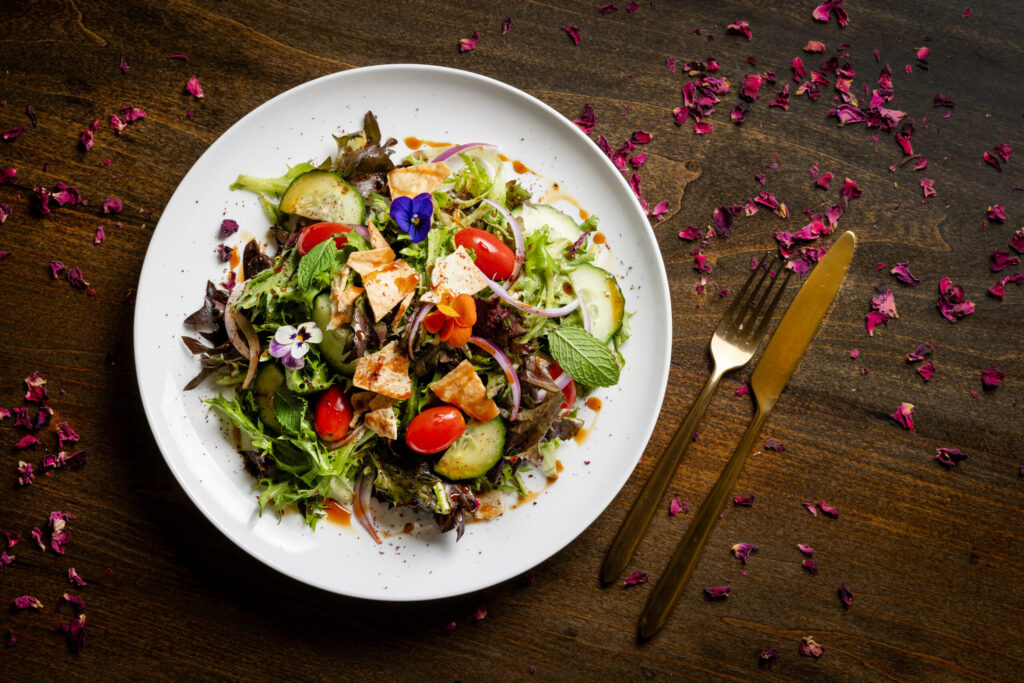

In a nondescript Petaluma industrial park, tucked behind pots of mint, oregano and basil, Mazza Kitchen is chef Kristina Daya’s love letter to Levantine cooking. Surrounded by breweries, medical offices and contractors, her catering business and newly opened grab-and-go cafe are rooted in warm spices, good olive oil and recipes shaped by family tradition.
Born into an extended Jordanian family of restaurateurs and home cooks, Daya has spent a lifetime around food. One of her earliest memories is rolling grape leaves in her grandmother’s kitchen at age 9, her grandfather beaming nearby. Her father is Adel Atallah, of the much-beloved Adel’s diners, and her uncles run several brunch restaurants in Sonoma County.
“That memory never fails to remind me that my love of being in the kitchen started there,” Daya said.
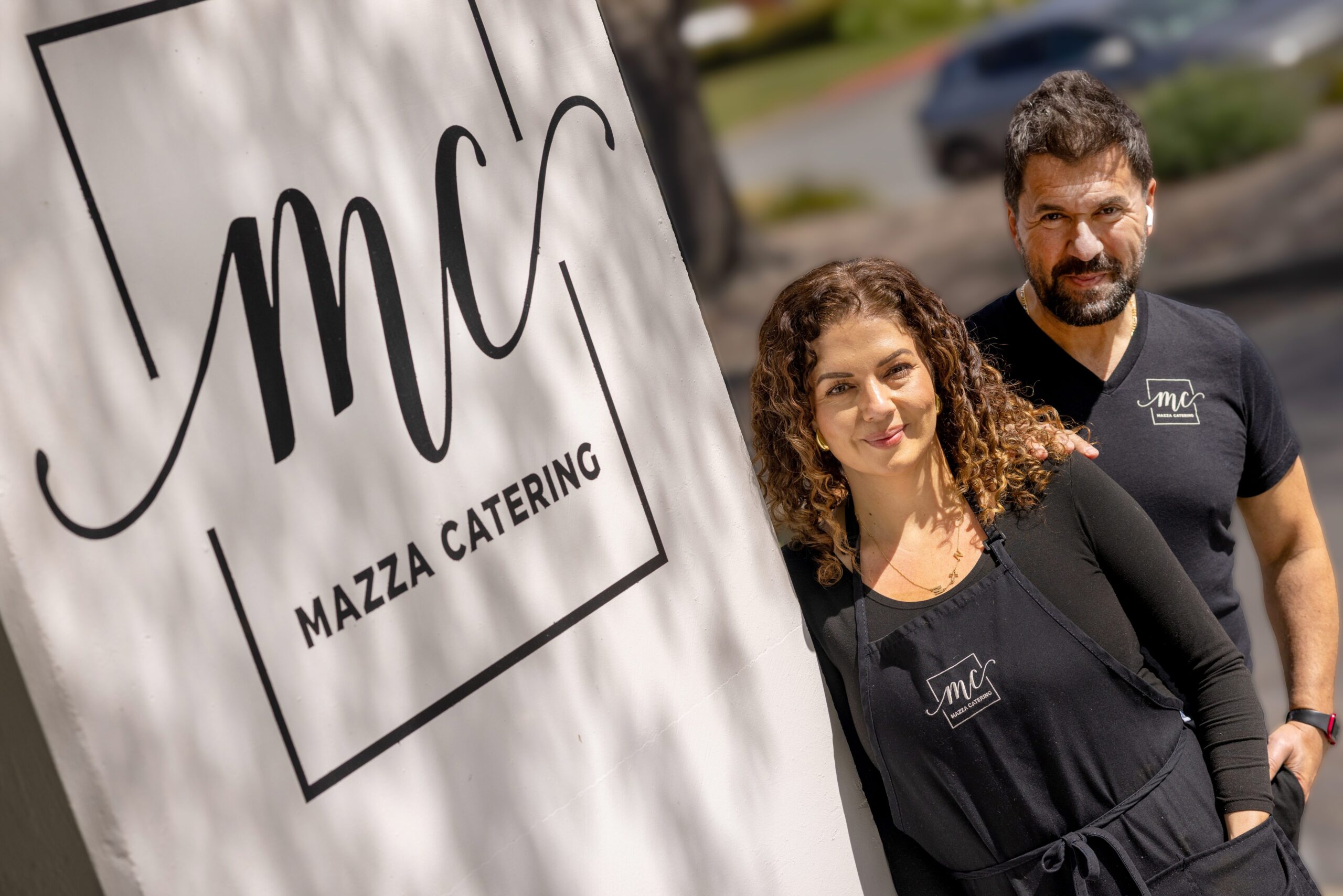
Now the co-owner of a successful wedding and event catering company she operates with her husband, Safwan, Daya remains focused on Levantine cuisine, most at home in the kitchen where herbs and spices are always within reach.
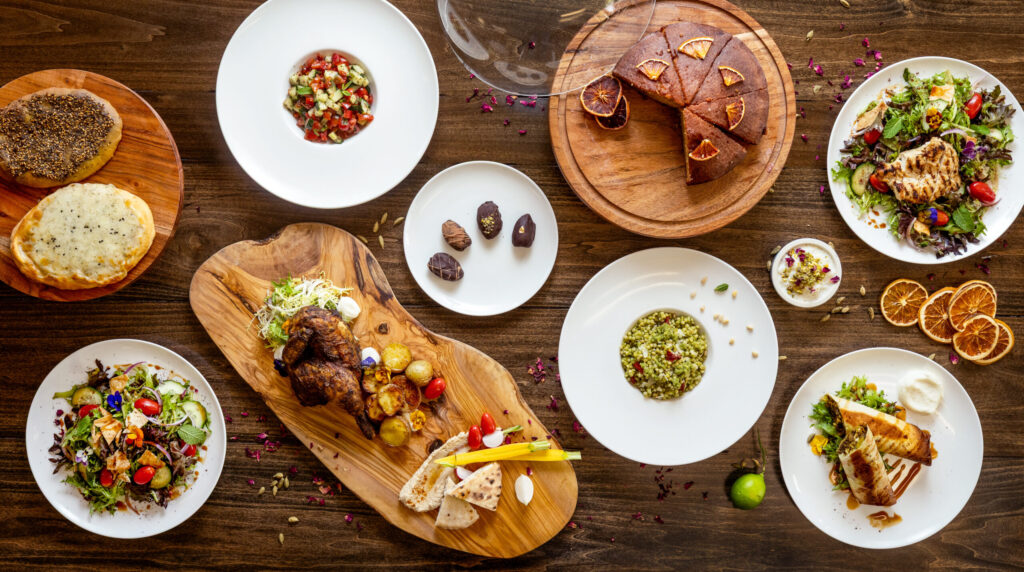
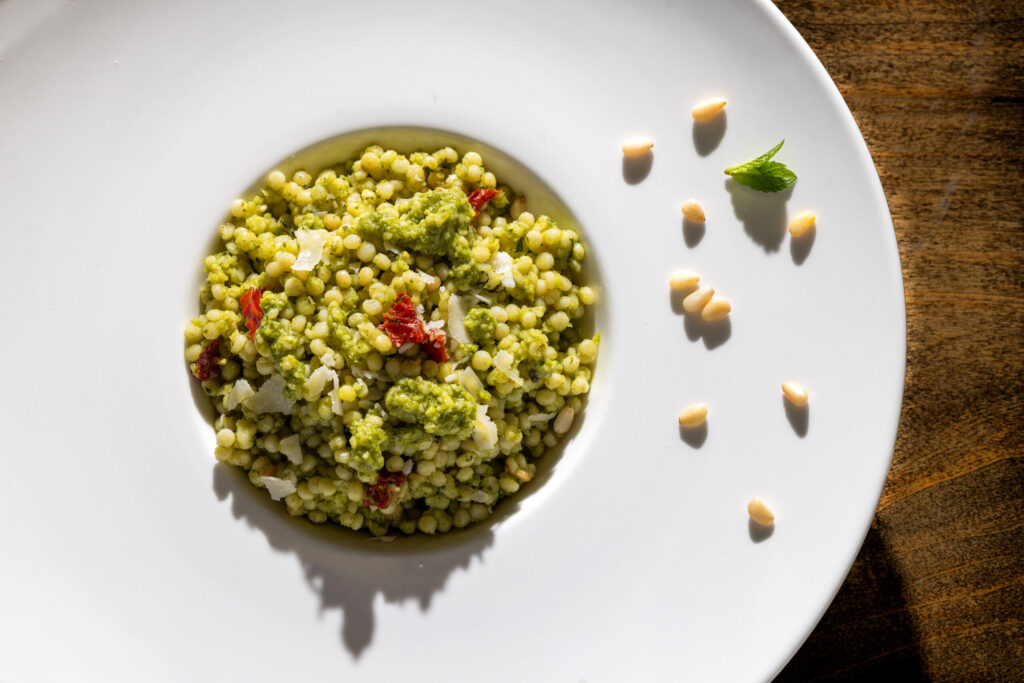
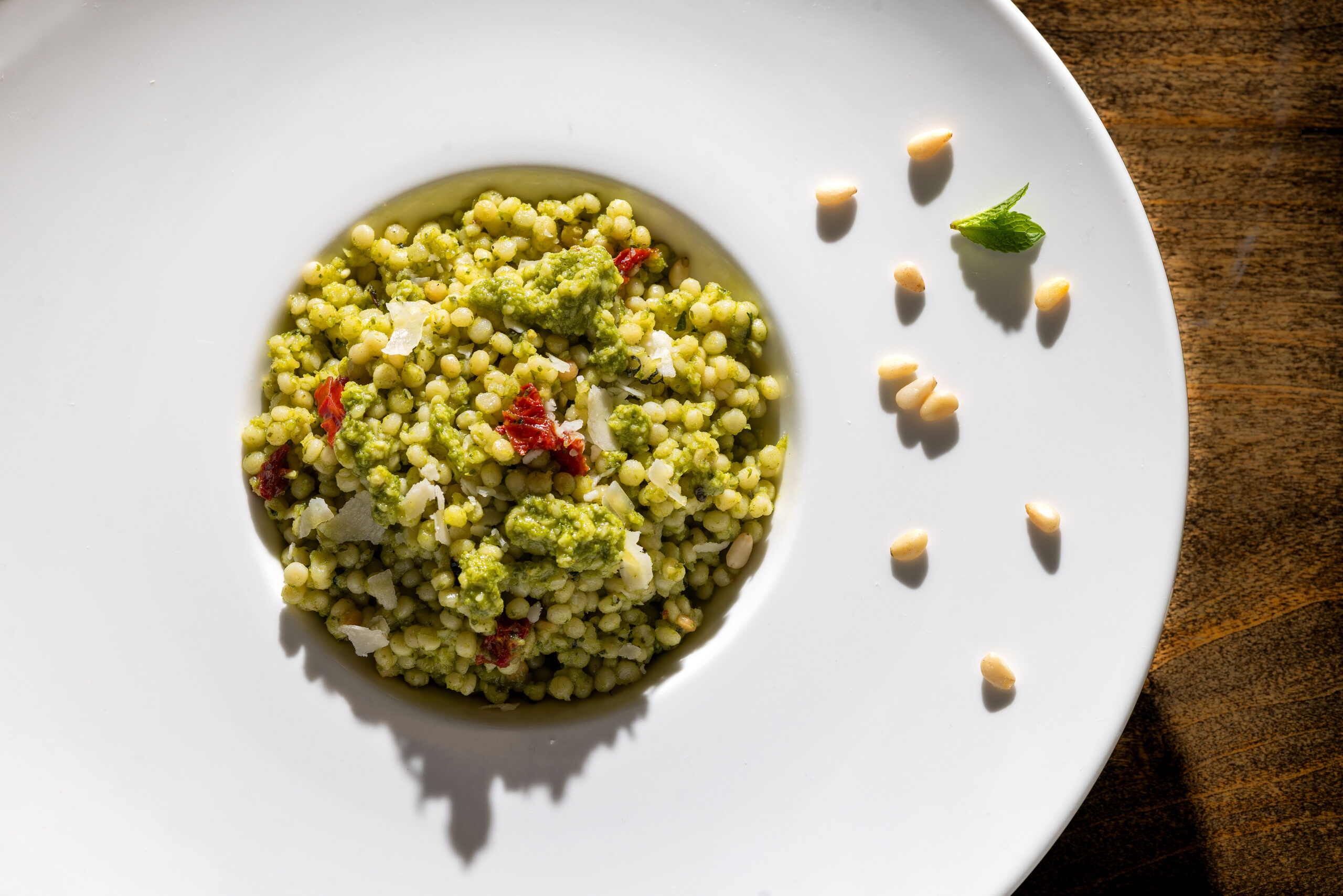
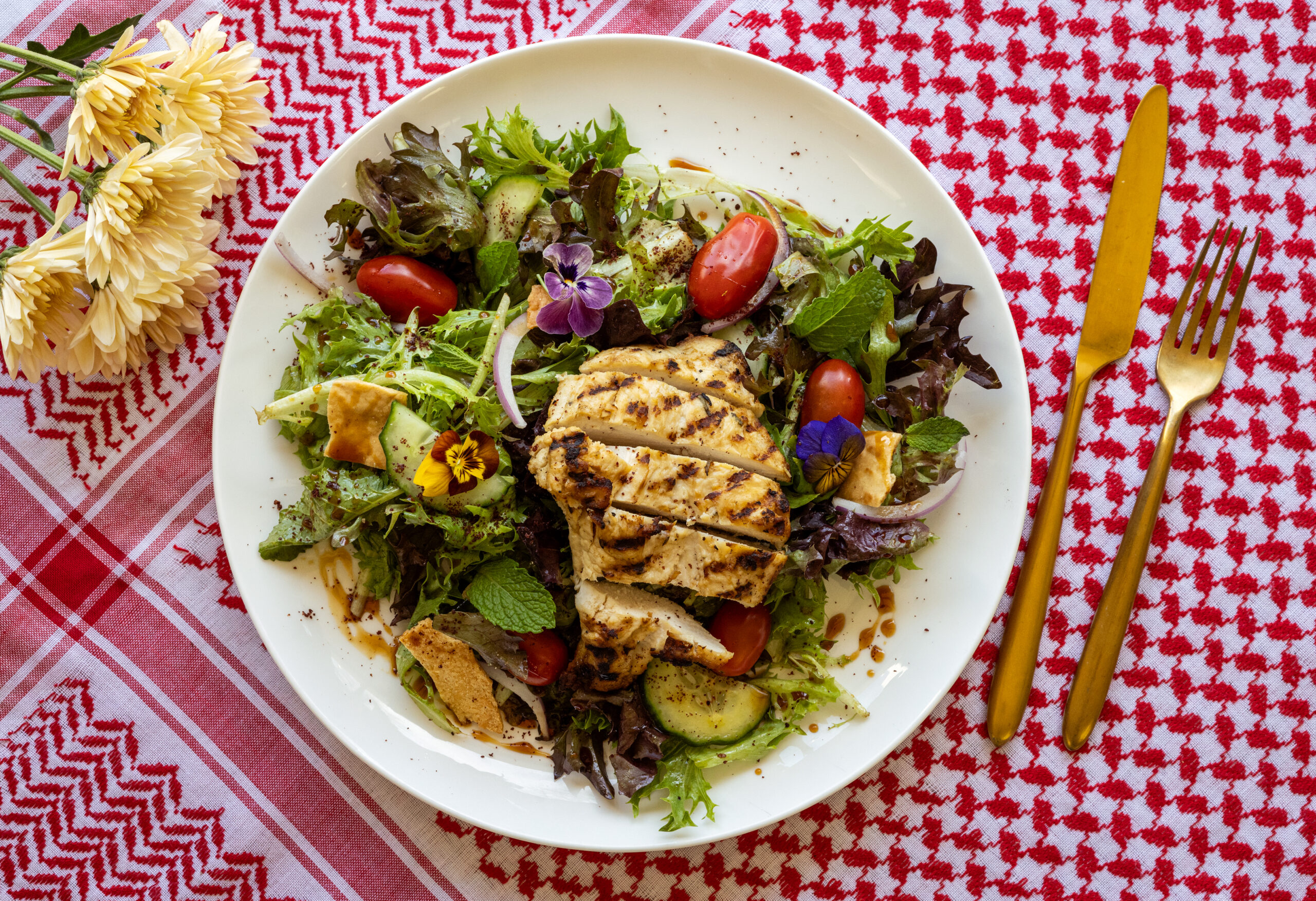
Her new daytime takeaway cafe, which opened March 25, brings many of those flavors to a broader audience. The concise menu — chicken shawarma, couscous salad with mint, manoushe flatbreads and chocolate-covered dates — is already drawing attention.
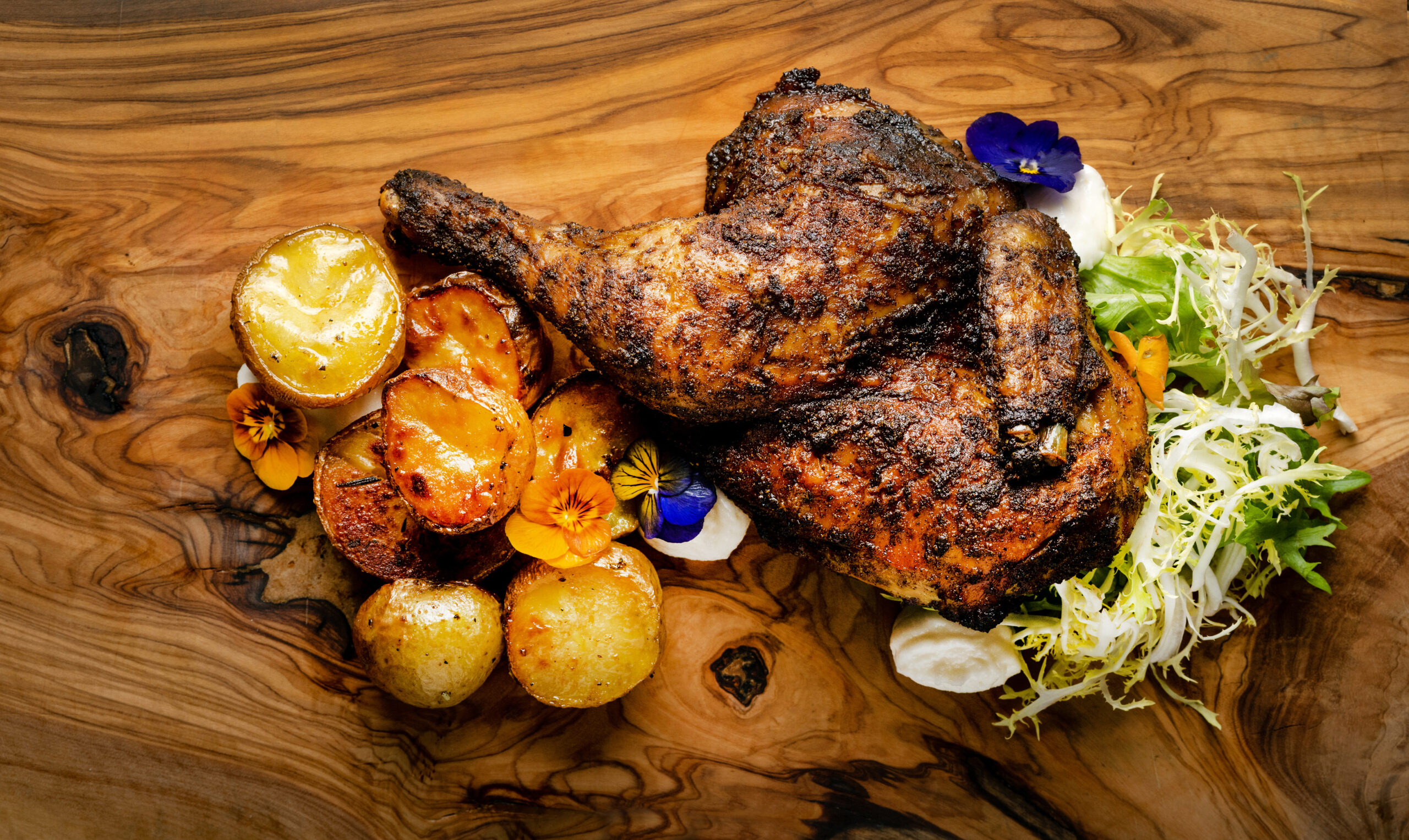
She is also making a bold claim about her roasted chicken: It will be the best you’ve ever had. Seriously.
The chicken
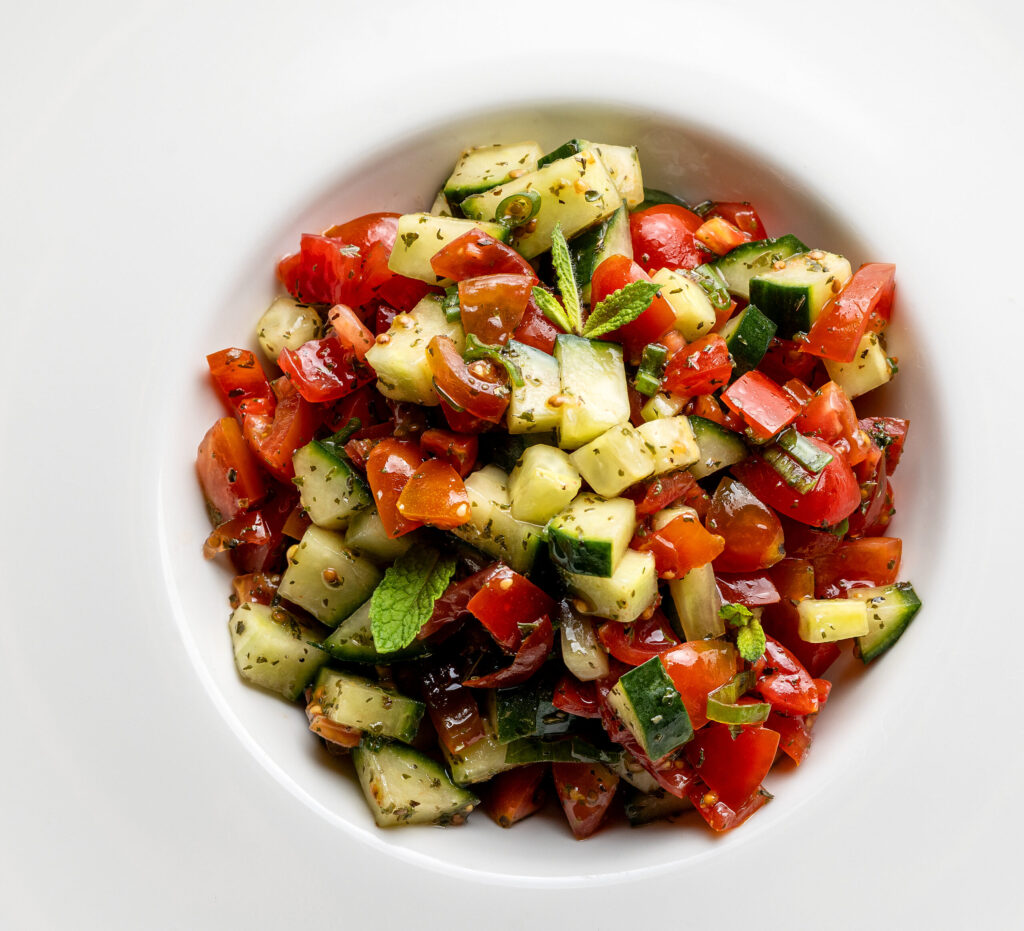
The containers of herbs growing outside Mazza Kitchen are more than decorative. Mint, in thick, fragrant clusters, finds its way into couscous and salads. Still, the small garden is only a fraction of what Daya relies on to source ingredients, including home herb plots, citrus trees and local farmers.
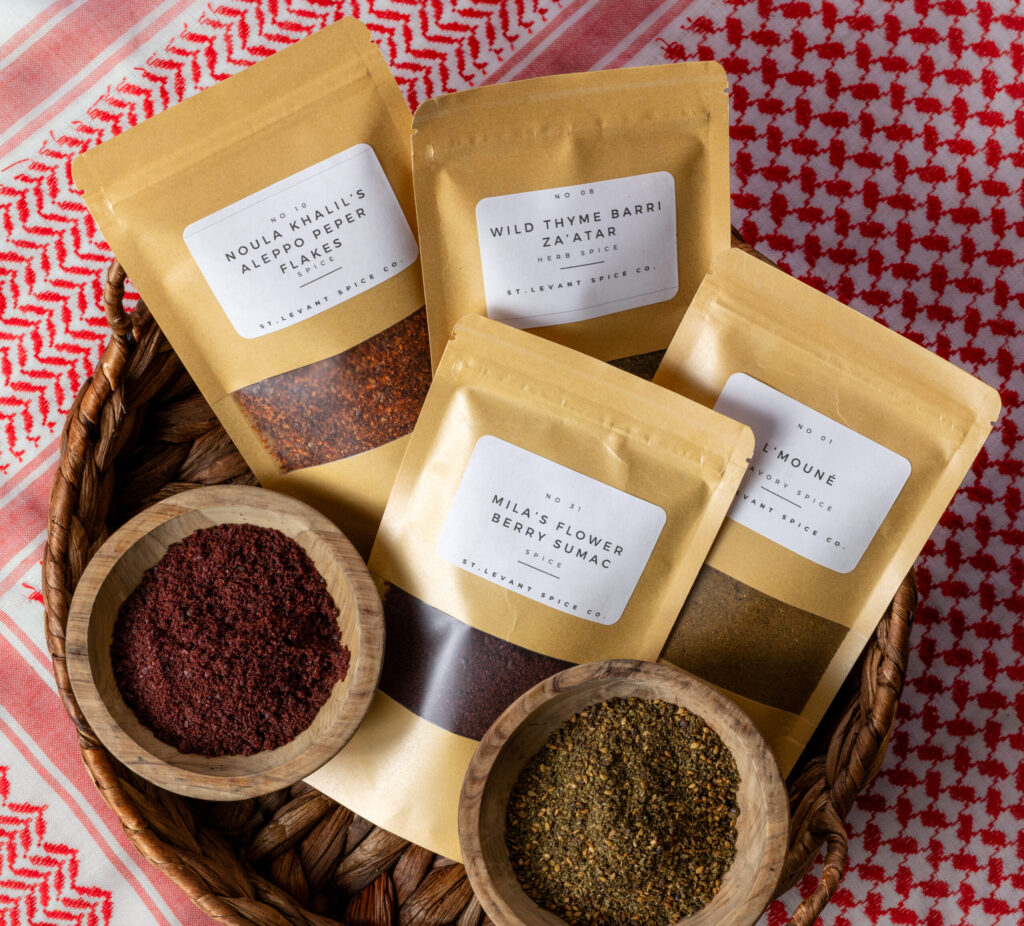
Herbs, both fresh and dried, along with spices like cinnamon, turmeric, cumin, cloves, sumac, coriander and cardamom, form the backbone of Levantine cooking. Early in her catering career, Daya tempered those flavors. Now, she leans into them, layering za’atar — a blend of thyme, oregano, toasted sesame seeds and sumac — and her signature roasted chicken spice rub with confidence.
The L’Moune roast chicken blend she sells includes 17 ingredients, among them a wild herb without a clear English translation, another that grows only in a specific region of Jordan, and curry powder and allspice. On annual trips to Jordan, she returns with suitcases of dried herbs and spices she cannot find elsewhere.
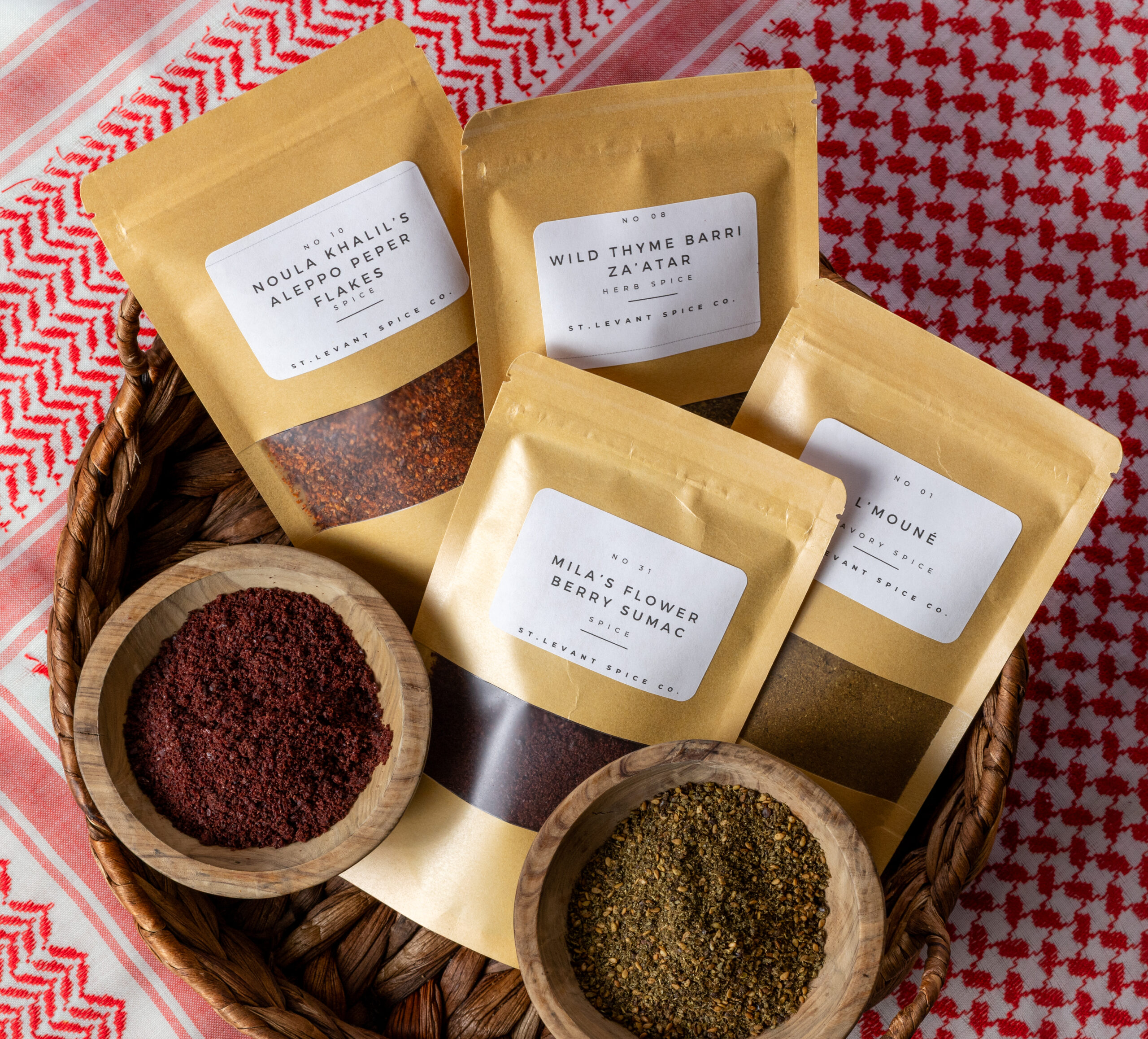
“My spice and olive oil collections are my treasure chests,” she said.
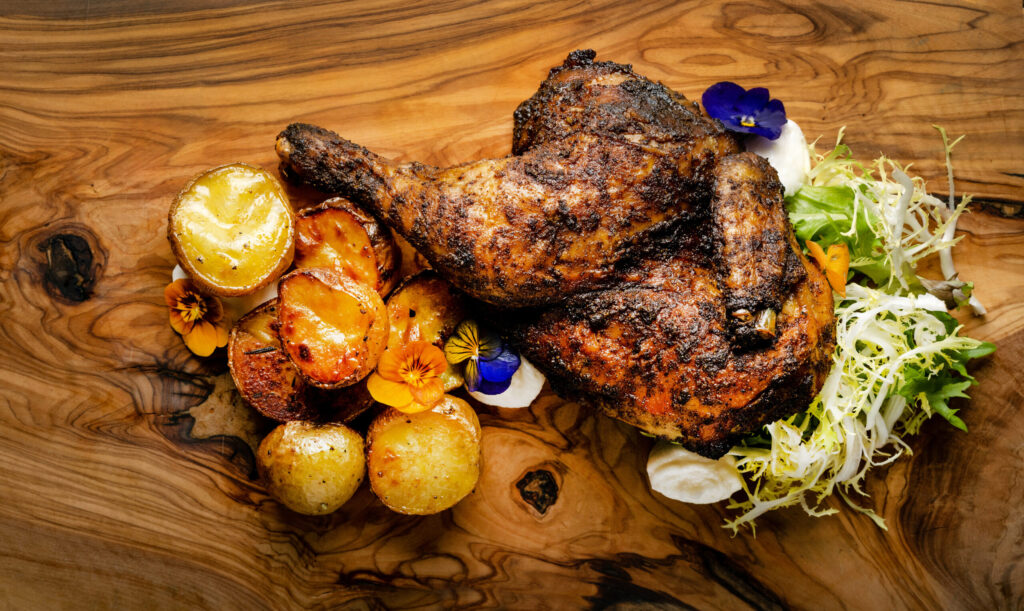
The roast chicken at Mazza is encrusted with that savory, earthy blend, the skin crisp and the meat juicy and aromatic. Brides have requested it for weddings; entire events have been built around it. A Bon Appétit writer once tried to get the recipe, Daya said.
“You tell me,” she asks customers, raising an eyebrow, “is it the best chicken you’ve ever had, or do I have to change the name?”
The name has held for 15 years. It is, indeed, among the best.
The Levantine
Calling the food of the Levant — Jordan, Syria, Lebanon, Palestine and Israel — simply “Middle Eastern,” Daya said, flattens a wide range of regional differences. The meat-, rice- and dairy-driven cooking of desert Bedouins, for example, contrasts with the fish, olive oil and produce-forward dishes of the Mediterranean coast.
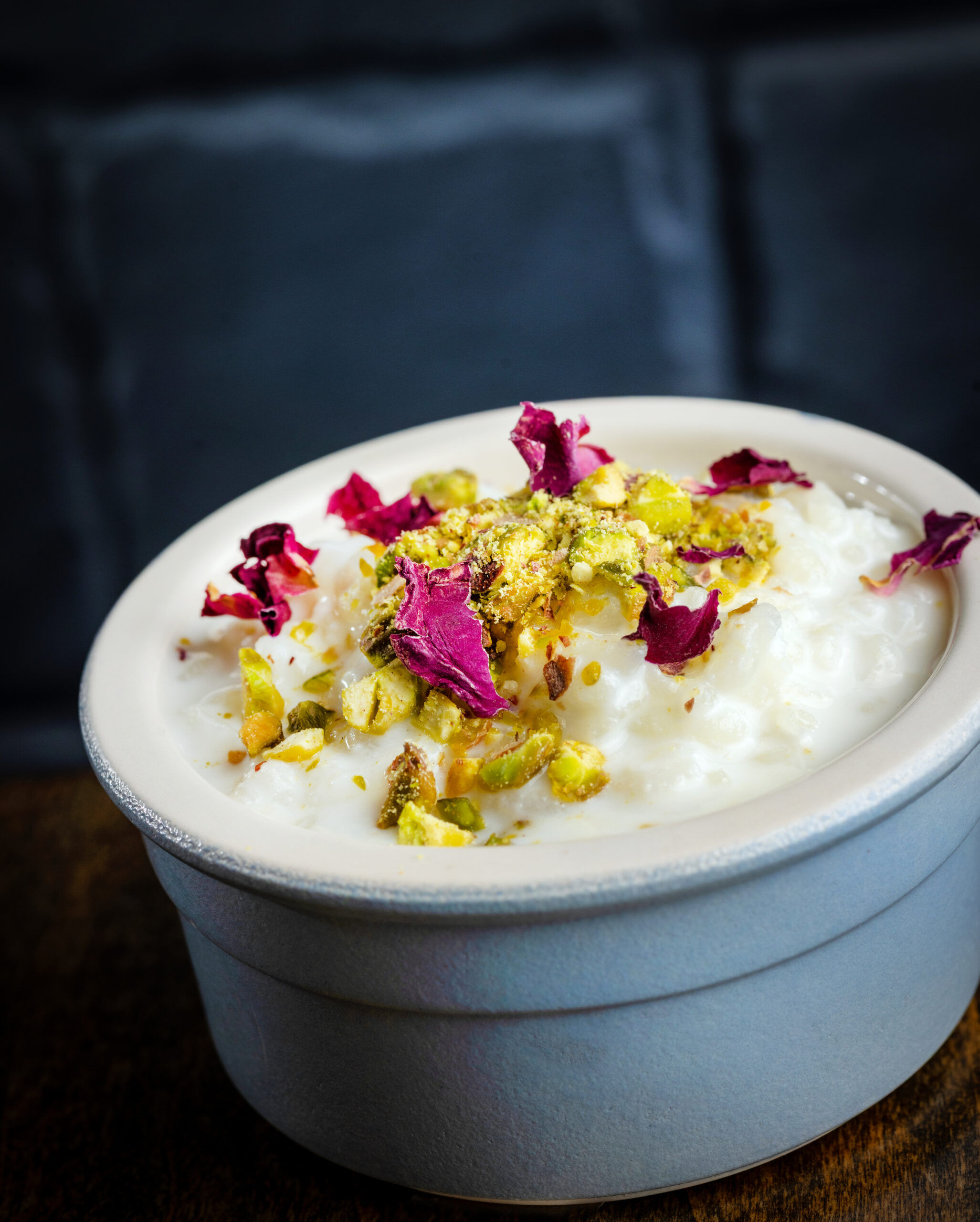
What unites these traditions is a culture of communal dining. Families and friends gather around shared platters of rice, meat, vegetables and bread. The term “mazza,” Daya said, reflects that spirit — a style of eating meant to be social and shared.
“Ours is a culture of eating,” she said. “We share all of our food out of one plate. It’s a joyful time and a way to soften the heart.”
Greeting each guest as family, Daya immediately disarms everyone she meets. In a region shaped by ongoing unrest, she is mindful of how food can bridge divides, and of the importance of preserving her heritage.
“The peak of my happiness is with my kids and husband somewhere in the Middle East — walking through the cobblestone streets of Lebanon, smelling the jasmine in Damascus and feeling the golden sun in Jordan,” she said. “They make me feel at home.”
“I wish the ugliness of wars and unrest in the region would go away so more people could experience it,” she added.
For now, she recreates it in her kitchen, with the herbs and spices she brings home in bulk.
Best bets
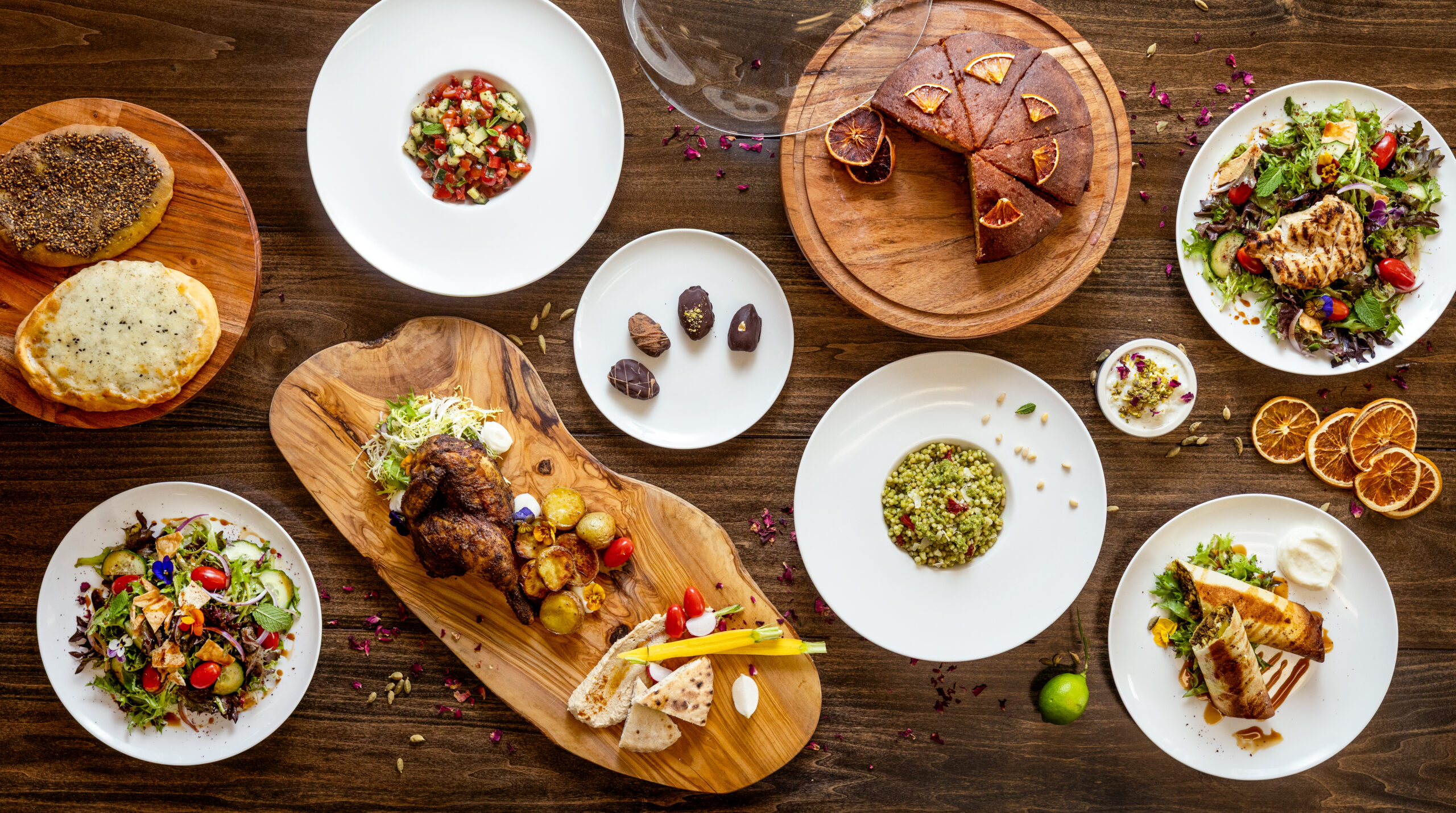
Levantine Roast Chicken, $17: A half chicken coated in a 17-spice blend, with deeply savory flavor, a juicy interior and crisp skin. What makes the dish legendary is the side of batata — creamy, dreamy roasted potatoes — and garlicky toum.
Toum, $2: You’ll never look at aioli the same way after an afternoon with toum, a powerful garlic emulsion similar in texture to mayonnaise but far more intense. Made from garlic, citric acid, ice and slowly incorporated olive oil, it requires precision. “Toum is to us what the omelet is to the French,” Daya said. “Very basic ingredients, but very easy to ruin.”
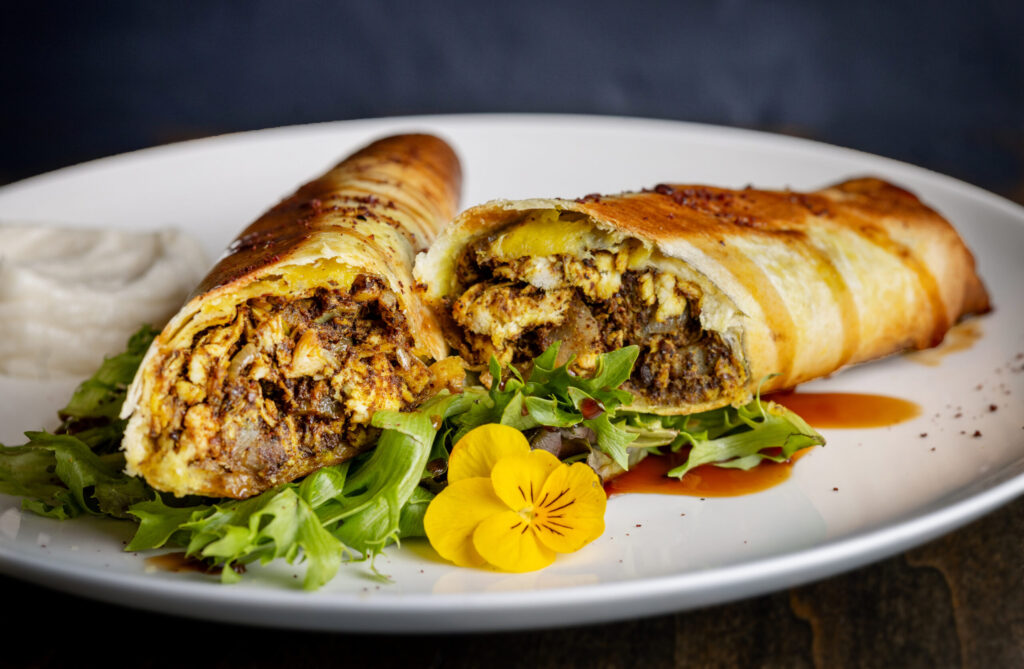
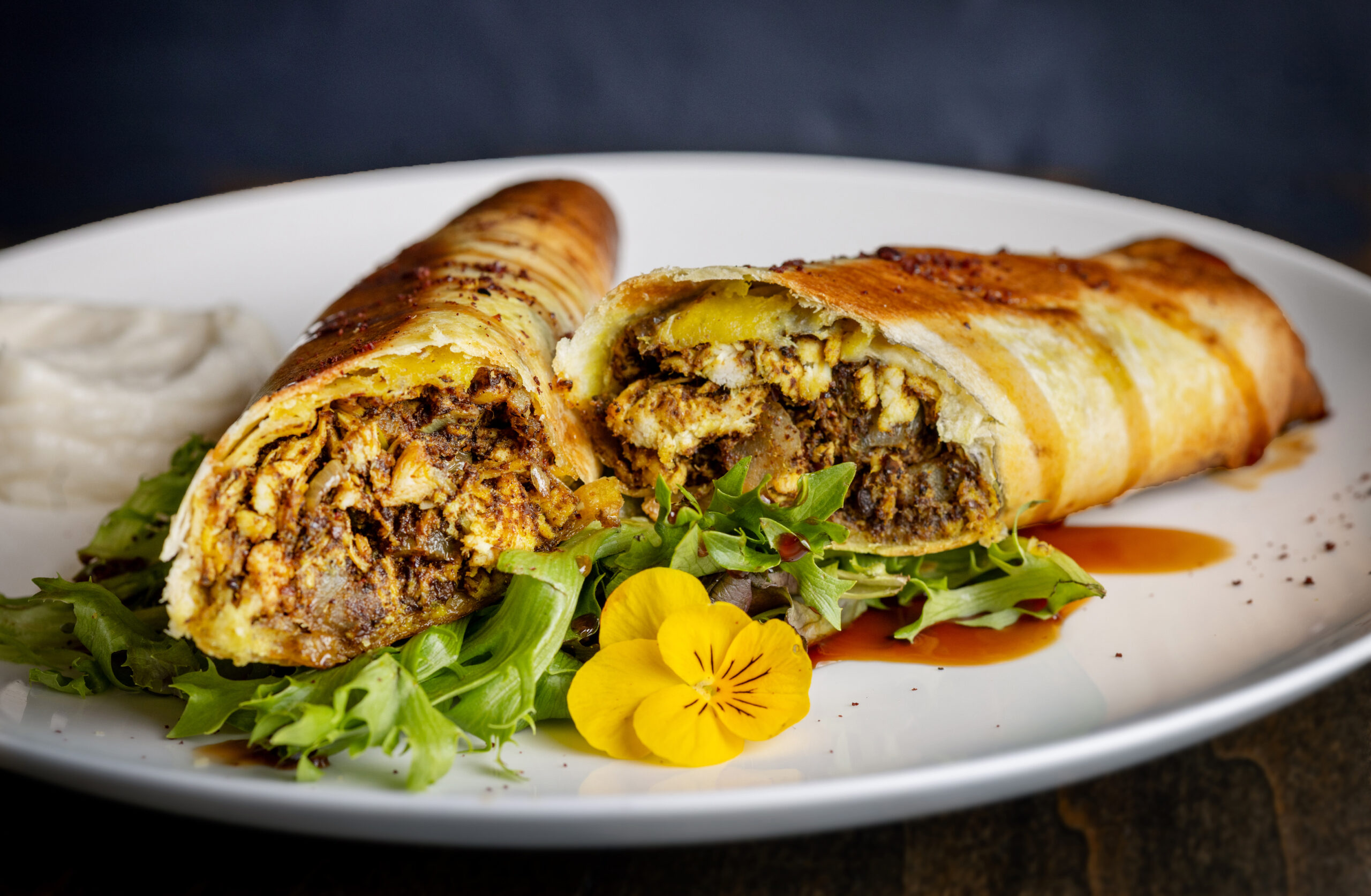
Shawarma Wrap, $8: I’m obsessed with the shredded chicken, caramelized onions and warm spice blend that defines this street food favorite. Wrapped in thin lavash, toasted and finished with pomegranate molasses, it is my new favorite lunch. Make sure to get some toum for dipping.
Manoushe, $7: A soft, versatile flatbread that’s breakfast, lunch, snack or on-the-go meal in the Middle East. Daya serves it with olive oil and za’atar, or white sheep’s milk cheese.
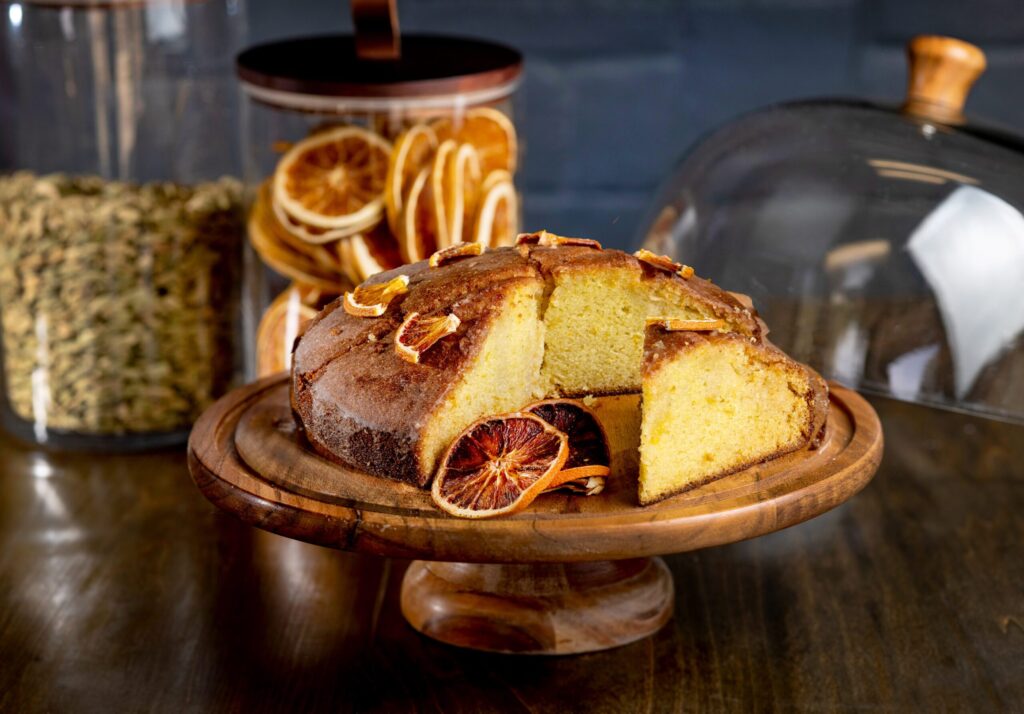
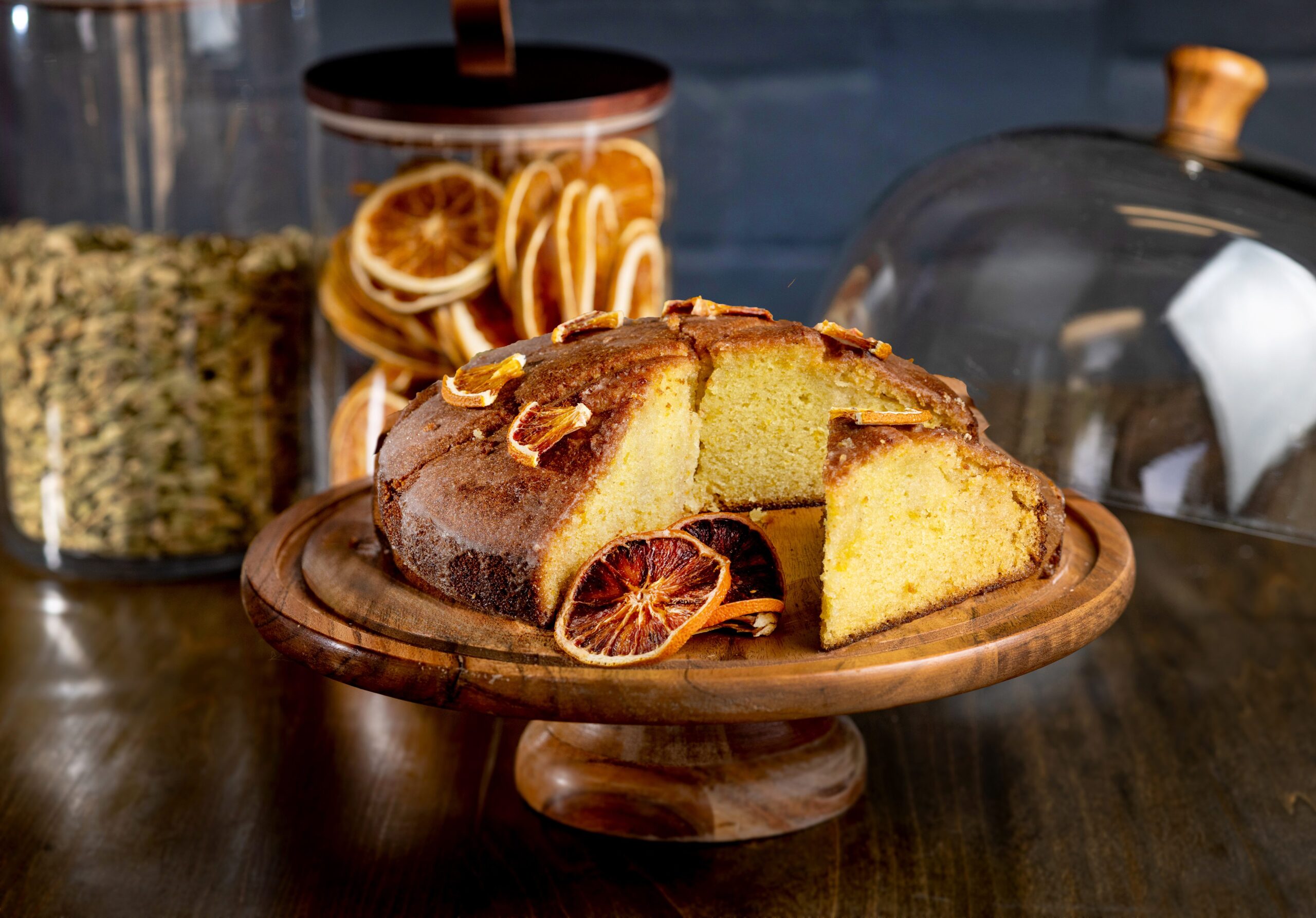
Olive Oil Citrus Cardamom Gateau, $7: A sweet-savory cake made with olive oil instead of butter, giving it a heartier but incredibly moist crumb.
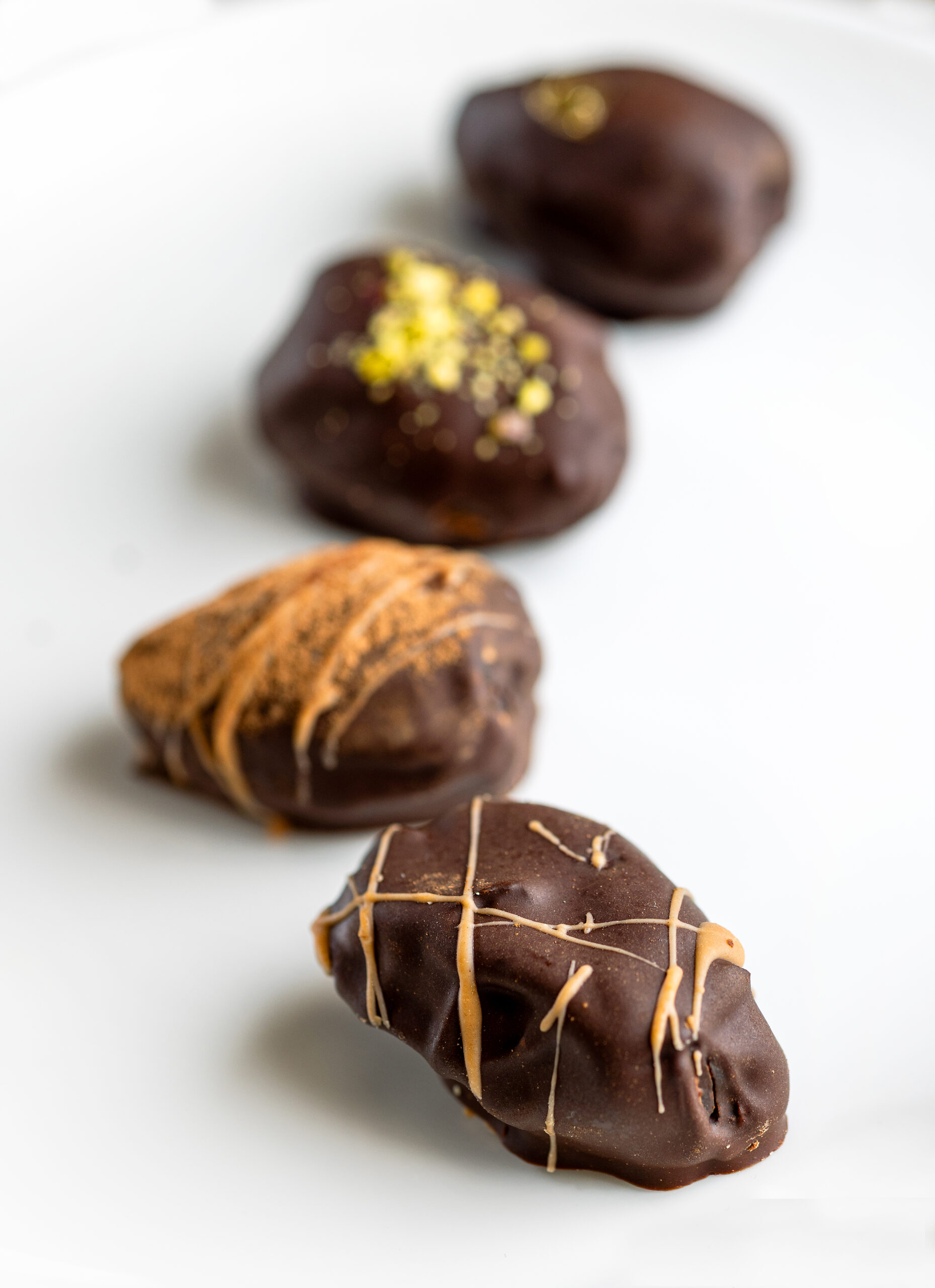
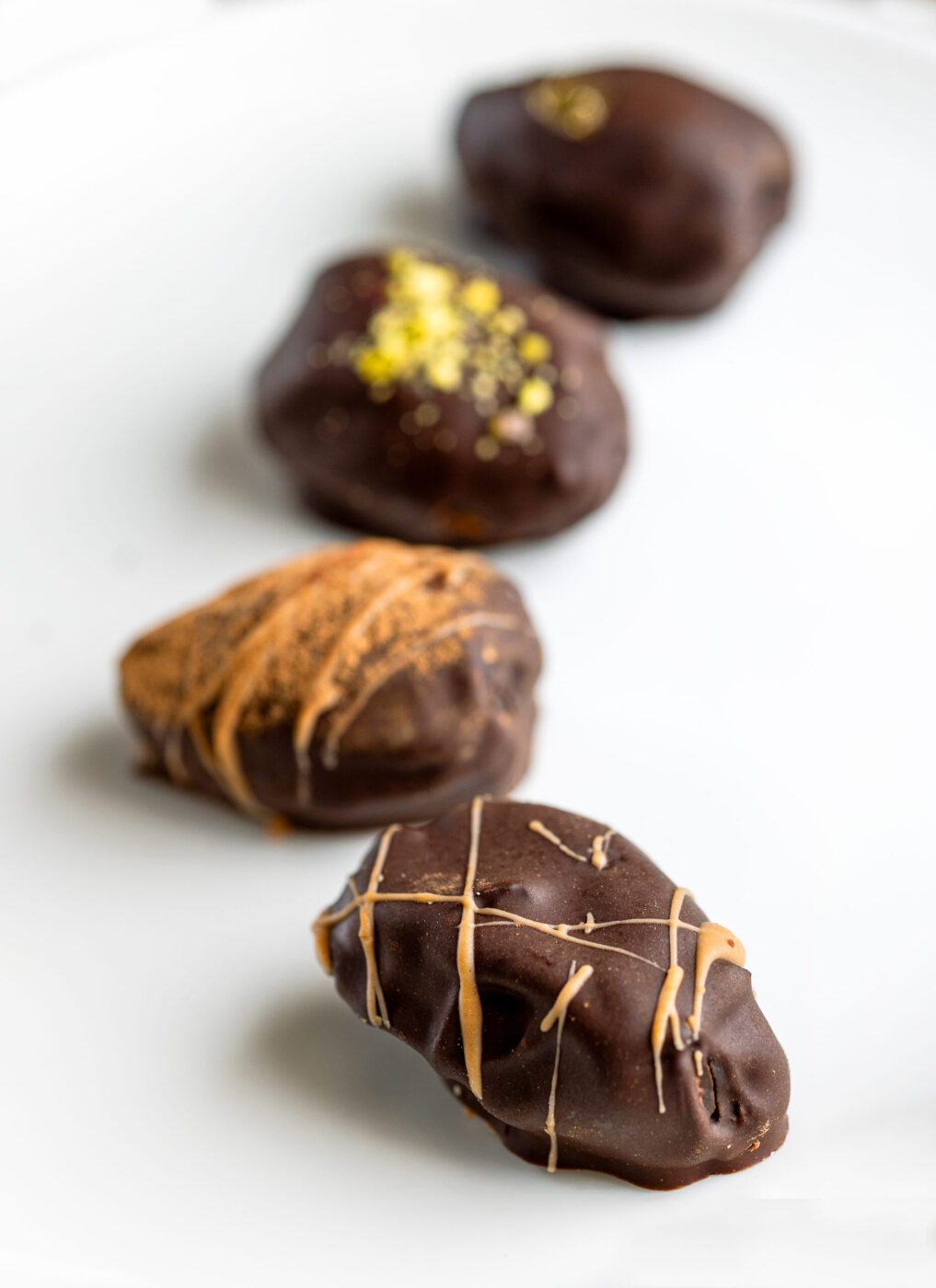
Chocolate-covered dates, $3: Hate dates? Not anymore. Soft, caramel-like palm fruits turn into something magical when coated in dark chocolate. Less sweet than a truffle, but equally delicious.
Mazza Kitchen is open 10 a.m. to 2 p.m. Monday through Friday at 1000 Clegg Court in Petaluma. 707-953-3359, Instagram.com/kitchen_mazza